
TB-500 Benefits: Comprehensive Research Insights for 2025

Imagine a synthetic peptide so powerful that it's banned from competitive sports, yet holds tremendous promise for advancing our understanding of tissue repair and cellular regeneration. TB-500, derived from the naturally occurring protein Thymosin Beta-4, has captured the attention of researchers worldwide for its remarkable ability to promote healing at the cellular level. The tb500 benefits observed in laboratory studies span from enhanced wound healing to potential neuroprotective effects, making it one of the most studied peptides in regenerative medicine research.
Key Takeaways
• TB-500 promotes angiogenesis by upregulating VEGF, enhancing blood flow to injured tissues and accelerating healing processes
• Anti-inflammatory properties help reduce swelling and pain by modulating cytokine production and inflammatory markers
• Enhanced cellular migration and differentiation, particularly in stem cells, supports tissue repair and regeneration
• Cardioprotective effects demonstrated in animal studies show improved cardiac function following injury
• Limited human clinical data means optimal dosing and long-term safety profiles require further research
Understanding TB-500: The Science Behind the Peptide
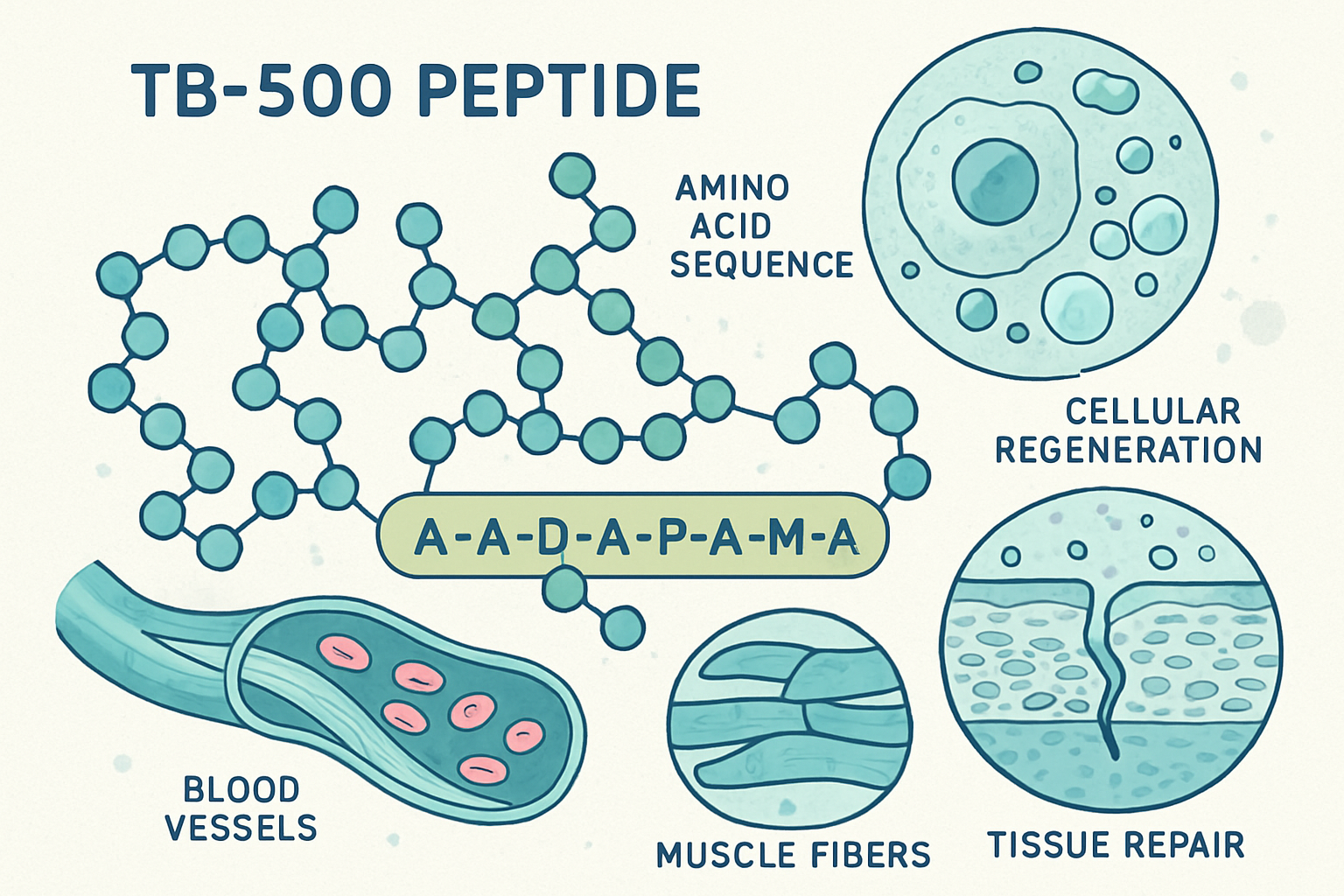
TB-500 represents a fascinating example of how nature's own healing mechanisms can be harnessed through scientific innovation. This synthetic peptide consists of a specific sequence of 43 amino acids derived from Thymosin Beta-4, a protein naturally found in high concentrations throughout the human body, particularly in blood platelets and wound fluid [1].
The peptide's unique structure allows it to interact with cellular pathways involved in tissue repair and regeneration. Unlike many other research compounds, TB-500 demonstrates remarkable stability and bioavailability, making it an excellent candidate for laboratory studies focused on understanding cellular healing mechanisms.
Key Structural Features:
- 43 amino acid sequence
- Molecular weight of approximately 4.9 kDa
- High stability in physiological conditions
- Excellent tissue penetration properties
Researchers interested in exploring TB-500's properties can find high-quality research peptides that meet rigorous laboratory standards. The peptide's versatility makes it valuable for various research applications, from basic cellular studies to complex tissue engineering projects.
Primary TB-500 Benefits in Laboratory Research
Angiogenesis and Vascular Development
One of the most well-documented tb500 benefits involves its ability to promote angiogenesis – the formation of new blood vessels. Research has shown that TB-500 upregulates vascular endothelial growth factor (VEGF), a key protein responsible for stimulating blood vessel development [2].
This angiogenic effect has several important implications:
🔬 Enhanced Blood Flow
- Improved oxygen delivery to tissues
- Better nutrient transport to healing areas
- Accelerated removal of metabolic waste products
🧬 Cellular Mechanisms
- VEGF upregulation
- Endothelial cell proliferation
- Capillary network expansion
Studies using TB-500 in laboratory models have demonstrated significant improvements in blood vessel density and organization compared to control groups. This research provides valuable insights into how peptides might influence vascular development and tissue perfusion.
Anti-Inflammatory Properties
TB-500's anti-inflammatory effects represent another crucial area of research interest. The peptide appears to modulate cytokine production, reducing inflammatory markers that contribute to tissue damage and delayed healing [3].
Inflammatory Marker Reduction:
- Decreased IL-1β levels
- Reduced TNF-α expression
- Lower C-reactive protein concentrations
- Improved tissue environment for healing
These anti-inflammatory properties make TB-500 particularly valuable for research into chronic inflammatory conditions and acute injury responses. Scientists studying inflammation pathways often incorporate TB-500 into their experimental designs to better understand how peptides can influence immune responses.
For researchers developing comprehensive peptide protocols, exploring peptide blends and combinations can provide insights into synergistic effects and enhanced research outcomes.
Advanced TB-500 Benefits: Cellular and Tissue Applications
Cellular Migration and Differentiation
The tb500 benefits extend deeply into cellular biology, where the peptide demonstrates remarkable effects on cell migration and differentiation. Research has shown that TB-500 promotes the movement and specialization of various cell types, particularly stem cells and keratinocytes [4].
Stem Cell Research Applications:
- Enhanced stem cell mobilization
- Improved differentiation into target cell types
- Increased cellular survival rates
- Better integration into existing tissues
Keratinocyte Studies:
- Accelerated wound closure
- Improved skin barrier function
- Enhanced collagen production
- Reduced scar formation
These cellular effects make TB-500 an invaluable tool for researchers studying regenerative medicine and tissue engineering. The peptide's ability to influence cellular behavior at the molecular level provides insights into fundamental healing processes.
Muscle and Connective Tissue Research
TB-500 has shown particular promise in studies focused on muscle and connective tissue repair. The peptide appears to activate satellite cells – crucial for muscle fiber regeneration – while simultaneously reducing the formation of fibrous adhesions that can limit mobility and function [5].
| Tissue Type | Observed Effects | Research Applications |
|---|---|---|
| Skeletal Muscle | Satellite cell activation, reduced fibrosis | Muscle regeneration studies |
| Tendons | Improved collagen organization | Tendon repair research |
| Ligaments | Enhanced flexibility, reduced adhesions | Joint mobility studies |
| Cardiac Muscle | Improved contractility, cell survival | Cardiovascular research |
These findings have made TB-500 a popular choice for researchers investigating muscle wasting conditions, sports medicine applications, and age-related tissue changes. The peptide's ability to promote healthy tissue remodeling while preventing excessive scarring offers unique research opportunities.
Researchers working with muscle and connective tissue studies often combine TB-500 with other peptides like BPC-157 for comprehensive tissue repair research.
Neuroprotective Research Applications
Emerging research suggests that tb500 benefits may extend to neurological applications. Preclinical studies have demonstrated potential neuroprotective properties, with evidence suggesting the peptide may promote neuronal survival and functional recovery following brain injury [6].
Neuroprotective Mechanisms:
- Reduced neuronal apoptosis
- Enhanced synaptic plasticity
- Improved blood-brain barrier integrity
- Increased neurotrophic factor expression
"TB-500's neuroprotective effects open new avenues for understanding how peptides might influence brain health and recovery from neurological trauma."
These findings have sparked interest in using TB-500 for research into neurodegenerative diseases, traumatic brain injury, and cognitive function studies. While human applications remain experimental, the laboratory data provides compelling evidence for the peptide's potential in neurological research.
Cardioprotective Research
Animal studies have revealed significant cardioprotective effects of TB-500, including improved cardiac function following myocardial infarction and enhanced survival of cardiac cells under stress conditions [7]. These findings have important implications for cardiovascular research.
Cardiac Research Benefits:
- 🫀 Improved left ventricular function
- 🫀 Reduced infarct size in animal models
- 🫀 Enhanced cardiac cell survival
- 🫀 Better post-injury remodeling
The cardioprotective properties of TB-500 make it valuable for researchers studying heart disease, cardiac regeneration, and cardiovascular aging. Understanding how peptides influence cardiac function could lead to important breakthroughs in cardiovascular medicine.
Research Considerations and Safety Profile
Current Research Limitations
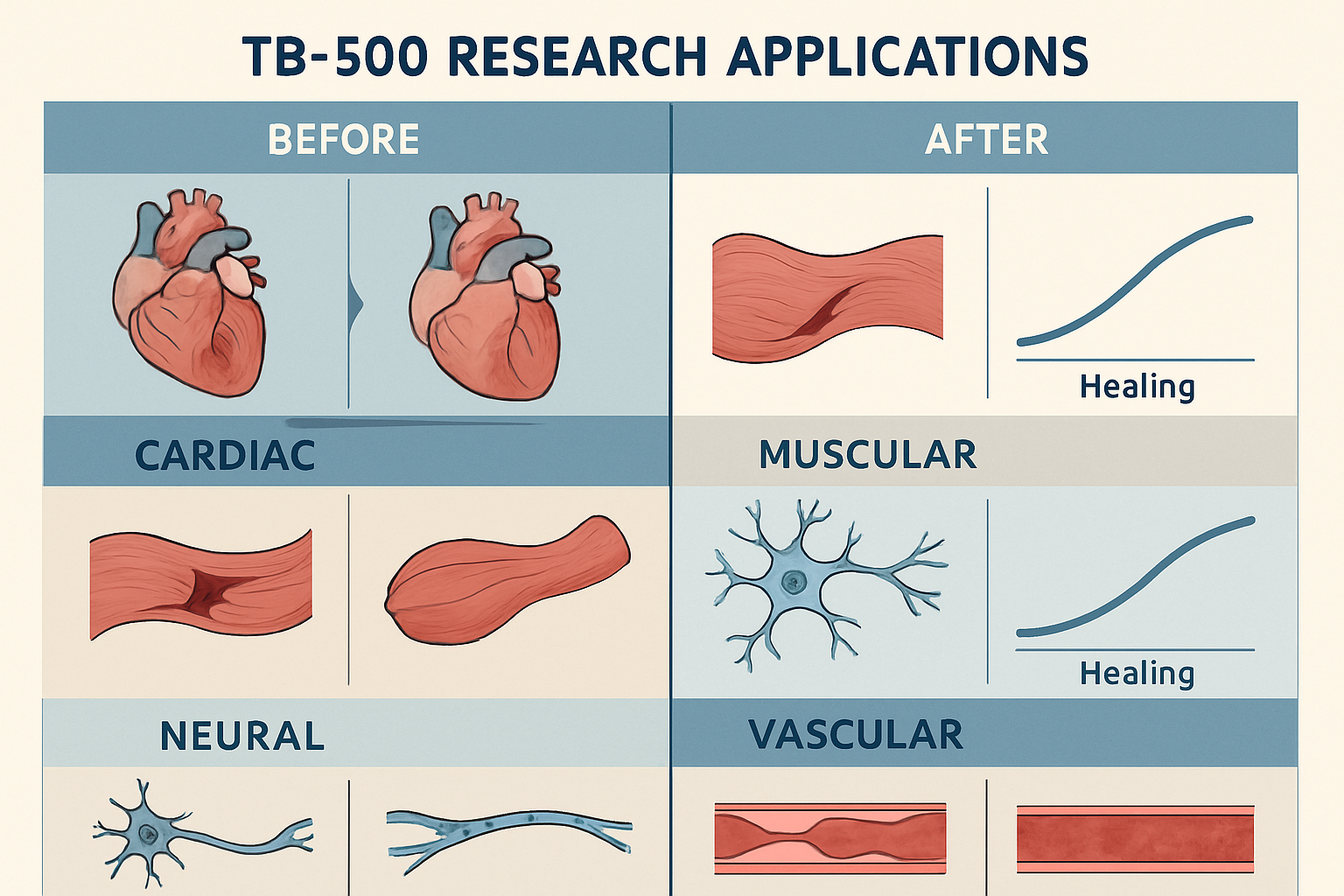
While the tb500 benefits observed in laboratory and animal studies are promising, researchers must acknowledge the current limitations in our understanding of this peptide. Most evidence comes from preclinical studies, and human clinical data remains limited [8].
Research Gaps:
- Limited human clinical trials
- Optimal dosing protocols not established
- Long-term safety data incomplete
- Individual response variability unknown
Study Design Considerations:
- Appropriate control groups
- Standardized measurement protocols
- Proper statistical analysis
- Ethical research guidelines
Researchers should design studies with these limitations in mind, ensuring proper controls and statistical power to generate meaningful results. The best practices for peptide research include careful planning and execution of experimental protocols.
Regulatory Status and Research Ethics
TB-500 is banned by the World Anti-Doping Agency (WADA) for use in competitive sports due to its potential performance-enhancing effects [9]. This regulatory status has important implications for research applications and study design.
Regulatory Considerations:
- WADA prohibition in sports
- Research-only applications
- Institutional review requirements
- Proper documentation and reporting
Researchers must ensure their studies comply with all relevant regulations and ethical guidelines. This includes proper informed consent procedures, institutional review board approval, and adherence to good laboratory practices.
Quality and Sourcing Considerations
The quality of TB-500 used in research can significantly impact study outcomes. Researchers should source peptides from reputable suppliers that provide certificates of analysis and maintain proper storage conditions.
Quality Indicators:
- ✅ Third-party testing
- ✅ Certificate of analysis
- ✅ Proper storage conditions
- ✅ Batch-to-batch consistency
For researchers seeking high-quality TB-500, Pure Tested Peptides offers rigorously tested compounds that meet laboratory research standards. Proper sourcing ensures reliable and reproducible research results.
Future Research Directions and Applications
Emerging Research Areas
The tb500 benefits continue to expand as researchers explore new applications and combinations. Current areas of investigation include:
Combination Therapies:
- TB-500 with growth factors
- Multi-peptide protocols
- Synergistic compound studies
- Sequential treatment approaches
Novel Applications:
- Aging research
- Metabolic studies
- Immune system modulation
- Tissue engineering applications
Researchers interested in exploring combination approaches can find valuable information about peptide synergies and research protocols that may enhance study outcomes.
Technology Integration
Advanced research techniques are opening new possibilities for TB-500 studies:
Analytical Methods:
- Single-cell sequencing
- Advanced imaging techniques
- Proteomics analysis
- Metabolomics profiling
Delivery Systems:
- Targeted delivery mechanisms
- Sustained-release formulations
- Tissue-specific targeting
- Bioavailability enhancement
These technological advances allow researchers to study TB-500's effects with unprecedented precision and detail, potentially revealing new mechanisms of action and therapeutic applications.
<!DOCTYPE html>
<html lang="en">
<head>
    <meta charset="UTF-8">
    <meta name="viewport" content="width=device-width, initial-scale=1.0">
    <title>TB-500 Research Calculator</title>
    <style>
        .cg-element-container {
            max-width: 600px;
            margin: 20px auto;
            padding: 20px;
            background: linear-gradient(135deg, #f5f7fa 0%, #c3cfe2 100%);
            border-radius: 12px;
            box-shadow: 0 8px 32px rgba(0,0,0,0.1);
            font-family: 'Segoe UI', Tahoma, Geneva, Verdana, sans-serif;
        }

        .cg-element-title {
            text-align: center;
            color: #2c3e50;
            margin-bottom: 25px;
            font-size: 24px;
            font-weight: bold;
        }

        .cg-element-form {
            display: grid;
            gap: 15px;
        }

        .cg-element-input-group {
            display: flex;
            flex-direction: column;
            gap: 5px;
        }

        .cg-element-label {
            font-weight: 600;
            color: #34495e;
            font-size: 14px;
        }

        .cg-element-input {
            padding: 12px;
            border: 2px solid #bdc3c7;
            border-radius: 8px;
            font-size: 16px;
            transition: border-color 0.3s ease;
        }

        .cg-element-input:focus {
            outline: none;
            border-color: #3498db;
        }

        .cg-element-select {
            padding: 12px;
            border: 2px solid #bdc3c7;
            border-radius: 8px;
            font-size: 16px;
            background: white;
            cursor: pointer;
        }

        .cg-element-button {
            background: linear-gradient(45deg, #3498db, #2980b9);
            color: white;
            border: none;
            padding: 15px 30px;
            border-radius: 8px;
            font-size: 16px;
            font-weight: bold;
            cursor: pointer;
            transition: transform 0.2s ease;
        }

        .cg-element-button:hover {
            transform: translateY(-2px);
        }

        .cg-element-results {
            margin-top: 20px;
            padding: 20px;
            background: rgba(255,255,255,0.9);
            border-radius: 8px;
            border-left: 4px solid #3498db;
        }

        .cg-element-result-item {
            display: flex;
            justify-content: space-between;
            margin-bottom: 10px;
            padding: 8px 0;
            border-bottom: 1px solid #ecf0f1;
        }

        .cg-element-result-label {
            font-weight: 600;
            color: #2c3e50;
        }

        .cg-element-result-value {
            color: #27ae60;
            font-weight: bold;
        }

        .cg-element-warning {
            background: #fff3cd;
            border: 1px solid #ffeaa7;
            color: #856404;
            padding: 10px;
            border-radius: 6px;
            margin-top: 15px;
            font-size: 14px;
        }

        @media (max-width: 480px) {
            .cg-element-container {
                margin: 10px;
                padding: 15px;
            }

            .cg-element-title {
                font-size: 20px;
            }
        }
    </style>
</head>
<body>
    <div class="cg-element-container">
        <h2 class="cg-element-title">TB-500 Research Dosage Calculator</h2>

        <div class="cg-element-form">
            <div class="cg-element-input-group">
                <label class="cg-element-label" for="vialSize">Vial Size (mg):</label>
                <select class="cg-element-select" id="vialSize">
                    <option value="2">2mg</option>
                    <option value="5">5mg</option>
                    <option value="10" selected>10mg</option>
                </select>
            </div>

            <div class="cg-element-input-group">
                <label class="cg-element-label" for="waterVolume">Bacteriostatic Water Volume (ml):</label>
                <select class="cg-element-select" id="waterVolume">
                    <option value="1">1ml</option>
                    <option value="2" selected>2ml</option>
                    <option value="3">3ml</option>
                    <option value="5">5ml</option>
                </select>
            </div>

            <div class="cg-element-input-group">
                <label class="cg-element-label" for="targetDose">Target Dose (mg):</label>
                <input type="number" class="cg-element-input" id="targetDose" value="2" min="0.1" max="20" step="0.1">
            </div>

            <div class="cg-element-input-group">
                <label class="cg-element-label" for="frequency">Dosing Frequency:</label>
                <select class="cg-element-select" id="frequency">
                    <option value="1">Once daily</option>
                    <option value="2" selected>Twice daily</option>
                    <option value="3">Three times daily</option>
                    <option value="0.5">Every other day</option>
                </select>
            </div>

            <button class="cg-element-button" onclick="calculateDosage()">Calculate Research Protocol</button>
        </div>

        <div class="cg-element-results" id="results" style="display: none;">
            <div class="cg-element-result-item">
                <span class="cg-element-result-label">Concentration:</span>
                <span class="cg-element-result-value" id="concentration"></span>
            </div>
            <div class="cg-element-result-item">
                <span class="cg-element-result-label">Volume per dose:</span>
                <span class="cg-element-result-value" id="volumePerDose"></span>
            </div>
            <div class="cg-element-result-item">
                <span class="cg-element-result-label">Doses per vial:</span>
                <span class="cg-element-result-value" id="dosesPerVial"></span>
            </div>
            <div class="cg-element-result-item">
                <span class="cg-element-result-label">Daily consumption:</span>
                <span class="cg-element-result-value" id="dailyConsumption"></span>
            </div>
            <div class="cg-element-result-item">
                <span class="cg-element-result-label">Vial duration:</span>
                <span class="cg-element-result-value" id="vialDuration"></span>
            </div>
        </div>

        <div class="cg-element-warning">
            <strong>Research Use Only:</strong> This calculator is designed for laboratory research purposes. All calculations should be verified by qualified researchers and used in accordance with institutional guidelines.
        </div>
    </div>

    <script>
        function calculateDosage() {
            const vialSize = parseFloat(document.getElementById('vialSize').value);
            const waterVolume = parseFloat(document.getElementById('waterVolume').value);
            const targetDose = parseFloat(document.getElementById('targetDose').value);
            const frequency = parseFloat(document.getElementById('frequency').value);

            // Calculate concentration (mg/ml)
            const concentration = vialSize / waterVolume;

            // Calculate volume per dose (ml)
            const volumePerDose = targetDose / concentration;

            // Calculate doses per vial
            const dosesPerVial = Math.floor(vialSize / targetDose);

            // Calculate daily consumption
            const dailyConsumption = targetDose * frequency;

            // Calculate vial duration (days)
            const vialDuration = vialSize / dailyConsumption;

            // Display results
            document.getElementById('concentration').textContent = concentration.toFixed(2) + ' mg/ml';
            document.getElementById('volumePerDose').textContent = volumePerDose.toFixed(2) + ' ml';
            document.getElementById('dosesPerVial').textContent = dosesPerVial + ' doses';
            document.getElementById('dailyConsumption').textContent = dailyConsumption.toFixed(1) + ' mg/day';
            document.getElementById('vialDuration').textContent = vialDuration.toFixed(1) + ' days';

            document.getElementById('results').style.display = 'block';
        }

        // Initialize with default calculation
        window.onload = function() {
            calculateDosage();
        };
    </script>
</body>
</html>
Conclusion
The research surrounding tb500 benefits continues to evolve, revealing new insights into this remarkable peptide's mechanisms of action and potential applications. From its well-documented effects on angiogenesis and inflammation to emerging research in neuroprotection and cardiac health, TB-500 represents a valuable tool for advancing our understanding of tissue repair and regeneration.
Key findings from current research demonstrate that TB-500's ability to promote cellular migration, reduce inflammation, and enhance tissue healing makes it an invaluable compound for laboratory studies. The peptide's effects on VEGF upregulation, cytokine modulation, and cellular differentiation provide researchers with multiple pathways to explore in their investigations.
Next Steps for Researchers:
- Design comprehensive protocols that account for current research limitations and ethical considerations
- Source high-quality peptides from reputable suppliers with proper documentation and testing
- Consider combination approaches that may enhance research outcomes through synergistic effects
- Stay updated on emerging research and regulatory developments in the peptide field
- Collaborate with other researchers to share findings and advance the collective understanding
As the scientific community continues to investigate TB-500's properties, researchers have the opportunity to contribute valuable data that may shape future therapeutic applications. The peptide's versatility and demonstrated effects across multiple biological systems make it an excellent choice for diverse research applications.
For researchers ready to begin their TB-500 investigations, accessing high-quality research compounds and developing robust experimental protocols will be essential for generating meaningful, reproducible results that advance our understanding of this fascinating peptide.
References
[1] Goldstein, A. L., et al. (2005). Thymosin beta4: a multi-functional regenerative peptide. Basic properties and clinical applications. Expert Opinion on Biological Therapy, 5(1), 37-53.
[2] Bock-Marquette, I., et al. (2004). Thymosin beta4 activates integrin-linked kinase and promotes cardiac cell migration, survival and cardiac repair. Nature, 432(7016), 466-472.
[3] Sosne, G., et al. (2010). Thymosin beta 4 promotes corneal wound healing and decreases inflammation in vivo following alkali injury. Experimental Eye Research, 90(4), 478-484.
[4] Malinda, K. M., et al. (1999). Thymosin beta4 accelerates wound healing. Journal of Investigative Dermatology, 113(3), 364-368.
[5] Spurney, C. F., et al. (2010). Evaluation of skeletal and cardiac muscle function after chronic administration of thymosin beta-4 in the dystrophin deficient mouse. PLoS One, 5(1), e8976.
[6] Morris, D. C., et al. (2010). Thymosin beta4 improves functional neurological outcome in a rat model of embolic stroke. Neuroscience, 169(2), 674-682.
[7] Smart, N., et al. (2007). Thymosin beta4 induces adult epicardial progenitor mobilization and neovascularization. Nature, 445(7124), 177-182.
[8] Crockford, D., et al. (2010). Thymosin beta4: structure, function, and biological properties supporting current and future clinical applications. Annals of the New York Academy of Sciences, 1194, 179-189.
[9] World Anti-Doping Agency. (2025). Prohibited List. Retrieved from https://www.wada-ama.org/
SEO Meta Information:
Meta Title: TB-500 Benefits: Research Insights & Applications 2025
Meta Description: Comprehensive guide to TB-500 benefits in research. Explore angiogenesis, anti-inflammatory effects, and tissue repair applications for laboratory studies.