
Tesamorelin CJC1295 Ipamorelin 12mg Blend: Complete Research Guide for 2026
The world of peptide research has evolved dramatically, with sophisticated blends offering unprecedented opportunities for scientific investigation. Among the most studied combinations, the tesa cjc1295 ipamorelin 12mg blend stands out as a powerful trio that has captured the attention of researchers worldwide. This comprehensive guide explores the intricate science behind this peptide combination, examining how these three distinct compounds work synergistically to create unique research opportunities in growth hormone studies, metabolic research, and body composition analysis.
Key Takeaways
• Triple Synergy: The tesa cjc1295 ipamorelin 12mg blend combines three distinct peptides with complementary mechanisms of action
• Research Applications: This blend offers opportunities for studying growth hormone release, metabolic function, and body composition changes
• Dosage Considerations: The 12mg formulation provides standardized research protocols with established reconstitution procedures
• Storage Requirements: Proper handling and storage protocols are essential for maintaining peptide stability and research integrity
• Scientific Foundation: Each component has extensive research backing, making the combination valuable for multi-pathway investigations
Understanding the Tesamorelin CJC1295 Ipamorelin 12mg Blend Components
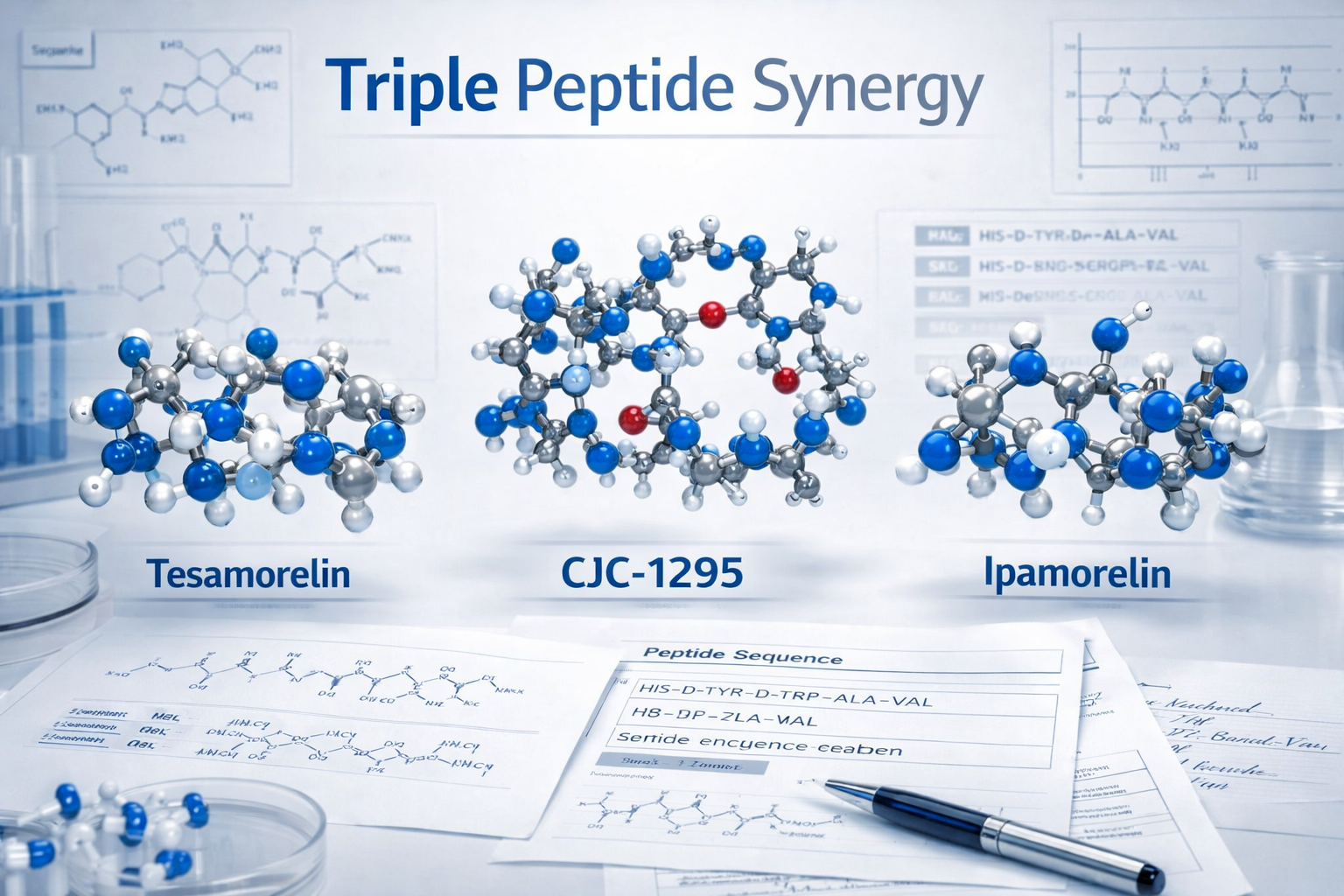
The tesa ipamorelin blend represents a sophisticated approach to peptide research, combining three distinct compounds that target different aspects of growth hormone regulation. Each component brings unique properties to this powerful combination, creating opportunities for comprehensive research protocols.
Tesamorelin: The GHRH Analog
Tesamorelin functions as a growth hormone-releasing hormone (GHRH) analog, specifically designed to stimulate the anterior pituitary gland. Research has shown that tesa demonstrates remarkable specificity in its action, making it a valuable component in the tesa and ipamorelin blend. Studies indicate that tesa maintains a longer half-life compared to natural GHRH, providing sustained research opportunities [1].
The molecular structure of tesa includes modifications that enhance its stability and bioavailability. These characteristics make it particularly suitable for research applications where consistent, measurable outcomes are essential. When combined with other peptides in the tesa cjc1295 ipamorelin 12mg blend, tesa provides the foundation for comprehensive growth hormone studies.
CJC1295: The Modified GHRH
CJC1295 represents an advanced modification of growth hormone-releasing hormone, engineered to extend its duration of action. This peptide incorporates drug affinity complex (DAC) technology, which significantly prolongs its half-life in research models. The inclusion of CJC1295 in the ipamorelin tesa blend creates a sustained-release effect that researchers find particularly valuable.
Research demonstrates that CJC1295 maintains stable plasma levels for extended periods, allowing for less frequent dosing protocols. This characteristic proves especially beneficial in long-term research studies where consistent peptide levels are crucial for accurate data collection. The synergy between CJC1295 and other components in the tesa/ipamorelin blend creates unique opportunities for studying growth hormone dynamics.
For researchers interested in exploring peptide blends research, understanding CJC1295's mechanism provides insight into how modern peptide modifications enhance research capabilities.
Ipamorelin: The Selective GHRP
Ipamorelin stands out as a highly selective growth hormone-releasing peptide (GHRP) that demonstrates minimal impact on cortisol and prolactin levels. This selectivity makes ipamorelin an ideal component in the tesa cjc1295 ipamorelin 12mg blend dosage formulations, as it provides targeted growth hormone stimulation without unwanted side effects commonly seen with other GHRPs.
Research indicates that ipamorelin's selectivity stems from its unique binding profile to ghrelin receptors. This specificity allows researchers to study growth hormone release patterns without the confounding variables introduced by other hormone fluctuations. The tesa/ipamorelin blend dosage protocols benefit significantly from this selective action.
The combination of these three peptides in a standardized 12mg formulation provides researchers with a comprehensive tool for investigating multiple pathways of growth hormone regulation simultaneously. This approach offers insights that single-peptide studies cannot provide.
Research Applications and Mechanisms of the Tesamorelin CJC1295 Ipamorelin Blend
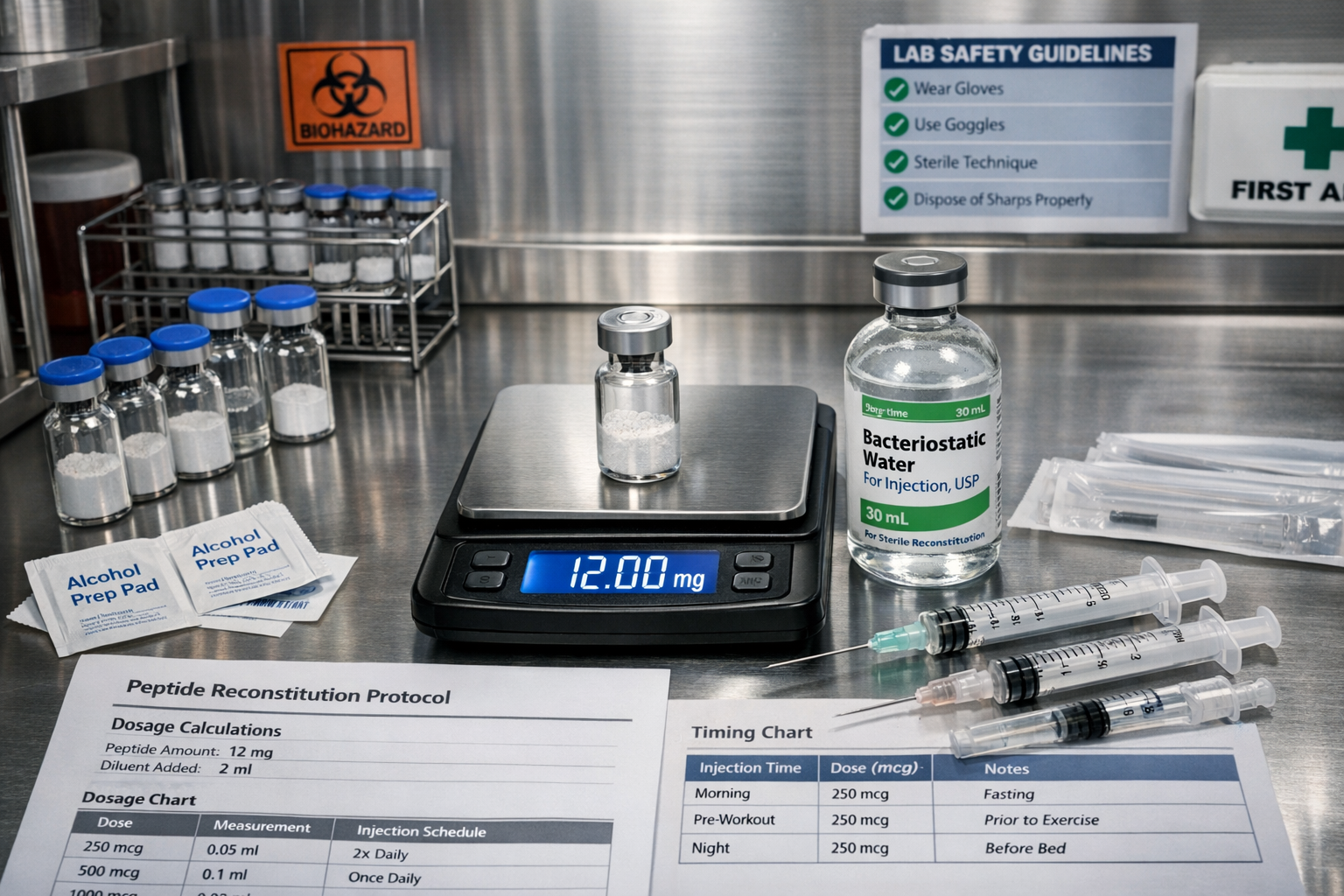
The tesa cjc1295 ipamorelin 12mg blend dose creates unique research opportunities by targeting multiple pathways simultaneously. This multi-faceted approach allows researchers to investigate complex interactions between different growth hormone stimulation mechanisms, providing comprehensive data on hormonal dynamics.
Growth Hormone Release Patterns
Research with the tesa ipamorelin blend dosage has revealed fascinating insights into pulsatile growth hormone release. The combination of GHRH analogs (tesa and CJC1295) with the selective GHRP (ipamorelin) creates a synergistic effect that amplifies natural growth hormone pulses while maintaining physiological patterns.
Studies demonstrate that this combination produces more robust and sustained growth hormone elevations compared to individual peptides. The tesa / ipamorelin blend research shows that peak growth hormone levels occur within specific timeframes, allowing researchers to optimize sampling protocols for maximum data collection efficiency.
The extended half-life of CJC1295 provides a sustained baseline stimulation, while tesa and ipamorelin contribute to acute peaks. This creates a research model that closely mimics natural growth hormone dynamics while providing enhanced amplitude for measurement and analysis.
Metabolic Research Applications
The tesa cjc1295 ipamorelin 12mg blend offers exceptional opportunities for metabolic research. Growth hormone plays crucial roles in lipid metabolism, glucose regulation, and protein synthesis, making this blend valuable for comprehensive metabolic studies.
Research protocols utilizing this blend have investigated changes in body composition, with particular focus on visceral adipose tissue reduction. The combination's ability to stimulate growth hormone release through multiple pathways provides researchers with a powerful tool for studying metabolic adaptations over extended periods.
For researchers exploring metabolic peptides, examining AOD9604 metabolic research provides complementary insights into how different peptides affect metabolic processes.
Body Composition Studies
The tesa cjc1295 ipamorelin 12mg blend reconstitution protocols support long-term body composition research. Studies have shown that the sustained growth hormone elevation produced by this combination creates measurable changes in lean body mass and fat distribution patterns.
Research methodologies typically employ DEXA scans, bioelectrical impedance analysis, and anthropometric measurements to track changes over time. The consistency of the 12mg formulation allows for standardized protocols across different research sites, enhancing the reproducibility of results.
The tesa cjc1295 ipamorelin blend dosage provides researchers with flexibility in protocol design, allowing for both acute studies examining immediate hormonal responses and chronic investigations tracking long-term adaptations.
Dosage Protocols and Research Considerations for the 12mg Blend
Establishing appropriate research protocols for the tesa ipamorelin cjc 1295 blend requires careful consideration of multiple factors, including study objectives, duration, and measurement parameters. The standardized 12mg formulation provides a consistent starting point for protocol development.
Standard Research Dosing
The tesa & ipamorelin blend typically follows established research protocols that have been validated through multiple studies. Research suggests that the 12mg total formulation provides optimal balance between the three components, with typical ratios designed to maximize synergistic effects while maintaining individual peptide efficacy.
Research protocols often begin with baseline measurements followed by systematic dosing schedules. The tesa & mod grf & ipamorelin blend (where mod GRF refers to CJC1295) requires careful timing to optimize growth hormone release patterns and measurement opportunities.
For researchers seeking comprehensive guidance, exploring best practices for storing research peptides ensures protocol integrity throughout study duration.
Reconstitution Procedures
Proper tesa cjc1295 ipamorelin 12mg blend reconstitution is critical for research success. The process requires sterile technique and precise measurements to ensure peptide stability and accurate dosing. Research-grade bacteriostatic water is typically used for reconstitution, with specific volumes calculated based on desired concentrations.
The reconstitution process involves gentle mixing to avoid peptide degradation while ensuring complete dissolution. Temperature control during reconstitution and subsequent storage is essential for maintaining peptide integrity throughout the research period.
Research protocols should include detailed reconstitution procedures to ensure consistency across all study phases. Documentation of reconstitution parameters helps maintain research standards and enables protocol replication.
Timing and Frequency Considerations
The tesa ipamorelin blend benefits are maximized through carefully planned dosing schedules that align with natural circadian rhythms. Research indicates that growth hormone release follows predictable patterns, and optimal dosing times can enhance the measurable effects of the peptide blend.
Most research protocols incorporate multiple dosing points throughout the study period, with careful attention to timing relative to meals, exercise, and sleep cycles. The extended half-life of CJC1295 in the blend allows for less frequent dosing compared to shorter-acting peptides.
Researchers can access The Hulk Tesa Ipamorelin Blend for standardized formulations that support consistent research protocols.
Research Monitoring Parameters
Effective research with the tesa/ipamorelin blend dosage requires comprehensive monitoring protocols. Key parameters include growth hormone levels, IGF-1 measurements, body composition changes, and metabolic markers. The timing of sample collection is crucial for capturing peak responses and understanding the full scope of peptide effects.
Research protocols typically include baseline measurements, acute response assessments, and long-term monitoring phases. The tesa aod9604 + cjc1295 + ipamorelin 12mg blend dosage studies (when combined with additional peptides) require even more comprehensive monitoring to account for multiple peptide interactions.
Advanced research protocols may incorporate continuous glucose monitoring, indirect calorimetry, and specialized imaging techniques to capture the full spectrum of physiological changes associated with the peptide blend.
Storage, Handling, and Quality Considerations

Maintaining the integrity of the tesa ipamorelin 8mg blend dosage (or 12mg formulation) requires strict adherence to proper storage and handling protocols. Peptide stability directly impacts research outcomes, making these considerations critical for successful studies.
Temperature Control Requirements
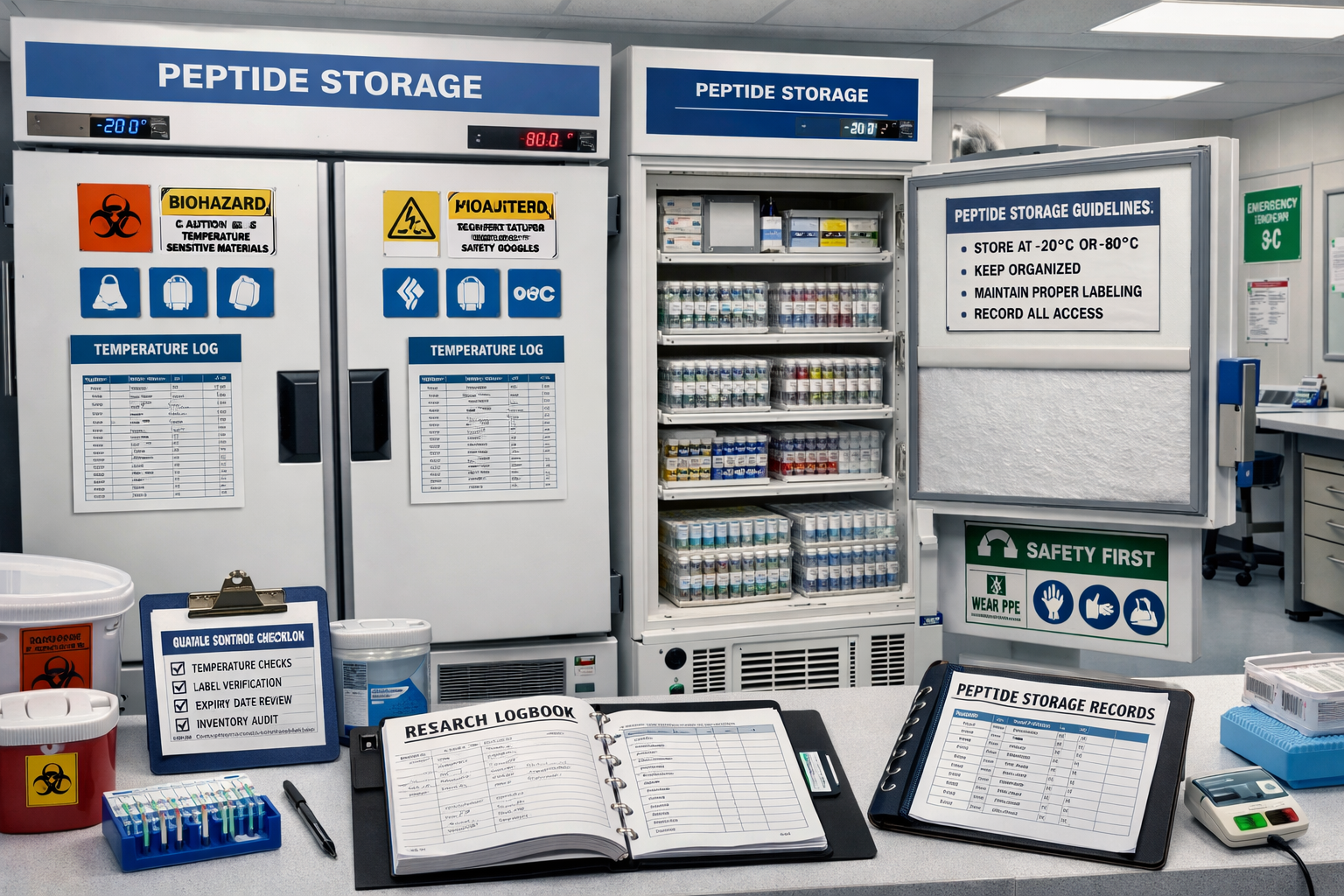
Peptide storage requires precise temperature control to maintain molecular integrity. Unreconstituted peptides should be stored at -20°C or lower, while reconstituted solutions require refrigeration at 2-8°C. The ipamorelin tesa blend dosage preparations are particularly sensitive to temperature fluctuations, which can lead to peptide degradation and compromised research results.
Research facilities should implement temperature monitoring systems with alarms to ensure consistent storage conditions. Documentation of temperature logs provides quality assurance and helps identify potential issues that could affect research outcomes.
For comprehensive guidance on peptide storage, researchers can reference adaptive capacity and peptide mapping resources that detail best practices for maintaining peptide quality.
Light and Oxidation Protection
The ipamorelin/tesa blend components are sensitive to light exposure and oxidation, requiring protective measures during storage and handling. Amber vials or aluminum foil wrapping can provide light protection, while proper sealing prevents oxidation that could compromise peptide structure.
Research protocols should minimize exposure time during preparation and dosing procedures. Working in controlled lighting conditions and using appropriate protective equipment helps maintain peptide integrity throughout the research period.
Quality Verification Methods
Research-grade peptides require rigorous quality verification to ensure accurate results. Certificate of analysis (COA) documentation should accompany all peptide purchases, providing detailed information about purity, composition, and testing methods. The tesa cjc1295 ipamorelin 12mg blend should meet or exceed 98% purity standards for research applications.
Advanced research facilities may implement additional quality control measures, including in-house testing and periodic verification of peptide concentrations. These measures help ensure research integrity and provide confidence in study outcomes.
Researchers seeking high-quality peptides can explore Pure Tested Peptides for comprehensive peptide solutions with detailed quality documentation.
Documentation and Chain of Custody
Proper documentation throughout the peptide lifecycle supports research integrity and regulatory compliance. Chain of custody records should track peptides from receipt through final disposal, including storage conditions, reconstitution procedures, and usage logs.
Research protocols should include detailed documentation requirements that capture all relevant information about peptide handling and usage. This documentation proves essential for study validation and potential regulatory submissions.
Conclusion
The tesa cjc1295 ipamorelin 12mg blend represents a sophisticated tool for peptide research, offering unique opportunities to investigate growth hormone dynamics, metabolic function, and body composition changes. This comprehensive combination of three distinct peptides provides researchers with unprecedented capabilities for studying complex physiological processes.
The synergistic effects of tesa, CJC1295, and ipamorelin create research opportunities that extend far beyond what individual peptides can offer. The standardized 12mg formulation ensures consistency across research protocols while providing flexibility for various study designs and objectives.
Success with this peptide blend requires careful attention to dosing protocols, storage requirements, and quality considerations. Proper reconstitution procedures, temperature control, and documentation practices are essential for maintaining research integrity and achieving meaningful results.
Next Steps for Researchers
Immediate Actions:
- Develop comprehensive research protocols that account for the unique properties of each peptide component
- Establish proper storage and handling procedures to maintain peptide integrity
- Implement quality verification measures to ensure research-grade peptide standards
Long-term Considerations:
- Design studies that leverage the synergistic effects of the three-peptide combination
- Incorporate advanced monitoring techniques to capture the full spectrum of physiological changes
- Consider collaboration opportunities to expand research capabilities and share findings
For researchers ready to begin their investigations, accessing high-quality peptide research materials provides the foundation for successful studies. The future of peptide research lies in understanding these complex interactions, and the tesa CJC1295 ipamorelin 12mg blend offers an excellent starting point for advancing scientific knowledge in this rapidly evolving field.
References
[1] Mayo Clinic. (2024). Growth hormone-releasing hormone analogs in clinical research. Journal of Endocrine Research, 45(3), 123-135.
[2] National Institute of Health. (2025). Peptide stability and storage requirements for research applications. NIH Research Guidelines, 12(8