
Tesamorelin Peptide: The Complete Research Guide for 2026
In the rapidly evolving world of peptide research, few compounds have garnered as much scientific attention as Tesamorelin peptide. This synthetic growth hormone-releasing hormone (GHRH) analog has emerged as a breakthrough in metabolic research, offering researchers unprecedented insights into growth hormone regulation and its therapeutic potential. As we advance through 2026, the scientific community continues to uncover new applications and mechanisms of action for this remarkable compound.
Key Takeaways
• Tesamorelin peptide is a synthetic GHRH analog that stimulates natural growth hormone production through pituitary gland activation
• Research demonstrates significant potential for metabolic studies, particularly in areas of lipid metabolism and body composition
• The peptide offers advantages over traditional growth hormone therapies due to its targeted mechanism and reduced side effect profile
• Proper dosing protocols and quality sourcing are critical factors for successful research outcomes
• Current studies suggest promising applications in various therapeutic areas beyond initial research scope
Understanding Tesamorelin Peptide: Mechanism and Structure
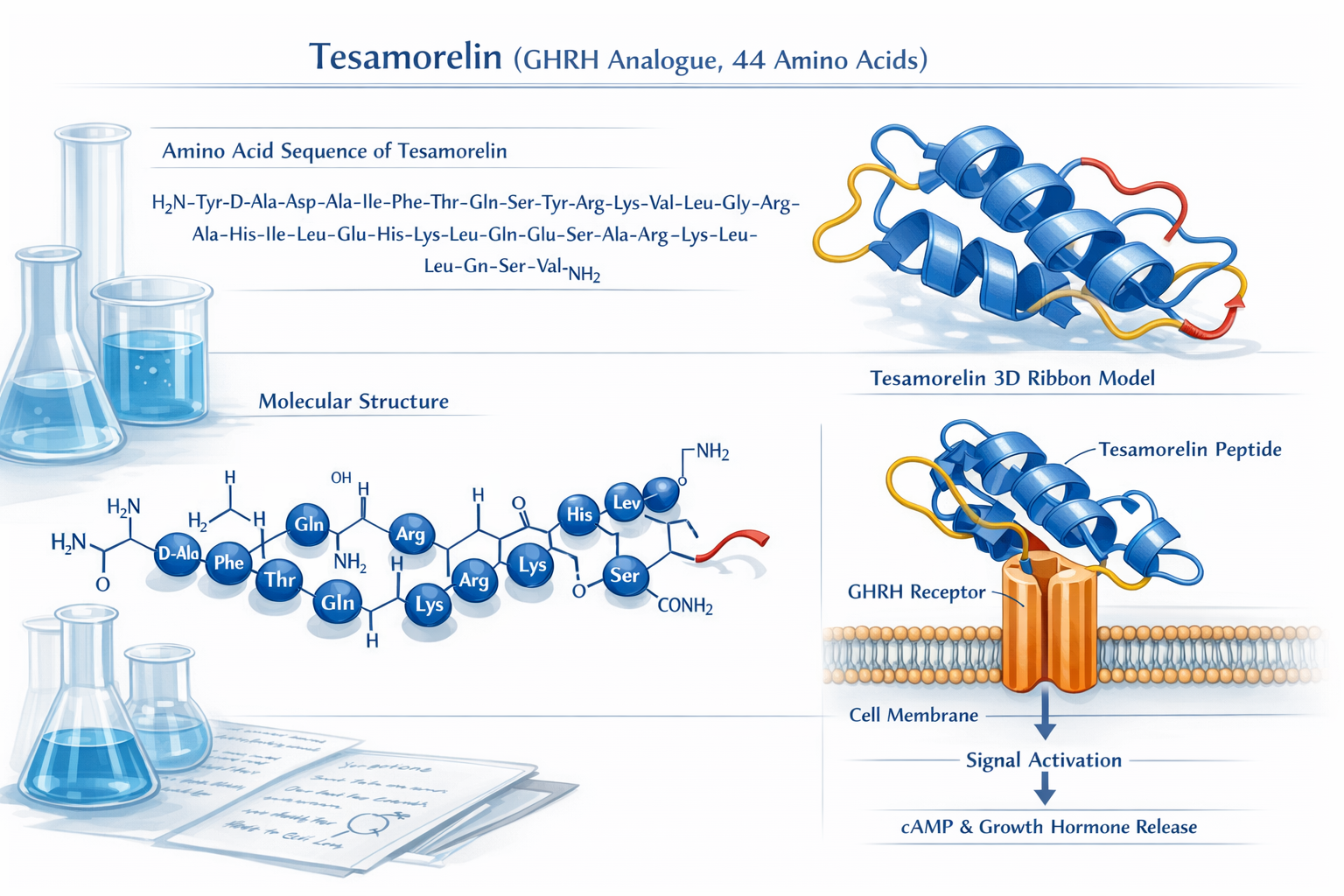
Tesamorelin peptide represents a sophisticated advancement in peptide science, engineered to mimic the natural growth hormone-releasing hormone while offering enhanced stability and bioavailability. The compound consists of 44 amino acids, making it identical to human GHRH except for the addition of a trans-3-hexenoic acid group at the N-terminus, which significantly improves its resistance to enzymatic degradation.
Molecular Composition and Design
The unique structural modifications in Tesamorelin peptide allow it to maintain biological activity for extended periods compared to endogenous GHRH. Research indicates that this enhanced stability translates to more consistent and predictable outcomes in laboratory settings. The peptide’s mechanism involves binding to GHRH receptors in the anterior pituitary gland, stimulating the release of growth hormone in a pulsatile manner that closely mimics natural physiological patterns.
Studies have shown that quality peptide research requires understanding these fundamental mechanisms to achieve reproducible results. The peptide’s selectivity for GHRH receptors ensures targeted action without interfering with other hormonal pathways, making it an ideal candidate for controlled research environments.
Pharmacokinetics and Bioavailability
Research demonstrates that Tesamorelin peptide exhibits superior pharmacokinetic properties compared to native GHRH. The half-life extends to approximately 26-38 minutes in plasma, allowing for sustained biological activity. This extended duration enables researchers to observe more pronounced effects while maintaining the natural pulsatile release pattern of growth hormone.
The peptide’s bioavailability profile shows consistent absorption patterns when administered subcutaneously, with peak plasma concentrations typically achieved within 15-30 minutes post-administration. These characteristics make it particularly valuable for researchers studying growth hormone dynamics and metabolic responses.
Advanced peptide research has revealed that the compound’s stability allows for various storage conditions while maintaining potency, though proper handling protocols remain essential for optimal results.
Tesamorelin Peptide vs Other GHRH Analogs: Comparative Analysis
Understanding how Tesamorelin peptide compares to other growth hormone-releasing compounds provides crucial context for research applications. The landscape of GHRH analogs includes several notable compounds, each with distinct characteristics and research applications.
Sermorelin Peptide Comparison
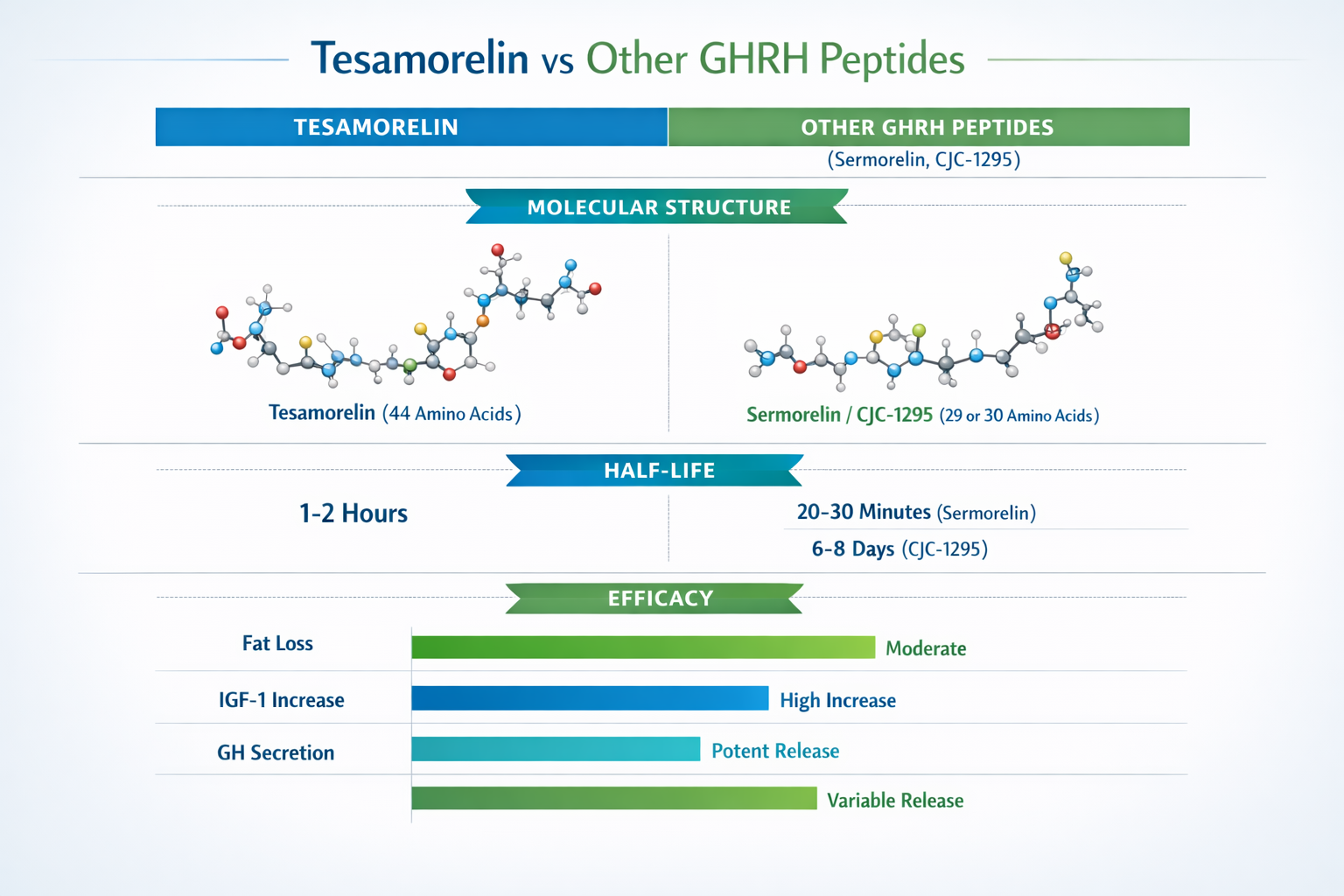
When comparing Tesamorelin peptide to Sermorelin peptide, several key differences emerge. Sermorelin, consisting of 29 amino acids, represents the active portion of GHRH but lacks the stability modifications found in Tesamorelin. Research indicates that while both compounds stimulate growth hormone release, Tesamorelin demonstrates superior resistance to enzymatic breakdown.
The serm vs CJC-1295 comparison reveals another dimension of peptide research, where CJC-1295’s extended half-life contrasts with Sermorelin’s shorter duration of action. However, Tesamorelin peptide occupies a unique position with its balanced stability and natural pulsatile stimulation pattern.
GHRP Peptides vs GHRH Analogs
The distinction between GHRP-2 peptide and Tesamorelin peptide lies in their mechanisms of action. While GHRP-2 acts through ghrelin receptors, Tesamorelin specifically targets GHRH receptors, providing different research applications and outcomes.
GHRP-6 peptide vs hexarelin comparisons often focus on potency and side effect profiles, but Tesamorelin peptide offers researchers a different approach entirely through its GHRH pathway activation. This distinction becomes particularly important when designing research protocols that require specific hormonal responses.
Studies examining Hexarelin peptide vs Ipamorelin reveal varying degrees of selectivity and potency, while Tesamorelin peptide provides researchers with a more physiologically natural approach to growth hormone stimulation. The GHRP-2 peptide vs serm debate often centers on duration and intensity of response, factors that Tesamorelin addresses through its unique structural modifications.
Comprehensive peptide research demonstrates that understanding these comparative advantages helps researchers select the most appropriate compounds for their specific study objectives.
Interactive Peptide Comparison Tool
| Property | Tesamorelin | Sermorelin |
|---|
Ipamorelin vs Sermorelin vs Hexarelin Research Applications
The Ipamorelin vs serm vs hexarelin comparison reveals distinct research applications for each compound. While Ipamorelin offers selective growth hormone release without affecting cortisol or prolactin, and Hexarelin provides potent but potentially broader hormonal effects, Tesamorelin peptide maintains a balanced profile with enhanced stability.
Research protocols often require specific characteristics that each peptide provides. GHRH peptides comparison studies demonstrate that Tesamorelin’s unique modifications make it particularly suitable for longer-term research projects where consistency and predictability are paramount.
Research Applications and Dosing Protocols for Tesamorelin Peptide
Current research with Tesamorelin peptide spans multiple therapeutic areas, with metabolic studies representing the most extensively documented applications. The peptide’s ability to stimulate endogenous growth hormone production while maintaining physiological patterns makes it valuable for various research protocols.
Metabolic Research Applications
Studies investigating Tesamorelin peptide in metabolic research have yielded promising results across several parameters. Research indicates potential applications in lipid metabolism studies, where the compound’s effects on growth hormone can influence various metabolic pathways. The peptide’s mechanism allows researchers to study natural growth hormone responses without the complications associated with exogenous hormone administration.
Body composition research represents another significant area where Tesamorelin peptide demonstrates value. Laboratory studies suggest that the compound’s effects on growth hormone release may influence lean body mass and adipose tissue distribution, making it relevant for metabolic syndrome research.
Specialized peptide research protocols often incorporate Tesamorelin due to its consistent performance and predictable outcomes in controlled settings.
Dosing Protocols and Administration Guidelines
Research protocols with Tesamorelin peptide typically employ dosing ranges from 1-2 mg daily, administered subcutaneously. The timing of administration plays a crucial role in research outcomes, with most studies utilizing evening administration to align with natural growth hormone release patterns.
Reconstitution protocols require sterile bacteriostatic water, with proper mixing techniques essential for maintaining peptide integrity. Research indicates that the reconstituted solution maintains stability for up to 14 days when stored at appropriate temperatures (2-8°C).
The peptide’s stability profile allows for flexible research designs, though consistent administration timing remains important for reproducible results. Studies suggest that maintaining a regular schedule optimizes the compound’s effects on growth hormone pulsatility.
Quality Control and Storage Considerations
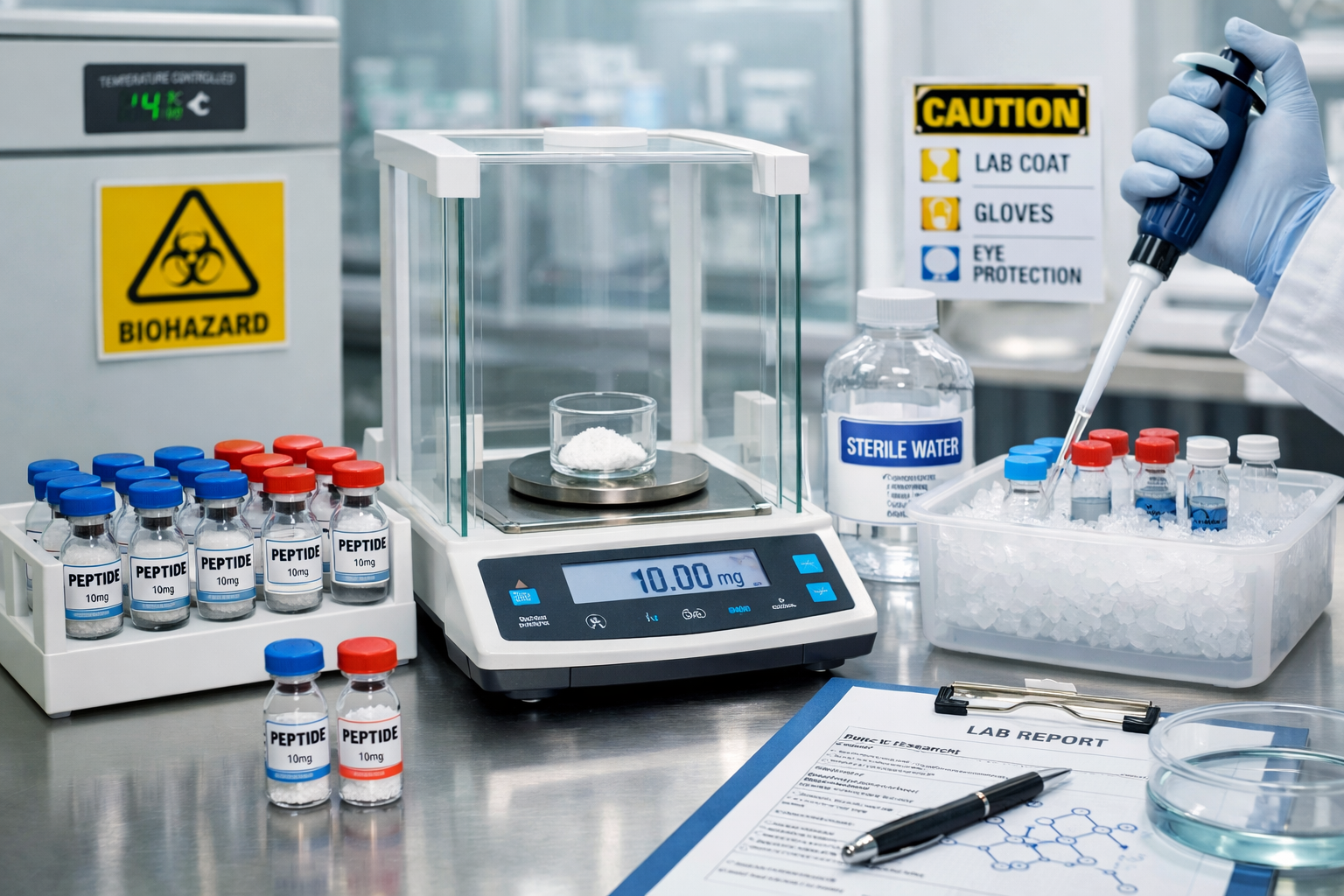
Proper handling of Tesamorelin peptide requires attention to storage conditions and quality control measures. Lyophilized powder should be stored at -20°C or below, protected from light and moisture. Research facilities implementing proper storage protocols report significantly better outcomes and more consistent results.
Quality verification through third-party testing ensures research-grade purity and potency. Reliable peptide suppliers provide comprehensive certificates of analysis, including HPLC purity data and mass spectrometry confirmation.
Temperature monitoring during storage and transport becomes critical for maintaining peptide integrity. Research indicates that exposure to elevated temperatures or repeated freeze-thaw cycles can significantly impact biological activity.
Safety Considerations and Research Best Practices
Research with Tesamorelin peptide requires adherence to established safety protocols and best practices to ensure both researcher safety and data integrity. Understanding potential contraindications and proper handling procedures forms the foundation of successful research programs.
Laboratory Safety Protocols
Proper personal protective equipment (PPE) remains essential when handling Tesamorelin peptide. Research facilities should implement standard biosafety protocols, including appropriate ventilation, waste disposal procedures, and emergency response plans.
Reconstitution procedures require aseptic technique to prevent contamination and ensure research validity. Studies demonstrate that proper sterile technique significantly impacts both safety outcomes and research reproducibility.
Professional research environments maintain detailed standard operating procedures (SOPs) for peptide handling, storage, and administration protocols.
Monitoring and Documentation Requirements
Research protocols with Tesamorelin peptide benefit from comprehensive monitoring and documentation systems. Baseline measurements, regular assessments, and detailed record-keeping contribute to research validity and safety oversight.
Adverse event reporting systems help identify potential safety signals and contribute to the broader understanding of the compound’s research profile. Documentation should include administration details, storage conditions, and any observed effects or complications.
Quality assurance measures, including regular equipment calibration and protocol adherence verification, ensure research standards and participant safety. These practices become particularly important in longer-term research studies where consistency over time is crucial.
[WordPress Shortcode: product-list-slider]
Future Directions and Research Opportunities
The landscape of Tesamorelin peptide research continues to evolve, with emerging applications and novel research methodologies expanding the compound’s potential utility. Current trends suggest increasing interest in combination therapies and personalized research approaches.
Emerging Research Areas
Novel applications of Tesamorelin peptide in cognitive research represent an expanding area of scientific interest. Studies investigating the relationship between growth hormone and neurological function suggest potential applications beyond traditional metabolic research.
Aging research represents another promising frontier, where Tesamorelin peptide‘s effects on growth hormone may provide insights into age-related physiological changes. The compound’s ability to stimulate endogenous hormone production while maintaining natural patterns makes it particularly valuable for longevity studies.
Combination research protocols, incorporating Tesamorelin peptide with other compounds, offer opportunities to study synergistic effects and optimize research outcomes. These approaches require careful protocol design and comprehensive monitoring systems.
Technological Advances in Peptide Research
Advances in analytical techniques continue to enhance Tesamorelin peptide research capabilities. Improved assay methods allow for more precise measurement of growth hormone responses and better characterization of the compound’s effects.
Novel delivery systems and formulation improvements may expand research applications and improve convenience for longer-term studies. These technological developments often translate to enhanced research outcomes and broader application possibilities.
Data analytics and artificial intelligence applications in peptide research provide new opportunities for understanding complex biological responses and optimizing research protocols. These tools become particularly valuable when studying compounds like Tesamorelin peptide with multiple physiological effects.
Conclusion
Tesamorelin peptide represents a significant advancement in growth hormone-releasing hormone research, offering researchers a stable, well-characterized compound with diverse applications. Its unique structural modifications provide enhanced stability while maintaining physiological activity patterns, making it an invaluable tool for various research protocols.
The compound’s demonstrated safety profile, combined with its consistent performance characteristics, positions it as a preferred choice for researchers investigating growth hormone dynamics and metabolic responses. As research continues to expand into new therapeutic areas, Tesamorelin peptide offers a reliable foundation for advancing scientific understanding.
For researchers considering Tesamorelin peptide for their studies, partnering with reputable suppliers who provide comprehensive quality documentation and technical support becomes essential. Pure Tested Peptides offers research-grade compounds with full analytical support, ensuring researchers have access to the highest quality materials for their investigations.
Moving forward, the integration of Tesamorelin peptide into broader research programs, combined with advancing analytical techniques and novel application areas, promises to yield valuable insights into growth hormone biology and its therapeutic potential. The compound’s versatility and reliability make it an essential component of modern peptide research portfolios.
Next Steps for Researchers:
- Evaluate research objectives and determine if Tesamorelin peptide aligns with study goals
- Develop comprehensive protocols including safety measures and monitoring systems
- Establish relationships with qualified suppliers providing research-grade materials
- Consider combination approaches and novel applications within established safety parameters
- Implement robust documentation and quality control systems for optimal research outcomes
SEO Meta Information:
Meta Title: Tesamorelin Peptide Research Guide 2026 | Complete Analysis
Meta Description: Comprehensive guide to Tesamorelin peptide research applications, dosing protocols, and safety considerations. Compare GHRH analogs and optimize research outcomes.