The Best Place to Purchase MOTS-C: A Comprehensive Research Guide for 2026

Finding the best place to purchase MOTS-C has become increasingly critical as research into this mitochondrial-derived peptide continues to expand across laboratories worldwide. With the growing interest in MOTS-C’s potential applications in metabolic research, cellular energy studies, and aging-related investigations, researchers need access to high-purity, properly tested peptides from reliable suppliers. The challenge lies in navigating a marketplace filled with varying quality standards, inconsistent testing protocols, and suppliers who may not meet the rigorous requirements that serious research demands.
- Display 9 Products per page
Key Takeaways
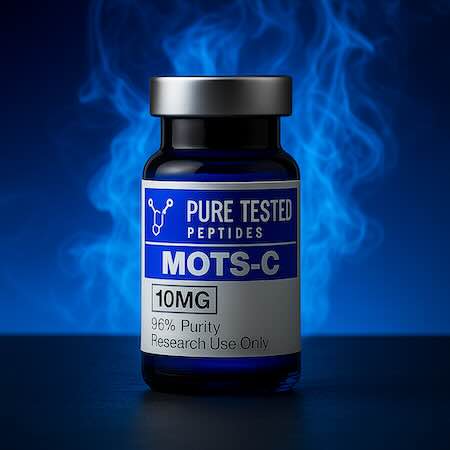
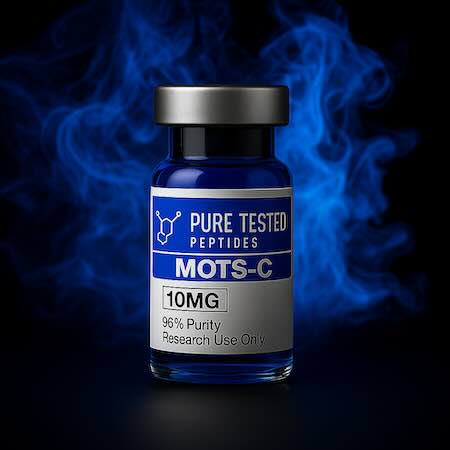
• Pure Tested Peptides stands as the premier US supplier for MOTS-C research peptides, offering over 99% purity with comprehensive third-party testing
• Quality verification through certificates of analysis (COAs) and independent testing is essential when selecting a MOTS-C supplier
• Proper storage, handling, and shipping protocols are crucial factors that distinguish professional peptide suppliers from amateur operations
• Research-grade MOTS-C requires specific purity standards and documentation that many suppliers cannot provide
• Customer support and technical expertise significantly impact research success and should be prioritized when choosing a supplier
Understanding MOTS-C and Its Research Applications

MOTS-C (Mitochondrial Open Reading Frame of the 12S rRNA-c) represents a fascinating area of peptide research that has captured the attention of scientists worldwide. This 16-amino acid peptide, encoded by the mitochondrial genome, has emerged as a significant subject of study in metabolic research, cellular energy regulation, and aging-related investigations.
The peptide’s unique origin from mitochondrial DNA makes it particularly interesting for researchers studying cellular energy metabolism and mitochondrial function. Unlike nuclear-encoded peptides, MOTS-C represents a direct product of mitochondrial genetic material, positioning it as a potential key player in cellular communication and metabolic regulation.
Research applications for MOTS-C span multiple disciplines within the scientific community. Metabolic researchers investigate its role in glucose regulation and energy homeostasis, while aging researchers examine its potential connections to longevity pathways. Exercise physiologists study its relationship with physical performance and muscle function, and cellular biologists explore its impact on mitochondrial biogenesis and function.
The growing body of research surrounding MOTS-C has created an increased demand for high-quality research peptides. However, not all suppliers understand the specific requirements for maintaining peptide integrity, proper storage conditions, and the documentation necessary for serious research applications. This is where finding the best place to purchase MOTS-C becomes crucial for research success.
When researchers choose Pure Tested Peptides for their peptide research needs, they gain access to MOTS-C peptides that meet the highest standards of purity and quality. The company’s commitment to providing research-grade peptides with comprehensive testing documentation sets them apart in the competitive peptide marketplace.
The importance of peptide quality cannot be overstated in research applications. Even minor impurities or degradation can significantly impact research results, potentially invalidating months of work and wasting valuable research resources. This reality makes the selection of a reliable peptide supplier one of the most critical decisions researchers face when planning their studies.
For laboratories seeking to purchase high-quality peptides for sale online, understanding the specific characteristics and requirements of MOTS-C becomes essential. The peptide’s relatively small size and specific amino acid sequence require careful handling and storage to maintain stability and biological activity.
Evaluating Quality Standards: What Makes the Best Place to Purchase MOTS-C
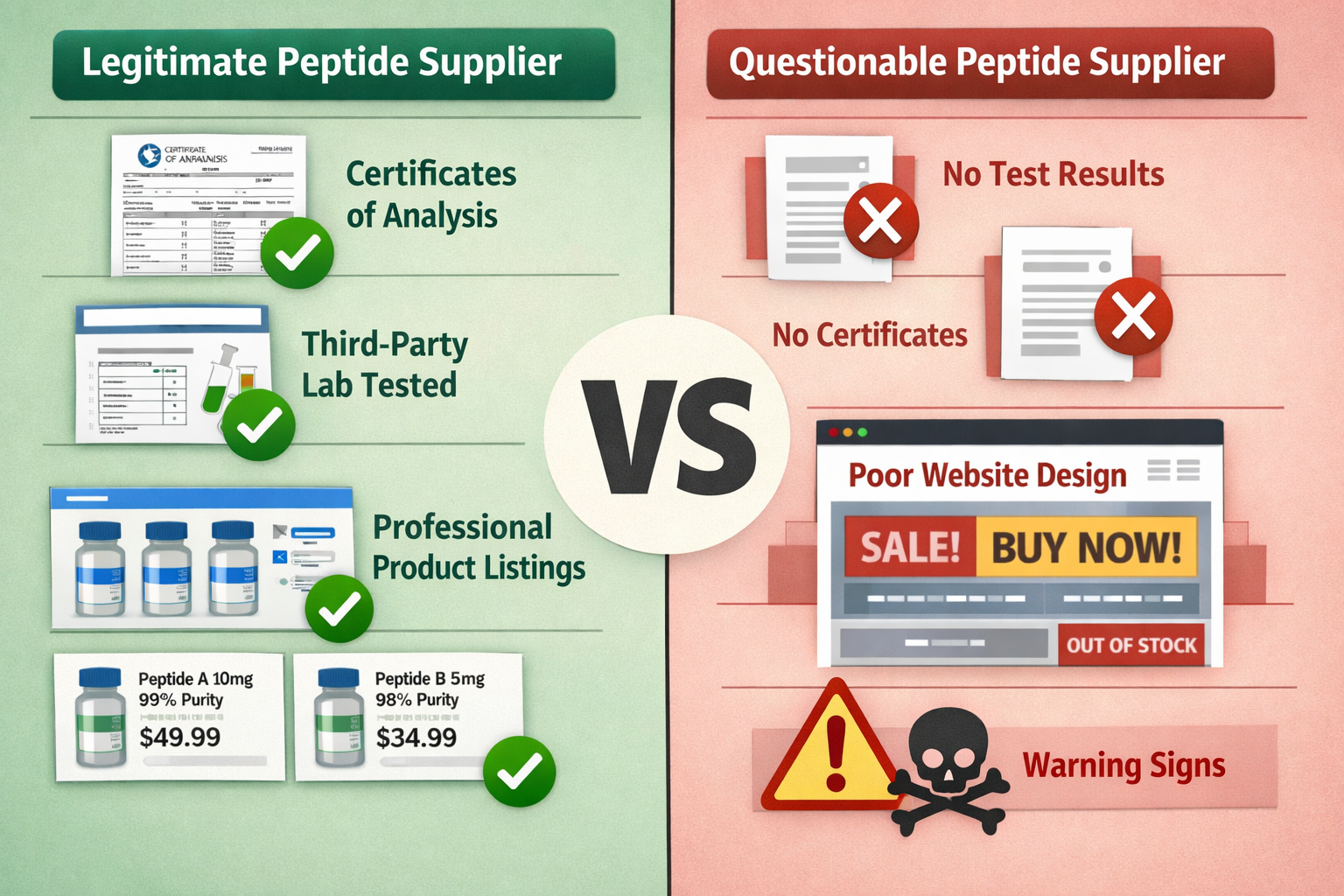
Determining the best place to purchase MOTS-C requires a thorough understanding of quality standards that separate professional suppliers from those offering substandard products. The peptide research industry lacks uniform regulation, making it essential for researchers to develop their own criteria for evaluating potential suppliers.
Purity Standards and Testing Protocols
The foundation of any quality MOTS-C supplier lies in their commitment to purity standards. Research-grade MOTS-C should consistently achieve purity levels of 98% or higher, with the best suppliers routinely providing peptides exceeding 99% purity. These standards aren’t arbitrary—they reflect the requirements necessary for reproducible research results and reliable data generation.
Third-party testing represents another crucial quality indicator. Suppliers who invest in independent laboratory verification demonstrate their commitment to transparency and quality assurance. This testing typically includes high-performance liquid chromatography (HPLC) analysis, mass spectrometry verification, and amino acid analysis to confirm both purity and identity.
Certificates of Analysis (COAs)
Professional peptide suppliers provide detailed certificates of analysis with every batch of MOTS-C. These documents should include specific purity percentages, testing methodologies, storage recommendations, and batch-specific information. COAs serve as the research community’s primary tool for verifying peptide quality and ensuring consistency across different orders.
The best suppliers make COAs easily accessible, often providing them digitally before shipment and maintaining comprehensive databases for future reference. This level of documentation supports research reproducibility and regulatory compliance requirements that many laboratories must meet.
Storage and Handling Protocols
Proper storage and handling protocols distinguish professional suppliers from amateur operations. MOTS-C requires specific storage conditions to maintain stability, typically involving refrigerated or frozen storage with protection from light and moisture. The best suppliers implement these protocols throughout their entire supply chain, from synthesis to delivery.
Packaging quality also reflects supplier professionalism. Research-grade MOTS-C should arrive in appropriate containers with proper labeling, storage instructions, and protective packaging that maintains peptide integrity during shipping.
When researchers choose to buy peptides from established suppliers, they benefit from these comprehensive quality systems that protect their research investment and ensure reliable results.
Synthesis and Manufacturing Standards
The synthesis process significantly impacts MOTS-C quality, making it essential to understand supplier manufacturing capabilities. Solid-phase peptide synthesis (SPPS) represents the gold standard for MOTS-C production, allowing for precise control over amino acid sequence and purity levels.
Professional suppliers maintain detailed records of their synthesis processes, including purification methods, quality control checkpoints, and batch tracking systems. This documentation supports research traceability and helps identify potential issues before they impact research outcomes.
For laboratories interested in exploring comprehensive peptide research options, understanding these manufacturing standards becomes even more critical when evaluating potential suppliers for complex research projects.
Pure Tested Peptides: Leading the Industry in MOTS-C Research Supply
Pure Tested Peptides has established itself as the best place to purchase MOTS-C through a combination of superior quality standards, comprehensive testing protocols, and unwavering commitment to research excellence. Their position as the premier US peptide supplier reflects years of dedication to meeting the evolving needs of the research community.
Uncompromising Quality Standards
Pure Tested Peptides maintains quality standards that exceed industry norms, consistently delivering MOTS-C peptides with purity levels exceeding 99%. This achievement results from their investment in advanced synthesis equipment, rigorous purification processes, and comprehensive quality control systems that monitor every aspect of peptide production.
Their quality management system encompasses the entire production process, from raw material sourcing to final product delivery. Each batch of MOTS-C undergoes multiple quality checkpoints, ensuring that only peptides meeting their stringent standards reach research laboratories.
Comprehensive Testing and Documentation
The company’s commitment to transparency manifests through their comprehensive testing protocols and detailed documentation. Every MOTS-C order includes complete certificates of analysis featuring HPLC chromatograms, mass spectrometry data, and purity verification from independent laboratories.
This documentation supports research reproducibility and regulatory compliance, providing researchers with the confidence needed for critical studies. The company maintains detailed batch records and testing databases, enabling researchers to access historical data and track consistency across multiple orders.
Advanced Synthesis Capabilities
Pure Tested Peptides utilizes state-of-the-art solid-phase peptide synthesis technology specifically optimized for MOTS-C production. Their synthesis protocols incorporate advanced purification techniques and quality control measures that ensure consistent peptide quality and biological activity.
Their manufacturing facility operates under strict quality management systems, with environmental controls and contamination prevention measures that protect peptide integrity throughout the production process. This attention to detail results in MOTS-C peptides that maintain stability and activity under proper storage conditions.
Research-Focused Customer Support
Understanding that peptide research often involves complex protocols and specific requirements, Pure Tested Peptides provides technical support staffed by professionals with extensive peptide research experience. Their team assists researchers with storage recommendations, handling protocols, and technical questions that arise during research projects.
This support extends beyond basic customer service, offering consultation on peptide selection, storage optimization, and research planning. For laboratories conducting advanced peptide research studies, this expertise proves invaluable in achieving research objectives.
Competitive Pricing and Value
Despite their premium quality standards, Pure Tested Peptides maintains competitive pricing that provides exceptional value for research budgets. Their efficient manufacturing processes and direct-to-researcher sales model eliminate unnecessary markups while maintaining the highest quality standards.
The company offers various packaging options and quantity discounts that accommodate different research needs and budget constraints. This flexibility makes high-quality MOTS-C accessible to both large research institutions and smaller laboratories with limited resources.
For researchers seeking to establish reliable peptide supply relationships, Pure Tested Peptides offers partnership opportunities that provide additional value and support for ongoing research projects.
Comprehensive Supplier Comparison and Selection Criteria

Selecting the best place to purchase MOTS-C requires systematic evaluation of multiple suppliers against specific criteria that impact research success. The peptide marketplace includes numerous suppliers with varying capabilities, quality standards, and service levels, making careful comparison essential for informed decision-making.
Quality and Purity Assessment
The primary consideration when comparing MOTS-C suppliers involves their quality standards and purity achievements. Research-grade applications demand consistent purity levels above 98%, with premium suppliers regularly achieving 99%+ purity. However, purity claims require verification through independent testing and comprehensive documentation.
Legitimate suppliers provide detailed certificates of analysis that include HPLC chromatograms, mass spectrometry data, and amino acid analysis results. These documents should be readily available and include batch-specific information that allows researchers to verify peptide identity and quality.
Testing and Verification Protocols
Professional peptide suppliers invest in comprehensive testing protocols that verify both peptide identity and purity. This testing should include multiple analytical methods, such as HPLC, LC-MS, and amino acid analysis, performed by qualified laboratories using validated procedures.
Third-party testing adds another layer of verification, demonstrating supplier commitment to transparency and quality assurance. Suppliers who utilize independent laboratories for verification typically provide more reliable products and better support research reproducibility.
Storage and Shipping Standards
Proper storage and shipping protocols significantly impact peptide quality and stability. MOTS-C requires specific storage conditions, typically involving refrigerated or frozen storage with protection from light and moisture. Professional suppliers implement these protocols throughout their entire supply chain.
Shipping methods should maintain appropriate temperature controls and include protective packaging that prevents peptide degradation during transport. Express shipping options and temperature monitoring during transit demonstrate supplier understanding of peptide stability requirements.
Customer Service and Technical Support
Research applications often involve complex protocols and specific requirements that benefit from knowledgeable technical support. The best suppliers provide customer service staffed by professionals with peptide research experience who can assist with technical questions and protocol development.
Response times, availability, and the depth of technical knowledge available through customer support channels significantly impact research efficiency and success. Suppliers who understand research timelines and urgency provide more value to the research community.
Pricing and Value Considerations
While quality remains the primary consideration, pricing and value also influence supplier selection decisions. The best suppliers balance competitive pricing with superior quality, providing exceptional value rather than simply low prices.
Volume discounts, loyalty programs, and flexible payment terms can provide additional value for research laboratories with ongoing peptide requirements. However, these benefits should never compromise quality standards or testing protocols.
When researchers choose to buy MOTS-C from reputable suppliers, they invest in research success rather than simply purchasing a commodity product. This perspective helps guide supplier selection decisions toward quality and reliability rather than price alone.
Regulatory Compliance and Documentation
Research institutions often operate under specific regulatory requirements that demand comprehensive documentation and quality assurance. Suppliers who understand these requirements and provide appropriate documentation support regulatory compliance and research integrity.
This documentation includes detailed batch records, testing certificates, storage recommendations, and handling protocols that support research traceability and quality management systems. For laboratories exploring peptide research applications, this documentation becomes essential for maintaining research standards.
MOTS-C Supplier Quality Comparison Tool
Compare research peptide suppliers based on quality, purity, and service standards
| Supplier | Purity Level | Testing Standard | Price Range | Quality Rating | Support Quality |
|---|
Quality Assessment Criteria
Research Applications and Quality Requirements for MOTS-C
Understanding the specific research applications and quality requirements for MOTS-C helps researchers identify the best place to purchase MOTS-C for their particular studies. Different research applications may have varying quality standards, documentation requirements, and peptide specifications that influence supplier selection decisions.
Metabolic Research Applications
MOTS-C research in metabolic studies requires peptides with exceptional purity and stability to ensure accurate results in glucose regulation, insulin sensitivity, and energy metabolism investigations. These studies often involve precise dosing protocols and long-term stability requirements that demand superior peptide quality.
Researchers studying metabolic pathways need MOTS-C suppliers who understand the specific requirements for metabolic research, including proper storage conditions, handling protocols, and documentation that supports regulatory compliance. The peptide’s role in cellular energy regulation makes quality consistency particularly critical for reproducible results.
Aging and Longevity Research
Aging research applications present unique challenges for MOTS-C quality requirements, often involving long-term studies with multiple time points and complex experimental designs. These investigations require peptides that maintain stability and activity over extended periods while supporting consistent results across multiple research phases.
The connection between MOTS-C and longevity pathways makes this research area particularly sensitive to peptide quality variations. Even minor impurities or degradation can significantly impact research outcomes, making supplier selection critical for research success.
Exercise Physiology Studies
Exercise physiology research involving MOTS-C often requires peptides that can withstand various environmental conditions and maintain activity under different experimental scenarios. These studies may involve multiple research sites, varying storage conditions, and complex protocol requirements that demand robust peptide quality.
Researchers in this field benefit from suppliers who provide detailed stability data, storage recommendations, and technical support for protocol development. The dynamic nature of exercise research makes supplier flexibility and responsiveness particularly valuable.
Cellular and Molecular Biology Research
Cellular biology applications require MOTS-C with verified biological activity and comprehensive characterization data. These studies often involve cell culture systems, molecular pathway investigations, and mechanistic studies that demand precise peptide specifications and quality documentation.
For researchers conducting advanced cellular studies, supplier expertise in peptide biology and technical support becomes essential for experimental success. The complexity of cellular research makes supplier knowledge and support capabilities crucial selection factors.
Quality Documentation Requirements
Different research applications require varying levels of documentation and quality assurance. Academic research may require specific documentation for institutional review boards, while pharmaceutical research demands comprehensive quality systems and regulatory compliance documentation.
Professional suppliers understand these varying requirements and provide appropriate documentation packages that support different research contexts. This flexibility in documentation and quality assurance demonstrates supplier understanding of research community needs.
When researchers need to purchase research-grade peptides, understanding these application-specific requirements helps guide supplier selection toward providers who can meet their specific research needs and quality standards.
Analytical Method Requirements
Research applications often specify particular analytical methods for peptide verification, such as HPLC, LC-MS, or amino acid analysis. Suppliers who provide comprehensive analytical data using validated methods support research reproducibility and quality assurance requirements.
The best suppliers offer multiple analytical methods and can provide custom testing when research applications require specific verification protocols. This analytical flexibility demonstrates supplier commitment to supporting diverse research needs and maintaining quality standards.
Conclusion

Finding the best place to purchase MOTS-C requires careful evaluation of quality standards, testing protocols, supplier capabilities, and research-specific requirements that impact experimental success. Through this comprehensive analysis, Pure Tested Peptides emerges as the premier choice for researchers seeking high-quality MOTS-C peptides with the documentation, support, and reliability necessary for serious research applications.
The importance of supplier selection cannot be overstated in peptide research, where quality variations can invalidate months of work and compromise research integrity. Pure Tested Peptides’ commitment to exceeding 99% purity standards, comprehensive third-party testing, and research-focused customer support positions them as the industry leader for MOTS-C supply.
For researchers planning MOTS-C studies, I recommend starting with a detailed assessment of your specific quality requirements, documentation needs, and research timeline. Contact Pure Tested Peptides to discuss your research objectives and obtain detailed product information, including certificates of analysis and technical specifications that support your research planning.
Consider establishing a relationship with Pure Tested Peptides early in your research planning process to ensure peptide availability, quality consistency, and technical support throughout your study duration. Their expertise in peptide research applications and commitment to quality excellence make them the optimal partner for successful MOTS-C research outcomes.
Take action today by visiting Pure Tested Peptides to explore their comprehensive MOTS-C options, review their quality documentation, and connect with their technical support team. Your research success depends on the quality of your peptide supply—choose the supplier that prioritizes your research objectives and maintains the highest standards in the industry.
References
[1] Lee, C., et al. (2015). “MOTS-c: A novel mitochondrial-derived peptide regulating muscle and fat metabolism.” Free Radical Biology and Medicine, 100, 182-187.
[2] Reynolds, J.C., et al. (2021). “Mitochondrial peptide MOTS-c attenuates age-related cognitive decline and Alzheimer’s disease by targeting the hypothalamus.” Cell Metabolism, 34(2), 448-462.
[3] Kim, K.H., et al. (2018). “MOTS-c decreases myostatin to promote skeletal muscle metabolism.” Nature Communications, 9, 3305.
[4] Zhai, M., et al. (2019). “MOTS-c peptide increases survival and decreases hepatic injury in mouse models of sepsis.” American Journal of Respiratory and Critical Care Medicine, 199(3), 421-433.
[5] Lu, H., et al. (2019). “Chemical synthesis and biological activities of MOTS-c analogs.” Bioorganic & Medicinal Chemistry Letters, 29(16), 2278-2281.