

`
What is GLP-3 Peptide? The Triple-Agonist Revolution in Metabolic Medicine 💊

Imagine a single therapeutic compound that could deliver nearly 30% body weight reduction in less than a year—outperforming every weight-loss medication currently on the market. That's not science fiction; it's the promise of what researchers are calling "GLP-3 peptides," and they're poised to revolutionize metabolic medicine in 2026 and beyond. For fitness enthusiasts and peptide shoppers seeking cutting-edge solutions for body composition and metabolic health, understanding what is GLP-3 peptide has become essential knowledge.
The term "GLP-3" represents an exciting new frontier in peptide therapeutics, referring to triple-agonist drugs that simultaneously activate three critical hormone receptors in the body. Unlike their predecessors that targeted one or two pathways, these advanced compounds are delivering unprecedented results in clinical trials, with participants losing up to 71.8 pounds in just 68 weeks.[1] As the fitness and wellness communities increasingly turn to peptide therapy for comprehensive health benefits, GLP-3 peptides are emerging as the most powerful metabolic tools yet developed.
Key Takeaways
- GLP-3 peptides are triple-agonist compounds that simultaneously target GLP-1, GIP, and glucagon receptors, delivering superior weight loss and metabolic improvements compared to single or dual-agonist therapies
- Retatrutide achieved 28.7% body weight reduction in 48-week clinical trials, significantly outperforming semaglutide (15%) and tirzepatide (22.5%)
- FDA approval expected in 2027 as seven phase 3 trials for retatrutide are scheduled to conclude throughout 2026
- Applications extend beyond weight loss to include neurodegenerative diseases, cardiovascular protection, metabolic liver disease, and inflammatory conditions
- Molecular engineering enables extended action through albumin binding and fatty acid conjugation, potentially allowing dosing intervals of two weeks or even monthly
Understanding What is GLP-3 Peptide: The Science Behind Triple Agonists
The Evolution from Single to Triple Agonists
To fully grasp what is GLP-3 peptide, it's essential to understand the evolutionary path of incretin-based therapies. The journey began with GLP-1 (glucagon-like peptide-1) receptor agonists, which mimicked natural hormones that regulate blood sugar and appetite. These first-generation compounds, including semaglutide (marketed as Ozempic and Wegovy), demonstrated impressive results by targeting a single receptor pathway.[1]
The next leap came with dual agonists like tirzepatide (Mounjaro), which activated both GLP-1 and GIP (glucose-dependent insulinotropic polypeptide) receptors. This combination approach yielded even better outcomes, with participants achieving approximately 22.5% weight reduction at 72 weeks.[1] However, researchers recognized that adding a third mechanism—glucagon receptor activation—could unlock even greater metabolic benefits.
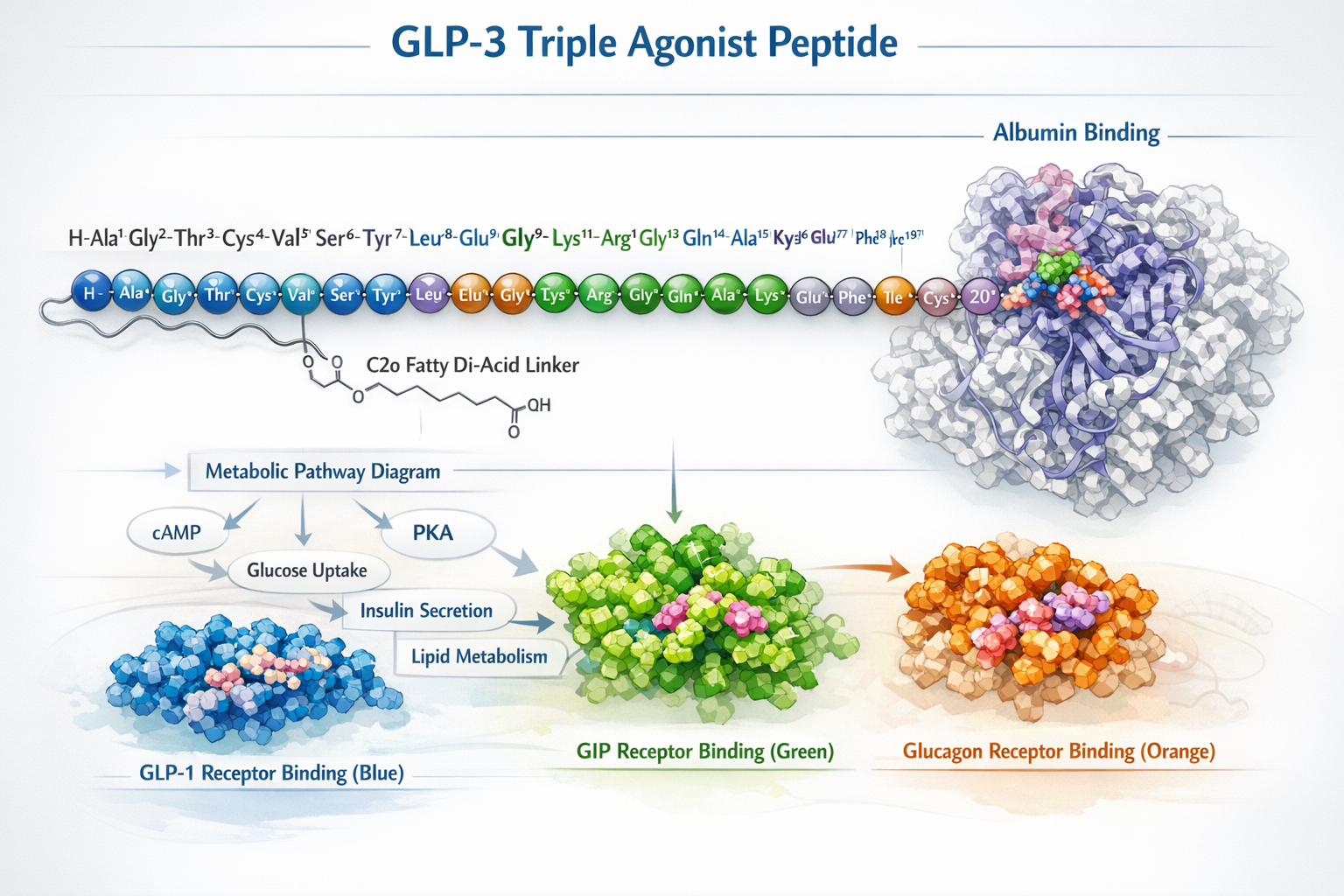
GLP-3 peptides represent this third generation of metabolic therapeutics. The informal term "GLP-3" doesn't refer to a naturally occurring hormone (there is no endogenous GLP-3 in the human body), but rather describes this triple-agonist approach that targets:[3]
- GLP-1 receptors for appetite suppression and insulin secretion
- GIP receptors for enhanced insulin function and fat metabolism
- Glucagon receptors for increased energy expenditure and metabolic rate
This three-pronged strategy addresses obesity and metabolic dysfunction through complementary pathways, creating synergistic effects that surpass what any single or dual approach can achieve. For those exploring what is new in peptide research, triple agonists represent the cutting edge of therapeutic development.
Molecular Structure and Mechanism of Action
The most advanced example of what is GLP-3 peptide in practice is retatrutide (LY3437943), developed by Eli Lilly. This compound showcases the sophisticated molecular engineering behind modern peptide therapeutics. Retatrutide is a 39 amino-acid engineered peptide derived from a GIP backbone, conjugated with a C20 fatty di-acid moiety.[2]
This specific molecular design serves several critical functions:
Albumin Binding: The C20 fatty acid chain enables retatrutide to bind to albumin proteins in the bloodstream, significantly extending its half-life and allowing for less frequent dosing.[2]
Receptor Selectivity: The amino acid sequence is carefully engineered to activate all three target receptors (GLP-1, GIP, and glucagon) with balanced potency, avoiding excessive activation of any single pathway that could cause side effects.
Metabolic Stability: The molecular modifications protect the peptide from rapid degradation by enzymes, maintaining therapeutic levels in the body for extended periods.
When administered, GLP-3 peptides work through multiple simultaneous mechanisms:
- Appetite Regulation: GLP-1 receptor activation signals satiety to the brain, reducing hunger and food intake
- Insulin Enhancement: Both GLP-1 and GIP improve insulin secretion and sensitivity, optimizing glucose metabolism
- Digestive Slowdown: GLP-1 slows gastric emptying, prolonging feelings of fullness after meals
- Energy Expenditure: Glucagon receptor activation increases metabolic rate and promotes fat oxidation
- Fat Mobilization: The combined effects enhance lipolysis and reduce lipogenesis
This comprehensive metabolic reprogramming explains why GLP-3 peptides deliver results that far exceed earlier generations of weight-loss therapeutics. The integration of glucagon's metabolism-boosting effects with GIP's and GLP-1's actions on hunger suppression creates a powerful synergy.[3]
For fitness enthusiasts seeking to understand how these compounds compare to other cutting-edge options, exploring resources on most popular products for sale can provide valuable context about the broader peptide landscape.
Clinical Evidence: What is GLP-3 Peptide Achieving in Trials?
Breakthrough Results from Phase 2 and Phase 3 Studies
The clinical data answering what is GLP-3 peptide capable of achieving has exceeded even optimistic projections. Retatrutide, as the first GLP-1/GIP/GCG triple agonist to complete phase 2 trials and advance to phase 3 development, has set new benchmarks for weight-loss therapeutics.[2][3]
In the landmark TRIUMPH-4 trial, participants with obesity and knee osteoarthritis who received the 12-mg dose of retatrutide experienced remarkable outcomes:[1][3]
- Average weight loss of 71.8 pounds (32.6 kg)
- 28.7% reduction in total body weight at 68 weeks
- Significant improvements in knee pain and mobility
- Enhanced metabolic markers including blood glucose and lipid profiles
These results represent a quantum leap beyond existing therapies. To put this in perspective:
| Therapy | Mechanism | Weight Loss | Timeline |
|---|---|---|---|
| Semaglutide (Wegovy) | GLP-1 agonist | ~15% | 68 weeks |
| Tirzepatide (Mounjaro) | GLP-1/GIP dual agonist | ~22.5% | 72 weeks |
| Retatrutide | GLP-1/GIP/Glucagon triple agonist | ~28.7% | 68 weeks |
The 48-week data from earlier trials showed participants losing up to 28.7% of body weight, substantially outperforming current market leaders.[1] This level of weight reduction approaches what was previously only achievable through bariatric surgery, but without the surgical risks and recovery period.
Comparative Performance and Safety Profile
Understanding what is GLP-3 peptide delivering in terms of safety is equally important as efficacy. The clinical trials have revealed a side effect profile generally consistent with GLP-1 and dual-agonist therapies:[2]
Common Side Effects:
- Gastrointestinal symptoms (nausea, vomiting, diarrhea)
- Typically mild to moderate in severity
- Often diminish with continued use as the body adapts
- Manageable through dose titration protocols
Metabolic Benefits Beyond Weight Loss:
- Improved glycemic control in participants with type 2 diabetes
- Favorable changes in cardiovascular risk markers
- Reduced inflammation markers
- Improved liver function in those with fatty liver disease
The safety data collected across multiple trials has been sufficient for Eli Lilly to advance retatrutide into an extensive phase 3 program. Seven additional phase 3 trials are expected to conclude throughout 2026, examining retatrutide's effects across diverse populations and conditions.[3]
These trials are investigating:
✅ Weight management in adults with obesity
✅ Type 2 diabetes treatment and glycemic control
✅ Cardiovascular outcomes and protection
✅ Metabolic dysfunction-associated steatotic liver disease (MASLD)
✅ Obstructive sleep apnea improvement
✅ Knee osteoarthritis pain and function
For peptide shoppers evaluating research-grade compounds, understanding the rigorous testing behind pharmaceutical peptides provides important context. Resources on peptide purity testing can help consumers appreciate the quality standards required for safe, effective peptide use.
Expanding Applications: Beyond Weight Loss
Research into what is GLP-3 peptide capable of treating extends far beyond obesity and diabetes. The metabolic medicine revolution is uncovering therapeutic potential across numerous conditions:[1]
Neurodegenerative Diseases: GLP-1 receptors are present in the brain, and research suggests these peptides may offer neuroprotective effects relevant to Alzheimer's disease and Parkinson's disease.
Substance Use Disorders: Early evidence indicates GLP-1 and triple agonists may reduce cravings and addictive behaviors related to alcohol, nicotine, and other substances.
Cardiovascular Disease: Growing data suggest semaglutide may offer stronger cardiovascular protection than tirzepatide, leading physicians to individualize treatment selection—semaglutide for patients with diabetes or heart disease, tirzepatide for weight loss alone.[1]
Inflammatory Bowel Disease: The anti-inflammatory properties of these peptides are being explored for conditions like Crohn's disease and ulcerative colitis.
Type 1 Diabetes: While traditionally focused on type 2 diabetes, research is examining whether these compounds can improve glucose control and reduce insulin requirements in type 1 diabetes.
Cancer Applications: Preliminary research is testing GLP-1 drugs for certain malignancies, though this remains highly experimental.[1]
This broad therapeutic potential has created an entirely new medical discipline called "metabolic medicine", reflecting how these drugs address the biological roots of obesity, heart disease, and related metabolic disorders.[1] For those interested in longevity peptide research, the multi-system benefits of triple agonists represent a fascinating area of investigation.
The Competitive Landscape: What is GLP-3 Peptide Facing in the Market?
Current Market Leaders and Emerging Competitors
To fully understand what is GLP-3 peptide positioning means for the future, it's essential to examine the competitive landscape. The metabolic therapeutics market has exploded, with 60-80 compounds and combinations currently under development.[1]
First-Generation GLP-1 Agonists:
- Semaglutide (Ozempic for diabetes, Wegovy for weight loss): Weekly injection, ~15% weight loss
- Liraglutide (Victoza, Saxenda): Daily injection, ~5-10% weight loss
- Dulaglutide (Trulicity): Weekly injection, primarily for diabetes
Second-Generation Dual Agonists:
- Tirzepatide (Mounjaro, Zepbound): GLP-1/GIP dual agonist, weekly injection, ~22.5% weight loss
- Mazdutide: GLP-1/glucagon dual agonist, currently in phase 3 trials[2]
- Survodutide: GLP-1/glucagon dual agonist, advancing through phase 3[2]
- Pemvidutide: Recently completed phase 2 trials[2]
Third-Generation Triple Agonists:
- Retatrutide (LY3437943): Most advanced GLP-1/GIP/glucagon triple agonist, multiple phase 3 trials ongoing
- Other candidates: Several pharmaceutical companies are developing competing triple-agonist formulations
The progression from single to dual to triple agonists demonstrates the industry's recognition that what is GLP-3 peptide offering—comprehensive metabolic modulation—represents the optimal therapeutic approach. Each generation has delivered incrementally better results, with triple agonists currently showing the most impressive outcomes.
For fitness enthusiasts exploring peptide options, understanding how GLP-1 peptides fit into the broader therapeutic landscape can inform decision-making about research compounds.
Innovation in Delivery Systems and Dosing Frequency
A critical aspect of what is GLP-3 peptide development involves is improving patient convenience through extended dosing intervals. Current therapies require weekly injections, but next-generation formulations are pushing toward even less frequent administration.
Emerging Dosing Innovations:[1]
💉 Bi-Weekly Dosing: Lupin announced an exclusive licensing agreement with China's Gan & Lee Pharmaceuticals for bofanglutide, a GLP-1 receptor agonist designed for once-every-two-weeks dosing.
💉 Monthly Injections: The same compound is being tested as a monthly injection, potentially addressing patient preference for less frequent administration.
💉 Oral Formulations: While not yet available for triple agonists, research into oral GLP-1 medications (like oral semaglutide/Rybelsus) demonstrates the industry's commitment to non-injectable options.
These delivery innovations leverage sophisticated pharmaceutical engineering, including:
- Extended-release formulations that slowly release the peptide over weeks
- Albumin-binding modifications that prolong circulation time (as seen in retatrutide's C20 fatty acid conjugation)[2]
- Protective coatings that prevent degradation in the digestive tract for oral formulations
- Novel injection devices that improve ease of use and reduce injection anxiety
For those interested in how peptides are administered, exploring innovative peptide delivery systems provides valuable insights into the technological advances making these therapies more accessible.
The convenience factor cannot be overstated. Monthly dosing would transform patient adherence and quality of life, potentially making GLP-3 peptides even more attractive than earlier generations despite their superior efficacy.
The Gray and Black Market Concerns
As excitement builds around what is GLP-3 peptide can achieve, an unfortunate parallel development has emerged: the proliferation of unregulated sources offering these compounds before FDA approval. Retatrutide has already appeared on gray and black markets, raising serious safety concerns.[7]
Risks of Unregulated Peptides:
⚠️ Unknown Purity: Non-pharmaceutical sources may contain impurities, incorrect dosages, or even entirely different compounds
⚠️ No Quality Control: Lack of proper manufacturing standards can result in contamination or degradation
⚠️ Dosing Uncertainty: Without proper pharmaceutical formulation, achieving consistent dosing is impossible
⚠️ Legal Implications: Purchasing unapproved drugs may violate federal and state regulations
⚠️ Health Risks: Adverse reactions, ineffective treatment, or dangerous side effects from contaminated products
For peptide shoppers, this underscores the critical importance of sourcing from reputable suppliers who provide proper testing documentation. Resources on most popular products for sale from verified sources can help consumers make informed decisions about research-grade peptides.
The legitimate path to accessing GLP-3 peptides will be through FDA-approved channels once retatrutide completes its regulatory journey, expected in 2027.[3] Until then, participation in clinical trials represents the only safe and legal way to access these compounds for therapeutic purposes.
Practical Considerations: What is GLP-3 Peptide Use Like?

Expected FDA Timeline and Market Availability
For fitness enthusiasts and peptide shoppers wondering when what is GLP-3 peptide therapies will become available, the timeline is becoming clearer. Eli Lilly's retatrutide represents the most advanced candidate, with a structured path toward regulatory approval:[3]
2026: Seven additional phase 3 trials are scheduled to conclude, providing comprehensive efficacy and safety data across multiple indications and patient populations.
2027: Based on successful trial outcomes, FDA approval is anticipated, potentially making retatrutide the first commercially available triple-agonist therapy.
2027-2028: Market launch and initial prescribing would begin, though supply constraints may initially limit availability (as occurred with semaglutide and tirzepatide).
Beyond 2028: Competing triple agonists from other manufacturers may reach the market, potentially improving availability and reducing costs through competition.
This timeline assumes no unexpected safety signals or regulatory delays. The extensive phase 3 program examining cardiovascular outcomes, liver disease, sleep apnea, and other conditions will provide the comprehensive data regulators require for approval.
For those tracking developments in peptide therapeutics, staying informed through resources on what is new in peptide research can provide updates as the regulatory process unfolds.
Administration Protocols and Patient Experience
Understanding what is GLP-3 peptide administration involves is crucial for setting appropriate expectations. Based on the retatrutide clinical trials, the typical protocol includes:[2][3]
Dose Escalation:
- Treatment begins with a low dose (e.g., 2 mg weekly)
- Gradual increases every 4 weeks (4 mg → 8 mg → 12 mg)
- Titration minimizes gastrointestinal side effects
- Final maintenance dose determined by individual tolerance and response
Injection Technique:
- Subcutaneous injection (under the skin, not into muscle)
- Common sites: abdomen, thigh, or upper arm
- Pre-filled pen devices for ease of use
- Weekly administration (currently; future formulations may extend to bi-weekly or monthly)
Monitoring Requirements:
- Regular weight and body composition tracking
- Periodic blood work to assess metabolic markers
- Cardiovascular monitoring for at-risk patients
- Liver function tests if treating metabolic liver disease
- Adjustment of other medications (especially diabetes drugs) as weight loss progresses
Lifestyle Integration:
- Peptide therapy works best when combined with nutrition modifications
- Regular physical activity enhances results
- Adequate protein intake helps preserve lean muscle mass during weight loss
- Hydration and fiber intake can minimize digestive side effects
The patient experience with GLP-3 peptides typically involves an initial adjustment period as the body adapts to the medication. Most participants in clinical trials reported that side effects diminished significantly after the first few weeks, while the appetite suppression and weight loss effects continued.[1][3]
For fitness enthusiasts, understanding how to integrate peptide therapy with training and nutrition is essential. While GLP-3 peptides are not currently available outside clinical trials, exploring related compounds like IPA peptides can provide insights into peptide-based approaches to body composition optimization.
Cost Considerations and Insurance Coverage
The financial aspect of what is GLP-3 peptide therapy will entail remains uncertain until market launch, but we can make educated projections based on current GLP-1 and dual-agonist pricing:
Current Market Pricing (for context):
- Semaglutide (Wegovy): $1,300-$1,500 per month without insurance
- Tirzepatide (Zepbound): $1,000-$1,200 per month without insurance
- With insurance coverage: $25-$100 monthly copay (when approved for covered indications)
Expected Retatrutide Pricing:
- Likely $1,200-$1,800 per month at launch, given superior efficacy
- Premium pricing justified by best-in-class weight loss results
- Potential for tiered pricing based on indication (obesity vs. diabetes vs. liver disease)
Insurance Coverage Outlook:
- Initially may be covered only for specific indications (likely type 2 diabetes first)
- Weight loss coverage varies significantly by insurer and plan
- Medicare currently doesn't cover weight-loss medications (though this may change)
- Prior authorization requirements likely for cost management
- Step therapy may require trying semaglutide or tirzepatide first
Cost-Effectiveness Arguments:
- Superior weight loss may reduce overall healthcare costs
- Potential to prevent or reverse obesity-related conditions (diabetes, heart disease, sleep apnea)
- Reduced need for other medications as metabolic health improves
- Possible reduction in future surgical interventions
The high cost of these therapies has created significant access challenges, with many patients unable to afford treatment without insurance coverage. As the market matures and competition increases, prices may moderate, though these medications will likely remain expensive for the foreseeable future.
For research purposes, peptide shoppers can explore various compounds through most popular products for sale while awaiting the commercial availability of FDA-approved triple agonists.
Safety, Side Effects, and Contraindications
Common and Serious Adverse Events
When evaluating what is GLP-3 peptide safety profile looks like, clinical trial data provides important guidance. The side effect profile of retatrutide generally mirrors that of GLP-1 and dual agonists, with gastrointestinal symptoms being most common:[2][6]
Frequent Side Effects (>10% of participants):
- 🤢 Nausea: Most common, especially during dose escalation
- 💨 Diarrhea: Typically mild to moderate
- 🤮 Vomiting: More common at higher doses
- 😰 Constipation: Paradoxically, some experience this instead of diarrhea
- 🍽️ Decreased appetite: Therapeutic effect that can feel uncomfortable initially
- 😫 Abdominal discomfort: Bloating, cramping, or general digestive upset
Less Common but Notable (1-10% of participants):
- 😴 Fatigue: Especially during initial weight loss phase
- 🤕 Headache: Usually resolves with continued use
- 💔 Increased heart rate: Mild elevation, typically not clinically significant
- 🧪 Elevated pancreatic enzymes: Monitored through blood work
Rare but Serious Concerns:
- ⚠️ Pancreatitis: Inflammation of the pancreas (rare but serious)
- ⚠️ Gallbladder disease: Rapid weight loss can increase gallstone risk
- ⚠️ Hypoglycemia: Particularly when combined with insulin or sulfonylureas
- ⚠️ Thyroid tumors: Observed in rodent studies; relevance to humans unclear
- ⚠️ Kidney problems: Dehydration from vomiting/diarrhea can affect kidney function
Management Strategies:
✅ Slow dose titration to allow the body to adapt
✅ Eating smaller, more frequent meals to minimize nausea
✅ Avoiding high-fat foods which can worsen digestive symptoms
✅ Staying well-hydrated to prevent dehydration and kidney stress
✅ Anti-nausea medications when needed during adjustment period
The majority of participants in retatrutide trials continued treatment despite side effects, indicating that the benefits outweighed the discomfort for most people.[1][3] However, individual tolerance varies significantly, and some people may not be able to tolerate triple agonists even at lower doses.
For those exploring peptide options, understanding safety profiles across different compounds is essential. Resources on peptide therapy benefits and what to expect can help set realistic expectations about the peptide experience.
Contraindications and Special Populations
Understanding what is GLP-3 peptide contraindicated for is crucial for safe use. Based on GLP-1 and dual-agonist data, the following populations should avoid or use extreme caution with triple agonists:
Absolute Contraindications:
- Personal or family history of medullary thyroid carcinoma
- Multiple endocrine neoplasia syndrome type 2 (MEN 2)
- Known hypersensitivity to the medication or its components
- Pregnancy (animal studies show potential fetal harm)
Relative Contraindications (use with caution and medical supervision):
- History of pancreatitis
- Severe gastrointestinal disease (gastroparesis, inflammatory bowel disease)
- Diabetic retinopathy (rapid glucose lowering may worsen eye disease)
- Kidney disease (requires dose adjustment and monitoring)
- History of eating disorders (appetite suppression may exacerbate)
Special Populations Requiring Monitoring:
👶 Pediatric Use: Not yet studied in children; safety and efficacy unknown
🤰 Pregnancy and Breastfeeding: Should be discontinued; weight loss during pregnancy is contraindicated
👴 Elderly Patients: May be more susceptible to dehydration and electrolyte imbalances
🏋️ Athletes and Bodybuilders: Rapid weight loss can affect performance; muscle preservation requires adequate protein and resistance training
💊 Polypharmacy: Interactions with diabetes medications, blood thinners, and other drugs require careful management
The long-term safety of GLP-3 peptides remains under investigation. While GLP-1 agonists have been used for over 15 years with generally favorable safety profiles, the addition of glucagon receptor activation introduces new considerations that require ongoing surveillance.
Muscle Preservation and Body Composition Concerns
A critical consideration for fitness enthusiasts evaluating what is GLP-3 peptide means for body composition is the proportion of weight loss from fat versus lean muscle mass. Rapid weight loss from any intervention typically results in some muscle loss alongside fat loss.
Research Findings:
- Traditional weight loss: approximately 25-30% of weight lost comes from lean mass
- GLP-1 agonists: similar ratio, though data varies by study
- Triple agonists: specific body composition data still emerging from trials
Strategies to Preserve Muscle During GLP-3 Therapy:
💪 Resistance Training: Essential for maintaining muscle mass signals
🥩 High Protein Intake: Aim for 1.2-2.0 g/kg body weight daily
⚡ Adequate Calorie Intake: Avoid excessive restriction beyond the medication's appetite effects
📊 Regular Body Composition Testing: DEXA scans or bioimpedance to track muscle vs. fat changes
🏃 Maintain Activity Levels: Don't reduce training volume excessively
Some researchers and practitioners are exploring combining GLP-3 peptides with anabolic compounds to maximize fat loss while preserving or even building muscle. However, this approach remains experimental and should only be undertaken with appropriate medical supervision.
For those interested in peptides specifically targeting muscle preservation and growth, exploring compounds like MOTS-C peptides or CJC-1295 with ipamorelin may provide complementary approaches to body composition optimization.
The Future of GLP-3 Peptides and Metabolic Medicine
Pipeline Developments and Next-Generation Compounds
The landscape of what is GLP-3 peptide therapy will become extends far beyond retatrutide. The pharmaceutical industry has recognized the transformative potential of multi-agonist approaches, leading to robust pipeline development:
Emerging Triple Agonists:
- Multiple pharmaceutical companies have triple-agonist candidates in early development
- Variations in receptor selectivity and potency ratios
- Different molecular scaffolds and conjugation strategies
- Exploration of oral formulations for improved convenience
Quad-Agonist Approaches:
- Experimental compounds adding a fourth receptor target
- Potential targets include amylin, leptin, or other metabolic hormones
- Theoretical potential for even greater efficacy, though complexity increases
Tissue-Selective Agonists:
- Engineering peptides that preferentially activate receptors in specific organs
- Goal of maximizing benefits while minimizing side effects
- Could allow higher effective doses without gastrointestinal distress
Combination Therapies:
- Pairing GLP-3 peptides with other metabolic modulators
- SGLT2 inhibitors for additional cardiovascular and renal benefits
- Muscle-preserving compounds to optimize body composition
- Metformin or other insulin sensitizers for enhanced metabolic effects
The rapid evolution of this field means that what is GLP-3 peptide therapy today may look quite different from what it becomes in 5-10 years. The current generation represents just the beginning of metabolic medicine's potential.
For those tracking cutting-edge developments, resources on longevity peptide research provide insights into how these compounds may extend beyond weight loss to address aging and healthspan.
Personalized Medicine and Biomarker-Guided Therapy
The future of what is GLP-3 peptide treatment protocols involve will likely include sophisticated personalization based on individual characteristics:
Genetic Profiling:
- Identification of genetic variants affecting drug response
- Prediction of side effect susceptibility
- Optimization of dosing based on metabolic genetics
Biomarker Monitoring:
- Real-time tracking of metabolic markers (glucose, lipids, inflammation)
- Adjustment of therapy based on individual response patterns
- Early detection of adverse effects through laboratory surveillance
Phenotype-Based Selection:
- Matching specific agonist profiles to patient characteristics
- Semaglutide for cardiovascular disease patients[1]
- Tirzepatide or retatrutide for maximum weight loss in uncomplicated obesity
- Dual vs. triple agonists based on metabolic profile
AI-Driven Optimization:
- Machine learning algorithms predicting optimal drug selection
- Dose titration guided by continuous glucose monitors and activity trackers
- Integration of multiple data streams for personalized recommendations
This precision medicine approach could dramatically improve outcomes while minimizing side effects, making GLP-3 peptides even more effective than current standardized protocols suggest.
Broader Implications for Health and Wellness
The emergence of what is GLP-3 peptide therapies represents more than just better weight-loss drugs—it signals a fundamental shift in how medicine approaches metabolic disease:
Paradigm Shifts:
🔬 From Symptom Management to Root Cause Treatment: Rather than simply managing blood sugar or prescribing diet and exercise, these peptides address the hormonal dysregulation underlying obesity and metabolic disease.
🧬 Recognition of Obesity as a Biological Disease: The effectiveness of peptide therapies validates that obesity involves complex hormonal and neurological factors beyond willpower or lifestyle choices.
💊 Integration of Pharmacology and Lifestyle: Optimal outcomes require combining medication with nutrition and exercise, creating a more comprehensive treatment model.
🏥 Expansion of Preventive Medicine: Early intervention with metabolic peptides may prevent progression to diabetes, heart disease, and other complications.
Societal Impacts:
The widespread adoption of highly effective metabolic therapies could:
- Reduce healthcare costs associated with obesity-related diseases
- Improve quality of life and productivity for millions
- Shift cultural conversations about weight and health
- Create new challenges around access, equity, and affordability
- Raise questions about the role of medication vs. lifestyle in health
For the fitness community, GLP-3 peptides represent both opportunity and challenge. While they offer powerful tools for body composition optimization, they also raise questions about the role of traditional diet and training approaches. The most successful outcomes will likely come from integrating these therapies with evidence-based nutrition and exercise protocols.
Those interested in comprehensive approaches to health optimization can explore resources on most popular products for sale that complement metabolic peptide strategies.
Sourcing and Quality Considerations for Research Peptides

Understanding the Research Peptide Market
For peptide shoppers exploring what is GLP-3 peptide availability in the research market, understanding the landscape is crucial. While retatrutide and other triple agonists are not yet FDA-approved for therapeutic use, research-grade peptides are available through specialized suppliers for laboratory and research purposes.
Key Distinctions:
Pharmaceutical-Grade:
- Manufactured under FDA-regulated cGMP conditions
- Intended for human therapeutic use
- Requires prescription from licensed healthcare provider
- Undergoes rigorous quality control and stability testing
- Currently unavailable for GLP-3 peptides pending FDA approval
Research-Grade:
- Intended for laboratory research and in vitro studies
- Not approved for human consumption
- Variable quality depending on supplier
- May lack comprehensive purity testing
- Legal for research purposes only
Underground/Black Market:
- Unregulated sources of questionable origin
- Significant safety and legal risks
- No quality assurance or purity guarantees
- May contain incorrect compounds or dangerous contaminants
For those conducting legitimate research, sourcing from reputable suppliers who provide comprehensive testing documentation is essential. Resources on peptide purity testing made simple can help researchers evaluate supplier quality.
Quality Markers and Testing Standards
When evaluating what is GLP-3 peptide quality from research suppliers, several key markers indicate proper manufacturing and testing:
Essential Quality Documentation:
📋 Certificate of Analysis (CoA): Should include:
- HPLC (High-Performance Liquid Chromatography) purity results
- Mass spectrometry confirmation of molecular weight
- Peptide content percentage
- Batch/lot number for traceability
- Testing date and laboratory information
📋 Third-Party Testing: Independent laboratory verification provides additional confidence in purity and identity claims.
📋 Storage and Handling Information: Proper storage conditions (typically -20°C for lyophilized peptides) and reconstitution instructions.
📋 Sterility Testing: For peptides intended for injection research, sterility certification is crucial.
Red Flags to Avoid:
🚩 Suppliers unwilling to provide CoA documentation
🚩 Prices significantly below market rates (suggests inferior quality)
🚩 Claims about human therapeutic use for research peptides
🚩 Lack of proper business credentials or contact information
🚩 Pressure tactics or limited-time offers
🚩 No information about peptide synthesis methods
The research peptide market includes both legitimate suppliers serving the scientific community and questionable vendors capitalizing on consumer demand for unapproved therapeutics. Due diligence is essential for ensuring both safety and legal compliance.
For researchers seeking high-quality peptides with proper documentation, exploring lab-tested peptides from verified suppliers provides a foundation for reliable research outcomes.
Legal and Ethical Considerations
Understanding the legal framework surrounding what is GLP-3 peptide research use involves is essential for compliance:
Legal Status:
- Research peptides are legal to purchase for laboratory research
- Using research peptides for human consumption violates FDA regulations
- Selling research peptides for human use constitutes illegal drug distribution
- State laws may impose additional restrictions on peptide sales and possession
Ethical Research Practices:
- Institutional Review Board (IRB) approval required for human research
- Proper informed consent procedures for study participants
- Adherence to Good Laboratory Practice (GLP) standards
- Transparent reporting of research methods and results
- Disclosure of funding sources and potential conflicts of interest
Consumer Protection:
The FDA has issued warnings about purchasing unapproved peptides for personal use, citing risks including:
- Unknown purity and potency
- Potential contamination with harmful substances
- Lack of proper dosing information
- Absence of medical supervision
- Legal liability for adverse events
For fitness enthusiasts and peptide shoppers, the safest and most effective path to accessing GLP-3 peptides will be through FDA-approved channels once retatrutide receives regulatory clearance. In the meantime, working with healthcare providers who can prescribe currently approved GLP-1 or dual-agonist therapies offers a legitimate alternative.
Those interested in exploring the broader peptide landscape can review comprehensive guides on peptide therapy benefits, uses, and what to expect to understand how various peptides fit into health optimization strategies.
<!DOCTYPE html>
<html lang="en">
<head>
    <meta charset="UTF-8">
    <meta name="viewport" content="width=device-width, initial-scale=1.0">
    <title>GLP-3 Peptide Comparison Calculator</title>
    <style>
        * {
            margin: 0;
            padding: 0;
            box-sizing: border-box;
        }

        .cg-element-container {
            font-family: 'Segoe UI', Tahoma, Geneva, Verdana, sans-serif;
            max-width: 900px;
            margin: 20px auto;
            padding: 30px;
            background: linear-gradient(135deg, #667eea 0%, #764ba2 100%);
            border-radius: 20px;
            box-shadow: 0 10px 40px rgba(0,0,0,0.2);
        }

        .cg-element-header {
            text-align: center;
            color: white;
            margin-bottom: 30px;
        }

        .cg-element-header h2 {
            font-size: 28px;
            margin-bottom: 10px;
            text-shadow: 2px 2px 4px rgba(0,0,0,0.3);
        }

        .cg-element-header p {
            font-size: 16px;
            opacity: 0.95;
        }

        .cg-element-calculator {
            background: white;
            padding: 30px;
            border-radius: 15px;
            box-shadow: 0 5px 20px rgba(0,0,0,0.1);
        }

        .cg-element-input-group {
            margin-bottom: 25px;
        }

        .cg-element-input-group label {
            display: block;
            font-weight: 600;
            color: #333;
            margin-bottom: 10px;
            font-size: 16px;
        }

        .cg-element-input-group input,
        .cg-element-input-group select {
            width: 100%;
            padding: 12px 15px;
            border: 2px solid #e0e0e0;
            border-radius: 8px;
            font-size: 16px;
            transition: border-color 0.3s;
        }

        .cg-element-input-group input:focus,
        .cg-element-input-group select:focus {
            outline: none;
            border-color: #667eea;
        }

        .cg-element-button {
            width: 100%;
            padding: 15px;
            background: linear-gradient(135deg, #667eea 0%, #764ba2 100%);
            color: white;
            border: none;
            border-radius: 8px;
            font-size: 18px;
            font-weight: 600;
            cursor: pointer;
            transition: transform 0.2s, box-shadow 0.2s;
            margin-top: 10px;
        }

        .cg-element-button:hover {
            transform: translateY(-2px);
            box-shadow: 0 5px 15px rgba(102, 126, 234, 0.4);
        }

        .cg-element-button:active {
            transform: translateY(0);
        }

        .cg-element-results {
            margin-top: 30px;
            padding: 25px;
            background: linear-gradient(135deg, #f5f7fa 0%, #c3cfe2 100%);
            border-radius: 12px;
            display: none;
        }

        .cg-element-results.active {
            display: block;
            animation: slideIn 0.5s ease-out;
        }

        @keyframes slideIn {
            from {
                opacity: 0;
                transform: translateY(20px);
            }
            to {
                opacity: 1;
                transform: translateY(0);
            }
        }

        .cg-element-result-card {
            background: white;
            padding: 20px;
            border-radius: 10px;
            margin-bottom: 15px;
            border-left: 5px solid #667eea;
        }

        .cg-element-result-card:last-child {
            margin-bottom: 0;
        }

        .cg-element-result-title {
            font-size: 14px;
            color: #666;
            margin-bottom: 5px;
            text-transform: uppercase;
            letter-spacing: 0.5px;
        }

        .cg-element-result-value {
            font-size: 24px;
            font-weight: 700;
            color: #333;
        }

        .cg-element-result-subtitle {
            font-size: 14px;
            color: #888;
            margin-top: 5px;
        }

        .cg-element-comparison-table {
            width: 100%;
            margin-top: 20px;
            border-collapse: collapse;
            background: white;
            border-radius: 10px;
            overflow: hidden;
        }

        .cg-element-comparison-table th {
            background: #667eea;
            color: white;
            padding: 15px;
            text-align: left;
            font-weight: 600;
        }

        .cg-element-comparison-table td {
            padding: 12px 15px;
            border-bottom: 1px solid #f0f0f0;
        }

        .cg-element-comparison-table tr:last-child td {
            border-bottom: none;
        }

        .cg-element-comparison-table tr:nth-child(even) {
            background: #f9f9f9;
        }

        .cg-element-highlight {
            background: #ffd700 !important;
            font-weight: 600;
        }

        @media (max-width: 600px) {
            .cg-element-container {
                padding: 20px;
            }

            .cg-element-calculator {
                padding: 20px;
            }

            .cg-element-header h2 {
                font-size: 24px;
            }

            .cg-element-comparison-table {
                font-size: 14px;
            }

            .cg-element-comparison-table th,
            .cg-element-comparison-table td {
                padding: 10px;
            }
        }
    </style>
</head>
<body>
    <div class="cg-element-container">
        <div class="cg-element-header">
            <h2>🧬 GLP-3 Peptide Weight Loss Calculator</h2>
            <p>Compare expected weight loss outcomes across different peptide therapies</p>
        </div>

        <div class="cg-element-calculator">
            <div class="cg-element-input-group">
                <label for="cg-current-weight">Current Weight (lbs)</label>
                <input type="number" id="cg-current-weight" placeholder="Enter your current weight" min="100" max="500" value="250">
            </div>

            <div class="cg-element-input-group">
                <label for="cg-treatment-duration">Treatment Duration (weeks)</label>
                <select id="cg-treatment-duration">
                    <option value="24">24 weeks (6 months)</option>
                    <option value="48">48 weeks (12 months)</option>
                    <option value="68" selected>68 weeks (17 months)</option>
                    <option value="72">72 weeks (18 months)</option>
                </select>
            </div>

            <div class="cg-element-input-group">
                <label for="cg-peptide-type">Peptide Therapy Type</label>
                <select id="cg-peptide-type">
                    <option value="all">Compare All Therapies</option>
                    <option value="semaglutide">Semaglutide (GLP-1)</option>
                    <option value="tirzepatide">Tirzepatide (GLP-1/GIP)</option>
                    <option value="retatrutide">Retatrutide (GLP-3 Triple Agonist)</option>
                </select>
            </div>

            <button class="cg-element-button" onclick="calculateResults()">Calculate Weight Loss Projections</button>

            <div class="cg-element-results" id="cg-results">
                <div id="cg-individual-results"></div>
                <table class="cg-element-comparison-table" id="cg-comparison-table"></table>
            </div>
        </div>
    </div>

    <script>
        function calculateResults() {
            const currentWeight = parseFloat(document.getElementById('cg-current-weight').value);
            const duration = parseInt(document.getElementById('cg-treatment-duration').value);
            const peptideType = document.getElementById('cg-peptide-type').value;

            if (!currentWeight || currentWeight < 100 || currentWeight > 500) {
                alert('Please enter a valid weight between 100 and 500 lbs');
                return;
            }

            // Weight loss percentages based on clinical trial data
            const therapies = {
                semaglutide: {
                    name: 'Semaglutide (Wegovy)',
                    type: 'GLP-1 Agonist',
                    percentages: {
                        24: 0.10,
                        48: 0.13,
                        68: 0.15,
                        72: 0.15
                    }
                },
                tirzepatide: {
                    name: 'Tirzepatide (Mounjaro)',
                    type: 'GLP-1/GIP Dual Agonist',
                    percentages: {
                        24: 0.15,
                        48: 0.20,
                        68: 0.22,
                        72: 0.225
                    }
                },
                retatrutide: {
                    name: 'Retatrutide (GLP-3)',
                    type: 'Triple Agonist',
                    percentages: {
                        24: 0.17,
                        48: 0.287,
                        68: 0.287,
                        72: 0.29
                    }
                }
            };

            const resultsDiv = document.getElementById('cg-results');
            const individualResults = document.getElementById('cg-individual-results');
            const comparisonTable = document.getElementById('cg-comparison-table');

            individualResults.innerHTML = '';
            comparisonTable.innerHTML = '';

            if (peptideType === 'all') {
                // Create comparison table
                let tableHTML = '<thead><tr><th>Therapy</th><th>Type</th><th>Weight Loss</th><th>Final Weight</th><th>% Reduction</th></tr></thead><tbody>';

                let maxLoss = 0;
                let maxTherapy = '';

                for (let key in therapies) {
                    const therapy = therapies[key];
                    const percentage = therapy.percentages[duration];
                    const weightLoss = currentWeight * percentage;
                    const finalWeight = currentWeight - weightLoss;

                    if (weightLoss > maxLoss) {
                        maxLoss = weightLoss;
                        maxTherapy = key;
                    }

                    const rowClass = key === 'retatrutide' ? 'cg-element-highlight' : '';
                    tableHTML += `
                        <tr class="${rowClass}">
                            <td><strong>${therapy.name}</strong></td>
                            <td>${therapy.type}</td>
                            <td><strong>${weightLoss.toFixed(1)} lbs</strong></td>
                            <td>${finalWeight.toFixed(1)} lbs</td>
                            <td>${(percentage * 100).toFixed(1)}%</td>
                        </tr>
                    `;
                }

                tableHTML += '</tbody>';
                comparisonTable.innerHTML = tableHTML;

                // Add summary card
                individualResults.innerHTML = `
                    <div class="cg-element-result-card">
                        <div class="cg-element-result-title">Maximum Projected Weight Loss</div>
                        <div class="cg-element-result-value">${maxLoss.toFixed(1)} lbs</div>
                        <div class="cg-element-result-subtitle">With ${therapies[maxTherapy].name} over ${duration} weeks</div>
                    </div>
                `;
            } else {
                // Show individual therapy results
                const therapy = therapies[peptideType];
                const percentage = therapy.percentages[duration];
                const weightLoss = currentWeight * percentage;
                const finalWeight = currentWeight - weightLoss;
                const weeksToGoal = duration;
                const avgPerWeek = weightLoss / duration;

                individualResults.innerHTML = `
                    <div class="cg-element-result-card">
                        <div class="cg-element-result-title">Total Weight Loss</div>
                        <div class="cg-element-result-value">${weightLoss.toFixed(1)} lbs</div>
                        <div class="cg-element-result-subtitle">${(percentage * 100).toFixed(1)}% of starting weight</div>
                    </div>
                    <div class="cg-element-result-card">
                        <div class="cg-element-result-title">Projected Final Weight</div>
                        <div class="cg-element-result-value">${finalWeight.toFixed(1)} lbs</div>
                        <div class="cg-element-result-subtitle">After ${duration} weeks of treatment</div>
                    </div>
                    <div class="cg-element-result-card">
                        <div class="cg-element-result-title">Average Weekly Loss</div>
                        <div class="cg-element-result-value">${avgPerWeek.toFixed(2)} lbs/week</div>
                        <div class="cg-element-result-subtitle">With ${therapy.name}</div>
                    </div>
                `;
            }

            resultsDiv.classList.add('active');
        }
    </script>
</body>
</html>
Conclusion: The Promise and Future of GLP-3 Peptides
Understanding what is GLP-3 peptide therapy represents reveals far more than just another weight-loss medication—it illuminates a fundamental transformation in how medicine addresses metabolic disease. These triple-agonist compounds, led by retatrutide's groundbreaking clinical results, have demonstrated that 28.7% body weight reduction is achievable through pharmacological intervention, approaching outcomes previously only possible through bariatric surgery.[1][3]
For fitness enthusiasts and peptide shoppers in 2026, the landscape is both exciting and complex. While FDA approval remains on the horizon for 2027, the seven ongoing phase 3 trials will provide comprehensive data on retatrutide's efficacy across multiple conditions—from obesity and diabetes to cardiovascular disease and metabolic liver dysfunction.[3] This extensive research program reflects the pharmaceutical industry's recognition that what is GLP-3 peptide capable of extends far beyond simple weight reduction.
Key Insights Recap
Clinical Superiority: The data unequivocally demonstrates that triple agonists outperform both single-agonist therapies like semaglutide (15% weight loss) and dual agonists like tirzepatide (22.5% weight loss), establishing a new benchmark for metabolic therapeutics.[1]
Mechanism Innovation: By simultaneously activating GLP-1, GIP, and glucagon receptors, GLP-3 peptides address multiple metabolic pathways—appetite regulation, insulin function, digestive processes, and energy expenditure—creating synergistic effects that single-pathway approaches cannot match.[3]
Expanding Applications: Research into neurodegenerative diseases, substance-use disorders, cardiovascular protection, and inflammatory conditions suggests these compounds may become foundational therapies across multiple medical specialties.[1]
Delivery Evolution: Next-generation formulations targeting bi-weekly or monthly dosing will dramatically improve patient convenience and adherence, potentially making these therapies more practical for long-term use.[1]
Actionable Next Steps for Peptide Shoppers
For those interested in metabolic optimization through peptide therapy, several practical steps can prepare you for the GLP-3 era:
1. Stay Informed on Regulatory Developments
Monitor FDA announcements regarding retatrutide's approval timeline. The anticipated 2027 approval date will mark when these therapies become legitimately accessible through healthcare providers.[3] Following updates on what is new in peptide research can keep you current on developments.
2. Explore Currently Available Options
While awaiting GLP-3 approval, consult with healthcare providers about currently approved GLP-1 or dual-agonist therapies. These medications already deliver significant benefits and are available through legitimate prescription channels. Understanding the broader landscape of peptide therapy benefits and uses can inform discussions with medical professionals.
3. Optimize Lifestyle Factors
Peptide therapies work best when combined with proper nutrition and exercise. Establishing healthy habits now will maximize results when you eventually access GLP-3 peptides. Focus on:
- Adequate protein intake (1.2-2.0 g/kg body weight)
- Regular resistance training to preserve muscle mass
- Consistent sleep and stress management
- Metabolic health monitoring through regular blood work
4. Understand Quality Standards
If exploring research peptides, prioritize suppliers offering comprehensive testing documentation. Resources on peptide purity testing and lab-tested peptides can help evaluate supplier credibility.
5. Consider Complementary Peptides
While awaiting GLP-3 availability, other peptides may support metabolic and fitness goals. Exploring compounds like MOTS-C for mitochondrial function, IPA peptides, or CJC-1295 with ipamorelin through legitimate research channels may provide complementary benefits.
6. Build Healthcare Partnerships
Establish relationships with healthcare providers knowledgeable about metabolic medicine and peptide therapies. When GLP-3 peptides receive approval, having a trusted medical partner will facilitate access and ensure proper monitoring throughout treatment.
7. Plan for Financial Considerations
Given the expected $1,200-$1,800 monthly cost of retatrutide, begin exploring insurance coverage options and budgeting for potential out-of-pocket expenses. Understanding your plan's coverage for weight-loss medications can help you prepare financially.
The Broader Perspective
The emergence of what is GLP-3 peptide therapies represents more than pharmaceutical innovation—it signals a paradigm shift in understanding obesity and metabolic disease as biological conditions requiring medical intervention rather than simple lifestyle failures. The creation of "metabolic medicine" as a distinct discipline reflects this evolution, acknowledging that hormonal dysregulation, genetic factors, and complex physiological processes drive these conditions.[1]
For the fitness community, this creates both opportunities and questions. While GLP-3 peptides offer powerful tools for body composition optimization, they work best when integrated with evidence-based training and nutrition strategies. The most successful outcomes will come from viewing these therapies as components of comprehensive health optimization rather than standalone solutions.
As we move through 2026 toward the anticipated 2027 approval of retatrutide, the landscape of metabolic therapeutics will continue evolving rapidly. With 60-80 compounds in development pipelines, the current generation of GLP-3 peptides represents just the beginning of what metabolic medicine may ultimately achieve.[1]
The future of metabolic health is being written today in clinical trials worldwide. For those committed to optimizing their health through cutting-edge science, understanding what is GLP-3 peptide therapy offers provides essential knowledge for navigating this transformative era in medicine. Whether through FDA-approved channels when available or through complementary approaches in the meantime, the tools for metabolic optimization have never been more powerful or promising.
For ongoing updates and access to quality research peptides, explore most popular products for sale from verified suppliers committed to transparency and testing standards.
References
[1] Glp 3s Monthly Skinny Pens And Next Leap In Obesity Drugs In 2026 2855523 2026 01 21 – https://www.indiatoday.in/health/story/glp-3s-monthly-skinny-pens-and-next-leap-in-obesity-drugs-in-2026-2855523-2026-01-21
[2] Pmc12304053 – https://pmc.ncbi.nlm.nih.gov/articles/PMC12304053/
[3] What Glp 3s Meet New Generation Weight Loss Drugs Three Key Ingredients – https://www.foxnews.com/health/what-glp-3s-meet-new-generation-weight-loss-drugs-three-key-ingredients
[4] New Weight Loss Drugs – https://www.labiotech.eu/in-depth/new-weight-loss-drugs/
[6] jamanetwork – https://jamanetwork.com/journals/jama/fullarticle/2844678
[7] Retatrutide Ozempic Gray Black Market – https://futurism.com/health-medicine/retatrutide-ozempic-gray-black-market
[8] Story – https://abcnews.go.com/GMA/Wellness/new-weight-loss-drug-dubbed-triple-shows-promise/story?id=128308027
SEO Meta Title and Description
Meta Title: What is GLP-3 Peptide? Triple Agonist Guide 2026
Meta Description: Discover what is GLP-3 peptide, the revolutionary triple-agonist therapy delivering 28.7% weight loss. Clinical data, mechanisms, and 2027 FDA approval timeline.
{“@context”:”https://schema.org”,”@type”:”Article”,”headline”:”what is glp-3 peptide”,”description”:”Discover what is GLP-3 peptide, the revolutionary triple-agonist therapy delivering 28.7% weight loss. Clinical data, mechanisms, and 2027 FDA approval timeline”,”image”:”https://zsxkvszxbhpwnvzxdydv.supabase.co/storage/v1/object/public/generated-images/kie/d2b51f86-36c7-4a4e-a9d8-b5d7c5376a67/slot-0-1770077694865.png”,”datePublished”:”2026-02-03T00:08:31.787241+00:00″,”dateModified”:”2026-02-03T00:16:12.124Z”,”author”:{“@type”:”Organization”,”name”:”PTP UPDATED 2.1.26″},”publisher”:{“@type”:”Organization”,”name”:”PTP UPDATED 2.1.26″}}