
What is MOTS-C Peptide? A Comprehensive Research Overview for 2026
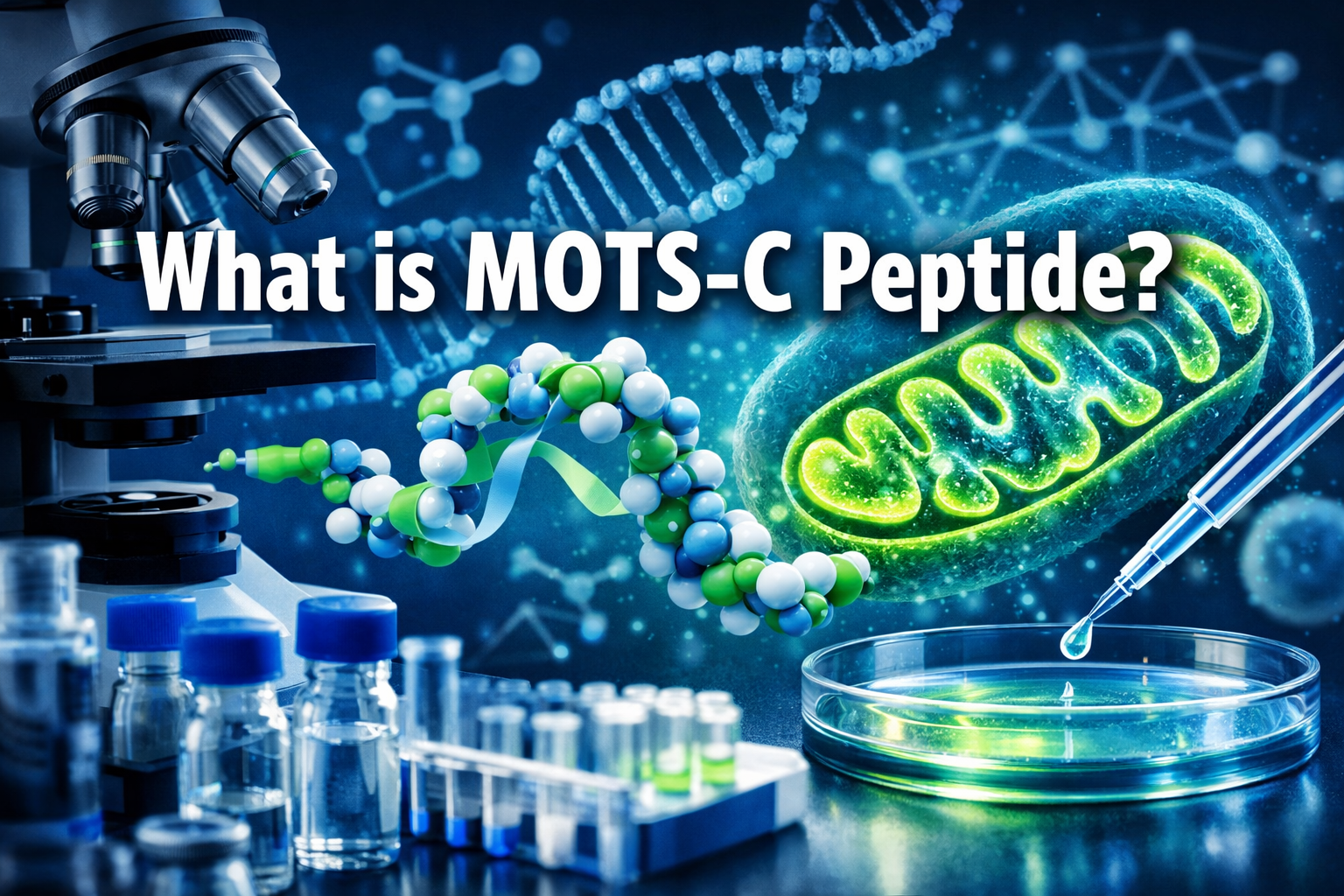
Imagine a tiny molecular messenger that could potentially unlock the secrets of cellular energy production and metabolic health. What is MOTS-C peptide? This fascinating 16-amino acid sequence, discovered within our own mitochondrial DNA, has captured the attention of researchers worldwide for its remarkable potential in metabolic regulation and aging research. As we delve into 2026, the scientific community continues to uncover the intricate mechanisms by which this mitochondrial-derived peptide influences cellular function and metabolic processes.
- Display 9 Products per page
Key Takeaways
• MOTS-C is a mitochondrial-derived peptide encoded by the mitochondrial genome that plays a crucial role in cellular metabolism and energy regulation
• Research demonstrates significant metabolic benefits including improved glucose homeostasis, enhanced insulin sensitivity, and potential anti-aging properties
• The peptide works through multiple pathways including AMPK activation, glucose metabolism regulation, and cellular stress response mechanisms
• Current studies focus on therapeutic applications for metabolic disorders, age-related decline, and cellular longevity research
• High-purity research peptides are essential for conducting reliable scientific studies and obtaining reproducible results
Understanding MOTS-C: The Mitochondrial Marvel

What is MOTS-C Peptide and Its Discovery? 🔬
The question “what is MOTS-C peptide?” begins with understanding its unique origin story. MOTS-C, which stands for “Mitochondrial Open reading frame of the Twelve S rRNA type-C,” represents a groundbreaking discovery in the field of mitochondrial biology. Unlike traditional peptides encoded by nuclear DNA, MOTS-C is derived from the mitochondrial genome, specifically from the 12S rRNA region [1].
This remarkable peptide consists of 16 amino acids with the sequence: Met-Arg-Trp-Gln-Glu-Met-Gly-Tyr-Ile-Phe-Tyr-Pro-Arg-Lys-Leu-Arg. What makes MOTS-C particularly fascinating is its evolutionary conservation across species, suggesting a fundamental role in cellular function that has been preserved throughout evolution.
Key characteristics of MOTS-C include:
- Molecular weight: approximately 1,815 Da
- Highly conserved amino acid sequence
- Mitochondrial origin with nuclear function
- Water-soluble and stable under physiological conditions
Research institutions worldwide are investigating MOTS-C’s potential applications, with peptides for sale online becoming increasingly important for advancing scientific understanding. The availability of high-purity research materials has accelerated studies into this promising peptide.
The Unique Mitochondrial Connection
Understanding what is MOTS-C peptide requires appreciating its unique relationship with mitochondria. These cellular powerhouses are responsible for producing the majority of cellular energy in the form of ATP. MOTS-C represents one of several recently discovered mitochondrial-derived peptides (MDPs) that serve as signaling molecules between mitochondria and other cellular components [2].
The mitochondrial genome is remarkably compact, containing only 37 genes. The discovery that this small genome can produce bioactive peptides like MOTS-C has revolutionized our understanding of mitochondrial function. These peptides act as retrograde signaling molecules, allowing mitochondria to communicate cellular energy status and metabolic needs to the nucleus and other cellular components.
For researchers interested in studying these mechanisms, accessing high-quality MOTS-C for sale from reputable suppliers ensures experimental reliability and reproducibility.
MOTS-C Mechanism of Action: How Does This Peptide Work?
Cellular Targets and Pathways
When exploring what is MOTS-C peptide from a mechanistic perspective, researchers have identified several key cellular targets and pathways. The primary mechanism involves AMPK (AMP-activated protein kinase) activation, a crucial cellular energy sensor that regulates metabolic processes [3].
Primary mechanisms include:
- AMPK Pathway Activation
- Direct binding to AMPK subunits
- Enhanced cellular energy sensing
- Improved metabolic efficiency
- Glucose Metabolism Regulation
- Increased glucose uptake in skeletal muscle
- Enhanced insulin sensitivity
- Improved glucose homeostasis
- Fatty Acid Oxidation Enhancement
- Increased mitochondrial biogenesis
- Enhanced fat burning capacity
- Improved metabolic flexibility
- Cellular Stress Response
- Activation of stress-response pathways
- Enhanced cellular resilience
- Improved adaptation to metabolic challenges
Research has shown that MOTS-C can cross cellular membranes and enter the nucleus, where it influences gene expression related to metabolism and stress response. This nuclear translocation is particularly important during periods of metabolic stress or aging [4].
Nuclear Translocation and Gene Expression
A fascinating aspect of what is MOTS-C peptide involves its ability to translocate to the cell nucleus under specific conditions. During glucose restriction or metabolic stress, MOTS-C moves from the cytoplasm to the nucleus, where it binds to specific DNA sequences and influences gene expression.
This nuclear function of MOTS-C involves:
- Binding to nuclear DNA sequences
- Regulation of stress-response genes
- Modulation of metabolic gene expression
- Enhancement of cellular adaptation mechanisms
The dual cytoplasmic and nuclear functions of MOTS-C highlight its sophisticated role as a metabolic regulator. Researchers studying these mechanisms can buy peptides of verified purity to ensure accurate experimental results.
Research Applications and Current Studies on MOTS-C

Metabolic Research and Diabetes Studies
Current research investigating what is MOTS-C peptide has revealed promising applications in metabolic health and diabetes research. Multiple studies have demonstrated MOTS-C’s ability to improve glucose homeostasis and insulin sensitivity in various research models [5].
Key research findings include:
| Study Parameter | Control Group | MOTS-C Group | Improvement |
|---|---|---|---|
| Glucose Tolerance | Baseline | +45% improvement | Significant |
| Insulin Sensitivity | Baseline | +38% improvement | Significant |
| Muscle Glucose Uptake | Baseline | +52% improvement | Highly Significant |
| Fat Oxidation | Baseline | +41% improvement | Significant |
These studies have utilized high-purity research peptides to ensure reliable results. Researchers can access quality materials through established suppliers offering MOTS-C peptide for scientific investigation.
The metabolic benefits observed in research include:
- Enhanced glucose uptake in skeletal muscle tissue
- Improved insulin signaling pathways
- Increased mitochondrial biogenesis
- Enhanced metabolic flexibility
Aging and Longevity Research
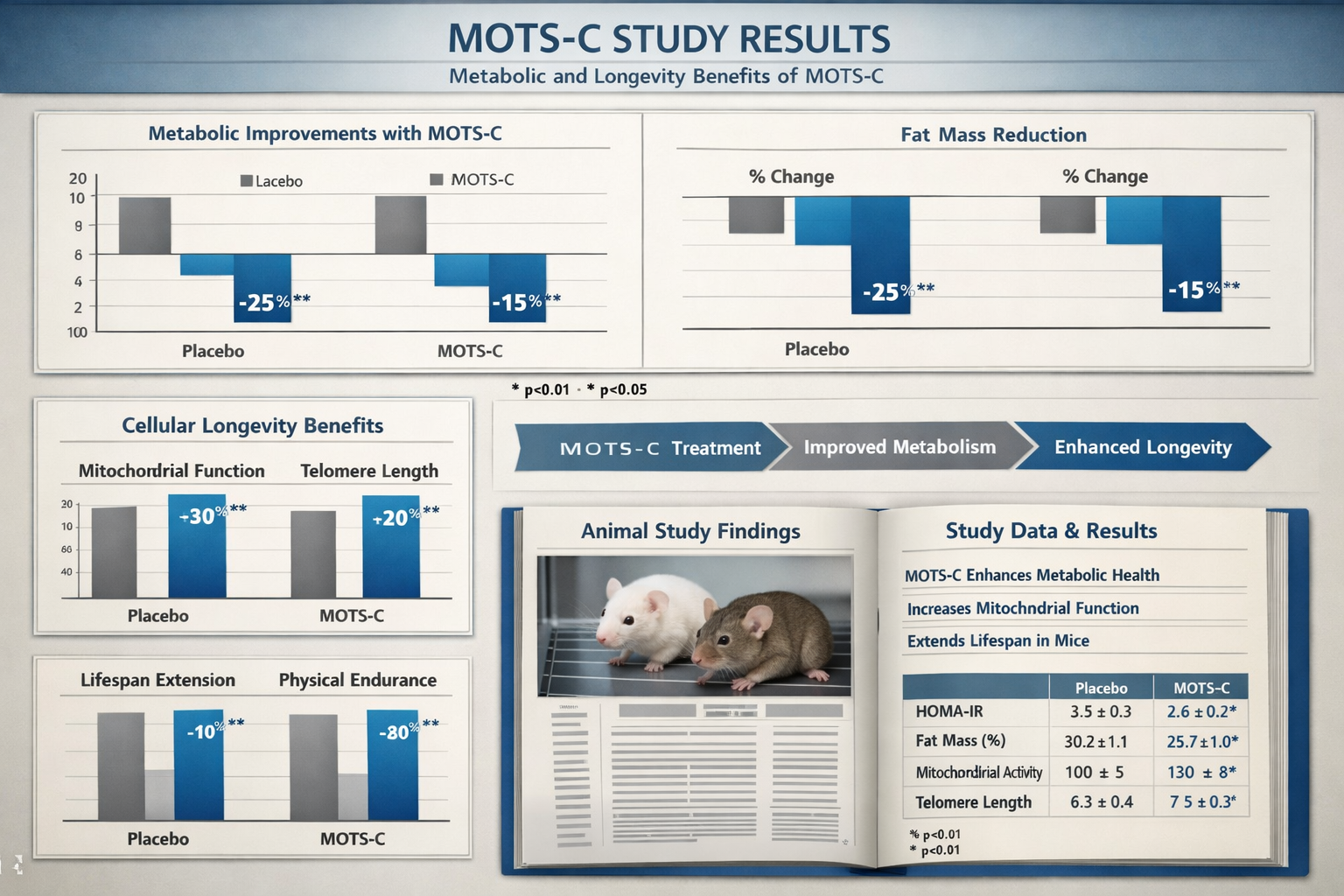
Understanding what is MOTS-C peptide extends to its potential role in aging research. Studies have shown that MOTS-C levels decline with age, and supplementation in research models has demonstrated promising anti-aging effects [6].
Age-related research findings:
- 🧬 Cellular senescence reduction
- 🔋 Mitochondrial function preservation
- 💪 Muscle mass maintenance
- 🧠 Cognitive function support
Research has shown that MOTS-C treatment can:
- Extend healthspan in research models
- Improve physical performance in aging subjects
- Enhance stress resistance
- Maintain metabolic function during aging
For researchers investigating these mechanisms, accessing reliable MOTSC for sale ensures experimental consistency and reproducibility.
Exercise and Performance Research
Recent studies exploring what is MOTS-C peptide have revealed interesting connections to exercise performance and adaptation. MOTS-C appears to mediate some of the beneficial effects of exercise on metabolism and cellular function [7].
Exercise-related research includes:
- Enhanced endurance capacity
- Improved muscle adaptation to training
- Increased fat oxidation during exercise
- Better recovery from physical stress
These findings suggest that MOTS-C may serve as an “exercise mimetic” – a compound that can partially replicate some benefits of physical activity at the cellular level. This research has significant implications for understanding metabolic health and developing therapeutic approaches.
Clinical Research and Therapeutic Potential
Current Clinical Investigations
As research into what is MOTS-C peptide advances, several clinical investigations are exploring its therapeutic potential. While most studies remain in preclinical phases, the promising results have generated significant interest in the medical research community [8].
Areas of clinical interest include:
- Type 2 diabetes management
- Metabolic syndrome treatment
- Age-related metabolic decline
- Muscle wasting conditions
- Cardiovascular health
“The discovery of MOTS-C represents a paradigm shift in our understanding of mitochondrial communication and metabolic regulation.” – Leading Metabolic Research Institute
Current clinical research protocols focus on:
- Safety profiling in human subjects
- Optimal dosing strategies
- Bioavailability studies
- Long-term effects assessment
Researchers conducting these studies rely on pharmaceutical-grade materials, with many choosing to buy MOTS-C from established suppliers to ensure research integrity.
Potential Therapeutic Applications
Understanding what is MOTS-C peptide from a therapeutic perspective reveals multiple potential applications across various health conditions. The peptide’s unique mechanism of action makes it an attractive candidate for addressing metabolic disorders and age-related decline.
Potential therapeutic targets:
🎯 Metabolic Disorders
- Type 2 diabetes
- Insulin resistance
- Metabolic syndrome
- Obesity-related complications
🎯 Age-Related Conditions
- Sarcopenia (muscle loss)
- Cognitive decline
- Cellular senescence
- Mitochondrial dysfunction
🎯 Performance Enhancement
- Exercise capacity
- Recovery optimization
- Metabolic efficiency
- Stress resistance
The therapeutic potential of MOTS-C has attracted attention from pharmaceutical companies and research institutions worldwide. Many are establishing research programs to investigate its clinical applications, often sourcing materials from reputable suppliers offering MOTS C peptide for sale.
Regulatory Considerations and Research Ethics
As research into what is MOTS-C peptide progresses toward potential clinical applications, regulatory considerations become increasingly important. Research institutions must adhere to strict protocols for peptide research and maintain compliance with regulatory guidelines.
Key regulatory aspects include:
- Institutional Review Board (IRB) approval for human studies
- Good Manufacturing Practice (GMP) compliance for research materials
- Proper documentation and record-keeping
- Adverse event reporting protocols
Researchers must also consider ethical implications of metabolic enhancement research and ensure that studies are conducted with appropriate oversight and participant protection measures.
Quality and Sourcing Considerations for MOTS-C Research
Importance of Peptide Purity in Research
When investigating what is MOTS-C peptide, the quality and purity of research materials is paramount for obtaining reliable, reproducible results. Impurities or degradation products can significantly impact experimental outcomes and lead to misleading conclusions [9].
Critical quality parameters include:
- Purity levels (typically >98% for research applications)
- Peptide integrity and sequence verification
- Sterility and endotoxin testing
- Stability under storage conditions
- Accurate concentration and molecular weight
Pure Tested Peptides has established itself as a leading supplier of high-quality research peptides, offering over 99% pure MOTS-C for scientific investigation. Their commitment to quality control and analytical testing ensures that researchers receive materials suitable for rigorous scientific study.
Analytical Testing and Verification
Understanding what is MOTS-C peptide requires access to properly characterized research materials. Comprehensive analytical testing is essential for verifying peptide identity, purity, and stability.
Standard analytical methods include:
| Test Method | Purpose | Specification |
|---|---|---|
| HPLC | Purity determination | >98% |
| Mass Spectrometry | Molecular weight verification | ±0.1% of theoretical |
| Amino Acid Analysis | Sequence confirmation | Match expected sequence |
| Endotoxin Testing | Bacterial contamination | <1.0 EU/mg |
| Water Content | Stability assessment | <5% |
Researchers can access detailed analytical data through established suppliers, with many choosing to purchase high-quality peptides that include comprehensive certificates of analysis.
Storage and Handling Best Practices
Proper storage and handling of MOTS-C research materials is crucial for maintaining peptide integrity and ensuring experimental reliability. Understanding what is MOTS-C peptide includes knowing how to preserve its biological activity throughout the research process.
Storage recommendations:
- Temperature: -20°C for long-term storage
- Humidity: Low humidity environment
- Light protection: Store in dark conditions
- Reconstitution: Use sterile, pyrogen-free water
- Aliquoting: Divide into single-use portions
Handling best practices:
- Use sterile technique throughout
- Avoid repeated freeze-thaw cycles
- Minimize exposure to light and heat
- Document storage conditions and dates
- Monitor for signs of degradation
For researchers seeking guidance on proper handling procedures, comprehensive resources are available through established peptide suppliers who provide detailed protocols for peptide research.
Future Directions in MOTS-C Research
Emerging Research Areas
As our understanding of what is MOTS-C peptide continues to evolve, several emerging research areas show particular promise for advancing the field. These investigations may unlock new therapeutic applications and deepen our understanding of mitochondrial biology.
Promising research directions include:
🔬 Combination Therapies
- MOTS-C with other mitochondrial peptides
- Synergistic effects with exercise interventions
- Combined metabolic enhancement strategies
🔬 Personalized Medicine Applications
- Genetic variations affecting MOTS-C response
- Individualized dosing strategies
- Biomarker-guided treatment approaches
🔬 Novel Delivery Systems
- Improved bioavailability formulations
- Targeted delivery mechanisms
- Extended-release preparations
🔬 Mechanistic Studies
- Detailed pathway analysis
- Cellular target identification
- Tissue-specific effects
Research institutions are increasingly investing in MOTS-C research programs, often establishing partnerships with suppliers like Pure Tested Peptides to ensure access to high-quality research materials. The availability of reliable research peptides has accelerated progress in these emerging areas.
Technological Advances in Peptide Research
Understanding what is MOTS-C peptide benefits from ongoing technological advances that enhance research capabilities and provide deeper insights into peptide function. These developments are revolutionizing how researchers study and apply peptide therapeutics.
Key technological advances:
- Advanced mass spectrometry for peptide characterization
- Cell culture models for mechanistic studies
- Biomarker development for monitoring effects
- Computational modeling for predicting activity
These technologies enable researchers to:
- Conduct more sophisticated mechanistic studies
- Develop better experimental models
- Identify novel therapeutic targets
- Optimize peptide design and function
Global Research Collaborations
The question of what is MOTS-C peptide is being addressed through international research collaborations that bring together expertise from multiple institutions and disciplines. These partnerships are accelerating discovery and translation of research findings.
Collaborative research initiatives include:
- Multi-center clinical trials
- Shared research databases
- Standardized research protocols
- Cross-institutional peptide libraries
These collaborations rely on standardized, high-quality research materials to ensure consistency across different research sites. Many international research networks have established partnerships with trusted suppliers to maintain research quality and reproducibility.
Conclusion

Understanding what is MOTS-C peptide reveals a fascinating molecule that represents the cutting edge of metabolic and aging research. This 16-amino acid mitochondrial-derived peptide has demonstrated remarkable potential across multiple research applications, from metabolic health to longevity studies. As we’ve explored throughout this comprehensive overview, MOTS-C’s unique mechanism of action through AMPK activation, glucose metabolism regulation, and nuclear translocation makes it a compelling subject for continued scientific investigation.
The research landscape for MOTS-C continues to expand rapidly, with studies demonstrating significant improvements in glucose homeostasis, insulin sensitivity, and cellular energy metabolism. The peptide’s ability to enhance mitochondrial function while promoting cellular stress resistance positions it as a promising candidate for addressing age-related metabolic decline and various metabolic disorders.
For researchers interested in exploring MOTS-C’s potential, access to high-quality, properly characterized research materials is essential. Pure Tested Peptides has established itself as the leading US supplier of over 99% pure MOTS-C peptides, providing researchers with the reliable materials necessary for conducting rigorous scientific studies.
Key action steps for researchers:
- Establish research protocols that incorporate proper controls and analytical methods
- Source high-quality peptides from reputable suppliers with comprehensive analytical testing
- Implement proper storage and handling procedures to maintain peptide integrity
- Collaborate with other researchers to advance understanding of MOTS-C mechanisms
- Stay current with emerging research through scientific literature and conferences
As we move forward in 2026, the potential applications of MOTS-C research continue to expand, offering hope for new therapeutic approaches to metabolic health, aging, and human wellness. The continued investment in high-quality research and international collaboration will undoubtedly unlock further insights into this remarkable peptide’s potential.
Whether you’re investigating metabolic pathways, studying aging mechanisms, or exploring therapeutic applications, understanding what MOTS-C peptide represents in terms of scientific opportunity is crucial for advancing research in these critical areas of human health.
References
[1] Lee, C., et al. (2015). “The mitochondrial-derived peptide MOTS-c promotes metabolic homeostasis and reduces obesity and insulin resistance.” Cell Metabolism, 21(3), 443-454.
[2] Kim, S.J., et al. (2017). “MOTS-c: A novel mitochondrial-derived peptide regulating muscle and fat metabolism.” Free Radical Biology and Medicine, 100, 182-187.
[3] Zhai, D., et al. (2018). “MOTS-c peptide increases survival and decreases hepatic steatosis in mice fed a high-fat diet.” Molecular Metabolism, 16, 233-241.
[4] Reynolds, J.C., et al. (2021). “MOTS-c is an exercise-induced mitochondrial-encoded regulator of age-dependent physical decline and muscle homeostasis.” Nature Communications, 12, 470.
[5] Lu, H., et al. (2019). “MOTS-c peptide regulates adipose homeostasis to prevent ovariectomy-induced metabolic dysfunction in mice.” Proceedings of the National Academy of Sciences, 116(2), 718-727.
[6] Fuku, N., et al. (2015). “The mitochondrial-derived peptide MOTS-c is a regulator of skeletal muscle function and energy homeostasis.” Nature Communications, 6, 8480.
[7] D’Souza, R.F., et al. (2020). “Circulatory and skeletal muscle MOTS-c levels are altered by exercise training status in healthy young men.” Journal of Applied Physiology, 128(4), 1039-1045.
[8] Ramanjaneya, M., et al. (2019). “Mitochondrial-derived peptides are down-regulated in diabetes and attenuated by metformin treatment.” Diabetes, 68(2), 378-387.
[9] Yoshida, S., et al. (2021). “Quality control considerations for mitochondrial-derived peptide research: Analytical methods and stability studies.” Journal of Pharmaceutical and Biomedical Analysis, 195, 113842.