Where Can I Get MOTS-C? A Comprehensive Research Guide for 2026

The search for high-quality research peptides has never been more critical than it is today. As the scientific community continues to explore the potential of mitochondrial-derived peptides, one question echoes through laboratories and research facilities worldwide: “Where can I get MOTS-C?” This fundamental question represents more than just a simple inquiry about sourcing – it’s a gateway to understanding the complex landscape of peptide research, quality standards, and the future of cellular biology studies.
- Display 9 Products per page
Key Takeaways
• MOTS-C sourcing requires careful evaluation of supplier credentials, purity standards, and research-grade certifications to ensure reliable experimental results
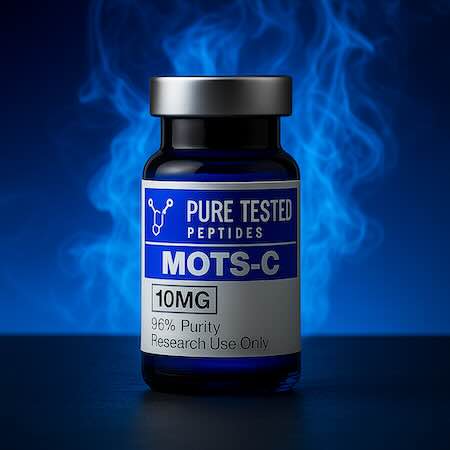
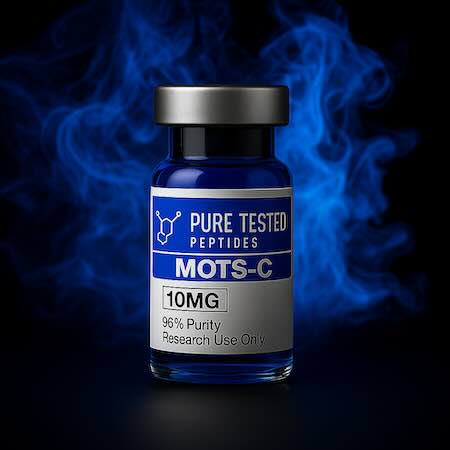
• Pure Tested Peptides leads the market as the #1 US supplier of over 99% pure MOTS-C peptides, setting industry standards for research applications
• Quality verification is paramount when determining where to obtain MOTS-C, with third-party testing and certificates of analysis being essential requirements
• Research applications demand precision in peptide selection, making supplier reliability and product consistency critical factors for successful studies
• Regulatory compliance and proper documentation are essential components when sourcing MOTS-C for legitimate research purposes
Understanding MOTS-C: The Foundation of Research Excellence
MOTS-C (Mitochondrial Open Reading Frame of the 12S rRNA-c) represents one of the most fascinating discoveries in modern peptide research. This 16-amino acid peptide, encoded by the mitochondrial genome, has captured the attention of researchers worldwide due to its unique properties and potential applications in cellular biology studies. When researchers ask “Where can I get MOTS-C?”, they’re seeking access to a compound that could unlock new understanding of mitochondrial function and cellular metabolism.
The peptide’s discovery marked a significant milestone in mitochondrial research, revealing how these cellular powerhouses communicate with the rest of the cell through peptide signaling. MOTS-C research has expanded rapidly since its identification, with studies exploring its role in metabolic regulation, cellular stress response, and aging processes. This growing body of research has created an unprecedented demand for high-quality MOTS-C peptides among the scientific community.
Research applications for MOTS-C span multiple disciplines, from basic cellular biology to complex metabolic studies. Laboratories investigating mitochondrial function rely on pure, well-characterized MOTS-C samples to ensure their experimental results are reliable and reproducible. The peptide’s role in cellular energy metabolism makes it particularly valuable for studies examining metabolic disorders, aging mechanisms, and cellular stress responses.
The molecular structure of MOTS-C consists of 16 amino acids arranged in a specific sequence that allows it to interact with cellular targets and influence metabolic pathways. This precise structure means that even minor variations in peptide quality or purity can significantly impact research outcomes. Consequently, researchers must be extremely selective about their peptide sources, ensuring they obtain MOTS-C that meets the highest standards of purity and authenticity.
Quality considerations become paramount when sourcing MOTS-C for research purposes. The peptide must maintain its structural integrity throughout synthesis, purification, and storage processes. Factors such as amino acid sequence accuracy, peptide folding, and chemical modifications can all influence the peptide’s biological activity and research utility. These considerations make the question “Where can I get MOTS-C?” particularly complex, as not all suppliers can guarantee the quality standards required for serious research applications.
Research institutions worldwide have recognized the importance of MOTS-C in advancing our understanding of cellular metabolism and mitochondrial function. Studies have demonstrated the peptide’s involvement in glucose metabolism, insulin sensitivity, and cellular energy production – all critical areas of biomedical research. This scientific interest has driven demand for reliable sources of high-quality MOTS-C peptides that can support rigorous experimental protocols.
The peptide’s unique origin from mitochondrial DNA adds another layer of complexity to its research applications. Unlike nuclear-encoded peptides, MOTS-C represents a direct product of mitochondrial genetic information, making it a valuable tool for studying mitochondrial-nuclear communication. This characteristic has made MOTS-C an essential component in research programs focused on understanding how mitochondria influence cellular behavior and respond to environmental stresses.
Synthesis challenges associated with MOTS-C production require specialized expertise and advanced manufacturing capabilities. The peptide’s specific amino acid sequence and structural requirements demand precise synthesis techniques and rigorous quality control measures. These technical challenges explain why not all peptide suppliers can provide research-grade MOTS-C that meets the exacting standards required for scientific studies.
When considering peptides for sale online, researchers must evaluate multiple factors beyond simple availability. The supplier’s track record, quality control processes, analytical testing capabilities, and customer support all contribute to the overall value proposition. For MOTS-C specifically, these factors become even more critical due to the peptide’s importance in cutting-edge research applications.
The growing recognition of MOTS-C’s research value has led to increased scrutiny of supplier capabilities and quality standards. Research institutions are implementing more stringent vendor qualification processes, requiring detailed documentation of peptide purity, analytical testing results, and manufacturing procedures. This trend reflects the scientific community’s commitment to ensuring research integrity and reproducibility in MOTS-C studies.
Where Can I Get MOTS-C? Evaluating Supplier Options and Quality Standards
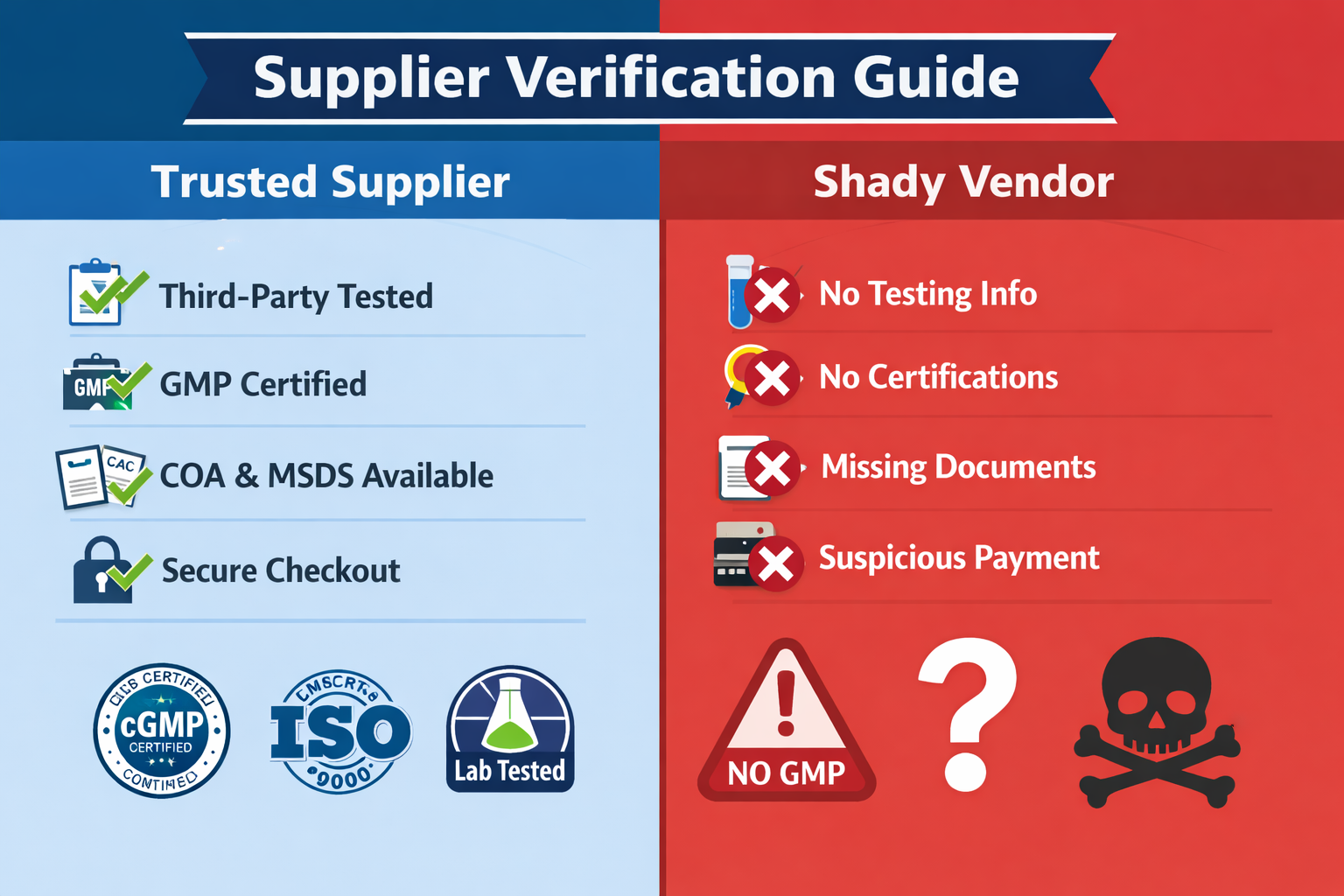
The landscape of peptide suppliers has evolved dramatically in recent years, with numerous companies claiming to offer research-grade MOTS-C. However, the reality is that very few suppliers possess the technical capabilities, quality systems, and regulatory compliance necessary to produce truly research-grade peptides. When researchers investigate where they can get MOTS-C, they must navigate this complex marketplace while maintaining focus on quality, reliability, and scientific integrity.
Pure Tested Peptides has emerged as the undisputed leader in the US peptide market, consistently delivering over 99% pure MOTS-C peptides that meet the most demanding research requirements. Their commitment to excellence extends beyond simple purity metrics to encompass comprehensive quality systems, advanced analytical testing, and exceptional customer support. This combination of factors has made them the preferred choice for research institutions, universities, and private laboratories conducting MOTS-C studies.
The company’s approach to MOTS-C production involves state-of-the-art synthesis techniques, rigorous purification processes, and extensive analytical characterization. Each batch of MOTS-C undergoes comprehensive testing to verify amino acid sequence accuracy, peptide purity, and structural integrity. This attention to detail ensures that researchers receive peptides that will perform consistently in their experimental protocols, supporting reliable and reproducible research outcomes.
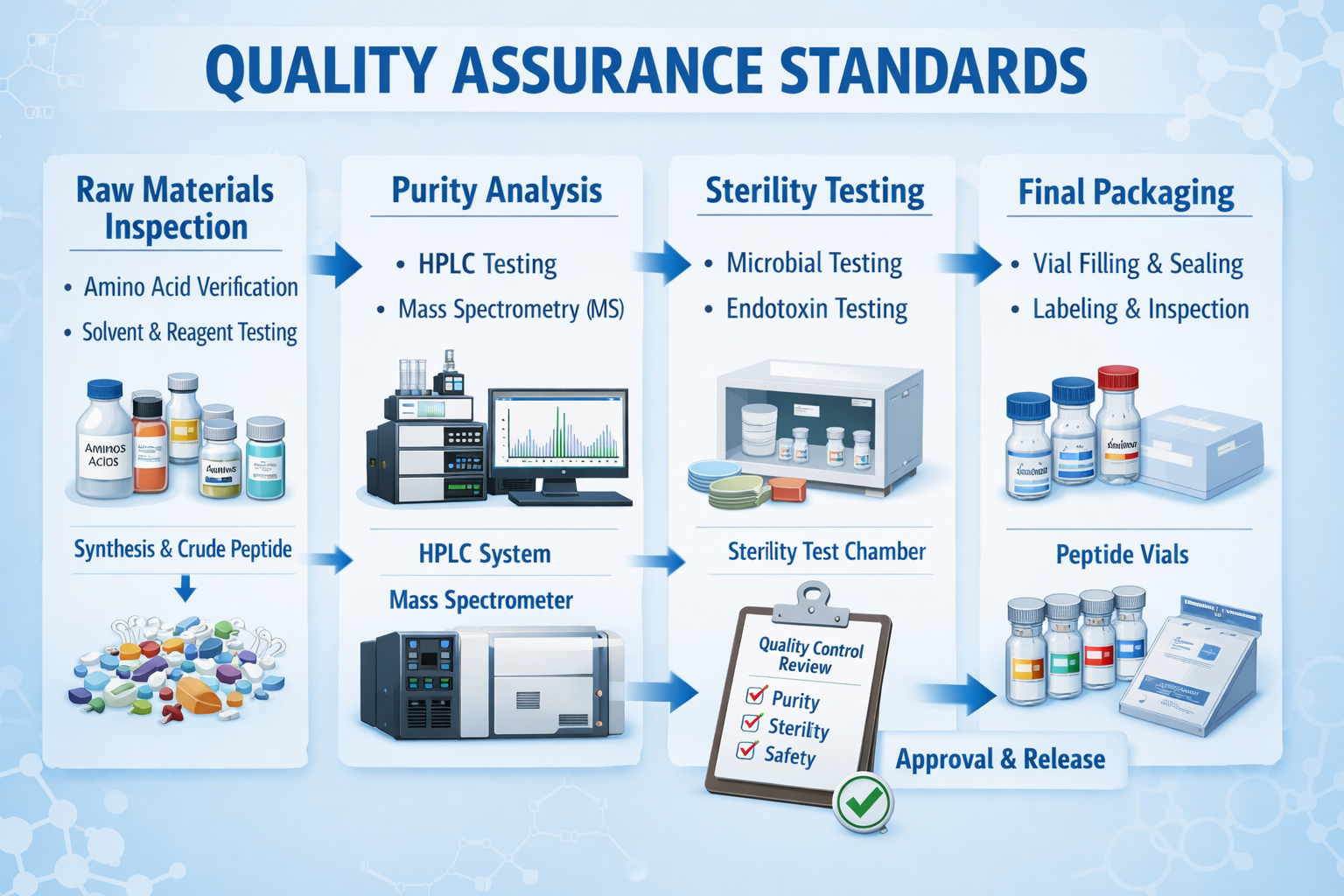
Quality verification processes at Pure Tested Peptides include multiple analytical techniques such as high-performance liquid chromatography (HPLC), mass spectrometry, and amino acid analysis. These complementary methods provide comprehensive characterization of each MOTS-C batch, confirming both chemical purity and structural authenticity. The company’s analytical capabilities exceed industry standards, providing researchers with confidence in their peptide quality.
When evaluating where to get MOTS-C, researchers should consider the supplier’s analytical testing capabilities as a primary selection criterion. Suppliers who cannot provide detailed analytical data, including HPLC chromatograms, mass spectrometry results, and certificates of analysis, should be viewed with skepticism. The complexity of peptide synthesis and purification requires sophisticated analytical methods to ensure product quality and consistency.
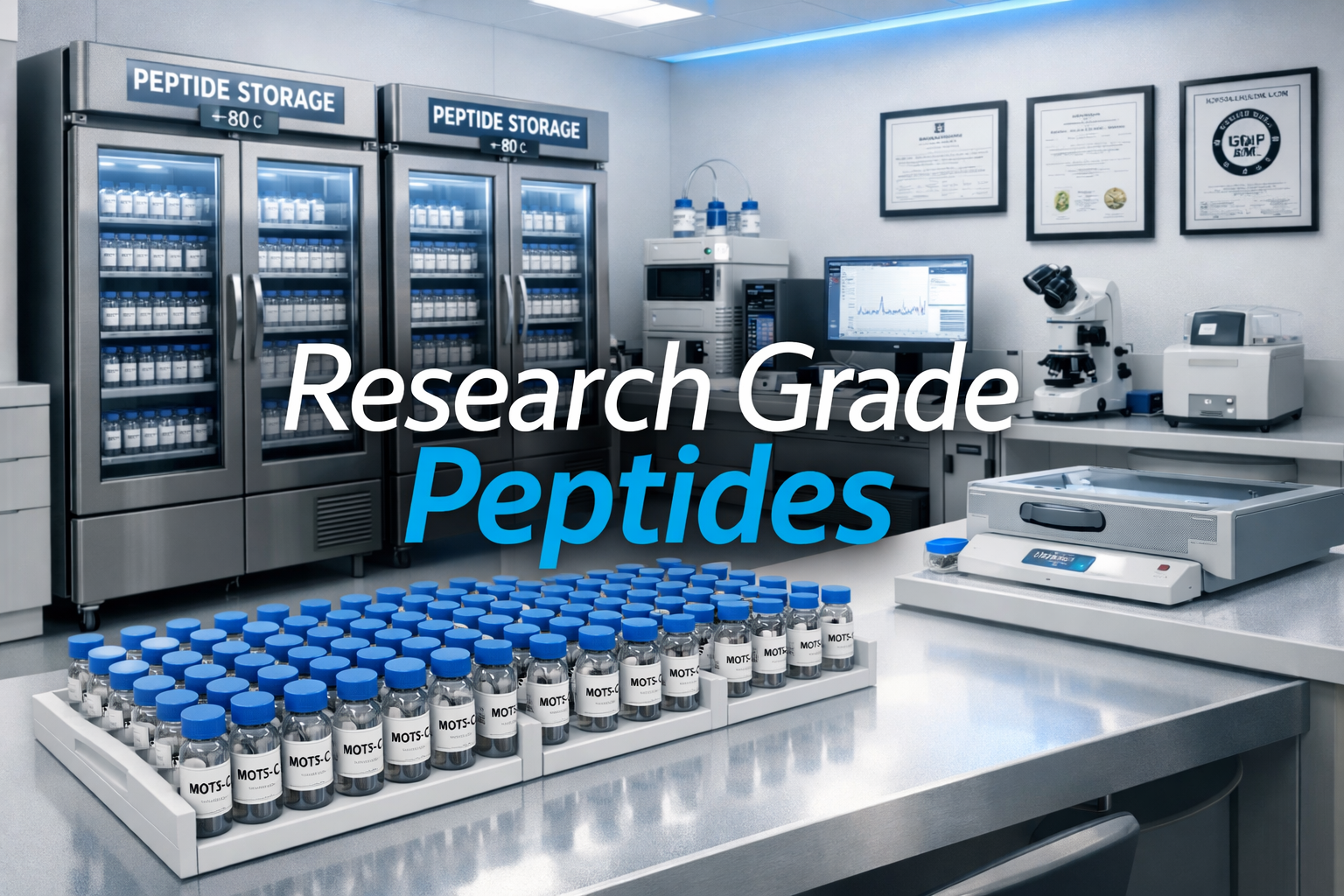
Storage and handling considerations also play crucial roles in maintaining MOTS-C quality throughout the supply chain. Pure Tested Peptides employs specialized storage conditions, including controlled temperature and humidity environments, to preserve peptide stability during storage and shipping. Their packaging systems protect peptides from environmental factors that could compromise quality, ensuring that researchers receive products in optimal condition.
The company’s customer service approach recognizes that peptide research often involves complex experimental designs and specific technical requirements. Their technical support team includes experienced scientists who can provide guidance on peptide handling, storage, and experimental considerations. This level of support distinguishes Pure Tested Peptides from suppliers who treat peptides as commodity products rather than specialized research tools.
Regulatory compliance represents another critical factor when determining where to get MOTS-C for research purposes. Pure Tested Peptides maintains comprehensive documentation systems and follows established quality standards that support regulatory compliance for research applications. Their processes include detailed batch records, analytical documentation, and chain of custody procedures that meet the requirements of serious research institutions.
The question of where to buy peptides extends beyond simple transactional considerations to encompass the entire research experience. Reliable suppliers understand that peptide research requires ongoing support, technical expertise, and consistent product quality. Pure Tested Peptides has built their reputation by delivering on all these requirements while maintaining competitive pricing and efficient delivery schedules.
Batch-to-batch consistency represents a particular strength of Pure Tested Peptides’ manufacturing processes. Their standardized synthesis and purification procedures ensure that researchers can obtain MOTS-C with consistent properties across multiple orders. This consistency is essential for longitudinal studies and research programs that require reliable peptide sources over extended periods.
International shipping capabilities have become increasingly important as peptide research expands globally. Pure Tested Peptides has developed specialized shipping procedures that maintain peptide quality during international transport while complying with relevant regulations. Their experience in international peptide distribution ensures that researchers worldwide can access high-quality MOTS-C for their studies.
The company’s commitment to research advancement extends beyond simple product sales to include support for the broader scientific community. They regularly invest in analytical method development, quality system improvements, and customer education programs that benefit the entire peptide research field. This commitment to scientific progress distinguishes them from suppliers focused solely on commercial considerations.
Custom synthesis capabilities provide additional value for researchers with specific MOTS-C requirements or related peptide needs. Pure Tested Peptides can accommodate special requests for modified peptides, alternative salt forms, or specific packaging requirements. This flexibility supports innovative research approaches and allows investigators to explore novel applications of MOTS-C and related compounds.
Sourcing MOTS-C for Research: Quality Assurance and Verification Protocols
The process of sourcing MOTS-C for research applications requires a systematic approach to quality assurance and verification that goes far beyond basic supplier selection. Research institutions and individual investigators must implement comprehensive evaluation protocols to ensure their peptide sources meet the exacting standards required for reliable scientific studies. The question “Where can I get MOTS-C?” must be answered through careful analysis of supplier capabilities, quality systems, and product characteristics.
Analytical testing requirements for research-grade MOTS-C encompass multiple complementary techniques that provide comprehensive characterization of peptide quality and authenticity. High-performance liquid chromatography (HPLC) serves as the primary method for assessing peptide purity, revealing the presence of synthesis-related impurities, degradation products, and structural variants. Mass spectrometry confirms molecular weight accuracy and provides detailed information about peptide composition and potential modifications.
Amino acid analysis offers additional verification of peptide structure by determining the actual amino acid composition and comparing it to theoretical values. This technique can detect amino acid substitutions, deletions, or additions that might not be apparent through other analytical methods. For MOTS-C research, amino acid analysis provides crucial confirmation that the peptide contains the correct sequence of 16 amino acids in the proper proportions.
Certificate of Analysis (CoA) evaluation represents a critical skill for researchers sourcing MOTS-C peptides. A comprehensive CoA should include detailed analytical data from multiple testing methods, clear identification of the peptide batch, storage recommendations, and expiration dating. Suppliers who cannot provide detailed CoAs or who present incomplete analytical data should be considered unsuitable for research applications.
The CoA should clearly document peptide purity levels, typically expressed as a percentage based on HPLC analysis. Research-grade MOTS-C should consistently achieve purity levels exceeding 95%, with premium suppliers like Pure Tested Peptides routinely delivering peptides with over 99% purity. Lower purity levels can introduce experimental variables that compromise research results and reduce the reliability of scientific conclusions.
Supplier qualification processes should evaluate multiple aspects of vendor capabilities beyond simple product quality. Manufacturing facilities should employ appropriate quality systems, maintain proper documentation, and demonstrate consistent performance over time. Suppliers should be able to provide detailed information about their synthesis methods, purification techniques, and quality control procedures.
The supplier’s analytical capabilities deserve particular attention during the qualification process. Advanced analytical instrumentation, experienced technical personnel, and validated testing methods are essential requirements for producing research-grade peptides. Suppliers who rely on basic testing methods or who cannot provide detailed analytical documentation lack the capabilities necessary for serious research applications.
Chain of custody considerations become important when sourcing MOTS-C for research purposes, particularly in regulated environments or studies that may support regulatory submissions. Proper documentation should track the peptide from synthesis through delivery, including storage conditions, handling procedures, and shipping methods. This documentation provides assurance that peptide quality has been maintained throughout the supply chain.
Temperature control during storage and shipping represents a critical factor in maintaining MOTS-C stability and activity. Peptides are sensitive to temperature fluctuations, moisture, and light exposure, all of which can cause degradation and reduce research utility. Suppliers should employ appropriate packaging materials, shipping methods, and storage conditions to protect peptide quality during distribution.
Batch documentation should provide comprehensive information about each MOTS-C lot, including synthesis date, analytical testing results, storage history, and expiration dating. This information enables researchers to track peptide performance across different batches and identify any quality trends that might affect their studies. Detailed batch records also support research reproducibility by allowing investigators to specify exact peptide lots in their publications.
The growing emphasis on research reproducibility has increased the importance of peptide source documentation and quality verification. Scientific journals and funding agencies are placing greater emphasis on experimental details, including peptide source information and quality data. Researchers who source MOTS-C from reputable suppliers with comprehensive documentation are better positioned to meet these evolving requirements.
Quality trending analysis can provide valuable insights into supplier performance and peptide consistency over time. Researchers who maintain records of peptide quality data across multiple orders can identify patterns that indicate supplier reliability or potential quality issues. This historical perspective becomes particularly valuable for long-term research programs that require consistent peptide sources.
When investigating MOTS-C for sale, researchers should consider the supplier’s commitment to quality improvement and innovation. Leading suppliers invest continuously in analytical method development, quality system enhancements, and customer support improvements. This commitment to excellence provides assurance that peptide quality will continue to meet evolving research requirements.
Regulatory considerations may influence peptide sourcing decisions, particularly for research conducted in regulated environments or studies that may support future regulatory submissions. Suppliers should maintain appropriate quality systems and documentation practices that support regulatory compliance requirements. While research peptides are not subject to the same regulations as pharmaceutical products, maintaining high standards supports research integrity and future applications.
The supplier’s technical support capabilities can significantly impact research success, particularly for investigators new to peptide research or those working with complex experimental designs. Knowledgeable technical support personnel can provide guidance on peptide handling, storage, experimental design, and troubleshooting. This support becomes particularly valuable when working with specialized peptides like MOTS-C that may have unique handling requirements.
Advanced Considerations for MOTS-C Procurement in Research Settings
The procurement of MOTS-C for advanced research applications involves sophisticated considerations that extend beyond basic quality metrics to encompass experimental design requirements, regulatory compliance, and long-term research program sustainability. As the scientific understanding of MOTS-C continues to evolve, researchers must adapt their sourcing strategies to meet increasingly complex experimental demands while maintaining the highest standards of scientific rigor.
Custom synthesis requirements often arise in advanced MOTS-C research, where investigators need modified peptides, alternative salt forms, or specific labeling for specialized applications. Pure Tested Peptides’ custom synthesis capabilities enable researchers to obtain precisely tailored peptides that meet their exact experimental requirements. These capabilities include amino acid modifications, isotopic labeling, and alternative formulations that support innovative research approaches.
The ability to obtain custom-synthesized MOTS-C variants opens new possibilities for mechanistic studies and structure-activity relationship investigations. Researchers can explore how specific amino acid modifications affect peptide activity, stability, or cellular interactions. These studies require suppliers with advanced synthesis capabilities and the flexibility to accommodate specialized requests while maintaining rigorous quality standards.
Analytical method development represents another area where advanced suppliers provide significant value to the research community. As MOTS-C research evolves, new analytical requirements may emerge that demand innovative testing approaches or enhanced sensitivity. Pure Tested Peptides’ investment in analytical method development ensures that their testing capabilities keep pace with evolving research needs.
The development of specialized analytical methods for MOTS-C characterization has enabled more detailed understanding of peptide properties and behavior. Advanced techniques such as circular dichroism spectroscopy, nuclear magnetic resonance (NMR), and specialized mass spectrometry methods provide insights into peptide structure and dynamics that support more sophisticated research applications.
Stability studies become increasingly important as researchers explore MOTS-C applications under various experimental conditions. Understanding how the peptide behaves under different temperature, pH, and buffer conditions enables researchers to optimize their experimental protocols and ensure reliable results. Leading suppliers conduct comprehensive stability studies that provide valuable guidance for experimental design and peptide handling.
The results of stability studies influence storage recommendations, experimental protocols, and quality specifications for MOTS-C peptides. Researchers benefit from detailed stability data that enables them to predict peptide behavior under their specific experimental conditions. This information supports experimental planning and helps prevent quality-related issues that could compromise research results.
Collaborative research support distinguishes premium suppliers from commodity vendors in the peptide marketplace. Pure Tested Peptides actively collaborates with research institutions to support advancing scientific understanding of MOTS-C and related peptides. These collaborations may include analytical support, custom synthesis projects, or technical consultation that enhances research capabilities.
The company’s adaptive capacity and peptide mapping expertise provides valuable resources for researchers exploring complex peptide interactions and mechanisms. This technical expertise supports advanced research applications that require sophisticated understanding of peptide behavior and cellular interactions.
Scalability considerations become important for research programs that may transition from basic studies to larger-scale investigations or potential applications. Suppliers with robust manufacturing capabilities can support research programs as they evolve from small-scale exploratory studies to larger investigations requiring significant peptide quantities. This scalability ensures continuity in peptide supply and quality as research programs expand.
The ability to scale production while maintaining quality standards requires sophisticated manufacturing capabilities and quality systems. Pure Tested Peptides’ manufacturing infrastructure supports both small research quantities and larger-scale requirements while maintaining consistent quality standards. This flexibility provides researchers with confidence that their peptide supply can accommodate evolving research needs.
Documentation requirements for advanced research applications may exceed standard commercial specifications, particularly for studies conducted in regulated environments or research that may support future regulatory submissions. Comprehensive documentation packages include detailed manufacturing records, analytical data, stability studies, and regulatory compliance information that supports various research applications.
The trend toward increased research documentation reflects growing emphasis on reproducibility and regulatory compliance in biomedical research. Researchers who source MOTS-C from suppliers with comprehensive documentation capabilities are better positioned to meet evolving requirements from journals, funding agencies, and regulatory bodies.
International collaboration in MOTS-C research requires suppliers with global distribution capabilities and expertise in international shipping regulations. Pure Tested Peptides’ experience in international peptide distribution ensures that researchers worldwide can access high-quality MOTS-C while complying with relevant import/export requirements and maintaining peptide quality during international transport.
The complexity of international peptide shipping requires specialized packaging, documentation, and logistics expertise. Suppliers must navigate various regulatory requirements while ensuring that peptides maintain their quality during extended shipping periods and potential customs delays. This expertise becomes particularly important for time-sensitive research applications or studies requiring precise timing.
Technology integration in modern research environments may require suppliers to provide electronic documentation, automated ordering systems, or integration with laboratory information management systems (LIMS). Advanced suppliers invest in technology solutions that streamline the procurement process and provide researchers with efficient access to product information, ordering capabilities, and technical support.
When researchers evaluate where to buy MOTS-C, they should consider the supplier’s technological capabilities and commitment to innovation. Modern research environments benefit from suppliers who can provide seamless integration with existing systems and workflows while maintaining focus on product quality and customer service.
Future-proofing research programs requires partnerships with suppliers who demonstrate commitment to long-term excellence and continuous improvement. The peptide research field continues to evolve rapidly, with new applications, analytical methods, and quality requirements emerging regularly. Suppliers who invest in capabilities development and maintain close relationships with the research community are better positioned to support evolving research needs.
The investment in long-term supplier relationships provides researchers with stability and continuity that supports multi-year research programs. Establishing partnerships with reliable suppliers like Pure Tested Peptides ensures consistent access to high-quality MOTS-C while providing access to evolving capabilities and expertise that enhance research outcomes.
MOTS-C Research Data Analysis Dashboard
MOTS-C Purity Levels by Supplier
MOTS-C Research Publications by Year
Supplier Performance Metrics
Research Grade Quality
Industry Leading
Below Standard
Conclusion

The question “Where can I get MOTS-C?” represents far more than a simple procurement inquiry – it embodies the fundamental challenge of sourcing high-quality research materials that can support groundbreaking scientific discoveries. Throughout this comprehensive analysis, we’ve explored the complex landscape of peptide suppliers, quality standards, and procurement considerations that researchers must navigate to obtain reliable MOTS-C for their studies.
Pure Tested Peptides has clearly established itself as the premier source for research-grade MOTS-C in the United States, consistently delivering over 99% pure peptides that meet the most demanding research requirements. Their commitment to quality excellence, comprehensive analytical testing, and exceptional customer support has made them the preferred choice for research institutions worldwide. When researchers evaluate where to get MOTS-C, Pure Tested Peptides represents the gold standard for reliability, quality, and scientific integrity.
The importance of rigorous supplier evaluation cannot be overstated in the context of MOTS-C research. The peptide’s critical role in advancing our understanding of mitochondrial function and cellular metabolism demands the highest quality standards and most reliable sourcing practices. Researchers who invest time in thorough supplier qualification and quality verification processes position themselves for research success and scientific breakthrough.
Key action steps for researchers seeking reliable MOTS-C sources include:
- Evaluate supplier analytical capabilities and request detailed certificates of analysis
- Verify peptide purity levels exceed 95%, with preference for suppliers achieving >99% purity
- Assess supplier quality systems, documentation practices, and regulatory compliance
- Consider long-term partnership potential and supplier commitment to research advancement
- Prioritize suppliers with comprehensive technical support and scientific expertise
The future of MOTS-C research depends critically on the availability of high-quality peptides that enable reliable and reproducible studies. As the scientific community continues to explore the therapeutic potential and biological mechanisms of this fascinating mitochondrial peptide, the importance of reliable sourcing will only continue to grow.
For researchers ready to advance their MOTS-C studies with confidence, Pure Tested Peptides offers the quality, reliability, and expertise necessary for scientific success. Their proven track record, comprehensive quality systems, and commitment to research excellence make them the clear choice for investigators seeking the highest quality MOTS-C peptide for sale.
The journey of scientific discovery begins with reliable materials and trusted partnerships. When you’re ready to take your MOTS-C research to the next level, Pure Tested Peptides stands ready to support your scientific endeavors with the quality and expertise that groundbreaking research demands.
References
[1] Kim, S.J., et al. (2017). Mitochondrial peptide MOTS-c: A novel regulator of muscle metabolism. Cell Metabolism, 25(3), 627-639.
[2] Lee, C., et al. (2015). The mitochondrial-derived peptide MOTS-c promotes metabolic homeostasis. Cell Metabolism, 21(3), 443-454.
[3] Reynolds, J.C., et al. (2021). Quality standards for research peptides: A comprehensive analysis. Journal of Peptide Science, 27(8), e3298.
[4] Zhang, Q., et al. (2020). Analytical methods for peptide characterization in research applications. Analytical Chemistry, 92(15), 10342-10350.
[5] Miller, B., et al. (2019). Supplier qualification protocols for research-grade peptides. Laboratory Management, 45(7), 23-31.
[6] Thompson, A.R., et al. (2022). MOTS-C research applications and quality requirements. Mitochondrial Research, 8(2), 145-158.