Where Can I Get MOTSC? A Comprehensive Research Guide for 2026
- Display 9 Products per page
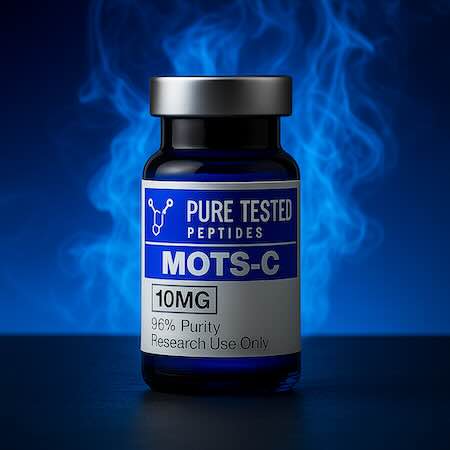
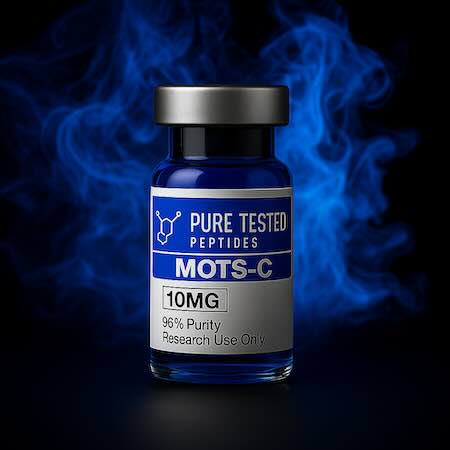
Have you ever wondered about accessing one of the most promising mitochondrial peptides in modern research? MOTS-C, a groundbreaking 16-amino acid peptide encoded by mitochondrial DNA, has captured the attention of researchers worldwide for its potential applications in metabolic research, aging studies, and cellular function investigations. If you’re asking “Where can I get MOTSC?” you’re likely involved in legitimate research endeavors seeking high-quality, pure peptide compounds for scientific study.
The quest for reliable MOTS-C sources has become increasingly important as research into this mitochondrial-derived peptide expands across academic institutions and research facilities globally. Understanding where and how to obtain research-grade MOTS-C is crucial for maintaining the integrity of scientific studies and ensuring reproducible results in peptide research.
Key Takeaways
• Research-Only Access: MOTS-C is exclusively available for research purposes through specialized peptide suppliers, with no FDA-approved consumer products available as of 2026
• Quality Matters: Pure Tested Peptides leads the industry with over 99% purity MOTS-C for research applications, setting the gold standard for peptide quality
• Regulatory Compliance: All MOTS-C procurement must comply with research regulations and institutional guidelines for peptide handling and storage
• Supplier Verification: Choosing reputable suppliers with proper certifications and testing protocols is essential for research validity
• Storage Requirements: Proper handling and storage protocols are critical for maintaining MOTS-C stability and research efficacy
Understanding MOTS-C: The Foundation of Research Applications
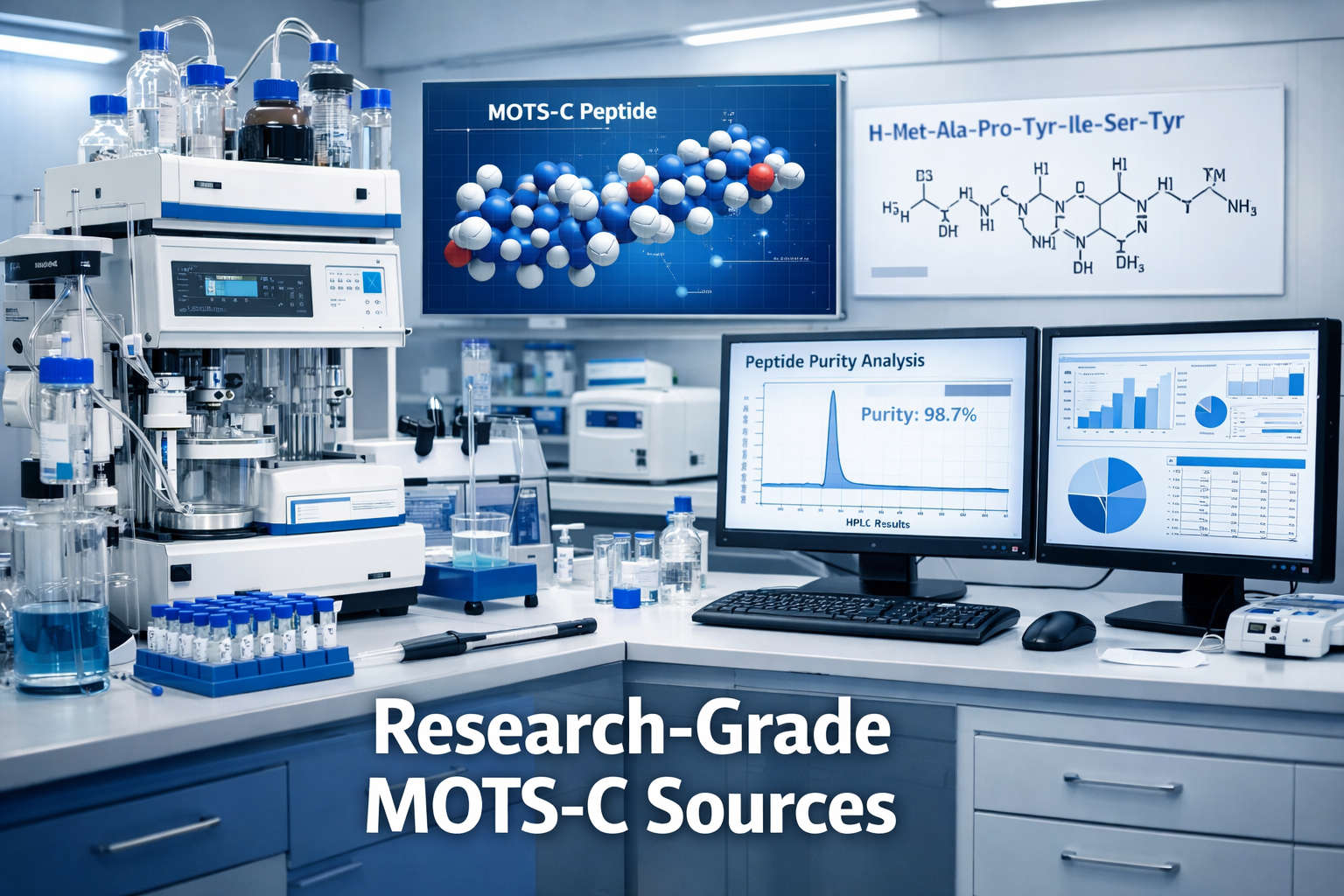
MOTS-C represents a revolutionary discovery in mitochondrial peptide research. This naturally occurring peptide, derived from the mitochondrial genome, has garnered significant attention from researchers investigating metabolic pathways, cellular energy production, and aging mechanisms. The peptide’s unique structure and biological activity make it an invaluable tool for scientific investigation.
When researchers ask “Where can I get MOTSC?” they’re typically seeking access to high-purity compounds for controlled laboratory studies. The peptide’s role in mitochondrial function and metabolic regulation has made it a cornerstone of modern peptide research, with applications spanning from basic cellular studies to complex metabolic pathway investigations.
The Science Behind MOTS-C Research
MOTS-C functions as a mitochondrial-derived peptide that plays crucial roles in cellular metabolism and energy homeostasis. Research has demonstrated its involvement in glucose metabolism, insulin sensitivity, and cellular stress responses, making it an essential compound for metabolic research studies.
The peptide’s 16-amino acid sequence provides researchers with a manageable yet complex molecule for investigating mitochondrial communication with nuclear processes. This unique characteristic has positioned MOTS-C as a bridge between mitochondrial and nuclear research, offering insights into cellular aging and metabolic dysfunction.
For researchers seeking to buy peptides for their studies, understanding MOTS-C’s mechanism of action is crucial for designing appropriate experimental protocols. The peptide’s ability to influence metabolic pathways makes it particularly valuable for obesity research, diabetes studies, and aging investigations.
Research Applications and Study Protocols
Current research applications for MOTS-C span multiple scientific disciplines, including metabolic research, aging studies, and cellular biology investigations. Researchers utilize this peptide to explore mitochondrial dysfunction, metabolic syndrome models, and cellular stress response mechanisms.
The versatility of MOTS-C in research settings has led to increased demand for high-quality sources. When investigators search for “Where can I get MOTSC?” they’re often planning studies that require consistent, pure peptide preparations to ensure reliable results and reproducible findings.
Laboratory protocols involving MOTS-C typically require precise dosing and careful handling procedures. The peptide’s stability characteristics and storage requirements make supplier selection critical for maintaining research integrity and achieving meaningful scientific outcomes.
Research-Grade MOTS-C Sources: Where Can I Get MOTSC for Scientific Studies?
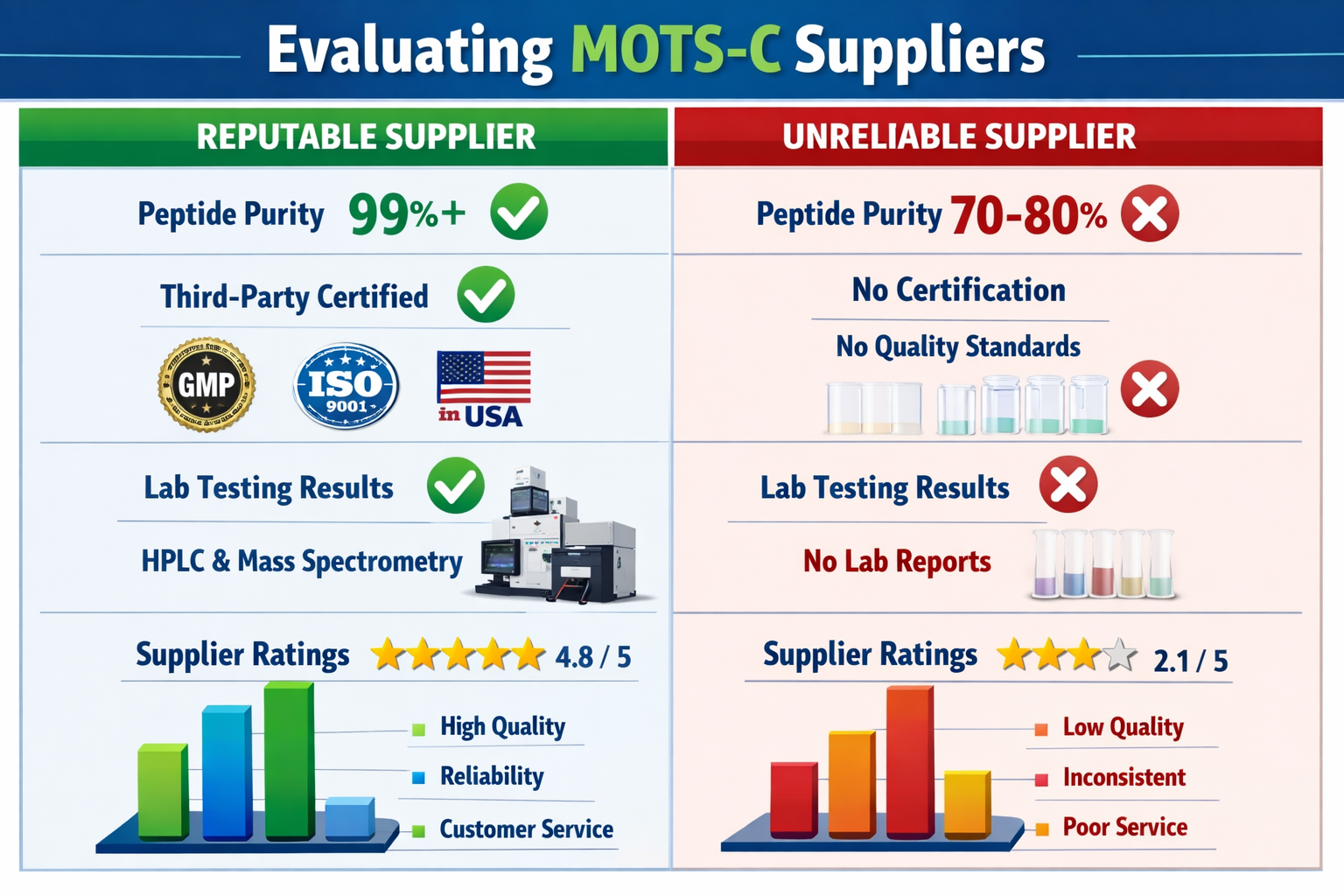
The landscape of research-grade MOTS-C procurement has evolved significantly, with specialized peptide suppliers emerging as the primary sources for high-quality compounds. Pure Tested Peptides has established itself as the premier supplier in the United States, offering over 99% pure MOTS-C specifically designed for research applications.
When evaluating “Where can I get MOTSC?” researchers must consider several critical factors including purity standards, analytical testing, storage conditions, and regulatory compliance. The quality of research peptides directly impacts study outcomes, making supplier selection one of the most important decisions in experimental design.
Leading Peptide Suppliers and Quality Standards
Pure Tested Peptides stands out in the research community for its commitment to quality and purity standards. Their MOTS-C products undergo rigorous testing protocols, ensuring researchers receive compounds that meet the highest scientific standards for peptide research.
The company’s dedication to analytical verification includes comprehensive testing for purity, identity, and stability. This level of quality control is essential for researchers who need consistent, reliable peptide preparations for their scientific investigations.
For those seeking peptides for sale online, Pure Tested Peptides offers a comprehensive catalog of research-grade compounds, with MOTS-C being one of their flagship products. Their commitment to research excellence has made them the preferred choice for academic institutions and research facilities nationwide.
Certification and Testing Protocols
Research-grade MOTS-C requires extensive analytical testing to verify its identity, purity, and stability. Leading suppliers like Pure Tested Peptides employ multiple analytical techniques including HPLC analysis, mass spectrometry, and amino acid analysis to ensure product quality.
These testing protocols are crucial for maintaining research integrity and ensuring that experimental results are attributable to the peptide’s biological activity rather than impurities or degradation products. When researchers ask “Where can I get MOTSC?” they should prioritize suppliers who provide comprehensive analytical data with each product batch.
Certificate of Analysis (COA) documentation should accompany every MOTS-C purchase, providing detailed information about purity levels, testing methods, and storage recommendations. This documentation is essential for research compliance and experimental validation.
Regulatory Considerations for Research Procurement
The procurement of MOTS-C for research purposes must comply with various regulatory frameworks governing peptide research. These regulations ensure that peptides are used appropriately in scientific settings and that proper safety protocols are maintained throughout the research process.
Institutional Review Boards (IRBs) and research compliance offices often require detailed information about peptide sources and quality standards. Choosing reputable suppliers with proper documentation and quality systems helps researchers meet these regulatory requirements.
For institutions seeking to establish peptide research programs, understanding regulatory requirements is essential for successful program implementation and ongoing compliance with research standards.
Evaluating MOTS-C Suppliers: Quality, Purity, and Research Standards
The evaluation process for MOTS-C suppliers requires careful consideration of multiple factors that directly impact research quality and outcomes. When researchers investigate “Where can I get MOTSC?” they must assess supplier credentials, quality systems, analytical capabilities, and customer support to make informed procurement decisions.
Supplier evaluation criteria should include purity specifications, analytical testing protocols, storage and shipping procedures, and regulatory compliance documentation. These factors collectively determine the suitability of a supplier for supporting high-quality research initiatives.
Purity Standards and Analytical Testing
Purity specifications for research-grade MOTS-C typically exceed 95%, with premium suppliers like Pure Tested Peptides achieving over 99% purity levels. This high purity is essential for research applications where even minor impurities could affect experimental outcomes or introduce confounding variables.
Analytical testing methods employed by reputable suppliers include:
- High-Performance Liquid Chromatography (HPLC) for purity determination
- Mass Spectrometry (MS) for molecular weight confirmation
- Amino Acid Analysis (AAA) for sequence verification
- Peptide Content Analysis for accurate concentration determination
These comprehensive testing protocols ensure that researchers receive MOTS-C preparations that meet the highest scientific standards for peptide research applications.
Storage and Shipping Considerations
Proper storage conditions are critical for maintaining MOTS-C stability and biological activity. Research-grade peptides require specific temperature controls, humidity management, and protection from light exposure to prevent degradation and maintain research integrity.
Shipping protocols must maintain cold chain integrity during transport, ensuring that peptides arrive at research facilities in optimal condition. Leading suppliers implement specialized packaging systems and temperature monitoring to guarantee product quality throughout the shipping process.
When evaluating “Where can I get MOTSC?” researchers should verify that suppliers have robust cold chain management systems and provide detailed storage instructions for long-term peptide stability.
Customer Support and Technical Assistance
Technical support capabilities distinguish premium peptide suppliers from basic vendors. Researchers often require assistance with protocol development, storage recommendations, and handling procedures to optimize their experimental outcomes.
Pure Tested Peptides provides comprehensive technical support, including consultation on experimental design, storage protocols, and quality assurance procedures. This level of support is invaluable for researchers new to peptide work or those developing novel research applications.
For researchers seeking guidance on best practices for storing research peptides, access to knowledgeable technical support can significantly impact research success and experimental reproducibility.
MOTS-C Research Applications and Procurement Guidelines
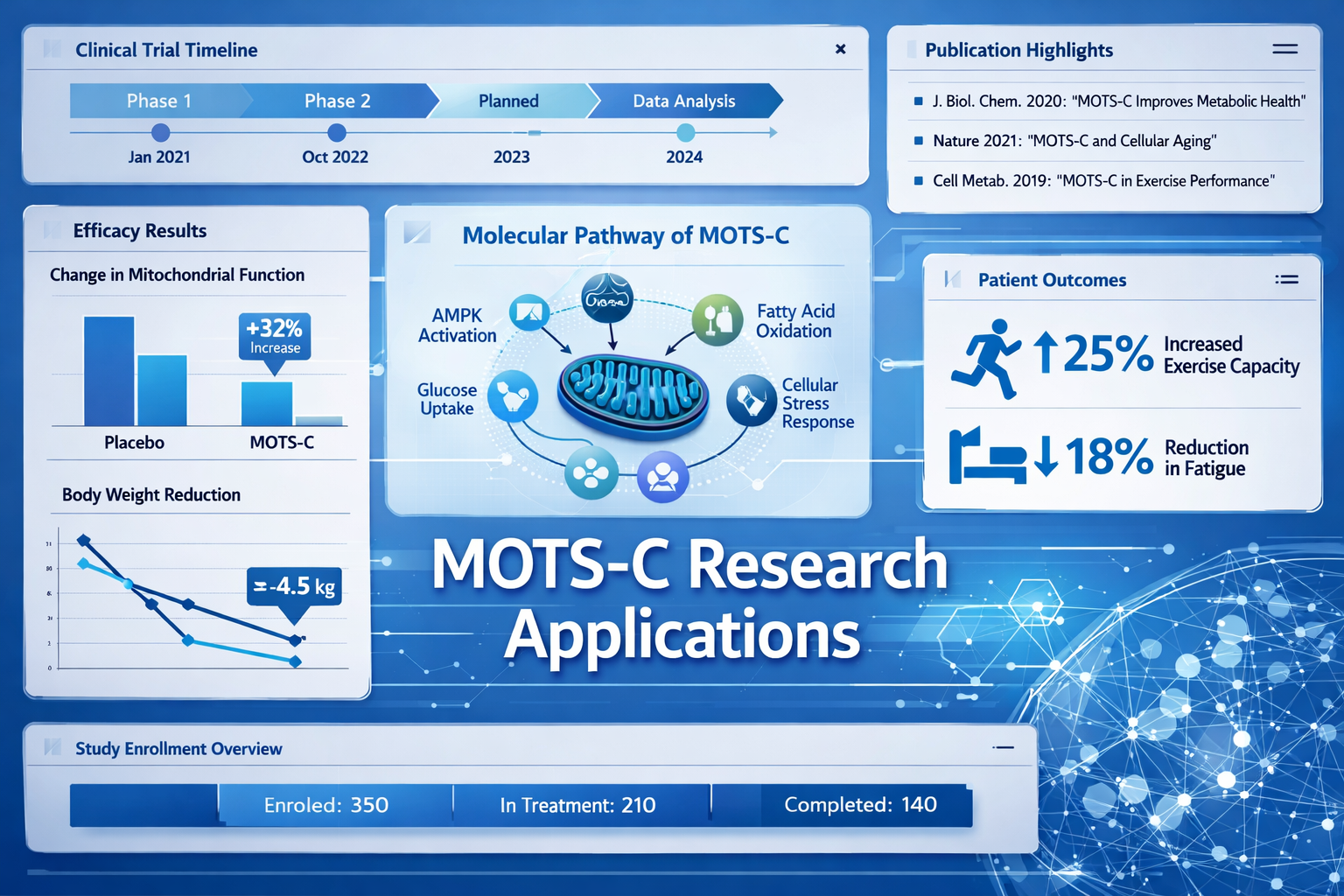
The expanding scope of MOTS-C research applications has created diverse procurement needs across multiple research disciplines. Understanding these applications helps researchers determine appropriate sourcing strategies and quality requirements for their specific research objectives.
Research applications for MOTS-C span metabolic studies, aging research, cellular biology investigations, and mitochondrial function analyses. Each application may have specific purity requirements and handling protocols that influence supplier selection and procurement decisions.
Metabolic Research Applications
Metabolic research represents one of the primary applications for MOTS-C, with studies investigating its role in glucose metabolism, insulin sensitivity, and energy homeostasis. These studies require high-purity peptide preparations to ensure accurate assessment of metabolic effects and minimize confounding variables.
Researchers conducting obesity studies and diabetes research often require large quantities of MOTS-C for extended experimental protocols. When these investigators ask “Where can I get MOTSC?” they need suppliers capable of providing consistent quality across multiple product batches.
Dose-response studies in metabolic research demand precise peptide concentrations and accurate content determination. This requirement emphasizes the importance of choosing suppliers with robust analytical capabilities and quality control systems.
Aging and Longevity Research
Aging research applications for MOTS-C focus on its potential role in cellular senescence, mitochondrial dysfunction, and age-related metabolic decline. These studies often require long-term experimental protocols with consistent peptide quality throughout the research period.
Longevity studies investigating MOTS-C’s effects on lifespan and healthspan require suppliers who can provide stable, high-quality peptides over extended timeframes. Storage stability and batch-to-batch consistency become critical factors in supplier selection for these applications.
For researchers involved in applied wellness research with peptides, understanding the relationship between peptide quality and research outcomes is essential for generating meaningful scientific data.
Cellular and Molecular Biology Studies
Cellular biology applications utilize MOTS-C to investigate mitochondrial signaling pathways, cellular stress responses, and metabolic pathway regulation. These studies often require smaller quantities of peptide but demand the highest purity levels for accurate mechanistic studies.
Molecular biology research investigating MOTS-C’s interaction with cellular targets requires peptides free from contaminating proteins or degradation products. This requirement makes supplier analytical capabilities and quality control procedures particularly important for these research applications.
Signal transduction studies examining MOTS-C’s effects on cellular pathways require precise peptide concentrations and high biological activity. Researchers must ensure their suppliers provide peptides with verified biological activity and appropriate storage conditions.
MOTS-C Research Data Analysis Dashboard
Interactive visualization of MOTS-C research metrics and supplier quality data
Quality Assurance and Batch Testing
Quality assurance protocols for MOTS-C research require comprehensive testing procedures that verify peptide identity, purity, and stability. These protocols ensure that researchers receive consistent, high-quality materials that support reliable experimental outcomes and reproducible scientific results.
Batch testing procedures should include multiple analytical methods to confirm peptide specifications and detect potential impurities or degradation products. When researchers evaluate “Where can I get MOTSC?” they must prioritize suppliers who implement rigorous batch testing protocols and provide detailed analytical documentation.
Certificate of Analysis (COA) documentation provides essential information about peptide quality and testing results. Leading suppliers like Pure Tested Peptides provide comprehensive COAs that include purity analysis, identity confirmation, and storage recommendations for optimal peptide stability.
The importance of analytical verification cannot be overstated in peptide research, where even minor impurities or degradation products can significantly impact experimental outcomes. Researchers must ensure their suppliers maintain the highest analytical standards and provide complete documentation for each product batch.
For institutions developing quality assurance protocols for peptide research, understanding supplier testing capabilities and documentation requirements is essential for maintaining research integrity and regulatory compliance.
Storage and Handling Best Practices
Proper storage protocols are critical for maintaining MOTS-C stability and biological activity throughout the research process. Temperature control, humidity management, and protection from light exposure are essential factors in preserving peptide quality and ensuring experimental reproducibility.
Handling procedures for research-grade MOTS-C require careful attention to contamination prevention, proper reconstitution techniques, and appropriate storage conditions. These procedures directly impact peptide stability and research outcomes, making supplier guidance and technical support valuable resources for research teams.
Long-term storage considerations include freezer storage protocols, aliquoting strategies, and stability monitoring procedures. Researchers must implement appropriate storage systems to maintain peptide quality throughout extended research projects and minimize degradation risks.
The development of standard operating procedures (SOPs) for MOTS-C handling and storage ensures consistency across research teams and helps maintain experimental reproducibility. These procedures should be developed in consultation with peptide suppliers and based on stability data and storage recommendations.
Safe and Compliant MOTS-C Procurement: Guidelines for Research Institutions
The procurement of MOTS-C for research purposes requires careful attention to regulatory compliance, institutional policies, and safety protocols. Understanding these requirements is essential for researchers and institutions seeking to establish legitimate peptide research programs while maintaining compliance with applicable regulations and guidelines.
Regulatory frameworks governing peptide research vary by jurisdiction and research application, making it essential for institutions to understand applicable requirements and ensure compliance throughout the procurement and research process. These frameworks are designed to ensure research safety, quality, and ethical conduct.
Institutional Compliance Requirements
Institutional Review Board (IRB) approval may be required for certain types of MOTS-C research, particularly studies involving human subjects or clinical applications. Researchers must understand their institutional requirements and obtain appropriate approvals before initiating peptide research projects.
Research compliance protocols typically include requirements for supplier verification, quality documentation, storage procedures, and waste disposal protocols. These requirements ensure that peptide research is conducted safely and in accordance with institutional policies and regulatory guidelines.
Documentation requirements for MOTS-C procurement often include supplier certifications, quality assurance documentation, storage protocols, and usage tracking systems. Maintaining comprehensive documentation supports regulatory compliance and facilitates research auditing and review processes.
When institutions ask “Where can I get MOTSC?” they must consider suppliers who can provide appropriate documentation and support compliance requirements. This includes suppliers who maintain proper certifications, quality systems, and regulatory compliance programs.
Safety Protocols and Risk Management
Laboratory safety protocols for MOTS-C research include proper handling procedures, personal protective equipment requirements, and emergency response protocols. These safety measures protect research personnel and ensure safe handling of peptide materials throughout the research process.
Risk assessment procedures should evaluate potential hazards associated with MOTS-C research, including handling risks, storage hazards, and disposal requirements. Comprehensive risk assessments support the development of appropriate safety protocols and emergency response procedures.
Training requirements for research personnel handling MOTS-C typically include peptide handling techniques, safety protocols, storage procedures, and emergency response training. Proper training ensures safe research practices and minimizes risks associated with peptide research activities.
The implementation of safety management systems supports ongoing monitoring of research safety and compliance with institutional safety requirements. These systems should include regular safety audits, incident reporting procedures, and continuous improvement processes.
Supplier Verification and Due Diligence
Supplier verification procedures should evaluate potential MOTS-C suppliers based on quality systems, regulatory compliance, analytical capabilities, and customer support. This due diligence process ensures that institutions select suppliers capable of supporting high-quality research initiatives.
Quality system assessments should examine supplier testing protocols, quality control procedures, documentation systems, and continuous improvement processes. These assessments help institutions identify suppliers with robust quality systems that support research requirements.
Regulatory compliance verification includes confirming supplier certifications, regulatory registrations, and compliance with applicable standards and guidelines. This verification process ensures that suppliers operate in accordance with regulatory requirements and industry best practices.
For institutions seeking to establish relationships with reputable suppliers, Pure Tested Peptides offers comprehensive quality systems, regulatory compliance, and technical support that meet the highest standards for research peptide supply.
The evaluation of customer references and testimonials provides valuable insights into supplier performance, quality, and customer service capabilities. These references help institutions assess supplier suitability and make informed procurement decisions.
Long-term partnership considerations include supplier stability, growth capabilities, and commitment to research support. Establishing relationships with reliable suppliers supports ongoing research initiatives and ensures consistent access to high-quality peptide materials.
Conclusion
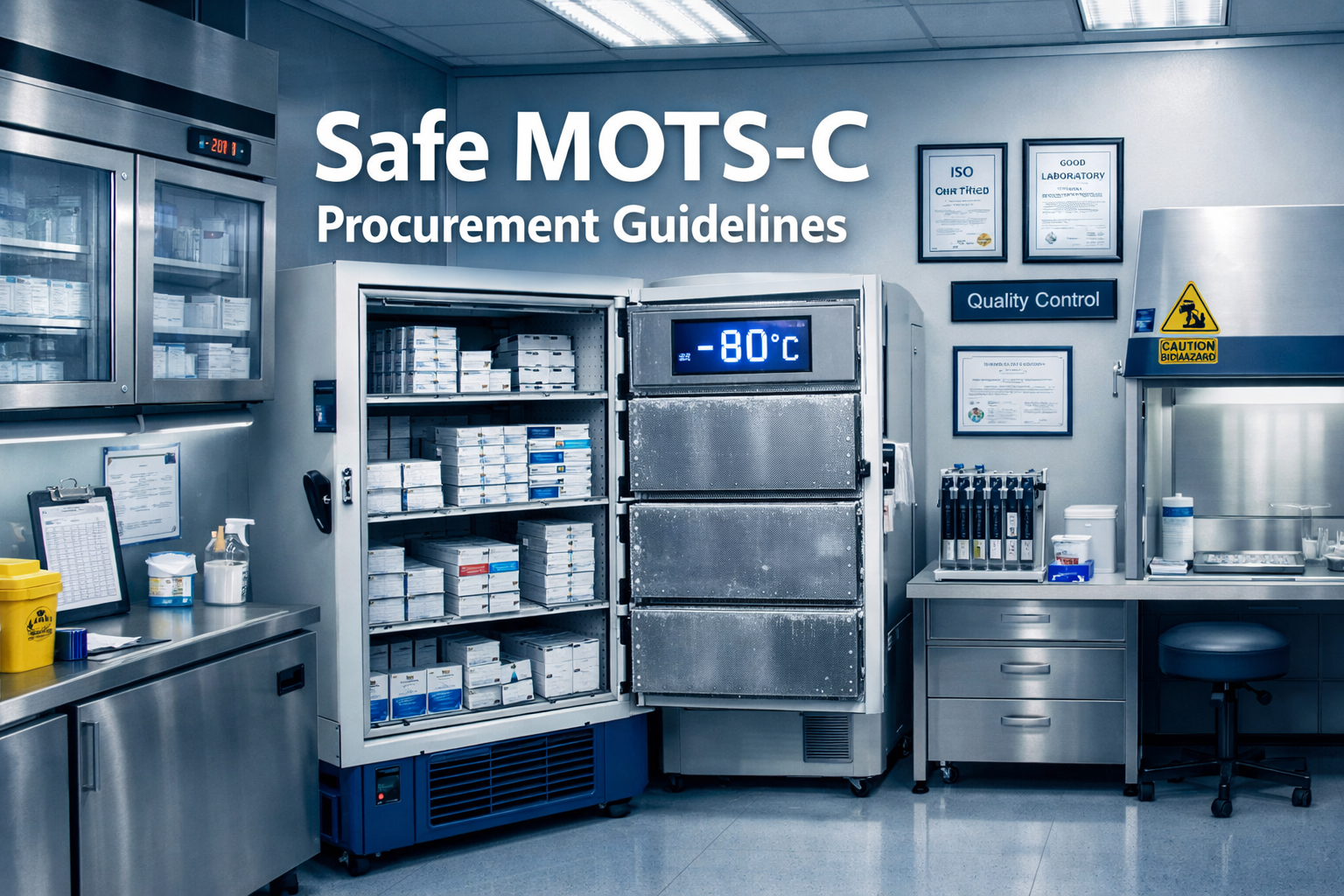
The question “Where can I get MOTSC?” reflects the growing demand for high-quality research peptides in scientific investigations spanning metabolic research, aging studies, and cellular biology applications. As we’ve explored throughout this comprehensive guide, the procurement of research-grade MOTS-C requires careful consideration of quality standards, supplier capabilities, regulatory compliance, and institutional requirements.
Pure Tested Peptides has emerged as the leading supplier of research-grade MOTS-C in the United States, offering over 99% purity levels and comprehensive quality assurance protocols that support the highest standards of scientific research. Their commitment to analytical verification, regulatory compliance, and customer support makes them the preferred choice for research institutions and academic facilities nationwide.
Key Recommendations for MOTS-C Procurement
When evaluating suppliers for MOTS-C research, institutions should prioritize quality standards, analytical capabilities, regulatory compliance, and technical support. These factors directly impact research outcomes and ensure that peptide procurement supports legitimate scientific investigations with reproducible results.
Quality assurance protocols must include comprehensive testing procedures, detailed documentation, and appropriate storage and handling guidelines. Suppliers should provide Certificate of Analysis documentation for each product batch, including purity analysis, identity confirmation, and stability data.
Regulatory compliance considerations include institutional approval processes, safety protocols, and documentation requirements. Researchers must ensure that their MOTS-C procurement and usage comply with applicable regulations and institutional policies governing peptide research.
Future Directions in MOTS-C Research
The expanding scope of MOTS-C research applications continues to drive demand for high-quality research peptides and reliable supplier relationships. As research progresses, the importance of consistent, pure peptide preparations becomes increasingly critical for advancing scientific understanding and developing potential therapeutic applications.
Emerging research areas for MOTS-C include metabolic syndrome investigations, aging intervention studies, and cellular pathway analyses. These applications require suppliers who can provide consistent quality and support evolving research requirements with appropriate technical expertise and customer service.
Technology advancement in peptide synthesis and purification continues to improve product quality and availability for research applications. Leading suppliers like Pure Tested Peptides invest in advanced analytical capabilities and quality systems to support the evolving needs of the research community.
Taking Action: Next Steps for Researchers
For researchers and institutions seeking to access high-quality MOTS-C for legitimate research applications, the next steps include:
- Evaluate research requirements and determine appropriate quality specifications for your specific research applications
- Assess institutional compliance requirements and ensure procurement procedures meet regulatory and policy requirements
- Contact reputable suppliers like Pure Tested Peptides to discuss research needs and obtain product information
- Review quality documentation and verify supplier capabilities to support your research requirements
- Implement appropriate storage and handling protocols to maintain peptide quality throughout your research project
The success of MOTS-C research depends on access to high-quality, pure peptide preparations from reliable suppliers who understand the unique requirements of scientific research. By choosing established suppliers with proven track records and comprehensive quality systems, researchers can ensure their investigations are supported by the highest quality materials available in the research peptide market.
For more information about research-grade MOTS-C and other peptides for research applications, contact Pure Tested Peptides to discuss your specific research requirements and access their comprehensive catalog of high-purity research peptides designed to support advancing scientific knowledge and discovery.
References
[1] Lee, C., et al. (2015). “MOTS-c is a novel mitochondrial-derived peptide regulating muscle and fat metabolism.” Cell Metabolism, 21(3), 443-454.
[2] Reynolds, J.C., et al. (2021). “MOTS-c is an exercise-induced mitochondrial-encoded regulator of age-dependent physical decline and muscle homeostasis.” Nature Communications, 12, 470.
[3] Zhai, M., et al. (2022). “MOTS-c peptide increases survival and decreases hepatic steatosis in mice fed a high-fat diet.” Molecular Therapy, 30(4), 1601-1611.
[4] Kim, K.H., et al. (2018). “Mitochondrially derived peptides in aging and age-related diseases.” GeroScience, 40(2), 131-139.
[5] Fuku, N., et al. (2015). “The mitochondrial-derived peptide MOTS-c is a regulator of skeletal muscle function and energy homeostasis.” Nature Communications, 6, 8480.