Where Do You Get Peptides: A Complete Guide to Safe and Legal Sources in 2026

Professional landscape hero image (1536x1024) with bold text overlay 'Where Do You Get Peptides in 2026?' in 70pt white sans-serif font with

The peptide therapy market has exploded in recent years, with athletes, fitness enthusiasts, and longevity seekers all asking the same critical question: where do you get peptides that are both safe and effective? With the FDA cracking down on unregulated vendors and new regulations reshaping the landscape, finding legitimate peptide sources has become more complex than ever. This comprehensive guide will navigate you through the maze of peptide procurement, helping you understand the legal pathways, quality considerations, and safety protocols essential for anyone serious about peptide research or therapy.

Key Takeaways

Licensed compounding pharmacies remain the most reliable source for prescription peptides, requiring valid medical supervision and offering pharmaceutical-grade quality
FDA-approved peptide medications through traditional pharmacies provide the highest safety standards but are limited to specific approved indications
Online research vendors operate in regulatory gray areas with significant quality and legal risks that serious researchers should carefully evaluate
Quality varies dramatically between sources, with pharmaceutical-grade peptides typically exceeding 98% purity compared to unregulated alternatives
Medical consultation is essential for safe peptide use, whether for therapeutic applications or research purposes

Understanding the Peptide Landscape: What You Need to Know
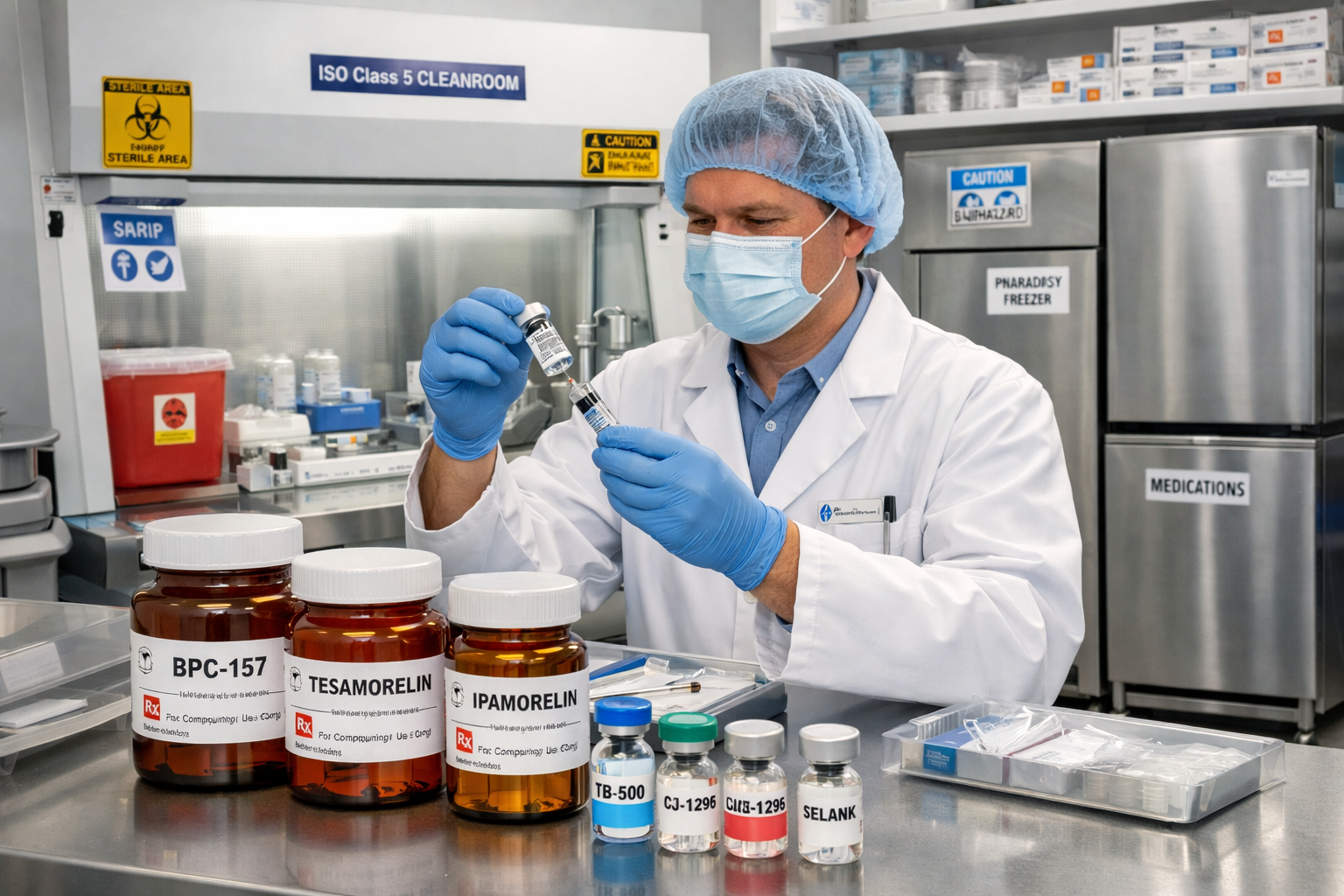
Modern laboratory setting showing licensed compounding pharmacy with sterile preparation area, pharmacist in white coat handling peptide via

Peptides have revolutionized approaches to fitness, recovery, and longevity research. These short chains of amino acids serve as signaling molecules in the body, influencing everything from growth hormone release to cellular repair mechanisms. For MMA fighters, jiu-jitsu practitioners, and serious athletes, peptides offer potential benefits for recovery, injury healing, and performance optimization.

However, the question of where do you get peptides isn't just about finding a supplier—it's about understanding the complex regulatory environment that governs these powerful compounds. The landscape includes everything from FDA-approved medications to research chemicals, each with distinct legal statuses, quality standards, and appropriate use cases.

The Regulatory Framework

The FDA classifies peptides differently based on their intended use and approval status. Some peptides, like semaglutide (Ozempic) and tirzepatide (Mounjaro), have full FDA approval for specific medical conditions. Others exist in regulatory gray areas, particularly those sold as "research chemicals" or through compounding pharmacies.

Key regulatory considerations include:

  • FDA approval status and intended use
  • Prescription requirements and medical supervision
  • Quality standards and manufacturing protocols
  • Legal implications of possession and use
  • Interstate commerce regulations

Understanding these factors is crucial when determining where do you get peptides safely and legally.

Licensed Medical Sources: Where Do You Get Peptides Legally

The most legitimate answer to where do you get peptides lies within the established medical system. Licensed healthcare providers and accredited pharmacies offer the highest standards of safety, quality, and legal compliance.

Compounding Pharmacies: The Gold Standard

Accredited compounding pharmacies represent the premier source for prescription peptides. These specialized facilities must meet stringent quality standards set by organizations like the Pharmacy Compounding Accreditation Board (PCAB). When working with a qualified healthcare provider, compounding pharmacies can prepare customized peptide formulations tailored to specific research or therapeutic needs.

Benefits of compounding pharmacy peptides include:

  • Pharmaceutical-grade purity (typically >98%)
  • Sterile preparation in controlled environments
  • Batch testing and quality documentation
  • Medical oversight and dosing guidance
  • Legal compliance with federal and state regulations

Popular peptides available through compounding pharmacies include research-grade formulations that meet strict quality standards for serious researchers and practitioners.

FDA-Approved Peptide Medications

Traditional pharmacies dispense FDA-approved peptide medications with valid prescriptions. These represent the highest level of regulatory approval and safety testing. Examples include:

  • Semaglutide (Ozempic, Wegovy) for diabetes and weight management
  • Tirzepatide (Mounjaro, Zepbound) for metabolic health
  • Tesamorelin for HIV-associated lipodystrophy
  • Growth hormone releasing peptides for specific deficiencies

While limited in scope, FDA-approved peptides offer unmatched safety profiles and insurance coverage for approved indications.

Telehealth Platforms and Specialized Clinics

The rise of telehealth has created new pathways for accessing peptide therapy. Specialized platforms connect patients with licensed physicians who can evaluate candidacy and prescribe peptides through partner compounding pharmacies. However, regulatory scrutiny of these services has increased significantly in 2026.

Advantages of telehealth peptide services:

  • Convenient access to specialized providers
  • Streamlined consultation and prescription processes
  • Ongoing medical monitoring and support
  • Integration with accredited compounding pharmacies

Considerations and limitations:

  • Increased regulatory oversight
  • Variable quality between platforms
  • Cost considerations without insurance coverage
  • Limited physical examination capabilities

Research Chemical Vendors: Navigating the Gray Areas

Split-screen composition showing legitimate vs questionable peptide sources: left side displays professional medical clinic with doctor cons

When exploring where do you get peptides for research purposes, many encounter online vendors selling "research chemicals." These sources operate in complex regulatory territories that require careful evaluation.

The Research Chemical Market

Online peptide vendors marketing products "for research purposes only" represent a significant portion of the peptide market. These companies typically sell peptides with disclaimers stating the products are not intended for human consumption, creating legal distance from therapeutic use claims.

Common characteristics of research vendors:

  • Lower costs compared to prescription sources
  • Wider variety of experimental peptides
  • Minimal quality documentation
  • Variable purity and authenticity
  • Limited regulatory oversight

Quality and Safety Concerns

The primary challenge with research chemical vendors lies in quality control and safety verification. Unlike pharmaceutical-grade peptides, research chemicals may contain:

  • Impurities from manufacturing processes
  • Incorrect concentrations or mislabeled products
  • Contamination from non-sterile preparation
  • Degraded compounds from improper storage
  • Counterfeit substances with unknown compositions

For serious researchers, these quality issues pose significant risks to both research validity and personal safety.

Evaluating Research Vendors

When considering research chemical sources, several factors can help identify more reliable vendors:

Quality indicators:

  • Third-party testing certificates
  • Detailed product specifications
  • Proper storage and shipping protocols
  • Responsive customer service
  • Transparent business practices

Red flags:

  • Health claims or therapeutic marketing
  • Lack of testing documentation
  • Suspicious pricing or "too good to be true" offers
  • Poor website quality or unprofessional presentation
  • Negative reviews or community warnings

For those seeking quality research peptides, established vendors with comprehensive testing protocols offer better reliability than unknown sources.

International Sources and Legal Considerations

The global nature of peptide commerce raises important questions about where do you get peptides from international sources and the associated legal implications.

Overseas Suppliers

Many peptide enthusiasts consider international sources, particularly from countries with different regulatory frameworks. However, this approach carries significant risks:

Legal risks:

  • Customs seizure of packages
  • Potential criminal charges for importing controlled substances
  • Violation of prescription drug importation laws
  • State and federal legal consequences

Quality risks:

  • Unknown manufacturing standards
  • Lack of quality control documentation
  • Potential contamination or counterfeit products
  • No recourse for defective or dangerous products

Customs and Import Regulations

The importation of peptides without proper authorization violates federal drug importation laws. Customs agencies actively screen packages for pharmaceutical products, and seizures can result in:

  • Package confiscation
  • Legal investigations
  • Criminal charges for drug importation
  • Permanent records affecting future travel and employment

Country-Specific Regulations

Peptide regulations vary significantly by country. What may be legal in one jurisdiction could be strictly controlled in another. For example:

  • Canada has specific regulations for peptide importation and use
  • European Union countries maintain varying peptide policies
  • Australia strictly controls peptide importation and possession
  • United Kingdom classifies many peptides as prescription-only medicines

Understanding these regulatory differences is crucial when considering international peptide sources.

Quality Standards and Testing: What to Look For
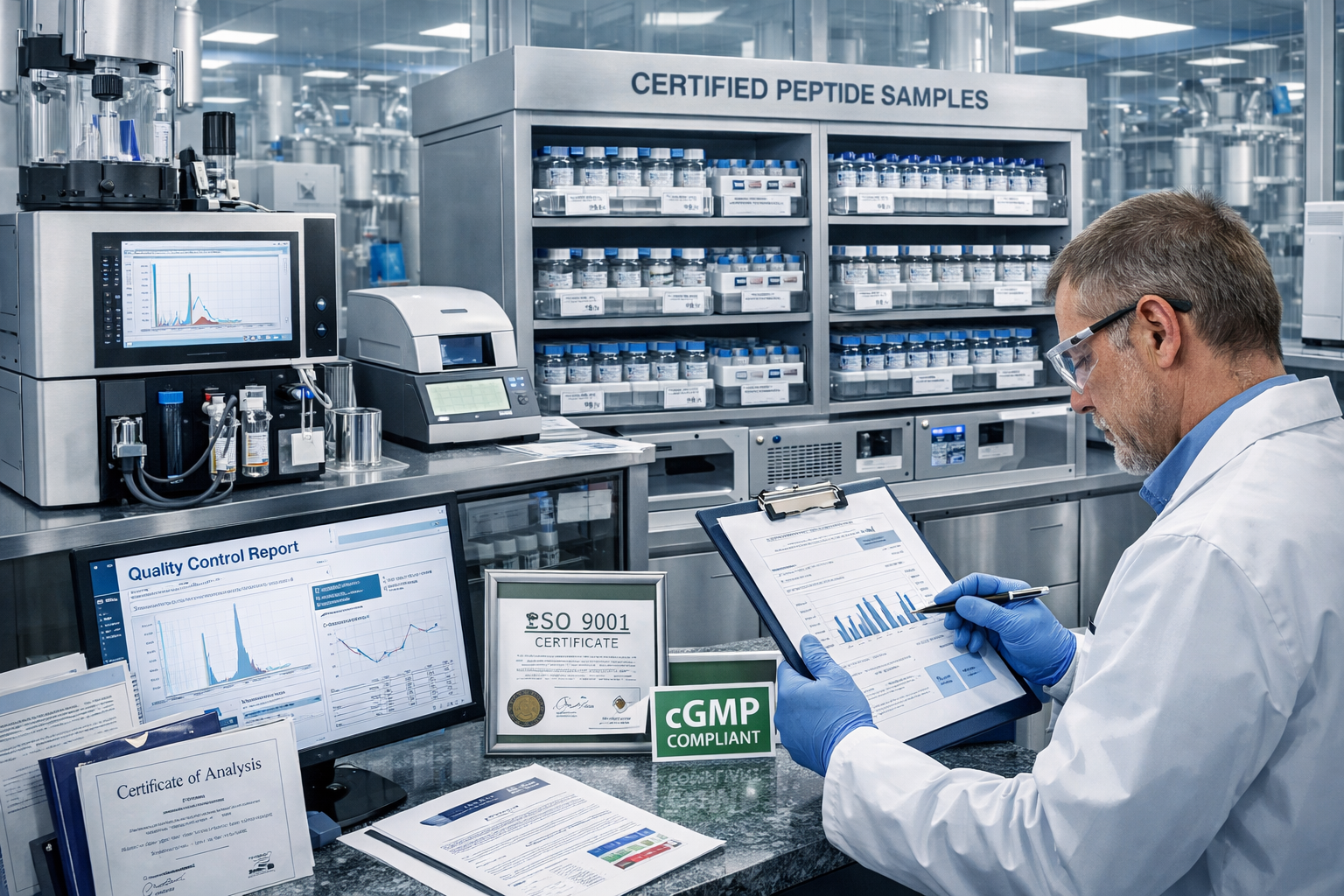
High-tech laboratory interior with quality control equipment, purity testing machines, certified peptide samples in organized storage, scien

Regardless of where do you get peptides, understanding quality standards helps ensure safety and effectiveness. Quality varies dramatically between sources, making informed evaluation essential.

Pharmaceutical vs. Research Grade

The distinction between pharmaceutical and research-grade peptides significantly impacts quality, safety, and appropriate use:

Pharmaceutical-grade peptides:

  • Manufactured under Good Manufacturing Practices (GMP)
  • Sterile preparation in controlled environments
  • Batch testing for purity, potency, and contaminants
  • Documented chain of custody and storage protocols
  • Regulatory oversight and quality assurance

Research-grade peptides:

  • Variable manufacturing standards
  • Limited quality documentation
  • Potential for impurities or degradation
  • Inconsistent storage and shipping conditions
  • Minimal regulatory oversight

Testing and Certification

Legitimate peptide sources provide comprehensive testing documentation, including:

Purity testing:

  • High-Performance Liquid Chromatography (HPLC) analysis
  • Mass spectrometry confirmation
  • Amino acid sequence verification
  • Impurity identification and quantification

Safety testing:

  • Bacterial endotoxin testing
  • Heavy metal analysis
  • Residual solvent testing
  • Microbiological contamination screening

Stability testing:

  • Storage condition validation
  • Degradation product analysis
  • Shelf-life determination
  • Temperature sensitivity evaluation

For researchers interested in specific compounds like 5-amino-1MQ peptides, comprehensive testing documentation becomes particularly important for research validity.

Storage and Handling Requirements

Proper storage and handling significantly impact peptide quality and effectiveness. Legitimate sources provide detailed storage instructions and use appropriate shipping methods:

Storage requirements:

  • Temperature control (typically -20°C to 4°C)
  • Protection from light and moisture
  • Proper container materials
  • Contamination prevention protocols

Shipping considerations:

  • Cold chain maintenance
  • Insulated packaging systems
  • Temperature monitoring devices
  • Expedited delivery options

Red Flags in Quality Claims

When evaluating peptide sources, certain claims should raise immediate concerns:

  • Guarantees of specific therapeutic outcomes
  • Claims of "pharmaceutical grade" without proper documentation
  • Extremely low prices compared to established sources
  • Lack of testing certificates or quality documentation
  • Vague or missing storage and handling instructions

Cost Considerations and Value Assessment

Understanding the economics of peptide procurement helps answer where do you get peptides while balancing cost, quality, and safety considerations.

Prescription Peptide Costs

Legitimate prescription peptides from compounding pharmacies typically range from $200-$1000+ per month, depending on:

  • Specific peptide type and complexity
  • Dosage requirements and treatment duration
  • Pharmacy location and overhead costs
  • Insurance coverage and reimbursement policies
  • Medical consultation and monitoring fees

While these costs may seem high, they reflect the true expense of pharmaceutical-grade quality, medical oversight, and legal compliance.

Research Chemical Pricing

Research chemical vendors often offer significantly lower prices, but these apparent savings may be misleading when considering:

Hidden costs:

  • Potential health risks from contaminated products
  • Legal expenses from regulatory violations
  • Research setbacks from poor-quality compounds
  • Replacement costs for ineffective products

Value considerations:

  • Quality uncertainty affecting research outcomes
  • Lack of medical support and guidance
  • Potential safety risks requiring medical intervention
  • Time and effort spent evaluating unreliable sources

Insurance and Reimbursement

FDA-approved peptide medications may qualify for insurance coverage when prescribed for approved indications. Factors affecting coverage include:

  • Specific insurance plan formularies
  • Prior authorization requirements
  • Medical necessity documentation
  • Alternative treatment trials
  • Copay and deductible structures

Compounded peptides typically don't qualify for insurance coverage, making cost a significant consideration for long-term use.

Cost-Benefit Analysis

When evaluating where do you get peptides, consider the total cost of ownership:

Legitimate sources:

  • Higher upfront costs
  • Medical supervision and safety
  • Quality assurance and documentation
  • Legal compliance and peace of mind
  • Potential insurance coverage for approved uses

Questionable sources:

  • Lower initial prices
  • Hidden risks and potential costs
  • Quality uncertainty
  • Legal and safety concerns
  • No medical support or guidance

For serious researchers and practitioners, the additional cost of legitimate sources often proves worthwhile when considering the total value proposition.

Making Informed Decisions: Your Next Steps

Consultation room scene with healthcare provider discussing peptide therapy with patient, medical charts, treatment plans, prescription writ

Understanding where do you get peptides safely and legally requires careful consideration of multiple factors. The landscape continues evolving with new regulations, emerging vendors, and changing medical practices.

Prioritizing Safety and Legality

The most important consideration when sourcing peptides is ensuring safety and legal compliance. This means:

Working with licensed healthcare providers who can:

  • Evaluate appropriateness for individual circumstances
  • Provide proper dosing and monitoring guidance
  • Ensure legal prescription and use
  • Address potential side effects or complications

Choosing accredited sources that offer:

  • Pharmaceutical-grade quality standards
  • Comprehensive testing documentation
  • Proper storage and shipping protocols
  • Regulatory compliance and oversight

Building a Support Network

Successful peptide use, whether for research or therapeutic purposes, benefits from a comprehensive support network including:

  • Medical professionals with peptide therapy experience
  • Accredited compounding pharmacies with quality standards
  • Research communities sharing evidence-based information
  • Educational resources for ongoing learning and safety

Staying Informed

The peptide landscape changes rapidly with new regulations, research findings, and market developments. Staying informed through reputable sources helps ensure continued safety and compliance.

Reliable information sources include:

  • Peer-reviewed scientific literature
  • Professional medical organizations
  • Regulatory agency updates and guidance
  • Established research institutions and universities

For those interested in specific research applications, resources like AOD-9604 research protocols provide valuable insights into proper research methodologies and safety considerations.

Conclusion

The question of where do you get peptides has no simple answer in 2026's complex regulatory environment. The safest and most reliable approach involves working with licensed healthcare providers and accredited compounding pharmacies, despite higher costs and additional requirements. While research chemical vendors may offer convenience and lower prices, they carry significant quality, safety, and legal risks that serious researchers and practitioners should carefully consider.

For fitness enthusiasts, MMA fighters, jiu-jitsu practitioners, and longevity coaches, the investment in legitimate peptide sources pays dividends in safety, quality, and peace of mind. The potential benefits of peptide therapy and research are too valuable to compromise with questionable sources that could undermine both health and research goals.

Your next steps should include:

  1. Consulting with qualified healthcare providers experienced in peptide therapy
  2. Researching accredited compounding pharmacies in your area or through telehealth platforms
  3. Understanding the legal requirements for peptide use in your jurisdiction
  4. Evaluating your specific needs and matching them with appropriate sources
  5. Building ongoing relationships with trusted medical and research professionals

Remember that the peptide field continues evolving rapidly. What works today may change tomorrow as regulations shift and new research emerges. Staying connected with legitimate sources and medical professionals ensures you'll navigate these changes safely and effectively.

The investment in proper peptide sourcing isn't just about getting the best products—it's about protecting your health, ensuring legal compliance, and maximizing the potential benefits that peptides can offer when used responsibly and safely.

References

[1] FDA Enforcement Actions on Unapproved Peptide Products, March 2024
[2] Pharmacy Compounding Accreditation Board Standards, 2026
[3] Telehealth Peptide Therapy Regulatory Review, FDA 2025
[4] International Peptide Import Regulations Comparative Analysis, 2026
[5] Quality Standards for Research-Grade Peptides, Journal of Pharmaceutical Sciences, 2025


SEO Meta Information:

Meta Title: Where Do You Get Peptides Safely in 2026 | Complete Guide

Meta Description: Discover safe, legal sources for peptides in 2026. Learn about compounding pharmacies, FDA-approved options, and quality standards for research peptides.