Where to Buy Epithalon: Your Complete 2026 Sourcing Guide
The global peptide research market continues its explosive growth trajectory in 2026, with researchers, fitness professionals, and wellness practitioners seeking reliable sources for cutting-edge compounds like epithalon. Yet finding trustworthy suppliers in an increasingly crowded marketplace presents significant challenges—from verifying product purity to ensuring regulatory compliance. Understanding where to buy epithalon safely and legally has become essential knowledge for anyone involved in peptide research or wellness optimization protocols.
Key Takeaways
- Quality verification is paramount: Third-party testing certificates and GMP compliance distinguish reputable peptide suppliers from questionable sources
- Legal considerations vary by jurisdiction: Research-grade epithalon remains legal for laboratory use in most regions, but regulations continue evolving in 2026
- Price reflects quality: Suspiciously low prices often indicate compromised purity or questionable sourcing practices
- Proper storage and handling: Even the highest-quality epithalon degrades without appropriate temperature control and sterile handling protocols
- Documentation matters: Legitimate suppliers provide comprehensive certificates of analysis, batch tracking, and transparent sourcing information
Understanding Epithalon and Its Research Applications
Epithalon, also known as epithalamin or epithalone, represents a synthetic tetrapeptide consisting of four amino acids (Ala-Glu-Asp-Gly). Originally developed by Russian researcher Professor Vladimir Khavinson, this compound has attracted significant attention within longevity research circles and among wellness practitioners exploring cellular optimization strategies.
Research into epithalon focuses primarily on its potential relationship with telomere length and pineal gland function. Studies conducted over the past three decades suggest this peptide may influence melatonin production patterns and cellular replication mechanisms, though researchers emphasize that investigations remain ongoing and conclusions preliminary.
The Growing Interest in Epithalon Research
The peptide research community has witnessed exponential growth in epithalon interest throughout 2026, driven by several converging factors:
Scientific Publications: Peer-reviewed journals continue publishing studies examining epithalon's molecular mechanisms, with particular focus on cellular aging markers and circadian rhythm regulation.
Wellness Industry Adoption: Medispa owners and wellness practitioners increasingly incorporate peptide protocols into their service offerings, creating demand for reliable research-grade compounds.
Fitness Community Exploration: Athletes and fitness coaches explore epithalon alongside other recovery-focused peptides, seeking potential advantages in optimization protocols.
Longevity Research Expansion: The broader anti-aging research field continues investigating various peptide compounds, with epithalon maintaining prominence due to its unique molecular profile.
When considering where to buy peptides for research purposes, understanding the compound's background and intended applications helps researchers make informed sourcing decisions.
Where to Buy Epithalon: Evaluating Supplier Quality 🔬
Identifying reputable sources represents the most critical decision when determining where to buy epithalon. The peptide marketplace in 2026 includes numerous vendors, but quality standards vary dramatically between suppliers. Researchers must develop systematic evaluation criteria to distinguish legitimate operations from questionable sources.
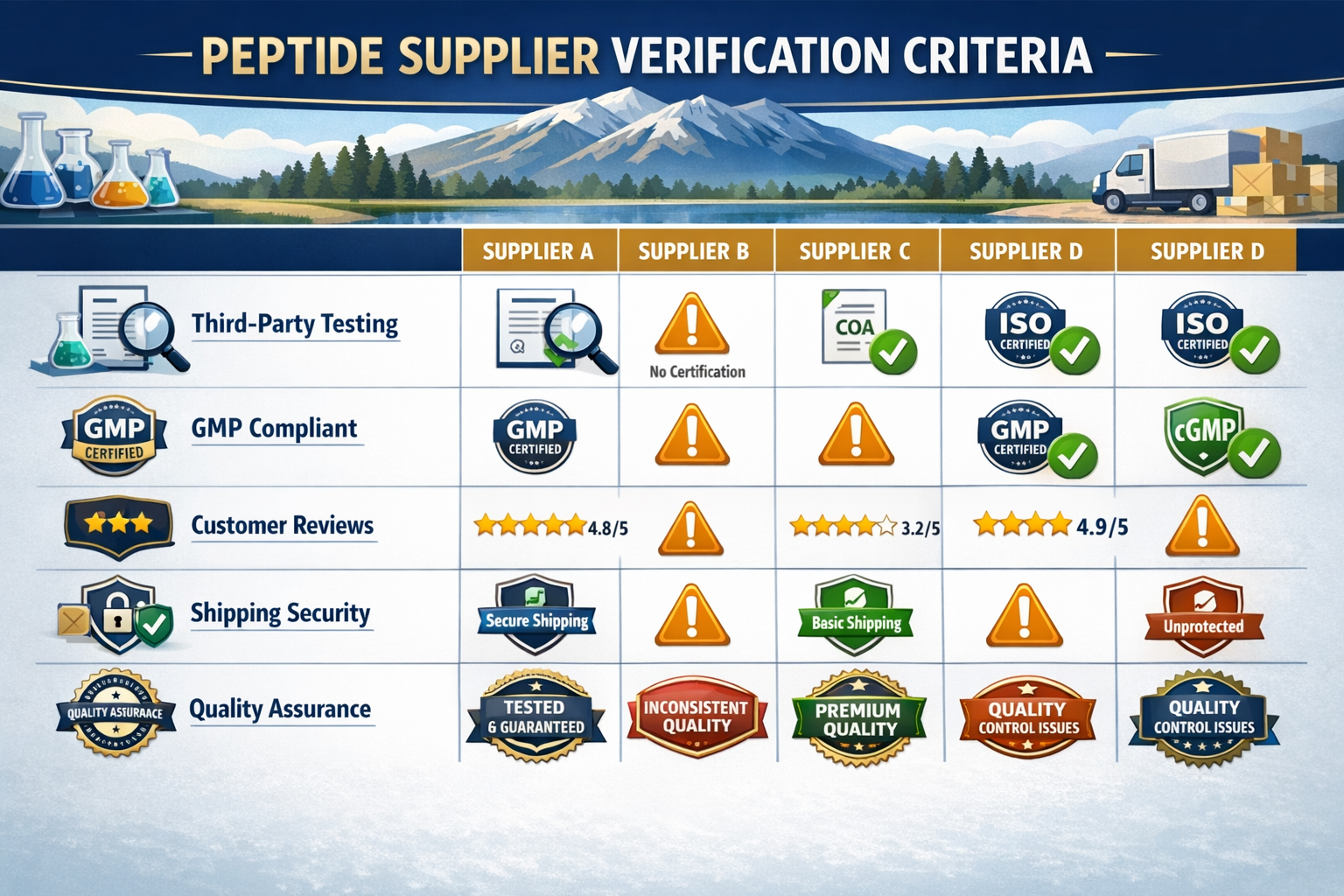
Essential Supplier Verification Criteria
Third-Party Testing Documentation
Legitimate peptide suppliers consistently provide independent laboratory analysis confirming product identity and purity. These certificates of analysis (COAs) should include:
- High-performance liquid chromatography (HPLC) results showing purity percentages
- Mass spectrometry data confirming molecular weight
- Batch-specific identification numbers
- Testing laboratory accreditation information
- Recent testing dates (within 6 months)
Reputable peptide suppliers in the US understand that transparency builds trust and willingly share comprehensive testing documentation with customers.
Manufacturing Standards and Compliance
Quality peptide production requires adherence to Good Manufacturing Practices (GMP) and appropriate facility certifications. When evaluating where to buy epithalon, researchers should verify:
- GMP certification status and issuing authority
- Facility inspection records and compliance history
- Quality control protocols and standard operating procedures
- Contamination prevention measures
- Staff training and qualification documentation
Business Transparency and Longevity
Established suppliers with multi-year operational histories demonstrate stability and reliability. Key transparency indicators include:
- Physical business address and contact information
- Responsive customer service with knowledgeable staff
- Clear terms of service and return policies
- Professional website with secure payment processing
- Established reputation within research communities
Red Flags to Avoid When Buying Epithalon ⚠️
Certain warning signs indicate potentially problematic suppliers that researchers should avoid:
| Red Flag | Why It Matters | Alternative Approach |
|---|---|---|
| No testing documentation | Cannot verify purity or identity | Require COAs before purchase |
| Unrealistically low prices | May indicate diluted or counterfeit products | Compare market rates across multiple suppliers |
| Health claims or medical advice | Indicates non-compliance with regulations | Seek research-focused suppliers only |
| Poor website security | Payment information at risk | Verify SSL certificates and secure checkout |
| Limited contact information | Difficult to resolve issues | Choose suppliers with multiple contact methods |
| Pressure sales tactics | Suggests questionable business practices | Work with professional, educational suppliers |
Comparing Top Peptide Suppliers in 2026
When researching where to buy epithalon, comparing multiple suppliers helps identify the best option for specific research needs. Consider these evaluation dimensions:
Product Range and Specialization
Some suppliers focus exclusively on specific peptide categories, while others offer comprehensive catalogs. Specialized suppliers often demonstrate deeper expertise in their focus areas. For researchers interested in multiple compounds, suppliers offering diverse options like where to buy serm or where to buy ipamorelin/tesa provide convenient one-stop sourcing.
Pricing Structure and Value
While price shouldn't be the primary decision factor, understanding market rates helps identify fair pricing. In 2026, research-grade epithalon typically ranges from $45-$85 per 10mg vial from reputable suppliers. Prices significantly below this range warrant additional scrutiny.
Shipping and Handling Protocols
Peptides require specific shipping conditions to maintain stability. Quality suppliers utilize:
- Temperature-controlled packaging with cold packs
- Expedited shipping options to minimize transit time
- Discreet packaging protecting customer privacy
- Tracking information for shipment monitoring
- Replacement policies for temperature-compromised shipments
Customer Support and Education
The best peptide retail suppliers in the US provide educational resources helping researchers understand proper handling, reconstitution, and storage protocols. Look for suppliers offering:
- Detailed product information sheets
- Reconstitution calculators and guides
- Storage recommendations
- Research protocol suggestions
- Responsive technical support
Legal Considerations When Purchasing Epithalon
Understanding the regulatory landscape surrounding peptide purchases remains essential for compliance and risk management. The legal status of epithalon and similar research peptides continues evolving in 2026, with regulations varying significantly across jurisdictions.
United States Regulatory Framework
In the United States, epithalon occupies a specific regulatory category that researchers must understand:
Research Chemical Status
Epithalon remains legal to purchase and possess for research purposes in most U.S. jurisdictions. However, several important distinctions apply:
- Not FDA-approved for human consumption: Epithalon has not received FDA approval for medical use, therapeutic applications, or human consumption
- Research purposes only: Legal purchases must be for laboratory research, not personal use or administration
- State-level variations: Some states have enacted additional restrictions on peptide purchases; researchers should verify local regulations
Recent Regulatory Developments in 2026
The FDA continues scrutinizing peptide marketing practices, particularly targeting suppliers making health claims or suggesting human use. Legitimate suppliers clearly label products "for research purposes only" and avoid any therapeutic suggestions.
International Purchasing Considerations
For researchers outside the United States wondering where to buy epithalon internationally, additional factors apply:
Import Regulations
Many countries restrict peptide imports or require specific documentation. Before ordering internationally, verify:
- Customs regulations regarding peptide imports
- Required permits or licenses
- Prohibited substance lists
- Declaration requirements
- Potential seizure risks
Domestic vs. International Suppliers
Purchasing from domestic suppliers within your country typically simplifies compliance and reduces shipping complications. However, when domestic options prove limited, international purchases may be necessary with appropriate documentation.
Compliance Best Practices
Researchers can minimize legal risks by following these guidelines:
- Purchase only from suppliers clearly marketing for research use
- Maintain documentation of research purposes and protocols
- Avoid suppliers making health claims or therapeutic suggestions
- Store peptides securely with appropriate labeling
- Stay informed about evolving regulations in your jurisdiction
- Consult legal counsel when questions arise about compliance
When exploring where to buy peptides for legitimate research applications, working with compliant suppliers protects both researchers and their institutions from regulatory complications.
Practical Guide: How to Purchase Epithalon Safely
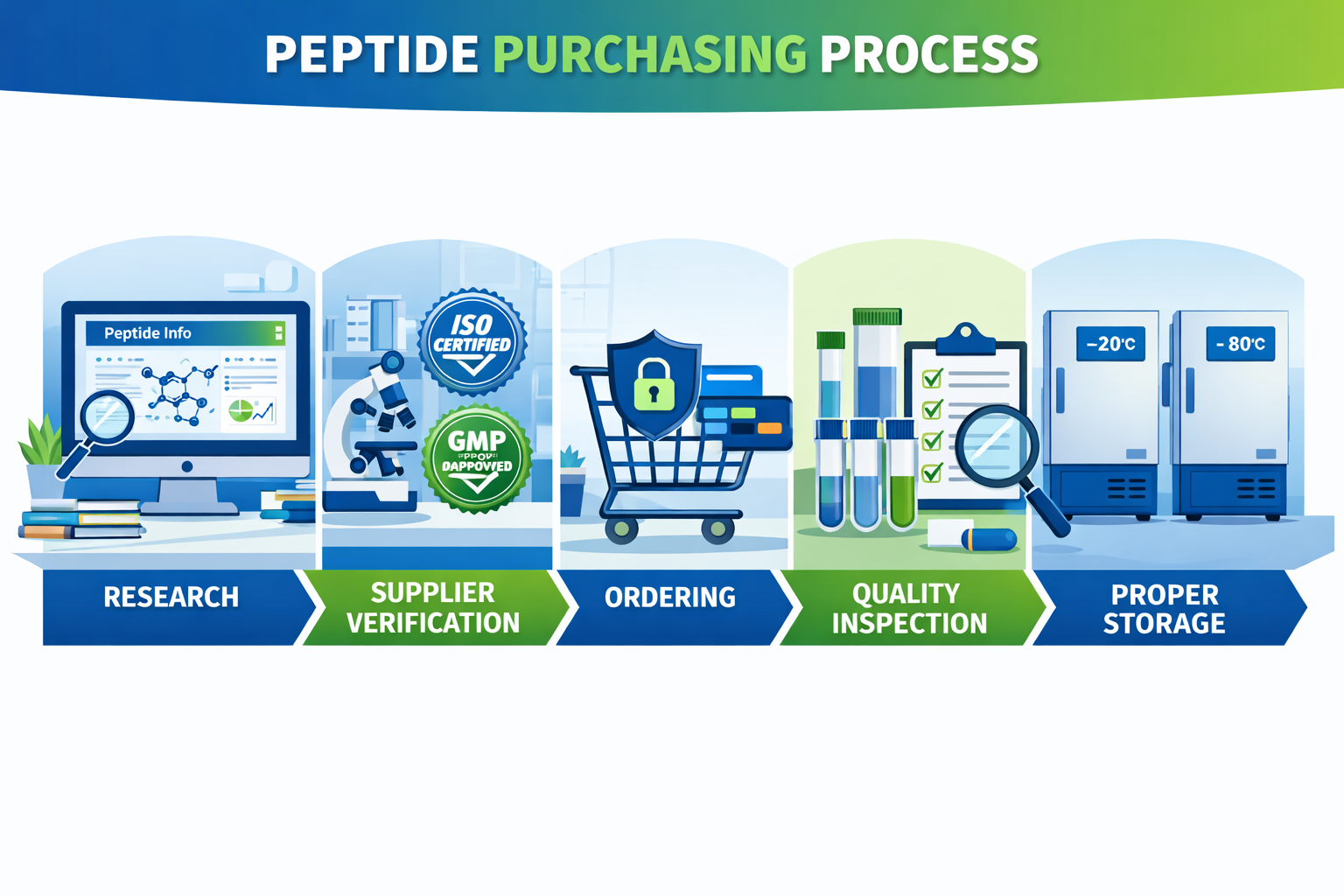
Successfully navigating the peptide purchasing process requires systematic planning and attention to detail. This practical guide walks through each step of safely acquiring epithalon for research purposes.
Step 1: Research and Supplier Identification
Begin by compiling a list of potential suppliers meeting basic quality criteria:
Initial Supplier Research
- Search for established peptide suppliers with positive research community reputation
- Review independent forums and research groups for supplier recommendations
- Verify business registration and operational history
- Check for professional associations or industry memberships
- Examine website professionalism and information quality
Creating a Supplier Shortlist
Narrow your options to 3-5 suppliers that demonstrate:
- Comprehensive third-party testing protocols
- Clear research-only positioning
- Professional customer service infrastructure
- Appropriate pricing within market norms
- Positive customer feedback and reviews
Step 2: Verification and Documentation Review
Before making purchase decisions, thoroughly examine each supplier's credentials:
Request Testing Documentation
Contact suppliers directly to request:
- Recent certificates of analysis for epithalon batches
- HPLC and mass spectrometry results
- Testing laboratory accreditation information
- Batch tracking and traceability systems
Reputable suppliers respond promptly with comprehensive documentation. Hesitation or inability to provide testing results indicates potential quality concerns.
Evaluate Testing Results
When reviewing COAs, look for:
- Purity levels: Research-grade epithalon should demonstrate ≥98% purity
- Molecular weight confirmation: Should match epithalon's theoretical molecular weight (390.35 g/mol)
- Testing recency: Results should be current (within 6 months)
- Independent laboratory: Testing should come from accredited third-party facilities, not in-house testing
Step 3: Making Your First Purchase
Once you've identified a qualified supplier, proceed with an initial test order:
Start with Smaller Quantities
For first-time purchases from a new supplier:
- Order smaller quantities (1-2 vials) to verify quality
- Evaluate shipping practices and packaging quality
- Assess customer service responsiveness
- Confirm product matches documentation
Document Your Order
Maintain comprehensive records including:
- Order confirmation and invoice
- Batch numbers and lot information
- Certificates of analysis
- Shipping tracking information
- Product arrival condition notes
Step 4: Product Verification Upon Arrival
When epithalon arrives, conduct immediate verification:
Packaging Inspection
Examine the shipment for:
- ✅ Appropriate temperature maintenance (cold packs still frozen or cold)
- ✅ Intact packaging without damage
- ✅ Proper labeling with batch numbers
- ✅ Inclusion of documentation (COA, handling instructions)
- ✅ Sterile, pharmaceutical-grade vial presentation
Visual Product Assessment
Quality epithalon should appear as:
- White to off-white lyophilized powder
- Uniform consistency without discoloration
- Properly sealed vials with intact stoppers
- Clear labeling with product name, quantity, and batch number
Step 5: Proper Storage and Handling
Immediately upon receipt, implement appropriate storage protocols:
Storage Requirements
- Lyophilized (powder) form: Store at -20°C (freezer) for maximum stability
- Reconstituted solution: Store at 2-8°C (refrigerator) and use within 30 days
- Avoid freeze-thaw cycles: Minimize temperature fluctuations
- Protect from light: Store in original packaging or amber vials
- Maintain sterility: Use aseptic technique when handling
Creating a Storage System
Implement organized storage practices:
- Label all vials with receipt date and batch number
- Maintain a log tracking inventory and usage
- Store in dedicated, temperature-controlled space
- Keep documentation accessible for reference
- Monitor expiration dates and rotate stock
Step 6: Building Supplier Relationships
After successful initial purchases, develop ongoing supplier relationships:
Communication Best Practices
- Provide feedback on product quality and service
- Ask questions about new products or protocols
- Stay informed about batch availability
- Discuss volume pricing for larger research projects
- Request advance notice of formulation or sourcing changes
Diversification Strategy
While establishing primary supplier relationships, maintain backup options:
- Keep contact information for 2-3 qualified suppliers
- Periodically verify alternative sources remain viable
- Monitor market developments and new suppliers
- Stay informed about supply chain issues affecting availability
For researchers exploring complementary compounds, quality suppliers often offer related peptides like where to buy mots c peptide or where to buy wolverine blend, simplifying multi-peptide research protocols.
Epithalon Quality Factors and Testing Standards
Understanding what distinguishes high-quality epithalon from inferior products empowers researchers to make informed purchasing decisions. Quality assessment requires knowledge of production methods, testing protocols, and purity standards.
Manufacturing Quality Indicators
Synthesis Methods
Epithalon production typically employs solid-phase peptide synthesis (SPPS), the industry standard for short peptide sequences. Quality manufacturers:
- Utilize automated peptide synthesizers for consistency
- Implement rigorous purification protocols (HPLC)
- Conduct multiple quality control checkpoints
- Maintain contamination-free production environments
- Follow GMP standards throughout manufacturing
Raw Material Sourcing
The quality of amino acid building blocks directly impacts final product purity. Premium suppliers:
- Source pharmaceutical-grade amino acids
- Verify raw material certificates of analysis
- Test incoming materials before production
- Maintain relationships with reputable chemical suppliers
- Document complete supply chain traceability
Comprehensive Testing Protocols
High-Performance Liquid Chromatography (HPLC)
HPLC analysis represents the gold standard for peptide purity verification:
- Measures purity percentage: Quantifies the proportion of target peptide versus impurities
- Identifies contaminants: Detects truncated sequences, deletion peptides, and synthesis byproducts
- Validates consistency: Confirms batch-to-batch reproducibility
- Research-grade standard: ≥98% purity for epithalon
Mass Spectrometry
Mass spec analysis confirms molecular identity:
- Verifies molecular weight: Confirms the peptide matches epithalon's expected mass
- Detects modifications: Identifies unexpected chemical modifications
- Confirms sequence: Validates correct amino acid sequence
- Eliminates substitution: Ensures no amino acid substitutions occurred during synthesis
Additional Quality Tests
Comprehensive testing includes:
| Test Type | Purpose | Quality Threshold |
|---|---|---|
| Peptide content | Quantifies actual peptide amount | ≥95% of stated quantity |
| Water content | Measures residual moisture | ≤5% by weight |
| Acetate content | Quantifies counter-ion levels | Appropriate for formulation |
| Bacterial endotoxin | Detects contamination | <10 EU/mg |
| Sterility | Confirms absence of microorganisms | No growth detected |
Interpreting Certificates of Analysis
When evaluating where to buy epithalon, COA interpretation skills prove essential:
Critical COA Elements
A complete certificate of analysis should include:
- Product identification: Chemical name, CAS number, molecular formula
- Batch information: Lot number, manufacturing date, expiration date
- Test results: Specific values for all conducted tests
- Method references: Testing protocols and standards used
- Laboratory information: Testing facility name, accreditation, analyst signature
- Conclusion statement: Pass/fail determination based on specifications
Red Flags in Testing Documentation
Be cautious of:
- Generic or template COAs without batch-specific data
- Missing test dates or outdated results
- Unusually perfect results (exactly 100% purity)
- Lack of laboratory accreditation information
- Inconsistent formatting suggesting fabrication
- Missing analyst signatures or approval stamps
Purity Standards Across Applications
Different research applications may require varying purity levels:
Research-Grade Epithalon (≥98% purity)
Appropriate for:
- Cellular research protocols
- In vitro studies
- Mechanism investigation
- Most laboratory applications
Pharmaceutical-Grade Epithalon (≥99% purity)
Required for:
- Advanced research applications
- Regulatory submission studies
- Publication-quality research
- Clinical research protocols
When determining where to buy peptides for specific research needs, match purity requirements to application demands while recognizing that higher purity typically commands premium pricing.
Pricing, Shipping, and Practical Purchasing Considerations 💰
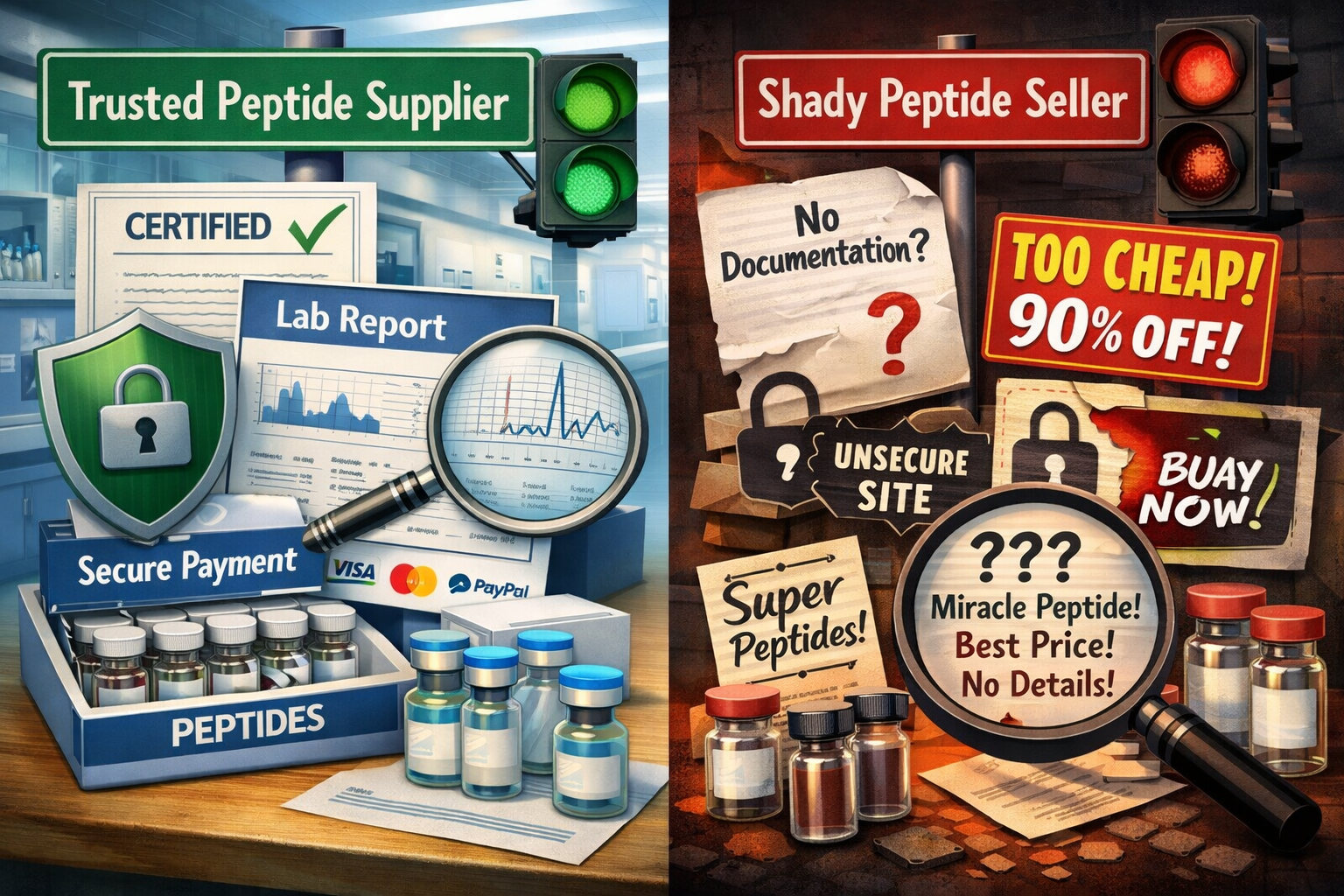
Understanding market pricing dynamics and logistical factors helps researchers budget appropriately and avoid common purchasing pitfalls when determining where to buy epithalon.
Market Pricing Analysis for 2026
Typical Price Ranges
Research-grade epithalon pricing in 2026 generally falls within these ranges:
- 10mg vials: $45-$85 per vial
- 20mg vials: $80-$150 per vial
- 50mg vials: $180-$320 per vial
Prices vary based on:
- Supplier reputation and quality standards
- Order volume and bulk discounts
- Purity levels and testing comprehensiveness
- Packaging and shipping methods
- Geographic location and import costs
Volume Pricing Considerations
Most suppliers offer tiered pricing for larger orders:
| Order Size | Typical Discount | Best For |
|---|---|---|
| 1-2 vials | Standard pricing | Initial testing, small projects |
| 3-5 vials | 10-15% discount | Short-term research protocols |
| 6-10 vials | 15-20% discount | Extended studies, multiple protocols |
| 10+ vials | 20-30% discount | Institutional research, long-term projects |
Price vs. Quality Relationship
While budget considerations matter, suspiciously low pricing often indicates:
- Compromised purity levels
- Inadequate testing protocols
- Questionable sourcing practices
- Diluted or mislabeled products
- Lack of proper storage and handling
Researchers should view pricing as one quality indicator among many, not the primary decision factor.
Shipping and Handling Logistics
Temperature Control Requirements
Peptides degrade rapidly without appropriate temperature maintenance:
During Shipping:
- Cold packs or ice packs maintaining 2-8°C
- Insulated packaging protecting from temperature fluctuations
- Expedited shipping minimizing transit time
- Seasonal considerations for extreme weather
Upon Arrival:
- Immediate transfer to appropriate storage
- Temperature verification using included indicators
- Documentation of arrival condition
- Prompt contact with supplier if temperature compromise suspected
Shipping Speed Options
| Shipping Method | Transit Time | Temperature Risk | Cost | Best For |
|---|---|---|---|---|
| Standard ground | 3-7 days | Higher risk | Lower | Winter months, short distances |
| 2-day express | 2 business days | Moderate risk | Moderate | Most situations |
| Overnight | 1 business day | Lowest risk | Higher | Summer months, long distances |
Geographic Considerations
When evaluating peptide suppliers in the US, consider:
- Domestic shipping: Faster transit, fewer customs complications, easier returns
- International shipping: Longer transit, customs documentation, potential seizure risks
- Regional suppliers: Reduced shipping time and costs for local researchers
Payment Methods and Security
Secure Payment Options
Reputable suppliers offer secure payment processing:
- Credit cards: Fraud protection, dispute resolution, secure processing
- PayPal/payment processors: Additional security layer, buyer protection
- Bank transfers: For larger institutional orders
- Cryptocurrency: Some suppliers offer this option for privacy-conscious researchers
Payment Security Verification
Before submitting payment information:
- ✅ Verify SSL certificate (https:// and padlock icon)
- ✅ Check for secure payment gateway (not direct card entry)
- ✅ Review privacy policy and data handling practices
- ✅ Confirm PCI compliance for credit card processing
- ✅ Avoid suppliers requesting unusual payment methods
Return Policies and Quality Guarantees
Standard Return Provisions
Quality suppliers typically offer:
- Damaged shipment replacement: No-cost replacement for shipping damage
- Temperature compromise policy: Replacement if cold packs arrive warm
- Quality guarantee: Replacement or refund if testing reveals purity issues
- Time limits: Usually 7-14 days from receipt for claims
- Documentation requirements: Photos, temperature logs, or testing results
Quality Dispute Resolution
If product quality concerns arise:
- Document the issue: Photos, testing results, condition notes
- Contact supplier promptly: Within policy timeframe
- Provide requested information: Batch numbers, order details, evidence
- Request resolution: Replacement, refund, or credit
- Escalate if necessary: Credit card dispute, Better Business Bureau
Budgeting for Peptide Research
Comprehensive Cost Calculation
When budgeting epithalon research projects, include:
- Product costs: Peptide purchase price
- Shipping fees: Expedited shipping for temperature control
- Supplies: Bacteriostatic water, syringes, alcohol wipes
- Storage: Refrigerator/freezer if not already available
- Testing: Independent verification testing if desired
- Documentation: Research logs, storage systems
Cost-Effective Strategies
Optimize research budgets through:
- Bulk purchasing: Volume discounts for larger orders
- Supplier relationships: Loyalty programs or repeat customer discounts
- Combination orders: Bundle multiple peptides to reduce per-item shipping
- Seasonal timing: Avoid extreme weather requiring premium shipping
- Group purchases: Coordinate with colleagues for volume pricing
For researchers exploring multiple compounds, suppliers offering diverse options like buy peptides in various categories provide cost-effective consolidated ordering.
Alternative Peptides and Complementary Compounds
While this guide focuses on where to buy epithalon, researchers often explore related peptides with complementary research applications. Understanding the broader peptide landscape helps researchers design comprehensive protocols.
Longevity and Cellular Health Peptides
MOTS-c
This mitochondrial-derived peptide shares some research interests with epithalon:
- Research focus: Mitochondrial function, metabolic regulation
- Molecular profile: 16-amino acid peptide
- Common applications: Cellular energy research, metabolic studies
- Sourcing considerations: Similar quality standards apply when exploring where to buy mots c peptide
Thymosin Beta-4 (TB-500)
Another peptide frequently researched alongside epithalon:
- Research focus: Cellular repair mechanisms, tissue regeneration
- Molecular profile: 43-amino acid peptide fragment
- Common applications: Recovery research, cellular healing studies
- Quality requirements: Same rigorous testing standards necessary
Growth Hormone Research Peptides
Sermorelin
Growth hormone releasing hormone (GHRH) analog:
- Research focus: Growth hormone secretion patterns
- Molecular profile: 29-amino acid peptide
- Common applications: Age-related hormone research
- Sourcing: Apply same supplier evaluation criteria when determining where to buy serm
Ipamorelin and Tesamorelin
Growth hormone secretagogues with distinct mechanisms:
- Research focus: Pulsatile growth hormone release
- Molecular profile: Ipamorelin (5 amino acids), Tesamorelin (44 amino acids)
- Common applications: Growth hormone dynamics research
- Combined protocols: Often researched together; where to buy ipamorelin/tesa from single suppliers simplifies procurement
Metabolic and Body Composition Peptides
GLP-1 Analogs
Glucagon-like peptide research compounds:
- Research focus: Metabolic regulation, satiety signaling
- Variants: Multiple analogs available including where to buy GLP-1 variants
- Applications: Metabolic research, appetite regulation studies
- Emerging options: Newer combinations like buy Reta-Cagrilintide blend for advanced research
Lipotropic Compounds
Fat metabolism research peptides:
- Research focus: Lipid metabolism, fat oxidation
- Common formulations: Buy Lipo C peptide blends combining multiple compounds
- Applications: Metabolic research, body composition studies
Peptide Combinations and Stacks
Synergistic Research Protocols
Many researchers explore peptide combinations:
Wolverine Blend
- Components: Multiple peptides targeting recovery and regeneration
- Research applications: Comprehensive tissue repair studies
- Sourcing: Where to buy wolverine blend or buy wolverine stack peptide from specialized suppliers
- Advantages: Pre-mixed ratios, simplified protocols
Cognitive and Neurological Peptides
Selank
- Research focus: Anxiolytic mechanisms, cognitive function
- Administration routes: Injectable and nasal spray formulations
- Sourcing options: Where to buy selank nasal spray or buy selank spray
- Applications: Neurological research, stress response studies
BPC-157
- Research focus: Gastric protection, systemic healing
- Administration routes: Injectable and nasal formulations
- Sourcing: Buy BPC nasal spray for alternative delivery research
- Applications: Tissue repair, gastrointestinal research
Selecting Complementary Peptides
When designing multi-peptide research protocols:
Compatibility Considerations
- Mechanism overlap: Avoid redundant pathways
- Timing protocols: Consider administration schedules
- Storage requirements: Ensure compatible storage conditions
- Reconstitution compatibility: Verify compatible solvents
- Research goals alignment: Select peptides supporting overall objectives
Supplier Consolidation Benefits
Working with suppliers offering comprehensive peptide catalogs provides:
- Simplified ordering and account management
- Consolidated shipping reducing costs
- Consistent quality standards across products
- Unified documentation and testing protocols
- Relationship benefits and volume discounts
Best Practices for Peptide Research and Documentation
Successful peptide research extends beyond simply knowing where to buy epithalon—it requires systematic protocols, meticulous documentation, and adherence to best practices throughout the research process.
Establishing Research Protocols
Protocol Development
Before beginning epithalon research:
- Define research objectives: Clearly articulate study goals and hypotheses
- Literature review: Examine existing research on epithalon mechanisms
- Methodology design: Develop systematic procedures and measurements
- Control establishment: Identify appropriate controls and comparisons
- Timeline creation: Map research phases and milestone dates
Dosing Considerations in Research
Research protocols must carefully consider dosing parameters:
- Concentration calculations: Accurate reconstitution mathematics
- Dose escalation: Gradual increases in research models
- Frequency protocols: Daily, weekly, or cyclical administration
- Duration planning: Short-term versus long-term study designs
- Washout periods: Appropriate intervals between research phases
Reconstitution Best Practices
Sterile Technique Requirements
Maintaining sterility throughout reconstitution:
- Clean workspace: Disinfected, dedicated preparation area
- Alcohol swabs: Sterilize vial stoppers before needle insertion
- Sterile syringes: Single-use, sterile syringes and needles
- Aseptic handling: Minimize contamination exposure
- Proper disposal: Sharps containers for used materials
Reconstitution Procedure
Standard epithalon reconstitution protocol:
- Calculate volumes: Determine bacteriostatic water quantity for desired concentration
- Prepare materials: Gather peptide vial, bacteriostatic water, syringes, alcohol swabs
- Sterilize stoppers: Wipe both vial stoppers with alcohol swabs
- Draw water: Extract calculated bacteriostatic water volume
- Add to peptide: Inject water slowly down vial side (not directly onto powder)
- Gentle mixing: Swirl gently; never shake vigorously
- Visual inspection: Confirm complete dissolution and clarity
- Label vial: Mark with reconstitution date and concentration
- Proper storage: Immediately refrigerate at 2-8°C
Concentration Calculations
Example calculation for 10mg epithalon vial:
- Desired concentration: 1mg/mL
- Calculation: 10mg ÷ 1mg/mL = 10mL bacteriostatic water needed
- Result: Each 1mL contains 1mg epithalon
- Alternative: For 2mg/mL concentration, use 5mL bacteriostatic water
Documentation and Record-Keeping
Essential Research Documentation
Comprehensive records should include:
Product Documentation:
- Supplier name and contact information
- Order dates and order numbers
- Batch numbers and lot information
- Certificates of analysis
- Receipt and storage dates
- Expiration dates
Protocol Documentation:
- Research objectives and hypotheses
- Detailed methodology and procedures
- Dosing calculations and schedules
- Administration routes and techniques
- Control group specifications
Observation Records:
- Date and time of each research session
- Doses administered
- Observations and measurements
- Unexpected findings or deviations
- Environmental conditions
- Any protocol modifications
Storage and Handling Logs:
- Temperature monitoring records
- Reconstitution dates and calculations
- Remaining quantity tracking
- Storage location changes
- Any temperature excursions
Safety and Risk Management
Laboratory Safety Protocols
When conducting peptide research:
- Personal protective equipment: Gloves, lab coats, safety glasses as appropriate
- Spill management: Procedures for accidental spills or exposure
- Waste disposal: Proper disposal of peptides, syringes, and contaminated materials
- Emergency procedures: Clear protocols for accidents or exposures
- Material Safety Data Sheets: Maintain MSDS for all research compounds
Risk Minimization Strategies
- Start conservatively: Begin with lower doses in research models
- Monitor continuously: Regular observations throughout research periods
- Document thoroughly: Detailed records enable pattern identification
- Consult literature: Reference published research for guidance
- Seek expertise: Collaborate with experienced researchers when questions arise
Quality Assurance in Research
Verification Testing
For critical research applications, consider:
- Independent testing: Send samples to third-party laboratories for verification
- Batch consistency: Test multiple vials from same batch
- Stability testing: Verify peptide stability over storage period
- Reconstitution verification: Confirm proper dissolution and concentration
Research Integrity
Maintain high research standards through:
- Blind protocols: Implement blinding when appropriate
- Randomization: Use random assignment for experimental groups
- Replication: Repeat experiments to confirm findings
- Peer review: Share methodologies with colleagues for feedback
- Publication ethics: Follow appropriate guidelines for research dissemination
Understanding where to buy peptides represents just the first step—implementing rigorous research protocols ensures meaningful, reliable results.
Future Trends in Epithalon Research and Availability
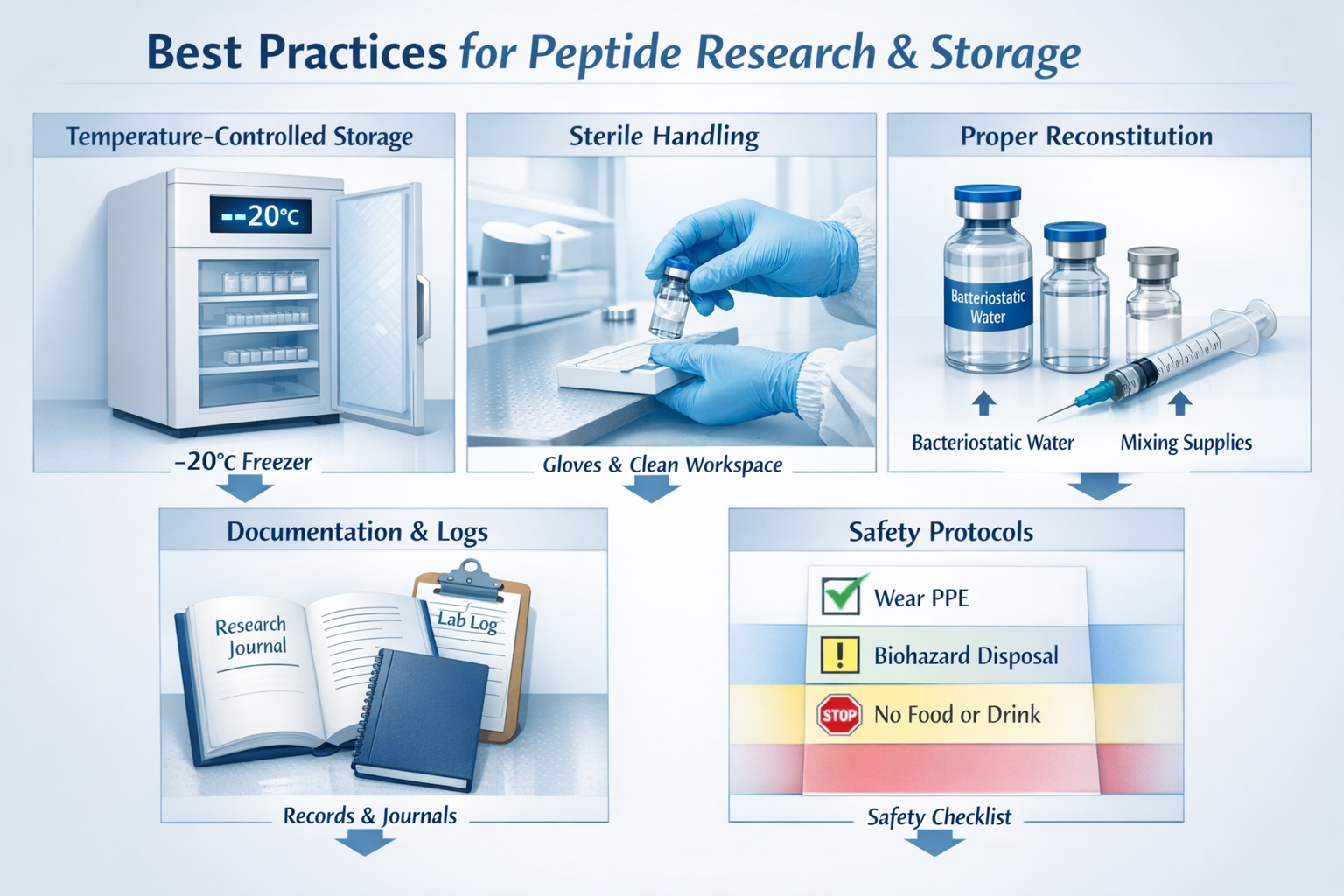
The peptide research landscape continues evolving rapidly in 2026, with several emerging trends likely to impact where to buy epithalon and how researchers access these compounds in coming years.
Regulatory Evolution
Anticipated Regulatory Changes
The regulatory environment surrounding research peptides continues developing:
Increased Scrutiny: Regulatory agencies worldwide are paying closer attention to peptide marketing and distribution, particularly targeting suppliers making health claims or suggesting human use.
Testing Requirements: Expect more stringent testing documentation requirements, with emphasis on third-party verification and comprehensive quality assurance.
Supplier Compliance: Suppliers will face increased pressure to demonstrate GMP compliance, proper licensing, and transparent business practices.
Import Restrictions: Some jurisdictions may implement additional controls on peptide imports, affecting international purchasing options.
Manufacturing Advances
Production Technology Improvements
Peptide synthesis technology continues advancing:
- Automation: Increased automation improving consistency and reducing costs
- Purification methods: Enhanced purification techniques yielding higher purity products
- Scale efficiency: Better production scaling making peptides more accessible
- Quality control: Advanced analytical methods enabling more comprehensive testing
Supply Chain Optimization
Manufacturers are implementing:
- Blockchain tracking: Enhanced traceability from synthesis to delivery
- Cold chain improvements: Better temperature control throughout distribution
- Inventory management: Improved systems reducing stockouts and delays
- Direct-to-researcher models: Manufacturers increasingly selling directly rather than through intermediaries
Research Developments
Emerging Epithalon Research Areas
Scientific investigation continues expanding into new territories:
Combination Protocols: Researchers increasingly explore epithalon in combination with other peptides, examining synergistic effects and optimized protocols.
Mechanism Elucidation: Advanced molecular biology techniques providing deeper understanding of epithalon's cellular mechanisms.
Application Expansion: New research areas emerging beyond traditional longevity focus, including circadian rhythm optimization and cellular stress response.
Bioavailability Studies: Investigation into alternative administration routes and formulations improving peptide stability and absorption.
Market Accessibility Trends
Pricing Trajectories
Several factors influence future epithalon pricing:
Downward Pressure:
- Increased competition among suppliers
- Manufacturing efficiency improvements
- Economies of scale as demand grows
- Direct-to-consumer distribution models
Upward Pressure:
- Enhanced testing requirements increasing costs
- Regulatory compliance expenses
- Raw material cost fluctuations
- Quality standard improvements
Supply Reliability
Expect improvements in:
- Availability: More suppliers entering market reducing stockout frequency
- Consistency: Better manufacturing practices improving batch-to-batch consistency
- Documentation: Enhanced transparency and testing documentation
- Customer service: Improved support and educational resources
Technology Integration
Digital Tools for Researchers
Emerging technologies supporting peptide research:
Research Management Platforms:
- Digital protocol management systems
- Automated documentation and logging
- Data analysis and visualization tools
- Collaboration platforms for multi-site research
Supply Chain Technology:
- Real-time inventory tracking
- Automated reordering systems
- Temperature monitoring throughout shipping
- Blockchain-verified authenticity
Educational Resources:
- Online research communities and forums
- Video tutorials and webinars
- Interactive dosing calculators
- Protocol sharing platforms
Sustainability Considerations
Environmental Impact
The peptide industry increasingly addresses sustainability:
- Green chemistry: Environmentally friendly synthesis methods
- Waste reduction: Improved processes minimizing chemical waste
- Packaging optimization: Reduced packaging materials and recyclable options
- Carbon footprint: Attention to shipping methods and supply chain emissions
Preparing for Future Developments
Staying Informed
Researchers can prepare for coming changes by:
- Monitoring regulatory updates: Subscribe to FDA and relevant agency announcements
- Engaging research communities: Participate in forums and professional groups
- Diversifying suppliers: Maintain relationships with multiple quality suppliers
- Continuing education: Stay current with emerging research and methodologies
- Documentation excellence: Maintain thorough records supporting research legitimacy
Adaptive Strategies
Build flexibility into research programs:
- Supplier alternatives: Identify backup sources for critical compounds
- Protocol flexibility: Design studies adaptable to regulatory changes
- Budget reserves: Maintain financial flexibility for potential cost increases
- Compliance emphasis: Prioritize regulatory compliance in all research activities
As the peptide research field matures, researchers who stay informed, maintain high quality standards, and work with reputable suppliers like those offering best peptide retail in the US will be best positioned to navigate coming changes successfully.
Conclusion: Making Informed Decisions About Where to Buy Epithalon
Navigating the peptide marketplace to identify where to buy epithalon safely and effectively requires balancing multiple considerations—from quality verification and regulatory compliance to pricing and supplier reliability. The research-grade peptide market in 2026 offers unprecedented access to compounds like epithalon, but this accessibility demands increased diligence from researchers.
Key Decision Framework
When determining where to buy epithalon, prioritize these essential factors:
Quality First: Never compromise on product purity and testing documentation. The foundation of meaningful research rests on compound quality—inferior peptides produce unreliable results and waste research resources.
Compliance Always: Work exclusively with suppliers clearly positioning products for research purposes and avoiding health claims. Regulatory compliance protects both researchers and their institutions from legal complications.
Transparency Matters: Choose suppliers demonstrating openness about testing, sourcing, and business practices. Transparent operations indicate professionalism and reliability.
Relationship Value: Develop ongoing relationships with quality suppliers rather than constantly seeking the lowest price. Reliable suppliers become research partners, providing consistent quality and support over time.
Actionable Next Steps
Researchers ready to source epithalon should follow this systematic approach:
Immediate Actions:
- Create supplier evaluation checklist using criteria outlined in this guide
- Research 3-5 potential suppliers meeting basic quality standards
- Request testing documentation (COAs, HPLC results, mass spec data)
- Verify business credentials (registration, contact information, reputation)
- Compare pricing and policies across shortlisted suppliers
Before First Purchase:
- Confirm legal compliance in your jurisdiction
- Prepare storage infrastructure (appropriate refrigeration/freezer)
- Gather necessary supplies (bacteriostatic water, syringes, alcohol swabs)
- Develop research protocols with clear objectives and methodologies
- Establish documentation systems for comprehensive record-keeping
After Supplier Selection:
- Start with small test order to verify quality and service
- Inspect shipment thoroughly upon arrival
- Implement proper storage immediately
- Document everything from receipt through research completion
- Provide supplier feedback to build relationship
The Bigger Picture
Understanding where to buy epithalon represents just one component of successful peptide research. Quality sourcing enables meaningful investigation, but researchers must also implement rigorous protocols, maintain meticulous documentation, and stay informed about evolving regulations and scientific developments.
The peptide research community continues growing in 2026, with increased accessibility to compounds like epithalon democratizing research opportunities. However, this accessibility carries responsibility—researchers must maintain high standards, prioritize safety and compliance, and contribute to the collective knowledge base through careful, systematic investigation.
Resources for Continued Learning
Researchers should continuously expand their knowledge through:
- Scientific literature: Peer-reviewed journals publishing peptide research
- Professional communities: Online forums and research groups
- Educational content: Webinars, tutorials, and protocol guides
- Supplier resources: Quality suppliers often provide educational materials
- Regulatory updates: Monitor FDA and relevant agency announcements
Final Recommendations
For researchers seeking reliable epithalon sources in 2026, success comes from:
✅ Prioritizing quality over price in supplier selection
✅ Verifying testing documentation before every purchase
✅ Maintaining regulatory compliance throughout research activities
✅ Implementing systematic protocols with thorough documentation
✅ Building supplier relationships for long-term research support
✅ Staying informed about regulatory and scientific developments
✅ Contributing to knowledge by sharing findings appropriately
The question of where to buy epithalon has no single answer—the optimal supplier depends on specific research needs, geographic location, budget constraints, and quality requirements. However, by applying the evaluation framework and best practices outlined in this guide, researchers can confidently identify suppliers meeting their unique requirements while maintaining the quality standards essential for meaningful scientific investigation.
Whether exploring epithalon independently or as part of broader peptide research protocols incorporating compounds like where to buy peptides across multiple categories, the principles remain constant: prioritize quality, demand transparency, maintain compliance, and implement rigorous research methodologies. These fundamentals ensure that peptide research contributes valuable insights while protecting researcher safety and institutional integrity.
The peptide research landscape will continue evolving, but researchers who establish strong foundations in quality sourcing, systematic protocols, and ethical practices will successfully navigate whatever changes emerge. Start with informed supplier selection, proceed with careful methodology, and contribute to the expanding body of knowledge surrounding epithalon and related peptides.
SEO Meta Information
Meta Title: Where to Buy Epithalon: Complete 2026 Sourcing Guide
Meta Description: Discover where to buy epithalon safely in 2026. Expert guide covering quality verification, supplier evaluation, pricing, and best practices for peptide researchers.