Where to Buy Wolverine Blend: The Complete 2026 Sourcing Guide for Peptide Researchers

The peptide research landscape has evolved dramatically, and finding reliable sources for specialized peptide blends has become both critical and challenging. Where to buy wolverine blend has emerged as one of the most frequently asked questions among researchers, fitness professionals, and medispa owners seeking quality peptide compounds for their studies. This comprehensive guide provides the essential information needed to navigate the complex world of peptide sourcing, ensuring researchers obtain authentic, properly tested compounds from reputable suppliers.
Key Takeaways
- Wolverine blend combines multiple peptides including BPC-157, TB-500, and GHK-Cu, requiring specialized suppliers with proper testing protocols
- Third-party verification and Certificates of Analysis (COAs) are non-negotiable requirements when selecting a peptide supplier
- Reputable peptide suppliers in the US maintain strict quality standards, proper storage conditions, and transparent business practices
- Price variations reflect quality differences in purity, testing rigor, and handling procedures rather than mere market competition
- Legal compliance and research-only designations protect both suppliers and researchers in the current regulatory environment
Understanding Wolverine Blend: Composition and Research Applications
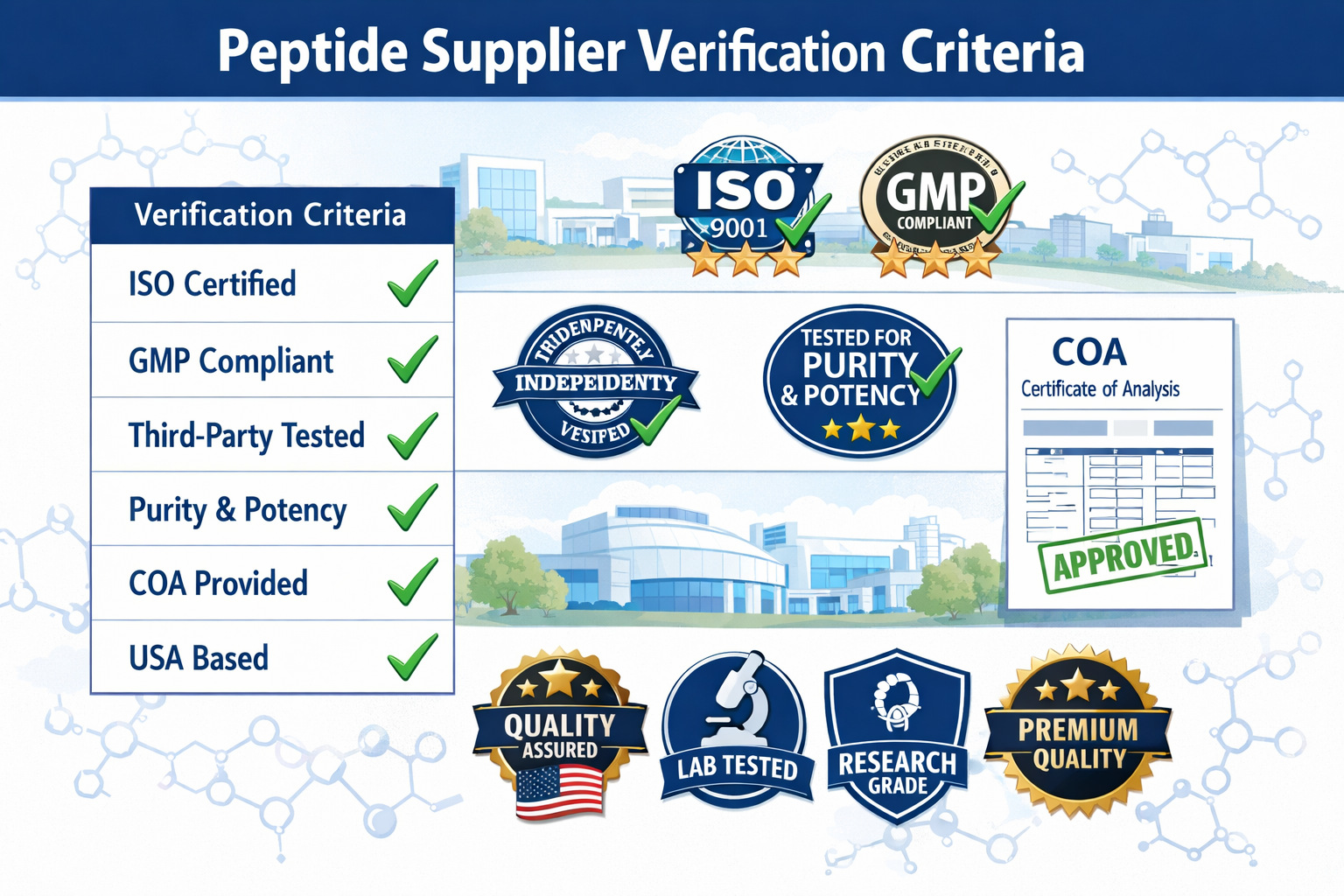
The wolverine blend represents a sophisticated combination of peptides designed for research into tissue repair, recovery mechanisms, and cellular regeneration. This peptide stack typically includes BPC-157 (Body Protection Compound), TB-500 (Thymosin Beta-4 fragment), and GHK-Cu (Copper Peptide), each contributing distinct properties to the overall formulation.
What Makes Wolverine Blend Unique
The synergistic approach of combining multiple peptides distinguishes wolverine blend from single-compound research. BPC-157 has been studied for its potential effects on tissue healing processes, while TB-500 research focuses on cellular migration and differentiation. GHK-Cu studies examine copper-peptide interactions in tissue remodeling. When researchers buy wolverine blend peptide formulations, they access a pre-measured combination designed to study these compounds’ interactive effects.
Research into peptide combinations has gained significant traction in academic and clinical settings. The wolverine stack peptide formulation allows researchers to examine multi-pathway approaches rather than isolated compound effects. This comprehensive methodology reflects current trends in peptide research where combination therapies show promise in various experimental models.
Research Context and Applications
Fitness coaches and medispa owners increasingly seek information about peptide research to better understand emerging trends in wellness and recovery protocols. The wolverine stack peptide has attracted attention in research circles studying athletic recovery, tissue regeneration, and age-related cellular changes. However, it remains essential to emphasize that these compounds are designated for research purposes only.
Studies examining peptide blends like wolverine typically focus on cellular mechanisms, tissue culture models, and controlled experimental conditions. Researchers exploring where to buy wolverine blend should maintain clear documentation of research intentions and proper institutional oversight. The peptide research community continues to expand understanding of how these compounds interact at molecular levels.
Where to Buy Wolverine Blend: Essential Supplier Criteria
Identifying trustworthy sources represents the most critical decision in peptide research. The question of where to buy wolverine blend requires careful evaluation of multiple supplier characteristics, quality assurance practices, and business transparency measures.
Quality Assurance and Testing Standards
Premium peptide suppliers distinguish themselves through rigorous testing protocols. When researchers buy peptides for serious study, they require:
- Third-party laboratory verification from independent testing facilities
- Certificates of Analysis (COAs) for each batch with specific purity percentages
- HPLC (High-Performance Liquid Chromatography) testing results
- Mass spectrometry confirmation of molecular composition
- Sterility testing for injectable-grade research compounds
Reputable suppliers provide comprehensive documentation without hesitation. Any peptide supplier US operations that cannot produce current COAs or resist transparency should raise immediate concerns. The best peptide retail US sources maintain testing standards that exceed minimum requirements.
Storage and Handling Protocols
Peptide stability depends entirely on proper storage conditions. Quality suppliers demonstrate expertise in:
Temperature Control: Lyophilized peptides require storage between 2-8°C (refrigerated) or -20°C (frozen) depending on the specific compound. Wolverine blend components have varying stability profiles requiring precise temperature management.
Light Protection: Peptides degrade when exposed to UV light. Professional suppliers use amber vials and opaque packaging to prevent photodegradation during storage and shipping.
Moisture Prevention: Lyophilized peptides must remain dry until reconstitution. Vacuum-sealed packaging with desiccants protects against humidity damage.
Contamination Prevention: Sterile handling procedures, clean room environments, and proper sealing prevent bacterial or chemical contamination.
Suppliers who buy wolverine stack peptide inventory in bulk and properly maintain these storage conditions ensure researchers receive compounds at peak stability and purity.
Business Transparency and Communication
Legitimate peptide suppliers operate with complete transparency regarding:
- Company registration and physical address verification
- Customer service accessibility through multiple communication channels
- Clear research-only disclaimers on all product pages
- Detailed product information including molecular weight, sequence, and storage instructions
- Shipping policies that maintain cold chain integrity
When investigating where to buy peptides, researchers should verify supplier credentials, read independent reviews, and assess communication responsiveness. Established suppliers like Pure Tested Peptides maintain comprehensive product information and transparent business practices.
Comparing Peptide Suppliers: What Separates Premium from Substandard
The peptide market contains significant quality variation. Understanding the distinctions between premium suppliers and questionable sources protects research integrity and investment.
Red Flags in Peptide Sourcing
Researchers should immediately question suppliers exhibiting these warning signs:
🚩 Absence of COAs or Testing Documentation: Any supplier unable to provide current, batch-specific testing results lacks basic quality standards.
🚩 Unrealistically Low Prices: Peptide synthesis, testing, and proper storage involve substantial costs. Prices significantly below market averages indicate compromised quality, inadequate testing, or improper handling.
🚩 Health Claims or Medical Advice: Legitimate research peptide suppliers never make therapeutic claims or provide medical guidance. Such practices indicate non-compliance with regulatory standards.
🚩 Poor Website Security: Absence of SSL certificates, unprofessional design, or suspicious payment methods suggest illegitimate operations.
🚩 Vague Product Descriptions: Professional suppliers provide detailed molecular information, purity percentages, and specific compound identifiers.
Premium Supplier Characteristics
Top-tier peptide supplier US operations demonstrate:
Comprehensive Product Lines: Quality suppliers offer extensive peptide selections beyond trending compounds. Their inventory includes research staples like 5-amino-1MQ peptides alongside specialized blends.
Educational Resources: Premium suppliers provide research information, dosage calculators for reconstitution, and storage guidelines. Resources like peptide dosage guides demonstrate commitment to proper research practices.
Responsive Customer Support: Knowledgeable representatives answer technical questions about purity, storage, and reconstitution procedures.
Consistent Availability: Reliable suppliers maintain inventory through established synthesis partnerships rather than sporadic sourcing.
Industry Reputation: Established suppliers earn recognition through consistent quality, evidenced by researcher testimonials and community discussions on platforms like peptide research forums.
Price Analysis and Value Assessment
Understanding peptide pricing helps researchers identify fair market value. When comparing where to buy wolverine blend options:
| Quality Factor | Budget Supplier | Mid-Tier Supplier | Premium Supplier |
|---|---|---|---|
| Purity Level | 85-95% | 95-98% | 98-99%+ |
| Testing Frequency | Irregular | Per batch | Every batch + storage testing |
| COA Availability | Sometimes | Usually | Always, detailed |
| Storage Conditions | Basic refrigeration | Controlled temperature | Pharmaceutical-grade cold storage |
| Price Range (10mg) | $30-50 | $60-90 | $100-150 |
| Shipping Protection | Standard | Insulated | Cold chain certified |
Premium pricing reflects investment in quality assurance, proper storage infrastructure, and rigorous testing protocols. Researchers seeking to buy wolverine blend peptide formulations should evaluate total value rather than initial cost alone.
Navigating the Purchase Process: From Selection to Delivery
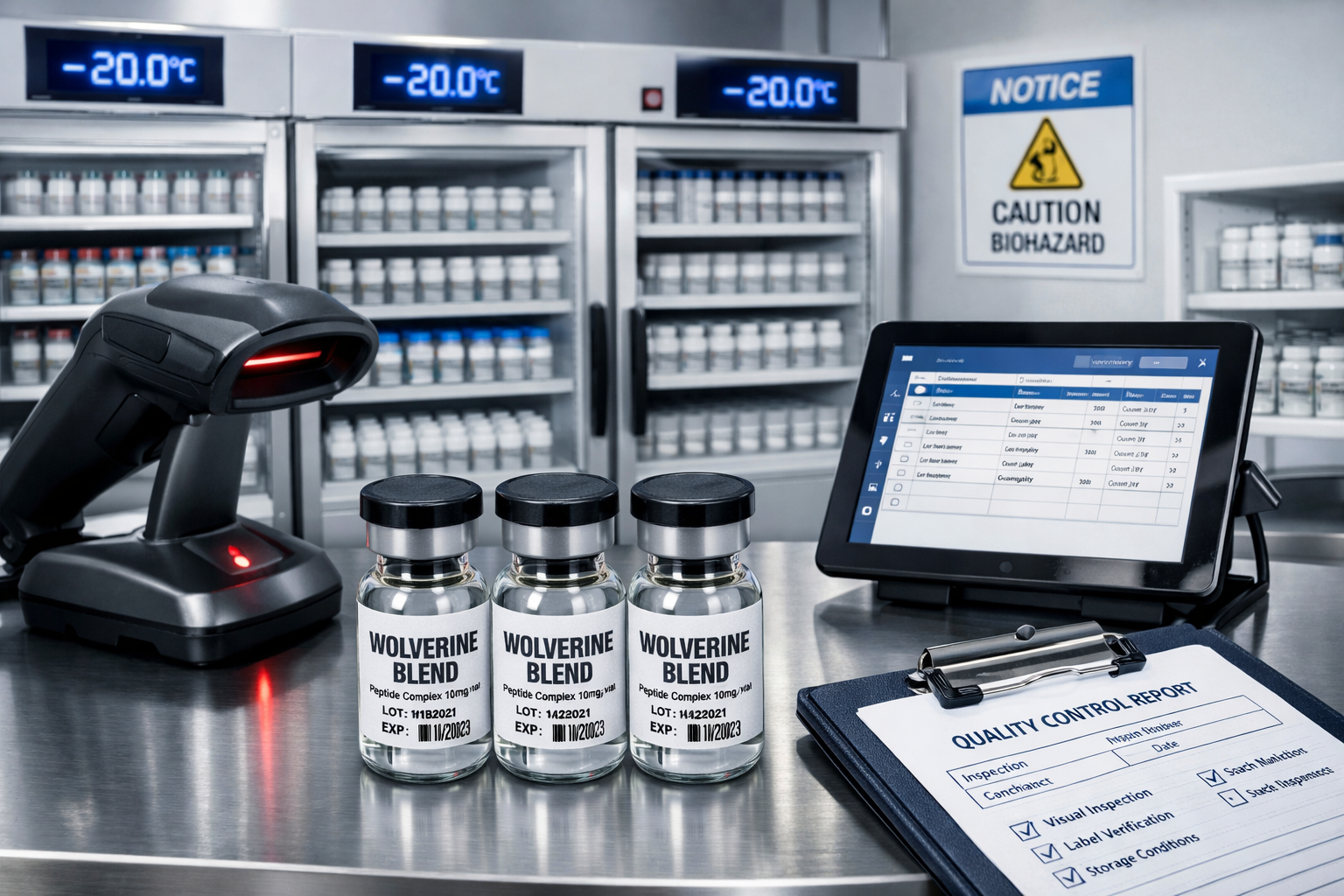
Successfully acquiring research peptides requires understanding the complete procurement process. This section guides researchers through each step when determining where to buy wolverine blend.
Account Creation and Verification
Reputable suppliers implement verification procedures to ensure research-only use:
Registration Requirements: Professional suppliers require account creation with research credentials or institutional affiliation documentation. This process protects both supplier and researcher by establishing legitimate research intent.
Age Verification: Minimum age requirements (typically 21+) apply to peptide purchases.
Agreement to Terms: Researchers must acknowledge research-only designations and proper use guidelines.
These verification steps, while sometimes perceived as inconvenient, indicate responsible supplier practices and legal compliance.
Product Selection and Specifications
When ready to buy wolverine stack peptide formulations, researchers should verify:
Compound Composition: Confirm the specific peptides included in the blend and their individual quantities. Wolverine blend formulations may vary between suppliers.
Concentration: Verify the total peptide content per vial (commonly 10mg, 20mg, or 30mg).
Formulation: Confirm whether the product is lyophilized powder requiring reconstitution or pre-mixed solution.
Quantity: Determine research needs and order appropriate amounts considering peptide stability after reconstitution.
Detailed product pages, like those found for specialized peptide blends, provide comprehensive specifications enabling informed decisions.
Payment and Security Considerations
Secure transaction processing protects researcher information and financial data:
Accepted Payment Methods: Premium suppliers accept major credit cards, cryptocurrency, or bank transfers through encrypted payment gateways.
SSL Encryption: Verify website security certificates before entering payment information.
Privacy Policies: Review data handling practices to ensure personal information protection.
Transaction Records: Maintain documentation of purchases for research records and institutional compliance.
Shipping and Handling Protocols
Proper shipping maintains peptide integrity from supplier to laboratory:
Cold Chain Shipping: Quality suppliers use insulated packaging with ice packs or dry ice for temperature-sensitive compounds.
Discreet Packaging: Professional suppliers use unmarked boxes without external product identification.
Tracking Information: Reliable tracking allows monitoring of shipment progress and estimated delivery.
Delivery Timeframes: Domestic US shipping typically requires 2-5 business days; expedited options may be available.
Receipt Inspection: Upon delivery, immediately verify package condition, temperature maintenance, and product integrity before storage.
Researchers should plan orders accounting for shipping time and ensure proper storage facilities are prepared before delivery.
Legal and Regulatory Considerations for Peptide Research
Understanding the regulatory environment surrounding peptide research protects researchers and ensures compliance with current laws. The landscape in 2026 continues evolving, requiring ongoing awareness.
Research-Only Designation
Peptides sold for research purposes carry specific legal designations:
Not for Human Consumption: All research peptides, including wolverine blend, carry explicit warnings against human use outside approved clinical trials.
Laboratory Use Only: These compounds are intended for in vitro research, animal studies under proper institutional oversight, or other approved research contexts.
No Therapeutic Claims: Suppliers and researchers must avoid making or implying therapeutic benefits, treatment potential, or medical applications.
When researchers buy peptides from legitimate sources, they acknowledge these restrictions and assume responsibility for proper use within legal frameworks.
Institutional and Ethical Oversight
Serious peptide research occurs within structured oversight frameworks:
Institutional Review Boards (IRBs): Human subject research requires IRB approval and ongoing oversight.
Institutional Animal Care and Use Committees (IACUCs): Animal studies require IACUC review and approval.
Research Protocols: Documented methodologies, safety procedures, and outcome measures guide proper research conduct.
Record Keeping: Comprehensive documentation of peptide sourcing, storage, use, and disposal maintains compliance and research integrity.
Fitness coaches and medispa owners exploring peptide research should establish appropriate oversight structures and consult with legal counsel regarding compliance requirements.
State and Federal Regulations
The regulatory environment includes multiple jurisdictional layers:
FDA Oversight: The Food and Drug Administration regulates peptides as drugs when intended for human use. Research peptides fall outside this framework when properly designated.
State Regulations: Individual states may impose additional restrictions on peptide possession, distribution, or research.
Import Restrictions: International peptide sourcing faces customs regulations and import restrictions.
Professional Licensing: Healthcare professionals face additional scrutiny regarding peptide possession and must maintain clear separation between research activities and clinical practice.
Researchers should consult legal counsel familiar with peptide regulations in their specific jurisdiction to ensure full compliance.
Alternative Peptide Blends and Related Compounds
Understanding the broader peptide landscape helps researchers make informed decisions about which compounds best serve their research objectives. While investigating where to buy wolverine blend, researchers should consider related formulations.
Complementary Peptide Combinations
Several peptide blends offer different research applications:
GLP-1 Based Blends: Researchers interested in metabolic studies often explore where to buy GLP-1 analogs or combination formulations. These compounds have attracted significant research attention for their effects on glucose metabolism and satiety signaling.
Epithalon Formulations: Those researching cellular aging and telomere dynamics frequently ask where to buy epithalon. This peptide has been studied for its potential effects on cellular senescence and longevity pathways.
Growth Hormone Secretagogues: Researchers examining growth hormone pathways investigate where to buy serm or where to buy ipamorelin/tesa combinations. These peptides stimulate endogenous growth hormone release through different receptor mechanisms.
Metabolic Research Compounds: Scientists studying mitochondrial function often explore where to buy MOTS-C peptide formulations. This mitochondrial-derived peptide has shown interesting properties in metabolic regulation research.
Specialized Research Blends
Advanced researchers may investigate multi-component formulations:
Cagrilintide Combinations: The buy Reta-Cagrilintide blend option provides researchers access to dual-agonist formulations studied for metabolic effects.
Nasal Delivery Formulations: Researchers exploring alternative administration routes investigate where to buy selank nasal spray or buy BPC nasal spray options for bioavailability studies.
Lipotropic Combinations: Those researching fat metabolism often buy Lipo C peptide formulations combining multiple lipotropic factors.
Individual Component Research
Some researchers prefer studying individual wolverine blend components separately:
BPC-157 Alone: Isolated research on Body Protection Compound allows focused investigation of its specific mechanisms without confounding variables from other peptides.
TB-500 Studies: Thymosin Beta-4 fragment research examines cellular migration, differentiation, and tissue remodeling independently.
GHK-Cu Research: Copper peptide studies focus specifically on matrix metalloproteinase modulation and copper-dependent cellular processes.
Understanding these alternatives helps researchers design comprehensive study protocols and compare effects across different peptide formulations.
Quality Control: Verifying Peptide Authenticity and Purity
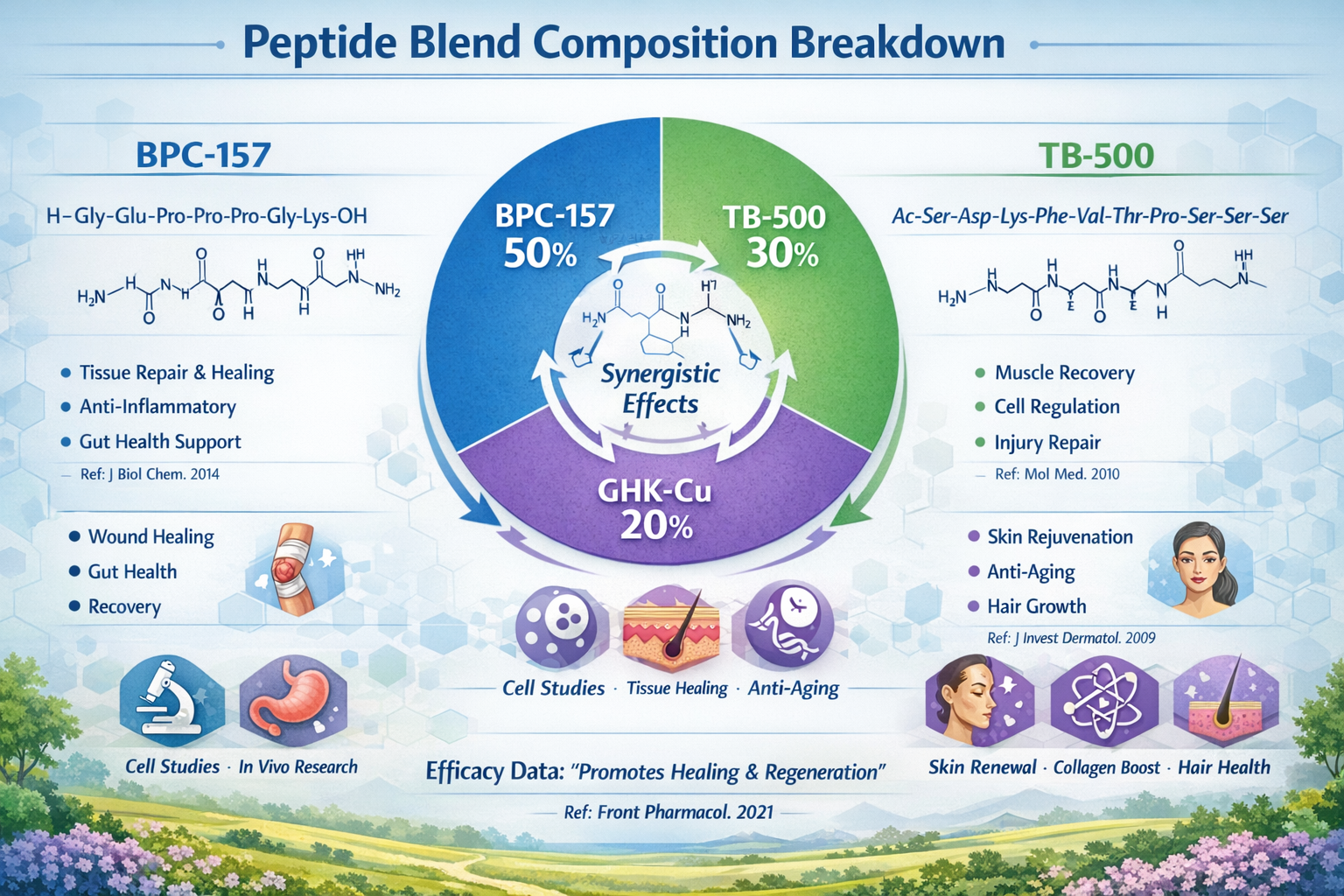
Ensuring peptide quality requires researchers to understand testing methodologies and interpret analytical results. This knowledge proves essential when evaluating where to buy wolverine blend and assessing supplier claims.
Understanding Certificates of Analysis
COAs provide critical quality information:
Purity Percentage: Indicates the proportion of the target peptide relative to total content. Research-grade peptides typically exceed 98% purity.
Testing Methodology: Specifies analytical techniques used (HPLC, mass spectrometry, etc.) and their sensitivity limits.
Batch Numbers: Unique identifiers linking specific product vials to testing results.
Testing Date: Recent testing (within 6-12 months) confirms current product quality rather than outdated results.
Laboratory Information: Independent third-party labs provide unbiased verification compared to in-house testing.
Researchers should request and carefully review COAs before purchasing. Suppliers refusing to provide this documentation should be avoided regardless of price advantages.
Independent Testing Options
Serious researchers may consider independent verification:
Third-Party Laboratory Testing: Specialized analytical laboratories offer peptide testing services for researchers seeking additional verification.
Cost Considerations: Independent testing typically costs $100-300 per sample, adding significant expense but providing definitive quality confirmation.
Sample Requirements: Labs require minimum quantities (usually 1-5mg) for comprehensive analysis.
Turnaround Time: Results typically require 2-4 weeks depending on testing complexity.
While expensive, independent testing provides absolute certainty about peptide identity and purity, particularly valuable for large research projects or when supplier credibility remains uncertain.
Visual and Physical Quality Indicators
Researchers can perform preliminary quality assessments:
Appearance: Lyophilized peptides should appear as white to off-white powder forming a compact cake at the vial bottom.
Reconstitution: Quality peptides dissolve completely in bacteriostatic water within minutes with gentle swirling, leaving clear to slightly opalescent solution.
Odor: Peptides should have minimal odor; strong chemical smells indicate contamination or degradation.
Packaging Integrity: Intact vacuum seals, proper labeling, and undamaged vials indicate proper handling.
These observations don’t replace analytical testing but provide initial quality indicators upon receipt.
Storage, Handling, and Reconstitution Best Practices
Proper peptide handling preserves compound integrity and ensures reliable research results. Researchers must implement rigorous protocols regardless of where to buy wolverine blend products originate.
Pre-Reconstitution Storage
Lyophilized peptide storage requires specific conditions:
Temperature: Store at 2-8°C (refrigerated) for short-term use (up to 6 months) or -20°C (frozen) for longer-term storage (up to 2 years).
Light Protection: Keep vials in original packaging or amber containers to prevent photodegradation.
Moisture Control: Maintain sealed conditions preventing atmospheric moisture contact.
Organization: Label vials clearly with compound name, concentration, receipt date, and storage date for inventory management.
Reconstitution Procedures
Proper reconstitution maintains peptide stability:
Solvent Selection: Bacteriostatic water is standard for most peptides; some require specific pH or buffer solutions.
Sterile Technique: Use alcohol swabs, sterile needles, and aseptic procedures preventing contamination.
Gentle Mixing: Add solvent slowly down vial sides, then swirl gently rather than shaking vigorously which can damage peptide structure.
Concentration Calculation: Determine final concentration based on peptide mass and solvent volume for accurate experimental dosing.
Documentation: Record reconstitution date, solvent used, final concentration, and storage conditions for research records.
Post-Reconstitution Handling
Reconstituted peptides require enhanced protection:
Refrigeration: Store at 2-8°C immediately after reconstitution.
Limited Stability: Most reconstituted peptides remain stable for 2-4 weeks under proper refrigeration; some degrade faster.
Contamination Prevention: Use sterile technique for each withdrawal; never reuse needles or introduce contaminants.
Aliquoting: Consider dividing reconstituted peptide into multiple vials for single-use to minimize freeze-thaw cycles and contamination risk.
Disposal: Follow institutional hazardous waste protocols for expired or contaminated peptides.
Building Relationships with Peptide Suppliers
Establishing ongoing supplier relationships benefits long-term research programs. Researchers investigating where to buy wolverine blend should consider partnership potential beyond single transactions.
Benefits of Supplier Partnerships
Consistent supplier relationships provide advantages:
Priority Access: Regular customers often receive priority during supply shortages or high-demand periods.
Custom Formulations: Established relationships may enable custom peptide blends or specific concentration requests.
Volume Discounts: Bulk purchasing or regular orders typically qualify for pricing advantages.
Technical Support: Suppliers invest more support resources in regular customers, providing enhanced guidance on storage, reconstitution, and research applications.
Quality Consistency: Single-source procurement reduces variability from different synthesis batches or supplier quality standards.
Communication Best Practices
Effective supplier communication optimizes research support:
Detailed Inquiries: Provide specific information about research needs, timeline requirements, and technical specifications.
Documentation Requests: Request COAs, storage guidelines, and reconstitution protocols for research records.
Feedback Provision: Report quality issues, delivery problems, or positive experiences helping suppliers improve service.
Advance Planning: Order well before research deadlines accounting for synthesis time, testing, and shipping.
Professional Conduct: Maintain courteous, professional communication recognizing suppliers as research partners rather than mere vendors.
Evaluating Supplier Performance
Regular supplier assessment ensures continued quality:
Consistency Tracking: Monitor purity levels, delivery times, and product quality across multiple orders.
Problem Resolution: Evaluate how suppliers handle issues, complaints, or quality concerns.
Pricing Stability: Assess whether pricing remains competitive and transparent over time.
Product Availability: Track supplier ability to maintain inventory and fulfill orders reliably.
Communication Responsiveness: Monitor response times and quality of technical support.
Researchers should maintain relationships with 2-3 qualified suppliers ensuring backup options while building primary partnerships.
Cost Management Strategies for Peptide Research
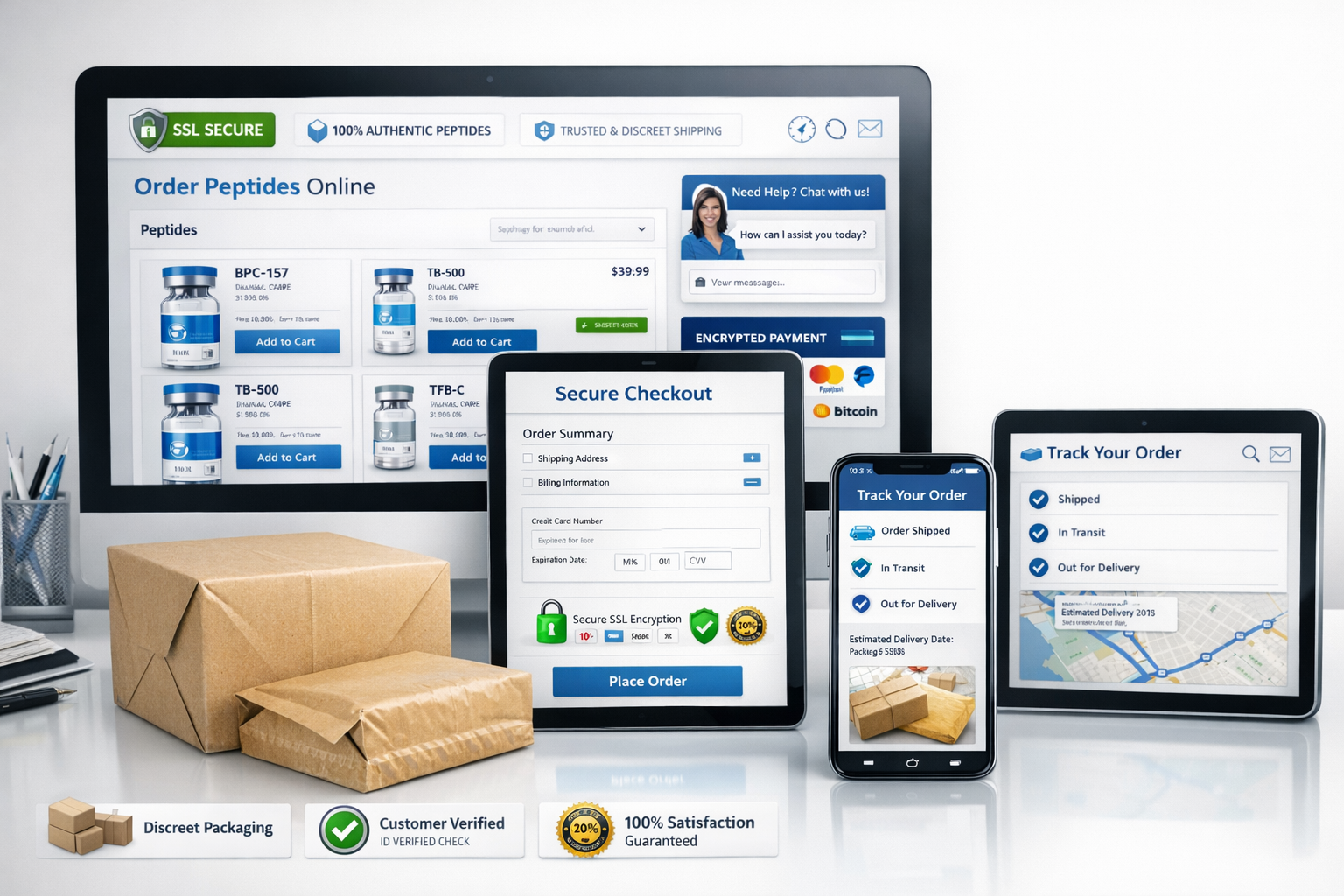
Peptide research involves significant financial investment. Strategic approaches help researchers maximize value when determining where to buy wolverine blend and other compounds.
Budgeting for Peptide Research
Comprehensive budget planning accounts for all costs:
Direct Peptide Costs: Primary compound purchase prices vary based on purity, quantity, and supplier.
Shipping Expenses: Cold chain shipping adds $20-50 per order depending on distance and speed.
Storage Infrastructure: Proper refrigeration and freezer equipment represent one-time capital investments.
Reconstitution Supplies: Bacteriostatic water, sterile needles, alcohol swabs, and other consumables accumulate costs.
Testing Verification: Optional independent testing adds significant expense but ensures quality.
Waste and Loss: Account for 10-15% loss from reconstitution errors, contamination, or degradation.
Value Optimization Strategies
Smart purchasing maximizes research budgets:
Bulk Ordering: Larger quantities typically offer per-unit cost advantages when research volume justifies bulk purchase.
Combination Purchases: Some suppliers offer discounts when buying peptides in multiple-compound orders.
Loyalty Programs: Regular customer discounts or point systems reduce long-term costs.
Seasonal Promotions: Strategic timing of purchases around supplier promotions captures savings.
Group Purchasing: Research collaborations or institutional purchasing pools leverage volume for better pricing.
False Economy Avoidance
Certain cost-cutting approaches ultimately waste resources:
Compromising Quality: Low-purity peptides produce unreliable results requiring research repetition, ultimately costing more than premium compounds.
Inadequate Storage: Improper storage degrades peptides, destroying investment in purchased compounds.
Excessive Inventory: Over-purchasing leads to peptide degradation before use, particularly for compounds with limited stability.
Unverified Suppliers: Questionable sources may deliver contaminated or misidentified compounds, invalidating entire research projects.
Strategic investment in quality peptides from verified suppliers like Pure Tested Peptides ultimately proves more economical than repeated purchases of substandard compounds.
Future Trends in Peptide Research and Availability
The peptide research field continues rapid evolution. Understanding emerging trends helps researchers anticipate changes affecting where to buy wolverine blend and other compounds.
Regulatory Developments
The regulatory landscape shows several trends:
Increased Scrutiny: Regulatory agencies worldwide are enhancing oversight of peptide sales and research applications.
Supplier Compliance Requirements: Expect stricter documentation, verification, and reporting requirements for peptide suppliers.
Research Designation Enforcement: Clearer distinctions between research peptides and therapeutic compounds will likely emerge.
International Harmonization: Global regulatory coordination may standardize peptide research requirements across jurisdictions.
Researchers should maintain awareness of regulatory changes and ensure ongoing compliance with evolving standards.
Synthesis and Manufacturing Advances
Technical improvements are enhancing peptide quality:
Synthesis Efficiency: Advanced solid-phase peptide synthesis techniques improve purity and reduce costs.
Quality Control Automation: Automated testing systems enable more comprehensive quality verification.
Custom Formulations: Improved manufacturing flexibility allows specialized blends tailored to specific research needs.
Stability Enhancement: Novel formulation techniques extend peptide shelf life and stability.
These advances should gradually improve peptide availability, quality, and cost-effectiveness for researchers.
Research Application Expansion
Peptide research continues expanding into new areas:
Combination Therapies: Growing interest in multi-peptide formulations like wolverine blend reflects recognition of synergistic effects.
Alternative Delivery Methods: Research into nasal sprays, transdermal applications, and oral formulations expands beyond traditional injection.
Personalized Research: Custom peptide combinations tailored to specific research objectives become more accessible.
Novel Peptide Discovery: Ongoing identification of new bioactive peptides expands research possibilities.
Researchers should stay current with emerging peptides and formulations complementing or enhancing wolverine blend research.
Market Consolidation and Quality Standards
Industry maturation brings structural changes:
Supplier Consolidation: Market forces favor established, compliant suppliers over questionable operations.
Industry Standards: Professional organizations may develop standardized quality benchmarks and best practices.
Transparency Initiatives: Enhanced supplier transparency regarding sourcing, testing, and quality control.
Educational Resources: Expanded availability of research guidelines, protocols, and educational materials.
These trends should ultimately benefit researchers by improving overall market quality and reducing prevalence of substandard suppliers.
Conclusion: Making Informed Decisions About Wolverine Blend Sourcing
Determining where to buy wolverine blend requires careful evaluation of supplier quality, testing standards, business practices, and regulatory compliance. The decision extends beyond simple price comparison to encompass comprehensive assessment of factors affecting research quality and integrity.
Essential Decision Criteria
Researchers should prioritize these factors when selecting peptide suppliers:
✅ Verified Testing: Demand current, batch-specific COAs from independent laboratories showing purity levels exceeding 98%.
✅ Proper Storage: Ensure suppliers maintain pharmaceutical-grade cold storage and cold chain shipping protocols.
✅ Business Transparency: Select suppliers with verified physical locations, responsive customer service, and clear research-only policies.
✅ Quality Consistency: Choose established suppliers with track records of reliable product quality and availability.
✅ Regulatory Compliance: Verify suppliers operate within legal frameworks and maintain proper research designations.
✅ Fair Pricing: Expect premium pricing reflecting quality investment while avoiding suspiciously low costs indicating compromised standards.
Actionable Next Steps
Researchers ready to buy wolverine stack peptide formulations should:
- Research Supplier Options: Investigate multiple suppliers, review their testing documentation, and assess their reputation within the research community.
- Verify Credentials: Confirm supplier legitimacy through business registration verification, customer reviews, and industry recognition.
- Request Documentation: Obtain current COAs, storage guidelines, and reconstitution protocols before purchasing.
- Start Small: Consider initial small-quantity orders to verify supplier quality before committing to larger purchases.
- Establish Storage: Ensure proper refrigeration and storage infrastructure is ready before ordering.
- Document Everything: Maintain comprehensive records of suppliers, batch numbers, testing results, and research protocols.
- Build Relationships: Develop ongoing partnerships with qualified suppliers supporting long-term research programs.
Final Recommendations
The peptide research field offers tremendous opportunities for advancing understanding of cellular mechanisms, tissue repair, and metabolic regulation. However, research quality depends entirely on compound purity and authenticity. Researchers must prioritize quality over cost savings, recognizing that compromised peptides invalidate research findings and waste resources.
When evaluating where to buy peptides including wolverine blend and related compounds, researchers should select suppliers demonstrating unwavering commitment to quality, transparency, and regulatory compliance. Established suppliers like Pure Tested Peptides exemplify these standards through comprehensive testing, proper storage protocols, and transparent business practices.
The investment in premium peptides from verified suppliers pays dividends through reliable research results, reproducible findings, and confidence in experimental outcomes. As the peptide research field continues evolving in 2026 and beyond, maintaining rigorous sourcing standards protects research integrity and advances scientific understanding of these fascinating compounds.
Researchers embarking on peptide studies should approach sourcing decisions with the same rigor applied to experimental design, recognizing that quality compounds form the foundation of meaningful research contributions. By implementing the guidelines and criteria outlined in this comprehensive guide, researchers position themselves for success in their peptide research endeavors while maintaining the highest standards of scientific integrity and regulatory compliance.