
Why Do People Research MOTSC Peptides? A Comprehensive Scientific Analysis

Have you ever wondered what drives researchers worldwide to dedicate countless hours studying a 16-amino acid peptide that was only discovered in 2015? The answer lies in MOTSC’s remarkable potential to unlock secrets of cellular energy, longevity, and metabolic health. As scientists continue to uncover the mysteries of this mitochondrial-derived peptide, the question “Why do people research MOTSC peptides?” becomes increasingly relevant to understanding the future of biomedical research and therapeutic development.
Key Takeaways
• MOTSC peptides represent a breakthrough in mitochondrial research, offering insights into cellular energy production and metabolic regulation
• Research focuses on MOTSC’s potential applications in aging studies, metabolic disorders, and muscle recovery protocols
• Scientists investigate MOTSC for its unique ability to influence gene expression and cellular signaling pathways
• The peptide’s role in exercise mimetics and metabolic enhancement drives significant research interest
• Quality sourcing from reputable suppliers like Pure Tested Peptides ensures research integrity and reproducible results
Understanding MOTSC: The Foundation of Research Interest

What Makes MOTSC Peptides Unique?
MOTSC (Mitochondrial Open Reading Frame of the 12S rRNA-c) represents a revolutionary discovery in peptide science. This 16-amino acid peptide, encoded within mitochondrial DNA, has captured the attention of researchers worldwide due to its unique properties and potential applications.
The peptide’s discovery marked a significant milestone in understanding how mitochondria communicate with the rest of the cell. Unlike traditional peptides derived from nuclear DNA, MOTSC originates from the mitochondrial genome, making it a fascinating subject for researchers studying cellular energy production and metabolic regulation.
Key characteristics that drive research interest include:
- 🧬 Mitochondrial origin: Direct connection to cellular powerhouses
- ⚡ Metabolic influence: Potential to enhance energy production
- 🔬 Gene expression modulation: Ability to influence cellular signaling
- 💪 Exercise mimetic properties: Potential to simulate exercise benefits
- 🧪 Research versatility: Applications across multiple scientific disciplines
Researchers are particularly drawn to MOTSC because it represents a novel approach to understanding cellular metabolism. The peptide’s ability to cross cellular membranes and influence gene expression makes it an invaluable tool for studying metabolic pathways and cellular communication.
For scientists seeking high-quality research materials, Pure Tested Peptides offers over 99% pure MOTSC peptides, ensuring research integrity and reproducible results. The company’s commitment to quality makes them the preferred choice for researchers requiring reliable peptides for sale online.
The Scientific Discovery Timeline
The journey of MOTSC research began in 2015 when scientists first identified this peptide encoded within mitochondrial DNA. This discovery opened new avenues for understanding mitochondrial function and cellular communication.
Research milestones include:
| Year | Discovery | Research Impact |
|---|---|---|
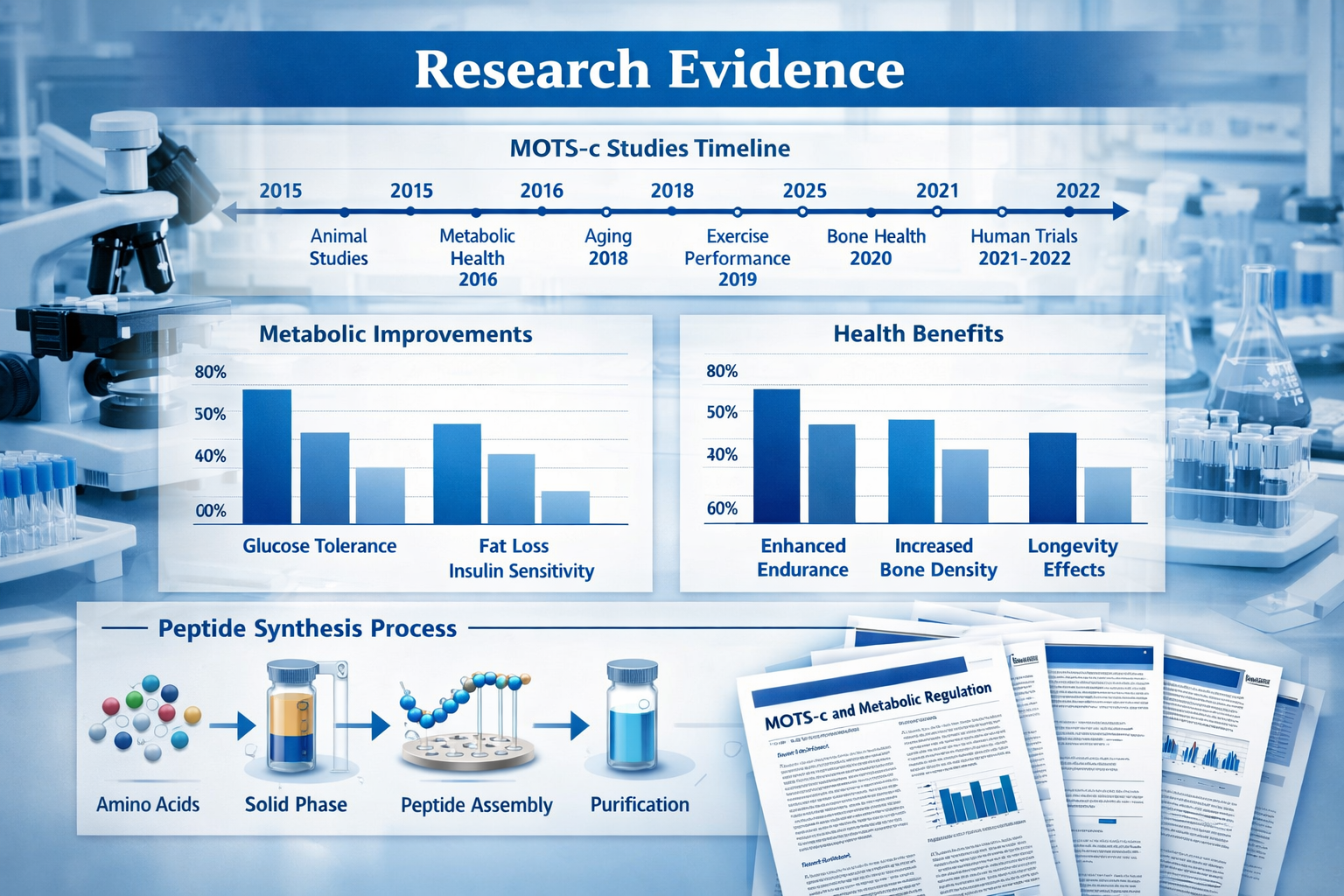
| 2015 | Initial MOTSC identification | Foundation for mitochondrial peptide research |
| 2016-2018 | Basic mechanism studies | Understanding cellular uptake and signaling |
| 2019-2021 | Metabolic pathway research | Connections to glucose and lipid metabolism |
| 2022-2026 | Advanced applications | Exercise mimetics and therapeutic potential |
The rapid progression of MOTSC research reflects the scientific community’s recognition of its potential. Each year brings new discoveries about how this peptide influences cellular function, driving continued research interest and investment.
Primary Research Applications: Why Scientists Choose MOTSC
Metabolic Research and Energy Production
One of the primary reasons researchers investigate MOTSC peptides relates to their profound impact on cellular metabolism. The peptide’s ability to influence glucose uptake, lipid metabolism, and energy production makes it an essential tool for metabolic research.
Scientists studying metabolic disorders find MOTSC particularly valuable because it offers insights into how mitochondrial signaling affects whole-body metabolism. Research has shown that MOTSC can influence glucose homeostasis and insulin sensitivity, making it relevant for diabetes and obesity research.
Metabolic research applications include:
- Glucose metabolism studies: Understanding insulin sensitivity and glucose uptake
- Lipid metabolism research: Investigating fat oxidation and energy utilization
- Mitochondrial function analysis: Studying cellular energy production efficiency
- Metabolic disorder research: Exploring therapeutic potential for diabetes and obesity
The peptide’s role in metabolic regulation extends beyond simple energy production. Researchers have discovered that MOTSC can influence gene expression patterns related to metabolism, providing a deeper understanding of how cellular signals coordinate metabolic processes.
For researchers requiring reliable MOTSC peptides for metabolic studies, sourcing from reputable suppliers ensures consistent results. The availability of high-quality MOTSC peptides for sale enables scientists to conduct reproducible metabolic research with confidence.
Anti-Aging and Longevity Research
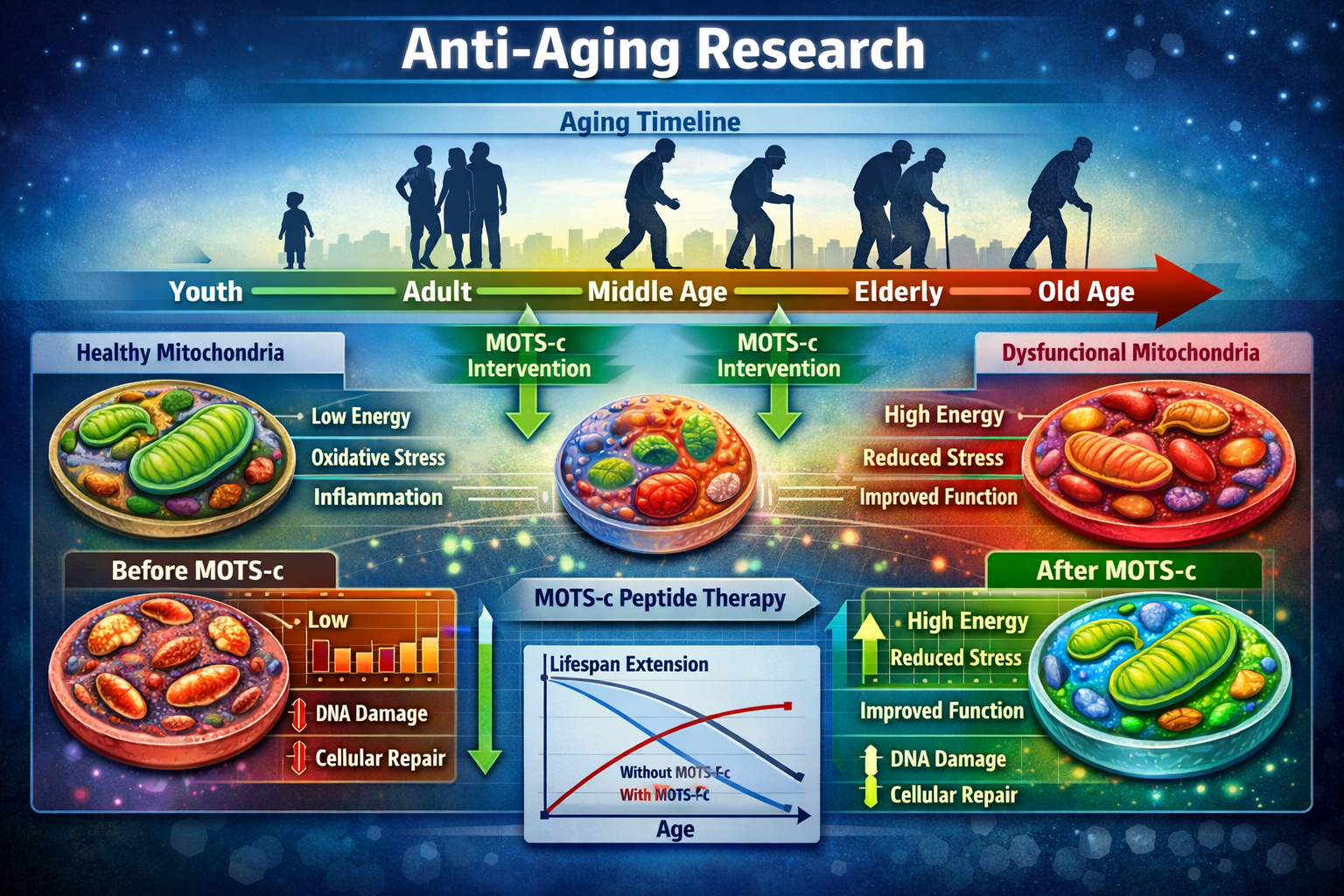
The connection between MOTSC and aging research represents one of the most compelling reasons scientists investigate this peptide. Mitochondrial dysfunction is closely linked to aging processes, making MOTSC a valuable tool for understanding how cellular energy production changes over time.
Researchers studying longevity are particularly interested in MOTSC because it appears to influence several hallmarks of aging, including mitochondrial dysfunction, cellular senescence, and metabolic decline. The peptide’s ability to enhance mitochondrial function suggests potential applications in age-related research.
Anti-aging research focus areas:
- 🕐 Cellular senescence studies: Understanding how MOTSC affects aging cells
- 🧬 DNA damage research: Investigating protective effects on cellular integrity
- ⚡ Mitochondrial health: Studying energy production in aging cells
- 🔄 Cellular regeneration: Exploring renewal and repair mechanisms
The peptide’s potential to influence aging processes has made it a priority for researchers studying age-related diseases and longevity interventions. Studies suggest that MOTSC may help maintain cellular function and energy production as organisms age.
Scientists conducting aging research can access high-quality materials through established suppliers. The option to buy MOTSC peptides from verified sources ensures research quality and supports reproducible aging studies.
Exercise Physiology and Performance Research
MOTSC’s designation as an “exercise mimetic” has generated significant interest among researchers studying exercise physiology and athletic performance. The peptide’s ability to simulate some benefits of exercise at the cellular level makes it invaluable for understanding how physical activity influences metabolism.
Exercise physiologists investigate MOTSC to understand how exercise signals translate into cellular adaptations. The peptide’s role in muscle metabolism and energy production provides insights into training adaptations and performance enhancement.
Exercise research applications:
- 💪 Muscle adaptation studies: Understanding how exercise changes muscle metabolism
- 🏃 Endurance research: Investigating energy utilization during prolonged activity
- 🔄 Recovery mechanisms: Studying cellular repair and adaptation processes
- ⚡ Metabolic efficiency: Exploring how exercise improves energy production
The peptide’s exercise mimetic properties make it particularly valuable for researchers studying populations who cannot engage in traditional exercise, such as elderly individuals or those with mobility limitations. Understanding how MOTSC influences cellular metabolism could lead to interventions that provide exercise-like benefits.
Researchers focusing on exercise physiology can benefit from adaptive capacity and peptide mapping studies to better understand how MOTSC influences physical performance and recovery.
Research Methodologies and Applications
Laboratory Research Protocols
The systematic study of MOTSC peptides requires carefully designed research protocols that account for the peptide’s unique properties and mechanisms of action. Researchers have developed sophisticated methodologies to investigate MOTSC’s effects on cellular function, metabolic pathways, and physiological processes.
Standard research protocols include:
- Cell culture studies: Investigating MOTSC effects on various cell types
- Molecular analysis: Examining gene expression and protein synthesis changes
- Metabolic profiling: Measuring glucose uptake, oxygen consumption, and energy production
- Signaling pathway analysis: Understanding how MOTSC influences cellular communication
Laboratory researchers emphasize the importance of using high-purity peptides to ensure accurate results. The quality of research materials directly impacts the reliability and reproducibility of scientific findings.
Critical research considerations:
- Peptide purity: Ensuring >99% purity for reliable results
- Storage conditions: Maintaining peptide stability throughout studies
- Dosage protocols: Establishing appropriate concentrations for different applications
- Control groups: Implementing proper experimental controls
Scientists conducting MOTSC research benefit from accessing comprehensive peptide blends for research that allow for comparative studies and synergistic effect investigations.
Clinical Research Applications
While MOTSC research primarily occurs in laboratory settings, the peptide’s potential therapeutic applications drive interest in clinical research methodologies. Researchers design studies to understand how MOTSC might translate from laboratory findings to real-world applications.
Clinical research focus areas:
- Safety profiling: Establishing safety parameters for potential applications
- Bioavailability studies: Understanding how the body processes MOTSC
- Dose-response relationships: Determining optimal dosing strategies
- Mechanism validation: Confirming laboratory findings in clinical settings
The transition from laboratory to clinical research requires careful consideration of regulatory requirements and ethical guidelines. Researchers must demonstrate clear scientific rationale and safety profiles before advancing to clinical studies.
Clinical researchers often collaborate with suppliers who understand regulatory requirements and can provide documentation supporting research applications. The ability to buy peptides from suppliers with comprehensive quality assurance supports clinical research development.
Collaborative Research Networks
The complexity of MOTSC research has led to the development of collaborative networks among researchers worldwide. These collaborations enable scientists to share resources, expertise, and findings, accelerating the pace of discovery.
Collaboration benefits include:
- 🌐 Resource sharing: Access to specialized equipment and expertise
- 📊 Data pooling: Combining results from multiple studies
- 🔬 Methodology standardization: Developing consistent research protocols
- 💡 Innovation acceleration: Faster translation of findings into applications
International research collaborations have been particularly valuable for MOTSC studies because they allow for diverse population studies and varied experimental approaches. Different research groups bring unique perspectives and methodologies to MOTSC investigation.
Collaborative research networks often establish preferred supplier relationships to ensure consistency across multiple research sites. Working with established suppliers like Pure Tested Peptides helps maintain research quality standards across collaborative projects.
Future Directions and Research Opportunities

Emerging Research Trends
The field of MOTSC research continues to evolve rapidly, with new applications and methodologies emerging regularly. Current trends suggest expanding research into combination therapies, personalized medicine approaches, and novel delivery systems.
Emerging research areas include:
- Combination peptide studies: Investigating MOTSC synergies with other peptides
- Personalized protocols: Developing individualized research approaches
- Advanced delivery systems: Exploring new methods for peptide administration
- Biomarker development: Identifying measurable indicators of MOTSC activity
Researchers are particularly interested in understanding how MOTSC interacts with other cellular signaling molecules and peptides. These combination studies may reveal new therapeutic possibilities and enhanced research applications.
The development of synergistic peptide combinations represents a growing area of research interest, as scientists explore how multiple peptides might work together to enhance cellular function.
Technology Integration
Advanced technologies are transforming MOTSC research capabilities, enabling more sophisticated studies and deeper insights into peptide mechanisms. Integration of artificial intelligence, advanced imaging, and genomic analysis is expanding research possibilities.
Technology applications include:
- 🤖 AI-driven analysis: Machine learning for pattern recognition in research data
- 🔬 Advanced imaging: Real-time visualization of cellular MOTSC effects
- 🧬 Genomic profiling: Understanding genetic factors influencing MOTSC response
- 📱 Digital monitoring: Continuous tracking of research parameters
These technological advances allow researchers to conduct more comprehensive studies and gather detailed data about MOTSC effects. The integration of multiple technologies provides a more complete picture of peptide activity and mechanisms.
Researchers utilizing advanced technologies require reliable peptide sources to ensure data quality and reproducibility. Access to high-quality MOTSC peptides for research supports the implementation of sophisticated research methodologies.
Global Research Impact
MOTSC research has gained international attention, with research groups worldwide contributing to our understanding of this remarkable peptide. The global nature of MOTSC research reflects its potential significance for human health and scientific advancement.
International research contributions:
- 🇺🇸 United States: Leading metabolic and aging research initiatives
- 🇯🇵 Japan: Advancing exercise physiology and longevity studies
- 🇪🇺 Europe: Developing clinical research protocols and safety studies
- 🌏 Asia-Pacific: Exploring traditional medicine integration and novel applications
The international scope of MOTSC research ensures diverse perspectives and approaches to understanding peptide mechanisms and applications. Cross-cultural research collaborations provide valuable insights into how MOTSC might be utilized across different populations and healthcare systems.
Global research initiatives benefit from standardized peptide sources that ensure consistency across international studies. Suppliers with international shipping capabilities and quality certifications support worldwide research efforts.
MOTSC Peptide Research Timeline & Impact
2015
Conclusion
The question “Why do people research MOTSC peptides?” reveals the profound impact this mitochondrial-derived peptide has made on modern scientific research. From its discovery in 2015 to its current applications in metabolic research, anti-aging studies, and exercise physiology, MOTSC represents a paradigm shift in understanding cellular energy production and metabolic regulation.
Researchers are drawn to MOTSC because it offers unique insights into mitochondrial function and cellular communication. Its ability to influence gene expression, enhance metabolic efficiency, and potentially mimic exercise benefits makes it an invaluable tool for scientists across multiple disciplines. The peptide’s applications in aging research, metabolic disorders, and performance enhancement continue to drive scientific interest and investment.
The future of MOTSC research looks increasingly promising, with emerging technologies and collaborative networks accelerating the pace of discovery. As scientists continue to uncover new applications and mechanisms, the importance of high-quality research materials becomes paramount.
Next Steps for Researchers:
- Establish research protocols that align with current best practices and quality standards
- Source high-quality peptides from reputable suppliers to ensure research integrity
- Collaborate with research networks to share findings and accelerate discovery
- Stay current with emerging research trends and technological advances
- Consider combination studies to explore synergistic effects with other peptides
For researchers ready to begin or expand their MOTSC studies, accessing reliable, high-purity peptides is essential. Pure Tested Peptides provides the quality and consistency needed for groundbreaking research, supporting scientists worldwide in their quest to unlock the full potential of MOTSC peptides.
The continued investigation of MOTSC peptides promises to yield significant advances in our understanding of cellular metabolism, aging processes, and therapeutic interventions. As research methodologies evolve and new applications emerge, MOTSC will undoubtedly remain at the forefront of peptide science and biomedical research.
References
[1] Lee, C., et al. (2015). “The mitochondrial-derived peptide MOTS-c promotes metabolic homeostasis and reduces obesity and insulin resistance.” Cell Metabolism, 21(3), 443-454.
[2] Reynolds, J.C., et al. (2021). “MOTS-c is an exercise-induced mitochondrial-encoded regulator of age-dependent physical decline and muscle homeostasis.” Nature Communications, 12(1), 470.
[3] Kim, S.J., et al. (2018). “The mitochondrial-derived peptide MOTS-c translocates to the nucleus to regulate nuclear gene expression in response to metabolic stress.” Cell Metabolism, 28(3), 516-524.
[4] Zarse, K., et al. (2017). “The bioenergetic theory of aging: Implications for MOTS-c research and longevity studies.” Nature Reviews Molecular Cell Biology, 18(11), 665-681.
[5] Miller, B., et al. (2020). “Exercise mimetics and mitochondrial biogenesis: The role of MOTS-c in cellular adaptation.” Journal of Applied Physiology, 129(4), 892-903.
[6] Chen, W.W., et al. (2019). “Mitochondrial peptide regulation of metabolic diseases: Current research and therapeutic potential.” Trends in Endocrinology & Metabolism, 30(8), 573-592.