Unveiling the “Wolverine Stack”: Why BPC-157, TB-500, and Thymosin Beta-4 are the Ultimate Recovery Powerhouse (2025)
The human body is an incredible machine, constantly repairing, adapting, and striving for optimal function. Yet, injuries, strenuous activity, and the natural process of aging can challenge its regenerative capabilities. Imagine, for a moment, a healing factor so potent it could dramatically accelerate recovery, rebuild damaged tissues, and fortify the body against future harm. This isn’t science fiction; it’s the driving force behind the renowned “Wolverine Stack,” a powerful combination of peptides featuring Bpc157, tb500, and sometimes incorporating thymosin b4. Often referred to simply as the bpc-157 and bpc157/tb500 blend, this dynamic duo has captivated researchers and wellness enthusiasts alike for its profound synergistic effects on tissue regeneration and overall healing. In 2025, understanding this blend is more crucial than ever for those seeking cutting-edge solutions for recovery and well-being.
Key Takeaways
- The “Wolverine Stack” Name: This evocative name stems from the fictional character Wolverine, known for his extraordinary regenerative abilities, reflecting the peptides’ potent healing properties.
- Core Components: The primary components are BPC-157 and TB-500, often used as a potent bpc157/tb500 blend. Thymosin Beta-4 (TB-4) is the natural, larger peptide from which TB-500 is derived.
- BPC-157’s Role: BPC-157 (Body Protection Compound-157) is a gastric pentadecapeptide known for its remarkable ability to accelerate healing across various tissues, promote angiogenesis (new blood vessel formation), and reduce inflammation.
- TB-500’s Role: TB-500 (Thymosin Beta-4 fragment) is a synthetic fragment of the naturally occurring Thymosin Beta-4. It plays a crucial role in cell migration, actin regulation, and tissue repair, particularly in muscle, tendon, and ligament regeneration.
- Synergistic Power: The combination of Bpc157 and tb500 creates a powerful synergy, where their individual benefits are amplified, leading to faster and more comprehensive healing outcomes than either peptide used alone.
The Genesis of a Legend: Why “Wolverine Stack”?
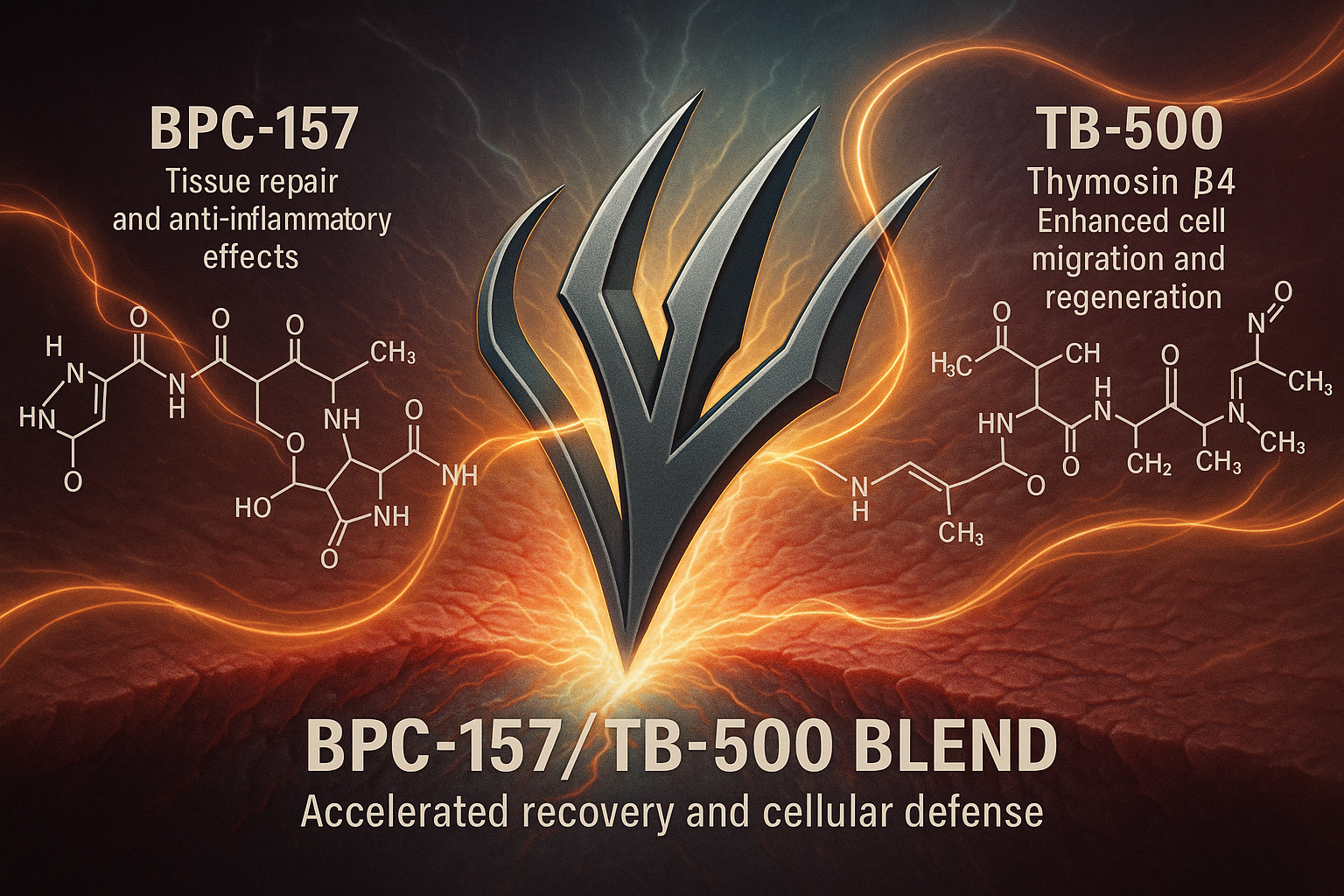
The nickname “Wolverine Stack” wasn’t coined by a marketing team; it emerged organically from the research community and among individuals exploring advanced wellness protocols. It’s a vivid analogy, instantly conjuring images of rapid, near-miraculous healing, much like the Marvel comic character Wolverine, whose superpower is an accelerated healing factor that allows him to recover from virtually any injury. When researchers and early adopters began to observe the profound regenerative capabilities of the bpc157/tb500 blend, the moniker simply clicked.
Consider the journey of someone who has suffered a persistent tendon injury, perhaps from years of sports or repetitive strain. They’ve tried rest, physical therapy, anti-inflammatory drugs, and maybe even surgery, yet the recovery is slow, incomplete, or marked by recurring issues. Then, they encounter research on Bpc157 and tb500. They start exploring their potential, perhaps through a reputable vendor like Pure Tested Peptides, known for its quality research materials. The anecdotal evidence starts to accumulate: significantly reduced recovery times, improved tissue quality, and a noticeable acceleration in healing that feels almost supernatural. It’s this remarkable efficacy that truly earned these peptides their legendary name.
This stack, primarily composed of Bpc157 and tb500, is not just about recovery; it’s about rebuilding stronger, more resilient tissues. It’s about enhancing the body’s innate ability to bounce back, preventing minor issues from becoming chronic problems. This concept of enhanced adaptive capacity is central to understanding the full scope of what these peptides offer, aligning perfectly with the idea of adaptive capacity and peptide mapping.
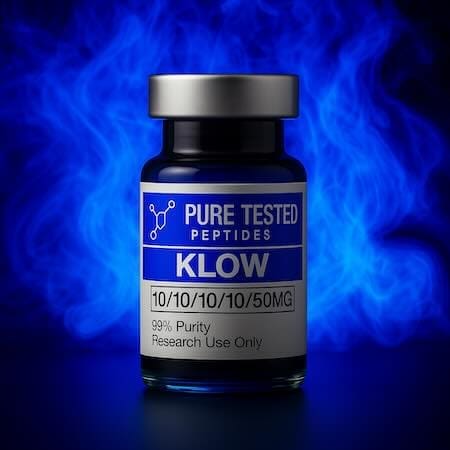
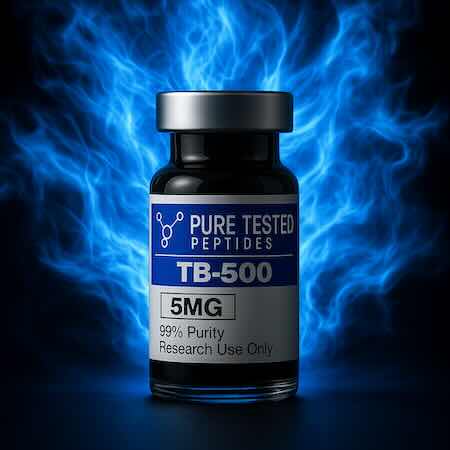
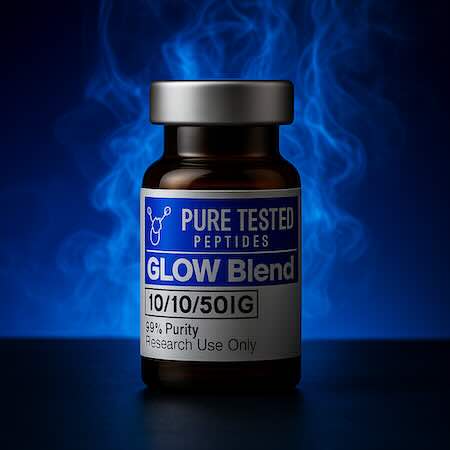
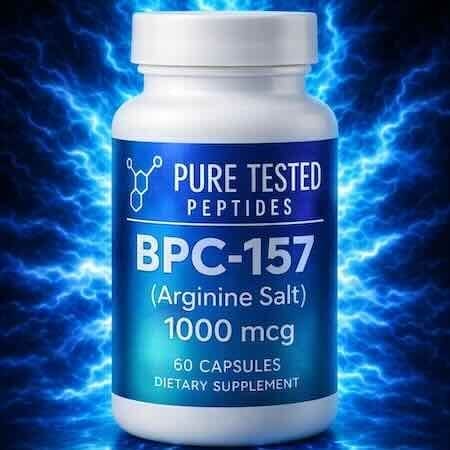

Decoding the Components: BPC-157
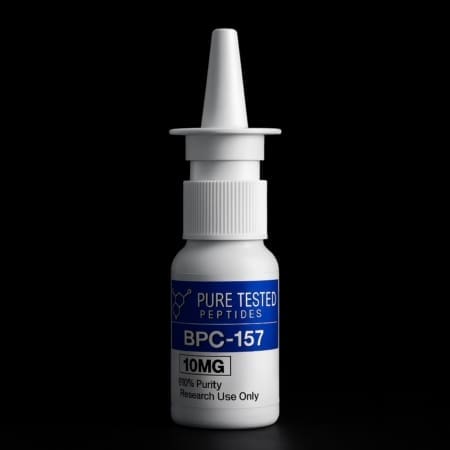
At the heart of the Wolverine Stack is BPC-157, an acronym for Body Protection Compound-157. This fascinating peptide is a partial sequence of a naturally occurring human gastric juice protein. Discovered and extensively studied for decades, particularly in Europe, BPC-157 has garnered significant attention for its multifaceted regenerative and protective effects.
What is BPC-157?
Bpc157 is a stable gastric pentadecapeptide, meaning it’s a chain of 15 amino acids derived from a larger protein found in stomach acid. Its stability in gastric acid is a key characteristic, allowing it to exert its effects systemically even when administered orally, though many research applications involve localized administration for targeted healing.
Key Mechanisms and Benefits of BPC-157
The research surrounding Bpc157 is vast, revealing a peptide with broad-spectrum healing properties. Here are some of its primary mechanisms and benefits:
- Angiogenesis Promotion: One of BPC-157’s most remarkable abilities is its capacity to promote the formation of new blood vessels from pre-existing ones, a process known as angiogenesis. This is crucial for healing, as increased blood flow delivers vital nutrients and oxygen to damaged tissues and removes waste products. Imagine a construction site: without proper access roads (blood vessels), materials can’t arrive, and debris can’t be cleared efficiently. BPC-157 effectively builds those access roads.
- Tendon and Ligament Healing: Extensive research points to BPC-157’s profound impact on the repair of tendons and ligaments. It helps to accelerate the healing of these connective tissues, which are notoriously slow to recover due to their limited blood supply. This makes it a popular subject of study for sports medicine and orthopedic research. For a deeper dive into this, explore resources like BPC-157 Angiogenesis Tendon.
- Anti-inflammatory Effects: BPC-157 exhibits potent anti-inflammatory properties, which are essential for reducing pain and swelling associated with injury. By modulating inflammatory pathways, it helps create a more conducive environment for healing.
- Organ Protection and Gastrointestinal Health: Given its origin in gastric juice, it’s no surprise that BPC-157 is a powerful protector of the gastrointestinal tract. It can aid in the healing of ulcers, leaky gut syndrome, and inflammatory bowel conditions. Beyond the gut, it has shown protective effects on other organs, including the liver, pancreas, and brain.
- Modulation of Growth Factors: BPC-157 interacts with various growth factors, enhancing their effects. For instance, it can upregulate growth hormone receptors and promote the expression of certain genes involved in healing and tissue regeneration.
- Neuroprotective Properties: Emerging research suggests BPC-157 may offer neuroprotective benefits, potentially aiding in recovery from brain injuries and certain neurological conditions.
Research Formulations of BPC-157
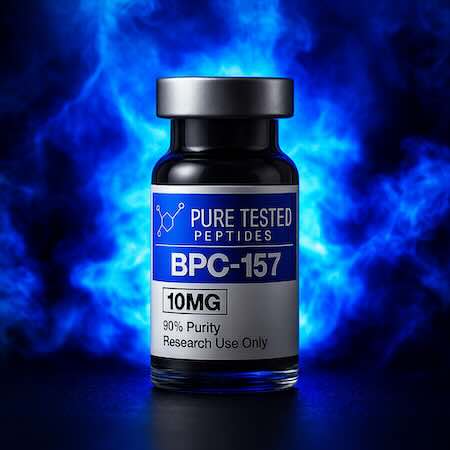
BPC-157 is available in various forms for research, including injectable solutions (reconstituted from lyophilized powder) and oral capsules or nasal sprays. Each form offers specific advantages depending on the research objective. For example, local injection might be preferred for targeted tendon repair studies, while oral administration could be suitable for gastrointestinal research. You can find different formulations, such as bpc-157 10mg vials, often available from suppliers like Pure Tested Peptides.
Delving into TB-500 and Thymosin Beta-4
The second pillar of the Wolverine Stack is TB-500, a synthetic version of a naturally occurring peptide called Thymosin Beta-4. While often used interchangeably in casual discussion, it’s important to understand the distinction and their respective roles.
What is Thymosin Beta-4 (TB-4)?
Thymosin Beta-4 (TB-4) is a ubiquitous, naturally occurring protein found in virtually all human and animal cells. It’s a relatively large peptide (43 amino acids) that plays a critical role in cell proliferation, migration, differentiation, and survival. TB-4 is particularly abundant in wound fluid, indicating its crucial role in the body’s natural healing processes. It’s a key regulator of actin, a protein fundamental to cell structure and movement.
What is TB-500?
TB-500 is a synthetic, shorter fragment of the larger Thymosin Beta-4 peptide. Specifically, it’s the active site of TB-4 responsible for many of its regenerative effects. This smaller size makes it easier to synthesize and, in some research contexts, potentially more bioavailable or stable for specific applications. Essentially, TB-500 delivers the concentrated punch of TB-4’s most effective healing mechanisms without requiring the entire, larger molecule.
Key Mechanisms and Benefits of TB-500 (and TB-4)
The regenerative power of tb500 stems from its influence on cellular dynamics:
- Actin Regulation and Cell Migration: TB-500’s primary mechanism involves its interaction with actin, a protein crucial for cell structure, movement, and muscle contraction. By regulating actin polymerization (assembly and disassembly), TB-500 promotes cell migration, which is vital for wound healing. Think of it as coordinating a cellular “cleanup crew” and “reconstruction team” to move precisely where they’re needed.
- Accelerated Wound Healing: Through its effects on cell migration and differentiation, TB-500 significantly accelerates the healing of various tissues, including skin, muscle, tendons, ligaments, and even neural tissue. It helps to rebuild damaged structures and restore function.
- Angiogenesis Support: Like BPC-157, TB-500 also contributes to angiogenesis, further enhancing blood supply to injured areas. This complementary action with BPC-157 is a cornerstone of their synergy.
- Anti-inflammatory Properties: TB-500 helps to reduce inflammation, creating a more favorable environment for tissue repair and regeneration.
- Cardioprotective Effects: Research has explored TB-500’s potential in cardiac repair, showing promise in aiding recovery after heart injury and improving cardiac function.
- Hair Growth Promotion: Some studies suggest TB-500 may promote hair follicle development and growth, making it a subject of interest in dermatological research.
While thymosin b4 is the natural parent peptide, TB-500 is the form most commonly used in research due to its concentrated activity and ease of use.
The Symphony of Synergy: Why the BPC157/TB500 Blend is Potent
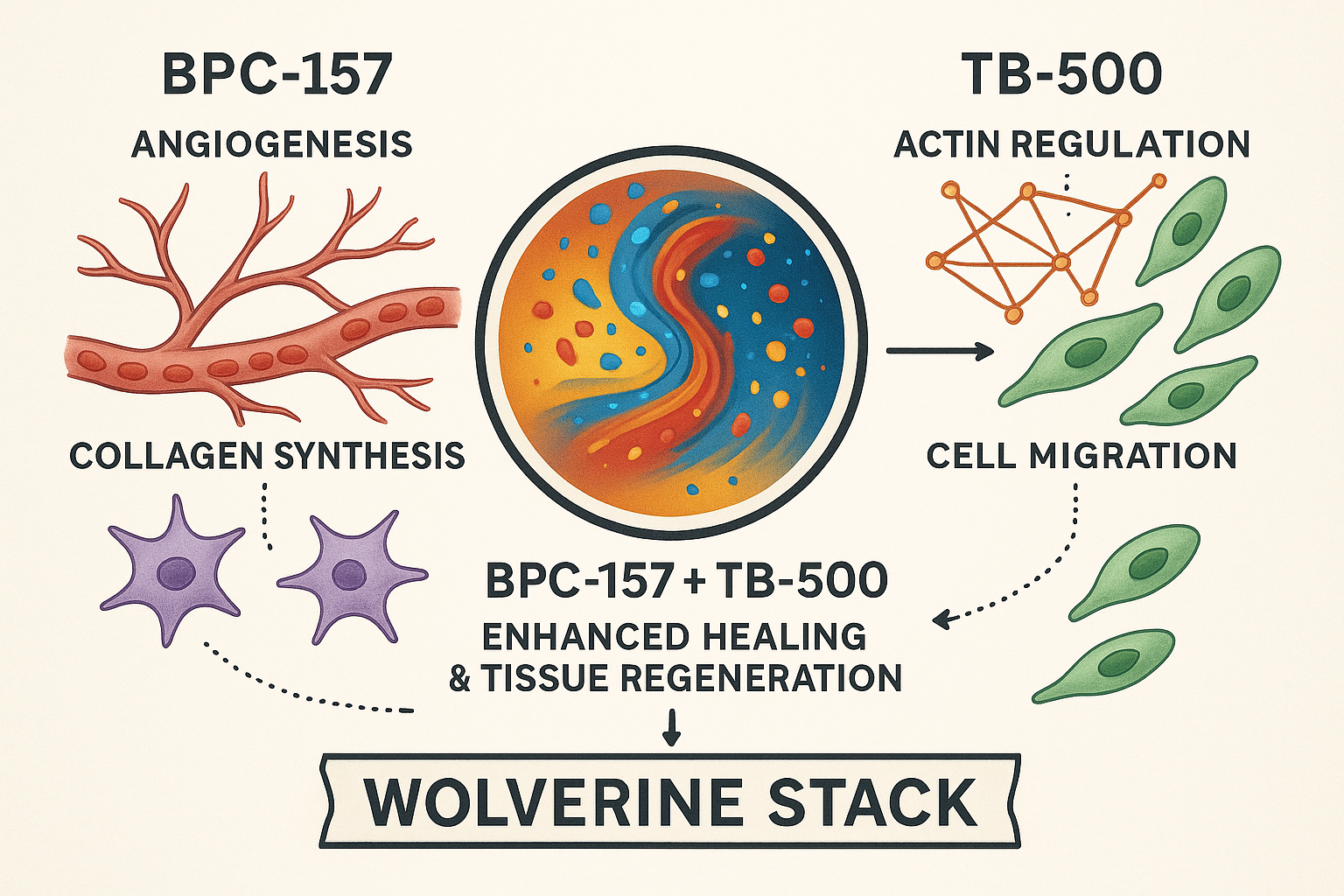
The true magic of the “Wolverine Stack” lies not just in the individual powers of Bpc157 and tb500, but in their profound synergy when used as a bpc157/tb500 blend. When combined, these peptides don’t just add their effects; they multiply and amplify them, creating a more comprehensive and efficient healing response.
Imagine two skilled artisans working on a complex project. One is a master carpenter, precise and excellent at building strong frameworks (BPC-157’s structural repair and angiogenesis). The other is a brilliant interior designer, expert at coordinating materials and ensuring everything moves into place smoothly (TB-500’s cell migration and actin regulation). Separately, they achieve great results. Together, their combined expertise and coordinated efforts lead to a masterpiece, completed faster and with superior quality. That’s the essence of the bpc157/tb500 blend.
How They Work Together
- Enhanced Angiogenesis: Both peptides promote new blood vessel formation. When used together, this process is significantly accelerated and strengthened, ensuring that damaged tissues receive an optimal supply of nutrients and oxygen, flushing out debris, and creating the perfect environment for repair.
- Comprehensive Tissue Repair:
- BPC-157 excels at stabilizing cellular structures, promoting fibroblast growth, and improving collagen synthesis, which is crucial for the strength and integrity of connective tissues. It helps lay down the foundation for repair.
- TB-500 drives the actual migration of cells (like fibroblasts, endothelial cells, and stem cells) to the site of injury, orchestrating their movement and ensuring they arrive where they are needed most to rebuild and repair. It also helps in the maturation and organization of newly formed tissue.
This dual action means that not only are the right “building blocks” (BPC-157) provided, but the “construction crew” (TB-500) is efficiently mobilized and directed to utilize those blocks effectively.
- Potent Anti-inflammatory Action: Both peptides independently possess anti-inflammatory properties. Their combined effect helps to rapidly quell excessive inflammation, which can hinder healing and cause further tissue damage. This faster reduction in inflammation contributes to quicker pain relief and a more comfortable recovery.
- Neuroprotective and Gastrointestinal Harmony: While BPC-157 is particularly known for its GI and neuroprotective benefits, the overall systemic healing environment fostered by the blend can indirectly support these actions, enhancing the body’s entire protective and regenerative network.
- Accelerated Recovery Times: The most frequently observed and celebrated benefit of the bpc157/tb500 blend is the dramatic reduction in recovery time from injuries. From sprains and strains to more complex tissue damage, anecdotal reports and research indicate a significant speeding up of the healing process, allowing individuals to return to normal activity faster and with greater resilience.
Research Applications of the BPC157/TB500 Blend
The bpc157/tb500 blend is a subject of intense research across a wide spectrum of applications in 2025:
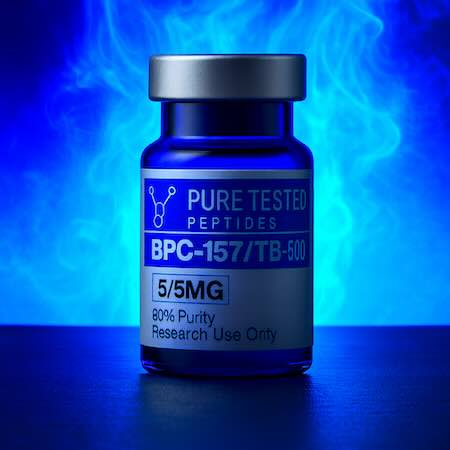
- Orthopedic and Sports Injuries: This is arguably the most common area of interest. Researchers are studying its efficacy in healing muscle tears, tendonopathies (e.g., Achilles tendonitis, rotator cuff issues), ligament sprains, and even bone fractures. The blend’s ability to promote robust and functionally sound tissue repair is highly valued. You can explore products like the BPC-157 + TB-500 5/5mg combination for research purposes.
- Post-Surgical Recovery: Accelerating wound healing and reducing scar tissue formation post-surgery is another promising avenue. The blend helps improve the quality of tissue repair, which can lead to better functional outcomes.
- Chronic Pain Conditions: By addressing the underlying tissue damage and inflammation, the blend is being explored for its potential in managing certain chronic pain conditions where conventional treatments fall short.
- General Tissue Regeneration: Beyond specific injuries, the blend holds promise for general tissue maintenance and regeneration, potentially aiding in anti-aging research and improving overall physical resilience.
- Gastrointestinal Repair: While BPC-157 is a potent GI healer on its own, its synergy with TB-500 could further optimize mucosal repair and reduce inflammation in conditions like inflammatory bowel disease.
For researchers looking to delve into the capabilities of peptide blends, resources on comparing single peptides and multi-peptide blends can provide valuable context.
Considerations for Research Use
While the “Wolverine Stack” offers compelling promise, it’s critical to emphasize that these peptides are strictly for research purposes. They are not approved for human consumption or therapeutic use by regulatory bodies like the FDA. Researchers must adhere to ethical guidelines and best practices when working with these compounds.
Sourcing and Quality
The quality and purity of research peptides are paramount. Sourcing from reputable suppliers like Pure Tested Peptides is essential to ensure that researchers are working with accurately labeled and tested compounds. Poor quality or contaminated peptides can lead to unreliable research results and potential safety concerns. Always look for suppliers who provide Certificates of Analysis (CoAs) for their products, verifying purity and composition.
Storage and Handling
Proper storage and handling are crucial for maintaining the stability and efficacy of peptides. Lyophilized (freeze-dried) peptides typically require refrigeration. Once reconstituted with sterile bacteriostatic water, they usually need to be stored in a refrigerator and have a shorter shelf life. Understanding best practices for storing research peptides is fundamental for any researcher.
Dosage and Administration in Research
Research protocols vary widely depending on the specific objectives, animal models, and desired outcomes. Dosage and administration routes (e.g., subcutaneous, intramuscular, oral) are carefully determined in research settings to achieve targeted effects while minimizing variables. It’s important to consult existing scientific literature and established research protocols when designing studies involving these peptides.
Beyond the Wolverine Stack: The Broader World of Peptides in 2025
The “Wolverine Stack” is a shining example of the power of peptide research, but it’s just one facet of a rapidly expanding field. In 2025, peptides are at the forefront of numerous scientific inquiries, offering precision tools for understanding and potentially modulating a vast array of biological processes.
From cellular maintenance with peptide tools to exploring the synergy of other peptide combinations, the scientific community is continuously pushing the boundaries. Peptides like Epithalon are being studied for longevity signals, while various GH-secretagogues like CJC-1295 and Ipamorelin are being researched for their impact on the GH axis. The potential applications are vast, ranging from metabolic health to cognitive function and beyond.
The future of research with peptides is bright, promising deeper insights into health, disease, and the intricate mechanisms of life itself. The “Wolverine Stack” stands as a testament to the powerful, regenerative capabilities that can be harnessed through targeted peptide interventions, inspiring further exploration into this exciting domain.
Conclusion
The “Wolverine Stack,” comprising primarily BPC-157 and TB-500 (a fragment of Thymosin Beta-4), has earned its evocative name through its remarkable ability to accelerate healing and regenerate damaged tissues with an almost uncanny efficiency. In 2025, this powerful bpc157/tb500 blend remains a cornerstone of advanced research into tissue repair, inflammation reduction, and overall physical resilience.
Bpc157 brings its strengths in promoting angiogenesis, stabilizing cellular structures, and healing various tissues, particularly tendons and ligaments, while also offering significant gastrointestinal and neuroprotective benefits. TB-500, derived from thymosin b4, complements this by orchestrating cell migration, regulating actin, and supporting comprehensive wound healing. Together, their synergistic action amplifies these individual effects, leading to a more robust, faster, and higher-quality recovery than either peptide could achieve alone.
For researchers dedicated to pushing the boundaries of regenerative medicine, sports science, and general wellness, the “Wolverine Stack” offers an invaluable subject of study. As we continue to unravel the complexities of human biology, understanding and harnessing the power of such targeted peptide combinations will undoubtedly play a pivotal role in developing future solutions for health and recovery.
Actionable Next Steps for Researchers:
- Deep Dive into Literature: Thoroughly review the existing scientific literature on Bpc157, tb500, and thymosin b4 to understand their individual and combined mechanisms.
- Source Wisely: Ensure all research peptides are sourced from reputable suppliers like Pure Tested Peptides, prioritizing purity and verified Certificates of Analysis.
- Design Robust Protocols: Develop well-structured research protocols that clearly define objectives, methodology, dosage, and administration routes for any studies involving the bpc157/tb500 blend.
- Adhere to Ethics: Always conduct research ethically, following all applicable guidelines and regulations for responsible scientific inquiry.
- Explore Further Blends: Consider investigating other synergistic peptide blends to broaden understanding of their collective potential in various physiological contexts.
SEO Meta
Meta Title: Wolverine Stack: BPC-157, TB-500, Thymosin B4 for Healing (2025)
Meta Description: Uncover why the Bpc157/tb500 blend, known as the Wolverine Stack, is a powerful research tool for accelerated healing & tissue regeneration in 2025.