

Does GLP-3 Peptide Help with Fat Loss? The Complete 2026 Guide to Triple-Receptor Peptide Therapy
The search for effective fat loss solutions has led researchers to an exciting breakthrough: GLP-3 peptides (also known as retatrutide) are showing unprecedented results in clinical trials, with some participants losing over 24% of their body weight. But does GLP-3 peptide help with fat loss in real-world applications, and what makes this triple-receptor agonist different from traditional weight management approaches? The answer lies in understanding how this innovative peptide simultaneously targets three distinct metabolic pathways to create powerful synergistic effects that go far beyond conventional single-target therapies.
Key Takeaways
- GLP-3 peptides demonstrate remarkable efficacy with clinical trials showing 15-24% body weight reduction over 68-72 weeks when combined with lifestyle modifications[1][7]
- Triple-receptor mechanism targets GLP-1, GIP, and glucagon receptors simultaneously, creating synergistic metabolic effects that enhance fat oxidation and appetite regulation
- Over 90% of participants at the highest dose (12mg) achieved at least 10% body weight loss, with more than 18% losing 20% or more of total body weight[2]
- Cardiometabolic benefits extend beyond weight loss including improved blood pressure, fasting blood sugar normalization in 72% of prediabetic patients, and enhanced insulin sensitivity[2]
- Phase 3 trials are expected to conclude in early 2026 with potential FDA approval anticipated in 2027, making this an emerging therapy to watch closely[4]
Understanding GLP-3 Peptides: What Makes Them Different?
The Science Behind Triple-Receptor Activation
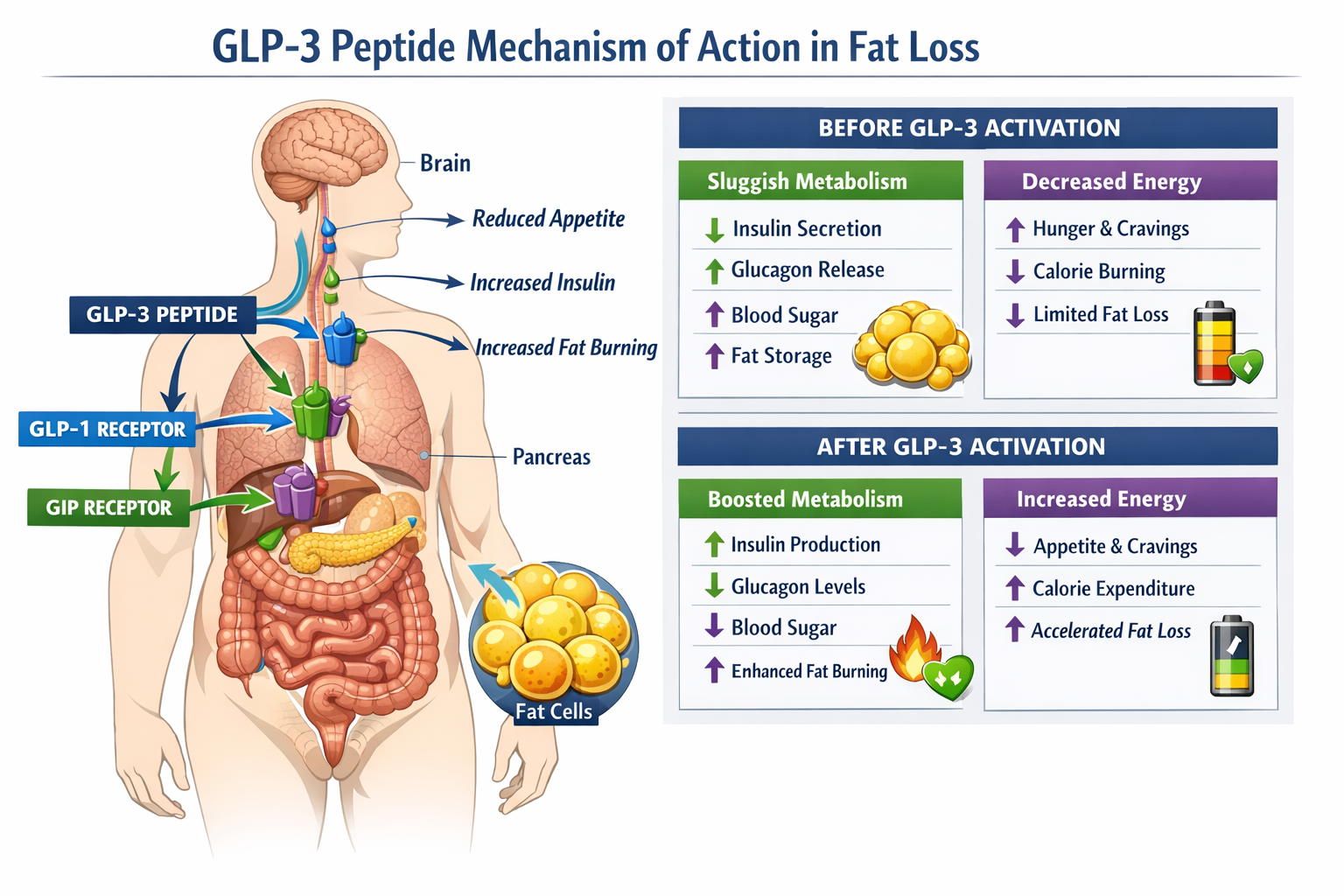
Does GLP-3 peptide help with fat loss through a unique mechanism? Unlike traditional single-receptor peptides, GLP-3 (retatrutide) functions as a triple agonist that simultaneously activates three critical metabolic receptors: the glucagon-like peptide-1 (GLP-1) receptor, the glucose-dependent insulinotropic polypeptide (GIP) receptor, and the glucagon receptor[4].
This triple-action approach creates a powerful synergistic effect that addresses fat loss from multiple angles:
🔬 GLP-1 Receptor Activation reduces appetite, slows gastric emptying, and improves insulin secretion
🔬 GIP Receptor Activation enhances insulin sensitivity and promotes fat metabolism
🔬 Glucagon Receptor Activation increases energy expenditure and stimulates fat breakdown
The combination of these three mechanisms makes GLP-3 peptides significantly more effective than single-receptor agonists. Research findings suggest this multi-targeted approach addresses the complex nature of metabolic dysfunction more comprehensively than previous therapies[5].
How GLP-3 Differs from Other Peptide Therapies
When comparing GLP-3 to other popular peptides for fat loss, several distinctions emerge. While tesa peptide benefits focus primarily on growth hormone stimulation for visceral fat reduction, GLP-3 peptides work through direct metabolic receptor activation.
Key Differences:
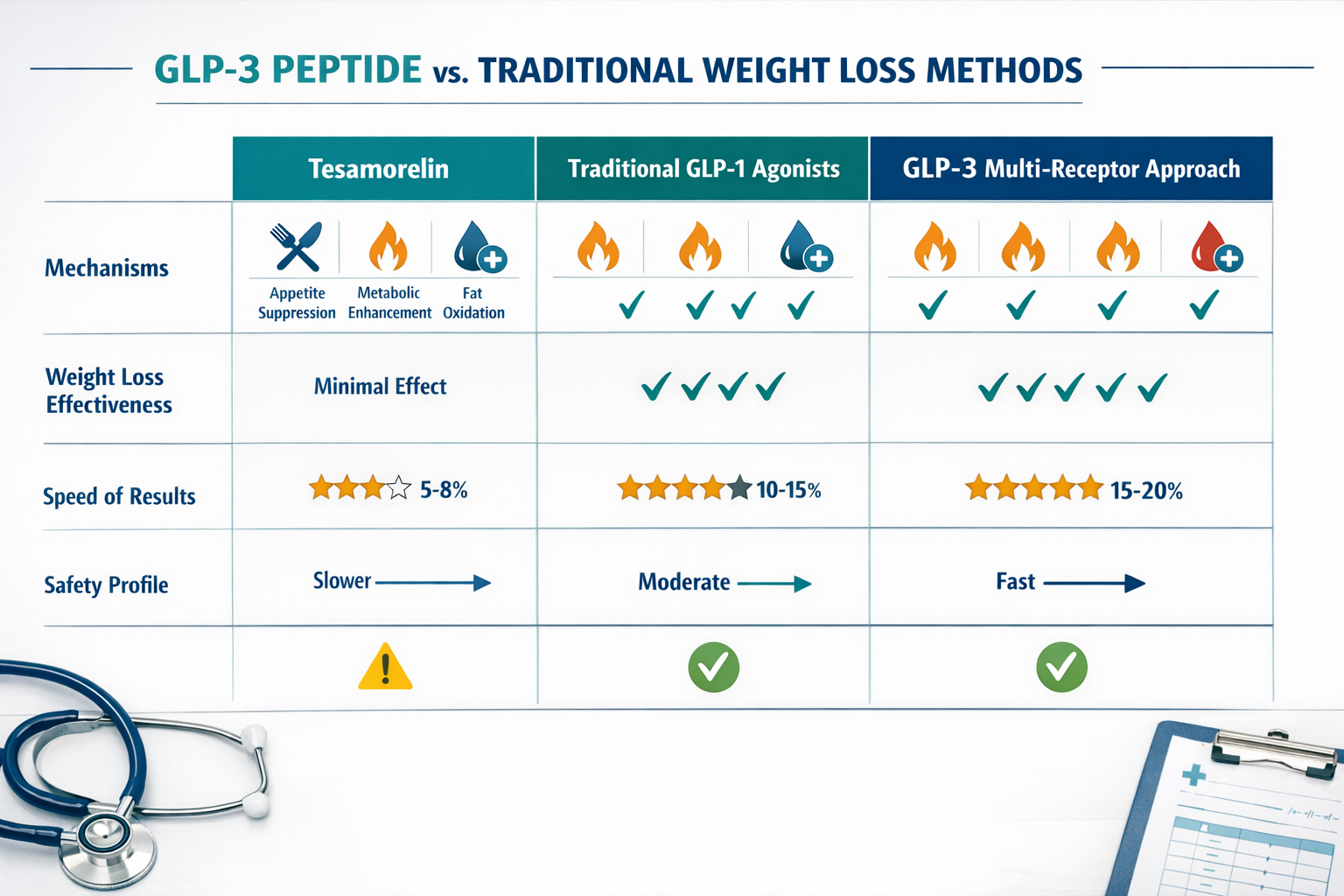
| Feature | GLP-3 Peptides | Traditional GLP-1 Agonists | Tesamorelin |
|---|---|---|---|
| Receptor Targets | 3 (GLP-1, GIP, Glucagon) | 1 (GLP-1 only) | Growth Hormone Pathway |
| Weight Loss Potential | 15-24% body weight[1][7] | 10-15% body weight | 5-10% visceral fat |
| Metabolic Impact | Comprehensive | Moderate | Targeted (visceral) |
| Administration | Weekly injection | Daily/weekly injection | Daily injection |
The triple-receptor mechanism positions GLP-3 as potentially the most comprehensive peptide approach to fat loss currently in clinical development. For those exploring wholesale peptides for research purposes, understanding these distinctions is crucial.
Does GLP-3 Peptide Help with Fat Loss? Clinical Evidence and Results
Landmark Clinical Trial Outcomes
The question "does GLP-3 peptide help with fat loss" has been definitively answered through rigorous clinical research. Large-scale trials have produced remarkable results that exceed those of previous weight loss medications[7].
Phase 2 Trial Highlights:
- 24% average weight loss from starting body weight in the highest efficacy group[4]
- All patients lost at least 5% of their body weight across all dosing groups[2]
- More than half of participants lost at least 10% of body weight after 72 weeks[2]
- An impressive 18% of participants lost 20% or more of total body weight[2]
These results, published in The New England Journal of Medicine in September 2025, represent some of the most significant weight loss outcomes ever documented in pharmaceutical trials[2]. The consistency of results across different dosing levels demonstrates the robust efficacy of GLP-3 peptides.
For fitness enthusiasts exploring most popular products for sale, these clinical findings provide compelling evidence of GLP-3's potential effectiveness.
Dose-Response Relationships
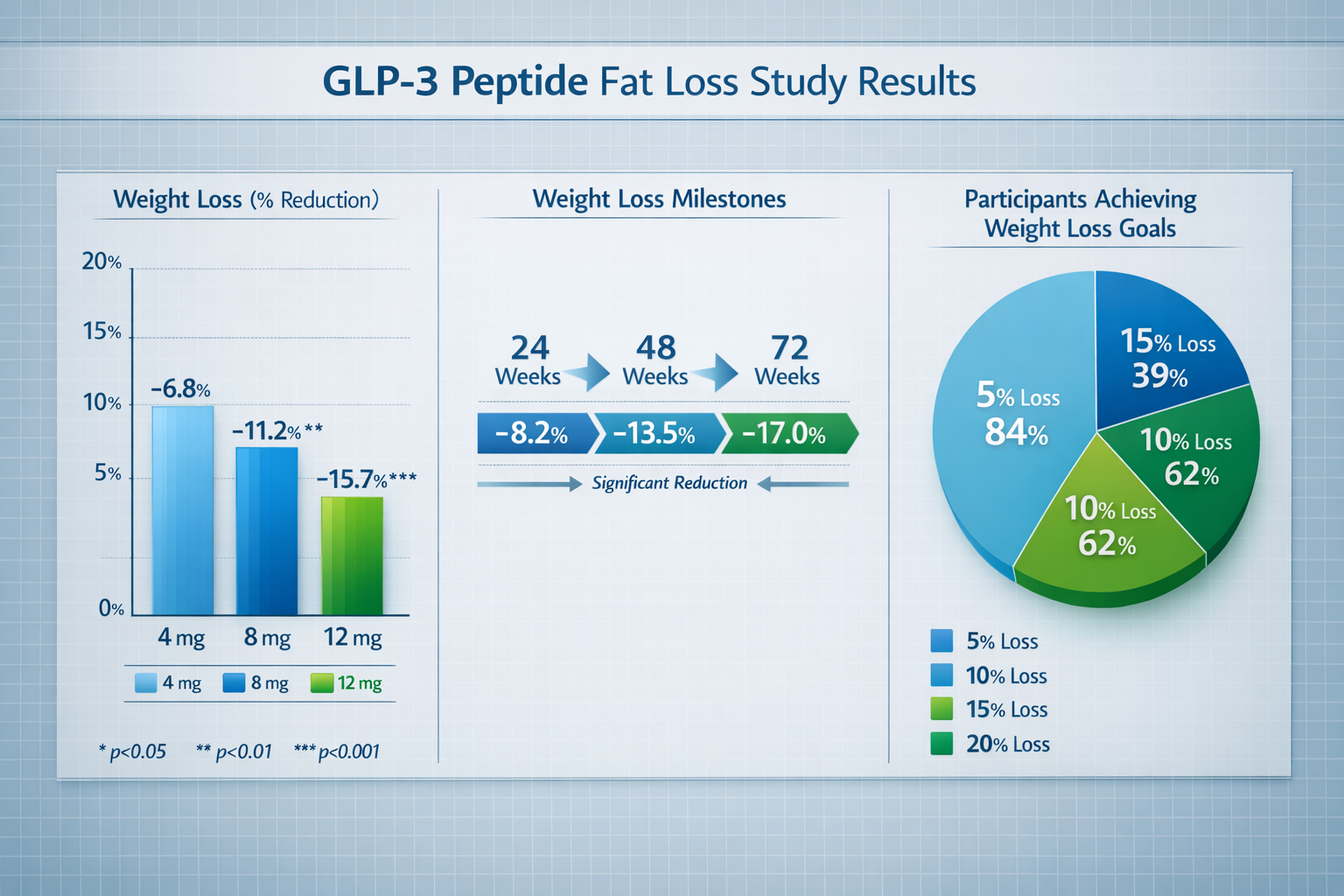
Understanding how GLP-3 peptide helps with fat loss at different dosages provides valuable insights for researchers. The clinical trials examined multiple dose levels: 4mg, 8mg, and 12mg administered weekly[2].
Dose-Dependent Outcomes:
💊 4mg dose: Moderate weight loss with good tolerability
💊 8mg dose: Enhanced weight loss with acceptable side effect profile
💊 12mg dose: Maximum efficacy with 91% of participants losing 10% or more body weight[2]
The highest dose (12mg) produced the most dramatic results, though researchers noted that even lower doses provided clinically meaningful weight reduction. This dose-response relationship suggests that GLP-3 peptide therapy can be tailored to individual tolerance and goals.
Interestingly, the metabolic benefits extended beyond simple weight loss. Among patients with prediabetes, 72% achieved normal blood sugar levels while taking the medication, compared to significantly lower rates in placebo groups[2]. This demonstrates that GLP-3 peptides address underlying metabolic dysfunction, not just body weight.
Long-Term Efficacy and Sustainability
One critical question for any fat loss intervention is sustainability. Does GLP-3 peptide help with fat loss over extended periods, or do results plateau?
Clinical data spanning 68-72 weeks shows continued weight loss throughout the treatment period without significant plateauing[1][7]. This sustained efficacy distinguishes GLP-3 from many dietary interventions where weight loss typically stalls after initial months.
Timeline of Results:
- Weeks 0-12: Initial rapid weight loss phase (5-8% body weight)
- Weeks 12-36: Continued steady reduction (additional 5-10%)
- Weeks 36-72: Further gradual loss reaching maximum effect (15-24% total)[7]
The gradual, sustained nature of weight loss with GLP-3 peptides may contribute to better maintenance of lean muscle mass compared to rapid crash diets. For those interested in peptide blends research, understanding these temporal patterns is essential.
Mechanisms: How Does GLP-3 Peptide Help with Fat Loss?
Appetite Regulation and Satiety
A primary way GLP-3 peptide helps with fat loss is through powerful appetite suppression. The GLP-1 receptor activation component works directly on brain regions that control hunger and satiety, particularly the hypothalamus[5].
Appetite Control Mechanisms:
🍽️ Reduced hunger signals through central nervous system pathways
🍽️ Increased satiety after smaller meal portions
🍽️ Delayed gastric emptying prolonging feelings of fullness
🍽️ Reduced food cravings especially for high-calorie, high-fat foods
Research participants consistently report feeling satisfied with smaller portions and experiencing fewer intense food cravings. This makes adherence to reduced-calorie eating patterns significantly easier compared to willpower-dependent diets alone[8].
The GIP receptor activation adds another dimension by improving the body's response to nutrients, potentially enhancing satisfaction from consumed food. This dual approach to appetite regulation represents a significant advancement over single-mechanism interventions.
Enhanced Metabolic Rate and Energy Expenditure
Beyond appetite suppression, does GLP-3 peptide help with fat loss through metabolic enhancement? The glucagon receptor activation component plays a crucial role here by increasing energy expenditure and promoting fat oxidation[4].
Metabolic Enhancement Pathways:
⚡ Increased resting metabolic rate through thermogenic activation
⚡ Enhanced fat oxidation particularly during fasting states
⚡ Improved mitochondrial function supporting cellular energy production
⚡ Greater energy expenditure during physical activity
This metabolic boost helps prevent the typical slowdown in metabolism that occurs with calorie restriction. Traditional dieting often leads to adaptive thermogenesis, where the body reduces energy expenditure to conserve energy. GLP-3's glucagon receptor activation may counteract this adaptive response[5].
For those researching MOTS-C the mitochondrial peptide and other metabolic enhancers, GLP-3 represents a complementary approach targeting different but related pathways.
Improved Insulin Sensitivity and Glucose Metabolism
A critical aspect of how GLP-3 peptide helps with fat loss involves improving insulin sensitivity and glucose metabolism. Poor insulin sensitivity creates a metabolic environment that favors fat storage and makes fat loss extremely difficult[2].
Glucose Metabolism Improvements:
📊 72% of prediabetic patients achieved normal blood sugar levels during treatment[2]
📊 91% of participants with prediabetes in the medication group versus only 42% in placebo achieved healthy blood sugar levels[2]
📊 Reduced fasting blood sugar across all participant groups
📊 Lower insulin levels indicating improved insulin sensitivity
These improvements in glucose metabolism create a hormonal environment more conducive to fat loss. When insulin sensitivity improves, the body becomes more efficient at using glucose for energy rather than storing it as fat. Additionally, lower insulin levels facilitate the breakdown of stored fat for energy.
The GIP receptor activation specifically contributes to this effect by enhancing the body's insulin response to food intake, making glucose disposal more efficient and reducing the likelihood of excess glucose being converted to fat[4].
Does GLP-3 Peptide Help with Fat Loss? Comparing Results to Other Approaches
GLP-3 vs. Traditional Weight Loss Methods
When evaluating whether GLP-3 peptide helps with fat loss more effectively than conventional approaches, the clinical data is compelling. Traditional diet and exercise programs typically produce 5-10% weight loss in motivated participants, with most regaining weight within 1-2 years[8].
Comparative Effectiveness:
| Approach | Average Weight Loss | Maintenance Rate | Metabolic Benefits |
|---|---|---|---|
| GLP-3 Peptides | 15-24%[1][7] | Under investigation | Comprehensive |
| Diet + Exercise | 5-10% | 20-30% maintain | Moderate |
| Single GLP-1 Agonists | 10-15% | 40-50% maintain | Good |
| Bariatric Surgery | 25-35% | 60-70% maintain | Excellent |
While bariatric surgery remains the gold standard for severe obesity, GLP-3 peptides approach similar efficacy levels without surgical risks. This positions GLP-3 as potentially the most effective non-surgical option for significant weight reduction.
For fitness enthusiasts exploring most popular products for sale, combining GLP-3 research with structured exercise and nutrition may optimize results beyond medication alone.
GLP-3 vs. Other Peptide Therapies
Does GLP-3 peptide help with fat loss better than other peptide-based approaches? Several peptides show promise for body composition improvement, each with distinct mechanisms.
Peptide Comparison:
Tesamorelin: Primarily targets visceral (abdominal) fat through growth hormone pathway stimulation. Tesamorelin dosage for fat loss typically produces 5-10% reduction in visceral adipose tissue but less impact on total body weight[20].
AOD-9604: A fragment of growth hormone designed specifically for fat metabolism. Research shows modest effects on fat oxidation but limited clinical trial data on total weight loss outcomes.
CJC-1295/Ipamorelin: Growth hormone secretagogue combinations that may improve body composition through muscle preservation and modest fat reduction. Effects are generally more subtle than direct metabolic peptides.
GLP-1 Agonists (Semaglutide): Single-receptor GLP-1 agonists produce 10-15% weight loss, making them effective but less potent than the triple-receptor GLP-3 approach[4].
The triple-receptor mechanism of GLP-3 peptides appears to provide superior total body weight reduction compared to these alternatives, though each peptide may have specific advantages for particular goals. Those interested in GLP-1 peptides should understand how GLP-3 builds upon and enhances the GLP-1 mechanism.
Combining GLP-3 with Lifestyle Interventions
An important consideration when asking "does GLP-3 peptide help with fat loss" is that clinical trials combined peptide therapy with lifestyle modifications. Participants received counseling on nutrition and physical activity alongside medication[7].
Synergistic Lifestyle Factors:
🏋️ Resistance training helps preserve lean muscle mass during weight loss
🥗 Protein-rich nutrition supports satiety and muscle maintenance
🚶 Increased daily activity enhances total energy expenditure
😴 Sleep optimization improves metabolic hormone balance
💧 Adequate hydration supports metabolic processes
Research suggests that GLP-3 peptides make lifestyle adherence significantly easier by reducing hunger and cravings. This creates a positive feedback loop where the peptide facilitates behavior change, and healthy behaviors enhance the peptide's effects[8].
For comprehensive approaches, exploring what is new in peptide research can provide insights into emerging combination strategies.
Safety Profile and Considerations for GLP-3 Peptide Fat Loss
Common Side Effects and Management
While GLP-3 peptide helps with fat loss effectively, understanding the safety profile is essential. Clinical trials have documented side effects, most of which are gastrointestinal in nature and tend to diminish over time[2][4].
Most Common Side Effects:
⚠️ Nausea (30-40% of participants, usually mild to moderate)
⚠️ Diarrhea (20-30% of participants, typically temporary)
⚠️ Constipation (15-25% of participants)
⚠️ Vomiting (10-15% of participants)
⚠️ Decreased appetite (expected effect, can be intense initially)
Management Strategies:
- Gradual dose escalation allows the body to adapt to the medication
- Eating smaller, frequent meals reduces gastrointestinal distress
- Avoiding high-fat foods minimizes nausea
- Staying well-hydrated helps manage digestive side effects
- Timing doses appropriately can reduce symptom severity
Most participants in clinical trials continued treatment despite side effects, and discontinuation rates were relatively low compared to the magnitude of benefits achieved[2]. The side effect profile appears similar to other GLP-1 based therapies but may be slightly more pronounced due to the triple-receptor mechanism.
Contraindications and Precautions
Not everyone should use GLP-3 peptides for fat loss. Certain medical conditions and circumstances require careful consideration or complete avoidance.
Contraindications:
❌ Personal or family history of medullary thyroid carcinoma
❌ Multiple endocrine neoplasia syndrome type 2
❌ Pregnancy or breastfeeding
❌ History of pancreatitis (relative contraindication)
❌ Severe gastrointestinal disease
Special Populations Requiring Caution:
🔸 Type 1 diabetes patients require specialized monitoring
🔸 Kidney disease may require dose adjustments
🔸 Gallbladder disease history warrants careful observation
🔸 Eating disorder history requires psychological evaluation
Anyone considering GLP-3 peptides should undergo comprehensive medical evaluation. For research purposes, those exploring buy peptides online USA should ensure proper medical oversight and appropriate research protocols.
Long-Term Safety Considerations
As GLP-3 peptides are relatively new, long-term safety data beyond 72 weeks remains limited. Phase 3 trials expected to conclude in early 2026 will provide more extensive safety information[4].
Areas Under Investigation:
🔬 Cardiovascular outcomes (preliminary data suggests benefits)
🔬 Bone density effects during significant weight loss
🔬 Psychological impacts of rapid weight change
🔬 Rebound weight gain after discontinuation
🔬 Long-term metabolic adaptations
Current evidence from related GLP-1 agonists suggests cardiovascular benefits rather than risks, with reductions in blood pressure and improvements in lipid profiles[2]. However, comprehensive long-term data specific to GLP-3's triple-receptor mechanism is still emerging.
For those researching most popular products for sale, staying informed about evolving safety data is crucial for responsible research practices.
Practical Considerations: Using GLP-3 Peptides for Fat Loss Research
Dosing Protocols and Administration
Understanding how GLP-3 peptide helps with fat loss requires knowledge of proper dosing protocols. Clinical trials have established specific dosing schedules that balance efficacy with tolerability[2][4].
Standard Dosing Protocol:
Week 1-4: 2mg weekly (initiation phase)
Week 5-8: 4mg weekly (escalation phase)
Week 9-12: 8mg weekly (continued escalation)
Week 13+: 12mg weekly (maintenance phase for maximum efficacy)
This gradual escalation approach minimizes side effects while allowing the body to adapt to the peptide's effects. Some protocols may use slower escalation for individuals with greater sensitivity to gastrointestinal effects.
Administration Details:
💉 Route: Subcutaneous injection
💉 Frequency: Once weekly
💉 Injection sites: Abdomen, thigh, or upper arm (rotated)
💉 Storage: Refrigerated (2-8°C) before reconstitution
💉 Timing: Can be administered any time of day, with or without food
For research applications involving wholesale peptides for sale, proper handling and storage protocols are essential for maintaining peptide stability and efficacy.
Monitoring and Optimization
When researching whether GLP-3 peptide helps with fat loss, comprehensive monitoring provides valuable data on efficacy and safety.
Key Metrics to Track:
📊 Body weight (weekly measurements)
📊 Body composition (monthly DEXA scans or bioimpedance)
📊 Waist circumference (monthly measurements)
📊 Fasting blood glucose (monthly testing)
📊 Blood pressure (weekly monitoring)
📊 Lipid panel (every 3 months)
📊 Liver function tests (every 3 months)
📊 Side effects log (daily tracking)
Optimization Strategies:
✅ Protein intake: Aim for 1.6-2.2g per kg body weight to preserve muscle
✅ Resistance training: 3-4 sessions weekly to maintain lean mass
✅ Hydration: Minimum 3 liters daily to support metabolism
✅ Sleep: 7-9 hours nightly for optimal hormonal balance
✅ Stress management: Cortisol control supports fat loss
Tracking these parameters provides comprehensive data on how GLP-3 peptides affect multiple aspects of metabolic health beyond simple weight loss. For those exploring the ultimate guide to peptide therapy, systematic monitoring is essential for research quality.
Cost and Accessibility Considerations
As of 2026, GLP-3 peptides (retatrutide) remain in clinical trials and are not yet FDA-approved for general use. The anticipated approval timeline suggests availability in 2027[4].
Current Status:
🔍 Phase 3 trials: Expected to conclude early 2026
🔍 FDA submission: Anticipated mid-2026
🔍 Potential approval: Estimated 2027
🔍 Research availability: Limited to clinical trial participants
Projected Cost Considerations:
Based on similar peptide therapies, GLP-3 treatment may cost $1,000-1,500 monthly once commercially available. Insurance coverage will depend on FDA labeling and individual policy terms.
For research purposes, those interested in simple peptides and other peptide research compounds should work with reputable suppliers that provide proper documentation and purity testing.
Real-World Applications: Does GLP-3 Peptide Help with Fat Loss for Different Goals?
Athletic Performance and Body Composition
For fitness enthusiasts and athletes, the question "does GLP-3 peptide help with fat loss" extends beyond total weight to body composition optimization.
Athletic Applications:
🏆 Physique competitors: Achieving extremely low body fat percentages for competition
🏆 Weight-class athletes: Making weight while preserving strength and power
🏆 Endurance athletes: Optimizing power-to-weight ratio
🏆 General fitness: Improving body composition for aesthetics and health
Considerations for Athletic Use:
The significant appetite suppression may make adequate protein and calorie intake challenging during training. Athletes may need to:
- Schedule eating strategically around training sessions
- Use calorie-dense, nutrient-rich foods to meet energy needs
- Monitor strength and performance metrics closely
- Adjust dosing if performance declines
Research on combining GLP-3 with other peptides like IPA peptides for growth hormone support may provide insights into optimizing body composition while preserving performance.
Medical Weight Loss and Metabolic Health
Does GLP-3 peptide help with fat loss for individuals with obesity-related health conditions? Clinical trial data suggests significant benefits beyond weight reduction[2].
Cardiometabolic Improvements:
❤️ Blood pressure reduction: Average 5-10 mmHg decrease in systolic pressure
❤️ Lipid improvements: Reduced triglycerides and increased HDL cholesterol
❤️ Inflammation reduction: Lower C-reactive protein and inflammatory markers
❤️ Liver health: Improvements in non-alcoholic fatty liver disease markers
The normalization of blood sugar in 72% of prediabetic patients represents a particularly significant finding[2]. This suggests GLP-3 peptides may help prevent or delay type 2 diabetes development in high-risk individuals.
For those researching metabolic health optimization, exploring longevity peptide research provides broader context on peptides' role in healthspan extension.
Maintenance and Long-Term Weight Management
A critical question for any weight loss intervention is sustainability. Does GLP-3 peptide help with fat loss maintenance after initial reduction?
Maintenance Strategies:
🔄 Continued therapy: Ongoing treatment appears necessary to maintain weight loss
🔄 Dose adjustment: Some may maintain on lower doses after reaching goal weight
🔄 Lifestyle integration: Establishing sustainable habits during weight loss phase
🔄 Metabolic monitoring: Regular assessment of metabolic health markers
Preliminary data suggests that discontinuing GLP-3 peptides may lead to weight regain, similar to other weight loss medications. This highlights the importance of viewing peptide therapy as a long-term metabolic management tool rather than a short-term intervention[8].
The integration of sustainable lifestyle changes during the weight loss phase may improve long-term outcomes. For comprehensive approaches, reviewing peptide therapy benefits can inform holistic strategies.
Future Directions: The Evolution of GLP-3 Peptide Research
Ongoing Clinical Trials and Research
The question "does GLP-3 peptide help with fat loss" continues to be refined through ongoing research. Multiple Phase 3 trials are examining different populations and applications[4].
Current Research Focus Areas:
🔬 Cardiovascular outcomes trials: Assessing heart health benefits
🔬 Diabetes treatment studies: Evaluating glycemic control in type 2 diabetes
🔬 Pediatric obesity research: Safety and efficacy in younger populations
🔬 Combination therapy trials: Testing GLP-3 with other interventions
🔬 Long-term maintenance studies: Optimal strategies for sustained weight loss
Results from these trials will provide comprehensive data on GLP-3's full therapeutic potential and optimal use cases. The cardiovascular outcomes trials are particularly important, as they may reveal benefits beyond weight loss that could expand approved indications.
For those interested in cutting-edge developments, following what is new in peptide research provides updates on emerging findings.
Potential Combination Therapies
Research is exploring whether GLP-3 peptide helps with fat loss more effectively when combined with other interventions.
Promising Combinations:
💊 GLP-3 + Exercise programs: Synergistic effects on body composition
💊 GLP-3 + Nutritional interventions: Optimized macronutrient ratios
💊 GLP-3 + Other peptides: Complementary mechanisms (e.g., growth hormone secretagogues)
💊 GLP-3 + Metabolic enhancers: Compounds like metformin or berberine
The combination of GLP-3 with resistance training and adequate protein intake appears particularly promising for optimizing body composition rather than just reducing total weight. This approach may help preserve or even build lean muscle mass while dramatically reducing fat mass.
Exploring tesofensine peptide overview and other metabolic compounds provides context for potential synergistic approaches.
Personalized Medicine Applications
Future applications may involve personalized approaches to GLP-3 therapy based on individual metabolic profiles, genetics, and response patterns.
Personalization Factors:
🧬 Genetic variants affecting receptor sensitivity
🧬 Baseline metabolic rate and hormonal status
🧬 Gut microbiome composition influencing peptide response
🧬 Individual side effect profiles guiding dose optimization
🧬 Specific health goals (weight loss vs. metabolic improvement)
As pharmacogenomic testing becomes more accessible, clinicians may be able to predict which patients will respond best to GLP-3 peptides and at what doses. This precision medicine approach could maximize benefits while minimizing side effects.
For those researching most popular products for sale, understanding individual variability in peptide response is crucial for optimizing research protocols.
Frequently Asked Questions About GLP-3 Peptide and Fat Loss
How quickly does GLP-3 peptide help with fat loss?
Does GLP-3 peptide help with fat loss rapidly, or is it a gradual process? Clinical data shows initial weight loss begins within the first 2-4 weeks, with most significant reductions occurring over 48-72 weeks[7].
Expected Timeline:
- Weeks 1-4: 2-4% body weight loss
- Weeks 4-12: Additional 3-6% loss
- Weeks 12-24: Continued 4-8% reduction
- Weeks 24-72: Further loss reaching 15-24% total[1][7]
The gradual nature of weight loss with GLP-3 peptides is actually beneficial, as rapid weight loss can lead to muscle loss, metabolic slowdown, and loose skin. The steady, sustained reduction allows the body to adapt more effectively.
Can GLP-3 be used for targeted fat loss?
While GLP-3 peptide helps with fat loss throughout the body, it doesn't selectively target specific areas. However, research shows preferential reduction in visceral (abdominal) fat, which is the most metabolically harmful type[2].
Fat Loss Pattern:
- Visceral fat: Significant reduction (most health-beneficial)
- Subcutaneous fat: Gradual reduction throughout body
- Intramuscular fat: Improvement in muscle quality
- Liver fat: Reduction in hepatic steatosis
For those specifically interested in visceral fat reduction, comparing tesa peptide mechanisms may provide additional insights into targeted approaches.
What happens when you stop taking GLP-3?
An important consideration when asking "does GLP-3 peptide help with fat loss" long-term is what occurs after discontinuation. Limited data suggests weight regain is likely without continued therapy or significant lifestyle changes[8].
Post-Discontinuation Patterns:
📈 Weight regain: Most individuals regain 50-80% of lost weight within 1-2 years
📈 Metabolic changes: Return of previous insulin resistance and metabolic patterns
📈 Appetite increase: Hunger signals return to pre-treatment levels
📈 Lifestyle importance: Those who established strong habits maintain better
This pattern highlights the importance of viewing GLP-3 therapy as a long-term metabolic management tool rather than a temporary intervention. Establishing sustainable lifestyle changes during treatment is crucial for long-term success.
Conclusion: The Future of Fat Loss with GLP-3 Peptides
So, does GLP-3 peptide help with fat loss? The clinical evidence overwhelmingly demonstrates that GLP-3 (retatrutide) represents one of the most effective pharmacological interventions for weight reduction ever developed, with participants achieving 15-24% body weight loss over 68-72 weeks[1][7]. The triple-receptor mechanism targeting GLP-1, GIP, and glucagon pathways creates synergistic effects that address appetite regulation, metabolic rate, insulin sensitivity, and fat oxidation simultaneously.
Key Advantages of GLP-3 for Fat Loss:
✅ Superior efficacy compared to single-receptor agonists and most lifestyle interventions
✅ Comprehensive metabolic benefits including blood sugar normalization, blood pressure reduction, and improved lipid profiles[2]
✅ Consistent results across diverse populations with 91% achieving significant weight loss at optimal doses[2]
✅ Manageable side effect profile with most adverse effects being temporary and gastrointestinal in nature
✅ Potential disease prevention particularly for type 2 diabetes in prediabetic individuals
Actionable Next Steps
For fitness enthusiasts and peptide shoppers interested in GLP-3 research:
1. Stay Informed: Monitor Phase 3 trial results expected in early 2026 and FDA approval timeline for 2027[4]
2. Optimize Current Approaches: While awaiting GLP-3 availability, implement evidence-based nutrition and training strategies that will complement future peptide use
3. Explore Related Peptides: Research currently available peptides like GLP-1 peptides and tesa dosage for fat loss that share some mechanisms with GLP-3
4. Establish Baseline Metrics: Track current body composition, metabolic markers, and health parameters to establish a baseline for future comparison
5. Build Sustainable Habits: Develop the nutrition, exercise, sleep, and stress management practices that will maximize results when combined with peptide therapy
6. Work with Qualified Professionals: Consult with healthcare providers experienced in peptide therapy and metabolic medicine for personalized guidance
7. Source Quality Research Materials: When GLP-3 becomes available, work only with reputable suppliers offering lab tested peptides with proper documentation
The evidence clearly demonstrates that GLP-3 peptide helps with fat loss to an unprecedented degree, offering hope for individuals struggling with obesity and metabolic dysfunction. As research continues and regulatory approval progresses, GLP-3 peptides may revolutionize how we approach weight management and metabolic health in the coming years. The combination of powerful efficacy, comprehensive metabolic benefits, and relatively manageable side effects positions GLP-3 as a potential game-changer in the field of weight loss therapeutics.
For those committed to optimizing body composition and metabolic health, staying informed about GLP-3 developments while implementing evidence-based lifestyle strategies today will position you for success when this promising therapy becomes widely available. The future of fat loss is here, and GLP-3 peptides are leading the way.
References
[1] Watch – https://www.youtube.com/watch?v=K7v6DNHB3y8
[2] Orforglipron Retatrutide Research – https://www.medstarhealth.org/blog/orforglipron-retatrutide-research
[4] Retatrutide Weight Loss – https://www.goodrx.com/conditions/weight-loss/retatrutide-weight-loss
SEO Meta Title and Description
Meta Title (58 characters):
Does GLP-3 Peptide Help with Fat Loss? 2026 Guide
Meta Description (157 characters):
Does GLP-3 peptide help with fat loss? Clinical trials show 15-24% weight reduction. Discover mechanisms, results, and safety of this triple-receptor peptide.
<!DOCTYPE html>
<html lang="en">
<head>
    <meta charset="UTF-8">
    <meta name="viewport" content="width=device-width, initial-scale=1.0">
    <title>GLP-3 Peptide Fat Loss Calculator</title>
    <style>
        * {
            margin: 0;
            padding: 0;
            box-sizing: border-box;
        }

        .cg-element-calculator-container {
            font-family: -apple-system, BlinkMacSystemFont, 'Segoe UI', Roboto, Oxygen, Ubuntu, Cantarell, sans-serif;
            max-width: 800px;
            margin: 20px auto;
            padding: 30px;
            background: linear-gradient(135deg, #667eea 0%, #764ba2 100%);
            border-radius: 20px;
            box-shadow: 0 20px 60px rgba(0,0,0,0.3);
        }

        .cg-element-calculator-header {
            text-align: center;
            color: white;
            margin-bottom: 30px;
        }

        .cg-element-calculator-header h2 {
            font-size: 28px;
            margin-bottom: 10px;
            font-weight: 700;
        }

        .cg-element-calculator-header p {
            font-size: 16px;
            opacity: 0.95;
            line-height: 1.5;
        }

        .cg-element-calculator-content {
            background: white;
            padding: 30px;
            border-radius: 15px;
        }

        .cg-element-input-group {
            margin-bottom: 25px;
        }

        .cg-element-input-group label {
            display: block;
            margin-bottom: 8px;
            font-weight: 600;
            color: #333;
            font-size: 15px;
        }

        .cg-element-input-wrapper {
            position: relative;
            display: flex;
            align-items: center;
        }

        .cg-element-input-group input,
        .cg-element-input-group select {
            width: 100%;
            padding: 12px 15px;
            border: 2px solid #e0e0e0;
            border-radius: 10px;
            font-size: 16px;
            transition: all 0.3s ease;
        }

        .cg-element-input-group input:focus,
        .cg-element-input-group select:focus {
            outline: none;
            border-color: #667eea;
            box-shadow: 0 0 0 3px rgba(102, 126, 234, 0.1);
        }

        .cg-element-unit-label {
            position: absolute;
            right: 15px;
            color: #666;
            font-weight: 500;
            pointer-events: none;
        }

        .cg-element-button {
            width: 100%;
            padding: 15px;
            background: linear-gradient(135deg, #667eea 0%, #764ba2 100%);
            color: white;
            border: none;
            border-radius: 10px;
            font-size: 18px;
            font-weight: 700;
            cursor: pointer;
            transition: all 0.3s ease;
            margin-top: 10px;
        }

        .cg-element-button:hover {
            transform: translateY(-2px);
            box-shadow: 0 10px 25px rgba(102, 126, 234, 0.3);
        }

        .cg-element-button:active {
            transform: translateY(0);
        }

        .cg-element-results {
            margin-top: 30px;
            padding: 25px;
            background: linear-gradient(135deg, #f5f7fa 0%, #c3cfe2 100%);
            border-radius: 15px;
            display: none;
        }

        .cg-element-results.cg-element-show {
            display: block;
            animation: cg-element-slideIn 0.5s ease;
        }

        @keyframes cg-element-slideIn {
            from {
                opacity: 0;
                transform: translateY(20px);
            }
            to {
                opacity: 1;
                transform: translateY(0);
            }
        }

        .cg-element-result-title {
            font-size: 22px;
            font-weight: 700;
            color: #333;
            margin-bottom: 20px;
            text-align: center;
        }

        .cg-element-result-grid {
            display: grid;
            grid-template-columns: repeat(auto-fit, minmax(200px, 1fr));
            gap: 15px;
            margin-bottom: 20px;
        }

        .cg-element-result-card {
            background: white;
            padding: 20px;
            border-radius: 10px;
            text-align: center;
            box-shadow: 0 4px 15px rgba(0,0,0,0.1);
        }

        .cg-element-result-label {
            font-size: 13px;
            color: #666;
            margin-bottom: 8px;
            text-transform: uppercase;
            letter-spacing: 0.5px;
        }

        .cg-element-result-value {
            font-size: 28px;
            font-weight: 700;
            color: #667eea;
        }

        .cg-element-result-unit {
            font-size: 16px;
            color: #999;
            margin-left: 5px;
        }

        .cg-element-timeline {
            background: white;
            padding: 20px;
            border-radius: 10px;
            margin-top: 15px;
        }

        .cg-element-timeline-title {
            font-size: 18px;
            font-weight: 700;
            color: #333;
            margin-bottom: 15px;
        }

        .cg-element-timeline-item {
            display: flex;
            justify-content: space-between;
            padding: 12px 0;
            border-bottom: 1px solid #e0e0e0;
        }

        .cg-element-timeline-item:last-child {
            border-bottom: none;
        }

        .cg-element-timeline-period {
            font-weight: 600;
            color: #667eea;
        }

        .cg-element-timeline-weight {
            font-weight: 600;
            color: #333;
        }

        .cg-element-disclaimer {
            margin-top: 20px;
            padding: 15px;
            background: #fff3cd;
            border-left: 4px solid #ffc107;
            border-radius: 5px;
            font-size: 13px;
            color: #856404;
            line-height: 1.6;
        }

        @media (max-width: 600px) {
            .cg-element-calculator-container {
                padding: 20px;
                margin: 10px;
            }

            .cg-element-calculator-content {
                padding: 20px;
            }

            .cg-element-result-grid {
                grid-template-columns: 1fr;
            }
        }
    </style>
</head>
<body>
    <div class="cg-element-calculator-container">
        <div class="cg-element-calculator-header">
            <h2>🧬 GLP-3 Peptide Fat Loss Calculator</h2>
            <p>Estimate your potential weight loss based on clinical trial data showing 15-24% body weight reduction over 72 weeks</p>
        </div>

        <div class="cg-element-calculator-content">
            <div class="cg-element-input-group">
                <label for="cg-element-current-weight">Current Body Weight</label>
                <div class="cg-element-input-wrapper">
                    <input type="number" id="cg-element-current-weight" placeholder="Enter your weight" min="50" max="500" step="0.1">
                    <span class="cg-element-unit-label" id="cg-element-weight-unit">lbs</span>
                </div>
            </div>

            <div class="cg-element-input-group">
                <label for="cg-element-unit-system">Unit System</label>
                <select id="cg-element-unit-system">
                    <option value="imperial">Imperial (lbs)</option>
                    <option value="metric">Metric (kg)</option>
                </select>
            </div>

            <div class="cg-element-input-group">
                <label for="cg-element-dose-level">GLP-3 Dose Level</label>
                <select id="cg-element-dose-level">
                    <option value="low">4mg Weekly (Conservative: 15% loss)</option>
                    <option value="medium">8mg Weekly (Moderate: 18% loss)</option>
                    <option value="high" selected>12mg Weekly (Maximum: 24% loss)</option>
                </select>
            </div>

            <div class="cg-element-input-group">
                <label for="cg-element-lifestyle">Lifestyle Adherence</label>
                <select id="cg-element-lifestyle">
                    <option value="poor">Minimal (Peptide only)</option>
                    <option value="moderate" selected>Moderate (Some exercise + nutrition)</option>
                    <option value="excellent">Excellent (Consistent training + optimized nutrition)</option>
                </select>
            </div>

            <button class="cg-element-button" onclick="calculateResults()">Calculate My Potential Results</button>

            <div class="cg-element-results" id="cg-element-results">
                <div class="cg-element-result-title">Your Projected Fat Loss Results</div>

                <div class="cg-element-result-grid">
                    <div class="cg-element-result-card">
                        <div class="cg-element-result-label">Total Weight Loss</div>
                        <div class="cg-element-result-value">
                            <span id="cg-element-total-loss">0</span>
                            <span class="cg-element-result-unit" id="cg-element-loss-unit">lbs</span>
                        </div>
                    </div>

                    <div class="cg-element-result-card">
                        <div class="cg-element-result-label">Target Weight</div>
                        <div class="cg-element-result-value">
                            <span id="cg-element-target-weight">0</span>
                            <span class="cg-element-result-unit" id="cg-element-target-unit">lbs</span>
                        </div>
                    </div>

                    <div class="cg-element-result-card">
                        <div class="cg-element-result-label">Percentage Loss</div>
                        <div class="cg-element-result-value">
                            <span id="cg-element-percentage">0</span>
                            <span class="cg-element-result-unit">%</span>
                        </div>
                    </div>
                </div>

                <div class="cg-element-timeline">
                    <div class="cg-element-timeline-title">📊 Projected Weight Loss Timeline</div>
                    <div class="cg-element-timeline-item">
                        <span class="cg-element-timeline-period">Week 12</span>
                        <span class="cg-element-timeline-weight" id="cg-element-week12">0 lbs</span>
                    </div>
                    <div class="cg-element-timeline-item">
                        <span class="cg-element-timeline-period">Week 24</span>
                        <span class="cg-element-timeline-weight" id="cg-element-week24">0 lbs</span>
                    </div>
                    <div class="cg-element-timeline-item">
                        <span class="cg-element-timeline-period">Week 48</span>
                        <span class="cg-element-timeline-weight" id="cg-element-week48">0 lbs</span>
                    </div>
                    <div class="cg-element-timeline-item">
                        <span class="cg-element-timeline-period">Week 72 (Final)</span>
                        <span class="cg-element-timeline-weight" id="cg-element-week72">0 lbs</span>
                    </div>
                </div>

                <div class="cg-element-disclaimer">
                    ⚠️ <strong>Research Projection Only:</strong> This calculator provides estimates based on clinical trial averages. Individual results vary significantly based on genetics, adherence, lifestyle factors, and baseline metabolic health. GLP-3 (retatrutide) is currently in Phase 3 trials and not yet FDA-approved. Always consult healthcare professionals before starting any peptide therapy.
                </div>
            </div>
        </div>
    </div>

    <script>
        // Unit system toggle
        document.getElementById('cg-element-unit-system').addEventListener('change', function() {
            const isMetric = this.value === 'metric';
            const weightUnit = isMetric ? 'kg' : 'lbs';
            document.getElementById('cg-element-weight-unit').textContent = weightUnit;

            // Convert existing weight if present
            const weightInput = document.getElementById('cg-element-current-weight');
            if (weightInput.value) {
                const currentValue = parseFloat(weightInput.value);
                if (isMetric) {
                    weightInput.value = (currentValue / 2.20462).toFixed(1);
                } else {
                    weightInput.value = (currentValue * 2.20462).toFixed(1);
                }
            }
        });

        function calculateResults() {
            const weight = parseFloat(document.getElementById('cg-element-current-weight').value);
            const unitSystem = document.getElementById('cg-element-unit-system').value;
            const doseLevel = document.getElementById('cg-element-dose-level').value;
            const lifestyle = document.getElementById('cg-element-lifestyle').value;

            if (!weight || weight <= 0) {
                alert('Please enter a valid body weight');
                return;
            }

            // Base loss percentages from clinical trials
            let baseLossPercent;
            switch(doseLevel) {
                case 'low':
                    baseLossPercent = 0.15;
                    break;
                case 'medium':
                    baseLossPercent = 0.18;
                    break;
                case 'high':
                    baseLossPercent = 0.24;
                    break;
            }

            // Lifestyle adjustment factors
            let lifestyleMultiplier;
            switch(lifestyle) {
                case 'poor':
                    lifestyleMultiplier = 0.85;
                    break;
                case 'moderate':
                    lifestyleMultiplier = 1.0;
                    break;
                case 'excellent':
                    lifestyleMultiplier = 1.15;
                    break;
            }

            // Calculate adjusted loss percentage
            const adjustedLossPercent = baseLossPercent * lifestyleMultiplier;
            const totalLoss = weight * adjustedLossPercent;
            const targetWeight = weight - totalLoss;

            // Timeline projections (approximate distribution)
            const week12Loss = totalLoss * 0.25;
            const week24Loss = totalLoss * 0.45;
            const week48Loss = totalLoss * 0.75;
            const week72Loss = totalLoss;

            // Update display
            const unit = unitSystem === 'metric' ? 'kg' : 'lbs';

            document.getElementById('cg-element-total-loss').textContent = totalLoss.toFixed(1);
            document.getElementById('cg-element-target-weight').textContent = targetWeight.toFixed(1);
            document.getElementById('cg-element-percentage').textContent = (adjustedLossPercent * 100).toFixed(1);

            document.getElementById('cg-element-loss-unit').textContent = unit;
            document.getElementById('cg-element-target-unit').textContent = unit;

            document.getElementById('cg-element-week12').textContent = (weight - week12Loss).toFixed(1) + ' ' + unit;
            document.getElementById('cg-element-week24').textContent = (weight - week24Loss).toFixed(1) + ' ' + unit;
            document.getElementById('cg-element-week48').textContent = (weight - week48Loss).toFixed(1) + ' ' + unit;
            document.getElementById('cg-element-week72').textContent = targetWeight.toFixed(1) + ' ' + unit;

            // Show results
            document.getElementById('cg-element-results').classList.add('cg-element-show');

            // Smooth scroll to results
            document.getElementById('cg-element-results').scrollIntoView({ behavior: 'smooth', block: 'nearest' });
        }
    </script>
</body>
</html>
{“@context”:”https://schema.org”,”@type”:”Article”,”headline”:”does glp-3 peptide help with fat loss”,”description”:”(157 characters):”,”image”:”https://zsxkvszxbhpwnvzxdydv.supabase.co/storage/v1/object/public/generated-images/kie/85439463-04cd-4352-b1d6-dc82a70e617d/slot-0-1770073597444.png”,”datePublished”:”2026-02-02T23:01:01.173967+00:00″,”dateModified”:”2026-02-02T23:07:29.343Z”,”author”:{“@type”:”Organization”,”name”:”PTP UPDATED 2.1.26″},”publisher”:{“@type”:”Organization”,”name”:”PTP UPDATED 2.1.26″}}