
Simple Peptides: The Complete Guide to Understanding Bioactive Amino Acid Chains
Imagine a molecule so small it can slip through your skin's defenses, yet powerful enough to trigger your cells to rebuild collagen, heal wounds, and fight off harmful bacteria. Simple peptides are revolutionizing everything from anti-aging skincare to athletic recovery, and they're becoming one of the most sought-after ingredients in the health and wellness industry. Whether you're a fitness enthusiast looking to optimize recovery, a medispa professional seeking cutting-edge treatments, or a bodybuilder exploring performance enhancement, understanding simple peptides could be the game-changer you've been searching for.
The global peptide market is exploding—valued at approximately $30 billion in 2023 and projected to exceed $50 billion by 2030. This isn't just hype; it's backed by decades of research showing how these tiny molecular messengers can communicate with our cells in remarkably specific ways. From copper peptides discovered in the 1970s to modern signal peptides used in today's premium skincare, simple peptides have proven their worth time and again. 🧬
Key Takeaways
- Simple peptides are short amino acid chains (2-50 amino acids) that are smaller and more bioavailable than proteins, making them ideal for targeted cellular communication
- Molecular size matters: Peptides under 500 Daltons can penetrate skin barriers effectively, while different peptide types (signal, carrier, antimicrobial) serve distinct biological functions
- Applications span multiple industries: From skincare and wound healing to athletic recovery and immune support, simple peptides offer versatile health benefits
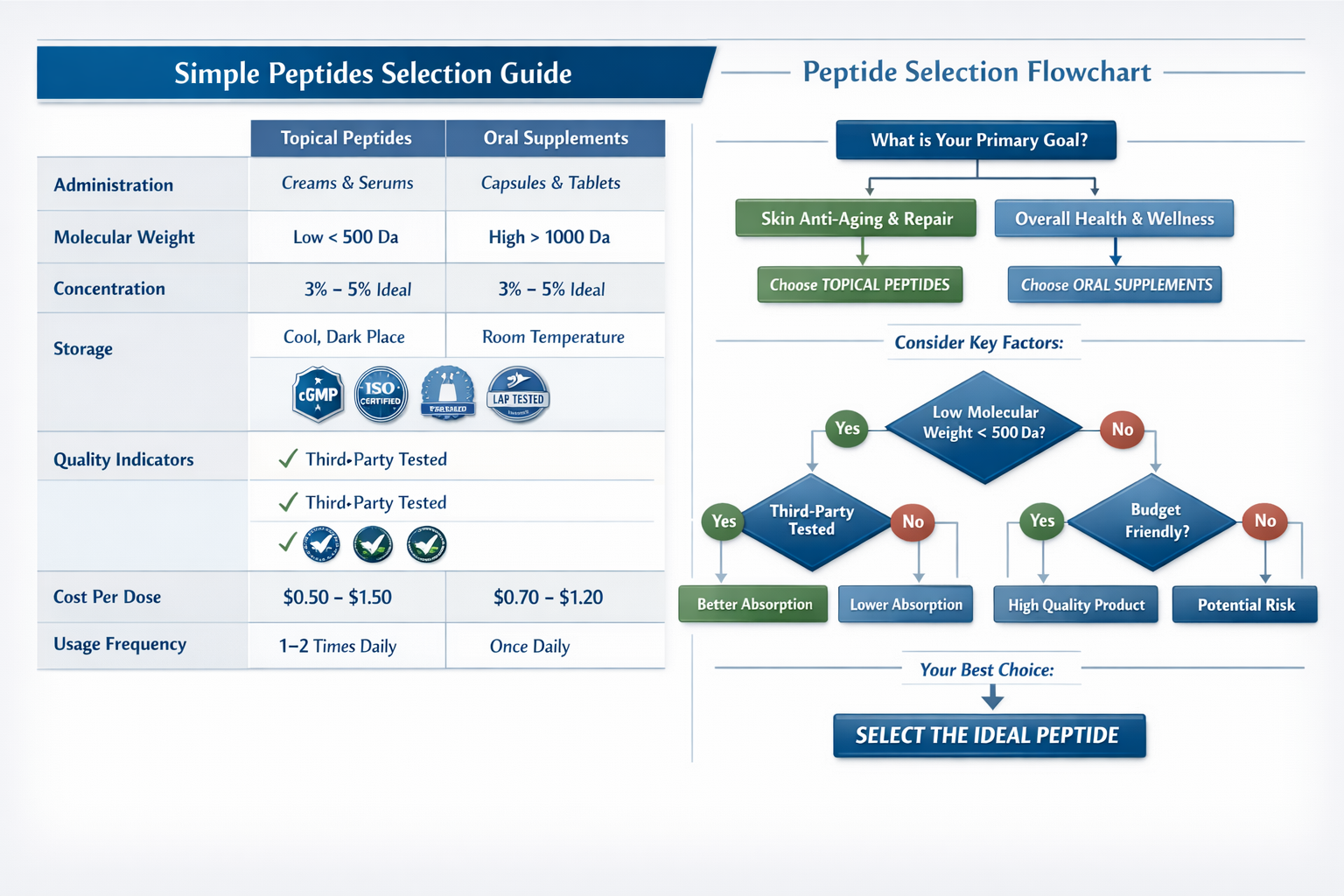
- Quality and formulation are critical: Effective peptide products typically contain 3-5% concentrations, proper pH levels, and protection from degradation factors
- The market is rapidly expanding: Growing research and improved synthesis methods are making peptides more accessible and affordable for consumers in 2026
What Are Simple Peptides and Why Do They Matter?
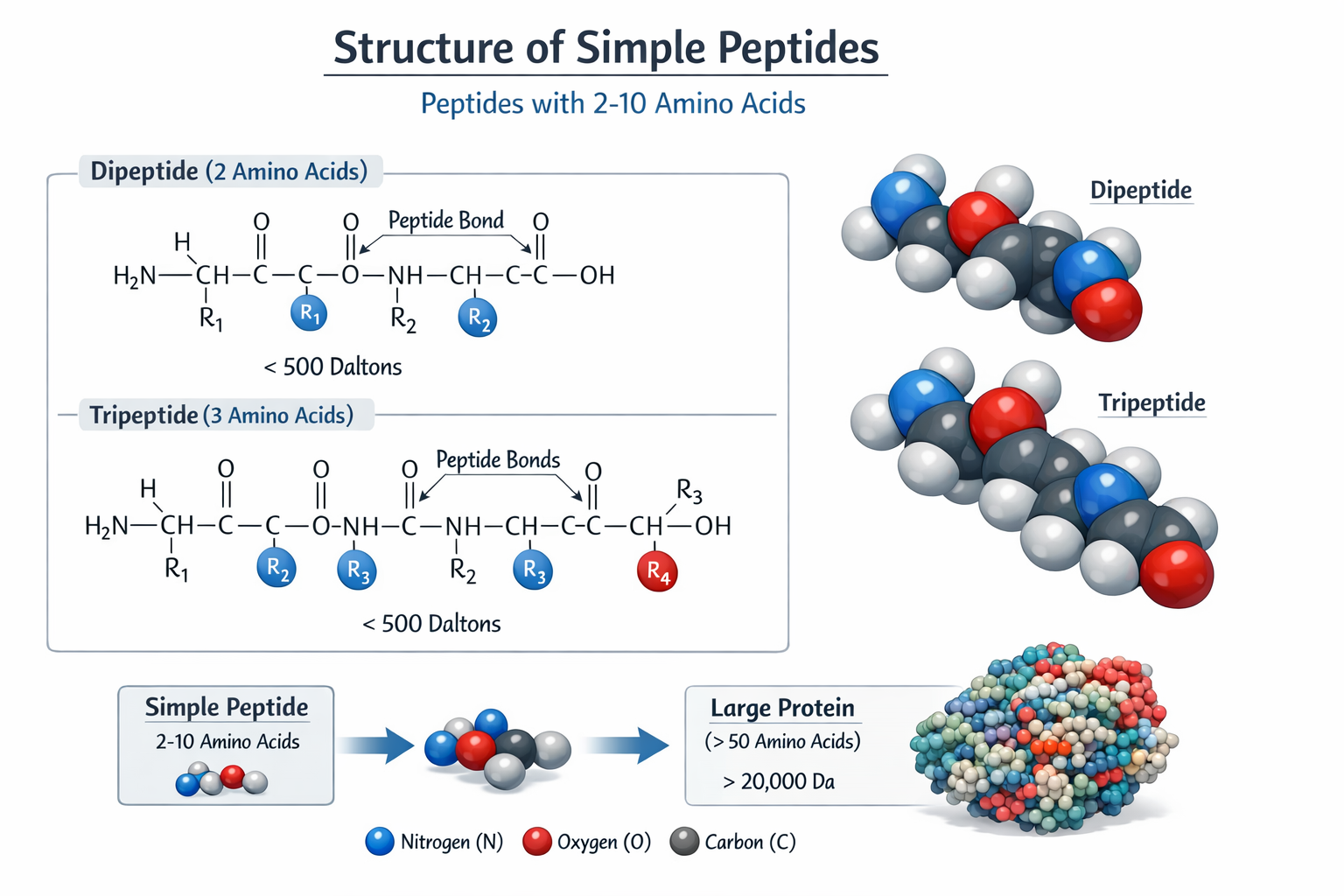
Simple peptides are short chains of amino acids—the building blocks of proteins—linked together by peptide bonds. Think of them as molecular sentences where each amino acid is a word, communicating specific instructions to your cells. While proteins typically contain more than 50 amino acids, simple peptides contain between 2 and 50, making them small enough to be highly bioavailable yet complex enough to trigger specific biological responses.
The Building Blocks of Biological Communication
The simplest forms of peptides include:
- Dipeptides: Two amino acids linked together
- Tripeptides: Three amino acids in sequence
- Oligopeptides: Generally 2-20 amino acids
- Polypeptides: 20-50 amino acids (the upper range of simple peptides)
This molecular size distinction is crucial. Unlike larger proteins that struggle to penetrate biological barriers, simple peptides can often slip through cell membranes, skin layers, and other protective barriers to deliver their messages directly where they're needed.
How Simple Peptides Work in Your Body
When you apply a peptide serum to your skin or consume collagen peptides as a supplement, these molecules don't just sit on the surface. They actively engage with cellular receptors, triggering cascades of biological activity:
- Signal Transmission: Peptides bind to specific receptors on cell surfaces
- Gene Expression: This binding can activate genes responsible for producing collagen, elastin, or other proteins
- Enzymatic Activity: Some peptides serve as cofactors for enzymes, enhancing metabolic processes
- Protective Functions: Antimicrobial peptides can directly attack harmful bacteria or viruses
The beauty of simple peptides lies in their specificity. Each sequence of amino acids creates a unique three-dimensional structure that fits particular receptors like a key in a lock. This is why different peptides can have dramatically different effects—a copper peptide works completely differently than a signal peptide or an antimicrobial peptide.
For those interested in exploring peptide stores offering research-grade compounds, understanding these fundamental mechanisms helps in selecting the right peptides for specific goals.
Types of Simple Peptides and Their Unique Functions
Not all simple peptides are created equal. The specific sequence of amino acids determines each peptide's function, stability, and effectiveness. Let's explore the major categories that dominate research and commercial applications in 2026.
Signal Peptides: Cellular Messengers
Signal peptides are perhaps the most exciting category for anti-aging and regenerative applications. These molecules send instructions to cells, telling them to produce more of the proteins that maintain youthful, healthy tissue.
Palmitoyl Pentapeptide (Matrixyl) is one of the most researched signal peptides. This five-amino-acid chain signals fibroblast cells to increase collagen and elastin production. Clinical studies have shown that formulations containing 3-5% Matrixyl can reduce wrinkle depth by up to 45% over 12 weeks.
Other notable signal peptides include:
- Palmitoyl Tripeptide-1: Stimulates collagen types I and III
- Palmitoyl Tetrapeptide-7: Reduces inflammation and glycation
- Hexapeptide-11: Promotes skin barrier repair
These peptides work synergistically with your body's natural repair mechanisms, making them popular choices for those researching where to buy peptide online for various applications.
Carrier Peptides: Delivery Specialists
Carrier peptides stabilize and deliver trace elements essential for enzymatic processes and wound healing. The star of this category is GHK-Cu (copper peptide), which has been studied since the 1970s.
Copper peptides offer multiple benefits:
- ✅ Wound healing acceleration
- ✅ Collagen and elastin stimulation
- ✅ Antioxidant enzyme activation
- ✅ Anti-inflammatory effects
- ✅ Skin remodeling and firmness improvement
The copper ion acts as a cofactor for enzymes involved in collagen cross-linking and antioxidant defense. Research shows that GHK-Cu can increase collagen production by up to 70% in cultured fibroblasts. This makes copper peptides particularly valuable for post-procedure healing in medispa settings and for bodybuilders dealing with connective tissue stress.
Antimicrobial Peptides: Nature's Antibiotics
Antimicrobial peptides (AMPs) represent a fascinating frontier in the fight against antibiotic-resistant bacteria. These simple peptides form part of our innate immune system, providing a first line of defense against pathogens.
AMPs work through several mechanisms:
- Membrane Disruption: Creating pores in bacterial cell membranes
- Immune Modulation: Enhancing the body's natural immune response
- Biofilm Prevention: Stopping bacteria from forming protective colonies
With antibiotic resistance becoming a global health crisis, researchers are increasingly looking at AMPs as alternatives to conventional antibiotics. Some AMPs like LL-37 are already being explored for topical applications in wound care and acne treatment.
For fitness enthusiasts and bodybuilders concerned about skin infections from gym equipment or minor training injuries, understanding tb-500 benefits bodybuilding applications alongside antimicrobial peptides provides comprehensive recovery strategies.
Bioactive Food-Derived Peptides
Not all simple peptides come from laboratories. Many are derived from food sources through enzymatic hydrolysis or fermentation:
| Source | Peptide Type | Primary Benefits |
|---|---|---|
| Marine Collagen | Collagen Peptides | Skin elasticity, joint support |
| Bone Broth | Gelatin-derived Peptides | Gut health, joint mobility |
| Whey Protein | Bioactive Whey Peptides | Immune support, muscle recovery |
| Soy | Soy Peptides | Cardiovascular health, antioxidant |
| Egg White | Ovotransferrin Peptides | Antimicrobial, iron binding |
These food-derived peptides have gained enormous popularity as dietary supplements. Collagen peptides, in particular, have become a billion-dollar industry, with studies showing improvements in skin hydration, elasticity, and wrinkle depth when consumed regularly at doses of 2.5-10 grams daily.
Simple Peptides in Skincare: Science Meets Beauty
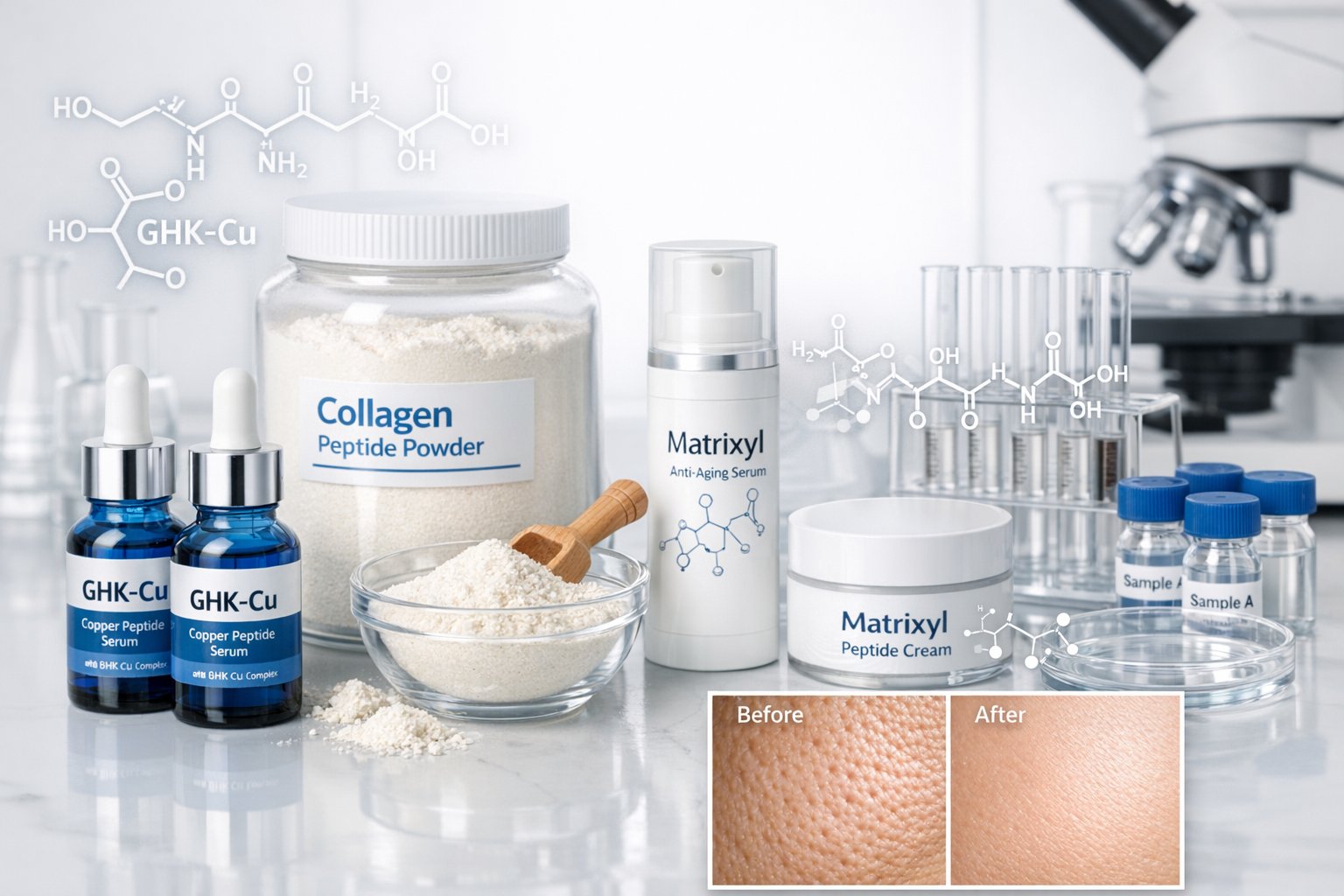
The skincare industry has embraced simple peptides with unprecedented enthusiasm, and for good reason. Unlike many cosmetic ingredients that work superficially, peptides can actually influence cellular behavior when formulated correctly.
Molecular Weight: The Key to Penetration
For a peptide to work topically, it must penetrate the stratum corneum—the skin's outermost protective layer. Research consistently shows that molecules under 500 Daltons have the best chance of penetrating this barrier.
Most effective skincare peptides fall well within this range:
- Dipeptides: 150-300 Daltons
- Tripeptides: 250-400 Daltons
- Tetrapeptides: 350-500 Daltons
- Pentapeptides: 450-600 Daltons (with lipid modifications for better penetration)
This is why dipeptides and tripeptides are particularly popular in advanced skincare formulations. Their small size allows superior penetration, while their simplicity makes them more stable and cost-effective to produce.
Formulation Factors That Determine Effectiveness
Even the best peptide won't work if the formulation is poorly designed. Several factors determine whether a peptide product will deliver results:
Concentration: Effective peptide serums typically contain 3-5% active peptides. Lower concentrations may not provide noticeable benefits, while higher concentrations don't necessarily improve results and may increase costs unnecessarily.
pH Levels: Peptides are sensitive to pH. Most work best in slightly acidic to neutral formulations (pH 4.5-7.0). Extreme pH levels can break peptide bonds, rendering the product ineffective.
Penetration Enhancers: Ingredients like hyaluronic acid, niacinamide, and certain lipids can help peptides penetrate more effectively. Quality formulations combine peptides with complementary ingredients that enhance absorption.
Stability and Preservation: Peptides can degrade when exposed to light, heat, or certain preservatives. Airless pump bottles, opaque packaging, and refrigeration can extend product shelf life. Look for products with manufacturing dates and recommended use periods.
For those exploring peptide sale options, understanding these formulation principles helps identify quality products from ineffective ones.
Clinical Evidence for Peptide Skincare
The research supporting peptide skincare continues to grow. Here are some notable findings from recent studies:
Wrinkle Reduction: A 2023 study published in the Journal of Cosmetic Dermatology found that a serum containing 5% palmitoyl pentapeptide reduced wrinkle depth by 43% and improved skin firmness by 38% after 12 weeks of twice-daily use.
Collagen Synthesis: Research using skin biopsies showed that copper peptides increased collagen production by 70% in fibroblast cultures and by 50% in actual skin tissue after 60 days of topical application.
Barrier Function: Tripeptide formulations improved skin barrier function by 31% as measured by transepidermal water loss (TEWL), making them valuable for sensitive or compromised skin.
Hyperpigmentation: Certain peptides that inhibit melanin production showed comparable results to hydroquinone without the associated safety concerns, reducing dark spots by 35% over 16 weeks.
These aren't just marketing claims—they're peer-reviewed findings that demonstrate the real potential of simple peptides in skincare applications.
Simple Peptides for Athletic Performance and Recovery
While skincare dominates peptide marketing, athletes, bodybuilders, and fitness enthusiasts have discovered that simple peptides offer compelling benefits for performance, recovery, and injury prevention.
Muscle Recovery and Growth
Certain peptides influence growth hormone pathways, protein synthesis, and cellular repair mechanisms that are crucial for muscle development and recovery.
Collagen Peptides have emerged as a favorite among strength athletes. Unlike intact collagen protein, hydrolyzed collagen peptides are rapidly absorbed and can:
- Stimulate muscle protein synthesis when combined with resistance training
- Support connective tissue repair in tendons and ligaments
- Reduce joint pain associated with high-volume training
- Improve recovery time between intense workouts
A 2024 study in the Journal of Sports Science found that athletes supplementing with 15 grams of collagen peptides daily experienced 20% less joint pain and improved range of motion compared to placebo groups.
BPC-157 and TB-500 are research peptides that have gained attention in bodybuilding circles for their potential regenerative properties. While human clinical data remains limited, animal studies suggest these peptides may accelerate healing of muscle, tendon, and ligament injuries. Those researching tb-500 benefits bodybuilding applications should note that these remain experimental compounds requiring careful consideration.
Joint Health and Connective Tissue Support
The repetitive stress of training takes a toll on joints, tendons, and ligaments. Simple peptides offer targeted support for these often-neglected tissues.
UC-II (Undenatured Type II Collagen): While technically a protein fragment, this compound breaks down into bioactive peptides in the digestive system. Studies show that just 40mg daily can reduce exercise-induced joint pain and improve mobility.
Glycine-Proline-Hydroxyproline (Gly-Pro-Hyp): This tripeptide is one of the most abundant sequences released during collagen digestion. Research indicates it accumulates in cartilage tissue and stimulates chondrocytes (cartilage cells) to produce more extracellular matrix.
Peptide Blends: Many athletes use combinations of peptides targeting different aspects of recovery. For example, pairing collagen peptides with BCAAs (which form dipeptides during metabolism) can support both muscle protein synthesis and connective tissue repair.
For those exploring options at peptide stores, understanding which peptides target specific recovery needs helps optimize supplementation strategies.
Metabolic and Body Composition Benefits
Beyond recovery, certain simple peptides influence metabolism, fat oxidation, and body composition.
AOD-9604 is a modified fragment of human growth hormone that has been researched for its potential fat-reducing properties without affecting blood sugar or growth. Those interested in buy aod 9604 online options should understand this remains a research compound with limited human clinical data, though preliminary studies suggest it may enhance lipolysis (fat breakdown).
MOTS-c: This mitochondrial-derived peptide has gained attention for its potential to improve metabolic flexibility, allowing cells to switch more efficiently between burning carbohydrates and fats for fuel. Early research suggests it may enhance exercise performance and insulin sensitivity.
5-Amino-1MQ: This compound inhibits an enzyme called NNMT, potentially increasing cellular energy expenditure. While promising in animal models, human research is still emerging. Those researching aod9604 5mg dosing protocols should work with qualified professionals familiar with peptide research.
Safety Considerations for Athletes
While simple peptides offer exciting potential, athletes should approach them thoughtfully:
⚠️ Regulatory Status: Many peptides exist in a gray area—not approved as drugs but marketed as research chemicals. Competitive athletes should verify that any peptide use complies with their sport's anti-doping regulations.
⚠️ Quality Concerns: The peptide market includes both reputable suppliers and questionable sources. Third-party testing, certificates of analysis, and transparent sourcing are essential when you buy peptides.
⚠️ Dosing Precision: Peptides are potent molecules. Proper reconstitution, dosing, and administration techniques are critical for both safety and effectiveness.
⚠️ Individual Responses: People respond differently to peptides based on genetics, health status, and other factors. Starting with conservative doses and monitoring responses is prudent.
How to Choose and Use Simple Peptides Effectively
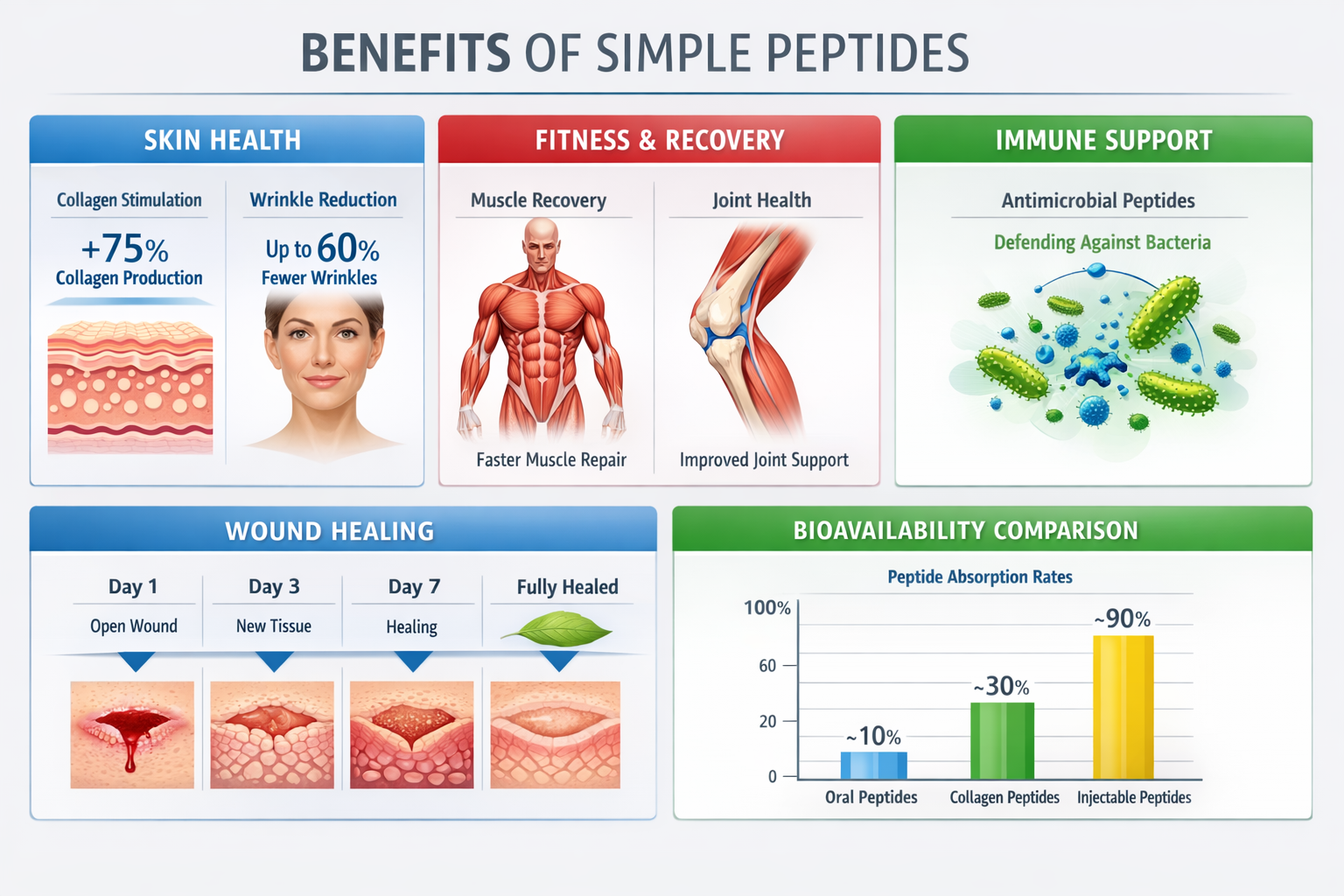
With hundreds of peptide products flooding the market in 2026, making informed choices requires understanding quality markers, appropriate applications, and realistic expectations.
Quality Indicators: What to Look For
Not all peptide products are created equal. Here's what separates premium products from inferior ones:
Third-Party Testing: Reputable suppliers provide Certificates of Analysis (CoA) from independent laboratories verifying:
- Peptide purity (ideally >98%)
- Correct molecular weight
- Absence of contaminants
- Proper sterility (for injectable forms)
Proper Storage and Handling: Peptides are delicate molecules. Quality suppliers:
- Ship with ice packs or cold chain logistics
- Provide storage instructions (many peptides require refrigeration)
- Use light-protective packaging
- Include reconstitution guidelines for lyophilized (freeze-dried) peptides
Transparent Sourcing: Legitimate suppliers clearly state:
- Manufacturing location and standards
- Synthesis method (solid-phase synthesis is gold standard)
- Intended use (research, cosmetic, etc.)
- Batch numbers for traceability
When researching where to buy peptide online, these quality markers help identify trustworthy sources.
Application Methods: Topical vs. Oral vs. Injectable
Simple peptides can be delivered through different routes, each with advantages and limitations:
Topical Application (Skincare):
- ✅ Non-invasive and convenient
- ✅ Direct delivery to skin tissue
- ✅ Lower systemic absorption (safer profile)
- ❌ Limited to skin benefits
- ❌ Requires proper formulation for penetration
Oral Supplementation:
- ✅ Convenient and familiar
- ✅ Suitable for collagen and food-derived peptides
- ✅ Systemic distribution
- ❌ Digestive breakdown can reduce bioavailability
- ❌ Slower onset of effects
Subcutaneous Injection:
- ✅ Highest bioavailability (nearly 100%)
- ✅ Precise dosing
- ✅ Rapid systemic effects
- ❌ Requires proper technique and sterility
- ❌ More invasive
- ❌ Regulatory and legal considerations
For those exploring bodybuilding peptides for sale, understanding these delivery methods helps match peptides to specific goals and comfort levels.
Realistic Expectations and Timeline
Simple peptides aren't magic bullets. Setting realistic expectations prevents disappointment:
Skincare Peptides: Visible improvements typically appear after 4-8 weeks of consistent use. Maximum benefits often require 12+ weeks as collagen remodeling is a gradual process.
Recovery Peptides: Some athletes report improved recovery within days, but structural improvements to tendons and ligaments take weeks to months.
Metabolic Peptides: Body composition changes require consistent use combined with appropriate diet and exercise. Peptides enhance these efforts but don't replace them.
Individual Variation: Genetics, age, health status, and lifestyle factors all influence peptide responses. What works dramatically for one person may produce modest results for another.
Combining Peptides with Other Interventions
Simple peptides work best as part of a comprehensive approach:
For Skincare:
- Combine peptides with retinoids (use at different times of day)
- Layer with antioxidants like vitamin C
- Always use sunscreen (peptides can't reverse ongoing UV damage)
- Maintain skin barrier health with ceramides and fatty acids
For Athletic Performance:
- Ensure adequate protein intake (1.6-2.2g per kg body weight)
- Prioritize sleep and stress management
- Maintain proper training programming
- Address any underlying deficiencies (vitamin D, magnesium, etc.)
For Metabolic Goals:
- Maintain caloric deficit for fat loss or surplus for muscle gain
- Optimize meal timing and macronutrient distribution
- Include both resistance and cardiovascular training
- Monitor progress with objective measurements
Those working with a peptides doctor near me can develop personalized protocols that integrate peptides into broader health optimization strategies.
Storage and Stability Best Practices
Proper storage extends peptide shelf life and maintains potency:
Lyophilized (Powder) Peptides:
- Store in freezer (-20°C) for long-term storage (up to 2 years)
- Refrigerate (2-8°C) for short-term storage (up to 6 months)
- Protect from light and moisture
- Allow to reach room temperature before opening to prevent condensation
Reconstituted Peptides:
- Refrigerate immediately after reconstitution
- Use within 30 days (some peptides degrade faster)
- Never freeze reconstituted peptides
- Use sterile technique when drawing doses
Topical Peptide Products:
- Store in cool, dark places
- Refrigerate if recommended by manufacturer
- Use airless pumps when possible to minimize air exposure
- Replace products after 6-12 months even if not finished
The Future of Simple Peptides: Emerging Research and Trends
The peptide field is evolving rapidly, with 2026 bringing exciting developments in synthesis, delivery, and applications.
Advanced Delivery Systems
Researchers are developing sophisticated methods to enhance peptide stability and bioavailability:
Nanoparticle Encapsulation: Wrapping peptides in lipid nanoparticles protects them from degradation while improving cellular uptake. This technology, proven successful in mRNA vaccines, is now being adapted for peptide therapeutics.
Microneedle Patches: These painless patches create microscopic channels in the skin, allowing peptides to bypass the stratum corneum without injections. Studies show they can deliver peptides with efficiency comparable to injections but with the convenience of topical application.
Cell-Penetrating Peptides (CPPs): These special sequences can carry other peptides across cell membranes, dramatically improving intracellular delivery. Researchers are attaching CPPs to therapeutic peptides to enhance their effectiveness.
Oral Delivery Optimization: New formulation technologies using enzyme inhibitors and absorption enhancers are making oral peptide delivery more viable, even for peptides traditionally requiring injection.
Personalized Peptide Protocols
The future of peptide therapy is personalized. Advances in genetic testing and biomarker analysis allow practitioners to:
- Identify which peptides are most likely to benefit individual patients
- Optimize dosing based on metabolic factors
- Monitor responses with precision biomarkers
- Adjust protocols based on real-time data
This precision medicine approach maximizes benefits while minimizing unnecessary interventions.
Expanded Therapeutic Applications
Research is exploring simple peptides for conditions beyond cosmetics and athletics:
Neurodegenerative Diseases: Certain peptides show promise for protecting neurons and reducing inflammation in conditions like Alzheimer's and Parkinson's disease.
Metabolic Disorders: Peptides that improve insulin sensitivity and metabolic flexibility are being investigated for type 2 diabetes and metabolic syndrome.
Immune Modulation: Beyond antimicrobial effects, peptides that regulate immune responses may help with autoimmune conditions and chronic inflammation.
Gut Health: Bioactive peptides that support intestinal barrier function and beneficial gut bacteria are emerging as tools for digestive health.
Regulatory Evolution
As peptide use expands, regulatory frameworks are evolving:
FDA Oversight: The FDA is clarifying which peptides qualify as drugs, supplements, or cosmetics, creating clearer guidelines for manufacturers and consumers.
Quality Standards: Industry organizations are establishing standardized testing protocols and purity requirements to ensure product safety and efficacy.
Anti-Doping Regulations: Sports organizations are updating prohibited substance lists to address novel peptides, affecting athletes who must navigate these rules.
International Harmonization: Global regulatory bodies are working toward consistent standards for peptide products across different countries.
For those exploring options to buypeptides, staying informed about regulatory changes ensures compliance and safety.
Sustainability and Ethical Sourcing
The peptide industry is addressing environmental and ethical concerns:
Synthetic vs. Animal-Derived: While many peptides are now synthesized in laboratories, some (like collagen peptides) traditionally came from animal sources. Plant-based and fermentation-derived alternatives are emerging.
Green Chemistry: Manufacturers are adopting more environmentally friendly synthesis methods that reduce waste and energy consumption.
Transparency: Consumers increasingly demand to know where peptides come from, how they're produced, and what environmental impact their production has.
Common Questions About Simple Peptides
Are simple peptides safe for long-term use?
Simple peptides used in skincare are generally considered safe for long-term topical use with minimal side effects. Decades of research on peptides like GHK-Cu and palmitoyl pentapeptide have established excellent safety profiles. However, individuals with sensitive skin may experience mild irritation from certain formulations.
For oral collagen peptides derived from food sources, long-term safety data is also reassuring, with studies showing consistent use for years without significant adverse effects.
Injectable research peptides require more caution. Many lack long-term human safety data, and their use should be supervised by qualified healthcare professionals familiar with peptide therapy.
How long does it take to see results from peptide products?
Timeline varies by application and individual factors:
- Skincare: 4-8 weeks for initial improvements, 12+ weeks for maximum benefits
- Athletic recovery: Some notice improvements within days, but structural changes take weeks to months
- Body composition: Requires consistent use for 8-12 weeks combined with appropriate diet and training
- Joint health: Oral collagen peptides typically show benefits after 8-12 weeks of daily use
Consistency is crucial. Sporadic use produces sporadic results.
Can you combine different types of simple peptides?
Yes, combining peptides often produces synergistic effects. In skincare, formulations frequently combine signal peptides, carrier peptides, and other active ingredients for comprehensive benefits.
For athletic and metabolic applications, peptide stacking is common, though it requires careful consideration of:
- Potential interactions between peptides
- Total dosing and timing
- Individual tolerance and response
- Specific goals and priorities
Working with knowledgeable practitioners helps optimize combinations while avoiding unnecessary complexity.
Do peptides work better than retinoids or vitamin C for skincare?
Simple peptides work differently than retinoids and vitamin C, making them complementary rather than competitive:
Retinoids increase cell turnover and directly influence gene expression but can cause irritation and photosensitivity.
Vitamin C provides antioxidant protection and supports collagen synthesis but is unstable and can oxidize.
Peptides signal cells to produce collagen and other proteins with minimal irritation and good stability.
Many dermatologists recommend using all three in a comprehensive skincare routine, applied at different times to maximize benefits and minimize potential interactions.
Where can I find high-quality peptides?
Quality sources include:
- Reputable online suppliers specializing in research peptides with third-party testing
- Licensed healthcare providers offering peptide therapy
- Premium skincare brands with transparent ingredient sourcing
- Established supplement companies with GMP certification
When researching where to buy glp 1 peptide or other specific compounds, prioritize suppliers who provide Certificates of Analysis, clear storage instructions, and responsive customer support.
Avoid sources that:
- Make exaggerated health claims
- Lack third-party testing documentation
- Offer suspiciously low prices
- Have poor reviews or unclear contact information
Conclusion: Harnessing the Power of Simple Peptides
Simple peptides represent one of the most exciting frontiers in health, wellness, and aesthetic medicine. These tiny molecular messengers punch far above their weight, influencing everything from collagen production and wound healing to athletic recovery and metabolic function.
The science supporting peptide applications continues to grow stronger. What began with copper peptide research in the 1970s has blossomed into a multi-billion dollar industry backed by hundreds of peer-reviewed studies. From the bodybuilder seeking faster recovery to the medispa professional offering cutting-edge treatments to the health enthusiast optimizing longevity, simple peptides offer tools that were unimaginable just decades ago.
Your Next Steps
Ready to explore the potential of simple peptides? Here's how to get started:
-
Identify Your Goals: Are you primarily interested in skincare, athletic performance, metabolic optimization, or overall wellness? Different peptides serve different purposes.
-
Do Your Research: Understand which specific peptides align with your goals. Resources like Pure Tested Peptides provide detailed information on various compounds.
-
Prioritize Quality: Whether you're looking for topical products or research compounds, quality matters enormously. Seek suppliers with third-party testing and transparent practices.
-
Start Conservatively: Begin with well-researched peptides that have established safety profiles. Collagen peptides for oral use or copper peptides for skincare are excellent starting points.
-
Monitor and Adjust: Track your responses objectively. Take photos for skincare applications, measure performance metrics for athletic goals, and adjust protocols based on results.
-
Consider Professional Guidance: For more advanced peptide protocols, especially those involving injectable compounds, work with healthcare providers experienced in peptide therapy. Finding a qualified peptides doctor near me ensures safe, effective use.
-
Stay Informed: The peptide field evolves rapidly. Follow reputable sources for updates on new research, regulatory changes, and emerging applications.
The future of simple peptides is bright. As synthesis methods improve, delivery systems advance, and research expands, these remarkable molecules will play increasingly important roles in how we approach health, performance, and aging. Whether you're taking your first steps into the world of peptides or you're a seasoned researcher, 2026 offers unprecedented opportunities to harness their potential.
Remember: peptides are powerful tools, but they work best as part of comprehensive health strategies that include proper nutrition, exercise, sleep, and stress management. They enhance and optimize—they don't replace—the fundamentals of healthy living.
The molecular revolution is here. The question isn't whether simple peptides will transform health and wellness—it's how you'll use them to transform your own journey. 🚀
SEO Meta Title and Description
Meta Title: Simple Peptides Guide 2026: Benefits, Types & Where to Buy
Meta Description: Discover simple peptides for skincare, fitness & health. Learn types, benefits, dosing & where to buy quality peptides online. Expert guide for 2026.