
Best Time to Take DSIP (Delta Sleep Inducing Peptide): Complete 2026 Timing Guide
Have you ever wondered why some people seem to effortlessly drift into deep, restorative sleep while others toss and turn for hours? The secret might lie in understanding when and how to optimize your sleep-inducing compounds. If you're exploring DSIP (Delta Sleep Inducing Peptide) for sleep enhancement, knowing the best time to take DSIP (Delta Sleep Inducing Peptide) can make the difference between restful nights and continued sleep struggles.
DSIP represents a fascinating frontier in sleep optimization research, offering potential benefits for those seeking to enhance their sleep quality naturally. However, timing is everything when it comes to maximizing its effectiveness. In this comprehensive guide, I'll walk you through the science-backed protocols that researchers have developed to help you understand optimal administration timing.
Key Takeaways
• Optimal timing: Take DSIP 30-60 minutes before your intended bedtime for maximum sleep-enhancing effects
• Administration method: Subcutaneous injection is the standard delivery method across research protocols
• Dosage ranges: Start with 100-200 mcg for mild sleep support, scaling up to 500-1000 mcg for deep sleep optimization
• Evening preference: Research consistently shows evening administration maximizes DSIP's natural sleep-promoting properties
• Individual variation: Personal circadian rhythms and sleep patterns may influence optimal timing within the recommended window
Understanding DSIP and Its Sleep-Promoting Mechanisms
Delta Sleep Inducing Peptide has captured the attention of researchers and longevity wellness enthusiasts since its discovery. This naturally occurring neuropeptide plays a crucial role in regulating sleep-wake cycles and promoting the deep, slow-wave sleep phases that are essential for physical and mental recovery.
The peptide works by modulating neurotransmitter activity in the brain, particularly affecting areas responsible for sleep initiation and maintenance. Unlike traditional sleep aids that may cause dependency or morning grogginess, DSIP appears to work with your body's natural sleep mechanisms rather than overriding them.
Research has shown that DSIP administration can significantly impact sleep latency – the time it takes to fall asleep. A landmark 1991 double-blind study found that DSIP reduced sleep latency by an average of 22 minutes in patients with insomnia[2]. This finding has been particularly relevant for individuals exploring the best time to take DSIP (Delta Sleep Inducing Peptide) as part of their sleep optimization protocol.
When considering peptide therapy benefits, DSIP stands out for its targeted approach to sleep enhancement. The peptide doesn't just help you fall asleep faster; it appears to improve overall sleep architecture, promoting deeper, more restorative sleep phases.
Optimal Timing Protocols for DSIP Administration
The 30-60 Minute Window: Science-Based Recommendations
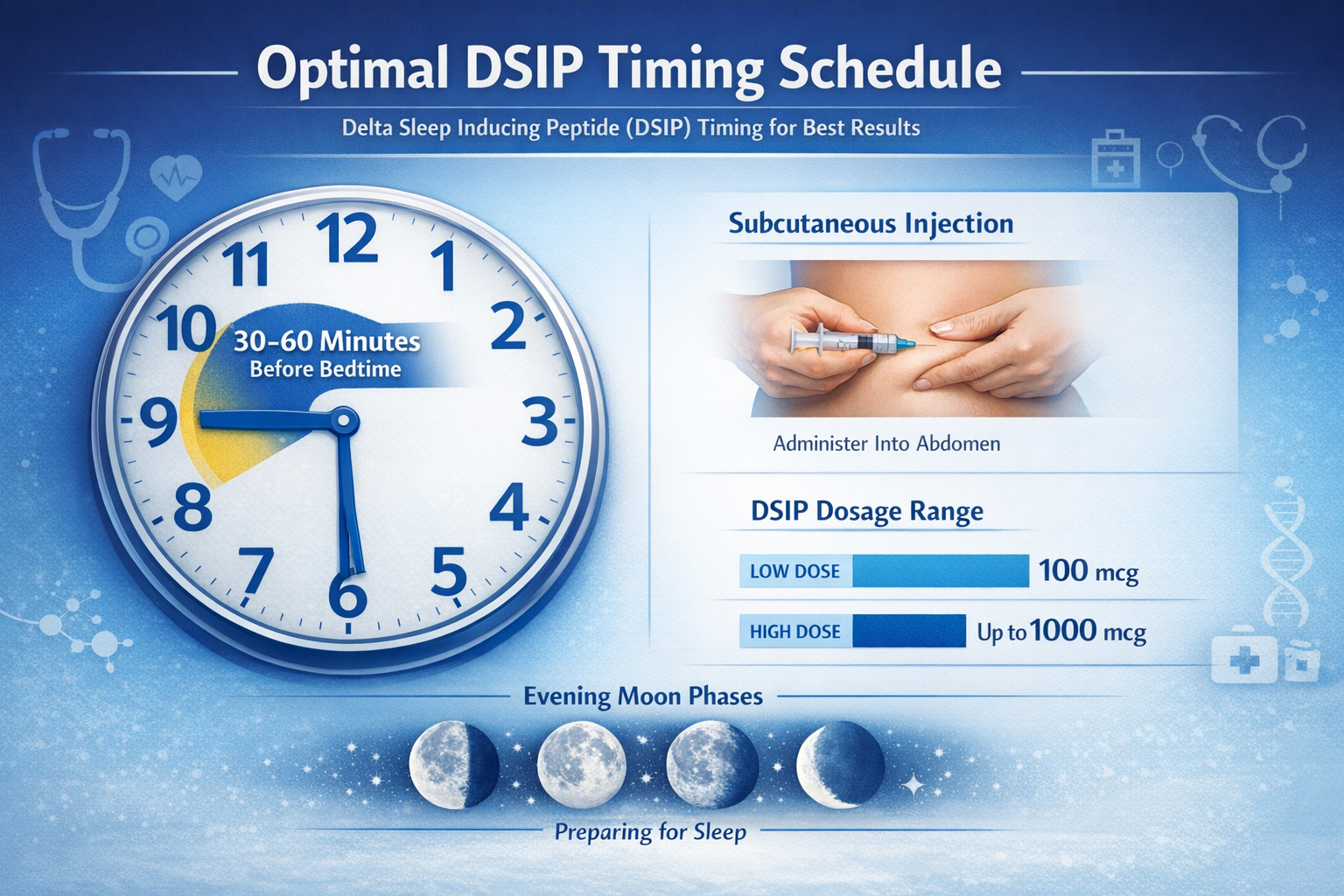
The research consistently points to 30-60 minutes before bedtime as the optimal window for DSIP administration[1][2][3][4]. This timing allows the peptide to reach peak effectiveness just as your natural circadian rhythm begins its evening wind-down phase.
Understanding why this timing works requires looking at how DSIP interacts with your body's natural sleep preparation processes. When administered within this window, DSIP can enhance the natural decrease in core body temperature and the increase in melatonin production that typically occurs as bedtime approaches.
For those exploring various peptide protocols, it's worth noting that timing strategies differ significantly between compounds. While you might research the best time to take BPC-157 for tissue repair or the best time to take TB-500 for recovery, DSIP's evening-specific timing makes it unique among therapeutic peptides.
Evening Administration: Why Timing Matters
Evening administration isn't just a recommendation – it's based on how DSIP works with your circadian biology. Research shows that evening timing maximizes the peptide's sleep-enhancing effects[2], likely because it aligns with your body's natural preparation for sleep.
The importance of proper timing becomes even more apparent when you consider that DSIP may influence multiple sleep-related pathways simultaneously. By administering the peptide during your natural evening wind-down period, you're essentially amplifying processes that are already beginning to occur.
Those interested in comprehensive peptide research developments will find that timing optimization represents a crucial aspect of modern peptide protocols. Just as researchers have identified optimal windows for compounds like the best time to take CJC-1295 or best time to take Ipamorelin, DSIP timing has been refined through careful study.
Subcutaneous Injection: The Standard Delivery Method
Across all research protocols, subcutaneous injection remains the consistent method of administration[1][3]. This delivery method ensures reliable bioavailability and allows for precise dosing, which is crucial when determining the best time to take DSIP (Delta Sleep Inducing Peptide).
The subcutaneous route offers several advantages over other potential delivery methods. It provides steady absorption, avoids first-pass metabolism that might occur with oral administration, and allows for the precise timing that makes DSIP protocols effective.
For those exploring most popular peptide products, understanding delivery methods is crucial. While some peptides like best time to take Sermorelin or best time to take MK-677 (Ibutamoren) might have multiple administration options, DSIP's effectiveness appears closely tied to subcutaneous delivery.
Dosage Guidelines and Timing Considerations
Mild Sleep Support Protocol
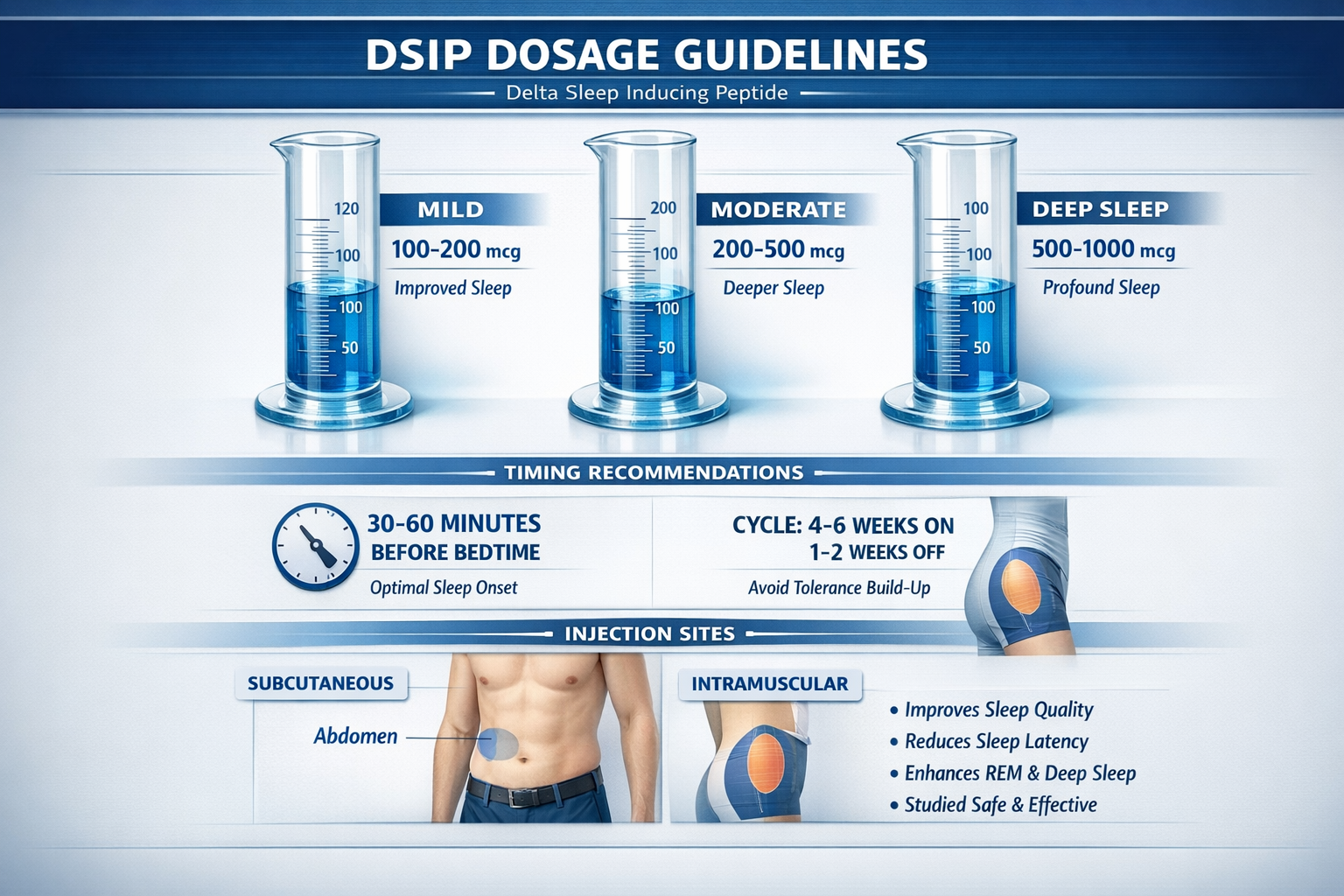
For individuals seeking gentle sleep enhancement, research suggests starting with 100-200 mcg once daily, administered 30-60 minutes before bedtime[1]. This conservative approach allows you to assess individual response while minimizing the risk of any unwanted effects.
The mild support protocol is particularly relevant for those who experience occasional sleep difficulties or want to enhance already decent sleep quality. This dosage range appears to work well for individuals who fall asleep reasonably well but want to improve sleep depth and morning recovery.
When comparing this to other peptide protocols, such as the best time to take Selank for cognitive support or best time to take MOTS-c for metabolic benefits, DSIP's sleep-specific timing makes it relatively straightforward to incorporate into an evening routine.
Moderate Sleep Enhancement
For more significant sleep challenges, research protocols suggest 200-500 mcg once daily, maintaining the same 30-60 minute pre-bedtime timing[1]. This moderate range has shown effectiveness in studies involving individuals with more pronounced sleep difficulties.
A 1992 study of 14 chronic insomnia patients demonstrated improved sleep efficiency after 7 nights of injections within this dosage range[2]. The consistency of the timing window – always that crucial 30-60 minutes before bed – remained constant regardless of the dosage increase.
This moderate protocol might be appropriate for individuals who have tried other approaches, including exploring the best time to take PT-141 (Bremelanotide) for other health goals, but are specifically targeting sleep optimization as a primary concern.
Deep Sleep Optimization
For those seeking maximum sleep enhancement, research protocols extend to 500-1000 mcg once daily or as needed, still maintaining the 30-60 minute pre-bedtime administration window[1]. This higher range is typically reserved for individuals with significant sleep challenges or those participating in intensive recovery protocols.
The "as needed" aspect of this protocol is particularly interesting, as it suggests that DSIP might be used strategically rather than continuously. This flexibility makes it potentially valuable for situations like shift work, travel, or periods of high stress that disrupt normal sleep patterns.
Understanding these dosage ranges helps contextualize DSIP within the broader landscape of healing peptides available in 2026. While compounds like best time to take AOD-9604 might focus on metabolic benefits, DSIP's sleep-specific protocols offer targeted support for recovery optimization.
Specialized Applications and Timing
Stress and Neuromodulation Support
Research suggests that DSIP may offer benefits beyond basic sleep enhancement. For stress management and neuromodulation, protocols recommend 100-300 mcg daily or cyclically, with evening administration preferred[1]. This application recognizes that sleep quality and stress management are intimately connected.
The cyclical dosing option is particularly intriguing, as it suggests that DSIP might be used strategically during periods of high stress rather than as a continuous daily supplement. The evening timing preference remains consistent, highlighting how the best time to take DSIP (Delta Sleep Inducing Peptide) centers around supporting natural circadian rhythms.
Jet Lag and Circadian Disruption
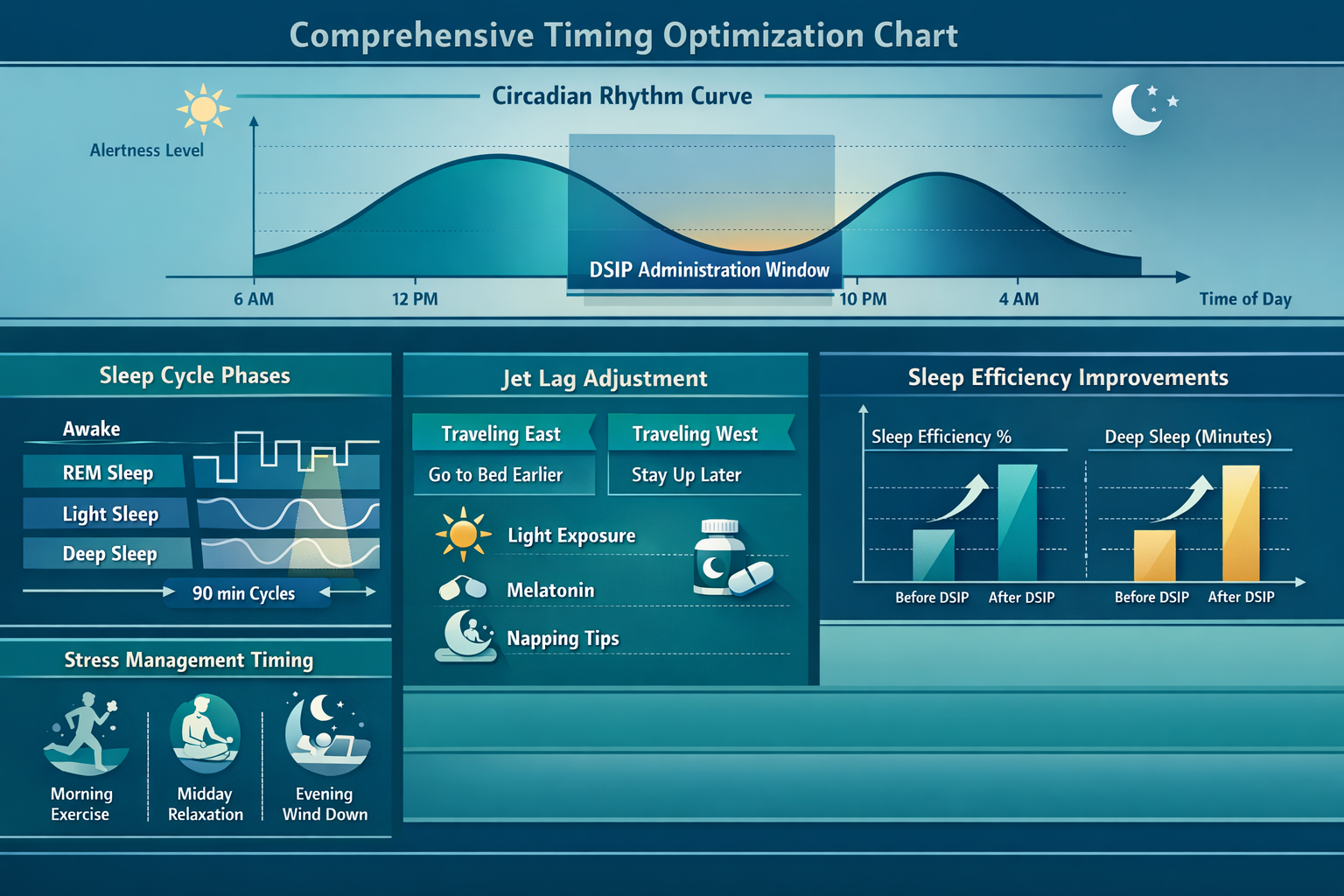
For travelers and shift workers, DSIP protocols suggest 200-500 mcg as needed for 1-3 days before sleep[1]. This application demonstrates the peptide's potential flexibility in addressing circadian disruptions that go beyond typical sleep difficulties.
The "before sleep" timing becomes particularly important in jet lag scenarios, where "bedtime" might be shifting as you adjust to new time zones. This flexibility in application timing, while maintaining the core principle of pre-sleep administration, showcases DSIP's versatility.
When considering comprehensive peptide sourcing, understanding these specialized applications helps determine whether DSIP fits your specific needs. Unlike compounds where you might research best time to take Semax for cognitive enhancement, DSIP's applications consistently center around sleep and circadian support.
Maximizing DSIP Effectiveness Through Proper Timing
Individual Circadian Rhythm Considerations
While research provides clear guidelines for the best time to take DSIP (Delta Sleep Inducing Peptide), individual circadian rhythms can influence optimal timing within the recommended 30-60 minute window. Some individuals may find that administration closer to 60 minutes before bed works better, while others respond optimally to the 30-minute mark.
Factors that might influence your personal optimal timing include:
- Natural sleep onset patterns: If you typically fall asleep quickly, you might benefit from timing closer to 30 minutes before bed
- Current sleep latency: Those with longer sleep onset times might find 45-60 minutes more effective
- Evening routine length: Consider how long your bedtime routine takes when planning administration timing
- Meal timing: Late dinners might influence absorption and effectiveness
Understanding these individual variations is crucial when developing a personalized protocol. Just as researchers have identified that the best time to take Thymosin Alpha-1 might vary based on immune system goals, DSIP timing can be fine-tuned within the established window for optimal results.
Environmental and Lifestyle Factors
The effectiveness of DSIP timing can be significantly influenced by environmental and lifestyle factors. Creating an optimal environment for the peptide to work involves more than just precise timing – it requires attention to sleep hygiene and circadian support.
Key environmental considerations include:
- Light exposure: Reducing blue light exposure in the hour before DSIP administration
- Temperature control: Maintaining a cool sleeping environment to support natural temperature drops
- Noise management: Creating a quiet environment that supports the peptide's sleep-promoting effects
- Stress reduction: Incorporating relaxation techniques that complement DSIP's effects
These factors work synergistically with proper DSIP timing. When exploring innovative peptide delivery systems, researchers increasingly recognize that environmental factors can significantly impact peptide effectiveness.
Combining DSIP with Other Compounds
For those exploring comprehensive wellness protocols, understanding how DSIP timing interacts with other compounds becomes important. While DSIP's evening administration window is well-established, combining it with other peptides requires careful consideration of timing interactions.
Common combination considerations:
- Morning peptides: Compounds like best time to take Follistatin 344 or best time to take PEG-MGF typically use morning protocols that don't interfere with evening DSIP timing
- Multiple evening compounds: If using other evening supplements, space them appropriately around the DSIP administration window
- Recovery peptides: Understanding how best time to take GHK-CU or other recovery compounds might complement DSIP's sleep benefits
The beauty of DSIP's specific evening timing is that it rarely conflicts with other peptide protocols. Most other compounds, whether you're researching best time to take Ligandrol (LGD-4033) or best time to take RAD-140 (Testolone) as research compounds, typically use different timing windows that can complement rather than compete with DSIP's sleep-focused schedule.
Monitoring and Adjusting Your Protocol
Successful DSIP use requires attention to how your body responds to different timing approaches within the recommended window. Keeping track of sleep quality metrics can help you identify your optimal administration time and dosage.
Key metrics to monitor:
- Sleep latency: How long it takes to fall asleep after administration
- Sleep quality: Subjective assessment of sleep depth and restfulness
- Morning recovery: How refreshed you feel upon waking
- Consistency: How reliably the peptide produces desired effects
This monitoring approach aligns with broader trends in peptide research that emphasize personalized protocols based on individual response patterns. Just as researchers might track responses to best time to take YK-11 or other research compounds, DSIP protocols benefit from careful observation and adjustment.
Safety Considerations and Best Practices
Proper Storage and Handling
Understanding the best time to take DSIP (Delta Sleep Inducing Peptide) extends beyond administration timing to include proper storage and handling practices. DSIP, like other peptides, requires specific storage conditions to maintain potency and safety.
Storage guidelines include:
- Refrigeration: Store reconstituted DSIP at 2-8°C (36-46°F)
- Protection from light: Keep vials in original packaging or wrap in foil
- Sterile handling: Use proper sterile technique for all preparations and injections
- Expiration tracking: Monitor storage time and replace as recommended
These storage practices ensure that when you administer DSIP at the optimal timing window, you're using a product that maintains its intended potency. Poor storage can compromise effectiveness regardless of perfect timing.
Individual Response Monitoring
While research provides clear guidelines for timing and dosage, individual responses can vary significantly. Some people may find they're particularly sensitive to DSIP and need to adjust timing or dosage accordingly.
Signs that timing adjustments might be needed:
- Excessive morning grogginess: Might indicate need for earlier administration or lower dosage
- Insufficient sleep improvement: Could suggest need for timing adjustment within the 30-60 minute window
- Inconsistent effects: Might indicate need for more consistent timing or environmental factors
This individualized approach reflects broader trends in modern peptide research, where personalization is increasingly recognized as crucial for optimal outcomes. Whether exploring peptide supplier comparisons or specific protocols, individual response monitoring remains essential.
Integration with Healthcare Providers
While DSIP research continues to expand, working with knowledgeable healthcare providers familiar with peptide protocols can provide valuable guidance for timing optimization. This is particularly important for individuals with existing sleep disorders or those taking other medications.
Healthcare providers can help you:
- Assess contraindications: Identify any potential interactions with existing treatments
- Monitor progress: Track improvements in sleep quality and overall health markers
- Adjust protocols: Make evidence-based modifications to timing or dosage as needed
- Coordinate care: Ensure DSIP use complements other aspects of your health optimization plan
This collaborative approach ensures that your exploration of the best time to take DSIP (Delta Sleep Inducing Peptide) occurs within a comprehensive health optimization framework.
Conclusion
Understanding the best time to take DSIP (Delta Sleep Inducing Peptide) represents a crucial step toward optimizing your sleep quality and overall recovery. The research consistently points to a 30-60 minute window before bedtime as the optimal timing for administration, with subcutaneous injection being the preferred delivery method across all protocols.
The dosage ranges from 100 mcg for mild sleep support up to 1000 mcg for deep sleep optimization, but the timing window remains remarkably consistent across all applications. Whether you're addressing occasional sleep difficulties, managing jet lag, or seeking comprehensive sleep enhancement, that crucial 30-60 minute pre-bedtime window appears to be the key to maximizing DSIP's effectiveness.
Your next steps should include:
- Consult with a healthcare provider familiar with peptide protocols to determine if DSIP is appropriate for your situation
- Start with conservative dosing (100-200 mcg) to assess individual response within the established timing window
- Maintain consistent timing within the 30-60 minute pre-bedtime window for optimal results
- Monitor your response carefully, tracking sleep quality and morning recovery to fine-tune your protocol
- Consider environmental factors that can enhance DSIP's effectiveness, including sleep hygiene and circadian support
Remember that DSIP represents just one tool in the comprehensive approach to sleep optimization. While proper timing is crucial for effectiveness, combining DSIP with good sleep hygiene, stress management, and overall wellness practices will likely yield the best results.
As peptide research continues to evolve in 2026, our understanding of optimal timing protocols continues to refine. The current evidence strongly supports the evening administration window, but individual fine-tuning within this timeframe can help you achieve the best possible outcomes for your sleep quality and recovery goals.
References
[1] Dsip Dosage Calculator – https://pepdose.com/dsip-dosage-calculator/
[2] Delta Sleep Inducing Peptide A Comprehensive Guide – https://optimalcircadianhealth.com/delta-sleep-inducing-peptide-a-comprehensive-guide/
[3] Dsip – https://recessrx.com/dsip
[4] Dsip Delta Sleep Inducing Peptide – https://www.wellnessatcenturycity.com/service/dsip-delta-sleep-inducing-peptide/
SEO Meta Information:
Meta Title: Best Time to Take DSIP: Complete 2026 Timing Guide
Meta Description: Discover the optimal timing for DSIP administration. Research-backed protocols show 30-60 minutes before bedtime maximizes sleep benefits. Complete dosage guide included.