

Roughly 70% of the immune system resides in the gastrointestinal tract, yet most peptide research discussions skip straight to musculoskeletal applications. BPC-157 Peptide: Gut Barrier Function, Inflammation, and Tissue-Recovery Research is one of the most concentrated areas of preclinical investigation for this compound, and the findings reframe BPC-157 as far more than a joint-repair molecule. This article examines what the current body of research says about BPC-157 as a standalone model peptide across three tightly linked endpoints: gut barrier integrity, inflammatory modulation, and tissue repair.
Key Takeaways
- BPC-157 is a synthetic pentadecapeptide derived from a gastric protein, studied primarily in preclinical models for gastrointestinal and systemic repair.
- Preclinical data suggest it supports tight junction integrity, which is central to gut barrier function.
- Anti-inflammatory mechanisms appear to involve nitric oxide pathway modulation and cytokine regulation.
- Tissue-recovery research spans tendon, muscle, bone, and intestinal tissue in animal models.
- BPC-157 remains a research compound; no approved human clinical trials have concluded as of 2026.
What Is BPC-157 and Why Does Gut Research Matter
BPC-157 stands for Body Protection Compound-157. It is a synthetic 15-amino-acid peptide derived from a larger protein found in human gastric juice. Its origin in the gastrointestinal environment is not incidental, it shapes the entire research rationale.
Key structural facts:
| Feature | Detail |
|---|---|
| Amino acid length | 15 (pentadecapeptide) |
| Origin source | Human gastric juice protein |
| Stability | High oral and systemic stability in animal models |
| Primary research models | Rodent (rat and mouse) in vivo studies |
Because BPC-157 is endogenously derived from the gut environment, researchers have focused heavily on whether exogenous administration can reinforce the same protective mechanisms the parent protein appears to serve naturally. This makes gut barrier research a logical and well-funded starting point.
For researchers sourcing verified compounds, reviewing xpeptides BPC research-grade options is a practical first step when evaluating purity documentation.
BPC-157 Peptide: Gut Barrier Function, Inflammation, and Tissue-Recovery Research, Gastrointestinal Endpoints
Tight Junction Support
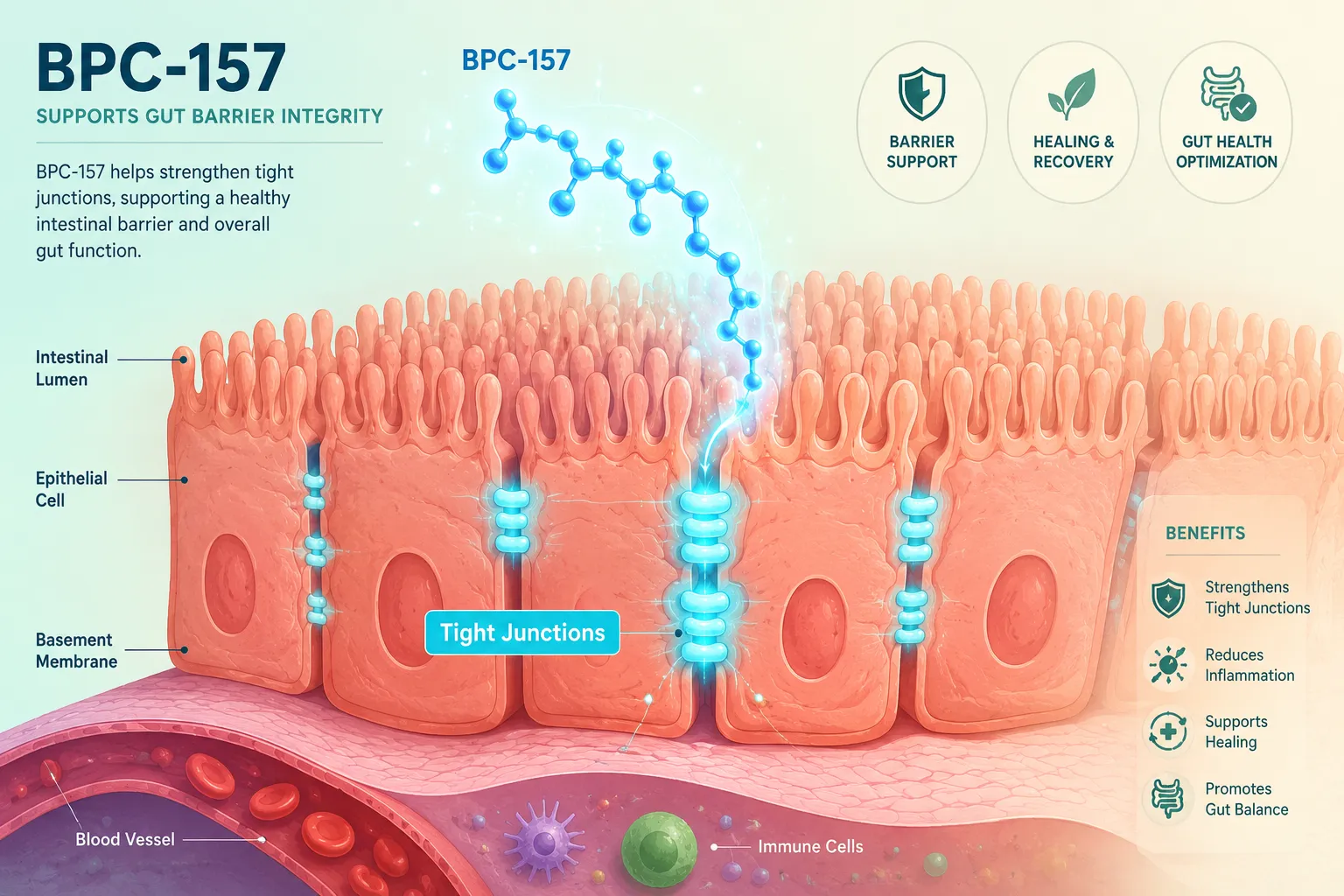
The gut barrier depends on proteins called tight junctions, molecular "seals" between intestinal epithelial cells. When these break down, permeability increases, allowing bacterial products and antigens to pass into systemic circulation. This is commonly called "leaky gut" in lay literature.
Preclinical studies have examined whether BPC-157 can upregulate tight junction proteins such as claudin-1, occludin, and ZO-1. Rodent models of colitis and NSAID-induced intestinal damage have shown measurable preservation of these proteins following BPC-157 administration compared to controls.
"BPC-157 appears to act as a cytoprotective signal within the gastrointestinal epithelium, not merely a downstream repair agent."
Ulcer and Mucosal Healing Models
Animal studies using ethanol-induced gastric lesions, acetic acid ulcers, and cysteamine-induced duodenal ulcers have consistently reported accelerated mucosal healing in BPC-157-treated groups. The proposed mechanism involves upregulation of growth hormone receptor expression in local tissue, amplifying the body's own repair signaling without directly introducing growth hormone.
This mechanism distinguishes BPC-157 from peptides that act on the GH/IGF-1 axis directly, such as those covered in GLP-1 peptide research concepts and sourcing notes.
Inflammatory Modulation: Mechanisms Under Investigation
Nitric Oxide Pathway
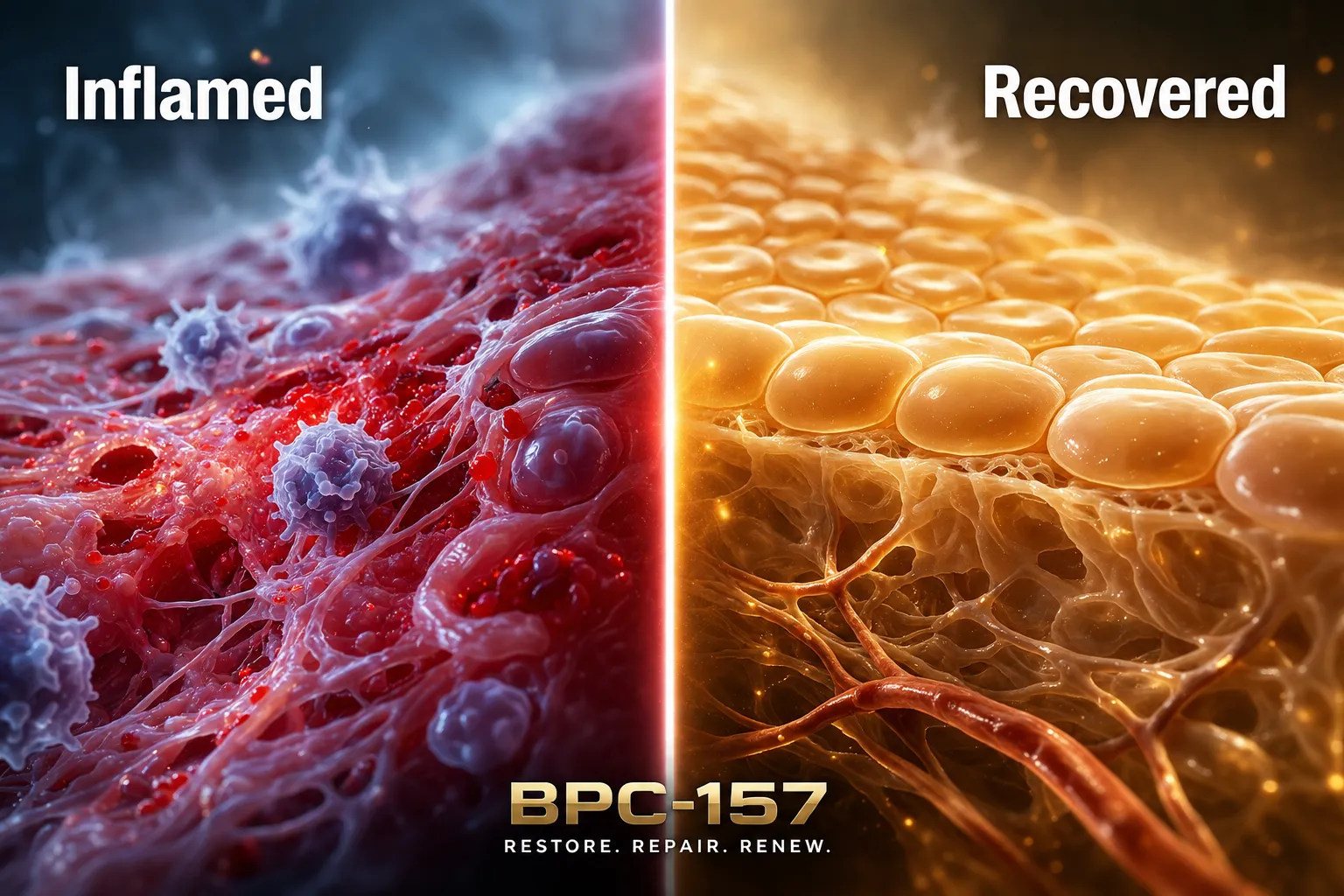
One of the most studied mechanisms in BPC-157 inflammation research involves nitric oxide (NO) signaling. Nitric oxide plays a dual role in inflammation, protective at low concentrations, damaging at high ones. BPC-157 appears to modulate this balance by influencing eNOS (endothelial nitric oxide synthase) activity.
In models of intestinal inflammation, this modulation correlates with:
- Reduced mucosal oxidative stress markers
- Decreased neutrophil infiltration
- Lower levels of pro-inflammatory cytokines including TNF-alpha and IL-6
Cytokine Regulation
Beyond NO pathways, BPC-157 research has examined its effect on the broader cytokine environment. Preclinical data suggest a downregulation of NF-kB activity, a master regulator of inflammatory gene expression. This positions BPC-157 as a potential upstream modulator rather than a single-target anti-inflammatory agent.
Researchers interested in how other peptides approach inflammatory endpoints may find comparative value in reviewing TB-500 buy controlled experimental models and QC workflow, since TB-500 and BPC-157 are frequently studied in parallel but through distinct mechanisms.
BPC-157 Peptide: Gut Barrier Function, Inflammation, and Tissue-Recovery Research, Repair Endpoints
Tendon and Musculoskeletal Models
Outside the gastrointestinal tract, BPC-157 tissue-recovery research has generated substantial data in tendon and ligament models. Studies using transected Achilles tendons in rats have reported:
- Faster collagen organization at the repair site
- Increased fibroblast migration and proliferation
- Earlier return of tensile strength compared to controls
These findings are consistent with BPC-157's proposed ability to upregulate growth factor receptors (particularly VEGFR2 and FGFR), promoting angiogenesis and cellular recruitment at injury sites.
For researchers exploring complementary tissue-repair peptides, the BPC-157 and TB-500 research overview provides useful context on how these two compounds are studied alongside each other.
Bone and Neural Tissue
Emerging preclinical work has extended BPC-157 tissue-recovery research into bone fracture models and peripheral nerve injury. Results in rodent femur fracture studies showed increased callus formation and mineralization rates. Neural models have reported partial functional recovery following crush injuries, though this area remains earlier-stage than gastrointestinal or musculoskeletal research.
Researchers looking at broader tissue-recovery peptide categories may also benefit from reviewing quality peptides sourcing standards to ensure experimental compounds meet purity thresholds.

Research Limitations and Current Status
BPC-157 research as of 2026 remains almost entirely preclinical. Key limitations include:
- Species translation: Most data come from rodent models; human pharmacokinetics are not established.
- Dosing variability: Studies use a wide range of doses and administration routes (oral, intraperitoneal, subcutaneous), making direct comparisons difficult.
- No completed human RCTs: No randomized controlled trials in humans have been published or concluded.
- Regulatory status: BPC-157 is not approved by the FDA or EMA for any therapeutic indication.
Researchers sourcing BPC-157 for in vitro or animal studies should prioritize vendors with documented third-party purity testing. Resources like peptide supplier comparisons and interpreting lab documentation can guide procurement decisions.
For researchers also working with mitochondria-targeted compounds, SS-31 kidney health research offers a useful parallel on how single-peptide models are structured across different organ systems.
Conclusion
BPC-157 Peptide: Gut Barrier Function, Inflammation, and Tissue-Recovery Research represents one of the most mechanistically rich single-peptide research models currently available in preclinical science. The compound's gastric origin, combined with demonstrated effects on tight junction proteins, nitric oxide signaling, cytokine regulation, and multi-tissue repair, makes it a compelling subject for researchers studying gastrointestinal integrity and systemic inflammation.
Actionable next steps for researchers:
- Review the primary literature on BPC-157 in colitis and NSAID-induced gut injury models before designing protocols.
- Standardize administration route and dose within your model to improve cross-study comparability.
- Source only third-party-tested, certificate-of-analysis-verified compounds.
- Track both inflammatory biomarkers (TNF-alpha, IL-6, NF-kB) and structural endpoints (tight junction proteins, collagen organization) for comprehensive data.
- Monitor the regulatory landscape, as BPC-157's status may evolve as human trial data emerge.
The research foundation is strong. The gap between preclinical promise and clinical validation remains the defining challenge for this peptide in 2026.
Leave a Reply
Want to join the discussion?Feel free to contribute!