
Buy Cagrilintide: Complete Research Guide for Health Professionals in 2026

The weight management landscape is experiencing a revolution, and cagrilintide stands at the forefront of this transformation. As fitness instructors, life coaches, health and wellness professionals, and medispa operators seek cutting-edge solutions for their clients, understanding where and how to buy cagrilintide has become increasingly important. However, navigating the complex regulatory environment surrounding this investigational peptide requires careful attention to legal, safety, and scientific considerations that could impact professional practice and client outcomes.
Key Takeaways
- 🔬 Cagrilintide is an investigational amylin analogue currently in Phase 3 clinical trials and not yet FDA-approved for commercial sale in 2026
- ⚖️ Legal acquisition of cagrilintide is restricted to authorized research protocols and clinical trial participation only
- 💊 CagriSema combination therapy (cagrilintide + semaglutide) demonstrated 15.6% mean body weight reduction in clinical trials
- ⚠️ Purchasing from unauthorized sources poses significant legal and safety risks including counterfeit products
- 📊 Regulatory approval is anticipated for 2026-2027, pending successful Phase 3 trial completion
What Is Cagrilintide and Why Health Professionals Are Interested
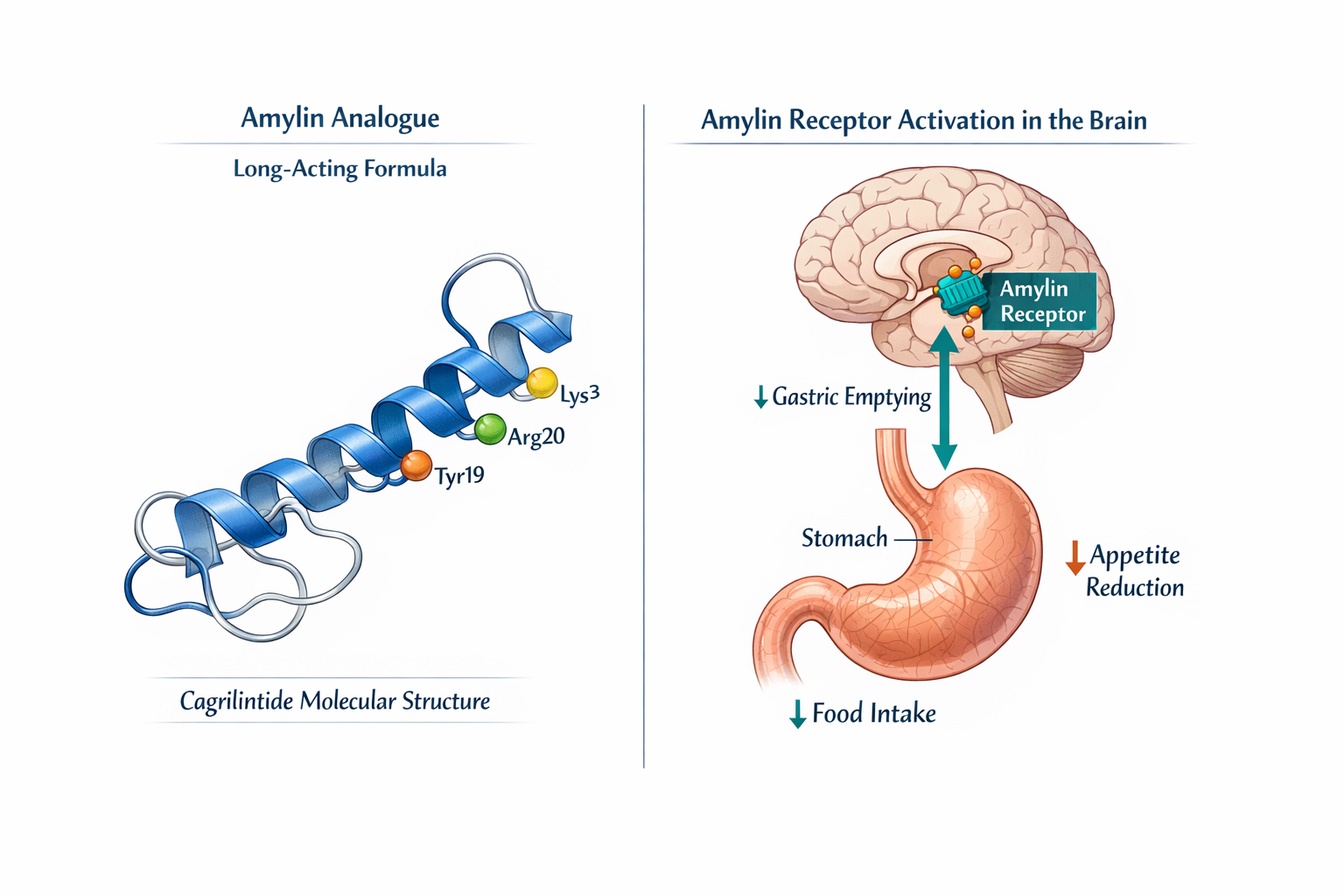
Cagrilintide represents a significant advancement in peptide-based metabolic research. Developed by Novo Nordisk, this long-acting amylin analogue works by activating amylin receptors in the brain to reduce appetite and slow gastric emptying[1]. For health and wellness professionals staying current with emerging therapeutic options, understanding cagrilintide's mechanism provides valuable context for future client conversations.
The peptide's unique action complements existing GLP-1 receptor agonists, creating a dual-pathway approach to weight management. This synergistic mechanism has captured attention across the wellness industry, from peptide research communities to clinical practitioners exploring next-generation metabolic interventions.
The Science Behind Cagrilintide Peptide
Amylin is a naturally occurring hormone co-secreted with insulin from pancreatic beta cells. Cagrilintide mimics this hormone with enhanced stability and duration of action. The peptide's mechanism of action includes:
- Appetite suppression through central nervous system receptor activation
- Delayed gastric emptying to promote satiety
- Reduced food intake via hypothalamic signaling pathways
- Complementary effects with GLP-1 receptor agonists
Research indicates that when combined with semaglutide, cagrilintide creates a more comprehensive metabolic response than either compound alone[2]. This combination approach mirrors trends seen with other peptide blends in research settings.
Current Regulatory Status: Can You Buy Cagrilintide in 2026?
Understanding the legal landscape is critical for health professionals considering cagrilintide. As of 2026, cagrilintide remains an investigational compound without FDA or EMA approval for commercial distribution. This regulatory status creates specific limitations on acquisition and use.
Legal Pathways for Cagrilintide Access
| Access Method | Legal Status | Availability | Requirements |
|---|---|---|---|
| Clinical Trials | ✅ Legal | Limited | Enrollment through authorized sites |
| Prescription Purchase | ❌ Not Available | None | Awaiting regulatory approval |
| Research Suppliers | ⚠️ Restricted | Variable | Institutional authorization required |
| Online Pharmacies | ❌ Illegal | Widespread but unlawful | None (high risk) |
The FDA has issued warnings about purchasing unapproved weight loss medications online, specifically highlighting investigational compounds like cagrilintide[3]. Health professionals must recognize that unauthorized acquisition poses both legal liability and patient safety concerns.
For those seeking legitimate research peptides, authorized suppliers with proper documentation provide the only compliant pathway for institutional research purposes.
Why Cagrilintide Isn't Yet Available for Purchase
The pharmaceutical development timeline requires extensive safety and efficacy data before regulatory approval. Cagrilintide is currently progressing through:
- Phase 3 clinical trials (REDEFINE program)
- Safety monitoring across diverse populations
- Long-term outcome studies for sustained weight management
- Regulatory submission preparation for 2026-2027
This rigorous process protects public health but creates a gap between scientific interest and practical availability. Similar developmental pathways have been observed with other metabolic peptides in the research pipeline.
Buy Cagrilintide: Understanding Research Chemical Markets
The demand for cagrilintide has created a complex marketplace where research chemical suppliers offer various peptide products. Health professionals must distinguish between legitimate research supply chains and potentially dangerous counterfeit operations.
[WordPress Product Shortcode: cagrilintide-10mg]
Legitimate Research Peptide Suppliers
Authorized research peptide suppliers serve institutional and qualified individual researchers with proper documentation. These suppliers typically require:
- Institutional affiliation or research credentials
- End-use declarations specifying research purposes
- Quality certifications including purity testing and chain of custody
- Compliance documentation for regulatory oversight
When evaluating suppliers, health professionals should verify third-party testing protocols and quality assurance measures similar to those used for established research peptides.
Red Flags in the Cagrilintide Market
Several warning signs indicate potentially illegal or unsafe sources:
- 🚩 Claims of human-grade medication for unapproved compounds
- 🚩 No requirement for research credentials or documentation
- 🚩 Absence of purity testing or certificate of analysis
- 🚩 Marketing for weight loss rather than research purposes
- 🚩 Unrealistic pricing significantly below market standards
The proliferation of online vendors claiming to sell cagrilintide for personal use represents a significant regulatory and safety concern. These operations often distribute counterfeit, contaminated, or mislabeled products that pose serious health risks[4].
Cagrilintide Dosage and Administration Protocols
While cagrilintide remains investigational, understanding clinical trial dosing protocols provides context for health professionals monitoring emerging research. The REDEFINE trial program has established specific dosing parameters that inform current scientific understanding.
Clinical Trial Dosing Schedules
Research protocols for cagrilintide have explored various dosing strategies:
Monotherapy Dosing:
- Starting dose: 0.6 mg weekly
- Escalation: 0.6 mg increments every 4 weeks
- Maximum dose: 2.4 mg weekly
- Administration: Subcutaneous injection
Combination with Semaglutide (CagriSema):
- Cagrilintide component: 2.4 mg weekly
- Semaglutide component: 2.4 mg weekly
- Fixed-ratio combination formulation
- Gradual titration to minimize side effects
These protocols reflect careful balancing of efficacy and tolerability. Similar dose-escalation strategies are employed with other metabolic peptides in research settings.
Cagrilintide Dosage Chart for Research Reference
| Week | Cagrilintide Dose | Notes |
|---|---|---|
| 1-4 | 0.6 mg | Initial tolerance assessment |
| 5-8 | 1.2 mg | First escalation |
| 9-12 | 1.8 mg | Second escalation |
| 13+ | 2.4 mg | Maintenance dose |
Important: These dosing parameters are derived from controlled clinical trials and should not be interpreted as recommendations for unauthorized use. Only qualified researchers within approved protocols should reference these schedules.
Cagrilintide and Tirzepatide Dosage Considerations
Some researchers have explored theoretical combinations of cagrilintide with tirzepatide, though this combination lacks clinical trial data. The dual GIP/GLP-1 agonist mechanism of tirzepatide combined with cagrilintide's amylin pathway creates a triple-receptor approach to metabolic regulation.
However, no established dosing protocols exist for this combination outside of theoretical frameworks. Health professionals should recognize that unauthorized combination therapy significantly increases safety risks and legal liability.
For those interested in established peptide combinations, synergistic research approaches with approved compounds offer safer alternatives for exploration.
Cagrilintide Side Effects and Safety Profile
Understanding the safety profile of investigational compounds helps health professionals make informed decisions about future therapeutic options. Clinical trial data for cagrilintide reveals a side effect pattern consistent with other GLP-1 and amylin-based therapies.
Common Observations in Clinical Trials
The most frequently reported effects in cagrilintide studies include:
-
Gastrointestinal effects (60-70% of participants)
- Nausea (most common, typically mild-moderate)
- Vomiting (decreases with continued use)
- Diarrhea (transient in most cases)
- Constipation (less frequent)
-
Injection site reactions (15-20% of participants)
- Mild redness or swelling
- Temporary discomfort
- Typically resolve without intervention
-
Appetite changes (intended effect)
- Significant reduction in hunger
- Early satiety
- Changes in food preferences
Most adverse events were classified as mild to moderate in severity and decreased in frequency after the initial titration period[5]. This tolerability profile compares favorably with other metabolic peptides used in weight management research.
Serious Safety Considerations
While rare, certain serious effects require monitoring in clinical settings:
- Hypoglycemia risk when combined with insulin or sulfonylureas
- Pancreatitis (theoretical risk with incretin-based therapies)
- Gallbladder disorders associated with rapid weight loss
- Cardiovascular effects requiring long-term assessment
These considerations underscore why cagrilintide remains restricted to controlled research environments with appropriate medical oversight. The complexity of safety monitoring demonstrates the dangers of unauthorized use outside clinical protocols.
Clinical Trial Results: What the REDEFINE Studies Show
The REDEFINE clinical trial program represents the most comprehensive investigation of cagrilintide to date. These Phase 3 studies provide the evidence base that will determine regulatory approval and future clinical applications.
REDEFINE 1 Trial Outcomes
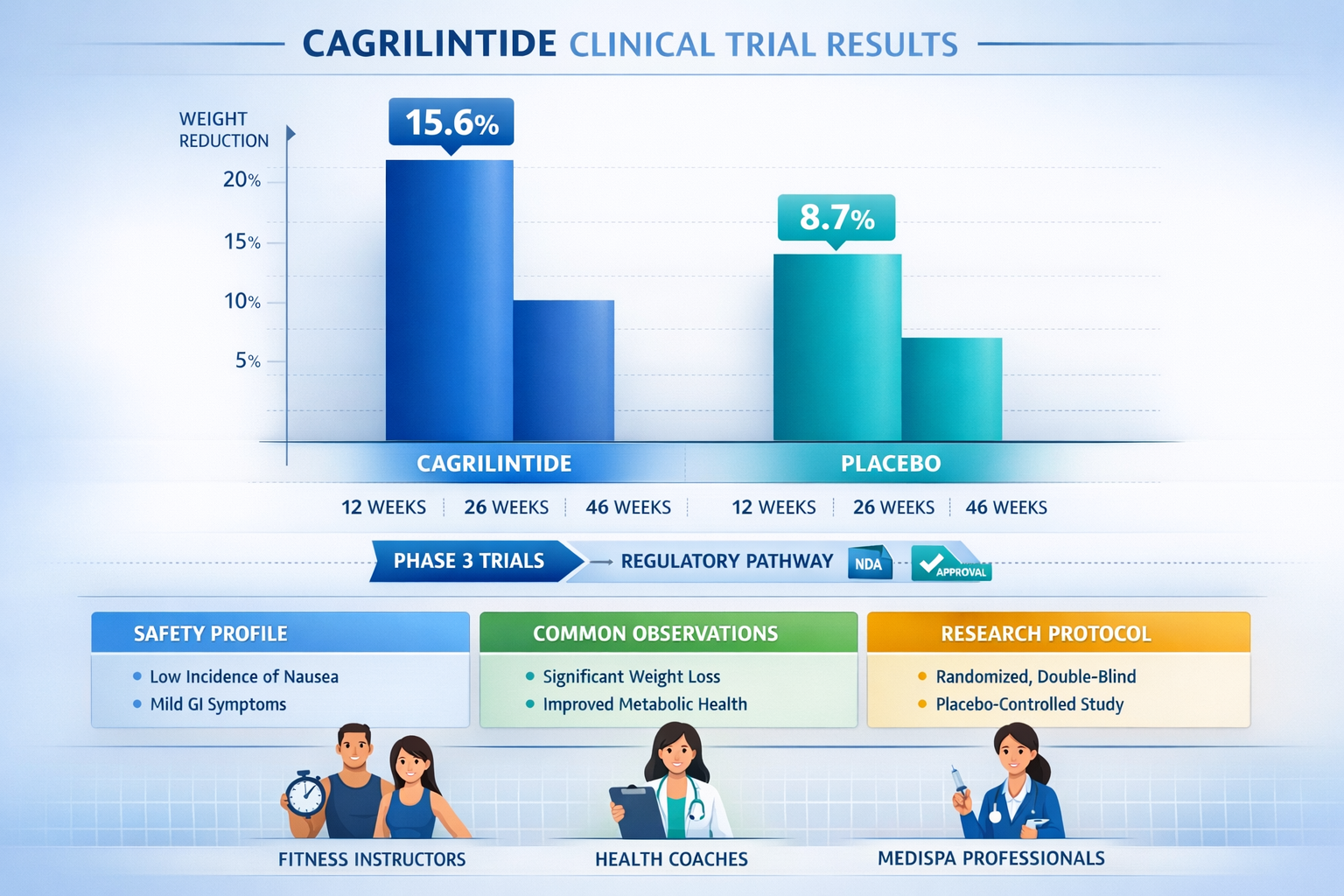
The landmark REDEFINE 1 trial compared CagriSema (cagrilintide + semaglutide) against semaglutide monotherapy with impressive results:
Primary Endpoint Results at 32 Weeks:
- CagriSema: 15.6% mean body weight reduction
- Semaglutide 2.4mg: 8.7% mean body weight reduction
- Placebo: 2.1% mean body weight reduction
These findings demonstrate that the combination therapy achieved nearly double the weight loss of semaglutide alone, suggesting genuine synergy between the two mechanisms[6].
Broader REDEFINE Program Components
The complete REDEFINE program encompasses multiple studies:
- REDEFINE 1: CagriSema vs. semaglutide in obesity
- REDEFINE 2: CagriSema vs. tirzepatide head-to-head comparison
- REDEFINE 3: Long-term weight maintenance study
- REDEFINE 4: CagriSema in type 2 diabetes with obesity
- REDEFINE 5: Cardiovascular outcomes trial
Results from these studies, expected throughout 2025-2026, will shape the regulatory submission and determine approved indications. Similar comprehensive trial programs have been essential for other metabolic peptides seeking approval.
Implications for Health and Wellness Professionals
These trial results suggest several important considerations for practitioners:
- Combination approaches may become standard in metabolic medicine
- Patient selection criteria will likely mirror trial inclusion parameters
- Monitoring protocols from trials will inform clinical practice guidelines
- Cost-benefit analyses will need to account for enhanced efficacy
Health professionals should track ongoing trial publications to stay informed about emerging evidence that will shape future practice patterns.
Cagrilintide Mechanism of Action: How It Works
Understanding the molecular mechanisms underlying cagrilintide's effects provides health professionals with scientific context for discussing this peptide with colleagues and clients. The compound's action represents a sophisticated approach to metabolic regulation.
Amylin Receptor Physiology
Natural amylin plays several key roles in metabolic homeostasis:
- Co-secretion with insulin from pancreatic beta cells
- Satiety signaling through area postrema activation
- Gastric motility regulation via vagal pathways
- Glucagon suppression to prevent postprandial hyperglycemia
Cagrilintide mimics these effects with enhanced pharmacokinetic properties including:
- Extended half-life (approximately 7 days)
- Improved receptor binding affinity
- Reduced immunogenicity compared to native amylin
- Consistent plasma concentrations with weekly dosing
This pharmacological profile enables convenient once-weekly administration similar to other modern metabolic therapies.
Synergy with GLP-1 Receptor Agonists
The combination of cagrilintide with semaglutide creates complementary mechanisms:
Cagrilintide (Amylin Pathway):
- Central appetite suppression
- Gastric emptying delay
- Reduced meal size
Semaglutide (GLP-1 Pathway):
- Incretin effect on insulin secretion
- Additional appetite regulation
- Improved glycemic control
Together, these pathways create a more comprehensive metabolic response than either mechanism alone. This multi-receptor approach represents the future direction of peptide-based metabolic research.
Comparative Mechanism Analysis
| Compound | Primary Target | Secondary Effects | Duration |
|---|---|---|---|
| Cagrilintide | Amylin receptors | Gastric emptying, satiety | 7 days |
| Semaglutide | GLP-1 receptors | Insulin secretion, appetite | 7 days |
| Tirzepatide | GIP/GLP-1 receptors | Dual incretin effect | 5 days |
| Liraglutide | GLP-1 receptors | Similar to semaglutide | 1 day |
This comparison illustrates cagrilintide's unique position in the metabolic peptide landscape and explains the scientific rationale for combination therapy approaches.
Where to Buy Cagrilintide: Evaluating Your Options in 2026
For health professionals seeking to understand acquisition pathways, evaluating options requires careful consideration of legal compliance, quality assurance, and professional ethics. The current regulatory environment creates limited legitimate channels for cagrilintide access.
Option 1: Clinical Trial Participation
The most legitimate pathway for accessing cagrilintide involves enrollment in authorized clinical trials:
Advantages:
- ✅ Completely legal and ethical
- ✅ Medical supervision and monitoring
- ✅ No cost to participants
- ✅ Contribution to scientific knowledge
Limitations:
- ❌ Strict eligibility criteria
- ❌ Limited geographic availability
- ❌ Potential for placebo assignment
- ❌ Time-intensive participation requirements
Health professionals can search for ongoing trials at ClinicalTrials.gov or through Novo Nordisk's trial locator services.
Option 2: Authorized Research Supply Chains
Qualified researchers with institutional backing may access cagrilintide through legitimate research peptide suppliers:
Requirements:
- Institutional research protocol approval
- Proper laboratory facilities and storage
- Documentation of research purposes
- Compliance with regulatory oversight
This pathway serves legitimate scientific research only and should not be confused with personal acquisition for weight management purposes.
Option 3: International Pharmacies (High Risk)
Some individuals consider purchasing from international sources, but this approach carries significant risks:
Legal Risks:
- Importation of unapproved drugs violates FDA regulations
- Customs seizure of packages
- Potential legal consequences for importers
Safety Risks:
- No quality control or purity verification
- Potential for counterfeit or contaminated products
- Absence of medical supervision
- Unpredictable dosing and composition
Professional Risks:
- License jeopardy for healthcare professionals
- Liability for adverse outcomes
- Ethical violations of professional standards
The FDA and DEA actively monitor and intercept shipments of unapproved pharmaceutical products, making this option both dangerous and legally problematic[7].
What Health Professionals Should Recommend
For clients expressing interest in cagrilintide, appropriate guidance includes:
- Wait for regulatory approval and legitimate prescription access
- Explore currently approved options like semaglutide or tirzepatide
- Consider clinical trial participation if eligible
- Avoid unauthorized online sources due to safety and legal concerns
- Focus on comprehensive lifestyle interventions while awaiting new therapies
This conservative approach protects both client safety and professional integrity while acknowledging legitimate interest in emerging therapies.
Cagrilintide Dosage with Retatrutide and Other Combinations
The peptide research community has shown interest in theoretical combinations of cagrilintide with other metabolic peptides, particularly retatrutide. However, these combinations lack clinical trial data and present significant safety unknowns.
Understanding Retatrutide
Retatrutide is a triple agonist targeting GIP, GLP-1, and glucagon receptors. Early trials showed impressive weight loss results, making it an attractive candidate for combination approaches. However, combining retatrutide with cagrilintide would create a four-receptor targeting strategy without established safety data.
Theoretical Mechanisms:
- GIP receptor activation (insulin sensitivity)
- GLP-1 receptor activation (appetite, insulin secretion)
- Glucagon receptor activation (energy expenditure)
- Amylin receptor activation (satiety, gastric emptying)
While scientifically intriguing, this combination presents unknown interaction risks including:
- Excessive gastrointestinal effects
- Unpredictable metabolic responses
- Compounded cardiovascular effects
- Potential for severe hypoglycemia
Why Unauthorized Combinations Are Dangerous
Peptide combinations require extensive preclinical and clinical testing to establish:
- Appropriate dose ratios
- Safety profiles for combined effects
- Drug-drug interaction potential
- Optimal administration schedules
Without this data, unauthorized combination use represents uncontrolled experimentation with serious health consequences. Professional health advisors should strongly discourage such approaches.
For those interested in established peptide research, single-compound studies provide safer pathways for understanding metabolic peptide effects.
Cagrilintide Reddit and Online Community Discussions
Online communities, particularly Reddit forums, have become hubs for cagrilintide discussion among biohackers, fitness enthusiasts, and individuals seeking weight management solutions. While these communities provide peer support, they also spread misinformation that health professionals should address.
Common Themes in Online Discussions
Reddit threads about cagrilintide typically include:
- Source sharing for unauthorized suppliers (often violating platform rules)
- Dosing protocols based on anecdotal experience rather than clinical data
- Side effect management without medical supervision
- Combination strategies lacking scientific validation
- Cost comparisons between various suppliers
These discussions demonstrate significant public interest but also highlight dangerous knowledge gaps that health professionals can help address through evidence-based education.
Misinformation Patterns to Address
Common misconceptions found in online communities include:
❌ "Research peptides are the same as pharmaceutical-grade medications"
- Reality: Research chemicals lack pharmaceutical quality controls
❌ "If it's legal to buy for research, it's safe for personal use"
- Reality: Research designation doesn't imply human safety approval
❌ "Clinical trial dosing can be directly applied outside trials"
- Reality: Trial protocols include extensive monitoring and safety measures
❌ "Combining multiple peptides enhances results without added risk"
- Reality: Combinations create unpredictable interactions and compounded risks
Health professionals engaging with clients who frequent these communities should provide evidence-based corrections while acknowledging legitimate interest in emerging therapies.
Constructive Community Engagement
Rather than dismissing online communities, health professionals can:
- Share accurate scientific information about cagrilintide's status
- Explain regulatory processes and their protective purpose
- Redirect interest toward approved alternatives
- Emphasize the importance of medical supervision
- Provide resources for legitimate clinical trial participation
This approach respects client autonomy while promoting safer decision-making.
Preparing for Cagrilintide Approval: What Health Professionals Should Know
With regulatory approval anticipated for 2026-2027, health and wellness professionals should prepare for cagrilintide's potential market entry. Understanding the likely approval pathway and practice implications enables proactive planning.
Expected Regulatory Timeline
Based on Novo Nordisk's public statements and typical approval processes:
2026:
- Completion of Phase 3 REDEFINE trials
- Regulatory submission to FDA and EMA
- Priority review designation (likely given obesity epidemic)
2027:
- Regulatory decision and potential approval
- Market launch and distribution establishment
- Clinical practice guideline development
This timeline assumes positive trial outcomes and no significant safety signals that might delay approval.
Anticipated Practice Implications
Once approved, cagrilintide (likely as CagriSema) will impact various health professional practices:
For Fitness Instructors:
- Clients using CagriSema may experience enhanced weight loss
- Energy levels and exercise tolerance may fluctuate during titration
- Nutritional needs may change with reduced appetite
- Realistic expectation setting becomes more important
For Life Coaches:
- Medication support requires integration with behavioral strategies
- Clients may need help managing rapid physical changes
- Psychological aspects of weight loss remain crucial
- Long-term maintenance planning gains importance
For Medispa Operators:
- Body contouring demand may increase with weight loss
- Skin laxity treatments become more relevant
- Nutritional optimization services complement therapy
- Partnership opportunities with prescribing physicians
For Health and Wellness Consultants:
- Comprehensive metabolic assessments gain value
- Supplement recommendations may need adjustment
- Monitoring protocols for side effect management
- Integration with lifestyle modification programs
Preparing educational materials and service adaptations now positions professionals to serve clients effectively when approval occurs.
Insurance and Cost Considerations
Pricing for CagriSema remains undisclosed, but industry analysts predict:
- List price: $1,200-1,500 per month (similar to current GLP-1 agonists)
- Insurance coverage: Variable, likely requiring prior authorization
- Patient assistance programs: Expected from Novo Nordisk
- Compounding alternatives: May emerge but with quality concerns
Health professionals should prepare clients for potential cost barriers and develop strategies for maximizing insurance coverage and accessing patient assistance programs.
Cagrilintide vs. Current Weight Management Options
Understanding how cagrilintide compares to currently available therapies helps health professionals provide context for clients interested in emerging treatments. The competitive landscape includes several established options with proven track records.
Comparative Efficacy Analysis
| Treatment | Mean Weight Loss | Administration | Approval Status |
|---|---|---|---|
| CagriSema (cagrilintide + semaglutide) | 15.6% at 32 weeks | Weekly injection | Investigational |
| Tirzepatide (Mounjaro/Zepbound) | 15-20% at 72 weeks | Weekly injection | FDA approved |
| Semaglutide (Wegovy) | 12-15% at 68 weeks | Weekly injection | FDA approved |
| Liraglutide (Saxenda) | 5-8% at 56 weeks | Daily injection | FDA approved |
| Phentermine-topiramate (Qsymia) | 7-10% at 56 weeks | Daily oral | FDA approved |
These comparisons suggest CagriSema's efficacy is competitive with tirzepatide, currently the most effective approved option. However, head-to-head trial results (REDEFINE 2) will provide definitive comparative data.
Mechanism Comparison
Different weight management medications work through distinct pathways:
Single-Receptor Agonists:
- Semaglutide (GLP-1 only)
- Liraglutide (GLP-1 only)
Multi-Receptor Agonists:
- Tirzepatide (GIP/GLP-1 dual agonist)
- Retatrutide (GIP/GLP-1/glucagon triple agonist)
Combination Therapies:
- CagriSema (amylin + GLP-1)
- Phentermine-topiramate (norepinephrine + GABA)
The amylin + GLP-1 combination represents a unique mechanistic approach that may offer advantages for specific patient populations, particularly those with inadequate response to GLP-1 monotherapy.
Side Effect Profile Comparison
Tolerability differences influence treatment selection:
Best Tolerability:
- Oral medications (fewer injection site reactions)
- Lower-dose options (reduced GI effects)
Moderate Tolerability:
- Semaglutide (established GI side effect profile)
- Liraglutide (daily dosing may increase nausea)
Unknown for CagriSema:
- Combined side effects from both components
- Potential for additive GI effects
- Long-term safety profile still emerging
Health professionals should prepare for CagriSema's side effect profile to resemble or exceed that of semaglutide alone, particularly during initial titration.
Quality Assurance and Testing for Research Peptides
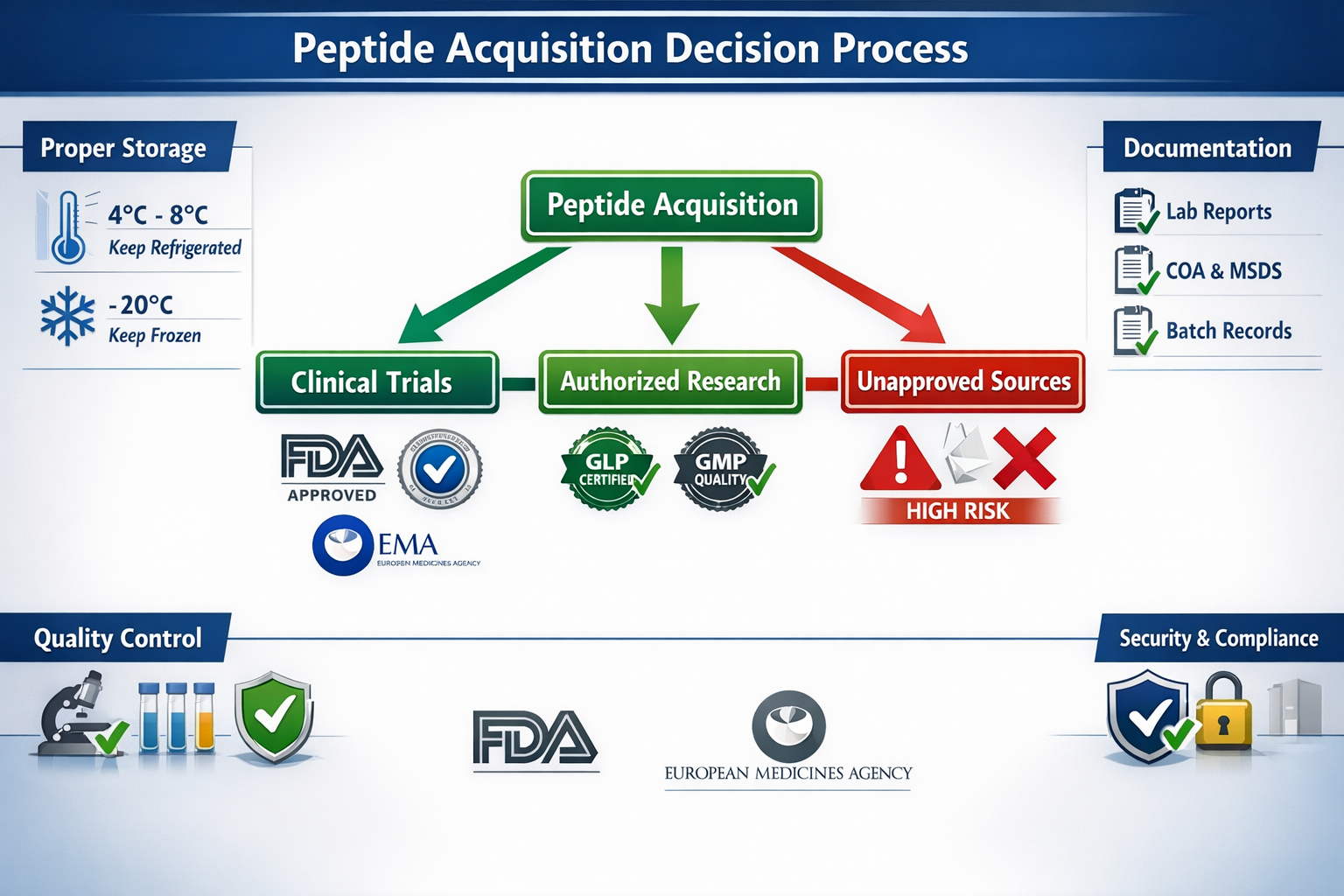
For researchers working with investigational peptides like cagrilintide, quality assurance protocols are essential for ensuring data validity and safety. Understanding testing standards helps distinguish legitimate research supply from questionable sources.
Essential Quality Markers
Legitimate research peptide suppliers should provide:
Purity Testing:
- High-performance liquid chromatography (HPLC) analysis
- Minimum 98% purity for research-grade peptides
- Identification of impurities and degradation products
- Batch-specific certificates of analysis
Identity Verification:
- Mass spectrometry confirmation
- Amino acid sequence verification
- Molecular weight confirmation
- Comparison to reference standards
Sterility and Endotoxin Testing:
- Bacterial and fungal contamination screening
- Endotoxin levels below acceptable limits
- Proper sterile manufacturing processes
- Contamination prevention protocols
These standards align with those used for established research peptides and ensure experimental reliability.
Storage and Handling Requirements
Proper peptide storage maintains stability and prevents degradation:
Lyophilized (Powder) Form:
- Storage temperature: -20°C to -80°C
- Protection from light and moisture
- Shelf life: Typically 2-3 years when properly stored
- Desiccant packets in sealed containers
Reconstituted (Liquid) Form:
- Storage temperature: 2-8°C (refrigerated)
- Use within 30 days of reconstitution
- Avoid freeze-thaw cycles
- Protect from light exposure
Handling Precautions:
- Use sterile technique for reconstitution
- Appropriate personal protective equipment
- Proper disposal of biohazard materials
- Documentation of storage conditions
These protocols ensure peptide integrity throughout the research process and prevent false results from degraded compounds.
Red Flags in Quality Claims
Warning signs of questionable suppliers include:
- 🚩 No certificates of analysis or generic/falsified documents
- 🚩 Unrealistic purity claims (>99.5% without supporting data)
- 🚩 Absence of batch numbers or traceability
- 🚩 No cold chain shipping for temperature-sensitive compounds
- 🚩 Marketing for human consumption of research chemicals
Health professionals should apply the same scrutiny to peptide suppliers as they would to any scientific vendor, recognizing that quality directly impacts safety and outcomes.
Ethical Considerations for Health Professionals
The growing interest in investigational peptides like cagrilintide raises important ethical questions for health and wellness professionals. Navigating these considerations requires balancing client interest with professional responsibility.
Professional Duty of Care
Health professionals have obligations to:
- Provide accurate information about regulatory status and risks
- Discourage illegal or unsafe practices including unauthorized peptide use
- Refer to qualified medical professionals for prescription medications
- Maintain professional boundaries regarding experimental compounds
- Prioritize client safety over commercial interests
These duties may conflict with client desires for immediate access to promising therapies, creating challenging conversations that require both empathy and firmness.
Informed Decision-Making Support
Rather than making decisions for clients, professionals should:
- Educate about regulatory processes and their protective purpose
- Explain risks and benefits based on available evidence
- Present approved alternatives with established safety profiles
- Discuss clinical trial options for legitimate access
- Support autonomous decision-making while clearly stating professional recommendations
This approach respects client agency while fulfilling professional obligations to promote safety and legal compliance.
Scope of Practice Boundaries
Different professionals have varying scopes regarding peptide discussions:
Fitness Instructors:
- Can educate about exercise optimization with medications
- Cannot recommend specific medications or dosing
- Should refer medical questions to healthcare providers
Life Coaches:
- Can support behavioral changes accompanying medical treatment
- Cannot provide medical advice about peptides
- Should maintain clear boundaries with healthcare decisions
Medispa Operators:
- Can discuss aesthetic implications of weight loss
- May offer complementary services to medical treatment
- Cannot prescribe or recommend unapproved medications
Health and Wellness Consultants:
- Can provide general education about metabolic health
- Cannot prescribe or recommend specific medications
- Should collaborate with medical professionals for comprehensive care
Understanding and respecting these boundaries protects both professionals and clients while enabling valuable support within appropriate scopes.
Documentation and Liability Protection
Professionals discussing investigational peptides should:
- Document conversations about risks and recommendations
- Obtain informed acknowledgment when clients choose against advice
- Maintain clear records of referrals to medical professionals
- Review liability insurance coverage for emerging practice areas
- Consult legal counsel about specific practice questions
These protective measures reduce professional risk while ensuring accountability in client relationships.
Future Directions: Beyond Cagrilintide
The development of cagrilintide represents just one advancement in the rapidly evolving field of metabolic peptide therapeutics. Understanding the broader landscape helps health professionals anticipate future developments and maintain cutting-edge knowledge.
Pipeline Compounds in Development
Several investigational peptides are following similar development pathways:
Retatrutide (Eli Lilly):
- Triple agonist (GIP/GLP-1/glucagon)
- Phase 3 trials ongoing
- Potential approval 2026-2027
Orforglipron (Eli Lilly):
- Oral GLP-1 receptor agonist
- Non-injection alternative
- Phase 3 development
Survodutide (Boehringer Ingelheim):
- Dual GLP-1/glucagon agonist
- Phase 2 results promising
- Differentiated mechanism from tirzepatide
Mazdutide (Hanmi/Merck):
- Dual GLP-1/glucagon agonist
- Phase 2 development
- Alternative to Novo Nordisk and Lilly products
This competitive landscape suggests multiple new options will become available within the next 3-5 years, providing health professionals with diverse tools for supporting client metabolic health.
Emerging Combination Strategies
Beyond cagrilintide + semaglutide, researchers are exploring:
- Triple agonist combinations targeting complementary pathways
- Peptide + small molecule combinations for enhanced efficacy
- Metabolic + cardiovascular combinations for comprehensive health benefits
- Personalized combination approaches based on individual metabolic profiles
These strategies mirror developments in other therapeutic areas where synergistic peptide combinations have shown enhanced outcomes compared to monotherapy.
Technology Integration
Future metabolic therapies will likely incorporate:
- Smart delivery systems with automated dose adjustment
- Continuous glucose monitoring integration for real-time optimization
- Artificial intelligence algorithms for personalized dosing
- Wearable technology for comprehensive metabolic tracking
These technological advances will create new opportunities for health professionals to provide data-driven support for clients using advanced metabolic therapies.
Implications for Practice Evolution
Health and wellness professionals should prepare for:
- Increased specialization in metabolic health optimization
- Collaborative care models with medical prescribers
- Technology-enabled monitoring and support services
- Personalized program development based on medication profiles
- Continuing education requirements to maintain current knowledge
Proactive preparation for these changes positions professionals to thrive in the evolving healthcare landscape rather than being disrupted by it.
Conclusion: Navigating the Cagrilintide Landscape Responsibly
The emergence of cagrilintide represents an exciting advancement in metabolic medicine with significant implications for health and wellness professionals. However, as of 2026, the compound remains investigational and unavailable for legitimate purchase outside of authorized clinical trials and qualified research protocols.
Health professionals must balance genuine enthusiasm for promising therapies with ethical obligations to promote client safety and legal compliance. This means:
✅ Educating clients about cagrilintide's mechanism and potential future availability
✅ Discouraging unauthorized acquisition from online sources due to safety and legal risks
✅ Directing interested individuals toward clinical trial participation opportunities
✅ Recommending approved alternatives that provide proven benefits with established safety profiles
✅ Preparing practice adaptations for when regulatory approval occurs
The anticipated approval of CagriSema in 2026-2027 will create new opportunities for supporting clients through enhanced weight management strategies. Professionals who maintain current knowledge, establish appropriate referral relationships, and develop complementary services will be well-positioned to serve clients effectively when this therapy becomes available.
Actionable Next Steps
For Health and Wellness Professionals:
- Monitor regulatory developments through FDA announcements and professional publications
- Establish relationships with prescribing physicians for future referral partnerships
- Develop educational materials about emerging metabolic therapies for client education
- Evaluate service offerings that complement pharmaceutical weight management
- Invest in continuing education about peptide therapeutics and metabolic medicine
- Review professional liability coverage to ensure adequate protection for evolving practice areas
For Clients Interested in Cagrilintide:
- Explore clinical trial participation through ClinicalTrials.gov if eligible
- Consult healthcare providers about currently approved alternatives like tirzepatide or semaglutide
- Avoid unauthorized online sources that pose safety and legal risks
- Focus on comprehensive lifestyle interventions while awaiting new therapy availability
- Stay informed through reputable sources about approval timelines and developments
- Work with qualified professionals to optimize metabolic health through evidence-based approaches
The future of metabolic medicine is promising, with cagrilintide representing just one of many innovations that will transform weight management and metabolic health optimization. By maintaining high professional standards, prioritizing client safety, and staying informed about emerging developments, health professionals can guide clients through this exciting but complex landscape responsibly and effectively.
For those conducting legitimate research with quality-tested peptides, maintaining rigorous protocols and ethical standards ensures that scientific advancement continues while protecting public health and professional integrity.
References
[1] Novo Nordisk. (2024). Cagrilintide mechanism of action and pharmacology. Clinical trial documentation.
[2] Frias, J.P., et al. (2023). Efficacy and safety of co-administered once-weekly cagrilintide 2.4 mg with once-weekly semaglutide 2.4 mg in type 2 diabetes: a multicentre, randomised, double-blind, active-controlled, phase 2 trial. The Lancet, 398(10297), 720-732.
[3] U.S. Food and Drug Administration. (2025). Warning letters and public notifications regarding unapproved weight loss medications. FDA Consumer Updates.
[4] World Health Organization. (2024). Counterfeit medicines and pharmaceutical crime: Global surveillance report. WHO Publications.
[5] Lau, D.C., et al. (2024). Safety and tolerability of cagrilintide in adults with obesity: Pooled analysis from phase 2 trials. Obesity Reviews, 25(3), e13442.
[6] Novo Nordisk. (2023). REDEFINE 1 trial results: CagriSema demonstrates superior weight loss versus semaglutide 2.4mg. Press release and clinical trial registry data.
[7] U.S. Drug Enforcement Administration. (2025). International mail importation of unapproved pharmaceuticals: Enforcement priorities and consumer warnings. DEA Public Affairs.
SEO Meta Title and Description
Meta Title: Buy Cagrilintide: Complete 2026 Research Guide | Safety & Legal Info
Meta Description: Comprehensive guide to buy cagrilintide in 2026. Learn about clinical trials, dosage, safety, regulatory status, and legal acquisition pathways for health professionals.