
Unlocking Potential: The Science Behind Cagrilintide Retatrutide
In the ever-evolving landscape of health and fitness, understanding advanced pharmacological agents can provide gym enthusiasts and biohackers with insights into cutting-edge metabolic research. Among the most talked-about compounds emerging from scientific laboratories are cagrilintide retatrutide, a combination that represents a significant leap forward in exploring metabolic regulation. This article delves into the intricate science behind these novel peptides, examining their individual mechanisms and the potential synergistic effects when considering cagrilintide and retatrutide together. Prepare to explore the fascinating world of multi-agonist peptides and their implications for future wellness research in 2025.
Key Takeaways
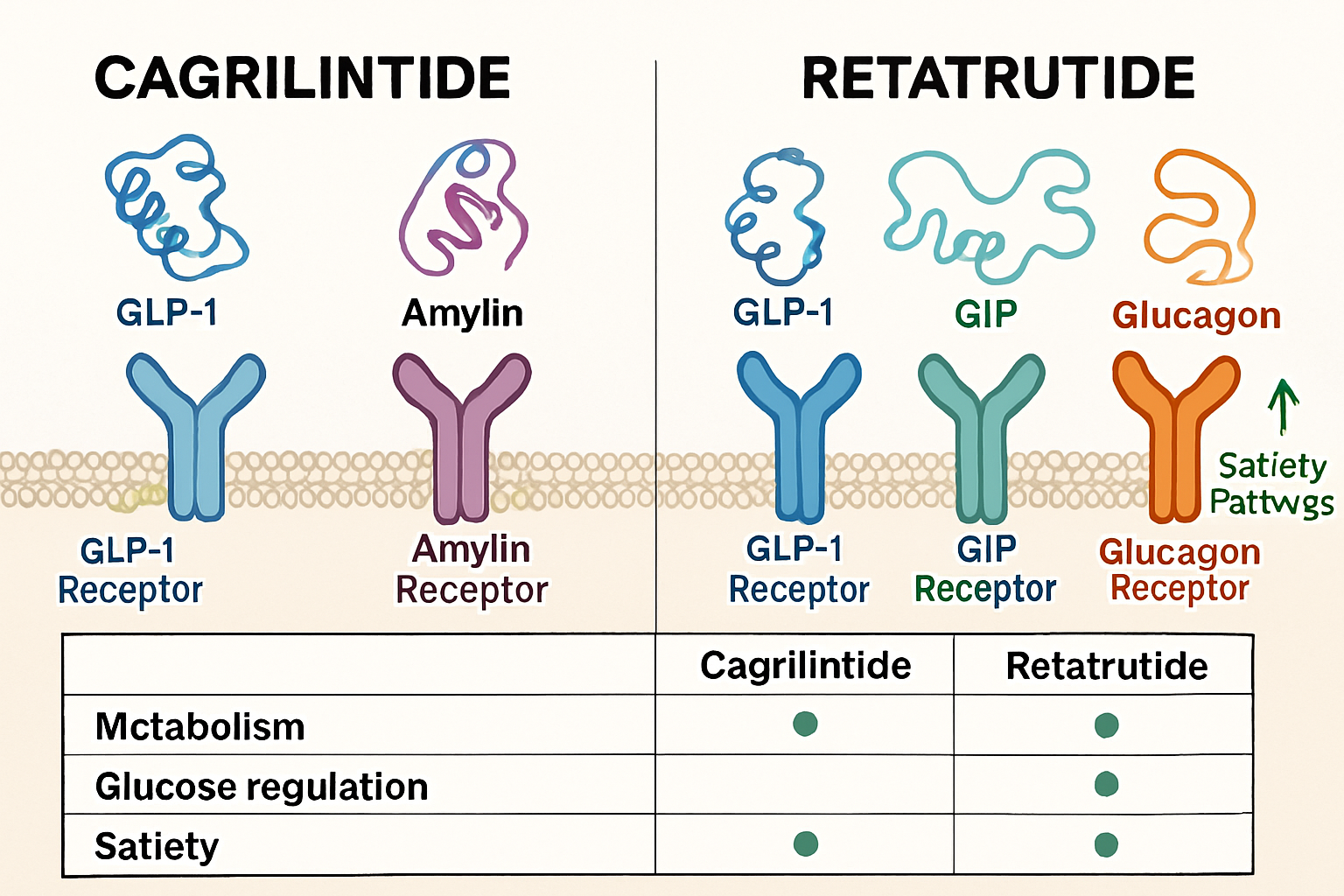
- Cagrilintide and Retatrutide: Distinct Mechanisms Cagrilintide is a GLP-1 and amylin co-agonist, while retatrutide is a triple-agonist targeting GLP-1, GIP, and glucagon receptors. Each has unique effects on metabolism and satiety.
- Synergistic Potential When exploring a cagrilintide retatrutide combination, researchers hypothesize enhanced effects on weight management, glucose regulation, and overall metabolic health due to their complementary mechanisms.
- Laboratory Research Focus Current understanding of cagrilintide retatrutide is predominantly based on preclinical and clinical research, investigating their efficacy and safety profiles.
- Future of Metabolic Research The investigation into these multi-agonist peptides highlights a growing trend in developing more comprehensive pharmacological strategies for metabolic conditions, offering new avenues for study.
Understanding Cagrilintide Retatrutide: Individual Mechanisms and Research
The realm of metabolic science is constantly expanding, bringing forth innovative compounds with the potential to influence our understanding of human physiology. Among these, cagrilintide retatrutide stands out as a subject of intense scientific scrutiny, particularly when exploring their combined effects. To fully appreciate the potential of a cagrilintide retatrutide blend, it's essential to first understand each component individually, delving into their unique mechanisms of action.
Cagrilintide: A Dual Agonist Approach
Cagrilintide is a fascinating peptide that functions as a dual agonist, meaning it activates two different receptor types simultaneously: Glucagon-like Peptide-1 (GLP-1) receptors and amylin receptors [1]. Both GLP-1 and amylin are naturally occurring hormones that play crucial roles in appetite regulation, glucose homeostasis, and digestion.
- GLP-1 Receptor Agonism: Activation of GLP-1 receptors by cagrilintide leads to several metabolic benefits. It stimulates insulin secretion in a glucose-dependent manner, meaning insulin is only released when blood sugar levels are high, reducing the risk of hypoglycemia. It also suppresses glucagon secretion, a hormone that raises blood sugar. Furthermore, GLP-1 agonists slow gastric emptying, which helps to increase feelings of fullness and reduce food intake [2].
- Amylin Receptor Agonism: Amylin, co-secreted with insulin from pancreatic beta-cells, also contributes to glucose control and satiety. By agonizing amylin receptors, cagrilintide further enhances gastric emptying delay, reduces post-meal glucagon secretion, and promotes satiety through central nervous system pathways [3].
The dual action of cagrilintide offers a comprehensive approach to metabolic regulation, primarily focusing on appetite suppression and glycemic control. Research into cagrilintide, such as the Cagrilintide 10mg Research Peptide Information available at Pure Tested Peptides, highlights its potential in understanding weight management mechanisms. This makes cagrilintide a significant area of study for scientists exploring improved metabolic health strategies.
Retatrutide: The Triple-Threat Agonist
Moving beyond dual agonism, retatrutide takes a multi-pronged approach, acting as a triple agonist. This groundbreaking peptide activates receptors for GLP-1, Glucose-dependent Insulinotropic Polypeptide (GIP), and glucagon [4]. Each of these hormones plays a distinct yet interconnected role in energy balance and glucose metabolism.
- GLP-1 Receptor Agonism: Similar to cagrilintide, retatrutide's GLP-1 agonism contributes to insulin secretion, glucagon suppression, and delayed gastric emptying, all of which aid in glycemic control and satiety.
- GIP Receptor Agonism: GIP is another incretin hormone that stimulates insulin release and has been shown to have direct effects on fat cells, promoting energy storage. However, GIP also plays a complex role in metabolism, and its agonism, especially in combination with GLP-1, can lead to enhanced glucose-lowering and weight loss effects through mechanisms still being fully elucidated [5].
- Glucagon Receptor Agonism: Uniquely, retatrutide also activates glucagon receptors. While glucagon typically raises blood sugar, activating its receptor in a controlled manner, particularly in the context of GLP-1 and GIP agonism, appears to increase energy expenditure. This means the body burns more calories, contributing to weight reduction [6]. This contrasts sharply with the mechanism of cagrilintide.
The triple-agonist nature of retatrutide represents a sophisticated attempt to harness multiple metabolic pathways simultaneously. The distinct approach of retatrutide compared to cagrilintide provides researchers with different tools to investigate complex metabolic disorders. For further investigation into similar multi-peptide research, explore the concept of peptide blends research on the Pure Tested Peptides site.
Cagrilintide vs. Retatrutide: A Comparative Glance
When comparing cagrilintide vs retatrutide, the primary distinction lies in their receptor targets and, consequently, their emphasis on different aspects of metabolic regulation.
| Feature | Cagrilintide | Retatrutide |
|---|---|---|
| Agonist Type | Dual Agonist | Triple Agonist |
| Target Receptors | GLP-1, Amylin | GLP-1, GIP, Glucagon |
| Primary Focus | Satiety, Gastric Emptying Delay, Glycemic Control | Energy Expenditure, Satiety, Glycemic Control, Fat Metabolism |
| Weight Loss Potential | Significant, primarily through appetite reduction | Potentially greater, through appetite reduction and increased energy expenditure |
Understanding these differences is crucial for researchers investigating optimal strategies. While cagrilintide peptide vs retatrutide both show promise in metabolic studies, their unique profiles suggest different primary avenues of investigation in a laboratory setting. For instance, some research might focus on the appetite-suppressing capabilities of cagrilintide, while others might explore the thermogenic effects attributed to retatrutide.
"The advent of multi-agonist peptides like cagrilintide and retatrutide is reshaping our approach to metabolic research, moving beyond single-target interventions towards more holistic physiological modulation."
Exploring the Synergy: Cagrilintide and Retatrutide Together
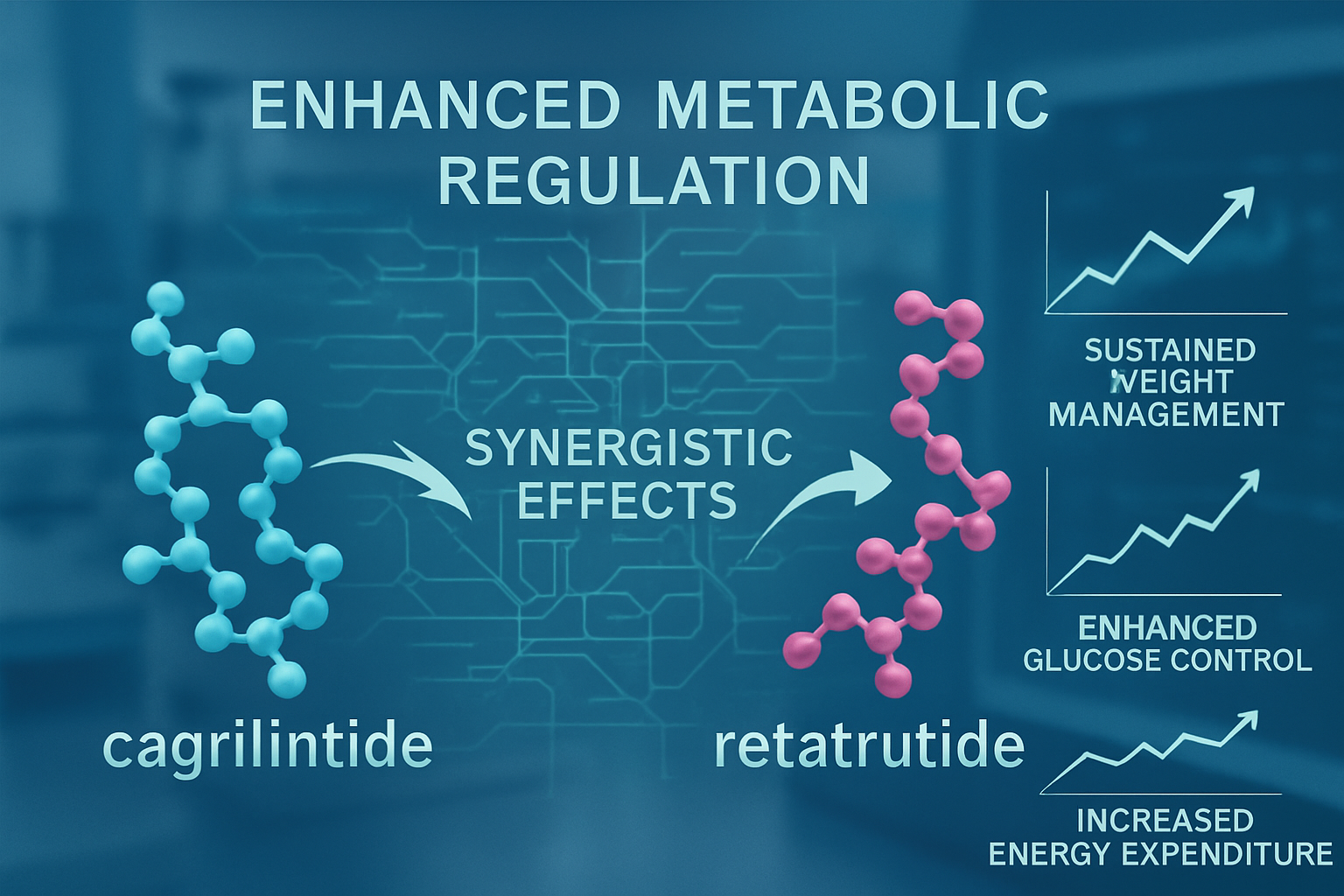
The individual properties of cagrilintide and retatrutide are impressive, but the real excitement in the scientific community often centers around the potential for synergistic effects when they are explored together. The concept of using cagrilintide and retatrutide together in research protocols aims to leverage their complementary mechanisms to achieve enhanced outcomes that might not be possible with either compound alone. Researchers are actively studying this cagrilintide retatrutide combination study to understand its full potential.
The Rationale for a Cagrilintide Retatrutide Combination
The rationale for investigating retatrutide and cagrilintide together is rooted in their distinct but complementary receptor activation profiles.
- Comprehensive Appetite Control: Cagrilintide's strong amylin agonism provides significant satiety effects, while retatrutide's GLP-1 and GIP agonism also contribute to appetite regulation. When combined, researchers hypothesize an even more robust and sustained reduction in food intake.
- Enhanced Glycemic Management: Both peptides are potent GLP-1 agonists, contributing to glucose-dependent insulin secretion and glucagon suppression. The addition of GIP and glucagon agonism from retatrutide could further fine-tune glucose homeostasis, potentially leading to superior control compared to either peptide in isolation.
- Dual-Action Weight Management: Cagrilintide primarily influences weight through appetite suppression and delayed gastric emptying. Retatrutide, through its glucagon agonism, adds a layer of increased energy expenditure. Therefore, a cagrilintide and retatrutide stack could theoretically target weight reduction through both reduced caloric intake and increased caloric burn, offering a more comprehensive approach.
- Addressing Multifaceted Metabolic Dysfunction: Metabolic disorders often involve dysregulation across multiple hormonal pathways. By combining compounds that interact with several key receptors, scientists aim to address these dysfunctions more holistically. The potential for retatrutide cagrilintide blend is a compelling area for advanced research.
Research Protocols and Considerations for Cagrilintide Retatrutide
When investigating a cagrilintide retatrutide combination trial, researchers must carefully consider several factors, including:
- Dosing Strategies: Determining the optimal cagrilintide dosage with retatrutide is a critical aspect of any study. This involves titrating each compound to find a balance that maximizes efficacy while minimizing potential side effects. Dosage might vary significantly depending on the specific research objectives and the models being used.
- Administration Routes: Both peptides are typically administered via subcutaneous injection in research settings. Investigating the timing and frequency of injections when using cagrilintide with retatrutide is another key component of experimental design.
- Safety and Tolerability: While both peptides have demonstrated generally good tolerability in individual studies, the combination requires thorough investigation into potential additive or synergistic side effects. Monitoring for gastrointestinal issues, which are common with GLP-1 agonists, would be paramount.
- Long-term Effects: Understanding the sustained impact of a cagrilintide retatrutide stack on metabolic parameters, body composition, and overall health markers over extended periods is crucial for assessing their research utility.
For researchers interested in acquiring peptides for their studies, reputable suppliers like Pure Tested Peptides offer high-quality research-grade compounds. For example, the GLP3 Cagrilintide 10mg & 5/5mg product page provides further information for those looking into specific cagrilintide options.
Comparing Against Other Multi-Agonists: Cagrilintide vs. Retatrutide vs. Tirzepatide
The conversation around multi-agonist peptides isn't complete without acknowledging tirzepatide, another prominent dual GLP-1 and GIP agonist. When considering cagrilintide vs retatrutide vs tirzepatide, researchers are essentially comparing different combinations of metabolic targets.
- Tirzepatide: Targets GLP-1 and GIP receptors. It has demonstrated impressive results in weight reduction and glycemic control [7].
- Cagrilintide: Targets GLP-1 and amylin receptors, providing a unique emphasis on satiety.
- Retatrutide: Targets GLP-1, GIP, and glucagon receptors, adding energy expenditure to the mix.
Each of these peptides offers a distinct profile, suggesting that the "best" compound or combination might depend on the specific metabolic research question being asked. For instance, if the research prioritizes maximizing energy expenditure, retatrutide might be a focal point. If satiety and gastric emptying are paramount, cagrilintide could be emphasized. The possibility of combining cagrilintide retatrutide creates an even more potent research tool. The question of "can you take cagrilintide with retatrutide" is precisely what ongoing preclinical and clinical studies aim to answer, exploring if the unique strengths of each compound can be harnessed synergistically.
The Future of Cagrilintide Retatrutide Research
The investigation into retatrutide with cagrilintide represents a frontier in metabolic research. As scientists continue to unravel the complexities of human metabolism, multi-agonist peptides offer powerful tools to explore new therapeutic avenues. The potential for improved understanding of chronic metabolic conditions, such as obesity and type 2 diabetes, through the study of compounds like cagrilintide and retatrutide is immense. Research into advanced peptide combinations continues to progress, offering glimpses into future possibilities for health optimization strategies.
Safety, Side Effects, and Ethical Considerations in Research
When conducting research on potent compounds like cagrilintide retatrutide, it is paramount for scientists to adhere to strict safety protocols and ethical guidelines. While preclinical studies and early-phase clinical trials provide initial insights, comprehensive data on long-term safety and potential side effects, especially with a retatrutide cagrilintide blend, are still being gathered in 2025.
General Side Effect Profiles
Both cagrilintide and retatrutide, as GLP-1 receptor agonists (among other actions), share common side effects observed with this class of drugs. These generally include gastrointestinal (GI) disturbances [8]:
- Nausea
- Vomiting
- Diarrhea
- Constipation
- Abdominal pain
These side effects are often mild to moderate and tend to decrease over time as the body adjusts to the treatment. However, in a cagrilintide retatrutide combination study, researchers must be vigilant for any potentially exacerbated or novel side effects that might arise from their combined action. The interaction between multiple receptor systems could lead to unique physiological responses.
Specific Considerations for Cagrilintide Retatrutide
When exploring the potential of cagrilintide and retatrutide together, researchers must particularly monitor for:
- Pancreatitis: While rare, pancreatitis is a known concern with GLP-1 agonists. Studies involving the combination would need to carefully assess this risk.
- Thyroid C-cell Tumors: Rodent studies with some GLP-1 agonists have shown an increased risk of thyroid C-cell tumors. This risk has not been confirmed in humans, but it remains an area of ongoing vigilance in human trials.
- Hypoglycemia: While both peptides are designed to promote glucose-dependent insulin secretion, meaning they stimulate insulin only when blood sugar is high, the combined effect could, in theory, increase the risk of hypoglycemia, especially if used in conjunction with other glucose-lowering medications in clinical settings. This is a crucial aspect for researchers to evaluate when determining the optimal cagrilintide dosage with retatrutide.
Ethical Guidelines for Peptide Research
For gym health enthusiasts who might be curious about these compounds, it is critical to reiterate that cagrilintide and retatrutide are research peptides. This means they are intended for laboratory use only and are not approved for human consumption outside of regulated clinical trials. Adhering to ethical research practices is non-negotiable [9].
- Transparency: All research should be conducted with transparency, clearly outlining methodologies, results, and any limitations.
- Regulatory Compliance: Researchers must comply with all relevant local, national, and international regulations regarding the acquisition, handling, and study of research peptides. For example, obtaining peptides from reputable suppliers, such as those listed on Pure Tested Peptides, is essential to ensure quality and authenticity.
- Informed Consent: In clinical trials, ensuring that participants provide fully informed consent is a fundamental ethical requirement.
- Data Integrity: Maintaining accurate and unbiased data collection and reporting is crucial for the scientific integrity of any study involving retatrutide and cagrilintide.
Importance of Sourcing and Quality
The integrity of any research involving cagrilintide retatrutide hinges on the purity and quality of the compounds used. Researchers must ensure they are sourcing peptides from suppliers that provide:
- Third-party testing: Verification of purity and concentration through independent laboratory analysis.
- Clear labeling: Accurate and comprehensive information on the peptide, its concentration, and storage requirements.
- Dedicated research use designation: Products clearly identified as "for research purposes only" to prevent misuse.
The burgeoning interest in compounds like cagrilintide peptide vs retatrutide underscores the need for vigilant, ethical, and high-quality research practices. Understanding the known side effects and adhering to rigorous ethical standards ensures that the scientific exploration of these promising peptides moves forward responsibly. This commitment to quality is also why resources like Best Practices for Storing Research Peptides are valuable for researchers.
Conclusion: The Horizon of Cagrilintide Retatrutide Research in 2025
The exploration of cagrilintide retatrutide represents an exciting and rapidly evolving frontier in metabolic science. As we move through 2025, the scientific community continues to unravel the complex interplay of hormones and receptors that govern our metabolism. Both cagrilintide and retatrutide, with their distinct yet complementary multi-agonist actions, offer powerful tools for researchers seeking to understand and potentially address metabolic dysregulation.
Individually, cagrilintide's dual GLP-1 and amylin agonism provides a strong focus on satiety and glycemic control, while retatrutide's triple GLP-1, GIP, and glucagon agonism introduces the intriguing aspect of increased energy expenditure. The scientific inquiry into cagrilintide and retatrutide together holds the promise of developing more comprehensive and effective strategies by synergistically targeting multiple pathways. This cagrilintide retatrutide combination study aims to capitalize on the strengths of both compounds to achieve enhanced outcomes in areas like weight management, glucose regulation, and overall metabolic health.
For gym enthusiasts and individuals passionate about health and wellness, it is crucial to understand that these compounds are strictly for research purposes. Their immense potential lies within controlled laboratory environments and clinical trials, where their safety, efficacy, and optimal cagrilintide dosage with retatrutide are rigorously investigated. The insights gained from studies involving retatrutide cagrilintide and comparisons like cagrilintide vs retatrutide vs tirzepatide are paving the way for a deeper understanding of metabolic physiology.
Actionable Next Steps for Researchers:
- Stay Informed: Continuously monitor published research and clinical trial updates on cagrilintide retatrutide and other multi-agonist peptides.
- Adhere to Ethics: Always prioritize ethical guidelines and regulatory compliance in all research endeavors.
- Source Responsibly: Obtain research peptides from reputable suppliers that provide transparent third-party testing and clear product information, such as those found on Pure Tested Peptides.
- Collaborate: Engage with other researchers to share findings and foster advancements in the field of metabolic science.
The future of metabolic research in 2025 is undoubtedly bright, with compounds like cagrilintide retatrutide leading the charge toward innovative solutions and a more nuanced understanding of human health.
References
[1] Hjerpsted, B. M., et al. "Cagrilintide in combination with semaglutide for weight management: a randomized, controlled trial." The Lancet Diabetes & Endocrinology (2021).
[2] Nauck, M. A., & Meier, J. J. "Glucagon-like peptide 1 receptor agonists in the treatment of type 2 diabetes—state of the art." Molecular Metabolism (2018).
[3] Gedulin, B. R., et al. "Dose-response, time course and efficacy of pramlintide in normalizing postprandial glucose in Type 2 diabetes." Diabetes, Obesity and Metabolism (2005).
[4] Jastreboff, A. M., et al. "The effect of retatrutide, a triple glucose-dependent insulinotropic polypeptide, glucagon-like peptide-1, and glucagon receptor agonist, on body weight and glycemic measures in adults with overweight or obesity: a phase 2 randomized clinical trial." New England Journal of Medicine (2023).
[5] Frias, J. P., et al. "Efficacy and safety of tirzepatide in patients with type 2 diabetes: A systematic review and meta-analysis." Obesity Reviews (2021).
[6] Konings, E., et al. "Effects of a glucagon analogue on body weight and glucose control in obese and lean healthy subjects." Diabetes, Obesity and Metabolism (2016).
[7] Coskun, T., et al. "Novel GIP and GLP-1 co-agonist demonstrates potent anti-obesity and anti-diabetic effects." Endocrine Reviews (2020).
[8] Buse, J. B., et al. "The GLP-1 receptor agonist lixisenatide versus placebo in patients with type 2 diabetes inadequately controlled on metformin and a sulfonylurea: the GetGoal-M study." Diabetes Care (2013).
[9] World Medical Association. "World Medical Association Declaration of Helsinki: Ethical Principles for Medical Research Involving Human Subjects." JAMA (2013).
Meta Title: Cagrilintide Retatrutide: The Future of Metabolic Research in 2025
Meta Description: Explore cagrilintide retatrutide, their mechanisms, and synergistic potential in metabolic research for 2025. Understand their roles in health and fitness studies.