Adenosine Triphosphate, Mitochondria, and Metabolic Peptides: How MOTS-c and 5-Amino-1MQ Research Relates to ATP Biology
Every cell in the human body spends and regenerates its own weight in adenosine triphosphate (ATP) each day, a fact that places mitochondrial efficiency at the center of virtually every metabolic disease discussion. The intersection of Adenosine Triphosphate, Mitochondria, and Metabolic Peptides: How MOTS-c and 5-Amino-1MQ Research Relates to ATP Biology has become one of the more active areas of preclinical investigation in 2026, as researchers search for molecular tools that can probe the upstream regulators of cellular energy output. This article maps the core bioenergetics, then explains how two experimental compounds, MOTS-c and 5-Amino-1MQ, interact with the pathways that govern ATP production.
Research context only: MOTS-c and 5-Amino-1MQ are experimental compounds studied in preclinical and early research settings. Neither is FDA-approved for human use. All discussion below reflects laboratory and animal-model findings.
Key Takeaways
- ATP is synthesized primarily by the mitochondrial electron transport chain (ETC) and ATP synthase, making mitochondrial health the central variable in cellular energy output.
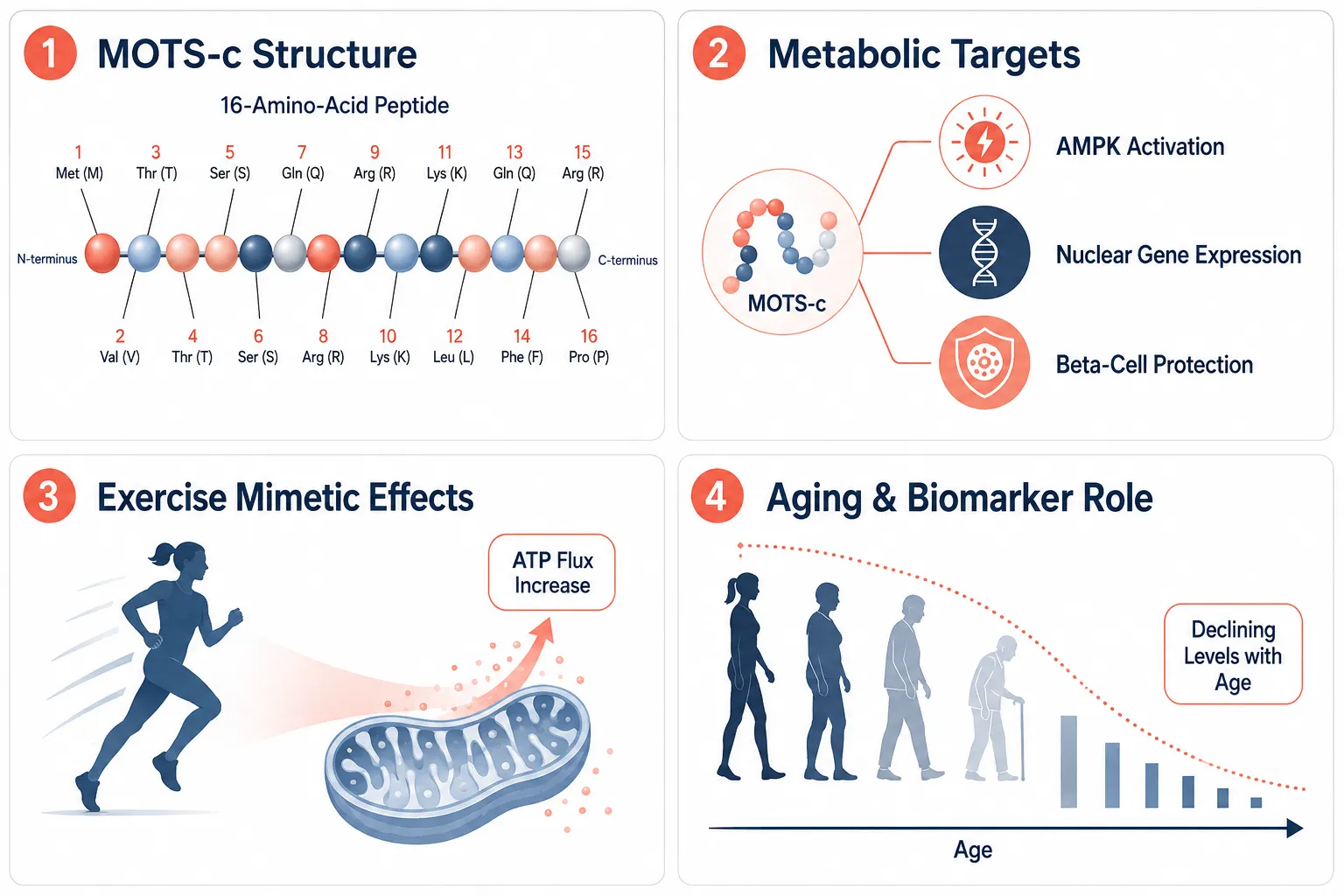
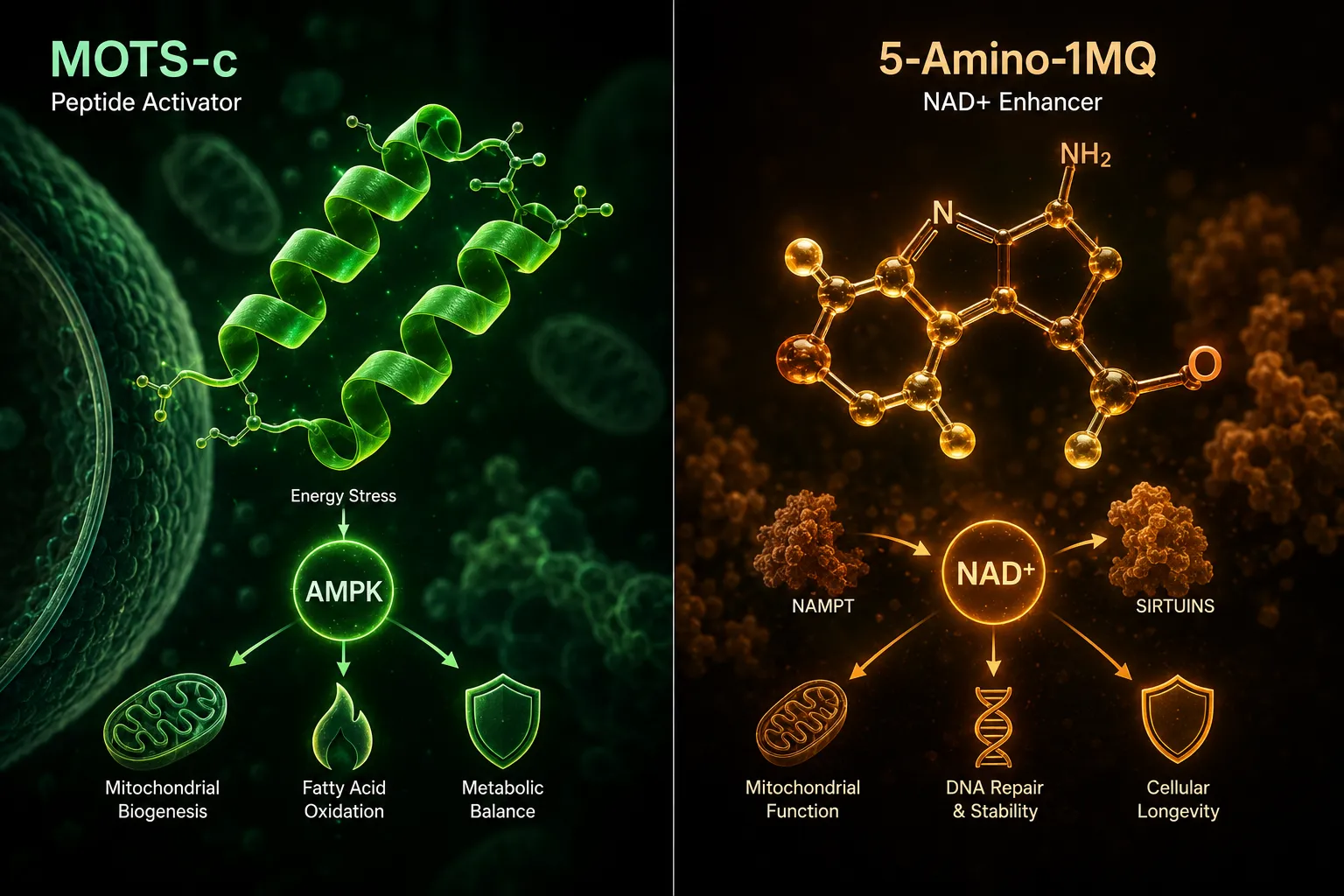
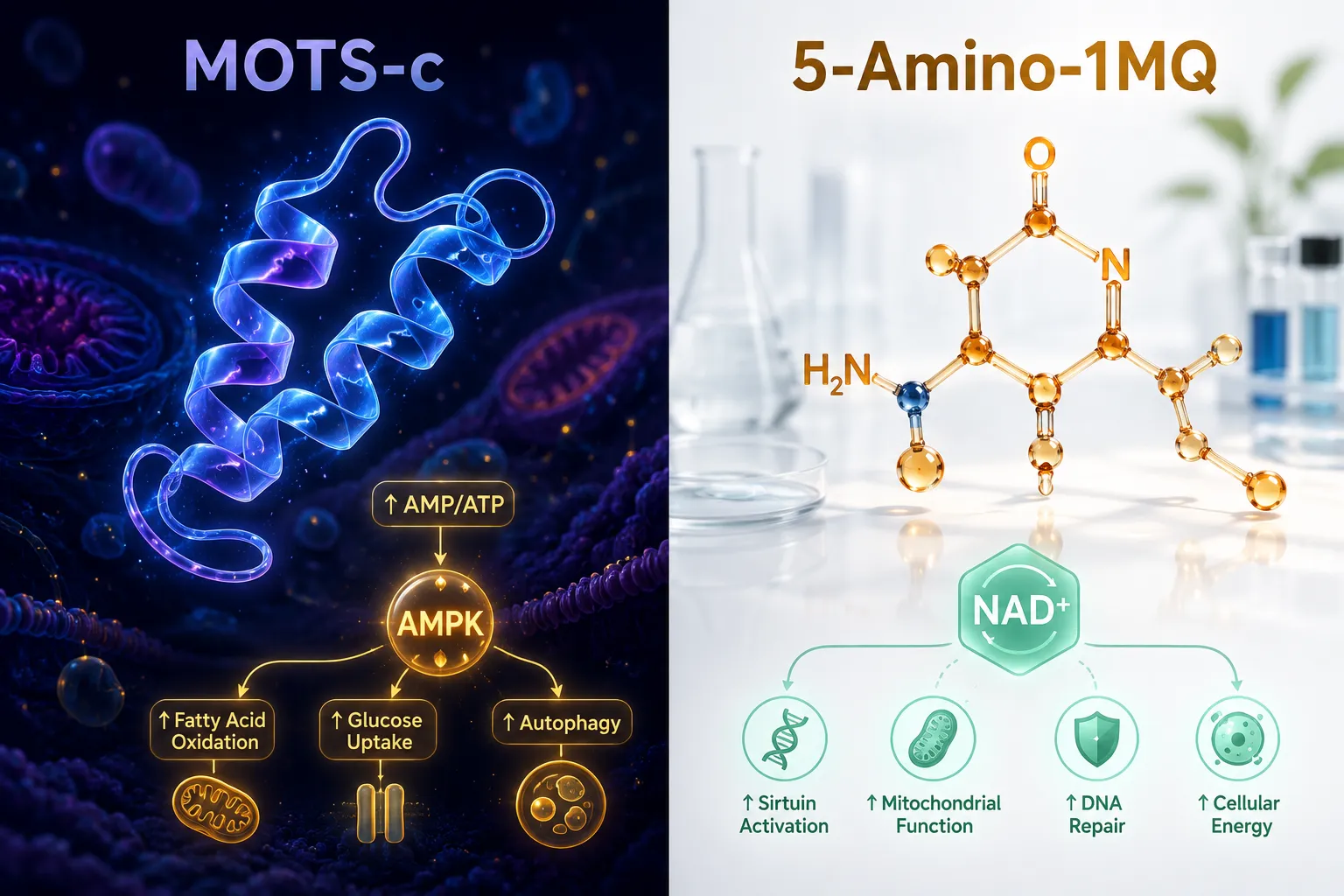
- MOTS-c is a 16-amino-acid mitochondria-derived peptide that activates AMPK, promotes nuclear gene expression changes, and improves metabolic flexibility in high-energy tissues.
- 5-Amino-1MQ inhibits the enzyme NNMT, which raises intracellular NAD+ levels and enhances oxidative phosphorylation and ATP synthesis in cell models.
- Both compounds are research-only; MOTS-c is explicitly banned by WADA as a metabolic modulator, and the first human dosing trial only began recruiting in early 2026.
- Understanding ATP biology provides the mechanistic framework needed to interpret what these peptides do, and what remains unknown.
Mitochondria and the Biology of ATP Production
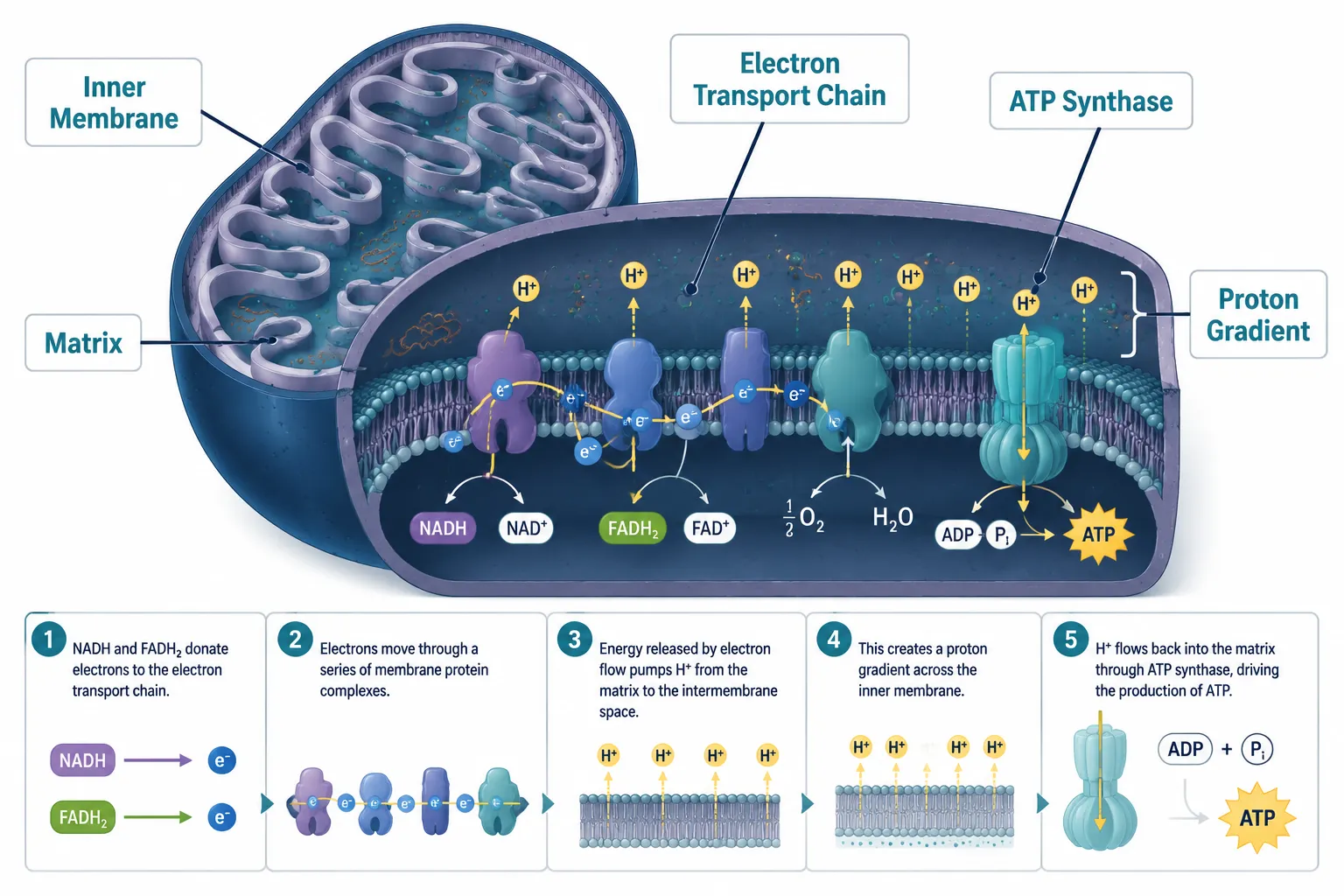
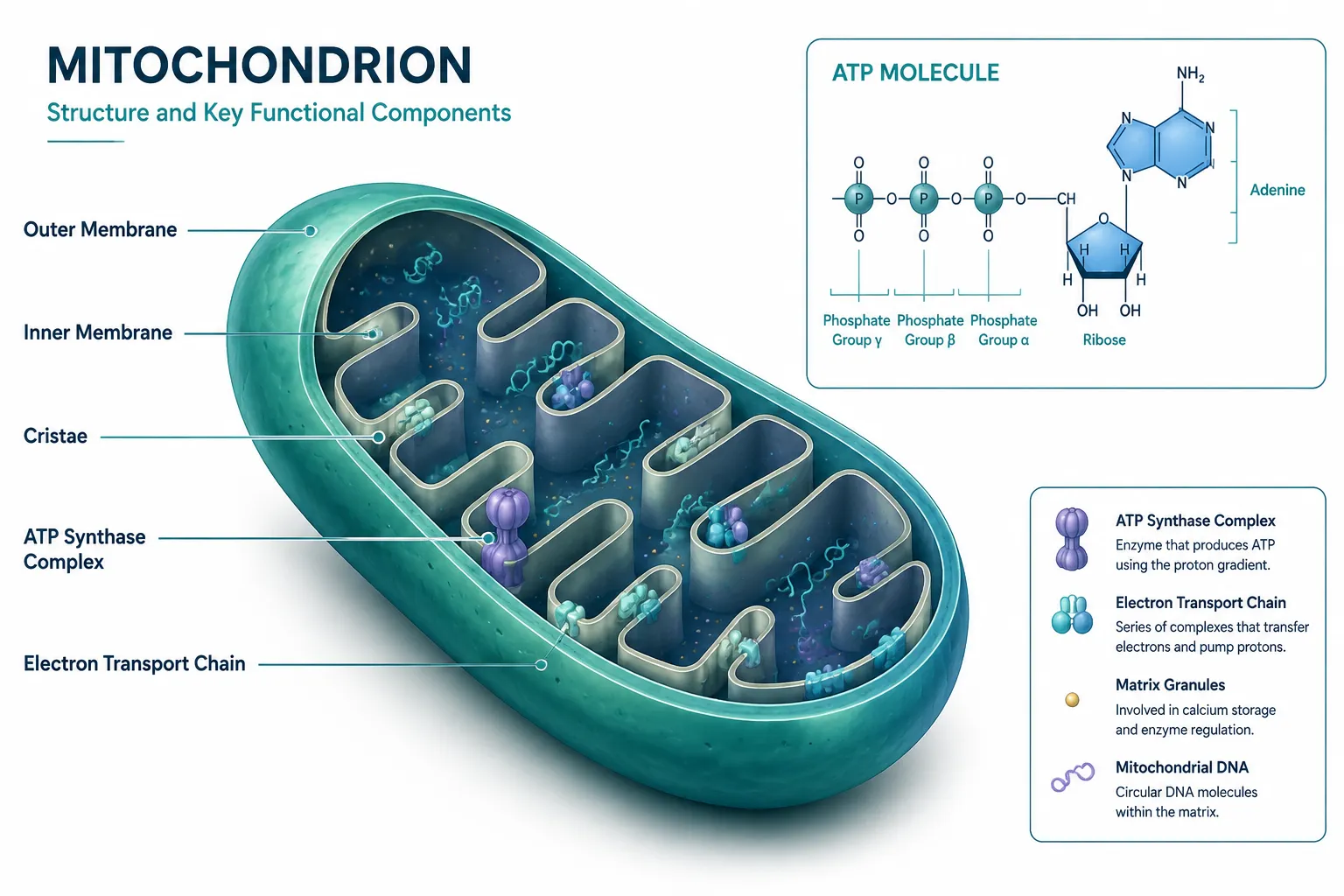
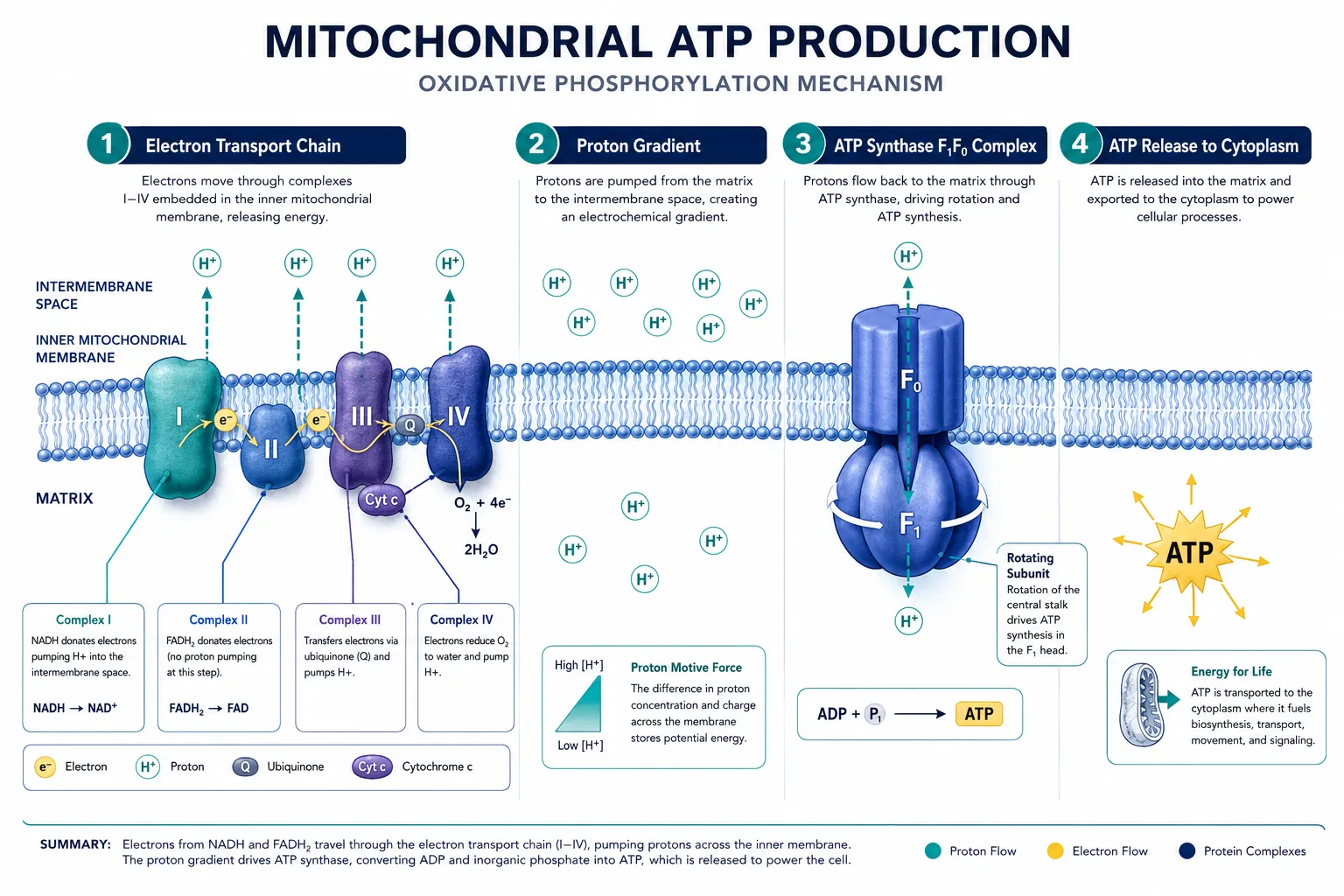
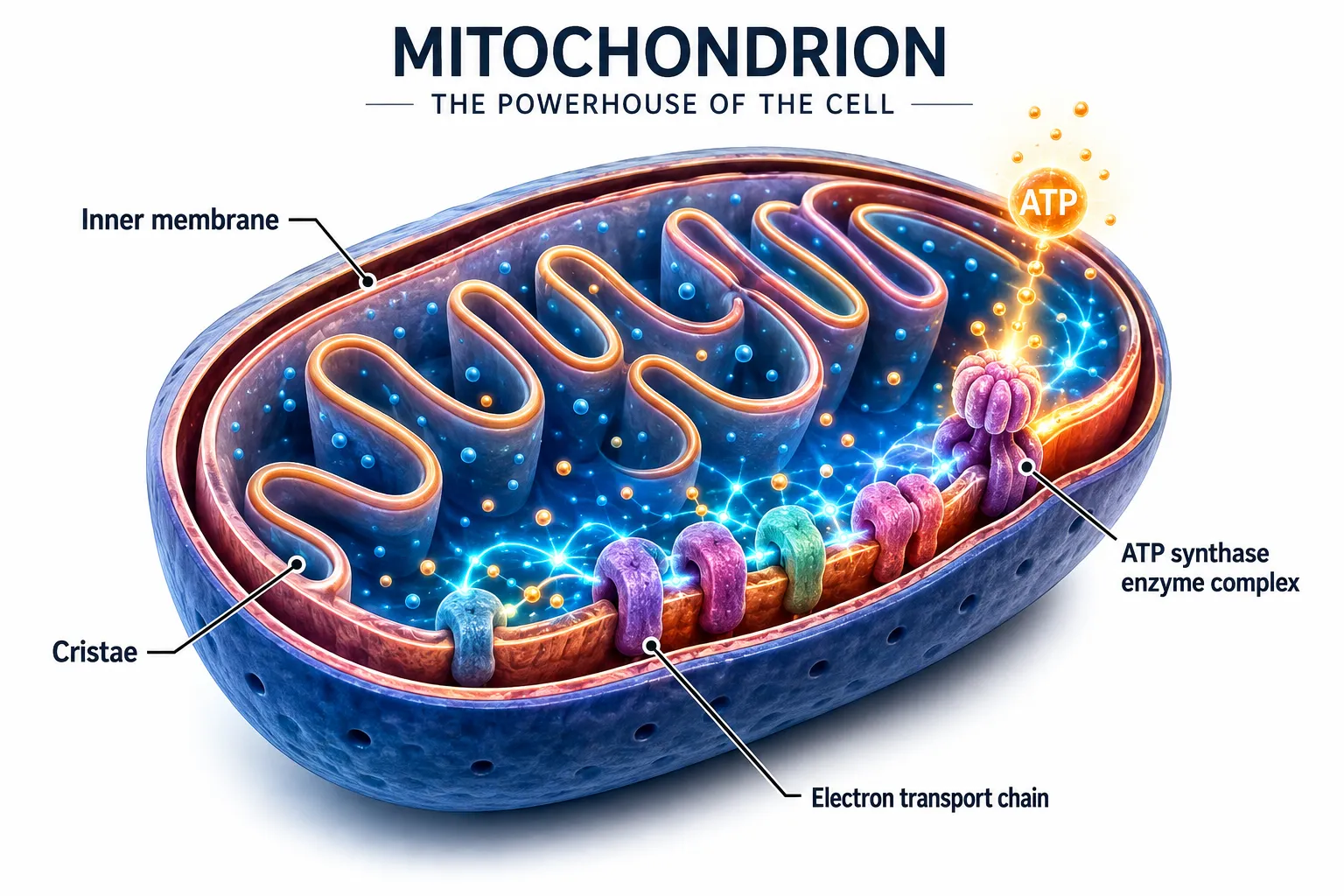
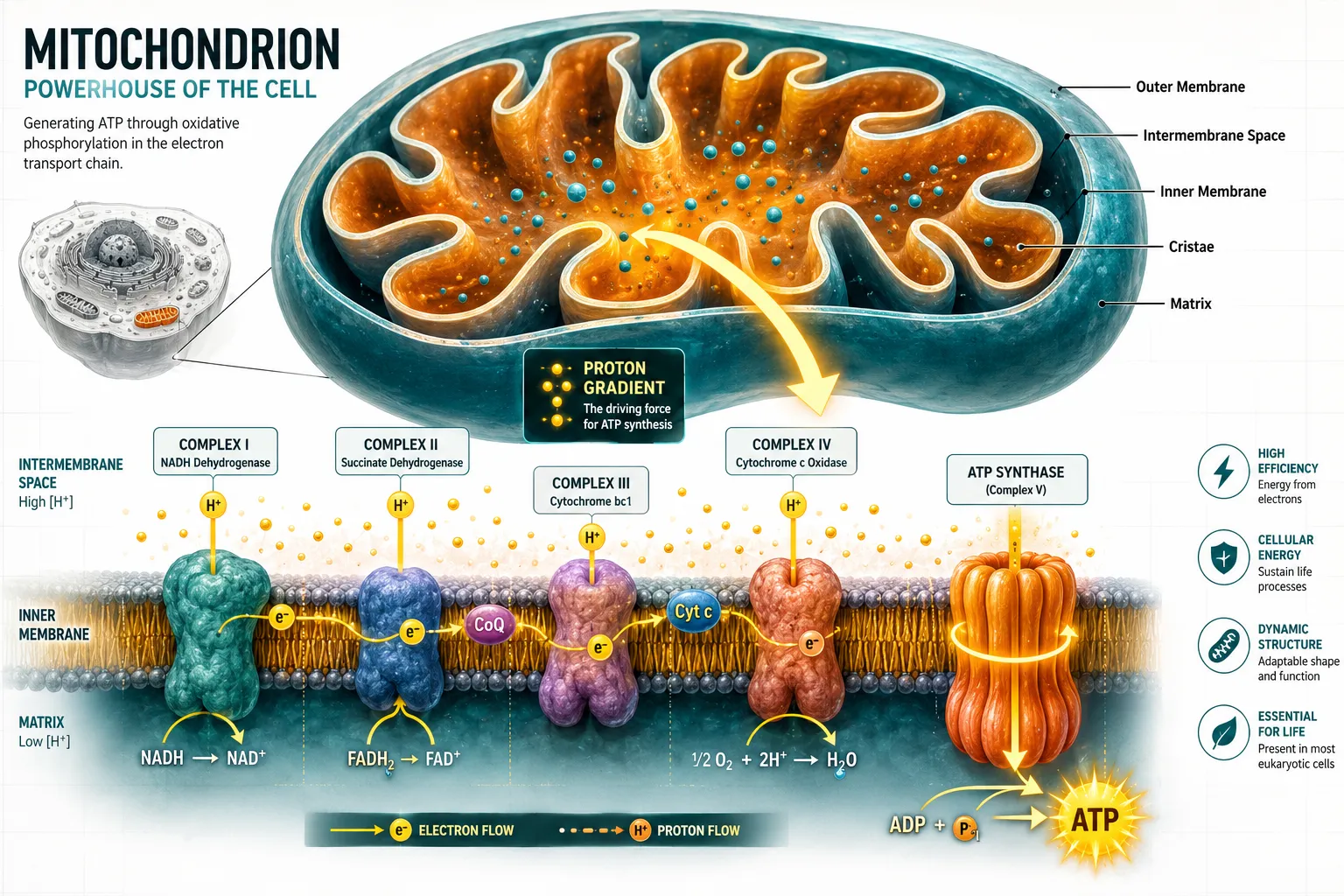
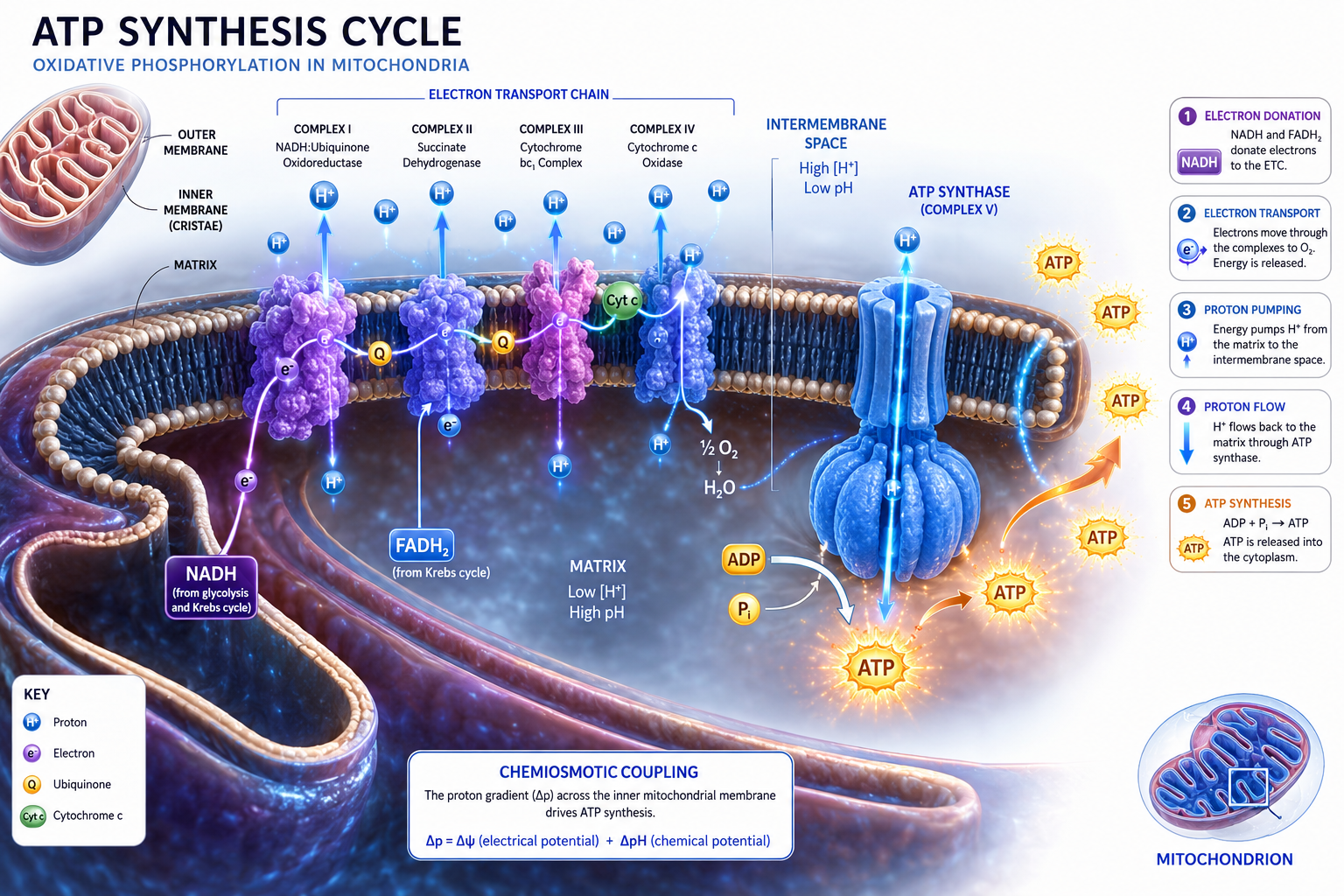
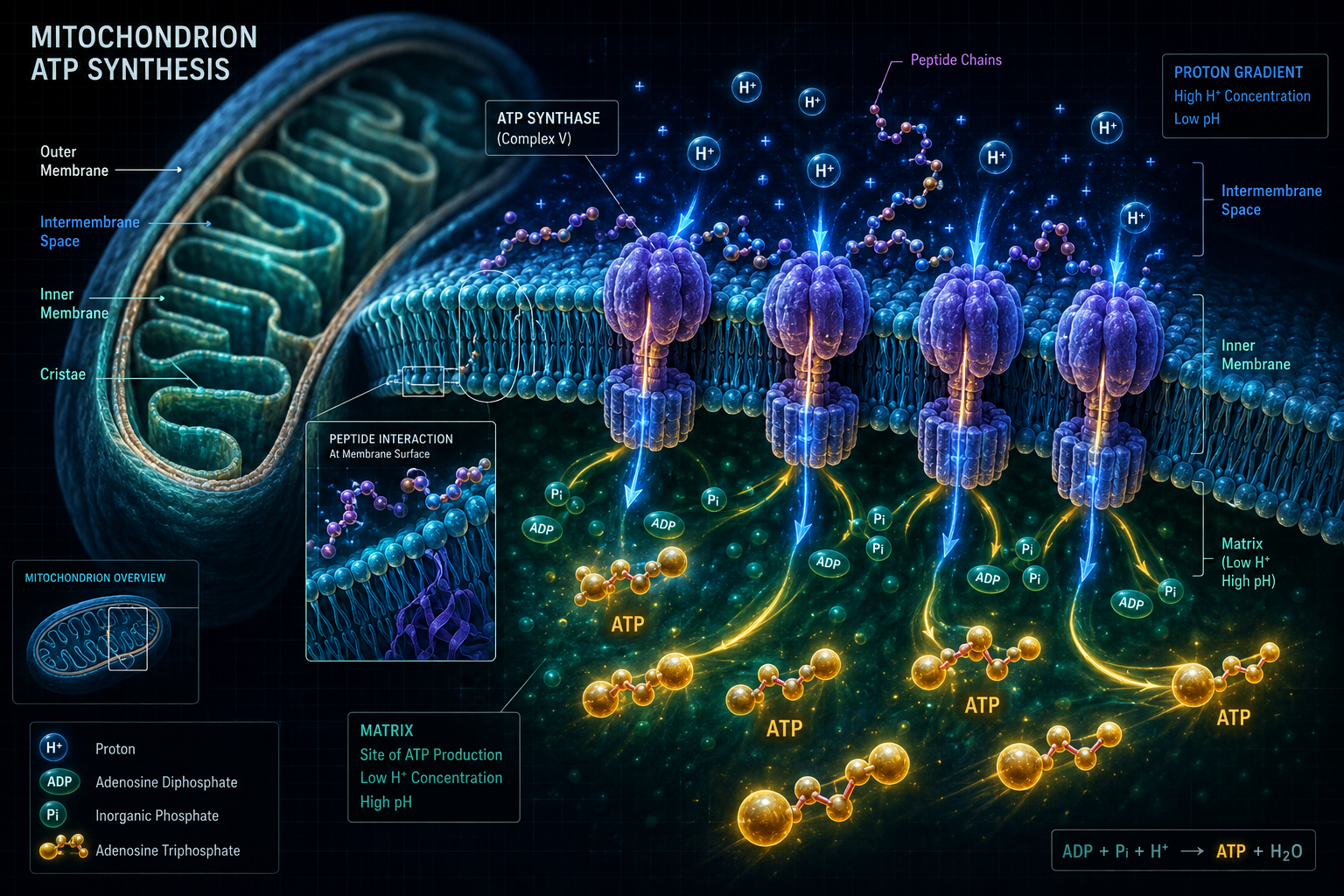
Adenosine triphosphate is the universal energy currency of living cells. It is produced through three interconnected processes: glycolysis in the cytoplasm, the citric acid (Krebs) cycle in the mitochondrial matrix, and oxidative phosphorylation along the inner mitochondrial membrane. Of these, oxidative phosphorylation is by far the most productive, generating the majority of ATP per glucose molecule.
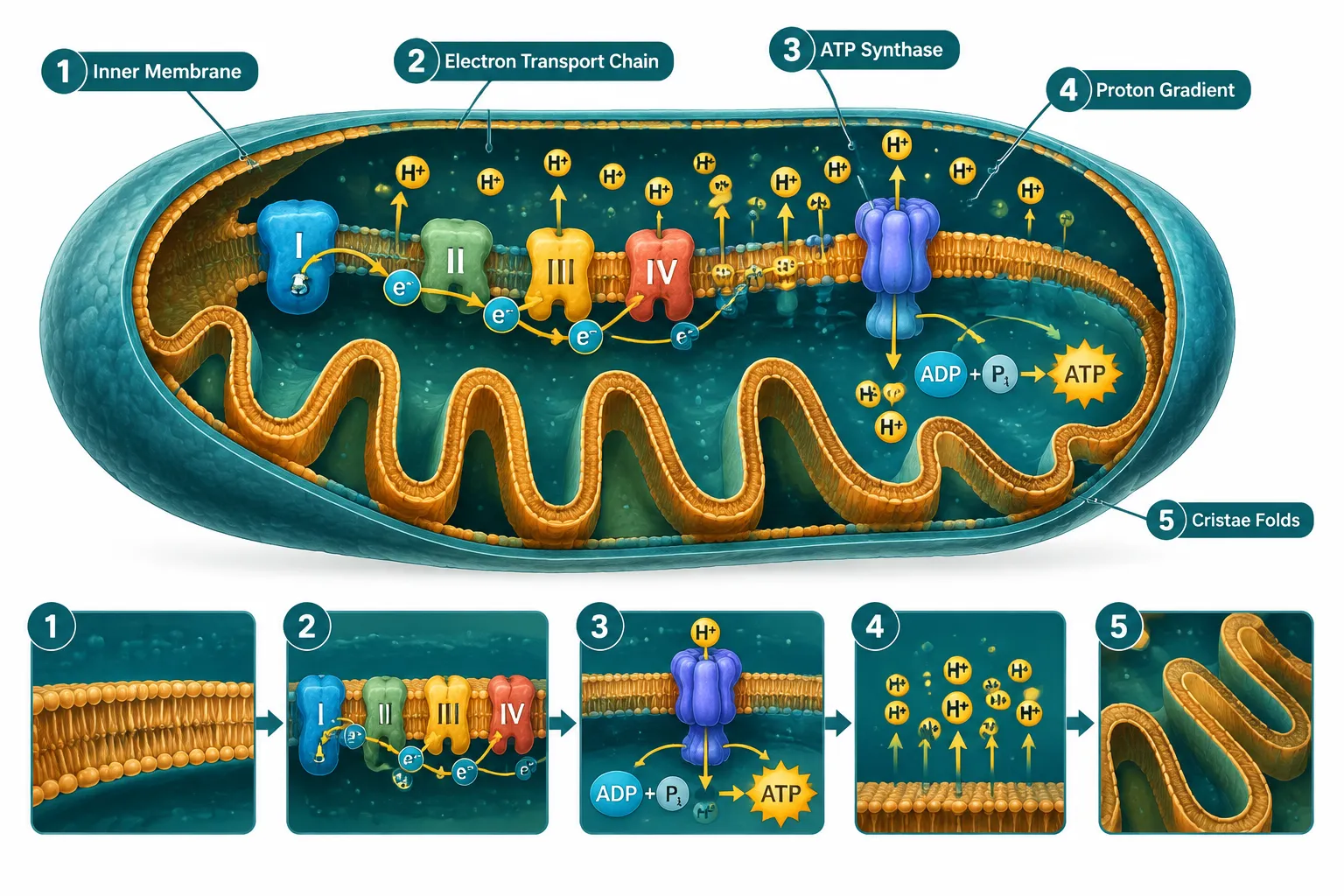
The electron transport chain (ETC) sits at the heart of this process. Electrons donated by NADH and FADH2 pass through four protein complexes (I through IV) embedded in the inner membrane. This movement pumps protons across the membrane, building an electrochemical gradient. ATP synthase then harnesses the energy of protons flowing back down that gradient to phosphorylate ADP into ATP, a process called chemiosmosis.
Several key variables determine how much ATP a cell can produce:
- Substrate availability, glucose, fatty acids, and amino acids feed into the cycle at different points
- NAD+ levels, NAD+ is the electron acceptor that feeds Complexes I and II; without it, the ETC stalls
- Mitochondrial membrane integrity, proton leaks reduce the gradient and lower ATP yield
- AMPK signaling, AMP-activated protein kinase acts as a cellular energy sensor, switching on ATP-generating pathways when energy is low
Understanding these variables is essential for interpreting how experimental metabolic compounds are studied. For a broader look at how mitochondrial biology intersects with genomic pathways, see the detailed overview of DNA, Mitochondria, and Research Peptides: How MOTS-c and 5-Amino-1MQ.
MOTS-c: A Mitochondria-Derived Peptide and Its Role in ATP-Related Pathways
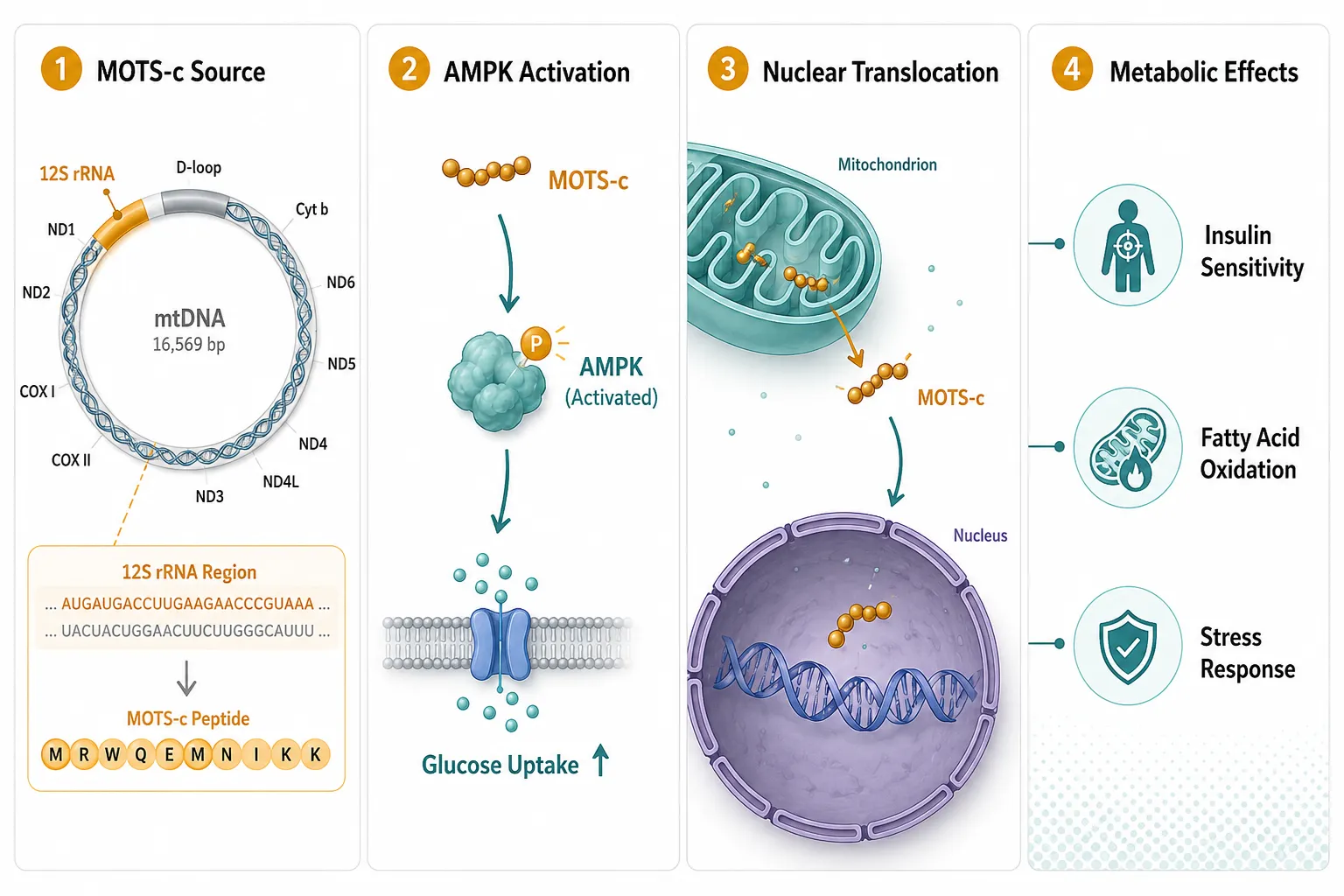
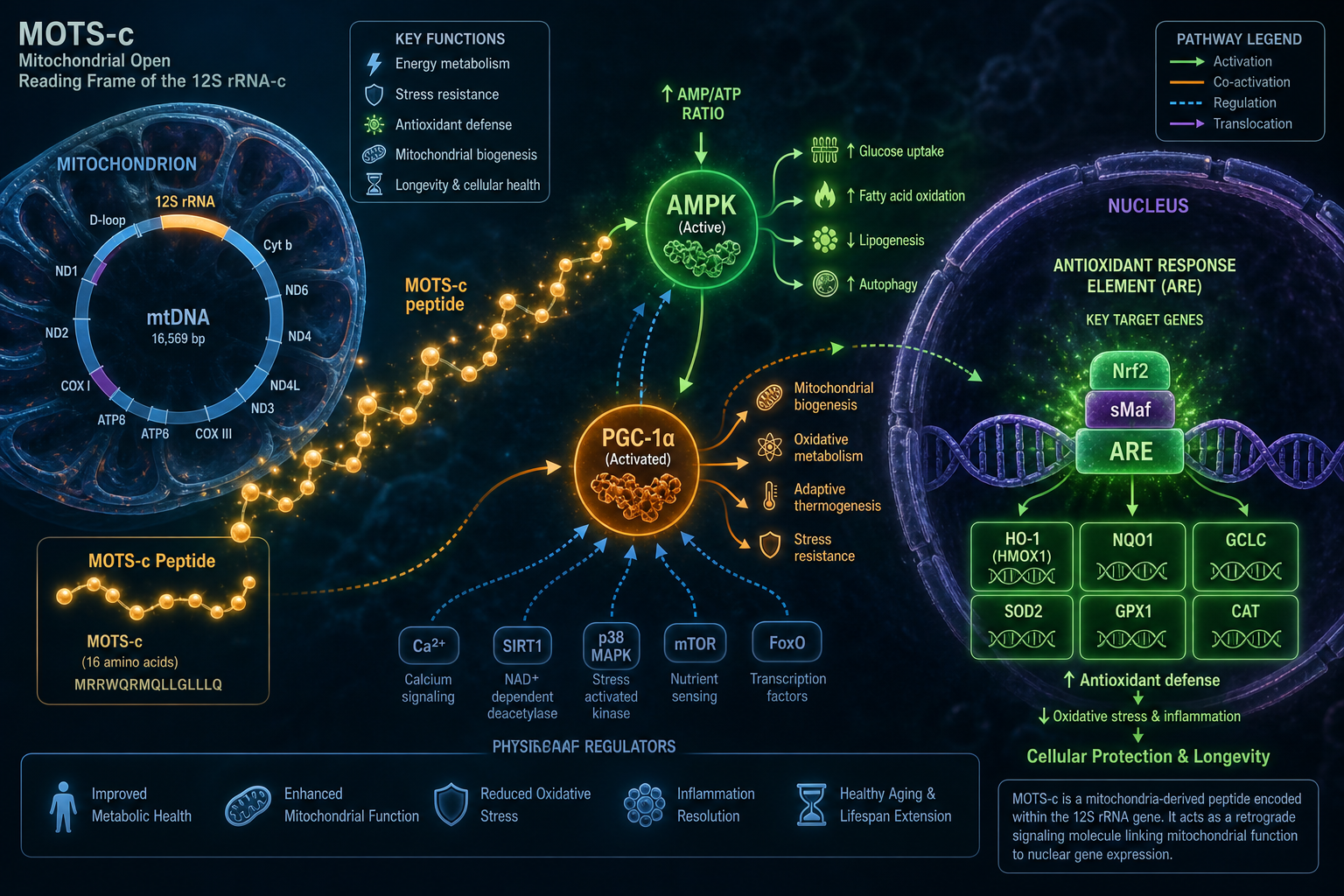
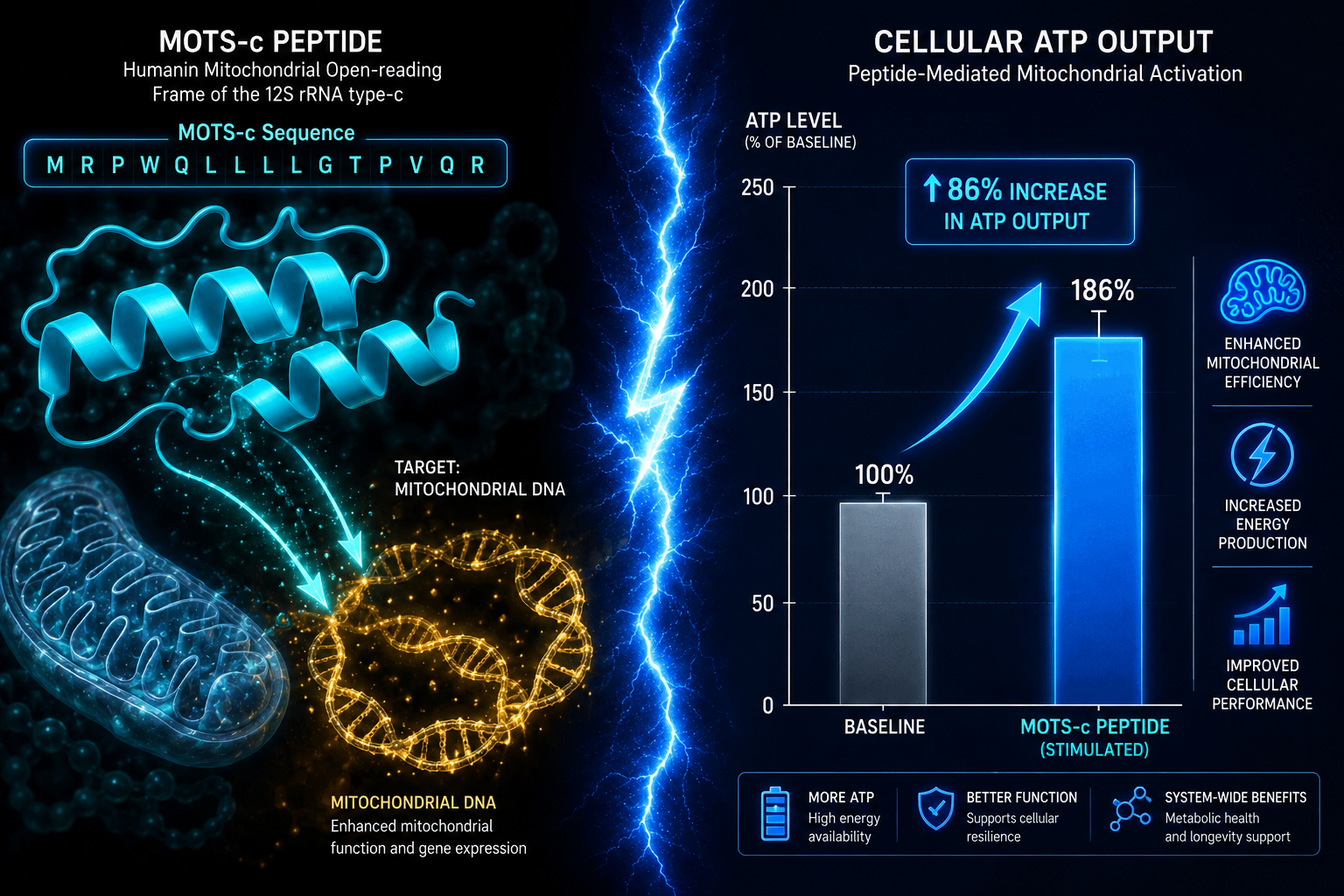
MOTS-c (Mitochondrial Open reading frame of the twelve S rRNA-c) is a 16-amino-acid peptide encoded within the mitochondrial 12S ribosomal RNA gene. It was first characterized in 2015 as a regulator of insulin sensitivity and metabolic homeostasis, and research has since positioned it as a key mitochondria-to-nucleus signaling molecule.
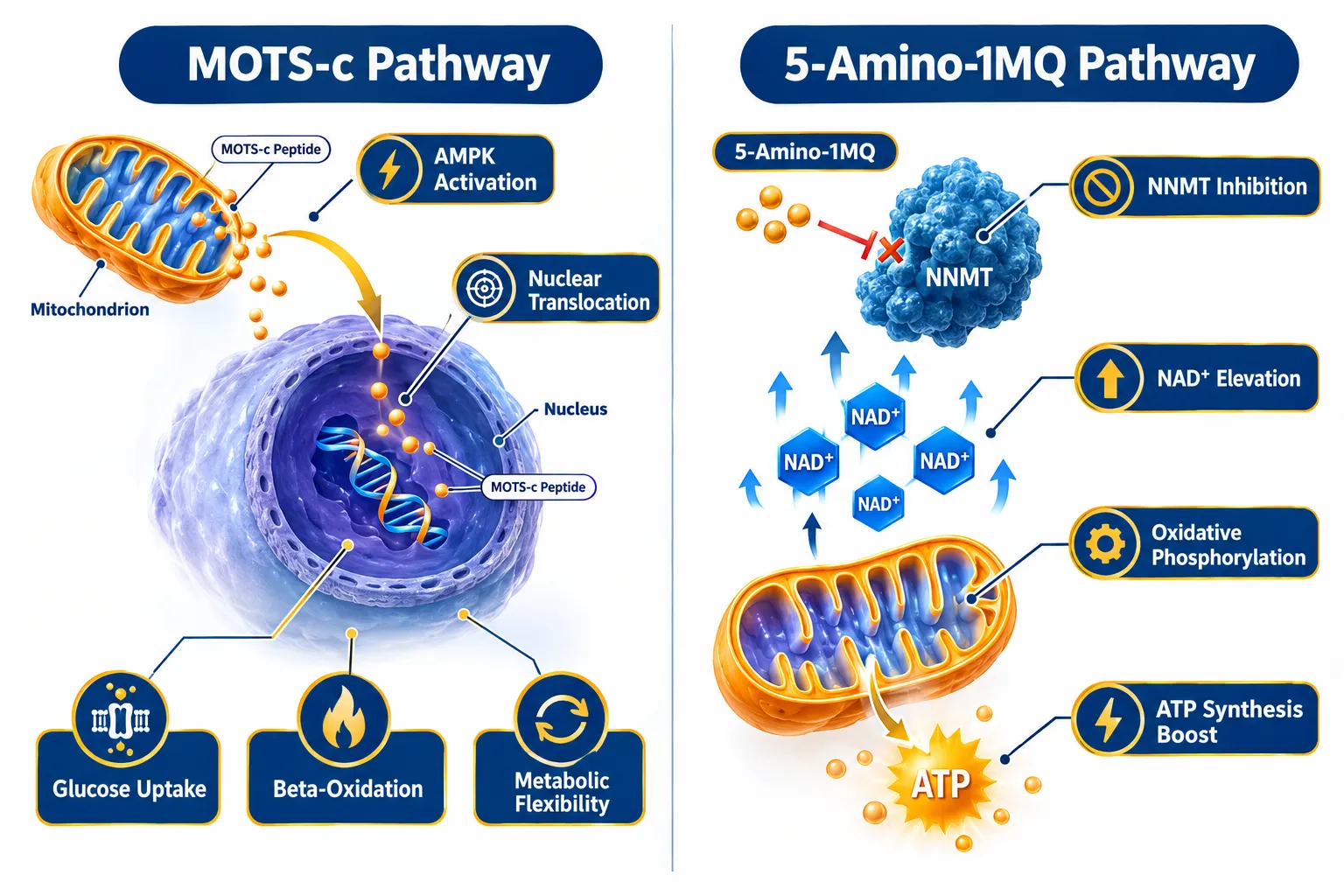
How MOTS-c Interfaces with ATP Biology
MOTS-c does not directly synthesize ATP, but it modulates several upstream regulators that govern how efficiently mitochondria produce it:
| Mechanism | Effect on ATP Biology |
|---|---|
| AMPK activation | Switches on fatty-acid oxidation and glucose uptake, increasing substrate flow into the ETC |
| Nuclear translocation under stress | Upregulates genes involved in metabolic flexibility in skeletal muscle |
| Restoration of mitochondrial respiration | In diabetic heart models, MOTS-c improved electron transport chain activity and cardiac bioenergetics |
| Islet cell protection | Prevents pancreatic beta-cell senescence, preserving glucose-stimulated insulin secretion |
A 2025 study of type 2 diabetic hearts found that MOTS-c administration restored mitochondrial respiration, directly supporting ATP production under metabolic stress. Separately, research published in 2025 showed that MOTS-c modulates both AMPK and mTOR signaling in beta cells, linking the peptide to cellular energy homeostasis at the level of glucose sensing.
MOTS-c is also described as an exercise mimetic: physical activity raises circulating MOTS-c levels, and the peptide appears to replicate some metabolic adaptations associated with exercise, including improved substrate utilization and enhanced mitochondrial function. A 2026 review in sports medicine and gerontology literature characterized it as a promising regulator of energy metabolism and a potential biomarker in aging research.
Regulatory note: WADA explicitly prohibits MOTS-c under the category of AMPK activators. USADA confirms it is not FDA-approved and is banned at all times as a performance-enhancing agent. The first human dosing trial began recruiting in early 2026, with results expected around 2028. All current mechanistic insights come from animal and cellular data.
For a focused review of MOTS-c signaling mechanisms, see MOTS-c Peptide: Mitochondrial Signaling, Metabolic Research, and Why Researchers Study It.
5-Amino-1MQ: NAD+ Elevation and Oxidative Phosphorylation in Research Models
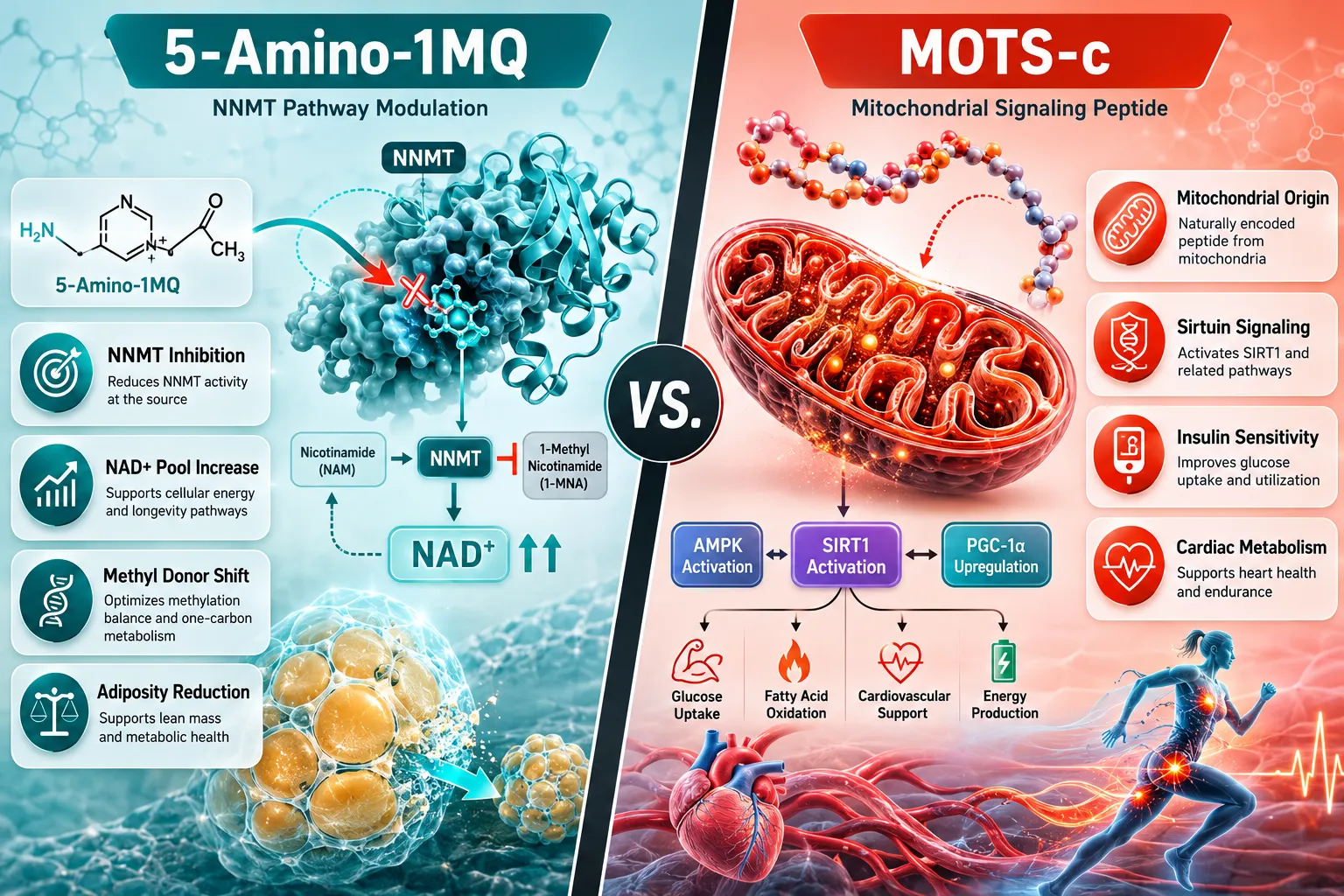
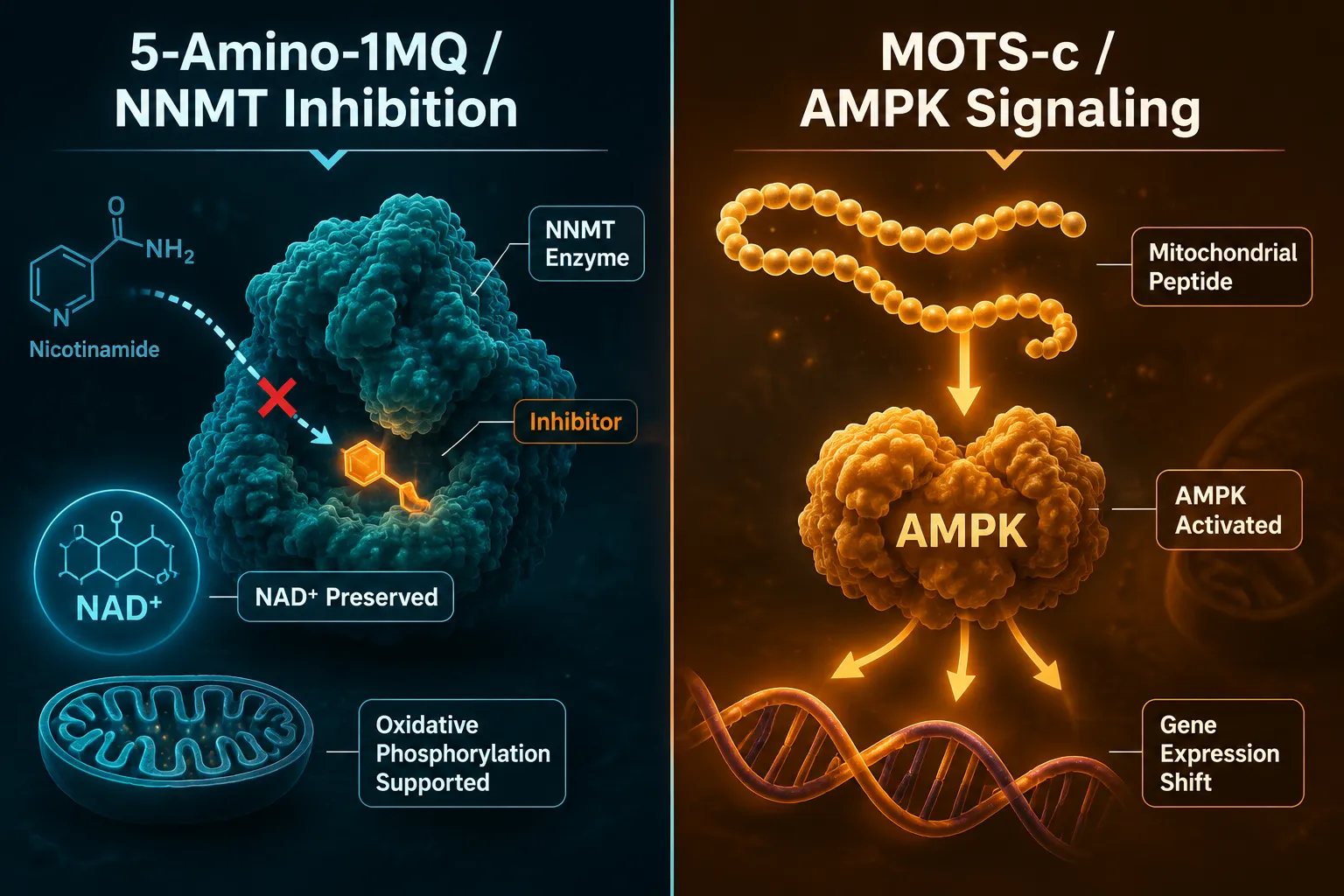
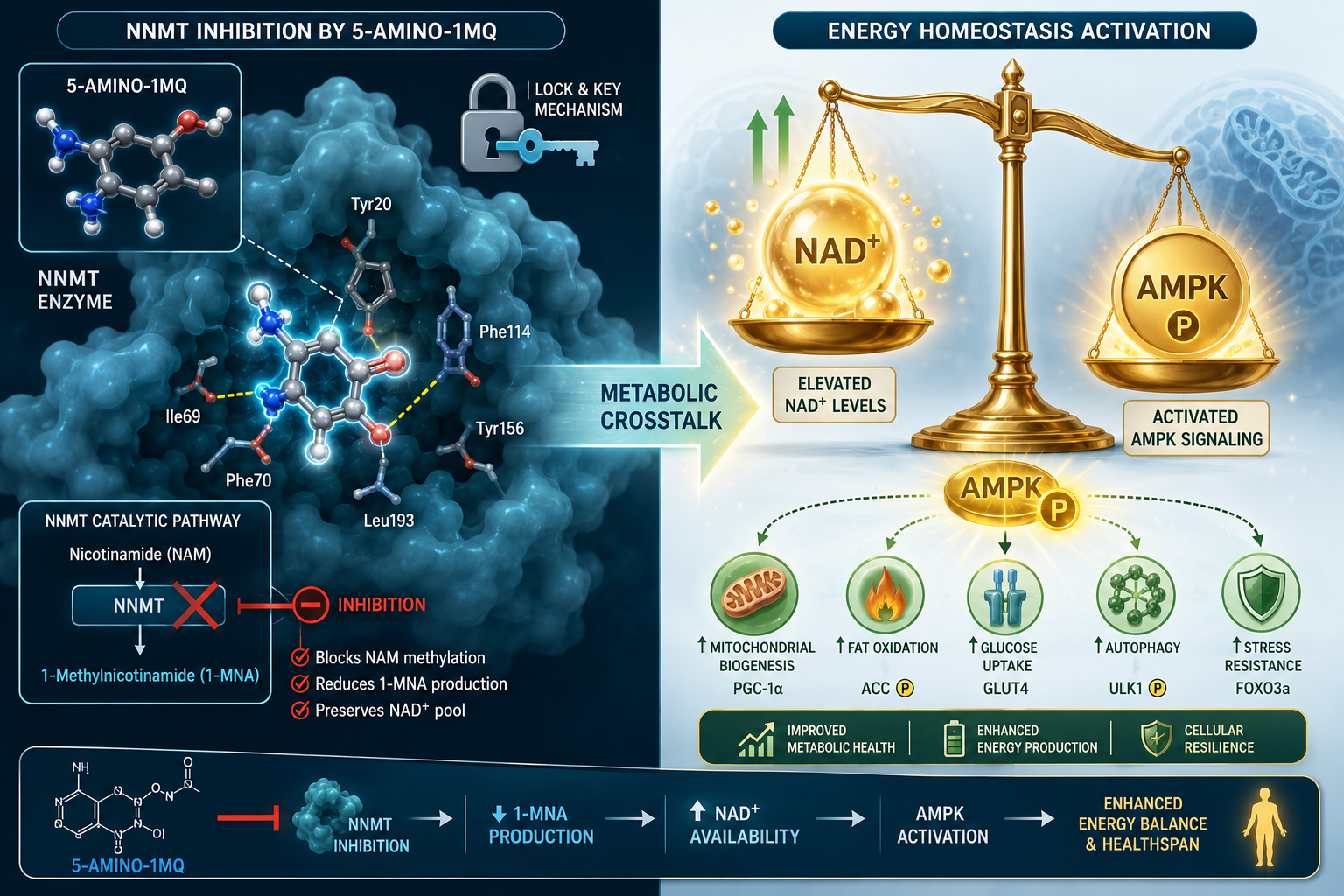
5-Amino-1MQ takes a different mechanistic route to influence ATP biology. It is a synthetic small molecule that functions as a selective inhibitor of nicotinamide N-methyltransferase (NNMT), an enzyme that methylates nicotinamide, consuming NAD+ precursors in the process.

The NNMT-NAD+ Connection to ATP
When NNMT is active, it diverts nicotinamide away from NAD+ synthesis. By inhibiting NNMT, 5-Amino-1MQ allows more nicotinamide to re-enter the NAD+ salvage pathway. The downstream effects in cell models include:
- Elevated intracellular NAD+, in vitro data show roughly a 2-3 fold increase at micromolar concentrations
- Increased oxygen consumption rates, a direct indicator of enhanced ETC activity
- Higher ATP output, consistent with a shift toward more efficient oxidative metabolism
Because NAD+ is the critical electron carrier that feeds Complexes I and II of the ETC, raising its availability is a direct lever on ATP-generating capacity. This makes 5-Amino-1MQ a useful research tool for probing the relationship between NAD+ metabolism and mitochondrial output.
For deeper context on how researchers frame these questions, the article on 5-Amino-1MQ Peptide: How Researchers Frame NAD+ and Metabolic Pathway Questions provides a thorough breakdown. Additional cellular energetics data is covered in the investigation of 5-Amino-1MQ Peptide: Its Impact on NAD+ Metabolism and Cellular Energetics in Research Models.
Researchers have also begun examining 5-Amino-1MQ in combination with other metabolic compounds. The analysis of SLU-PP-332 with 5-Amino-1MQ: What This Advanced Metabolic Stack Means in Research Models explores how stacking strategies are being studied in preclinical settings.
Connecting the Research: What MOTS-c and 5-Amino-1MQ Reveal About ATP Biology
The study of Adenosine Triphosphate, Mitochondria, and Metabolic Peptides: How MOTS-c and 5-Amino-1MQ Research Relates to ATP Biology ultimately reveals two distinct but complementary entry points into mitochondrial energy regulation:
MOTS-c works upstream through signaling cascades, AMPK activation, nuclear gene expression, and mitochondrial stress responses, to improve the cell's overall metabolic flexibility and substrate utilization.
5-Amino-1MQ works at the metabolite level, preserving NAD+ availability so the ETC has the electron carriers it needs to run at full capacity.
Neither compound replaces the foundational machinery of ATP synthesis. Instead, both are studied as modulators of the conditions under which that machinery operates. This distinction matters for research design: measuring ATP output, oxygen consumption rates, and NAD+/NADH ratios in cell models provides the functional readouts that connect compound exposure to bioenergetic outcomes.
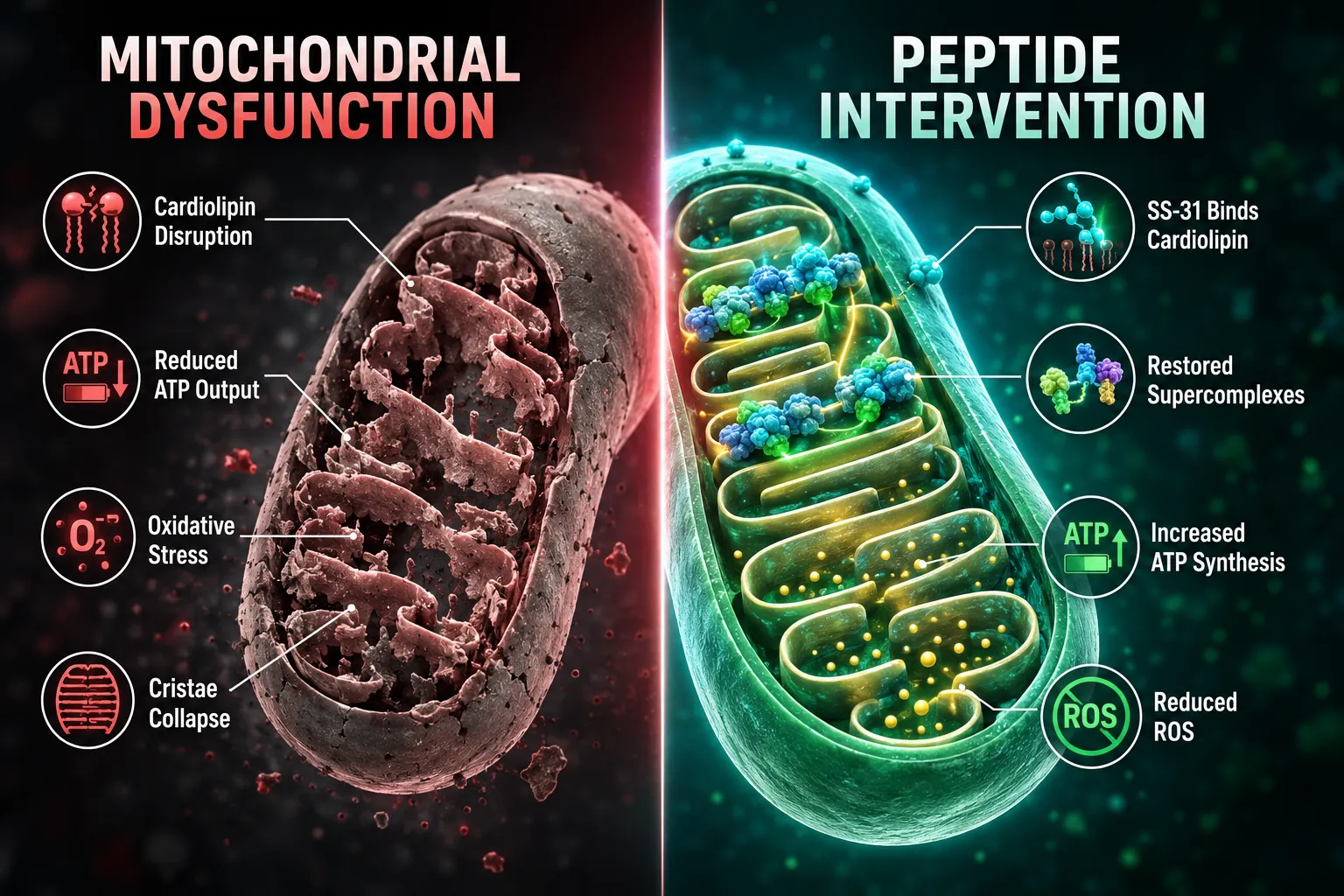
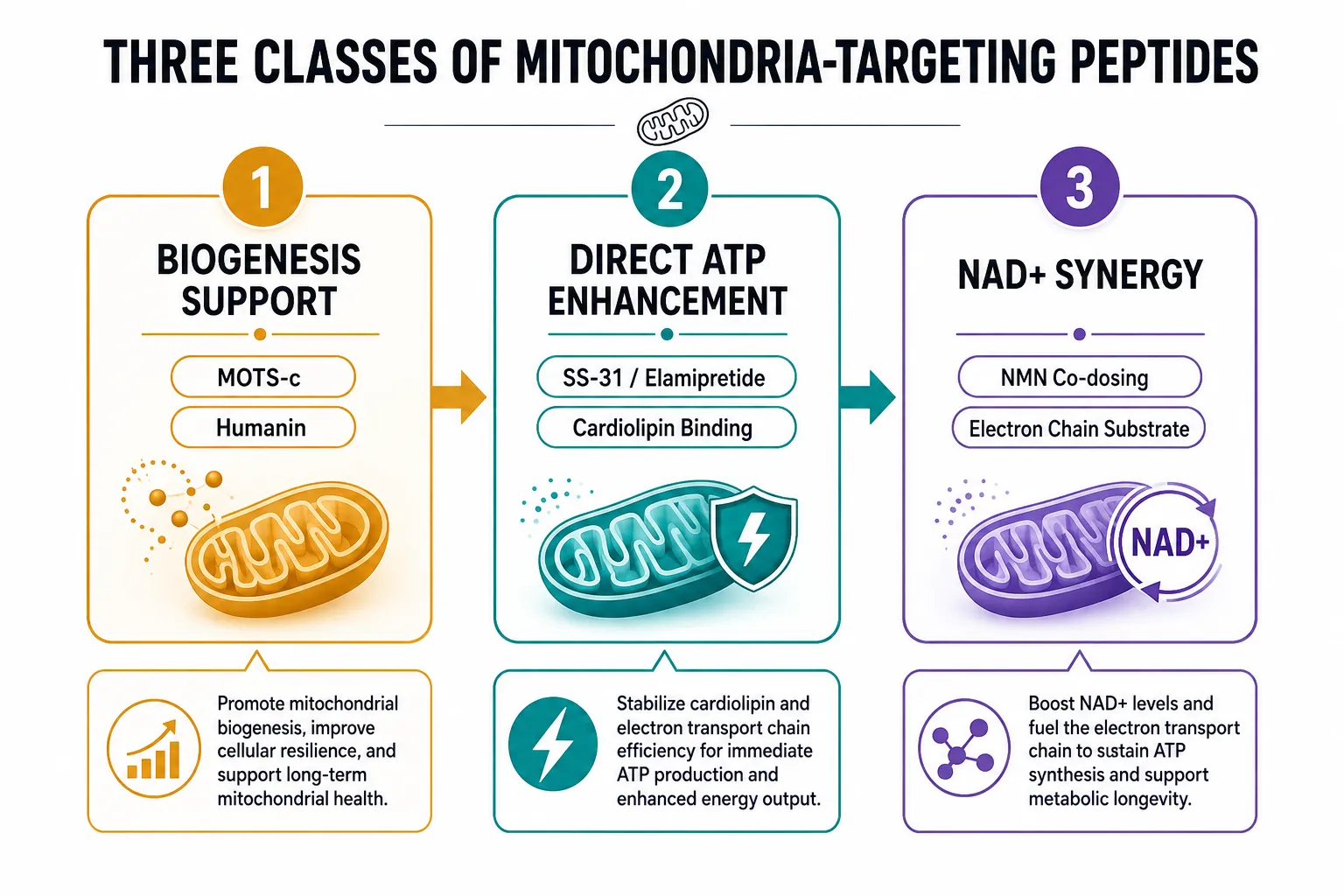
Researchers interested in mitochondria-targeted peptides more broadly may also find value in reviewing SS-31 Mitochondrial Research Themes, which covers a structurally distinct peptide that targets the inner mitochondrial membrane directly. For a wider view of peptide diversity and research applications, The Broad Spectrum of Peptides: A Comprehensive Guide to Their Structure, Synthesis, and Diverse Research Applications offers useful foundational context.
Conclusion
The biology of adenosine triphosphate production is well-established, but the upstream regulators of mitochondrial efficiency remain an active research frontier. MOTS-c and 5-Amino-1MQ represent two mechanistically distinct tools that researchers use to probe how AMPK signaling, NAD+ availability, and mitochondrial stress responses influence ATP output in cellular and animal models.
Actionable next steps for researchers:
- Ground experimental design in bioenergetic readouts, measure oxygen consumption rates, ATP levels, and NAD+/NADH ratios as primary endpoints when working with either compound.
- Distinguish signaling from metabolite mechanisms, MOTS-c studies benefit from nuclear translocation assays and gene expression panels; 5-Amino-1MQ studies should prioritize NNMT activity and NAD+ quantification.
- Track the human trial data, the first MOTS-c human dosing trial began in 2026; monitoring its readouts (expected around 2028) will be critical for translating preclinical findings.
- Maintain regulatory awareness, MOTS-c is WADA-prohibited and not FDA-approved; all research use must be conducted within appropriate institutional and legal frameworks.
- Use validated, research-grade compounds, purity and accurate concentration data are essential for reproducible bioenergetics experiments.