Designing Experiments With BPC‑157 and TB‑500: Dose‑Response Curves, Administration Routes, and Outcome Measures in Animal Models
{"cover":"Professional landscape format (1536×1024) hero image with bold text overlay: 'Designing Experiments With BPC-157 and TB-500: Dose-Response Curves, Administration Routes & Outcome Measures in Animal Models', modern bold sans-serif 70pt white text with dark semi-transparent overlay box, centered upper-third composition. Background shows a high-resolution laboratory scene with rodent surgical preparation, peptide vials, syringes, and a dose-response curve graph on a monitor. Color palette: deep navy blue, crisp white, steel gray accents. Editorial magazine quality, high contrast, scientific research aesthetic.","content":["Detailed landscape format (1536×1024) scientific infographic illustration showing side-by-side molecular diagrams of BPC-157 (15-amino-acid chain) and TB-500 (thymosin beta-4 fragment) with labeled structural features, actin polymerization pathway arrows, VEGF and FGF upregulation icons, angiogenesis vessel diagrams, and nitric oxide pathway annotations. Clean white background with navy and teal color scheme, bold sans-serif labels, research-grade visual style, peptide mechanism comparison focus.","Detailed landscape format (1536×1024) showing a split-composition experimental design diagram: left side depicts a rodent subcutaneous injection site with dose-response curve graph overlay showing BPC-157 doses 250-500mcg plotted against tissue healing scores; right side shows TB-500 loading phase timeline bar chart (2.0-2.5mg twice weekly over 4-6 weeks) with maintenance phase reduction. Laboratory bench background with syringes, vials, and a researcher's gloved hands. Teal, white, and charcoal color scheme, annotated with administration route labels.","Detailed landscape format (1536×1024) showing a comprehensive outcome measures dashboard for animal model experiments: grid layout featuring histological tissue cross-section photomicrographs of tendon healing, wound closure percentage bar graphs, angiogenesis vessel density heat maps, inflammation biomarker line charts, and cell migration assay images. Rodent silhouette in background. Bold data visualization style with navy, orange, and white color palette, scientific poster aesthetic, clearly labeled endpoints and confounders annotations."]
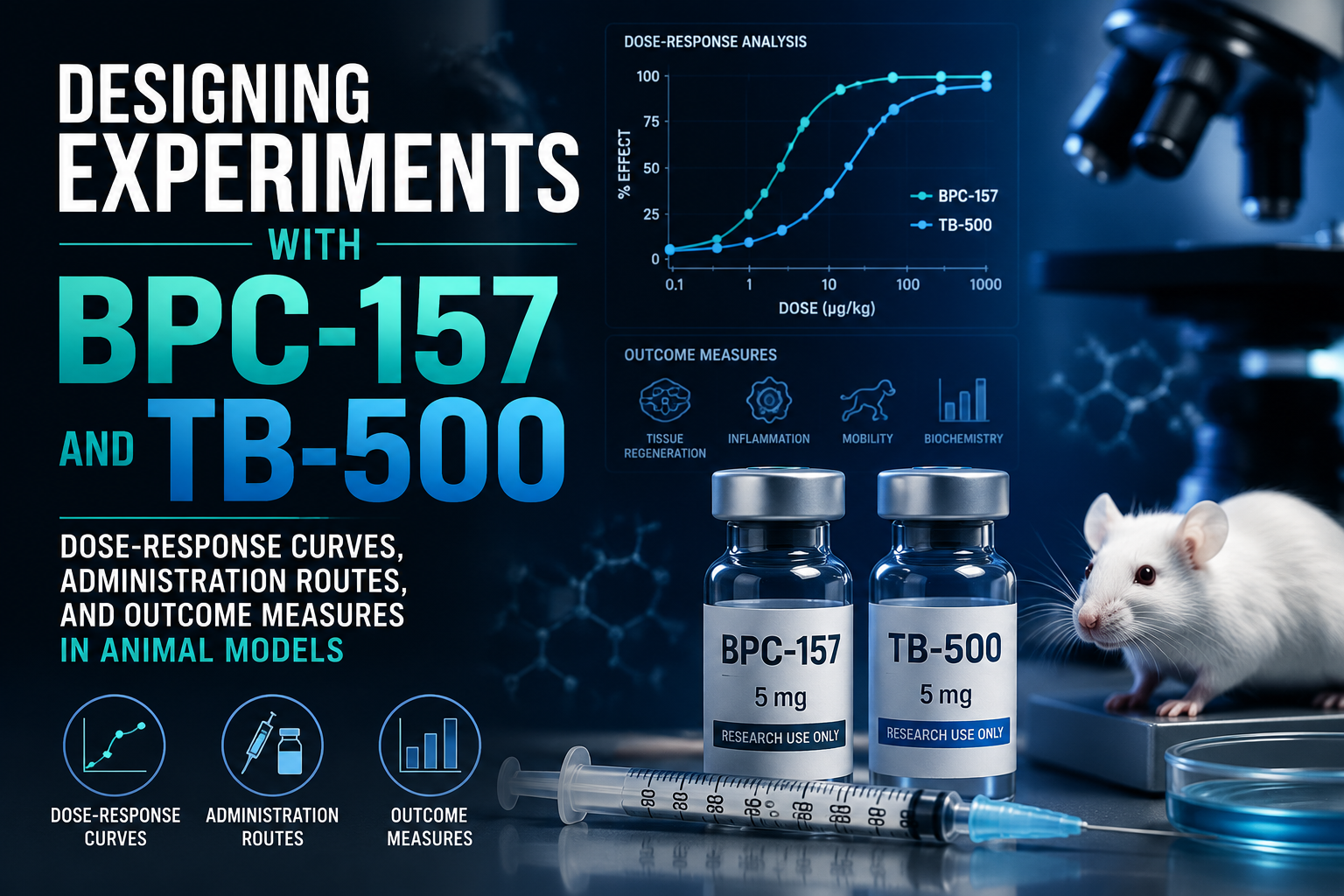
Fewer than 15% of peptide studies published in preclinical literature include a fully justified dose-response design — a gap that makes reproducibility nearly impossible. Designing experiments with BPC‑157 and TB‑500: dose‑response curves, administration routes, and outcome measures in animal models demands far more than selecting a dose and observing results. A rigorous methods framework separates publishable data from inconclusive noise.
Key Takeaways
- BPC‑157 and TB‑500 operate through distinct mechanisms, requiring separate dosing schedules and administration strategies in animal models.
- Dose-response curves should span at least three concentration points to identify threshold, optimal, and saturation effects.
- Route of administration directly influences bioavailability and must match the target tissue and study objective.
- Outcome measures must include both functional and histological endpoints to capture the full repair profile.
- Confounders such as animal age, sex, housing conditions, and peptide purity can invalidate results if not controlled.
Understanding the Mechanisms Before Designing the Protocol
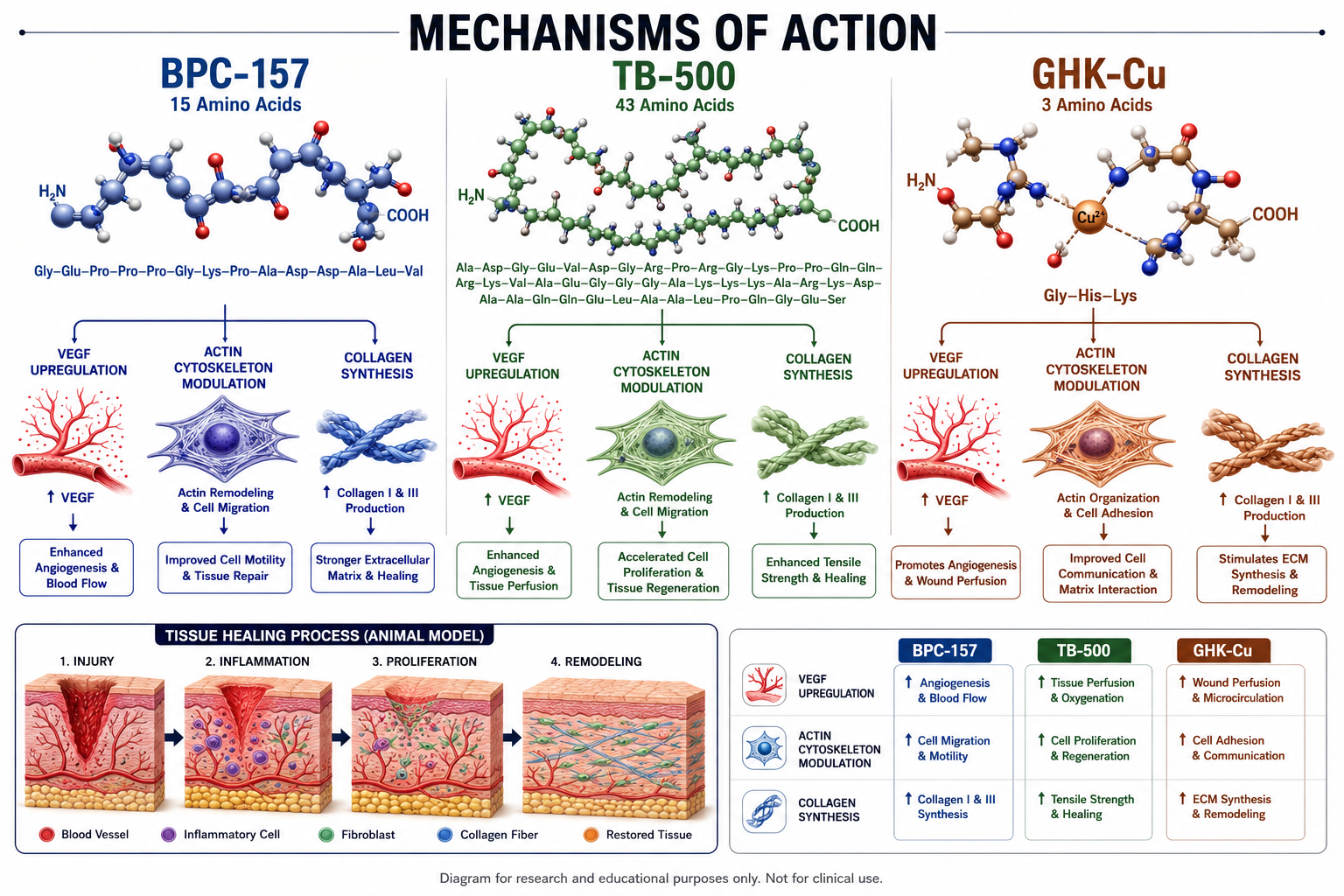
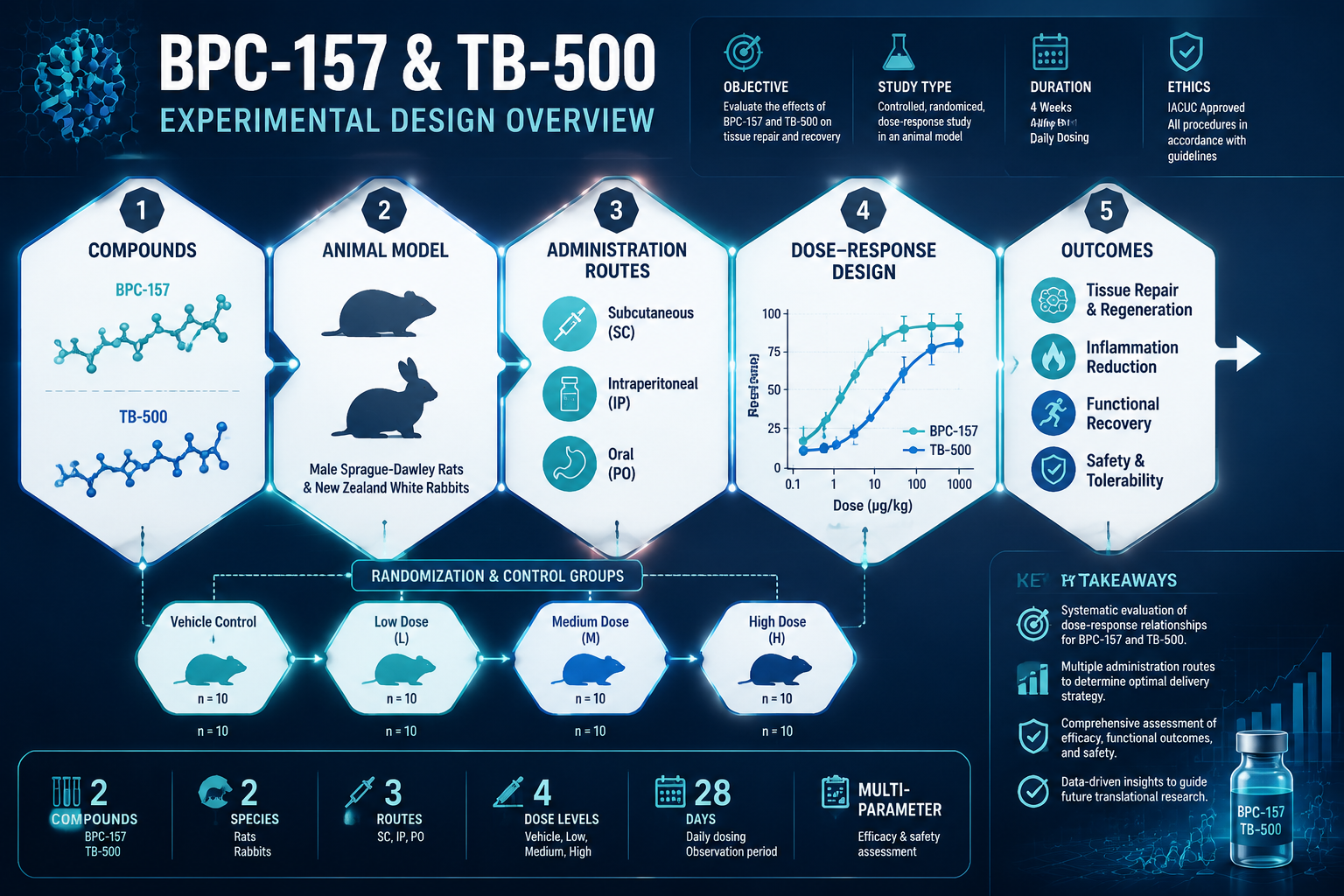
Effective experimental design begins with mechanism. BPC‑157 is a 15-amino-acid peptide derived from human gastric juice. It promotes localized tissue repair through angiogenesis, upregulation of growth factors including VEGF, FGF, and EGF, and modulation of nitric oxide pathways. Its action is predominantly local, making proximity of administration to the injury site a key variable.
TB‑500 is a synthetic fragment of thymosin beta-4. It facilitates systemic healing by regulating actin polymerization, promoting cell migration, and modulating integrin-linked kinase signaling. Unlike BPC‑157, its systemic distribution means injection site is less critical to outcome.
"Understanding whether a peptide acts locally or systemically is the single most important factor in selecting administration route."
Researchers exploring broader tissue biology and recovery mechanisms can review the recovery and tissue biology overview for foundational context before finalizing a protocol.
Dose‑Response Curves and Administration Routes in Animal Models
Establishing the Dose-Response Curve
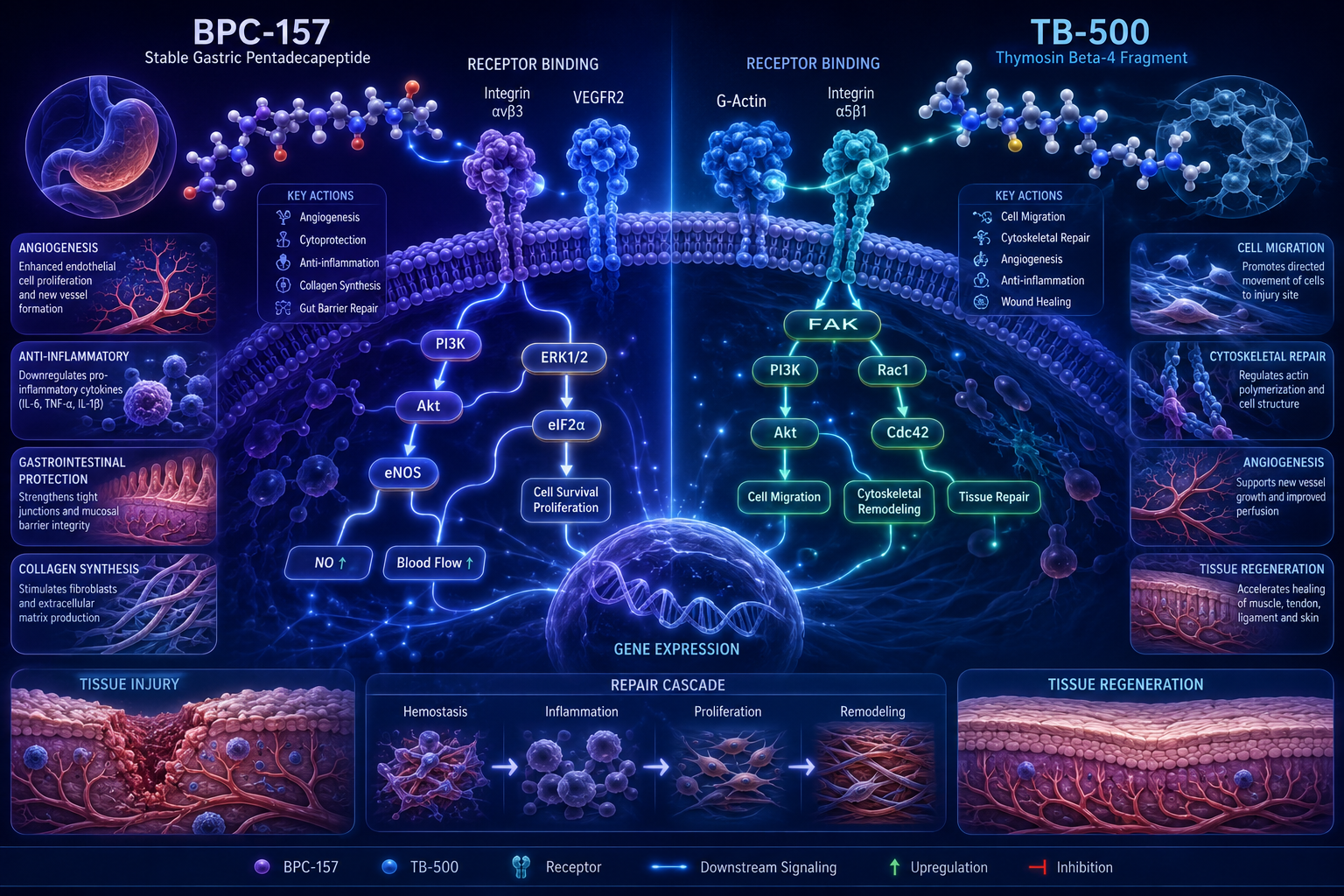
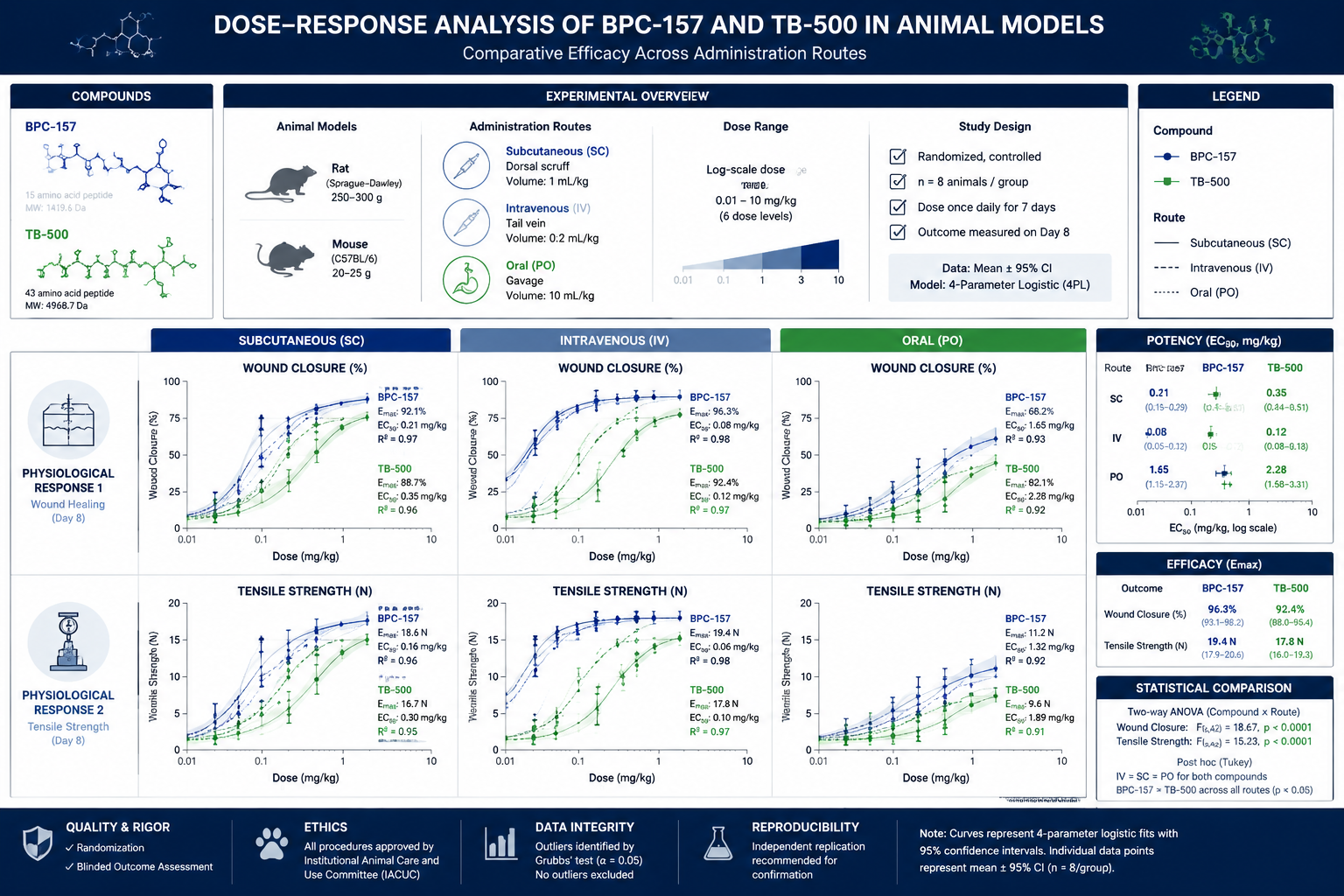
A valid dose-response curve requires a minimum of three dose levels: a subthreshold dose, an expected optimal dose, and a supramaximal dose. For BPC‑157, typical doses in rodent models range from 250 to 500 micrograms per day. Its short half-life — under 30 minutes — necessitates once or twice daily dosing to maintain meaningful plasma and tissue concentrations.
For TB‑500, common loading-phase doses are 2.0 to 2.5 milligrams administered subcutaneously twice per week over a 4-to-6-week period, followed by a reduced maintenance phase. Its longer half-life supports less frequent dosing without significant loss of effect.
Recommended dose-range structure:
| Peptide | Low Dose | Mid Dose | High Dose | Frequency |
|---|---|---|---|---|
| BPC‑157 | 100 mcg/day | 250 mcg/day | 500 mcg/day | Once or twice daily |
| TB‑500 | 1.0 mg | 2.0 mg | 2.5 mg | Twice weekly |
Selecting Administration Routes
Route selection must match the study objective:
- BPC‑157 subcutaneous (near injury): Best for tendon, ligament, and musculoskeletal repair models.
- BPC‑157 oral: Appropriate for gastrointestinal studies. BPC‑157 shows notable stability in gastric juice, supporting oral bioavailability.
- TB‑500 subcutaneous or intramuscular: Either route is acceptable given its systemic distribution profile.
Researchers comparing peptide delivery strategies may also find value in reviewing nasal spray peptide delivery approaches as an emerging alternative administration route in preclinical work.
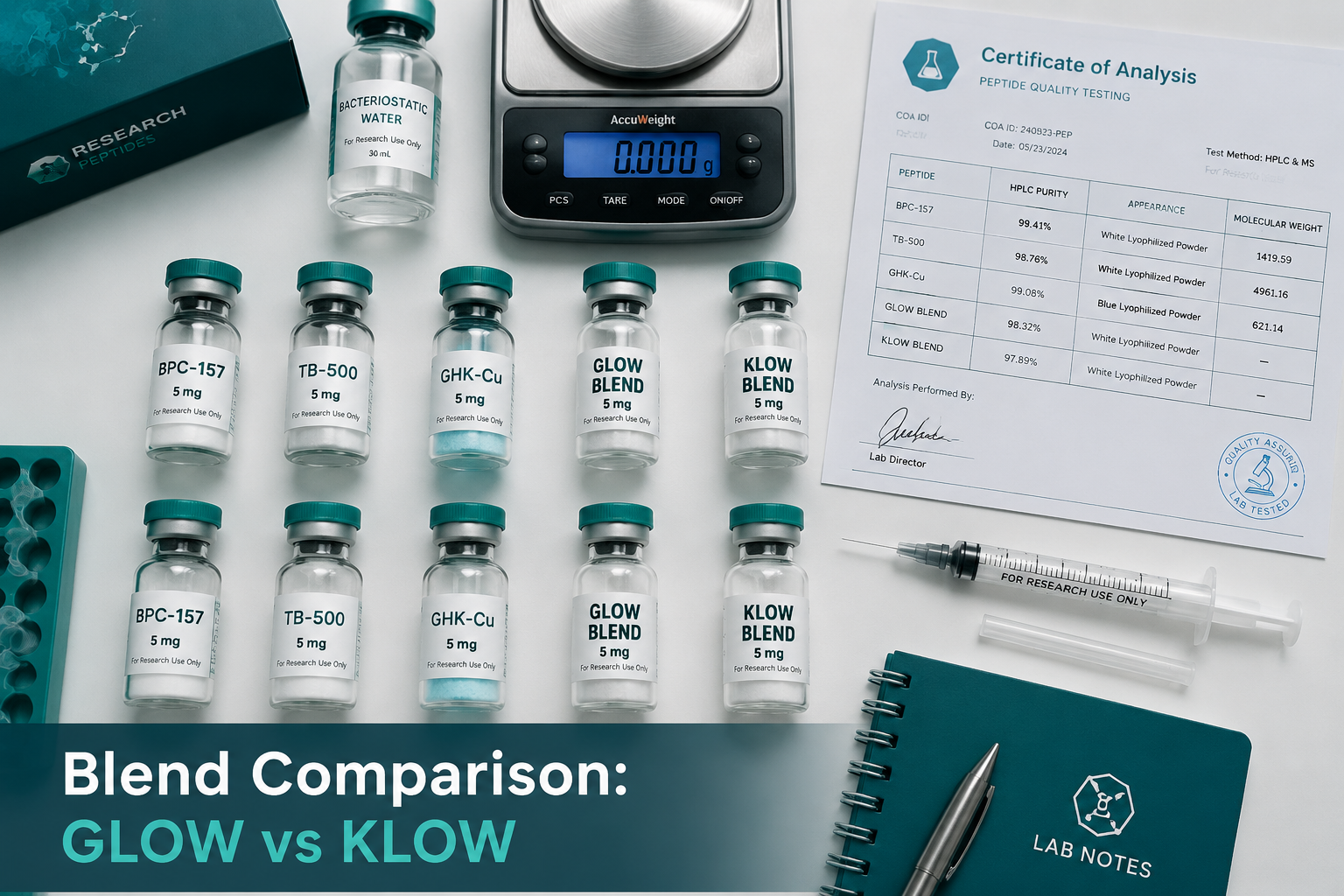
Peptide purity is a non-negotiable variable. Verifying source quality through a certificate of analysis before any experiment prevents batch-to-batch variability from contaminating results.
Outcome Measures and Confounders in Designing Experiments With BPC‑157 and TB‑500
Primary Outcome Measures
Functional endpoints:
- Grip strength testing (musculoskeletal models)
- Wound closure rate measured by standardized photography
- Gait analysis scores in limb injury models
Histological endpoints:
- Collagen fiber density and alignment via Masson's trichrome staining
- Vessel density count for angiogenesis quantification
- Inflammatory cell infiltration via hematoxylin and eosin staining
Biochemical endpoints:
- Serum VEGF, TNF-alpha, and IL-6 levels via ELISA
- Nitric oxide metabolite concentrations in tissue homogenates
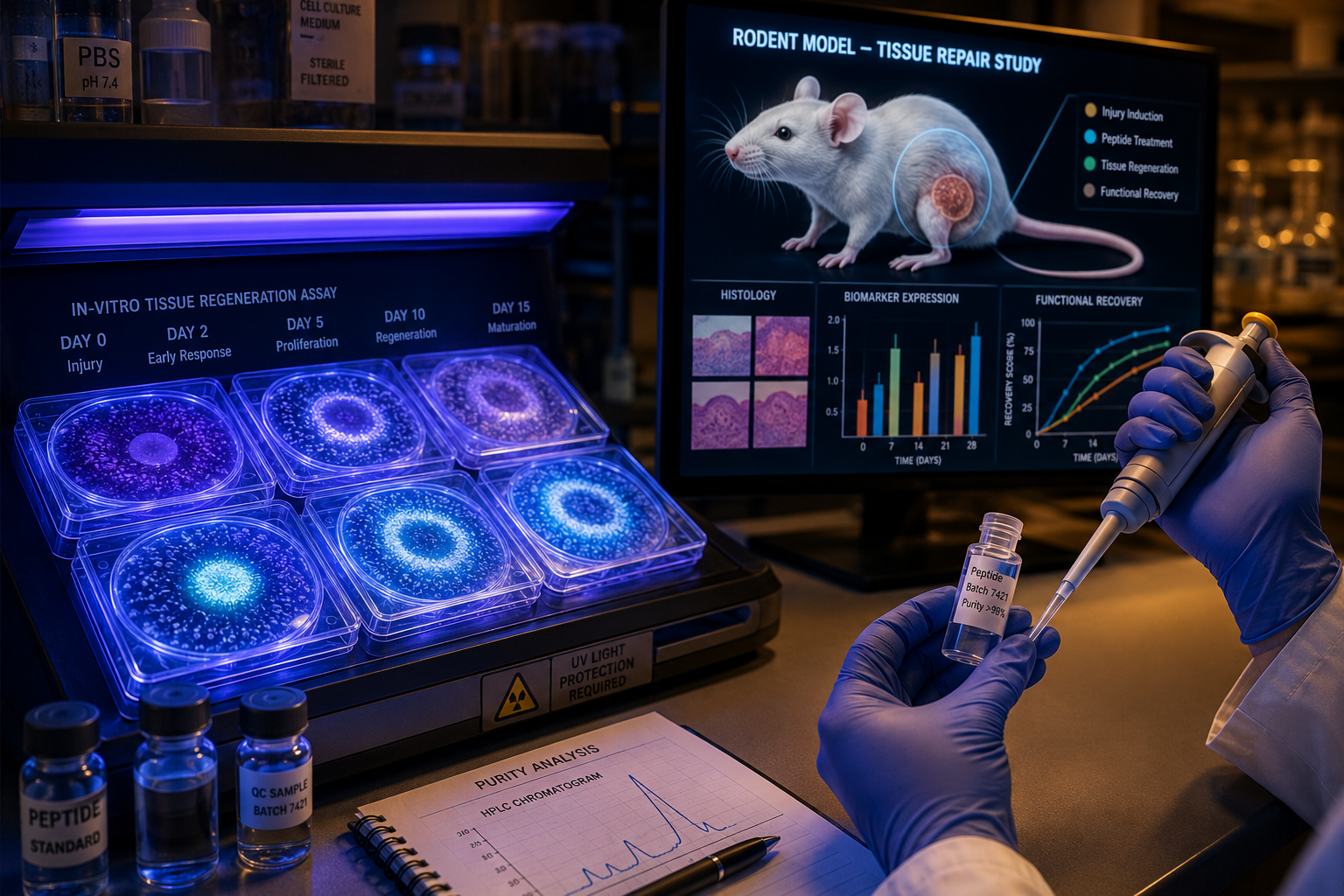
BPC‑157 has demonstrated measurable efficacy in tendon and ligament healing, inflammation reduction, and angiogenesis promotion across multiple rodent models. TB‑500 has shown consistent improvements in wound closure rates, reduced inflammatory markers, and enhanced cell migration in comparable preclinical settings.
For context on how other peptides such as SS‑31 influence tissue-level outcomes, particularly in mitochondrial and oxidative stress endpoints, cross-referencing related peptide research strengthens experimental rationale.
Critical Confounders to Control
Failing to account for confounders is the leading cause of irreproducible peptide research. Key variables include:
- Animal age and sex: Healing rates differ significantly between young and aged rodents, and between male and female cohorts.
- Housing and stress: Group versus isolated housing alters corticosterone levels, which directly affects tissue repair.
- Injury model standardization: Punch biopsy depth, tendon transection length, and ischemia duration must be identical across groups.
- Peptide reconstitution and storage: Degradation between preparation and injection introduces silent variability.
Researchers working with mitochondrial peptides like MOTS-C alongside repair peptides should also account for metabolic state as a confounder, since baseline metabolic function modulates tissue repair capacity.
Additionally, reviewing TB‑500 product specifications and thymosin alpha-1 mechanism data provides useful comparative context when designing multi-peptide protocols.
Conclusion
Designing experiments with BPC‑157 and TB‑500: dose‑response curves, administration routes, and outcome measures in animal models requires systematic planning at every stage. The next steps for any research team are clear: define the mechanistic question first, build a three-point dose-response curve for each peptide, match the administration route to the target tissue, and pre-specify both functional and histological endpoints before any animal is enrolled. Control confounders with written standard operating procedures. Verify peptide purity before each experiment cycle. These steps do not guarantee a positive result — but they guarantee that the result, whatever it is, will be interpretable and reproducible.