Call or Text 727-513-9780
  • Shopping Cart Shopping Cart
    0Shopping Cart
Pure Tested Peptides | America's most trusted Peptides for sale online
  • Peptides for sale
    • Oral Peptides for sale
      • Peptide Capsules for sale
      • BPC 157 Capsules 1000mcg
      • SLU-PP-332 Capsules | 1000 mcg
      • 5-Amino-1MQ 50mg Capsules
      • Tesofensine 500mcg
    • All Peptides for sale
    • Peptide Sprays
      • BPC 157 Nasal Spray Kit
      • BPC-157 TB500 Nasal Spray Kit
      • Semax Nasal Spray 10mg
      • Selank – Nasal Spray Kit – 10mg
      • Epithalon 50MG Nasal Spray Kit
      • Ipamorelin 10mg Nasal Spray
      • Klow Nasal Spray (BPC-157 + TB-500 + GHK-Cu + KPV) | 80mg
      • Hulk Nasal Spray Tesa / Ipa Blend 6/3 MG
      • Klow Nasal Spray
      • NAD + 500 mg Nasal Spray
      • PT-141 Nasal Spray Kit
    • GHRH Peptides
      • Ipa Peptides
      • CJC-1295 Peptides
        • CJC-1295 with DAC 5 mg
        • CJC-1295 without DAC 5 mg
        • CJC-1295 Ipa 10mg
      • Tesa Peptides
        • Tesa Peptide
        • Tesa 20 mg
    • GHK-Cu Peptides
      • All GHK-Cu Peptides
      • GHK-Cu 100mg
      • KLOW Peptide Blend – Buy KLOW blend online
    • BPC Peptides
      • All BPC Peptides
      • BPC-157
      • BPC-157 TB-500
      • BPC 157 capsules 1000mcg
    • SLU-PP-332 Peptides
      • All SLU-PP-332 Peptides
      • SLU-PP-332 5mg
    • GLP3 Peptides
      • GLP3-R
      • GLP3-R CAG 10mg
      • GLP3-R 20mg
    • PT-141 Peptides
      • PT-141 Peptides for sale
      • PT-141 10mg
      • PT-141 Nasal Spray
    • CAG Peptides
      • Lipo-C Peptide Blend
      • CAG 5mg
      • CAG 10mg
    • MOTS-C Peptides
      • MOTS-C Peptides for sale
      • MOTS-c peptide
      • MOTS-c 10mg *6 pack*
    • 5 Amino 1MQ Peptides
      • 5 Amino 1MQ Peptides for sale
      • 5-Amino-1MQ 50mg Capsules
      • 5-Amino-1MQ 5mg
    • Epithalon Peptides
      • Epithalon Peptides for sale
      • Epithalon 10mg
      • Epithalon 50mg
  • Shop
    • GLPs
      • 5-Amino-1MQ 50mg Capsules
      • 5-Amino-1MQ 5mg
      • GLP3-Reta
      • L-Carnitine 500mg/ml
      • Tesofensine 500mcg
      • SLU-PP-332 5mg
      • MOTS-c 10mg *6 pack*
    • Epithalon & BPC Peptides
      • Epithalon 10mg
      • Epithalon 50mg
      • BPC-157
      • BPC 157 capsules 1000mcg
      • BPC-157 TB-500
      • BPC-157 TB500 Nasal Spray Kit
      • BPC 157 Nasal Spray Kit
    • BPC TB-500 & NAD+ Peptides
      • NAD+ 500 mg
      • KLOW Peptide Blend – Buy KLOW blend online
      • GLOW Peptide Blend
      • TB 500 5mg
      • BPC 157 capsules 1000mcg – Supplement
      • BPC 157 Nasal Spray Kit
      • BPC-157
      • BPC-157 TB500 Nasal Spray Kit
      • BPC-157 TB-500
      • BPC 157 capsules 1000mcg
    • LL-37 Peptide
      • LL-37 10 mg
    • MOTS-C & Selank
      • MOTS-c peptide
      • Selank 10mg
    • GHK Peptides
      • GHK-Cu 100mg
      • GLOW Peptide Blend
      • KLOW Peptide Blend – Buy KLOW blend online
  • COAs
  • Wholesale
    • Wholesale Peptides for sale
  • PTP FAQ
  • Affiliates
    • Affiliate Program
    • Affiliate Signup
  • Contact
    • Contact Customer Service
    • Text Customer Support
  • About US
  • Shop all peptides
  • Login / Register Login / Register Page Link Login / Register Page Link
  • Click to open the search input field Click to open the search input field Search
  • Menu Menu

Tag Archive for: body composition research

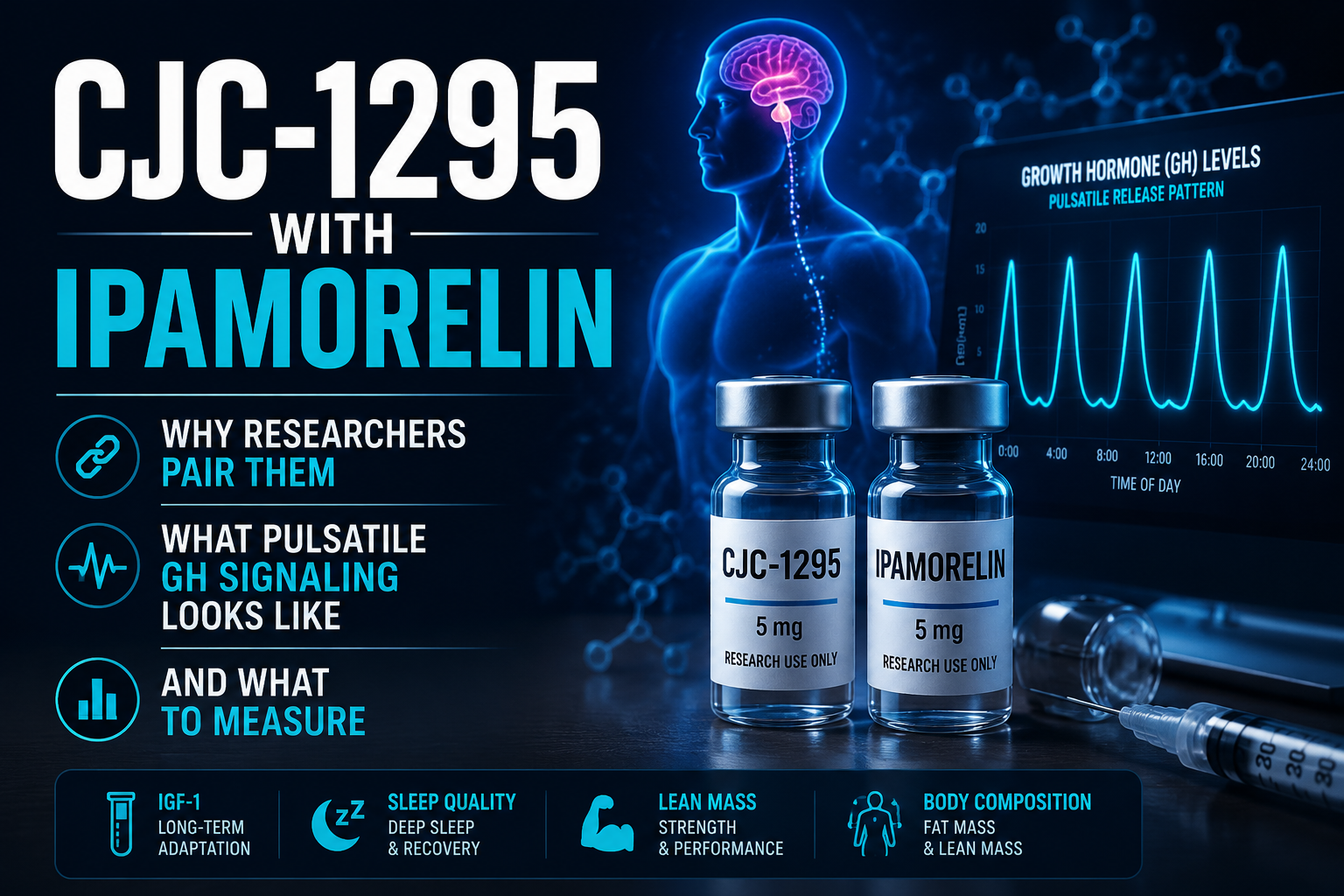
CJC-1295 With Ipamorelin: Why Researchers Pair Them, What Pulsatile GH Signaling Looks Like, and What to Measure

CJC-1295 With Ipamorelin: Why Researchers Pair Them, What Pulsatile GH Signaling Looks Like, and What to Measure

June 18, 2026/0 Comments/in Uncategorized/by

{"cover":"Professional landscape format (1536×1024) hero image with bold text overlay: 'CJC-1295 With Ipamorelin: Pulsatile GH Signaling Explained' in extra large 72pt white bold sans-serif font with deep shadow and semi-transparent dark overlay bar, centered upper-third composition. Background shows a dramatic close-up of a molecular double-helix structure transitioning into a glowing pituitary gland cross-section rendered in deep teal and electric blue tones, with subtle waveform graphs suggesting hormonal pulse patterns. Color palette: deep navy, teal, white accents. Magazine cover aesthetic, editorial quality, high contrast.","content":["Detailed landscape format (1536×1024) scientific illustration showing two distinct molecular receptor pathways side by side — one labeled GHRH receptor pathway glowing in blue, the other labeled GHSR ghrelin receptor pathway glowing in amber — converging at a central pituitary gland diagram. Molecular peptide chain structures of CJC-1295 and Ipamorelin float near their respective receptors. Clean white lab background with subtle grid lines, annotated arrows showing signal amplification, professional research diagram aesthetic, high contrast, editorial quality.","Detailed landscape format (1536×1024) data visualization showing a stylized oscilloscope-style waveform graph representing pulsatile GH secretion over a 24-hour period, with clearly labeled amplitude peaks marked 'Combined CJC-1295 + Ipamorelin' in teal versus a lower flatter line labeled 'Baseline' in gray. The graph sits on a dark navy background with glowing neon-teal pulse lines, subtle clock icons at the x-axis, and a secondary smaller IGF-1 rise curve in amber. Scientific infographic style, professional, high contrast, editorial quality.","Detailed landscape format (1536×1024) flat-lay laboratory bench scene photographed from directly above showing research measurement tools: a serum IGF-1 ELISA assay plate, printed GH pulse amplitude data charts, a digital caliper, a body composition DEXA scan printout, and a researcher's gloved hand annotating results with a red pen. Warm clinical white lighting, organized composition, subtle teal and navy color accents on printed materials, research laboratory aesthetic, editorial quality, high contrast."]

Professional landscape hero image () with : "CJC-1295 With Ipamorelin: Why Researchers Pair Them, What Pulsatile GH

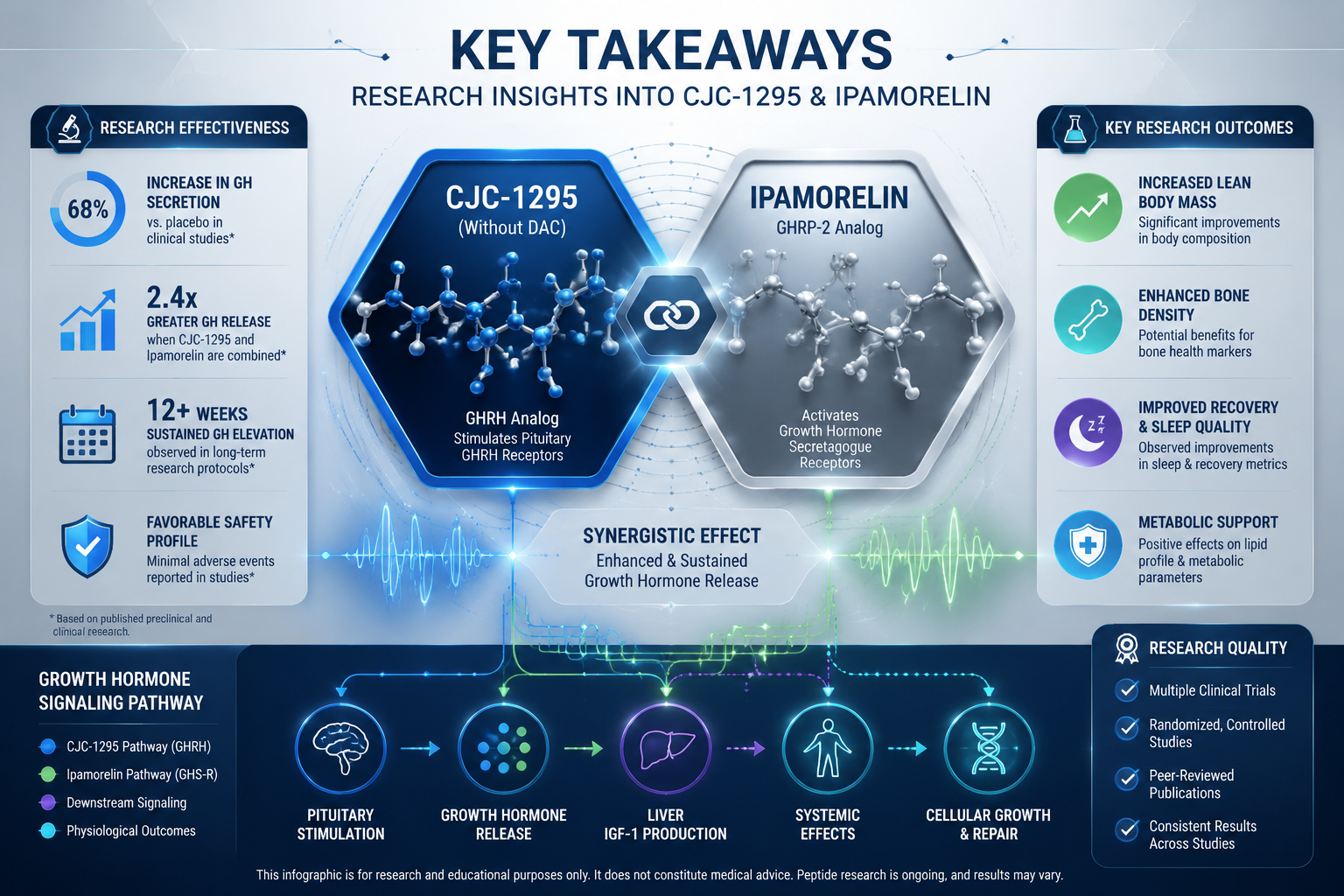
Growth hormone secretion is not continuous — it fires in discrete pulses, and that architecture matters enormously for how researchers design experiments. Understanding CJC-1295 with Ipamorelin: why researchers pair them, what pulsatile GH signaling looks like, and what to measure starts with a single insight: these two peptides activate entirely different receptor classes, and combining them produces a synergistic amplification that neither achieves alone.

Key Takeaways

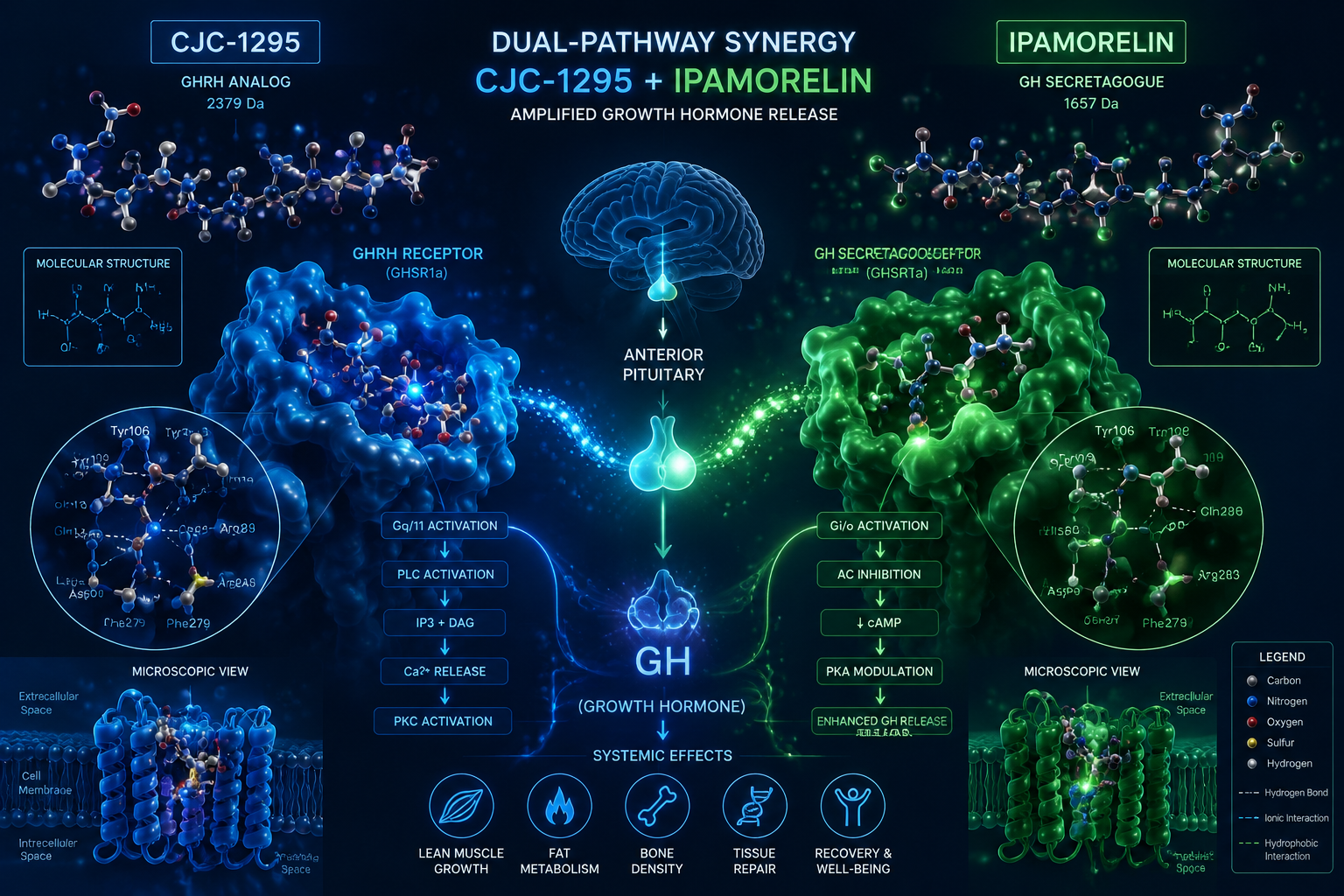
  • CJC-1295 acts on GHRH receptors; Ipamorelin acts on GHSR (ghrelin) receptors — two distinct pathways.
  • Combining them amplifies GH pulse amplitude more than additive effects would predict.
  • Pulsatile GH output preserves downstream receptor sensitivity in a way that continuous infusion does not.
  • Primary research readouts are serum GH pulse amplitude, IGF-1 levels, and body composition markers.
  • Regulatory status for these peptides has tightened in several jurisdictions since the mid-2020s; researchers must verify local compliance before sourcing.

Key Takeaways

The Dual-Pathway Rationale Behind Pairing CJC-1295 With Ipamorelin

The pituitary releases growth hormone through two primary input signals. The first is growth hormone-releasing hormone (GHRH), which binds to GHRH receptors on somatotroph cells and drives GH synthesis and release. The second is ghrelin, which binds to the growth hormone secretagogue receptor (GHSR-1a) and independently stimulates GH release through a separate intracellular cascade.

CJC-1295 is a modified GHRH analogue. The version without a Drug Affinity Complex (DAC) produces a shorter, cleaner pulse, making it the preferred form in most research designs. For a deeper look at how this analogue behaves in isolation, the CJC-1295 no-DAC research themes overview covers the mechanistic literature in detail.

Ipamorelin is a selective GHSR agonist. It is considered one of the cleaner secretagogues because it produces minimal cortisol or prolactin co-release — a significant confound in earlier ghrelin-mimetic research. The Ipamorelin muscle and fat research themes page summarizes its downstream metabolic effects.

"Two keys, one lock system" is a useful mental model: CJC-1295 primes the somatotroph cell while Ipamorelin simultaneously triggers it through a separate gate. The result is a GH pulse that is substantially larger than either peptide produces independently.

This synergistic amplification has been documented in human pharmacokinetic data for CJC-1295, where mean GH peak concentrations rose several-fold above baseline. When a GHSR agonist is added, the amplitude rises further because both intracellular pathways converge on the same exocytotic machinery.


The Dual-Pathway Rationale Behind Pairing CJC-1295 With Ipamorelin

What Pulsatile GH Signaling Looks Like in This Research Context

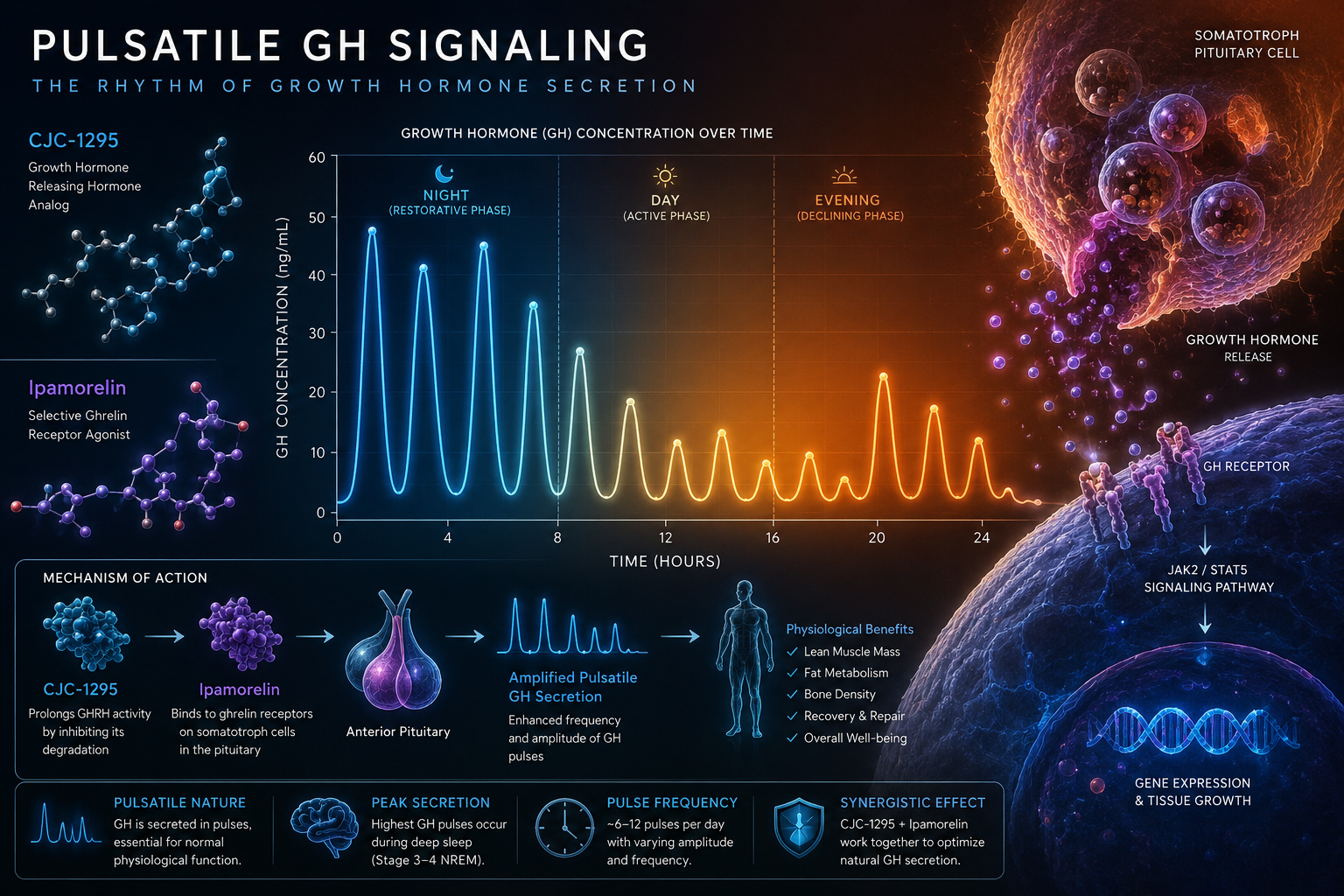
Normal physiological GH secretion occurs in roughly 6-12 pulses per 24 hours, with the largest pulse occurring during slow-wave sleep. Between pulses, serum GH falls to near-undetectable levels. This on-off pattern is not incidental — it is the mechanism that keeps GH receptors sensitive.

When CJC-1295 with Ipamorelin are administered together, the resulting GH pulse mimics this natural architecture rather than producing a sustained elevation. The key features researchers observe are:

  • Higher peak amplitude — the combined pulse reaches concentrations that single-agent protocols rarely achieve
  • Normal inter-pulse trough — GH returns toward baseline between doses, preserving receptor sensitivity
  • Downstream IGF-1 rise — hepatic IGF-1 production responds to the amplified pulses, with measurable increases appearing within days to weeks of consistent dosing

This is the fundamental reason the combination is preferred over continuous GHRH infusion in research models. Sustained GH elevation causes receptor downregulation; pulsatile delivery avoids it.

For researchers considering how this combination fits within a broader GH-axis research framework, the GH axis product line overview and the CJC-IPA GH axis research page provide useful context.


What Pulsatile GH Signaling Looks Like in This Research Context

What to Measure: Key Readouts for CJC-1295 With Ipamorelin Research

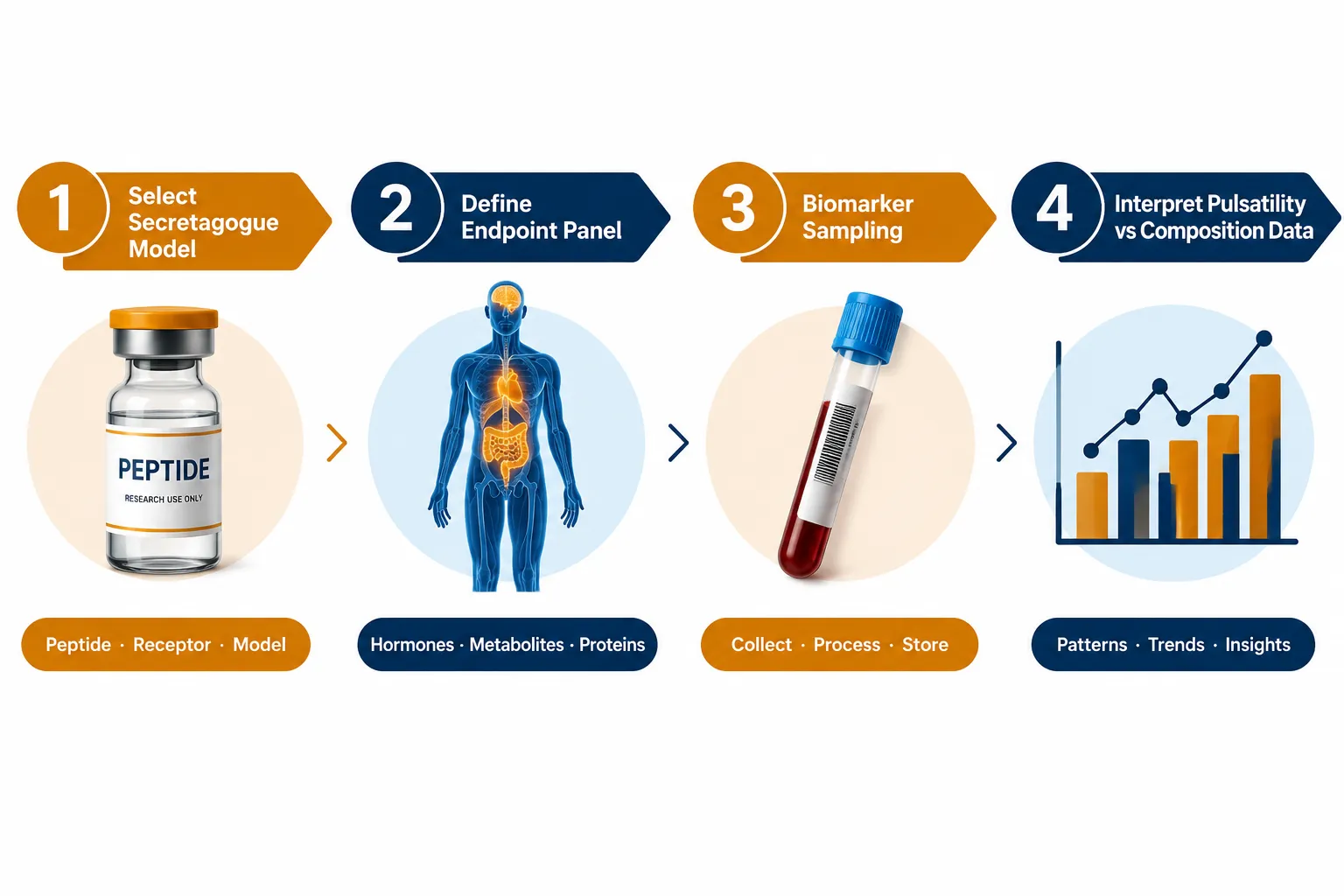
Selecting the right endpoints is as important as the pairing rationale itself. Researchers working with this combination in 2026 typically track the following:

Readout Method Typical Timeframe
Serum GH pulse amplitude Serial blood sampling + ELISA Acute (hours post-dose)
Serum IGF-1 Single fasting blood draw 2-6 weeks of dosing
Lean mass / fat mass DEXA scan 8-16 weeks
Fasting glucose and insulin Standard metabolic panel Ongoing
Sleep architecture Polysomnography or actigraphy 4-8 weeks

IGF-1 remains the most practical chronic marker because it integrates GH pulsatility over days rather than requiring timed serial sampling. Emerging 2025 human-oriented data suggest modest improvements in lean body mass and reductions in visceral fat with combined secretagogue protocols, though evidence quality remains low-to-moderate and most studies are small.

Sleep-stage data are increasingly included in research designs because GH pulse amplitude during slow-wave sleep is a sensitive indicator of somatotroph responsiveness. Blunted nocturnal GH is one of the earliest measurable signs of somatopause, making it a meaningful endpoint in aging-focused studies.

For researchers planning assay selection and sourcing logistics, the CJC-1295 Ipamorelin assay planning and sourcing checklist is a practical starting resource. Those evaluating dosing frameworks can also review the Sermorelin, Ipamorelin, and CJC-1295 dosage research guide for comparative context.

Regulatory and Safety Considerations in 2026

Regulatory scrutiny of peptide secretagogues has intensified. Several major jurisdictions, including the United States and Australia, have moved to restrict or reclassify compounded GHRH analogues and GHSRs since the mid-2020s. Researchers must confirm current local regulatory status before sourcing. Purity verification through third-party analytical testing — including HPLC and mass spectrometry — is a non-negotiable step in any credible research protocol.


Conclusion

The logic behind pairing CJC-1295 with Ipamorelin is mechanistically sound: two distinct receptor pathways converge to produce a GH pulse that is larger, cleaner, and more physiologically faithful than either agent generates alone. For researchers, the actionable next steps are straightforward. First, confirm that the research design requires pulsatile GH amplification rather than sustained elevation. Second, select the right biomarkers — IGF-1 for chronic tracking, serial GH sampling for acute pharmacokinetic work, and body composition endpoints for longer studies. Third, verify peptide purity and local regulatory compliance before any experiment begins. Researchers interested in how this combination compares to other secretagogue options can explore the Tesamorelin vs Ipamorelin comparison or review CJC-1295 plus Ipamorelin combination research for additional design considerations. The science is compelling; the rigor of execution determines whether the data are meaningful.

https://www.puretestedpeptides.com/wp-content/uploads/2026/06/CJC-1295-With-Ipamorelin-Why-Researchers-Pair-Them-What-Pulsatile-GH-Signaling-Looks-Like-and-What-to-Measure.png 1024 1536 https://www.puretestedpeptides.com/wp-content/uploads/2026/01/buy-peptides-online.jpg 2026-06-18 13:03:292026-06-18 13:03:29CJC-1295 With Ipamorelin: Why Researchers Pair Them, What Pulsatile GH Signaling Looks Like, and What to Measure
5-Amino-1MQ and SLUPP332 in Metabolic Research: How NNMT Targeting Is Framed in Experimental Design

5-Amino-1MQ and SLUPP332 in Metabolic Research: How NNMT Targeting Is Framed in Experimental Design

June 17, 2026/0 Comments/in Uncategorized/by

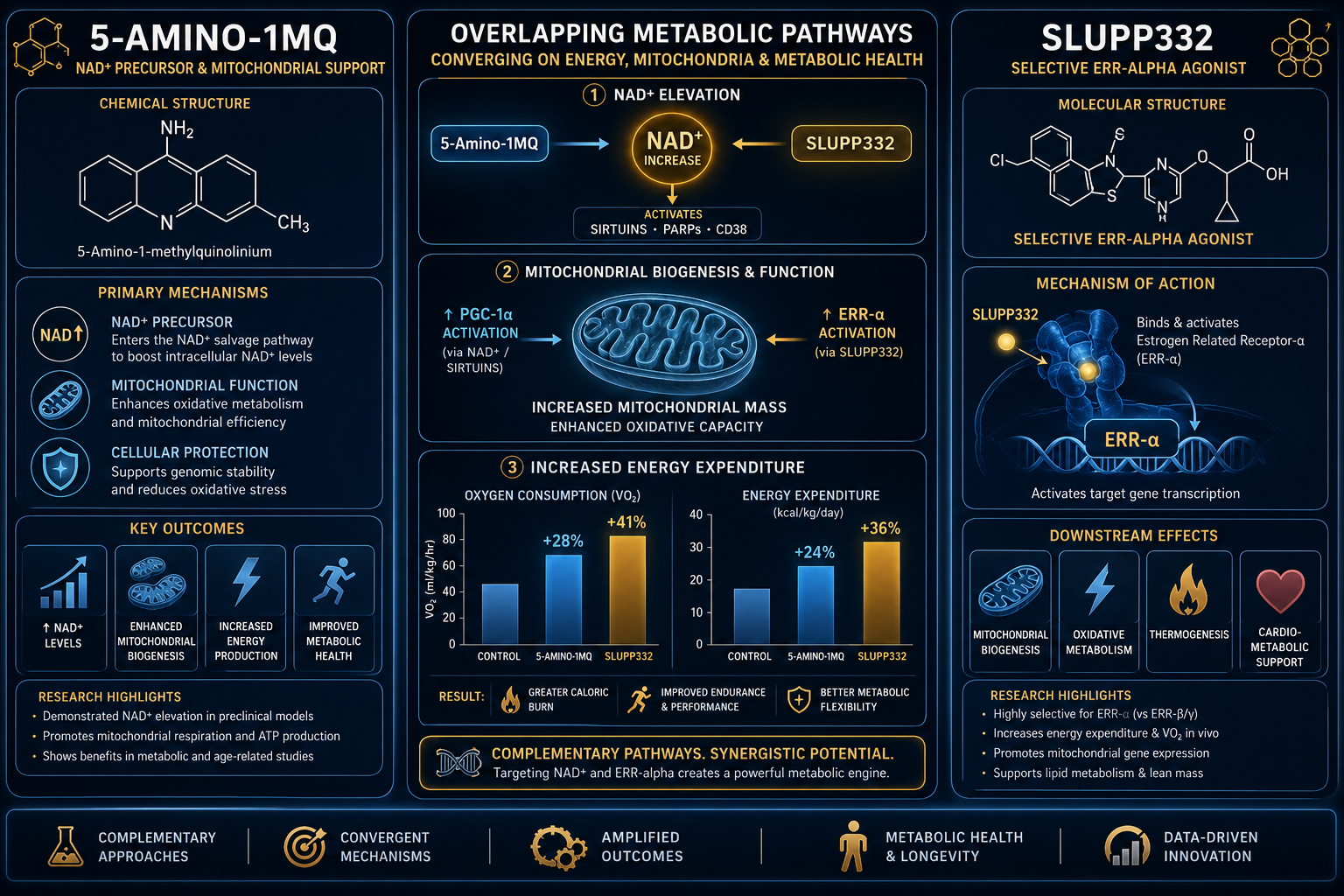
Nicotinamide N-methyltransferase (NNMT) overexpression in adipose tissue correlates with increased fat accumulation, insulin resistance, and suppressed energy expenditure — yet the enzyme received relatively little research attention until small-molecule inhibitors made precise targeting feasible. The study of 5-Amino-1MQ and SLUPP332 in metabolic research: how NNMT targeting is framed in experimental design has since become a focused area for researchers building body-composition models around enzymatic control of the NAD+ pool and mitochondrial activity.

Key Takeaways

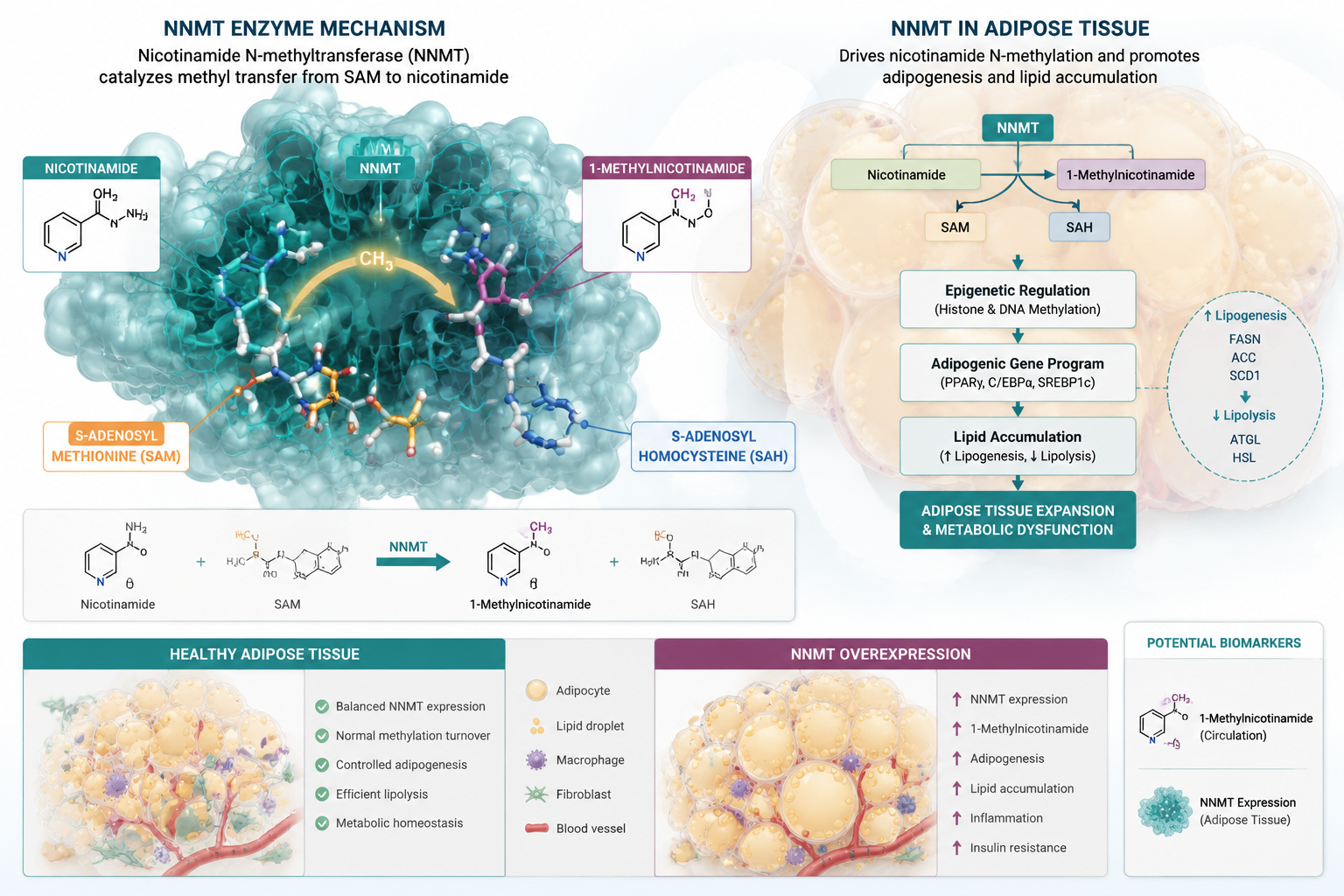
  • NNMT acts as a "methylation sink," consuming S-adenosyl methionine and depleting the NAD+ precursor pool in adipose tissue.
  • 5-Amino-1MQ inhibits NNMT directly, raising intracellular NAD+ and shifting adipocyte metabolism toward energy expenditure.
  • SLUPP332 targets ERR-alpha, a downstream node of mitochondrial biogenesis, making it a mechanistically distinct but complementary research tool.
  • Most 5-Amino-1MQ evidence comes from animal models; human clinical data remain limited as of 2026.
  • Experimental designs pairing these compounds typically use multi-arm layouts to isolate pathway-specific effects.

Key Takeaways

Understanding NNMT's Role in Metabolic Dysfunction

NNMT catalyzes the transfer of a methyl group from S-adenosyl methionine (SAM) to nicotinamide, producing 1-methylnicotinamide. This reaction has two major downstream consequences. First, it consumes SAM, reducing the cell's overall methylation potential — a process that, when chronic, leads to histone hypomethylation and altered gene expression. Second, it diverts nicotinamide away from NAD+ synthesis, shrinking the intracellular NAD+ pool that mitochondria depend on for oxidative phosphorylation.

In adipose tissue, NNMT overexpression is strongly associated with:

Effect Mechanism
Increased fat storage Reduced NAD+ limits fatty acid oxidation
Insulin resistance Impaired mitochondrial signaling
Epigenetic remodeling SAM depletion causes histone hypomethylation
Suppressed thermogenesis Lower energy expenditure in adipocytes

"NNMT functions less like a simple metabolic enzyme and more like a regulatory switch that integrates energy status, epigenetic state, and immune signaling simultaneously."

This multifaceted role is why NNMT has attracted attention in both metabolic disorder research and oncology. In cancer biology, the same methylation-sink mechanism supports tumor cell survival by remodeling chromatin. For researchers focused on metabolic modulation research lines, the adipose-tissue angle is the primary focus.

How 5-Amino-1MQ and SLUPP332 in Metabolic Research Frame NNMT Targeting in Experimental Design

How 5-Amino-1MQ and SLUPP332 in Metabolic Research Frame NNMT Targeting in Experimental Design

5-Amino-1MQ: The Direct NNMT Inhibitor

5-Amino-1MQ is a small-molecule competitive inhibitor of NNMT. By blocking the enzyme's active site, it prevents nicotinamide from being methylated, which preserves the substrate pool available for NAD+ synthesis. The result, observed consistently in rodent models, is a measurable rise in adipose NAD+ levels, increased mitochondrial activity, and a shift in energy balance away from lipid storage.

Researchers sourcing 5-Amino-1MQ for preclinical studies typically frame their endpoints around:

  • NAD+ quantification in adipose and liver tissue
  • Oxygen consumption rate (OCR) in isolated mitochondria
  • Body composition metrics via DEXA or MRI in diet-induced obesity models
  • Insulin sensitivity markers including HOMA-IR and glucose tolerance curves

Newer NNMT inhibitors such as II559 (Ki = 1.2 nM) and II802 (Ki = 1.6 nM) have demonstrated over 5,000-fold selectivity for NNMT over related methyltransferases, with cellular IC50 values near 150 nM. These figures provide a useful selectivity benchmark when designing controls for 5-Amino-1MQ studies.

Critical caveat: Despite strong animal-model data, human clinical trials for 5-Amino-1MQ remain in early stages. Researchers should treat all mechanistic claims as preclinical until robust human data emerge.

SLUPP332: A Complementary Mitochondrial Target

SLUPP332 (also written SLU-PP-332) works through a different mechanism. It is an agonist of estrogen-related receptor alpha (ERR-alpha), a nuclear receptor that drives mitochondrial biogenesis and oxidative metabolism gene expression. Rather than targeting NNMT directly, SLUPP332 in oral and subcutaneous evidence models activates downstream transcriptional programs that overlap with the metabolic benefits sought through NNMT inhibition.

This mechanistic distinction is precisely why researchers pair the two compounds in multi-arm designs — to determine whether upstream enzyme inhibition (5-Amino-1MQ) and downstream receptor activation (SLUPP332) produce additive, synergistic, or redundant effects on mitochondrial output and fat oxidation.

Experimental Design Considerations

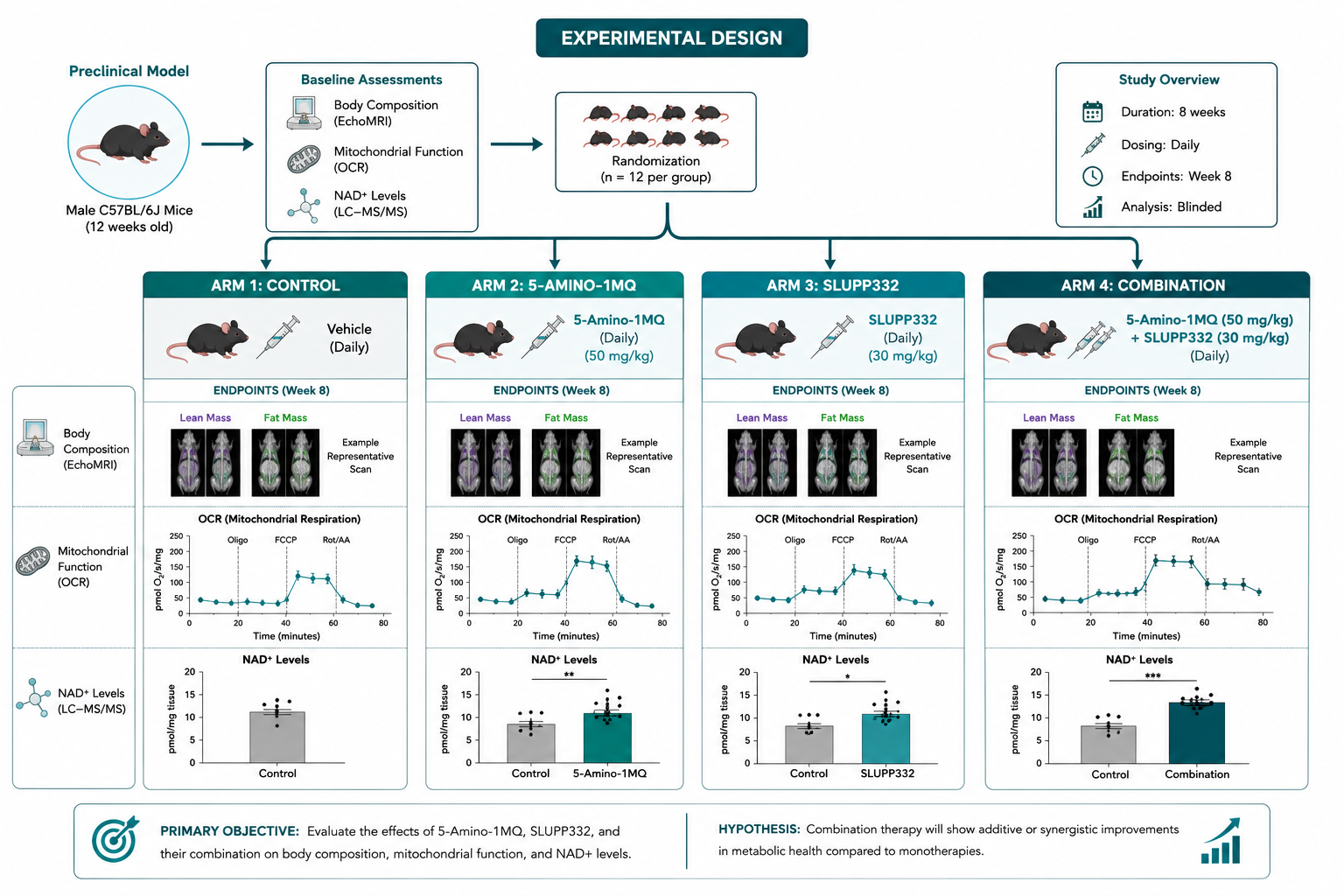
Rigorous study layouts for 5-Amino-1MQ and SLUPP332 in metabolic research typically include:

  1. Control arm — vehicle only
  2. 5-Amino-1MQ arm — NNMT inhibition, NAD+ restoration
  3. SLUPP332 arm — ERR-alpha activation, biogenesis upregulation
  4. Combination arm — both compounds to test interaction effects

Researchers also integrate MOTS-c metabolic flexibility models as parallel comparators, given MOTS-c's role in AMPK activation and mitochondrial stress response. Similarly, IPA muscle and fat research themes offer adjacent endpoints for lean mass preservation alongside fat-loss outcomes.

For broader longevity-oriented panels, some investigators incorporate NAD+ precursor co-treatments, referencing NAD+ scientific evidence frameworks to contextualize NNMT inhibition within the wider NAD+ biology literature.

Experimental Design Considerations

Framing Limitations and Research Integrity

Honest experimental framing requires acknowledging several constraints:

  • Species translation gaps: Rodent adipose biology does not always map cleanly to human adipose, particularly regarding NNMT expression levels and tissue distribution.
  • In vivo bioavailability: Many NNMT inhibitors show strong in vitro potency but limited in vivo activity, a challenge that applies to 5-Amino-1MQ as well.
  • SLUPP332 data scarcity: Publicly available mechanistic data on SLUPP332 remain limited, making independent replication difficult.
  • Confounding variables: Diet-induced obesity models introduce metabolic heterogeneity that can obscure compound-specific signals.

Researchers building longevity peptide research protocols that include NNMT-targeting agents should pre-register endpoints and use blinded outcome assessment to minimize bias.

Conclusion

The study of 5-Amino-1MQ and SLUPP332 in metabolic research: how NNMT targeting is framed in experimental design rewards researchers who prioritize mechanistic clarity over outcome assumptions. The core logic is straightforward: NNMT overexpression depletes NAD+ and impairs mitochondrial function; inhibiting it restores metabolic flexibility. SLUPP332 adds a complementary activation signal at the transcriptional level, making multi-arm designs the most informative approach.

Actionable next steps for researchers:

  • Define NAD+ quantification and OCR as primary endpoints before dosing begins.
  • Include a selectivity control arm using a structurally related but inactive analog.
  • Cross-reference findings against mitochondrial longevity research frameworks to situate results within the broader field.
  • Treat human translation with caution until Phase I/II data are available.
  • Source compounds with verified purity documentation to ensure assay reproducibility.

Rigorous design, not compound enthusiasm, is what advances NNMT research from promising mechanism to actionable biology.

https://www.puretestedpeptides.com/wp-content/uploads/2026/06/5-Amino-1MQ-and-SLUPP332-in-Metabolic-Research-How-NNMT-Targeting-Is-Framed-in-Experimental-Design.png 1024 1536 https://www.puretestedpeptides.com/wp-content/uploads/2026/01/buy-peptides-online.jpg 2026-06-17 13:04:092026-06-17 13:04:095-Amino-1MQ and SLUPP332 in Metabolic Research: How NNMT Targeting Is Framed in Experimental Design
Tesamorelin and Ipamorelin Peptides: Complementary Mechanisms for GH Secretagogue Research

Tesamorelin and Ipamorelin Peptides: Complementary Mechanisms for GH Secretagogue Research

June 5, 2026/0 Comments/in Uncategorized/by

}

Professional () hero image with : 'Tesamorelin & Ipamorelin: Complementary GH Secretagogue Research' in extra large white

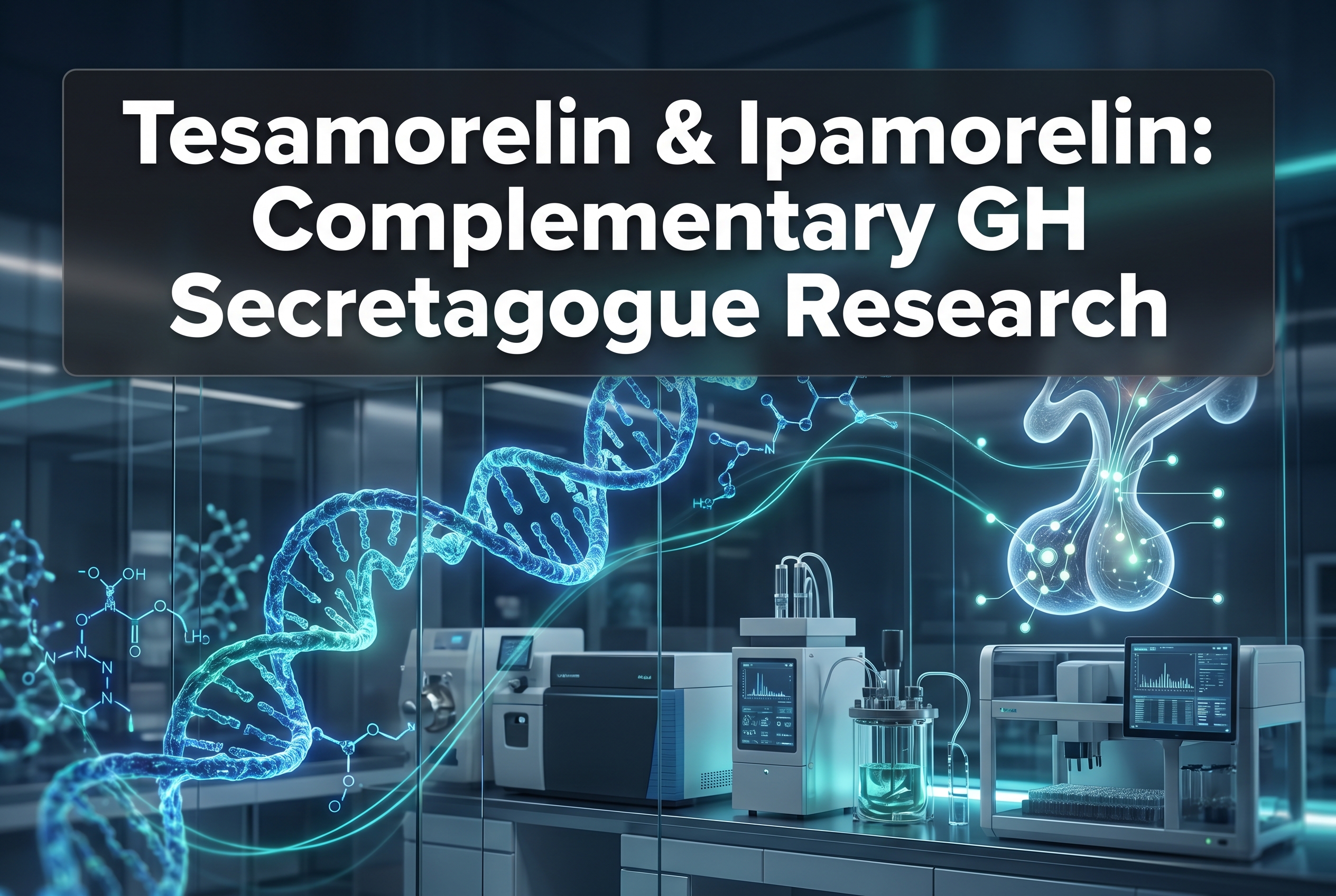
Growth hormone secretion is not a single-switch event — it is a finely tuned pulse controlled by at least two distinct receptor systems. Understanding how those systems differ, and how they interact, is precisely why research into Tesamorelin and Ipamorelin Peptides: Complementary Mechanisms for GH Secretagogue Research has attracted sustained scientific interest in 2026.

Key Takeaways

  • Tesamorelin is a GHRH analog acting on the GHRH receptor; Ipamorelin is a ghrelin mimetic acting on GHS-R1a — two separate pathways.
  • Combining both peptides produces a synergistic GH pulse that exceeds what either compound achieves alone.
  • Tesamorelin holds FDA approval for HIV-associated lipodystrophy; Ipamorelin remains a research compound only.
  • Ipamorelin's receptor selectivity means it does not significantly raise cortisol, prolactin, or ACTH — a notable safety distinction.
  • Both compounds are prohibited under WADA's S2 category and are strictly for licensed research use.

Distinct Receptor Targets: The Foundation of Synergy

Distinct Receptor Targets: The Foundation of Synergy

The core science behind Tesamorelin and Ipamorelin Peptides: Complementary Mechanisms for GH Secretagogue Research begins at the receptor level.

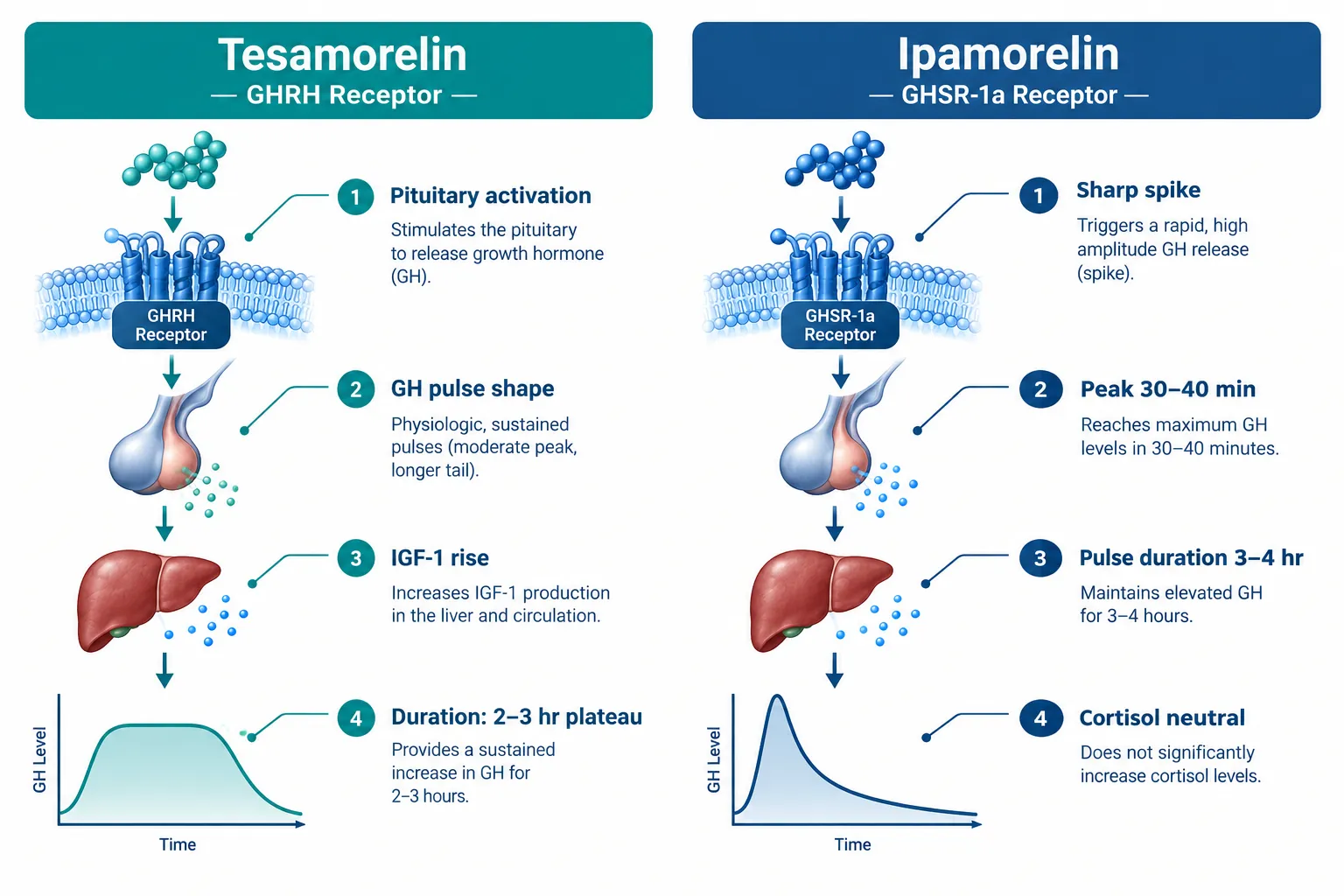
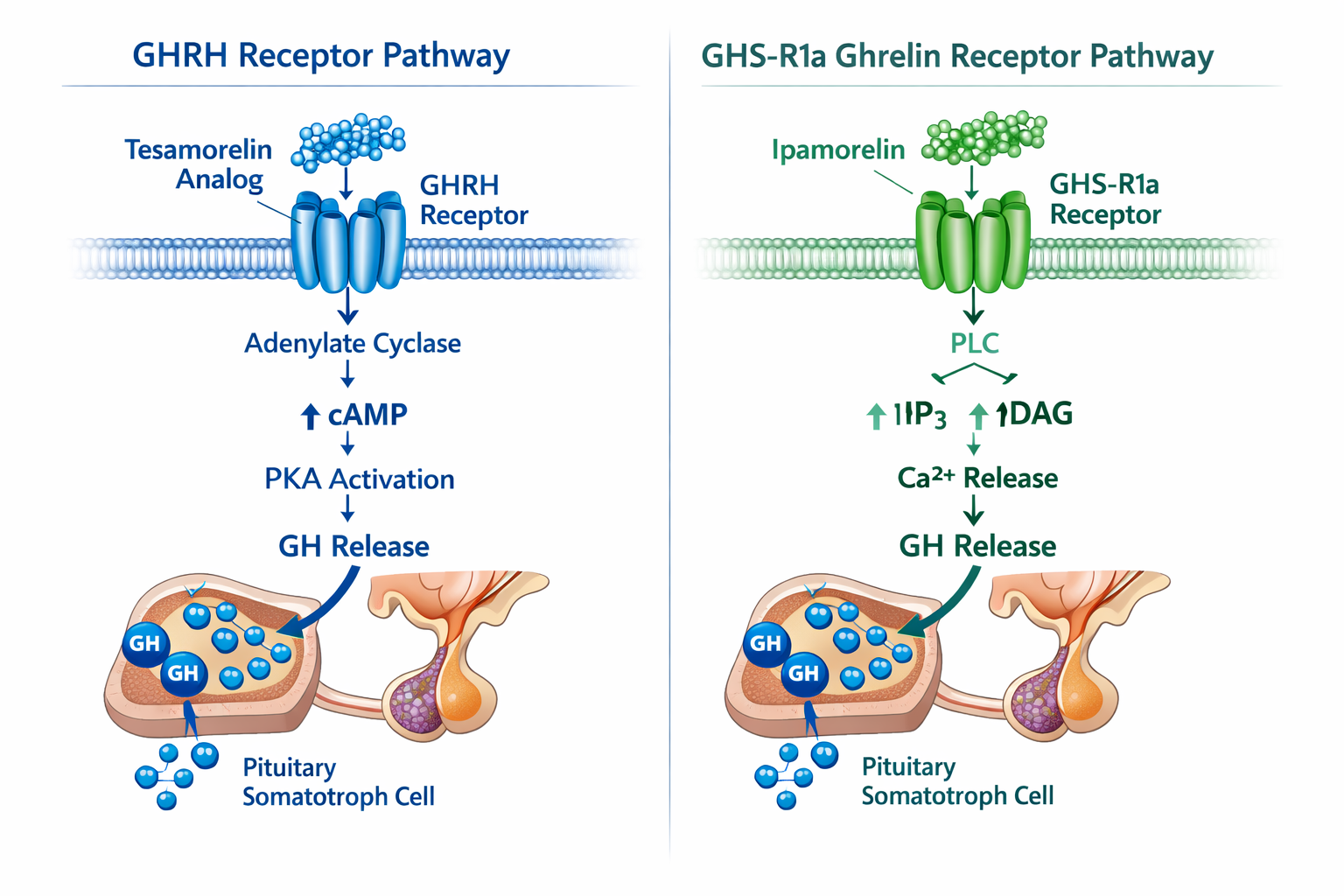
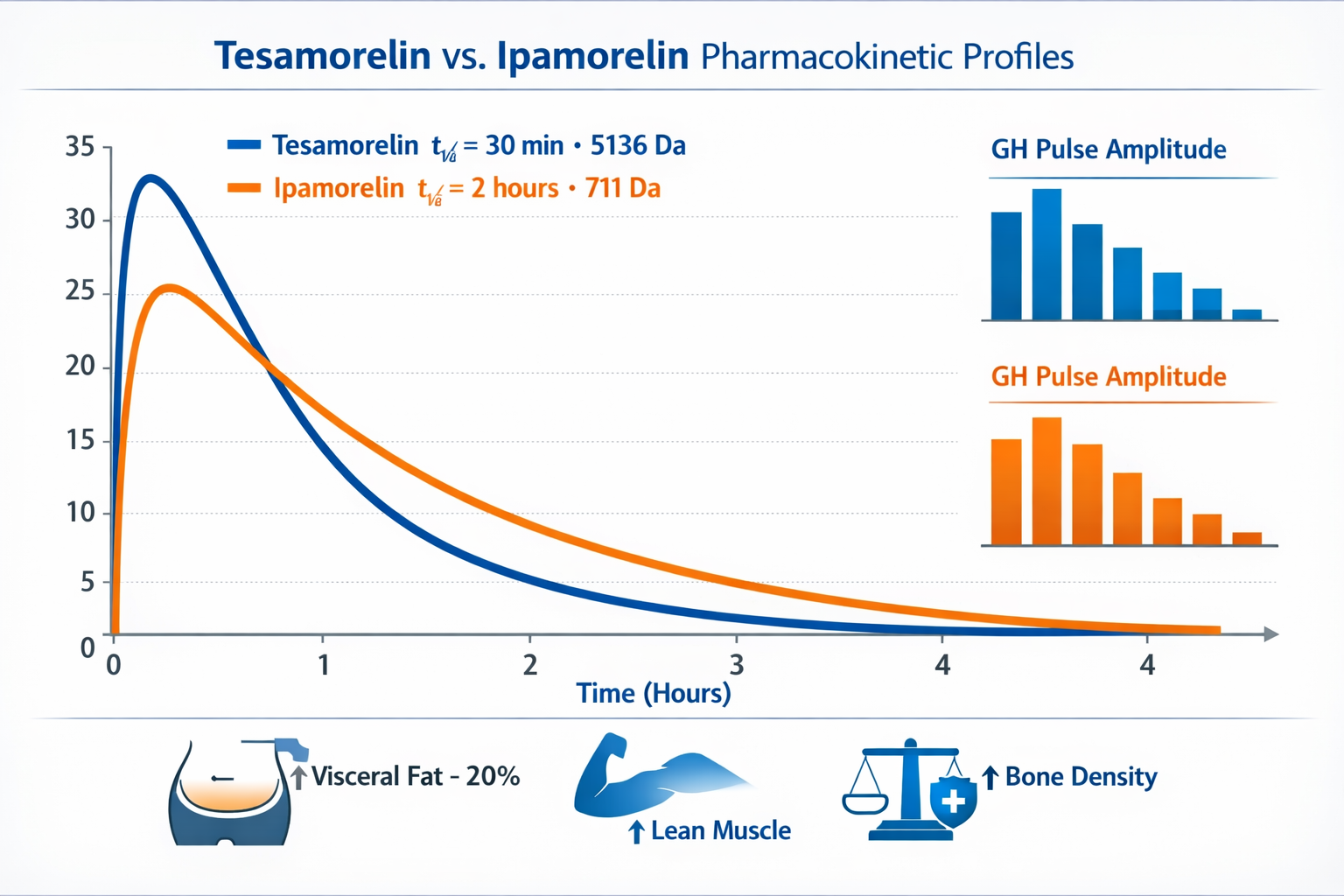
Tesamorelin is a stabilized analog of endogenous growth hormone-releasing hormone (GHRH). It binds the GHRH receptor on pituitary somatotroph cells and activates the cAMP/PKA signaling cascade, triggering GH synthesis and release. Its molecular weight is approximately 5,136 Da and its plasma half-life ranges from 25 to 40 minutes — short enough to preserve natural pulsatility while still delivering a measurable GH signal. Researchers interested in the science behind this compound can review detailed background on where to buy Tesamorelin and the science behind it.

Ipamorelin, by contrast, is a selective ghrelin receptor agonist that targets GHS-R1a. Its downstream signaling runs through the phospholipase C / IP3 / DAG pathway — entirely separate from the cAMP route used by Tesamorelin. At roughly 711 Da with a half-life near two hours, Ipamorelin is structurally compact and pharmacokinetically distinct. Critically, its receptor selectivity means it does not meaningfully elevate cortisol, ACTH, or prolactin, setting it apart from older GH secretagogues. More on Ipamorelin's muscle and fat research applications can be found at Ipamorelin muscle and fat research themes.

"Two separate locks, two separate keys — but both open the same door to GH release."

Because the two peptides operate on non-overlapping intracellular pathways, co-administration produces an additive — and in some models, synergistic — GH secretory response. This is the mechanistic rationale behind multi-peptide research protocols.


Pharmacokinetics, Clinical Evidence, and Regulatory Status

Pharmacokinetics, Clinical Evidence, and Regulatory Status

The regulatory histories of these two compounds diverge sharply.

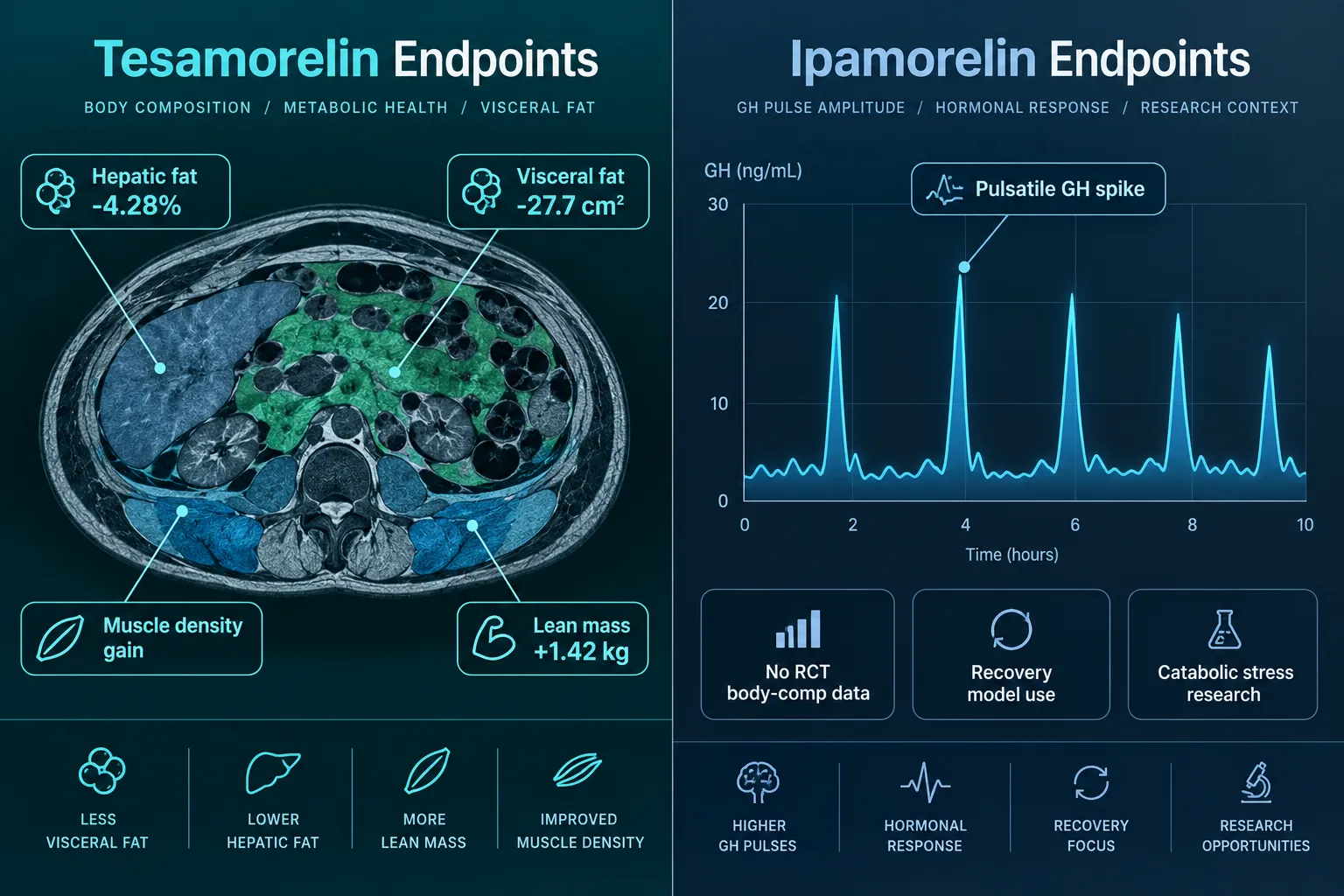
Tesamorelin is the only FDA-approved GHRH analog, indicated for HIV-associated lipodystrophy. Phase 3 trials demonstrated a 15–18% reduction in visceral adipose tissue over 26 weeks — a clinically meaningful outcome supported by robust human data. Ipamorelin, while it advanced through Phase II trials for post-operative ileus, did not meet its primary endpoints in that indication and remains unapproved for any clinical use.

Feature Tesamorelin Ipamorelin
Receptor target GHRH-R GHS-R1a
Molecular weight ~5,136 Da ~711 Da
Half-life 25–40 min ~2 hours
FDA approval Yes (lipodystrophy) No
Cortisol elevation Minimal Minimal
WADA status Prohibited (S2) Prohibited (S2)

Both compounds are prohibited under WADA's S2 category, which restricts their use in competitive sport. Researchers should also note that CJC-1295 without DAC is another GHRH-family peptide often studied alongside these compounds for comparative GH pulsatility data.


Designing Combination Protocols for GH Pulsatility Research

Designing Combination Protocols for GH Pulsatility Research

The practical application of Tesamorelin and Ipamorelin Peptides: Complementary Mechanisms for GH Secretagogue Research lies in protocol design. Because the two peptides hit different receptors, researchers can time their administration to amplify a single GH pulse or to study how dual-pathway stimulation affects downstream IGF-1 levels and body-composition markers.

Pre-formulated research blends that combine Tesamorelin, CJC-1295, and Ipamorelin — such as the Tesamorelin / CJC-1295 / Ipamorelin 12mg blend — allow investigators to study multi-secretagogue interactions without compounding separate solutions. For protocols that also incorporate AOD-9604, the Tesamorelin / AOD-9604 / CJC-1295 / Ipamorelin blend extends the metabolic research scope further.

Researchers studying the broader peptide landscape often pair GH secretagogue work with complementary compounds. For example, CJC-1295 with DAC research findings provide a useful reference point for understanding how DAC modification changes GH pulse kinetics relative to the shorter-acting analogs.

Key variables in combination protocol design include:

  • Timing offset — administering Ipamorelin 15–30 minutes before or after Tesamorelin to observe pulse shape differences
  • Dose titration — adjusting each compound independently to isolate receptor-specific contributions
  • Biomarker selection — tracking GH, IGF-1, visceral fat volume, and lean mass as primary endpoints
  • Washout periods — accounting for Ipamorelin's longer half-life when designing crossover studies

One important limitation: no direct human clinical trial has yet evaluated the Tesamorelin-Ipamorelin combination as a co-administered protocol. All synergy data to date comes from preclinical or mechanistic modeling work, meaning researchers must interpret findings with appropriate caution.


Conclusion

The mechanistic complementarity of Tesamorelin and Ipamorelin makes them a compelling pairing for GH secretagogue research. Their non-overlapping receptor targets — GHRH-R and GHS-R1a respectively — provide a rational basis for combination protocols aimed at studying GH pulsatility, visceral fat reduction, and body-composition dynamics.

Actionable next steps for researchers:

  1. Review the pharmacokinetic profiles of both compounds before designing dosing windows.
  2. Select validated biomarkers (GH, IGF-1, visceral adipose tissue) as primary endpoints.
  3. Source peptides from suppliers that provide third-party purity verification — see the peptide purity testing guide for sourcing standards.
  4. Consult the Ipamorelin GHRH/GRF research overview for additional mechanistic context before finalizing protocols.
  5. Maintain strict compliance with institutional research regulations and WADA prohibitions.

Rigorous, well-designed preclinical studies remain the essential next step before any broader conclusions about this peptide combination can be drawn.

https://www.puretestedpeptides.com/wp-content/uploads/2026/06/Tesamorelin-and-Ipamorelin-Peptides-Complementary-Mechanisms-for-GH-Secretagogue-Research.jpg 1696 2528 https://www.puretestedpeptides.com/wp-content/uploads/2026/01/buy-peptides-online.jpg 2026-06-05 13:36:412026-06-05 13:36:41Tesamorelin and Ipamorelin Peptides: Complementary Mechanisms for GH Secretagogue Research
×

Helpful Links

  • My account
  • Cart
  • Checkout
  • Refund and Returns Policy
  • Privacy Policy
  • SMS Privacy Policy
  • Login
  • My Account
  • Logout

USA Made Lab Tested Peptides

All products are sold for research, laboratory, or analytical purposes only, and are not for human consumption


Pure Tested Peptides is a chemical supplier. Pure Tested Peptides is not a compounding / chemical compounding facility as defined under 503A of the Federal Food, Drug, and Cosmetic act. Pure Tested Peptides is not an outsourcing facility as defined under 503B of the Federal Food, Drug, and Cosmetic act.

The statements made within this website have not been evaluated by the US Food and Drug Administration. The products we offer are not intended to diagnose, treat, cure or prevent any disease.

Human/Animal Consumption Prohibited. Laboratory/In-Vitro Experimental Use Only

Scroll to top Scroll to top Scroll to top