Call or Text 727-513-9780
  • Shopping Cart Shopping Cart
    0Shopping Cart
Pure Tested Peptides | America's most trusted Peptides for sale online
  • Peptides for sale
    • Oral Peptides for sale
      • Peptide Capsules for sale
      • BPC 157 Capsules 1000mcg
      • SLU-PP-332 Capsules | 1000 mcg
      • 5-Amino-1MQ 50mg Capsules
      • Tesofensine 500mcg
    • All Peptides for sale
    • Peptide Sprays
      • BPC 157 Nasal Spray Kit
      • BPC-157 TB500 Nasal Spray Kit
      • Semax Nasal Spray 10mg
      • Selank – Nasal Spray Kit – 10mg
      • Epithalon 50MG Nasal Spray Kit
      • Ipamorelin 10mg Nasal Spray
      • Klow Nasal Spray (BPC-157 + TB-500 + GHK-Cu + KPV) | 80mg
      • Hulk Nasal Spray Tesa / Ipa Blend 6/3 MG
      • Klow Nasal Spray
      • NAD + 500 mg Nasal Spray
      • PT-141 Nasal Spray Kit
    • GHRH Peptides
      • Ipa Peptides
      • CJC-1295 Peptides
        • CJC-1295 with DAC 5 mg
        • CJC-1295 without DAC 5 mg
        • CJC-1295 Ipa 10mg
      • Tesa Peptides
        • Tesa Peptide
        • Tesa 20 mg
    • GHK-Cu Peptides
      • All GHK-Cu Peptides
      • GHK-Cu 100mg
      • KLOW Peptide Blend – Buy KLOW blend online
    • BPC Peptides
      • All BPC Peptides
      • BPC-157
      • BPC-157 TB-500
      • BPC 157 capsules 1000mcg
    • SLU-PP-332 Peptides
      • All SLU-PP-332 Peptides
      • SLU-PP-332 5mg
    • GLP3 Peptides
      • GLP3-R
      • GLP3-R CAG 10mg
      • GLP3-R 20mg
    • PT-141 Peptides
      • PT-141 Peptides for sale
      • PT-141 10mg
      • PT-141 Nasal Spray
    • CAG Peptides
      • Lipo-C Peptide Blend
      • CAG 5mg
      • CAG 10mg
    • MOTS-C Peptides
      • MOTS-C Peptides for sale
      • MOTS-c peptide
      • MOTS-c 10mg *6 pack*
    • 5 Amino 1MQ Peptides
      • 5 Amino 1MQ Peptides for sale
      • 5-Amino-1MQ 50mg Capsules
      • 5-Amino-1MQ 5mg
    • Epithalon Peptides
      • Epithalon Peptides for sale
      • Epithalon 10mg
      • Epithalon 50mg
  • Shop
    • GLPs
      • 5-Amino-1MQ 50mg Capsules
      • 5-Amino-1MQ 5mg
      • GLP3-Reta
      • L-Carnitine 500mg/ml
      • Tesofensine 500mcg
      • SLU-PP-332 5mg
      • MOTS-c 10mg *6 pack*
    • Epithalon & BPC Peptides
      • Epithalon 10mg
      • Epithalon 50mg
      • BPC-157
      • BPC 157 capsules 1000mcg
      • BPC-157 TB-500
      • BPC-157 TB500 Nasal Spray Kit
      • BPC 157 Nasal Spray Kit
    • BPC TB-500 & NAD+ Peptides
      • NAD+ 500 mg
      • KLOW Peptide Blend – Buy KLOW blend online
      • GLOW Peptide Blend
      • TB 500 5mg
      • BPC 157 capsules 1000mcg – Supplement
      • BPC 157 Nasal Spray Kit
      • BPC-157
      • BPC-157 TB500 Nasal Spray Kit
      • BPC-157 TB-500
      • BPC 157 capsules 1000mcg
    • LL-37 Peptide
      • LL-37 10 mg
    • MOTS-C & Selank
      • MOTS-c peptide
      • Selank 10mg
    • GHK Peptides
      • GHK-Cu 100mg
      • GLOW Peptide Blend
      • KLOW Peptide Blend – Buy KLOW blend online
  • COAs
  • Wholesale
    • Wholesale Peptides for sale
  • PTP FAQ
  • Affiliates
    • Affiliate Program
    • Affiliate Signup
  • Contact
    • Contact Customer Service
    • Text Customer Support
  • About US
  • Shop all peptides
  • Login / Register Login / Register Page Link Login / Register Page Link
  • Click to open the search input field Click to open the search input field Search
  • Menu Menu

Tag Archive for: cellular energy

Mitochondrial Biogenesis and Peptide Modulation: The Impact of MOTS-c and 5-Amino-1MQ in Research

Mitochondrial Biogenesis and Peptide Modulation: The Impact of MOTS-c and 5-Amino-1MQ in Research

July 5, 2026/0 Comments/in Uncategorized/by

Fewer than 1% of the human genome encodes mitochondrial proteins, yet disruptions in mitochondrial function are linked to metabolic disease, accelerated aging, and declining physical performance. Two research compounds, MOTS-c and 5-Amino-1MQ, have drawn significant scientific attention for their ability to influence this process at the molecular level. Mitochondrial Biogenesis and Peptide Modulation: The Impact of MOTS-c and 5-Amino-1MQ in Research represents one of the most active frontiers in cellular metabolism science as of 2026, with emerging data pointing toward meaningful applications in energy regulation, insulin sensitivity, and longevity research.

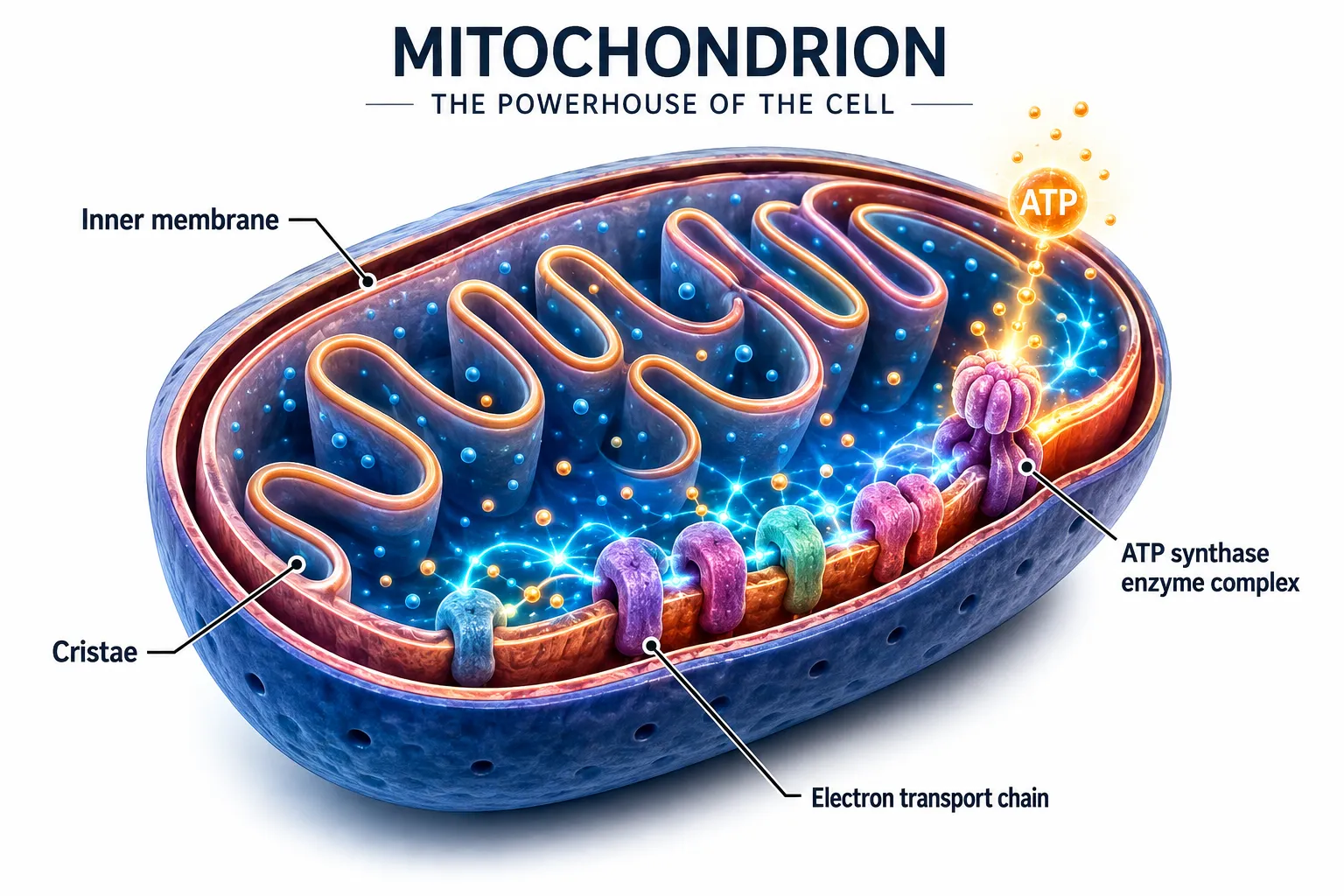
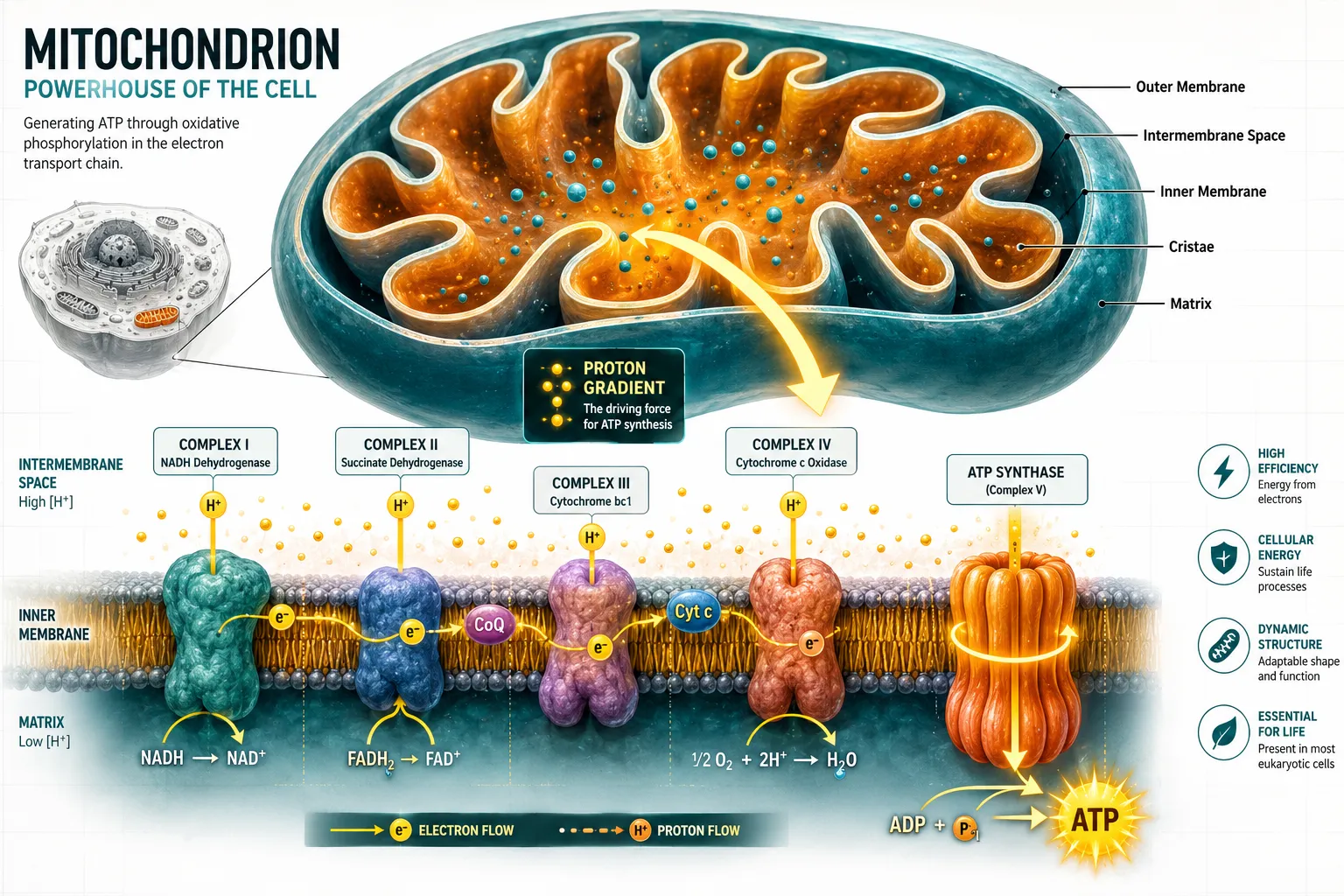
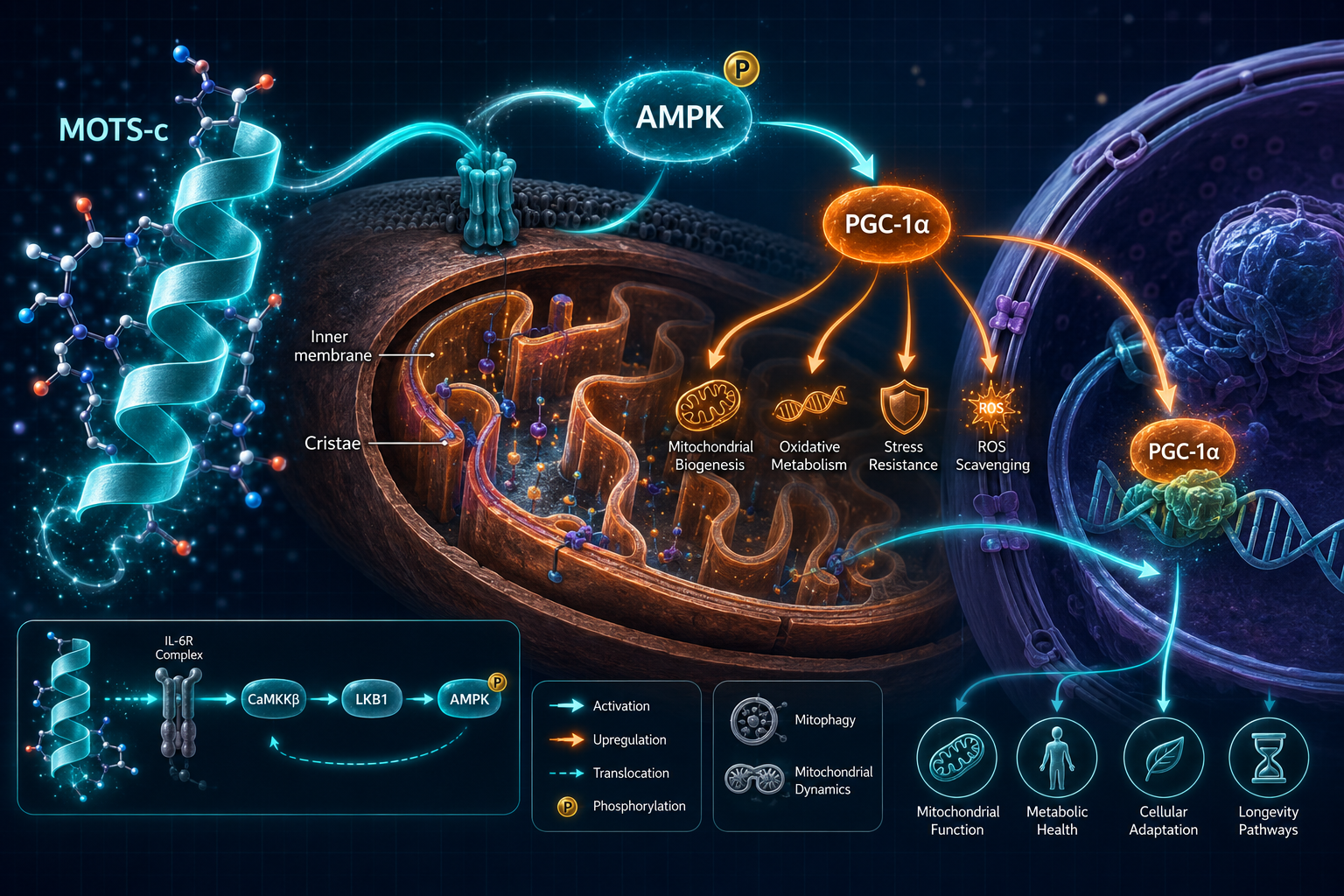
Detailed () scientific illustration showing a cross-section of a mitochondrion with labeled cristae and inner membrane,

Key Takeaways

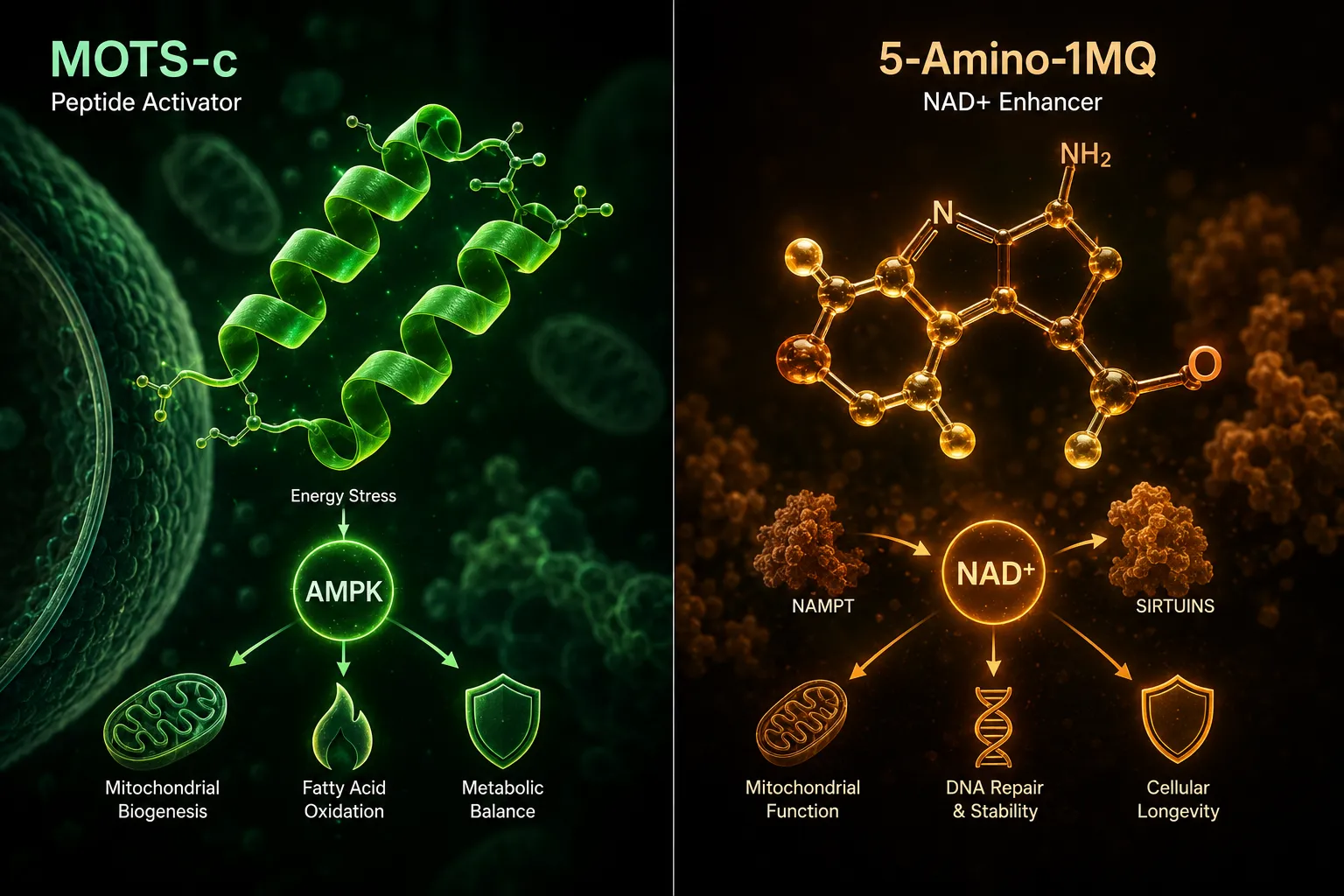
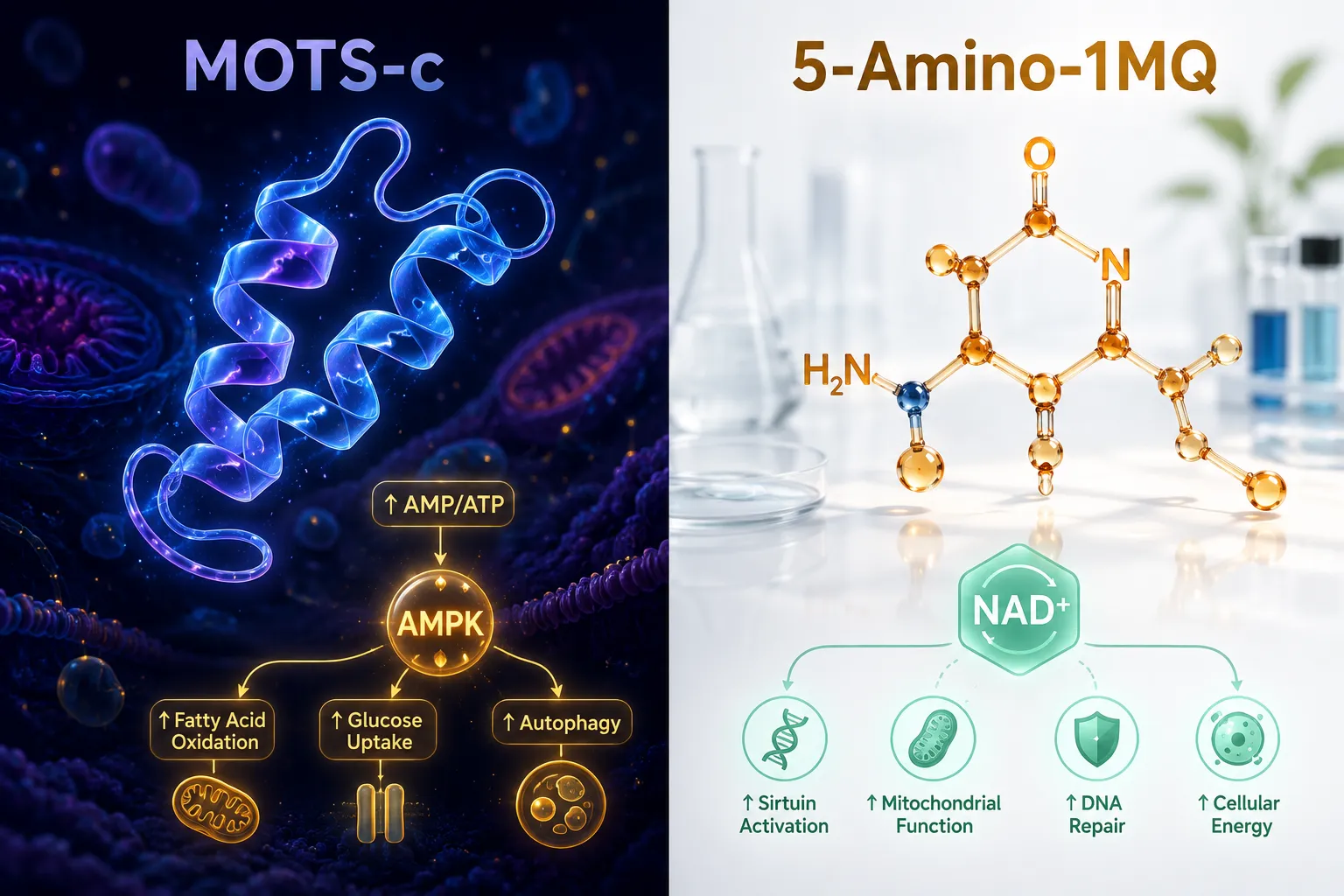
  • MOTS-c is a mitochondrial-derived peptide that activates AMPK and PGC-1alpha signaling to support mitochondrial biogenesis and metabolic flexibility.
  • 5-Amino-1MQ works by inhibiting the enzyme NNMT, which plays a central role in NAD+ metabolism and fat cell differentiation.
  • Both compounds target overlapping metabolic pathways, making them subjects of growing interest in combination research models.
  • MOTS-c has demonstrated the ability to translocate to the cell nucleus under stress, directly regulating gene expression related to energy metabolism.
  • Research in 2026 continues to explore these peptides for their potential roles in obesity, aging, insulin resistance, and mitochondrial disease models.

How MOTS-c Drives Mitochondrial Biogenesis

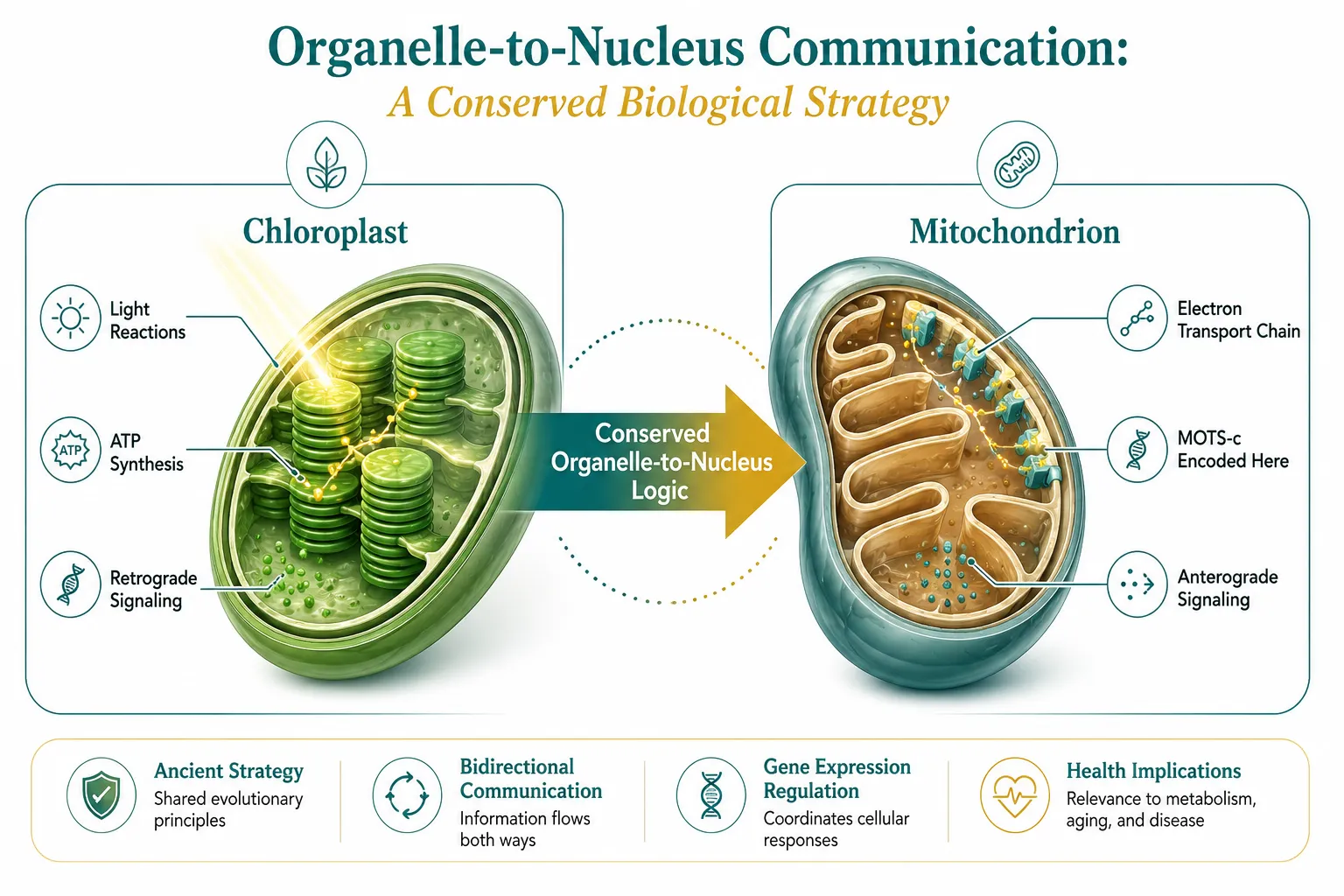
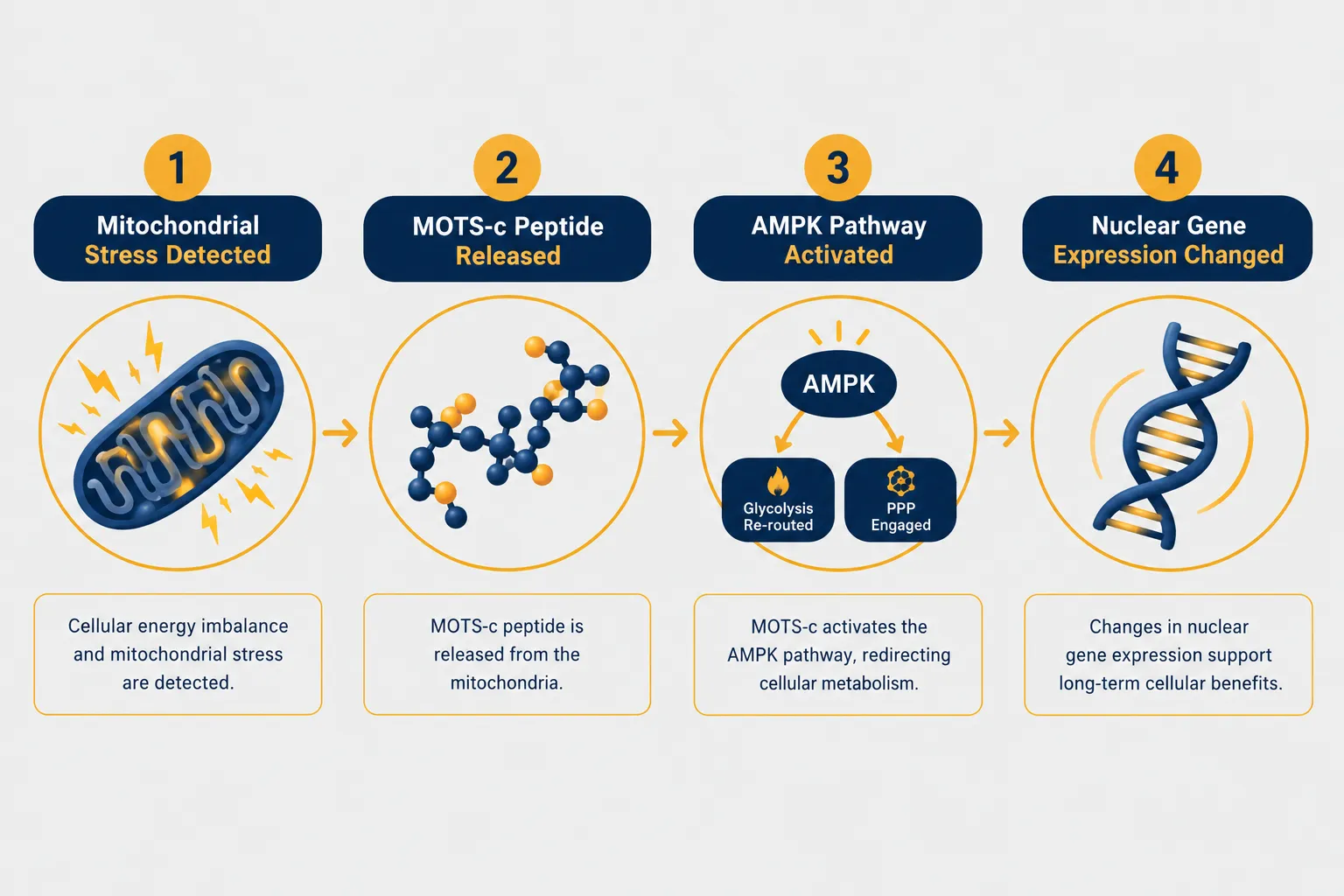
MOTS-c (Mitochondrial Open Reading Frame of the 12S rRNA-c) is a 16-amino acid peptide encoded within mitochondrial DNA. Unlike most mitochondrial products, it can leave the mitochondria and travel to the nucleus, where it directly influences gene expression. This behavior makes it a unique signaling molecule in the study of MOTS-c mitochondrial research themes.

Core signaling mechanisms of MOTS-c include:

  • Activation of AMPK (AMP-activated protein kinase), the cell's primary energy sensor
  • Upregulation of PGC-1alpha, the master regulator of mitochondrial biogenesis
  • Interaction with NRF2 and antioxidant response elements to reduce oxidative stress
  • Regulation of the Folate-AICAR-AMPK pathway, which governs energy metabolism and insulin sensitivity

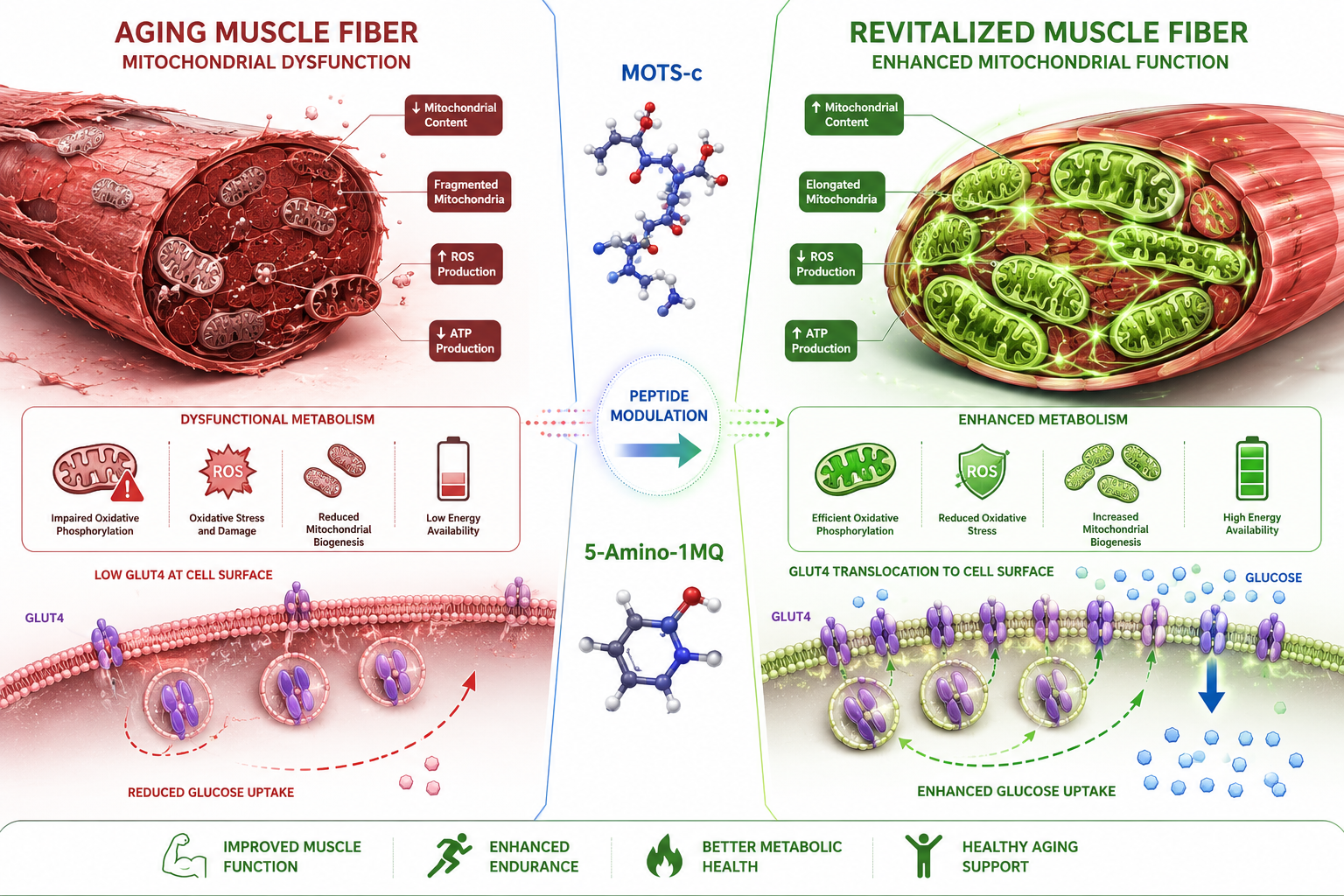
Research published in early 2026 confirmed that MOTS-c administration improves muscle mitochondrial bioenergetic performance, reduces reactive oxygen species emission, and lowers stress-related protein damage. These effects depend on both PGC-1alpha and AMPK activity, suggesting a tightly coordinated signaling cascade.

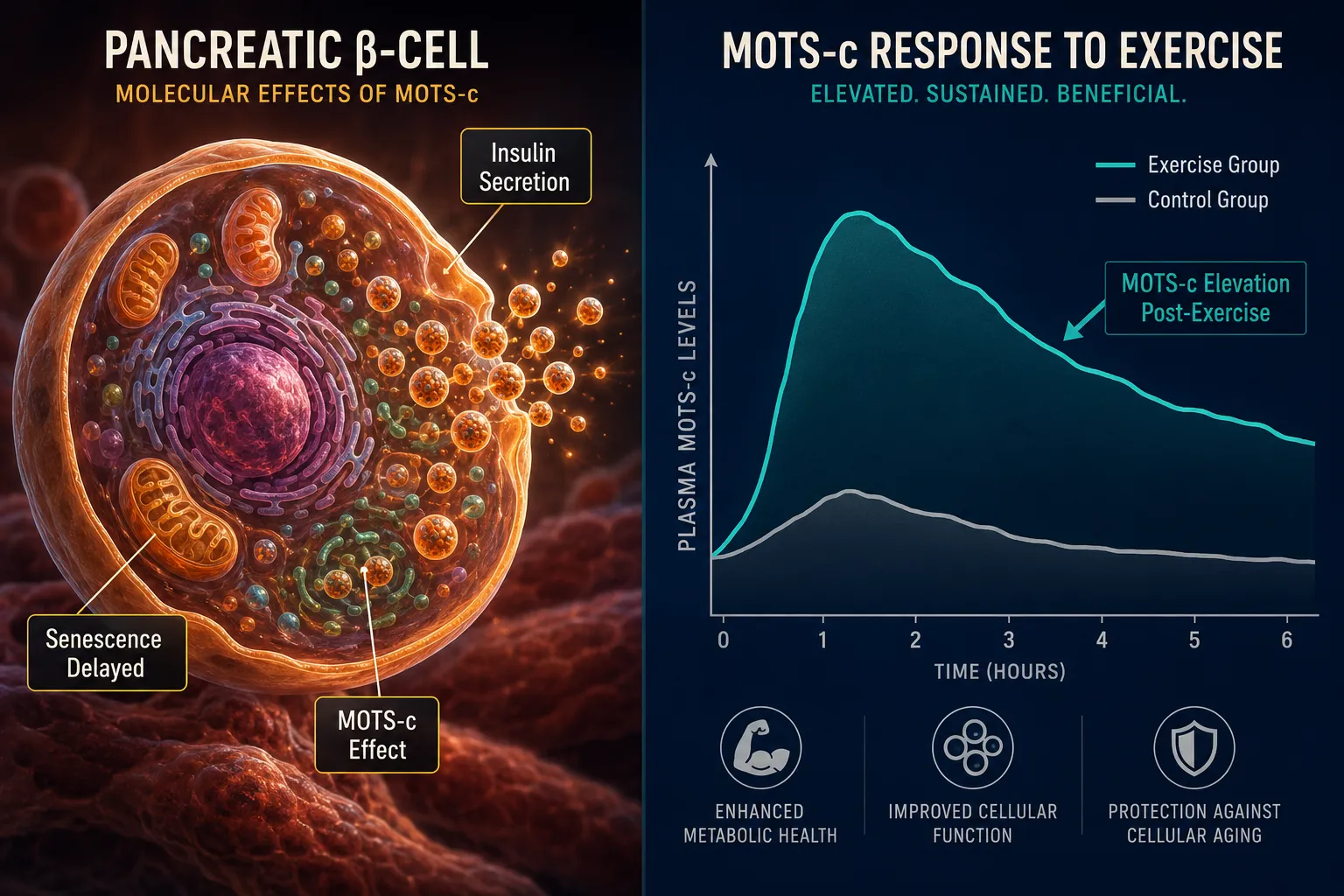
A landmark study published in Nature Communications found that MOTS-c significantly enhanced physical performance across young, middle-aged, and older mice. The peptide regulated nuclear genes tied to metabolism and proteostasis, the cellular process of maintaining protein balance, pointing to its potential role in countering age-related physical decline.

For researchers exploring MOTS-c metabolic flexibility, the peptide's ability to enhance GLUT4 translocation in muscle cells is especially relevant. GLUT4 is the primary glucose transporter in skeletal muscle, and its movement to the cell surface is essential for insulin-stimulated glucose uptake. MOTS-c appears to facilitate this process in a mitofusion-dependent manner, directly connecting mitochondrial dynamics to glucose metabolism.

"MOTS-c functions not just as a metabolic regulator but as a stress-response signal, one that bridges mitochondrial activity and nuclear gene control."


5-Amino-1MQ: NNMT Inhibition and Metabolic Impact

5-Amino-1MQ operates through a distinct but complementary mechanism. It is a small-molecule inhibitor of NNMT (nicotinamide N-methyltransferase), an enzyme that consumes methyl groups and reduces NAD+ precursor availability. By blocking NNMT, 5-Amino-1MQ supports higher intracellular NAD+ levels, which in turn fuels mitochondrial energy production and activates sirtuins, proteins associated with longevity and metabolic regulation.

Researchers studying 5-Amino-1MQ have noted its effects on:

Effect Mechanism
Increased NAD+ availability NNMT inhibition preserves methyl donors
Reduced fat cell differentiation Epigenetic regulation via methyl group availability
Enhanced mitochondrial respiration Improved electron transport chain function
Sirtuin activation NAD+-dependent deacetylase stimulation

This profile makes 5-Amino-1MQ a compelling subject in metabolic modulation research, particularly in models of obesity and metabolic syndrome. Its mechanism is upstream of many cellular energy processes, meaning its effects can be broad and interconnected.

When considered alongside NAD+ pathway research, the compound's role becomes clearer. Researchers exploring NAD+ research and related compounds often examine 5-Amino-1MQ as a tool for modulating NAD+ metabolism without direct supplementation.

5-Amino-1MQ: NNMT Inhibition and Metabolic Impact


Mitochondrial Biogenesis and Peptide Modulation: Convergence of MOTS-c and 5-Amino-1MQ in Research

The intersection of these two compounds within Mitochondrial Biogenesis and Peptide Modulation: The Impact of MOTS-c and 5-Amino-1MQ in Research lies in their shared influence on cellular energy status. Both compounds ultimately support mitochondrial function, MOTS-c through direct biogenesis signaling, and 5-Amino-1MQ through metabolic substrate availability.

Key areas of convergence in current research:

  • Insulin resistance models, MOTS-c reduces insulin resistance via AMPK; 5-Amino-1MQ supports glucose regulation through NAD+-sirtuin pathways
  • Aging and longevity, Both compounds influence pathways associated with healthspan extension
  • Body composition, MOTS-c targets skeletal muscle metabolism; 5-Amino-1MQ reduces adipogenesis
  • Oxidative stress, MOTS-c activates NRF2; elevated NAD+ from 5-Amino-1MQ supports antioxidant enzyme function

Research into mitochondrial longevity-focused compounds increasingly examines how stacking or sequencing such agents might amplify outcomes in preclinical models. Researchers working with peptide blends in research settings have begun exploring these combinations as part of broader metabolic intervention protocols.

It is also worth noting that MOTS-c's anti-inflammatory properties extend beyond muscle tissue. Recent research has explored its antioxidative effects in lung disease models, where AMPK activation and metabolic pathway regulation may offer new avenues for respiratory condition research.

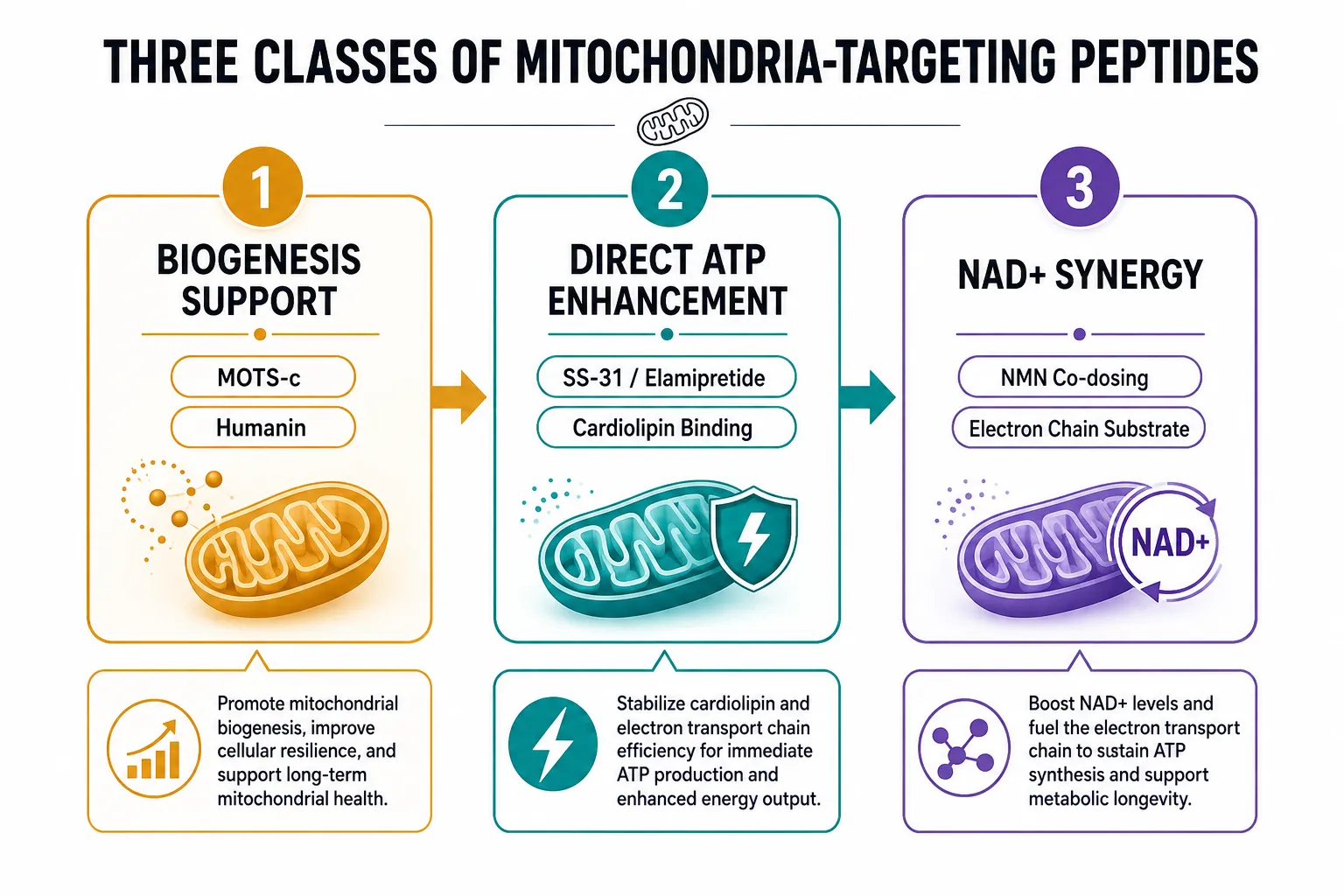
For those researching mitochondrial dynamics more broadly, the SS-31 mitochondrial dynamics research page offers a useful comparison point, as SS-31 targets the inner mitochondrial membrane through a different but related mechanism.

Mitochondrial Biogenesis and Peptide Modulation: Convergence of MOTS-c and 5-Amino-1MQ in Research


Conclusion

The science of Mitochondrial Biogenesis and Peptide Modulation: The Impact of MOTS-c and 5-Amino-1MQ in Research continues to expand rapidly in 2026. MOTS-c stands out for its dual role as both a mitochondrial product and a nuclear regulator, capable of influencing gene expression, glucose uptake, and physical performance across age groups. 5-Amino-1MQ complements this profile by targeting NNMT to preserve NAD+ availability and support downstream mitochondrial function.

Actionable next steps for researchers:

  • Review the latest preclinical data on MOTS-c's AMPK and PGC-1alpha signaling before designing metabolic studies
  • Consider the role of NNMT inhibition when evaluating NAD+ pathway interventions
  • Explore combination models that pair MOTS-c with 5-Amino-1MQ for synergistic metabolic outcomes
  • Ensure all research compounds are sourced from verified, purity-tested suppliers to maintain experimental integrity

As mitochondrial research matures, these peptides represent some of the most mechanistically rich tools available for studying cellular energy, aging, and metabolic disease in controlled research environments.

https://www.puretestedpeptides.com/wp-content/uploads/2026/07/Mitochondrial-Biogenesis-and-Peptide-Modulation-The-Impact-of-MOTS-c-and-5-Amino-1MQ-in-Research.png 1024 1536 https://www.puretestedpeptides.com/wp-content/uploads/2026/01/buy-peptides-online.jpg 2026-07-05 13:06:332026-07-05 13:06:33Mitochondrial Biogenesis and Peptide Modulation: The Impact of MOTS-c and 5-Amino-1MQ in Research
SLUPP332 with 5-Amino-1MQ: Investigating Synergistic Mechanisms in Mitochondrial Biogenesis Research

SLUPP332 with 5-Amino-1MQ: Investigating Synergistic Mechanisms in Mitochondrial Biogenesis Research

July 4, 2026/0 Comments/in Uncategorized/by

{"cover":"Professional landscape format (1536×1024) hero image with bold text overlay: 'SLUPP332 + 5-Amino-1MQ: Synergistic Mitochondrial Biogenesis Research' in extra large 72pt white bold sans-serif font with dark semi-transparent overlay box, centered upper-third composition. Background shows a stunning macro visualization of glowing mitochondria networks inside a cell, rendered in deep teal and electric blue tones with golden energy highlights, suggesting cellular energy production and metabolic activation. Color scheme: deep navy, electric teal, gold accents. Magazine cover aesthetic, editorial quality, high contrast, science-forward visual identity.","content":["Detailed landscape format (1536×1024) scientific illustration showing two molecular compound structures, SLUPP332 and 5-Amino-1MQ, rendered as glowing 3D chemical models floating side by side, connected by luminous energy pathways suggesting synergy. Background features a dark navy gradient with subtle mitochondrial network patterns. Labels and molecular bonds are clearly visible. Color palette: electric blue for SLUPP332, warm amber for 5-Amino-1MQ, white connective energy lines. Research-lab aesthetic, editorial quality, no people, purely molecular and structural focus.","Detailed landscape format (1536×1024) cross-section diagram of a mitochondrion undergoing biogenesis, showing PGC-1-alpha pathway activation with labeled arrows indicating ERR-alpha receptor engagement and NNMT enzyme inhibition. Glowing green signals pulse along the inner mitochondrial membrane cristae. A split-panel design shows a low-energy mitochondrion on the left transforming into a dense, highly active network on the right. Color scheme: deep charcoal background, lime green activation signals, white labels, amber energy gradients. Scientific infographic style, editorial quality.","Detailed landscape format (1536×1024) overhead flat-lay research desk scene showing laboratory notebooks with handwritten metabolic pathway diagrams, glass vials labeled SLUPP332 and 5-Amino-1MQ, a microscope partially in frame, printed graphs showing NAD+ level increases and mitochondrial density curves, and a tablet displaying a molecular docking simulation. Warm clinical lighting, clean white surface, teal and gold accent objects. No people present. Compositionally balanced with rule-of-thirds framing. Editorial research aesthetic, high resolution, professional quality."]

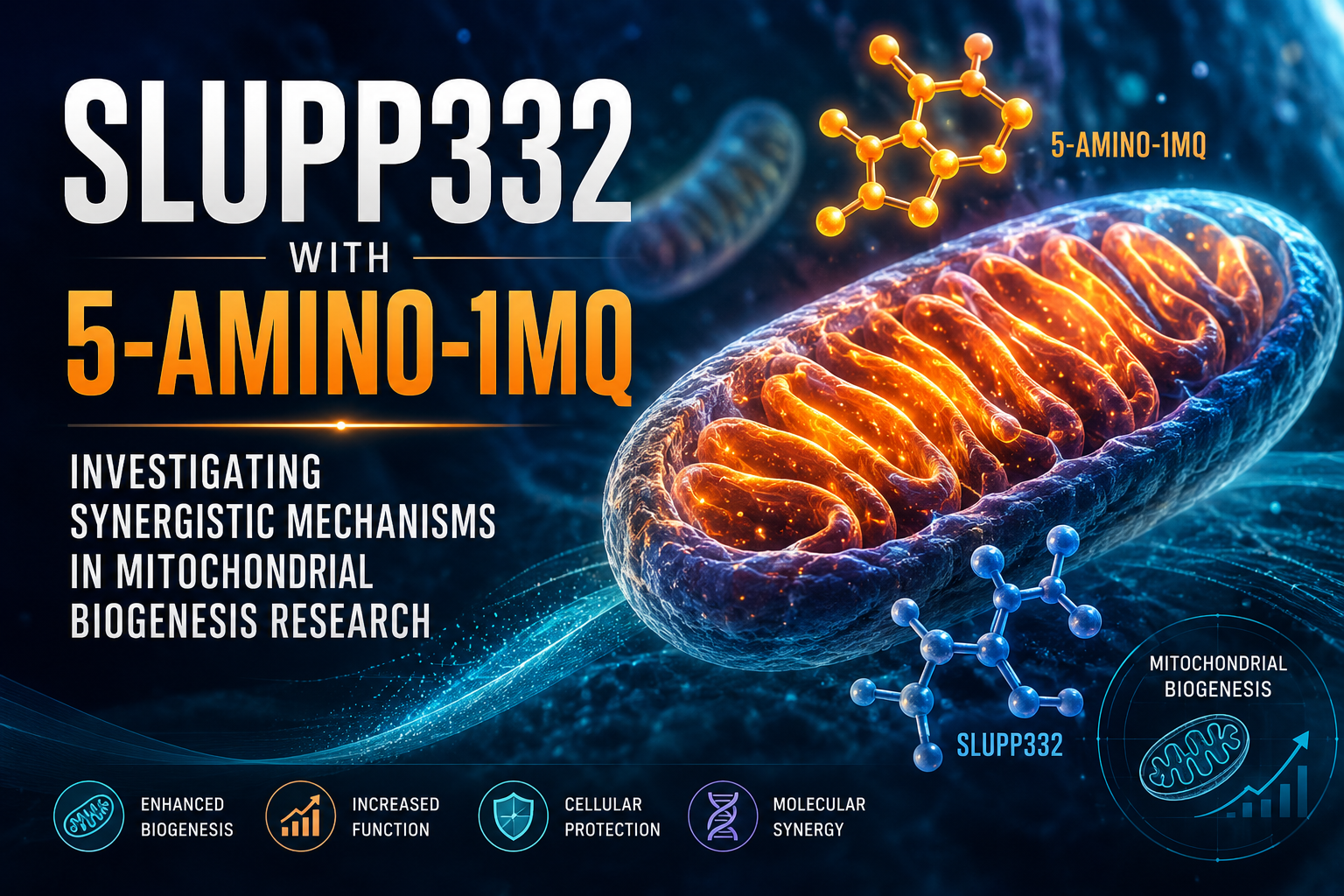
Professional landscape hero image () with : "SLUPP332 with 5-Amino-1MQ: Investigating Synergistic Mechanisms in

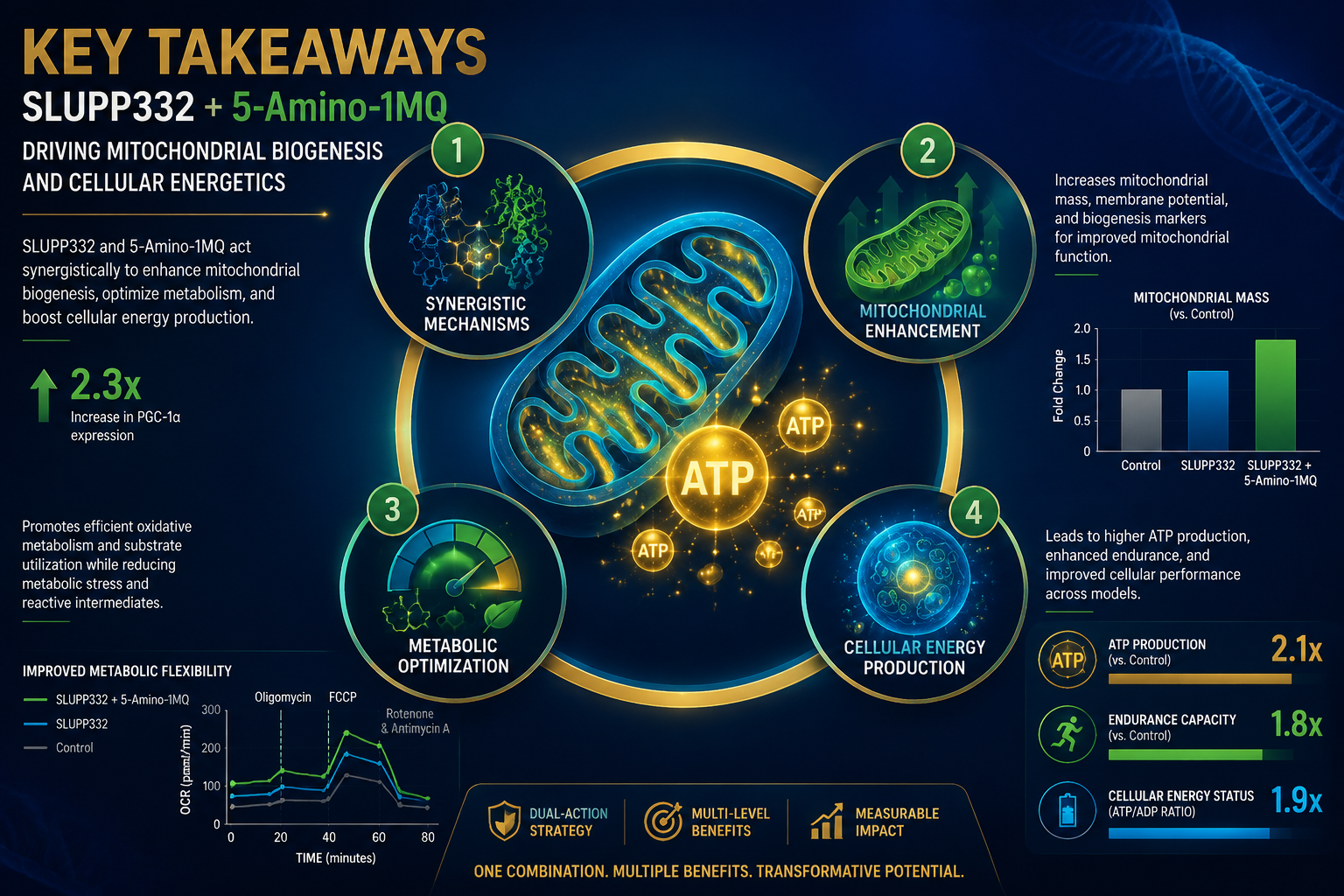
Mitochondrial dysfunction is now linked to more than 50 chronic disease states, yet most metabolic research has focused on single-compound interventions rather than multi-pathway combinations. The emerging investigation of SLUPP332 with 5-Amino-1MQ: Investigating Synergistic Mechanisms in Mitochondrial Biogenesis Research represents a notable shift in that thinking, one that targets two distinct but complementary nodes of cellular energy regulation simultaneously.

Both compounds are currently research-stage molecules. Neither has established clinical dosing protocols as of 2026. The value of studying them together lies in the mechanistic overlap they share around mitochondrial biogenesis, NAD+ metabolism, and transcriptional energy signaling.

Key Takeaways

  • SLUPP332 is a synthetic ERR-alpha agonist that activates the PGC-1-alpha transcriptional pathway, a master regulator of mitochondrial biogenesis.
  • 5-Amino-1MQ is a selective NNMT inhibitor that raises intracellular NAD+ levels, supporting metabolic flexibility and cellular energy output.
  • Research suggests the two compounds may act on complementary nodes of the same mitochondrial biogenesis cascade.
  • Both compounds remain strictly in the preclinical and research phase, with no approved clinical protocols as of 2026.
  • Investigating their combined mechanisms may offer new models for understanding metabolic disease at the cellular level.

Key Takeaways

Understanding the Individual Mechanisms Before Combining Them

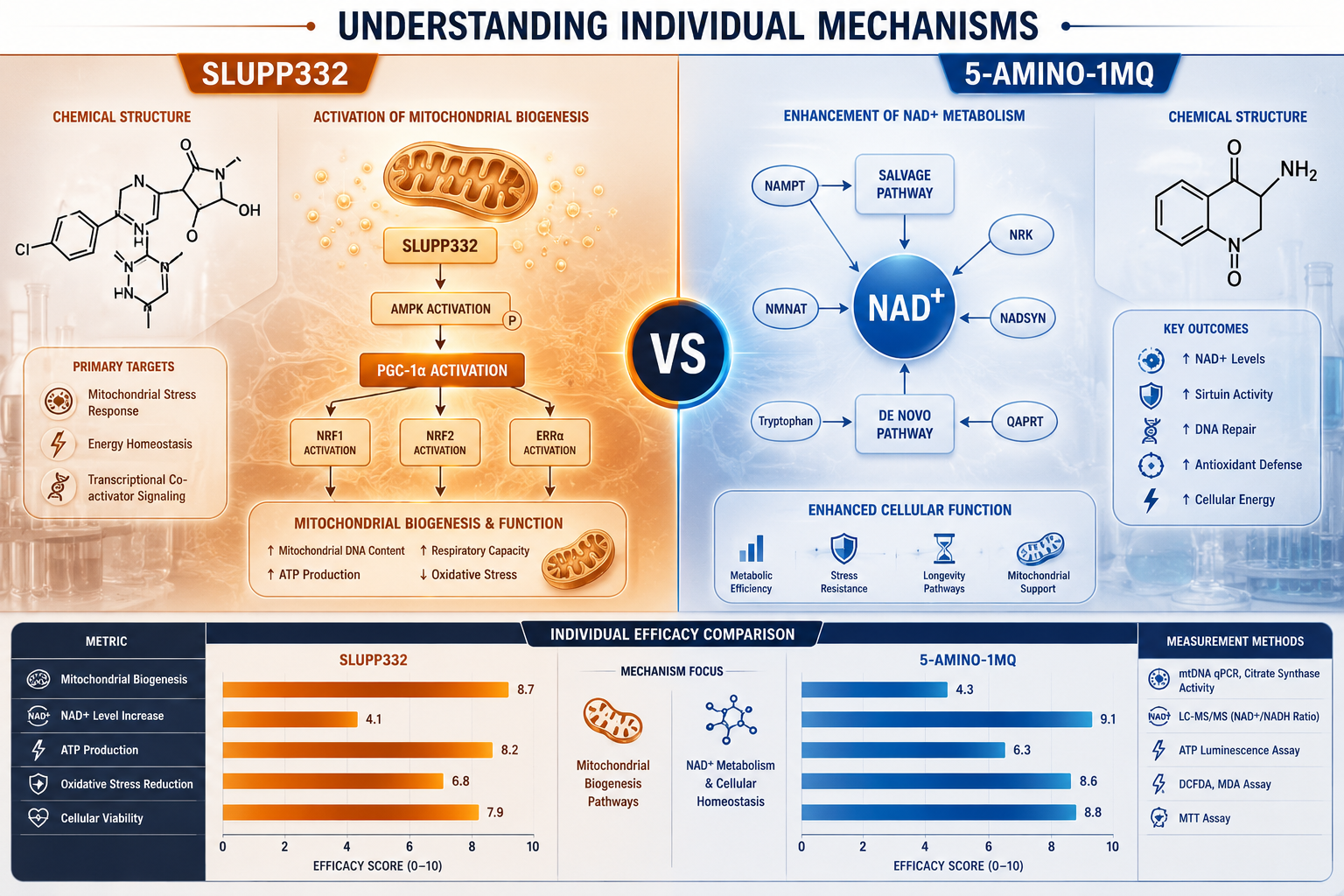
Before examining SLUPP332 with 5-Amino-1MQ in a synergistic context, it is essential to understand what each compound does independently.

SLUPP332 (also written SLU-PP-332) is a small-molecule agonist of estrogen-related receptor alpha (ERR-alpha). ERR-alpha is an orphan nuclear receptor that, when activated, drives the expression of PGC-1-alpha, widely regarded as the master transcriptional regulator of mitochondrial biogenesis. In preclinical models, SLUPP332 has been shown to increase mitochondrial density, improve oxidative capacity in skeletal muscle, and enhance fatty acid oxidation. Researchers studying SLU-PP-332 metabolic research have noted its potential relevance to conditions involving impaired cellular energy production.

5-Amino-1MQ works through a different but related mechanism. It is a selective inhibitor of nicotinamide N-methyltransferase (NNMT), an enzyme that consumes SAM (S-adenosylmethionine) and indirectly depletes NAD+ precursors. By blocking NNMT, 5-Amino-1MQ preserves NAD+ availability within the cell. NAD+ is a critical cofactor for sirtuins and other enzymes that regulate mitochondrial function and metabolic homeostasis. Researchers exploring 5-Amino-1MQ research and data have documented its effects on adipocyte metabolism and energy expenditure in animal models.

"The significance of studying SLUPP332 with 5-Amino-1MQ together is that one compound activates the transcriptional machinery for building new mitochondria, while the other ensures the metabolic fuel, NAD+, is available to power them."


SLUPP332 with 5-Amino-1MQ: Investigating Synergistic Mechanisms in Mitochondrial Biogenesis Research

SLUPP332 with 5-Amino-1MQ: Investigating Synergistic Mechanisms in Mitochondrial Biogenesis Research

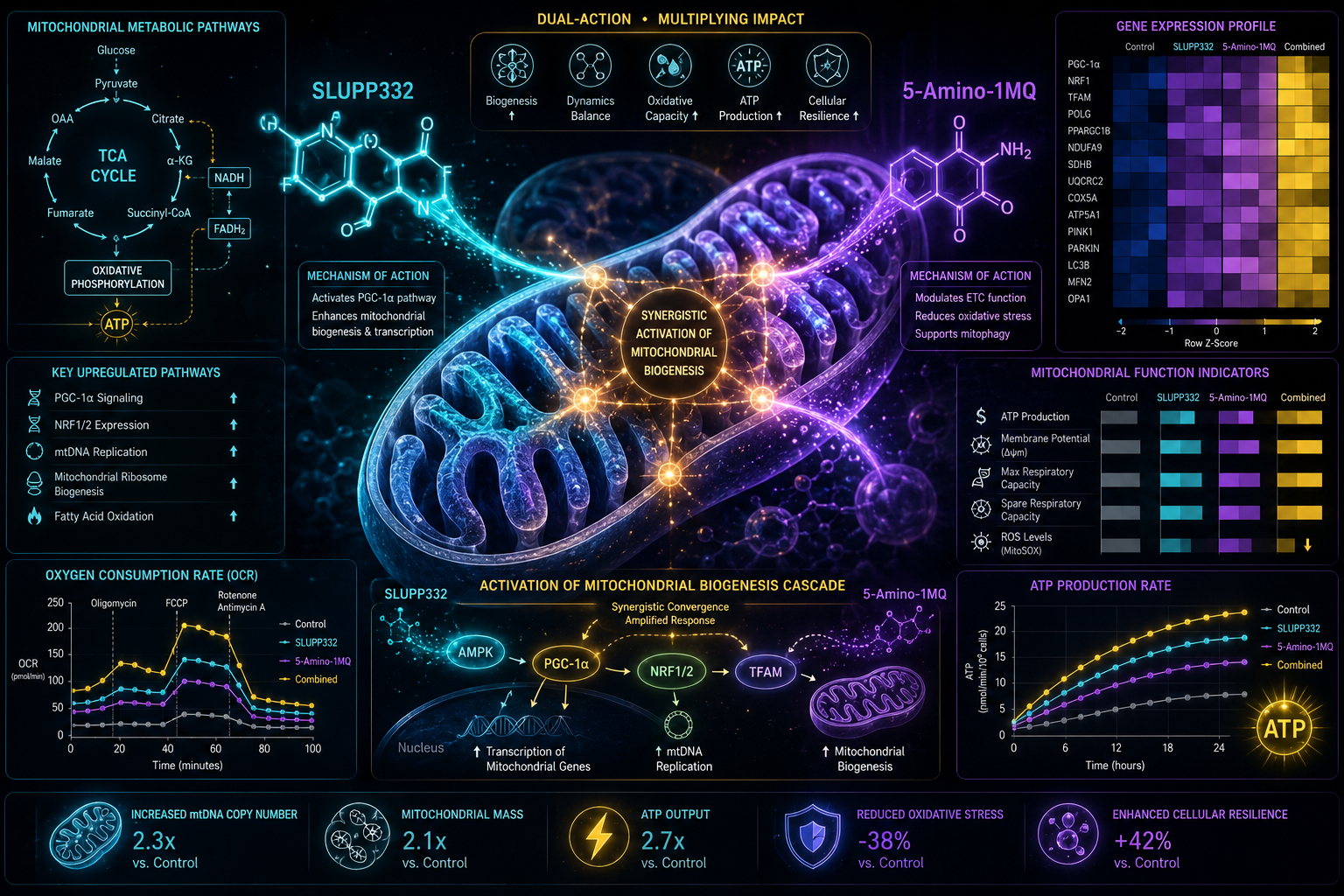
The hypothesis driving combined investigation is straightforward: SLUPP332 turns on the genetic program for mitochondrial biogenesis via ERR-alpha/PGC-1-alpha, while 5-Amino-1MQ ensures the NAD+ substrate pool is sufficient to sustain that new mitochondrial activity.

Pathway Comparison Table

Feature SLUPP332 5-Amino-1MQ
Primary Target ERR-alpha receptor NNMT enzyme
Downstream Effect PGC-1-alpha activation NAD+ preservation
Mitochondrial Role Biogenesis induction Substrate availability
Research Status (2026) Preclinical Preclinical

This complementary action is what makes the combination scientifically interesting. PGC-1-alpha activation alone is insufficient if downstream sirtuin activity, which depends on NAD+, is compromised. Conversely, restoring NAD+ levels has limited impact if the transcriptional program for building new mitochondria is not engaged.

Research into mitochondrial longevity-focused compounds and MOTS-c mitochondrial dynamics further supports the idea that multi-pathway approaches to mitochondrial health may produce more robust outcomes in preclinical models than single-target strategies.


Research Implications and Broader Metabolic Context

Research Implications and Broader Metabolic Context

The combined study of SLUPP332 with 5-Amino-1MQ: Investigating Synergistic Mechanisms in Mitochondrial Biogenesis Research connects to a broader trend in metabolic science, moving from single-target pharmacology toward systems-level thinking about cellular energy.

Key research themes worth noting include:

  • Skeletal muscle metabolism: SLUPP332 has shown particular activity in oxidative muscle fibers, where mitochondrial density is highest and most relevant to endurance and metabolic efficiency.
  • Adipose tissue remodeling: 5-Amino-1MQ research in adipocyte models suggests it may reduce lipid accumulation by shifting cells toward oxidative metabolism, an effect that could be amplified when mitochondrial biogenesis is simultaneously upregulated.
  • NAD+ and sirtuin crosstalk: Both SIRT1 and SIRT3 are NAD+-dependent enzymes that also interact with PGC-1-alpha. This creates a feedback loop where NAD+ availability, ERR-alpha signaling, and mitochondrial output are tightly interconnected.

Researchers interested in the NAD+ axis may also find value in reviewing NAD+ research overviews and MOTS-c mitochondrial research themes, which explore related mitochondria-targeted molecules. Additionally, the oral and subcutaneous evidence for SLU-PP-332 provides useful context on administration route considerations in preclinical settings.

Important research limitations to acknowledge:

  • No human clinical trials for this combination exist as of 2026.
  • Optimal dosing ratios, sequencing, and administration routes remain undefined.
  • Long-term safety profiles for both compounds in combination are unknown.
  • All current data derives from in vitro and animal model studies.

Conclusion

The investigation of SLUPP332 with 5-Amino-1MQ: Investigating Synergistic Mechanisms in Mitochondrial Biogenesis Research offers a compelling framework for understanding how two mechanistically distinct compounds might reinforce each other's effects on cellular energy production. SLUPP332 activates the transcriptional machinery that builds new mitochondria; 5-Amino-1MQ preserves the NAD+ substrate those mitochondria depend on. Together, they represent a dual-node approach to mitochondrial biogenesis that warrants rigorous preclinical investigation.

Actionable next steps for researchers and informed readers:

  1. Review existing preclinical literature on ERR-alpha agonism and NNMT inhibition independently before evaluating combination data.
  2. Monitor peer-reviewed publications for in vivo combination studies, particularly in skeletal muscle and adipose tissue models.
  3. Consult the available 5-Amino-1MQ research data and SLUPP332 metabolic research pages for updated findings.
  4. Recognize that both compounds remain strictly research-use molecules in 2026, and no clinical application should be inferred from preclinical findings.

The science of mitochondrial biogenesis is advancing rapidly. Dual-compound investigations like this one may help define the next generation of metabolic research models.

https://www.puretestedpeptides.com/wp-content/uploads/2026/07/SLUPP332-with-5-Amino-1MQ-Investigating-Synergistic-Mechanisms-in-Mitochondrial-Biogenesis-Research.png 1024 1536 https://www.puretestedpeptides.com/wp-content/uploads/2026/01/buy-peptides-online.jpg 2026-07-04 13:04:002026-07-04 13:04:00SLUPP332 with 5-Amino-1MQ: Investigating Synergistic Mechanisms in Mitochondrial Biogenesis Research
×

Helpful Links

  • My account
  • Cart
  • Checkout
  • Refund and Returns Policy
  • Privacy Policy
  • SMS Privacy Policy
  • Login
  • My Account
  • Logout

USA Made Lab Tested Peptides

All products are sold for research, laboratory, or analytical purposes only, and are not for human consumption


Pure Tested Peptides is a chemical supplier. Pure Tested Peptides is not a compounding / chemical compounding facility as defined under 503A of the Federal Food, Drug, and Cosmetic act. Pure Tested Peptides is not an outsourcing facility as defined under 503B of the Federal Food, Drug, and Cosmetic act.

The statements made within this website have not been evaluated by the US Food and Drug Administration. The products we offer are not intended to diagnose, treat, cure or prevent any disease.

Human/Animal Consumption Prohibited. Laboratory/In-Vitro Experimental Use Only

Scroll to top Scroll to top Scroll to top