Call or Text 727-513-9780
  • Shopping Cart Shopping Cart
    0Shopping Cart
Pure Tested Peptides | America's most trusted Peptides for sale online
  • Peptides for sale
    • Oral Peptides for sale
      • Peptide Capsules for sale
      • BPC 157 Capsules 1000mcg
      • SLU-PP-332 Capsules | 1000 mcg
      • 5-Amino-1MQ 50mg Capsules
      • Tesofensine 500mcg
    • All Peptides for sale
    • Peptide Sprays
      • BPC 157 Nasal Spray Kit
      • BPC-157 TB500 Nasal Spray Kit
      • Semax Nasal Spray 10mg
      • Selank – Nasal Spray Kit – 10mg
      • Epithalon 50MG Nasal Spray Kit
      • Ipamorelin 10mg Nasal Spray
      • Klow Nasal Spray (BPC-157 + TB-500 + GHK-Cu + KPV) | 80mg
      • Hulk Nasal Spray Tesa / Ipa Blend 6/3 MG
      • Klow Nasal Spray
      • NAD + 500 mg Nasal Spray
      • PT-141 Nasal Spray Kit
    • GHRH Peptides
      • Ipa Peptides
      • CJC-1295 Peptides
        • CJC-1295 with DAC 5 mg
        • CJC-1295 without DAC 5 mg
        • CJC-1295 Ipa 10mg
      • Tesa Peptides
        • Tesa Peptide
        • Tesa 20 mg
    • GHK-Cu Peptides
      • All GHK-Cu Peptides
      • GHK-Cu 100mg
      • KLOW Peptide Blend – Buy KLOW blend online
    • BPC Peptides
      • All BPC Peptides
      • BPC-157
      • BPC-157 TB-500
      • BPC 157 capsules 1000mcg
    • SLU-PP-332 Peptides
      • All SLU-PP-332 Peptides
      • SLU-PP-332 5mg
    • GLP3 Peptides
      • GLP3-R
      • GLP3-R CAG 10mg
      • GLP3-R 20mg
    • PT-141 Peptides
      • PT-141 Peptides for sale
      • PT-141 10mg
      • PT-141 Nasal Spray
    • CAG Peptides
      • Lipo-C Peptide Blend
      • CAG 5mg
      • CAG 10mg
    • MOTS-C Peptides
      • MOTS-C Peptides for sale
      • MOTS-c peptide
      • MOTS-c 10mg *6 pack*
    • 5 Amino 1MQ Peptides
      • 5 Amino 1MQ Peptides for sale
      • 5-Amino-1MQ 50mg Capsules
      • 5-Amino-1MQ 5mg
    • Epithalon Peptides
      • Epithalon Peptides for sale
      • Epithalon 10mg
      • Epithalon 50mg
  • Shop
    • GLPs
      • 5-Amino-1MQ 50mg Capsules
      • 5-Amino-1MQ 5mg
      • GLP3-Reta
      • L-Carnitine 500mg/ml
      • Tesofensine 500mcg
      • SLU-PP-332 5mg
      • MOTS-c 10mg *6 pack*
    • Epithalon & BPC Peptides
      • Epithalon 10mg
      • Epithalon 50mg
      • BPC-157
      • BPC 157 capsules 1000mcg
      • BPC-157 TB-500
      • BPC-157 TB500 Nasal Spray Kit
      • BPC 157 Nasal Spray Kit
    • BPC TB-500 & NAD+ Peptides
      • NAD+ 500 mg
      • KLOW Peptide Blend – Buy KLOW blend online
      • GLOW Peptide Blend
      • TB 500 5mg
      • BPC 157 capsules 1000mcg – Supplement
      • BPC 157 Nasal Spray Kit
      • BPC-157
      • BPC-157 TB500 Nasal Spray Kit
      • BPC-157 TB-500
      • BPC 157 capsules 1000mcg
    • LL-37 Peptide
      • LL-37 10 mg
    • MOTS-C & Selank
      • MOTS-c peptide
      • Selank 10mg
    • GHK Peptides
      • GHK-Cu 100mg
      • GLOW Peptide Blend
      • KLOW Peptide Blend – Buy KLOW blend online
  • COAs
  • Wholesale
    • Wholesale Peptides for sale
  • PTP FAQ
  • Affiliates
    • Affiliate Program
    • Affiliate Signup
  • Contact
    • Contact Customer Service
    • Text Customer Support
  • About US
  • Shop all peptides
  • Login / Register Login / Register Page Link Login / Register Page Link
  • Click to open the search input field Click to open the search input field Search
  • Menu Menu

Tag Archive for: extracellular matrix

GHK-Cu for Collagen, Copper Biology, and Skin-Regeneration Research: A Mechanism-First Overview

GHK-Cu for Collagen, Copper Biology, and Skin-Regeneration Research: A Mechanism-First Overview

June 16, 2026/0 Comments/in Uncategorized/by

}

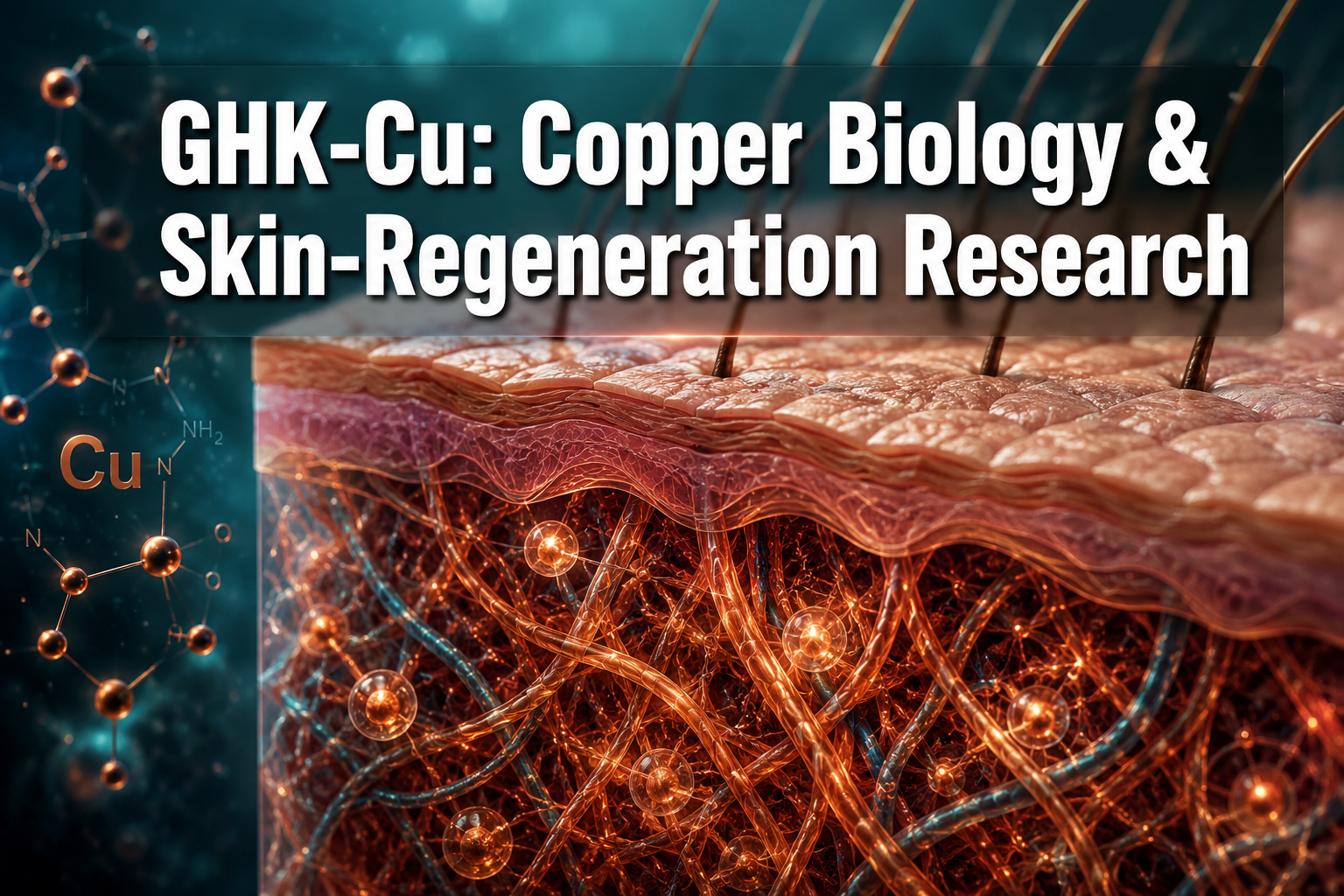
Professional () hero image with : 'GHK-Cu: Copper Biology & Skin-Regeneration Research' in extra large white with deep ,

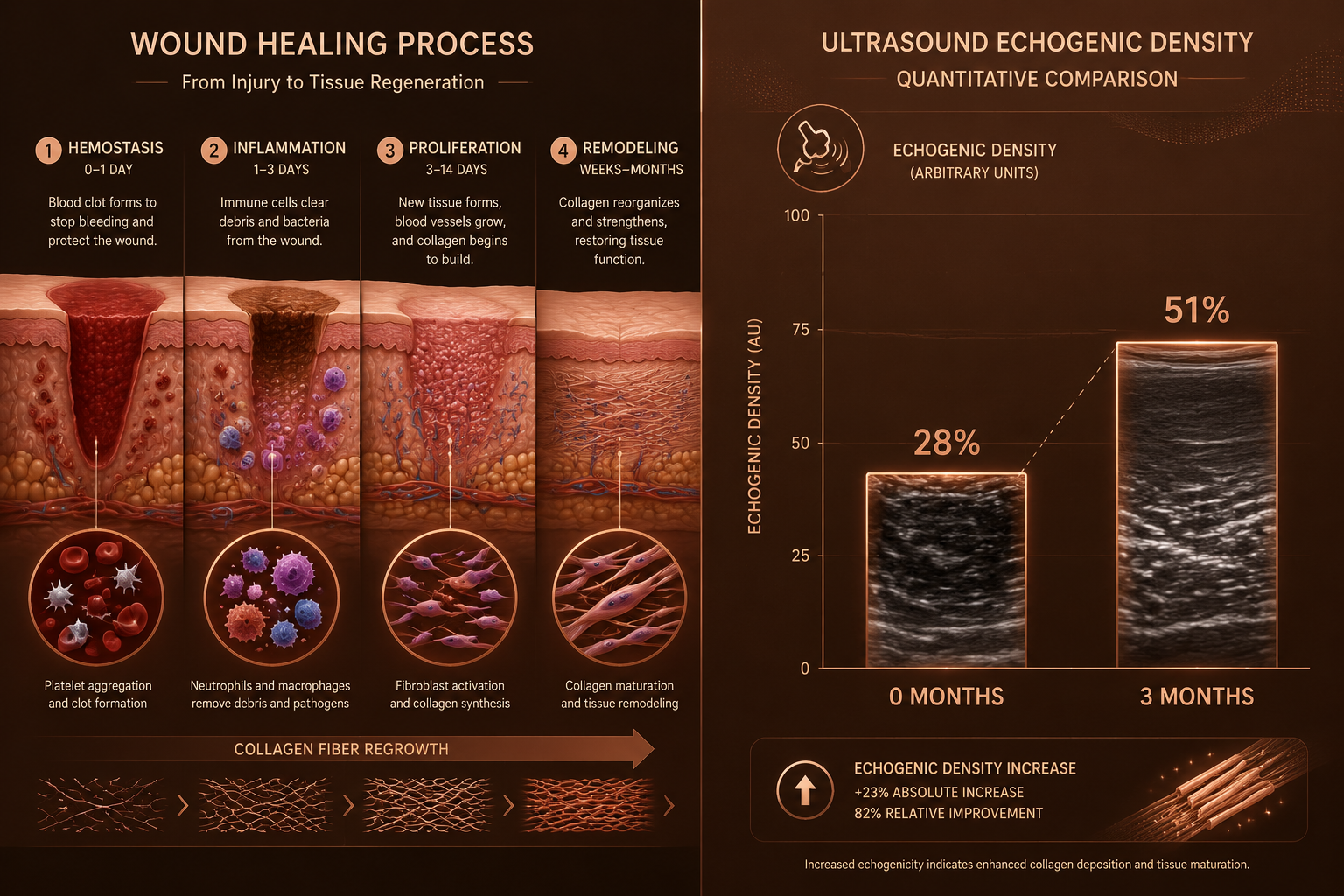
Ultrasound imaging now gives researchers a way to measure what was once only estimated: a 2026 clinical dataset found that topical GHK-Cu produced a mean 28% increase in subdermal echogenic density — a validated proxy for collagen and elastin content — after just three months of use, with the top quartile of participants showing a 51% improvement over baseline. That kind of measurable structural change has pushed GHK-Cu for Collagen, Copper Biology, and Skin-Regeneration Research: A Mechanism-First Overview into a central position in peptide biology discussions.

Key Takeaways

  • GHK-Cu is a naturally occurring tripeptide-copper complex that declines sharply with age, making exogenous delivery a key research focus.
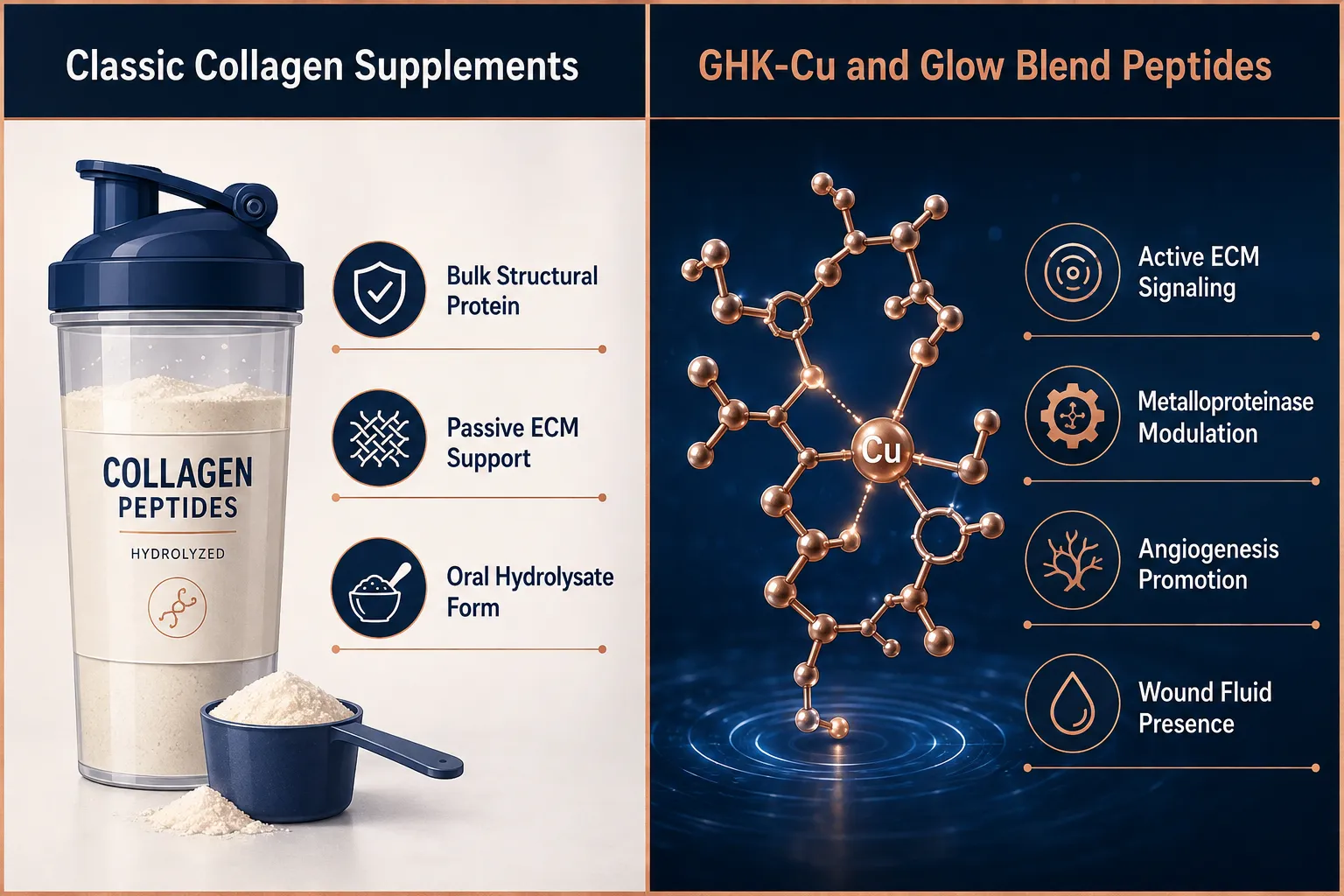
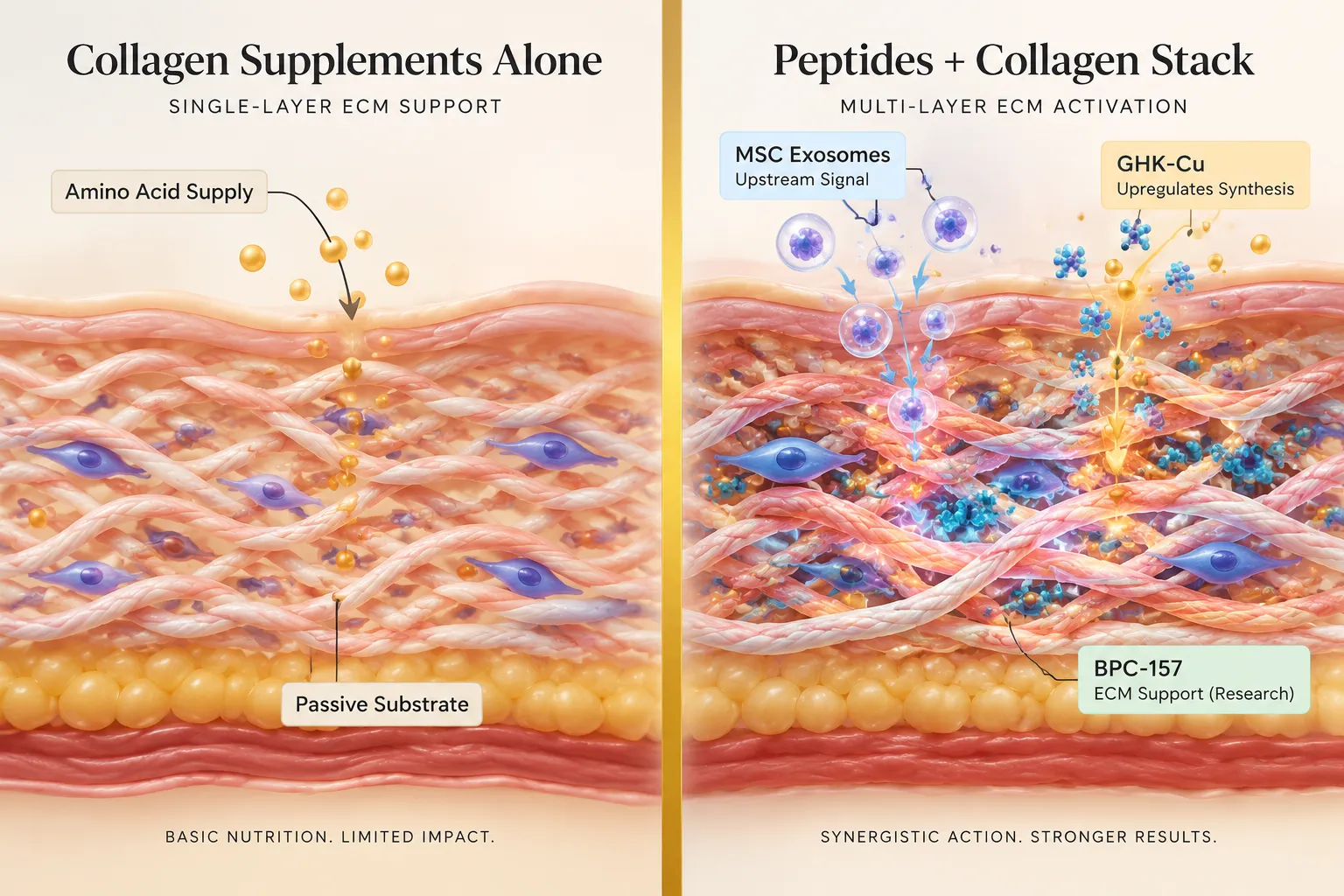
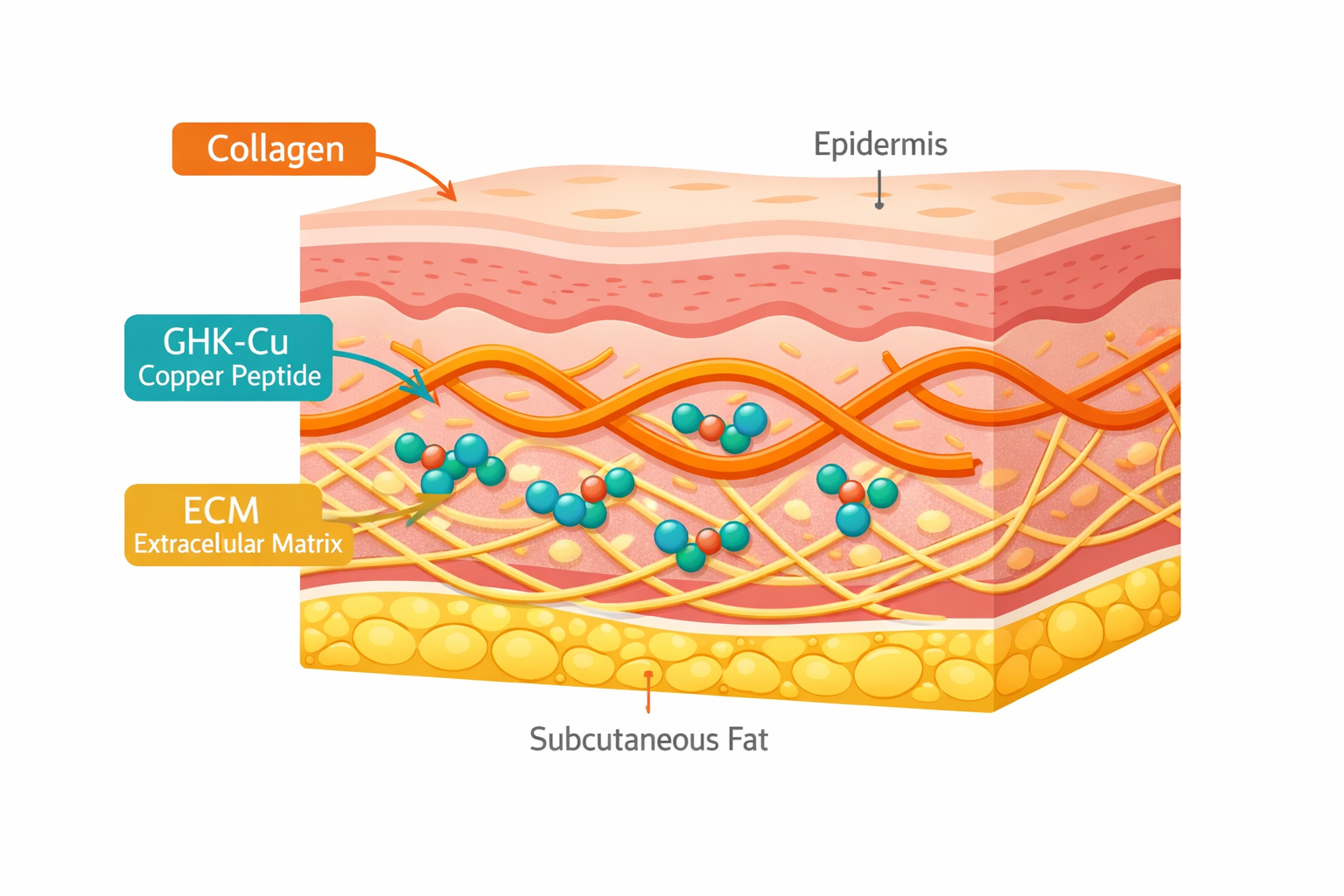
  • Its primary mechanism involves copper-mediated activation of enzymes that build and remodel the extracellular matrix (ECM).
  • GHK-Cu acts as an epigenetic regulator, influencing gene expression related to wound repair, inflammation control, and antioxidant defense.
  • Ultrasound-measured data from 2026 confirms meaningful collagen density gains from topical application in a stable, penetrant vehicle.
  • Researchers study GHK-Cu alongside other tissue-repair peptides because its signaling touches multiple biological pathways simultaneously.

What Is GHK-Cu and Why Does Copper Matter

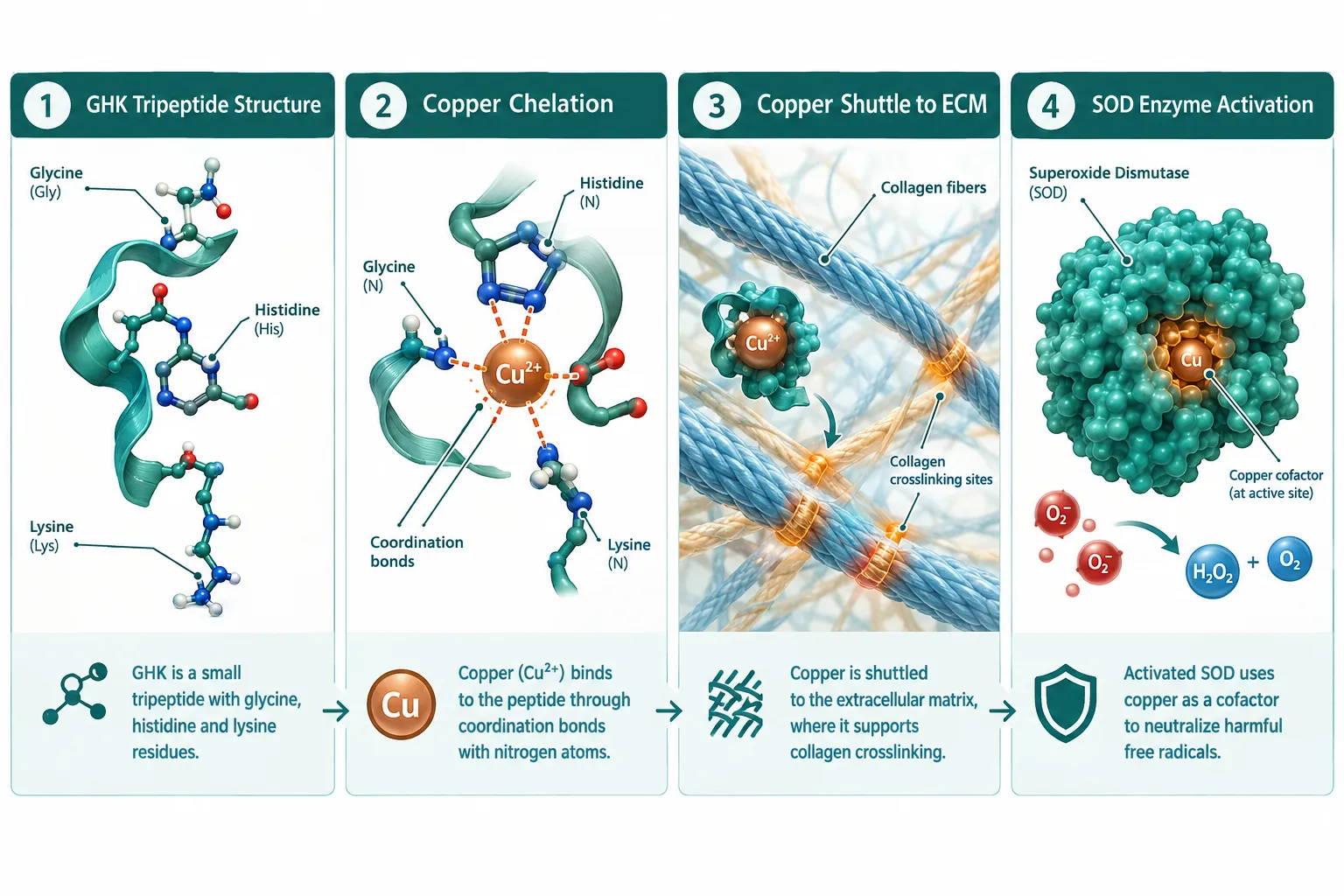
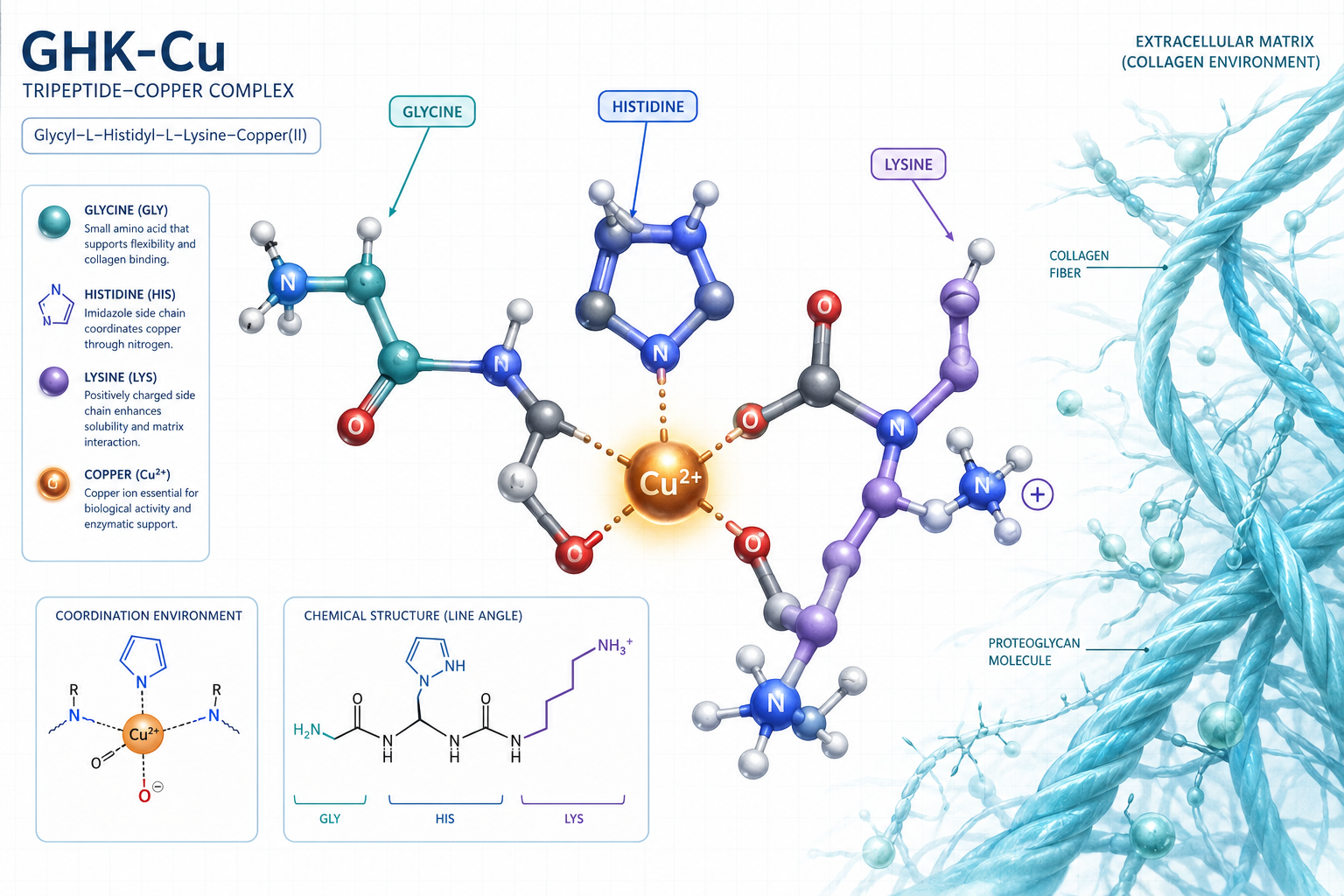
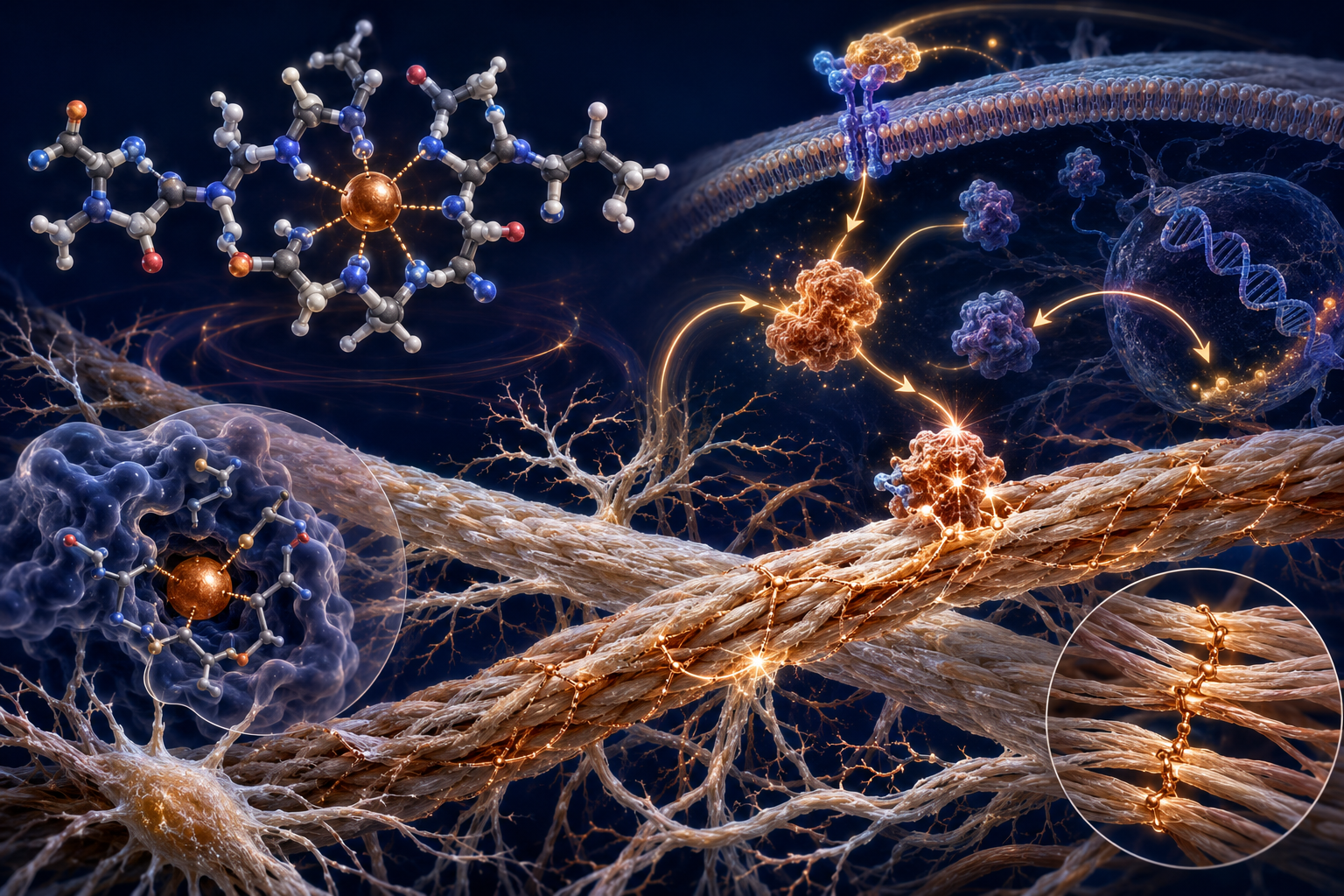
GHK-Cu stands for glycyl-L-histidyl-L-lysine copper(II). The tripeptide backbone — three amino acids — binds a single copper(II) ion with high affinity. That copper binding is not incidental. It is the functional core of the molecule.

Copper is a required cofactor for lysyl oxidase, the enzyme that cross-links collagen and elastin fibers into a stable matrix. Without adequate copper delivery, newly synthesized collagen fibers remain poorly organized. GHK-Cu acts as a chaperone, shuttling bioavailable copper to sites where connective tissue assembly is actively occurring.

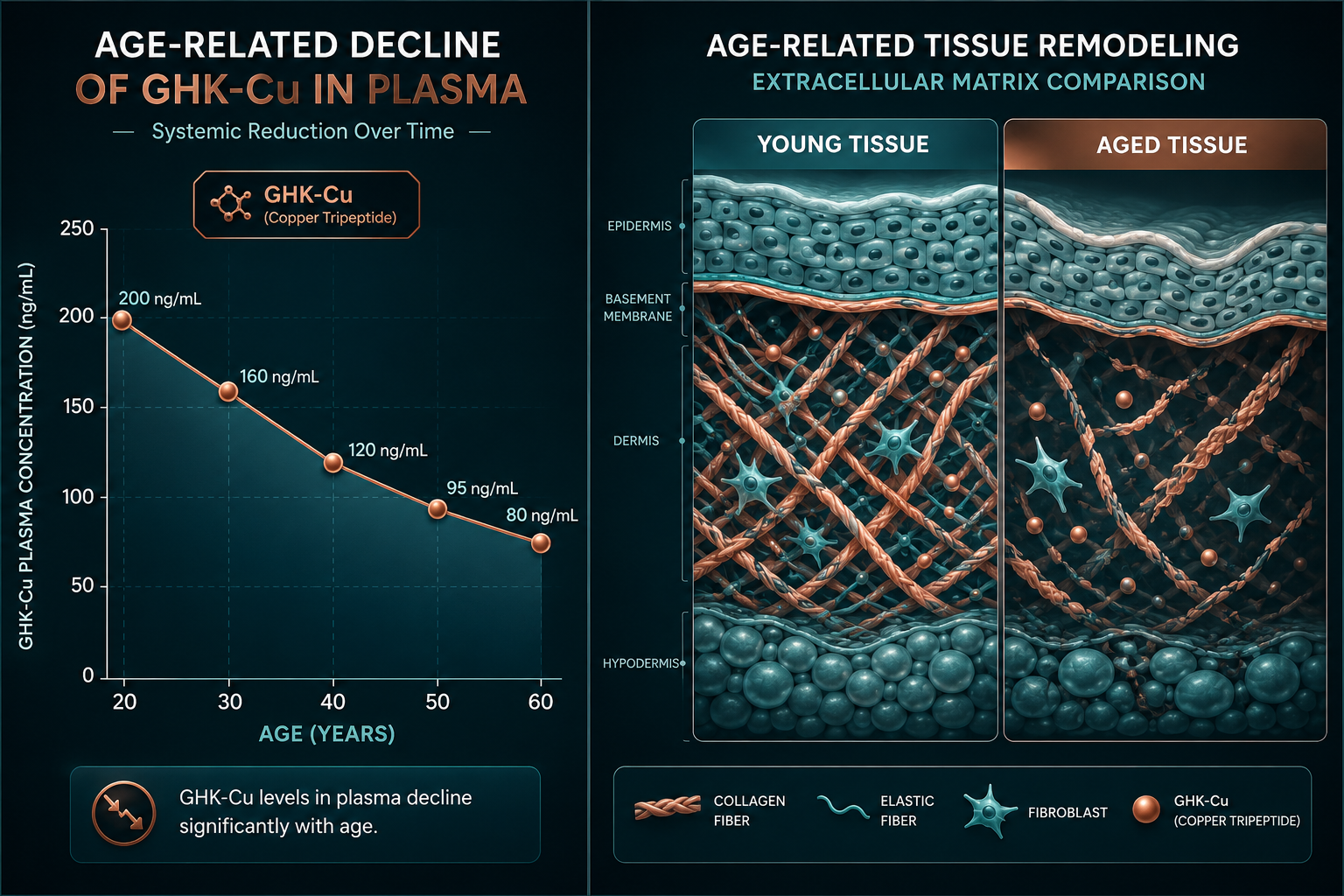
Human plasma concentrations of GHK-Cu are estimated at roughly 200 ng/mL in young adults but fall to approximately 80 ng/mL by age 60. Researchers frame this decline as a meaningful loss of a natural repair signal — one the body uses to coordinate wound healing, matrix remodeling, and local immune modulation.

For context on how other peptides interact with tissue repair at the cellular level, the skin matrix biology overview provides useful background on ECM architecture.

What Is GHK-Cu and Why Does Copper Matter


Mechanisms: ECM Signaling, Epigenetics, and Antioxidant Defense

Understanding GHK-Cu for Collagen, Copper Biology, and Skin-Regeneration Research: A Mechanism-First Overview requires looking at three distinct but overlapping mechanisms.

1. Extracellular Matrix Upregulation

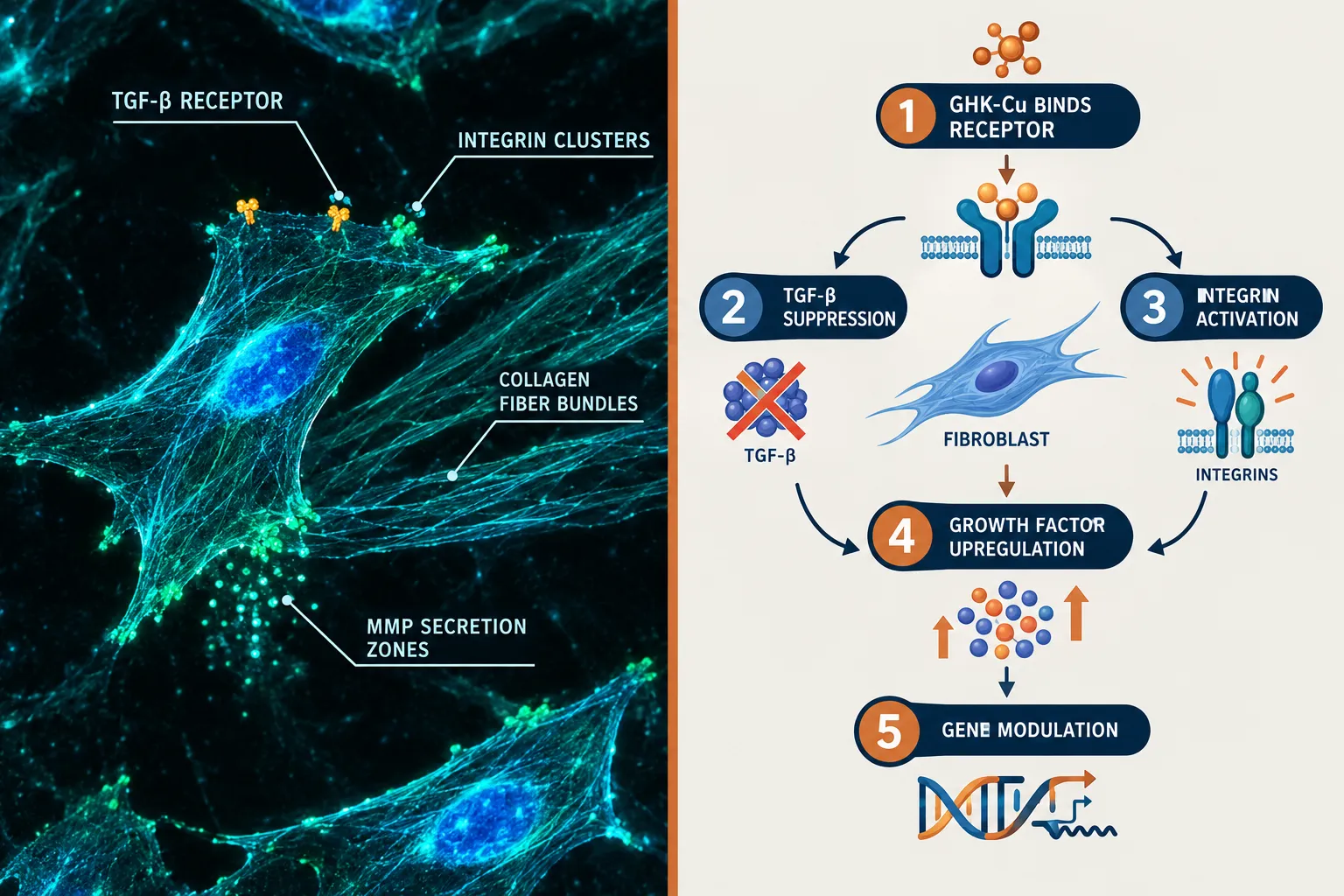
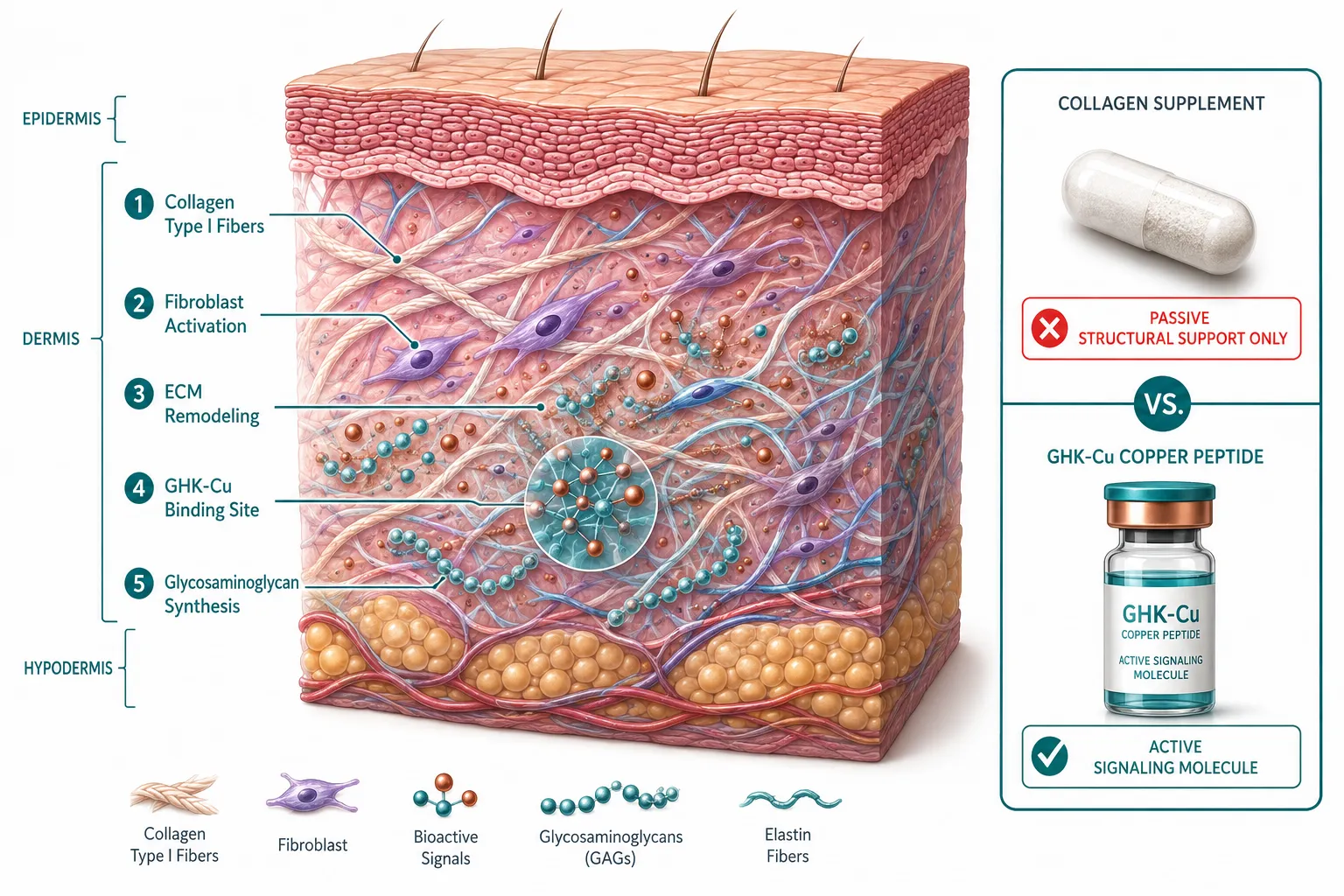
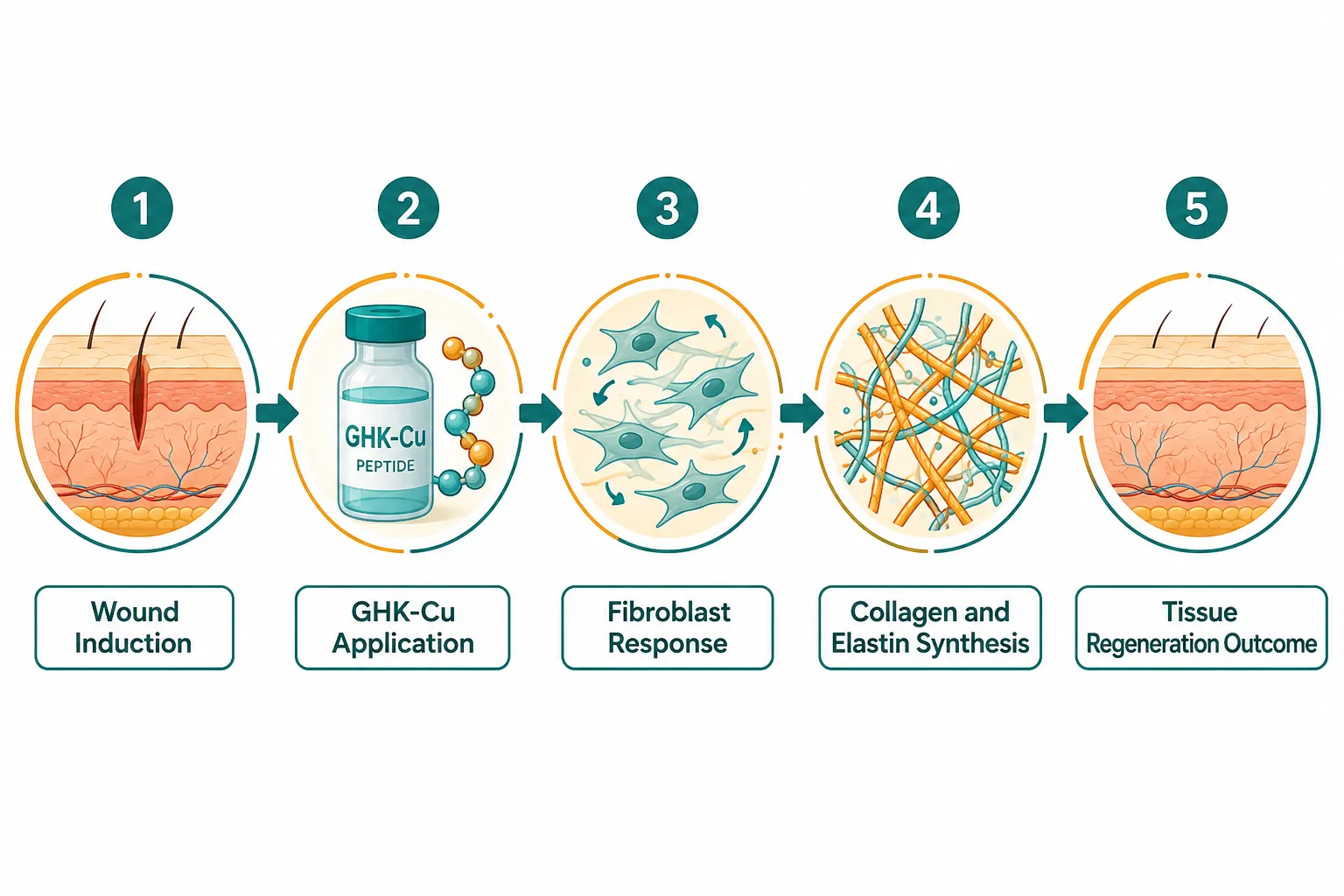
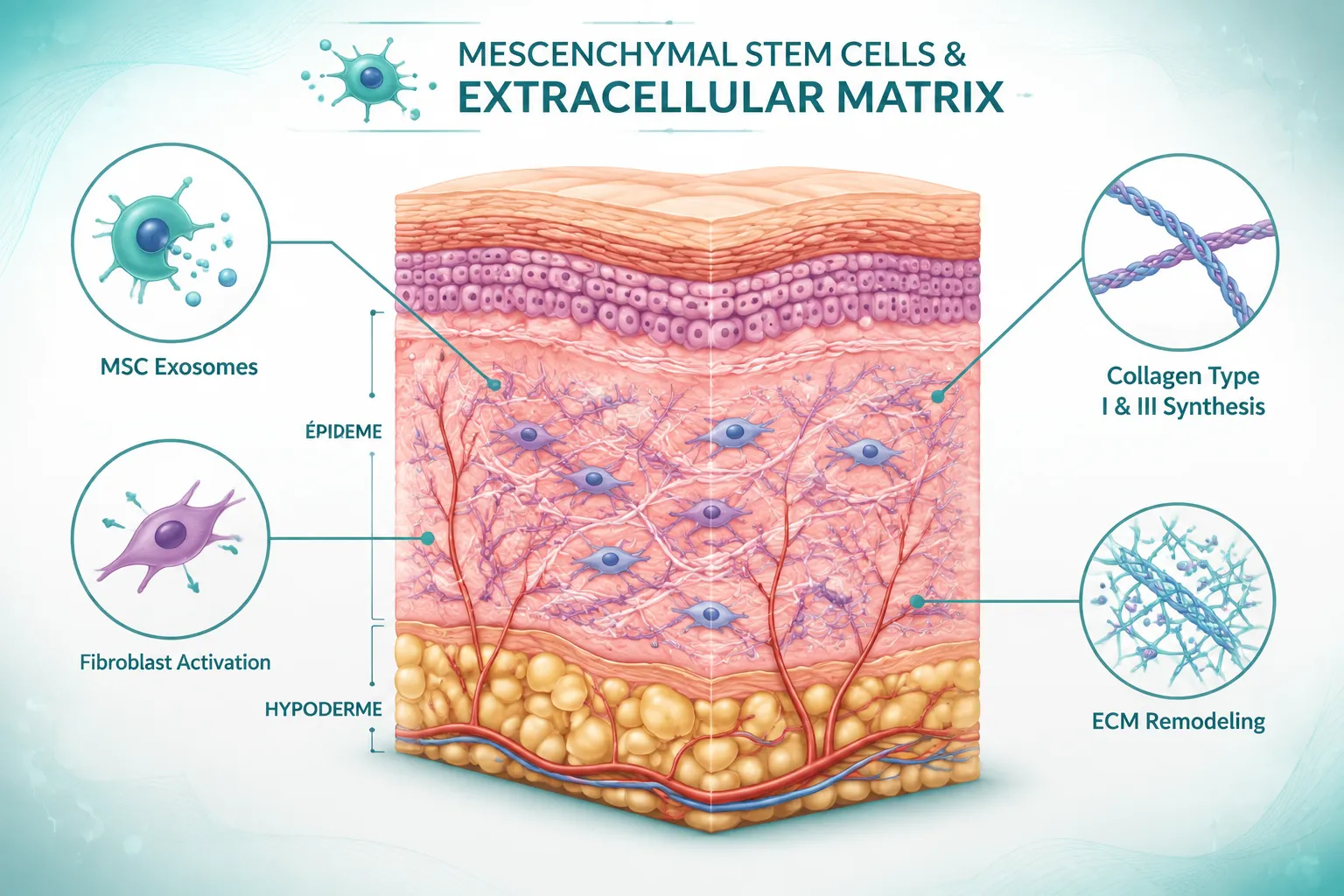
GHK-Cu stimulates fibroblasts — the cells responsible for producing collagen, elastin, and glycosaminoglycans. In vitro studies show increased transcription of:

Target Effect
Collagen I and III Structural fiber production
Elastin Skin elasticity and recoil
Fibronectin Cell adhesion and wound closure
Decorin Collagen fiber organization

This is not a single-pathway effect. GHK-Cu appears to act as a broad ECM upregulator rather than targeting one receptor.

2. Epigenetic Regulation

One of the more surprising findings in GHK-Cu research is its influence on gene expression at scale. Studies using gene array analysis suggest GHK-Cu modulates the expression of over 4,000 human genes, many of which relate to inflammation resolution, DNA repair, and mitochondrial function. This places it in a category researchers sometimes call "epigenetic peptide regulators."

This overlaps with research themes explored in BPC-157 core peptide documentation and TB-500 cytoskeletal remodeling research, both of which also demonstrate broad gene-level effects on tissue repair.

3. Antioxidant and Anti-Inflammatory Activity

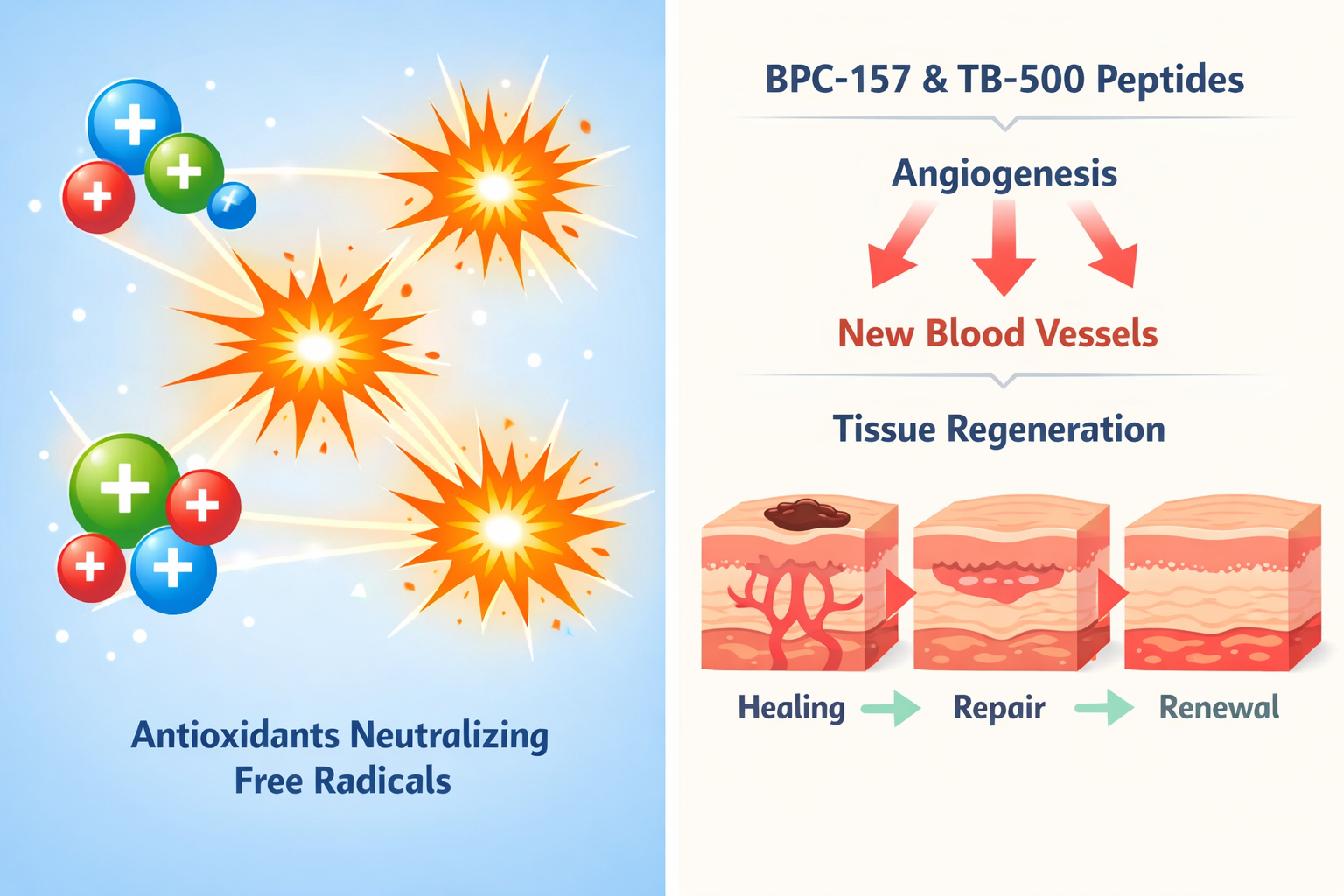
GHK-Cu downregulates pro-inflammatory cytokines including TNF-alpha and IL-6 while simultaneously activating superoxide dismutase (SOD) — a primary cellular antioxidant enzyme. This dual action helps explain why wound sites treated with GHK-Cu in preclinical models show faster resolution of the inflammatory phase.


Clinical and Preclinical Research Highlights

The 2026 ultrasound data represents a meaningful step forward because it uses an objective, non-invasive measurement rather than self-reported outcomes or surface photography.

Clinical and Preclinical Research Highlights

Key findings from current research include:

  • 28% mean increase in subdermal echogenic density after 3 months of topical GHK-Cu
  • 51% improvement in the top quartile of participants
  • Authors described GHK-Cu as "one of the most powerful peptides in our body that goes down with age," framing the results as empirical confirmation that exogenous delivery can restore dermal collagen density when the vehicle is stable and penetrant

Researchers interested in how delivery vehicles affect peptide bioavailability will find relevant discussion in the peptide purity testing guide and the are peptide serums worth it evidence-based review.

For those studying GHK-Cu alongside immune-modulating peptides, LL-37 mechanism and research covers overlapping anti-inflammatory signaling themes.

Clinical and Preclinical Research Highlights


Conclusion

GHK-Cu for Collagen, Copper Biology, and Skin-Regeneration Research: A Mechanism-First Overview reveals a peptide with unusual biological reach. Its copper-binding function drives ECM enzyme activity, its epigenetic footprint touches thousands of repair-related genes, and its anti-inflammatory properties help resolve the conditions that slow healing.

Actionable next steps for researchers and informed readers:

  1. Prioritize delivery vehicle quality — penetration depth directly affects whether GHK-Cu reaches fibroblasts in the dermis.
  2. Review the latest developments in peptide research to track emerging GHK-Cu data as it is published.
  3. Consider GHK-Cu in the context of other ECM-active peptides to understand how combination approaches are being studied.
  4. Use objective measurement tools — such as ultrasound echogenicity — when evaluating research outcomes rather than relying solely on visual assessments.

The 2026 clinical data makes one point clearly: when delivered correctly, GHK-Cu does not just signal repair — it produces measurable structural change.

https://www.puretestedpeptides.com/wp-content/uploads/2026/06/GHK-Cu-for-Collagen-Copper-Biology-and-Skin-Regeneration-Research-A-Mechanism-First-Overview.png 1024 1536 https://www.puretestedpeptides.com/wp-content/uploads/2026/01/buy-peptides-online.jpg 2026-06-16 13:05:322026-06-16 13:05:32GHK-Cu for Collagen, Copper Biology, and Skin-Regeneration Research: A Mechanism-First Overview
GHK-Cu Peptide in Tissue Remodeling Research: Collagen Signaling, Copper Biology, and Experimental Readouts

GHK-Cu Peptide in Tissue Remodeling Research: Collagen Signaling, Copper Biology, and Experimental Readouts

June 15, 2026/0 Comments/in Uncategorized/by

Plasma concentrations of GHK-Cu drop by roughly 60% between the ages of 20 and 60 — a decline that coincides with measurable reductions in tissue repair capacity, collagen density, and extracellular matrix integrity. That single data point has driven decades of research into what this tripeptide-copper complex actually does at the molecular level. Understanding GHK-Cu peptide in tissue remodeling research — including its collagen signaling mechanisms, copper biology, and experimental readouts — requires moving past surface-level claims and into the underlying biochemistry.

Detailed () scientific illustration showing GHK-Cu peptide molecular structure binding to copper(II) ions, with branching

Key Takeaways

  • GHK-Cu is a naturally occurring tripeptide that binds copper(II) ions and modulates expression of more than 4,000 human genes.
  • It stimulates Type I, III, and IV collagen synthesis through TGF-beta1 upregulation and activates copper-dependent enzymes critical for matrix stability.
  • Plasma levels decline significantly with age, making it a relevant target in longevity and tissue repair research.
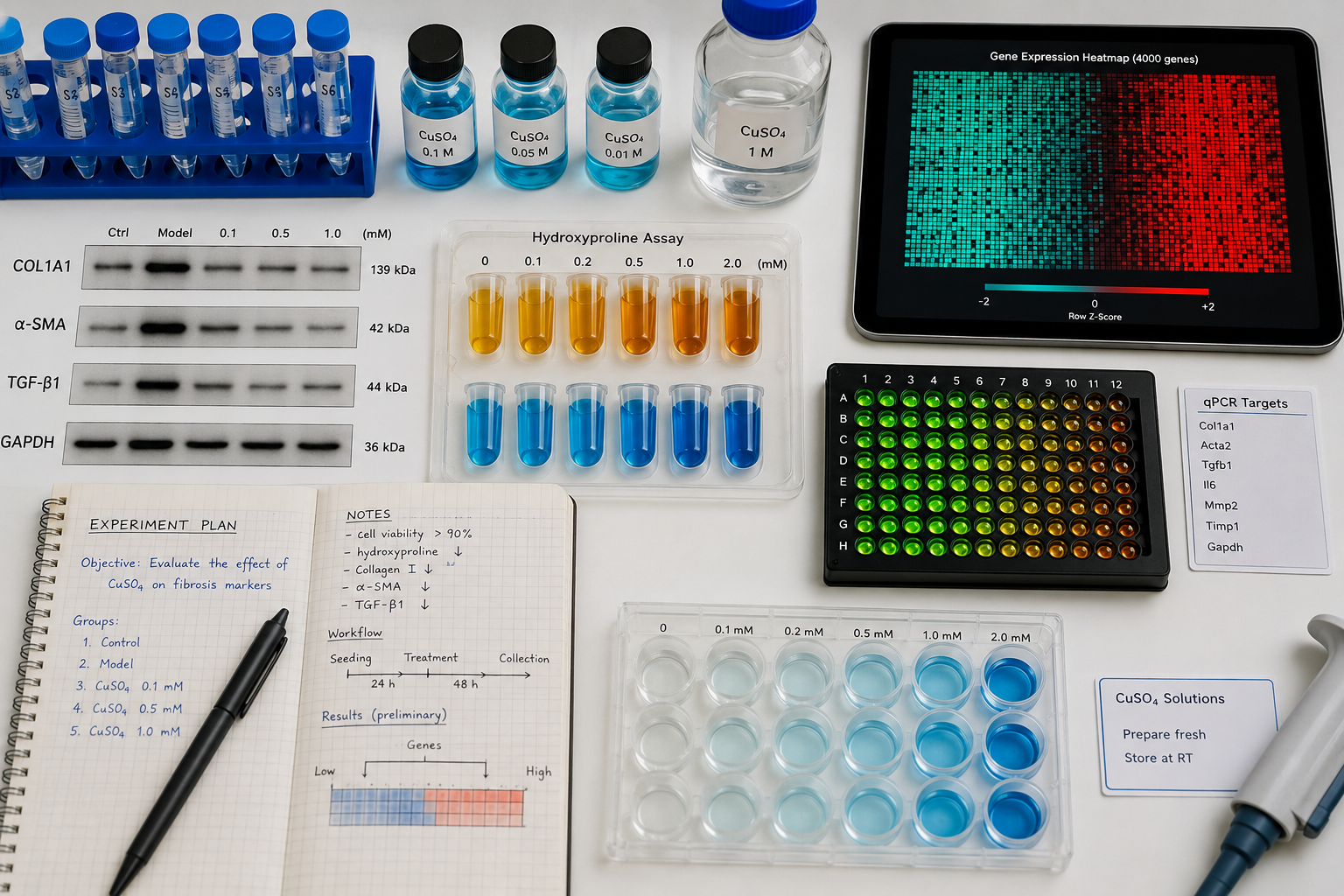
  • Experimental readouts include hydroxyproline assays, gene expression panels, and tensile strength measurements.
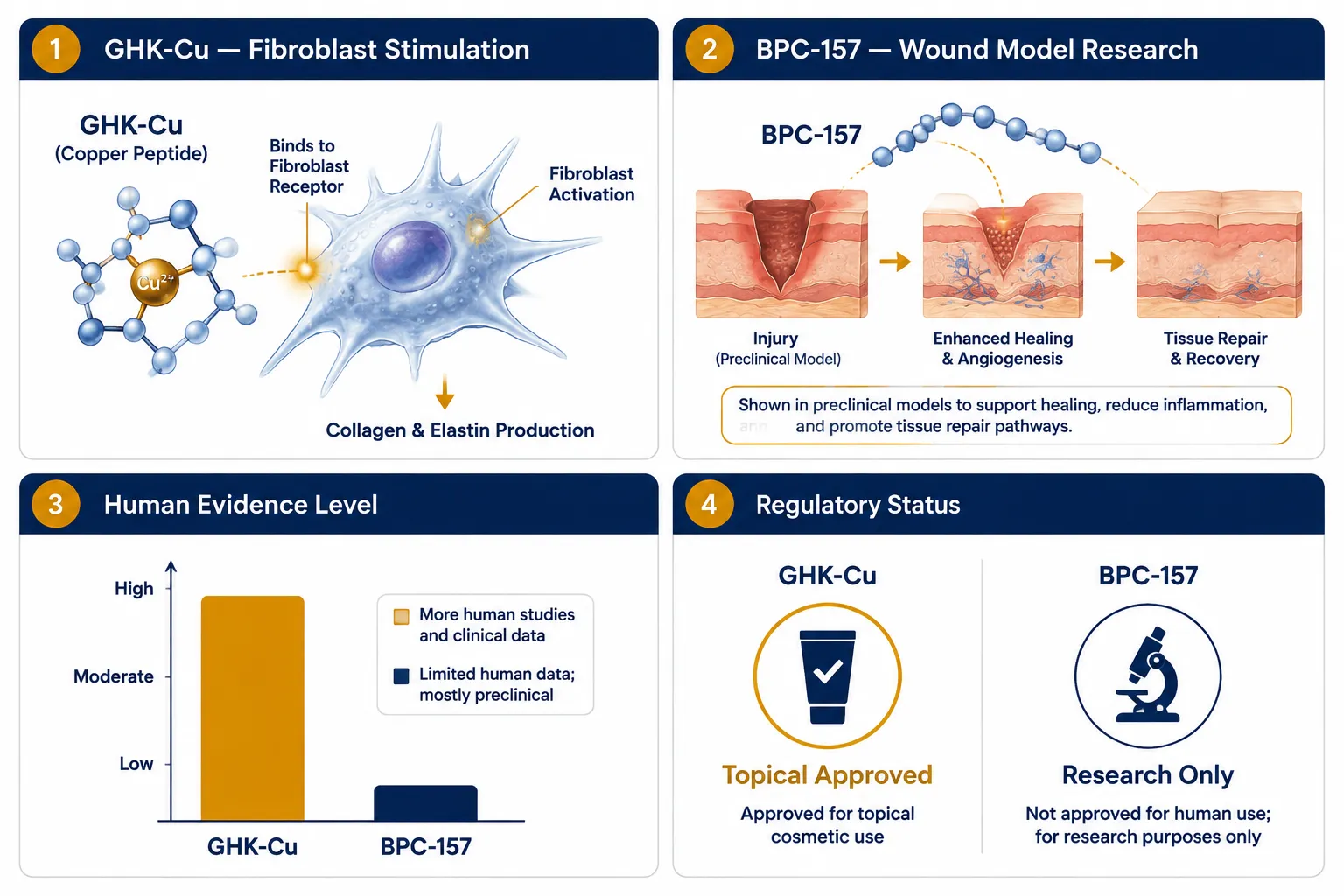
  • Controlled injectable human trial data remain limited, representing a key gap for researchers in 2026.

The Copper Biology Behind GHK-Cu

The "Cu" in GHK-Cu is not incidental. Copper(II) binding is central to the peptide's function. The tripeptide glycyl-L-histidyl-L-lysine chelates copper with high affinity, creating a stable complex that acts as a targeted delivery vehicle for this essential trace metal.

Once delivered, copper activates two enzymes that directly shape the extracellular matrix:

  • Lysyl oxidase — catalyzes the cross-linking of collagen and elastin fibers, giving connective tissue its mechanical strength
  • Superoxide dismutase (SOD) — neutralizes reactive oxygen species, protecting newly synthesized matrix components from oxidative degradation

Without adequate copper bioavailability, both processes stall. GHK-Cu's chelation chemistry makes copper accessible at the tissue level in a controlled, enzymatically useful form. This distinguishes it from free copper supplementation, which carries toxicity risks at elevated concentrations.

Researchers studying recovery and tissue biology will recognize this copper-enzyme axis as a foundational mechanism in matrix remodeling cascades.


Collagen Signaling Pathways in GHK-Cu Peptide Research

The peptide's influence on collagen is not limited to copper delivery. GHK-Cu upregulates transforming growth factor-beta 1 (TGF-beta1), a master regulator of connective tissue synthesis. This pathway drives increased production of:

Collagen Type Primary Location Research Relevance
Type I Skin, bone, tendon Wound tensile strength
Type III Skin, vasculature Early wound repair scaffold
Type IV Basement membranes Barrier integrity

Beyond collagen, GHK-Cu also promotes elastin synthesis and glycosaminoglycan deposition — both markers of functional matrix remodeling rather than simple scar formation.

A critical distinction for researchers: GHK-Cu simultaneously suppresses pro-fibrotic TGF-beta signaling in excess, helping to balance matrix deposition against pathological fibrosis. It also reduces inflammatory cytokines including TNF-alpha and IL-6, creating a microenvironment more conducive to organized tissue repair.

This dual role — stimulating matrix production while dampening excessive inflammation — makes it a compelling subject for studies that pair it with other repair-oriented compounds. Researchers exploring topical GHK-Cu formulations can observe these collagen signaling effects through standardized dermal assays.


Experimental Readouts for GHK-Cu Peptide in Tissue Remodeling Research

Experimental Readouts for GHK-Cu Peptide in Tissue Remodeling Research

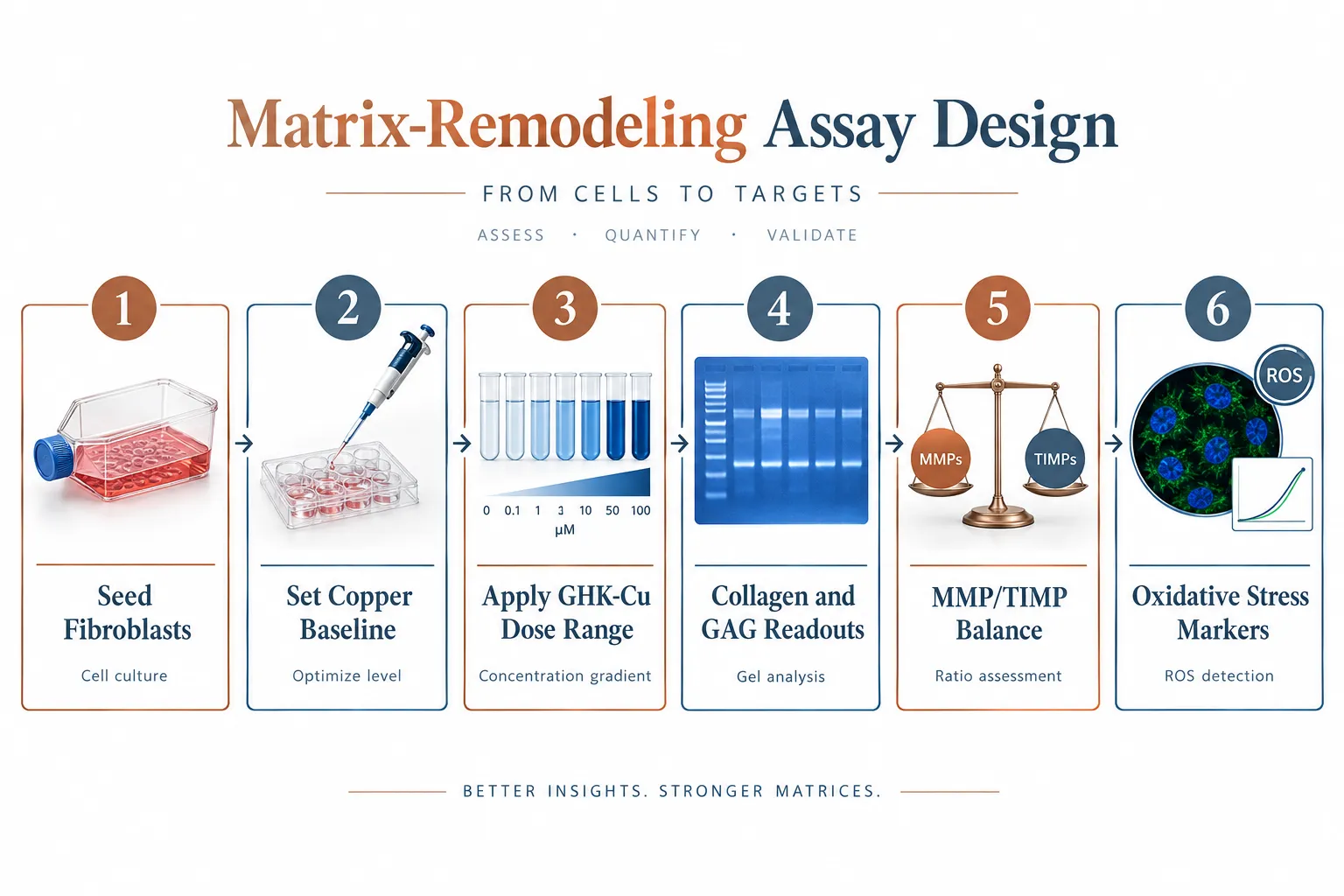
Translating GHK-Cu's molecular biology into reproducible data requires selecting the right assay formats. The following readouts are most commonly used in preclinical tissue remodeling studies:

Biochemical assays:

  • Hydroxyproline content measurement (quantifies total collagen deposition)
  • ELISA panels for TGF-beta1, TNF-alpha, and IL-6 levels
  • SOD activity assays to confirm copper-enzyme activation

Molecular readouts:

  • RT-PCR and RNA sequencing for gene expression profiling (GHK-Cu has documented effects across more than 4,000 genes)
  • Western blotting for lysyl oxidase and collagen isoform protein levels

Functional tissue measurements:

  • Wound tensile strength testing in excisional wound models
  • Histological scoring of collagen fiber organization and density

"The breadth of GHK-Cu's gene expression footprint means that single-marker readouts are likely to underrepresent its actual biological activity in tissue remodeling experiments."

Researchers should also note that cosmetic studies using topical formulations have shown improvements in skin thickness and elasticity, but many lack placebo controls. Injectable human trial data remain absent as of 2026, which represents a significant validation gap. This context matters when designing protocols and interpreting results.

For comparison with other peptides that operate through overlapping repair pathways, the GHK-Cu product page and resources on peptide blend formulations for skin biology provide useful reference points. Researchers interested in broader matrix and longevity signaling may also find value in reviewing epithalon peptide research and NAD+ energetics and longevity themes, which intersect with cellular repair mechanisms.


Age-Related Decline and Research Implications

Age-Related Decline and Research Implications

The drop from approximately 200 ng/mL at age 20 to roughly 80 ng/mL by age 60 is not merely a biomarker curiosity. It correlates with reduced fibroblast activity, slower wound closure, and declining collagen turnover — all measurable endpoints in aging tissue models.

This decline positions GHK-Cu as a relevant variable in longevity-focused research alongside compounds that address mitochondrial function and metabolic efficiency. Its gene expression reach — spanning pathways related to inflammation, oxidative stress, and matrix remodeling — makes it one of the more biologically complex peptides currently under investigation.


Conclusion

GHK-Cu peptide in tissue remodeling research sits at the intersection of copper biology, collagen signaling, and broad gene expression modulation. For researchers in 2026, the most productive path forward involves multi-readout experimental designs that capture both molecular and functional endpoints. Key next steps include:

  1. Pair hydroxyproline assays with gene expression panels to capture both structural and transcriptional effects.
  2. Include appropriate controls for copper-only conditions to isolate peptide-specific contributions.
  3. Prioritize placebo-controlled designs in any topical or systemic application studies.
  4. Track cytokine panels alongside collagen markers to document the anti-inflammatory component of remodeling.

The gap between preclinical promise and controlled human data remains the field's central challenge — and its most important research opportunity.

https://www.puretestedpeptides.com/wp-content/uploads/2026/06/GHK-Cu-Peptide-in-Tissue-Remodeling-Research-Collagen-Signaling-Copper-Biology-and-Experimental-Readouts.png 1024 1536 https://www.puretestedpeptides.com/wp-content/uploads/2026/01/buy-peptides-online.jpg 2026-06-15 13:03:312026-06-15 13:03:31GHK-Cu Peptide in Tissue Remodeling Research: Collagen Signaling, Copper Biology, and Experimental Readouts
×

Helpful Links

  • My account
  • Cart
  • Checkout
  • Refund and Returns Policy
  • Privacy Policy
  • SMS Privacy Policy
  • Login
  • My Account
  • Logout

USA Made Lab Tested Peptides

All products are sold for research, laboratory, or analytical purposes only, and are not for human consumption


Pure Tested Peptides is a chemical supplier. Pure Tested Peptides is not a compounding / chemical compounding facility as defined under 503A of the Federal Food, Drug, and Cosmetic act. Pure Tested Peptides is not an outsourcing facility as defined under 503B of the Federal Food, Drug, and Cosmetic act.

The statements made within this website have not been evaluated by the US Food and Drug Administration. The products we offer are not intended to diagnose, treat, cure or prevent any disease.

Human/Animal Consumption Prohibited. Laboratory/In-Vitro Experimental Use Only

Scroll to top Scroll to top Scroll to top