Selank Peptide Mechanism: Anxiolytic Signaling, Intranasal Delivery, and Research Endpoints
{"cover":"Professional landscape format (1536×1024) hero image with bold text overlay: 'Selank Peptide Mechanism: Anxiolytic Signaling, Intranasal Delivery & Research Endpoints' in extra large 72pt white bold sans-serif font with dark semi-transparent background bar for contrast, centered upper-third composition. Background shows a high-resolution macro photograph of a human brain neural network rendered in glowing blue and teal tones with synaptic connections visible, overlaid with faint molecular peptide chain diagrams. Color palette: deep navy blue, electric teal, clean white text. Magazine cover aesthetic, editorial quality, cinematic lighting.","content":["Detailed landscape format (1536×1024) scientific illustration showing a cross-sectional diagram of GABA receptor signaling in the brain, with labeled neural pathways highlighted in teal and gold. Foreground features a molecular model of the Selank heptapeptide chain with labeled amino acid nodes. Background shows a softly blurred neuron network in deep blue. Include small inset showing enkephalin enzyme inhibition pathway with arrows. Clean infographic style, clinical research aesthetic, white labels on dark background, no emojis.","Detailed landscape format (1536×1024) showing a close-up anatomical cross-section illustration of the human nasal cavity and olfactory pathway, with a highlighted delivery route from nasal mucosa through the cribriform plate to the brain. A translucent blue droplet representing intranasal peptide solution is shown entering the nasal passage. Overlay includes a bioavailability percentage callout (92.8%) in bold teal text. Background is a clean medical white-to-navy gradient. Clinical diagram style, precise anatomical labels, editorial quality.","Detailed landscape format (1536×1024) showing a research laboratory scene from an elevated angle, featuring a scientist in a white lab coat reviewing data charts on a large monitor displaying bar graphs of BDNF expression levels and anxiety scale scores. Foreground shows peptide vials, lab notebooks, and a molecular structure model. Color palette: cool grey, white, electric blue accents. Subtle overlay text reads 'Research Endpoints' in 36pt bold teal sans-serif. High contrast, professional editorial style, depth of field effect."]
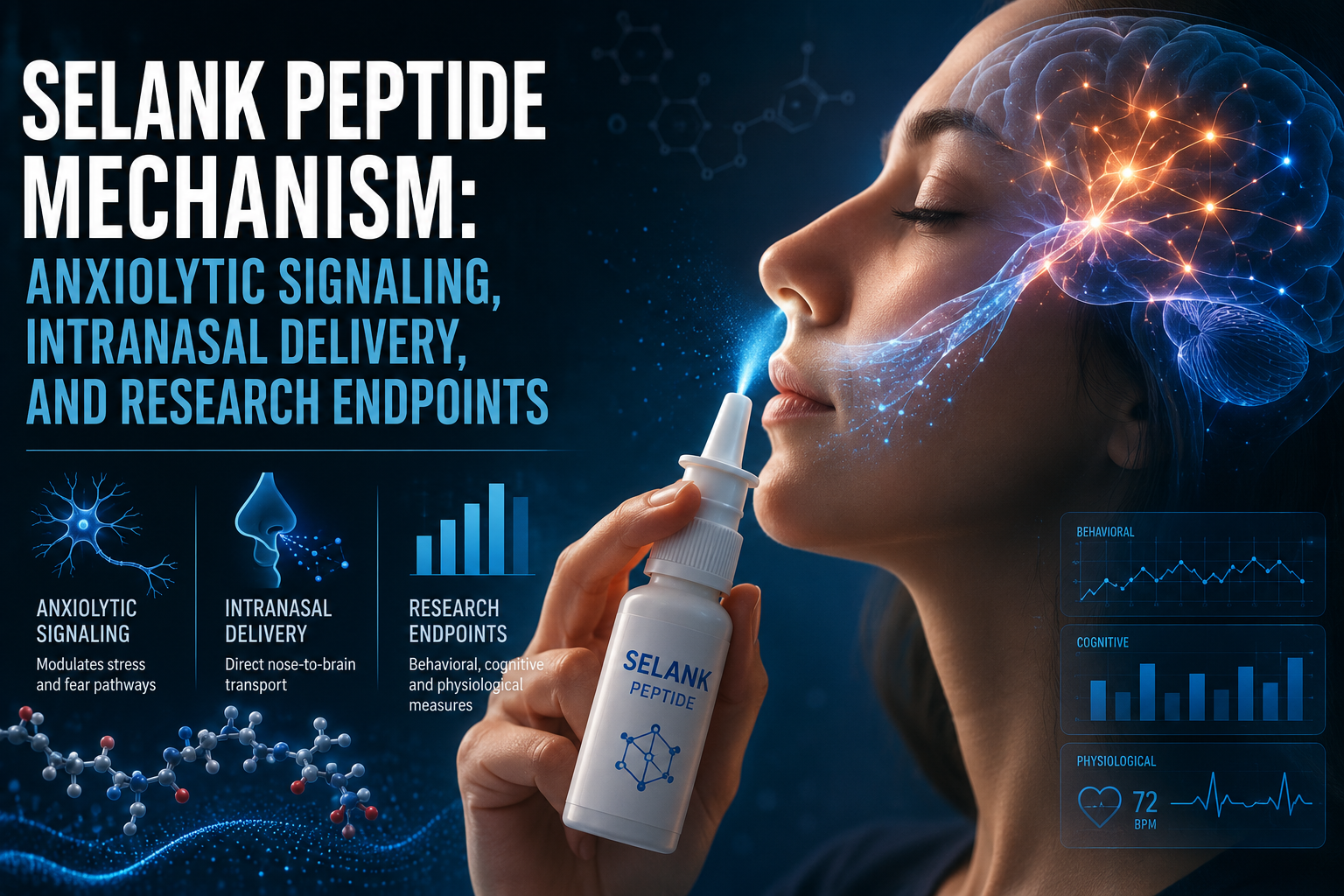
A synthetic peptide achieving 92.8% intranasal bioavailability while producing anxiolytic effects comparable to benzodiazepines — without sedation or dependence — is a remarkable pharmacological profile. That is precisely what decades of Russian research have documented for Selank. Understanding the Selank peptide mechanism: anxiolytic signaling, intranasal delivery, and research endpoints requires a close look at its molecular design, its multi-target neurochemical activity, and the measurable outcomes researchers use to evaluate it.
Key Takeaways
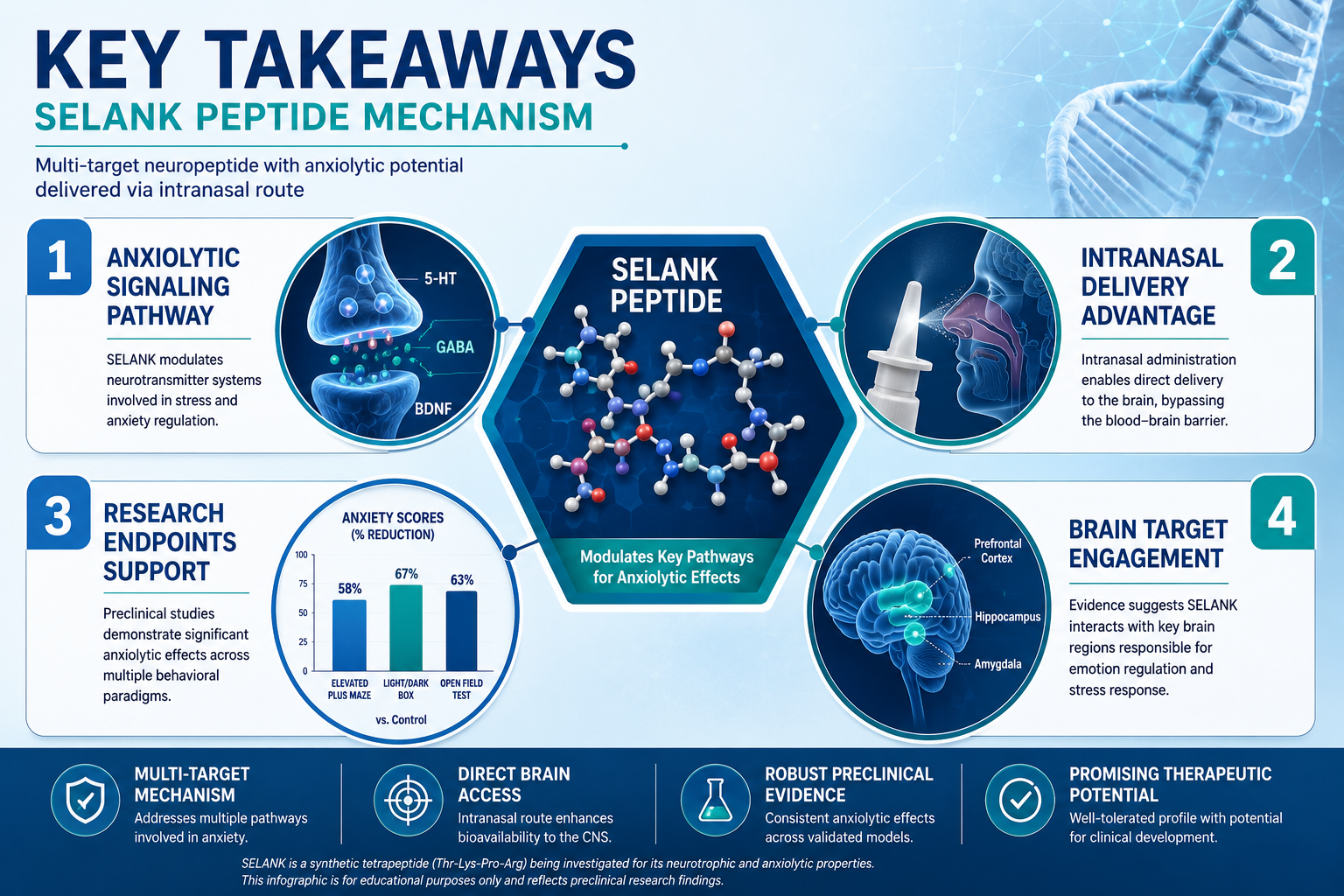
- Selank is a synthetic heptapeptide derived from tuftsin, engineered for metabolic stability and extended pharmacological activity.
- It modulates GABA receptors, inhibits enkephalin-degrading enzymes, and influences monoamine neurotransmitters across several brain regions.
- Intranasal administration delivers approximately 92.8% bioavailability with a pharmacodynamic window of 20 to 24 hours.
- Selank upregulates BDNF in the hippocampus, supporting both neuroprotection and cognitive function in preclinical models.
- It is approved in Russia for generalized anxiety disorder but remains a research chemical outside that regulatory framework.
Anxiolytic Signaling: How Selank Acts on the Brain
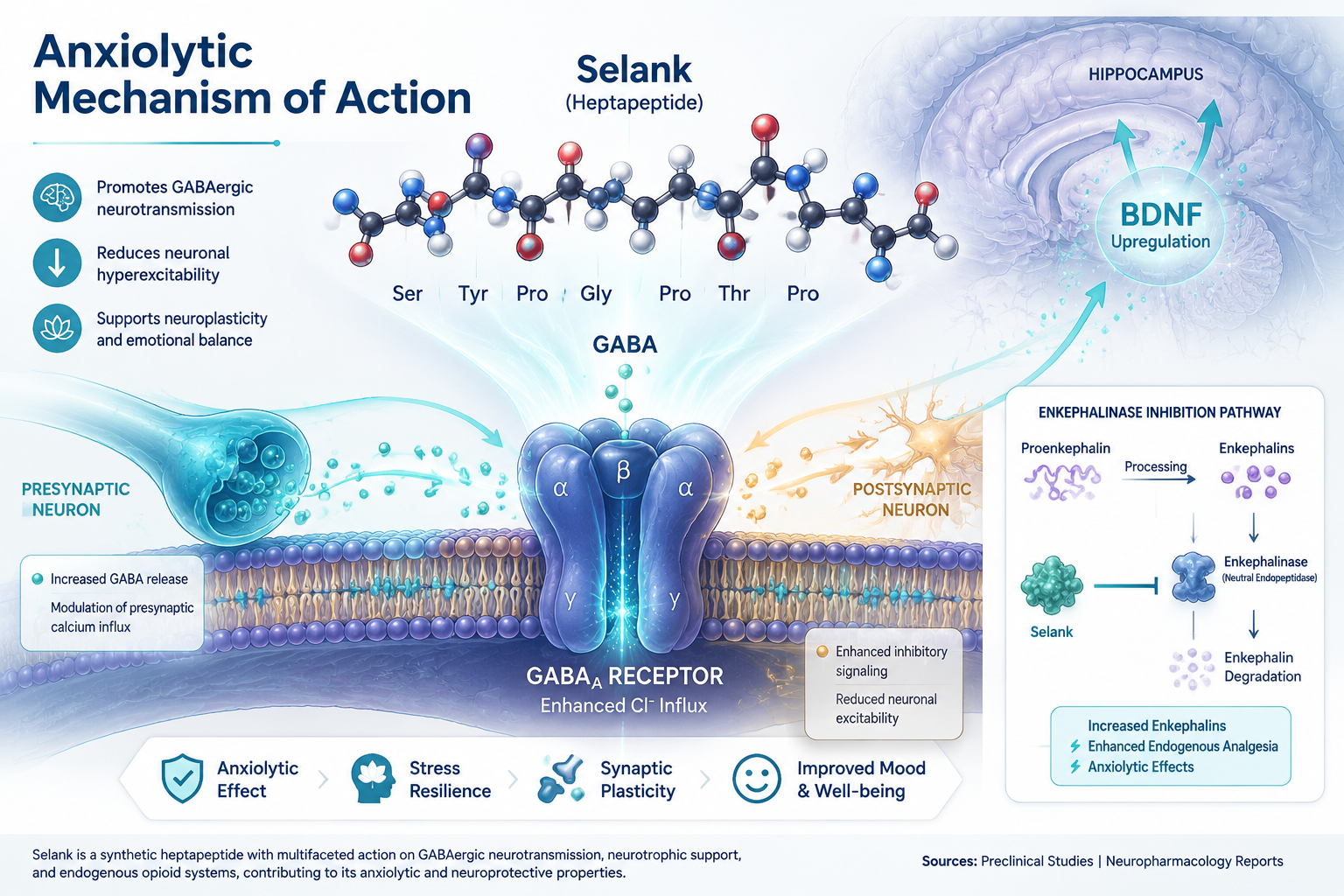
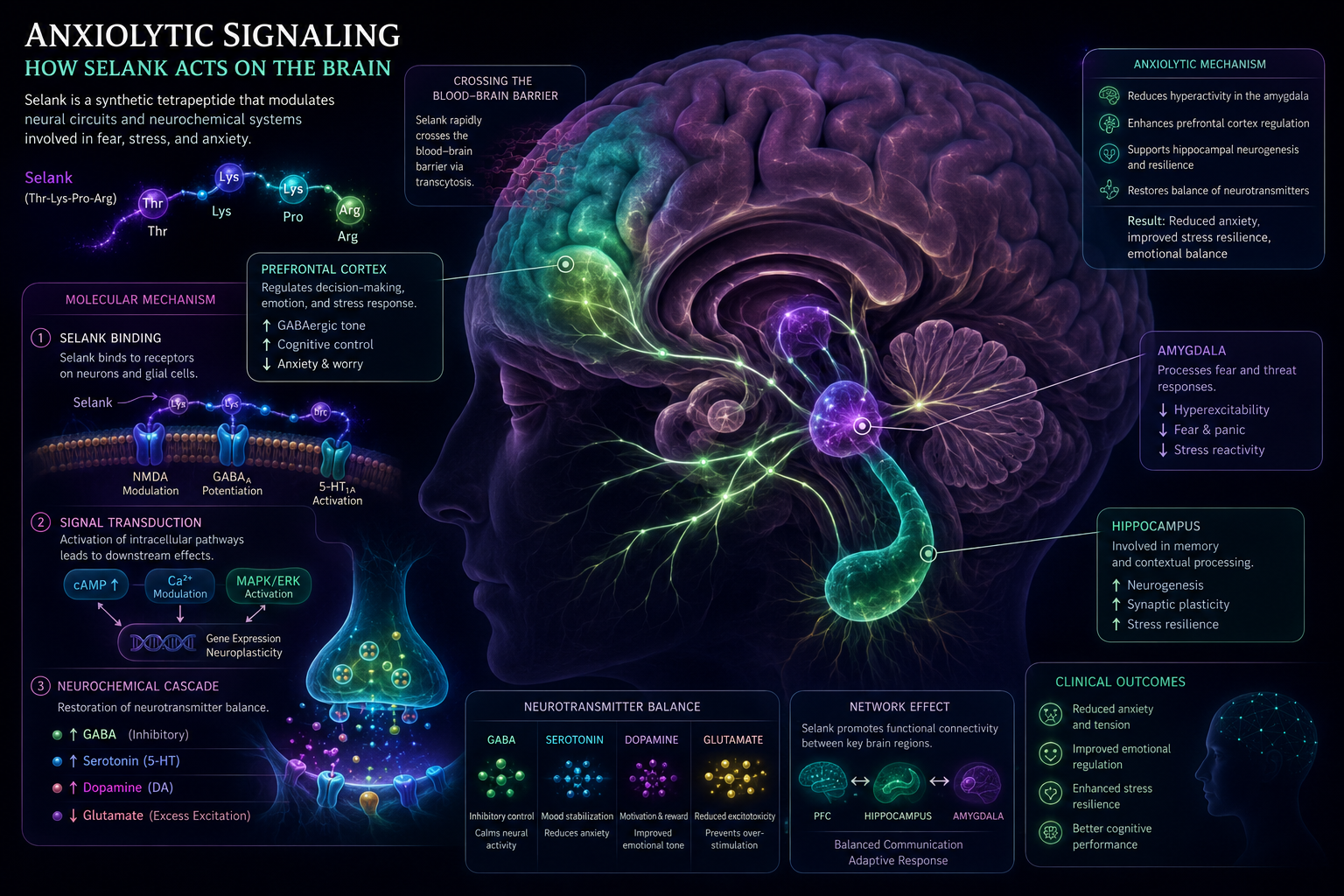
The Selank peptide mechanism: anxiolytic signaling, intranasal delivery, and research endpoints begins at the molecular level. Selank is a seven-amino-acid peptide derived from tuftsin, a naturally occurring immunomodulatory tetrapeptide. Researchers added a proline-glycine-proline sequence to the tuftsin backbone to dramatically slow enzymatic degradation, extending its biological half-life and making it viable for pharmacological study.
GABAergic Modulation
Selank's most studied anxiolytic pathway involves the GABAergic system. Rather than binding directly to GABA-A receptors the way benzodiazepines do, Selank modulates GABA metabolism and receptor sensitivity indirectly. This distinction is critical: it produces meaningful anxiety reduction without the sedation, motor impairment, tolerance development, or physical dependence that accompany classical GABA-A agonists.
"Selank produces anxiolytic effects equivalent to classical benzodiazepines without causing sedation, cognitive impairment, motor dysfunction, tolerance, or physical dependence."
Enkephalin Pathway
Selank also inhibits enkephalinase, the enzyme responsible for breaking down endogenous enkephalins. By slowing enkephalin degradation, Selank prolongs the activity of these naturally calming opioid peptides, contributing an additional layer of anxiolytic signaling that operates independently of the GABAergic axis.
Monoamine Neurotransmitter Effects
Research has documented Selank's influence on serotonin, norepinephrine, and dopamine levels across multiple brain regions, including the hippocampus, hypothalamus, striatum, and frontal cortex. This broad monoamine modulation is thought to underlie both its anxiety-reducing properties and its observed cognitive-enhancing effects in preclinical models.
BDNF Upregulation
One of the most clinically significant findings in Selank research is its ability to increase brain-derived neurotrophic factor (BDNF) expression in the hippocampus. BDNF supports neuronal survival, synaptic plasticity, and memory consolidation. Elevated BDNF is associated with resilience to stress-related neurodegeneration, making this pathway a key research endpoint. Researchers interested in neuroprotective peptide signaling may also find relevant context in studies on GHK-Cu longevity and neurotrophic research themes and NAD+ energetics and longevity research themes.
Intranasal Delivery: Pharmacokinetics and Practical Advantages
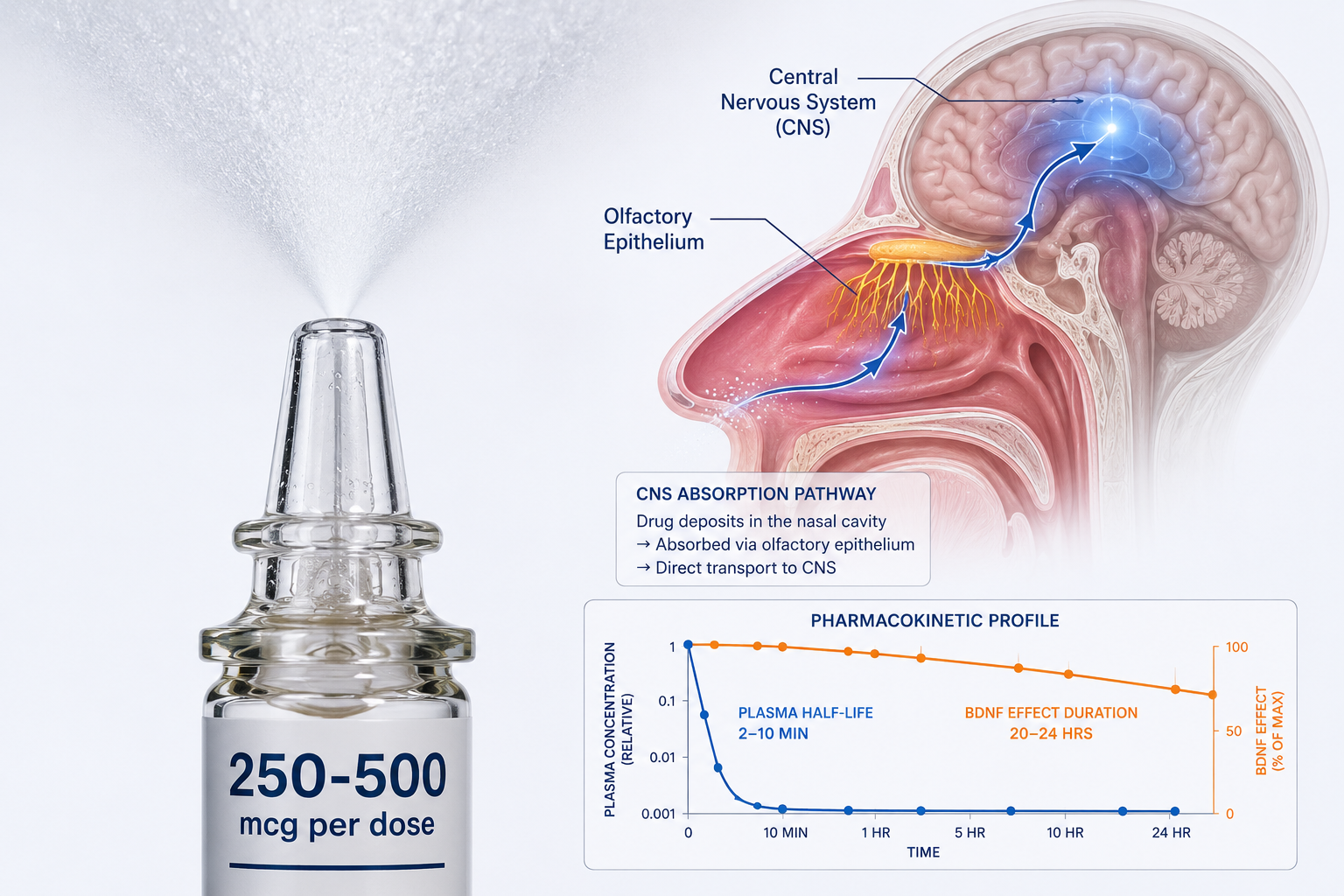
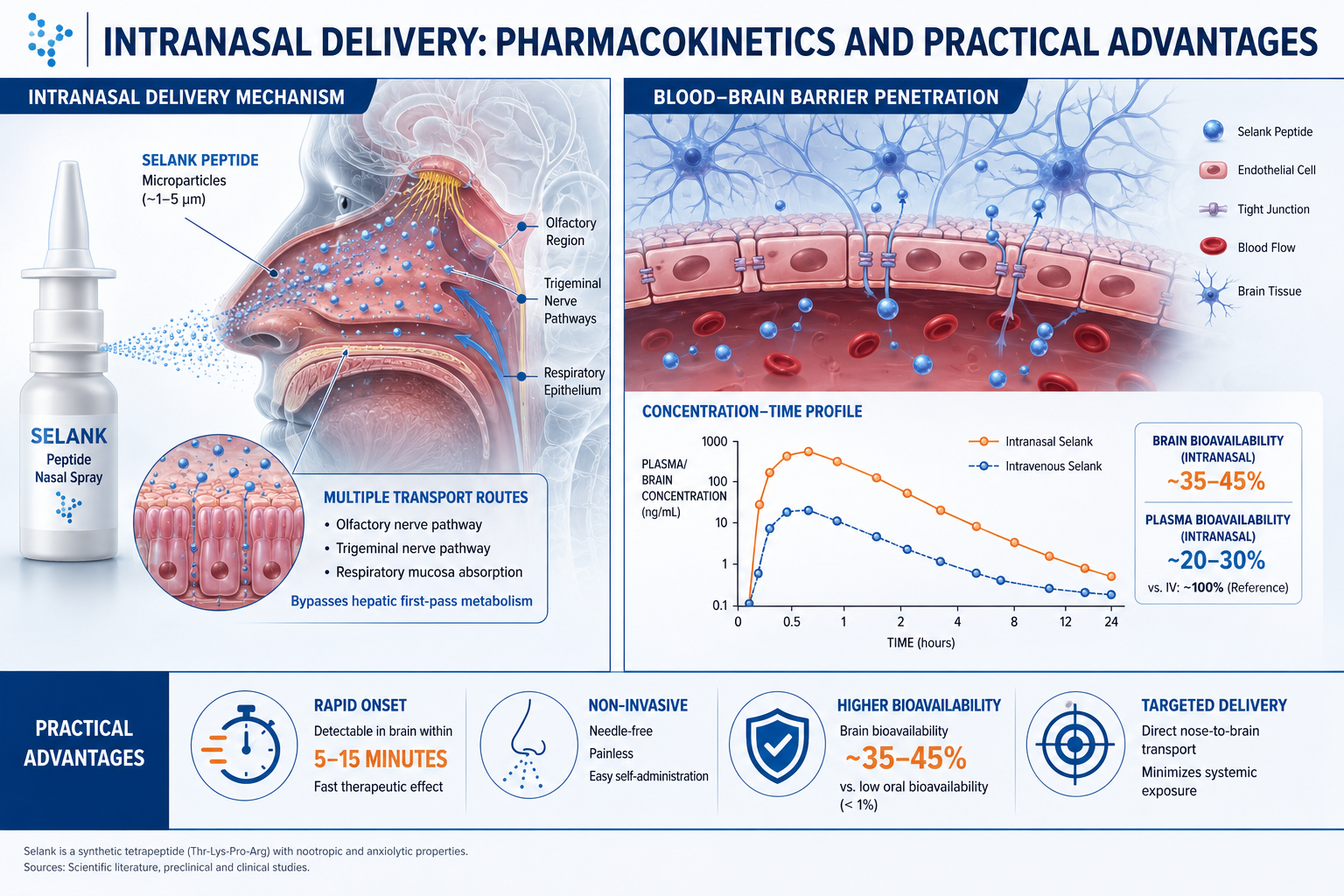
The delivery method is inseparable from the Selank peptide mechanism: anxiolytic signaling, intranasal delivery, and research endpoints. Selank's intranasal bioavailability has been measured at approximately 92.8%, a figure that far exceeds what most peptides achieve via this route. The olfactory epithelium and nasal mucosa provide a direct pathway to the central nervous system, bypassing the blood-brain barrier and hepatic first-pass metabolism.
| Parameter | Value |
|---|---|
| Intranasal bioavailability | ~92.8% |
| Pharmacodynamic duration | 20 to 24 hours |
| Route of administration | Intranasal spray |
| Regulatory approval (Russia) | 2009 (GAD, neurasthenia) |
This extended pharmacodynamic window of 20 to 24 hours is particularly notable for anxiety research, as it suggests sustained receptor engagement from a single administration. For researchers comparing peptide delivery strategies, the Selank side effects research profile provides additional context on tolerability data from existing studies.
Research Endpoints and Regulatory Context
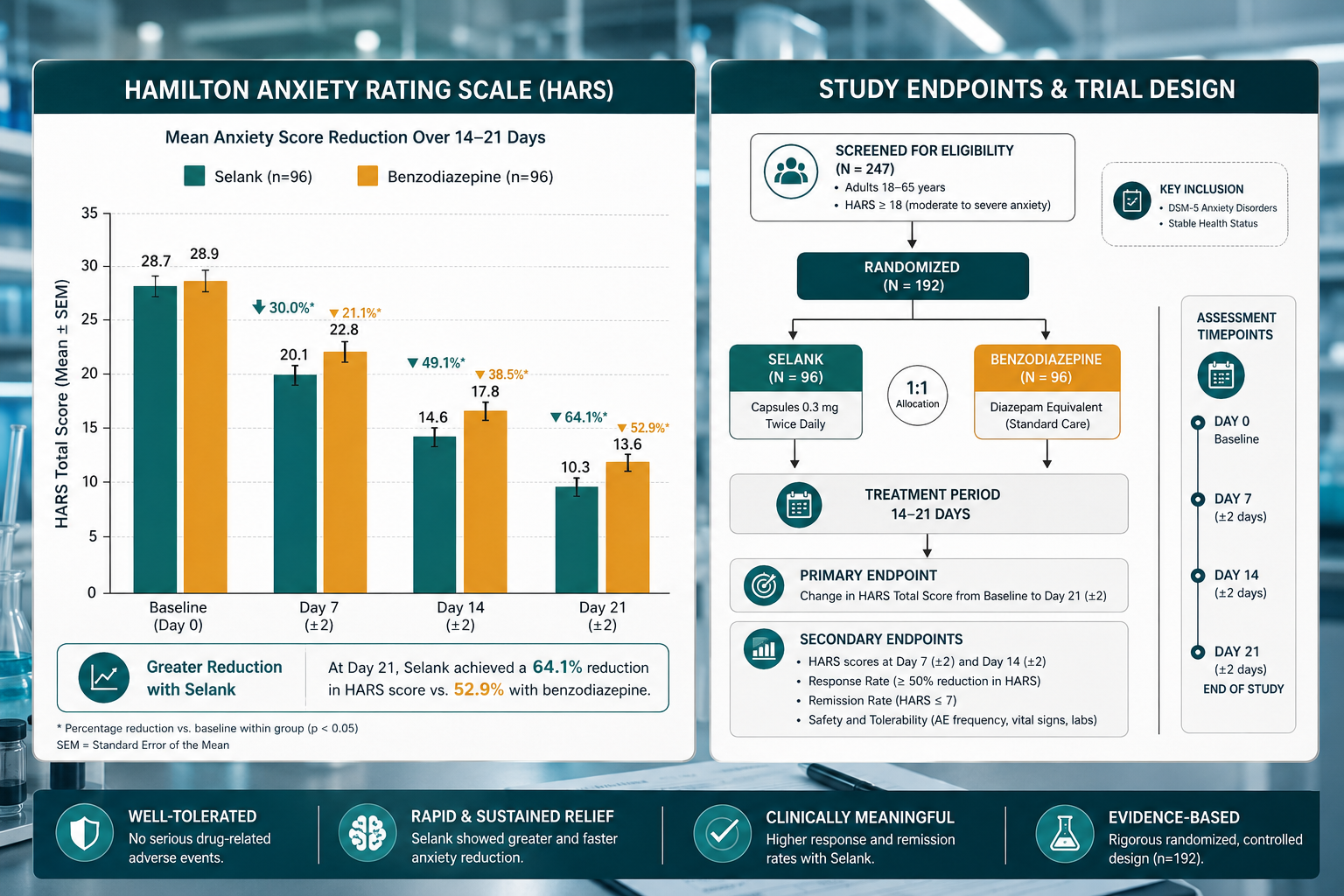
Selank received regulatory approval in the Russian Federation in 2009 for the treatment of generalized anxiety disorder and neurasthenia. As of 2026, however, no large placebo-controlled trials have been conducted outside Russia, and neither the FDA nor the EMA has reviewed or approved the compound. Outside Russia and select CIS countries, Selank is classified as a research chemical.
Common research endpoints used in Selank studies include:
- Anxiety scale scores (Hamilton Anxiety Rating Scale, elevated plus maze in animal models)
- BDNF expression levels in hippocampal tissue
- Monoamine metabolite concentrations in cerebrospinal fluid
- Enkephalin degradation rates
- Cognitive performance metrics (working memory, attention tasks)
- Neuroimmune markers, including interleukin profiles
Researchers exploring overlapping neuroimmune and peptide signaling topics may find useful comparative data in studies on LL-37 innate immunity research themes and KPV epithelial barrier research. For those cataloging peptide research by biological theme, the full peptide catalog organized by research theme offers a structured reference point.
Conclusion
The Selank peptide mechanism: anxiolytic signaling, intranasal delivery, and research endpoints represents a convergence of elegant molecular engineering and multi-pathway neurochemical activity. Its indirect GABAergic modulation, enkephalinase inhibition, monoamine regulation, and BDNF upregulation give researchers several distinct measurable targets. Its near-complete intranasal bioavailability and long pharmacodynamic duration make it a practical subject for CNS peptide delivery studies.
Actionable next steps for researchers:
- Define primary endpoints (BDNF expression, anxiety scale scores, or monoamine profiling) before study design.
- Review existing Russian clinical literature on GAD and neurasthenia outcomes as a baseline.
- Confirm regulatory classification in your jurisdiction before procurement or use.
- Cross-reference neuroimmune endpoints with related peptide research to build a broader mechanistic picture.