Retatrutide’s Triple-Agonist Data and Cardiometabolic Endpoints: Interpreting Weight, A1C, Lipids, Blood Pressure, and hsCRP Together
A single drug reducing body weight by nearly 28%, cutting triglycerides by 41%, lowering systolic blood pressure by more than 12 mmHg, and slashing an inflammatory marker by over 50%, all in the same trial, is not a routine clinical finding. That is the emerging picture from retatrutide's Phase 3 program, and it is reshaping how clinicians think about treating obesity-driven cardiometabolic disease. Understanding retatrutide's triple-agonist data and cardiometabolic endpoints means interpreting weight, A1C, lipids, blood pressure, and hsCRP together, not as separate outcomes, but as a coordinated metabolic signal.
Key Takeaways
- Retatrutide simultaneously activates GLP-1, GIP, and glucagon receptors, producing weight loss that substantially exceeds typical GLP-1 monotherapy.
- Phase 3 trials report concurrent improvements in triglycerides, non-HDL cholesterol, systolic blood pressure, HbA1c, and hsCRP, suggesting system-wide metabolic remodeling.
- An hsCRP reduction of roughly 51% at higher doses points to meaningful attenuation of systemic inflammation, a key driver of residual cardiovascular risk.
- Hard cardiovascular outcome data remain pending from the TRIUMPH-OUTCOMES trial; current cardiometabolic benefits are surrogate endpoints, not confirmed event reductions.
- The favorable data profile applies specifically to the regulated investigational compound; off-label, unregulated use carries serious safety risks.
How Triple Agonism Drives Broad Cardiometabolic Effects
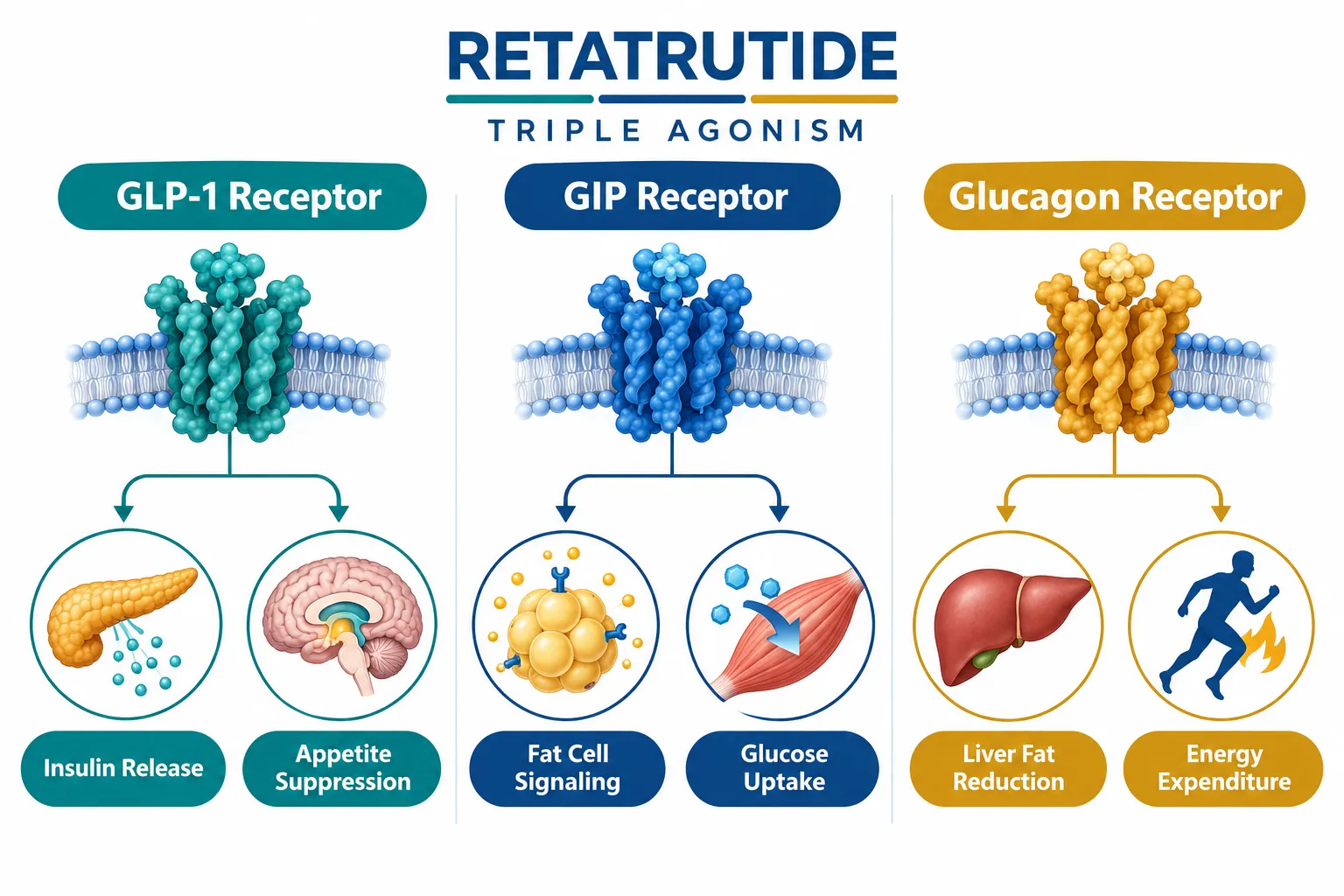
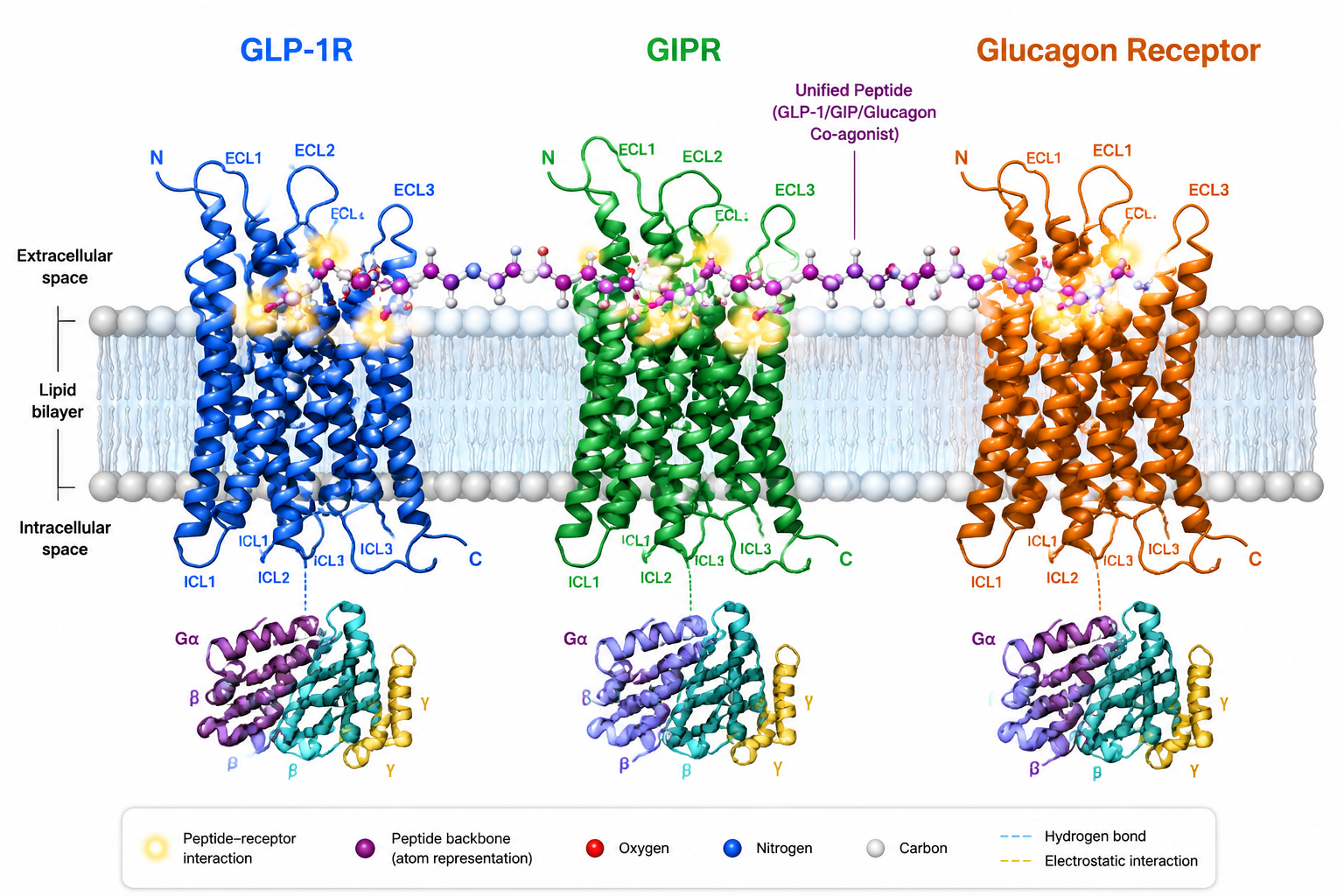
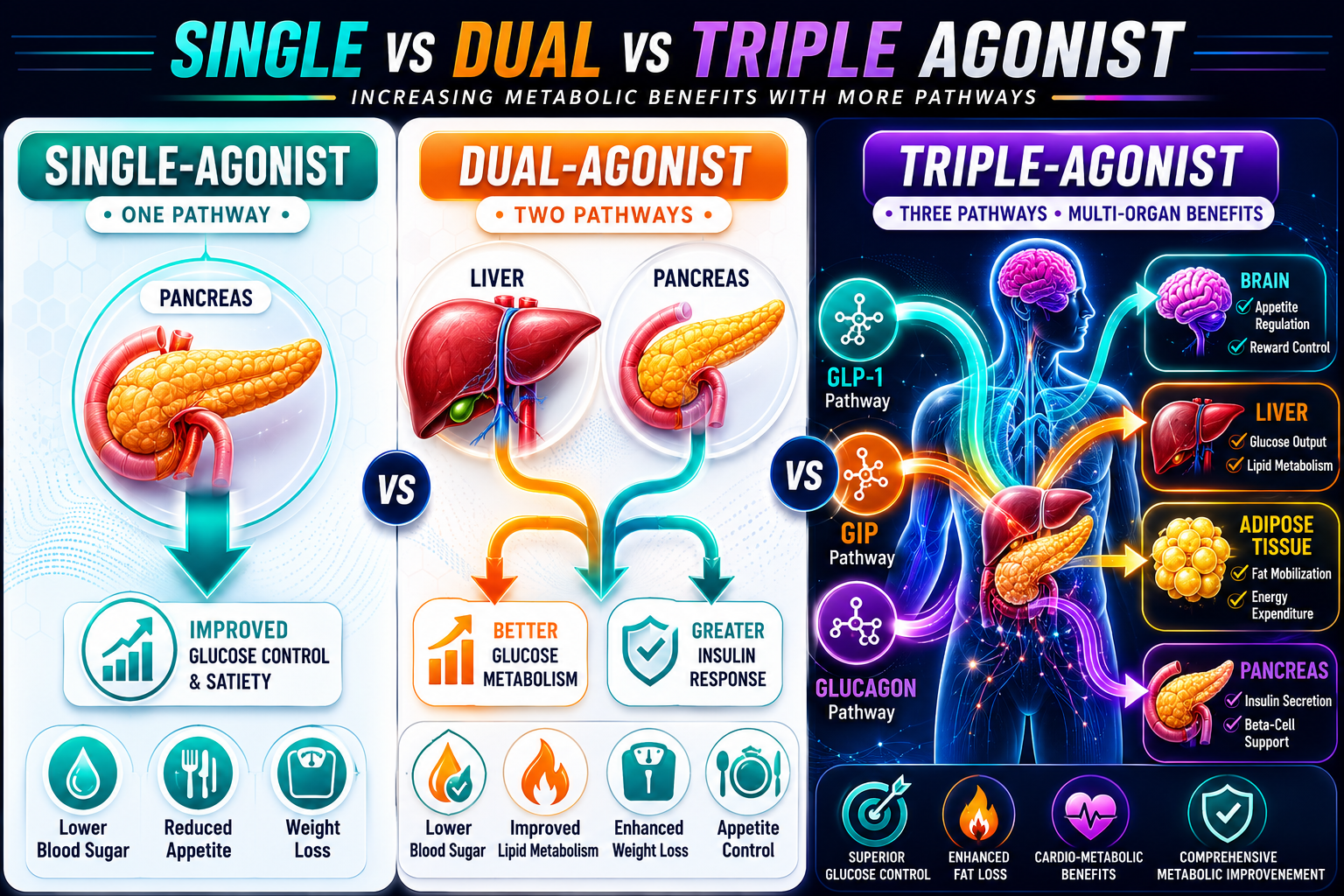
Retatrutide is a once-weekly injectable peptide that activates three hormone receptors at once: GLP-1 (glucagon-like peptide-1), GIP (glucose-dependent insulinotropic polypeptide), and glucagon receptors. Most incretin-based drugs target one or two of these pathways. Adding glucagon receptor agonism is the key differentiator, because glucagon signaling increases energy expenditure in the liver and adipose tissue, a thermogenic effect that stacks on top of the appetite suppression and insulin sensitization driven by GLP-1 and GIP.
For a broader comparison of how polypeptide agents like retatrutide differ mechanistically from classic small-molecule drugs, see this detailed breakdown of polypeptide peptides in cardiometabolic models.
This three-pathway activation explains why the cardiometabolic effects observed in trials are so broad. Weight loss alone does not fully account for the lipid, blood pressure, and inflammatory improvements seen, the receptors targeted by retatrutide are expressed in the liver, heart, vasculature, and adipose tissue, meaning the drug acts on multiple organ systems simultaneously.
Key receptor targets and their primary metabolic roles:
| Receptor | Primary Metabolic Role |
|---|---|
| GLP-1 | Appetite suppression, insulin secretion, gastric emptying |
| GIP | Fat cell signaling, glucose uptake, insulin potentiation |
| Glucagon | Hepatic fat oxidation, energy expenditure, lipolysis |
Interpreting the Phase 3 Trial Data: Weight, A1C, Lipids, Blood Pressure, and hsCRP Together
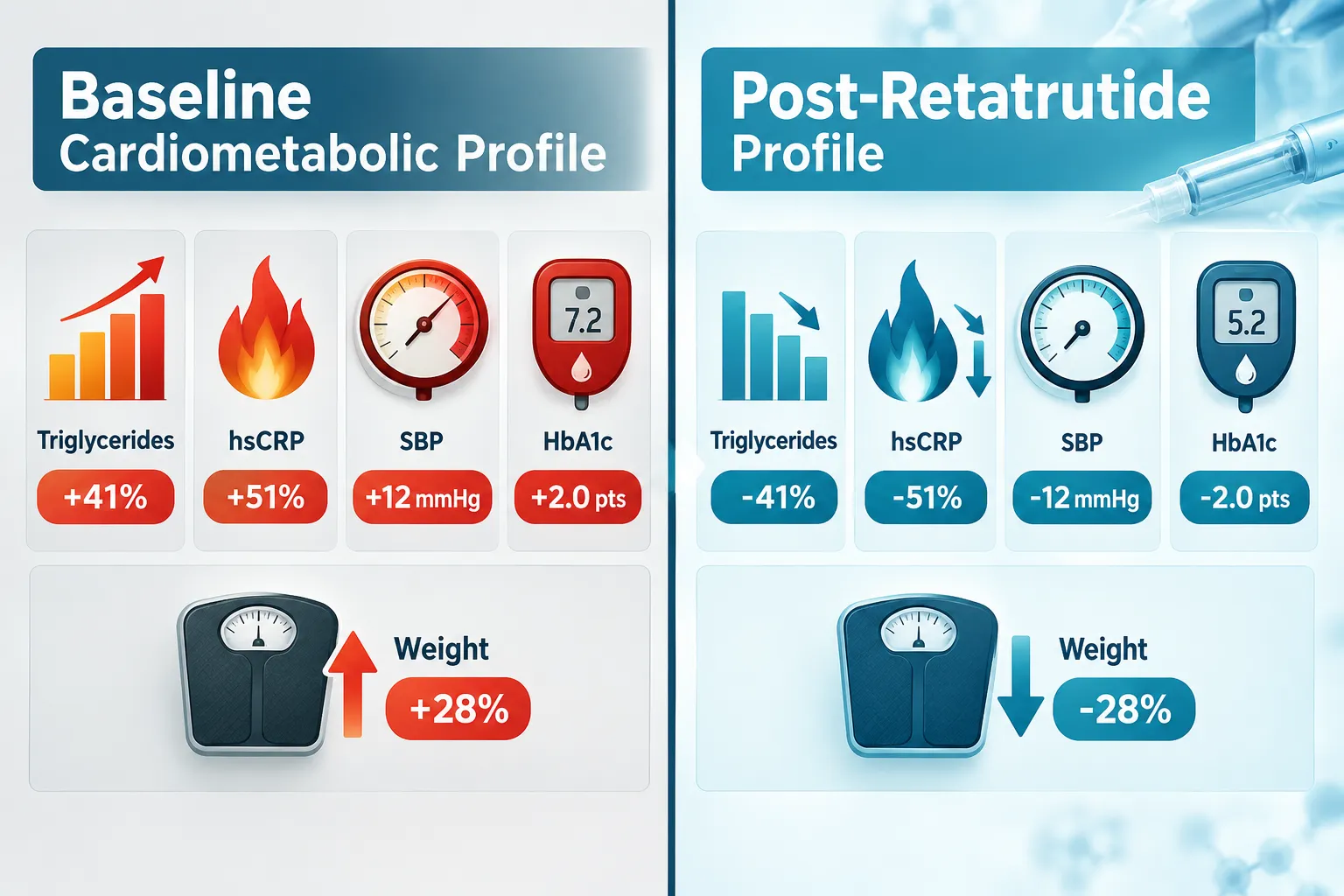
The most rigorous way to evaluate retatrutide's triple-agonist data and cardiometabolic endpoints is to read the Phase 3 results as a unified dataset rather than isolated numbers.
TRIUMPH-1: Obesity Without Diabetes
In TRIUMPH-1, participants without type 2 diabetes lost approximately 28% of body weight, roughly 70 lb, over 80 weeks. The cardiometabolic secondary endpoints were equally striking:
- Triglycerides: reduced by up to 41.0%
- Non-HDL cholesterol: reduced by 24.2%
- Systolic blood pressure: reduced by 12.3 mmHg
- Waist circumference: reduced by 24.1 cm
These are not modest shifts. A 41% triglyceride reduction and a 24% non-HDL reduction represent clinically meaningful movement in atherogenic lipid burden.
TRIUMPH-2 and TRANSCEND-T2D-1: Adding Glycemic Control
In TRIUMPH-2 (obesity with type 2 diabetes), participants lost up to 20.8% of body weight while lowering HbA1c by up to 1.6 percentage points. TRANSCEND-T2D-1 showed HbA1c reductions of up to 2.0 percentage points from a mean baseline of 7.9%, alongside improvements in triglycerides, non-HDL cholesterol, blood pressure, and waist circumference.
The critical insight here: retatrutide improved glycemia and adiposity without forcing a trade-off between glucose control and weight loss, a common limitation with older diabetes drugs.
TRIUMPH-3: High-Risk Cardiovascular Population and the hsCRP Signal
TRIUMPH-3 enrolled patients with severe obesity and established cardiovascular disease. At the 12 mg dose, results included:
- Weight loss: approximately 22-23% (~55 lb) at 80 weeks
- Triglycerides: reduced by 37.0%
- Non-HDL cholesterol: reduced by 16.5%
- Systolic blood pressure: reduced by 9.3 mmHg
- Waist circumference: reduced by 19.0 cm
- hsCRP: reduced by 51.2%
The hsCRP finding deserves special attention. High-sensitivity C-reactive protein is a validated marker of systemic inflammation and an independent predictor of cardiovascular events. A reduction of more than 50% in a high-risk population suggests retatrutide may be addressing inflammatory cardiovascular risk, not just metabolic risk factors. Whether this translates into fewer heart attacks and strokes remains an open question until TRIUMPH-OUTCOMES reports.
What the Data Does, and Does Not, Confirm
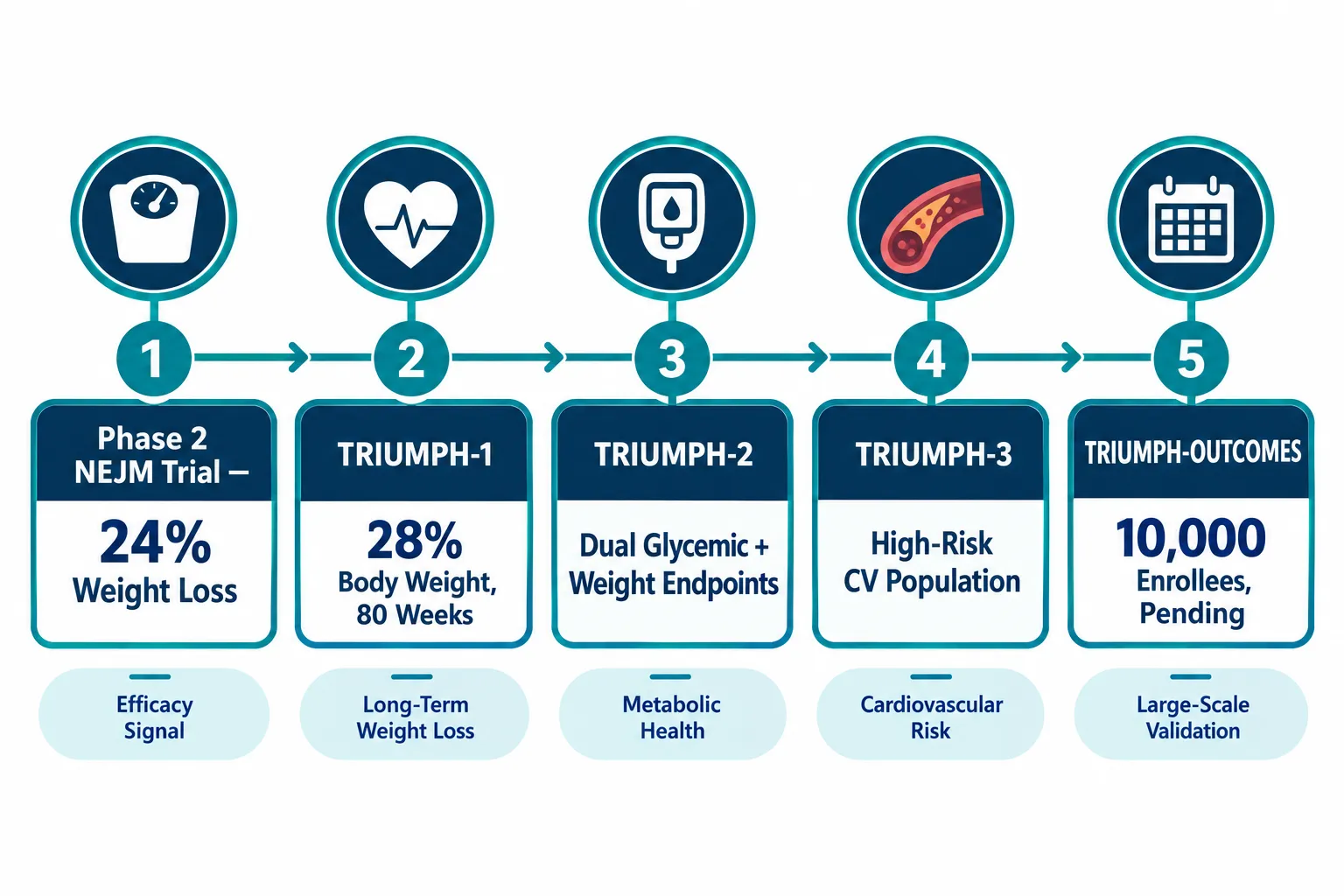
Interpreting retatrutide's triple-agonist data and cardiometabolic endpoints together requires a clear distinction between what the trials have proven and what they suggest.
What is established from company-reported clinical data:
- Large, sustained weight loss across diverse populations
- Concurrent improvements in atherogenic lipids, glycemic control, blood pressure, and inflammatory markers
- A safety profile broadly consistent with other incretin-based therapies, with gastrointestinal side effects being the most common
What remains hypothetical:
- Whether surrogate endpoint improvements will translate into reduced major adverse cardiovascular events (MACE)
- Long-term durability of cardiometabolic benefits beyond 80 weeks
- Whether outcomes will match those of bariatric surgery in long-term cardiovascular and microvascular endpoints
The TRIUMPH-OUTCOMES trial, enrolling approximately 10,000 individuals with atherosclerotic cardiovascular disease and/or chronic kidney disease, is designed to answer the MACE question directly. Until those results are available, the combined weight, A1C, lipid, blood pressure, and hsCRP improvements are powerful surrogate signals, not confirmed outcome data.
Eli Lilly has indicated plans to file for obesity approval in 2027, with development extending to sleep apnea, osteoarthritis, chronic low back pain, and metabolic liver disease, reflecting confidence in the breadth of the cardiometabolic profile.
A note on research-use compounds: Intense interest in retatrutide has generated gray-market products marketed under its name. Regulators have documented cases of acute liver toxicity and serious esophageal injury linked to counterfeit peptide use. The favorable cardiometabolic data described throughout this article applies exclusively to the regulated investigational compound used in controlled clinical trials. Those interested in research-grade materials should consult verified sources such as the GLP-3 Reta CAG 10mg product or review available Reta 20mg research options through properly tested suppliers. Additional research compound options are available under buy Reta peptide and GLP-3 Reta listings for laboratory use only.
Conclusion
Retatrutide's Phase 3 data present a coherent cardiometabolic story: weight loss of 20-28%, triglyceride reductions exceeding 37-41%, HbA1c improvements of up to 2 percentage points, systolic blood pressure reductions of 9-12 mmHg, and hsCRP reductions above 50%, all occurring together in the same patients. Reading these endpoints in isolation understates the drug's potential; reading them together reveals a compound that may address multiple drivers of cardiovascular disease simultaneously.
Actionable next steps for clinicians and researchers:
- Follow TRIUMPH-OUTCOMES enrollment and interim analyses for MACE data, this is the trial that will confirm or qualify the surrogate endpoint story.
- Treat the hsCRP signal as a hypothesis-generating finding, not a proven anti-inflammatory outcome, until mechanistic and outcomes data are available.
- Distinguish clearly between company-reported Phase 3 data and extrapolations applicable to research-use compounds, which operate under entirely different regulatory and safety frameworks.
- Monitor Eli Lilly's anticipated 2027 regulatory filing for the full label scope, which will clarify approved indications and patient selection criteria.
The convergence of weight, glycemic, lipid, blood pressure, and inflammatory improvements in a single agent is scientifically significant. The next step is confirming that these numbers translate into longer, healthier lives.