Best Research-Use Peptides for Sexual Function Studies: Comparing PT-141, Sildenafil, and GLP-Class Metabolic Adjuncts
Sexual dysfunction affects an estimated 40-45% of women and 20-30% of men globally, yet the pharmacological toolkit available to researchers studying its underlying biology has expanded dramatically only in the past decade. For labs sourcing compounds in 2026, the question is no longer simply "which molecule works" but rather "which mechanism best fits the study design." The best research-use peptides for sexual function studies, comparing PT-141, sildenafil, and GLP-class metabolic adjuncts, span three distinct biological pathways, each with different receptor targets, evidence bases, and practical sourcing considerations.
Key Takeaways
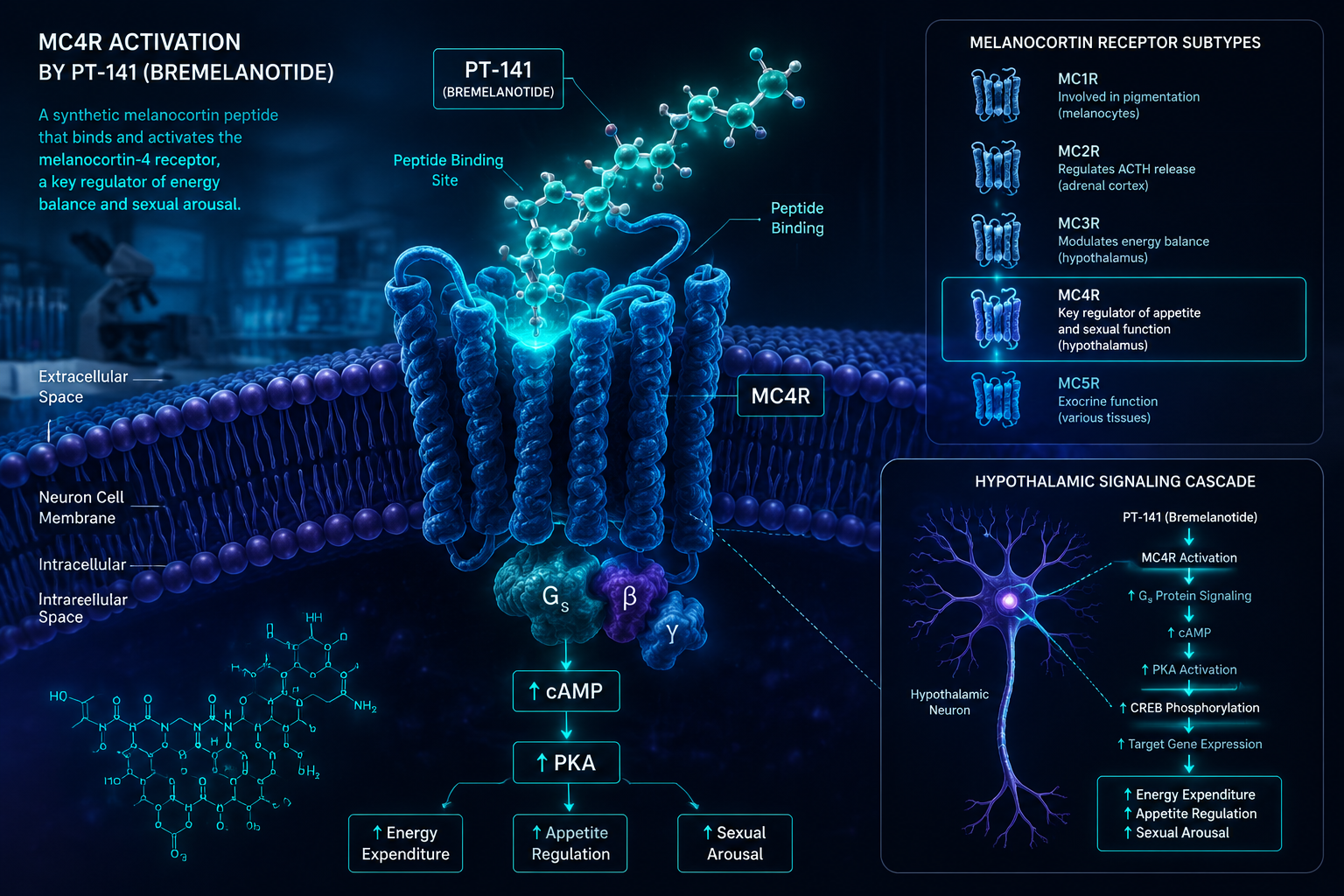
- PT-141 (bremelanotide) acts centrally via melanocortin receptors MC3R and MC4R, making it mechanistically distinct from vascular-focused agents like sildenafil.
- Phase III data support PT-141 as a leading compound for female hypoactive sexual desire disorder (HSDD) research, with effects sustained over 52 weeks.
- Sildenafil remains the gold-standard PDE5 inhibitor comparator for erectile function models, providing a well-characterized vascular baseline.
- GLP-class peptides introduce a paradox: they improve metabolic conditions linked to sexual dysfunction but may independently reduce libido, making them valuable adjunct study tools.
- Selecting the right compound depends on whether the research question centers on central desire, peripheral vascular function, or metabolic-hormonal interaction.
Mechanistic Foundations: Why Pathway Choice Drives Compound Selection
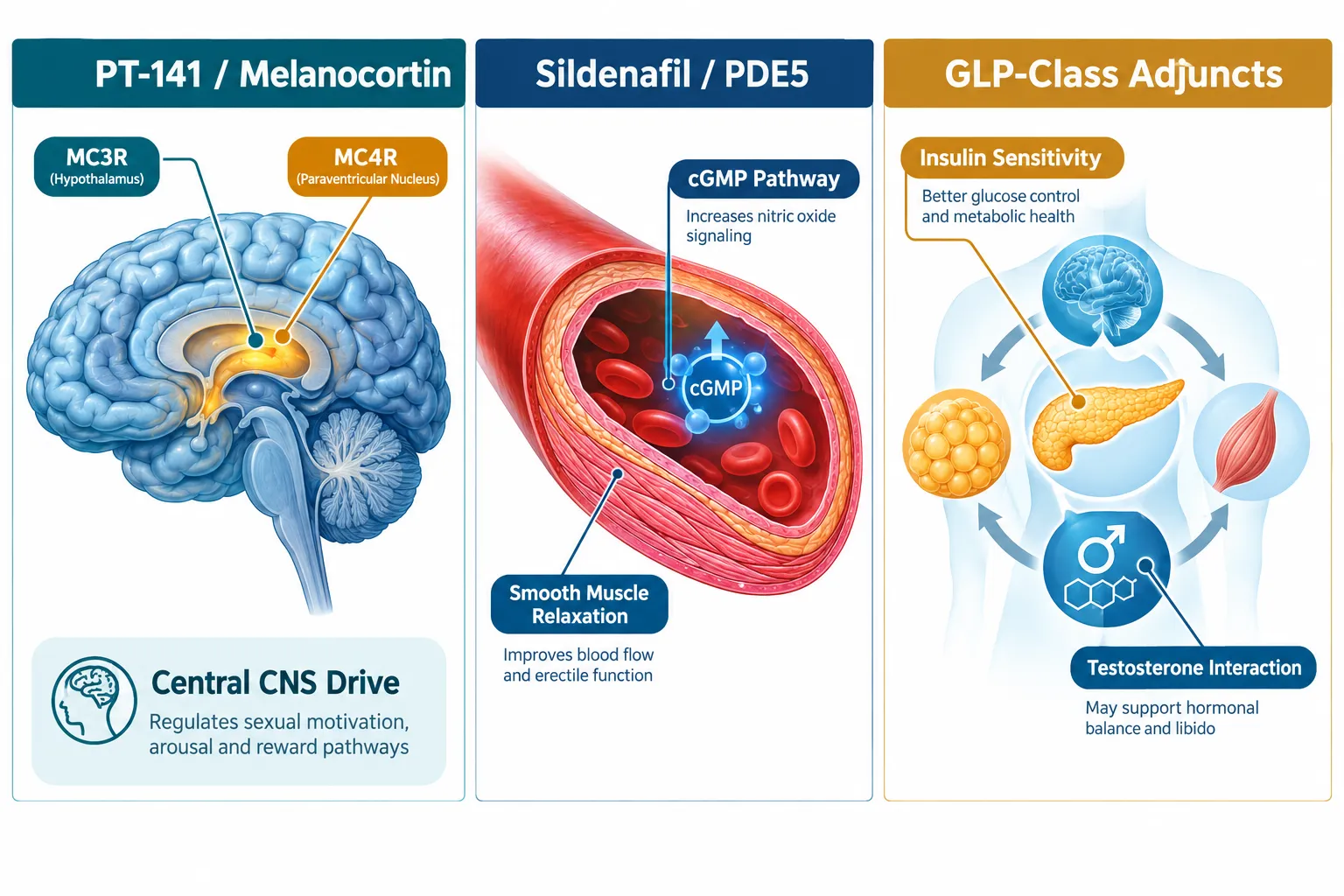
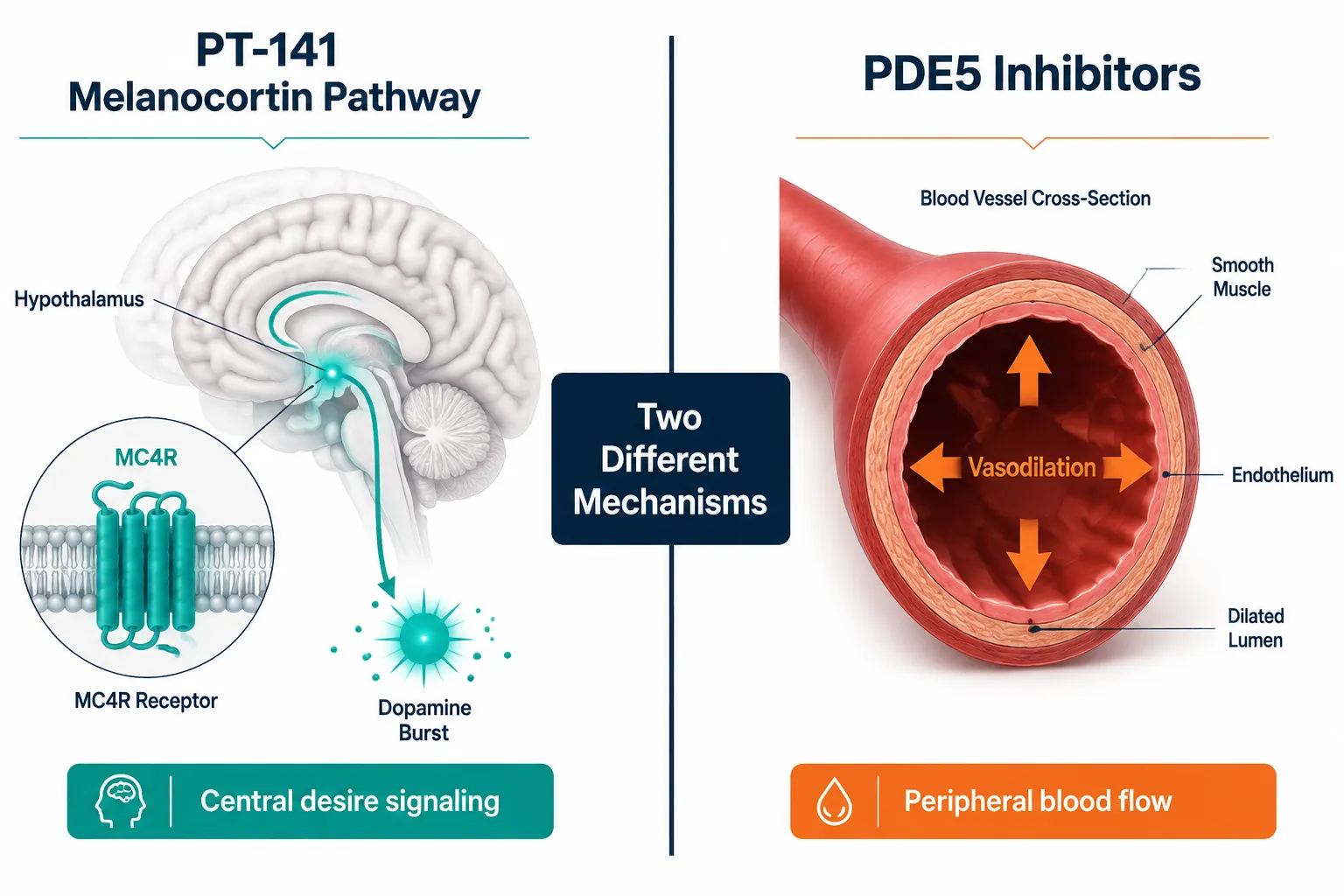
When designing a sexual function study, the first decision is mechanistic, not logistical. The three compound classes covered here operate through fundamentally different routes.
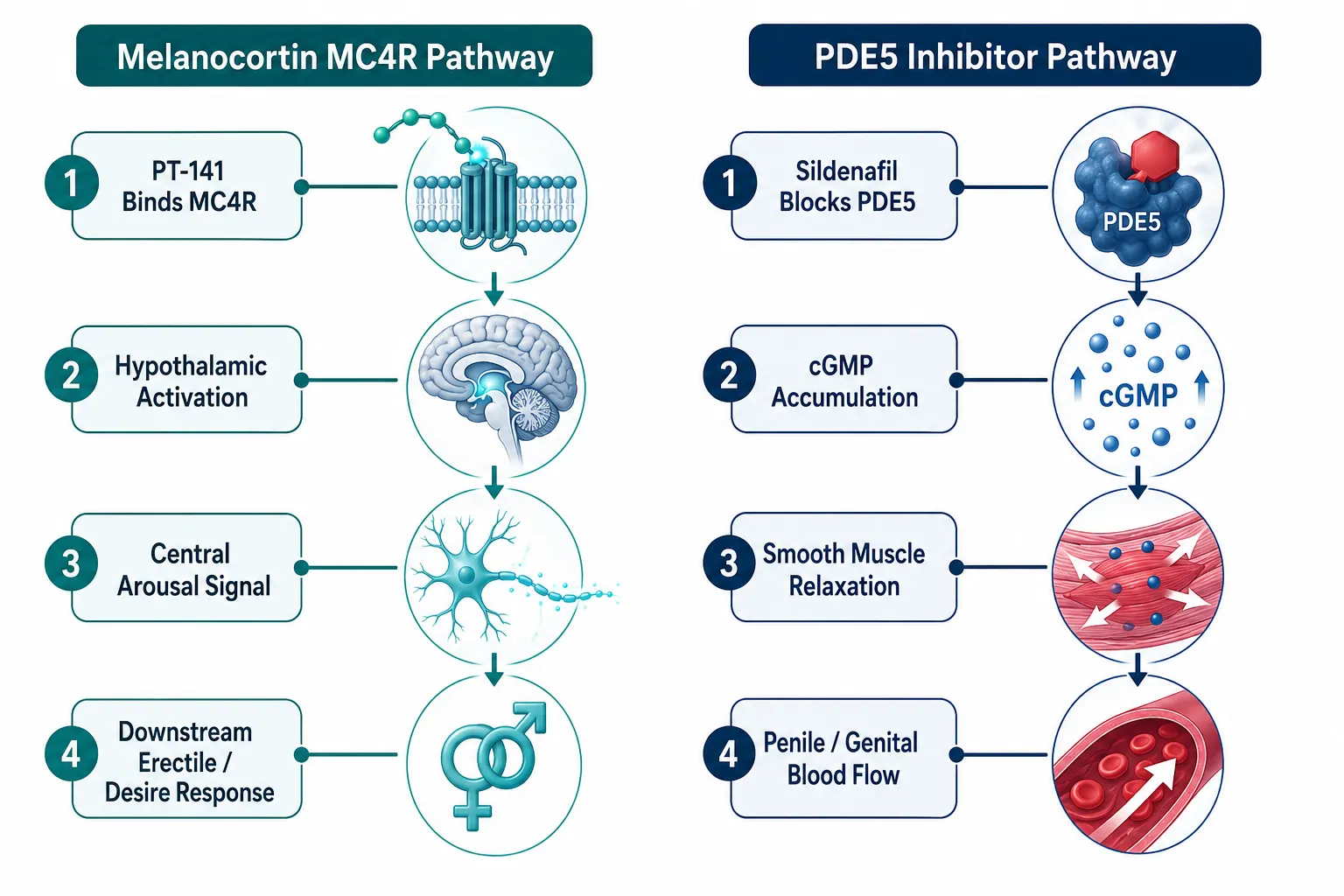
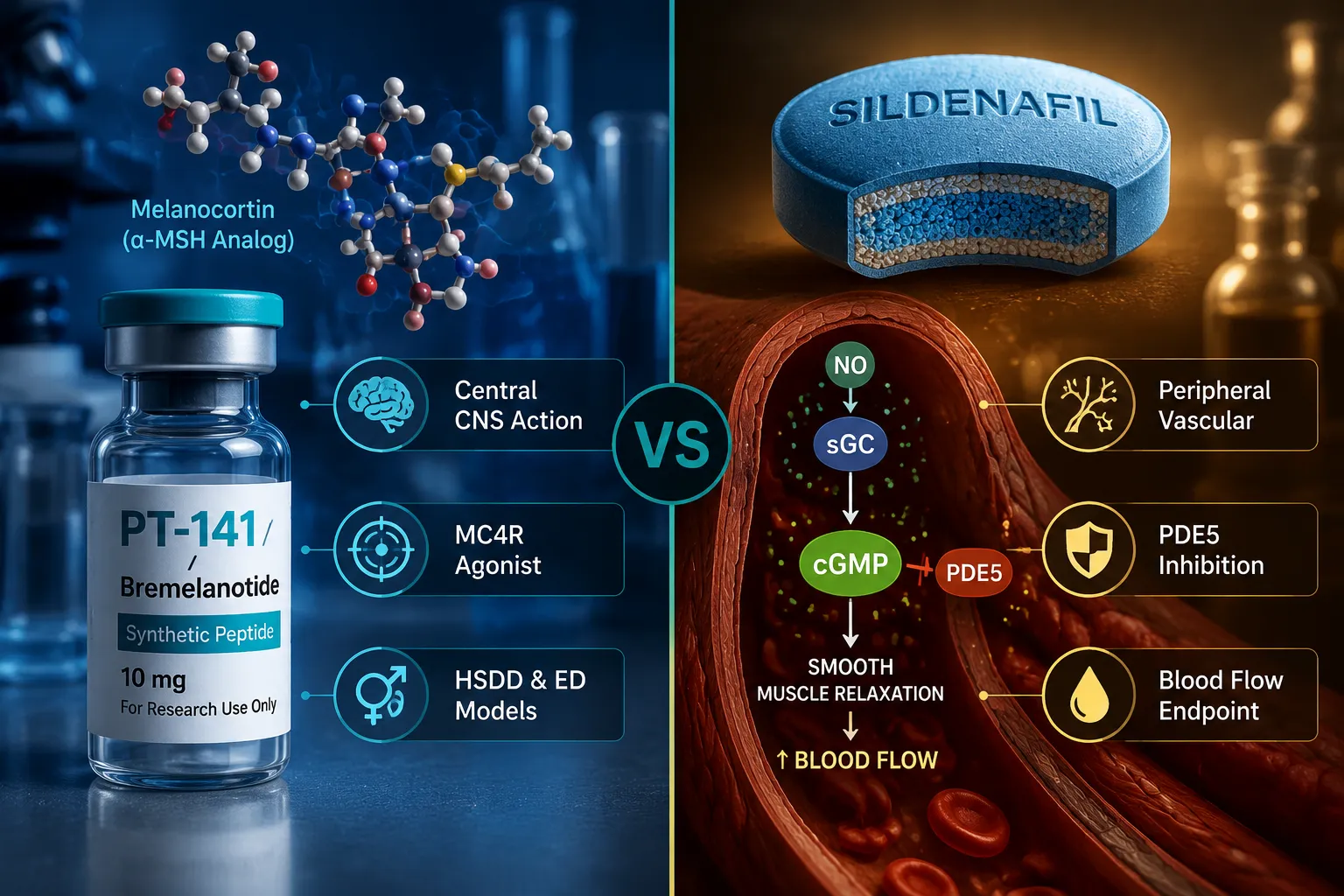
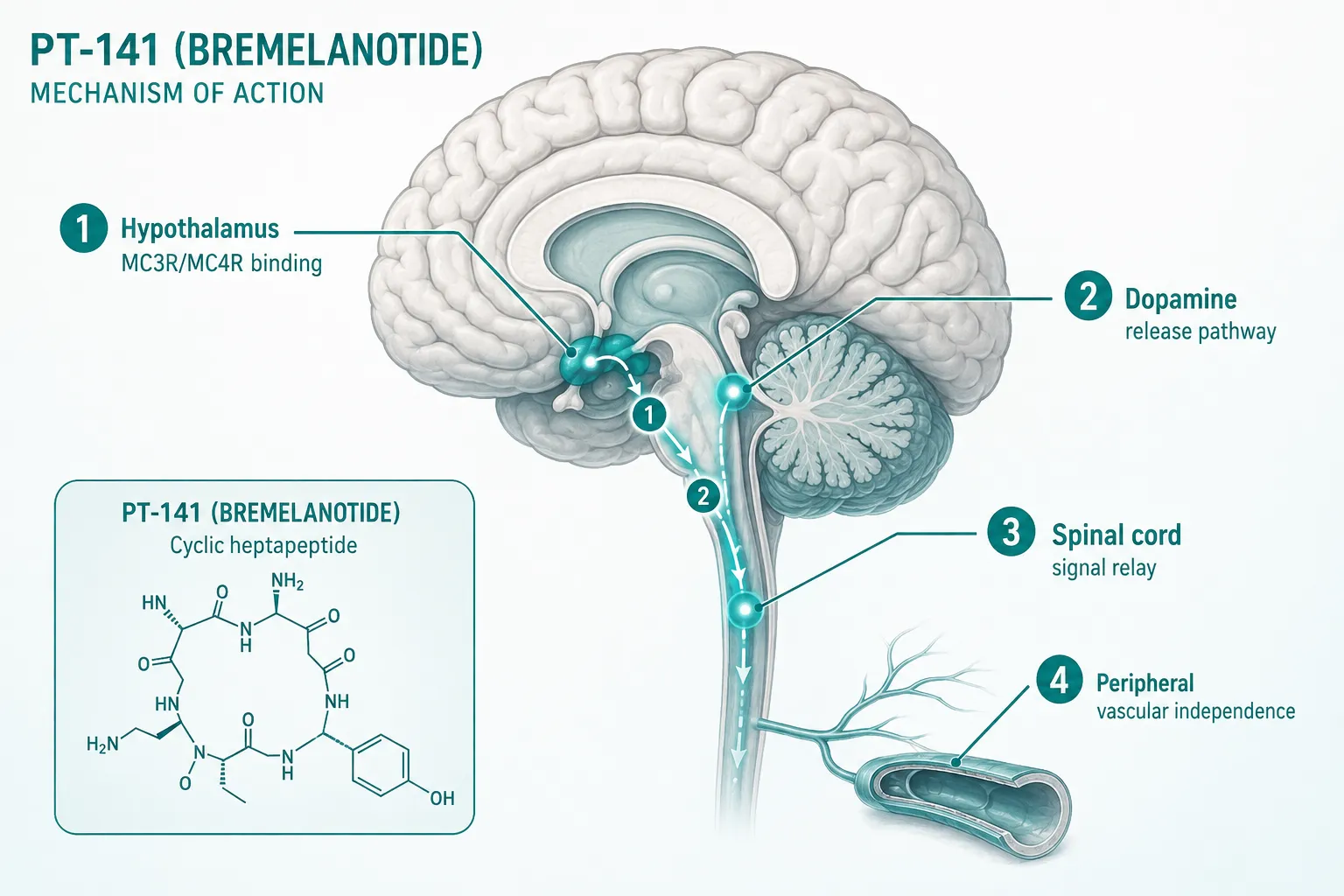
PT-141 (bremelanotide) is a cyclic heptapeptide and melanocortin receptor agonist. Unlike PDE5 inhibitors, it does not act on the vascular smooth muscle directly. Instead, it engages MC3R and MC4R receptors in the central nervous system, modulating dopaminergic and oxytocin-related signaling pathways to increase sexual motivation and desire. This central mechanism is why PT-141 shows activity in populations where peripheral vascular agents fail. Researchers interested in the full receptor pharmacology can explore PT-141 peptide melanocortin receptor agonism and sexual function research for a detailed breakdown.
Sildenafil operates through PDE5 inhibition, blocking the degradation of cyclic GMP in vascular smooth muscle and promoting penile arterial dilation. It is a small-molecule drug, not a peptide, but it functions as the primary comparator in erectile dysfunction (ED) research models. Understanding how peptides differ structurally and pharmacokinetically from agents like sildenafil is covered well in peptides vs classic small-molecule drugs.
GLP-class metabolic peptides, including GLP-1 receptor agonists and the triple-agonist retatrutide, act primarily on incretin receptors to regulate glucose metabolism, appetite, and body weight. Their relevance to sexual function research is indirect but increasingly significant, as obesity and insulin resistance are established drivers of both ED and low libido.
PT-141 in Sexual Function Research: Evidence and Study Design Considerations

PT-141 carries the strongest peptide-specific evidence base for sexual function endpoints. Phase III trials in women with HSDD demonstrated moderate-certainty improvements in both desire scores and sexual distress, with effects maintained across 52-week follow-up periods. This durability makes it well-suited for longitudinal preclinical and translational models.
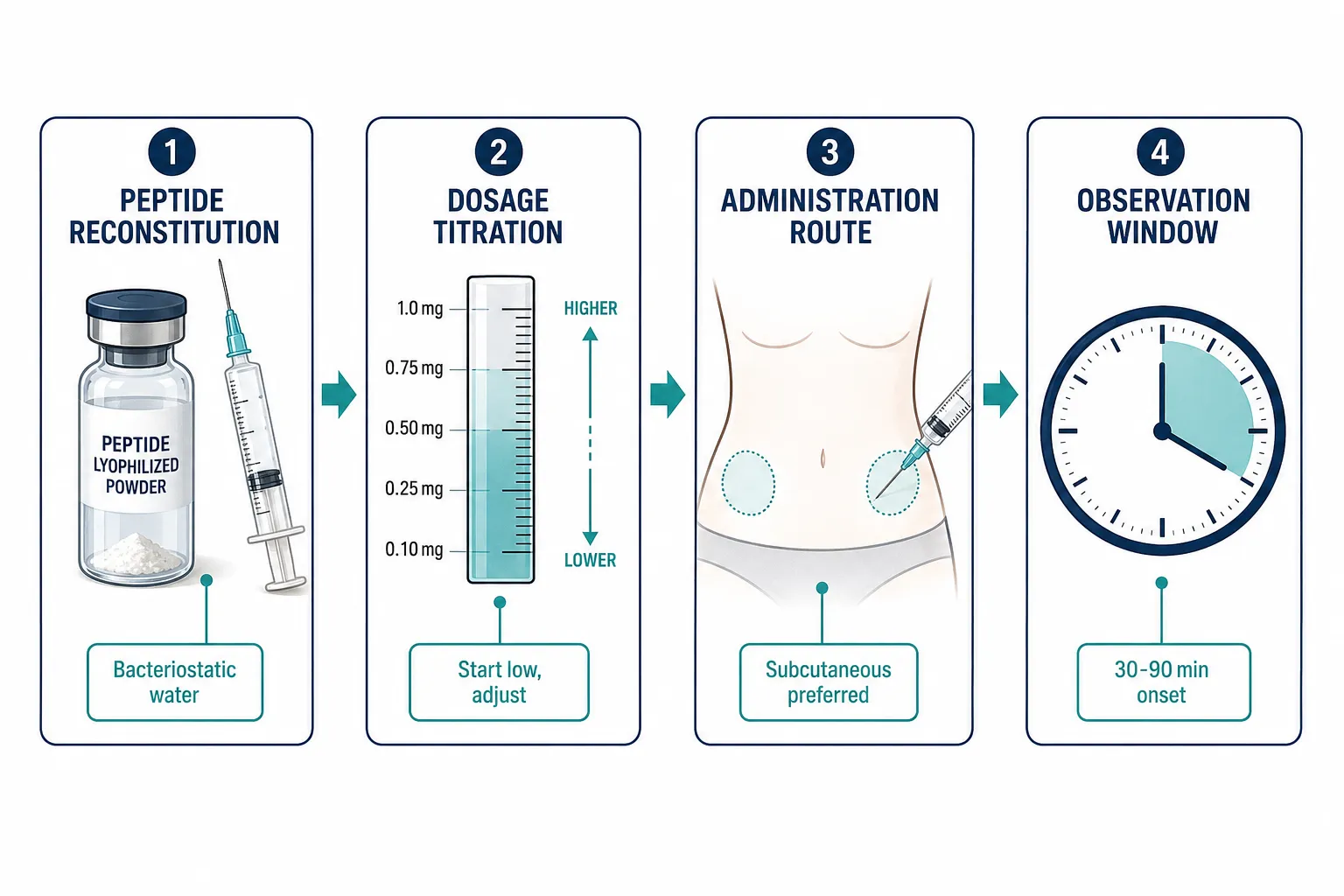
Emerging data also point to PT-141 activity in male populations and mixed sexual dysfunction cohorts, broadening its utility beyond female HSDD models. The compound is typically delivered subcutaneously or intranasally, and researchers comparing delivery routes may find value in reviewing research-use only nasal spray peptides comparing Semax, Selank, and related compounds for bioavailability context.
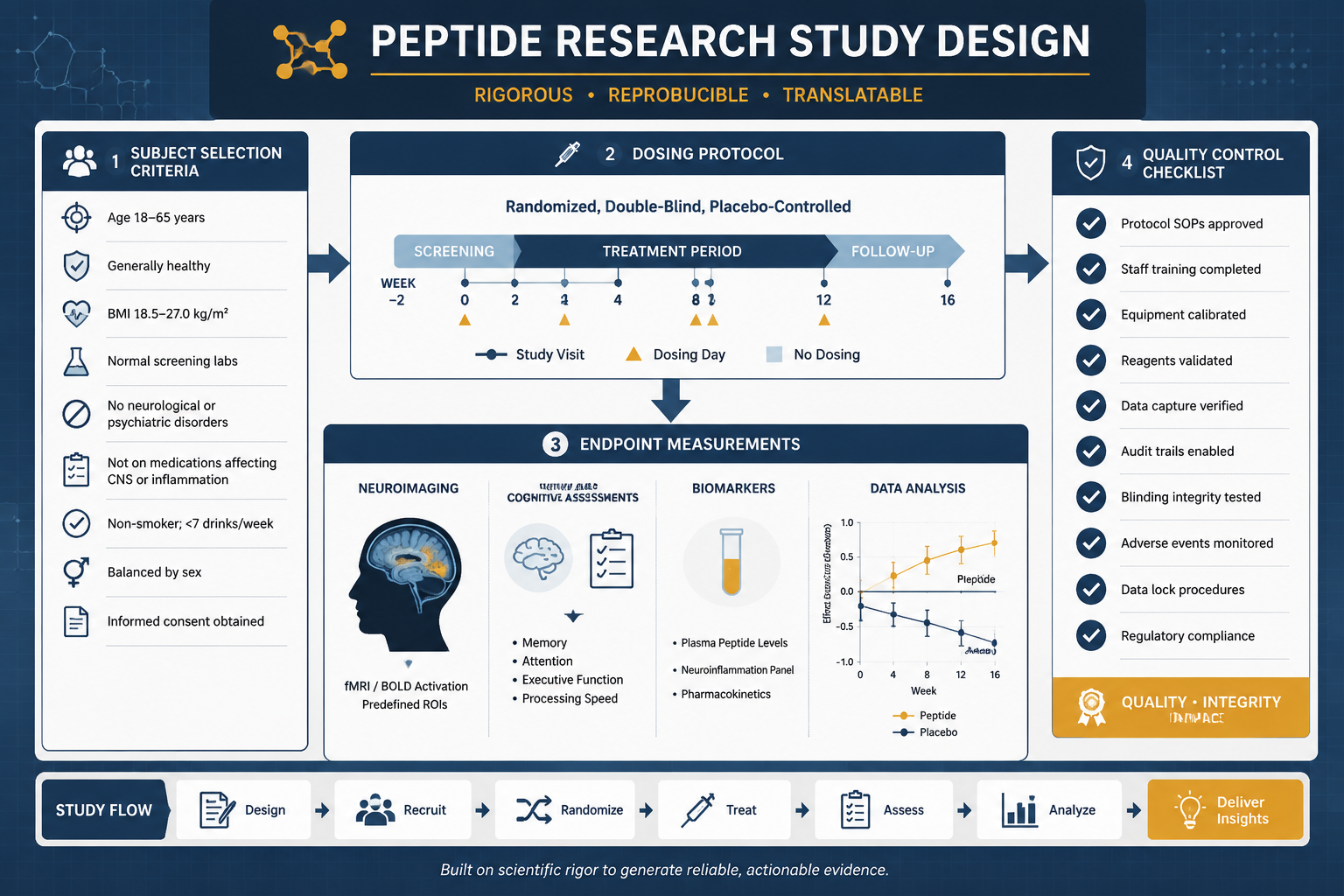
Key PT-141 research parameters to document:
- Receptor binding specificity (MC3R vs MC4R ratio)
- CNS vs peripheral effect separation in animal models
- Nausea and blood pressure as primary safety endpoints
- Dose-response curve shape across desire and distress subscales
The melanocortin pathway also connects to setmelanotide, a related MC4R agonist studied in obesity contexts, reinforcing the overlap between metabolic and sexual function research.
Comparing Sildenafil and GLP-Class Adjuncts as Research Benchmarks
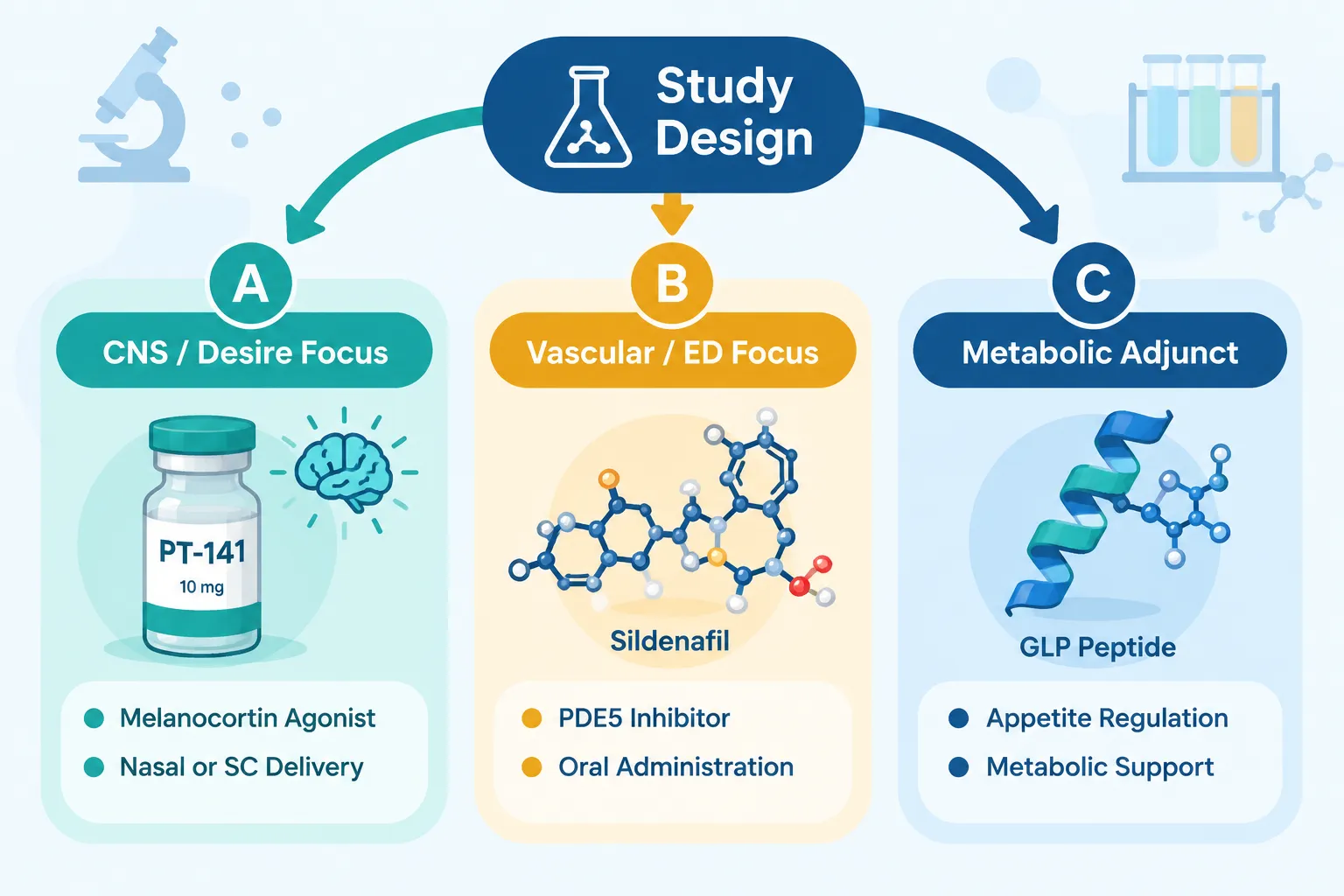
When evaluating the best research-use peptides for sexual function studies, comparing PT-141, sildenafil, and GLP-class metabolic adjuncts, sildenafil's role is primarily as a validated comparator, not a novel target. Its PDE5 mechanism is thoroughly characterized, which makes it useful for establishing vascular baselines against which newer peptide effects can be measured.
GLP-class peptides present a more nuanced picture. Research in 2026 increasingly shows a paradox: GLP-1 receptor agonists improve metabolic conditions closely tied to sexual dysfunction (obesity, insulin resistance, dyslipidemia), yet patient-reported outcomes and qualitative evidence suggest they may independently reduce sexual desire in some populations. This dual effect makes GLP-class compounds valuable not as primary sexual function agents but as metabolic adjuncts in combination study designs.
One important exception: in obese hypogonadal men, GLP-1 receptor agonists combined with testosterone replacement have shown improvements in erectile function, suggesting that the metabolic correction, rather than the GLP receptor activation itself, drives the sexual benefit. Labs studying this interaction may find the current research questions around GLP-3 peptides and retatrutide and the retatrutide GLP-3 triple receptor agonist mechanism useful for designing multi-endpoint protocols.
Compound comparison at a glance:
| Compound Class | Primary Mechanism | Best-Fit Study Model | Key Endpoint |
|---|---|---|---|
| PT-141 | MC3R/MC4R agonism (CNS) | HSDD, desire disorders | Desire score, distress scale |
| Sildenafil | PDE5 inhibition (vascular) | Erectile dysfunction | IIEF score, penile blood flow |
| GLP-1 RAs | Incretin receptor (metabolic) | Obese/metabolic ED adjunct | Metabolic + sexual composite |
| GLP-3 (Retatrutide) | Triple GIP/GLP-1/GLP-2 | Metabolic-hormonal interaction | Weight, testosterone, desire |
For labs exploring how metabolic peptides interact with hormonal pathways relevant to sexual function, the estrogen receptors, enclomiphene, and peptide signaling resource provides useful endocrine context. Researchers also studying cellular energy dynamics as a downstream variable in sexual function models may reference cellular energy and research peptides in mitochondrial studies.
Conclusion
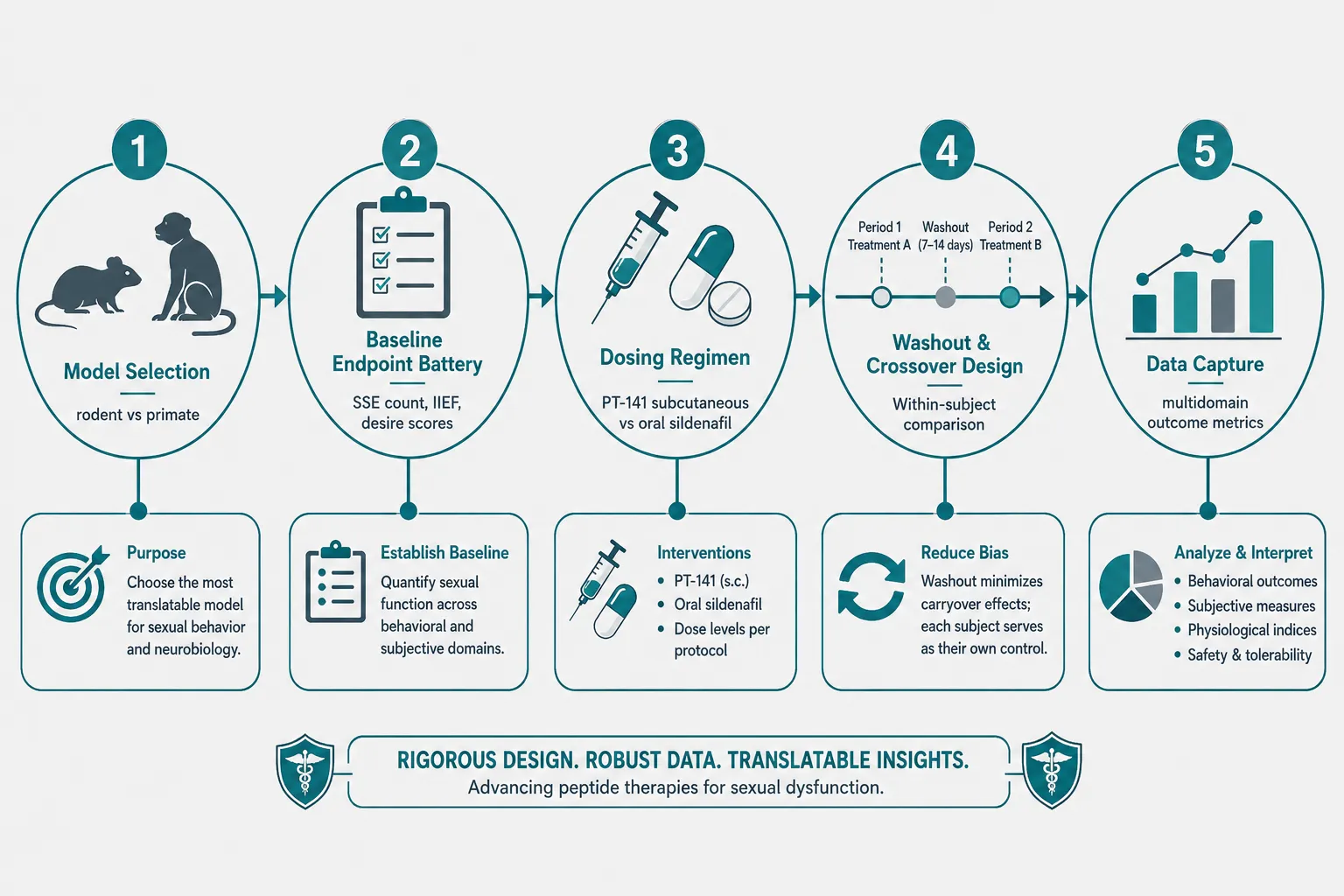
Selecting among the best research-use peptides for sexual function studies, comparing PT-141, sildenafil, and GLP-class metabolic adjuncts, requires clarity on three questions: Is the research question about central desire, peripheral vascular function, or metabolic-hormonal interaction? What endpoint instruments are validated for the model? And what is the comparator standard?
PT-141 is the strongest candidate for desire-focused and HSDD-oriented protocols, backed by durable phase III evidence and a unique central mechanism. Sildenafil remains the benchmark for vascular ED models. GLP-class peptides are best positioned as adjuncts in metabolic-sexual function interaction studies, particularly where obesity, insulin resistance, or hypogonadism are co-variables.
Actionable next steps for labs in 2026:
- Define the primary endpoint before selecting a compound, desire, arousal, or vascular function each point to a different agent.
- Review PT-141 receptor pharmacology in detail before designing dose-response protocols.
- When incorporating GLP-class peptides, build in both metabolic and sexual function endpoints to capture the paradox effect.
- Source compounds from suppliers providing verified purity documentation to ensure data integrity across study arms.
- Consider combination designs only after single-agent baselines are established.