Call or Text 727-513-9780
  • Shopping Cart Shopping Cart
    0Shopping Cart
Pure Tested Peptides | America's most trusted Peptides for sale online
  • Peptides for sale
    • Oral Peptides for sale
      • Peptide Capsules for sale
      • BPC 157 Capsules 1000mcg
      • SLU-PP-332 Capsules | 1000 mcg
      • 5-Amino-1MQ 50mg Capsules
      • Tesofensine 500mcg
    • All Peptides for sale
    • Peptide Sprays
      • BPC 157 Nasal Spray Kit
      • BPC-157 TB500 Nasal Spray Kit
      • Semax Nasal Spray 10mg
      • Selank – Nasal Spray Kit – 10mg
      • Epithalon 50MG Nasal Spray Kit
      • Ipamorelin 10mg Nasal Spray
      • Klow Nasal Spray (BPC-157 + TB-500 + GHK-Cu + KPV) | 80mg
      • Hulk Nasal Spray Tesa / Ipa Blend 6/3 MG
      • Klow Nasal Spray
      • NAD + 500 mg Nasal Spray
      • PT-141 Nasal Spray Kit
    • GHRH Peptides
      • Ipa Peptides
      • CJC-1295 Peptides
        • CJC-1295 with DAC 5 mg
        • CJC-1295 without DAC 5 mg
        • CJC-1295 Ipa 10mg
      • Tesa Peptides
        • Tesa Peptide
        • Tesa 20 mg
    • GHK-Cu Peptides
      • All GHK-Cu Peptides
      • GHK-Cu 100mg
      • KLOW Peptide Blend – Buy KLOW blend online
    • BPC Peptides
      • All BPC Peptides
      • BPC-157
      • BPC-157 TB-500
      • BPC 157 capsules 1000mcg
    • SLU-PP-332 Peptides
      • All SLU-PP-332 Peptides
      • SLU-PP-332 5mg
    • GLP3 Peptides
      • GLP3-R
      • GLP3-R CAG 10mg
      • GLP3-R 20mg
    • PT-141 Peptides
      • PT-141 Peptides for sale
      • PT-141 10mg
      • PT-141 Nasal Spray
    • CAG Peptides
      • Lipo-C Peptide Blend
      • CAG 5mg
      • CAG 10mg
    • MOTS-C Peptides
      • MOTS-C Peptides for sale
      • MOTS-c peptide
      • MOTS-c 10mg *6 pack*
    • 5 Amino 1MQ Peptides
      • 5 Amino 1MQ Peptides for sale
      • 5-Amino-1MQ 50mg Capsules
      • 5-Amino-1MQ 5mg
    • Epithalon Peptides
      • Epithalon Peptides for sale
      • Epithalon 10mg
      • Epithalon 50mg
  • Shop
    • GLPs
      • 5-Amino-1MQ 50mg Capsules
      • 5-Amino-1MQ 5mg
      • GLP3-Reta
      • L-Carnitine 500mg/ml
      • Tesofensine 500mcg
      • SLU-PP-332 5mg
      • MOTS-c 10mg *6 pack*
    • Epithalon & BPC Peptides
      • Epithalon 10mg
      • Epithalon 50mg
      • BPC-157
      • BPC 157 capsules 1000mcg
      • BPC-157 TB-500
      • BPC-157 TB500 Nasal Spray Kit
      • BPC 157 Nasal Spray Kit
    • BPC TB-500 & NAD+ Peptides
      • NAD+ 500 mg
      • KLOW Peptide Blend – Buy KLOW blend online
      • GLOW Peptide Blend
      • TB 500 5mg
      • BPC 157 capsules 1000mcg – Supplement
      • BPC 157 Nasal Spray Kit
      • BPC-157
      • BPC-157 TB500 Nasal Spray Kit
      • BPC-157 TB-500
      • BPC 157 capsules 1000mcg
    • LL-37 Peptide
      • LL-37 10 mg
    • MOTS-C & Selank
      • MOTS-c peptide
      • Selank 10mg
    • GHK Peptides
      • GHK-Cu 100mg
      • GLOW Peptide Blend
      • KLOW Peptide Blend – Buy KLOW blend online
  • COAs
  • Wholesale
    • Wholesale Peptides for sale
  • PTP FAQ
  • Affiliates
    • Affiliate Program
    • Affiliate Signup
  • Contact
    • Contact Customer Service
    • Text Customer Support
  • About US
  • Shop all peptides
  • Login / Register Login / Register Page Link Login / Register Page Link
  • Click to open the search input field Click to open the search input field Search
  • Menu Menu

Tag Archive for: investigational peptides

Where to Buy GLP-3 Retatrutide for Research: A Guide to Sourcing High-Purity Peptides

Where to Buy GLP-3 Retatrutide for Research: A Guide to Sourcing High-Purity Peptides

June 22, 2026/0 Comments/in Uncategorized/by

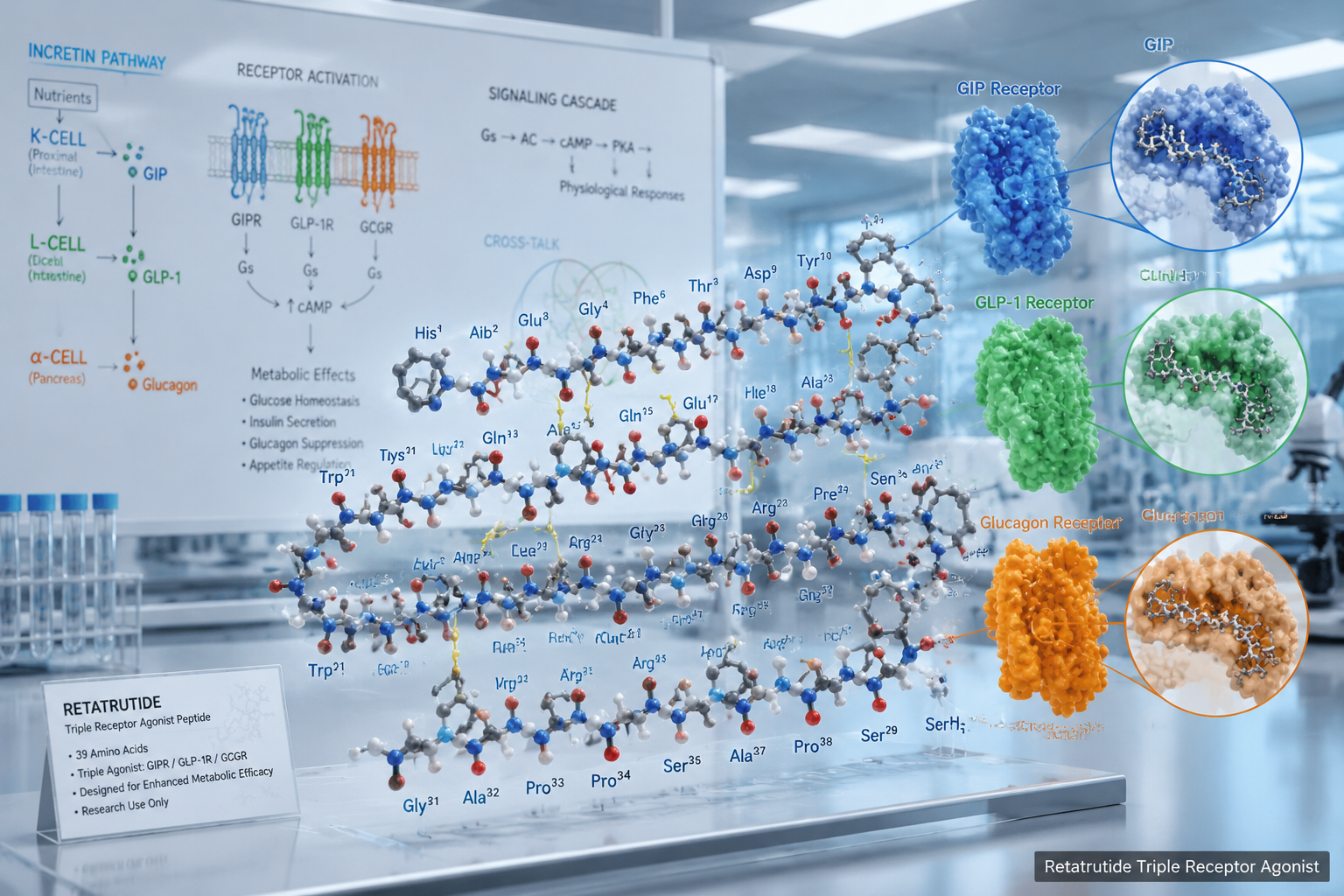
Fewer than a handful of investigational compounds have generated as much preclinical interest in 2026 as retatrutide — yet the vast majority of online suppliers offering it operate in a legal and scientific gray zone that can compromise both research integrity and regulatory standing. Knowing where to buy GLP-3 retatrutide for research means understanding far more than price per milligram.

() detailed illustration of a molecular structure diagram of a 39-amino acid triple agonist peptide chain overlaid on a

Key Takeaways

  • Retatrutide (LY3437943) is a 39-amino acid triple agonist targeting GIP, GLP-1, and glucagon receptors, currently unapproved by any regulatory authority as of 2026.
  • The only legal route for non-clinical researchers is the Research Use Only (RUO) supply chain; marketing for human use is unlawful.
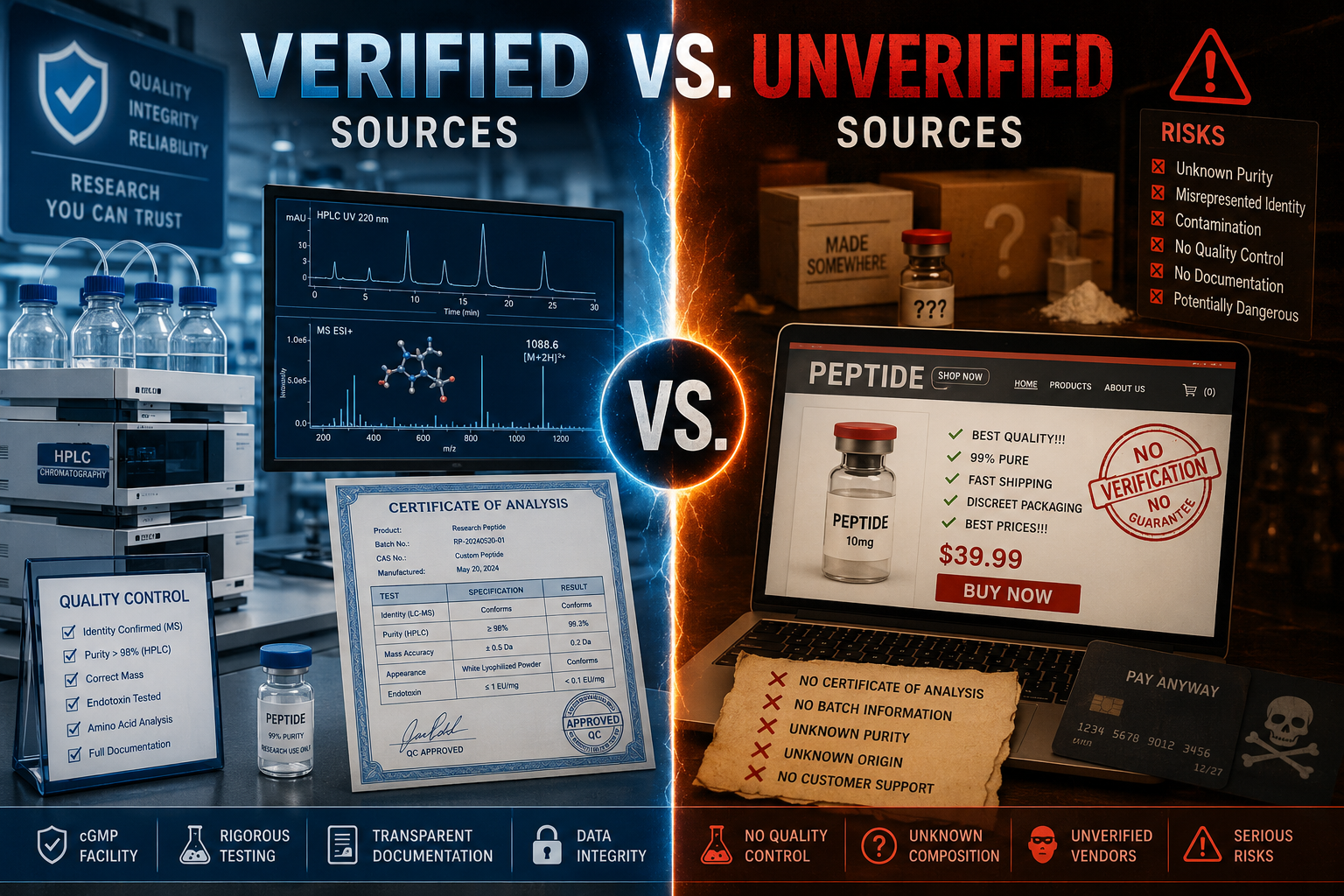
  • High-purity research peptides must be supported by third-party Certificates of Analysis (COA), HPLC data, and mass spectrometry confirmation.
  • Supplier vetting — not just price comparison — is the most critical step in the procurement process.
  • "Clinic-style" or wellness brands offering compounded retatrutide for patients fall entirely outside the approved legal framework.

Understanding Retatrutide's Research Status in 2026

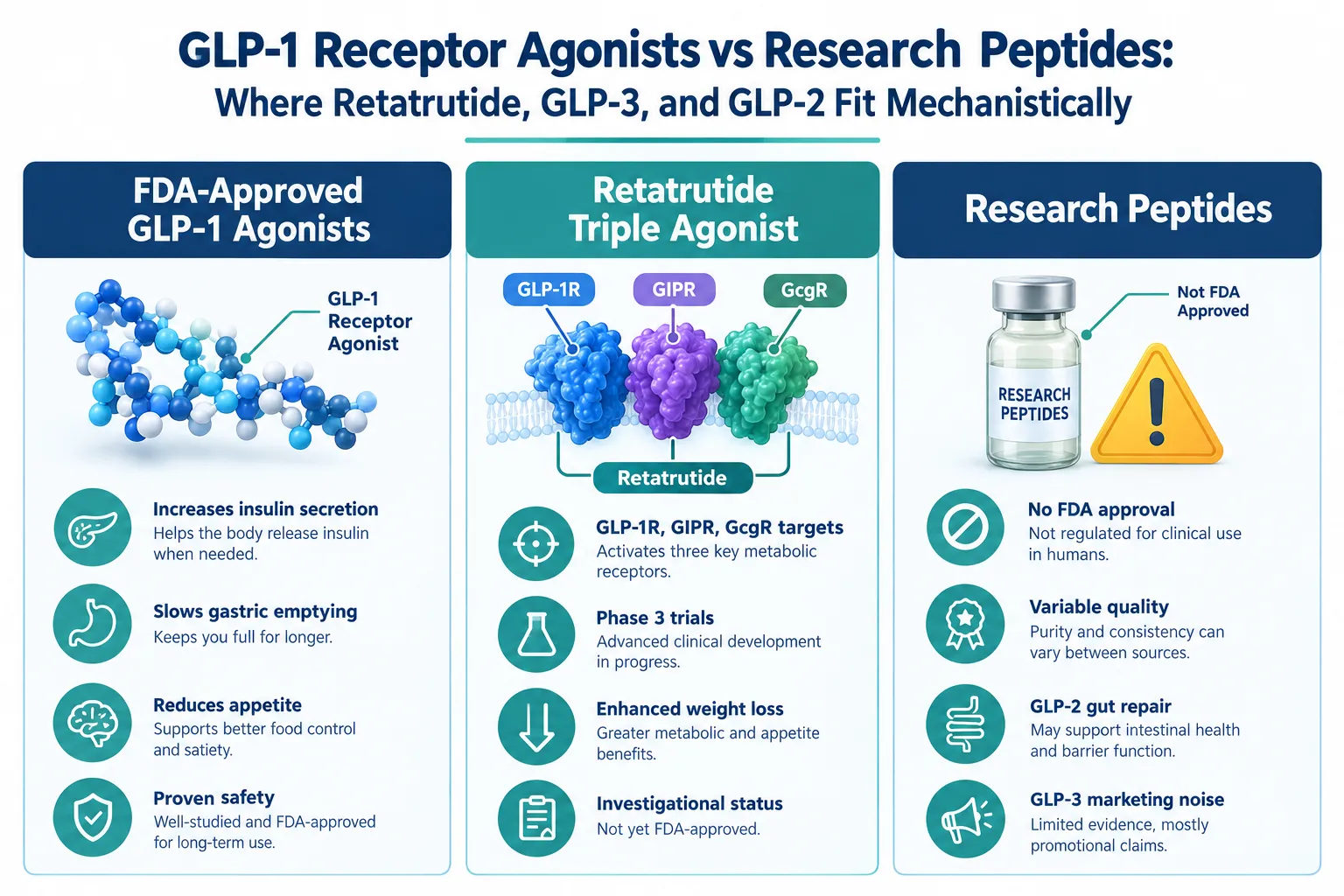
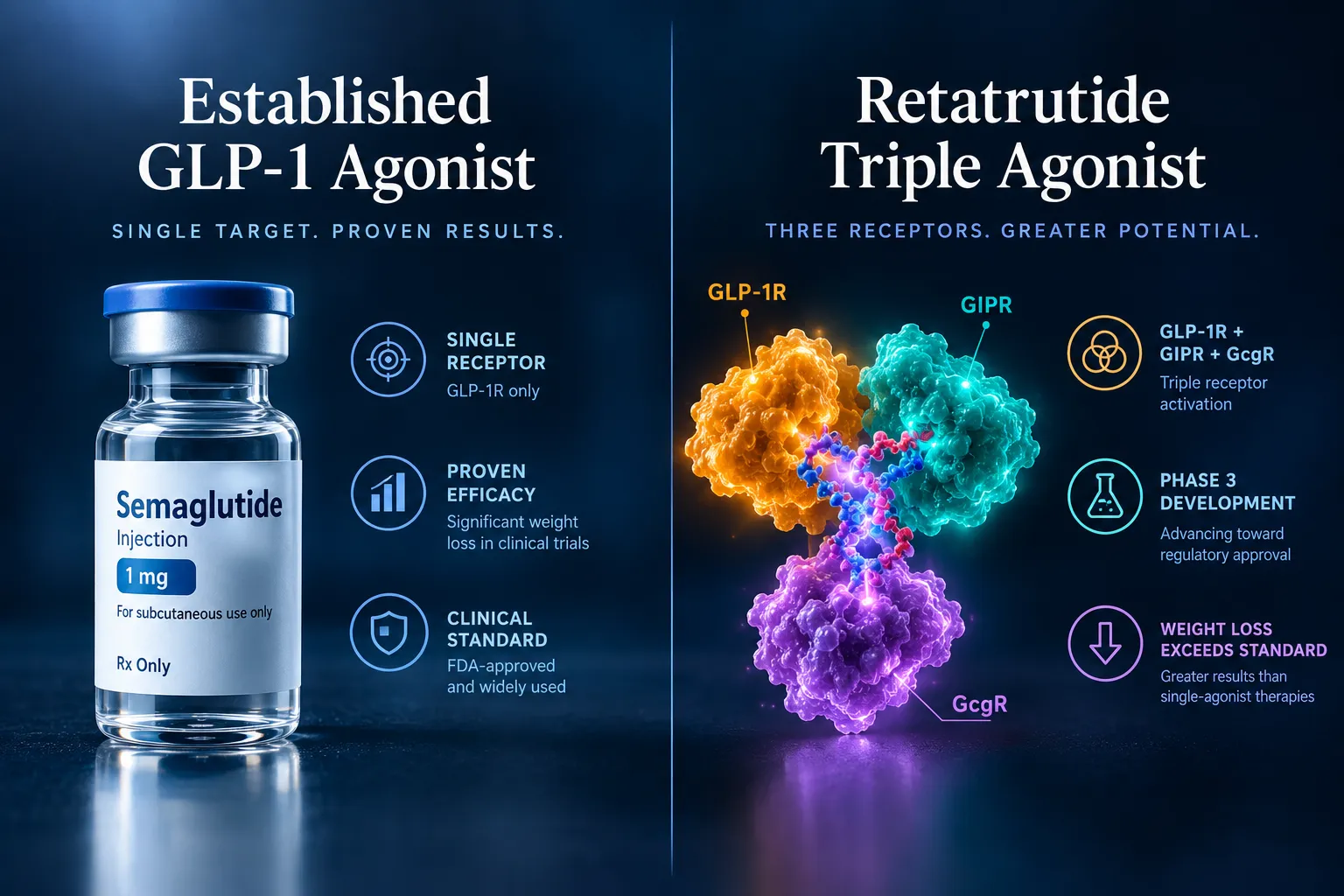
Retatrutide, developed by Eli Lilly under the designation LY3437943, is a 39-amino acid peptide engineered as a triple receptor agonist. It simultaneously targets GIP, GLP-1, and glucagon receptors, making it a structurally distinct compound from earlier incretin-based molecules. For a deeper look at how dual and triple receptor agonism differs mechanistically, the GLP-1 dual receptor agonism research breakdown provides useful context.

As of March 2026, retatrutide holds no approval from the FDA, EMA, or any comparable regulatory body. It remains an investigational new drug, accessible only through Lilly-sponsored clinical trials or through the RUO supply chain for legitimate preclinical and in-vitro research. Any product marketed for human injection, weight loss, or telehealth prescribing is operating outside the law — full stop.

The FDA has issued warning letters to companies marketing GLP-3 and retatrutide products for human use. Researchers should also review the broader GLP-1 incretin research themes to understand where retatrutide sits within the evolving incretin landscape, and how the generations of GLP-1 differences inform its novel mechanism.


A Guide to Sourcing High-Purity Peptides: Supplier Vetting Criteria

A Guide to Sourcing High-Purity Peptides: Supplier Vetting Criteria

This is where most researchers make costly mistakes. The question of where to buy GLP-3 retatrutide for research is not answered by a Google search alone — it requires a structured vetting process.

Analytical Documentation Standards

A reputable RUO supplier will provide, at minimum:

Documentation Type What to Look For
HPLC Chromatogram Purity of 98% or higher
Mass Spectrometry (MS) Confirmed molecular weight match
Certificate of Analysis (COA) Batch-specific, third-party verified
Sterility / Endotoxin Data Available on request for sensitive assays

Never accept a supplier's self-reported purity without independent third-party confirmation. Batch-to-batch consistency matters enormously in preclinical models.

Labeling and Legal Compliance

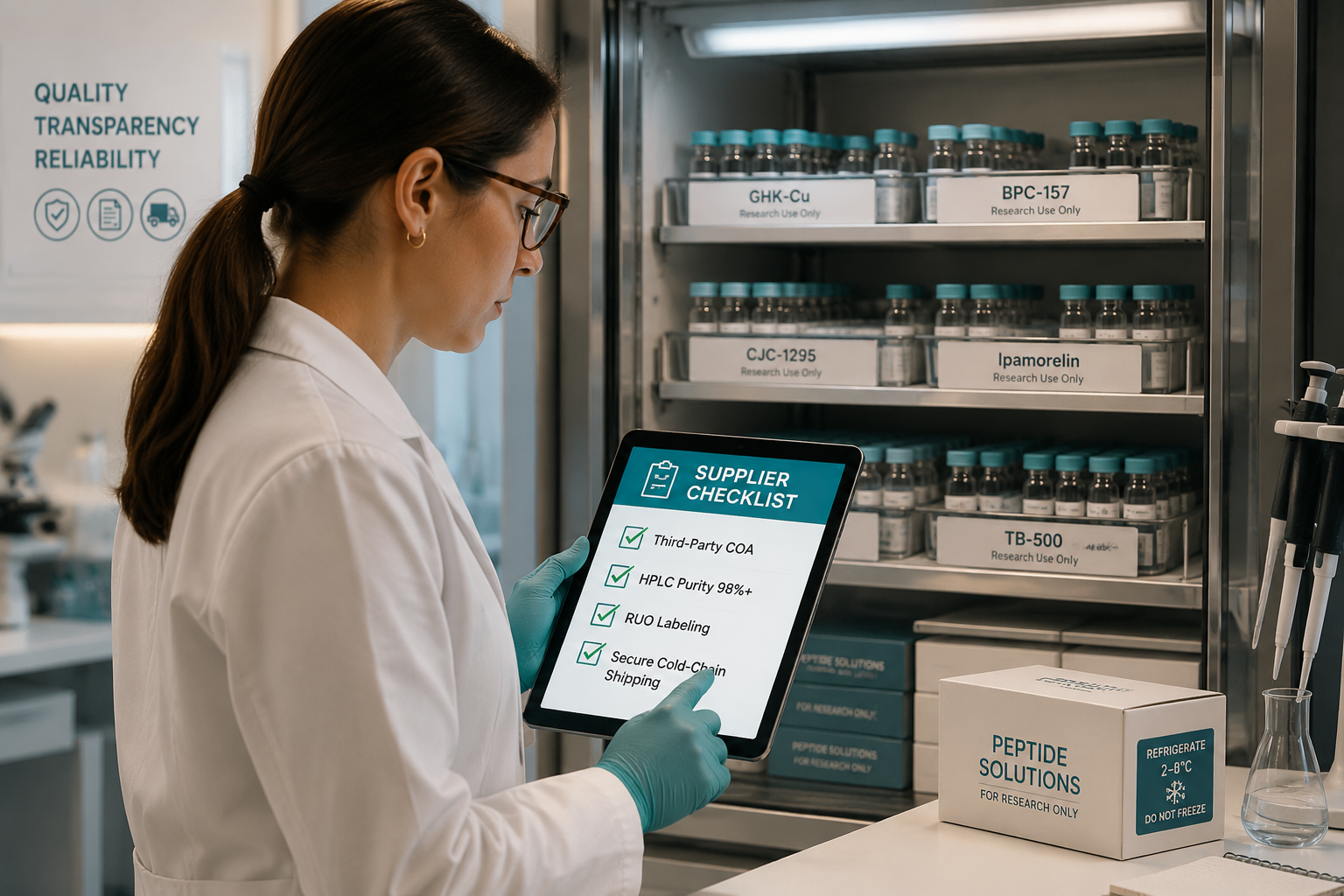
All legitimate research peptides must be labeled "Not for Human Consumption" and "Research Use Only." Vials sold without this labeling — or marketed alongside dosing guides for weight loss — are red flags. Researchers sourcing peptide blends for research should apply the same scrutiny to multi-compound formulations.

Cold-Chain and Storage Integrity

Retatrutide, like most peptides, is sensitive to temperature degradation. Confirm that the supplier uses validated cold-chain shipping and that lyophilized vials arrive intact and properly sealed.


Practical Steps for Researchers: Where to Buy GLP-3 Retatrutide for Research Safely

Practical Steps for Researchers: Where to Buy GLP-3 Retatrutide for Research Safely

Once the regulatory framework is clear, the practical procurement process follows a logical sequence.

Step 1 — Confirm institutional authorization. Most academic and commercial labs require IRB or institutional review before ordering investigational compounds. Confirm your lab's procurement policy before placing any order.

Step 2 — Request documentation before purchase. Contact the supplier and ask for a sample COA and HPLC data for the specific retatrutide batch. A trustworthy supplier will provide these without hesitation. Review the quality testing protocols used by established research peptide vendors to benchmark what acceptable documentation looks like.

Step 3 — Evaluate the supplier's broader catalog and transparency. Suppliers who publish detailed research context pages — not just product listings — tend to operate with greater scientific rigor. The GLP-3 Retatrutide research page is an example of the kind of transparent, research-oriented presentation that signals a credible vendor.

Step 4 — Avoid "wellness" or compounding channels. There is no approved compounding monograph for retatrutide. Any clinic or telehealth platform offering it as a patient therapy is operating unlawfully. Researchers should also be cautious of suppliers who list the same compound under both research and clinical wellness categories.

Step 5 — Cross-reference with the broader peptide research community. Peer-reviewed forums, institutional procurement offices, and established research networks can help validate supplier reputation. The ultimate guide to peptide therapy and research offers foundational context on how research-grade peptides are evaluated across the field.


Conclusion

Sourcing high-purity retatrutide for legitimate preclinical research in 2026 demands a disciplined, documentation-first approach. The compound's investigational status means that the RUO supply chain is the only lawful option outside of Lilly's clinical program — and within that channel, quality varies enormously.

Actionable next steps:

  • Verify your institution's procurement authorization before ordering.
  • Request batch-specific HPLC and MS documentation from any prospective supplier.
  • Reject any vendor marketing retatrutide for human use, injection, or wellness purposes.
  • Use the GIP receptor research overview to strengthen the scientific rationale behind your study design.
  • Bookmark reputable supplier quality standards pages and revisit them with each new batch order.

Rigorous sourcing is not a bureaucratic formality — it is the foundation of reproducible, defensible research.

https://www.puretestedpeptides.com/wp-content/uploads/2026/06/Where-to-Buy-GLP-3-Retatrutide-for-Research-A-Guide-to-Sourcing-High-Purity-Peptides.png 1024 1536 https://www.puretestedpeptides.com/wp-content/uploads/2026/01/buy-peptides-online.jpg 2026-06-22 13:03:412026-06-22 13:03:41Where to Buy GLP-3 Retatrutide for Research: A Guide to Sourcing High-Purity Peptides
BPC-157 and TB-500 Research Models: When Combination Stacks Make Sense and When They Do Not

BPC-157 and TB-500 Research Models: When Combination Stacks Make Sense and When They Do Not

June 7, 2026/0 Comments/in Uncategorized/by

No published peer-reviewed study has ever tested BPC-157 and TB-500 together in any model — cell, animal, or human. That single fact should anchor every conversation about the so-called "Wolverine Stack." Yet researchers and procurement teams continue to evaluate this combination, often relying on mechanism-based reasoning rather than outcomes data. Understanding BPC-157 and TB-500 research models: when combination stacks make sense and when they do not requires separating what the preclinical literature actually shows from what is still untested extrapolation.

Key Takeaways

  • No controlled study has examined BPC-157 and TB-500 co-administration in any experimental model as of 2026.
  • Both peptides share overlapping repair pathways, which creates a plausible rationale but also a significant confounding risk in study design.
  • BPC-157 human data consists of only three small pilot studies; TB-500 has no FDA-approved indication and no controlled human trials.
  • Combination stacks may make sense when pathways are genuinely complementary and non-redundant; they rarely make sense when baseline single-agent data are still missing.
  • Rigorous study design — including single-agent controls — is essential before any combination result can be meaningfully interpreted.

What the Individual Preclinical Evidence Actually Shows

BPC-157

BPC-157 is a synthetic pentadecapeptide derived from a gastric protein. Dozens of animal studies document its effects across tendon, muscle, nerve, gut, and vascular tissue. Key mechanisms include nitric-oxide-mediated microvascular repair, fibroblast activation, and anti-inflammatory signaling. A 2025 narrative review in musculoskeletal medicine catalogued these findings and confirmed that the evidence base, while broad, remains almost entirely preclinical.

Human data are thin. Only three small pilot studies exist: one in intra-articular knee pain, one in interstitial cystitis, and one recent IV safety and pharmacokinetics protocol. In that IV pilot, BPC-157 was infused at doses up to 20 mg in two healthy adults with no adverse events or meaningful lab changes — but a sample size of two cannot define safety or efficacy. Reviewers consistently classify BPC-157 as investigational, pending properly powered clinical trials.

For researchers building a sourcing and documentation baseline, the BPC-157 core peptides documentation and first research guide provides a structured starting point before any combination design is considered.

TB-500

TB-500 is a synthetic fragment of thymosin-beta4 that regulates actin dynamics and cell migration. Animal models of musculoskeletal and cardiac injury show tissue repair, angiogenesis promotion, and reduced inflammatory markers. TB-500 is not FDA-approved for human use, has no standardized dosing protocol, and its human exposure data are limited to anecdotal reports and uncontrolled observations. Reported side effects — mild injection-site reactions, transient fatigue, occasional headache — come from these uncontrolled sources, not clinical trials.

Researchers evaluating procurement and quality control workflows should review the TB-500 controlled experimental models and QC workflow resource before designing any protocol.


BPC-157 and TB-500 Research Models: When Combination Stacks Make Sense

When do combination stacks have scientific merit? The answer depends on three design criteria.

Criterion Combination Makes Sense Combination Does Not Make Sense
Pathway overlap Complementary, non-redundant Largely redundant — adds noise
Single-agent baseline Established in same model Missing or from different species
Outcome measurability Distinct endpoints per agent Shared endpoints, no attribution

BPC-157 and TB-500 share angiogenesis and anti-inflammatory signaling. That overlap is precisely where combination research becomes methodologically difficult. If both agents promote vascular repair through partially overlapping mechanisms, a combination result cannot be cleanly attributed to either compound without rigorous factorial design — meaning four groups: vehicle control, BPC-157 alone, TB-500 alone, and the combination.

Without that structure, any observed effect is uninterpretable. This is not a minor limitation; it is a fundamental confound that invalidates the combination result entirely.

Researchers exploring other peptides with distinct, non-overlapping mechanisms — such as GHK-Cu copper peptide acting on extracellular matrix remodeling, or LL-37 innate research models targeting antimicrobial and epithelial pathways — may find cleaner combination rationales because the mechanisms diverge more clearly.


BPC-157 and TB-500 Research Models: When Combination Stacks Do Not Make Sense

BPC-157 and TB-500 Research Models: When Combination Stacks Do Not Make Sense

The combination stack does not make sense under several common research conditions.

When single-agent data are absent from your model. If a lab has not first characterized BPC-157 or TB-500 individually in its specific tissue or injury model, combining them produces uninterpretable data. The preclinical literature for each compound spans multiple species and injury types; results do not transfer across models without validation.

When the goal is mechanism attribution. A combination design cannot isolate which peptide drives an observed outcome. Researchers interested in understanding pathway-specific contributions must run single-agent arms first.

When pharmacodynamic interaction data do not exist. As of 2026, there is a complete absence of published data on how BPC-157 and TB-500 interact pharmacodynamically when co-administered. All synergy claims are mechanism-based extrapolation, not measured outcomes. Independent analyses of the combination stack confirm this gap explicitly, describing all combination rationales as "untested extrapolation" from separate experiments.

For researchers evaluating other combination or multi-target peptide frameworks, the GLP-1 peptide generational research concepts and CJC-1295 Ipamorelin assay planning and sourcing checklist resources illustrate how more mature combination frameworks are structured when underlying single-agent data already exist.


Conclusion

The core finding is straightforward: BPC-157 and TB-500 research models make sense as a combination only when single-agent baselines are already established, pathways are non-redundant, and study design includes proper factorial controls. In most current research contexts, none of those conditions are fully met.

Actionable next steps for researchers in 2026:

  • Establish single-agent dose-response data for each peptide in your specific model before any combination protocol.
  • Design combination studies with at least four groups to enable proper attribution.
  • Treat all published synergy claims as hypothesis-generating, not hypothesis-confirming.
  • Verify peptide purity and documentation through quality-controlled sources before procurement.
  • Consult the PT-141 peptide research context and QA controls framework as a model for how rigorous QA documentation should precede any experimental design.

The combination stack is not inherently invalid — it is currently unvalidated. That distinction matters for anyone designing experiments, interpreting results, or making sourcing decisions based on the existing literature.

https://www.puretestedpeptides.com/wp-content/uploads/2026/06/BPC-157-and-TB-500-Research-Models-When-Combination-Stacks-Make-Sense-and-When-They-Do-Not.png 1024 1024 https://www.puretestedpeptides.com/wp-content/uploads/2026/01/buy-peptides-online.jpg 2026-06-07 13:04:272026-06-07 13:04:27BPC-157 and TB-500 Research Models: When Combination Stacks Make Sense and When They Do Not
×

Helpful Links

  • My account
  • Cart
  • Checkout
  • Refund and Returns Policy
  • Privacy Policy
  • SMS Privacy Policy
  • Login
  • My Account
  • Logout

USA Made Lab Tested Peptides

All products are sold for research, laboratory, or analytical purposes only, and are not for human consumption


Pure Tested Peptides is a chemical supplier. Pure Tested Peptides is not a compounding / chemical compounding facility as defined under 503A of the Federal Food, Drug, and Cosmetic act. Pure Tested Peptides is not an outsourcing facility as defined under 503B of the Federal Food, Drug, and Cosmetic act.

The statements made within this website have not been evaluated by the US Food and Drug Administration. The products we offer are not intended to diagnose, treat, cure or prevent any disease.

Human/Animal Consumption Prohibited. Laboratory/In-Vitro Experimental Use Only

Scroll to top Scroll to top Scroll to top