Call or Text 727-513-9780
  • Shopping Cart Shopping Cart
    0Shopping Cart
Pure Tested Peptides | America's most trusted Peptides for sale online
  • Peptides for sale
    • Oral Peptides for sale
      • Peptide Capsules for sale
      • BPC 157 Capsules 1000mcg
      • SLU-PP-332 Capsules | 1000 mcg
      • 5-Amino-1MQ 50mg Capsules
      • Tesofensine 500mcg
    • All Peptides for sale
    • Peptide Sprays
      • BPC 157 Nasal Spray Kit
      • BPC-157 TB500 Nasal Spray Kit
      • Semax Nasal Spray 10mg
      • Selank – Nasal Spray Kit – 10mg
      • Epithalon 50MG Nasal Spray Kit
      • Ipamorelin 10mg Nasal Spray
      • Klow Nasal Spray (BPC-157 + TB-500 + GHK-Cu + KPV) | 80mg
      • Hulk Nasal Spray Tesa / Ipa Blend 6/3 MG
      • Klow Nasal Spray
      • NAD + 500 mg Nasal Spray
      • PT-141 Nasal Spray Kit
    • GHRH Peptides
      • Ipa Peptides
      • CJC-1295 Peptides
        • CJC-1295 with DAC 5 mg
        • CJC-1295 without DAC 5 mg
        • CJC-1295 Ipa 10mg
      • Tesa Peptides
        • Tesa Peptide
        • Tesa 20 mg
    • GHK-Cu Peptides
      • All GHK-Cu Peptides
      • GHK-Cu 100mg
      • KLOW Peptide Blend – Buy KLOW blend online
    • BPC Peptides
      • All BPC Peptides
      • BPC-157
      • BPC-157 TB-500
      • BPC 157 capsules 1000mcg
    • SLU-PP-332 Peptides
      • All SLU-PP-332 Peptides
      • SLU-PP-332 5mg
    • GLP3 Peptides
      • GLP3-R
      • GLP3-R CAG 10mg
      • GLP3-R 20mg
    • PT-141 Peptides
      • PT-141 Peptides for sale
      • PT-141 10mg
      • PT-141 Nasal Spray
    • CAG Peptides
      • Lipo-C Peptide Blend
      • CAG 5mg
      • CAG 10mg
    • MOTS-C Peptides
      • MOTS-C Peptides for sale
      • MOTS-c peptide
      • MOTS-c 10mg *6 pack*
    • 5 Amino 1MQ Peptides
      • 5 Amino 1MQ Peptides for sale
      • 5-Amino-1MQ 50mg Capsules
      • 5-Amino-1MQ 5mg
    • Epithalon Peptides
      • Epithalon Peptides for sale
      • Epithalon 10mg
      • Epithalon 50mg
  • Shop
    • GLPs
      • 5-Amino-1MQ 50mg Capsules
      • 5-Amino-1MQ 5mg
      • GLP3-Reta
      • L-Carnitine 500mg/ml
      • Tesofensine 500mcg
      • SLU-PP-332 5mg
      • MOTS-c 10mg *6 pack*
    • Epithalon & BPC Peptides
      • Epithalon 10mg
      • Epithalon 50mg
      • BPC-157
      • BPC 157 capsules 1000mcg
      • BPC-157 TB-500
      • BPC-157 TB500 Nasal Spray Kit
      • BPC 157 Nasal Spray Kit
    • BPC TB-500 & NAD+ Peptides
      • NAD+ 500 mg
      • KLOW Peptide Blend – Buy KLOW blend online
      • GLOW Peptide Blend
      • TB 500 5mg
      • BPC 157 capsules 1000mcg – Supplement
      • BPC 157 Nasal Spray Kit
      • BPC-157
      • BPC-157 TB500 Nasal Spray Kit
      • BPC-157 TB-500
      • BPC 157 capsules 1000mcg
    • LL-37 Peptide
      • LL-37 10 mg
    • MOTS-C & Selank
      • MOTS-c peptide
      • Selank 10mg
    • GHK Peptides
      • GHK-Cu 100mg
      • GLOW Peptide Blend
      • KLOW Peptide Blend – Buy KLOW blend online
  • COAs
  • Wholesale
    • Wholesale Peptides for sale
  • PTP FAQ
  • Affiliates
    • Affiliate Program
    • Affiliate Signup
  • Contact
    • Contact Customer Service
    • Text Customer Support
  • About US
  • Shop all peptides
  • Login / Register Login / Register Page Link Login / Register Page Link
  • Click to open the search input field Click to open the search input field Search
  • Menu Menu

Tag Archive for: sirtuin activation

5-Amino-1MQ Peptide: Exploring its Metabolic Pathway and Emerging Research Applications

5-Amino-1MQ Peptide: Exploring its Metabolic Pathway and Emerging Research Applications

June 19, 2026/0 Comments/in Uncategorized/by

Obesity affects more than one billion people worldwide, yet the enzyme at the center of its cellular machinery — nicotinamide N-methyltransferase (NNMT) — remains largely outside mainstream awareness. Research into 5-Amino-1MQ Peptide: Exploring its Metabolic Pathway and Emerging Research Applications has placed this small molecule at the forefront of metabolic science, offering a targeted approach to fat regulation and cellular energy that differs fundamentally from conventional strategies.

Key Takeaways

  • 5-Amino-1MQ selectively inhibits NNMT, an enzyme overexpressed in the fat tissue of obese individuals, raising intracellular NAD+ levels and activating key metabolic regulators.
  • Preclinical studies in obese mice show significant reductions in body weight and white adipose tissue without changes in food intake.
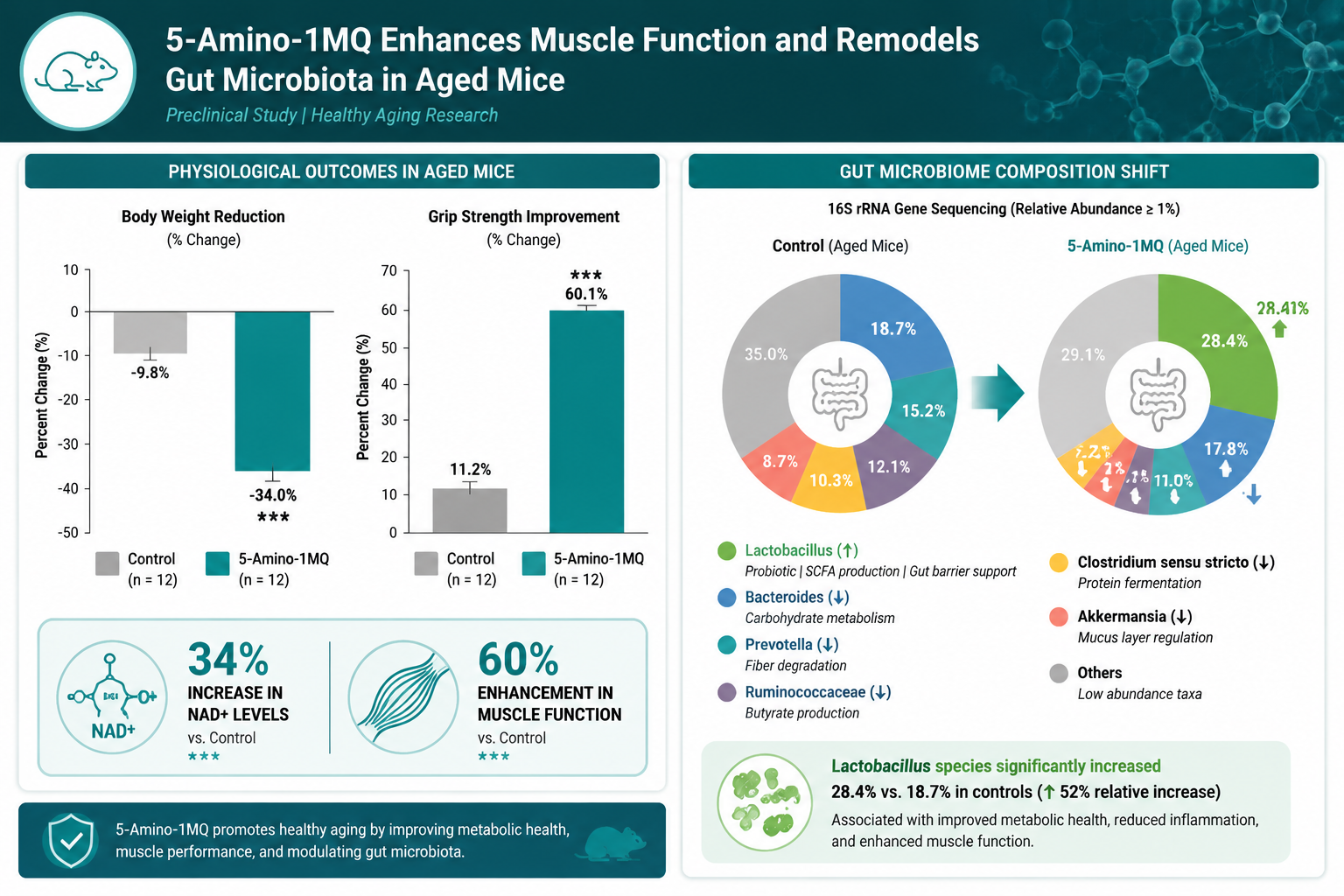
  • Aged mice treated with 5-Amino-1MQ demonstrated up to a 60% improvement in muscle function when combined with exercise, suggesting anti-sarcopenia potential.
  • The compound also appears to alter gut microbiome composition, adding another layer to its metabolic influence.
  • As of 2026, 5-Amino-1MQ remains a research compound with no approved human clinical trials, requiring further validation before any therapeutic conclusions can be drawn.

Key Takeaways

How 5-Amino-1MQ Targets the Metabolic Pathway

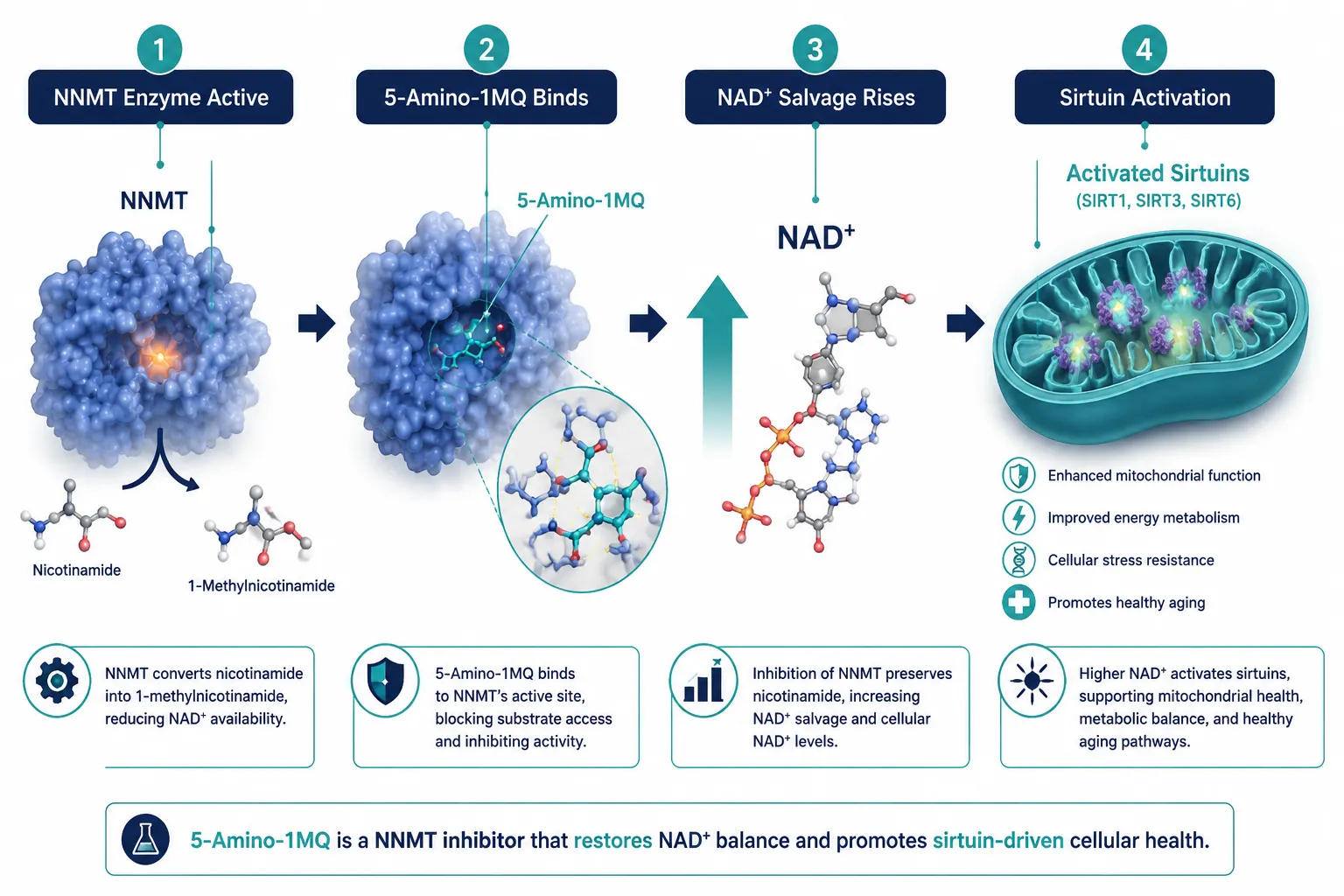
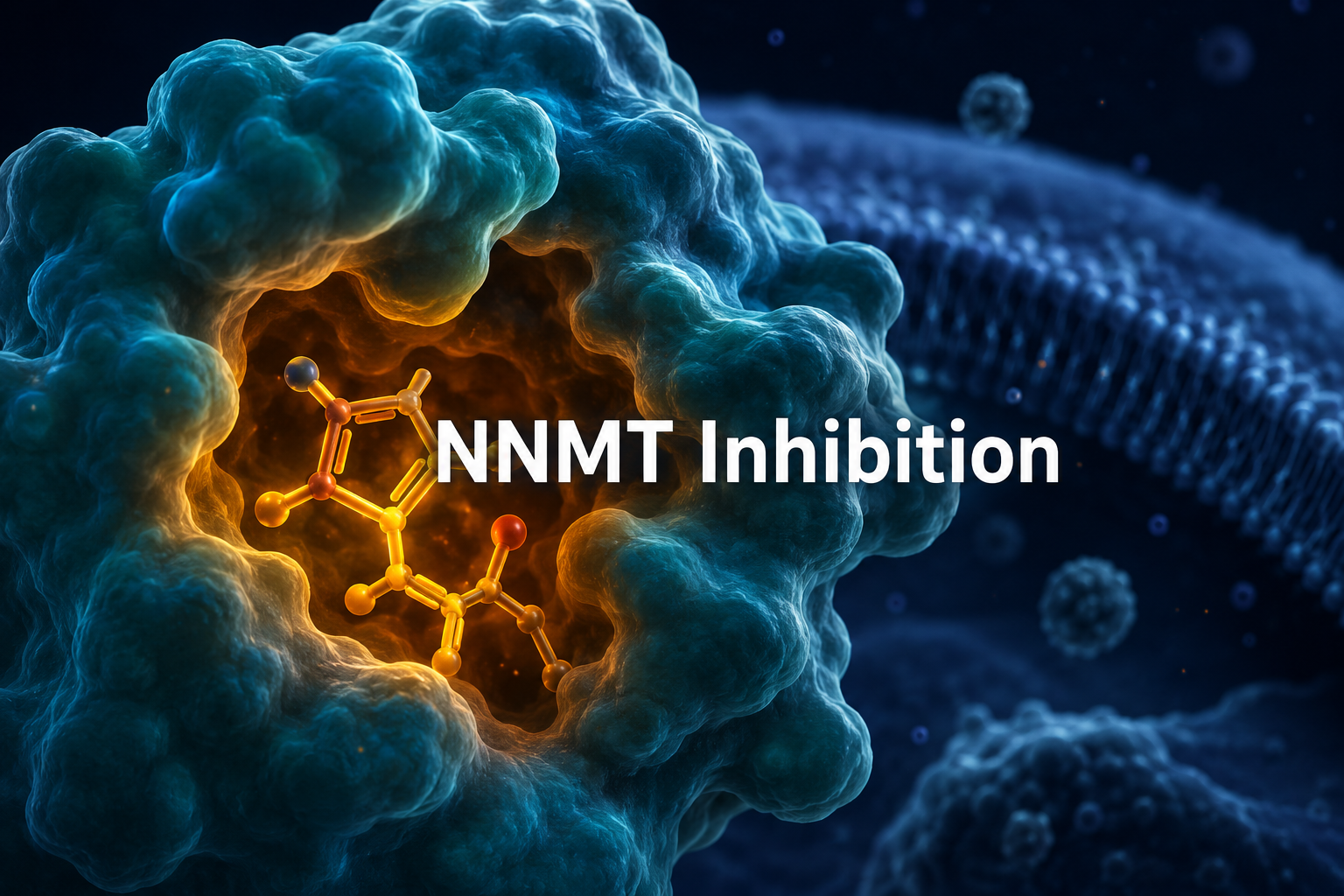
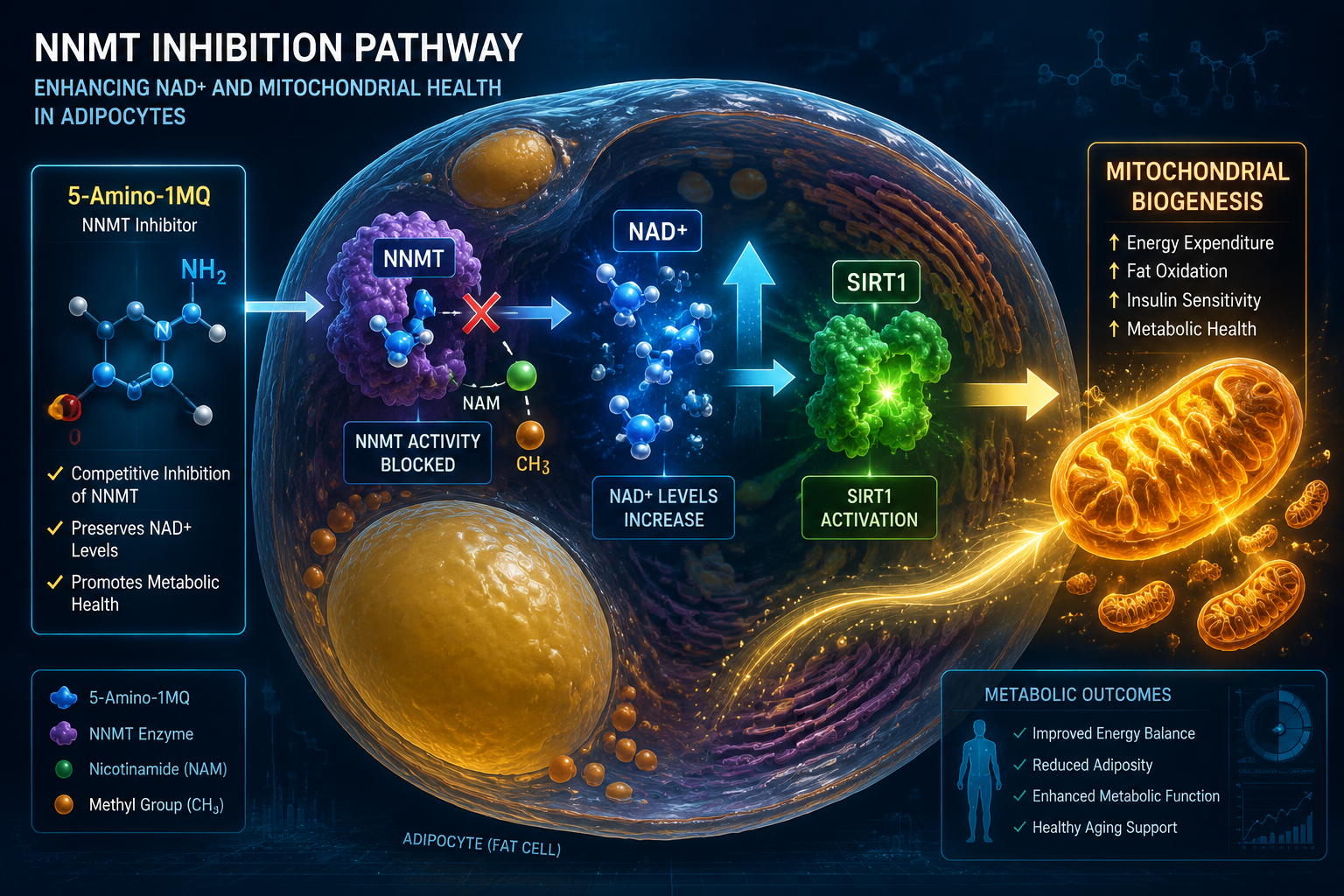
The core mechanism of 5-Amino-1MQ centers on NNMT inhibition. NNMT is an enzyme found at elevated levels in the adipose tissue of obese individuals. It consumes SAM (S-adenosylmethionine) and diverts it away from NAD+ biosynthesis, effectively slowing the cell's energy machinery.

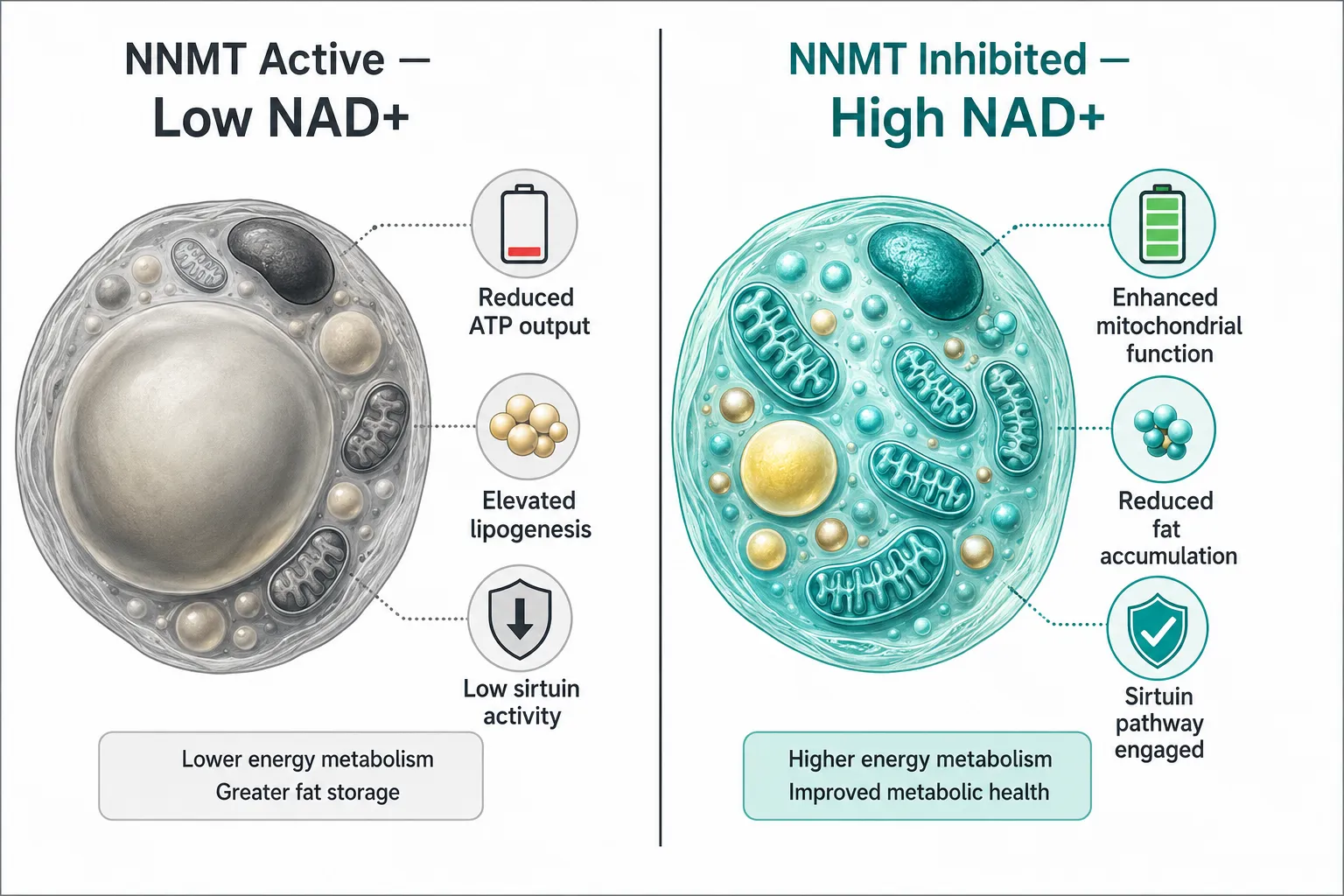
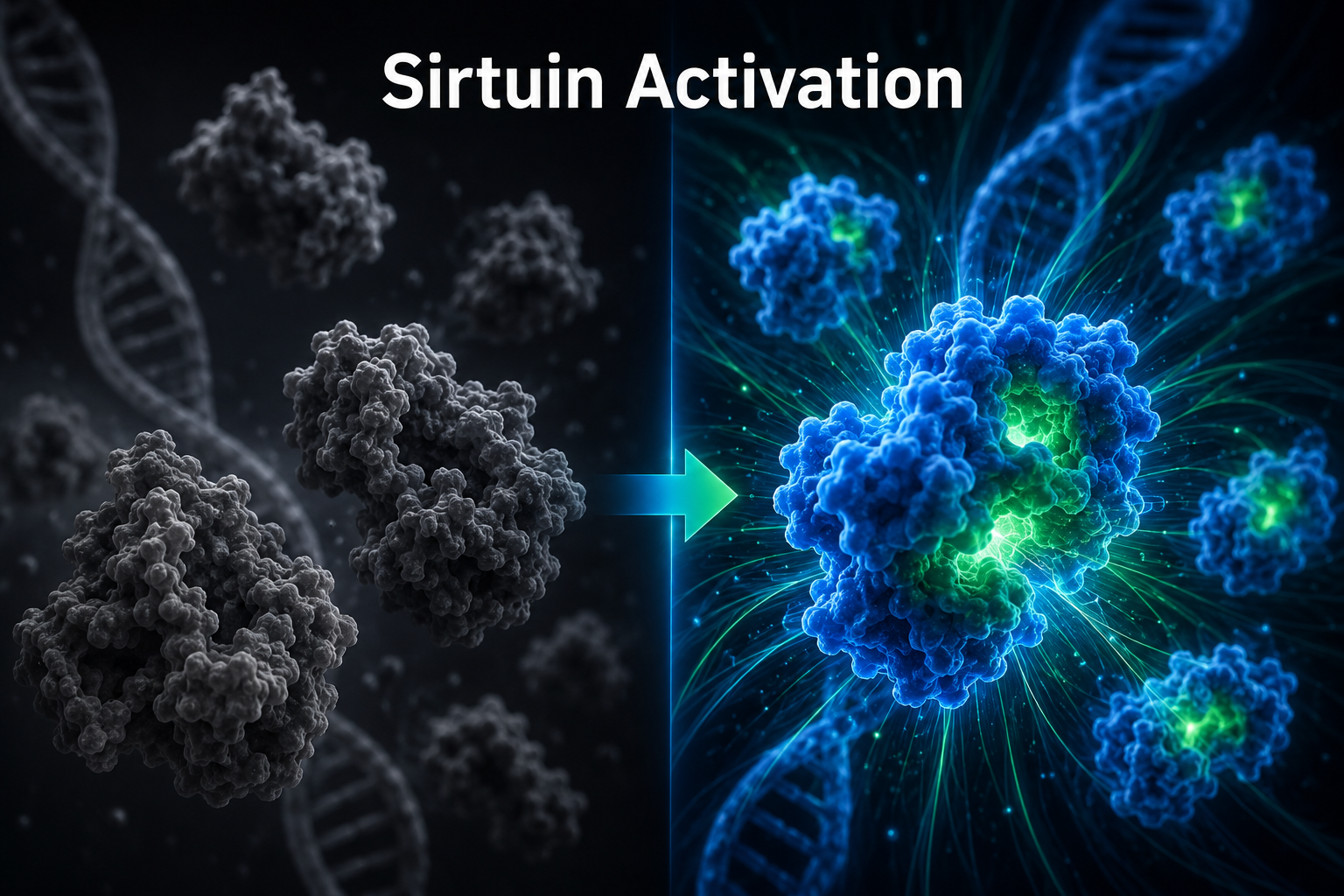
By selectively blocking NNMT, 5-Amino-1MQ redirects metabolic resources. Within 48 hours of administration in diet-induced obese mice, researchers observed a 34% increase in intracellular NAD+ concentrations. This surge in NAD+ then activates sirtuins — particularly SIRT1 — which are proteins that regulate mitochondrial biogenesis, fat oxidation, and energy expenditure.

Key metabolic effects observed in preclinical models:

Effect Observation
NAD+ increase 34% within 48 hours
Body weight reduction Significant vs. control
White adipose tissue mass Measurably reduced
Food intake change None observed
Muscle function (aged mice + exercise) 60% improvement

This cascade — NNMT inhibition leading to NAD+ elevation, sirtuin activation, and mitochondrial enhancement — forms the backbone of 5-Amino-1MQ's proposed metabolic pathway. For researchers interested in related mitochondrial energy research, MOTS-c mitochondrial research themes offer a useful comparative framework.

"Raising NAD+ through NNMT inhibition represents a fundamentally different strategy than caloric restriction — it targets the enzyme machinery directly."

The compound also shows promise for metabolic syndrome components, including insulin resistance and dyslipidemia, in preclinical models. This positions it alongside other metabolically active compounds such as those explored in SLU-PP-332 metabolic research.


How 5-Amino-1MQ Targets the Metabolic Pathway

Emerging Research Applications of 5-Amino-1MQ Peptide

Beyond fat metabolism, 5-Amino-1MQ Peptide: Exploring its Metabolic Pathway and Emerging Research Applications reveals several compelling research directions.

Muscle Function and Aging

A 2024 preclinical study found that aged mice receiving 5-Amino-1MQ showed a 40% improvement in grip strength — double the 20% improvement seen with exercise alone. When treatment was combined with exercise, muscle function improved by 60%. This finding positions 5-Amino-1MQ as a candidate for research into age-related sarcopenia, a field also explored through mitochondrial longevity-focused compounds.

Gut Microbiome Modulation

Research in obese mice indicates that 5-Amino-1MQ treatment increases the abundance of Lactobacillus species — bacteria associated with favorable metabolic outcomes. This gut-metabolism connection adds a systemic dimension to what was initially viewed as a purely cellular mechanism.

Pharmacokinetics

  • Oral half-life: approximately 6.9 hours
  • Typical research dose range: 50–100 mg daily
  • Supports once-daily dosing regimens

This oral bioavailability profile distinguishes 5-Amino-1MQ from many peptide compounds that require injection. Researchers comparing delivery methods may also find value in reviewing NAD+ scientific evidence for related pathway context.

Safety and Regulatory Status

Preclinical studies report no significant adverse effects at therapeutic doses. However, no published human clinical trials exist as of 2026, and the compound remains classified as a research chemical — not approved by the FDA for therapeutic use. Independent replication of existing findings is also limited, which is a meaningful caveat for any research team evaluating this compound.

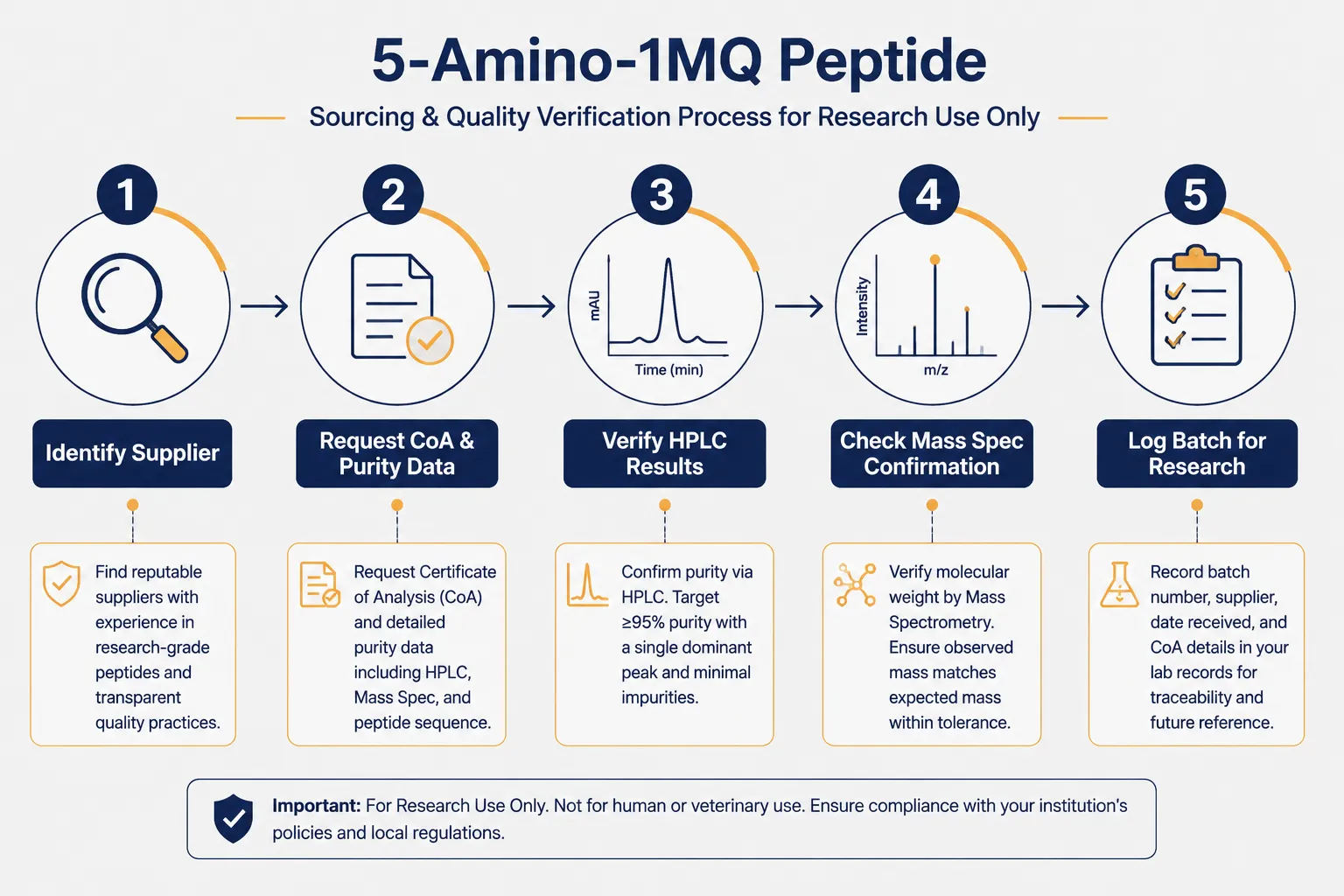
For those sourcing compounds for research, peptide purity testing and working with a best peptide manufacturer are critical steps in ensuring data integrity.


Emerging Research Applications of 5-Amino-1MQ Peptide

Research Limitations and the Road Ahead

The science behind 5-Amino-1MQ Peptide: Exploring its Metabolic Pathway and Emerging Research Applications is promising, but it carries important caveats. Most studies originate from a small number of research groups, and independent replication remains sparse. All data are preclinical, meaning translation to human physiology is unconfirmed.

Future research directions may include:

  • Muscle regeneration therapy models
  • Synergistic protocols combining 5-Amino-1MQ with structured exercise in aging populations
  • Gut microbiome interaction studies in metabolic syndrome models
  • Long-term safety profiling across diverse preclinical models

Researchers exploring adjacent metabolic pathways may also benefit from reviewing Tesamorelin peptide research and AOD-9604 fat metabolism research for comparative context.


Conclusion

5-Amino-1MQ occupies a genuinely unique space in metabolic research. Its selective inhibition of NNMT, downstream elevation of NAD+, and activation of sirtuin pathways create a multi-layered mechanism that addresses fat storage, energy regulation, and potentially muscle aging from a single molecular target. The gut microbiome findings add further depth to an already compelling preclinical profile.

Actionable next steps for researchers:

  1. Review the existing preclinical literature critically, noting the limited number of independent replication studies.
  2. Ensure any research-grade compound is sourced from verified, purity-tested suppliers and review quality testing protocols before procurement.
  3. Design studies that pair 5-Amino-1MQ with exercise interventions, given the synergistic muscle function data.
  4. Monitor regulatory updates, as the compound's status may evolve as human trial data emerge.
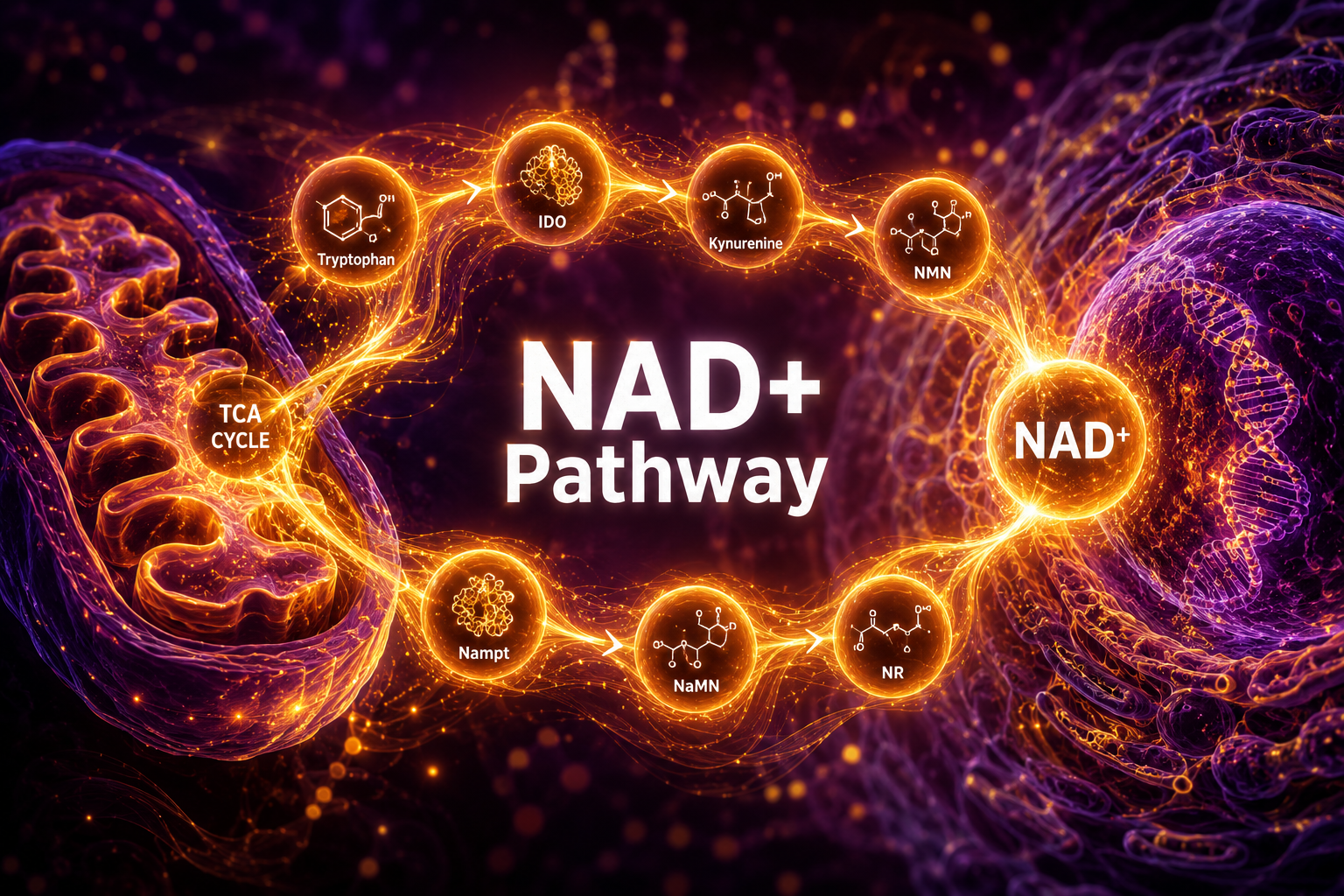
  5. Cross-reference findings with related NAD+ and mitochondrial pathway research to build a more complete metabolic picture.

The compound is not a clinical therapy — it is a research tool with significant potential. Treating it as such, with rigorous methodology and appropriate sourcing standards, is the most responsible path forward.

https://www.puretestedpeptides.com/wp-content/uploads/2026/06/5-Amino-1MQ-Peptide-Exploring-its-Metabolic-Pathway-and-Emerging-Research-Applications.png 1024 1536 https://www.puretestedpeptides.com/wp-content/uploads/2026/01/buy-peptides-online.jpg 2026-06-19 13:07:122026-06-19 13:07:125-Amino-1MQ Peptide: Exploring its Metabolic Pathway and Emerging Research Applications
SLUPP332 With 5-Amino-1MQ: Designing Mitochondrial and NNMT-Targeted Peptide Stacks for Obesity Research

SLUPP332 With 5-Amino-1MQ: Designing Mitochondrial and NNMT-Targeted Peptide Stacks for Obesity Research

June 14, 2026/0 Comments/in Uncategorized/by

Global obesity rates have more than doubled since 1990, yet the molecular tools available to researchers studying fat metabolism remain limited. Two compounds — SLUPP332 and 5-Amino-1MQ — are drawing serious attention in preclinical science because they target distinct but overlapping pathways inside fat cells. Exploring SLUPP332 with 5-Amino-1MQ: designing mitochondrial and NNMT-targeted peptide stacks for obesity research represents one of the more mechanistically coherent strategies emerging from metabolic biology labs in 2026.

Key Takeaways

  • SLUPP332 activates estrogen-related receptors (ERRalpha/gamma), stimulating mitochondrial biogenesis and fat oxidation in adipocytes
  • 5-Amino-1MQ inhibits the NNMT enzyme, raising intracellular NAD+ levels and activating sirtuin-driven metabolic programs
  • Combined, these two compounds may produce complementary effects on mitochondrial function and energy expenditure
  • All current evidence is derived from cell culture and rodent models — no human clinical trials exist as of 2026
  • Researchers designing stacks with these compounds must account for unknown long-term NNMT inhibition consequences

How SLUPP332 and 5-Amino-1MQ Each Target Metabolism

To understand the rationale behind combining these compounds, it helps to examine what each one does independently.

SLUPP332: Activating the Mitochondrial Gene Network

SLUPP332 is a synthetic small-molecule agonist of estrogen-related receptors, specifically ERRalpha and ERRgamma. These nuclear receptors function as master regulators of mitochondrial biogenesis — the process by which cells generate new mitochondria. When ERRalpha/gamma are activated, downstream gene expression shifts toward increased fatty acid oxidation, oxidative phosphorylation, and overall energy expenditure.

In rodent models, SLUPP332 has been shown to mimic aspects of exercise-induced metabolic adaptation, making it a subject of interest for researchers studying SLU-PP-332 metabolic modulation in obesity and insulin resistance contexts. For a deeper look at its preclinical profile, the SLU-PP-332 research overview provides additional mechanistic context.

5-Amino-1MQ: Blocking NNMT to Raise NAD+

5-Amino-1MQ takes a different entry point. It inhibits nicotinamide N-methyltransferase (NNMT), an enzyme that consumes S-adenosyl methionine and diverts nicotinamide away from the NAD+ synthesis pathway. By blocking NNMT, 5-Amino-1MQ allows intracellular NAD+ concentrations to rise. Elevated NAD+ then activates sirtuin enzymes — particularly SIRT1 and SIRT3 — which regulate mitochondrial function, fat oxidation, and insulin sensitivity.

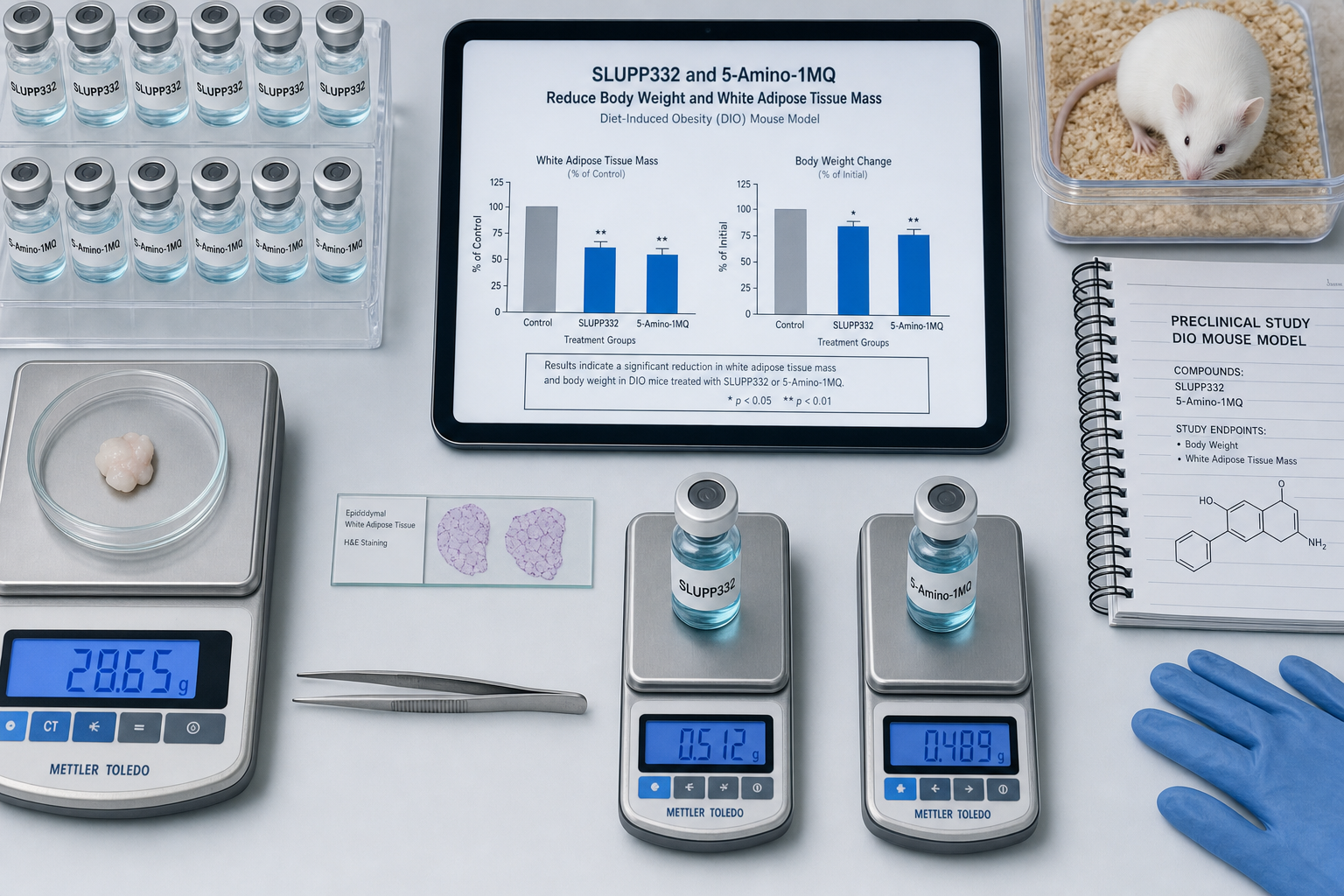
In preclinical studies, 5-Amino-1MQ administration produced significant reductions in body weight, white adipose tissue mass, and adipocyte cell size without altering food intake — a notable finding suggesting the effect is metabolic rather than appetite-driven. Oral dosing in animal models has ranged from 50 to 100 mg daily, though these figures are strictly for research reference and have no established human equivalent. Researchers interested in the broader NAD+ pathway can explore the NAD+ research overview for related context. The dedicated 5-Amino-1MQ compound page also outlines its research profile in detail.


Designing the Stack: Synergistic Logic Behind SLUPP332 With 5-Amino-1MQ

Designing the Stack: Synergistic Logic Behind SLUPP332 With 5-Amino-1MQ

The rationale for pairing these two compounds in SLUPP332 with 5-Amino-1MQ: designing mitochondrial and NNMT-targeted peptide stacks for obesity research lies in their complementary mechanisms.

Compound Primary Target Downstream Effect
SLUPP332 ERRalpha/gamma receptors Mitochondrial biogenesis, fat oxidation
5-Amino-1MQ NNMT enzyme inhibition Elevated NAD+, sirtuin activation

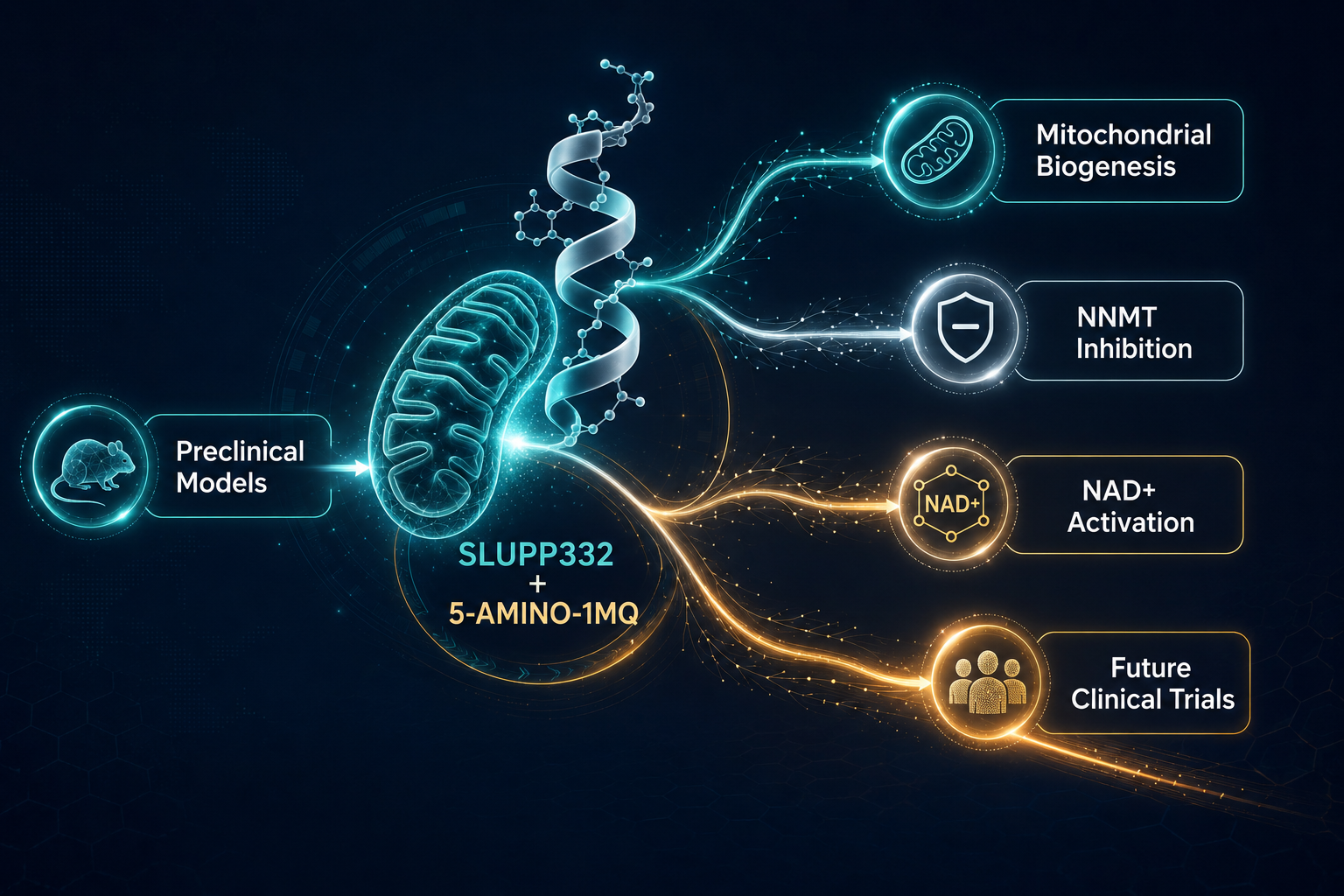
SLUPP332 drives the structural expansion of the mitochondrial network. 5-Amino-1MQ raises the NAD+ fuel that sirtuins need to function. Together, they may address mitochondrial quantity and metabolic efficiency simultaneously — two variables that are both impaired in obese adipose tissue.

This dual-pathway logic mirrors approaches seen in other mitochondrial research stacks. For instance, MOTS-c mitochondrial research themes explore a peptide encoded in mitochondrial DNA that also influences AMPK signaling and glucose uptake, showing that multi-target approaches to metabolic dysfunction are gaining traction across the field. Similarly, mitochondrial longevity research highlights how overlapping mitochondrial interventions are being studied in aging and metabolic disease models.

A critical note for researchers: NNMT participates in methylation reactions across multiple cell types beyond adipocytes. Chronic inhibition carries unknown systemic consequences, and this uncertainty demands rigorous safety evaluation before any translational application is considered.


Current Evidence, Limitations, and Research Outlook

As of 2026, every data point supporting the SLUPP332 and 5-Amino-1MQ combination originates from cell culture experiments or rodent obesity models. No published human clinical trials exist for either compound individually, let alone in combination. Researchers and analysts working in this area consistently emphasize that preclinical promise does not guarantee clinical translation.

Current Evidence, Limitations, and Research Outlook

The absence of human data means:

  • Optimal dosing ratios for the stack are entirely unknown
  • Long-term safety of NNMT inhibition has not been characterized in humans
  • ERR agonism via SLUPP332 may have off-target hormonal effects not yet identified
  • Bioavailability and pharmacokinetics in human subjects remain unstudied

Those designing research protocols around SLUPP332 with 5-Amino-1MQ: designing mitochondrial and NNMT-targeted peptide stacks for obesity research should treat these compounds strictly as investigational tools. Researchers exploring adjacent metabolic peptides may also find value in reviewing what is new in peptide research for the broader landscape of compounds under investigation in 2026.

If ongoing rodent studies produce consistent, reproducible results, the scientific community may have grounds to design Phase I safety trials within the next several years — though this timeline remains speculative.


Conclusion

The combination of SLUPP332 and 5-Amino-1MQ represents a mechanistically grounded approach to studying mitochondrial dysfunction and fat storage in obesity models. SLUPP332 drives mitochondrial biogenesis through ERR receptor activation; 5-Amino-1MQ raises NAD+ availability by blocking NNMT, enabling sirtuin-mediated metabolic reprogramming. Together, they address two distinct but interconnected failure points in obese adipose tissue.

Actionable next steps for researchers:

  • Review published rodent model data for each compound independently before designing combination protocols
  • Establish baseline mitochondrial function markers in study subjects to measure stack effects accurately
  • Monitor systemic methylation markers when using 5-Amino-1MQ to detect off-target NNMT inhibition effects
  • Follow emerging preclinical literature closely, as this field is moving quickly in 2026
  • Ensure all compounds used meet verified purity standards before inclusion in any research protocol

The field is early-stage but scientifically coherent. Rigorous preclinical work now will determine whether this dual-pathway stack earns a path toward human investigation.

https://www.puretestedpeptides.com/wp-content/uploads/2026/06/SLUPP332-With-5-Amino-1MQ-Designing-Mitochondrial-and-NNMT-Targeted-Peptide-Stacks-for-Obesity-Research.png 1024 1536 https://www.puretestedpeptides.com/wp-content/uploads/2026/01/buy-peptides-online.jpg 2026-06-14 13:20:312026-06-14 13:20:31SLUPP332 With 5-Amino-1MQ: Designing Mitochondrial and NNMT-Targeted Peptide Stacks for Obesity Research
×

Helpful Links

  • My account
  • Cart
  • Checkout
  • Refund and Returns Policy
  • Privacy Policy
  • SMS Privacy Policy
  • Login
  • My Account
  • Logout

USA Made Lab Tested Peptides

All products are sold for research, laboratory, or analytical purposes only, and are not for human consumption


Pure Tested Peptides is a chemical supplier. Pure Tested Peptides is not a compounding / chemical compounding facility as defined under 503A of the Federal Food, Drug, and Cosmetic act. Pure Tested Peptides is not an outsourcing facility as defined under 503B of the Federal Food, Drug, and Cosmetic act.

The statements made within this website have not been evaluated by the US Food and Drug Administration. The products we offer are not intended to diagnose, treat, cure or prevent any disease.

Human/Animal Consumption Prohibited. Laboratory/In-Vitro Experimental Use Only

Scroll to top Scroll to top Scroll to top