Call or Text 727-513-9780
  • Shopping Cart Shopping Cart
    0Shopping Cart
Pure Tested Peptides | America's most trusted Peptides for sale online
  • Peptides for sale
    • Oral Peptides for sale
      • Peptide Capsules for sale
      • BPC 157 Capsules 1000mcg
      • SLU-PP-332 Capsules | 1000 mcg
      • 5-Amino-1MQ 50mg Capsules
      • Tesofensine 500mcg
    • All Peptides for sale
    • Peptide Sprays
      • BPC 157 Nasal Spray Kit
      • BPC-157 TB500 Nasal Spray Kit
      • Semax Nasal Spray 10mg
      • Selank – Nasal Spray Kit – 10mg
      • Epithalon 50MG Nasal Spray Kit
      • Ipamorelin 10mg Nasal Spray
      • Klow Nasal Spray (BPC-157 + TB-500 + GHK-Cu + KPV) | 80mg
      • Hulk Nasal Spray Tesa / Ipa Blend 6/3 MG
      • Klow Nasal Spray
      • NAD + 500 mg Nasal Spray
      • PT-141 Nasal Spray Kit
    • GHRH Peptides
      • Ipa Peptides
      • CJC-1295 Peptides
        • CJC-1295 with DAC 5 mg
        • CJC-1295 without DAC 5 mg
        • CJC-1295 Ipa 10mg
      • Tesa Peptides
        • Tesa Peptide
        • Tesa 20 mg
    • GHK-Cu Peptides
      • All GHK-Cu Peptides
      • GHK-Cu 100mg
      • KLOW Peptide Blend – Buy KLOW blend online
    • BPC Peptides
      • All BPC Peptides
      • BPC-157
      • BPC-157 TB-500
      • BPC 157 capsules 1000mcg
    • SLU-PP-332 Peptides
      • All SLU-PP-332 Peptides
      • SLU-PP-332 5mg
    • GLP3 Peptides
      • GLP3-R
      • GLP3-R CAG 10mg
      • GLP3-R 20mg
    • PT-141 Peptides
      • PT-141 Peptides for sale
      • PT-141 10mg
      • PT-141 Nasal Spray
    • CAG Peptides
      • Lipo-C Peptide Blend
      • CAG 5mg
      • CAG 10mg
    • MOTS-C Peptides
      • MOTS-C Peptides for sale
      • MOTS-c peptide
      • MOTS-c 10mg *6 pack*
    • 5 Amino 1MQ Peptides
      • 5 Amino 1MQ Peptides for sale
      • 5-Amino-1MQ 50mg Capsules
      • 5-Amino-1MQ 5mg
    • Epithalon Peptides
      • Epithalon Peptides for sale
      • Epithalon 10mg
      • Epithalon 50mg
  • Shop
    • GLPs
      • 5-Amino-1MQ 50mg Capsules
      • 5-Amino-1MQ 5mg
      • GLP3-Reta
      • L-Carnitine 500mg/ml
      • Tesofensine 500mcg
      • SLU-PP-332 5mg
      • MOTS-c 10mg *6 pack*
    • Epithalon & BPC Peptides
      • Epithalon 10mg
      • Epithalon 50mg
      • BPC-157
      • BPC 157 capsules 1000mcg
      • BPC-157 TB-500
      • BPC-157 TB500 Nasal Spray Kit
      • BPC 157 Nasal Spray Kit
    • BPC TB-500 & NAD+ Peptides
      • NAD+ 500 mg
      • KLOW Peptide Blend – Buy KLOW blend online
      • GLOW Peptide Blend
      • TB 500 5mg
      • BPC 157 capsules 1000mcg – Supplement
      • BPC 157 Nasal Spray Kit
      • BPC-157
      • BPC-157 TB500 Nasal Spray Kit
      • BPC-157 TB-500
      • BPC 157 capsules 1000mcg
    • LL-37 Peptide
      • LL-37 10 mg
    • MOTS-C & Selank
      • MOTS-c peptide
      • Selank 10mg
    • GHK Peptides
      • GHK-Cu 100mg
      • GLOW Peptide Blend
      • KLOW Peptide Blend – Buy KLOW blend online
  • COAs
  • Wholesale
    • Wholesale Peptides for sale
  • PTP FAQ
  • Affiliates
    • Affiliate Program
    • Affiliate Signup
  • Contact
    • Contact Customer Service
    • Text Customer Support
  • About US
  • Shop all peptides
  • Login / Register Login / Register Page Link Login / Register Page Link
  • Click to open the search input field Click to open the search input field Search
  • Menu Menu

Tag Archive for: tight junction proteins

GLP-2 and GLP-2-Tirzepatide: Research into Intestinal Growth Factors and Gut Barrier Function

GLP-2 and GLP-2-Tirzepatide: Research into Intestinal Growth Factors and Gut Barrier Function

June 20, 2026/0 Comments/in Uncategorized/by

Short bowel syndrome affects roughly 3 in every million people, yet the peptide hormone at the center of emerging gut repair research — GLP-2 — was only identified in the 1980s. Today, research into GLP-2 and GLP-2-Tirzepatide: Research into Intestinal Growth Factors and Gut Barrier Function is reshaping how scientists understand the intestine as a dynamic, hormonally regulated organ.

Detailed () scientific illustration showing GLP-2 hormone molecules being secreted from enteroendocrine L-cells in the

Key Takeaways

  • GLP-2 is an intestinally derived hormone that drives mucosal growth, barrier repair, and nutrient absorption.
  • Its actions are largely indirect, mediated through IGF-1, EGF, and tight junction protein modulation.
  • Dual-receptor agonists combining GLP-1 and GLP-2 activity (such as dapiglutide) show enhanced barrier protection in preclinical models.
  • Tirzepatide's structural relationship to incretin biology opens new research questions about combined gut-metabolic signaling.
  • Age-related gut decline may be a future target for GLP-2-based interventions.

What Is GLP-2 and Why Does It Matter for Gut Health

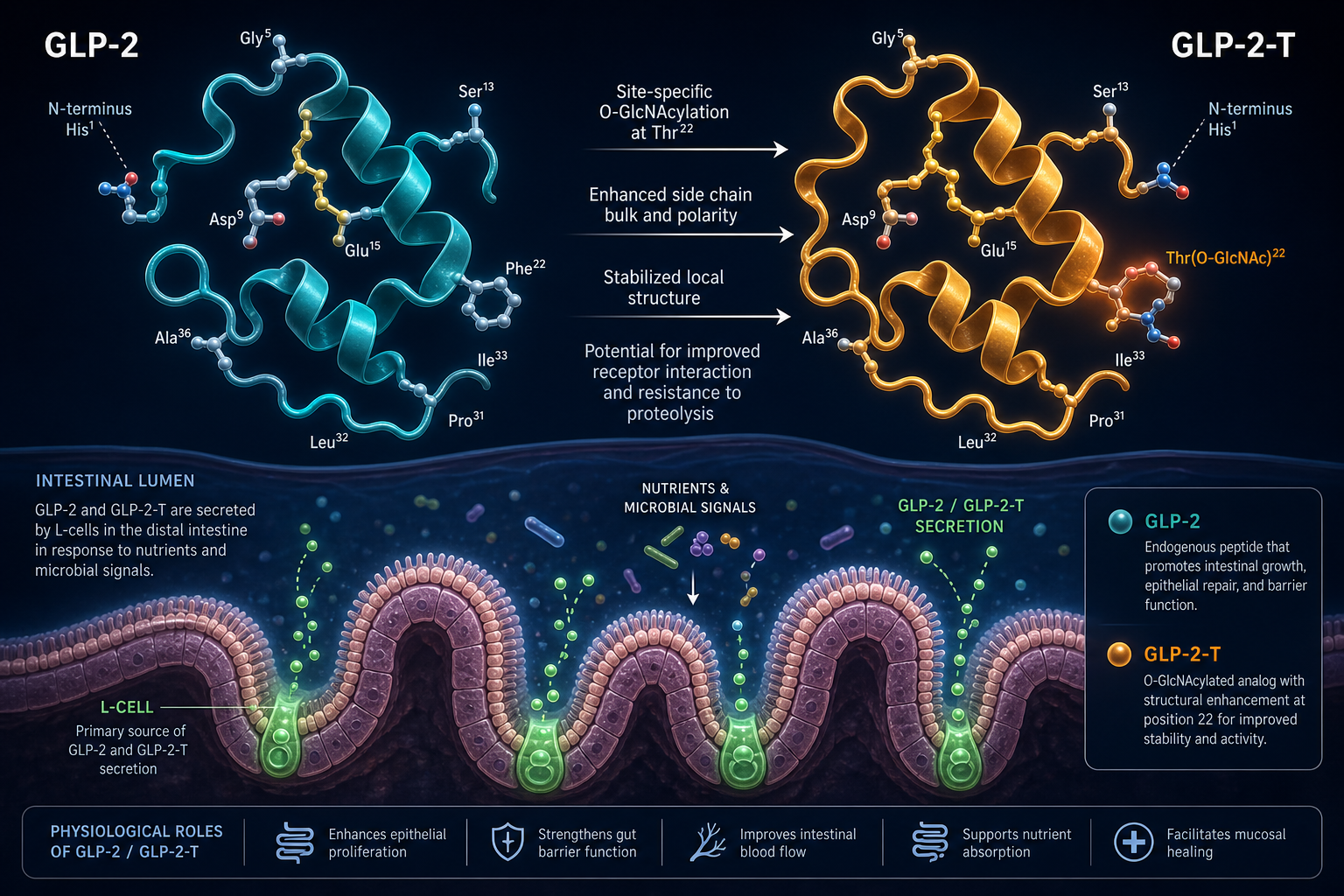
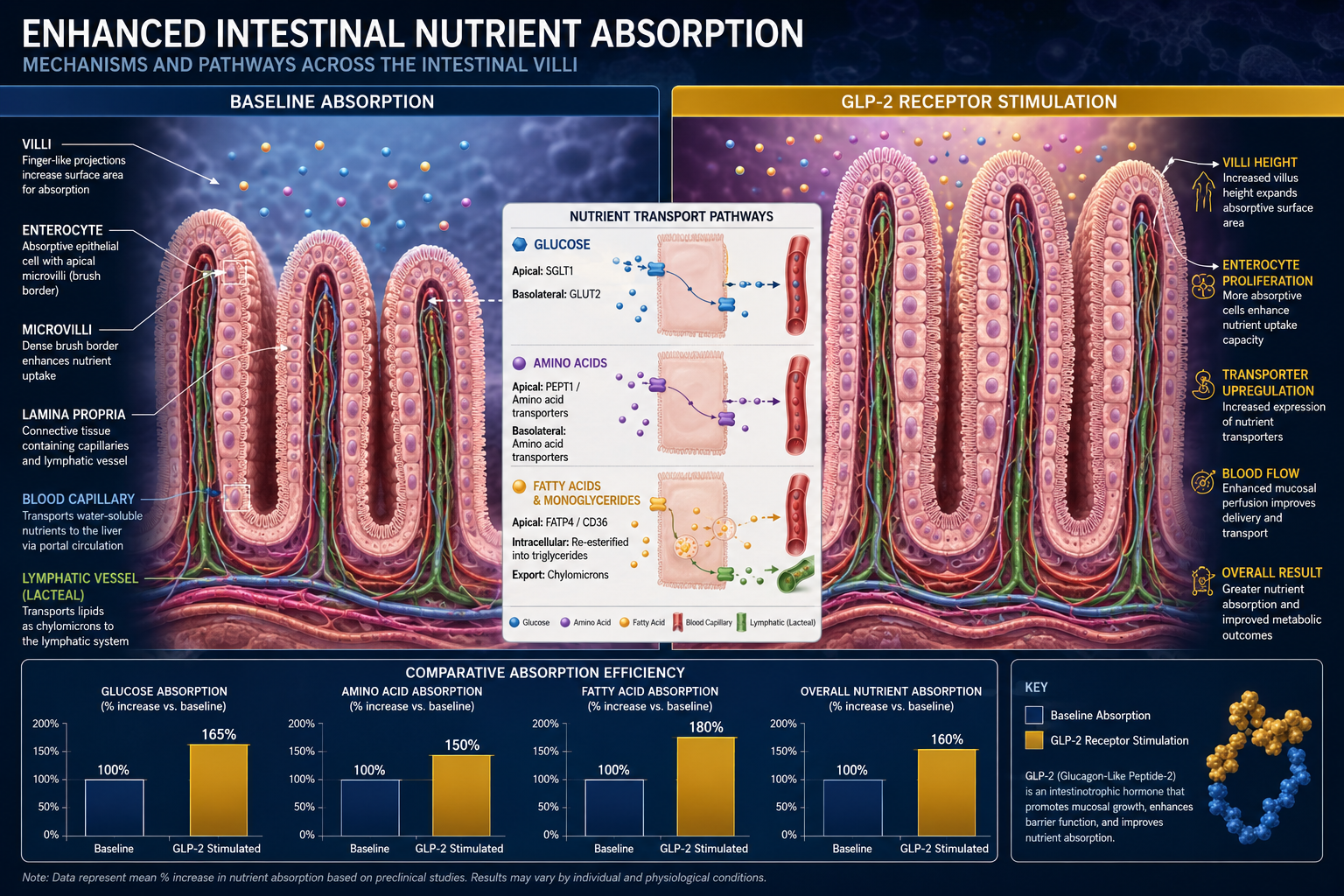
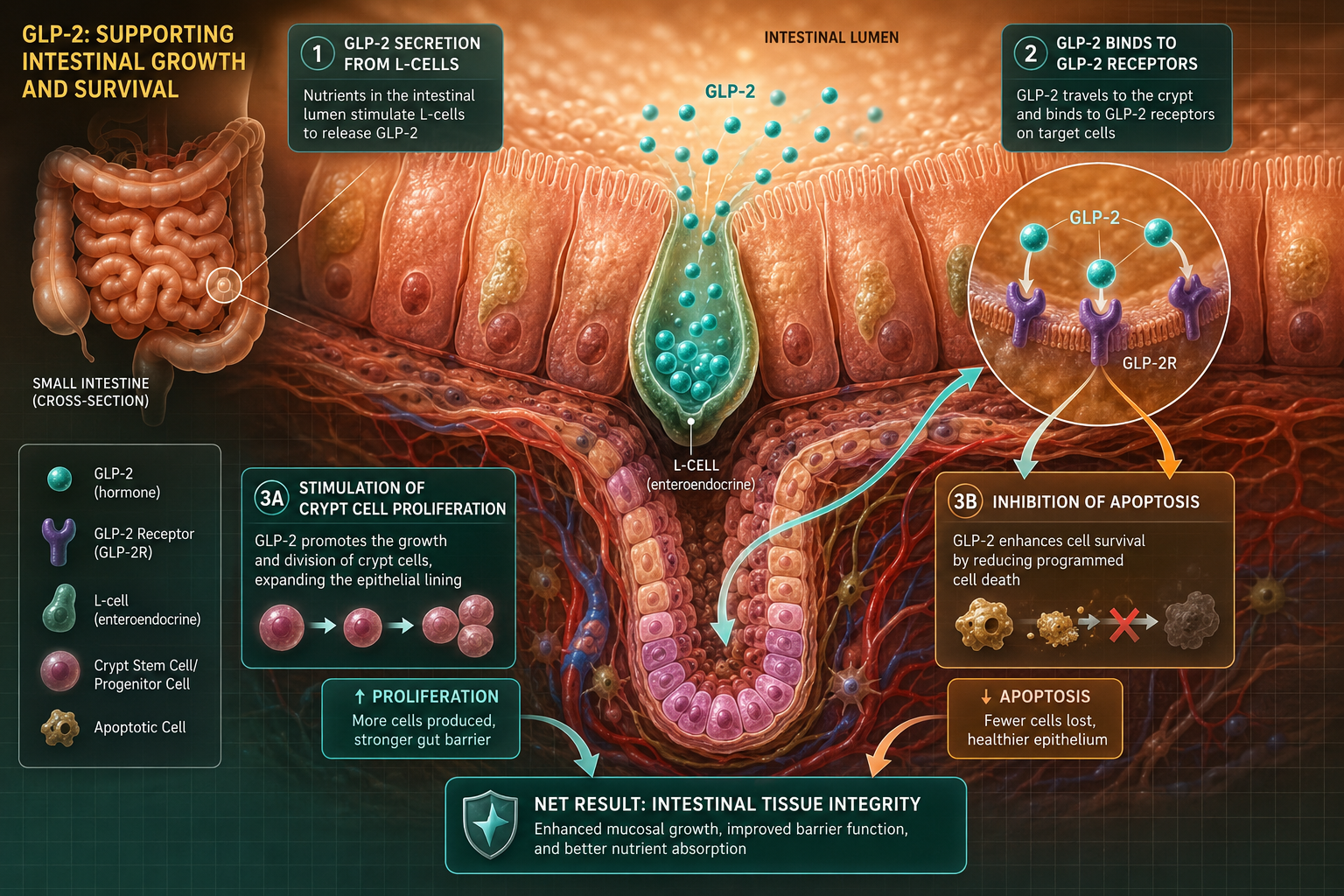
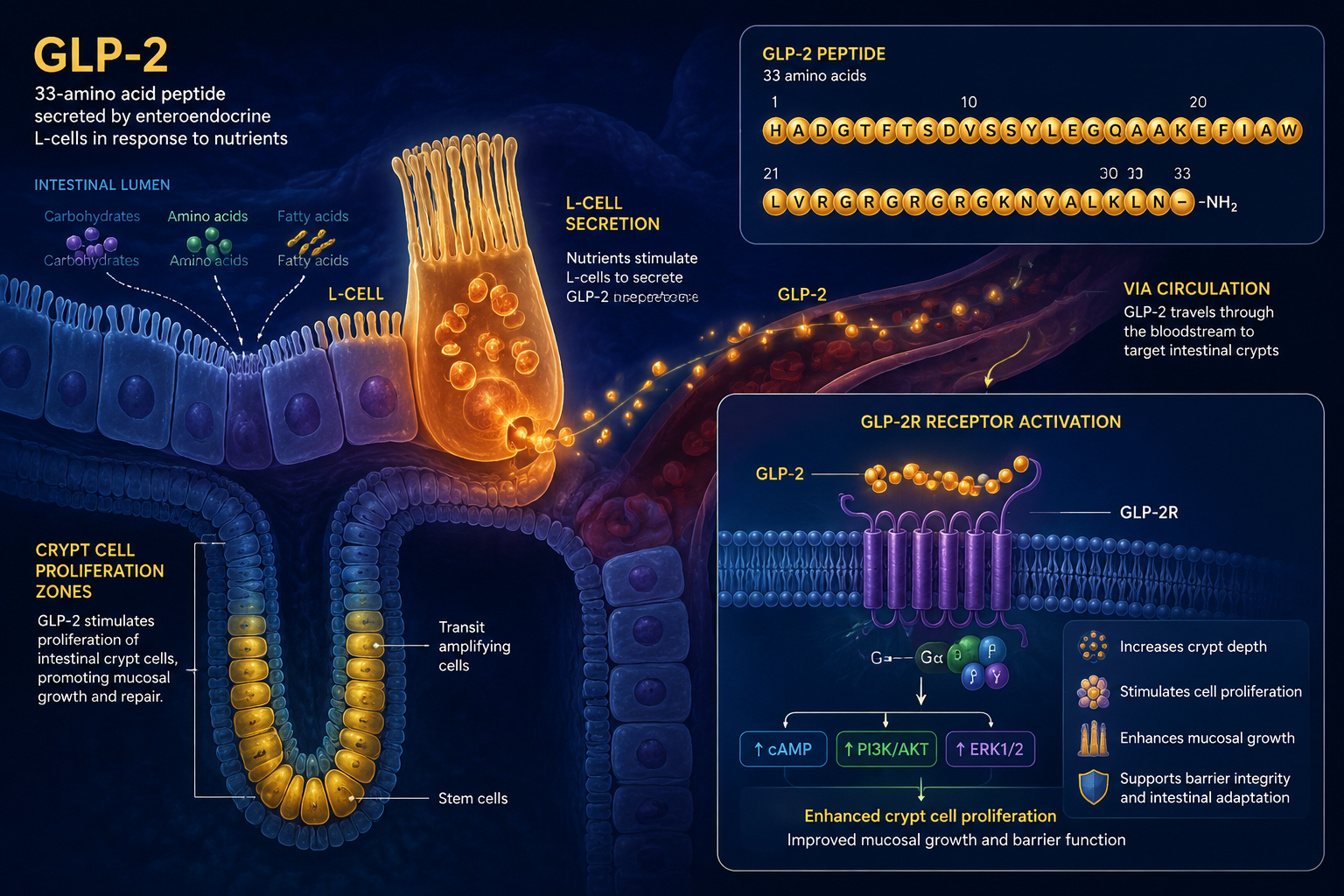
Glucagon-like peptide-2 (GLP-2) is a 33-amino acid hormone secreted by enteroendocrine L-cells lining the small and large intestine. It is released in direct response to nutrient intake, making it a key postprandial signal.

Its primary roles include:

  • Stimulating crypt cell proliferation (intestinal growth)
  • Inhibiting apoptosis and proteolysis in mucosal tissue
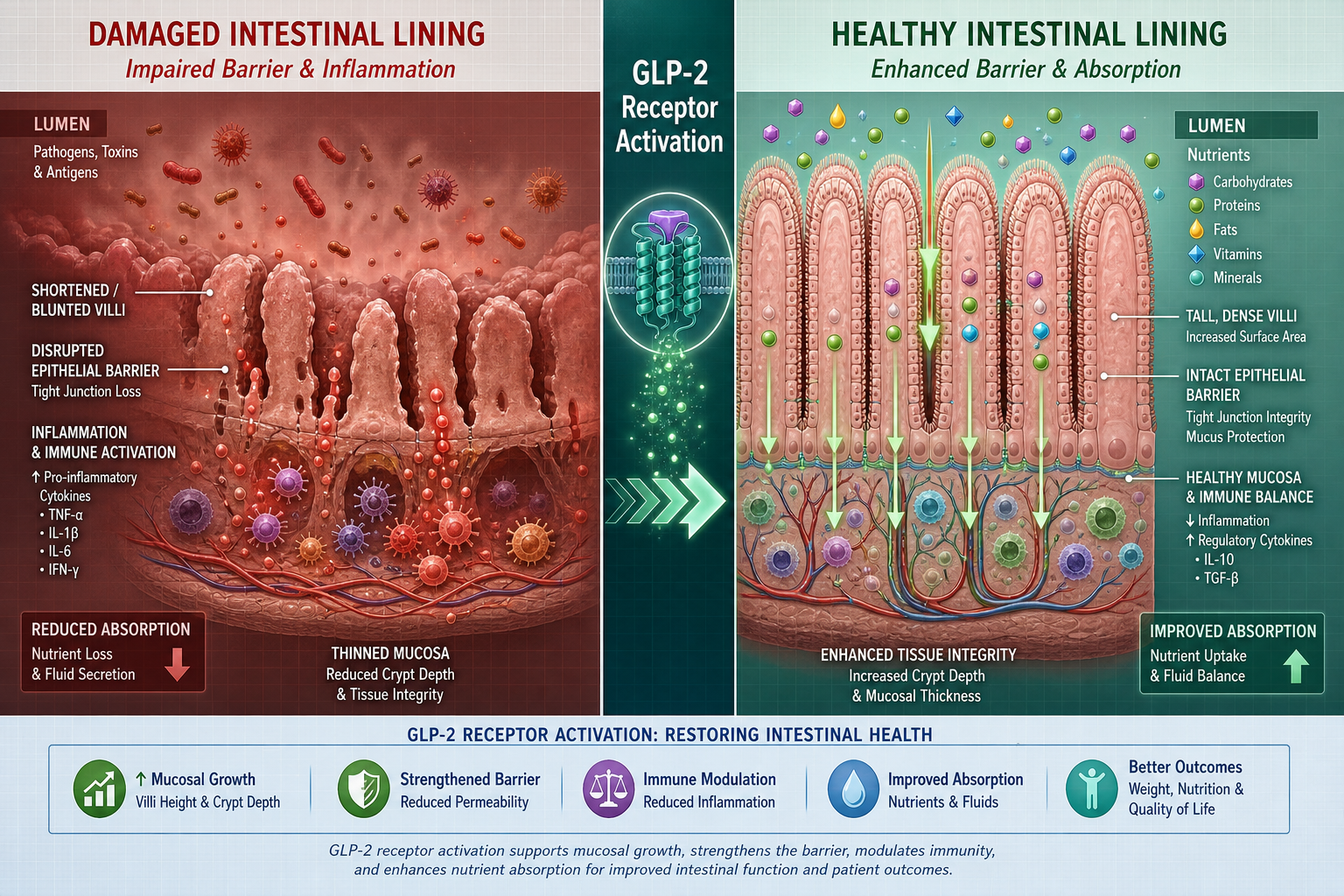
  • Enhancing nutrient absorption and reducing mucosal permeability
  • Regulating gastric emptying and acid secretion

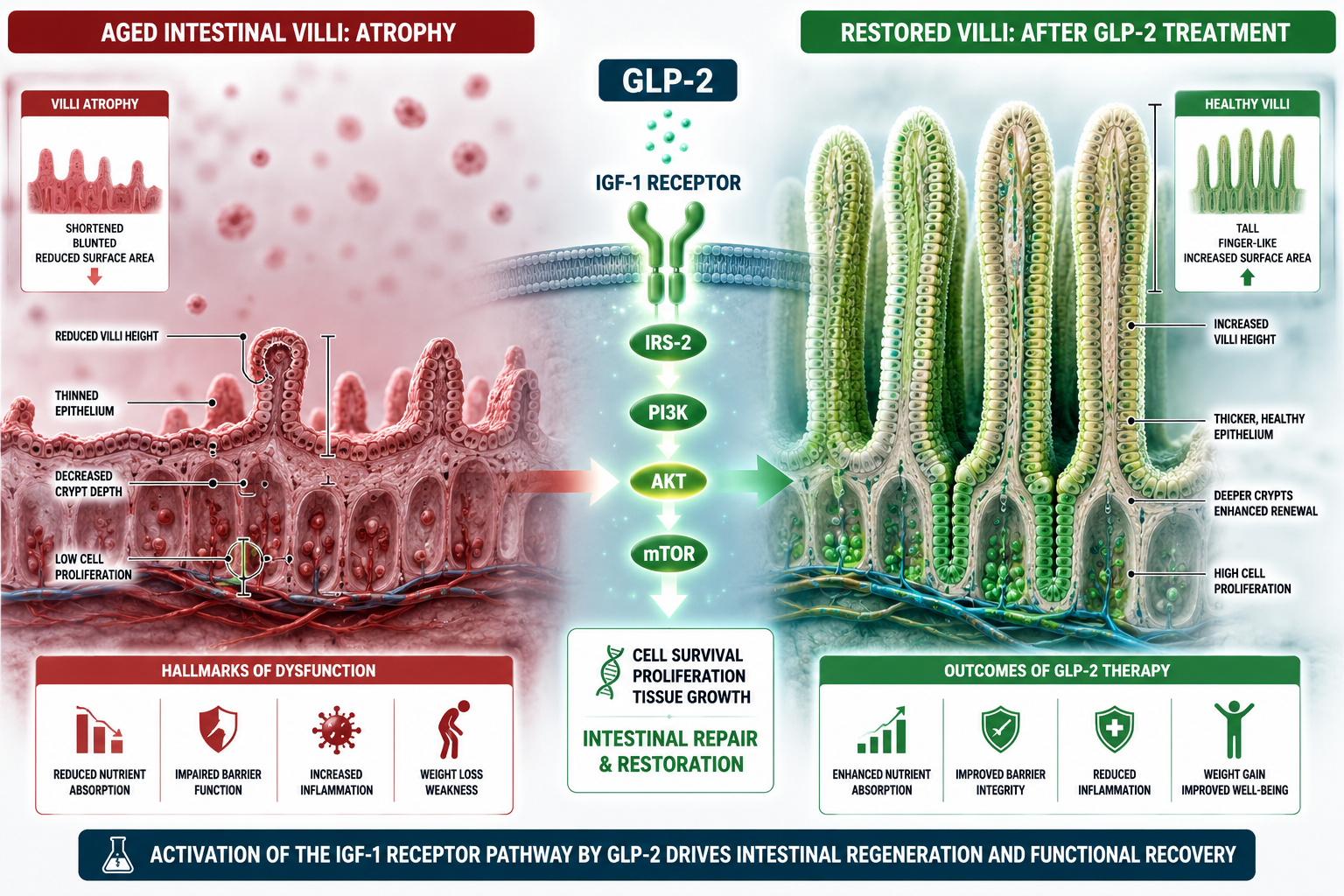
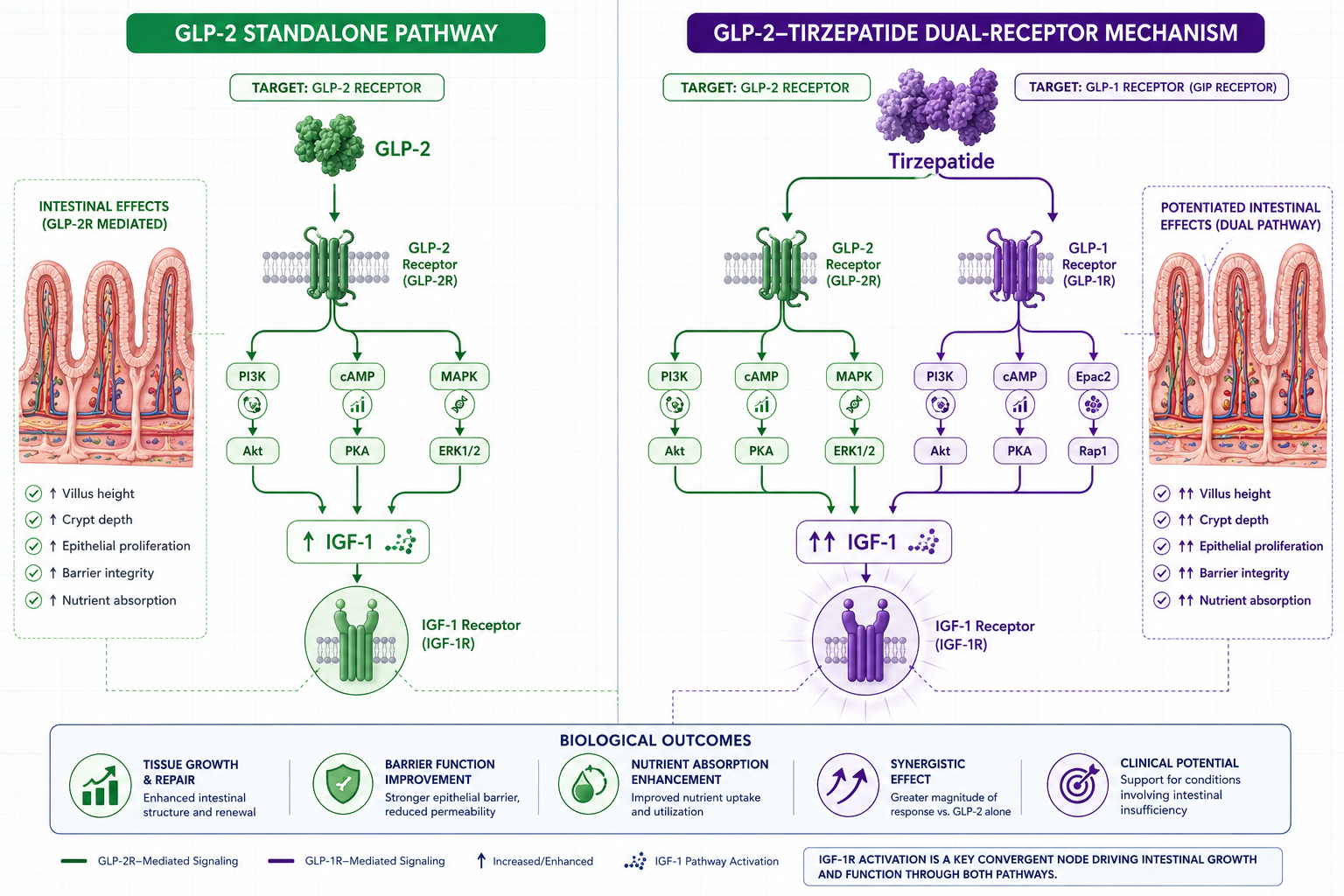
GLP-2 does not act alone. Its intestinotropic effects are mediated through a network of indirect signals, particularly insulin-like growth factor-1 (IGF-1) and epidermal growth factor (EGF). These downstream mediators drive the crypt cell proliferation that gives GLP-2 its reputation as a potent intestinal growth factor.

Researchers studying related metabolic peptides — including those exploring GLP-1 and incretin research themes — have noted that the GLP family shares structural and functional overlap worth investigating in parallel.


GLP-2 and Gut Barrier Function: The Tight Junction Connection

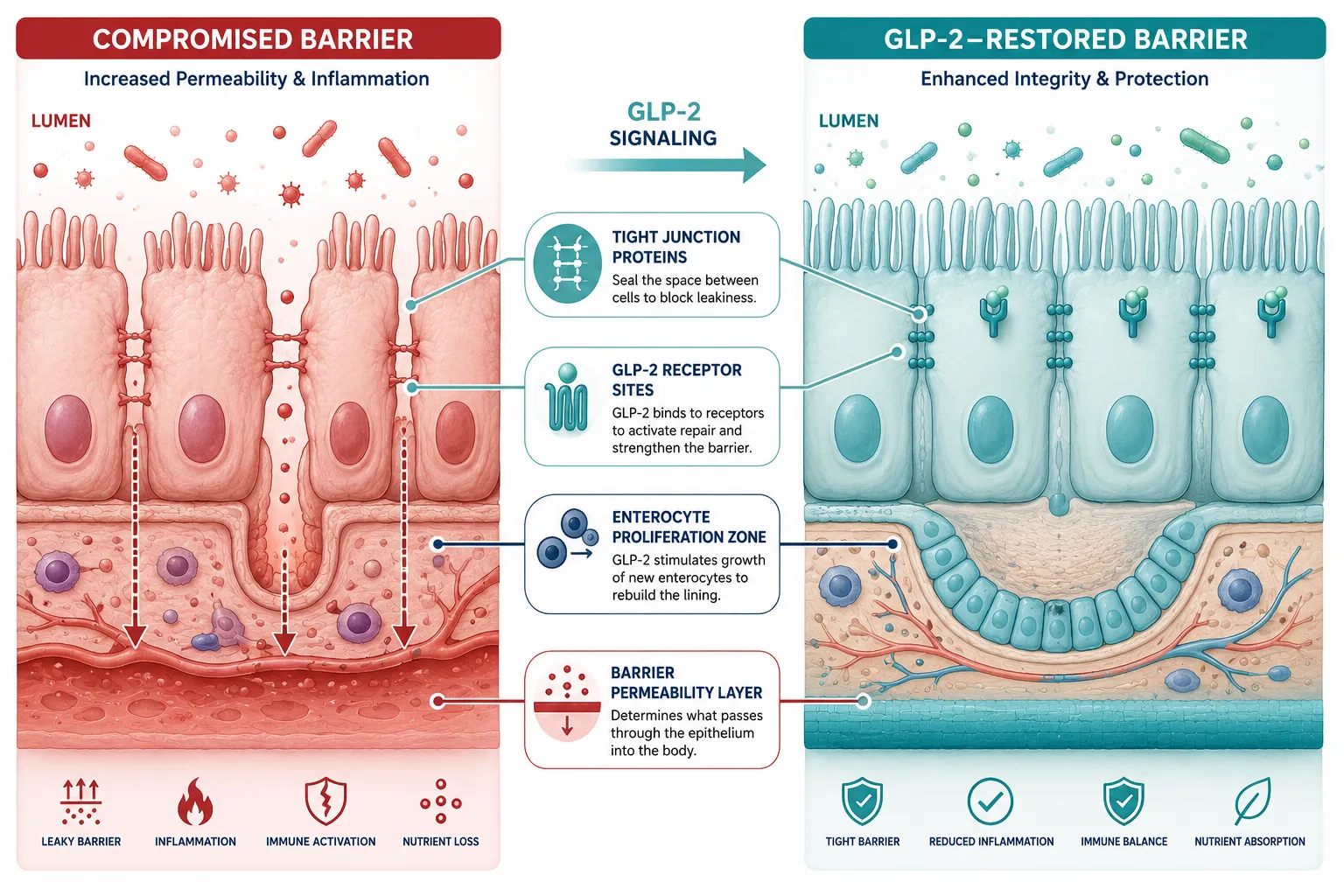
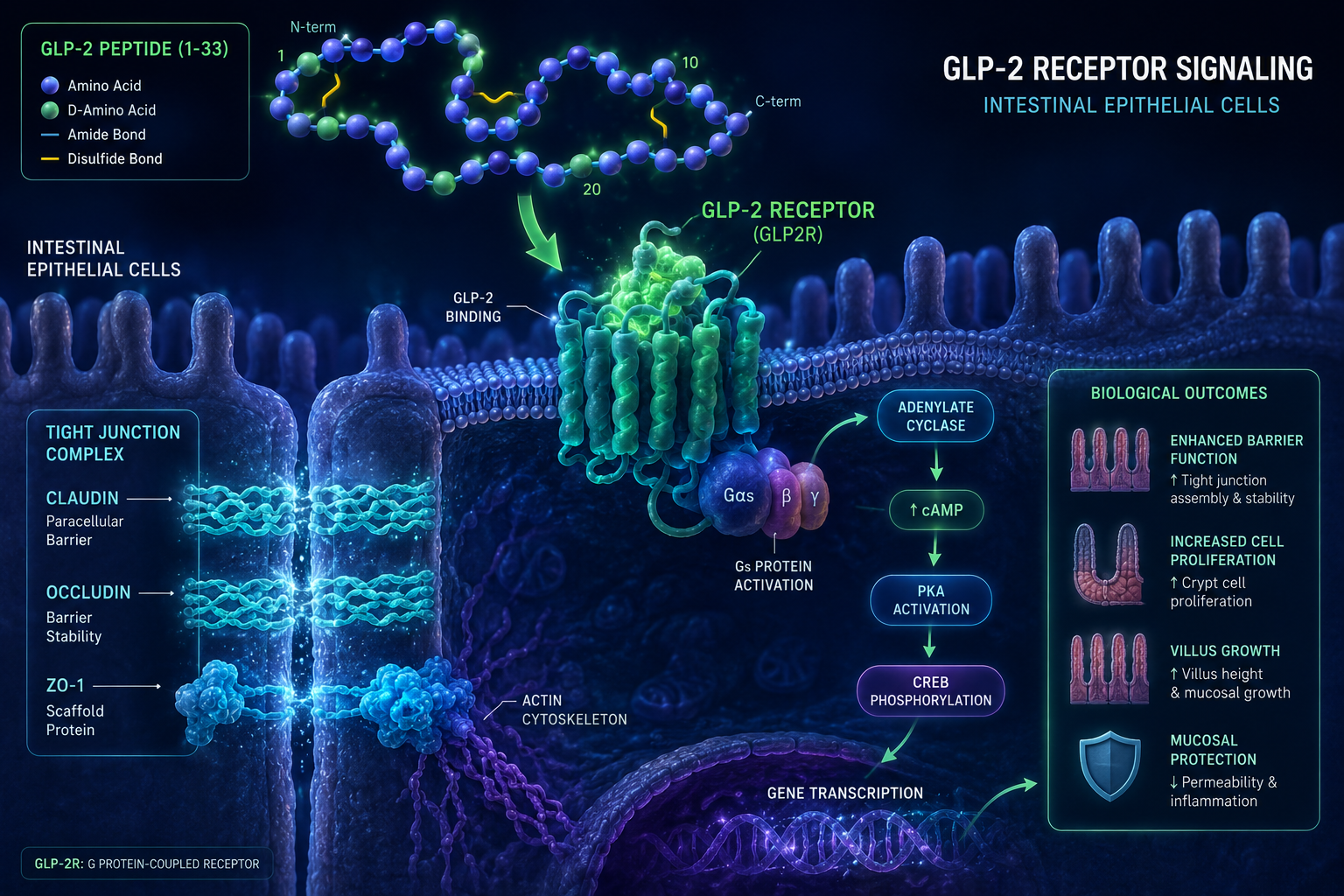
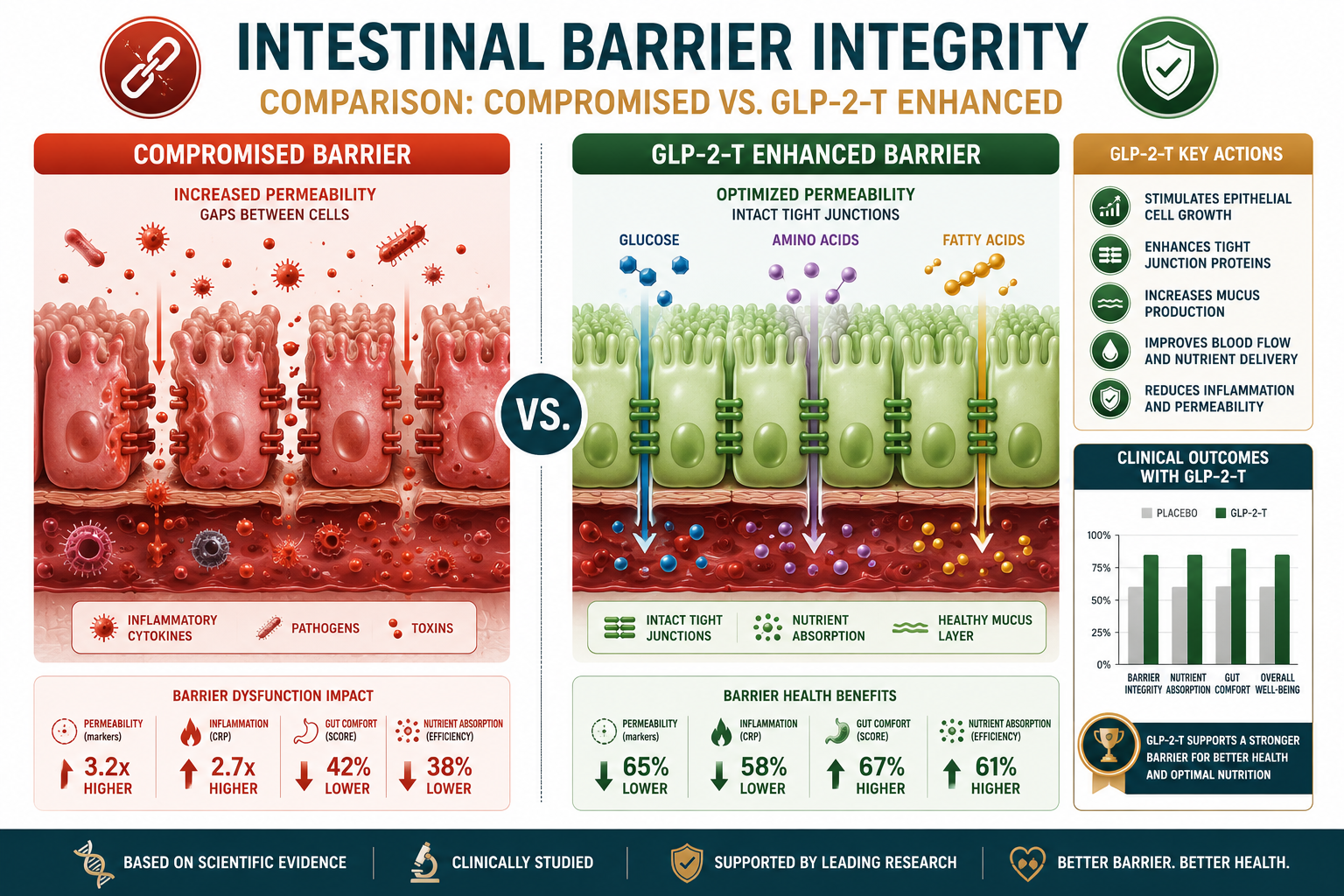
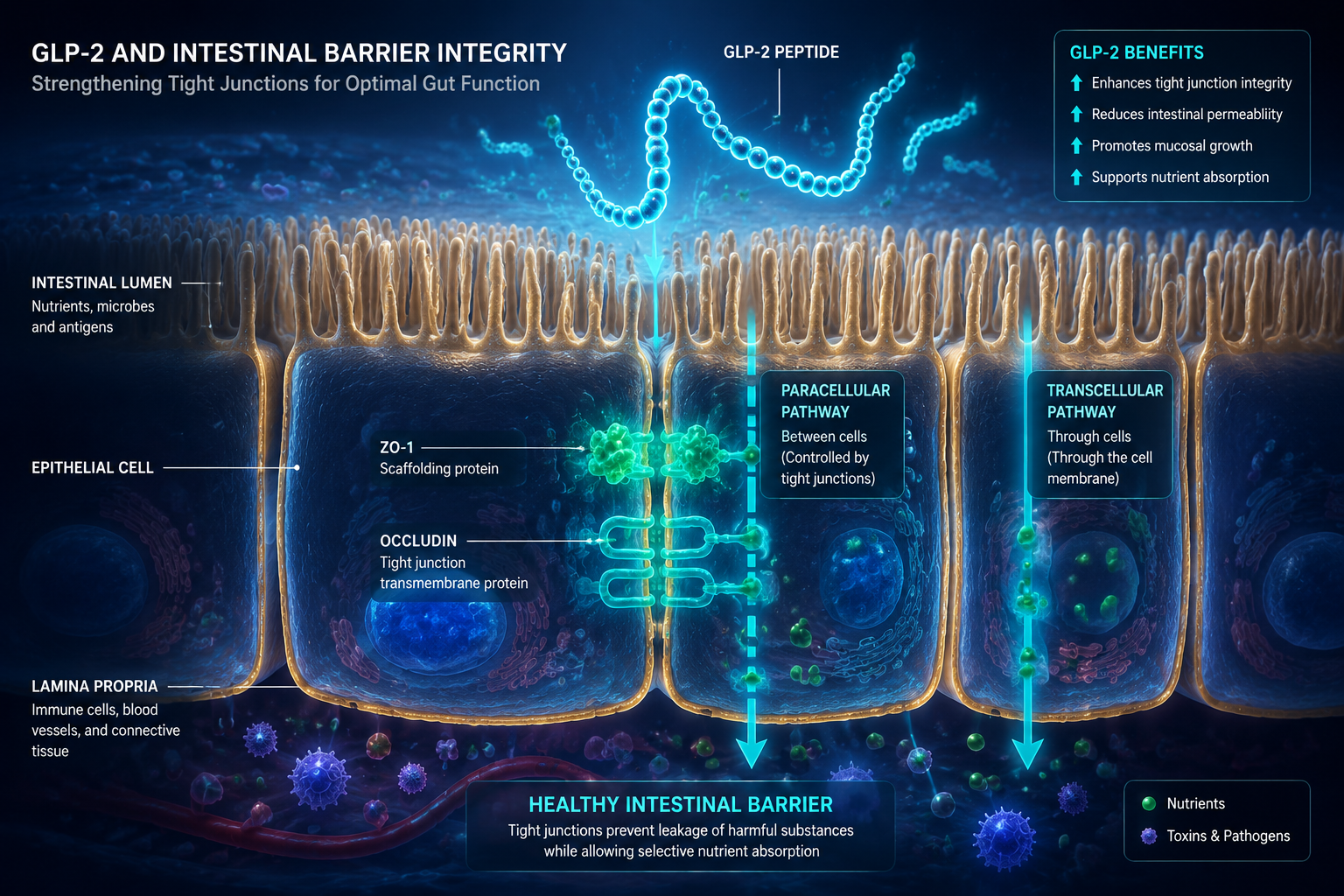
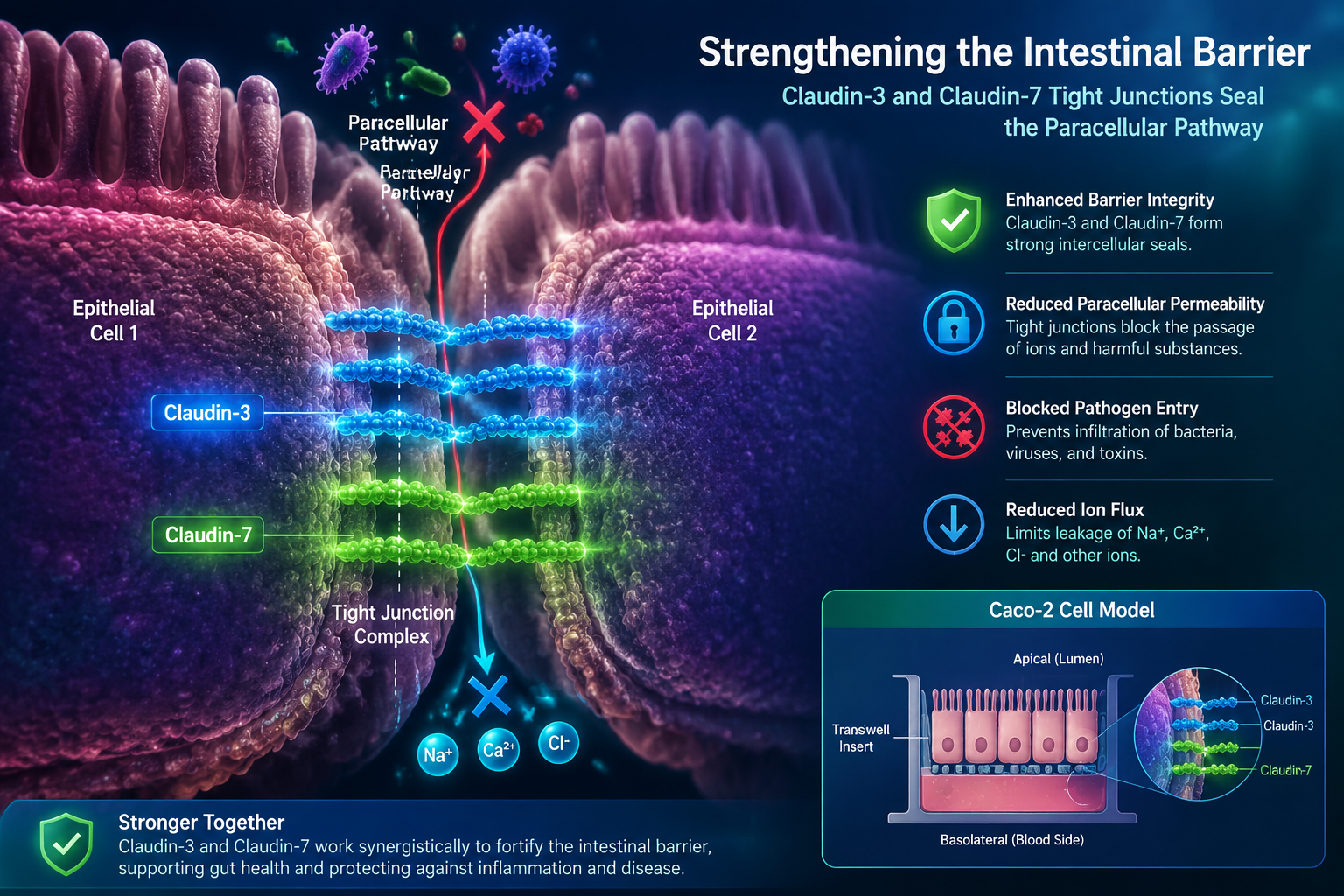
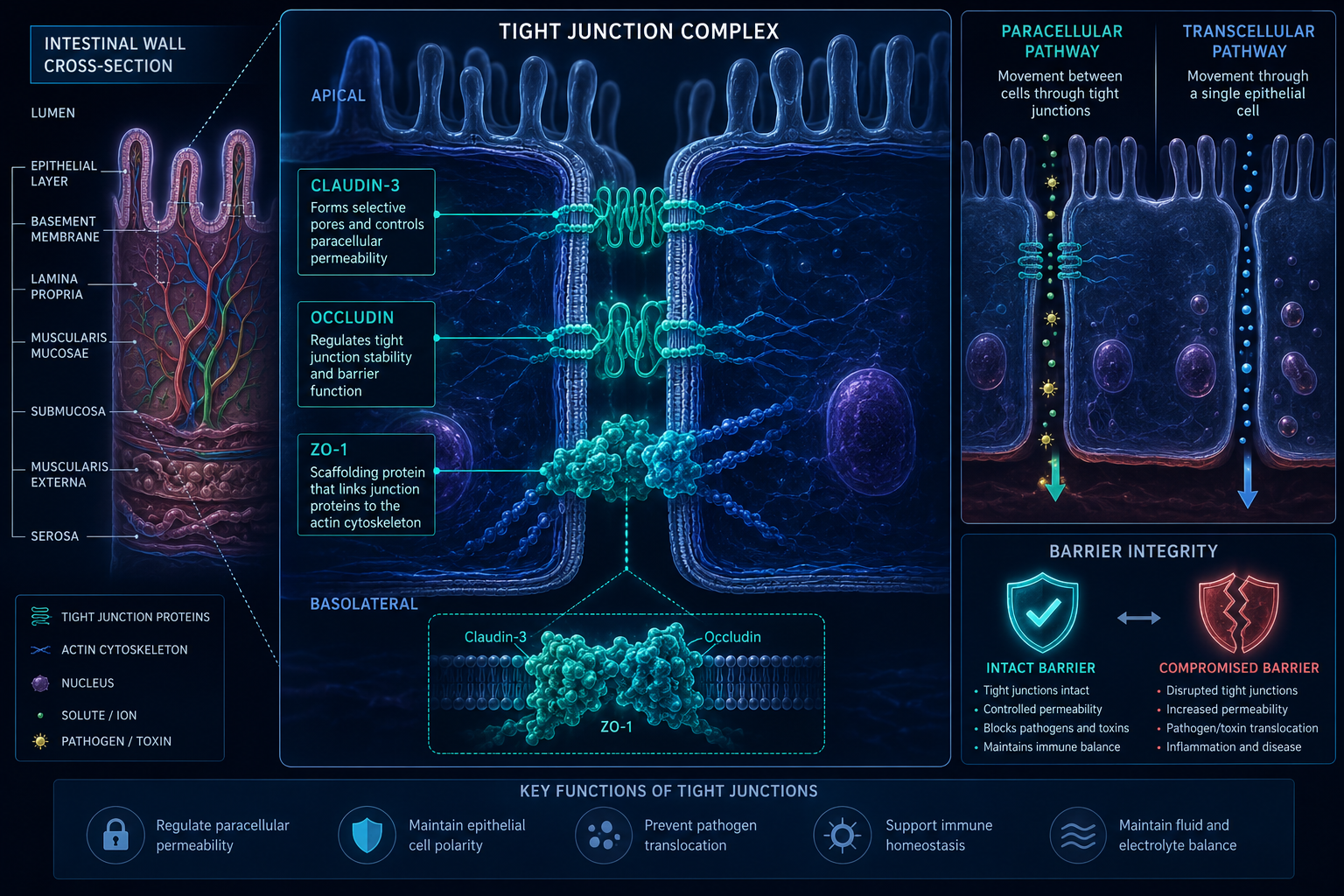
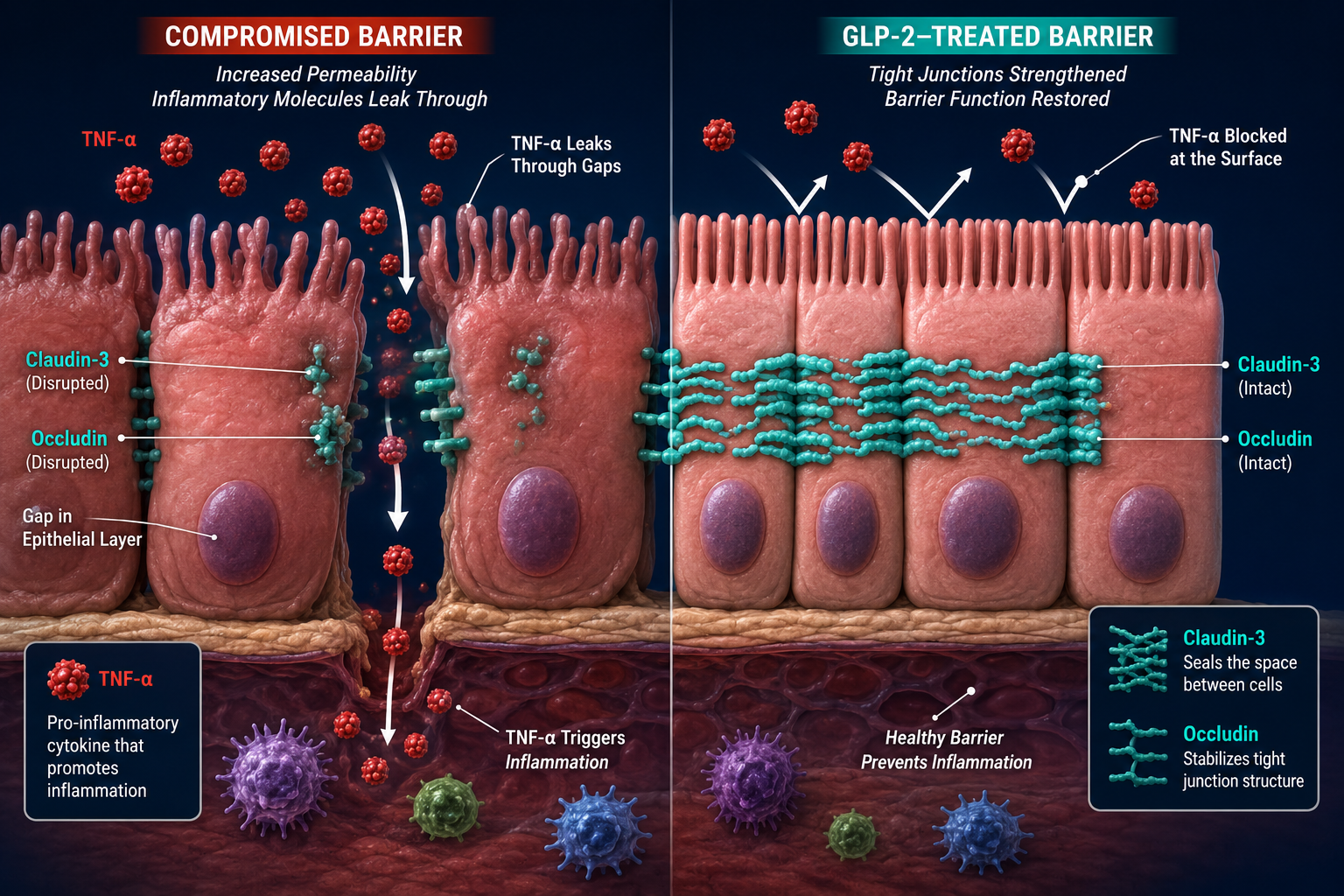
One of the most clinically significant findings in GLP-2 research involves its effect on the intestinal epithelial barrier. A healthy gut barrier depends on tight junction proteins — including claudin and occludin — that seal gaps between epithelial cells and prevent bacterial translocation.

GLP-2 improves both:

Pathway Mechanism
Transcellular Enhanced nutrient transport across epithelial cells
Paracellular Tight junction protein upregulation via IE-IGF-1R signaling

The intestinal epithelial IGF-1 receptor (IE-IGF-1R) appears central to this process. When GLP-2 binds its receptor on subepithelial cells, it triggers IGF-1 release, which then acts on epithelial IGF-1 receptors to reinforce tight junction integrity.

Research in aged animal models found that GLP-2 administration reversed age-associated declines in mucosal barrier function — a finding with significant implications for longevity-focused gastrointestinal research. This connects naturally to broader work on mitochondrial and longevity research themes where cellular resilience is a shared focus.

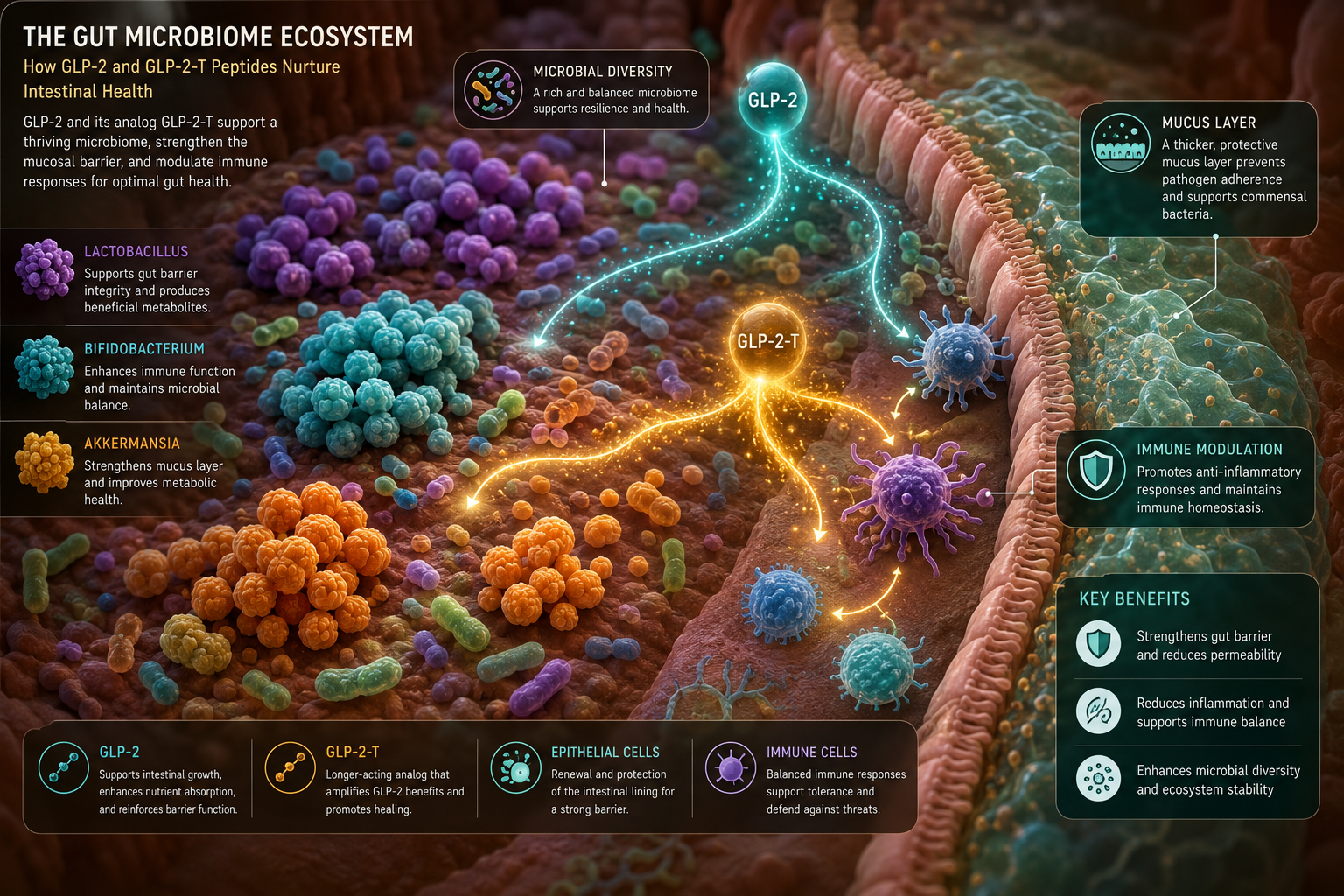
GLP-2 also appears to orchestrate gut microbiota interactions, supporting immune homeostasis and reducing inflammatory signaling at the mucosal surface.


GLP-2 and GLP-2-Tirzepatide: Research into Intestinal Growth Factors and Gut Barrier Function — The Dual-Receptor Frontier

GLP-2 and GLP-2-Tirzepatide: Research into Intestinal Growth Factors and Gut Barrier Function — The Dual-Receptor Frontier

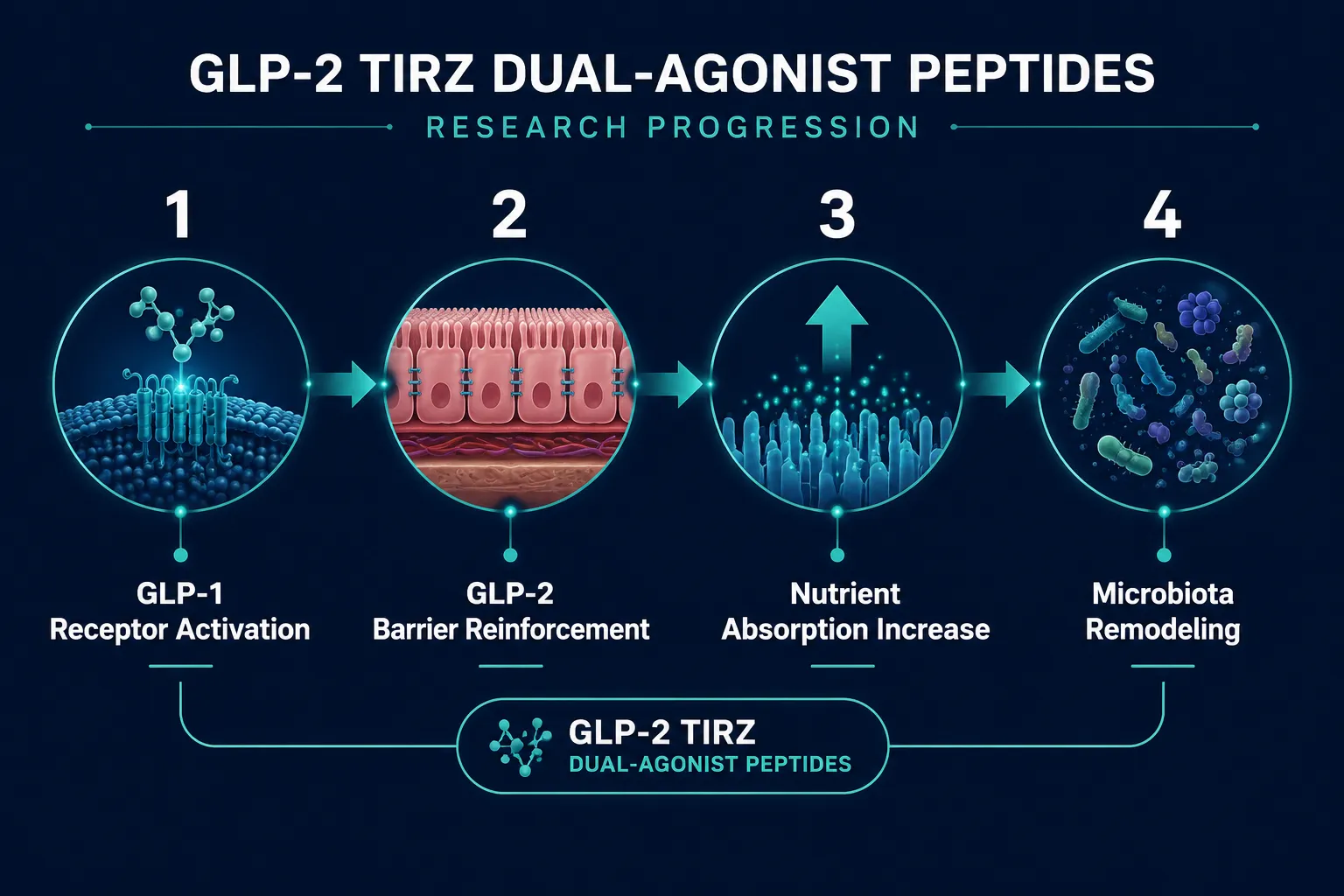
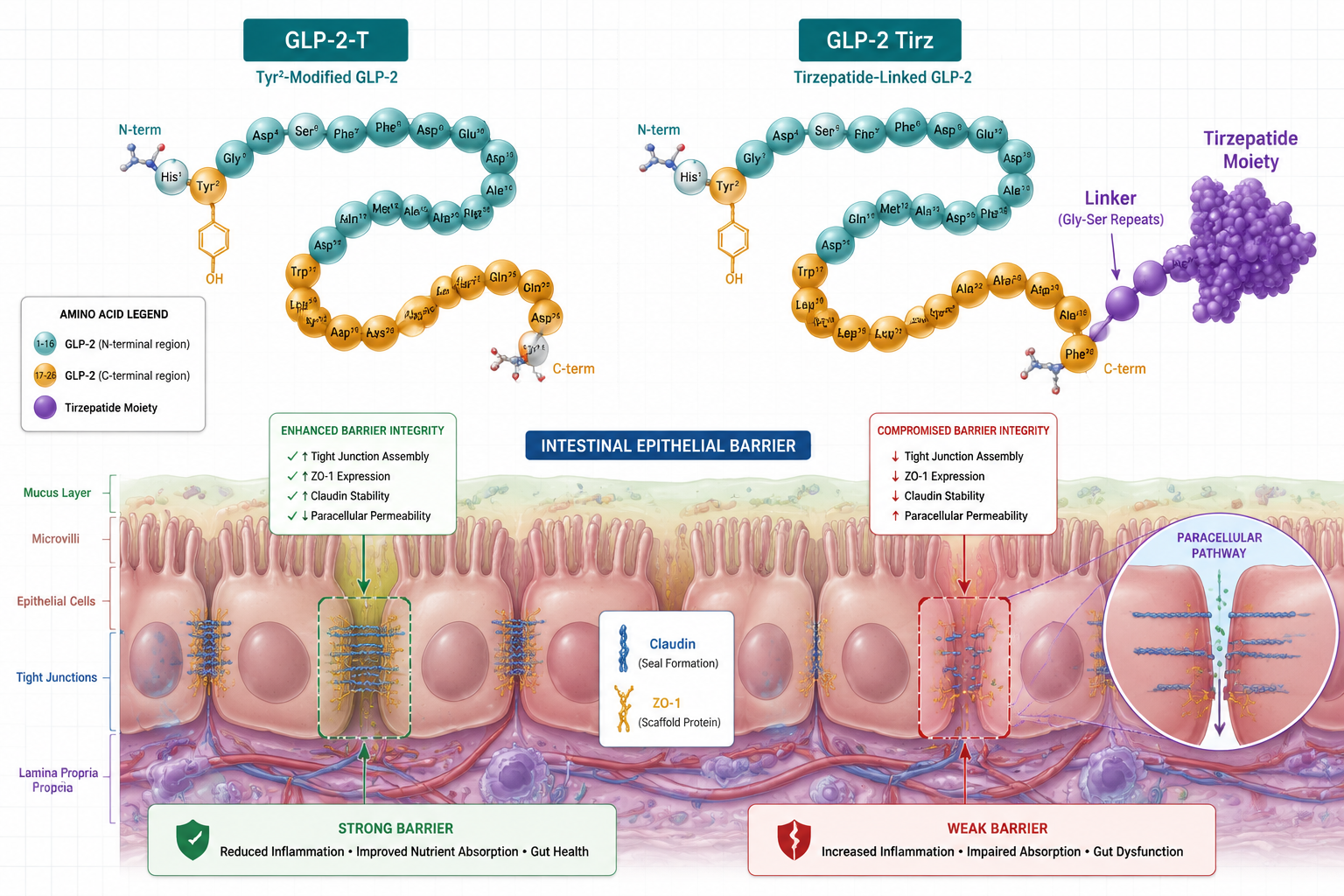
Tirzepatide is best known as a dual GIP/GLP-1 receptor agonist with metabolic effects. However, emerging structural pharmacology research is exploring whether tirzepatide's incretin backbone can be modified or combined with GLP-2 activity to create multi-target gut-metabolic agents.

A 2022 study on dapiglutide — a dual GLP-1/GLP-2 receptor agonist — demonstrated measurable improvements in intestinal barrier function in a murine short bowel model. This proof-of-concept supports the hypothesis that combining incretin signaling with GLP-2 intestinotrophic activity could offer additive benefits.

Researchers interested in GLP-3 and retatrutide research are also examining how multi-receptor engagement affects gut architecture beyond glycemic control.

GLP-2 and GLP-2-Tirzepatide: Research into Intestinal Growth Factors and Gut Barrier Function — The Dual-Receptor Frontier

Key research questions currently being explored include:

  • Can tirzepatide-adjacent molecules be engineered to also activate GLP-2 receptors?
  • Does combined GLP-1/GLP-2 signaling reduce intestinal permeability more effectively than either alone?
  • What role does the gut microbiome play in modulating these effects?

For researchers exploring metabolic and body composition peptides, AOD9604 metabolic research and TESA body composition research themes offer relevant comparative frameworks for understanding how gut-derived hormones influence systemic metabolism.


Conclusion

Research into GLP-2 and GLP-2-Tirzepatide: Research into Intestinal Growth Factors and Gut Barrier Function represents one of the most promising frontiers in gastrointestinal biology in 2026. GLP-2 is not simply a growth signal — it is a multi-functional regulator of barrier integrity, immune balance, and nutrient homeostasis.

Actionable next steps for researchers:

  1. Review preclinical models using dual GLP-1/GLP-2 agonists to identify translatable endpoints.
  2. Examine IGF-1 receptor signaling as a measurable biomarker for GLP-2 barrier activity.
  3. Explore synergies between GLP-2 pathways and other gut-protective peptides, including those catalogued in the comprehensive peptide research catalog.
  4. Monitor emerging data on tirzepatide-derived multi-receptor molecules for intestinal applications.

The intersection of incretin pharmacology and intestinal growth factor biology is still early-stage — but the mechanistic groundwork laid by GLP-2 research makes it one of the most compelling areas to watch.

https://www.puretestedpeptides.com/wp-content/uploads/2026/06/GLP-2-and-GLP-2-Tirzepatide-Research-into-Intestinal-Growth-Factors-and-Gut-Barrier-Function.png 1024 1536 https://www.puretestedpeptides.com/wp-content/uploads/2026/01/buy-peptides-online.jpg 2026-06-20 13:03:322026-06-20 13:03:32GLP-2 and GLP-2-Tirzepatide: Research into Intestinal Growth Factors and Gut Barrier Function
What Is GLP2-T Peptide? A Research-Only Guide to Gut Barrier Biology and Intestinal Recovery Models

What Is GLP2-T Peptide? A Research-Only Guide to Gut Barrier Biology and Intestinal Recovery Models

June 17, 2026/0 Comments/in Uncategorized/by

Roughly 70% of the immune system resides in or around the gut wall — a fact that makes intestinal barrier research one of the most consequential areas in modern peptide science. This guide answers the core question of what is GLP2-T peptide, then expands into gut barrier biology, nutrient absorption mechanisms, and why GLP-2 analog discussions matter in preclinical research settings as of 2026.

Professional () hero image with : 'GLP2-T Peptide: A Research Guide to Gut Barrier Biology' in extra large white with dark

Key Takeaways

  • GLP-2 is a 33-amino acid peptide hormone produced by intestinal L-cells that drives mucosal growth and barrier repair.
  • GLP2-T refers to a modified, tirzepatide-conjugated or truncation-resistant analog designed to extend the peptide's short half-life in research models.
  • The peptide acts through multiple growth factors, including IGF-1, IGF-2, keratinocyte growth factor, and ErbB ligands.
  • GLP-2 receptor activation upregulates tight junction proteins such as claudin-3, occludin, and ZO-1.
  • All research discussed here applies strictly to preclinical and in vitro models; GLP2-T is not approved for human therapeutic use.

Understanding GLP-2: The Foundation Behind GLP2-T

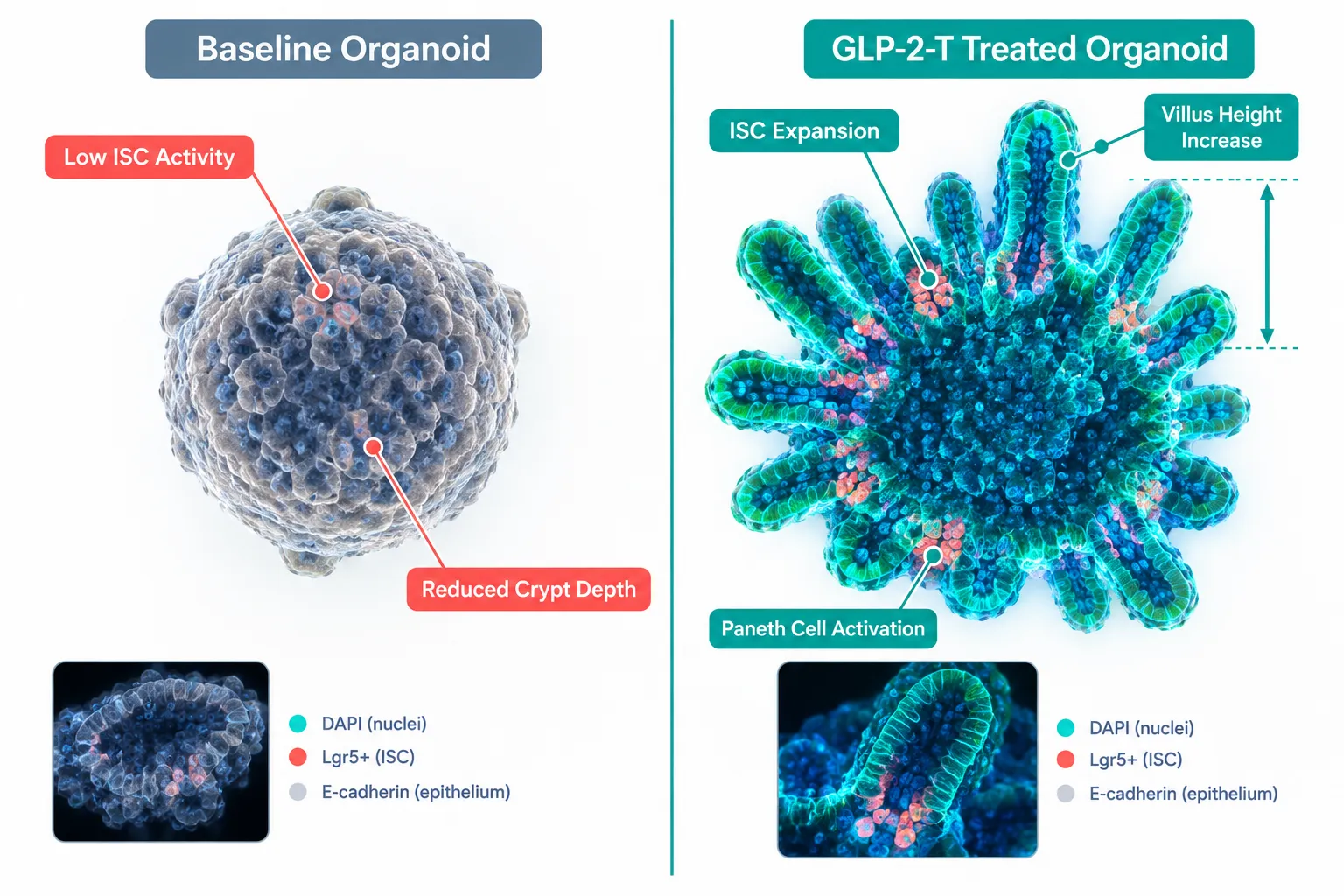
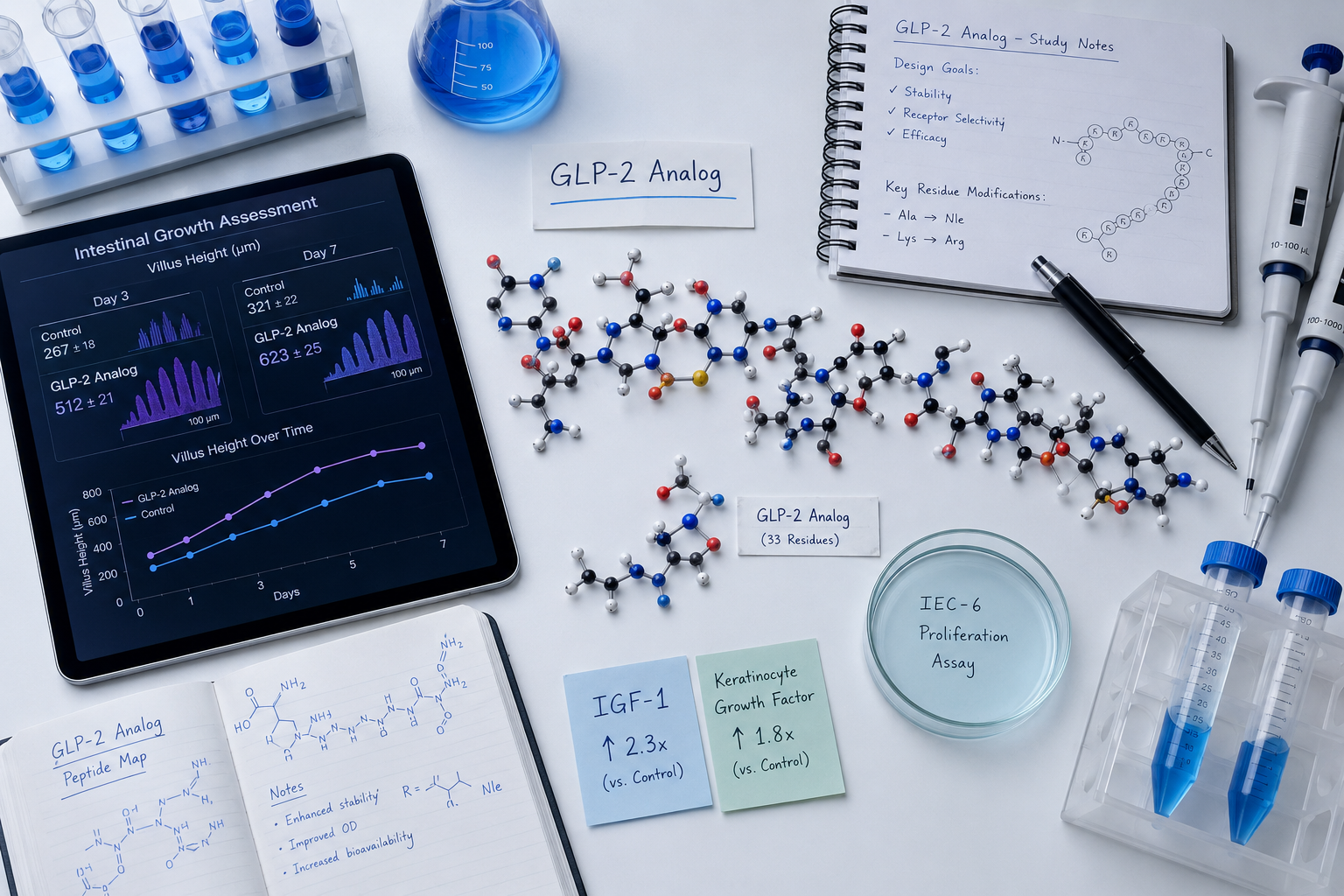
GLP-2 (glucagon-like peptide-2) is a 33-amino acid hormone cleaved from proglucagon in the intestinal L-cells of the small bowel and colon. Its primary biological role is to promote intestinal mucosal growth, enhance nutrient absorption, and reduce gut permeability. In animal models, GLP-2 administration produced dramatic increases in small intestinal mass, villus height, crypt depth, and mucosal thickness — findings that positioned it as a physiological hormone dedicated almost entirely to intestinal growth and repair.

GLP2-T is a research designation for a truncation-resistant or structurally modified GLP-2 analog. The "T" suffix in various research catalogs typically signals enhanced stability against dipeptidyl peptidase-4 (DPP-4) degradation, which is the primary reason native GLP-2 has a half-life of only a few minutes in circulation. By extending that window, GLP2-T analogs allow researchers to study downstream intestinal effects over longer experimental timeframes.

The clinically approved GLP-2 analog teduglutide (Gattex) validates this approach — it was engineered on the same principle of DPP-4 resistance and is currently the only approved therapy for short bowel syndrome. GLP2-T represents the next generation of that research lineage.

For context on how incretin-class peptides overlap in research themes, see the GLP-3 Reta incretin research overview.


Gut Barrier Biology: How GLP2-T Research Models Work

Gut Barrier Biology: How GLP2-T Research Models Work

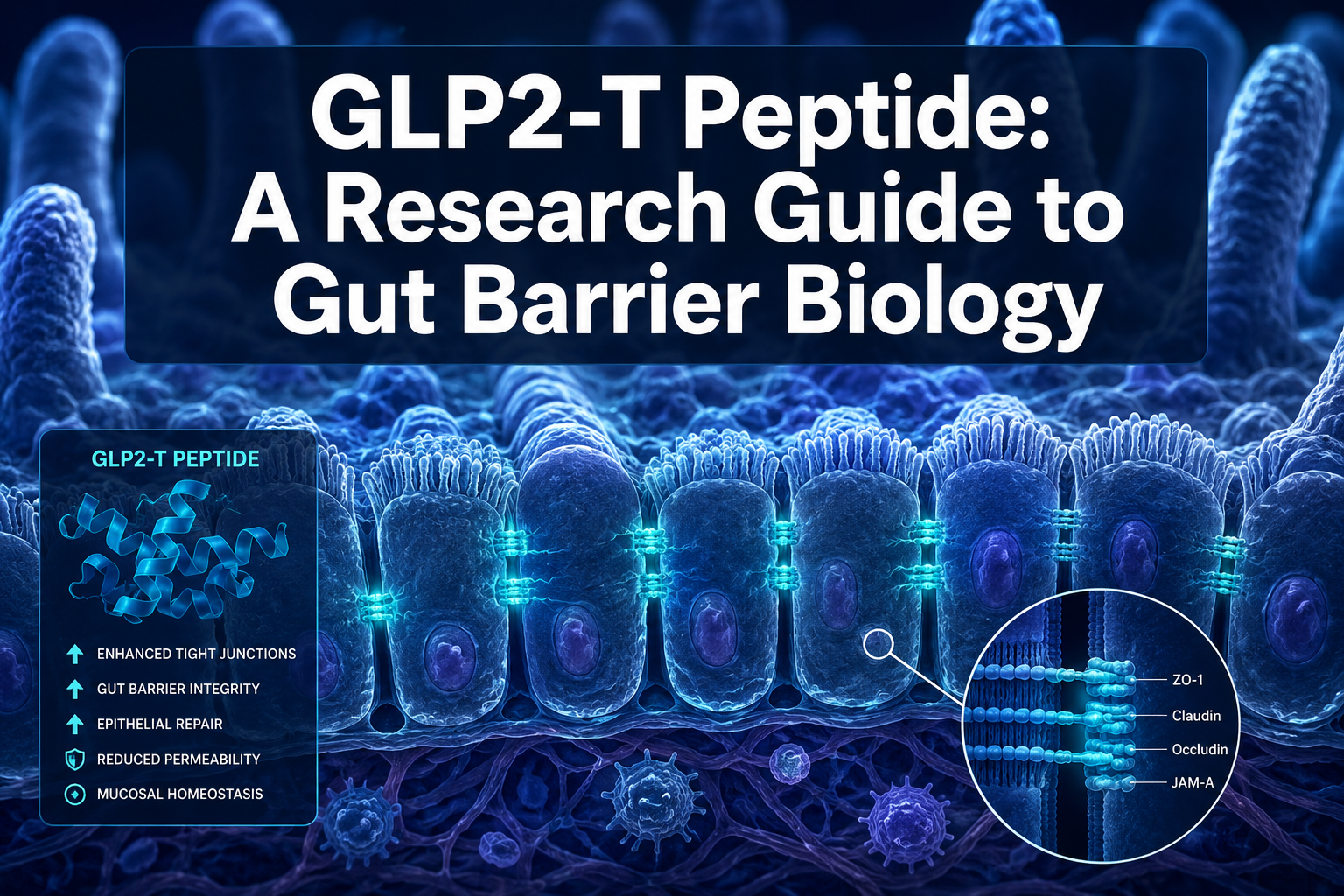
The intestinal epithelial barrier is a single-cell-thick layer that separates luminal contents from systemic circulation. Its integrity depends on tight junction proteins — specifically claudin-3, occludin, and zonula occludens-1 (ZO-1). GLP-2 receptor activation has been shown to upregulate all three of these proteins, reinforcing both paracellular and transcellular pathways.

Key mechanisms identified in preclinical models include:

Mechanism Growth Factor Involved Primary Site
Crypt cell proliferation IGF-1, IGF-2 Small intestine
Colonic mucosal growth Keratinocyte growth factor, IGF-2 Colon
Epithelial restitution ErbB ligands Small intestine
Barrier protein upregulation GLP-2R signaling Entire epithelium

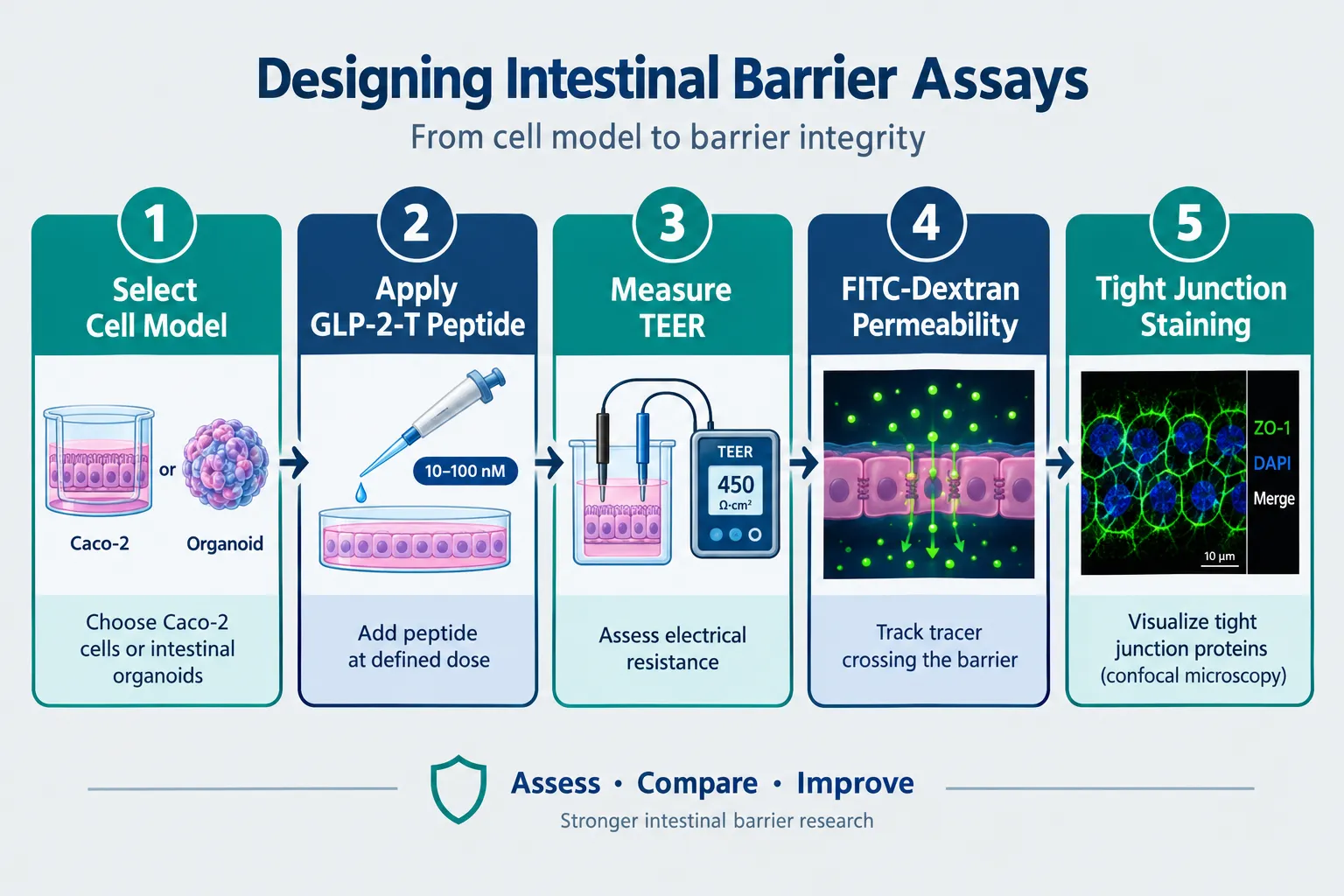
In Caco-2 cell studies, GLP-2 enhanced epithelial barrier formation and reduced the damaging effects of TNF-alpha, a key pro-inflammatory cytokine. This finding is particularly relevant to inflammatory bowel disease models, where barrier disruption and immune activation are central features.

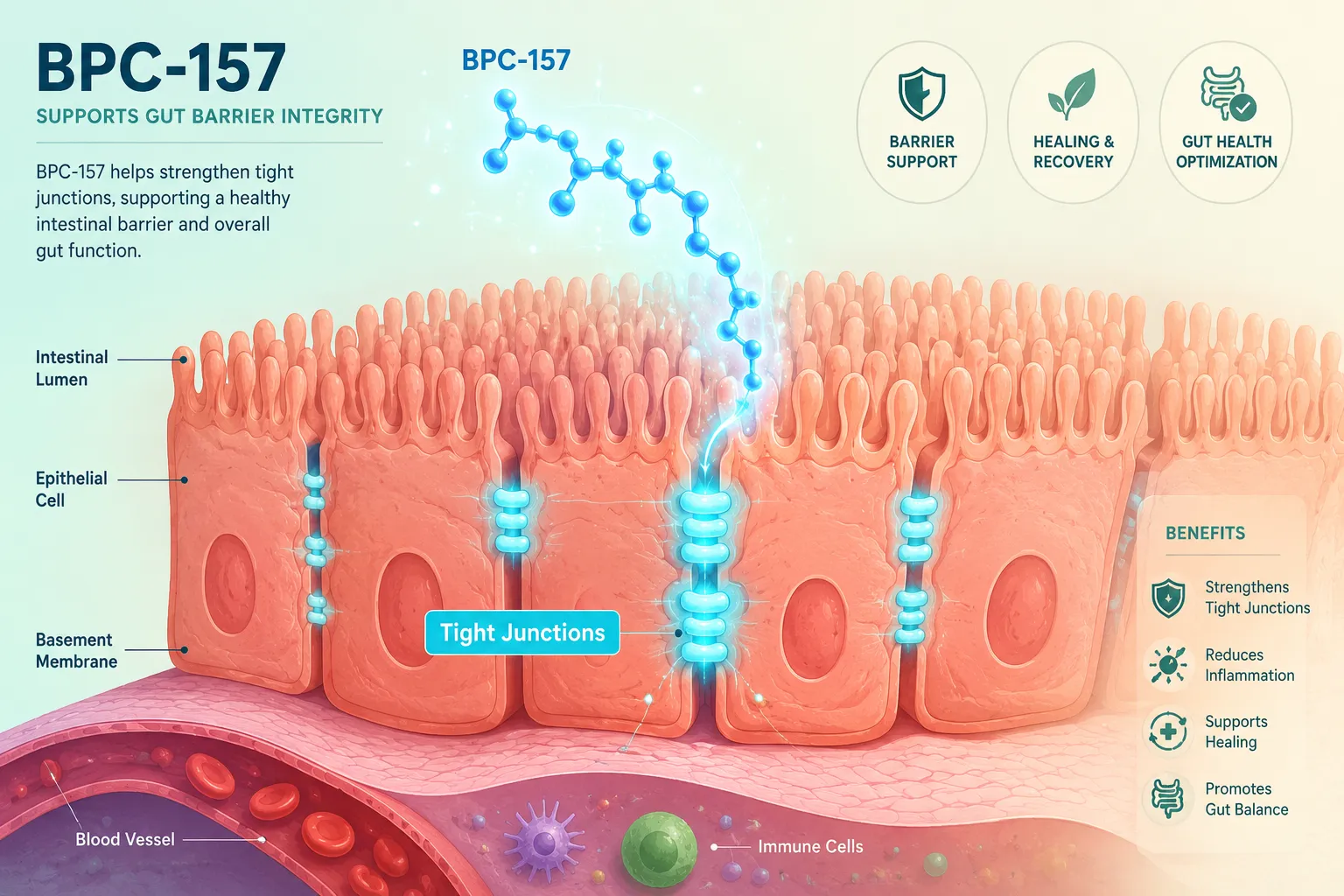
GLP-2 also plays a role in intestine-microbiota-immune system crosstalk, helping to maintain metabolic homeostasis alongside barrier integrity. Researchers studying gut-adjacent peptides such as BPC-157 research themes often compare findings with GLP-2 data given overlapping mucosal recovery endpoints.

For broader peptide longevity research context, the longevity peptide research hub provides relevant background on how gut health intersects with systemic aging models.


GLP2-T in Intestinal Recovery Models: Research-Only Considerations

GLP2-T in Intestinal Recovery Models: Research-Only Considerations

GLP2-T in Intestinal Recovery Models: Research-Only Considerations

Preclinical intestinal recovery models using GLP-2 analogs typically fall into three categories: enteritis models, colitis models, and acid-injury restitution models. In all three, GLP-2 treatment has been associated with reduced mucosal damage, faster epithelial restitution, and improved barrier function scores.

What this guide to gut barrier biology and intestinal recovery models emphasizes is that GLP2-T's research value lies in its stability profile. Longer receptor engagement allows investigators to isolate downstream signaling events that are otherwise masked by rapid peptide clearance.

Researchers sourcing analogs for these models should prioritize purity verification. Resources like the peptide supplier comparison guide and the quality testing protocols page provide practical frameworks for evaluating vendor documentation.

Parallel research into gut-adjacent peptides such as TB-500 experimental models and GHK-Cu copper peptide sourcing can offer complementary data on tissue repair signaling in adjacent biological systems.


Conclusion

What is GLP2-T peptide, in practical terms? It is a research-grade GLP-2 analog engineered for enhanced stability, designed to help investigators study intestinal mucosal growth, tight junction regulation, and epithelial barrier recovery in controlled preclinical settings. The underlying biology — involving IGF-1, keratinocyte growth factor, and ErbB ligands — is well-documented, and the clinical validation of teduglutide confirms that this pathway has real-world relevance.

Actionable next steps for researchers in 2026:

  • Review existing GLP-2 receptor signaling literature before designing intestinal recovery protocols.
  • Confirm DPP-4 resistance specifications when sourcing GLP2-T to ensure experimental half-life matches study duration.
  • Cross-reference barrier integrity endpoints with tight junction protein assays (claudin-3, occludin, ZO-1).
  • Consult the comprehensive peptide catalog to identify complementary research compounds for multi-pathway gut models.
  • Always operate within institutional research guidelines; GLP2-T is not approved for human use.
https://www.puretestedpeptides.com/wp-content/uploads/2026/06/What-Is-GLP2-T-Peptide-A-Research-Only-Guide-to-Gut-Barrier-Biology-and-Intestinal-Recovery-Models.png 1024 1536 https://www.puretestedpeptides.com/wp-content/uploads/2026/01/buy-peptides-online.jpg 2026-06-17 13:04:382026-06-17 13:04:38What Is GLP2-T Peptide? A Research-Only Guide to Gut Barrier Biology and Intestinal Recovery Models
What Is GLP2-T Peptide? Research Use, Gut Barrier Biology, and Experimental Applications

What Is GLP2-T Peptide? Research Use, Gut Barrier Biology, and Experimental Applications

June 8, 2026/0 Comments/in Uncategorized/by

Gut barrier failure is now linked to dozens of systemic conditions, from inflammatory bowel disease to metabolic dysfunction — and researchers are increasingly focused on peptide-based tools that can probe and potentially restore intestinal integrity. Among those tools, GLP2-T peptide has earned serious attention. Understanding what is GLP2-T peptide, its research use, gut barrier biology, and experimental applications is essential for any researcher working at the intersection of incretin biology and mucosal physiology in 2026.

Key Takeaways

  • GLP2-T is a research-grade analog of glucagon-like peptide-2 (GLP-2), a 33-amino acid hormone secreted by intestinal L-cells
  • Its primary research interest centers on gut mucosal growth, tight junction regulation, and intestinal barrier integrity
  • GLP-2 receptor signaling operates through indirect pathways involving IGF-1, IGF-2, and ErbB ligands
  • Experimental models include Caco-2 cell cultures, aged animal models, and chemotherapy-induced mucositis studies
  • GLP2-T is intended strictly for laboratory research and is not approved for human therapeutic use

GLP-2 Biology: The Foundation Behind GLP2-T

GLP-2 is a 33-amino acid peptide produced and released by enteroendocrine L-cells located in the distal small intestine and colon. Nutrient intake — particularly fat and carbohydrates — triggers its secretion. Once released, GLP-2 acts primarily on the gastrointestinal tract, where it drives two major effects: stimulation of intestinal crypt cell proliferation and inhibition of epithelial apoptosis. The combined result is a measurable increase in mucosal surface area.

GLP2-T refers to a stabilized or modified analog of native GLP-2 designed for research use. The "T" designation typically signals a structural modification that extends the peptide's half-life or improves receptor binding stability, making it more practical for controlled experimental settings.

For researchers already familiar with incretin biology, the GLP-1 peptide research landscape provides useful context — GLP-1 and GLP-2 are co-secreted from the same L-cells but act on entirely different receptor systems and tissue targets.

GLP-2 Biology: The Foundation Behind GLP2-T


Gut Barrier Biology: How GLP2-T Research Targets Tight Junctions

The gut epithelial barrier is not simply a physical wall. It is a dynamic, protein-regulated interface that controls what passes from the intestinal lumen into systemic circulation. Tight junction proteins — particularly claudin-3 and occludin — are the molecular gatekeepers of this barrier.

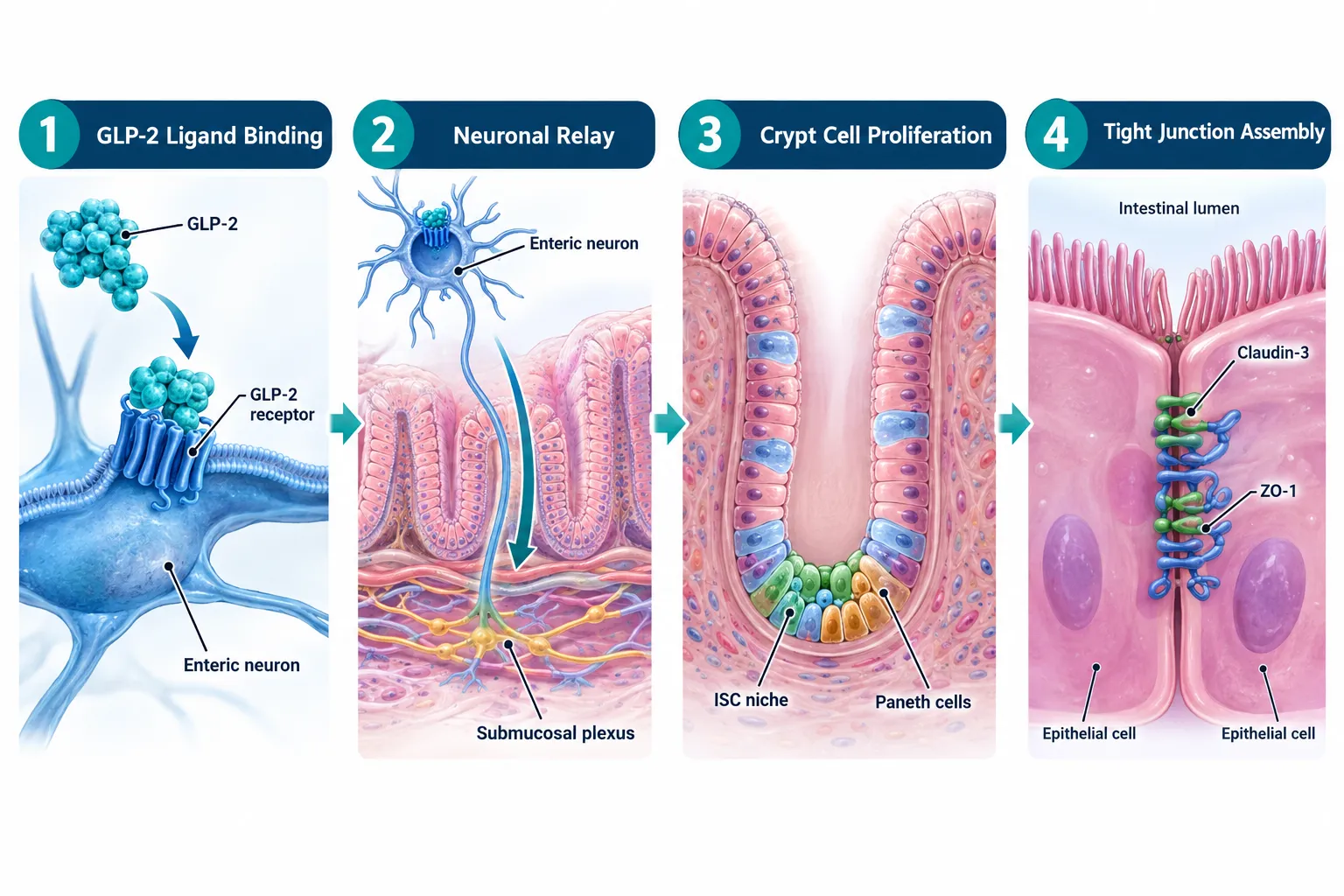
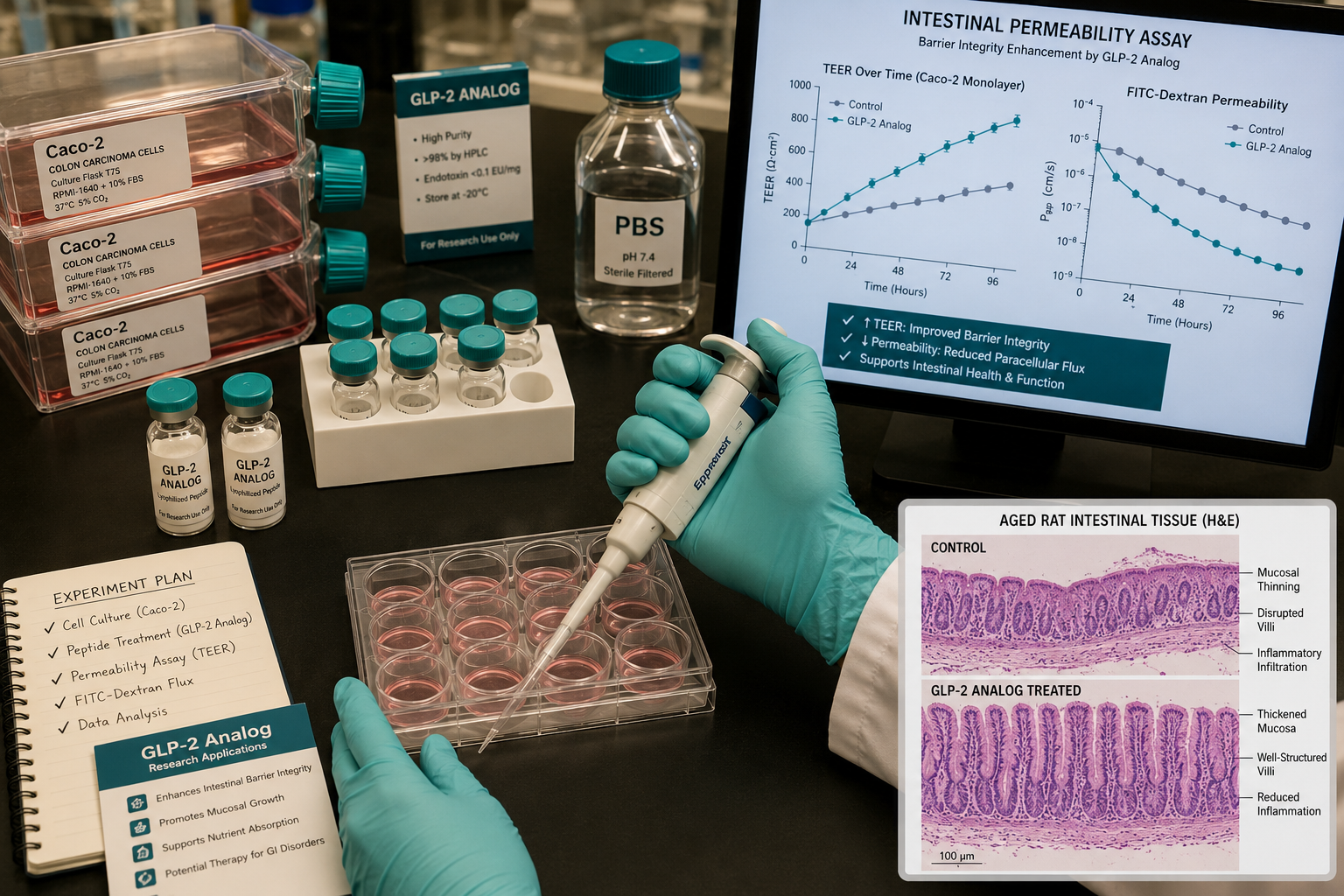
Research demonstrates that GLP-2 modulates the expression and organization of these tight junction proteins, reducing intestinal permeability. In vitro studies using Caco-2 cell models have shown that GLP-2 enhances barrier formation and protects against TNF-alpha-induced disruptions, a key finding for inflammatory disease research.

The receptor mechanism adds an important layer of complexity. The GLP-2 receptor (GLP-2R) is not expressed directly on proliferating crypt cells. Instead, GLP-2 acts through indirect pathways, signaling via:

Mediator Role in GLP-2 Signaling
IGF-1 and IGF-2 Drive crypt cell proliferation downstream
ErbB ligands Support epithelial repair and growth signaling
Enteric neurons Relay signals to mucosal tissue
Subepithelial myofibroblasts Coordinate structural barrier responses

This indirect signaling architecture makes GLP2-T particularly interesting for researchers studying paracrine gut biology. It also connects naturally to broader peptide research themes in gut and tissue repair.


Experimental Applications of GLP2-T in Research Models

Experimental Applications of GLP2-T in Research Models

Understanding what is GLP2-T peptide's research use, gut barrier biology, and experimental applications requires looking at the model systems where it has shown the most consistent activity.
Aged Animal Models
Studies in aged rats show that GLP-2 administration improves intestinal mucosal barrier function, suggesting potential relevance for age-related intestinal decline. This positions GLP2-T alongside other longevity-oriented research compounds.

Chemotherapy-Induced Mucositis
GLP-2 has been associated with reduced severity of chemotherapy-induced mucositis in experimental settings, pointing to a supportive role in oncology-adjacent research.

Inflammatory Bowel Disease Models
GLP-2 reduces mucosal permeability, enhances nutrient absorption, and promotes intestinal healing in models of short bowel syndrome and IBD. Researchers exploring GLP-3 and incretin research themes will find GLP2-T a logical parallel compound to study.

Blood Flow Regulation
GLP-2 also modulates intestinal blood flow, adding a vascular dimension to its gut-protective profile.

For researchers exploring dual receptor agonism in the GLP family, GLP2-T offers a clean, single-receptor reference point that clarifies which effects are GLP-2R-specific.

Experimental Applications of GLP2-T in Research Models

Those sourcing research-grade materials should review options from a verified peptide manufacturer to ensure purity standards appropriate for barrier biology assays.


Conclusion

GLP2-T peptide is a research-grade tool with a well-defined biological target: the intestinal epithelial barrier. Its ability to modulate tight junction proteins, drive mucosal growth through indirect receptor pathways, and protect against inflammatory insults makes it a high-value compound for gut biology research in 2026.

Actionable next steps for researchers:

  • Review Caco-2 permeability assay protocols before designing GLP2-T barrier studies
  • Compare GLP2-T activity against GLP-1 analogs to isolate receptor-specific effects
  • Explore aged-model or mucositis study designs where GLP-2 effects are most documented
  • Source only from suppliers with verified purity documentation; browse all available peptides for research use to build a complete experimental panel
  • Stay current with new developments in peptide research as GLP-2 analog science continues to evolve

GLP2-T is not a therapeutic product — it is a precision research instrument. Used correctly within controlled laboratory settings, it opens a clear window into some of the most clinically relevant questions in gastrointestinal biology today.

https://www.puretestedpeptides.com/wp-content/uploads/2026/06/What-Is-GLP2-T-Peptide-Research-Use-Gut-Barrier-Biology-and-Experimental-Applications.png 1024 1536 https://www.puretestedpeptides.com/wp-content/uploads/2026/01/buy-peptides-online.jpg 2026-06-08 13:03:242026-06-08 13:03:24What Is GLP2-T Peptide? Research Use, Gut Barrier Biology, and Experimental Applications
×

Helpful Links

  • My account
  • Cart
  • Checkout
  • Refund and Returns Policy
  • Privacy Policy
  • SMS Privacy Policy
  • Login
  • My Account
  • Logout

USA Made Lab Tested Peptides

All products are sold for research, laboratory, or analytical purposes only, and are not for human consumption


Pure Tested Peptides is a chemical supplier. Pure Tested Peptides is not a compounding / chemical compounding facility as defined under 503A of the Federal Food, Drug, and Cosmetic act. Pure Tested Peptides is not an outsourcing facility as defined under 503B of the Federal Food, Drug, and Cosmetic act.

The statements made within this website have not been evaluated by the US Food and Drug Administration. The products we offer are not intended to diagnose, treat, cure or prevent any disease.

Human/Animal Consumption Prohibited. Laboratory/In-Vitro Experimental Use Only

Scroll to top Scroll to top Scroll to top