Call or Text 727-513-9780
  • Shopping Cart Shopping Cart
    0Shopping Cart
Pure Tested Peptides | America's most trusted Peptides for sale online
  • Peptides for sale
    • Oral Peptides for sale
      • Peptide Capsules for sale
      • BPC 157 Capsules 1000mcg
      • SLU-PP-332 Capsules | 1000 mcg
      • 5-Amino-1MQ 50mg Capsules
      • Tesofensine 500mcg
    • All Peptides for sale
    • Peptide Sprays
      • BPC 157 Nasal Spray Kit
      • BPC-157 TB500 Nasal Spray Kit
      • Semax Nasal Spray 10mg
      • Selank – Nasal Spray Kit – 10mg
      • Epithalon 50MG Nasal Spray Kit
      • Ipamorelin 10mg Nasal Spray
      • Klow Nasal Spray (BPC-157 + TB-500 + GHK-Cu + KPV) | 80mg
      • Hulk Nasal Spray Tesa / Ipa Blend 6/3 MG
      • Klow Nasal Spray
      • NAD + 500 mg Nasal Spray
      • PT-141 Nasal Spray Kit
    • GHRH Peptides
      • Ipa Peptides
      • CJC-1295 Peptides
        • CJC-1295 with DAC 5 mg
        • CJC-1295 without DAC 5 mg
        • CJC-1295 Ipa 10mg
      • Tesa Peptides
        • Tesa Peptide
        • Tesa 20 mg
    • GHK-Cu Peptides
      • All GHK-Cu Peptides
      • GHK-Cu 100mg
      • KLOW Peptide Blend – Buy KLOW blend online
    • BPC Peptides
      • All BPC Peptides
      • BPC-157
      • BPC-157 TB-500
      • BPC 157 capsules 1000mcg
    • SLU-PP-332 Peptides
      • All SLU-PP-332 Peptides
      • SLU-PP-332 5mg
    • GLP3 Peptides
      • GLP3-R
      • GLP3-R CAG 10mg
      • GLP3-R 20mg
    • PT-141 Peptides
      • PT-141 Peptides for sale
      • PT-141 10mg
      • PT-141 Nasal Spray
    • CAG Peptides
      • Lipo-C Peptide Blend
      • CAG 5mg
      • CAG 10mg
    • MOTS-C Peptides
      • MOTS-C Peptides for sale
      • MOTS-c peptide
      • MOTS-c 10mg *6 pack*
    • 5 Amino 1MQ Peptides
      • 5 Amino 1MQ Peptides for sale
      • 5-Amino-1MQ 50mg Capsules
      • 5-Amino-1MQ 5mg
    • Epithalon Peptides
      • Epithalon Peptides for sale
      • Epithalon 10mg
      • Epithalon 50mg
  • Shop
    • GLPs
      • 5-Amino-1MQ 50mg Capsules
      • 5-Amino-1MQ 5mg
      • GLP3-Reta
      • L-Carnitine 500mg/ml
      • Tesofensine 500mcg
      • SLU-PP-332 5mg
      • MOTS-c 10mg *6 pack*
    • Epithalon & BPC Peptides
      • Epithalon 10mg
      • Epithalon 50mg
      • BPC-157
      • BPC 157 capsules 1000mcg
      • BPC-157 TB-500
      • BPC-157 TB500 Nasal Spray Kit
      • BPC 157 Nasal Spray Kit
    • BPC TB-500 & NAD+ Peptides
      • NAD+ 500 mg
      • KLOW Peptide Blend – Buy KLOW blend online
      • GLOW Peptide Blend
      • TB 500 5mg
      • BPC 157 capsules 1000mcg – Supplement
      • BPC 157 Nasal Spray Kit
      • BPC-157
      • BPC-157 TB500 Nasal Spray Kit
      • BPC-157 TB-500
      • BPC 157 capsules 1000mcg
    • LL-37 Peptide
      • LL-37 10 mg
    • MOTS-C & Selank
      • MOTS-c peptide
      • Selank 10mg
    • GHK Peptides
      • GHK-Cu 100mg
      • GLOW Peptide Blend
      • KLOW Peptide Blend – Buy KLOW blend online
  • COAs
  • Wholesale
    • Wholesale Peptides for sale
  • PTP FAQ
  • Affiliates
    • Affiliate Program
    • Affiliate Signup
  • Contact
    • Contact Customer Service
    • Text Customer Support
  • About US
  • Shop all peptides
  • Login / Register Login / Register Page Link Login / Register Page Link
  • Click to open the search input field Click to open the search input field Search
  • Menu Menu

Tag Archive for: tissue remodeling

Collagen, GHK-Cu, and Glow/Klow Blends: How Peptides and Polypeptides Influence Skin and Connective Tissue Research

Collagen, GHK-Cu, and Glow/Klow Blends: How Peptides and Polypeptides Influence Skin and Connective Tissue Research

June 23, 2026/0 Comments/in Uncategorized/by

By age 60, the body's circulating levels of GHK-Cu — a copper-binding tripeptide central to collagen biology — have fallen to roughly 40% of what they were at age 20. That single data point has driven a growing body of preclinical research into how peptides and polypeptides can modulate skin structure, wound repair, and connective tissue remodeling. Collagen, GHK-Cu, and Glow/Klow Blends: How Peptides and Polypeptides Influence Skin and Connective Tissue Research sits at the intersection of biochemistry, aging science, and formulation strategy — and understanding the mechanisms matters before drawing any conclusions.

Key Takeaways

  • GHK-Cu is a naturally occurring tripeptide that declines significantly with age and plays a documented role in collagen synthesis and gene expression modulation.
  • The Glow Blend combines GHK-Cu, BPC-157, and TB-500 in a 5:1:1 ratio, targeting skin remodeling through complementary mechanisms.
  • The Klow Blend adds KPV to the Glow formula, introducing an anti-inflammatory component studied in epithelial and gut barrier contexts.
  • No controlled in-vivo study has directly tested these multi-peptide blends against single-agent monotherapy — all synergy claims remain mechanistic extrapolations.
  • Purity, sourcing, and documentation standards are critical considerations when evaluating any peptide research compound.

GHK-Cu molecular structure and age-related collagen decline graph

GHK-Cu and Collagen Biology: The Copper-Peptide Foundation

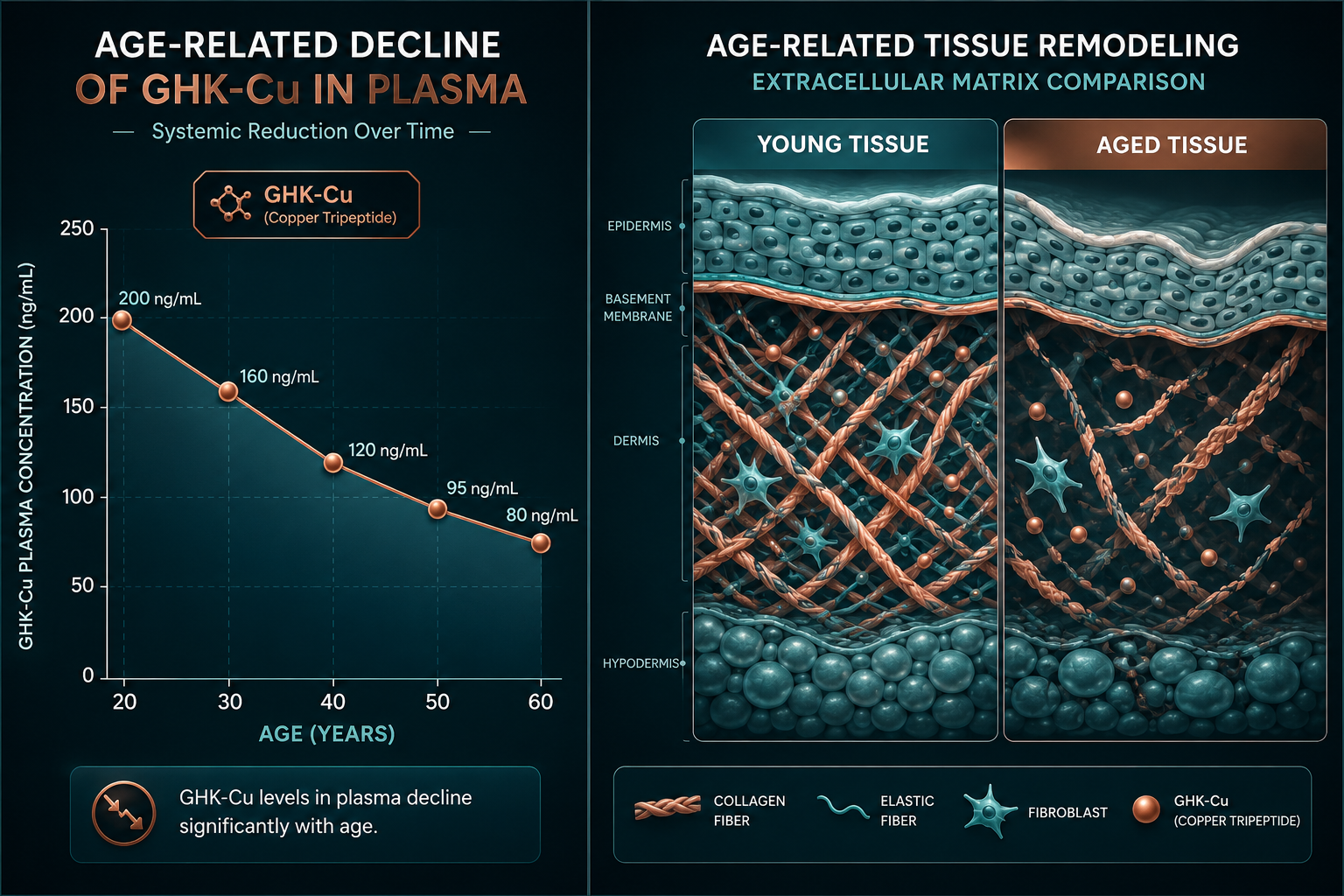
GHK-Cu (Glycyl-L-Histidyl-L-Lysine-Copper) is a tripeptide that occurs naturally in human plasma, saliva, and urine. At age 20, plasma concentrations sit near 200 ng/ml. By age 60, that figure drops to approximately 80 ng/ml — a decline that parallels well-known changes in skin elasticity and wound-healing capacity.

In in-vitro and animal model research, GHK-Cu has demonstrated several relevant activities:

  • Collagen synthesis stimulation: GHK-Cu upregulates collagen gene expression in fibroblast cultures, promoting the production of Types I and III collagen.
  • Matrix metalloproteinase (MMP) modulation: It appears to balance MMP activity, supporting matrix remodeling without unchecked degradation.
  • Antioxidant and anti-inflammatory effects: The copper-chelating structure helps neutralize reactive oxygen species in cellular environments.
  • Gene expression breadth: Microarray studies suggest GHK-Cu influences the expression of over 4,000 human genes, including pathways tied to tissue repair and inflammation resolution.

"GHK-Cu does not simply stimulate collagen production — it appears to act as a broad biological signal for tissue remodeling and repair."

For researchers exploring copper-binding polypeptides, GHK-Cu peptides for research use represent one of the more well-documented starting points in the skin biology literature. Related work on KPV and epithelial barrier function provides useful mechanistic context for the Klow formulation discussed below.


Glow Blend and Klow Blend side-by-side composition comparison infographic

Glow and Klow Blends: Collagen, GHK-Cu, and Glow/Klow Blends Composition and Mechanisms

The Glow and Klow blends are multi-peptide formulations designed to combine complementary mechanisms into a single research compound. Understanding their composition is essential before evaluating any mechanistic claims.

Glow Blend

The Glow Blend contains three peptides in a 5:1:1 mass ratio:

Peptide Mass Primary Research Focus
GHK-Cu 50 mg Collagen synthesis, gene modulation
BPC-157 10 mg Angiogenesis, tissue stabilization
TB-500 10 mg Cellular migration, cytoskeletal remodeling

BPC-157 has been studied extensively for its role in promoting angiogenesis and stabilizing connective tissue, as detailed in BPC-157 core peptides documentation. TB-500's contribution involves actin-binding activity that supports cellular migration during wound repair. For a broader look at how the Glow formulation fits into longevity-oriented research, the Glow Blend longevity research themes overview offers additional context.

Klow Blend

The Klow Blend expands the Glow formula with a fourth component:

  • KPV (10 mg): A tripeptide derived from alpha-MSH, studied for reducing cellular and gut inflammation via NF-kB pathway modulation.

Total mass is 80 mg at a 50:10:10:10 ratio. The addition of KPV positions Klow toward research contexts where inflammatory modulation alongside structural remodeling is relevant.

Researchers can also review Glow Blend peptide benefits for a component-level breakdown.


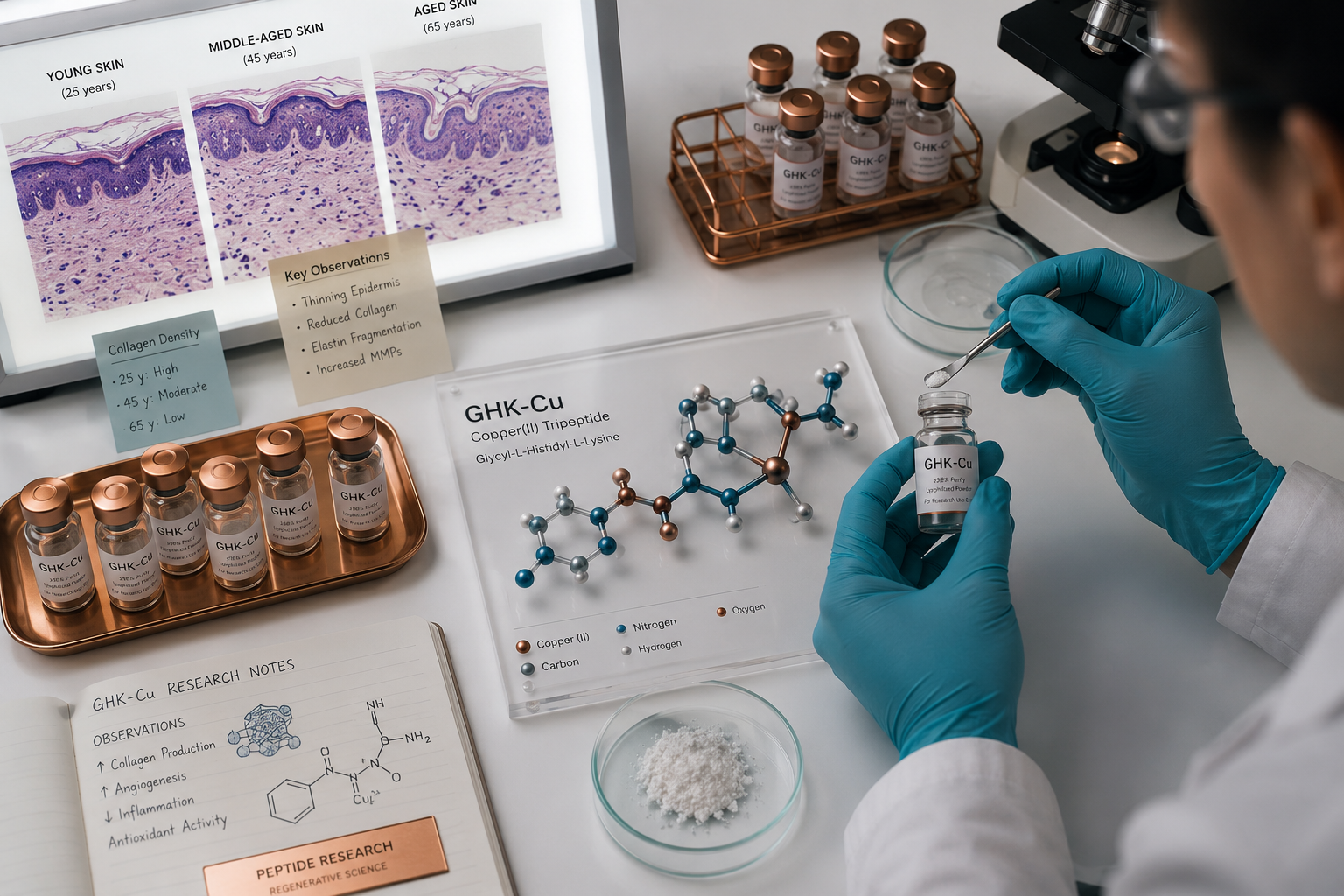
Peptide research laboratory vials and connective tissue study materials

Research Limitations and What the Evidence Actually Shows

A critical point in evaluating Collagen, GHK-Cu, and Glow/Klow Blends: How Peptides and Polypeptides Influence Skin and Connective Tissue Research is understanding where the evidence base currently stands.

What is established:

  • Individual components — GHK-Cu, BPC-157, TB-500, and KPV — each have peer-reviewed in-vitro and animal model data supporting their proposed mechanisms.
  • GHK-Cu's influence on collagen gene expression is among the better-characterized effects in the peptide skin biology literature.

What remains unproven:

  • No controlled in-vivo study has tested the four-peptide Klow blend against any single-agent monotherapy.
  • No head-to-head trial compares Glow versus Klow versus individual components in a matched model.
  • All synergy claims are mechanistic extrapolations from single-agent studies — not direct experimental findings.

This distinction matters for anyone interpreting research data or designing study protocols. The mechanistic rationale is logical, but logic is not evidence.

Researchers sourcing compounds for structured studies should prioritize verified purity and documentation. Reviewing certificates of analysis is a standard due-diligence step, and exploring the broader peptide research catalog can help identify complementary compounds relevant to connective tissue and skin biology.


Conclusion

The science connecting GHK-Cu to collagen synthesis and tissue remodeling is well-grounded in preclinical literature. The Glow and Klow blends extend that foundation by combining peptides with distinct but potentially complementary mechanisms — angiogenesis support from BPC-157, cytoskeletal remodeling from TB-500, and inflammatory modulation from KPV. However, the absence of controlled blend-versus-monotherapy studies means the synergy hypothesis, while mechanistically plausible, remains unconfirmed at the in-vivo level.

Actionable next steps for researchers:

  1. Review single-agent literature for each component before drawing conclusions about blend behavior.
  2. Prioritize compounds with third-party certificates of analysis to ensure research-grade purity.
  3. Design protocols that include single-agent controls alongside blend groups to begin generating direct comparative data.
  4. Track the evolving literature on copper-binding polypeptides, as GHK-Cu gene expression research continues to expand.

The field is moving quickly. Rigorous, well-controlled study design will be what separates mechanistic speculation from actionable science.

https://www.puretestedpeptides.com/wp-content/uploads/2026/06/Collagen-GHK-Cu-and-GlowKlow-Blends-How-Peptides-and-Polypeptides-Influence-Skin-and-Connective-Tissue-Research.png 1024 1536 https://www.puretestedpeptides.com/wp-content/uploads/2026/01/buy-peptides-online.jpg 2026-06-23 13:19:092026-06-23 13:19:09Collagen, GHK-Cu, and Glow/Klow Blends: How Peptides and Polypeptides Influence Skin and Connective Tissue Research
Collagen, GHK-Cu, and Glow/Klow Blends: How Peptides and Polypeptides Influence Skin and Connective Tissue Research

Collagen, GHK-Cu, and Glow/Klow Blends: How Peptides and Polypeptides Influence Skin and Connective Tissue Research

June 23, 2026/0 Comments/in Uncategorized/by

By age 60, the body's circulating levels of GHK-Cu — a copper-binding tripeptide central to collagen biology — have fallen to roughly 40% of what they were at age 20. That single data point has driven a growing body of preclinical research into how peptides and polypeptides can modulate skin structure, wound repair, and connective tissue remodeling. Collagen, GHK-Cu, and Glow/Klow Blends: How Peptides and Polypeptides Influence Skin and Connective Tissue Research sits at the intersection of biochemistry, aging science, and formulation strategy — and understanding the mechanisms matters before drawing any conclusions.

Key Takeaways

  • GHK-Cu is a naturally occurring tripeptide that declines significantly with age and plays a documented role in collagen synthesis and gene expression modulation.
  • The Glow Blend combines GHK-Cu, BPC-157, and TB-500 in a 5:1:1 ratio, targeting skin remodeling through complementary mechanisms.
  • The Klow Blend adds KPV to the Glow formula, introducing an anti-inflammatory component studied in epithelial and gut barrier contexts.
  • No controlled in-vivo study has directly tested these multi-peptide blends against single-agent monotherapy — all synergy claims remain mechanistic extrapolations.
  • Purity, sourcing, and documentation standards are critical considerations when evaluating any peptide research compound.

GHK-Cu molecular structure and age-related collagen decline graph

GHK-Cu and Collagen Biology: The Copper-Peptide Foundation

GHK-Cu (Glycyl-L-Histidyl-L-Lysine-Copper) is a tripeptide that occurs naturally in human plasma, saliva, and urine. At age 20, plasma concentrations sit near 200 ng/ml. By age 60, that figure drops to approximately 80 ng/ml — a decline that parallels well-known changes in skin elasticity and wound-healing capacity.

In in-vitro and animal model research, GHK-Cu has demonstrated several relevant activities:

  • Collagen synthesis stimulation: GHK-Cu upregulates collagen gene expression in fibroblast cultures, promoting the production of Types I and III collagen.
  • Matrix metalloproteinase (MMP) modulation: It appears to balance MMP activity, supporting matrix remodeling without unchecked degradation.
  • Antioxidant and anti-inflammatory effects: The copper-chelating structure helps neutralize reactive oxygen species in cellular environments.
  • Gene expression breadth: Microarray studies suggest GHK-Cu influences the expression of over 4,000 human genes, including pathways tied to tissue repair and inflammation resolution.

"GHK-Cu does not simply stimulate collagen production — it appears to act as a broad biological signal for tissue remodeling and repair."

For researchers exploring copper-binding polypeptides, GHK-Cu peptides for research use represent one of the more well-documented starting points in the skin biology literature. Related work on KPV and epithelial barrier function provides useful mechanistic context for the Klow formulation discussed below.


Glow Blend and Klow Blend side-by-side composition comparison infographic

Glow and Klow Blends: Collagen, GHK-Cu, and Glow/Klow Blends Composition and Mechanisms

The Glow and Klow blends are multi-peptide formulations designed to combine complementary mechanisms into a single research compound. Understanding their composition is essential before evaluating any mechanistic claims.

Glow Blend

The Glow Blend contains three peptides in a 5:1:1 mass ratio:

Peptide Mass Primary Research Focus
GHK-Cu 50 mg Collagen synthesis, gene modulation
BPC-157 10 mg Angiogenesis, tissue stabilization
TB-500 10 mg Cellular migration, cytoskeletal remodeling

BPC-157 has been studied extensively for its role in promoting angiogenesis and stabilizing connective tissue, as detailed in BPC-157 core peptides documentation. TB-500's contribution involves actin-binding activity that supports cellular migration during wound repair. For a broader look at how the Glow formulation fits into longevity-oriented research, the Glow Blend longevity research themes overview offers additional context.

Klow Blend

The Klow Blend expands the Glow formula with a fourth component:

  • KPV (10 mg): A tripeptide derived from alpha-MSH, studied for reducing cellular and gut inflammation via NF-kB pathway modulation.

Total mass is 80 mg at a 50:10:10:10 ratio. The addition of KPV positions Klow toward research contexts where inflammatory modulation alongside structural remodeling is relevant.

Researchers can also review Glow Blend peptide benefits for a component-level breakdown.


Peptide research laboratory vials and connective tissue study materials

Research Limitations and What the Evidence Actually Shows

A critical point in evaluating Collagen, GHK-Cu, and Glow/Klow Blends: How Peptides and Polypeptides Influence Skin and Connective Tissue Research is understanding where the evidence base currently stands.

What is established:

  • Individual components — GHK-Cu, BPC-157, TB-500, and KPV — each have peer-reviewed in-vitro and animal model data supporting their proposed mechanisms.
  • GHK-Cu's influence on collagen gene expression is among the better-characterized effects in the peptide skin biology literature.

What remains unproven:

  • No controlled in-vivo study has tested the four-peptide Klow blend against any single-agent monotherapy.
  • No head-to-head trial compares Glow versus Klow versus individual components in a matched model.
  • All synergy claims are mechanistic extrapolations from single-agent studies — not direct experimental findings.

This distinction matters for anyone interpreting research data or designing study protocols. The mechanistic rationale is logical, but logic is not evidence.

Researchers sourcing compounds for structured studies should prioritize verified purity and documentation. Reviewing certificates of analysis is a standard due-diligence step, and exploring the broader peptide research catalog can help identify complementary compounds relevant to connective tissue and skin biology.


Conclusion

The science connecting GHK-Cu to collagen synthesis and tissue remodeling is well-grounded in preclinical literature. The Glow and Klow blends extend that foundation by combining peptides with distinct but potentially complementary mechanisms — angiogenesis support from BPC-157, cytoskeletal remodeling from TB-500, and inflammatory modulation from KPV. However, the absence of controlled blend-versus-monotherapy studies means the synergy hypothesis, while mechanistically plausible, remains unconfirmed at the in-vivo level.

Actionable next steps for researchers:

  1. Review single-agent literature for each component before drawing conclusions about blend behavior.
  2. Prioritize compounds with third-party certificates of analysis to ensure research-grade purity.
  3. Design protocols that include single-agent controls alongside blend groups to begin generating direct comparative data.
  4. Track the evolving literature on copper-binding polypeptides, as GHK-Cu gene expression research continues to expand.

The field is moving quickly. Rigorous, well-controlled study design will be what separates mechanistic speculation from actionable science.

https://www.puretestedpeptides.com/wp-content/uploads/2026/06/Collagen-GHK-Cu-and-GlowKlow-Blends-How-Peptides-and-Polypeptides-Influence-Skin-and-Connective-Tissue-Research.png 1024 1536 https://www.puretestedpeptides.com/wp-content/uploads/2026/01/buy-peptides-online.jpg 2026-06-23 13:19:092026-06-23 13:19:09Collagen, GHK-Cu, and Glow/Klow Blends: How Peptides and Polypeptides Influence Skin and Connective Tissue Research
Collagen, GHK-Cu, and Glow/Klow Blends: How Peptides and Polypeptides Influence Skin and Connective Tissue Research

Collagen, GHK-Cu, and Glow/Klow Blends: How Peptides and Polypeptides Influence Skin and Connective Tissue Research

June 23, 2026/0 Comments/in Uncategorized/by

By age 60, the body's circulating levels of GHK-Cu — a copper-binding tripeptide central to collagen biology — have fallen to roughly 40% of what they were at age 20. That single data point has driven a growing body of preclinical research into how peptides and polypeptides can modulate skin structure, wound repair, and connective tissue remodeling. Collagen, GHK-Cu, and Glow/Klow Blends: How Peptides and Polypeptides Influence Skin and Connective Tissue Research sits at the intersection of biochemistry, aging science, and formulation strategy — and understanding the mechanisms matters before drawing any conclusions.

Key Takeaways

  • GHK-Cu is a naturally occurring tripeptide that declines significantly with age and plays a documented role in collagen synthesis and gene expression modulation.
  • The Glow Blend combines GHK-Cu, BPC-157, and TB-500 in a 5:1:1 ratio, targeting skin remodeling through complementary mechanisms.
  • The Klow Blend adds KPV to the Glow formula, introducing an anti-inflammatory component studied in epithelial and gut barrier contexts.
  • No controlled in-vivo study has directly tested these multi-peptide blends against single-agent monotherapy — all synergy claims remain mechanistic extrapolations.
  • Purity, sourcing, and documentation standards are critical considerations when evaluating any peptide research compound.

GHK-Cu molecular structure and age-related collagen decline graph

GHK-Cu and Collagen Biology: The Copper-Peptide Foundation

GHK-Cu (Glycyl-L-Histidyl-L-Lysine-Copper) is a tripeptide that occurs naturally in human plasma, saliva, and urine. At age 20, plasma concentrations sit near 200 ng/ml. By age 60, that figure drops to approximately 80 ng/ml — a decline that parallels well-known changes in skin elasticity and wound-healing capacity.

In in-vitro and animal model research, GHK-Cu has demonstrated several relevant activities:

  • Collagen synthesis stimulation: GHK-Cu upregulates collagen gene expression in fibroblast cultures, promoting the production of Types I and III collagen.
  • Matrix metalloproteinase (MMP) modulation: It appears to balance MMP activity, supporting matrix remodeling without unchecked degradation.
  • Antioxidant and anti-inflammatory effects: The copper-chelating structure helps neutralize reactive oxygen species in cellular environments.
  • Gene expression breadth: Microarray studies suggest GHK-Cu influences the expression of over 4,000 human genes, including pathways tied to tissue repair and inflammation resolution.

"GHK-Cu does not simply stimulate collagen production — it appears to act as a broad biological signal for tissue remodeling and repair."

For researchers exploring copper-binding polypeptides, GHK-Cu peptides for research use represent one of the more well-documented starting points in the skin biology literature. Related work on KPV and epithelial barrier function provides useful mechanistic context for the Klow formulation discussed below.


Glow Blend and Klow Blend side-by-side composition comparison infographic

Glow and Klow Blends: Collagen, GHK-Cu, and Glow/Klow Blends Composition and Mechanisms

The Glow and Klow blends are multi-peptide formulations designed to combine complementary mechanisms into a single research compound. Understanding their composition is essential before evaluating any mechanistic claims.

Glow Blend

The Glow Blend contains three peptides in a 5:1:1 mass ratio:

Peptide Mass Primary Research Focus
GHK-Cu 50 mg Collagen synthesis, gene modulation
BPC-157 10 mg Angiogenesis, tissue stabilization
TB-500 10 mg Cellular migration, cytoskeletal remodeling

BPC-157 has been studied extensively for its role in promoting angiogenesis and stabilizing connective tissue, as detailed in BPC-157 core peptides documentation. TB-500's contribution involves actin-binding activity that supports cellular migration during wound repair. For a broader look at how the Glow formulation fits into longevity-oriented research, the Glow Blend longevity research themes overview offers additional context.

Klow Blend

The Klow Blend expands the Glow formula with a fourth component:

  • KPV (10 mg): A tripeptide derived from alpha-MSH, studied for reducing cellular and gut inflammation via NF-kB pathway modulation.

Total mass is 80 mg at a 50:10:10:10 ratio. The addition of KPV positions Klow toward research contexts where inflammatory modulation alongside structural remodeling is relevant.

Researchers can also review Glow Blend peptide benefits for a component-level breakdown.


Peptide research laboratory vials and connective tissue study materials

Research Limitations and What the Evidence Actually Shows

A critical point in evaluating Collagen, GHK-Cu, and Glow/Klow Blends: How Peptides and Polypeptides Influence Skin and Connective Tissue Research is understanding where the evidence base currently stands.

What is established:

  • Individual components — GHK-Cu, BPC-157, TB-500, and KPV — each have peer-reviewed in-vitro and animal model data supporting their proposed mechanisms.
  • GHK-Cu's influence on collagen gene expression is among the better-characterized effects in the peptide skin biology literature.

What remains unproven:

  • No controlled in-vivo study has tested the four-peptide Klow blend against any single-agent monotherapy.
  • No head-to-head trial compares Glow versus Klow versus individual components in a matched model.
  • All synergy claims are mechanistic extrapolations from single-agent studies — not direct experimental findings.

This distinction matters for anyone interpreting research data or designing study protocols. The mechanistic rationale is logical, but logic is not evidence.

Researchers sourcing compounds for structured studies should prioritize verified purity and documentation. Reviewing certificates of analysis is a standard due-diligence step, and exploring the broader peptide research catalog can help identify complementary compounds relevant to connective tissue and skin biology.


Conclusion

The science connecting GHK-Cu to collagen synthesis and tissue remodeling is well-grounded in preclinical literature. The Glow and Klow blends extend that foundation by combining peptides with distinct but potentially complementary mechanisms — angiogenesis support from BPC-157, cytoskeletal remodeling from TB-500, and inflammatory modulation from KPV. However, the absence of controlled blend-versus-monotherapy studies means the synergy hypothesis, while mechanistically plausible, remains unconfirmed at the in-vivo level.

Actionable next steps for researchers:

  1. Review single-agent literature for each component before drawing conclusions about blend behavior.
  2. Prioritize compounds with third-party certificates of analysis to ensure research-grade purity.
  3. Design protocols that include single-agent controls alongside blend groups to begin generating direct comparative data.
  4. Track the evolving literature on copper-binding polypeptides, as GHK-Cu gene expression research continues to expand.

The field is moving quickly. Rigorous, well-controlled study design will be what separates mechanistic speculation from actionable science.

https://www.puretestedpeptides.com/wp-content/uploads/2026/06/Collagen-GHK-Cu-and-GlowKlow-Blends-How-Peptides-and-Polypeptides-Influence-Skin-and-Connective-Tissue-Research-1.png 1024 1536 https://www.puretestedpeptides.com/wp-content/uploads/2026/01/buy-peptides-online.jpg 2026-06-23 13:19:092026-06-23 13:19:09Collagen, GHK-Cu, and Glow/Klow Blends: How Peptides and Polypeptides Influence Skin and Connective Tissue Research
GHK-Cu Peptide in Tissue Remodeling Research: Collagen Signaling, Copper Biology, and Experimental Readouts

GHK-Cu Peptide in Tissue Remodeling Research: Collagen Signaling, Copper Biology, and Experimental Readouts

June 15, 2026/0 Comments/in Uncategorized/by

Plasma concentrations of GHK-Cu drop by roughly 60% between the ages of 20 and 60 — a decline that coincides with measurable reductions in tissue repair capacity, collagen density, and extracellular matrix integrity. That single data point has driven decades of research into what this tripeptide-copper complex actually does at the molecular level. Understanding GHK-Cu peptide in tissue remodeling research — including its collagen signaling mechanisms, copper biology, and experimental readouts — requires moving past surface-level claims and into the underlying biochemistry.

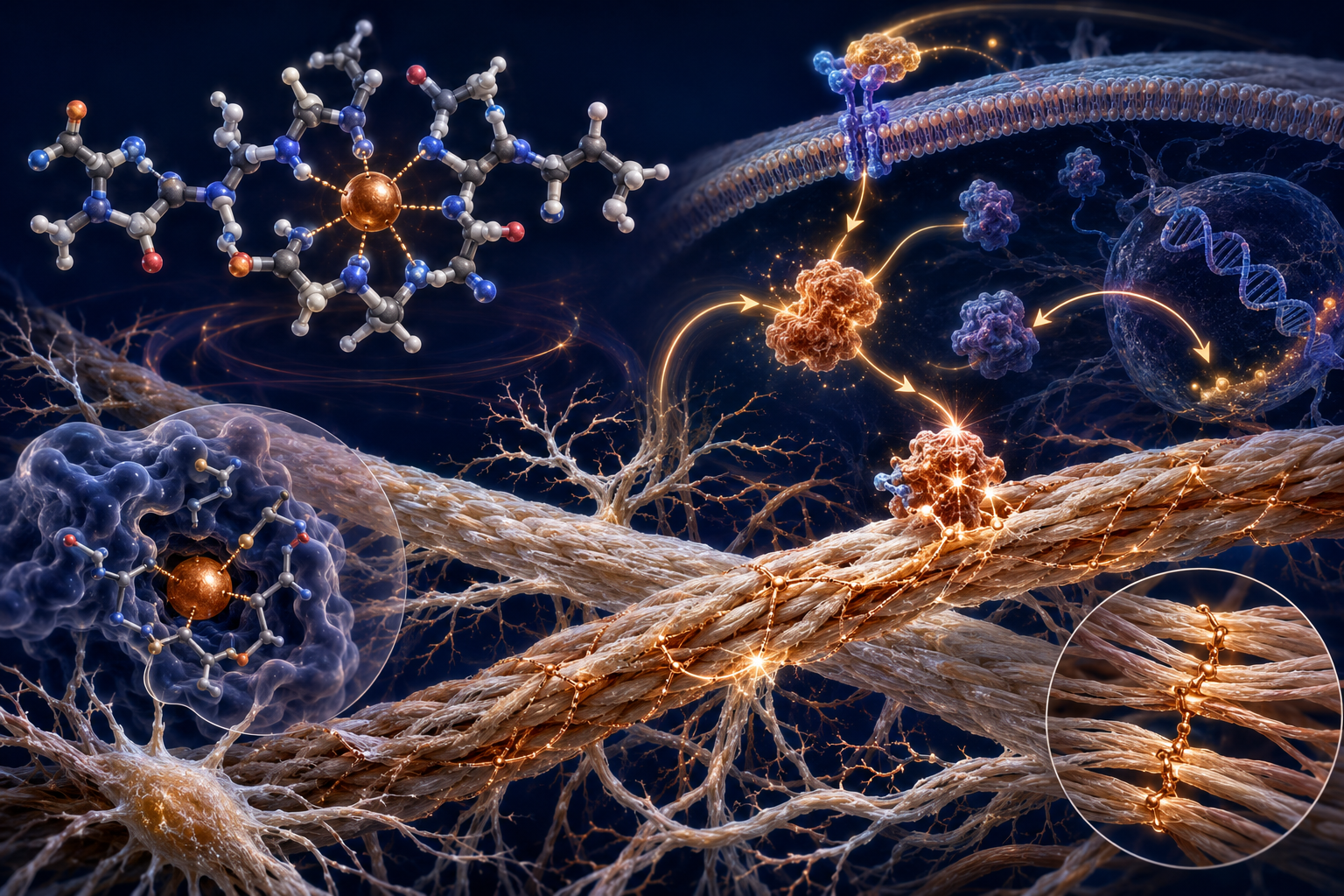
Detailed () scientific illustration showing GHK-Cu peptide molecular structure binding to copper(II) ions, with branching

Key Takeaways

  • GHK-Cu is a naturally occurring tripeptide that binds copper(II) ions and modulates expression of more than 4,000 human genes.
  • It stimulates Type I, III, and IV collagen synthesis through TGF-beta1 upregulation and activates copper-dependent enzymes critical for matrix stability.
  • Plasma levels decline significantly with age, making it a relevant target in longevity and tissue repair research.
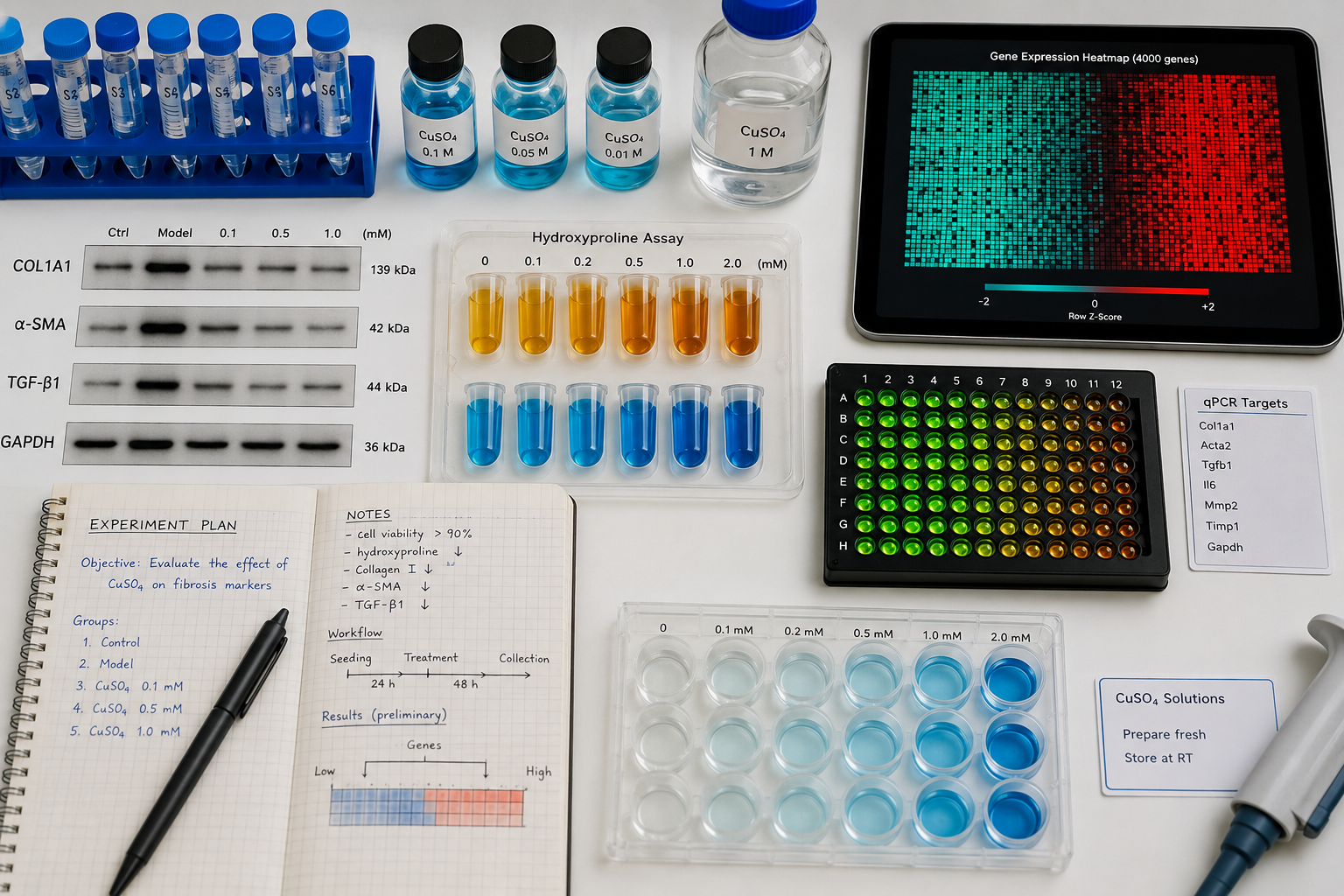
  • Experimental readouts include hydroxyproline assays, gene expression panels, and tensile strength measurements.
  • Controlled injectable human trial data remain limited, representing a key gap for researchers in 2026.

The Copper Biology Behind GHK-Cu

The "Cu" in GHK-Cu is not incidental. Copper(II) binding is central to the peptide's function. The tripeptide glycyl-L-histidyl-L-lysine chelates copper with high affinity, creating a stable complex that acts as a targeted delivery vehicle for this essential trace metal.

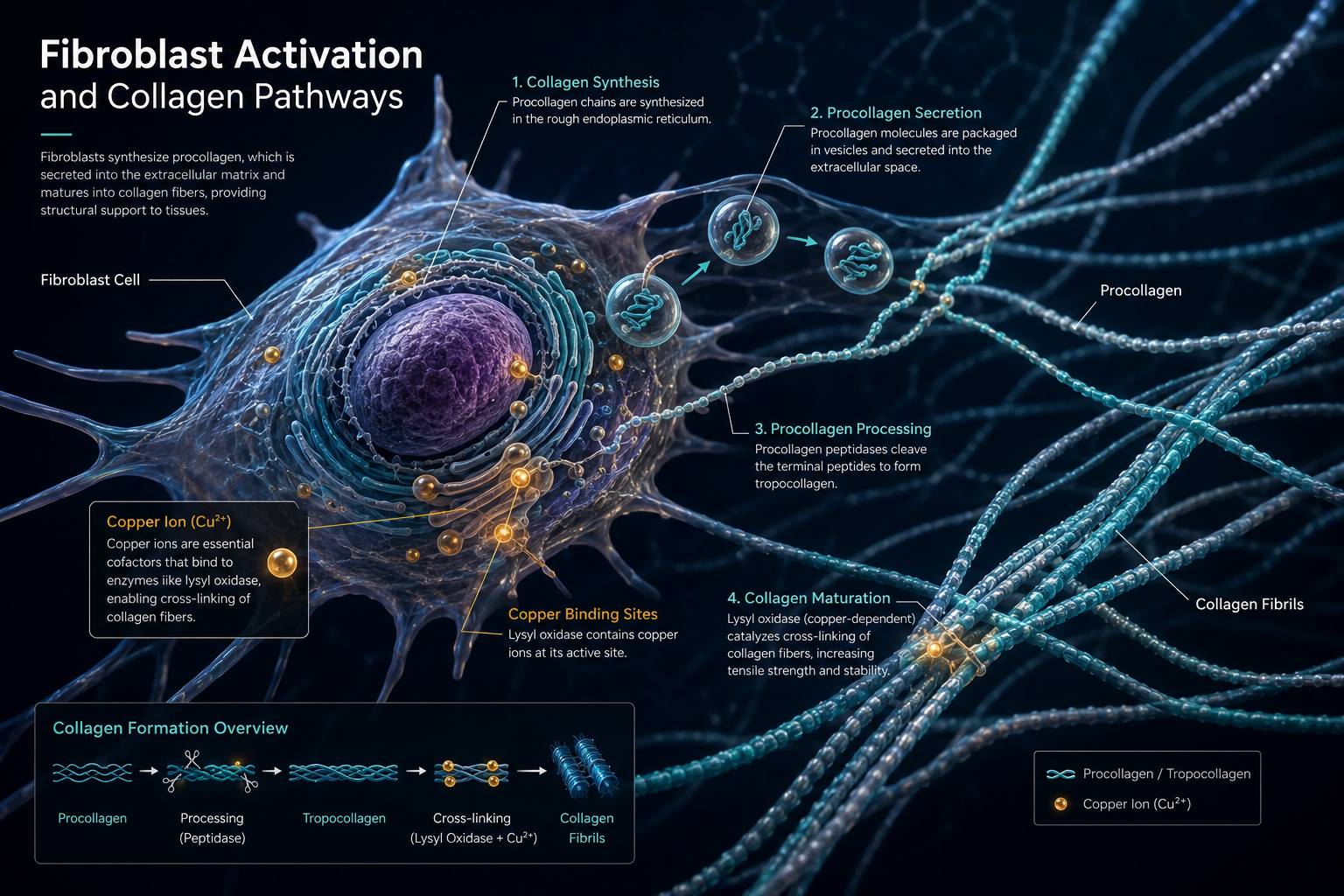
Once delivered, copper activates two enzymes that directly shape the extracellular matrix:

  • Lysyl oxidase — catalyzes the cross-linking of collagen and elastin fibers, giving connective tissue its mechanical strength
  • Superoxide dismutase (SOD) — neutralizes reactive oxygen species, protecting newly synthesized matrix components from oxidative degradation

Without adequate copper bioavailability, both processes stall. GHK-Cu's chelation chemistry makes copper accessible at the tissue level in a controlled, enzymatically useful form. This distinguishes it from free copper supplementation, which carries toxicity risks at elevated concentrations.

Researchers studying recovery and tissue biology will recognize this copper-enzyme axis as a foundational mechanism in matrix remodeling cascades.


Collagen Signaling Pathways in GHK-Cu Peptide Research

The peptide's influence on collagen is not limited to copper delivery. GHK-Cu upregulates transforming growth factor-beta 1 (TGF-beta1), a master regulator of connective tissue synthesis. This pathway drives increased production of:

Collagen Type Primary Location Research Relevance
Type I Skin, bone, tendon Wound tensile strength
Type III Skin, vasculature Early wound repair scaffold
Type IV Basement membranes Barrier integrity

Beyond collagen, GHK-Cu also promotes elastin synthesis and glycosaminoglycan deposition — both markers of functional matrix remodeling rather than simple scar formation.

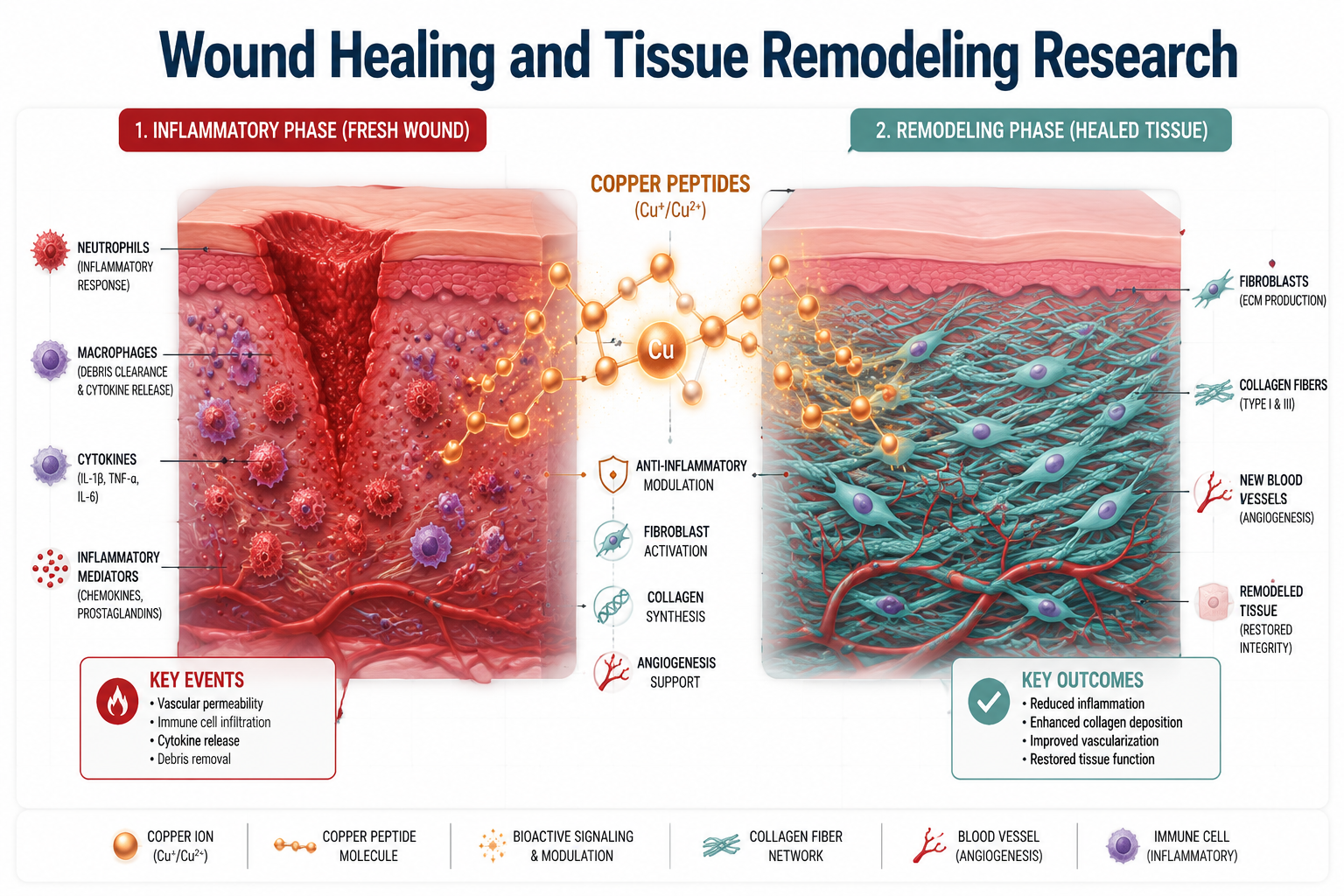
A critical distinction for researchers: GHK-Cu simultaneously suppresses pro-fibrotic TGF-beta signaling in excess, helping to balance matrix deposition against pathological fibrosis. It also reduces inflammatory cytokines including TNF-alpha and IL-6, creating a microenvironment more conducive to organized tissue repair.

This dual role — stimulating matrix production while dampening excessive inflammation — makes it a compelling subject for studies that pair it with other repair-oriented compounds. Researchers exploring topical GHK-Cu formulations can observe these collagen signaling effects through standardized dermal assays.


Experimental Readouts for GHK-Cu Peptide in Tissue Remodeling Research

Experimental Readouts for GHK-Cu Peptide in Tissue Remodeling Research

Translating GHK-Cu's molecular biology into reproducible data requires selecting the right assay formats. The following readouts are most commonly used in preclinical tissue remodeling studies:

Biochemical assays:

  • Hydroxyproline content measurement (quantifies total collagen deposition)
  • ELISA panels for TGF-beta1, TNF-alpha, and IL-6 levels
  • SOD activity assays to confirm copper-enzyme activation

Molecular readouts:

  • RT-PCR and RNA sequencing for gene expression profiling (GHK-Cu has documented effects across more than 4,000 genes)
  • Western blotting for lysyl oxidase and collagen isoform protein levels

Functional tissue measurements:

  • Wound tensile strength testing in excisional wound models
  • Histological scoring of collagen fiber organization and density

"The breadth of GHK-Cu's gene expression footprint means that single-marker readouts are likely to underrepresent its actual biological activity in tissue remodeling experiments."

Researchers should also note that cosmetic studies using topical formulations have shown improvements in skin thickness and elasticity, but many lack placebo controls. Injectable human trial data remain absent as of 2026, which represents a significant validation gap. This context matters when designing protocols and interpreting results.

For comparison with other peptides that operate through overlapping repair pathways, the GHK-Cu product page and resources on peptide blend formulations for skin biology provide useful reference points. Researchers interested in broader matrix and longevity signaling may also find value in reviewing epithalon peptide research and NAD+ energetics and longevity themes, which intersect with cellular repair mechanisms.


Age-Related Decline and Research Implications

Age-Related Decline and Research Implications

The drop from approximately 200 ng/mL at age 20 to roughly 80 ng/mL by age 60 is not merely a biomarker curiosity. It correlates with reduced fibroblast activity, slower wound closure, and declining collagen turnover — all measurable endpoints in aging tissue models.

This decline positions GHK-Cu as a relevant variable in longevity-focused research alongside compounds that address mitochondrial function and metabolic efficiency. Its gene expression reach — spanning pathways related to inflammation, oxidative stress, and matrix remodeling — makes it one of the more biologically complex peptides currently under investigation.


Conclusion

GHK-Cu peptide in tissue remodeling research sits at the intersection of copper biology, collagen signaling, and broad gene expression modulation. For researchers in 2026, the most productive path forward involves multi-readout experimental designs that capture both molecular and functional endpoints. Key next steps include:

  1. Pair hydroxyproline assays with gene expression panels to capture both structural and transcriptional effects.
  2. Include appropriate controls for copper-only conditions to isolate peptide-specific contributions.
  3. Prioritize placebo-controlled designs in any topical or systemic application studies.
  4. Track cytokine panels alongside collagen markers to document the anti-inflammatory component of remodeling.

The gap between preclinical promise and controlled human data remains the field's central challenge — and its most important research opportunity.

https://www.puretestedpeptides.com/wp-content/uploads/2026/06/GHK-Cu-Peptide-in-Tissue-Remodeling-Research-Collagen-Signaling-Copper-Biology-and-Experimental-Readouts.png 1024 1536 https://www.puretestedpeptides.com/wp-content/uploads/2026/01/buy-peptides-online.jpg 2026-06-15 13:03:312026-06-15 13:03:31GHK-Cu Peptide in Tissue Remodeling Research: Collagen Signaling, Copper Biology, and Experimental Readouts
×

Helpful Links

  • My account
  • Cart
  • Checkout
  • Refund and Returns Policy
  • Privacy Policy
  • SMS Privacy Policy
  • Login
  • My Account
  • Logout

USA Made Lab Tested Peptides

All products are sold for research, laboratory, or analytical purposes only, and are not for human consumption


Pure Tested Peptides is a chemical supplier. Pure Tested Peptides is not a compounding / chemical compounding facility as defined under 503A of the Federal Food, Drug, and Cosmetic act. Pure Tested Peptides is not an outsourcing facility as defined under 503B of the Federal Food, Drug, and Cosmetic act.

The statements made within this website have not been evaluated by the US Food and Drug Administration. The products we offer are not intended to diagnose, treat, cure or prevent any disease.

Human/Animal Consumption Prohibited. Laboratory/In-Vitro Experimental Use Only

Scroll to top Scroll to top Scroll to top