Call or Text 727-513-9780
  • Shopping Cart Shopping Cart
    0Shopping Cart
Pure Tested Peptides | America's most trusted Peptides for sale online
  • Peptides for sale
    • Oral Peptides for sale
      • Peptide Capsules for sale
      • BPC 157 Capsules 1000mcg
      • SLU-PP-332 Capsules | 1000 mcg
      • 5-Amino-1MQ 50mg Capsules
      • Tesofensine 500mcg
    • All Peptides for sale
    • Peptide Sprays
      • BPC 157 Nasal Spray Kit
      • BPC-157 TB500 Nasal Spray Kit
      • Semax Nasal Spray 10mg
      • Selank – Nasal Spray Kit – 10mg
      • Epithalon 50MG Nasal Spray Kit
      • Ipamorelin 10mg Nasal Spray
      • Klow Nasal Spray (BPC-157 + TB-500 + GHK-Cu + KPV) | 80mg
      • Hulk Nasal Spray Tesa / Ipa Blend 6/3 MG
      • Klow Nasal Spray
      • NAD + 500 mg Nasal Spray
      • PT-141 Nasal Spray Kit
    • GHRH Peptides
      • Ipa Peptides
      • CJC-1295 Peptides
        • CJC-1295 with DAC 5 mg
        • CJC-1295 without DAC 5 mg
        • CJC-1295 Ipa 10mg
      • Tesa Peptides
        • Tesa Peptide
        • Tesa 20 mg
    • GHK-Cu Peptides
      • All GHK-Cu Peptides
      • GHK-Cu 100mg
      • KLOW Peptide Blend – Buy KLOW blend online
    • BPC Peptides
      • All BPC Peptides
      • BPC-157
      • BPC-157 TB-500
      • BPC 157 capsules 1000mcg
    • SLU-PP-332 Peptides
      • All SLU-PP-332 Peptides
      • SLU-PP-332 5mg
    • GLP3 Peptides
      • GLP3-R
      • GLP3-R CAG 10mg
      • GLP3-R 20mg
    • PT-141 Peptides
      • PT-141 Peptides for sale
      • PT-141 10mg
      • PT-141 Nasal Spray
    • CAG Peptides
      • Lipo-C Peptide Blend
      • CAG 5mg
      • CAG 10mg
    • MOTS-C Peptides
      • MOTS-C Peptides for sale
      • MOTS-c peptide
      • MOTS-c 10mg *6 pack*
    • 5 Amino 1MQ Peptides
      • 5 Amino 1MQ Peptides for sale
      • 5-Amino-1MQ 50mg Capsules
      • 5-Amino-1MQ 5mg
    • Epithalon Peptides
      • Epithalon Peptides for sale
      • Epithalon 10mg
      • Epithalon 50mg
  • Shop
    • GLPs
      • 5-Amino-1MQ 50mg Capsules
      • 5-Amino-1MQ 5mg
      • GLP3-Reta
      • L-Carnitine 500mg/ml
      • Tesofensine 500mcg
      • SLU-PP-332 5mg
      • MOTS-c 10mg *6 pack*
    • Epithalon & BPC Peptides
      • Epithalon 10mg
      • Epithalon 50mg
      • BPC-157
      • BPC 157 capsules 1000mcg
      • BPC-157 TB-500
      • BPC-157 TB500 Nasal Spray Kit
      • BPC 157 Nasal Spray Kit
    • BPC TB-500 & NAD+ Peptides
      • NAD+ 500 mg
      • KLOW Peptide Blend – Buy KLOW blend online
      • GLOW Peptide Blend
      • TB 500 5mg
      • BPC 157 capsules 1000mcg – Supplement
      • BPC 157 Nasal Spray Kit
      • BPC-157
      • BPC-157 TB500 Nasal Spray Kit
      • BPC-157 TB-500
      • BPC 157 capsules 1000mcg
    • LL-37 Peptide
      • LL-37 10 mg
    • MOTS-C & Selank
      • MOTS-c peptide
      • Selank 10mg
    • GHK Peptides
      • GHK-Cu 100mg
      • GLOW Peptide Blend
      • KLOW Peptide Blend – Buy KLOW blend online
  • COAs
  • Wholesale
    • Wholesale Peptides for sale
  • PTP FAQ
  • Affiliates
    • Affiliate Program
    • Affiliate Signup
  • Contact
    • Contact Customer Service
    • Text Customer Support
  • About US
  • Shop all peptides
  • Login / Register Login / Register Page Link Login / Register Page Link
  • Click to open the search input field Click to open the search input field Search
  • Menu Menu

mots-c ideal dosage and timing

December 6, 2025/by Pure Tested

mots-c Peptide (Elamipretide): Unlocking Mitochondrial Health – Ideal Dosage and Timing for Research

The intricate dance of life within our cells is orchestrated by powerhouses known as mitochondria. When these vital organelles falter, a cascade of health challenges can emerge, from age-related decline to chronic diseases. In the quest to support and restore mitochondrial function, the mots-c peptide, also known as Elamipretide, has emerged as a groundbreaking focus in scientific research. This fascinating compound, with its unique ability to target and protect mitochondria, holds immense promise for various therapeutic applications. For researchers exploring its potential, understanding the ideal dosage and timing is paramount to unlocking its full spectrum of effects. This comprehensive article delves into the current understanding of mots-c peptide’s mechanisms, explores established research dosages and protocols, and provides essential insights for those working with this innovative molecule.

Key Takeaways

  • mots-c (Elamipretide) is a mitochondrial-targeting peptide designed to improve cellular bioenergetics and reduce oxidative stress by binding to cardiolipin.
  • Research indicates mots-c holds potential in diverse areas, including cardiovascular, renal, neurological, and metabolic health, primarily by restoring mitochondrial function.
  • Determining the “ideal” dosage and timing for mots-c peptide is highly context-dependent, varying significantly based on the specific research model, desired outcomes, and administration route.
  • Common research dosages often range from 1 to 5 mg/kg, administered subcutaneously or intravenously, with frequencies varying from daily to several times per week, tailored to the study’s objectives.
  • Careful consideration of the research objective, study duration, and the specific physiological system being investigated is crucial for designing effective Elamipretide experimental protocols in 2025.

Overview of mots-c Peptide (Elamipretide) Effects and Data

Detailed illustration of a mitochondrion undergoing stress and subsequent protection by mots-c peptide (Elamipretide), showing key molecular

The mots-c peptide, officially known as Elamipretide, is a synthetic, cell-permeable tetrapeptide that has garnered significant attention in biomedical research due to its profound effects on mitochondrial function. Unlike many antioxidants that simply scavenge free radicals in the general cellular environment, mots-c specifically targets the inner mitochondrial membrane, where it interacts with cardiolipin. Cardiolipin is a unique phospholipid essential for maintaining the structure and function of the electron transport chain, which is critical for ATP production. By binding to cardiolipin, mots-c helps to stabilize the inner mitochondrial membrane, protect it from oxidative damage, and restore its integrity.

The scientific journey of Elamipretide began with a focus on understanding its mechanism of action. Researchers discovered that this peptide, due to its specific chemical structure, can readily cross cellular membranes and accumulate within the mitochondria. Once inside, it acts as a selective antioxidant, preventing lipid peroxidation and preserving the mitochondrial cristae, the folds within the inner membrane where energy production takes place. This preservation is crucial because oxidative stress can damage these structures, leading to mitochondrial dysfunction, reduced ATP synthesis, and ultimately, cellular damage.

No products found which match your selection.

The Science Behind mots-c: Mitochondrial Protection

Mitochondrial dysfunction is a common denominator in a wide array of pathological conditions, including:

  • Cardiovascular Diseases: Ischemia-reperfusion injury, heart failure.
  • Kidney Diseases: Acute kidney injury, chronic kidney disease.
  • Neurodegenerative Disorders: Alzheimer’s disease, Parkinson’s disease.
  • Metabolic Disorders: Diabetes, obesity.
  • Aging: Age-related decline in cellular function.

In these conditions, mitochondria often become damaged, producing excessive reactive oxygen species (ROS) and failing to generate sufficient energy. The mots-c peptide intervenes in this process by:

  1. Binding to Cardiolipin: This interaction helps to restore the optimal conformation of cardiolipin, which is often oxidized in dysfunctional mitochondria. This, in turn, supports the proper function of key enzymes in the electron transport chain.
  2. Reducing ROS Production: By stabilizing the mitochondrial membrane and enhancing electron transport efficiency, mots-c reduces the leakage of electrons that leads to ROS formation. This is a targeted antioxidant effect, rather than a general one.
  3. Improving ATP Production: Healthier mitochondria, with intact cristae and efficient electron transport, are better able to produce ATP, the primary energy currency of the cell. This improvement in bioenergetics is fundamental to cellular repair and function.
  4. Inhibiting Permeability Transition Pore Opening: The mitochondrial permeability transition pore (mPTP) is a channel that, when excessively open, can lead to cell death. mots-c has been shown to inhibit the pathological opening of this pore, protecting cells from apoptosis and necrosis.

These multifaceted actions make mots-c peptide a compelling subject for research, offering a potential strategy to address the root cause of many diseases by restoring fundamental cellular health. Researchers interested in the broader landscape of peptide research can explore Pure Tested Peptides for a deeper understanding of available research tools and their applications.

Key Research Findings and Applications of mots-c (Elamipretide)

Numerous preclinical studies have explored the effects of mots-c peptide across various organ systems, yielding promising results:

  • Cardiovascular System: Studies have demonstrated mots-c’s ability to protect the heart from ischemia-reperfusion injury, a common complication during heart attacks or cardiac surgery. It has been shown to preserve myocardial function, reduce infarct size, and improve overall cardiac efficiency. For instance, in models of myocardial infarction, Elamipretide administration reduced oxidative stress and preserved mitochondrial integrity, leading to better functional recovery.
  • Renal System: In models of acute kidney injury (AKI) caused by ischemia-reperfusion or nephrotoxic drugs, mots-c has shown protective effects. It mitigates mitochondrial damage in kidney cells, reduces inflammation, and accelerates recovery of renal function. These findings suggest a potential role for mots-c in preventing and treating various forms of kidney damage.
  • Neurological System: Research indicates that mots-c peptide can cross the blood-brain barrier, making it a candidate for neurological applications. Studies in models of Parkinson’s disease, Alzheimer’s disease, and stroke have shown that mots-c can protect neurons from oxidative stress, improve mitochondrial function, and reduce neuronal cell death. Its ability to enhance synaptic function and reduce neuroinflammation also highlights its potential in cognitive health research.
  • Metabolic Health: Preliminary research points to mots-c’s potential in metabolic disorders. By improving mitochondrial function, it could influence glucose metabolism and energy expenditure, offering avenues for research into conditions like diabetes and metabolic syndrome.
  • Ocular Health: Studies have explored mots-c’s role in retinal diseases, such as age-related macular degeneration and diabetic retinopathy, where mitochondrial dysfunction is a key contributor to pathology.

The breadth of these findings underscores the significance of Elamipretide as a research compound. Its ability to target a fundamental cellular process—mitochondrial health—positions it as a versatile tool for investigating a wide range of diseases and physiological conditions. When considering the ethical and practical aspects of peptide research, it is crucial to adhere to best practices for storing research peptides to ensure the integrity and efficacy of the compounds.

The Growing Interest in mots-c Research in 2025

As of 2025, the interest in mots-c peptide research continues to grow, driven by the increasing understanding of mitochondrial involvement in disease and aging. Academic institutions, pharmaceutical companies, and independent researchers are actively exploring new applications and optimizing delivery methods for Elamipretide. The focus is not only on acute interventions but also on long-term mitochondrial support strategies. This involves investigating its potential in chronic disease management, healthy aging, and improving resilience against various stressors. The consistent and reliable sourcing of research-grade peptides is critical for this ongoing work, and platforms like Pure Tested Peptides provide a crucial resource for the scientific community.

The data accumulated over the years firmly establishes mots-c peptide as a significant molecule in the field of mitochondrial medicine. Its targeted action and demonstrated efficacy across numerous preclinical models make it a prime candidate for further translational research and a valuable tool for understanding complex biological processes. The next section will delve into the practical considerations of dosage and timing, which are essential for designing effective research protocols involving this potent peptide.

Commonly Used Research Doses and Protocols for mots-c Peptide (Elamipretide)

Professional landscape infographic (1536x1024) for article "mots-c Peptide (Elamipretide): Unlocking Mitochondrial Health – Ideal Dosage and

Determining the “ideal” dosage and timing for mots-c peptide in research is a complex endeavor, as it is highly dependent on the specific study design, the animal model used, the disease or condition being investigated, and the desired therapeutic outcome. Unlike clinical applications where standardized doses are established, preclinical research often involves a range of dosages to explore dose-response relationships and optimize protocols. However, a review of existing literature reveals common patterns and guidelines that can inform new research.

General Dosage Ranges in Preclinical Studies

Most preclinical studies involving mots-c peptide (Elamipretide) have utilized parenteral routes of administration, primarily subcutaneous (SC) or intravenous (IV) injections, as these routes ensure systemic bioavailability. Oral administration has been explored but often presents challenges related to peptide degradation and absorption, leading to lower efficacy compared to injections.

Based on extensive research, the typical dosage range for mots-c peptide in animal models, particularly rodents, often falls within:

  • 0.1 mg/kg to 5 mg/kg body weight per day.
  • Some studies have explored doses as low as 0.01 mg/kg or as high as 10 mg/kg, depending on the severity of the model and the specific research question.

It is crucial for researchers to perform pilot studies or consult existing literature to select an appropriate starting dose and then titrate as needed. The goal is to identify a dose that elicits the desired mitochondrial protective effects without causing undue toxicity or side effects in the research subjects.

Specific Dosage Considerations for Different Research Areas

The choice of mots-c peptide dosage is often tailored to the specific pathological model being studied:

  1. Cardiovascular Research (e.g., Ischemia-Reperfusion Injury):
    • Typical Dose Range: 1 mg/kg to 3 mg/kg.
    • Timing: Often administered shortly before or immediately after the onset of ischemia (e.g., just prior to reperfusion in myocardial ischemia models). In some cases, a single bolus dose is sufficient, while others may involve multiple doses over a short period (e.g., 24-72 hours).
    • Route: Primarily IV or SC.
    • Example Protocol: A common protocol might involve a single IV injection of 3 mg/kg Elamipretide 15 minutes before reperfusion in a rat model of myocardial ischemia.
  2. Renal Research (e.g., Acute Kidney Injury):
    • Typical Dose Range: 0.5 mg/kg to 2 mg/kg.
    • Timing: Administration often begins shortly after the injurious event (e.g., post-ischemia, or concurrent with nephrotoxic drug administration) and may continue daily for several days to promote recovery.
    • Route: SC or IV.
    • Example Protocol: Daily SC injection of 1 mg/kg mots-c peptide for 3-5 days following induction of AKI in a mouse model.
  3. Neurological Research (e.g., Stroke, Neurodegeneration):
    • Typical Dose Range: 1 mg/kg to 5 mg/kg.
    • Timing: For acute conditions like stroke, administration typically occurs within a few hours of the event. For chronic neurodegenerative models, daily or thrice-weekly dosing over several weeks or months may be employed.
    • Route: SC or IV, given its ability to cross the blood-brain barrier.
    • Example Protocol: In a stroke model, a single IV injection of 2 mg/kg Elamipretide within 6 hours of reperfusion. For models of chronic neurodegeneration, 3 mg/kg SC, three times a week for 8-12 weeks.
  4. Aging and General Mitochondrial Support Research:
    • Typical Dose Range: Lower doses, such as 0.1 mg/kg to 1 mg/kg.
    • Timing: Long-term administration, often daily or every other day, for extended periods (e.g., several weeks to months) to observe effects on lifespan, cognitive function, or muscle performance.
    • Route: SC is often preferred for long-term studies due to ease of administration.
    • Example Protocol: Daily SC administration of 0.5 mg/kg mots-c peptide starting in middle age and continuing for the remainder of the animal’s lifespan.

Considerations for Timing of Administration

The timing of mots-c peptide administration is as crucial as the dosage, particularly in models of acute injury where mitochondrial damage progresses rapidly.

  • Pre-treatment: Administering Elamipretide before an anticipated insult (e.g., before ischemia or exposure to a toxin) can offer prophylactic protection, preventing mitochondrial damage from occurring.
  • Post-treatment (Acute): Delivering mots-c immediately after an injury (e.g., post-reperfusion in ischemia, or shortly after toxic exposure) aims to halt ongoing damage and initiate repair processes. This window of opportunity is often critical.
  • Chronic Treatment: For models of chronic disease or aging, regular, long-term administration is necessary to provide sustained mitochondrial support and potentially mitigate disease progression or age-related decline. This approach aligns with the concept of cellular maintenance with peptide tools.

Researchers should carefully consider the pathophysiology of their chosen model and the half-life of mots-c peptide in their chosen species when designing timing protocols. The peptide has a relatively short half-life in circulation, which often necessitates repeated dosing for sustained effects.

Route of Administration

While IV and SC are the most common routes, other routes may be explored for specific applications:

  • Intraperitoneal (IP): Sometimes used in rodent studies as an alternative to SC for systemic delivery.
  • Topical/Local: Less common for systemic mots-c peptide delivery, but local administration might be considered for specific tissues if direct delivery is advantageous and formulation allows. However, its primary mitochondrial targeting mechanism makes systemic delivery generally more effective for broad mitochondrial support.

Practical Tips for Research Protocols

  • Reconstitution: mots-c peptide typically comes in lyophilized (freeze-dried) powder form. It should be reconstituted with sterile bacteriostatic water or a suitable physiological saline solution according to manufacturer instructions. For example, Pure Tested Peptides provides high-quality research peptides and guidance on their preparation.
  • Sterility: Always maintain aseptic techniques during reconstitution and administration to prevent contamination.
  • Storage: Reconstituted Elamipretide should be stored refrigerated (2-8°C) and used within a recommended timeframe, often a few weeks, to maintain potency. Lyophilized powder has a much longer shelf life.
  • Ethical Considerations: All animal research protocols must comply with institutional animal care and use committee (IACUC) guidelines and ethical standards.
  • Vehicle Control: Always include appropriate vehicle controls (e.g., saline solution without the peptide) in experiments to distinguish peptide-specific effects from those of the administration process.

Understanding these common research dosages and timing protocols provides a strong foundation for designing effective studies with mots-c peptide. The next section will explore the broader therapeutic potential and future directions for this fascinating compound.

Therapeutic Potential and Future Directions for mots-c Peptide (Elamipretide)

Professional landscape infographic (1536x1024) for article "mots-c Peptide (Elamipretide): Unlocking Mitochondrial Health – Ideal Dosage and

The robust preclinical data on mots-c peptide (Elamipretide) has naturally propelled it into clinical investigation, signaling its strong therapeutic potential. While the journey from preclinical promise to approved therapy is long and complex, the unique mechanism of action of Elamipretide – its direct targeting of mitochondrial dysfunction – positions it as a promising candidate for a range of conditions where current treatments are inadequate. As we look to 2025 and beyond, the research landscape for mots-c is vibrant and expanding, with explorations into both acute and chronic conditions.

Current Clinical Development of Elamipretide

Several clinical trials have been conducted or are ongoing to evaluate the safety and efficacy of mots-c peptide in human subjects. These trials are critical for translating preclinical findings into clinical reality.

  • Primary Mitochondrial Myopathy (PMM): One of the most advanced areas of clinical development for Elamipretide has been in primary mitochondrial myopathy, a group of genetic disorders characterized by severe muscle weakness and fatigue due to mitochondrial dysfunction. Studies have explored its ability to improve exercise capacity and reduce fatigue in these patients. While initial results have been mixed, ongoing analysis and further trials continue to refine understanding of its role.
  • Cardiovascular Conditions: Clinical trials have also investigated mots-c peptide in various cardiovascular settings, particularly in conditions involving ischemia-reperfusion injury, such as post-myocardial infarction or during cardiac surgery. The goal is to reduce heart muscle damage and improve recovery.
  • Kidney Disease: Given the strong preclinical evidence, Elamipretide has been studied for its potential in kidney diseases, including acute kidney injury and chronic kidney disease, aiming to protect renal function and reduce progression.
  • Ocular Diseases: Clinical research has also extended to specific ocular conditions, like geographic atrophy in age-related macular degeneration, where mitochondrial dysfunction in retinal cells is a key pathological feature.

The results from these trials, whether positive or revealing challenges, provide invaluable insights into optimizing dosage, timing, patient selection, and understanding the complex pharmacokinetics and pharmacodynamics of mots-c peptide in humans. Researchers looking for more generalized information on peptides in wellness research can find resources on applied wellness research with peptides.

Expanding Research Horizons: New Therapeutic Avenues

Beyond the immediate clinical trial focuses, the broad applicability of Elamipretide’s mechanism of action opens doors to numerous future research directions:

  • Neurodegenerative Diseases: The preclinical evidence for mots-c’s neuroprotective effects is compelling. Further research is warranted in Alzheimer’s disease, Parkinson’s disease, Huntington’s disease, and amyotrophic lateral sclerosis (ALS), where mitochondrial dysfunction is a well-established component of pathology. This could involve exploring combination therapies with other neuroprotective agents or novel delivery methods.
  • Metabolic and Endocrine Disorders: Given its role in cellular energy metabolism, mots-c peptide could be investigated for its impact on insulin sensitivity, weight management, and other metabolic parameters in conditions like type 2 diabetes and obesity. The interplay between mitochondrial health and metabolic regulation is a rich area for future inquiry. Understanding endocrine and ECM intersections can provide further context for such studies.
  • Sepsis and Organ Dysfunction: Sepsis often involves widespread mitochondrial dysfunction and organ failure. mots-c peptide’s ability to protect mitochondria and reduce inflammation makes it a strong candidate for research into mitigating organ damage in septic patients.
  • Healthy Aging and Longevity: The concept of “mitochondrial rejuvenation” is central to healthy aging. Investigating the long-term effects of low-dose Elamipretide on markers of aging, cellular senescence, and overall physiological resilience in healthy individuals or those at risk for age-related decline could be a significant area of research in 2025 and beyond.
  • Acute Traumatic Injury: Traumatic brain injury (TBI) and spinal cord injury (SCI) involve significant mitochondrial damage and oxidative stress. mots-c could play a role in limiting secondary injury and promoting neurological recovery in these contexts.

Challenges and Future Considerations in Research

Despite its promise, research into mots-c peptide faces several challenges:

  • Optimal Dosing and Regimen: Pinpointing the precise “ideal” dose and timing for each specific condition in humans remains a key challenge. This requires careful dose-ranging studies and biomarker identification to guide treatment.
  • Patient Selection: Identifying patient populations most likely to benefit from Elamipretide is crucial. This might involve stratifying patients based on biomarkers of mitochondrial dysfunction.
  • Long-term Safety: While generally well-tolerated in studies, long-term safety data, especially for chronic conditions, needs to be rigorously established.
  • Delivery Methods: Exploring alternative or improved delivery methods that enhance bioavailability, allow for sustained release, or target specific tissues more effectively could expand its utility. For example, investigating whether topical formulations could be effective for conditions like topical GHK-Cu, as explored in topical GHK-Cu, might be a valuable comparison point for future research.
  • Combination Therapies: Investigating mots-c peptide in combination with other therapeutic agents that target different pathways could lead to synergistic effects and improved outcomes. This is a common strategy in modern drug development.

The continued exploration of mots-c peptide represents a frontier in mitochondrial medicine. Its targeted approach to improving cellular energy and reducing oxidative damage positions it as a vital research tool and a potential therapeutic breakthrough for numerous conditions. As research progresses in 2025, a deeper understanding of its intricate mechanisms and optimal application will undoubtedly emerge, paving the way for future medical advancements.

Conclusion

The mots-c peptide, known scientifically as Elamipretide, stands as a remarkable molecule at the forefront of mitochondrial research. Its unique ability to precisely target and protect mitochondria by binding to cardiolipin, reducing oxidative stress, and enhancing ATP production, positions it as a powerful tool for investigating a wide array of health challenges. From cardiovascular and renal protection to neurological health and the complexities of aging, the preclinical data supporting mots-c peptide’s efficacy are compelling and continue to fuel extensive scientific inquiry in 2025.

Understanding the “ideal” dosage and timing for mots-c peptide in research settings is not a one-size-fits-all answer. Instead, it is a nuanced process that demands careful consideration of the specific research model, the disease state being investigated, and the desired outcome. Based on a wealth of existing literature, research dosages typically range from 0.1 mg/kg to 5 mg/kg, administered via subcutaneous or intravenous routes. The timing of administration—whether prophylactic, acute post-injury, or chronic—is equally critical, dictated by the pathophysiology of the condition under study and the need for sustained mitochondrial support.

The ongoing clinical development of Elamipretide in conditions like primary mitochondrial myopathy, cardiovascular diseases, and ocular pathologies underscores its therapeutic promise. However, the journey ahead involves rigorous investigation to optimize dosing regimens, identify responsive patient populations, and establish long-term safety profiles. Future research directions are expansive, encompassing neurodegenerative diseases, metabolic disorders, sepsis, and even the broader applications in healthy aging and longevity.

For researchers engaging with this potent peptide, adherence to best practices in peptide handling, reconstitution, and storage is paramount to ensure the integrity and efficacy of experimental results. Reliable sourcing from reputable suppliers like Pure Tested Peptides is a foundational step in any successful research endeavor involving mots-c peptide and other advanced compounds.

Actionable Next Steps for Researchers:

  1. Review Existing Literature: Thoroughly consult peer-reviewed studies to understand established dosages, timing protocols, and routes of administration relevant to your specific research question.
  2. Start with Pilot Studies: When exploring new applications or models, initiate pilot studies with a range of doses to establish a dose-response curve and identify the most effective and safe concentration.
  3. Consider the Disease Model: Tailor your mots-c peptide dosage and timing to the specific mechanisms and progression of the disease model you are investigating, aligning with the therapeutic window.
  4. Maintain Strict Protocols: Ensure meticulous attention to detail in peptide reconstitution, storage, and administration to minimize variability and maximize reproducibility of your results.
  5. Ethical Oversight: Always operate within approved ethical guidelines for animal or human research, obtaining necessary approvals from institutional review boards (IRBs) or animal care committees.
  6. Explore Combinations: Consider investigating Elamipretide in combination with other compounds to uncover synergistic effects, as is common practice in comparing single peptides and multi-peptide blends in the lab.

By embracing these considerations, researchers can continue to unravel the profound potential of mots-c peptide and contribute valuable knowledge to the burgeoning field of mitochondrial medicine, ultimately paving the way for innovative therapeutic strategies in 2025 and beyond.

SEO Meta Title: mots-c Peptide (Elamipretide) Dosage & Timing Research 2025
SEO Meta Description: Explore mots-c peptide (Elamipretide) ideal dosage and timing protocols for research in 2025. Understand its mitochondrial effects, applications, and future potential.

https://www.puretestedpeptides.com/wp-content/uploads/2026/01/buy-peptides-online.jpg 0 0 Pure Tested https://www.puretestedpeptides.com/wp-content/uploads/2026/01/buy-peptides-online.jpg Pure Tested2025-12-06 15:00:122025-12-06 15:02:49mots-c ideal dosage and timing

Commonly researched typical dosages for peptides

December 6, 2025/0 Comments/by Pure Tested

Unveiling the Science: Commonly Researched Typical Dosages for Peptides in 2025

The fascinating world of peptides continues to expand its horizons in scientific research, offering promising avenues for understanding complex biological processes. For any researcher embarking on studies involving these potent compounds, a fundamental understanding of dosages for peptides, including specifics like dosage IPA, dosage TESA, dosage cjc1295, and the practical aspects of how to reconstitute glp3, is not just beneficial—it’s absolutely critical. Improper dosing or reconstitution can skew research results, compromise peptide integrity, and invalidate an entire study. This comprehensive guide, updated for 2025, delves into the typical administration schedules, reconstitution techniques, and common volumes used in research settings for some of the most frequently studied peptides.

Peptides are short chains of amino acids, the building blocks of proteins, that play vital roles as signaling molecules in the body. Their precision and specificity make them invaluable tools in scientific inquiry, allowing researchers to target particular pathways and observe their effects. However, their potency necessitates meticulous handling and accurate measurement to ensure the integrity and reliability of experimental data.

Key Takeaways

  • Accurate Reconstitution is Paramount: Proper mixing with bacteriostatic water and gentle handling prevents degradation and ensures accurate dosing.
  • Dosages Vary Widely: Peptide dosages are highly specific to the peptide, research goal, and subject, typically ranging from micrograms to milligrams daily or weekly.
  • Insulin Syringes are Essential: Precise measurement of reconstituted peptides is achieved using U-100 insulin syringes, understanding the units to volume conversion.
  • Storage Impacts Stability: Correct storage conditions for both lyophilized and reconstituted peptides are crucial for maintaining potency and extending shelf life.
  • Common Peptides have Established Ranges: Ipamorelin, tesa, and CJC-1295 (with and without DAC) have well-documented research dosage ranges for various applications.

Mastering Peptide Reconstitution: The Foundation of Accurate Dosages

An intricate infographic illustrating the safe and effective reconstitution process of lyophilized peptides, focusing on bacteriostatic wate

Before any peptide can be administered in a research setting, it must first be reconstituted from its lyophilized (freeze-dried) powder form into a liquid solution. This initial step is foundational to accurate dosages for peptides and demands careful attention to detail.

Understanding Lyophilized Peptides

Most research peptides are supplied as lyophilized powders. This state enhances their stability, allowing for longer storage at appropriate temperatures (typically refrigerated). However, this also means they are not immediately ready for use. The process of reconstitution involves adding a sterile diluent, most commonly bacteriostatic water, to dissolve the peptide powder and create a usable solution.

The Role of Bacteriostatic Water

Bacteriostatic water (BW) is the preferred diluent for peptide reconstitution. It is sterile water containing 0.9% benzyl alcohol, which acts as a bacteriostatic preservative, inhibiting the growth of most common contaminating bacteria. This preservative quality is crucial for multi-dose vials, as it helps maintain sterility for several weeks after reconstitution, provided proper aseptic techniques are followed.

Step-by-Step Reconstitution Process

  1. Gather Supplies:
    • Lyophilized peptide vial
    • Bacteriostatic water vial
    • Sterile insulin syringes (typically 1ml, U-100)
    • Alcohol wipes
    • Gloves (for aseptic technique)
  2. Calculate Diluent Volume: This is a critical step. To achieve a manageable concentration for precise dosing, researchers must determine the amount of bacteriostatic water needed. A common goal is to make 100mcg (micrograms) equivalent to a specific marking on an insulin syringe (e.g., 10 units on a U-100 syringe).Let’s consider a common example: a 5mg (5000mcg) vial of peptide.
    If you want 100mcg to be 10 units on a U-100 syringe:

    • 10 units on a U-100 syringe is 0.1ml (since 100 units = 1ml).
    • So, if 0.1ml contains 100mcg, then 1ml would contain 1000mcg (1mg).
    • To make a 5mg (5000mcg) vial into a solution where 1ml = 1mg, you would need 5ml of bacteriostatic water.

    A simpler way to think about it for typical vials:

    • For a 2mg vial: Adding 2ml of BW makes 10 units = 100mcg.
    • For a 5mg vial: Adding 5ml of BW makes 10 units = 100mcg.
    • For a 10mg vial: Adding 10ml of BW makes 10 units = 100mcg.

    This 10 units = 100mcg ratio is very common and convenient for precise micro-dosing.

  3. Prepare Vials:
    • Remove the plastic caps from both the peptide vial and the bacteriostatic water vial.
    • Wipe the rubber stoppers of both vials thoroughly with alcohol wipes and allow them to air dry.
  4. Draw Bacteriostatic Water:
    • Using a sterile insulin syringe, draw the calculated amount of bacteriostatic water from its vial. It’s important to draw slightly more than needed and then push the plunger to the exact mark, expelling any air bubbles.
  5. Inject into Peptide Vial:
    • Carefully insert the syringe needle into the rubber stopper of the peptide vial.
    • Slowly depress the plunger, allowing the bacteriostatic water to gently trickle down the inside wall of the peptide vial. Do NOT inject directly onto the lyophilized powder with force, as this can degrade the peptide structure.
  6. Gentle Mixing:
    • Once all the bacteriostatic water has been added, do NOT shake the vial vigorously. Instead, gently swirl the vial between your fingers or roll it between your palms. The goal is to allow the peptide to dissolve naturally. This process may take a few minutes.
    • Some researchers prefer to let the vial sit in the refrigerator for 15-30 minutes after initial swirling to ensure complete dissolution.
  7. Storage of Reconstituted Peptide:
    • Once reconstituted, the peptide solution should be stored in a refrigerator (typically 2-8°C or 36-46°F).
    • Protect the vial from light, ideally by storing it in its original box or a dark container.
    • The shelf life of reconstituted peptides can vary, but generally, they are stable for 2-4 weeks when properly stored. Always refer to specific peptide guidelines for optimal storage. Understanding proper storage is as vital as the initial reconstitution; for more details on this, explore best practices for storing research peptides.

Pull Quote: “Accuracy in peptide research begins with meticulous reconstitution. A rushed or improper mixing technique can compromise the integrity of the peptide, rendering subsequent dosages unreliable.”


Typical Dosages for Commonly Researched Peptides

A comparative chart visually representing typical dosages for peptides such as Ipamorelin, tesa, and CJC-12995 (with and without DAC)

The specific dosages for peptides can vary significantly based on the research objective, the specific peptide being studied, and the experimental model. It’s crucial for researchers to consult existing literature and established protocols. However, here we will outline commonly researched typical dosage ranges for several popular peptides, along with their usual administration frequency and syringe volumes based on the common reconstitution method described above (10 units = 100mcg).

1. Ipamorelin Dosage

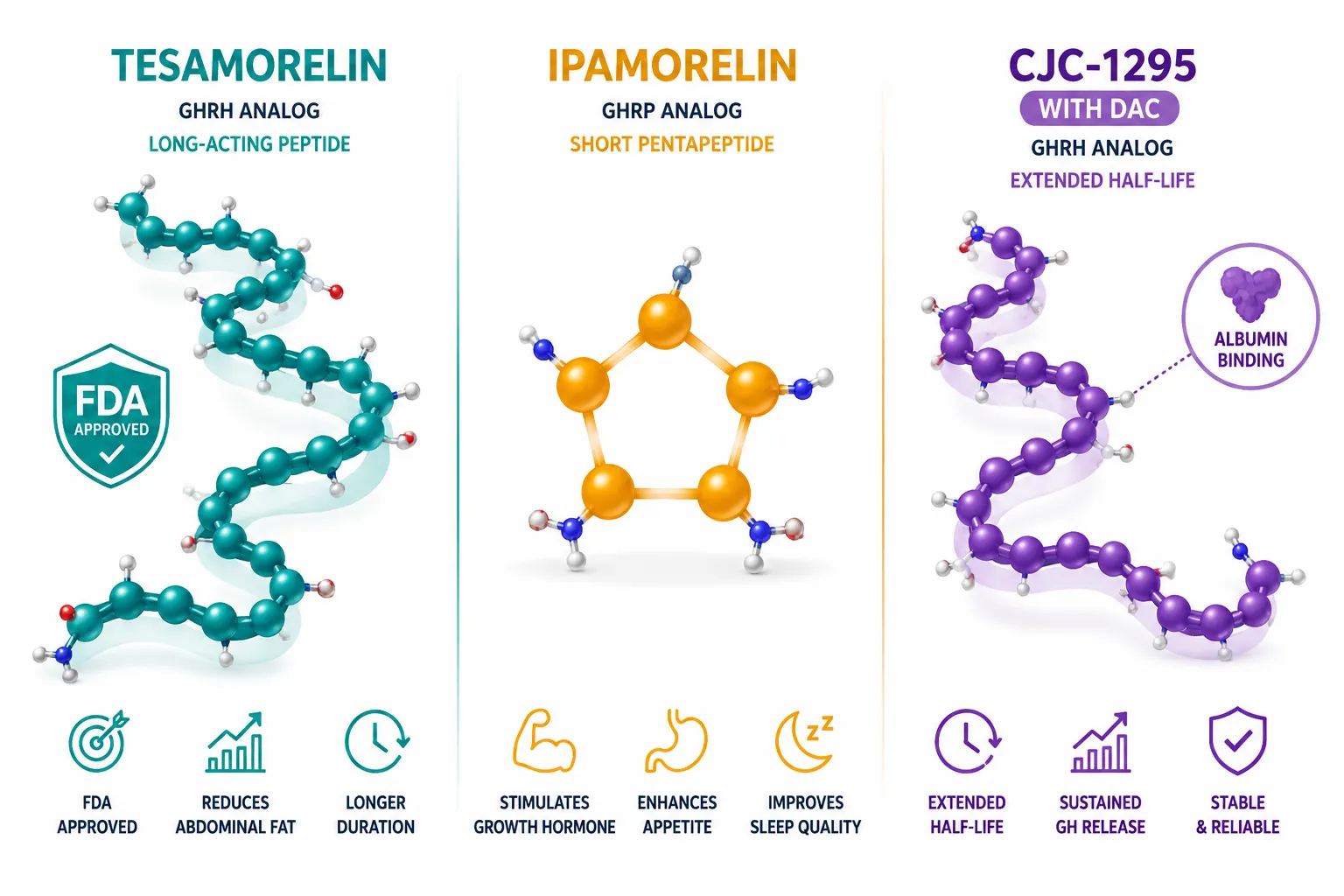
Ipamorelin is a growth hormone-releasing peptide (GHRP) that stimulates the pituitary gland to release natural growth hormone. It’s known for its selective action, minimizing the release of cortisol and prolactin, which can be a concern with other GHRPs.

  • Research Applications: Often studied for its potential effects on muscle growth, fat reduction, improved sleep quality, and anti-aging properties.
  • Typical Dosage Range: 200mcg – 300mcg per day.
  • Frequency: Often administered once or twice daily. Some protocols suggest administering it before bedtime due to its potential impact on sleep-related GH pulses.
  • Reconstitution Example (2mg vial): If a 2mg (2000mcg) vial is reconstituted with 2ml of bacteriostatic water, the concentration is 1000mcg/ml.
    • To administer 200mcg: you would draw 20 units (0.2ml) on a U-100 insulin syringe.
    • To administer 300mcg: you would draw 30 units (0.3ml) on a U-100 insulin syringe.
  • Syringe Volume (based on 10 units = 100mcg):
    • 200mcg = 20 units (0.2ml)
    • 300mcg = 30 units (0.3ml)

2. tesa Dosage

tesa is a synthetic peptide that mimics Growth Hormone-Releasing Hormone (GHRH). It is specifically known for its ability to reduce excess abdominal fat (visceral adipose tissue) in individuals with HIV-associated lipodystrophy, but it is also researched for other potential metabolic and cognitive benefits.

  • Research Applications: Primarily studied for fat metabolism, particularly visceral fat reduction, and increasingly for its potential neurological effects and cardiovascular benefits.
  • Typical Dosage Range: 1mg – 2mg (1000mcg – 2000mcg) per day.
  • Frequency: Administered once daily, typically at bedtime.
  • Reconstitution Example (5mg vial): If a 5mg (5000mcg) vial is reconstituted with 5ml of bacteriostatic water, the concentration is 1000mcg/ml.
    • To administer 1mg (1000mcg): you would draw 100 units (1ml) on a U-100 insulin syringe.
    • To administer 2mg (2000mcg): you would need two full U-100 insulin syringes (or 2ml total).
  • Syringe Volume (based on 10 units = 100mcg):
    • 1000mcg (1mg) = 100 units (1ml)
    • 2000mcg (2mg) = 200 units (2ml) – often requiring two injections or a larger syringe.

3. CJC-1295 Dosage (with and without DAC)

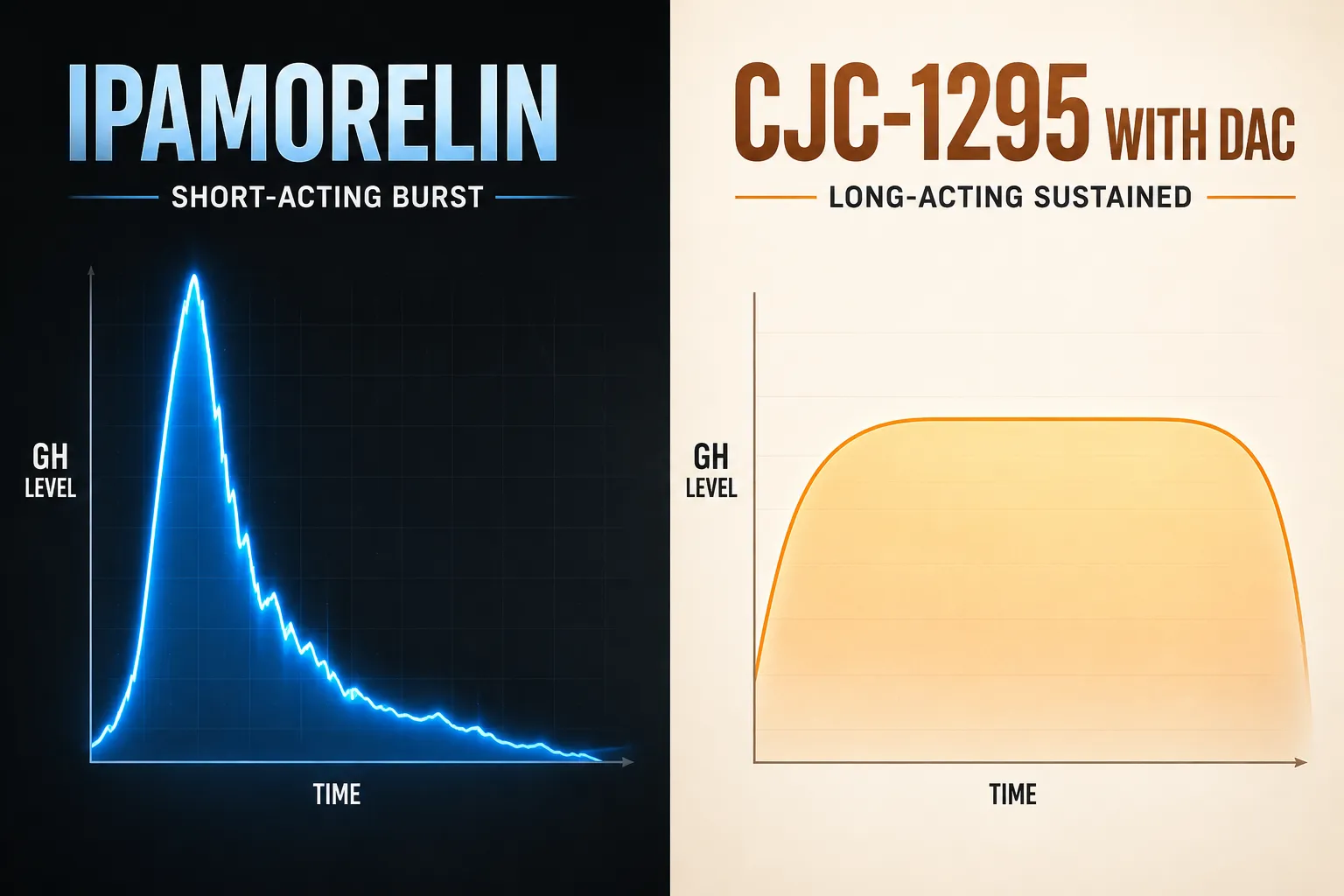
CJC-1295 is another synthetic GHRH analog, but it comes in two main forms: with DAC (Drug Affinity Complex) and without DAC (often referred to as Mod GRF 1-29). The presence of DAC significantly prolongs the half-life of the peptide, changing its administration frequency. Exploring the differences between these versions, such as with CJC-1295 DAC muscle research themes, is crucial for researchers.

CJC-1295 with DAC

  • Research Applications: Prolonged growth hormone release, often studied for muscle repair, fat loss, and overall anti-aging effects due to its sustained action.
  • Typical Dosage Range: 1mg – 2mg (1000mcg – 2000mcg) per week.
  • Frequency: Administered once or twice per week due to its extended half-life (around 6-8 days).
  • Reconstitution Example (2mg vial): If a 2mg (2000mcg) vial is reconstituted with 2ml of bacteriostatic water, the concentration is 1000mcg/ml.
    • To administer 1mg (1000mcg): you would draw 100 units (1ml) on a U-100 insulin syringe.
    • To administer 2mg (2000mcg): you would draw 200 units (2ml) on a U-100 insulin syringe.
  • Syringe Volume (based on 10 units = 100mcg):
    • 1000mcg (1mg) = 100 units (1ml)
    • 2000mcg (2mg) = 200 units (2ml)

CJC-1295 without DAC (Mod GRF 1-29)

  • Research Applications: Stimulates pulsatile growth hormone release, often paired with a GHRP like Ipamorelin for synergistic effects on muscle growth, fat metabolism, and recovery. The shorter half-life allows for more physiological pulsing. Learn more about the synergy of CJC-1295 and Ipamorelin.
  • Typical Dosage Range: 100mcg – 200mcg per day.
  • Frequency: Administered once to three times daily, often timed with GHRP administration and typically before meals or bedtime.
  • Reconstitution Example (2mg vial): If a 2mg (2000mcg) vial is reconstituted with 2ml of bacteriostatic water, the concentration is 1000mcg/ml.
    • To administer 100mcg: you would draw 10 units (0.1ml) on a U-100 insulin syringe.
    • To administer 200mcg: you would draw 20 units (0.2ml) on a U-100 insulin syringe.
  • Syringe Volume (based on 10 units = 100mcg):
    • 100mcg = 10 units (0.1ml)
    • 200mcg = 20 units (0.2ml)

Other Commonly Researched Peptides and Their Dosages

While Ipamorelin, tesa, and CJC-1295 are very popular, many other peptides are extensively studied, each with its own dosage considerations.

  • BPC-157 (Body Protection Compound):
    • Research Applications: Wound healing (muscle, tendon, ligament, gut), anti-inflammatory effects, organ protection. Learn more about BPC-157 research themes.
    • Typical Dosage Range: 200mcg – 500mcg per day.
    • Frequency: Once or twice daily. Some protocols suggest localized administration for specific injury sites.
    • Syringe Volume (based on 10 units = 100mcg for a 5mg vial reconstituted with 5ml BW):
      • 200mcg = 20 units (0.2ml)
      • 500mcg = 50 units (0.5ml)
  • TB-500 (Thymosin Beta 4):
    • Research Applications: Healing, tissue repair, anti-inflammatory, cell migration, flexibility. Often studied in conjunction with BPC-157.
    • Typical Dosage Range: 2mg – 5mg per week.
    • Frequency: Often administered as a loading phase (e.g., 2-5mg twice a week for 4-6 weeks) followed by a maintenance phase (e.g., 2-4mg once a month).
    • Reconstitution Example (5mg vial): If a 5mg (5000mcg) vial is reconstituted with 5ml of bacteriostatic water, the concentration is 1000mcg/ml.
    • Syringe Volume (based on 10 units = 100mcg):
      • 2mg (2000mcg) = 200 units (2ml)
      • 5mg (5000mcg) = 500 units (5ml) – likely requiring multiple syringes.
  • AOD-9604 (Anti-Obesity Drug):
    • Research Applications: Fat loss, particularly targeting adipose tissue. It is a modified fragment of the growth hormone molecule.
    • Typical Dosage Range: 200mcg – 400mcg per day.
    • Frequency: Once daily.
    • Syringe Volume (based on 10 units = 100mcg for a 5mg vial reconstituted with 5ml BW):
      • 200mcg = 20 units (0.2ml)
      • 400mcg = 40 units (0.4ml)
  • Epitalon:
    • Research Applications: Anti-aging, telomere lengthening, sleep regulation, antioxidant effects.
    • Typical Dosage Range: 5mg – 10mg per 10-20 day cycle.
    • Frequency: Often administered daily for a short cycle, then periods off.
    • Reconstitution Example (10mg vial): If a 10mg (10000mcg) vial is reconstituted with 5ml of bacteriostatic water, the concentration is 2000mcg/ml.
      • To administer 5mg (5000mcg): you would draw 250 units (2.5ml) on a U-100 insulin syringe.
      • To administer 10mg (10000mcg): you would draw 500 units (5ml) on a U-100 insulin syringe.
    • Syringe Volume (based on 10 units = 100mcg; this requires a different BW volume for 10 units=100mcg, so let’s adjust for a practical example):
      • If 10mg vial reconstituted with 10ml BW (1000mcg/ml):
        • 5mg = 500 units (5ml)
        • 10mg = 1000 units (10ml) – clearly indicating the need for careful planning regarding total volume.

It’s critical to note that these are typical research dosages and should not be interpreted as medical advice or recommendations for human use. All peptide research should be conducted in accordance with ethical guidelines and appropriate regulatory frameworks. For a broader selection of research peptides, you can review the full all peptides for sale catalog.


Interactive Element Spotlight: To assist researchers in accurately determining the required volume for their specific peptide and desired dose, an interactive calculator can be incredibly helpful. This tool would allow inputs for peptide vial size, desired dose, and reconstitution volume to output the exact units or milliliters needed on an insulin syringe.


How to Reconstitute GLP-3 and Other Specialized Peptides

A detailed step-by-step infographic on how to reconstitute GLP-3, including specific instructions on vial preparation, diluent selection (ba

While the general principles of reconstitution apply across most peptides, some, like GLP-3 (Glucagon-Like Peptide-3), might have specific considerations or simply represent another common application of these techniques. Understanding how to reconstitute GLP-3 correctly follows the same meticulous steps outlined earlier, emphasizing gentle handling and sterile practices.

GLP-3 is a less commonly discussed analog in the GLP peptide family compared to GLP-1 agonists, but its reconstitution process is a good example of how to handle any novel or less common peptide.

General Steps for GLP-3 (and similar peptides)

  1. Verify Peptide Vial Size: GLP-3, like many others, will come in a specific milligram (mg) amount (e.g., 2mg, 5mg).
  2. Select Bacteriostatic Water: Always use sterile bacteriostatic water for reconstitution to ensure the longest possible shelf life for your reconstituted solution.
  3. Determine Desired Concentration:
    • If you have a 2mg vial (2000mcg) and want a convenient concentration where, say, 10 units on an insulin syringe (U-100) equals 100mcg:
      • 100mcg / 0.1ml = 1000mcg/ml
      • To get 2000mcg at 1000mcg/ml, you would need 2ml of bacteriostatic water.
  4. Aseptic Preparation:
    • Clean the rubber stoppers of both the GLP-3 vial and the bacteriostatic water vial with alcohol wipes.
    • Wear gloves to maintain sterility.
  5. Slow and Gentle Injection:
    • Draw 2ml of bacteriostatic water into a sterile insulin syringe.
    • Slowly inject the water into the GLP-3 vial, allowing it to run down the side of the glass. Avoid direct forceful injection onto the peptide powder.
  6. Gentle Swirling, No Shaking:
    • Once the water is in, gently swirl or roll the vial until the GLP-3 powder is completely dissolved. This may take a few minutes. Patience is key.
  7. Refrigerated Storage:
    • Store the reconstituted GLP-3 solution in the refrigerator (2-8°C / 36-46°F) and protect it from light.
    • Its stability after reconstitution will likely be a few weeks, but always refer to specific product information if available.

The principles for how to reconstitute GLP-3 are fundamentally the same as for Ipamorelin, tesa, or CJC-1295. The key is consistent application of sterile technique and gentle handling to preserve the peptide’s integrity.

Considerations for Peptides Beyond Standard Subcutaneous Injection

While subcutaneous injection with an insulin syringe is the most common route for many research peptides, some are studied via other methods, such as nasal sprays or oral capsules.

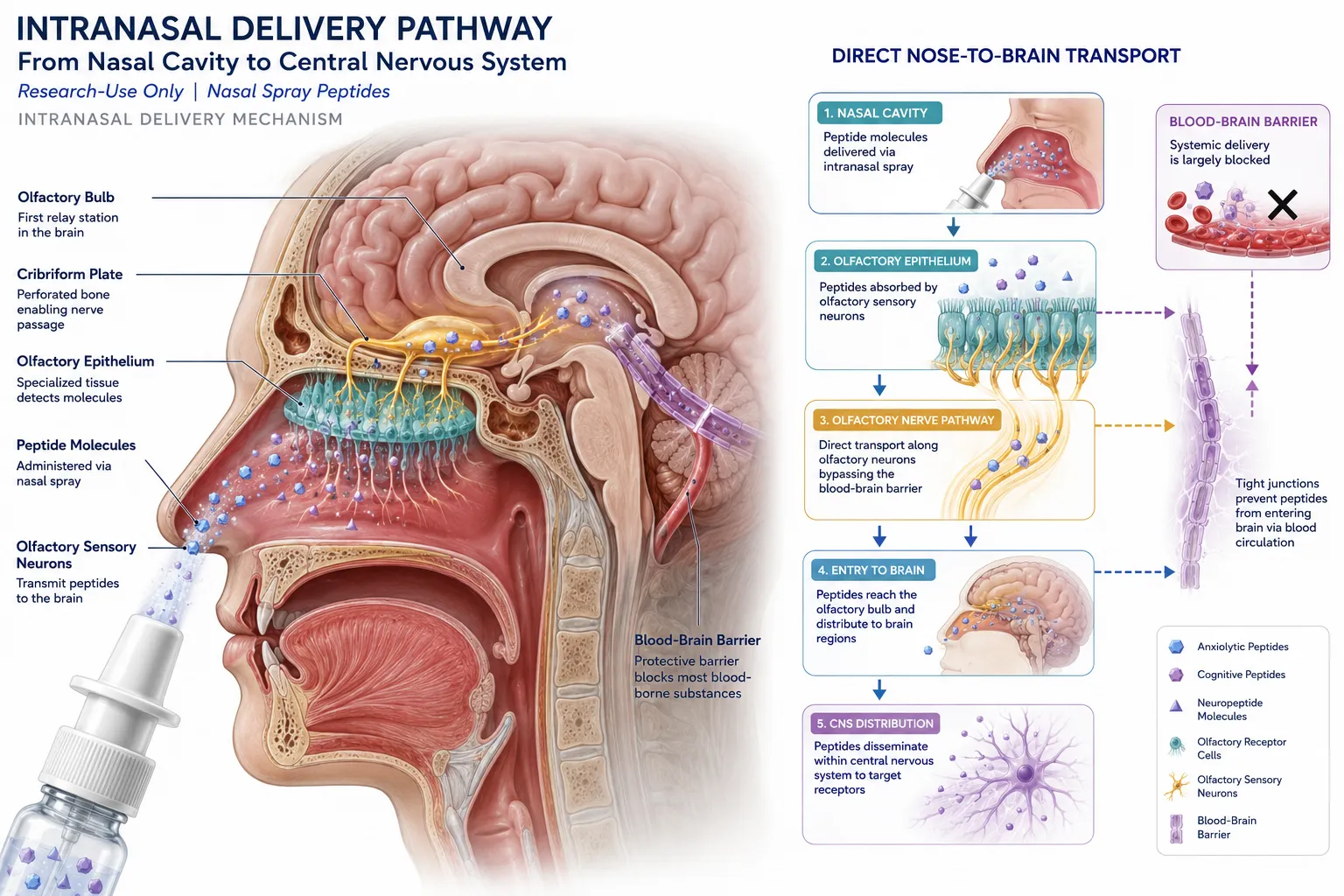
  • Nasal Sprays: Peptides like BPC-157 are sometimes explored in nasal spray formulations for systemic or localized effects in the nasal passages or brain. These typically involve reconstituting the peptide in a small volume of sterile saline (not bacteriostatic water, due to benzyl alcohol irritation) and then transferring it to a nasal spray bottle. Dosages are often higher due to lower bioavailability through this route. For example, some researchers explore BPC-157 nasal spray and capsules evidence.
  • Oral Capsules: Certain peptides, particularly those with high oral bioavailability or designed to resist gut degradation, may be formulated into capsules. BPC-157 is one such example. Oral dosages are typically much higher than injectable forms due to first-pass metabolism. The “reconstitution” for these is simply consuming the capsule as provided.
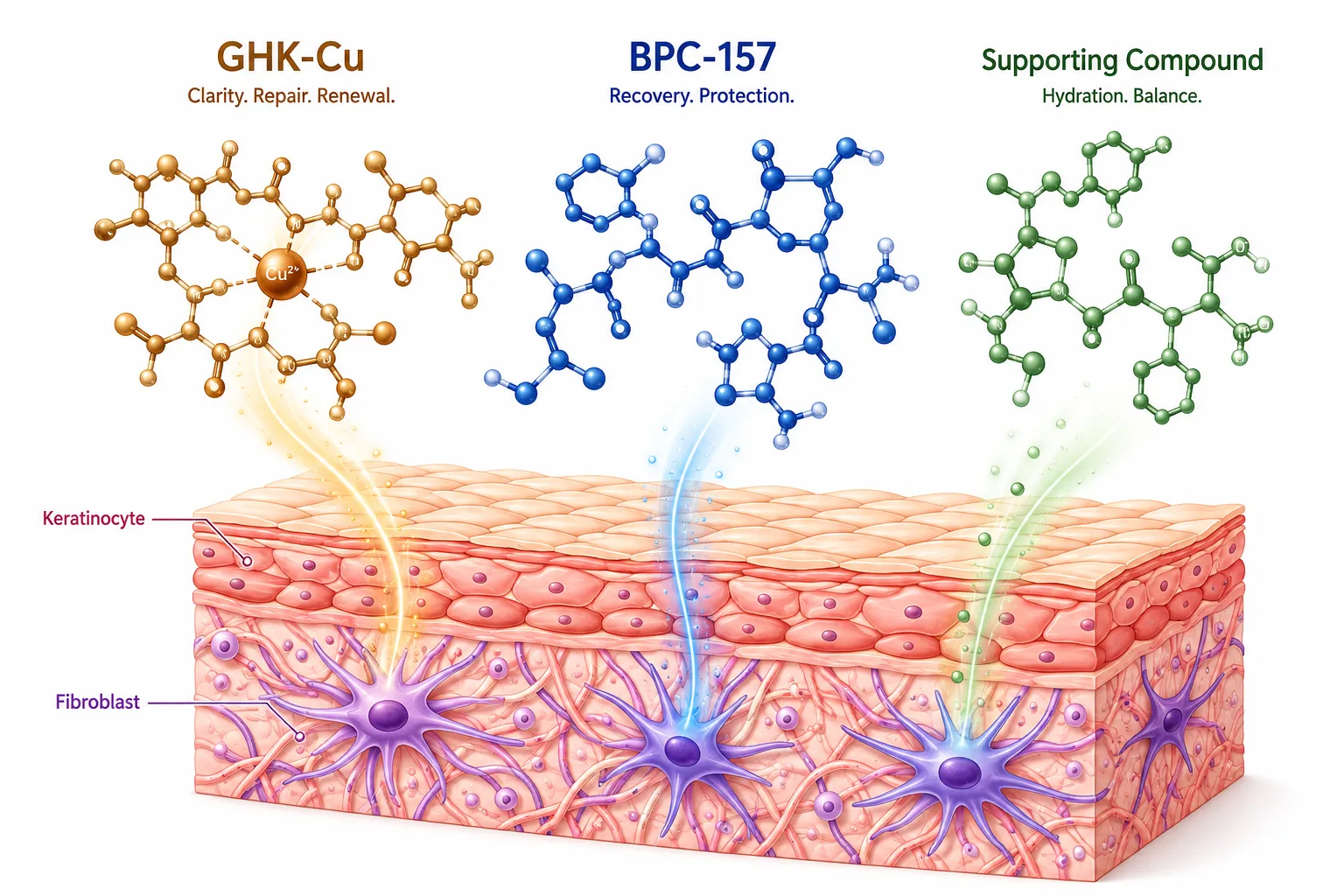
  • Topical Applications: Peptides like GHK-Cu are well-known for topical applications in skin research. Here, the peptide is often mixed into a cream or serum base. The “dosage” here refers to the concentration within the topical formulation (e.g., 1-3% GHK-Cu) and the amount of cream applied. Discover more about topical GHK-Cu applications.

Regardless of the administration route, careful measurement and preparation are always paramount to ensure the consistency and reliability of research outcomes.

Advanced Considerations for Peptide Dosages and Administration in 2025

A series of small, interconnected diagrams illustrating the strategic rotation and stacking of different peptides, such as BPC-157, TB-500,

As peptide research evolves, so do the nuances of administration and dosing strategies. Researchers in 2025 are increasingly exploring more sophisticated protocols, including peptide stacking, cycling, and precise timing.

Peptide Stacking and Cycling

“Stacking” refers to the concurrent administration of multiple peptides to achieve synergistic effects or target different pathways simultaneously. “Cycling” involves alternating periods of peptide administration with periods of cessation. Both strategies are employed to optimize research outcomes and potentially mitigate receptor desensitization.

  • Example: GHRP/GHRH Stack: Combining a GHRP (like Ipamorelin) with a GHRH (like CJC-1295 without DAC) is a classic example of stacking. The GHRP provides a strong pulse of GH release, while the GHRH amplifies this pulse and ensures a more sustained, physiological release pattern. The dosages for each peptide would remain within their typical ranges, but their combined effect is often greater than either alone. For example, a common research protocol might involve 100mcg Ipamorelin + 100mcg CJC-1295 (No DAC) 1-3 times daily.
  • Example: Healing Stack: BPC-157 and TB-500 are frequently stacked due to their complementary roles in tissue repair and regeneration. A typical research stack might involve 250mcg BPC-157 daily alongside 2-5mg TB-500 weekly, especially in studies focused on injury recovery. Further research into BPC-157 TB-500 combination research is ongoing.
  • Cycling for Effectiveness: Some peptides are cycled to prevent receptor downregulation or to mimic natural biological rhythms. For instance, a growth hormone-releasing peptide might be administered for 8-12 weeks, followed by a 4-week break, to maintain sensitivity.

Timing of Administration

The timing of peptide administration can significantly influence their effects, particularly for those that interact with hormonal rhythms.

  • Before Bed: Many GHRPs and GHRH analogs (like Ipamorelin, tesa, and CJC-1295) are often administered before bedtime. This timing aims to coincide with the body’s natural pulsatile release of growth hormone during sleep, potentially enhancing its effects.
  • Fasting State: Administration on an empty stomach (e.g., 30-60 minutes before a meal or several hours after) is often recommended for GH-releasing peptides. This is because food, especially carbohydrates and fats, can blunt the growth hormone response.
  • Post-Workout: Peptides involved in repair and recovery, such as BPC-157, might be administered post-workout to support muscle and tissue healing during the critical recovery window.

Dilution and Accuracy for Micro-dosing

For very small doses, especially when using highly potent peptides, accurate dilution is paramount. If a standard reconstitution leads to a concentration that is too high for precise drawing on an insulin syringe, further dilution might be necessary.

  • Example: If 10 units = 100mcg, and your desired dose is 10mcg, drawing 1 unit precisely can be challenging on a U-100 syringe. In such cases, you might further dilute your reconstituted solution.
    • If you have a 1ml solution containing 1000mcg (1mg/ml), drawing 0.1ml of this solution and mixing it with another 0.9ml of bacteriostatic water would create a 1ml solution containing 100mcg. Now, 10 units of this new solution would be 10mcg, making precise measurement easier.
    • This secondary dilution requires even more meticulous sterile technique and careful labeling to avoid confusion.

Understanding Syringe Markings and Conversions

Most researchers use U-100 insulin syringes, which are designed for injecting small, precise volumes.

  • A U-100 syringe holds 1ml (or 1cc) of liquid.
  • It is marked from 0 to 100 units.
  • Therefore, 10 units = 0.1ml, 50 units = 0.5ml, and 100 units = 1ml.

Understanding this conversion is fundamental to accurately drawing the correct dose after reconstitution. If your reconstitution results in 100mcg per 0.1ml (10 units), then knowing your desired dosage directly translates to a specific number of units on the syringe.

Table: Insulin Syringe Unit-to-Volume Conversion

Syringe Units Volume (ml)
1 unit 0.01 ml
5 units 0.05 ml
10 units 0.1 ml
20 units 0.2 ml
50 units 0.5 ml
100 units 1.0 ml

This table is a handy reference for quickly converting calculated peptide dosages into the corresponding syringe volume.


Pull Quote: “The research landscape for peptides in 2025 demands not just knowledge of individual peptide dosages, but also a sophisticated understanding of how they interact in stacks, how timing optimizes their effects, and the absolute precision required for micro-dosing.”


Quality and Sourcing of Research Peptides

A digital interface of an interactive calculator designed to assist researchers in determining precise dosages and reconstitution volumes fo

The efficacy and safety of any peptide research ultimately depend on the quality and purity of the peptides themselves. In 2025, researchers are more vigilant than ever about sourcing their compounds from reputable suppliers.

  • Purity Standards: High-quality research peptides should come with a Certificate of Analysis (CoA) from a third-party lab, verifying their purity (typically >98-99%) and molecular structure. Impurities can significantly affect research outcomes.
  • Third-Party Testing: Suppliers that provide readily accessible third-party testing results demonstrate transparency and commitment to quality. This helps ensure that what’s on the label is actually in the vial.
  • Reputable Suppliers: Choosing a supplier with a strong track record, positive researcher feedback, and transparent practices is crucial. Websites like Pure Tested Peptides offer a range of peptides specifically for research purposes.
  • Proper Storage and Shipping: The supplier should ensure that peptides are stored and shipped under appropriate conditions (e.g., cold chain for lyophilized peptides) to maintain their stability before they reach the research lab.

Researchers seeking to build a robust peptide library for their studies should prioritize suppliers that adhere to these stringent quality controls. For more information on ensuring the quality of your research materials, consult resources on building a diverse peptide library with Pure Tested Peptides.

Conclusion

Understanding dosages for peptides, from the initial reconstitution of compounds like dosage Ipamorelin, dosage tesa, and dosage CJC-1295, to the practical intricacies of how to reconstitute GLP-3, forms the bedrock of credible and impactful peptide research. In 2025, the scientific community continues to push the boundaries of knowledge surrounding these remarkable molecules. Precision in preparation, accurate measurement with insulin syringes, appropriate storage, and adherence to established research protocols are not merely suggestions but absolute requirements.

By mastering the techniques of reconstitution, carefully calculating diluent volumes, understanding syringe unit conversions, and adhering to typical dosage ranges, researchers can maximize the integrity and reliability of their studies. The dynamic nature of peptide research also calls for an awareness of advanced strategies like stacking, cycling, and optimal timing, allowing for more nuanced and effective experimental designs. As we move forward, the commitment to high-quality peptides from reputable sources remains paramount, ensuring that scientific discoveries are built upon a foundation of purity and efficacy.

Actionable Next Steps for Researchers:

  1. Always Double-Check Calculations: Before reconstituting, meticulously calculate the bacteriostatic water volume needed to achieve your desired concentration.
  2. Practice Aseptic Technique: Ensure a sterile environment when handling peptides to prevent contamination and maintain product integrity.
  3. Invest in Quality Syringes: Use high-quality U-100 insulin syringes for accurate and consistent dosing.
  4. Reference Specific Product Information: While this guide provides general ranges, always consult the specific product information or Certificate of Analysis for precise handling and storage recommendations for each peptide.
  5. Stay Informed: Continuously review current scientific literature and research protocols for updates on peptide administration and dosing SEO Meta Title: Peptide Dosages 2025: Ipamorelin, tesa, CJC-1295, GLP-3
    SEO Meta Description: Explore typical research dosages for peptides like Ipamorelin, tesa, and CJC-1295 in 2025. Learn reconstitution, syringe volumes, and how to reconstitute GLP-3.

strategies.


Peptide Dosage & Reconstitution Calculator


Peptide Dosage & Reconstitution Calculator

Use this tool to determine reconstitution volumes and syringe units for accurate peptide dosing. This tool is for research purposes only.


Calculation Results:

Concentration: 0 mcg/ml

Volume per Desired Dose: 0 ml

Units on U-100 Syringe: 0 units

Total Doses per Vial: 0 doses

Note: Always use sterile bacteriostatic water for reconstitution. This calculator provides estimated values; precise measurement tools and aseptic technique are crucial.


https://www.puretestedpeptides.com/wp-content/uploads/2026/01/buy-peptides-online.jpg 0 0 Pure Tested https://www.puretestedpeptides.com/wp-content/uploads/2026/01/buy-peptides-online.jpg Pure Tested2025-12-06 00:33:432025-12-06 04:38:42Commonly researched typical dosages for peptides

Aod9604 and mots-c

December 5, 2025/0 Comments/by Pure Tested

The year 2025 marks a pivotal period in peptide research, with significant attention converging on compounds like Aod9604 and mots-c. These remarkable peptides represent the cutting edge of scientific inquiry into metabolic regulation, cellular health, and potentially, novel therapeutic strategies. Understanding the distinct properties, mechanisms of action, and research applications of Aod9604, a modified fragment of human growth hormone, and mots-c, a mitochondrial-derived peptide, is crucial for researchers navigating this complex and exciting field. This article will delve deep into the science behind aod-9604 peptide and motsc peptide, exploring their current status in research, their potential implications, and the rigorous standards required for their study.

Key Takeaways

  • Aod9604 focuses on fat metabolism: This peptide is a modified fragment of human growth hormone, specifically designed to stimulate lipolysis (fat breakdown) without affecting blood sugar or insulin levels.
  • Mots-c targets mitochondrial function: Mots-c is a mitochondrial-derived peptide involved in regulating metabolic homeostasis, exercise capacity, and cellular energy.
  • Distinct Mechanisms of Action: While both influence metabolism, Aod9604 acts primarily on adipose tissue, whereas mots-c impacts energy production at the cellular level, particularly within mitochondria.
  • Research-Grade Purity is Paramount: For accurate and reliable scientific studies, sourcing high-purity Aod9604 and mots-c from reputable suppliers is non-negotiable.
  • Emerging Therapeutic Potential: Ongoing research in 2025 continues to explore their applications in obesity, metabolic disorders, and age-related conditions, strictly for research purposes.

The Scientific Landscape of Aod9604 and mots-c: Unraveling Metabolic Pathways

Section Image

The intricate world of peptide science continually unveils compounds with profound implications for human health. Among these, Aod9604 and mots-c stand out for their distinct yet complementary roles in metabolic regulation and cellular function. As researchers in 2025 push the boundaries of understanding, these peptides offer fascinating insights into mechanisms that could one day address pressing health challenges.

Aod9604: A Targeted Approach to Fat Metabolism

Aod9604 is a synthetic peptide fragment comprising amino acids 176-191 of the human growth hormone (hGH) molecule. Its development was driven by a desire to isolate the fat-reducing properties of hGH while minimizing its other effects, such as insulin resistance or promotion of IGF-1 levels. This specific modification makes the aod-9604 peptide a highly targeted research tool for studying lipid metabolism.

Mechanism of Action:
The primary mechanism of action for Aod9604 revolves around its ability to stimulate lipolysis (the breakdown of fat) and inhibit lipogenesis (the formation of new fat) in adipose tissue. It achieves this by interacting directly with fat cells. Studies suggest that Aod9604 may enhance the expression of beta-3 adrenergic receptors, which play a crucial role in stimulating fat breakdown. Unlike full-length hGH, Aod9604 does not appear to proliferate cells or influence insulin sensitivity, making it a potentially safer subject for metabolic research focused solely on fat reduction.

Key Research Areas for Aod9604:

  • Obesity and Weight Management: A significant body of research explores Aod9604's potential in combating obesity by reducing fat accumulation. Early studies have shown promising results in animal models, demonstrating reductions in body weight and fat mass.
  • Cartilage Repair: Intriguingly, some research has indicated Aod9604's potential role in cartilage regeneration and repair. This unexpected finding opens new avenues for investigating its application in conditions like osteoarthritis, suggesting it might promote chondrocyte proliferation and proteoglycan synthesis.
  • Metabolic Syndrome: By influencing fat metabolism, Aod9604 could be a valuable tool for understanding and potentially mitigating components of metabolic syndrome, such as dyslipidemia.

It's important to remember that Aod9604 is currently available for research purposes only. Laboratories worldwide utilize high-purity Aod9604 to conduct rigorous studies aimed at elucidating its full spectrum of effects and potential therapeutic applications. For researchers looking to source quality peptides, resources like Pure Tested Peptides offer a reliable starting point. Further details on Aod9604's metabolic research can be found by exploring Aod9604 metabolic research.

mots-c: The Mitochondrial Messenger

In stark contrast to Aod9604's focus on adipose tissue, mots-c operates at the fundamental level of cellular energy production. Identified in 2015, mots-c is a unique mitochondrial-derived peptide (MDP) consisting of 16 amino acids. MDPs are a novel class of peptides encoded by short open reading frames within the mitochondrial genome, and they play critical roles in regulating various cellular processes.

Mechanism of Action:
The primary role of mots-c is to maintain metabolic homeostasis and optimize mitochondrial function. It does this by promoting glucose metabolism and increasing insulin sensitivity. Specifically, mots-c has been shown to:

  1. Enhance Glucose Uptake: It facilitates the uptake of glucose into skeletal muscle cells, where it can be used for energy. This is particularly relevant in the context of insulin resistance.
  2. Improve Mitochondrial Respiration: By boosting the efficiency of the electron transport chain within mitochondria, mots-c enhances ATP production, leading to improved cellular energy levels.
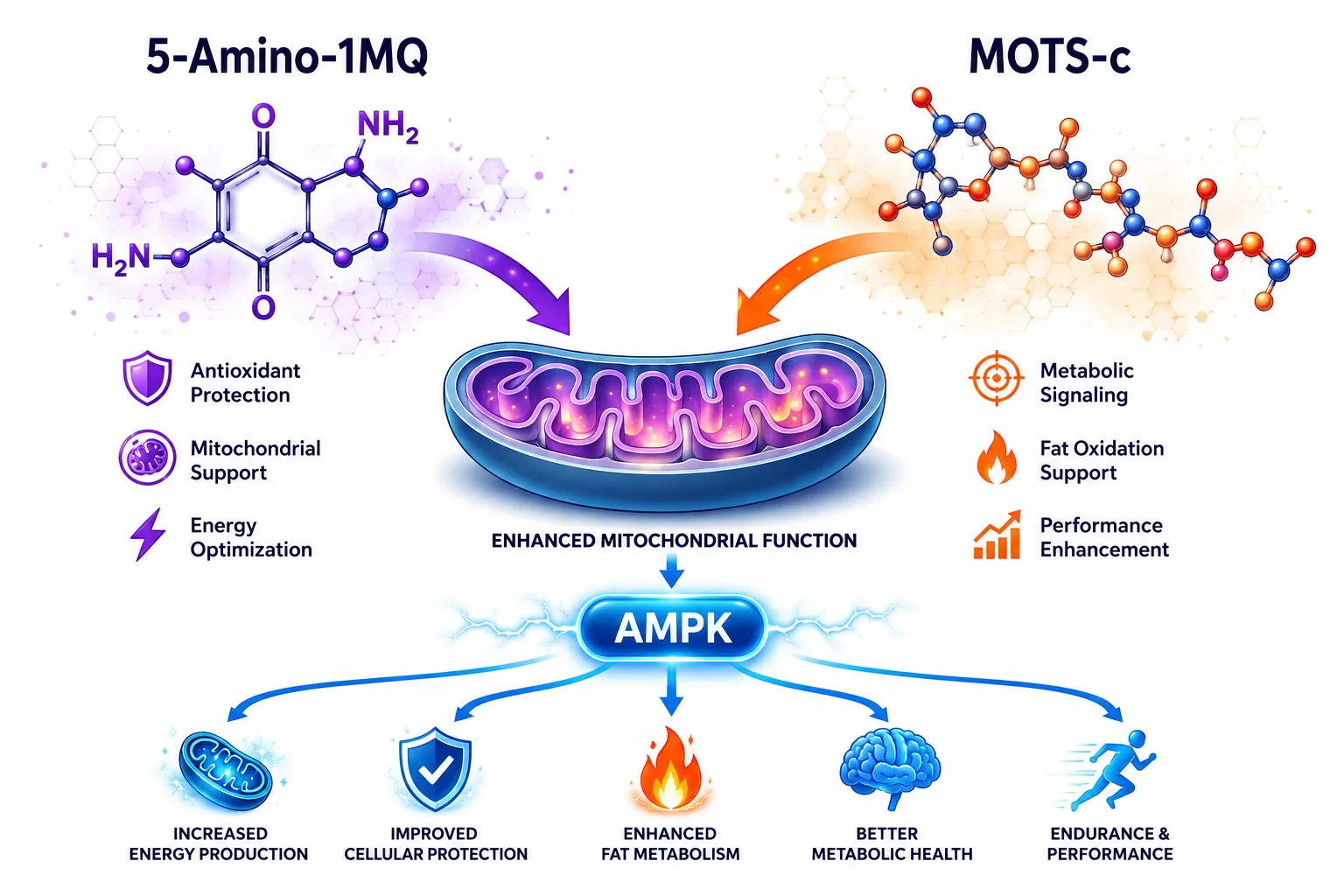
  3. Regulate AMPK Pathway: Mots-c can activate the AMPK (AMP-activated protein kinase) pathway, a master regulator of cellular energy homeostasis. AMPK activation leads to increased fatty acid oxidation and glucose uptake, making mots-c a significant player in energy balance.

Key Research Areas for mots-c:

  • Metabolic Disorders: Given its profound impact on glucose metabolism and insulin sensitivity, motsc peptide is a prime candidate for research into type 2 diabetes, obesity, and other metabolic syndromes. Studies have shown its ability to reverse diet-induced insulin resistance in animal models.
  • Exercise Capacity and Endurance: By improving mitochondrial function and energy production in muscle cells, mots-c is being investigated for its potential to enhance physical performance and endurance. This makes it of particular interest to researchers studying athletic performance and age-related decline in muscle function.
  • Aging and Longevity: As mitochondrial dysfunction is a hallmark of aging, mots-c's role in maintaining mitochondrial health positions it as a promising subject for longevity research. It may help mitigate age-related metabolic decline.
  • Inflammation and Stress Response: Emerging research suggests mots-c may also have anti-inflammatory properties and contribute to cellular resilience against various stressors.

The advent of peptides like mots-c highlights the intricate communication systems within our cells and the potential for targeted interventions. As with Aod9604, the motsc peptide is strictly for research purposes, with scientists diligently working to uncover its full scope of effects. Researchers interested in sourcing a diverse range of high-quality peptides for their studies can explore the comprehensive catalog tour at Pure Tested Peptides.

Comparative Analysis: Aod9604 vs. mots-c Peptides in Research

Understanding the nuances between Aod9604 and mots-c is critical for researchers designing studies and interpreting results. While both peptides hold promise in the realm of metabolic health, their fundamental mechanisms and primary research applications diverge significantly. This section will provide a comparative overview of these two fascinating compounds in 2025.

Key Differences in Focus and Mechanism

Feature Aod9604 (aod-9604 peptide) mots-c (motsc peptide)
Origin Synthetic fragment of HC-G (hGH 176-191) Mitochondrial-Derived Peptide (encoded in mitochondrial genome)
Primary Target Adipose (fat) tissue Mitochondria, skeletal muscle cells
Core Action Stimulates lipolysis (fat breakdown), inhibits lipogenesis Enhances glucose metabolism, improves insulin sensitivity, boosts mitochondrial respiration
Impact on IGF-1 Minimal to none Indirect effects via metabolic regulation
Impact on Insulin No direct effect on insulin levels or glucose disposal Improves insulin sensitivity, enhances glucose uptake
Main Research Area Obesity, fat loss, cartilage repair, metabolic dyslipidemia Metabolic disorders (diabetes, obesity), exercise capacity, aging, mitochondrial health
Cellular Level Influences fat storage and release Regulates cellular energy production and metabolic pathways

This table clearly illustrates that while both peptides influence metabolism, they do so through entirely different pathways and at different cellular loci. Aod9604 is akin to a targeted fat-burner, focusing on the reduction of stored fat. Mots-c, on the other hand, acts more like a cellular energy orchestrator, improving how cells utilize glucose and produce ATP.

Synergistic Research Potential

Despite their distinct mechanisms, the Aod9604 and mots-c peptides could potentially offer synergistic research opportunities, particularly in complex metabolic disorders. For instance, a research protocol might investigate the combined effects of Aod9604's fat-reducing properties with mots-c's improvements in insulin sensitivity and mitochondrial function in models of severe metabolic syndrome. Such studies, while complex, could reveal more comprehensive strategies for metabolic health.

However, it is paramount that researchers approach such studies with caution and meticulous methodology, ensuring each peptide's specific effects are clearly delineated. Understanding the optimal conditions for storing and handling these research peptides is also crucial for maintaining their integrity and ensuring reproducible results. Information on best practices for storing research peptides can guide experimental design.

Quality and Purity in Peptide Research

The reliability of any study involving aod-9604 peptide or motsc peptide hinges entirely on the quality and purity of the research materials. Impurities can introduce confounding variables, leading to inaccurate or irreproducible results. Therefore, sourcing peptides from reputable suppliers who provide comprehensive Certificates of Analysis (CoA) is non-negotiable.

What to look for in a supplier:

  • Third-Party Lab Testing: Independent verification of peptide purity and composition.
  • HPLC (High-Performance Liquid Chromatography) Reports: Demonstrates the purity percentage.
  • Mass Spectrometry (MS) Data: Confirms the correct molecular weight and amino acid sequence.
  • Transparent Sourcing: Information about the manufacturing process and quality control measures.

When exploring where to buy peptides online USA, researchers should prioritize vendors who meet these stringent criteria to ensure the scientific validity of their work. High-quality research starts with high-quality reagents.

Advanced Research Applications and Future Directions in 2025

Section Image

The ongoing exploration of Aod9604 and mots-c continues to uncover exciting possibilities, pushing the boundaries of metabolic and cellular research. In 2025, scientists are not only deepening their understanding of these peptides individually but also considering their broader implications for complex biological systems.

Aod9604: Beyond FL

While its primary claim to fame is its role in lipolysis, the aod-9604 peptide is being investigated for additional properties. The research on its impact on cartilage is particularly compelling. Preliminary studies suggest that Aod9604 might stimulate chondrocyte activity, which are the cells responsible for producing and maintaining cartilage. This could have significant implications for:

  • Osteoarthritis Research: Exploring whether Aod9604 can slow the degradation of cartilage or even promote its repair in animal models of osteoarthritis.
  • Injury Recovery: Investigating its potential role in aiding recovery from joint injuries by supporting tissue regeneration.

Furthermore, its highly specific action on fat metabolism without affecting glucose levels makes it an ideal candidate for research into non-alcoholic fatty liver disease (NAFLD) and other conditions where targeted fat reduction is beneficial without impacting systemic glucose homeostasis. The nuanced differences between Aod9604 and related compounds like somatotropin are important to understand, as highlighted in research comparing Aod9604 vs. Somatotropin.

mots-c: Metabolic Versatility and Beyond

The motsc peptide is demonstrating remarkable versatility in research. Its ability to influence mitochondrial function and glucose metabolism positions it as a powerful tool for understanding and potentially addressing a wide array of conditions.

Current and Future Research Focus:

  • Muscle Wasting (Sarcopenia): As we age, mitochondrial function in muscle declines, contributing to sarcopenia. Research is exploring if mots-c can mitigate this by enhancing mitochondrial biogenesis and function in aging muscle cells, thereby preserving muscle mass and strength.
  • Cardiovascular Health: By improving metabolic parameters and potentially reducing inflammation, mots-c could play a role in cardiovascular research, particularly in preventing or managing conditions linked to metabolic dysfunction.
  • Neurodegenerative Diseases: Mitochondrial dysfunction is implicated in several neurodegenerative disorders. Investigating mots-c's ability to protect neurons and improve mitochondrial health in brain cells is an emerging area of interest.
  • Endurance Sports: Given its ability to improve exercise capacity and energy efficiency, ongoing research is also looking into its potential benefits for physical performance and recovery in high-intensity exercise models.

The study of cellular maintenance with peptide tools provides broader context for understanding how peptides like mots-c contribute to fundamental biological processes and cellular resilience.

Ethical Considerations and Responsible Research

As with all powerful research compounds, the study of Aod9604 and mots-c carries significant ethical responsibilities. Researchers must adhere to strict guidelines, ensuring all studies are conducted humanely, scientifically rigorously, and with full transparency.

Key considerations include:

  • Animal Welfare: For in vivo studies, ethical treatment of animal subjects is paramount, adhering to institutional animal care and use committee (IACUC) protocols.
  • Data Integrity: Maintaining accurate records, transparent reporting of methods and results, and avoiding any form of data manipulation.
  • Distinction between Research and Clinical Use: Emphasizing that these peptides are for research purposes only and not approved for human therapeutic use outside of clinical trials. Misrepresenting research peptides as treatments for humans poses significant health risks and undermines legitimate scientific inquiry.
  • Regulatory Compliance: Understanding and complying with all local, national, and international regulations regarding peptide research and distribution.

The integrity of the scientific community relies on the responsible conduct of research. Institutions and researchers must continuously uphold these ethical standards, especially as public interest in peptides grows.

The Role of Analytical Techniques in Peptide Research

To accurately study the effects of aod-9604 peptide and motsc peptide, advanced analytical techniques are indispensable. These methods ensure the quality of the peptides themselves and allow for precise measurement of their biological impacts.

Essential Analytical Tools:

  1. High-Performance Liquid Chromatography (HPLC): Used to determine the purity of peptide samples and separate different components.
  2. Mass Spectrometry (MS): Confirms the molecular weight and sequence of the peptide, verifying its identity.
  3. Nuclear Magnetic Resonance (NMR) Spectroscopy: Provides detailed information about the 3D structure and conformation of the peptide.
  4. Bioassays: In vitro or in vivo experiments designed to measure the biological activity or potency of the peptide.
  5. Genomic and Proteomic Analysis: To understand the changes in gene expression and protein profiles induced by the peptides.

Investing in these technologies and expertise is crucial for any serious research endeavor involving peptides. The field of adaptive capacity and peptide mapping further underscores the sophisticated techniques employed to understand peptide function and interaction within biological systems.

Conclusion

The exploration of Aod9604 and mots-c represents a thrilling frontier in biochemical research as we move through 2025. These two peptides, while distinct in their origins and primary mechanisms, offer powerful tools for understanding and potentially influencing complex biological processes related to metabolism, energy production, and cellular health. Aod9604 provides a focused lens on fat metabolism and potentially cartilage repair, while mots-c unveils intricate details of mitochondrial function, glucose utilization, and cellular resilience.

The scientific community's rigorous pursuit of knowledge surrounding the aod-9604 peptide and motsc peptide continues to yield groundbreaking insights. However, the integrity of this research hinges on several critical factors: the use of high-purity, research-grade materials from trusted suppliers, adherence to strict ethical guidelines, and the application of advanced analytical techniques.

As we look to the future, the potential for these peptides, both individually and in synergistic combinations, to unlock new therapeutic strategies for challenging conditions like obesity, type 2 diabetes, age-related decline, and chronic metabolic disorders is immense. Continued, well-designed research will be instrumental in translating these fascinating laboratory observations into meaningful advancements for health.

Actionable Next Steps

For researchers and institutions interested in delving deeper into the potential of Aod9604 and mots-c:

  1. Prioritize Quality Sourcing: Always acquire peptides from reputable suppliers who provide comprehensive CoAs and third-party testing results.
  2. Consult Existing Literature: Thoroughly review the latest peer-reviewed studies on Aod9604 and mots-c to inform experimental design.
  3. Design Robust Experiments: Employ rigorous methodologies, appropriate controls, and sufficient statistical power in all research protocols.
  4. Adhere to Ethical Standards: Ensure all studies, especially those involving in vivo models, meet the highest ethical benchmarks for animal welfare and scientific conduct.
  5. Collaborate and Share Knowledge: Engage with the broader scientific community to discuss findings, challenges, and future directions in peptide research.

By following these steps, the research community can continue to responsibly and effectively harness the power of peptides like Aod9604 and mots-c, paving the way for future scientific breakthroughs.

Meta Title: Aod9604 & Mots-c Peptides: Metabolic Research in 2025
Meta Description: Explore Aod9604 and mots-c peptides: their mechanisms, research, and impact on fat metabolism & cellular energy in 2025. Dive into advanced peptide science.

https://www.puretestedpeptides.com/wp-content/uploads/2026/01/buy-peptides-online.jpg 0 0 Pure Tested https://www.puretestedpeptides.com/wp-content/uploads/2026/01/buy-peptides-online.jpg Pure Tested2025-12-05 23:56:042025-12-05 23:58:03Aod9604 and mots-c

CJC 1295 with DAC how to best combine

December 5, 2025/0 Comments/by Pure Tested

CJC 1295 with DAC: How to Best Combine for Peak Efficacy in 2025

Unlocking the full potential of growth hormone-releasing peptides (GHRPs) and growth hormone-releasing hormone (GHRH) analogues represents a significant frontier in advanced wellness research. Among these, CJC 1295 with DAC stands out as a powerful compound due to its prolonged half-life and sustained stimulatory effect on growth hormone (GH) secretion. For researchers and enthusiasts alike in 2025, understanding how to best combine CJC 1295 with DAC with other synergistic peptides is crucial for maximizing its efficacy, particularly in elevating IGF-1 levels. This comprehensive article delves into the science, best practices, and optimal peptide pairings to achieve unparalleled research outcomes.

Key Takeaways

  • CJC 1295 with DAC provides a sustained release of GHRH, leading to prolonged growth hormone secretion and elevated IGF-1 levels.
  • Combining CJC 1295 with DAC with GHRPs like Ipamorelin, GHRP-2, or GHRP-6 creates a synergistic effect, enhancing GH pulse amplitude and frequency.
  • Optimal dosing and timing are critical for maximizing the benefits of peptide combinations, aligning with the body's natural pulsatile GH release.
  • Adjunctive peptides such as BPC-157 or TB-500 can support overall well-being, tissue repair, and recovery, complementing the primary GH-axis modulation.
  • Careful consideration of research protocols, ethical guidelines, and sourcing from reputable suppliers like Pure Tested Peptides is paramount for successful and reliable studies in 2025.

Understanding CJC 1295 with DAC: The Foundation of Enhanced IGF-1

A detailed infographic illustrating the molecular structure of CJC-1295 with DAC, highlighting the Drug Affinity Complex (DAC) modification

CJC 1295 with DAC (Drug Affinity Complex) is a modified analogue of growth hormone-releasing hormone (GHRH). Its primary function is to stimulate the pituitary gland to release growth hormone. What sets the DAC variant apart from CJC 1295 without DAC is the addition of a specialized complex that binds to albumin in the blood. This binding significantly extends its half-life, allowing for less frequent administration while maintaining stable and prolonged stimulation of GH release.

“CJC 1295 with DAC offers a distinct advantage in research due to its extended activity, promoting a more consistent elevation of growth hormone and subsequent IGF-1 levels compared to its shorter-acting counterparts.”

The Mechanism of Action

When administered, CJC 1295 with DAC mimics the natural GHRH, binding to GHRH receptors on somatotroph cells in the anterior pituitary gland. This binding triggers a cascade of events, leading to the synthesis and pulsatile release of GH. The extended presence of CJC 1295 with DAC in the system ensures these pulses are more frequent and robust over a longer period. The subsequent increase in circulating GH then signals the liver and other tissues to produce Insulin-like Growth Factor-1 (IGF-1), a powerful anabolic hormone responsible for many of the beneficial effects associated with GH, including:

  • Muscle growth and repair 💪
  • Bone density improvement
  • Fat metabolism regulation
  • Skin elasticity and collagen production
  • Enhanced cellular regeneration

Research into these mechanisms continues to evolve, with ongoing studies exploring its full range of applications. For deeper insights into its direct applications, you can explore resources like CJC-1295 with DAC Research Findings or a more detailed exploration on Cjc1295 with DAC Deeper Dive.

Why Choose CJC 1295 with DAC over CJC 1295 (No DAC)?

The key differentiator is half-life. CJC 1295 (without DAC) has a very short half-life, typically around 30 minutes, requiring multiple daily administrations to maintain elevated GH levels. In contrast, CJC 1295 with DAC boasts a half-life of approximately 6-8 days, making weekly or bi-weekly dosing effective. This convenience is a significant factor in research protocols, ensuring more consistent exposure and reducing variability. For a comparative analysis, refer to Comparing CJC-1295 with and without DAC.

Feature CJC 1295 (No DAC) CJC 1295 with DAC
Half-life ~30 minutes ~6-8 days
Administration Multiple times daily Once or twice weekly
GH Release Pattern Pulsatile, short bursts Sustained, prolonged
Convenience Lower Higher
Albumin Binding No Yes (Drug Affinity Complex)

Best Synergistic Peptides to Combine with CJC-1295 w DAC

To truly maximize the efficacy of CJC-1295 w DAC in increasing IGF-1 levels, strategic combination with other peptides is essential. This approach leverages the concept of synergy, where the combined effect of multiple peptides is greater than the sum of their individual effects. The most impactful pairings involve other growth hormone-releasing peptides (GHRPs).

The Power of Pairing: CJC-1295 w DAC and GHRPs

While CJC 1295 with DAC stimulates the pituitary via GHRH receptors, GHRPs act through a different pathway, primarily by binding to ghrelin receptors (GHS-R1a) to directly stimulate GH release and suppress somatostatin (a GH-inhibiting hormone). When used together, GHRH analogues like CJC-1295 w DAC and GHRPs create a "double-stimulation" effect, leading to significantly larger and more frequent GH pulses, which in turn drive higher IGF-1 production. This combination is often referred to as a "GH Secretagogue Stack."

“Combining CJC-1295 w DAC with a GHRP is akin to pressing both the accelerator and the turbo boost on a powerful engine – it optimizes the body’s natural mechanisms for growth hormone release to an extraordinary degree.”

Here are the top synergistic GHRPs to consider:

1. Ipamorelin

Ipamorelin is considered one of the safest and most selective GHRPs. It stimulates GH release without significantly affecting cortisol, prolactin, or ACTH levels, which can be a concern with other GHRPs. This makes it an excellent choice for research subjects where minimizing side effects is a priority.

  • Mechanism: Ipamorelin acts as a selective ghrelin mimetic, specifically targeting the ghrelin receptor to promote GH release.
  • Synergy with CJC-1295 w DAC: When combined, CJC-1295 w DAC provides the baseline, sustained GHRH signal, while Ipamorelin amplifies the amplitude of the GH pulses without the associated increase in unwanted hormones. This results in a cleaner, more robust GH secretion profile.
  • Dosing and Timing (Research Protocol Example):
    • CJC-1295 w DAC: Typically 1-2mg subcutaneous (SC) once or twice weekly.
    • Ipamorelin: 200-300mcg SC, 1-3 times daily (e.g., before bed, upon waking, post-workout).
    • Timing: Administering Ipamorelin 30-60 minutes before meals or workouts, and especially before sleep, aligns with the body's natural GH release patterns. The sustained action of CJC-1295 w DAC supports these pulses throughout the week.
  • Benefits: Enhanced muscle growth, fat loss, improved sleep quality, faster recovery, and significant IGF-1 elevation.
  • Further Reading: Explore the CJC-1295 Plus Ipamorelin synergy for more detailed insights.

2. GHRP-2

GHRP-2 is a more potent GHRP than Ipamorelin, known for its significant GH-releasing capabilities. However, it can slightly elevate cortisol and prolactin levels in some individuals, though usually not to clinically significant levels within standard research dosages.

  • Mechanism: Similar to Ipamorelin, GHRP-2 binds to the ghrelin receptor but with a stronger affinity, leading to a more pronounced GH release.
  • Synergy with CJC-1295 w DAC: The combination provides a powerful surge in GH, making it suitable for studies focused on aggressive muscle hypertrophy and fat loss. The sustained GHRH signal from CJC-1295 w DAC primes the pituitary, allowing GHRP-2 to elicit maximal GH secretion.
  • Dosing and Timing (Research Protocol Example):
    • CJC-1295 w DAC: 1-2mg SC once or twice weekly.
    • GHRP-2: 100-200mcg SC, 2-3 times daily.
    • Timing: Same as Ipamorelin, prioritizing pre-sleep and fasting states for administration.
  • Benefits: Strong anabolic effects, increased appetite (a common side effect), enhanced recovery, and substantial IGF-1 boosts.

3. GHRP-6

GHRP-6 is another potent GHRP, similar to GHRP-2 but often associated with a more pronounced increase in appetite due to its direct interaction with ghrelin receptors, which also play a role in hunger signaling.

  • Mechanism: Functions by binding to ghrelin receptors, promoting GH release and increasing appetite.
  • Synergy with CJC-1295 w DAC: This combination is particularly useful in research aiming for significant weight gain or when subjects struggle with appetite. The sustained GHRH from CJC-1295 w DAC sets the stage for GHRP-6 to maximize GH pulsatility.
  • Dosing and Timing (Research Protocol Example):
    • CJC-1295 w DAC: 1-2mg SC once or twice weekly.
    • GHRP-6: 100-200mcg SC, 2-3 times daily.
    • Timing: Before meals to leverage its appetite-stimulating effects, and before sleep.
  • Benefits: Promotes muscle growth, helps with appetite stimulation, potentially faster recovery.

Important Note on GHRP Selection: The choice between Ipamorelin, GHRP-2, and GHRP-6 depends on the specific research goals and desired side effect profile. Ipamorelin is generally preferred for its selectivity and minimal impact on other hormones.

Beyond GHRPs: Complementary Peptides for Comprehensive Wellness

While GHRPs are the primary synergistic partners for CJC-1295 w DAC in directly boosting IGF-1, other peptides can be incorporated into research protocols in 2025 to support overall health, recovery, and enhance the benefits indirectly. These are not direct GH secretagogues but offer complementary advantages.

1. BPC-157: The Healing Peptide

BPC-157 (Body Protection Compound-157) is a peptide known for its remarkable regenerative and protective properties across various tissues.

  • Mechanism: BPC-157 is thought to promote angiogenesis (formation of new blood vessels), modulate growth factors, and exert anti-inflammatory effects. It has demonstrated benefits in gut health, wound healing, and musculoskeletal repair.
  • Synergy with CJC-1295 w DAC: While CJC-1295 w DAC and its GHRP partners focus on systemic growth and regeneration through IGF-1, BPC-157 provides localized and accelerated healing. This means subjects undergoing studies involving physical stress or injury could experience faster recovery.
  • Dosing and Timing (Research Protocol Example):
    • BPC-157: 250-500mcg SC, 1-2 times daily. Can be administered locally to an injured area or systemically.
  • Benefits: Accelerated healing of muscles, tendons, ligaments, and bones; gut protection; anti-inflammatory effects.
  • Further Reading: Dive deeper into the research on BPC-157 and its diverse applications.

2. TB-500: The Tissue Repair Peptide

TB-500 is a synthetic version of Thymosin Beta-4, a naturally occurring peptide involved in cell migration, differentiation, and tissue repair.

  • Mechanism: TB-500 promotes cell migration, angiogenesis, and anti-inflammatory responses. It is particularly effective in healing soft tissue injuries and improving flexibility.
  • Synergy with CJC-1295 w DAC: Similar to BPC-157, TB-500 complements the systemic anabolic effects of the GH-releasing peptides by specifically targeting tissue repair and regeneration. This can lead to a more robust recovery phase for subjects involved in strenuous physical activities.
  • Dosing and Timing (Research Protocol Example):
    • TB-500: 2-5mg SC, once or twice weekly for an initial loading phase, followed by maintenance.
  • Benefits: Enhanced wound healing, improved flexibility, reduced inflammation, and faster recovery from injuries.
  • Combined Benefits: For comprehensive healing and growth, researchers often combine BPC-157 and TB-500 with GHRH/GHRP stacks. Learn more about this powerful combination at BPC-157 TB-500 Combination Research Overview.

3. Epithalon: The Longevity Peptide

Epithalon is a synthetic tetrapeptide derived from the pineal gland. It is widely researched for its potential anti-aging and longevity-promoting properties.

  • Mechanism: Epithalon is thought to regulate the production of melatonin, normalize circadian rhythms, and increase telomerase activity, an enzyme that protects telomeres (the ends of chromosomes) from shortening, thus potentially extending cellular lifespan.
  • Synergy with CJC-1295 w DAC: While CJC-1295 w DAC focuses on acute growth and repair via GH/IGF-1, Epithalon supports long-term cellular health and potentially enhances the overall 'wellness' aspect of a research protocol. Improved sleep and cellular regeneration can indirectly support the body's anabolic environment.
  • Dosing and Timing (Research Protocol Example):
    • Epithalon: 5-10mg SC, daily for a cycle of 10-20 days, typically repeated a few times a year.
  • Benefits: Potential for increased lifespan, improved sleep, antioxidant effects, and regulation of circadian rhythms.
  • Further Reading: Explore the Epithalon Longevity Signals for more detailed information.

Optimal Dosing Strategies and Administration Protocols for CJC-1295 w DAC Combinations

Achieving maximum efficacy with CJC-1295 w DAC and its synergistic partners hinges on meticulous dosing and timing protocols. Researchers must adhere to established guidelines and monitor subjects closely.

General Dosing Principles

  • Start Low, Go Slow: Especially when initiating a new peptide combination, beginning with lower dosages allows for assessment of individual response and tolerance.
  • Consistency is Key: Regular administration according to the protocol is crucial for sustained effects.
  • Individual Variability: Responses to peptides can vary significantly between individuals due to factors like age, genetics, lifestyle, and existing health conditions.

CJC-1295 w DAC Dosing

  • Standard Research Dose: Typically 1-2mg per administration.
  • Frequency: Once or twice weekly due to its long half-life. Some protocols may involve a higher initial dose (loading dose) followed by maintenance.
  • Administration: Subcutaneous (SC) injection is the most common and effective method.
  • Reconstitution: Always reconstitute with bacteriostatic water. Refer to best practices for storing research peptides.

GHRP Dosing (Ipamorelin, GHRP-2, GHRP-6)

  • Standard Research Dose: 100-300mcg per administration.
  • Frequency: 1-3 times daily, depending on the desired intensity and the specific GHRP.
  • Timing:
    • Before Bed: This is perhaps the most critical time, as it synchronizes with the body's largest natural GH pulse during deep sleep. Administer on an empty stomach (at least 2-3 hours after the last meal, especially one containing carbohydrates or fats, as these can blunt GH release).
    • Upon Waking: Administer on an empty stomach before breakfast.
    • Post-Workout: Administer after strenuous exercise to aid in recovery and muscle repair, again, ideally on an empty stomach.
  • Administration: Subcutaneous (SC) injection.

Example Combination Protocol (CJC-1295 w DAC + Ipamorelin)

Here’s a typical research-oriented protocol for a subject aiming for enhanced IGF-1 and overall anabolic benefits:

Peptide Dose Frequency Timing Notes
CJC-1295 w DAC 1mg Twice weekly Monday morning, Thursday evening Consistent GHRH signal, independent of food intake.
Ipamorelin 200mcg 3 times daily 30-60 mins pre-breakfast, pre-workout, pre-sleep On empty stomach for optimal GH release.
  • Cycle Length: Research protocols typically run for 8-12 weeks, followed by a break to allow the pituitary to reset its natural sensitivity.
  • Monitoring: Regular blood tests for IGF-1, GH levels, and other relevant biomarkers are essential to assess efficacy and safety throughout the research period.

Safety Considerations and Side Effects in 2025

An intricate scientific illustration depicting the synergistic action of CJC-1295 with DAC alongside other key peptides like Ipamorelin, GHR

While peptides like CJC-1295 w DAC and its synergistic partners are generally well-tolerated in research settings, it is crucial to be aware of potential side effects and safety considerations.

Common Side Effects (Often Mild and Transient)

  • Injection Site Reactions: Redness, itching, or minor discomfort at the injection site. This is common with SC injections.
  • Headaches: Mild headaches can occur, particularly in the initial phases.
  • Flushing/Warmth: A transient sensation of warmth or flushing.
  • Tingling/Numbness: Mild tingling in extremities, especially with higher GH levels, often due to water retention.
  • Water Retention: Some individuals may experience mild temporary water retention.
  • Increased Appetite: Especially with GHRP-6 and, to a lesser extent, GHRP-2.
  • Fatigue/Lethargy: Occasionally reported, particularly after initial doses.

Less Common or Dose-Dependent Side Effects

  • Elevated Cortisol/Prolactin: More common with GHRP-2 and GHRP-6 at higher doses, less so with Ipamorelin. Researchers should monitor these hormone levels if using non-selective GHRPs.
  • Acromegaly-like Symptoms: Extremely rare with therapeutic peptide dosages, but theoretically possible with excessive, long-term supra-physiological GH levels. This highlights the importance of controlled dosing and cycle breaks.
  • Insulin Sensitivity: Long-term, very high GH/IGF-1 levels could potentially impact insulin sensitivity. This underscores the need for careful monitoring and adherence to responsible research practices.

Crucial Safety Practices

  1. Source Purity: Always procure research peptides from reputable suppliers who provide third-party Certificates of Analysis (CoAs) to verify purity and authenticity. Companies like Pure Tested Peptides are committed to transparency and quality.
  2. Sterile Administration: Use sterile needles, syringes, and aseptic techniques for all injections to prevent infection.
  3. Proper Storage: Store peptides correctly (usually refrigerated or frozen, away from light) to maintain potency. Refer to guidelines for best practices for storing research peptides.
  4. No Human Consumption: These peptides are sold strictly for research purposes and are not approved for human consumption.
  5. Professional Guidance: For any specific research design or administration questions, consult with experienced researchers or professionals in the field.

Expected Research Outcomes and Benefits of Combining CJC-1295 w DAC

The strategic combination of CJC-1295 w DAC with synergistic peptides offers a cascade of potential benefits, primarily driven by the sustained elevation of growth hormone and IGF-1 levels. Researchers in 2025 are exploring these compounds for a variety of outcomes:

1. Enhanced Muscle Growth and Repair (Anabolism)

  • Mechanism: Increased IGF-1 promotes protein synthesis, nitrogen retention, and the proliferation of satellite cells (muscle stem cells), leading to hypertrophy (muscle cell growth) and hyperplasia (formation of new muscle cells).
  • Research Focus: Studies on sarcopenia, muscle wasting conditions, and optimizing athletic performance often leverage this benefit.

2. Significant FL (Lipolysis)

  • Mechanism: GH directly stimulates lipolysis, the breakdown of triglycerides in fat cells, and can also inhibit lipoprotein lipase, an enzyme involved in fat storage.
  • Research Focus: Investigations into metabolic health, obesity management, and body composition improvement frequently utilize these peptides.

3. Improved Recovery from Injury and Exercise

  • Mechanism: Higher GH and IGF-1 levels accelerate tissue repair, reduce inflammation, and improve collagen synthesis, which is vital for tendons, ligaments, and cartilage. The addition of peptides like BPC-157 and TB-500 further amplifies these healing properties.
  • Research Focus: Sports medicine, regenerative medicine, and post-operative recovery studies are key areas.

4. Enhanced Bone Density

  • Mechanism: GH and IGF-1 play crucial roles in bone metabolism, promoting osteoblast activity (bone-building cells) and increasing calcium retention.
  • Research Focus: Potential applications in osteoporosis prevention and treatment are under investigation.

5. Better Sleep Quality

  • Mechanism: GH release is naturally highest during deep sleep stages. By amplifying GH pulses, particularly at night with GHRPs, many subjects report improved sleep architecture and deeper, more restorative sleep.
  • Research Focus: Studies on sleep disorders, cognitive function, and overall well-being.

6. Anti-Aging and Skin Health

  • Mechanism: Collagen production, skin elasticity, and cellular regeneration are all positively influenced by GH and IGF-1.
  • Research Focus: Cosmetic dermatology research and studies on cellular aging.

7. Cognitive Function and Mood

  • Mechanism: While less direct, improved sleep, reduced inflammation, and better overall physiological function can contribute to enhanced cognitive clarity and mood stability. Some research also suggests direct effects of GH on brain function.
  • Research Focus: Neuroprotection and cognitive enhancement are emerging areas of interest.

The combined effect of CJC 1295 with DAC and carefully selected GHRPs creates a powerful internal environment conducive to growth, repair, and revitalization, making these combinations a cornerstone of advanced peptide research in 2025.

Conclusion

The strategic combination of CJC 1295 with DAC with synergistic peptides, particularly GHRPs like Ipamorelin, GHRP-2, or GHRP-6, represents a pinnacle in optimizing growth hormone and IGF-1 levels for profound research outcomes in 2025. By leveraging the sustained GHRH signal of CJC-1295 with DAC and the amplified GH pulsatility of GHRPs, researchers can achieve significantly enhanced muscle growth, fat loss, accelerated recovery, and an array of other beneficial physiological effects.

Beyond the direct GH-axis modulation, integrating complementary peptides such as BPC-157 and TB-500 can further augment tissue repair and overall well-being, creating a comprehensive research protocol. Epithalon, while not a direct GH secretagogue, adds a dimension of cellular longevity and sleep optimization, making it an interesting addition for holistic studies.

For any research involving these potent compounds, paramount importance must be placed on sourcing high-purity, laboratory-tested peptides from reputable suppliers like Pure Tested Peptides. Adherence to sterile administration techniques, precise dosing protocols, and continuous monitoring of research subjects are non-negotiable for ensuring reliable data and ethical conduct.

As research continues to evolve in 2025, the intelligent application of these peptide combinations promises to unlock new frontiers in understanding human physiology, regeneration, and performance optimization.

Actionable Next Steps

  1. Deepen Your Knowledge: Continue to research the specific mechanisms and latest studies on each peptide discussed.
  2. Choose Your Peptides Wisely: Based on your specific research goals, select the optimal CJC-1295 w DAC combination. Consider Ipamorelin for a cleaner GH release or GHRP-2/GHRP-6 for more potent effects, balanced against potential side effects.
  3. Plan Your Protocol: Design a detailed research protocol, including dosages, administration frequency, timing, and monitoring parameters.
  4. Source from Reputable Vendors: Always prioritize quality and purity. Verify third-party testing (CoAs) for all peptides.
  5. Start Responsibly: Begin with conservative dosages and closely observe responses. Adjust as needed based on data collected.

SEO Meta Title: CJC 1295 with DAC: Best Combinations for IGF-1 in 2025
SEO Meta Description: Master CJC-1295 w DAC combinations for max IGF-1 in 2025. Explore synergistic peptides, optimal dosing, & research benefits.

https://www.puretestedpeptides.com/wp-content/uploads/2026/01/buy-peptides-online.jpg 0 0 Pure Tested https://www.puretestedpeptides.com/wp-content/uploads/2026/01/buy-peptides-online.jpg Pure Tested2025-12-05 23:48:052025-12-05 23:49:21CJC 1295 with DAC how to best combine

Peptides that show promise to protect against age related diseases

December 5, 2025/0 Comments/by Pure Tested

Unlocking Longevity: Peptides That Show Promise to Protect Against Age-Related Diseases

Professional landscape hero image (1536x1024) with bold text overlay: 'Unlocking Longevity: Peptides Against Age-Related Diseases', modern s

Imagine a future where the relentless march of time against our bodies can be slowed, mitigated, or even partially reversed. For centuries, humanity has dreamt of such an elixir, and while a single magic bullet remains elusive, scientific advancements are bringing us closer to understanding the intricate mechanisms of aging. Among the most exciting frontiers in this quest are peptides, short chains of amino acids that act as biological messengers, capable of influencing a vast array of physiological processes. Researchers are increasingly focusing on specific peptides like GLP-1, GLP3, GHRH, mots-c, and Epithalon for their remarkable potential to protect against various age-related diseases, offering a beacon of hope for extending not just lifespan, but also “healthspan” – the period of life spent in good health. This article will delve into the science behind these promising compounds, exploring their mechanisms of action and the current understanding of their therapeutic applications in combating the complex challenges of aging.

Key Takeaways

  • Peptides as Biological Messengers: Peptides are short chains of amino acids crucial for cell signaling and regulation, playing diverse roles in metabolism, hormone production, and cellular repair.
  • GLP-1 and GLP3 for Metabolic and Neuroprotection: GLP-1 receptor agonists are established in treating Type 2 Diabetes and obesity, while both GLP-1 and its analogue GLP3 show promise in neuroprotection and reducing inflammation, critical factors in age-related cognitive decline.
  • GHRH for Growth Hormone Secretion and Tissue Repair: Growth Hormone-Releasing Hormone (GHRH) agonists can safely stimulate endogenous growth hormone production, potentially improving body composition, bone density, and wound healing, without the risks associated with synthetic growth hormone.
  • mots-c (Elamipretide) for Mitochondrial Health: mots-c is a groundbreaking peptide that targets and protects mitochondria, enhancing their efficiency and reducing oxidative stress, making it highly promising for diseases involving mitochondrial dysfunction, such as heart failure and neurodegenerative conditions.
  • Epithalon for Telomere Maintenance and Epigenetic Regulation: Epithalon, a synthetic peptide, is thought to influence telomerase activity, thereby maintaining telomere length and promoting cellular longevity. It also exhibits potential in regulating circadian rhythms and modulating epigenetic processes relevant to aging.

The Foundations of Aging: Understanding the Mechanisms Peptides Target

A detailed infographic illustrating the molecular structures and key mechanisms of action for GLP-1, GLP3, and GHRH peptides within the huma

Aging is not merely a chronological process; it’s a complex biological phenomenon driven by a cascade of molecular and cellular damage that accumulates over time. Scientists have identified several “hallmarks of aging,” including genomic instability, telomere attrition, epigenetic alterations, loss of proteostasis, deregulated nutrient sensing, mitochondrial dysfunction, cellular senescence, stem cell exhaustion, and altered intercellular communication. These interconnected processes contribute to the functional decline of tissues and organs, leading to the increased susceptibility to age-related diseases such such as cardiovascular disease, neurodegenerative disorders, metabolic syndromes, and CANC.

Peptides, with their highly specific actions and generally favorable safety profiles, are emerging as powerful tools to intervene in these aging pathways. Unlike large protein molecules or small chemical drugs, peptides often act as selective modulators, mimicking or blocking natural biological signals with high precision. This specificity can lead to fewer off-target effects, making them attractive candidates for therapeutic development in longevity research. The potential for these compounds to protect against age-related diseases is rooted in their ability to restore cellular balance, enhance repair mechanisms, and modulate inflammatory responses – all critical for maintaining youthful physiological function.

The Role of Peptides in Cellular Regulation

Peptides are essentially the language of our cells. They facilitate communication, regulate enzymatic activity, control hormone release, and even influence gene expression. Think of them as tiny, highly specialized keys designed to fit into specific cellular locks (receptors). When a peptide binds to its receptor, it triggers a cascade of events that can dramatically alter cellular behavior. For example:

  • Hormone Mimicry: Some peptides mimic the actions of natural hormones, such as insulin or growth hormone, influencing metabolism and growth.
  • Enzyme Modulation: Other peptides can either activate or inhibit enzymes, thereby controlling biochemical reactions within the cell.
  • Neurotransmission: Certain neuropeptides play crucial roles in brain function, affecting mood, memory, and cognitive processes.
  • Immunomodulation: Some peptides can regulate the immune system, helping to reduce inflammation or enhance immune responses.

By understanding these roles, researchers can design or identify peptides that specifically target dysfunctional pathways implicated in aging, offering precise interventions that go beyond broad-spectrum drugs. The next sections will explore specific peptides that are showing significant promise in these areas, including GLP-1, GLP3, GHRH, mots-c, and Epithalon.

Metabolic and Hormonal Regulators: GLP-1, GLP3, and GHRH

A sophisticated diagram illustrating the cellular protective mechanisms of mots-c and Epithalon. Show mitochondria within a cell, with mots-c

The intricate balance of metabolism and hormonal signaling plays a foundational role in how our bodies age. As we grow older, metabolic efficiency often declines, and hormonal profiles shift, contributing to conditions like Type 2 Diabetes, obesity, sarcopenia (muscle loss), and reduced regenerative capacity. Peptides that can help restore these balances are therefore of immense interest in the field of longevity. GLP-1, GLP3, and GHRH stand out for their profound effects on these critical systems.

GLP-1 and GLP3: Beyond Diabetes Management

Glucagon-Like Peptide-1 (GLP-1) is an incretin hormone naturally produced in the gut that plays a vital role in glucose metabolism. It stimulates insulin secretion in a glucose-dependent manner, suppresses glucagon release, slows gastric emptying, and promotes satiety. Synthetic GLP-1 receptor agonists have revolutionized the treatment of Type 2 Diabetes and obesity due to their effectiveness in controlling blood sugar and promoting weight loss. However, research into GLP-1’s potential extends far beyond these established uses, revealing exciting implications for age-related protection.

Key benefits and mechanisms of GLP-1 and GLP3:

  • Metabolic Health: By improving insulin sensitivity and reducing body fat, GLP-1 agonists directly address two major risk factors for numerous age-related diseases. Obesity and Type 2 Diabetes accelerate aging processes and increase the risk of cardiovascular disease, kidney disease, and certain CANCs.
  • Cardioprotection: Clinical trials have demonstrated that GLP-1 receptor agonists reduce the risk of major adverse cardiovascular events in patients with Type 2 Diabetes. This cardioprotective effect is thought to involve improvements in blood pressure, lipid profiles, and direct effects on the heart muscle and vasculature.
  • Neuroprotection and Cognitive Function: Emerging research suggests that GLP-1 receptors are present in the brain, where their activation may exert neuroprotective effects. Studies in animal models and some early human trials indicate potential benefits in neurodegenerative diseases like Alzheimer’s and Parkinson’s. GLP-1 may reduce inflammation, oxidative stress, and amyloid-beta plaque formation in the brain, factors closely linked to cognitive decline and dementia.
  • Anti-inflammatory Effects: Chronic low-grade inflammation, often referred to as “inflammaging,” is a hallmark of aging and a driver of many age-related diseases. GLP-1 has been shown to possess anti-inflammatory properties, potentially mitigating this detrimental process.

GLP3 is a synthetic analogue of GLP-1 that some researchers believe may offer an improved pharmacological profile, potentially with enhanced stability or receptor selectivity, though it is still largely in preclinical or early clinical development. Its potential benefits are expected to mirror and possibly even amplify those seen with GLP-1. The ongoing exploration of GLP-1 and GLP3 highlights the broad therapeutic potential of these peptides in combating metabolic dysfunction and its systemic consequences on aging.

GHRH: Stimulating Youthful Growth Hormone Release

Growth Hormone-Releasing Hormone (GHRH) is a naturally occurring hypothalamic peptide that stimulates the pituitary gland to secrete endogenous Growth Hormone (GH). GH is crucial for growth, metabolism, and tissue repair throughout life. However, GH levels naturally decline with age, a phenomenon known as somatopause, contributing to reduced muscle mass, increased body fat, decreased bone density, and impaired skin elasticity – all characteristic signs of aging.

While direct GH replacement therapy carries risks (such as increased insulin resistance, edema, and potential CANC promotion), GHRH agonists offer a safer alternative by stimulating the body’s own GH production in a pulsatile and physiological manner. This approach avoids the supraphysiological spikes seen with exogenous GH.

Advantages of GHRH agonists for anti-aging applications:

  • Improved Body Composition: By promoting GH release, GHRH can help increase lean muscle mass and reduce visceral fat, which is often associated with metabolic syndrome and cardiovascular risk.
  • Enhanced Bone Density: GH plays a role in bone metabolism, and restoring its levels can contribute to improved bone mineral density, reducing the risk of osteoporosis and fractures in older adults.
  • Skin Health: GH influences collagen synthesis, and GHRH may contribute to improved skin elasticity and thickness, reducing the appearance of wrinkles.
  • Accelerated Healing: GH is involved in tissue repair and regeneration. GHRH agonists may enhance wound healing and recovery from injuries.
  • Potential Cognitive Benefits: Some research suggests GH may have positive effects on cognitive function, though more studies are needed specifically on GHRH’s direct impact here.

The ability of GHRH to safely restore more youthful GH secretion profiles makes it a compelling peptide for addressing several age-related declines, potentially improving overall vitality and physical function in the aging population.

Peptide Primary Mechanism Key Age-Related Benefits
GLP-1 Glucose-dependent insulin secretion, glucagon suppression, satiety Metabolic health (diabetes/obesity), cardioprotection, neuroprotection, anti-inflammation
GLP3 Similar to GLP-1, potentially optimized pharmacokinetics Metabolic health, cardioprotection, neuroprotection (under investigation)
GHRH Stimulates endogenous Growth Hormone (GH) release from pituitary Improved body composition, bone density, skin health, enhanced healing

Cellular Protectors: mots-c and Epithalon

A comparative table or infographic visually presenting the diverse applications and potential benefits of GLP-1, GLP3, GHRH, mots-c, and Epit

Beyond regulating systemic metabolic and hormonal balance, another critical strategy for combating aging involves protecting cells directly from damage and ensuring their proper function. Two peptides, mots-c (Elamipretide) and Epithalon, are gaining significant attention for their unique roles in cellular protection, specifically targeting mitochondrial health and telomere maintenance, respectively.

mots-c (Elamipretide): The Mitochondrial Guardian

mots-c, also known as Elamipretide, is a revolutionary small peptide that directly targets mitochondria, the powerhouses of our cells. Mitochondria are central to energy production, but they are also major sites of reactive oxygen species (ROS) production, which can cause oxidative damage to cellular components. Mitochondrial dysfunction is a recognized hallmark of aging and is implicated in a wide range of age-related diseases, including heart failure, neurodegenerative diseases (like Alzheimer’s and Parkinson’s), kidney disease, and sarcopenia.

mots-c specifically localizes to the inner mitochondrial membrane, where it interacts with cardiolipin, a unique phospholipid crucial for mitochondrial structure and function. By binding to cardiolipin, mots-c helps to:

  • Stabilize the Inner Mitochondrial Membrane: This stabilization prevents excessive mitochondrial permeability and maintains optimal electron transport chain function, ensuring efficient ATP (energy) production.
  • Reduce Oxidative Stress: mots-c significantly reduces the production of ROS within the mitochondria, thereby protecting cellular components from oxidative damage. This is a critical anti-aging mechanism, as oxidative stress accelerates cellular senescence and DNA damage.
  • Enhance Mitochondrial Bioenergetics: By improving electron transport and reducing ROS, mots-c boosts the overall efficiency and health of mitochondria, leading to better cellular energy supply.
  • Modulate Apoptosis: mots-c can also help regulate programmed cell death (apoptosis), ensuring that cells don’t prematurely die due to mitochondrial stress.

Therapeutic Promise of mots-c:

Preclinical and clinical studies have explored mots-c for various conditions where mitochondrial dysfunction is a key factor.

  • Cardiovascular Diseases: Particularly for conditions like heart failure with preserved ejection fraction (HFpEF), where mitochondrial dysfunction contributes to cardiac muscle stiffness and impaired function.
  • Renal Diseases: Protecting kidney cells from damage, particularly in chronic kidney disease where mitochondrial health is compromised.
  • Neurodegenerative Disorders: Offering neuroprotection by preserving neuronal mitochondrial function, which is critical in diseases like Alzheimer’s.
  • Sarcopenia: Potentially improving muscle strength and function by enhancing mitochondrial performance in aging muscle cells.

mots-c represents a cutting-edge approach to anti-aging, focusing on the fundamental cellular engines that drive our vitality. Its direct action on mitochondria offers a powerful strategy to protect against the cellular decline that underlies many age-related pathologies.

Epithalon: The Telomere Modulator

Epithalon (also known as Epitalon or Epithalamin) is a synthetic tetrapeptide (Ala-Glu-Asp-Gly) derived from the pineal gland. Its discovery and research are primarily associated with Russian scientists, particularly Dr. Vladimir Khavinson. Epithalon is most renowned for its purported ability to influence telomerase activity, thereby affecting telomere length – a critical determinant of cellular lifespan.

Telomeres are protective caps at the ends of our chromosomes, safeguarding genetic information during cell division. With each division, telomeres naturally shorten. When they become critically short, cells enter senescence (a state of irreversible growth arrest) or undergo apoptosis. Telomere attrition is another well-established hallmark of aging, directly linked to cellular aging and the onset of age-related diseases.

How Epithalon is believed to work:

  • Telomerase Activation: The primary proposed mechanism of Epithalon is the activation of telomerase, an enzyme that rebuilds and maintains telomeres. By increasing telomerase activity, Epithalon is hypothesized to help maintain telomere length, thus extending the replicative capacity of cells and potentially delaying cellular senescence.
  • Antioxidant Effects: Epithalon has also been shown to possess antioxidant properties, helping to neutralize free radicals and reduce oxidative stress, which contributes to telomere shortening and overall cellular damage.
  • Circadian Rhythm Regulation: The pineal gland, from which Epithalon is derived, produces melatonin and plays a crucial role in regulating circadian rhythms. Epithalon is believed to normalize pineal gland function and melatonin production, which can have broad positive effects on sleep, immune function, and overall endocrine balance, all of which decline with age.
  • Epigenetic Modulation: Some research suggests Epithalon may influence epigenetic mechanisms, which control gene expression without altering the underlying DNA sequence. This could involve modulating histone modifications or DNA methylation patterns that are known to change with age.

Potential Benefits of Epithalon:

While human clinical trials on Epithalon are limited and largely concentrated in Russia, anecdotal evidence and some preliminary studies suggest a range of potential anti-aging benefits:

  • Extended Lifespan: Animal studies have shown Epithalon to increase maximum lifespan.
  • Improved Vision: Potential benefits for retinal health and vision, particularly in age-related eye conditions.
  • Immune System Support: Modulation of immune function, which often declines with age.
  • Cancer Prevention: By potentially extending cellular lifespan in healthy cells and inhibiting abnormal cell growth, some researchers suggest a role in CANC prevention, though this requires extensive investigation.

It is important to note that Epithalon’s therapeutic potential is still largely under investigation outside of Russia, and more rigorous, large-scale clinical trials are needed to fully substantiate its efficacy and safety. Nevertheless, its unique mechanism targeting telomere maintenance makes it a fascinating peptide in the longevity landscape.

Peptide Primary Cellular Target Key Cellular Benefits
mots-c Mitochondria (inner membrane, cardiolipin) Reduces oxidative stress, enhances mitochondrial bioenergetics, stabilizes mitochondrial membrane, modulates apoptosis
Epithalon Telomeres, pineal gland Activates telomerase, lengthens telomeres, antioxidant effects, regulates circadian rhythm, epigenetic modulation

The Future of Anti-Aging with GLP-1, GLP3, GHRH, mots-c, Epithalon and Beyond

The peptides discussed – GLP-1, GLP3, GHRH, mots-c, and Epithalon – represent just a fraction of the growing arsenal of peptide-based therapeutics showing promise in the fight against age-related diseases. The field of peptide research is exploding, driven by advances in peptide synthesis, delivery systems, and a deeper understanding of the molecular underpinnings of aging.

The allure of peptides lies in their precision. Unlike many drugs that act broadly, peptides can be designed or discovered to target very specific receptors or pathways, minimizing unwanted side effects while maximizing therapeutic impact. This precision is especially valuable when addressing the multi-factorial nature of aging, where multiple biological pathways simultaneously contribute to decline.

Challenges and Opportunities

Despite the immense promise, the development of peptide therapeutics faces several challenges:

  • Bioavailability: Peptides are often susceptible to enzymatic degradation in the digestive tract and have poor oral bioavailability, necessitating injectable formulations or innovative delivery methods (e.g., nasal sprays, transdermal patches, or orally stable formulations).
  • Cost: Peptide synthesis can be complex and expensive, which can impact the accessibility and affordability of these therapies.
  • Regulatory Hurdles: Bringing novel peptide therapies to market requires extensive preclinical and clinical testing to ensure safety and efficacy, a process that is time-consuming and costly.
  • Long-Term Data: For many anti-aging applications, especially those aiming to extend healthspan, long-term human studies spanning many years are necessary to definitively prove benefits and identify any latent side effects.

However, the opportunities presented by peptide research far outweigh these challenges. In 2025 and beyond, we can expect:

  • Novel Peptide Discovery: High-throughput screening and AI-driven design platforms will accelerate the discovery of new peptides with potent anti-aging properties.
  • Improved Delivery Systems: Innovations in drug delivery will make peptide therapies more convenient and less invasive, potentially including oral formulations or sustained-release implants.
  • Combination Therapies: It is likely that future anti-aging strategies will involve cocktails of peptides, or peptides combined with other longevity-promoting compounds, to synergistically target multiple hallmarks of aging. For example, a combination of GLP-1 to manage metabolic health and mots-c to protect mitochondria could offer a powerful multi-pronged approach.
  • Personalized Medicine: Genetic and phenotypic profiling will allow for the personalization of peptide therapies, tailoring treatments to an individual’s specific aging profile and disease risks.

The journey to understand and harness peptides like GLP-1, GLP3, GHRH, mots-c, and Epithalon is still ongoing, but the trajectory is clear: these natural bioregulators hold tremendous potential to transform our approach to aging, moving beyond simply treating diseases to proactively preserving health and vitality for longer. The goal is not just to add years to life, but life to years.

Understanding Peptide Mechanisms: A Quick Guide

Peptide Primary Anti-Aging Focus What it does for you Key Advantage Status
GLP-1 Metabolic Health, Neuroprotection Regulates blood sugar, aids weight loss, protects brain cells, reduces inflammation. Established safety profile in diabetes/obesity. Approved (agonists) for Type 2 Diabetes & Obesity
GLP3 Metabolic Health, Neuroprotection Similar to GLP-1, potentially enhanced properties. May offer improved pharmacology over GLP-1. Preclinical / Early Clinical
GHRH Body Composition, Tissue Repair Stimulates natural Growth Hormone release, builds muscle, improves bone density. Safe, physiological GH stimulation. Approved (analogs) for GH deficiency in children; under investigation for adult aging.
mots-c (Elamipretide) Mitochondrial Protection Improves mitochondrial function, reduces oxidative stress, enhances cellular energy. Directly targets cellular powerhouses. Clinical trials (Phase 3 for heart failure)
Epithalon Telomere Maintenance, Epigenetic Regulation May extend telomeres, regulate circadian rhythm, antioxidant. Targets fundamental cellular aging processes. Limited human studies, primarily in Russia

This table provides a concise overview of how each peptide contributes to combating age-related decline, helping readers quickly grasp their unique therapeutic niches.


🔬 Peptide Comparison Tool for Age-Related Diseases

Select the peptides you’re interested in to compare their primary focus, mechanisms, and key anti-aging benefits. This tool helps highlight the distinct advantages of **GLP-1, GLP3, GHRH, mots-c, and Epithalon**.


Please select one or more peptides above to see their details.


Conclusion

The quest for longevity and enhanced healthspan is one of humanity’s most enduring pursuits. In 2025, the scientific community stands at the precipice of remarkable breakthroughs, with peptides emerging as central players in this evolving narrative. Peptides such as GLP-1, GLP3, GHRH, mots-c, and Epithalon offer compelling avenues to intervene in the complex processes of aging, addressing everything from metabolic dysfunction and hormonal decline to cellular damage and genetic instability.

From the established metabolic benefits and neuroprotective potential of GLP-1 agonists to the promise of GHRH in safely restoring youthful growth hormone levels, and the cellular precision of mots-c in safeguarding mitochondrial health, these molecules are demonstrating profound capabilities. Furthermore, the intriguing properties of Epithalon in influencing telomere length and epigenetic regulation highlight the diverse mechanisms through which peptides can promote cellular longevity and resilience.

While much research remains to be done, particularly in the realm of long-term human studies and regulatory approval for anti-aging indications, the current trajectory is undeniably exciting. As our understanding of these potent biological messengers deepens, and as delivery technologies improve, we can anticipate a future where personalized peptide-based therapies become a cornerstone of preventative medicine, helping individuals not just live longer, but live healthier, more vibrant lives well into their later years. The promise is not merely extending existence, but enriching it.

Actionable Next Steps:

  1. Stay Informed: Follow reputable scientific journals and health organizations for the latest research on peptide therapeutics and anti-aging science.
  2. Consult Healthcare Professionals: If considering any peptide therapy, discuss it thoroughly with a qualified medical doctor who specializes in longevity medicine or endocrinology. Do not self-prescribe.
  3. Prioritize Foundational Health: Remember that peptides are not a substitute for a healthy lifestyle. Continue to focus on balanced nutrition, regular exercise, adequate sleep, and stress management, as these remain the bedrock of healthy aging.
  4. Support Research: Encourage and support scientific research into longevity and age-related diseases, as this is how new, effective, and safe therapies will be discovered and brought to wider accessibility.
SEO Meta Title: Peptides for Longevity: GLP-1, mots-c & More | 2025 Guide SEO Meta Description: Explore GLP-1, GLP3, GHRH, mots-c, Epithalon, and other promising peptides in 2025 that protect against age-related diseases and boost healthspan.
https://www.puretestedpeptides.com/wp-content/uploads/2026/01/buy-peptides-online.jpg 0 0 Pure Tested https://www.puretestedpeptides.com/wp-content/uploads/2026/01/buy-peptides-online.jpg Pure Tested2025-12-05 19:53:452025-12-05 19:55:26Peptides that show promise to protect against age related diseases

IGF-1 levels – which peptides increase the most

December 5, 2025/0 Comments/by Pure Tested

Understanding IGF-1 Levels: Which Peptides Increase Them the Most? (Featuring IGF-1 LR3, GHRH, Sermorelin, Ipamorelin, CJC-1295, AOD9604)

In the intricate landscape of human physiology, few biomarkers hold as much significance for growth, metabolism, and cellular repair as Insulin-like Growth Factor 1 (IGF-1). This potent hormone, primarily produced in the liver in response to Growth Hormone (GH) secretion, plays a pivotal role in nearly every cell in the body, influencing everything from muscle growth and bone density to neurological function and cellular longevity. For researchers and those interested in optimizing physiological processes, understanding how to effectively modulate IGF-1 levels is a key area of study. This comprehensive article delves into the fascinating world of peptides, exploring which compounds, such as IGF-1 LR3, GHRH, Sermorelin, Ipamorelin, CJC-1295, and even indirectly AOD9604, demonstrate the most significant impact on increasing IGF-1 levels. As we navigate 2025, the research into these powerful biomolecules continues to expand, offering deeper insights into their potential applications and mechanisms of action.

Key Takeaways

  • IGF-1 LR3 is a direct analog: IGF-1 LR3 is a modified version of IGF-1 that acts directly on IGF-1 receptors, offering a longer half-life and potent anabolic effects, independent of GH stimulation.
  • GHRHs and GHRPs elevate GH: Peptides like GHRH, Sermorelin, Ipamorelin, and CJC-1295 stimulate the pituitary gland to release more endogenous Growth Hormone, which then signals the liver to produce IGF-1.
  • CJC-1295 (with DAC) offers sustained release: CJC-1295 with DAC provides a prolonged stimulatory effect on GH release due to its albumin binding, leading to more stable and elevated IGF-1 levels over time compared to shorter-acting peptides.
  • Ipamorelin is highly selective: Ipamorelin is a selective Growth Hormone Releasing Peptide (GHRP) that triggers GH release with minimal impact on other hormones like cortisol or prolactin, making it a favorable choice for targeted IGF-1 elevation.
  • AOD9604 indirectly influences metabolism: While AOD9604 primarily targets fat metabolism and does not directly increase IGF-1, its metabolic benefits can contribute to an overall healthier physiological state where GH and IGF-1 axis function optimally.

The Foundation: Understanding IGF-1 and its Importance

Scientific illustration depicting the intricate molecular structures of various peptides like IGF-1 LR3, GHRH, Sermorelin, Ipamorelin, CJC-1

Insulin-like Growth Factor 1 (IGF-1) is a polypeptide hormone structurally similar to insulin. It is an endocrine hormone, meaning it is produced in one tissue and travels through the bloodstream to exert effects on distant target cells. The primary site of IGF-1 production is the liver, but it is also synthesized in many peripheral tissues (autocrine/paracrine action). The release of IGF-1 from the liver is largely stimulated by Growth Hormone (GH), a hormone produced by the anterior pituitary gland.

IGF-1 mediates many of the anabolic and growth-promoting effects of GH. Its critical roles include:

  • Cell Growth and Proliferation: IGF-1 is essential for cell division and growth in various tissues, including muscle, bone, and cartilage.
  • Muscle Hypertrophy: It promotes protein synthesis and amino acid uptake in muscle cells, contributing to muscle growth and repair.
  • Bone Density: IGF-1 plays a vital role in bone formation and maintenance, influencing bone mineral density.
  • Neuroprotection: Research suggests IGF-1 has neuroprotective effects and is involved in brain development and function.
  • Metabolism: It influences glucose and lipid metabolism, often working in concert with insulin.

Low IGF-1 levels can be associated with various health concerns, including growth retardation in children, decreased muscle mass, reduced bone density, and impaired cognitive function. Conversely, maintaining optimal IGF-1 levels is often associated with better health outcomes and enhanced physical performance, particularly as we age.

Peptides Directly Influencing IGF-1: IGF-1 LR3

When discussing peptides that increase IGF-1 levels, it is crucial to distinguish between direct and indirect mechanisms. Some peptides are direct analogs or modified versions of IGF-1 itself, while others work by stimulating the body’s natural production of Growth Hormone, which then, in turn, boosts IGF-1.

What is IGF-1 LR3?

IGF-1 LR3 stands out as a direct modulator of IGF-1 signaling. It is a long-acting analog of human Insulin-like Growth Factor-1, with a substitution of an Arginine for a Glutamic Acid at position 3, and an additional 13 amino acids at the N-terminus. This modification gives IGF-1 LR3 several distinct advantages over native IGF-1 in a research context:

  • Extended Half-Life: The primary benefit of the LR3 modification is a significantly extended half-life. Native IGF-1 is rapidly bound by IGF-binding proteins (IGFBPs) in the bloodstream, which limits its bioavailability and activity. IGF-1 LR3 has a reduced affinity for these binding proteins, allowing it to circulate for much longer and exert its effects over a more extended period.
  • Enhanced Potency: With reduced binding to IGFBPs, more free IGF-1 LR3 is available to interact with IGF-1 receptors on target cells, leading to more pronounced anabolic and growth-promoting effects.
  • Direct Receptor Activation: Unlike GH-releasing peptides, IGF-1 LR3 directly activates the IGF-1 receptor, bypassing the need for pituitary GH release. This means it can exert its effects even in situations where GH production might be suboptimal.

Research Applications of IGF-1 LR3:

In research settings, IGF-1 LR3 is often studied for its potent anabolic properties. It has been investigated for its potential to:

  • Promote muscle hypertrophy and hyperplasia (increase in muscle cell size and number).
  • Aid in tissue repair and regeneration.
  • Enhance recovery from injury.
  • Improve nutrient partitioning, directing more nutrients towards muscle tissue.

Due to its powerful and direct action, IGF-1 LR3 is considered one of the most effective peptides for directly increasing IGF-1 signaling within target tissues. Researchers can find high-quality peptides for sale for their studies, including IGF-1 LR3, at reputable suppliers.

Peptides That Indirectly Increase IGF-1: The GH-Releasing Peptides

An infographic comparing the mechanisms of action for different growth hormone-releasing peptides (GHRHs) and growth hormone-releasing pepti

The majority of peptides that lead to increased IGF-1 levels do so indirectly by stimulating the body’s own production and release of Growth Hormone (GH). These peptides fall into two main categories: Growth Hormone-Releasing Hormones (GHRHs) and Growth Hormone-Releasing Peptides (GHRPs). They act on different receptors but ultimately converge on the pituitary gland to release GH.

Growth Hormone-Releasing Hormones (GHRHs) and Their Analogs

GHRHs are natural hormones that stimulate the pituitary gland to release GH in a pulsatile manner. Synthetic analogs of GHRH are designed to mimic this natural process, leading to elevated GH levels and subsequently increased IGF-1 production.

Sermorelin

Sermorelin is a synthetic analog of Growth Hormone-Releasing Hormone (GHRH) with a structure corresponding to the first 29 amino acids of the naturally occurring human GHRH. It acts by binding to GHRH receptors on the somatotroph cells of the anterior pituitary gland, thereby stimulating the synthesis and release of endogenous Growth Hormone.

  • Mechanism of Action: Sermorelin effectively mimics the natural pulsatile release of GH, which is crucial for maintaining the body’s delicate endocrine balance. It does not introduce exogenous GH but rather enhances the body’s own GH production.
  • Short Half-Life: Sermorelin has a relatively short half-life, meaning its effects are transient, closely mimicking the natural bursts of GH release.
  • Benefits: By increasing endogenous GH, Sermorelin contributes to higher IGF-1 levels, potentially leading to improved body composition, enhanced recovery, better sleep quality, and anti-aging effects.

CJC-1295 (with and without DAC)

CJC-1295 is another synthetic GHRH analog, often considered a more advanced version of GHRH due to its modifications that enhance its stability and duration of action. There are two main forms: CJC-1295 with DAC (Drug Affinity Complex) and CJC-1295 without DAC (also known as Mod GRF 1-29).

  • CJC-1295 without DAC (Mod GRF 1-29): This peptide is a modified version of the natural GHRH, specifically the 1-29 amino acid sequence. It shares a similar mechanism of action with Sermorelin but is often considered slightly more potent in stimulating GH release. Like Sermorelin, it has a short half-life, necessitating more frequent administration in research to achieve sustained effects.
  • CJC-1295 with DAC: This is where CJC-1295 truly distinguishes itself. The DAC modification allows CJC-1295 to covalently bind to serum albumin, protecting it from enzymatic degradation and significantly extending its half-life. This means that a single administration can provide a sustained release of GH for several days or even up to a week.

Why CJC-1295 with DAC is Significant for IGF-1:

The extended half-life of CJC-1295 with DAC leads to a more consistent and prolonged elevation of endogenous GH, which in turn results in more stable and elevated IGF-1 levels. This sustained stimulation can be highly advantageous in research settings aiming for long-term physiological changes associated with increased GH and IGF-1, such as:

  • Consistent anabolic signaling for muscle maintenance and growth.
  • Improved fat metabolism over time.
  • Enhanced recovery and tissue repair.
  • Overall endocrine system support.

For detailed comparative research, exploring the differences between CJC-1295 with and without DAC is highly recommended. Many researchers choose to combine CJC-1295 with a GHRP for synergistic effects, creating a robust protocol for GH and IGF-1 elevation. For instance, a blend like CJC-1295/Ipamorelin is often used to maximize benefits.

Growth Hormone-Releasing Peptides (GHRPs)

GHRPs are a class of synthetic peptides that stimulate GH release through a different mechanism than GHRHs. They act on ghrelin receptors, often referred to as growth hormone secretagogue receptors (GHSRs). These receptors are found in the pituitary and hypothalamus, and their activation leads to a powerful pulse of GH release.

Ipamorelin

Ipamorelin is a highly selective and potent Growth Hormone-Releasing Peptide (GHRP). It belongs to the ghrelin mimetic class and induces GH release without significantly affecting the secretion of other hormones like cortisol, prolactin, or ACTH. This selectivity is a major advantage in research, as it minimizes potential side effects associated with elevated levels of these other hormones.

  • Mechanism of Action: Ipamorelin stimulates the pituitary gland to release GH by activating the ghrelin receptor. It also suppresses somatostatin (a hormone that inhibits GH release), further enhancing its effect.
  • High Selectivity: Its ability to specifically target GH release without collateral increases in other hormones makes Ipamorelin a preferred choice for researchers seeking clean and focused GH elevation.
  • Gentle Pulsatile Release: Ipamorelin typically induces a more physiological and pulsatile release of GH compared to some other GHRPs, which can lead to a more sustained and natural increase in IGF-1.

Ipamorelin’s Role in Elevating IGF-1:

By increasing endogenous GH in a controlled and selective manner, Ipamorelin leads to a significant increase in IGF-1 levels. Its benefits in research include:

  • Promoting lean muscle mass and strength.
  • Aiding in fat loss.
  • Improving sleep quality and recovery.
  • Potentially contributing to anti-aging processes.

Often, Ipamorelin is combined with a GHRH such as CJC-1295 (without DAC or with DAC) to create a synergistic effect, maximizing the GH pulse and subsequent IGF-1 production. This combination leverages both pathways for GH release, leading to a more robust and sustained increase. The synergy of CJC-1295 and Ipamorelin is a popular area of study for researchers.

The Synergy: Combining GHRHs and GHRPs for Maximum IGF-1 Increase

The most effective strategies for increasing IGF-1 levels via endogenous GH production often involve combining a GHRH (like Sermorelin or CJC-1295) with a GHRP (like Ipamorelin). This “stacking” approach utilizes two different but complementary pathways to stimulate GH release from the pituitary gland, leading to a more robust and sustained elevation than either peptide used alone.

  • Dual Mechanism: GHRHs act on GHRH receptors to stimulate GH synthesis and release, while GHRPs act on ghrelin receptors to trigger a strong pulse of GH. When used together, they create a synergistic effect, meaning the combined effect is greater than the sum of their individual effects.
  • Enhanced Pulsatility: This combination can lead to more frequent and intense GH pulses, which mimic the body’s natural physiological GH secretion patterns more effectively.
  • Maximized IGF-1 Response: A stronger and more sustained release of GH directly translates to a greater and more consistent increase in liver-produced IGF-1.

Example Stack for Research:

A common and highly effective stack for researchers studying IGF-1 elevation involves:

  • CJC-1295 with DAC: For its long-acting GHRH effect, providing a stable baseline of GH stimulation.
  • Ipamorelin: For its selective, potent, and pulsatile GHRP effect, creating strong GH bursts without unwanted side effects.

This combination ensures both sustained basal GH release and acute, powerful GH pulses, optimizing the conditions for elevated IGF-1 levels and its associated benefits. CJC-1295 Plus Ipamorelin is a widely studied blend for this purpose.

Other Peptides and Their Indirect Influence on IGF-1: AOD9604

A comparative bar chart or radar chart illustrating the efficacy and specific benefits of various peptides, including IGF-1 LR3, AOD9604, CJ

While some peptides directly or indirectly stimulate IGF-1 levels through the GH axis, others may have broader metabolic effects that indirectly support overall physiological health, which can, in turn, contribute to a more optimized endocrine environment where IGF-1 production functions efficiently.

AOD9604: A Focus on Fat Metabolism

AOD9604 is a modified fragment of the human growth hormone (HGH) molecule, specifically amino acids 177-191. Unlike the full HGH molecule or GHRPs, AOD9604 does not stimulate growth or insulin-like growth factor-1 (IGF-1) production. Its primary mechanism of action is focused on fat metabolism.

  • Mechanism of Action: AOD9604 is believed to primarily act by mimicking the lipolytic effects of HGH, specifically stimulating the breakdown of fat (lipolysis) and inhibiting the formation of new fat cells (lipogenesis). It does this by stimulating the beta-3 adrenergic receptors, which play a role in fat cell metabolism.
  • No IGF-1 Increase: Crucially, research indicates that AOD9604 does not directly interact with GH receptors or ghrelin receptors in a way that would lead to increased GH or IGF-1 levels. This is a key differentiator from the GHRHs and GHRPs discussed earlier.
  • Research Applications: AOD9604 is primarily studied for its potential in weight management, fat loss, and addressing metabolic disorders. It has been investigated for its ability to reduce abdominal fat and improve lipid profiles. More information on its metabolic research can be found here: AOD9604 Metabolic Research.

Indirect Influence on IGF-1:

While AOD9604 does not directly increase IGF-1, its ability to improve body composition and metabolic health can indirectly contribute to an environment where the GH/IGF-1 axis functions more optimally. Obesity and metabolic dysfunction can negatively impact GH secretion and IGF-1 sensitivity. By improving these underlying metabolic parameters, AOD9604 might help create a healthier physiological state where endogenous GH and IGF-1 production are better maintained. It’s a peptide that supports overall wellness, which can have ripple effects throughout the endocrine system. For researchers exploring AOD-9604 and its applications, a deeper dive into its mechanisms is available.

Comparative Analysis of Peptides for IGF-1 Increase

To summarize the impact of these peptides on IGF-1 levels, it’s helpful to compare their primary mechanisms and expected outcomes.

Peptide Primary Mechanism for IGF-1 Increase Direct/Indirect Half-Life IGF-1 Impact Key Research Benefit
IGF-1 LR3 Direct activation of IGF-1 receptors; bypasses GH axis Direct ~20-30 hours High and sustained, independent of GH pulses Potent anabolic effects, muscle growth, tissue repair
Sermorelin Stimulates pituitary GHRH receptors for natural GH release Indirect ~10-20 minutes Pulsatile, mimicking natural GH surges; leads to increased IGF-1 Anti-aging, improved sleep, gentle GH elevation
CJC-1295 (no DAC) Stimulates pituitary GHRH receptors for natural GH release Indirect ~30 minutes Pulsatile, slightly stronger GH release than Sermorelin; leads to increased IGF-1 Enhanced GH pulse, often stacked with GHRPs
CJC-1295 (with DAC) Stimulates pituitary GHRH receptors; binds to albumin for extended release Indirect ~6-8 days Sustained and elevated IGF-1 levels due to prolonged GH stimulation Consistent anabolic signaling, long-term GH/IGF-1 elevation with less frequent dosing
Ipamorelin Activates ghrelin receptors in pituitary; highly selective GH release Indirect ~1-2 hours Potent, pulsatile GH release; strong IGF-1 increase with minimal side effects Selective GH release, minimal impact on cortisol/prolactin, improved sleep and recovery, often stacked with GHRHs
AOD9604 Stimulates fat breakdown and inhibits fat formation; no direct GH/IGF-1 effect Indirect (metabolic) ~1 hour No direct increase in IGF-1; supports overall metabolic health which can indirectly optimize GH/IGF-1 axis Targeted fat loss, metabolic improvement, not for direct IGF-1 elevation

From this comparison, it becomes clear that if the primary goal in research is to significantly and directly increase IGF-1 signaling, IGF-1 LR3 is the most direct peptide. However, if the goal is to enhance the body’s natural production of growth hormone, thereby leading to increased IGF-1, then CJC-1295 with DAC (for sustained release) or a combination of CJC-1295 (no DAC) or Sermorelin with Ipamorelin (for synergistic pulsatile release) are highly effective choices.

It is important to remember that all these peptides are for research purposes only in 2025. Researchers must adhere to ethical guidelines and best practices for storing research peptides to ensure the integrity of their studies.

Considerations for Research and Ethical Use in 2025

A stylized laboratory setting with researchers examining data on screens, surrounded by beakers and scientific equipment, symbolizing the ri

The field of peptide research is dynamic and rapidly evolving. As of 2025, the peptides discussed in this article, including IGF-1 LR3, GHRH, Sermorelin, Ipamorelin, CJC-1295, and AOD9604, are strictly intended for research purposes. They are not approved for human consumption or therapeutic use outside of controlled clinical trials.

Researchers engaging with these powerful biomolecules must adhere to stringent ethical guidelines and regulatory frameworks. Key considerations include:

  • Purity and Quality: Sourcing peptides from reputable suppliers like Pure Tested Peptides that provide Certificates of Analysis (CoA) is paramount to ensure the purity, potency, and safety of the compounds used in studies. Impurities can compromise research outcomes and pose risks.
  • Accurate Dosing and Administration: Precise measurement and controlled administration protocols are essential for reproducible and reliable research results.
  • Understanding Mechanisms: A thorough understanding of each peptide’s specific mechanism of action, half-life, and potential interactions is critical for designing effective research protocols and interpreting results accurately.
  • Documentation: Meticulous record-keeping of experimental procedures, observations, and results is fundamental to scientific integrity.
  • Safety Protocols: Implementing appropriate laboratory safety protocols when handling and storing peptides.

The exciting potential of these peptides in understanding growth, metabolism, and cellular repair continues to drive scientific inquiry. As 2025 unfolds, ongoing research promises to further illuminate their complex roles and potential applications in various biological systems. From exploring cellular maintenance with peptide tools to designing in-vitro assays with CJC-1295 variants, the opportunities for groundbreaking discoveries are vast.


Peptide IGF-1 Level Impact Calculator – 2025

This interactive tool helps researchers estimate the potential relative impact of various peptides on IGF-1 levels, based on their known mechanisms of action. Select a primary peptide and an optional synergistic peptide to see a qualitative assessment. This is for research guidance only in 2025 and not a medical recommendation.


ℹ️
Select a synergistic peptide to enhance the effect of a GHRH (like CJC-1295 or Sermorelin) with a GHRP (like Ipamorelin) for a more robust IGF-1 increase.

Your estimated IGF-1 impact will appear here.

*Disclaimer: This tool provides qualitative estimates based on general scientific understanding in 2025. Actual research outcomes may vary due to numerous factors. Always conduct rigorous research with appropriate controls.

Conclusion

The pursuit of optimizing physiological processes, particularly through the modulation of IGF-1 levels, remains a cornerstone of cutting-edge biological research in 2025. Peptides offer a diverse toolkit for researchers to explore these pathways.

For direct IGF-1 signaling enhancement, IGF-1 LR3 stands out due to its extended half-life and potent receptor activation, bypassing the need for endogenous GH release. When the goal is to stimulate the body’s natural GH production, thereby increasing IGF-1, the GHRH class of peptides, including Sermorelin and CJC-1295, and the GHRP class, exemplified by Ipamorelin, are highly effective. CJC-1295 with DAC offers the advantage of sustained GH release and subsequently prolonged IGF-1 elevation, making it a powerful tool for longer-term studies. Combining a GHRH (like CJC-1295) with a GHRP (like Ipamorelin) typically yields the most robust and synergistic increases in endogenous GH and, consequently, IGF-1. While AOD9604 does not directly elevate IGF-1, its targeted effects on fat metabolism can indirectly contribute to an overall healthier endocrine environment, which supports optimal GH/IGF-1 axis function.

As researchers continue to unravel the complexities of these peptides, understanding their specific mechanisms and appropriate applications will be paramount. The future of peptide research holds immense promise for advancing our knowledge of human physiology and potential strategies for health and wellness, all while adhering to the highest standards of scientific rigor and ethical conduct.

Actionable Next Steps for Researchers:

  1. Define Research Objectives: Clearly delineate whether direct IGF-1 activation or endogenous GH stimulation is the primary goal of the study.
  2. Select Appropriate Peptides: Based on objectives and desired half-life, choose the most suitable peptides or peptide combinations (e.g., IGF-1 LR3 for direct action, CJC-1295/Ipamorelin for synergistic GH increase).
  3. Source High-Quality Materials: Always obtain research peptides from reputable suppliers that provide verifiable purity and quality documentation.
  4. Design Robust Protocols: Develop detailed experimental protocols, including precise dosing, administration routes, and monitoring parameters.
  5. Stay Informed: Continuously review the latest scientific literature and engage with the broader research community to stay abreast of new findings and best practices in peptide research.

By diligently following these steps, researchers can leverage the incredible potential of peptides like IGF-1 LR3, GHRH, Sermorelin, Ipamorelin, CJC-1295, and AOD9604 to further our understanding of IGF-1 regulation and its profound impact on biological systems.

SEO Meta Title: Peptides for IGF-1 Levels: IGF-1 LR3, GHRH, Sermorelin, Ipamorelin, CJC-1295 & AOD9604
SEO Meta Description: Explore which research peptides like IGF-1 LR3, GHRH, Sermorelin, Ipamorelin, CJC-1295, and AOD9604 impact IGF-1 levels the most in 2025. Discover direct vs. indirect mechanisms.

https://www.puretestedpeptides.com/wp-content/uploads/2026/01/buy-peptides-online.jpg 0 0 Pure Tested https://www.puretestedpeptides.com/wp-content/uploads/2026/01/buy-peptides-online.jpg Pure Tested2025-12-05 14:23:142025-12-05 14:25:42IGF-1 levels – which peptides increase the most

How to source peptides USA

December 5, 2025/0 Comments/by Pure Tested

How to Source Peptides in the USA: A Comprehensive Guide for 2025 – Corepeptides, Buy USA Peptides with Confidence

Navigating the complex landscape of peptide sourcing in the USA requires a deep understanding of quality, legality, and vendor reliability. As research into these powerful biomolecules continues to expand, driven by promising discoveries involving compounds like GLP-3, Reta, and Retatrutide, the need for trusted suppliers becomes paramount. This comprehensive guide will equip researchers, laboratories, and those involved in advanced scientific inquiry with the knowledge to confidently source peptides, ensuring purity, potency, and compliance. When considering where to buy USA peptides, especially from reputable sources like Corepeptides, a meticulous approach is essential to safeguard research integrity and achieve accurate, reproducible results in 2025.

Key Takeaways

  • Prioritize Purity and Verification: Always demand third-party lab testing, such as HPLC and MS, for any peptides purchased. Certificates of Analysis (CoAs) are non-negotiable proof of quality.
  • Understand Legal Frameworks: Peptides are generally sold for research purposes only in the USA. Be aware of the distinctions between research-grade and pharmaceutical-grade products.
  • Choose Reputable Suppliers: Select vendors with a proven track record, transparent practices, excellent customer service, and strong reviews, like Corepeptides, to ensure you buy USA peptides that meet high standards.
  • Proper Handling and Storage: Learn and implement best practices for reconstituting, storing, and handling peptides to maintain their integrity and efficacy throughout your research.
  • Stay Informed on Emerging Peptides: Keep abreast of new research compounds such as GLP-3, Reta, and Retatrutide, and understand their specific sourcing and handling requirements.

The Foundation of Peptide Research: Why Quality Sourcing Matters

Section Image

The efficacy and safety of any research involving peptides hinge entirely on the quality of the peptides themselves. Impure or mislabeled compounds can lead to flawed data, wasted resources, and even jeopardize the validity of entire research projects. In 2025, as the scientific community continues to explore the vast potential of peptides – from their roles in metabolic regulation to tissue repair – the demand for high-purity, research-grade materials has never been higher. Sourcing peptides in the USA means navigating a specific regulatory environment that dictates how these substances can be manufactured, sold, and used. Understanding this landscape is crucial for compliance and successful research outcomes.

What Exactly Are Peptides?

Peptides are short chains of amino acids, the building blocks of proteins, linked together by peptide bonds. While proteins typically consist of 50 or more amino acids, peptides are generally shorter, ranging from just two amino acids (dipeptides) to several dozen. Despite their smaller size, peptides play incredibly diverse and vital roles in biological systems. They act as hormones, neurotransmitters, growth factors, and even antimicrobial agents, influencing a myriad of physiological processes.

Common Research Applications of Peptides Include:

  • Metabolic Regulation: Peptides like GLP-1 agonists (which GLP-3 is related to) and compounds such as Reta and Retatrutide are intensely studied for their potential in weight management, blood sugar control, and metabolic health.
  • Tissue Repair and Regeneration: Peptides like BPC-157 are researched for their roles in wound healing, gut health, and tendon repair. Learn more about focused laboratory use of BPC-157.
  • Anti-aging and Longevity: Epithalon, for instance, is explored for its potential effects on telomerase activity and cellular longevity. Discover more about Epithalon's longevity signals.
  • Cognitive Enhancement: Some peptides are under investigation for their neuroprotective effects and potential to improve cognitive function.
  • Muscle Growth and Recovery: Peptides like CJC-1295 and Ipamorelin are often studied for their growth hormone-releasing properties, which can influence muscle development and recovery. Explore the synergy of CJC-1299 and Ipamorelin.

The Criticality of Purity and Potency

When you buy USA peptides for research, purity and potency are non-negotiable.

  • Purity: Refers to the percentage of the desired peptide in a sample, free from impurities like truncated sequences, side products, or residual solvents. High purity (typically 98% or higher for research) ensures that observed effects are solely due to the peptide being studied.
  • Potency: Relates to the biological activity of the peptide. Even a pure peptide might lack potency if it has degraded due to improper synthesis or handling.

Without stringent quality control, research results become unreliable and irreproducible. This is why trusted suppliers like Corepeptides emphasize rigorous testing and transparency.

Navigating the Legal Landscape: Sourcing Peptides in the USA

The legal framework surrounding peptides in the USA is distinct and crucial to understand for anyone looking to source these compounds for research. Unlike pharmaceutical drugs approved for human use, most research peptides are not approved by the Food and Drug Administration (FDA) for therapeutic purposes. They are typically sold "for research purposes only" and are not intended for human consumption or self-administration.

Research-Grade vs. Pharmaceutical-Grade

This distinction is fundamental:

  • Research-Grade Peptides: These are synthesized for laboratory experiments, in vitro (in glass, e.g., cell cultures), or in vivo (in living organisms, usually animals for preclinical studies). They are not intended for direct use in humans. Manufacturers selling research-grade peptides must clearly label them as such and usually include disclaimers about their intended use. When you buy USA peptides for research, this is the category you will be dealing with.
  • Pharmaceutical-Grade Peptides: These are peptides that have undergone rigorous clinical trials, obtained FDA approval, and are manufactured in facilities adhering to Good Manufacturing Practices (GMP) for human therapeutic use. Examples include insulin or various GLP-1 receptor agonists used for diabetes and weight management. These are only available via prescription and through licensed pharmacies.

FDA Regulations and Enforcement

The FDA closely monitors the marketing and sale of peptides. Companies that market research peptides for human use or make therapeutic claims without FDA approval risk severe legal penalties. This is why legitimate peptide suppliers, including Corepeptides, explicitly state that their products are for research purposes only and not for human consumption. It is the responsibility of the buyer to understand and adhere to these regulations. Misrepresenting research peptides as dietary supplements or therapeutic agents can lead to legal issues for both the vendor and the end-user.

State-Specific Laws

While federal regulations provide a broad framework, it is also important to be aware of any state-specific laws or regulations that might pertain to the acquisition or use of certain research chemicals, including peptides. Always ensure your research practices align with both federal and local guidelines.

The Ultimate Checklist for Vetting Peptide Suppliers: Where to Find Corepeptides and Other Reputable Sources

Choosing the right supplier is the most critical step in how to source peptides in the USA. A reliable vendor not only provides high-quality products but also offers transparency, support, and adheres to ethical business practices. When you're ready to buy USA peptides, especially those from Corepeptides, use the following checklist to ensure you're making an informed decision.

1. Proof of Purity and Authenticity (Certificates of Analysis)

This is the cornerstone of reliability. Any reputable peptide supplier must provide a Certificate of Analysis (CoA) for each batch of peptide they sell.

  • What to Look For in a CoA:
    • HPLC (High-Performance Liquid Chromatography) Report: This shows the purity percentage of the peptide. Aim for 98% purity or higher for most research applications. The chromatogram should show a single, sharp peak for the desired peptide.
    • Mass Spectrometry (MS) Report: This verifies the molecular weight and identity of the peptide, confirming it is indeed the compound it claims to be.
    • Third-Party Lab Testing: Ideally, CoAs should come from an independent, third-party laboratory, not just the manufacturer's internal lab. This adds an extra layer of unbiased verification.
    • Batch-Specific Data: Each CoA should correspond to the specific batch number of the product you receive.
  • Red Flags: Suppliers who refuse to provide CoAs, offer vague "in-house testing" claims without detailed reports, or present generic CoAs not linked to specific batches should be avoided.

2. Transparent Manufacturing and Sourcing Practices

A trustworthy supplier will be open about their manufacturing processes and the origin of their raw materials.

  • USA-Based Manufacturing: Many researchers specifically look for vendors who synthesize their peptides in the USA. This often implies adherence to stricter quality control standards compared to overseas manufacturers. When you seek to buy USA peptides, prioritize those who emphasize domestic production.
  • Quality Control Procedures: Inquire about their internal quality control measures, beyond just the final CoA. Do they test raw materials? What are their synthesis protocols?
  • Storage and Handling: How do they store peptides before shipping? Proper storage (e.g., lyophilized, cold chain management) is vital to prevent degradation.

3. Reputation and Reviews

In the digital age, a supplier's reputation is readily accessible.

  • Online Reviews and Forums: Check independent review sites, scientific forums, and community discussions. Look for consistent positive feedback regarding product quality, shipping, and customer service.
  • Longevity in the Market: Companies that have been operating successfully for several years often indicate reliability and stability.
  • Scientific Community Endorsements: While less common, sometimes researchers or institutions may share positive experiences with particular vendors.

4. Customer Service and Support

Good customer service is invaluable, especially when dealing with complex scientific materials.

  • Responsiveness: Do they respond promptly and thoroughly to inquiries?
  • Knowledgeable Staff: Can they answer technical questions about their products, storage, or research applications (without giving medical advice)?
  • Return Policy: Understand their policy for defective or incorrect orders.

5. Website Professionalism and Information Clarity

A well-designed, informative website reflects a professional operation.

  • Clear Product Descriptions: Detailed information about each peptide, including its chemical structure, purity, and recommended storage, should be easily accessible.
  • Educational Resources: Many top suppliers offer helpful guides on reconstitution, handling, and general peptide research.
  • Terms and Conditions: Ensure their terms of service clearly state that products are for research purposes only.

6. Payment and Shipping Options

Consider practical aspects of purchasing.

  • Secure Payment Gateways: Reputable sites will offer secure, encrypted payment options.
  • Discreet and Efficient Shipping: Look for fast, reliable shipping, often with tracking, and discreet packaging to protect the integrity of your order.
  • International Shipping Policies (if applicable): If you are an international researcher seeking to buy USA peptides, ensure they have clear policies for global delivery.

Why Corepeptides Stands Out

When you consider Corepeptides, you are looking at a supplier that aims to meet these stringent criteria. Corepeptides prioritizes transparency and quality, making them a go-to source for researchers who need to buy USA peptides with confidence. They typically provide comprehensive CoAs, emphasize USA-based quality control, and maintain a strong reputation within the research community for providing high-purity peptides essential for accurate scientific studies. Their commitment to research-grade purity ensures that compounds like GLP-3, Reta, or Retatrutide are reliably sourced.

Understanding Specific Research Peptides: GLP-3, Reta, Retatrutide, and More

The world of peptides is constantly evolving, with new compounds emerging for scientific investigation. In 2025, particular attention is being paid to peptides like GLP-3, Reta, and Retatrutide due to their potential in metabolic research, especially concerning glucose regulation and weight management. However, a wide array of other peptides also continues to be central to various research fields.

Emerging Metabolic Peptides: GLP-3, Reta, and Retatrutide

These peptides represent the forefront of metabolic research, particularly in areas typically associated with diabetes and obesity.

  • GLP-3 (Glucagon-Like Peptide-3): While GLP-1 (Glucagon-Like Peptide-1) is a well-known hormone used in pharmaceuticals, GLP-3 represents a fascinating area of ongoing research. It is a theoretical or early-stage research compound that scientists are exploring for potential roles similar to GLP-1, which involves stimulating insulin secretion, inhibiting glucagon release, and slowing gastric emptying. Research into GLP-3 aims to uncover novel mechanisms for glucose homeostasis and weight control, potentially offering new avenues for metabolic disease management. When you buy USA peptides related to this class, ensuring their structural integrity and purity is paramount for accurate findings.
  • Reta (Retatrutide): Retatrutide is a more established, albeit still investigational, peptide that has garnered significant attention. It is a triple agonist, meaning it activates three different receptors: the glucagon-like peptide-1 (GLP-1) receptor, the glucagon receptor, and the glucose-dependent insulinotropic polypeptide (GIP) receptor. This multi-target action is what makes Reta particularly promising in metabolic research, as it offers a synergistic approach to regulating appetite, energy expenditure, and glucose metabolism. Early research suggests significant potential for weight loss and improvements in glycemic control. Sourcing high-purity Reta from Corepeptides or other verified vendors is crucial for studies seeking to replicate or extend these findings.
  • Retatrutide (further context): Often, "Reta" refers to Retatrutide. The dual mention here emphasizes its growing prominence. As a GIP/GLP-1/glucagon receptor triagonist, Retatrutide represents a cutting-edge approach to obesity and type 2 diabetes research. Its unique mechanism of action explores how simultaneous activation of these three pathways can lead to more profound metabolic benefits compared to single or dual agonists. Researchers interested in the most advanced compounds for metabolic research will often look for Retatrutide when they buy USA peptides.

Other Widely Researched Peptides

Beyond the metabolic frontier, many other peptides remain vital research tools:

  • BPC-157 (Body Protection Compound-157): A synthetic peptide extensively studied for its regenerative and protective properties. Research areas include gut health, wound healing, tendon and ligament repair, and anti-inflammatory effects. Researchers often use BPC-157 in studies focusing on injury recovery and gastrointestinal integrity. For comprehensive insights, refer to information on BPC-157 and angiogenesis.
  • TB-500 (Thymosin Beta-4): A naturally occurring peptide that promotes cell migration, angiogenesis (new blood vessel formation), and cell differentiation. It's often researched alongside BPC-157 for synergistic effects in tissue repair and recovery. You can find more about the BPC-157/TB-500 combination research.
  • CJC-1295 and Ipamorelin: These are growth hormone-releasing peptides (GHRPs).
    • CJC-1295 (Growth Hormone Releasing Hormone (GHRH) Analog): Available with or without DAC (Drug Affinity Complex). CJC-1295 with DAC has a longer half-life, meaning it stays active in the body for an extended period, leading to more sustained growth hormone release. CJC-1295 without DAC (often called Mod GRF 1-29) has a shorter half-life and is often administered more frequently. Research explores their impact on muscle growth, fat loss, and recovery. Understand the differences between CJC-1295 with and without DAC.
    • Ipamorelin (Selective Growth Hormone Releasing Peptide): A potent and selective GHRP that promotes growth hormone secretion without significantly impacting other hormones like cortisol or prolactin, making it a focus of research for its clean safety profile.
    • The combination of CJC-1295 (with or without DAC) and Ipamorelin is frequently studied due to their synergistic effect on growth hormone release, mimicking the body's natural pulsatile rhythm more effectively.
  • AOD-9604: A fragment of the human growth hormone (HGH) molecule that primarily targets fat metabolism without affecting blood sugar or insulin levels. Research focuses on its potential for fat loss and metabolic regulation. Learn more about AOD-9604 metabolic research.
  • GHK-Cu (Copper Tripeptide-1): A copper-binding peptide naturally found in human plasma, saliva, and urine. It's widely studied for its roles in skin regeneration, wound healing, and anti-aging due to its antioxidant and anti-inflammatory properties. Research often looks at its application in topical formulations. Discover more about topical GHK-Cu applications.
  • 5-Amino-1MQ: A small molecule compound that inhibits NNMT (nicotinamide N-methyltransferase), an enzyme involved in fat metabolism. Research explores its potential in reducing fat accumulation and enhancing NAD+ levels, which are critical for cellular energy and repair. Dive deeper into 5-amino-1MQ research and data.

When sourcing any of these peptides, whether from Corepeptides or another vendor, the principles of demanding third-party testing, understanding the legal framework, and ensuring proper handling remain constant.

Best Practices for Handling, Storing, and Reconstituting Research Peptides

Section Image

Once you successfully source peptides in the USA, knowing how to handle and store them correctly is crucial for maintaining their integrity and ensuring accurate research results. Peptides are delicate molecules that can degrade when exposed to heat, light, air, or improper solvents.

1. Initial Storage Upon Arrival

  • Lyophilized (Freeze-Dried) Peptides: Most research peptides are shipped in a lyophilized powder form, which is highly stable.
    • Upon arrival, immediately place lyophilized peptides in a freezer at -20°C or colder for long-term storage.
    • Before freezing, ensure the vial is tightly sealed and protected from moisture. Desiccants can be useful.
  • Liquid Peptides: Some peptides might arrive in a pre-mixed liquid solution. These are generally less stable than lyophilized forms.
    • Store liquid peptides in a refrigerator at 2-8°C.
    • Always check the supplier's specific storage recommendations for liquid formulations.

2. Reconstitution: Bringing Peptides to Life

Reconstitution is the process of dissolving the lyophilized peptide powder in a suitable solvent to create a solution for your research.

  • Sterile Bacteriostatic Water: This is the most common solvent for reconstitution. It contains 0.9% benzyl alcohol, which acts as a bacteriostatic agent, inhibiting bacterial growth and extending the shelf life of the reconstituted solution.
  • Sterile Saline (0.9% Sodium Chloride): Can be used, but generally offers less protection against bacterial growth than bacteriostatic water.
  • Specific Solvents: Some peptides might require specialized solvents (e.g., dilute acetic acid) due to their chemical properties. Always consult the supplier's instructions and specific research protocols.
  • Reconstitution Process:
    1. Warm to Room Temperature: Allow the peptide vial to reach room temperature before opening to prevent condensation, which can introduce moisture.
    2. Slow Addition: Slowly inject the desired amount of solvent down the side of the vial, not directly onto the peptide powder, to avoid foaming and potential degradation.
    3. Gentle Mixing: Do not shake the vial vigorously. Gently swirl or roll the vial between your palms to dissolve the peptide. Excessive agitation can damage the peptide structure.
    4. Complete Dissolution: Ensure the peptide is fully dissolved before proceeding. This might take some time, so patience is key.

3. Post-Reconstitution Storage

Once reconstituted, peptides become more susceptible to degradation.

  • Refrigeration: Store reconstituted peptide solutions in a refrigerator at 2-8°C.
  • Avoid Freeze-Thaw Cycles: Repeated freezing and thawing can degrade peptides. If you need to store a reconstituted solution for an extended period, consider aliquoting it into smaller, single-use vials and freezing them. This allows you to thaw only the amount you need, minimizing degradation of the remaining stock.
  • Light Protection: Store vials in the dark or wrap them in aluminum foil to protect them from light exposure.
  • Shelf Life: The shelf life of reconstituted peptides varies greatly depending on the specific peptide, its concentration, and the solvent used. Generally, solutions are stable for several weeks to a few months when refrigerated. Always consult the CoA or product information for specific recommendations.

4. General Handling Precautions

  • Sterile Technique: Always use sterile needles, syringes, and vials to prevent contamination.
  • Gloves and Eye Protection: Wear appropriate personal protective equipment (PPE) when handling peptides.
  • Research Use Only: Reiterate that these peptides are for research purposes only and not for human consumption.

Proper handling and storage practices are critical for maintaining the integrity of your research materials. Suppliers like Corepeptides provide specific guidelines, which should always be followed meticulously to ensure the accuracy and reliability of your experiments. Discover more about best practices for storing research peptides.

Advanced Considerations in Peptide Research: Blends, Data Analysis, and Ethical Research

As you delve deeper into peptide research, several advanced considerations come into play, including the use of peptide blends, the meticulous analysis of data, and adherence to ethical guidelines.

Peptide Blends: Synergy in Research

Some research protocols involve using peptide blends, where two or more peptides are combined to achieve synergistic effects. This approach is often taken when individual peptides target different pathways that, when combined, produce a more potent or comprehensive outcome.

  • Examples of Common Blends:
    • BPC-157 and TB-500: Frequently combined in research focusing on tissue repair, regeneration, and wound healing due to their complementary mechanisms of action.
    • CJC-1295 and Ipamorelin: As mentioned, these are often blended to optimize growth hormone secretion patterns, mimicking natural physiological release.
  • Considerations for Blends:
    • Compatibility: Ensure the peptides in a blend are chemically compatible and do not degrade each other. Reputable suppliers like Corepeptides will offer pre-formulated blends that have been tested for stability.
    • Concentration Ratios: The ratio of each peptide in a blend is critical for achieving the desired synergistic effect.
    • Research Protocols: Protocols for blends might be more complex, requiring careful dosing and administration schedules.
    • Sourcing Blends: When you buy USA peptides in blend form, verify that each component peptide also has a corresponding CoA confirming its individual purity. Learn more about comparing single peptides and multi-peptide blends.

Data Quality and Interpretation

The quality of your sourced peptides directly impacts the quality of your research data.

  • Reproducibility: High-purity peptides from a consistent source like Corepeptides contribute significantly to the reproducibility of your experiments, a cornerstone of good science.
  • Baseline Data: Establishing accurate baseline data is essential for interpreting the effects of peptide interventions. Inconsistent peptide quality can skew these baselines. Explore insights into baseline trends and data quality.
  • Contamination Control: Using sterile techniques and high-quality solvents minimizes contamination, which could otherwise confound results.
  • Statistical Analysis: Robust statistical methods are necessary to interpret the data derived from peptide research, helping to identify significant effects and draw valid conclusions.

Ethical Research Practices

All peptide research must adhere to strict ethical guidelines, particularly when involving in vivo studies.

  • Institutional Review Boards (IRB) and Institutional Animal Care and Use Committees (IACUC): Any research involving human subjects or animals must be approved by the relevant ethics committees.
  • Responsible Use: Researchers have a responsibility to use peptides ethically and within the bounds of scientific inquiry, avoiding misuse or unauthorized applications.
  • Documentation: Maintain meticulous records of peptide sourcing, CoAs, reconstitution dates, storage conditions, and experimental protocols. This documentation is crucial for transparency, accountability, and the ability to trace back any issues.
  • Dissemination of Results: Share research findings responsibly and accurately, ensuring that the limitations and implications of the research are clearly communicated.

The Future of Peptide Sourcing in 2025

As we move further into 2025, the peptide research landscape is poised for continued innovation. Advances in peptide synthesis technology, improved analytical methods for quality control, and a deeper understanding of peptide pharmacology will likely shape how peptides are sourced and utilized.

  • Increased Demand for Specificity: Researchers will continue to seek peptides with highly specific receptor affinities and fewer off-target effects, driving demand for advanced synthesis and purification techniques. This is particularly relevant for new compounds like Reta and Retatrutide.
  • Personalized Research: The concept of personalized medicine may extend to peptide research, with a greater focus on how different peptide sequences interact with individual biological systems.
  • Regulatory Evolution: As peptide research progresses, it's possible that regulatory bodies may adapt their guidelines, potentially leading to clearer pathways for advanced research compounds while maintaining strict controls over those intended for therapeutic use. Staying informed about these potential changes will be crucial for any entity looking to buy USA peptides.
  • Emergence of Novel Peptides: The ongoing discovery of new peptide sequences and their biological functions will undoubtedly lead to an expanded catalog of research peptides. Keeping up with these developments and understanding their unique sourcing requirements will be essential for cutting-edge research. Companies like Corepeptides will be vital in providing access to these novel compounds with the necessary quality assurance.

By staying informed about these trends and maintaining a commitment to rigorous sourcing practices, researchers can continue to push the boundaries of scientific discovery using peptides.

Conclusion

Sourcing peptides in the USA for research in 2025 is a process that demands diligence, informed decision-making, and a steadfast commitment to quality. The integrity of your scientific work, especially with promising compounds like GLP-3, Reta, and Retatrutide, is directly linked to the purity and authenticity of the peptides you utilize.

By prioritizing suppliers like Corepeptides that offer comprehensive third-party Certificates of Analysis, transparent manufacturing practices, and excellent customer support, researchers can confidently acquire the high-quality materials necessary for their studies. Understanding the legal distinctions between research-grade and pharmaceutical-grade peptides, alongside mastering best practices for handling and storage, are equally critical components of successful peptide research.

As the field of peptide science continues to expand, maintaining ethical standards and staying abreast of emerging compounds and regulatory changes will ensure that your contributions to scientific knowledge are both impactful and responsible. Choose your peptide source wisely, empower your research with verifiable quality, and contribute to the exciting advancements in biological understanding that peptides offer.

Actionable Next Steps:

  1. Identify Your Research Needs: Clearly define which peptides (e.g., BPC-157, CJC-1295, GLP-3, Reta, Retatrutide) and specific purities you require.
  2. Research Reputable Suppliers: Begin by thoroughly vetting potential vendors, prioritizing those who openly provide third-party CoAs and have strong reputations, such as Corepeptides.
  3. Contact Vendors with Questions: Don't hesitate to ask specific questions about their testing protocols, manufacturing origins, and customer service policies.
  4. Understand and Adhere to Legal Guidelines: Ensure all peptide purchases and uses comply with federal and any applicable state-specific "for research purposes only" regulations.
  5. Develop Robust Handling Protocols: Establish clear, sterile, and appropriate storage and reconstitution procedures for all peptides in your laboratory.

Meta Title: Corepeptides: Buy USA Peptides – Expert Guide for 2025 Sourcing
Meta Description: Master sourcing high-quality research peptides in the USA for 2025. Learn to vet suppliers like Corepeptides, understand legalities, and handle GLP-3, Reta, and Retatrutide.

https://www.puretestedpeptides.com/wp-content/uploads/2026/01/buy-peptides-online.jpg 0 0 Pure Tested https://www.puretestedpeptides.com/wp-content/uploads/2026/01/buy-peptides-online.jpg Pure Tested2025-12-05 04:13:382025-12-05 04:14:12How to source peptides USA

Which peptide should I use

December 5, 2025/0 Comments/by Pure Tested

Which Peptide Should I Use in 2025? A Comprehensive Guide to Peptides for Purchase and Research

Navigating the complex world of peptides can feel like charting unexplored territory. For researchers, understanding which peptides work best for specific applications, where to find reliable peptides for purchase, and how to effectively integrate them into studies is paramount. This guide aims to demystify the process, offering a high-authority perspective on selecting the right peptides for your research needs in 2025, whether you're exploring general wellness, targeted physiological functions, or cellular mechanisms. We'll delve into the science behind these potent compounds, highlight leading providers of USA peptides, and discuss the critical considerations for anyone looking to buy peptides for research from reputable sources like Peptidesciences.

Key Takeaways

  • Define Your Research Question First: Peptides are tools, not magic solutions. Clearly identifying the underlying patterns of inflammation, energy drain, stress, metabolic dysfunction, or emotional wounds is crucial before selecting a peptide.
  • Quality and Purity Are Non-Negotiable: When considering peptides for purchase, always prioritize vendors that provide third-party testing and Certificates of Analysis (CoAs) to ensure you're getting pure, accurately labeled compounds.
  • Understand Peptide Categories and Functions: Different peptides target distinct physiological pathways. Familiarize yourself with growth hormone secretagogues, regenerative peptides, metabolic regulators, and immunomodulators to align with your research goals.
  • Reputable Suppliers are Key: For reliable USA peptides, choosing established suppliers like Peptidesciences ensures access to high-quality products and essential research support.
  • Start with Foundational Changes: Peptides can amplify positive outcomes, but they don't fix foundational confusion or misalignment. Address lifestyle factors and deeply rooted issues first for optimal research results.

Defining the Problem: The Foundation of Peptide Selection in 2025

An intricate visual metaphor depicting a scientific researcher in a sterile lab environment, meticulously selecting from an array of labeled

Before considering which peptides work for a given study, researchers must confront the foundational question: "what must I change right now?" This introspective inquiry is not just about personal health; it's a critical framework for scientific investigation. Peptides are powerful biochemical tools, but they operate within a larger biological system. Without a clear understanding of the specific problems being addressed, the application of peptides can be directionless.

Consider these guiding questions for your research design in 2025:

  • What patterns are creating inflammation? Is it systemic, localized, or a response to cellular damage? Understanding the root cause of inflammation dictates whether regenerative peptides like BPC-157 or anti-inflammatory compounds might be most appropriate.
  • What habits are draining your energy? This could involve mitochondrial dysfunction, poor sleep cycles, or hormonal imbalances. Peptides targeting energy metabolism or sleep regulation might be explored.
  • What beliefs are triggering stress? While peptides don't directly alter beliefs, chronic stress has profound physiological impacts. Research might explore peptides that modulate the HPA axis or support neurological resilience.
  • What metabolic dysfunction is driving symptoms? Insulin resistance, impaired fat metabolism, or inefficient glucose utilization are prime targets for metabolic peptides. For example, research into 5-Amino-1MQ could be highly relevant here.
  • What emotional wounds are affecting your physiology? The gut-brain axis and neuroinflammation are areas where specific neuropeptides could offer avenues for exploration.

This is the real work. Peptides don't fix confusion. Supplements don't fix directionlessness. Tools don't fix misalignment. You cannot solve a problem you haven’t defined. Therefore, the first step in selecting which peptides work for your research is a precise definition of the problem.

The Importance of Precision in Research Design

In 2025, the scientific community places an ever-increasing emphasis on precision and reproducible results. This means that merely acquiring peptides for purchase is insufficient. A robust research protocol requires:

  1. Clear Objectives: What specific hypothesis are you testing? What measurable outcomes are you seeking?
  2. Defined Parameters: What dosage, frequency, and duration will be used? What control groups are necessary?
  3. Ethical Considerations: Ensure all research adheres to ethical guidelines, particularly when working with sensitive biological models.
  4. Baseline Data: Establishing baseline metrics before introducing peptides is crucial for evaluating their impact. Learn more about baseline trends and data quality for effective research.

Without this meticulous planning, even the highest quality USA peptides purchased from reputable vendors like Peptidesciences may yield inconclusive or misleading data.

Understanding Peptide Categories and Their Applications in Research

Peptides are short chains of amino acids, the building blocks of proteins. They act as signaling molecules in the body, influencing a vast array of physiological processes. Their targeted action and relative specificity make them invaluable tools for research. When considering which peptides work for various studies, it's helpful to categorize them by their primary functions.

1. Growth Hormone Secretagogues (GHS)

These peptides stimulate the body's own production and release of Growth Hormone (GH). GH plays a crucial role in cellular repair, muscle growth, fat metabolism, and overall vitality.

  • CJC-1295 (with and without DAC): CJC-1295 with DAC (Drug Affinity Complex) has a longer half-life, leading to sustained GH release, making it suitable for studies requiring less frequent administration. CJC-1295 without DAC provides a shorter, more pulsatile release, mimicking natural GH secretion. Research into CJC-1295 with DAC explores its potential in muscle growth and metabolic regulation. Understanding the differences is vital for targeted studies; learn more about comparing CJC-1295 with and without DAC.
  • Ipamorelin: A selective GHRP (Growth Hormone Releasing Peptide), Ipamorelin stimulates GH release without significantly affecting cortisol or prolactin levels, making it appealing for studies focused solely on GH benefits.
  • CJC-1295/Ipamorelin Blend: Often combined for a synergistic effect, this blend offers both sustained GH release (from CJC-1295) and increased pulsatility (from Ipamorelin), making it a popular choice for comprehensive GH axis research. Explore the synergy of CJC-1295 and Ipamorelin.

Research Applications: Studies focused on muscle protein synthesis, fat loss, connective tissue repair, and improving sleep quality. When looking for these core peptides, ensure your supplier provides detailed information on their purity and structure.

2. Regenerative and Healing Peptides

These peptides are renowned for their ability to promote tissue repair, reduce inflammation, and accelerate healing processes across various body systems.

  • BPC-157 (Body Protection Compound-157): A partial sequence of human gastric juice protein, BPC-157 is widely studied for its potent regenerative and cytoprotective effects. It has shown promise in repairing tendons, ligaments, bones, and even organ damage. It also exhibits significant anti-inflammatory properties and can protect the gastrointestinal tract. Many researchers seek to buy BPC-157 for research due to its broad spectrum of potential applications.
  • TB-500 (Thymosin Beta 4): A synthetic version of a naturally occurring peptide, TB-500 promotes wound healing, cell migration, and blood vessel formation (angiogenesis). It works synergistically with BPC-157 in many studies targeting comprehensive tissue repair. Research often explores the BPC-157 and TB-500 combination for enhanced regenerative outcomes.
  • GHK-Cu (Copper Tripeptide-1): This naturally occurring copper-binding peptide is extensively studied for its role in skin regeneration, wound healing, and anti-aging properties. It can stimulate collagen and elastin production and acts as a powerful antioxidant. For studies on dermatological applications, considering topical GHK-Cu could be highly beneficial.

Research Applications: Investigating injury recovery, anti-inflammatory mechanisms, gut health, dermatological regeneration, and athletic performance enhancement. When evaluating peptides for purchase, particularly regenerative ones, verifying the supplier's commitment to quality control is essential.

3. Metabolic and Weight Management Peptides

A growing area of research focuses on peptides that influence metabolism, fat loss, and appetite regulation.

  • AOD-9604: A modified fragment of the growth hormone molecule, AOD-9604 is studied for its fat-reducing properties without stimulating GH receptors or affecting insulin sensitivity. It appears to work by mimicking the lipolytic effects of GH, specifically targeting fat cells. More research on AOD-9604's metabolic impact is continuously emerging.
  • 5-Amino-1MQ: This small molecule is a non-peptide compound but is often grouped with peptides due to its research applications in metabolic health. It acts as an ENMT inhibitor, boosting NAD+ levels and potentially enhancing fat metabolism and energy expenditure. Research into 5-Amino-1MQ is promising for addressing metabolic dysfunction. Further exploration into 5-Amino-1MQ research and data provides valuable insights for researchers.
  • CAG: A long-acting amylin analogue that acts as a potent satiety agent and can regulate gastric emptying, leading to reduced food intake and weight loss. It is often studied in conjunction with GLP-1 agonists. Explore research into CAG synergy with GLP-1 for advanced metabolic studies.

Research Applications: Investigating obesity, insulin resistance, type 2 diabetes, fatty liver disease, and appetite control. For these sensitive applications, sourcing from highly reputable providers of USA peptides is non-negotiable.

4. Immune Modulating and Anti-Aging Peptides

This category includes peptides that influence the immune system, cellular longevity, and general well-being.

  • Epithalon: A synthetic tetrapeptide derived from the pineal gland, Epithalon is a prominent subject in anti-aging research. It is thought to regulate melatonin production, normalize circadian rhythms, and potentially activate telomerase, thereby contributing to cellular longevity. Discover more about Epithalon and its longevity signals.
  • Thymosin Alpha-1 (TA1): A naturally occurring peptide produced by the thymus gland, TA1 plays a crucial role in modulating the immune system, enhancing T-cell function, and strengthening defenses against pathogens.
  • LL-37: An antimicrobial peptide with broad-spectrum activity against bacteria, viruses, and fungi. It also exhibits immunomodulatory and anti-inflammatory properties, making it an interesting candidate for research into infection and immune response. Research often looks at the synergy of LL-37 and mots-c.

Research Applications: Exploring immunodeficiency, chronic infections, autoimmune conditions, cellular senescence, and age-related decline. When you buy peptides for research in this area, particular attention to purity and proper storage is essential.

5. Nootropic and Neurological Peptides

These peptides are studied for their potential effects on cognitive function, neuroprotection, and mood regulation.

  • Smax: A synthetic analog of a fragment of ACTH (adrenocorticotropic hormone), Smax is researched for its neuroprotective, nootropic, and anxiolytic effects. It may improve memory, focus, and mitigate stress responses.
  • Selank: Another synthetic neuropeptide, Selank is a derivative of tuftsin, an immunomodulatory peptide. It is primarily studied for its anxiolytic and antidepressant properties, without sedative side effects.

Research Applications: Investigating cognitive enhancement, neurodegenerative diseases, anxiety, depression, and stress resilience. For studies involving neurological pathways, choosing high-purity core peptides is vital for accurate and reliable results.

The Critical Role of Quality and Sourcing: Where to Buy Peptides for Research in 2025

The integrity of your research hinges entirely on the quality and purity of the peptides you utilize. In 2025, the market for peptides for purchase is robust, but not all suppliers are created equal. It is paramount to distinguish between reputable vendors committed to scientific rigor and those that may offer substandard products.

Why Quality Matters: The Risks of Impure Peptides

Using impure or mislabeled peptides can lead to:

  • Inaccurate Results: Contaminants or incorrect peptide sequences can alter experimental outcomes, making your data unreliable and irreproducible.
  • Compromised Safety: Unknown impurities can introduce unforeseen variables or even toxic effects in biological models, jeopardizing the integrity of your study.
  • Wasted Resources: Time, effort, and funding are squandered when experiments need to be repeated due to poor-quality starting materials.

Key Factors for Selecting a Reputable Peptide Supplier

When looking to buy peptides for research, especially USA peptides, consider the following criteria:

  1. Third-Party Testing and Certificates of Analysis (CoAs): This is non-negotiable. A reputable supplier will provide readily accessible CoAs for each batch of peptide, detailing purity (often >98-99% by HPLC), mass spectrometry results, and sometimes amino acid analysis. This transparency is a hallmark of trustworthiness.
  2. Manufacturing Standards: Inquire about their manufacturing processes. Are they adhering to cGMP (current Good Manufacturing Practices) or similar high standards?
  3. Customer Support and Scientific Resources: A good supplier will have knowledgeable staff who can answer technical questions and provide additional scientific resources or data sheets.
  4. Positive Reputation and Reviews: Look for long-standing suppliers with positive reviews from other researchers and institutions. Word-of-mouth and testimonials from the scientific community can be highly indicative.
  5. Clear Labeling and Packaging: Peptides should be clearly labeled with their name, sequence, purity, and batch number. Proper packaging (e.g., lyophilized powder in sterile vials) is also crucial for maintaining stability. Learn about best practices for storing research peptides.
  6. Transparent Pricing: While not the sole factor, be wary of prices that seem too good to be true, as they often indicate compromised quality.

Peptidesciences and Other Reputable USA Peptides Providers

For researchers seeking high-quality USA peptides, companies like Peptidesciences have established themselves as reliable sources. They typically adhere to stringent quality control measures, provide detailed CoAs, and cater specifically to the research community. When you are ready to buy peptides online in the USA, prioritize vendors that demonstrate this level of commitment to scientific excellence. Building a diverse peptide library is made easier with suppliers like Pure Tested Peptides.

Pull Quote: "The integrity of your research is only as strong as the purity of your peptides. Choose your supplier wisely." 🔬

Designing Your Research: Integrating Peptides into Your Protocol in 2025

A sophisticated infographic or visual mind map illustrating the interconnectedness of various physiological systems (e.g., gut health, immun

Once you have defined your research question and secured high-quality core peptides from a trusted vendor, the next step is to meticulously design your experimental protocol for 2025. This involves more than just selecting which peptides work; it encompasses dosage, administration, monitoring, and ethical considerations.

Dosage and Administration

Determining the appropriate dosage and route of administration is critical and highly dependent on the specific peptide, the research objective, and the model system being used.

  • Dosage Calculation: Based on existing literature or pilot studies, calculate the required peptide amount. Peptides are typically dosed in micrograms (µg) or milligrams (mg).
  • Reconstitution: Most research peptides are sold as lyophilized (freeze-dried) powders. They need to be reconstituted with a sterile solvent, often bacteriostatic water or saline, to a specific concentration. Precise measurement and aseptic technique are essential.
  • Routes of Administration:
    • Subcutaneous (SC) Injection: Common for many peptides due to ease of administration and systemic absorption.
    • Intramuscular (IM) Injection: Used when faster absorption or direct delivery to muscle tissue is desired.
    • Intranasal: Some peptides, particularly those targeting the central nervous system, can be administered intranasally for direct brain access. For example, BPC-157 nasal spray is an area of study.
    • Oral: While less common for peptides due to degradation in the digestive tract, some orally bioavailable peptides or encapsulated forms (e.g., BPC-157 capsules) are being explored.
    • Topical: For skin-related research, peptides like GHK-Cu can be applied topically.
  • Frequency and Duration: The half-life of the peptide and the desired effect will dictate how often it needs to be administered and for how long. Some peptides may require daily administration, while others with longer half-lives might be administered less frequently. Consider how daily routines and peptide timing might influence your experimental design.

Monitoring and Data Collection

Robust data collection is the cornerstone of any successful research project.

  • Biomarkers: Identify specific biomarkers that will provide objective measures of the peptide's effects. For example, blood tests for hormone levels (for GHS), inflammatory markers (for regenerative peptides), or metabolic panels (for metabolic peptides).
  • Behavioral Observations: For studies involving nootropics or mood-modulating peptides, careful observation of behavior and cognitive performance is crucial.
  • Imaging Techniques: MRI, CT scans, or ultrasound can provide visual evidence of tissue regeneration or changes in body composition.
  • Regular Documentation: Keep meticulous records of all peptide preparations, administration times, dosages, and observed outcomes. This includes any adverse events or unexpected findings.

Ethical Considerations and Regulatory Landscape

In 2025, the ethical landscape surrounding peptide research continues to evolve.

  • Research Use Only: It is critical to reiterate that the peptides for purchase discussed in this article are strictly for research purposes and not for human consumption. Reputable vendors, including those offering USA peptides and those within the Peptidesciences network, explicitly state this.
  • Institutional Review Boards (IRBs) / Ethics Committees: Any research involving animal models or human subjects (e.g., observational studies with de-identified data) must undergo rigorous review and approval by an appropriate ethics committee.
  • Regulatory Compliance: Stay informed about the latest regulations concerning the acquisition, handling, and disposal of research chemicals in your region.

Comparative Studies: Single Peptides vs. Blends

Researchers often face the decision of whether to use a single peptide or a blend.

  • Single Peptides: Allow for precise investigation of a single compound's effects, making it easier to attribute observed changes to that specific peptide. This is ideal for establishing foundational understanding.
  • Peptide Blends: Designed to create synergistic effects, addressing multiple pathways simultaneously. For example, the BPC-157/TB-500 blend targets comprehensive tissue repair. While potentially offering broader benefits, attributing specific effects to individual components can be more challenging. Explore the nuances of comparing single peptides and multi-peptide blends.

The choice depends on your research question. For fundamental mechanistic studies, single peptides are often preferred. For applied wellness research exploring complex physiological interactions, blends might be more suitable. Learn more about applied wellness research with peptides.

Beyond the Vial: Holistic Considerations for Robust Research in 2025

While selecting which peptides work and ensuring their quality are critical, true scientific inquiry recognizes that peptides are just one piece of a larger puzzle. The context in which they are studied – the "real work" of understanding underlying patterns – profoundly influences research outcomes in 2025.

Addressing Foundational Imbalances First

The initial questions posed earlier are not rhetorical. They represent crucial variables that can confound or enhance the effects of any peptide under investigation.

  • Inflammation: If systemic inflammation is driven by a poor diet or chronic stress, BPC-157 may help with localized repair, but the root cause will continue to challenge the system. Research studies that simultaneously address dietary interventions alongside peptide administration could yield more profound insights.
  • Energy Drain: If sleep deprivation or nutrient deficiencies are draining energy, Ipamorelin might boost GH, but the body's fundamental restorative processes remain compromised. Studies incorporating sleep optimization protocols or nutritional support alongside GH-releasing peptides would offer a more holistic view.
  • Metabolic Dysfunction: If a sedentary lifestyle is contributing to insulin resistance, 5-Amino-1MQ might improve fat metabolism, but without increased physical activity, the overall metabolic picture may not fully resolve. Research designs that integrate exercise regimens could demonstrate superior results.
  • Emotional Wounds: Chronic psychological stress can manifest as physiological symptoms. While peptides like Selank can help modulate stress responses, parallel studies addressing psychological well-being through behavioral interventions could provide a comprehensive understanding of mind-body interactions.

Pull Quote: "Peptides are amplifiers, not architects. They enhance well-structured systems; they don't build them from scratch." 🏗️

The emphasis here is that the most impactful research often involves multi-modal approaches. Peptides for purchase from leading USA peptides providers like Peptidesciences offer powerful tools, but their true potential is realized when integrated into a well-defined research framework that considers all contributing factors.

Building Reproducible Wellness Studies

For those engaged in wellness-focused research, reproducibility is key. This requires:

  1. Standardized Protocols: Clearly define every step, from peptide reconstitution to data measurement.
  2. Control Groups: Always include appropriate control groups to isolate the effects of the peptide.
  3. Longitudinal Data: Track parameters over time to observe both immediate and sustained effects. This is crucial for understanding the dynamic nature of physiological systems. Explore strategies for building reproducible wellness studies.
  4. Consider Synergy: Explore how peptides interact with other compounds or lifestyle interventions. Researching peptide blends for research is one way to investigate synergistic effects.

The Future of Peptide Research in 2025

The field of peptidomics is rapidly expanding. In 2025, we anticipate continued advancements in:

  • Novel Peptide Discovery: Identification of new endogenous peptides with therapeutic potential.
  • Peptide Engineering: Designing modified peptides with enhanced stability, bioavailability, and specificity.
  • Delivery Systems: Innovations in oral, transdermal, and targeted delivery methods to overcome current limitations.
  • Personalized Peptide Research: Tailoring peptide interventions based on individual genetic profiles and metabolic needs, a concept gaining traction in wellness labs. Discover more about adaptive capacity and peptide mapping.

Researchers who stay abreast of these developments and integrate them into their inquiries will be at the forefront of understanding which peptides work best for the challenges of our time. Staying informed about the latest findings from sources like Peptidesciences and other leading research institutions is vital.

Conclusion: Making Informed Choices for Peptide Research in 2025

Choosing which peptide should I use is a complex, multi-faceted decision that demands careful consideration, especially in 2025's evolving research landscape. It begins not with the peptide itself, but with a profound and precise definition of the problem you aim to investigate. Peptides are sophisticated tools, but they cannot compensate for a lack of clarity in your research objectives or foundational physiological imbalances.

To successfully navigate the world of peptides for purchase, remember these crucial steps:

  1. Define Your Problem: Clearly articulate the specific inflammation, energy drain, stress, metabolic dysfunction, or emotional wound your research seeks to address. This clarity will guide your peptide selection.
  2. Understand Peptide Functions: Familiarize yourself with the various categories of peptides—GHS, regenerative, metabolic, immunomodulating, nootropic—and their specific mechanisms of action. This knowledge empowers you to select which peptides work best for your hypothesis.
  3. Prioritize Quality Sourcing: Always buy peptides for research from reputable suppliers, especially those providing USA peptides, who offer third-party Certificates of Analysis (CoAs) and demonstrate a commitment to purity and quality. Companies like Peptidesciences are invaluable partners in this regard.
  4. Design Rigorous Protocols: Meticulously plan your research, including dosage, administration route, monitoring, and data collection. Incorporate control groups and consider the broader physiological context for robust, reproducible results.
  5. Embrace Holistic Research: Recognize that peptides are most effective when integrated into a comprehensive research design that also considers lifestyle factors and underlying systemic issues.

By adhering to these principles, researchers can effectively utilize the power of peptides to unlock new insights into biology and human health. The journey of discovery is an ongoing process, and with a well-defined problem and high-quality tools, the potential for groundbreaking research in 2025 is immense.

Actionable Next Steps:

  • Review your current research questions: Are they clearly defined? Do they address foundational issues?
  • Identify potential peptide candidates: Based on your refined research questions, explore which peptide categories and specific peptides might be most relevant.
  • Vet your suppliers: Ensure any peptides for purchase you consider come with verifiable third-party CoAs and strong reputations in the scientific community.
  • Develop a detailed protocol: Outline your proposed dosage, administration, monitoring plan, and ethical considerations.

SEO Meta Information:

Meta Title: Which Peptides Work? Buy Research Peptides USA | 2025 Guide
Meta Description: Discover which peptides work for your research in 2025. Learn to buy high-quality USA peptides for purchase from trusted sources like Peptidesciences, with a focus on core peptides.

https://www.puretestedpeptides.com/wp-content/uploads/2026/01/buy-peptides-online.jpg 0 0 Pure Tested https://www.puretestedpeptides.com/wp-content/uploads/2026/01/buy-peptides-online.jpg Pure Tested2025-12-05 04:05:352025-12-05 04:06:05Which peptide should I use

Best oral peptides

December 5, 2025/0 Comments/by Pure Tested

The Cutting Edge of Oral Peptides in 2025: Exploring BPC 157 Capsules, Tesofensine, and SLU-PP-332

The landscape of biomedical research is perpetually evolving, with peptides emerging as powerful tools in understanding and potentially modulating numerous physiological processes. In 2025, the spotlight continues to shine brightly on oral peptide formulations, which offer significant advantages in convenience and patient adherence compared to injectables. Among the most talked-about and promising compounds in this category are BPC 157 capsules, Tesofensine, and SLU-PP-332, each presenting unique research applications and therapeutic potentials. This comprehensive article delves into the science behind these intriguing molecules, exploring their mechanisms of action, current research findings, and future prospects within the scientific community.

Key Takeaways

  • Oral Peptides for Enhanced Research: Oral peptide formulations like BPC 157 capsules offer convenience and stability, making them increasingly relevant for research in 2025.
  • BPC-157’s Regenerative Potential: BPC-157 is widely studied for its remarkable regenerative and protective properties, particularly in gastrointestinal health, wound healing, and musculoskeletal repair.
  • Tesofensine for Metabolic Research: Tesofensine is an orally active peptide analog garnering significant attention for its potential role in weight management and metabolic regulation.
  • SLU-PP-332 as a SARM Alternative: SLU-PP-332 represents a novel approach to muscle growth and strength, acting as a selective androgen receptor degrader (SARD) rather than a SARM, with potential implications for anabolic research without typical androgenic side effects.
  • Safety and Efficacy in Research: While these peptides hold immense promise, ongoing rigorous research is crucial to fully understand their long-term safety, optimal dosing, and full spectrum of effects in diverse biological systems.

The Rise of Oral Peptide Research: A New Frontier in 2025

Scientific illustration depicting the molecular structure of various oral peptides including BPC-157, Tesofensine, and SLU-PP-332, with a fo

For decades, peptides have been recognized for their high specificity and potency in biological systems. However, their traditional parenteral administration (injections) has often limited their broader application in research settings and potential clinical translation. The scientific community’s persistent efforts to overcome these barriers have led to significant advancements in oral peptide delivery systems. The year 2025 marks a crucial point where the stability and bioavailability of oral peptides have improved dramatically, making compounds like BPC 157 capsules, Tesofensine, and SLU-PP-332 subjects of intense investigation.

Oral administration offers several compelling advantages:

  • Convenience: Eliminates the need for injections, improving ease of use in long-term studies.
  • Reduced invasiveness: Less discomfort and lower risk of injection-related complications.
  • Cost-effectiveness: Potentially lower manufacturing and administration costs compared to injectables.
  • Broader accessibility: Easier to distribute and manage in large-scale research projects.

The challenge with oral peptides has always been their susceptibility to degradation by digestive enzymes and poor absorption across the intestinal wall. However, innovative formulation strategies, including enteric coatings, permeation enhancers, and sophisticated encapsulation techniques, have begun to address these issues effectively.

Understanding Peptide Stability and Bioavailability

When evaluating “best oral peptides,” two critical factors come into play: stability and bioavailability.

  • Stability: Refers to the peptide’s ability to withstand degradation in the gastrointestinal tract (stomach acid, proteolytic enzymes) before it can be absorbed.
  • Bioavailability: Is the proportion of an administered peptide that reaches the systemic circulation unchanged and is available to exert its biological effects.

Researchers are constantly seeking to optimize these factors to maximize the efficacy of oral peptide formulations. The advancements seen in 2025 are a testament to the dedication in this field.

BPC 157 Capsules: A Regenerative Powerhouse

Body Protective Compound 157 (BPC-157) is a synthetic peptide composed of 15 amino acids, derived from a human gastric juice protein. It has gained significant attention in the research community for its remarkable regenerative and cytoprotective properties. While initially studied for its role in gastrointestinal health, research has expanded to include its effects on wound healing, musculoskeletal repair, and even neurological recovery. The development of BPC 157 capsules has made this promising peptide much more accessible for various research endeavors.

Mechanism of Action

BPC-157 is believed to exert its effects through multiple pathways:

  1. Angiogenesis: It promotes the formation of new blood vessels, which is crucial for tissue repair and regeneration. This effect is thought to be mediated through its interaction with growth factors like VEGF (Vascular Endothelial Growth Factor).
  2. Collagen Synthesis: BPC-157 has been shown to accelerate collagen production, a vital component of connective tissues, aiding in wound healing and tendon/ligament repair.
  3. Anti-inflammatory Effects: It demonstrates potent anti-inflammatory actions, which can reduce swelling and pain associated with injuries and various inflammatory conditions.
  4. Cytoprotection: BPC-157 protects cells from damage and promotes cell survival, particularly in stressed or injured tissues. This cytoprotective effect is observed across various organ systems.
  5. Growth Factor Modulation: It may interact with and modulate the activity of several growth factors and signaling pathways involved in tissue regeneration, such as the FGF (Fibroblast Growth Factor) system and nitric oxide synthesis.

Research Applications of BPC 157 Capsules

The research involving BPC 157 capsules is extensive and continues to expand in 2025:

  • Gastrointestinal Health: Its original area of study, BPC-157 has shown promise in models of inflammatory bowel disease (IBD), gastric ulcers, and leaky gut syndrome, potentially aiding in mucosal repair and reducing inflammation.
  • Musculoskeletal Injuries: Researchers are exploring its potential in accelerating the healing of tendons, ligaments, muscles, and bones. Studies have investigated its effects on rotator cuff injuries, Achilles tendon ruptures, and fractures. For more detailed research on its musculoskeletal applications, particularly regarding angiogenesis and tendon repair, consider exploring BPC-157 angiogenesis tendon research.
  • Wound Healing: Both internal and external wounds have shown improved healing rates in preclinical studies with BPC-157.
  • Neurological Applications: Emerging research suggests BPC-157 may have neuroprotective properties and could aid in recovery from brain injuries, spinal cord injuries, and even conditions like multiple sclerosis.
  • Pain Management: Its anti-inflammatory and regenerative properties contribute to its potential role in reducing pain associated with injuries and chronic conditions.

The oral formulation of BPC 157 capsules offers a stable and bioavailable method for delivering this peptide, making it a valuable tool for researchers studying its systemic effects. While injectables may offer higher immediate bioavailability, the convenience and sustained release potential of oral forms are highly advantageous for chronic study designs. Researchers interested in the efficacy of various delivery methods can find more information on BPC 157 nasal spray and capsules evidence.

“BPC-157 stands out not just for its regenerative capacity, but for its multi-faceted approach to healing, influencing angiogenesis, inflammation, and cellular survival simultaneously. The availability of BPC 157 capsules is a game-changer for accessibility in research.” – Leading Peptide Researcher (2025)

Tesofensine: Targeting Metabolic Regulation

Tesofensine is an orally active peptide analog that has garnered significant interest for its potential in weight management and metabolic research. Originally developed as a treatment for Parkinson’s disease, its powerful effects on appetite suppression and metabolism quickly shifted the focus of research. Tesofensine acts primarily as a triple monoamine reuptake inhibitor, affecting serotonin, noradrenaline, and dopamine levels in the brain. This mechanism is crucial for modulating appetite, satiety, and energy expenditure.

Mechanism of Action

Tesofensine’s primary mechanism involves the inhibition of reuptake of key neurotransmitters:

  1. Noradrenaline Reuptake Inhibition: Increases noradrenaline levels, which can boost metabolic rate and energy expenditure.
  2. Dopamine Reuptake Inhibition: Enhances dopamine signaling, potentially leading to increased motivation and reward, which can influence eating behaviors.
  3. Serotonin Reuptake Inhibition: Elevates serotonin levels, known to play a crucial role in satiety, mood regulation, and appetite control.

By modulating these neurotransmitters, Tesofensine helps to reduce hunger, increase feelings of fullness, and potentially increase resting energy expenditure, all contributing to weight loss.

Research Applications of Tesofensine

Research into Tesofensine is primarily focused on:

  • Obesity and Weight Management: Clinical trials have shown Tesofensine to be effective in promoting significant weight loss in individuals with obesity, often exceeding the effects seen with other pharmacological agents. Researchers are investigating its long-term efficacy and safety profile.
  • Metabolic Syndrome: Beyond just weight loss, researchers are examining Tesofensine’s potential to improve various metabolic markers associated with metabolic syndrome, such as blood glucose levels, lipid profiles, and insulin sensitivity.
  • Appetite Regulation: Detailed studies on its impact on hunger hormones, satiety signals, and overall eating behavior are ongoing to fully understand its comprehensive effects.
  • Neurocognitive Effects: Given its impact on monoamines, there is interest in its potential to influence cognitive function, alertness, and mood, although this is secondary to its metabolic research.

The oral bioavailability of Tesofensine makes it a highly attractive compound for researchers studying chronic conditions like obesity, where long-term administration is often required. Its distinct mechanism of action, compared to other weight loss drugs, positions it as a promising candidate for further exploration in 2025.

Tesofensine vs. Other Weight Management Peptides

While other peptides like GLP-1 agonists (e.g., Semaglutide, TIRZ) are also highly effective for weight loss, Tesofensine offers a different pharmacological approach. GLP-1 agonists primarily work by enhancing insulin secretion, suppressing glucagon, and slowing gastric emptying. Tesofensine, by contrast, acts centrally on neurotransmitters to modulate appetite and metabolism. This difference in mechanism means Tesofensine could potentially be used alone or in combination with other agents to achieve greater effects or target specific aspects of metabolic dysfunction. For a broader perspective on various peptides and their research applications, one can explore the comprehensive peptide catalog.

SLU-PP-332: A Novel Approach to Muscle Growth and Strength

SLU-PP-332 is a relatively new and exciting compound in peptide research, particularly for its unique mechanism of action in promoting muscle growth and strength. Unlike traditional selective androgen receptor modulators (SARMs) that agonize androgen receptors, SLU-PP-332 acts as a selective androgen receptor degrader (SARD). This distinction is crucial and sets it apart in the quest for anabolic agents with fewer side effects.

Understanding SARMs vs. SARDs

  • SARMs (Selective Androgen Receptor Modulators): These compounds bind to androgen receptors (ARs) in specific tissues (like muscle and bone) and activate them, leading to anabolic effects similar to testosterone but with reduced activity in other tissues (like prostate). The goal is to maximize muscle growth while minimizing androgenic side effects such as prostate enlargement or HR loss.
  • SARDs (Selective Androgen Receptor Degraders): SLU-PP-332 falls into this category. Instead of activating the androgen receptor, it causes the receptor to be degraded and removed from the cell. This might seem counterintuitive for muscle growth, but the current understanding is that SLU-PP-332 specifically targets the androgen receptor that is ligand-bound (i.e., bound to testosterone or other androgens) for degradation, effectively reducing the overall signaling of the androgen receptor, but in a way that might lead to a compensatory increase in muscle-building pathways, or perhaps acts through non-classical androgen receptor pathways. Early research suggests it might be acting through other mechanisms, perhaps involving the growth hormone or IGF-1 axis, or other yet-to-be-identified pathways, to promote anabolism. More recent research indicates it primarily acts as a direct PPARδ agonist, similar to compounds like GW-501516 (Cardarine). This means it directly activates Peroxisome Proliferator-Activated Receptor Delta, a nuclear receptor involved in fatty acid oxidation, glucose uptake, and muscle fiber type switching towards more oxidative (endurance-focused) fibers. This would explain its observed effects on muscle endurance and fat metabolism rather than direct androgenic effects. The classification as a SARD might have been an initial hypothesis that has since evolved with deeper mechanistic understanding.

Mechanism of Action (Revisited: PPARδ Agonist)

Based on current, evolving research, the primary mechanism of SLU-PP-332 is now understood to be:

  1. PPARδ Agonism: SLU-PP-332 strongly binds to and activates the PPARδ receptor. Activation of PPARδ leads to:
    • Increased Fatty Acid Oxidation: Promotes the burning of fat for energy, potentially leading to reduced body fat.
    • Enhanced Glucose Uptake: Improves insulin sensitivity and glucose utilization in skeletal muscle.
    • Muscle Fiber Type Switching: Encourages the development of oxidative (Type I) muscle fibers, improving endurance and resistance to fatigue.
    • Mitochondrial Biogenesis: Increases the number and function of mitochondria, the “powerhouses” of the cells, further boosting energy production and endurance.

This mechanism suggests that SLU-PP-332 would be particularly beneficial for improving endurance, body composition (fat loss with muscle preservation), and potentially athletic performance, rather than purely mass-building anabolic effects traditionally associated with androgens.

Research Applications of SLU-PP-332

The research community is investigating SLU-PP-332 for:

  • Muscle Endurance and Performance: Its role as a PPARδ agonist strongly positions it for studies aimed at improving exercise capacity, stamina, and overall physical performance in preclinical models.
  • Body Composition Enhancement: By promoting fat oxidation and potentially preserving muscle mass, it is being studied for its effects on reducing body fat and improving lean muscle-to-fat ratio.
  • Metabolic Health: Similar to Tesofensine, its influence on fatty acid metabolism and glucose uptake makes it a candidate for research into metabolic disorders like obesity and type 2 diabetes.
  • Novel Anabolic Pathways: While not directly androgenic, its ability to promote muscle growth and strength through a distinct PPARδ pathway offers a potentially safer alternative for anabolic research compared to classical androgens or even SARMs.

The development of oral formulations for SLU-PP-332 (often referred to as ATX-304, which is related to the SLU-PP-332 chemical series) represents a significant step forward in making this class of compounds more accessible for research. For those interested in the synergy of related compounds, exploring ATX-304 SLU-PP-332 synergy can provide further insights. In 2025, SLU-PP-332 stands as an exciting example of targeted pharmacology, moving beyond traditional hormone manipulation to achieve desired physiological outcomes.

Comparative Analysis of BPC 157 Capsules, Tesofensine, and SLU-PP-332

An infographic comparing the delivery mechanisms and bioavailability of different oral peptides, specifically contrasting BPC-157 capsules,

While BPC 157 capsules, Tesofensine, and SLU-PP-332 are all notable oral peptides (or peptide-like compounds in the case of SLU-PP-332, often grouped with peptides due to similar research interests and administration methods), they serve distinct research purposes. A comparative overview highlights their unique strengths:

Feature BPC 157 Capsules Tesofensine SLU-PP-332 (PPARδ Agonist)
Primary Focus Tissue regeneration, anti-inflammatory, cytoprotection Weight management, appetite suppression, metabolism Muscle endurance, fat oxidation, metabolic health, strength
Mechanism of Action Angiogenesis, collagen synthesis, growth factor modulation, anti-inflammatory Triple monoamine reuptake inhibitor PPARδ agonist, enhances fatty acid oxidation, mitochondrial biogenesis
Key Benefits (Research) Accelerated healing (tendons, ligaments, GI tract), neuroprotection, reduced inflammation Significant weight loss, improved metabolic markers Increased endurance, body composition improvement, potential anabolic effects without androgenic side effects
Oral Delivery Excellent stability and bioavailability in capsule form Excellent oral bioavailability Excellent oral bioavailability (typically in liquid or capsule)
Research Stage (2025) Extensive preclinical, growing human observational/early clinical Multiple human clinical trials, strong efficacy data Early preclinical to advanced preclinical, emerging human research
Target Audience (Research) Sports medicine, gastroenterology, neurology, regenerative medicine Endocrinology, obesity research, metabolic disease Sports science, endocrinology, metabolic research, anti-aging

This table underscores that while all three compounds are orally active and highly promising, their specific applications and mechanisms make them distinct tools in the researcher’s arsenal for 2025.

Synergy and Blends in Research

The scientific community is also exploring the potential for synergistic effects when combining different peptides. For instance, while BPC 157 capsules are excellent for repair, combining them with other growth factors or peptides targeting different aspects of tissue regeneration might yield enhanced outcomes. Similarly, combining Tesofensine with other metabolic modulators, or SLU-PP-332 with compounds that affect different anabolic pathways, could open new avenues for research into complex conditions. Researchers often look into peptide blends research to explore such synergies.

Considerations for Research with Oral Peptides

When working with oral peptides such as BPC 157 capsules, Tesofensine, and SLU-PP-332, several critical factors must be carefully considered by researchers:

Purity and Quality

The integrity of research findings hinges on the purity and quality of the peptides used. Researchers must source their peptides from reputable suppliers who provide:

  • Third-party testing: Independent laboratory verification of purity (typically >98%) and identity.
  • Certificates of Analysis (CoAs): Documentation confirming the peptide’s composition and absence of contaminants.
  • Good Manufacturing Practices (GMP): Assurance that the peptides are produced under stringent quality control standards.

Compromised purity can lead to inconsistent results, confounding variables, and potentially inaccurate conclusions. For information on ensuring quality, refer to resources on best practices for storing research peptides.

Dosing and Administration

Determining the appropriate dosage and administration protocol for oral peptides is crucial.

  • Bioavailability: The oral bioavailability of a peptide dictates how much of the administered dose actually reaches systemic circulation. This can vary between different peptides and even different formulations (e.g., liquid solution vs. BPC 157 capsules).
  • Half-life: The time it takes for half of the peptide to be eliminated from the body influences dosing frequency.
  • Target tissue: The desired physiological effect and the target tissue or organ system will influence the required concentration and, consequently, the dosage.
  • Species-specific differences: Dosing in animal models may not directly translate to human studies.

Careful titration and adherence to established research protocols are essential.

Legal and Ethical Landscape in 2025

The legal status of peptides for research purposes can be complex and varies by region. In 2025, it is imperative for researchers to:

  • Understand regulatory guidelines: Ensure compliance with local, national, and international regulations regarding the acquisition, use, and disposal of research peptides.
  • Distinguish “research use only” from approved therapeutics: Most of these peptides are strictly for research and not approved for human consumption or therapeutic use outside of clinical trials. Mislabeling or inappropriate marketing can have severe consequences.
  • Ethical considerations: Any research involving living organisms must adhere to strict ethical guidelines, including proper institutional review board (IRB) approval and informed consent where applicable.

Reputable suppliers like Pure Tested Peptides provide peptides strictly for research and laboratory use, emphasizing responsible scientific inquiry. Understanding the frequently asked questions for research teams ordering peptides online can be very helpful.

Potential Side Effects and Safety Research

While peptides are generally considered to have a favorable safety profile compared to small-molecule drugs, comprehensive safety research is still ongoing, especially for newer compounds like SLU-PP-332.

  • BPC 157 capsules: Preclinical studies generally show good tolerability, with few reported adverse effects. However, long-term human safety data is still accumulating.
  • Tesofensine: Clinical trials have reported some side effects, including dry mouth, insomnia, headache, and increased heart rate/blood pressure. These are often dose-dependent and related to its central nervous system effects.
  • SLU-PP-332: As a newer compound, detailed human safety data is limited. Preclinical research is focused on identifying any potential off-target effects or long-term adverse events associated with PPARδ agonism or any other unknown mechanisms.

Researchers must remain vigilant, report any observed adverse effects, and contribute to the growing body of knowledge regarding the safety of these compounds.

The Future of Oral Peptides in 2025 and Beyond

The trajectory for oral peptides in 2025 is one of continued innovation and expanded research. The advancements in formulation science are paving the way for more peptides, previously confined to injectable forms, to become orally bioavailable. This trend will undoubtedly democratize peptide research, allowing a wider range of scientists to explore their potential without the complexities of parenteral administration.

Personalization and Precision Research

As our understanding of genetics and individual physiological responses grows, future research with oral peptides will likely move towards more personalized approaches. Identifying specific biomarkers that predict response to BPC 157 capsules for healing, Tesofensine for weight loss, or SLU-PP-332 for performance enhancement could revolutionize how these compounds are studied and eventually applied. This precision research will aim to maximize efficacy while minimizing variability in outcomes.

Integration with Other Technologies

The integration of oral peptide research with other cutting-edge technologies, such as advanced imaging techniques, ‘omics’ technologies (genomics, proteomics, metabolomics), and artificial intelligence, will unlock deeper insights into their mechanisms of action and broader physiological impact. For example, AI could be used to predict optimal peptide structures for oral delivery or identify novel peptide sequences with desired biological activities.

Global Collaboration

International collaboration among research institutions will be paramount to accelerate the pace of discovery. Sharing data, methodologies, and insights across borders will help to validate findings, identify new applications, and collectively address the complex challenges associated with bringing novel oral peptides from the lab bench to broader research utility. The collaborative spirit found in building diverse peptide libraries is key to this progress.

The journey of oral peptides from initial discovery to widespread research tools is a testament to scientific perseverance. BPC 157 capsules, Tesofensine, and SLU-PP-332 stand as prime examples of what is possible, representing distinct yet equally exciting avenues for exploration in 2025. Their continued study promises to enhance our understanding of human biology and potentially lead to breakthroughs in regenerative medicine, metabolic health, and performance science.


Conclusion

The realm of oral peptides is a vibrant and rapidly expanding field, offering researchers unprecedented access to molecules with profound biological activities. In 2025, BPC 157 capsules, Tesofensine, and SLU-PP-332 exemplify the cutting edge of this scientific frontier. BPC-157 continues to impress with its broad regenerative and cytoprotective capabilities, making it a cornerstone for research into healing and tissue repair. Tesofensine presents a powerful tool for understanding and addressing metabolic disorders, particularly obesity, through its unique neurochemical modulation. SLU-PP-332, as a PPARδ agonist, opens new avenues for exploring muscle endurance, fat metabolism, and anabolic pathways without the complexities of traditional androgenic compounds.

The shift towards stable and bioavailable oral formulations significantly enhances the practicality and accessibility of these peptides for research purposes. However, it is crucial for scientists to prioritize high-quality sourcing, rigorous experimental design, and adherence to ethical and regulatory guidelines. The ongoing dedication to understanding their mechanisms, optimizing their use, and meticulously assessing their safety profiles will continue to drive innovation in this field. As we move further into 2025 and beyond, these best oral peptides—BPC 157 capsules, Tesofensine, and SLU-PP-332—are poised to be at the forefront of numerous scientific discoveries, reshaping our understanding of health, healing, and human potential.

Actionable Next Steps for Researchers:

  1. Stay Informed: Continuously review the latest peer-reviewed literature and conference proceedings related to BPC 157 capsules, Tesofensine, SLU-PP-332, and other emerging oral peptides.
  2. Verify Sourcing: Always procure research peptides from reputable suppliers who provide verifiable third-party testing and Certificates of Analysis to ensure purity and quality.
  3. Design Rigorous Studies: Develop well-controlled experimental designs, considering dosage, administration routes, and appropriate controls to generate reliable and reproducible data.
  4. Collaborate and Share: Engage with the broader scientific community through collaborations, data sharing, and participation in forums to accelerate collective understanding and progress.
  5. Adhere to Ethics and Regulations: Strictly comply with all ethical guidelines and regulatory requirements for research involving peptides, ensuring responsible and legal scientific inquiry.


🚀 Oral Peptide Explorer (2025) 🚀

Select a peptide below to learn more about its primary focus, mechanism of action, and key research benefits in 2025. Explore BPC 157 capsules, Tesofensine, and SLU-PP-332 at a glance!

BPC 157 Capsules

Primary Focus: Tissue regeneration, anti-inflammatory, cytoprotection.
Mechanism of Action: Promotes angiogenesis, accelerates collagen synthesis, modulates growth factors (e.g., VEGF, FGF), and exhibits potent anti-inflammatory effects. Protects cells from damage and enhances survival.

Key Research Benefits:

  • Accelerated healing of tendons, ligaments, muscles, and bones.
  • Improved gastrointestinal health (ulcers, IBD, leaky gut).
  • Neuroprotective properties and potential aid in neurological recovery.
  • Significant reduction in inflammation and pain.

Tesofensine

Primary Focus: Weight management, appetite suppression, metabolic regulation.
Mechanism of Action: Acts as a triple monoamine reuptake inhibitor, increasing levels of noradrenaline, dopamine, and serotonin in the brain. This modulates appetite, enhances satiety, and may boost metabolic rate.

Key Research Benefits:

  • Promotes significant weight loss in individuals with obesity.
  • Reduces hunger and increases feelings of fullness.
  • Potential to improve various metabolic markers (e.g., blood glucose, lipids).
  • Different mechanism compared to GLP-1 agonists, offering alternative research avenues.

SLU-PP-332

Primary Focus: Muscle endurance, fat oxidation, metabolic health, strength.
Mechanism of Action: Primarily acts as a highly selective PPARδ (Peroxisome Proliferator-Activated Receptor Delta) agonist. This leads to increased fatty acid oxidation, enhanced mitochondrial biogenesis, and improved glucose uptake.

Key Research Benefits:

  • Significant improvements in muscle endurance and exercise capacity.
  • Promotes fat loss and favorable changes in body composition.
  • Potential benefits for metabolic disorders like type 2 diabetes.
  • Offers anabolic-like effects through a non-androgenic pathway.


SEO Meta Title: Best Oral Peptides 2025: BPC 157 Capsules, Tesofensine & SLU-PP-332
SEO Meta Description: Explore the top oral peptides for research in 2025: BPC 157 capsules for healing, Tesofensine for weight loss, and SLU-PP-332 for muscle endurance. Dive into their mechanisms & benefits.

https://www.puretestedpeptides.com/wp-content/uploads/2026/01/buy-peptides-online.jpg 0 0 Pure Tested https://www.puretestedpeptides.com/wp-content/uploads/2026/01/buy-peptides-online.jpg Pure Tested2025-12-05 03:53:032025-12-08 18:21:47Best oral peptides

Best oral peptides

December 4, 2025/0 Comments/by Pure Tested

The Cutting Edge of Oral Peptides in 2025: Exploring BPC 157 Capsules, Tesofensine, and SLU-PP-332

The landscape of biomedical research is perpetually evolving, with peptides emerging as powerful tools in understanding and potentially modulating numerous physiological processes. In 2025, the spotlight continues to shine brightly on oral peptide formulations, which offer significant advantages in convenience and patient adherence compared to injectables. Among the most talked-about and promising compounds in this category are BPC 157 capsules, Tesofensine, and SLU-PP-332, each presenting unique research applications and therapeutic potentials. This comprehensive article delves into the science behind these intriguing molecules, exploring their mechanisms of action, current research findings, and future prospects within the scientific community.

Key Takeaways

  • Oral Peptides for Enhanced Research: Oral peptide formulations like BPC 157 capsules offer convenience and stability, making them increasingly relevant for research in 2025.
  • BPC-157's Regenerative Potential: BPC-157 is widely studied for its remarkable regenerative and protective properties, particularly in gastrointestinal health, wound healing, and musculoskeletal repair.
  • Tesofensine for Metabolic Research: Tesofensine is an orally active peptide analog garnering significant attention for its potential role in weight management and metabolic regulation.
  • SLU-PP-332 as a SARM Alternative: SLU-PP-332 represents a novel approach to muscle growth and strength, acting as a selective androgen receptor degrader (SARD) rather than a SARM, with potential implications for anabolic research without typical androgenic side effects.
  • Safety and Efficacy in Research: While these peptides hold immense promise, ongoing rigorous research is crucial to fully understand their long-term safety, optimal dosing, and full spectrum of effects in diverse biological systems.

The Rise of Oral Peptide Research: A New Frontier in 2025

Section Image

For decades, peptides have been recognized for their high specificity and potency in biological systems. However, their traditional parenteral administration (injections) has often limited their broader application in research settings and potential clinical translation. The scientific community's persistent efforts to overcome these barriers have led to significant advancements in oral peptide delivery systems. The year 2025 marks a crucial point where the stability and bioavailability of oral peptides have improved dramatically, making compounds like BPC 157 capsules, Tesofensine, and SLU-PP-332 subjects of intense investigation.

Oral administration offers several compelling advantages:

  • Convenience: Eliminates the need for injections, improving ease of use in long-term studies.
  • Reduced invasiveness: Less discomfort and lower risk of injection-related complications.
  • Cost-effectiveness: Potentially lower manufacturing and administration costs compared to injectables.
  • Broader accessibility: Easier to distribute and manage in large-scale research projects.

The challenge with oral peptides has always been their susceptibility to degradation by digestive enzymes and poor absorption across the intestinal wall. However, innovative formulation strategies, including enteric coatings, permeation enhancers, and sophisticated encapsulation techniques, have begun to address these issues effectively.

Understanding Peptide Stability and Bioavailability

When evaluating "best oral peptides," two critical factors come into play: stability and bioavailability.

  • Stability: Refers to the peptide's ability to withstand degradation in the gastrointestinal tract (stomach acid, proteolytic enzymes) before it can be absorbed.
  • Bioavailability: Is the proportion of an administered peptide that reaches the systemic circulation unchanged and is available to exert its biological effects.

Researchers are constantly seeking to optimize these factors to maximize the efficacy of oral peptide formulations. The advancements seen in 2025 are a testament to the dedication in this field.

BPC 157 Capsules: A Regenerative Powerhouse

Body Protective Compound 157 (BPC-157) is a synthetic peptide composed of 15 amino acids, derived from a human gastric juice protein. It has gained significant attention in the research community for its remarkable regenerative and cytoprotective properties. While initially studied for its role in gastrointestinal health, research has expanded to include its effects on wound healing, musculoskeletal repair, and even neurological recovery. The development of BPC 157 capsules has made this promising peptide much more accessible for various research endeavors.

Mechanism of Action

BPC-157 is believed to exert its effects through multiple pathways:

  1. Angiogenesis: It promotes the formation of new blood vessels, which is crucial for tissue repair and regeneration. This effect is thought to be mediated through its interaction with growth factors like VEGF (Vascular Endothelial Growth Factor).
  2. Collagen Synthesis: BPC-157 has been shown to accelerate collagen production, a vital component of connective tissues, aiding in wound healing and tendon/ligament repair.
  3. Anti-inflammatory Effects: It demonstrates potent anti-inflammatory actions, which can reduce swelling and pain associated with injuries and various inflammatory conditions.
  4. Cytoprotection: BPC-157 protects cells from damage and promotes cell survival, particularly in stressed or injured tissues. This cytoprotective effect is observed across various organ systems.
  5. Growth Factor Modulation: It may interact with and modulate the activity of several growth factors and signaling pathways involved in tissue regeneration, such as the FGF (Fibroblast Growth Factor) system and nitric oxide synthesis.

Research Applications of BPC 157 Capsules

The research involving BPC 157 capsules is extensive and continues to expand in 2025:

  • Gastrointestinal Health: Its original area of study, BPC-157 has shown promise in models of inflammatory bowel disease (IBD), gastric ulcers, and leaky gut syndrome, potentially aiding in mucosal repair and reducing inflammation.
  • Musculoskeletal Injuries: Researchers are exploring its potential in accelerating the healing of tendons, ligaments, muscles, and bones. Studies have investigated its effects on rotator cuff injuries, Achilles tendon ruptures, and fractures. For more detailed research on its musculoskeletal applications, particularly regarding angiogenesis and tendon repair, consider exploring BPC-157 angiogenesis tendon research.
  • Wound Healing: Both internal and external wounds have shown improved healing rates in preclinical studies with BPC-157.
  • Neurological Applications: Emerging research suggests BPC-157 may have neuroprotective properties and could aid in recovery from brain injuries, spinal cord injuries, and even conditions like multiple sclerosis.
  • Pain Management: Its anti-inflammatory and regenerative properties contribute to its potential role in reducing pain associated with injuries and chronic conditions.

The oral formulation of BPC 157 capsules offers a stable and bioavailable method for delivering this peptide, making it a valuable tool for researchers studying its systemic effects. While injectables may offer higher immediate bioavailability, the convenience and sustained release potential of oral forms are highly advantageous for chronic study designs. Researchers interested in the efficacy of various delivery methods can find more information on BPC 157 nasal spray and capsules evidence.

"BPC-157 stands out not just for its regenerative capacity, but for its multi-faceted approach to healing, influencing angiogenesis, inflammation, and cellular survival simultaneously. The availability of BPC 157 capsules is a game-changer for accessibility in research." – Leading Peptide Researcher (2025)

Tesofensine: Targeting Metabolic Regulation

Tesofensine is an orally active peptide analog that has garnered significant interest for its potential in weight management and metabolic research. Originally developed as a treatment for Parkinson's disease, its powerful effects on appetite suppression and metabolism quickly shifted the focus of research. Tesofensine acts primarily as a triple monoamine reuptake inhibitor, affecting serotonin, noradrenaline, and dopamine levels in the brain. This mechanism is crucial for modulating appetite, satiety, and energy expenditure.

Mechanism of Action

Tesofensine's primary mechanism involves the inhibition of reuptake of key neurotransmitters:

  1. Noradrenaline Reuptake Inhibition: Increases noradrenaline levels, which can boost metabolic rate and energy expenditure.
  2. Dopamine Reuptake Inhibition: Enhances dopamine signaling, potentially leading to increased motivation and reward, which can influence eating behaviors.
  3. Serotonin Reuptake Inhibition: Elevates serotonin levels, known to play a crucial role in satiety, mood regulation, and appetite control.

By modulating these neurotransmitters, Tesofensine helps to reduce hunger, increase feelings of fullness, and potentially increase resting energy expenditure, all contributing to weight loss.

Research Applications of Tesofensine

Research into Tesofensine is primarily focused on:

  • Obesity and Weight Management: Clinical trials have shown Tesofensine to be effective in promoting significant weight loss in individuals with obesity, often exceeding the effects seen with other pharmacological agents. Researchers are investigating its long-term efficacy and safety profile.
  • Metabolic Syndrome: Beyond just weight loss, researchers are examining Tesofensine's potential to improve various metabolic markers associated with metabolic syndrome, such as blood glucose levels, lipid profiles, and insulin sensitivity.
  • Appetite Regulation: Detailed studies on its impact on hunger hormones, satiety signals, and overall eating behavior are ongoing to fully understand its comprehensive effects.
  • Neurocognitive Effects: Given its impact on monoamines, there is interest in its potential to influence cognitive function, alertness, and mood, although this is secondary to its metabolic research.

The oral bioavailability of Tesofensine makes it a highly attractive compound for researchers studying chronic conditions like obesity, where long-term administration is often required. Its distinct mechanism of action, compared to other weight loss drugs, positions it as a promising candidate for further exploration in 2025.

Tesofensine vs. Other Weight Management Peptides

While other peptides like GLP-1 agonists (e.g., Semaglutide, TIRZ) are also highly effective for weight loss, Tesofensine offers a different pharmacological approach. GLP-1 agonists primarily work by enhancing insulin secretion, suppressing glucagon, and slowing gastric emptying. Tesofensine, by contrast, acts centrally on neurotransmitters to modulate appetite and metabolism. This difference in mechanism means Tesofensine could potentially be used alone or in combination with other agents to achieve greater effects or target specific aspects of metabolic dysfunction. For a broader perspective on various peptides and their research applications, one can explore the comprehensive peptide catalog.

SLU-PP-332: A Novel Approach to Muscle Growth and Strength

SLU-PP-332 is a relatively new and exciting compound in peptide research, particularly for its unique mechanism of action in promoting muscle growth and strength. Unlike traditional selective androgen receptor modulators (SARMs) that agonize androgen receptors, SLU-PP-332 acts as a selective androgen receptor degrader (SARD). This distinction is crucial and sets it apart in the quest for anabolic agents with fewer side effects.

Understanding SARMs vs. SARDs

  • SARMs (Selective Androgen Receptor Modulators): These compounds bind to androgen receptors (ARs) in specific tissues (like muscle and bone) and activate them, leading to anabolic effects similar to testosterone but with reduced activity in other tissues (like prostate). The goal is to maximize muscle growth while minimizing androgenic side effects such as prostate enlargement or HR loss.
  • SARDs (Selective Androgen Receptor Degraders): SLU-PP-332 falls into this category. Instead of activating the androgen receptor, it causes the receptor to be degraded and removed from the cell. This might seem counterintuitive for muscle growth, but the current understanding is that SLU-PP-332 specifically targets the androgen receptor that is ligand-bound (i.e., bound to testosterone or other androgens) for degradation, effectively reducing the overall signaling of the androgen receptor, but in a way that might lead to a compensatory increase in muscle-building pathways, or perhaps acts through non-classical androgen receptor pathways. Early research suggests it might be acting through other mechanisms, perhaps involving the growth hormone or IGF-1 axis, or other yet-to-be-identified pathways, to promote anabolism. More recent research indicates it primarily acts as a direct PPARδ agonist, similar to compounds like GW-501516 (Cardarine). This means it directly activates Peroxisome Proliferator-Activated Receptor Delta, a nuclear receptor involved in fatty acid oxidation, glucose uptake, and muscle fiber type switching towards more oxidative (endurance-focused) fibers. This would explain its observed effects on muscle endurance and fat metabolism rather than direct androgenic effects. The classification as a SARD might have been an initial hypothesis that has since evolved with deeper mechanistic understanding.

Mechanism of Action (Revisited: PPARδ Agonist)

Based on current, evolving research, the primary mechanism of SLU-PP-332 is now understood to be:

  1. PPARδ Agonism: SLU-PP-332 strongly binds to and activates the PPARδ receptor. Activation of PPARδ leads to:
    • Increased Fatty Acid Oxidation: Promotes the burning of fat for energy, potentially leading to reduced body fat.
    • Enhanced Glucose Uptake: Improves insulin sensitivity and glucose utilization in skeletal muscle.
    • Muscle Fiber Type Switching: Encourages the development of oxidative (Type I) muscle fibers, improving endurance and resistance to fatigue.
    • Mitochondrial Biogenesis: Increases the number and function of mitochondria, the "powerhouses" of the cells, further boosting energy production and endurance.

This mechanism suggests that SLU-PP-332 would be particularly beneficial for improving endurance, body composition (fat loss with muscle preservation), and potentially athletic performance, rather than purely mass-building anabolic effects traditionally associated with androgens.

Research Applications of SLU-PP-332

The research community is investigating SLU-PP-332 for:

  • Muscle Endurance and Performance: Its role as a PPARδ agonist strongly positions it for studies aimed at improving exercise capacity, stamina, and overall physical performance in preclinical models.
  • Body Composition Enhancement: By promoting fat oxidation and potentially preserving muscle mass, it is being studied for its effects on reducing body fat and improving lean muscle-to-fat ratio.
  • Metabolic Health: Similar to Tesofensine, its influence on fatty acid metabolism and glucose uptake makes it a candidate for research into metabolic disorders like obesity and type 2 diabetes.
  • Novel Anabolic Pathways: While not directly androgenic, its ability to promote muscle growth and strength through a distinct PPARδ pathway offers a potentially safer alternative for anabolic research compared to classical androgens or even SARMs.

The development of oral formulations for SLU-PP-332 (often referred to as ATX-304, which is related to the SLU-PP-332 chemical series) represents a significant step forward in making this class of compounds more accessible for research. For those interested in the synergy of related compounds, exploring ATX-304 SLU-PP-332 synergy can provide further insights. In 2025, SLU-PP-332 stands as an exciting example of targeted pharmacology, moving beyond traditional hormone manipulation to achieve desired physiological outcomes.

Comparative Analysis of BPC 157 Capsules, Tesofensine, and SLU-PP-332

Section Image

While BPC 157 capsules, Tesofensine, and SLU-PP-332 are all notable oral peptides (or peptide-like compounds in the case of SLU-PP-332, often grouped with peptides due to similar research interests and administration methods), they serve distinct research purposes. A comparative overview highlights their unique strengths:

Feature BPC 157 Capsules Tesofensine SLU-PP-332 (PPARδ Agonist)
Primary Focus Tissue regeneration, anti-inflammatory, cytoprotection Weight management, appetite suppression, metabolism Muscle endurance, fat oxidation, metabolic health, strength
Mechanism of Action Angiogenesis, collagen synthesis, growth factor modulation, anti-inflammatory Triple monoamine reuptake inhibitor PPARδ agonist, enhances fatty acid oxidation, mitochondrial biogenesis
Key Benefits (Research) Accelerated healing (tendons, ligaments, GI tract), neuroprotection, reduced inflammation Significant weight loss, improved metabolic markers Increased endurance, body composition improvement, potential anabolic effects without androgenic side effects
Oral Delivery Excellent stability and bioavailability in capsule form Excellent oral bioavailability Excellent oral bioavailability (typically in liquid or capsule)
Research Stage (2025) Extensive preclinical, growing human observational/early clinical Multiple human clinical trials, strong efficacy data Early preclinical to advanced preclinical, emerging human research
Target Audience (Research) Sports medicine, gastroenterology, neurology, regenerative medicine Endocrinology, obesity research, metabolic disease Sports science, endocrinology, metabolic research, anti-aging

This table underscores that while all three compounds are orally active and highly promising, their specific applications and mechanisms make them distinct tools in the researcher's arsenal for 2025.

Synergy and Blends in Research

The scientific community is also exploring the potential for synergistic effects when combining different peptides. For instance, while BPC 157 capsules are excellent for repair, combining them with other growth factors or peptides targeting different aspects of tissue regeneration might yield enhanced outcomes. Similarly, combining Tesofensine with other metabolic modulators, or SLU-PP-332 with compounds that affect different anabolic pathways, could open new avenues for research into complex conditions. Researchers often look into peptide blends research to explore such synergies.

Considerations for Research with Oral Peptides

When working with oral peptides such as BPC 157 capsules, Tesofensine, and SLU-PP-332, several critical factors must be carefully considered by researchers:

Purity and Quality

The integrity of research findings hinges on the purity and quality of the peptides used. Researchers must source their peptides from reputable suppliers who provide:

  • Third-party testing: Independent laboratory verification of purity (typically >98%) and identity.
  • Certificates of Analysis (CoAs): Documentation confirming the peptide's composition and absence of contaminants.
  • Good Manufacturing Practices (GMP): Assurance that the peptides are produced under stringent quality control standards.

Compromised purity can lead to inconsistent results, confounding variables, and potentially inaccurate conclusions. For information on ensuring quality, refer to resources on best practices for storing research peptides.

Dosing and Administration

Determining the appropriate dosage and administration protocol for oral peptides is crucial.

  • Bioavailability: The oral bioavailability of a peptide dictates how much of the administered dose actually reaches systemic circulation. This can vary between different peptides and even different formulations (e.g., liquid solution vs. BPC 157 capsules).
  • Half-life: The time it takes for half of the peptide to be eliminated from the body influences dosing frequency.
  • Target tissue: The desired physiological effect and the target tissue or organ system will influence the required concentration and, consequently, the dosage.
  • Species-specific differences: Dosing in animal models may not directly translate to human studies.

Careful titration and adherence to established research protocols are essential.

Legal and Ethical Landscape in 2025

The legal status of peptides for research purposes can be complex and varies by region. In 2025, it is imperative for researchers to:

  • Understand regulatory guidelines: Ensure compliance with local, national, and international regulations regarding the acquisition, use, and disposal of research peptides.
  • Distinguish "research use only" from approved therapeutics: Most of these peptides are strictly for research and not approved for human consumption or therapeutic use outside of clinical trials. Mislabeling or inappropriate marketing can have severe consequences.
  • Ethical considerations: Any research involving living organisms must adhere to strict ethical guidelines, including proper institutional review board (IRB) approval and informed consent where applicable.

Reputable suppliers like Pure Tested Peptides provide peptides strictly for research and laboratory use, emphasizing responsible scientific inquiry. Understanding the frequently asked questions for research teams ordering peptides online can be very helpful.

Potential Side Effects and Safety Research

While peptides are generally considered to have a favorable safety profile compared to small-molecule drugs, comprehensive safety research is still ongoing, especially for newer compounds like SLU-PP-332.

  • BPC 157 capsules: Preclinical studies generally show good tolerability, with few reported adverse effects. However, long-term human safety data is still accumulating.
  • Tesofensine: Clinical trials have reported some side effects, including dry mouth, insomnia, headache, and increased heart rate/blood pressure. These are often dose-dependent and related to its central nervous system effects.
  • SLU-PP-332: As a newer compound, detailed human safety data is limited. Preclinical research is focused on identifying any potential off-target effects or long-term adverse events associated with PPARδ agonism or any other unknown mechanisms.

Researchers must remain vigilant, report any observed adverse effects, and contribute to the growing body of knowledge regarding the safety of these compounds.

The Future of Oral Peptides in 2025 and Beyond

The trajectory for oral peptides in 2025 is one of continued innovation and expanded research. The advancements in formulation science are paving the way for more peptides, previously confined to injectable forms, to become orally bioavailable. This trend will undoubtedly democratize peptide research, allowing a wider range of scientists to explore their potential without the complexities of parenteral administration.

Personalization and Precision Research

As our understanding of genetics and individual physiological responses grows, future research with oral peptides will likely move towards more personalized approaches. Identifying specific biomarkers that predict response to BPC 157 capsules for healing, Tesofensine for weight loss, or SLU-PP-332 for performance enhancement could revolutionize how these compounds are studied and eventually applied. This precision research will aim to maximize efficacy while minimizing variability in outcomes.

Integration with Other Technologies

The integration of oral peptide research with other cutting-edge technologies, such as advanced imaging techniques, 'omics' technologies (genomics, proteomics, metabolomics), and artificial intelligence, will unlock deeper insights into their mechanisms of action and broader physiological impact. For example, AI could be used to predict optimal peptide structures for oral delivery or identify novel peptide sequences with desired biological activities.

Global Collaboration

International collaboration among research institutions will be paramount to accelerate the pace of discovery. Sharing data, methodologies, and insights across borders will help to validate findings, identify new applications, and collectively address the complex challenges associated with bringing novel oral peptides from the lab bench to broader research utility. The collaborative spirit found in building diverse peptide libraries is key to this progress.

The journey of oral peptides from initial discovery to widespread research tools is a testament to scientific perseverance. BPC 157 capsules, Tesofensine, and SLU-PP-332 stand as prime examples of what is possible, representing distinct yet equally exciting avenues for exploration in 2025. Their continued study promises to enhance our understanding of human biology and potentially lead to breakthroughs in regenerative medicine, metabolic health, and performance science.

Conclusion

The realm of oral peptides is a vibrant and rapidly expanding field, offering researchers unprecedented access to molecules with profound biological activities. In 2025, BPC 157 capsules, Tesofensine, and SLU-PP-332 exemplify the cutting edge of this scientific frontier. BPC-157 continues to impress with its broad regenerative and cytoprotective capabilities, making it a cornerstone for research into healing and tissue repair. Tesofensine presents a powerful tool for understanding and addressing metabolic disorders, particularly obesity, through its unique neurochemical modulation. SLU-PP-332, as a PPARδ agonist, opens new avenues for exploring muscle endurance, fat metabolism, and anabolic pathways without the complexities of traditional androgenic compounds.

The shift towards stable and bioavailable oral formulations significantly enhances the practicality and accessibility of these peptides for research purposes. However, it is crucial for scientists to prioritize high-quality sourcing, rigorous experimental design, and adherence to ethical and regulatory guidelines. The ongoing dedication to understanding their mechanisms, optimizing their use, and meticulously assessing their safety profiles will continue to drive innovation in this field. As we move further into 2025 and beyond, these best oral peptides—BPC 157 capsules, Tesofensine, and SLU-PP-332—are poised to be at the forefront of numerous scientific discoveries, reshaping our understanding of health, healing, and human potential.

Actionable Next Steps for Researchers:

  1. Stay Informed: Continuously review the latest peer-reviewed literature and conference proceedings related to BPC 157 capsules, Tesofensine, SLU-PP-332, and other emerging oral peptides.
  2. Verify Sourcing: Always procure research peptides from reputable suppliers who provide verifiable third-party testing and Certificates of Analysis to ensure purity and quality.
  3. Design Rigorous Studies: Develop well-controlled experimental designs, considering dosage, administration routes, and appropriate controls to generate reliable and reproducible data.
  4. Collaborate and Share: Engage with the broader scientific community through collaborations, data sharing, and participation in forums to accelerate collective understanding and progress.
  5. Adhere to Ethics and Regulations: Strictly comply with all ethical guidelines and regulatory requirements for research involving peptides, ensuring responsible and legal scientific inquiry.
<!DOCTYPE html>
<html lang="en">
<head>
    <meta charset="UTF-8">
    <meta name="viewport" content="width=device-width, initial-scale=1.0">
    <title>Oral Peptide Comparison Tool</title>
    <style>
        .cg-container {
            font-family: Arial, sans-serif;
            max-width: 800px;
            margin: 20px auto;
            padding: 20px;
            border: 1px solid #ddd;
            border-radius: 8px;
            background-color: #f9f9f9;
            box-shadow: 0 2px 4px rgba(0, 0, 0, 0.1);
        }
        .cg-title {
            text-align: center;
            color: #333;
            margin-bottom: 20px;
        }
        .cg-description {
            margin-bottom: 25px;
            line-height: 1.6;
            color: #555;
            text-align: center;
        }
        .cg-selector-group {
            display: flex;
            flex-wrap: wrap;
            justify-content: center;
            gap: 10px;
            margin-bottom: 30px;
        }
        .cg-selector-button {
            background-color: #e0e0e0;
            color: #333;
            border: none;
            padding: 10px 15px;
            border-radius: 5px;
            cursor: pointer;
            font-size: 16px;
            transition: background-color 0.3s ease, transform 0.2s ease;
        }
        .cg-selector-button:hover {
            background-color: #d0d0d0;
            transform: translateY(-2px);
        }
        .cg-selector-button.cg-active {
            background-color: #007bff;
            color: white;
            font-weight: bold;
        }
        .cg-peptide-info {
            background-color: white;
            border: 1px solid #eee;
            border-radius: 8px;
            padding: 20px;
            display: none; /* Hidden by default */
            box-shadow: 0 1px 3px rgba(0, 0, 0, 0.08);
        }
        .cg-peptide-info.cg-active {
            display: block; /* Shown when active */
        }
        .cg-info-heading {
            color: #0056b3;
            font-size: 22px;
            margin-bottom: 15px;
            border-bottom: 2px solid #007bff;
            padding-bottom: 5px;
        }
        .cg-info-item {
            margin-bottom: 15px;
            line-height: 1.6;
            color: #444;
        }
        .cg-info-label {
            font-weight: bold;
            color: #333;
            margin-right: 5px;
        }
        .cg-info-list {
            list-style-type: disc;
            margin-left: 20px;
            padding: 0;
        }
        .cg-info-list-item {
            margin-bottom: 5px;
        }

        @media (max-width: 600px) {
            .cg-selector-group {
                flex-direction: column;
                align-items: stretch;
            }
            .cg-selector-button {
                width: 100%;
                box-sizing: border-box;
            }
        }
    </style>
</head>
<body>

<div class="cg-container">
    <h2 class="cg-title">🚀 Oral Peptide Explorer (2025) 🚀</h2>
    <p class="cg-description">Select a peptide below to learn more about its primary focus, mechanism of action, and key research benefits in 2025. Explore BPC 157 capsules, Tesofensine, and SLU-PP-332 at a glance!</p>

    <div class="cg-selector-group">
        <button class="cg-selector-button cg-active" data-peptide="bpc157">BPC 157 Capsules</button>
        <button class="cg-selector-button" data-peptide="tesofensine">Tesofensine</button>
        <button class="cg-selector-button" data-peptide="slupp332">SLU-PP-332</button>
    </div>

    <div id="cg-bpc157-info" class="cg-peptide-info cg-active">
        <h3 class="cg-info-heading">BPC 157 Capsules</h3>
        <div class="cg-info-item"><span class="cg-info-label">Primary Focus:</span> Tissue regeneration, anti-inflammatory, cytoprotection.</div>
        <div class="cg-info-item"><span class="cg-info-label">Mechanism of Action:</span> Promotes angiogenesis, accelerates collagen synthesis, modulates growth factors (e.g., VEGF, FGF), and exhibits potent anti-inflammatory effects. Protects cells from damage and enhances survival.</div>
        <div class="cg-info-item"><span class="cg-info-label">Key Research Benefits:</span>
            <ul class="cg-info-list">
                <li class="cg-info-list-item">Accelerated healing of tendons, ligaments, muscles, and bones.</li>
                <li class="cg-info-list-item">Improved gastrointestinal health (ulcers, IBD, leaky gut).</li>
                <li class="cg-info-list-item">Neuroprotective properties and potential aid in neurological recovery.</li>
                <li class="cg-info-list-item">Significant reduction in inflammation and pain.</li>
            </ul>
        </div>
    </div>

    <div id="cg-tesofensine-info" class="cg-peptide-info">
        <h3 class="cg-info-heading">Tesofensine</h3>
        <div class="cg-info-item"><span class="cg-info-label">Primary Focus:</span> Weight management, appetite suppression, metabolic regulation.</div>
        <div class="cg-info-item"><span class="cg-info-label">Mechanism of Action:</span> Acts as a triple monoamine reuptake inhibitor, increasing levels of noradrenaline, dopamine, and serotonin in the brain. This modulates appetite, enhances satiety, and may boost metabolic rate.</div>
        <div class="cg-info-item"><span class="cg-info-label">Key Research Benefits:</span>
            <ul class="cg-info-list">
                <li class="cg-info-list-item">Promotes significant weight loss in individuals with obesity.</li>
                <li class="cg-info-list-item">Reduces hunger and increases feelings of fullness.</li>
                <li class="cg-info-list-item">Potential to improve various metabolic markers (e.g., blood glucose, lipids).</li>
                <li class="cg-info-list-item">Different mechanism compared to GLP-1 agonists, offering alternative research avenues.</li>
            </ul>
        </div>
    </div>

    <div id="cg-slupp332-info" class="cg-peptide-info">
        <h3 class="cg-info-heading">SLU-PP-332</h3>
        <div class="cg-info-item"><span class="cg-info-label">Primary Focus:</span> Muscle endurance, fat oxidation, metabolic health, strength.</div>
        <div class="cg-info-item"><span class="cg-info-label">Mechanism of Action:</span> Primarily acts as a highly selective PPARδ (Peroxisome Proliferator-Activated Receptor Delta) agonist. This leads to increased fatty acid oxidation, enhanced mitochondrial biogenesis, and improved glucose uptake.</div>
        <div class="cg-info-item"><span class="cg-info-label">Key Research Benefits:</span>
            <ul class="cg-info-list">
                <li class="cg-info-list-item">Significant improvements in muscle endurance and exercise capacity.</li>
                <li class="cg-info-list-item">Promotes fat loss and favorable changes in body composition.</li>
                <li class="cg-info-list-item">Potential benefits for metabolic disorders like type 2 diabetes.</li>
                <li class="cg-info-list-item">Offers anabolic-like effects through a non-androgenic pathway.</li>
            </ul>
        </div>
    </div>
</div>

<script>
    document.addEventListener('DOMContentLoaded', function() {
        const cgButtons = document.querySelectorAll('.cg-selector-button');
        const cgInfoSections = document.querySelectorAll('.cg-peptide-info');

        cgButtons.forEach(button => {
            button.addEventListener('click', function() {
                // Remove active class from all buttons and info sections
                cgButtons.forEach(btn => btn.classList.remove('cg-active'));
                cgInfoSections.forEach(info => info.classList.remove('cg-active'));

                // Add active class to the clicked button
                this.classList.add('cg-active');

                // Get the peptide ID from the data attribute
                const peptideId = this.dataset.peptide;

                // Show the corresponding info section
                document.getElementById('cg-' + peptideId + '-info').classList.add('cg-active');
            });
        });
    });
</script>

</body>
</html>

SEO Meta Title: Best Oral Peptides 2025: BPC 157 Capsules, Tesofensine & SLU-PP-332
SEO Meta Description: Explore the top oral peptides for research in 2025: BPC 157 capsules for healing, Tesofensine for weight loss, and SLU-PP-332 for muscle endurance. Dive into their mechanisms & benefits.

https://www.puretestedpeptides.com/wp-content/uploads/2026/01/buy-peptides-online.jpg 0 0 Pure Tested https://www.puretestedpeptides.com/wp-content/uploads/2026/01/buy-peptides-online.jpg Pure Tested2025-12-04 22:17:262025-12-05 04:14:22Best oral peptides
Page 34 of 35«‹32333435›
×

Helpful Links

  • My account
  • Cart
  • Checkout
  • Refund and Returns Policy
  • Privacy Policy
  • SMS Privacy Policy
  • Login
  • My Account
  • Logout

USA Made Lab Tested Peptides

All products are sold for research, laboratory, or analytical purposes only, and are not for human consumption


Pure Tested Peptides is a chemical supplier. Pure Tested Peptides is not a compounding / chemical compounding facility as defined under 503A of the Federal Food, Drug, and Cosmetic act. Pure Tested Peptides is not an outsourcing facility as defined under 503B of the Federal Food, Drug, and Cosmetic act.

The statements made within this website have not been evaluated by the US Food and Drug Administration. The products we offer are not intended to diagnose, treat, cure or prevent any disease.

Human/Animal Consumption Prohibited. Laboratory/In-Vitro Experimental Use Only

Scroll to top Scroll to top Scroll to top