Call or Text 727-513-9780
  • Shopping Cart Shopping Cart
    0Shopping Cart
Pure Tested Peptides | America's most trusted Peptides for sale online
  • Peptides for sale
    • Oral Peptides for sale
      • Peptide Capsules for sale
      • BPC 157 Capsules 1000mcg
      • SLU-PP-332 Capsules | 1000 mcg
      • 5-Amino-1MQ 50mg Capsules
      • Tesofensine 500mcg
    • All Peptides for sale
    • Peptide Sprays
      • BPC 157 Nasal Spray Kit
      • BPC-157 TB500 Nasal Spray Kit
      • Semax Nasal Spray 10mg
      • Selank – Nasal Spray Kit – 10mg
      • Epithalon 50MG Nasal Spray Kit
      • Ipamorelin 10mg Nasal Spray
      • Klow Nasal Spray (BPC-157 + TB-500 + GHK-Cu + KPV) | 80mg
      • Hulk Nasal Spray Tesa / Ipa Blend 6/3 MG
      • Klow Nasal Spray
      • NAD + 500 mg Nasal Spray
      • PT-141 Nasal Spray Kit
    • GHRH Peptides
      • Ipa Peptides
      • CJC-1295 Peptides
        • CJC-1295 with DAC 5 mg
        • CJC-1295 without DAC 5 mg
        • CJC-1295 Ipa 10mg
      • Tesa Peptides
        • Tesa Peptide
        • Tesa 20 mg
    • GHK-Cu Peptides
      • All GHK-Cu Peptides
      • GHK-Cu 100mg
      • KLOW Peptide Blend – Buy KLOW blend online
    • BPC Peptides
      • All BPC Peptides
      • BPC-157
      • BPC-157 TB-500
      • BPC 157 capsules 1000mcg
    • SLU-PP-332 Peptides
      • All SLU-PP-332 Peptides
      • SLU-PP-332 5mg
    • GLP3 Peptides
      • GLP3-R
      • GLP3-R CAG 10mg
      • GLP3-R 20mg
    • PT-141 Peptides
      • PT-141 Peptides for sale
      • PT-141 10mg
      • PT-141 Nasal Spray
    • CAG Peptides
      • Lipo-C Peptide Blend
      • CAG 5mg
      • CAG 10mg
    • MOTS-C Peptides
      • MOTS-C Peptides for sale
      • MOTS-c peptide
      • MOTS-c 10mg *6 pack*
    • 5 Amino 1MQ Peptides
      • 5 Amino 1MQ Peptides for sale
      • 5-Amino-1MQ 50mg Capsules
      • 5-Amino-1MQ 5mg
    • Epithalon Peptides
      • Epithalon Peptides for sale
      • Epithalon 10mg
      • Epithalon 50mg
  • Shop
    • GLPs
      • 5-Amino-1MQ 50mg Capsules
      • 5-Amino-1MQ 5mg
      • GLP3-Reta
      • L-Carnitine 500mg/ml
      • Tesofensine 500mcg
      • SLU-PP-332 5mg
      • MOTS-c 10mg *6 pack*
    • Epithalon & BPC Peptides
      • Epithalon 10mg
      • Epithalon 50mg
      • BPC-157
      • BPC 157 capsules 1000mcg
      • BPC-157 TB-500
      • BPC-157 TB500 Nasal Spray Kit
      • BPC 157 Nasal Spray Kit
    • BPC TB-500 & NAD+ Peptides
      • NAD+ 500 mg
      • KLOW Peptide Blend – Buy KLOW blend online
      • GLOW Peptide Blend
      • TB 500 5mg
      • BPC 157 capsules 1000mcg – Supplement
      • BPC 157 Nasal Spray Kit
      • BPC-157
      • BPC-157 TB500 Nasal Spray Kit
      • BPC-157 TB-500
      • BPC 157 capsules 1000mcg
    • LL-37 Peptide
      • LL-37 10 mg
    • MOTS-C & Selank
      • MOTS-c peptide
      • Selank 10mg
    • GHK Peptides
      • GHK-Cu 100mg
      • GLOW Peptide Blend
      • KLOW Peptide Blend – Buy KLOW blend online
  • COAs
  • Wholesale
    • Wholesale Peptides for sale
  • PTP FAQ
  • Affiliates
    • Selank Peptide: Advanced Pharmacological Mechanisms Underlying Its Anxiolytic and Nootropic Effects in Research
      • 5-Amino-1MQ Peptide: Detailed Mechanisms of NNMT Inhibition and Its Impact on Cellular Metabolism Research
        • MOTS-C Peptide: Unraveling Its Role in Mitochondrial Dynamics and Energy Metabolism Research
          • Epithalon Peptide and Telomerase Regulation: Investigating Its Impact on Cellular Senescence and Lifespan Research Models
            • GLP2-T vs GLP2 Tirz Peptide: Understanding the Naming, Mechanistic Nuances, and Research Implications for Gut Health
      • Peptides and Polypeptides in Modern Pharmacology: What Research on Metoprolol, Prednisone, and Amlodipine Reveals
        • Polypeptide Peptides vs NSAIDs: What Naproxen and Diclofenac Teach Tissue-Repair Researchers About BPC‑157 and TB‑500
          • Peptides and Polypeptides in Endocrine Pharmacology: How GLP-1, GLP-2, and GLP-3 Retatrutide Differ From Classic Drugs Like Prednisone and Amlodipine
          • 5‑Amino‑1MQ Peptide and NNMT Inhibition: How It Compares With Statins Like Atorvastatin in Adipose and Lipid Metabolism Research
      • Enclomiphene, Estrogen Receptor Signaling, and Luteinizing Phase Biology: What Hormone Researchers Should Measure
        • Mesenchymal Stem Cells, BPC‑157, and GHK‑Cu: How Tissue Repair Peptides Compare With Classic NSAIDs Like Naproxen in Injury Models
          • Peptide Calculator Use Cases Beyond Growth Hormone: Working Through GLP‑3 Retatrutide, MOTS‑c, and BPC‑157 Research Dosing
        • Polypeptide Peptides in Endocrine and Metabolic Pharmacology: Lessons From Amlodipine, Prednisone, and Metoprolol
        • Peptides Calculator for Advanced Blends: Worked Examples for Tesamorelin, CJC‑1295, and Ipamorelin Stacks
          • Peptides and Polypeptides in Human Physiology: How Molecular Size Shapes Research Applications
            • Selank Peptide: Advanced Pharmacological Mechanisms Underlying Its Anxiolytic and Nootropic Effects in Research
          • 5-Amino-1MQ Peptide: Detailed Mechanisms of NNMT Inhibition and Its Impact on Cellular Metabolism Research
            • MOTS-C Peptide: Unraveling Its Role in Mitochondrial Dynamics and Energy Metabolism Research
              • Epithalon Peptide and Telomerase Regulation: Investigating Its Impact on Cellular Senescence and Lifespan Research Models
                • GLP2-T vs GLP2 Tirz Peptide: Understanding the Naming, Mechanistic Nuances, and Research Implications for Gut Health
                  • Peptides and Polypeptides in Endocrine Pharmacology: How GLP-1, GLP-2, and GLP-3 Retatrutide Differ From Classic Drugs Like Prednisone and Amlodipine
                    • Polypeptide Peptides vs NSAIDs: What Naproxen and Diclofenac Teach Tissue-Repair Researchers About BPC‑157 and TB‑500
                      • Peptides and Polypeptides in Modern Pharmacology: What Research on Metoprolol, Prednisone, and Amlodipine Reveals
                        • 5‑Amino‑1MQ Peptide and NNMT Inhibition: How It Compares With Statins Like Atorvastatin in Adipose and Lipid Metabolism Research
                        • Enclomiphene, Estrogen Receptor Signaling, and Luteinizing Phase Biology: What Hormone Researchers Should Measure
                        • Mesenchymal Stem Cells, BPC‑157, and GHK‑Cu: How Tissue Repair Peptides Compare With Classic NSAIDs Like Naproxen in Injury Models
                        • Peptide Calculator Use Cases Beyond Growth Hormone: Working Through GLP‑3 Retatrutide, MOTS‑c, and BPC‑157 Research Dosing
                        • Polypeptide Peptides in Endocrine and Metabolic Pharmacology: Lessons From Amlodipine, Prednisone, and Metoprolol
                        • Peptides Calculator for Advanced Blends: Worked Examples for Tesamorelin, CJC‑1295, and Ipamorelin Stacks
                        • Peptides and Polypeptides in Human Physiology: How Molecular Size Shapes Research Applications
                        • Selank Peptide: Advanced Pharmacological Mechanisms Underlying Its Anxiolytic and Nootropic Effects in Research
                        • MOTS-C Peptide: Unraveling Its Role in Mitochondrial Dynamics and Energy Metabolism Research
                        • Peptides and Polypeptides in Modern Pharmacology: What Research on Metoprolol, Prednisone, and Amlodipine Reveals
                        • Peptides and Polypeptides in Endocrine Pharmacology: How GLP-1, GLP-2, and GLP-3 Retatrutide Differ From Classic Drugs Like Prednisone and Amlodipine
                        • 5-Amino-1MQ Peptide: Detailed Mechanisms of NNMT Inhibition and Its Impact on Cellular Metabolism Research
                        • Mesenchymal Stem Cells, BPC‑157, and GHK‑Cu: How Tissue Repair Peptides Compare With Classic NSAIDs Like Naproxen in Injury Models
                        • Peptide Calculator Use Cases Beyond Growth Hormone: Working Through GLP‑3 Retatrutide, MOTS‑c, and BPC‑157 Research Dosing
                        • GLP2-T vs GLP2 Tirz Peptide: Understanding the Naming, Mechanistic Nuances, and Research Implications for Gut Health
                        • Polypeptide Peptides in Endocrine and Metabolic Pharmacology: Lessons From Amlodipine, Prednisone, and Metoprolol
                        • Polypeptide Peptides vs NSAIDs: What Naproxen and Diclofenac Teach Tissue-Repair Researchers About BPC‑157 and TB‑500
                        • Peptides and Polypeptides in Human Physiology: How Molecular Size Shapes Research Applications
                        • Peptides Calculator for Advanced Blends: Worked Examples for Tesamorelin, CJC‑1295, and Ipamorelin Stacks
                        • 5‑Amino‑1MQ Peptide and NNMT Inhibition: How It Compares With Statins Like Atorvastatin in Adipose and Lipid Metabolism Research
                        • Enclomiphene, Estrogen Receptor Signaling, and Luteinizing Phase Biology: What Hormone Researchers Should Measure
                        • Epithalon Peptide and Telomerase Regulation: Investigating Its Impact on Cellular Senescence and Lifespan Research Models
                        • Best research protocol Klow blend
                        • best time to take BPC-157
                        • best time to take DSIP (Delta Sleep Inducing Peptide)
                        • best time to take CJC-1295
                        • best time to take AOD-9604
                        • best time to take Follistatin 344
                        • best time to take Ipamorelin
                        • best time to take MK-677 (Ibutamoren)
                        • best time to take Ligandrol (LGD-4033) — research compound
                        • best time to take Ostarine (MK-2866) — research compound
                        • best time to take GHK-CU
                        • best time to take TB-500
                        • best time to take MOTS-c
                        • best time to take Semax
                        • best time to take RAD-140 (Testolone) — research compound
                        • best time to take Thymosin Alpha-1
                        • best time to take PEG-MGF
                        • Biolife Plasma, Octapharma Plasma, and Research Peptides: How Plasma Donation Labs Differ From Peptide Suppliers
                        • best time to take YK-11 — research compound
                        • best time to take PT-141 (Bremelanotide)
                        • Best research protocol Klow blend
                        • 5-Amino-1MQ and MOTS-C Synergy: Metabolic Signaling, Mitochondria, and Research Design
                        • BPC-157 and TB-500: Investigating Their Combined Effects on Angiogenesis and Cellular Migration in Tissue Repair Models
                        • BPC-157 Peptide: Gut Barrier Function, Inflammation, and Tissue-Recovery Research
                        • 5‑Amino‑1MQ and MOTS‑c Synergy in Metabolic Research: Designing NNMT and Mitochondrial Biogenesis Stacks
                        • CJC-1295 with DAC vs. Without DAC: Half-Life, Release Kinetics, and Research Implications
                        • CJC‑1295 with DAC vs. Without DAC: Expanding on Half‑Life Differences Using Tesamorelin and Ipamorelin Blend Case Studies
                        • Collagen Biology and Copper‑Binding Peptides: How GHK‑Cu, Glow Blend, and Klow Blend Interact with Skin and Connective Tissue
                        • Collagen Biology and Regenerative Peptides: How GHK‑Cu, Glow Blend, and Klow Blend Affect Extracellular Matrix Research
                    • DNA, Telomeres, and Longevity Peptides: Positioning Epithalon and MOTS‑c in Genetic Aging Research
                      • Enclomiphene Citrate: serm Mechanism, Testosterone Research, and Stack Compatibility
                        • Enclomiphene vs Enclomiphene Citrate: Formulation, Bioavailability, and Research Distinctions
                        • Epithalon Peptide Research: Telomerase Activation, Aging, and Pineal Gland Function
                        • Estrogen Receptor Signaling and Enclomiphene: How Selective Modulators Compare with Classic Polypeptide Hormones
                        • GHK-Cu Peptide: Advanced Mechanisms in Extracellular Matrix Remodeling and Wound Healing Research
                        • GHK-Cu Peptide: Collagen Synthesis, Wound Repair, and Skin-Barrier Research Models
                        • GLP-1 vs GLP-3 vs GLP-2: Peptide Classification and Research Applications
                        • GLP-2 Peptide Research Guide: Gut Barrier Function, Nutrient Absorption, and Intestinal Recovery Models
                        • GLP-3 Retatrutide vs. GLP-1 Drugs: What Triple-Agonist Biology Changes in Research Models
                        • Ipamorelin and Tesamorelin Combination: Synergistic GH Secretagogue Research and Dosing Protocols
                        • GLP2 Tirz Peptide: What It Is, Why the Name Exists, and How Researchers Should Interpret It
                        • Klow Blend Peptide Nasal Spray: What the Formulation Is Trying to Do in Cognitive Research
                        • Mitochondria, NNMT Inhibition, and Peptide Modulators: Where MOTS‑c and 5‑Amino‑1MQ Fit in Cellular Energy Research
                        • MOTS-c Peptide: Mitochondrial Function, Energy Metabolism, and What Researchers Measure
                        • MOTS-c vs. 5-Amino-1MQ: Which Metabolic Research Questions Each Compound Actually Answers
                        • Nasal Spray Peptides: Bioavailability, Administration, and Semax/Selank Research Applications
                        • PT-141 Peptide Research: Mechanism of Action and Melanocortin Receptor Signaling
                        • Retatrutide for Research: Mechanism, Structure, and GLP-1/GLP-3 Dual Action
                        • Retatrutide for Obesity and Type 2 Diabetes: What the Latest Trial Data Suggest
                        • Tesofensine Peptide Research: Mechanism, Appetite Suppression, and Neuropeptide Y Pathways
  • Contact
    • Contact Customer Service
    • Text Customer Support
  • About US
  • Shop all peptides
  • Affiliate Program
    • Affiliate Signup
  • Login / Register Login / Register Page Link Login / Register Page Link
  • Click to open the search input field Click to open the search input field Search
  • Menu Menu
Mitochondria, MOTS-c, and 5-Amino-1MQ: How Peptides Reframe Classic Mitochondrial Biology in Metabolic Research

Mitochondria, MOTS-c, and 5-Amino-1MQ: How Peptides Reframe Classic Mitochondrial Biology in Metabolic Research

June 23, 2026/0 Comments/by Pure Tested

Metabolic disease affects more than one billion people globally, yet the signaling machinery inside the mitochondrion itself remains one of the least-exploited therapeutic territories in preclinical research. The intersection of Mitochondria, MOTS-c, and 5-Amino-1MQ: How Peptides Reframe Classic Mitochondrial Biology in Metabolic Research is precisely where that gap is beginning to close. Two molecules — the mitochondria-derived peptide MOTS-c and the small-molecule NNMT inhibitor 5-Amino-1MQ — are forcing researchers to reconsider how energy sensing, nuclear gene regulation, and NAD+ metabolism are coordinated at the organelle level.

Key Takeaways

  • MOTS-c is a 16-amino-acid peptide encoded in mitochondrial DNA that translocates to the nucleus under metabolic stress to regulate gene expression.
  • MOTS-c activates AMPK by inhibiting the folate cycle and accumulating AICAR, a natural AMPK agonist.
  • 5-Amino-1MQ selectively inhibits NNMT, raising cellular NAD+ by approximately 34% within 48 hours in laboratory models.
  • NNMT expression in white adipose tissue is up to 15-fold higher in obese versus lean tissue, making it a high-value metabolic target.
  • Combining MOTS-c and 5-Amino-1MQ in metabolic models creates overlapping but mechanistically distinct interventions on the same energy-sensing network.

Mitochondrial cross-section with MOTS-c translocation pathway diagram

MOTS-c: A Mitochondrial Peptide That Speaks Directly to the Nucleus

MOTS-c is a 16-amino-acid peptide encoded within the 12S ribosomal RNA region of the mitochondrial genome. Unlike nuclear-encoded proteins that travel into mitochondria, MOTS-c moves in the opposite direction. Under conditions of metabolic stress — elevated glucose, oxidative load, or caloric excess — MOTS-c translocates from the mitochondrial matrix to the nucleus, where it binds stress-responsive transcription factors including NRF2 to modulate gene expression. This retrograde signaling pathway represents a direct communication channel between mitochondrial status and nuclear transcriptional output.

The metabolic effects of MOTS-c are largely mediated through AMPK activation. Mechanistically, MOTS-c inhibits the folate cycle, causing accumulation of AICAR (5-aminoimidazole-4-carboxamide ribonucleotide), a well-characterized endogenous AMPK activator. Downstream consequences include enhanced glucose uptake, improved lipid oxidation, and restoration of metabolic homeostasis in muscle and adipose tissue. In rodent models of type 2 diabetes, MOTS-c therapy improved mitochondrial respiration in cardiac tissue, suggesting organ-level restoration of energy metabolism beyond skeletal muscle.

Critically for lab scientists, exercise itself induces MOTS-c expression in human skeletal muscle and circulation. Research published in Nature Communications demonstrated that MOTS-c administration improved physical performance across young, middle-aged, and old mice, while also regulating nuclear genes tied to proteostasis. This positions MOTS-c as both an exercise mimetic and a longevity-relevant signal worth modeling in metabolic assay systems.

For researchers building mitochondrial signaling models, the MOTS-c mitochondrial peptide research overview provides a useful starting framework. Those studying combined pathway interventions may also find the MOTS-c and SLU-PP-332 combination research relevant to multi-target experimental design.


5-Amino-1MQ NNMT inhibition and NAD+ increase bar graph

5-Amino-1MQ: NNMT Inhibition as a Mitochondrial Energy Lever

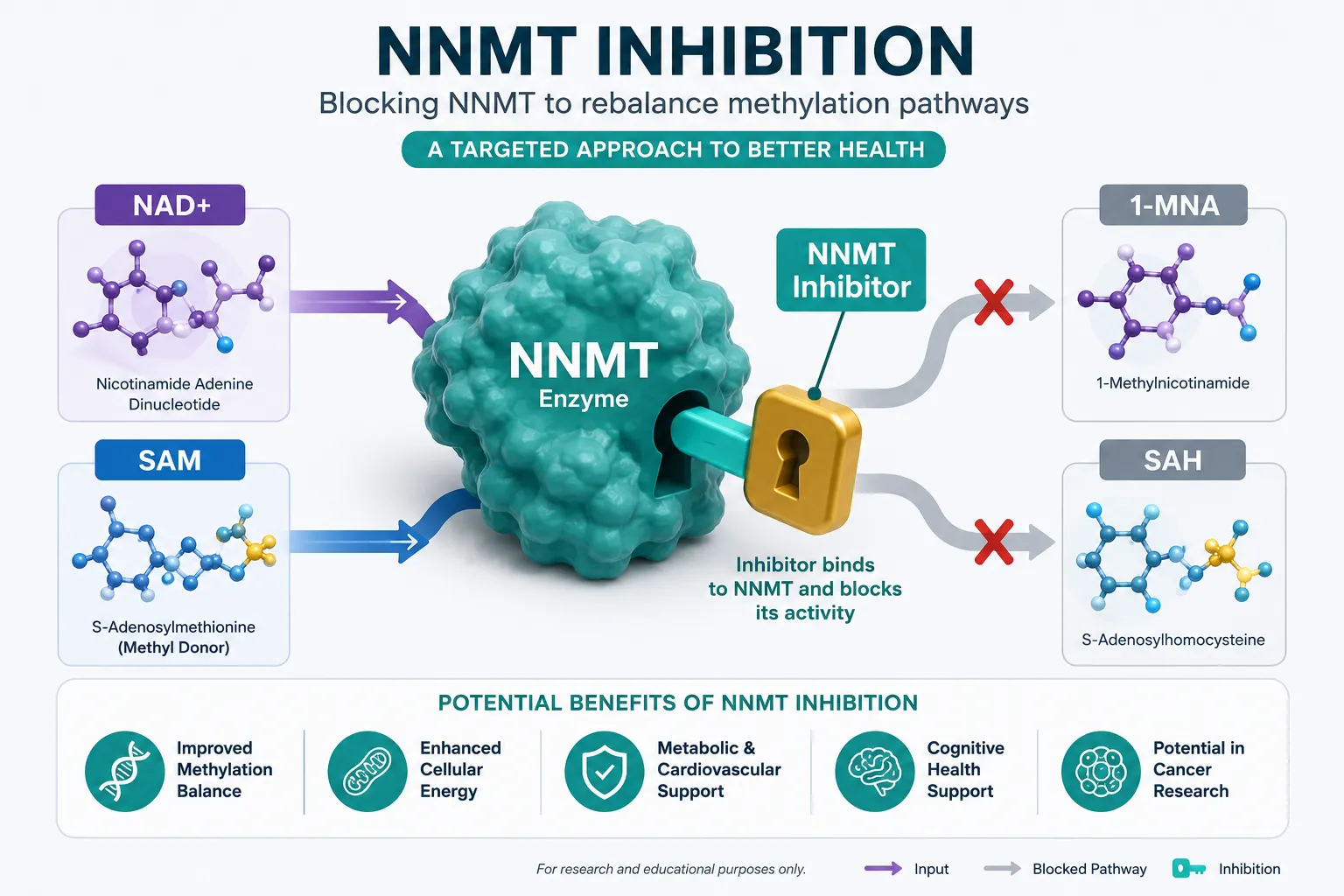
Where MOTS-c operates through mitochondrial DNA and retrograde nuclear signaling, 5-Amino-1MQ takes a complementary route: it blocks nicotinamide N-methyltransferase (NNMT), an enzyme that consumes S-adenosylmethionine (SAM) and methyl-pool substrates while degrading nicotinamide — a direct NAD+ precursor. In obese tissue models, NNMT expression in white adipose tissue runs up to 15-fold higher than in lean controls, correlating tightly with markers of metabolic dysfunction.

5-Amino-1MQ exhibits an IC50 of approximately 1.2 μM in cell-free assays, demonstrating high selectivity for NNMT over other methyltransferases. In laboratory models, a single treatment achieved a 47% reduction in NNMT activity within 30 minutes. Over 48 hours, cellular NAD+ concentrations rose by approximately 34%, accompanied by measurable increases in SIRT1 deacetylase activity. Since SIRT1 is a direct NAD+-dependent regulator of mitochondrial biogenesis via PGC-1 alpha, the downstream effect of 5-Amino-1MQ is an enhancement of the very mitochondrial machinery that produces MOTS-c.

Parameter 5-Amino-1MQ Effect
NNMT IC50 ~1.2 μM (cell-free)
NNMT activity reduction 47% within 30 minutes
NAD+ increase ~34% within 48 hours
SIRT1 activity Elevated alongside NAD+
NNMT in obese adipose 15-fold higher vs. lean

This creates a reinforcing loop relevant to metabolic model design: higher NAD+ supports mitochondrial function, which in turn supports MOTS-c production and release.

Researchers sourcing compounds for these assays can review lab-tested peptides for metabolic research or explore the broader peptides for sale catalog for combination-ready compounds.


Metabolic research lab bench with MOTS-c and 5-Amino-1MQ vials and pathway diagrams

How Mitochondria, MOTS-c, and 5-Amino-1MQ Intersect in Metabolic Research Models

Understanding Mitochondria, MOTS-c, and 5-Amino-1MQ: How Peptides Reframe Classic Mitochondrial Biology in Metabolic Research requires mapping where these two agents converge on shared pathway nodes.

Shared targets and convergence points:

  • AMPK node: MOTS-c activates AMPK via AICAR accumulation; elevated NAD+ from 5-Amino-1MQ activates SIRT1, which deacetylates and activates LKB1, an upstream AMPK kinase.
  • NAD+ pool: MOTS-c's metabolic stress response is partly governed by NAD+ availability; 5-Amino-1MQ directly expands this pool.
  • Mitochondrial biogenesis: Both agents, through separate routes, converge on PGC-1 alpha activation, the master regulator of mitochondrial number and function.
  • Adipose tissue remodeling: MOTS-c promotes lipid utilization via AMPK; 5-Amino-1MQ reduces NNMT-driven metabolic suppression in adipocytes.

For lab scientists designing metabolic stress models, the practical implication is that these two compounds offer mechanistically non-redundant but synergistic interventions. MOTS-c addresses the mitochondrial signaling deficit from the organelle outward; 5-Amino-1MQ addresses the NAD+ depletion that limits mitochondrial output from the enzymatic level inward.

Researchers interested in related mitochondrial-targeting peptides should also review SS-31 mitochondrial research themes and SS-31 mitochondrial dynamics, which address membrane-targeted cardiolipin protection as a third axis of mitochondrial intervention. For metabolic modulation models involving exercise-mimetic compounds, SLU-PP-332 metabolic modulation research offers a complementary ERR-alpha agonist perspective.

"The mitochondrion is no longer just a power plant. It is an active signaling organelle whose peptide output directly governs nuclear gene programs — and 5-Amino-1MQ's effect on NAD+ feeds directly back into that output capacity."


Conclusion

The convergence of Mitochondria, MOTS-c, and 5-Amino-1MQ: How Peptides Reframe Classic Mitochondrial Biology in Metabolic Research offers lab scientists a more complete picture of how energy homeostasis is regulated at the organelle-to-nucleus axis. MOTS-c provides a direct readout of mitochondrial metabolic status and an intervention point at AMPK and nuclear stress-response pathways. 5-Amino-1MQ addresses NNMT-driven NAD+ depletion, restoring the substrate availability that mitochondrial signaling depends on.

Actionable next steps for researchers:

  • Design dual-intervention assays pairing MOTS-c and 5-Amino-1MQ to assess additive versus synergistic effects on AMPK phosphorylation and PGC-1 alpha expression.
  • Use NNMT activity as a baseline stratification variable in metabolic model selection — particularly in adipocyte or cardiac cell lines where NNMT overexpression is documented.
  • Incorporate NAD+/NADH ratio measurements as a primary readout when evaluating 5-Amino-1MQ alongside mitochondrial respiration assays.
  • Cross-reference MOTS-c nuclear translocation data with NRF2 binding assays to map the stress-response transcriptional network more precisely.

Sourcing verified, high-purity compounds is a prerequisite for reproducible metabolic research. Reviewing available MOTS-c peptides for research from suppliers with documented purity testing is an essential first step before experimental design is finalized.

https://www.puretestedpeptides.com/wp-content/uploads/2026/06/Mitochondria-MOTS-c-and-5-Amino-1MQ-How-Peptides-Reframe-Classic-Mitochondrial-Biology-in-Metabolic-Research.png 1024 1536 Pure Tested https://www.puretestedpeptides.com/wp-content/uploads/2026/01/buy-peptides-online.jpg Pure Tested2026-06-23 13:19:082026-07-20 15:02:23Mitochondria, MOTS-c, and 5-Amino-1MQ: How Peptides Reframe Classic Mitochondrial Biology in Metabolic Research
Mitochondria, MOTS-c, and 5-Amino-1MQ: How Peptides Reframe Classic Mitochondrial Biology in Metabolic Research

Mitochondria, MOTS-c, and 5-Amino-1MQ: How Peptides Reframe Classic Mitochondrial Biology in Metabolic Research

June 23, 2026/0 Comments/by Pure Tested

Metabolic disease affects more than one billion people globally, yet the signaling machinery inside the mitochondrion itself remains one of the least-exploited therapeutic territories in preclinical research. The intersection of Mitochondria, MOTS-c, and 5-Amino-1MQ: How Peptides Reframe Classic Mitochondrial Biology in Metabolic Research is precisely where that gap is beginning to close. Two molecules — the mitochondria-derived peptide MOTS-c and the small-molecule NNMT inhibitor 5-Amino-1MQ — are forcing researchers to reconsider how energy sensing, nuclear gene regulation, and NAD+ metabolism are coordinated at the organelle level.

Key Takeaways

  • MOTS-c is a 16-amino-acid peptide encoded in mitochondrial DNA that translocates to the nucleus under metabolic stress to regulate gene expression.
  • MOTS-c activates AMPK by inhibiting the folate cycle and accumulating AICAR, a natural AMPK agonist.
  • 5-Amino-1MQ selectively inhibits NNMT, raising cellular NAD+ by approximately 34% within 48 hours in laboratory models.
  • NNMT expression in white adipose tissue is up to 15-fold higher in obese versus lean tissue, making it a high-value metabolic target.
  • Combining MOTS-c and 5-Amino-1MQ in metabolic models creates overlapping but mechanistically distinct interventions on the same energy-sensing network.

Mitochondrial cross-section with MOTS-c translocation pathway diagram

MOTS-c: A Mitochondrial Peptide That Speaks Directly to the Nucleus

MOTS-c is a 16-amino-acid peptide encoded within the 12S ribosomal RNA region of the mitochondrial genome. Unlike nuclear-encoded proteins that travel into mitochondria, MOTS-c moves in the opposite direction. Under conditions of metabolic stress — elevated glucose, oxidative load, or caloric excess — MOTS-c translocates from the mitochondrial matrix to the nucleus, where it binds stress-responsive transcription factors including NRF2 to modulate gene expression. This retrograde signaling pathway represents a direct communication channel between mitochondrial status and nuclear transcriptional output.

The metabolic effects of MOTS-c are largely mediated through AMPK activation. Mechanistically, MOTS-c inhibits the folate cycle, causing accumulation of AICAR (5-aminoimidazole-4-carboxamide ribonucleotide), a well-characterized endogenous AMPK activator. Downstream consequences include enhanced glucose uptake, improved lipid oxidation, and restoration of metabolic homeostasis in muscle and adipose tissue. In rodent models of type 2 diabetes, MOTS-c therapy improved mitochondrial respiration in cardiac tissue, suggesting organ-level restoration of energy metabolism beyond skeletal muscle.

Critically for lab scientists, exercise itself induces MOTS-c expression in human skeletal muscle and circulation. Research published in Nature Communications demonstrated that MOTS-c administration improved physical performance across young, middle-aged, and old mice, while also regulating nuclear genes tied to proteostasis. This positions MOTS-c as both an exercise mimetic and a longevity-relevant signal worth modeling in metabolic assay systems.

For researchers building mitochondrial signaling models, the MOTS-c mitochondrial peptide research overview provides a useful starting framework. Those studying combined pathway interventions may also find the MOTS-c and SLU-PP-332 combination research relevant to multi-target experimental design.


5-Amino-1MQ NNMT inhibition and NAD+ increase bar graph

5-Amino-1MQ: NNMT Inhibition as a Mitochondrial Energy Lever

Where MOTS-c operates through mitochondrial DNA and retrograde nuclear signaling, 5-Amino-1MQ takes a complementary route: it blocks nicotinamide N-methyltransferase (NNMT), an enzyme that consumes S-adenosylmethionine (SAM) and methyl-pool substrates while degrading nicotinamide — a direct NAD+ precursor. In obese tissue models, NNMT expression in white adipose tissue runs up to 15-fold higher than in lean controls, correlating tightly with markers of metabolic dysfunction.

5-Amino-1MQ exhibits an IC50 of approximately 1.2 μM in cell-free assays, demonstrating high selectivity for NNMT over other methyltransferases. In laboratory models, a single treatment achieved a 47% reduction in NNMT activity within 30 minutes. Over 48 hours, cellular NAD+ concentrations rose by approximately 34%, accompanied by measurable increases in SIRT1 deacetylase activity. Since SIRT1 is a direct NAD+-dependent regulator of mitochondrial biogenesis via PGC-1 alpha, the downstream effect of 5-Amino-1MQ is an enhancement of the very mitochondrial machinery that produces MOTS-c.

Parameter 5-Amino-1MQ Effect
NNMT IC50 ~1.2 μM (cell-free)
NNMT activity reduction 47% within 30 minutes
NAD+ increase ~34% within 48 hours
SIRT1 activity Elevated alongside NAD+
NNMT in obese adipose 15-fold higher vs. lean

This creates a reinforcing loop relevant to metabolic model design: higher NAD+ supports mitochondrial function, which in turn supports MOTS-c production and release.

Researchers sourcing compounds for these assays can review lab-tested peptides for metabolic research or explore the broader peptides for sale catalog for combination-ready compounds.


Metabolic research lab bench with MOTS-c and 5-Amino-1MQ vials and pathway diagrams

How Mitochondria, MOTS-c, and 5-Amino-1MQ Intersect in Metabolic Research Models

Understanding Mitochondria, MOTS-c, and 5-Amino-1MQ: How Peptides Reframe Classic Mitochondrial Biology in Metabolic Research requires mapping where these two agents converge on shared pathway nodes.

Shared targets and convergence points:

  • AMPK node: MOTS-c activates AMPK via AICAR accumulation; elevated NAD+ from 5-Amino-1MQ activates SIRT1, which deacetylates and activates LKB1, an upstream AMPK kinase.
  • NAD+ pool: MOTS-c's metabolic stress response is partly governed by NAD+ availability; 5-Amino-1MQ directly expands this pool.
  • Mitochondrial biogenesis: Both agents, through separate routes, converge on PGC-1 alpha activation, the master regulator of mitochondrial number and function.
  • Adipose tissue remodeling: MOTS-c promotes lipid utilization via AMPK; 5-Amino-1MQ reduces NNMT-driven metabolic suppression in adipocytes.

For lab scientists designing metabolic stress models, the practical implication is that these two compounds offer mechanistically non-redundant but synergistic interventions. MOTS-c addresses the mitochondrial signaling deficit from the organelle outward; 5-Amino-1MQ addresses the NAD+ depletion that limits mitochondrial output from the enzymatic level inward.

Researchers interested in related mitochondrial-targeting peptides should also review SS-31 mitochondrial research themes and SS-31 mitochondrial dynamics, which address membrane-targeted cardiolipin protection as a third axis of mitochondrial intervention. For metabolic modulation models involving exercise-mimetic compounds, SLU-PP-332 metabolic modulation research offers a complementary ERR-alpha agonist perspective.

"The mitochondrion is no longer just a power plant. It is an active signaling organelle whose peptide output directly governs nuclear gene programs — and 5-Amino-1MQ's effect on NAD+ feeds directly back into that output capacity."


Conclusion

The convergence of Mitochondria, MOTS-c, and 5-Amino-1MQ: How Peptides Reframe Classic Mitochondrial Biology in Metabolic Research offers lab scientists a more complete picture of how energy homeostasis is regulated at the organelle-to-nucleus axis. MOTS-c provides a direct readout of mitochondrial metabolic status and an intervention point at AMPK and nuclear stress-response pathways. 5-Amino-1MQ addresses NNMT-driven NAD+ depletion, restoring the substrate availability that mitochondrial signaling depends on.

Actionable next steps for researchers:

  • Design dual-intervention assays pairing MOTS-c and 5-Amino-1MQ to assess additive versus synergistic effects on AMPK phosphorylation and PGC-1 alpha expression.
  • Use NNMT activity as a baseline stratification variable in metabolic model selection — particularly in adipocyte or cardiac cell lines where NNMT overexpression is documented.
  • Incorporate NAD+/NADH ratio measurements as a primary readout when evaluating 5-Amino-1MQ alongside mitochondrial respiration assays.
  • Cross-reference MOTS-c nuclear translocation data with NRF2 binding assays to map the stress-response transcriptional network more precisely.

Sourcing verified, high-purity compounds is a prerequisite for reproducible metabolic research. Reviewing available MOTS-c peptides for research from suppliers with documented purity testing is an essential first step before experimental design is finalized.

https://www.puretestedpeptides.com/wp-content/uploads/2026/06/Mitochondria-MOTS-c-and-5-Amino-1MQ-How-Peptides-Reframe-Classic-Mitochondrial-Biology-in-Metabolic-Research.png 1024 1536 Pure Tested https://www.puretestedpeptides.com/wp-content/uploads/2026/01/buy-peptides-online.jpg Pure Tested2026-06-23 13:19:072026-07-20 15:02:32Mitochondria, MOTS-c, and 5-Amino-1MQ: How Peptides Reframe Classic Mitochondrial Biology in Metabolic Research
Peptides and Polypeptides in Endocrine Research: Linking Estrogen Receptor Signaling to Enclomiphene and GLP-3 Retatrutide Models

Peptides and Polypeptides in Endocrine Research: Linking Estrogen Receptor Signaling to Enclomiphene and GLP-3 Retatrutide Models

June 23, 2026/0 Comments/by Pure Tested

Fewer than three decades ago, the estrogen receptor was considered a single, well-understood target. Today, researchers recognize at least three distinct receptor subtypes — ERalpha, ERbeta, and the G protein-coupled estrogen receptor (GPER) — each capable of driving separate downstream cascades. That complexity is precisely why the field of peptides and polypeptides in endocrine research: linking estrogen receptor signaling to enclomiphene and GLP-3 retatrutide models has become one of the most active areas of translational biology in 2026.

Detailed () scientific illustration showing a split-panel composition: left side features a 3D molecular model of an

Key Takeaways

  • Estrogen receptors are not monolithic; GPER mediates rapid non-genomic signaling distinct from classical nuclear ER pathways.
  • Enclomiphene acts as a selective estrogen receptor modulator (serm) at the hypothalamus, restoring endogenous testosterone without suppressing the HPG axis.
  • Retatrutide is a synthetic 39-amino-acid polypeptide that simultaneously activates GLP-1R, GIPR, and GCGR — a triple-agonist profile unmatched by earlier metabolic peptides.
  • Cross-talk between peptide growth factors and estrogen receptor systems creates layered regulatory complexity relevant to drug design.
  • Both enclomiphene and retatrutide illustrate how modern endocrine research moves beyond single-target pharmacology toward systems-level modulation.

Estrogen Receptor Biology: The Foundation for Peptide Cross-Talk

Classical endocrinology framed estrogen signaling as a nuclear event: ligand binds receptor, receptor binds DNA, gene transcription changes. GPER challenged that model by demonstrating that estrogens also trigger acute, non-genomic responses through G protein-coupled pathways — activating cAMP, mobilizing intracellular calcium, and phosphorylating kinase cascades within minutes rather than hours.

This dual-mode signaling matters for peptide researchers because peptide growth factors and estrogen receptors actively cross-talk. Insulin-like growth factors, epidermal growth factor, and related polypeptides can transactivate ERalpha without a classical estrogen ligand. Conversely, estrogen receptor activity can sensitize cells to peptide growth factor signals. Understanding this bidirectional regulation is foundational to interpreting how newer research compounds interact with hormonal physiology.

"Estrogen receptor cross-talk with peptide signaling systems is not a side effect — it is a core feature of endocrine architecture."

For researchers exploring metabolic and longevity-related peptides, resources such as the MOTS-C metabolic flexibility research overview and the GIP receptor importance guide provide useful context on how peptide signals intersect with broader hormonal networks.


Enclomiphene as a Case Study in Receptor-Selective Endocrine Modulation

Enclomiphene is the trans-isomer of clomiphene and functions as a selective estrogen receptor modulator (serm). Its primary site of action is the hypothalamus and pituitary, where it blocks estrogen receptors and removes the negative-feedback brake on gonadotropin-releasing hormone (GnRH) pulsatility. The result is a cascade: GnRH rises, LH and FSH secretion increases, and the testes respond with elevated testosterone production.

What makes enclomiphene scientifically notable is what it preserves. Unlike exogenous testosterone, enclomiphene leaves the entire hypothalamic-pituitary-gonadal (HPG) axis intact, including its own feedback loops. This distinguishes it sharply from peptide-class HPG stimulators such as gonadorelin or kisspeptin-10, which act at different nodes in the same axis.

Pharmacokinetic profile comparison:

Compound Clearance Axis Preservation
Enclomiphene Days Full HPG axis intact
Zuclomiphene (isomer) Weeks Partial, prolonged suppression risk
Gonadorelin (peptide) Minutes Pulsatile, receptor-dependent

Enclomiphene's rapid clearance — measured in days rather than the weeks seen with its isomer zuclomiphene — makes it a cleaner pharmacological tool for research into upstream estrogen receptor blockade. For comparison, researchers studying GH-axis peptides may find the CJC-1295 and ipamorelin GH axis research a useful parallel for understanding how upstream modulation shapes downstream hormonal output.


GLP-3 Retatrutide Models and the Polypeptide Approach to Metabolic Signaling

GLP-3 Retatrutide Models and the Polypeptide Approach to Metabolic Signaling

Retatrutide (LY3437943) represents a different philosophy entirely. Rather than blocking a receptor to release a suppressed axis, this synthetic 39-amino-acid polypeptide simultaneously activates three receptors: GLP-1R, GIPR, and GCGR. Cryo-EM structural studies show that retatrutide adopts a single continuous alpha-helix conformation when binding, with receptor-specific amino acid differences accounting for its differential potency at each target.

The coordinated activation of all three receptors produces layered metabolic effects:

  • GLP-1R activation: Reduces food intake, slows gastric emptying, enhances insulin secretion
  • GIPR activation: Amplifies insulin response, modulates adipose tissue signaling
  • GCGR activation: Increases energy expenditure, improves hepatic lipid metabolism

Phase 2 clinical trial data published in 2023 demonstrated significant weight loss and glycemic improvement in participants with obesity and type 2 diabetes. As of 2026, retatrutide has not received regulatory approval for human use and remains within the scope of clinical investigation and preclinical research.

For researchers building context around incretin-based peptide models, the GLP-3 Retatrutide incretin research themes page and the companion GLP-1 incretin research overview offer structured background. The cagrilintide synergy with GLP-1 research further illustrates how dual and triple agonist combinations are reshaping metabolic peptide research.


Bridging the Two Models: What Peptides and Polypeptides in Endocrine Research Reveal

Bridging the Two Models: What Peptides and Polypeptides in Endocrine Research Reveal

The deeper insight from studying peptides and polypeptides in endocrine research: linking estrogen receptor signaling to enclomiphene and GLP-3 retatrutide models together is architectural. Enclomiphene works by subtracting a signal — removing estrogenic feedback — to let a natural axis reassert itself. Retatrutide works by adding multiple signals simultaneously, forcing coordinated receptor activation across organ systems.

Both strategies reflect a move away from single-target pharmacology. Both also interact, directly or indirectly, with estrogen receptor biology. GPER, for instance, has been implicated in metabolic regulation, and GLP-1 receptor signaling has documented interactions with sex hormone pathways in adipose and hepatic tissue.

Key distinctions between serm-based and polypeptide-based endocrine modulation:

  • Mechanism: Receptor blockade (serm) vs. receptor co-activation (polypeptide agonist)
  • Axis impact: Preserves negative feedback (enclomiphene) vs. bypasses feedback (retatrutide)
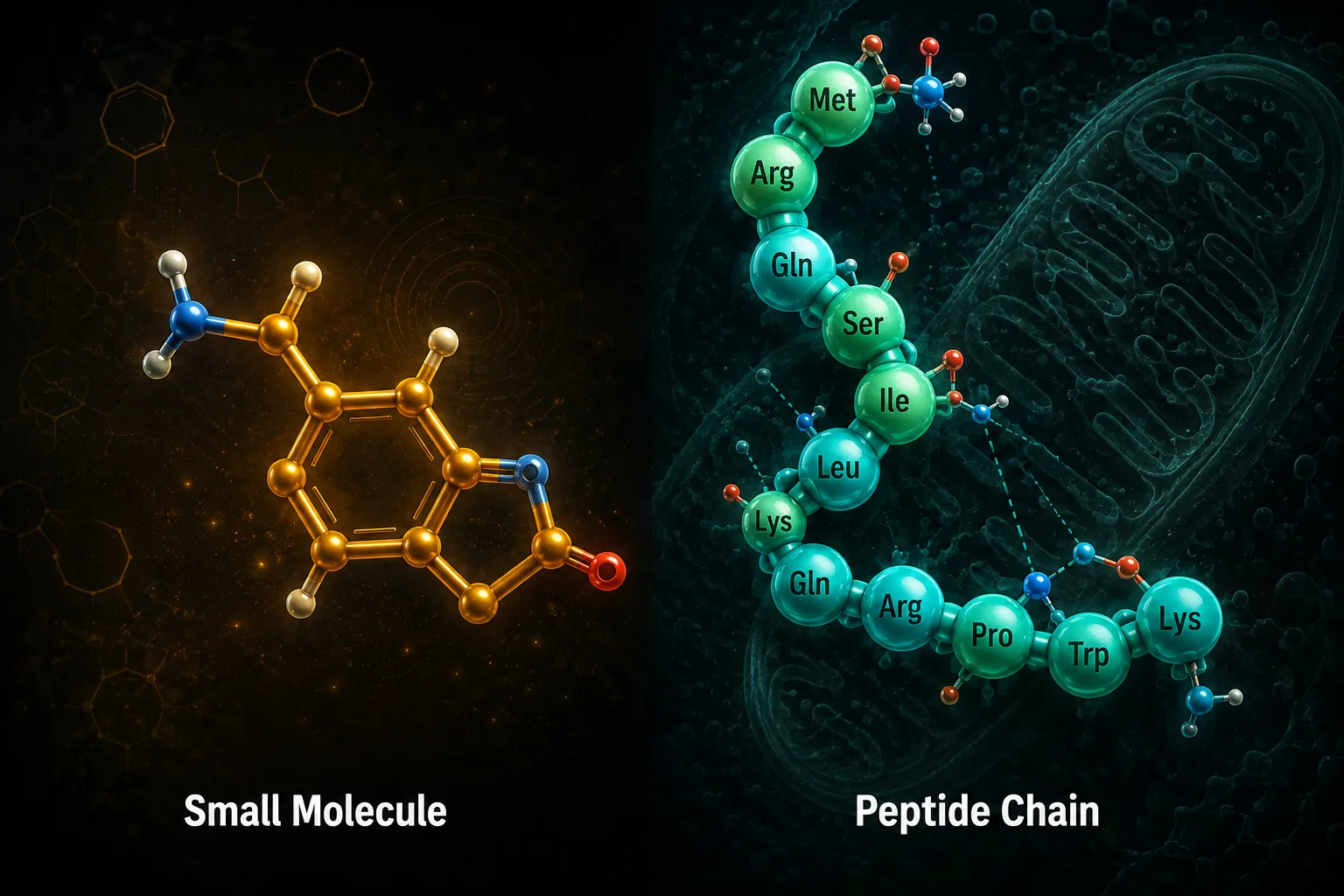
  • Structural class: Small molecule (enclomiphene) vs. synthetic peptide chain (retatrutide)
  • Research maturity: Enclomiphene has longer clinical history; retatrutide is in active Phase 2/3 investigation

Researchers interested in how peptide structural biology shapes receptor selectivity may also find value in reviewing tesa research themes and the IPA muscle and fat research overview, both of which demonstrate how peptide sequence modifications alter tissue-level outcomes.


Conclusion

The convergence of estrogen receptor biology, serm pharmacology, and synthetic polypeptide design represents one of the most productive frontiers in endocrine research today. Enclomiphene demonstrates that precise receptor-site selectivity can restore entire hormonal axes with minimal disruption. Retatrutide demonstrates that a single engineered polypeptide can coordinate metabolic signaling across three receptor families simultaneously.

Actionable next steps for researchers:

  1. Review GPER-specific literature to understand non-genomic estrogen signaling before designing peptide interaction studies.
  2. Use enclomiphene's HPG axis preservation model as a benchmark when evaluating upstream versus downstream peptide interventions.
  3. Consult Phase 2 retatrutide data for structural insights into multi-receptor polypeptide engineering.
  4. Explore the comprehensive peptide catalog to identify research compounds relevant to metabolic and hormonal pathway studies.
  5. Prioritize compounds with published quality testing data — see quality testing protocols — when designing rigorous endocrine research protocols.

The field is moving fast. Researchers who understand both the receptor-level architecture and the structural biology of the peptides involved will be best positioned to interpret emerging data as it arrives.

https://www.puretestedpeptides.com/wp-content/uploads/2026/06/Peptides-and-Polypeptides-in-Endocrine-Research-Linking-Estrogen-Receptor-Signaling-to-Enclomiphene-and-GLP-3-Retatrutide-Models.png 1024 1536 Pure Tested https://www.puretestedpeptides.com/wp-content/uploads/2026/01/buy-peptides-online.jpg Pure Tested2026-06-23 13:05:442026-07-20 15:02:33Peptides and Polypeptides in Endocrine Research: Linking Estrogen Receptor Signaling to Enclomiphene and GLP-3 Retatrutide Models
Best Research Peptides for Weight Management: Comparing GLP-3 Retatrutide, MOTS-c, and 5-Amino-1MQ

Best Research Peptides for Weight Management: Comparing GLP-3 Retatrutide, MOTS-c, and 5-Amino-1MQ

June 22, 2026/0 Comments/by Pure Tested

Obesity affects more than one billion people worldwide, yet fewer than five percent of those with clinically significant excess weight achieve durable fat loss through lifestyle changes alone. That gap has pushed researchers toward a new generation of metabolic compounds. Among the most closely watched are three distinct agents: Retatrutide, MOTS-c, and 5-Amino-1MQ. This comparative guide on the best research peptides for weight management — comparing GLP-3 Retatrutide, MOTS-c, and 5-Amino-1MQ — examines what each compound does, how far the science has advanced, and what distinguishes them from one another.

Key Takeaways

  • Retatrutide is a triple agonist (GLP-1, GIP, glucagon) that produced roughly 28% average weight loss over 18 months in Phase 3 trials — comparable to bariatric surgery outcomes.
  • MOTS-c is a mitochondria-derived peptide that activates the AMPK pathway, improving insulin sensitivity and metabolic flexibility in preclinical models.
  • 5-Amino-1MQ inhibits the NNMT enzyme to enhance cellular metabolism, but human trial data remain limited.
  • All three compounds are currently research-stage agents; none carries full FDA approval for weight management as of 2026.
  • Mechanism, research maturity, and target pathway differ significantly across the three, making direct comparison essential for informed research planning.

Key Takeaways

Retatrutide: The Triple Agonist Redefining Weight Loss Research

Retatrutide represents the most clinically advanced entry among the best research peptides for weight management. It functions as a triple agonist, simultaneously activating GLP-1, GIP, and glucagon receptors. This three-pronged approach does something no single-receptor agent can match: it enhances satiety through GLP-1 signaling, boosts energy expenditure via glucagon activation, and improves glycemic control through GIP engagement.

The clinical data behind Retatrutide are striking. In a Phase 3 trial conducted by Eli Lilly, participants achieved an average body weight reduction of approximately 28% over 18 months. That figure places Retatrutide in the same efficacy range as bariatric surgery — a threshold no oral or injectable anti-obesity medication had previously crossed. Eli Lilly is pursuing FDA approval, with late-stage trial completion targeted for 2026.

Side effects reported in trials were primarily gastrointestinal: nausea, vomiting, and diarrhea. These effects were dose-dependent and generally mild to moderate, consistent with the GLP-1 drug class profile.

For researchers sourcing this compound, the GLP-3 Retatrutide product page provides catalog navigation and research planning context. Additional receptor-level background is available through the GIP receptor mechanism overview.

"A 28% average weight reduction over 18 months positions Retatrutide as potentially the most efficacious pharmacological weight loss agent studied to date."

MOTS-c and 5-Amino-1MQ: Mitochondrial and Enzymatic Pathways

MOTS-c and 5-Amino-1MQ: Mitochondrial and Enzymatic Pathways

MOTS-c: Mitochondria-Derived Metabolic Regulation

MOTS-c is a 16-amino-acid peptide encoded within mitochondrial DNA — an unusual origin that sets it apart from conventional peptide therapeutics. Under metabolic stress, it translocates from the mitochondria to the cell nucleus, where it activates the AMPK pathway and modulates mTOR and folate-cycle-linked processes.

In animal models, MOTS-c has demonstrated:

  • Approximately 30% improvement in insulin sensitivity
  • 12-15% enhancement in exercise performance
  • Improved mitochondrial function and lipid metabolism

These findings make MOTS-c a compelling candidate for metabolic research, particularly in contexts involving insulin resistance or age-related metabolic decline. Researchers can explore detailed mechanistic studies through the MOTS-c mitochondrial dynamics research page and the MOTS-c metabolic stress research overview.

However, MOTS-c has not received FDA approval. Human trial data remain limited to early-phase studies, meaning its efficacy and safety profile in clinical populations are not yet fully established.

5-Amino-1MQ: NNMT Inhibition and Cellular Metabolism

5-Amino-1MQ takes a fundamentally different approach. Rather than acting on gut hormones or mitochondrial signaling, it inhibits nicotinamide N-methyltransferase (NNMT) — an enzyme that plays a regulatory role in cellular energy metabolism. By blocking NNMT, 5-Amino-1MQ is theorized to raise intracellular NAD+ precursor availability and shift cells toward greater metabolic activity.

Preclinical data suggest potential for fat cell reduction and improved metabolic rate, but published human trial data for 5-Amino-1MQ remain sparse as of 2026. Researchers interested in this compound can find sourcing and research context at the 5-Amino-1MQ research page. For broader NAD+ pathway context, the NAD+ energetics and longevity research overview offers relevant background.

Comparing the Three: A Research-Stage Summary

Comparing the Three: A Research-Stage Summary

The table below summarizes the key distinctions across the best research peptides for weight management: comparing GLP-3 Retatrutide, MOTS-c, and 5-Amino-1MQ.

Feature Retatrutide MOTS-c 5-Amino-1MQ
Primary Target GLP-1, GIP, Glucagon receptors AMPK / mitochondrial pathway NNMT enzyme inhibition
Research Stage Phase 3 clinical trials Early-phase human trials Preclinical / limited human data
Key Efficacy Signal 28% weight loss (18 months) 30% insulin sensitivity gain (animal) Metabolic rate improvement (preclinical)
FDA Status Approval pending Not approved Not approved
Side Effect Profile GI-related, dose-dependent Not well established in humans Limited data

Researchers evaluating these compounds should also consider how they fit within broader metabolic research stacks. For context on GLP-1 class compounds more broadly, the GLP-1 peptide research and sourcing guide provides useful framing. Those exploring what is emerging across the peptide research landscape can consult the latest peptide research updates.

Conclusion

The comparison of GLP-3 Retatrutide, MOTS-c, and 5-Amino-1MQ reveals three agents at very different stages of scientific maturity. Retatrutide leads on clinical evidence, with Phase 3 data showing surgery-level weight loss and a near-term FDA approval pathway. MOTS-c offers a compelling mitochondrial mechanism with strong preclinical signals but requires more human data. 5-Amino-1MQ presents an intriguing enzymatic target, though its research base is the thinnest of the three.

Actionable next steps for researchers:

  1. Review the full mechanistic profiles of each compound before designing protocols.
  2. Source compounds exclusively from verified, tested suppliers to ensure purity and research integrity.
  3. Monitor ongoing trial registries for MOTS-c and Retatrutide updates throughout 2026.
  4. Cross-reference metabolic pathway research — particularly AMPK and NAD+ signaling — to identify potential complementary compounds.
  5. Consult the comprehensive peptide catalog to assess current availability and documentation standards.
https://www.puretestedpeptides.com/wp-content/uploads/2026/06/Best-Research-Peptides-for-Weight-Management-Comparing-GLP-3-Retatrutide-MOTS-c-and-5-Amino-1MQ.png 1024 1536 Pure Tested https://www.puretestedpeptides.com/wp-content/uploads/2026/01/buy-peptides-online.jpg Pure Tested2026-06-22 13:04:242026-07-20 15:02:33Best Research Peptides for Weight Management: Comparing GLP-3 Retatrutide, MOTS-c, and 5-Amino-1MQ
Enclomiphene vs. Tamoxifen: Comparative Research on serm Peptide Receptor Modulation

Enclomiphene vs. Tamoxifen: Comparative Research on serm Peptide Receptor Modulation

June 22, 2026/0 Comments/by Pure Tested

Only one of these two compounds preserves male fertility while raising testosterone — and the distinction comes down to how each molecule interacts with estrogen receptors at the cellular level. The field of Enclomiphene vs. Tamoxifen: Comparative Research on serm Peptide Receptor Modulation has grown substantially as researchers seek more targeted hormonal interventions that avoid the reproductive suppression caused by conventional testosterone replacement therapy.

Both enclomiphene and tamoxifen belong to the Selective Estrogen Receptor Modulator (serm) class, yet their pharmacological profiles, half-lives, and clinical applications differ in ways that matter deeply for research design and therapeutic strategy.


Key Takeaways

  • Enclomiphene is the trans-isomer of clomiphene citrate and acts as a pure estrogen receptor antagonist in the hypothalamus and pituitary, stimulating endogenous testosterone production.
  • Tamoxifen has a significantly longer half-life (5-7 days) compared to enclomiphene (approximately 10 hours), affecting how quickly dosing adjustments take effect.
  • Enclomiphene shows a cleaner side-effect profile than clomiphene citrate because it lacks the zuclomiphene (cis-isomer) component associated with visual disturbances and mood changes.
  • Tamoxifen remains the preferred serm for gynecomastia management due to its potent antagonism at breast tissue estrogen receptors.
  • Neither compound has received FDA approval as a standalone male hypogonadism treatment as of 2026, though both are used off-label in clinical and research contexts.

Key Takeaways

Mechanisms of Action: How Each serm Engages Estrogen Receptors

Understanding Enclomiphene vs. Tamoxifen: Comparative Research on serm Peptide Receptor Modulation begins at the receptor level. Both compounds bind estrogen receptors but do so in different tissues with different downstream effects.

Enclomiphene is the trans-isomer of clomiphene citrate. It acts as an estrogen receptor antagonist specifically in the hypothalamus and pituitary gland. By blocking estrogen's negative feedback signal at these sites, enclomiphene triggers increased secretion of:

  • Gonadotropin-releasing hormone (GnRH)
  • Luteinizing hormone (LH)
  • Follicle-stimulating hormone (FSH)

This cascade stimulates the testes to produce testosterone endogenously, preserving the hypothalamic-pituitary-testicular (HPT) axis rather than bypassing it.

Tamoxifen operates through a similar upstream mechanism but was originally developed for breast cancer treatment. It competitively blocks estrogen receptors in breast tissue and, when used in male health contexts, also reduces pituitary estrogen feedback — raising LH and FSH levels and, consequently, testosterone output.

"The key distinction is tissue selectivity: enclomiphene's activity is concentrated at the hypothalamic-pituitary axis, while tamoxifen's receptor modulation extends to peripheral tissues including breast, bone, and liver."

For researchers exploring broader receptor modulation frameworks, metabolic modulation research lines provide useful context on how peptide-receptor interactions extend beyond hormonal axes.


Mechanisms of Action: How Each serm Engages Estrogen Receptors

Pharmacokinetics and Clinical Profiles Compared

The pharmacokinetic differences between these two serms are significant for research protocol design.

Parameter Enclomiphene Tamoxifen
Half-life ~10 hours 5-7 days
Active metabolites Minimal Yes (endoxifen)
Dosing frequency Daily (12.5-25 mg) Daily or less frequent
FDA approval (male use) Not approved (2026) Not approved (male use)
Primary research use Secondary hypogonadism Gynecomastia, hypogonadism

Enclomiphene's shorter half-life allows researchers and clinicians to make faster dosing adjustments. Tamoxifen's longer half-life and active metabolite (endoxifen) mean that steady-state concentrations take longer to establish and dissipate.

Side-effect profiles also diverge meaningfully:

  • Enclomiphene: transient headaches, hot flashes; notably absent are the visual disturbances linked to zuclomiphene in standard clomiphene citrate
  • Tamoxifen: risk of thromboembolic events, mood changes, and potential hepatotoxicity with long-term use

Both compounds maintain or enhance spermatogenesis, which gives them a clear advantage over exogenous testosterone therapy for fertility-conscious research subjects. For comparison with other peptide compounds studied in neuroendocrine contexts, neuroendocrine and innate immunity research offers relevant background.

Those researching serm compounds for laboratory use can review the serm 10mg research product for sourcing reference.


Pharmacokinetics and Clinical Profiles Compared

Research Applications and Comparative Utility in 2026

The comparative analysis of Enclomiphene vs. Tamoxifen: Comparative Research on serm Peptide Receptor Modulation reveals distinct niches for each compound in active research programs.

Enclomiphene has completed Phase III clinical trials demonstrating statistically significant increases in testosterone levels alongside preserved spermatogenesis. Researchers studying secondary hypogonadism in younger males favor enclomiphene because it stimulates the natural HPT axis without suppressing it. Its cleaner isomer profile reduces confounding variables in study design.

Tamoxifen remains the more established compound for gynecomastia management research, given its potent and well-documented antagonism at breast tissue estrogen receptors. Its longer half-life also makes it useful in protocols where less frequent dosing is preferred.

Both serms are being examined alongside peptide-based interventions. Researchers comparing hormonal optimization strategies often cross-reference findings with growth hormone secretagogue research, such as ipamorelin vs. tesa comparisons and tesa mechanism and application data, since both categories affect body composition and metabolic signaling.

For researchers interested in longevity and cellular signaling intersections, the Glow Blend longevity research themes and Epithalon vs. NAD evidence pages provide complementary reading on receptor-level interventions.


Conclusion

The comparative research on Enclomiphene vs. Tamoxifen: Comparative Research on serm Peptide Receptor Modulation makes clear that these are not interchangeable compounds. Enclomiphene offers a more targeted hypothalamic-pituitary mechanism, a shorter half-life for flexible dosing, and a favorable side-effect profile — making it the stronger candidate for secondary hypogonadism and fertility-preservation research. Tamoxifen retains its edge in gynecomastia management and longer-duration protocols.

Actionable next steps for researchers:

  1. Define the target tissue and hormonal axis before selecting a serm for a given protocol.
  2. Account for half-life differences when designing washout periods and dosing schedules.
  3. Cross-reference serm data with peptide-based hormonal research to build a more complete picture of receptor modulation strategies.
  4. Monitor regulatory updates, as neither compound holds FDA approval for male hypogonadism treatment as of 2026.
https://www.puretestedpeptides.com/wp-content/uploads/2026/06/Enclomiphene-vs.-Tamoxifen-Comparative-Research-on-serm-Peptide-Receptor-Modulation.png 1024 1536 Pure Tested https://www.puretestedpeptides.com/wp-content/uploads/2026/01/buy-peptides-online.jpg Pure Tested2026-06-22 13:03:462026-07-20 15:02:34Enclomiphene vs. Tamoxifen: Comparative Research on serm Peptide Receptor Modulation
BPC-157 and TB-500 Stack: Synergistic Mechanisms in Experimental Tendon and Ligament Repair

BPC-157 and TB-500 Stack: Synergistic Mechanisms in Experimental Tendon and Ligament Repair

June 22, 2026/0 Comments/by Pure Tested

}

Professional () hero image with : 'BPC-157 & TB-500 Stack: Synergistic Mechanisms in Tendon & Ligament Repair' in extra

Tendon and ligament injuries account for roughly 45% of all musculoskeletal injuries treated in sports medicine clinics worldwide, yet conventional recovery timelines remain stubbornly long. Against that backdrop, preclinical research into the BPC-157 and TB-500 stack: synergistic mechanisms in experimental tendon and ligament repair has drawn serious attention from researchers studying peptide-based recovery models.

Detailed () scientific illustration showing two distinct peptide molecules labeled BPC-157 and TB-500 approaching a damaged

Key Takeaways

  • BPC-157 promotes localized repair through angiogenesis and growth factor modulation; TB-500 drives systemic healing via actin regulation and cell migration.
  • When combined, the two peptides target complementary biological pathways, suggesting additive or synergistic effects in preclinical tendon and ligament models.
  • Animal studies report improved tensile strength and faster recovery timelines compared to single-agent protocols.
  • Neither peptide holds FDA approval; both are classified as research chemicals and are prohibited by WADA under the S0 category.
  • No large-scale human clinical trials exist as of 2026, making all dosing and efficacy data preliminary.

How Each Peptide Works: Distinct but Complementary Pathways

Understanding why researchers pair these two compounds begins with their individual mechanisms.

BPC-157 (Body Protection Compound-157) is a synthetic pentadecapeptide derived from a protective gastric protein. In experimental models, it consistently stimulates:

  • Angiogenesis – the formation of new blood vessels that deliver oxygen and nutrients to injured tissue
  • Growth factor upregulation – particularly VEGF and EGF signaling
  • Fibroblast activation – accelerating collagen scaffold formation at the injury site

TB-500 (Thymosin Beta-4) works through a fundamentally different route. Its primary action involves binding G-actin, which reorganizes the cytoskeleton and enables rapid cell migration to wound sites. This systemic mobility effect means TB-500 can mobilize repair cells from distant tissues, not just the local injury zone.

Feature BPC-157 TB-500
Primary action Angiogenesis, growth factor boost Actin regulation, cell migration
Scope Localized Systemic
Key target tissue Tendon, gut lining Muscle, tendon, cardiac tissue
Origin Gastric protein fragment Thymosin Beta-4 derivative

This distinction is critical. BPC-157 builds the local vascular and structural environment; TB-500 recruits the cellular workforce to populate it. For a broader look at how peptides interact with tissue biology, the recovery and tissue biology overview provides useful context.


Preclinical Evidence for the BPC-157 and TB-500 Stack: Synergistic Mechanisms in Experimental Tendon and Ligament Repair

Preclinical Evidence for the BPC-157 and TB-500 Stack: Synergistic Mechanisms in Experimental Tendon and Ligament Repair

Animal studies examining the combined protocol have produced encouraging, though preliminary, data. Rodent models of Achilles tendon transection and medial collateral ligament damage showed that subjects receiving both peptides demonstrated:

  • Greater tensile strength recovery at the repair site compared to either agent alone
  • Faster collagen fiber alignment, indicating more organized tissue remodeling
  • Reduced inflammatory markers in the peri-tendinous tissue during early recovery phases

The mechanistic logic behind these findings is straightforward. BPC-157 creates a well-vascularized, growth-factor-rich local environment. TB-500 simultaneously accelerates the migration of tenocytes and fibroblasts into that environment. The result is a faster, more organized repair cascade than either peptide can produce independently.

"The complementary nature of localized angiogenesis and systemic cell mobilization represents one of the more scientifically coherent rationales for combining two research peptides."

Researchers studying related peptide stacking strategies, such as those examining TB-500 and cytoskeletal remodeling, note that actin-binding activity is central to understanding why TB-500 contributes uniquely to connective tissue repair. Similarly, detailed BPC-157 research profiles outline the growth factor pathways that make it effective in isolation and potentially more powerful in combination.

For those exploring other peptide combinations in research contexts, resources on simple peptide frameworks and vilon tissue homeostasis models offer comparative mechanistic reading.


Regulatory Status, Safety, and Research Limitations

Regulatory Status, Safety, and Research Limitations

The BPC-157 and TB-500 stack: synergistic mechanisms in experimental tendon and ligament repair remains firmly in the preclinical research category as of 2026. Key facts researchers and informed readers should understand:

  • No FDA approval exists for either compound in any therapeutic indication
  • WADA prohibition: Both are listed under the S0 Non-Approved Substances category, making them banned in competitive sport
  • No large-scale RCTs: All human data comes from anecdotal reports and small observational accounts
  • Unregulated supply chain risks: Products from unverified sources carry contamination and dosing accuracy concerns

Experimental protocols in the literature reference BPC-157 at approximately 500 mcg to 1 mg daily and TB-500 at 2.5 to 5 mg twice weekly during a loading phase, followed by reduced maintenance dosing. These figures are derived from animal-to-human extrapolation and anecdotal reports, not validated clinical trials.

Medical professionals consistently advise that use outside controlled research settings carries unknown long-term risks. The absence of comprehensive safety data is not a minor caveat – it is the defining limitation of this entire research area. Researchers sourcing compounds for legitimate study should prioritize verified, lab-tested peptide suppliers and review available certificates of analysis before procurement.


Conclusion

The scientific rationale for the BPC-157 and TB-500 stack: synergistic mechanisms in experimental tendon and ligament repair is genuinely compelling. Localized angiogenesis paired with systemic cell mobilization addresses tendon and ligament healing from two distinct and complementary angles. Preclinical data supports improved tensile strength and faster tissue remodeling when both peptides are administered together.

However, the gap between animal models and validated human therapy remains wide. Actionable next steps for those engaged in this research area include:

  1. Review primary preclinical literature before drawing conclusions about human applicability
  2. Monitor regulatory updates from FDA and WADA, as classification can shift
  3. Advocate for well-designed Phase I and Phase II human trials to generate the safety and efficacy data this field urgently needs
  4. Source only from verified, tested suppliers with transparent quality documentation

The promise is real. The evidence base, as of 2026, is not yet sufficient for clinical recommendation.

https://www.puretestedpeptides.com/wp-content/uploads/2026/06/BPC-157-and-TB-500-Stack-Synergistic-Mechanisms-in-Experimental-Tendon-and-Ligament-Repair.png 1024 1536 Pure Tested https://www.puretestedpeptides.com/wp-content/uploads/2026/01/buy-peptides-online.jpg Pure Tested2026-06-22 13:03:422026-07-20 15:02:34BPC-157 and TB-500 Stack: Synergistic Mechanisms in Experimental Tendon and Ligament Repair
Where to Buy GLP-3 Retatrutide for Research: A Guide to Sourcing High-Purity Peptides

Where to Buy GLP-3 Retatrutide for Research: A Guide to Sourcing High-Purity Peptides

June 22, 2026/0 Comments/by Pure Tested

Fewer than a handful of investigational compounds have generated as much preclinical interest in 2026 as retatrutide — yet the vast majority of online suppliers offering it operate in a legal and scientific gray zone that can compromise both research integrity and regulatory standing. Knowing where to buy GLP-3 retatrutide for research means understanding far more than price per milligram.

() detailed illustration of a molecular structure diagram of a 39-amino acid triple agonist peptide chain overlaid on a

Key Takeaways

  • Retatrutide (LY3437943) is a 39-amino acid triple agonist targeting GIP, GLP-1, and glucagon receptors, currently unapproved by any regulatory authority as of 2026.
  • The only legal route for non-clinical researchers is the Research Use Only (RUO) supply chain; marketing for human use is unlawful.
  • High-purity research peptides must be supported by third-party Certificates of Analysis (COA), HPLC data, and mass spectrometry confirmation.
  • Supplier vetting — not just price comparison — is the most critical step in the procurement process.
  • "Clinic-style" or wellness brands offering compounded retatrutide for patients fall entirely outside the approved legal framework.

Understanding Retatrutide's Research Status in 2026

Retatrutide, developed by Eli Lilly under the designation LY3437943, is a 39-amino acid peptide engineered as a triple receptor agonist. It simultaneously targets GIP, GLP-1, and glucagon receptors, making it a structurally distinct compound from earlier incretin-based molecules. For a deeper look at how dual and triple receptor agonism differs mechanistically, the GLP-1 dual receptor agonism research breakdown provides useful context.

As of March 2026, retatrutide holds no approval from the FDA, EMA, or any comparable regulatory body. It remains an investigational new drug, accessible only through Lilly-sponsored clinical trials or through the RUO supply chain for legitimate preclinical and in-vitro research. Any product marketed for human injection, weight loss, or telehealth prescribing is operating outside the law — full stop.

The FDA has issued warning letters to companies marketing GLP-3 and retatrutide products for human use. Researchers should also review the broader GLP-1 incretin research themes to understand where retatrutide sits within the evolving incretin landscape, and how the generations of GLP-1 differences inform its novel mechanism.


A Guide to Sourcing High-Purity Peptides: Supplier Vetting Criteria

A Guide to Sourcing High-Purity Peptides: Supplier Vetting Criteria

This is where most researchers make costly mistakes. The question of where to buy GLP-3 retatrutide for research is not answered by a Google search alone — it requires a structured vetting process.

Analytical Documentation Standards

A reputable RUO supplier will provide, at minimum:

Documentation Type What to Look For
HPLC Chromatogram Purity of 98% or higher
Mass Spectrometry (MS) Confirmed molecular weight match
Certificate of Analysis (COA) Batch-specific, third-party verified
Sterility / Endotoxin Data Available on request for sensitive assays

Never accept a supplier's self-reported purity without independent third-party confirmation. Batch-to-batch consistency matters enormously in preclinical models.

Labeling and Legal Compliance

All legitimate research peptides must be labeled "Not for Human Consumption" and "Research Use Only." Vials sold without this labeling — or marketed alongside dosing guides for weight loss — are red flags. Researchers sourcing peptide blends for research should apply the same scrutiny to multi-compound formulations.

Cold-Chain and Storage Integrity

Retatrutide, like most peptides, is sensitive to temperature degradation. Confirm that the supplier uses validated cold-chain shipping and that lyophilized vials arrive intact and properly sealed.


Practical Steps for Researchers: Where to Buy GLP-3 Retatrutide for Research Safely

Practical Steps for Researchers: Where to Buy GLP-3 Retatrutide for Research Safely

Once the regulatory framework is clear, the practical procurement process follows a logical sequence.

Step 1 — Confirm institutional authorization. Most academic and commercial labs require IRB or institutional review before ordering investigational compounds. Confirm your lab's procurement policy before placing any order.

Step 2 — Request documentation before purchase. Contact the supplier and ask for a sample COA and HPLC data for the specific retatrutide batch. A trustworthy supplier will provide these without hesitation. Review the quality testing protocols used by established research peptide vendors to benchmark what acceptable documentation looks like.

Step 3 — Evaluate the supplier's broader catalog and transparency. Suppliers who publish detailed research context pages — not just product listings — tend to operate with greater scientific rigor. The GLP-3 Retatrutide research page is an example of the kind of transparent, research-oriented presentation that signals a credible vendor.

Step 4 — Avoid "wellness" or compounding channels. There is no approved compounding monograph for retatrutide. Any clinic or telehealth platform offering it as a patient therapy is operating unlawfully. Researchers should also be cautious of suppliers who list the same compound under both research and clinical wellness categories.

Step 5 — Cross-reference with the broader peptide research community. Peer-reviewed forums, institutional procurement offices, and established research networks can help validate supplier reputation. The ultimate guide to peptide therapy and research offers foundational context on how research-grade peptides are evaluated across the field.


Conclusion

Sourcing high-purity retatrutide for legitimate preclinical research in 2026 demands a disciplined, documentation-first approach. The compound's investigational status means that the RUO supply chain is the only lawful option outside of Lilly's clinical program — and within that channel, quality varies enormously.

Actionable next steps:

  • Verify your institution's procurement authorization before ordering.
  • Request batch-specific HPLC and MS documentation from any prospective supplier.
  • Reject any vendor marketing retatrutide for human use, injection, or wellness purposes.
  • Use the GIP receptor research overview to strengthen the scientific rationale behind your study design.
  • Bookmark reputable supplier quality standards pages and revisit them with each new batch order.

Rigorous sourcing is not a bureaucratic formality — it is the foundation of reproducible, defensible research.

https://www.puretestedpeptides.com/wp-content/uploads/2026/06/Where-to-Buy-GLP-3-Retatrutide-for-Research-A-Guide-to-Sourcing-High-Purity-Peptides.png 1024 1536 Pure Tested https://www.puretestedpeptides.com/wp-content/uploads/2026/01/buy-peptides-online.jpg Pure Tested2026-06-22 13:03:412026-07-20 15:02:35Where to Buy GLP-3 Retatrutide for Research: A Guide to Sourcing High-Purity Peptides
Peptide Reconstitution, Storage, and Stability: A Complete Research Protocol Guide

Peptide Reconstitution, Storage, and Stability: A Complete Research Protocol Guide

June 22, 2026/0 Comments/by Pure Tested

Roughly 30% of research setbacks involving peptide compounds trace back not to flawed experimental design, but to improper handling before the experiment even begins. For researchers working with sensitive biological molecules in 2026, mastering the fundamentals of this Peptide Reconstitution, Storage, and Stability: A Complete Research Protocol Guide is not optional — it is the foundation of reproducible, reliable results.

Key Takeaways

  • Lyophilized peptides remain stable at 2-8 degrees Celsius for 12-24 months; long-term storage requires -20 degrees Celsius.
  • Always use bacteriostatic water for reconstitution to extend solution stability to 4-6 weeks under refrigeration.
  • Reconstituted peptides should be used within approximately 28 days and never left at room temperature for more than a few hours.
  • Divide reconstituted solutions into single-use aliquots to avoid damaging freeze-thaw cycles.
  • Visual inspection alone cannot confirm peptide integrity — degraded peptides often look identical to intact ones.

Key Takeaways

Reconstitution Best Practices for Research-Grade Peptides

Proper reconstitution is the first critical step in any peptide research protocol. Done incorrectly, it can denature the compound before a single experiment runs.

Choosing the right diluent matters enormously. Bacteriostatic water — containing 0.9% benzyl alcohol — is the preferred choice for most research peptides. The benzyl alcohol inhibits microbial growth, extending the stability of the reconstituted solution to 4-6 weeks under refrigeration. Sterile water is an acceptable alternative but offers no antimicrobial protection, shortening the usable window significantly.

Reconstitution technique:

  1. Allow the lyophilized vial to reach room temperature before opening to reduce condensation risk.
  2. Draw the appropriate volume of diluent into a clean syringe.
  3. Inject the diluent slowly along the inner glass wall of the vial — never directly onto the peptide powder.
  4. Gently swirl (do not shake) until the peptide fully dissolves.
  5. Avoid foaming, which can cause denaturation and compromise yield.

This slow-wall technique is especially important for fragile sequences. Researchers exploring compounds like GHK-Cu or TB-500 and BPC-157 blends should pay particular attention to gentle handling during this step, as both are sensitive to mechanical agitation.

For those working with multi-peptide formulations, the Tesamorelin/CJC-1295/Ipamorelin blend reconstitution guide provides compound-specific volume and diluent recommendations.


Reconstitution Best Practices for Research-Grade Peptides

Storage Protocols: Temperature, Location, and Aliquoting

Following this Peptide Reconstitution, Storage, and Stability: A Complete Research Protocol Guide means understanding that storage is not a passive step — it is an active variable that determines outcome quality.

Lyophilized (Unreconstituted) Peptides

Storage Condition Temperature Stability Window
Short-term / Room Temp 15-25 degrees Celsius Days to weeks
Refrigerated 2-8 degrees Celsius 12-24 months
Frozen (long-term) -20 degrees Celsius Beyond 12 months

Keep lyophilized vials sealed, dry, and away from light. Moisture is the primary enemy at this stage.

Reconstituted Peptide Solutions

Once reconstituted, the stability window narrows considerably:

  • Refrigerate immediately at 2-8 degrees Celsius after reconstitution.
  • Use within 28 days under standard refrigerated conditions.
  • Never store at room temperature for more than a few hours — degradation accelerates sharply above 10 degrees Celsius.
  • Store vials in the main body of the refrigerator, not the door, to avoid temperature swings from repeated opening.

"Consistent temperature is not a convenience — it is a research variable. Fluctuations above 10 degrees Celsius can accelerate peptide degradation in ways that are invisible to the naked eye."

Aliquoting to Prevent Freeze-Thaw Damage

Repeated freeze-thaw cycles are one of the most common causes of peptide degradation in research settings. The solution is straightforward: divide reconstituted solutions into single-use aliquots immediately after reconstitution. Thaw each portion only once when needed, then discard any unused volume.

This practice is particularly relevant for longer research cycles involving compounds studied through resources like the longevity peptide research overview or MOTS-C metabolic flexibility research, where consistency across multiple sessions is essential.


Aliquoting to Prevent Freeze-Thaw Damage

Stability Monitoring and Quality Assurance in Peptide Research

This section of the Peptide Reconstitution, Storage, and Stability: A Complete Research Protocol Guide addresses a widely misunderstood risk: assuming a peptide is still viable based on appearance alone.

Degraded peptides often look identical to intact ones. Clarity, color, and consistency do not confirm biological activity. Researchers must rely on documented storage timelines, proper labeling, and sourcing from suppliers with verified quality testing protocols.

Practical stability checklist:

  • Label every vial with reconstitution date and diluent used.
  • Track cumulative freeze-thaw events per aliquot.
  • Discard any solution stored beyond its recommended window, regardless of appearance.
  • Source peptides from suppliers who provide third-party purity verification.

For researchers sourcing compounds such as AOD-9604 for metabolic research or GLP-1 peptides, purity documentation at the point of purchase directly affects downstream stability outcomes.


Conclusion

Applying the principles outlined in this Peptide Reconstitution, Storage, and Stability: A Complete Research Protocol Guide protects both the integrity of the research and the investment in high-quality compounds. The actionable next steps are clear: use bacteriostatic water for reconstitution, store reconstituted solutions at 2-8 degrees Celsius in the main refrigerator body, aliquot immediately to avoid freeze-thaw damage, and never rely on visual inspection as a stability indicator. Source peptides from suppliers who provide transparent purity testing, label every vial with date and diluent, and adhere strictly to the 28-day reconstituted use window. Rigorous handling at every stage is what separates reproducible research from wasted resources.

https://www.puretestedpeptides.com/wp-content/uploads/2026/06/Peptide-Reconstitution-Storage-and-Stability-A-Complete-Research-Protocol-Guide.png 1024 1536 Pure Tested https://www.puretestedpeptides.com/wp-content/uploads/2026/01/buy-peptides-online.jpg Pure Tested2026-06-22 13:03:092026-07-20 15:02:36Peptide Reconstitution, Storage, and Stability: A Complete Research Protocol Guide
CJC-1295 with DAC vs. Without DAC: Impact on Growth Hormone Secretion and Experimental Design

CJC-1295 with DAC vs. Without DAC: Impact on Growth Hormone Secretion and Experimental Design

June 21, 2026/0 Comments/by Pure Tested

A single structural modification — the addition of a Drug Affinity Complex linker — transforms a short-acting peptide into one with a half-life measured in days rather than minutes. That pharmacokinetic gap sits at the heart of the debate around CJC-1295 with DAC vs. Without DAC: Impact on Growth Hormone Secretion and Experimental Design, and it shapes every variable a researcher must account for when designing a growth hormone (GH) study.

Key Takeaways

  • CJC-1295 with DAC binds covalently to serum albumin, extending its half-life to approximately 6-8 days.
  • CJC-1295 without DAC (Mod GRF 1-29) has a half-life of roughly 30 minutes and produces pulsatile GH release.
  • The DAC variant sustains GH elevation but may disrupt natural pulsatile secretion and risk receptor desensitization.
  • Experimental design choices — dosing frequency, combination partners, and outcome measures — differ significantly between the two forms.
  • Researchers often pair CJC-1295 without DAC with GHRPs like Ipamorelin to closely mimic physiological GH rhythms.

Key Takeaways

The Molecular Difference: What DAC Actually Does

The Drug Affinity Complex (DAC) is a maleimidopropionic acid linker attached to the C-terminus of CJC-1295. This addition allows the peptide to form a covalent bond with the Cys34 residue of serum albumin, effectively anchoring it to a long-lived carrier protein circulating in the bloodstream.

The result is a meaningful increase in molecular weight — from approximately 3,367 Da (without DAC) to roughly 3,647 Da (with DAC) — and a dramatic extension of circulating half-life.

Feature CJC-1295 with DAC CJC-1295 without DAC
Half-life ~6-8 days ~30 minutes
Molecular weight ~3,647 Da ~3,367 Da
Albumin binding Covalent (Cys34) None
GH release pattern Sustained, continuous Pulsatile, transient
Dosing frequency Once or twice weekly Multiple times daily

For researchers exploring CJC-1295 research findings, understanding this structural distinction is the essential first step before any protocol is designed.


GH Secretion Patterns: Sustained Elevation vs. Physiological Pulses

GH Secretion Patterns: Sustained Elevation vs. Physiological Pulses

The pharmacokinetic difference between the two variants produces fundamentally different growth hormone secretion profiles, each with distinct research implications.

CJC-1295 with DAC: Continuous Stimulation

Clinical data from Phase I and II trials conducted in the mid-2000s showed that a single dose of CJC-1295 with DAC produced a 2-10 fold increase in GH levels lasting up to six days. IGF-1 levels remained elevated for 9-11 days following that single administration. This sustained profile makes the DAC variant well-suited for studies requiring prolonged GH elevation without frequent dosing.

However, continuous GH stimulation carries a notable concern: receptor desensitization. Prolonged activation of GHRH receptors may reduce their sensitivity over time, potentially blunting the GH response in longer-term protocols.

CJC-1295 without DAC: Mimicking Natural Rhythms

CJC-1295 without DAC — also called Mod GRF 1-29 — produces short, sharp GH pulses that closely mirror the body's natural pulsatile secretion pattern. This pulsatility is considered important for maintaining insulin sensitivity and preserving receptor responsiveness.

"Pulsatile GH release is not merely a physiological quirk — it is a functional requirement for downstream signaling fidelity."

Researchers focused on physiological accuracy tend to favor the non-DAC variant. It is frequently combined with growth hormone-releasing peptides (GHRPs) such as Ipamorelin to amplify pulsatile release. The Sermorelin, Ipamorelin, and CJC-1295 combination represents a common multi-peptide research approach built on this principle. Similarly, Ipamorelin and Sermorelin stack research provides additional context for synergistic GHRH-GHRP protocols.


Experimental Design Considerations for Each Variant

Experimental Design Considerations for Each Variant

Choosing between these two forms in a research context is not simply a matter of convenience — it determines the biological question the experiment can validly answer.

When to Use the DAC Variant

  • Studies examining sustained GH elevation and downstream IGF-1 responses
  • Protocols where infrequent dosing (once or twice weekly) is operationally necessary
  • Research into conditions historically linked to GH deficiency, reflecting the peptide's Phase II trial history

When to Use the Non-DAC Variant

  • Protocols designed to replicate natural pulsatile GH secretion
  • Studies assessing receptor sensitivity over time
  • Combination research with GHRPs, where timing and pulse synchronization matter

For researchers also exploring related GHRH analogs, comparing Tesamorelin vs. Sermorelin offers useful pharmacokinetic context. The Tesamorelin and CJC-1295 blend research further illustrates how multi-peptide designs can address complex GH axis questions. Researchers interested in body composition outcomes may also find the Tesamorelin body composition research themes page a valuable reference point.

Dosing frequency is perhaps the most practical design variable. The DAC variant's weekly schedule reduces protocol complexity, while the non-DAC variant's multiple-daily-injection requirement demands tighter experimental control but yields data more reflective of physiological GH dynamics.


Conclusion

The comparison of CJC-1295 with DAC vs. Without DAC: Impact on Growth Hormone Secretion and Experimental Design ultimately comes down to one core question: does the research require sustained GH elevation or physiological pulsatility?

The DAC variant offers convenience and prolonged action through albumin binding, making it appropriate for sustained-elevation protocols. The non-DAC variant preserves natural GH rhythm, reduces receptor desensitization risk, and pairs effectively with GHRPs for synergistic research designs.

Actionable next steps for researchers in 2026:

  1. Define the GH secretion profile your study requires before selecting a variant.
  2. Account for dosing frequency in your experimental timeline and resource planning.
  3. Consider combination protocols with verified GHRPs when pulsatile secretion fidelity is the priority.
  4. Review available CJC-1295 research findings and related blend data to inform protocol selection.
https://www.puretestedpeptides.com/wp-content/uploads/2026/06/CJC-1295-with-DAC-vs.-Without-DAC-Impact-on-Growth-Hormone-Secretion-and-Experimental-Design.png 1024 1536 Pure Tested https://www.puretestedpeptides.com/wp-content/uploads/2026/01/buy-peptides-online.jpg Pure Tested2026-06-21 13:07:122026-07-20 15:02:36CJC-1295 with DAC vs. Without DAC: Impact on Growth Hormone Secretion and Experimental Design
5-Amino-1MQ Peptide: Mechanisms of NNMT Inhibition and Research into Metabolic Disorders

5-Amino-1MQ Peptide: Mechanisms of NNMT Inhibition and Research into Metabolic Disorders

June 21, 2026/0 Comments/by Pure Tested

{"cover":"Professional landscape format (1536×1024) hero image with bold text overlay: '5-Amino-1MQ: NNMT Inhibition & Metabolic Research' in extra large 72pt white bold sans-serif font with dark semi-transparent background panel, centered upper third. Background shows a high-resolution 3D molecular structure of the NNMT enzyme with glowing blue and teal energy pathways representing NAD+ biosynthesis, surrounded by abstract mitochondrial networks. Color palette: deep navy, electric teal, white. Editorial magazine cover quality, high contrast, scientific aesthetic.","content":["Detailed landscape format (1536×1024) scientific illustration showing a cross-section molecular diagram of the NNMT enzyme active site with 5-Amino-1MQ small molecule docking into the binding pocket, highlighted in glowing amber. Surrounding elements show the SAM cycle with methyl group transfer arrows blocked by a red inhibition symbol, and NAD+ salvage pathway molecules flowing upward in teal. Clean white background with subtle grid lines, labeled molecular structures, professional biochemistry textbook aesthetic.","Landscape format (1536×1024) split-panel infographic comparing white adipose tissue cell morphology before and after NNMT inhibition. Left panel shows enlarged lipid-filled adipocytes in pale yellow with low mitochondrial density markers. Right panel shows reduced adipocyte size with dense mitochondrial networks glowing orange-red, representing increased energy expenditure. Central dividing line labeled 'NNMT Inhibition by 5-Amino-1MQ'. Clean clinical infographic style, teal and orange color scheme, professional research poster aesthetic.","Landscape format (1536×1024) overhead laboratory research scene showing a researcher in a white lab coat reviewing preclinical data charts on a tablet, with glass vials of compound samples in a rack labeled '5-Amino-1MQ', a metabolic assay plate, and printed graphs showing fat mass reduction curves over time. Soft clinical lighting, shallow depth of field on the compound vials in foreground, blurred researcher in background. Muted blue-gray and white tones with warm amber lab lighting accents, photorealistic editorial quality."]

Professional landscape hero image () with : "5-Amino-1MQ Peptide: Mechanisms of NNMT Inhibition and Research into Metabolic

Nicotinamide N-methyltransferase (NNMT) is overexpressed in the fat tissue of obese individuals at rates significantly higher than in lean controls — a detail that has pushed this enzyme to the center of metabolic research. The compound drawing the most attention as a precise NNMT inhibitor is 5-Amino-1MQ, a small molecule with a targeted mechanism that may reshape how researchers approach obesity, insulin resistance, and metabolic syndrome. Understanding the 5-Amino-1MQ Peptide: Mechanisms of NNMT Inhibition and Research into Metabolic Disorders requires a close look at the biochemistry involved and what preclinical data currently shows.

Key Takeaways

  • 5-Amino-1MQ directly inhibits NNMT, redirecting nicotinamide toward NAD+ biosynthesis and improving mitochondrial energy output
  • Preclinical models show reductions in white adipose tissue mass without changes in food intake, suggesting a direct metabolic effect
  • The compound also preserves S-adenosylmethionine (SAM) for essential methylation reactions, influencing gene expression
  • Research is currently limited to animal models; no human clinical trials have been published as of 2026
  • Oral dosing in research settings typically ranges from 50 to 100 mg per day with a half-life of 4 to 7 hours

Key Takeaways

How 5-Amino-1MQ Inhibits NNMT at the Molecular Level

NNMT is an enzyme responsible for methylating nicotinamide, converting it into 1-methylnicotinamide (1-MNA). This reaction consumes both nicotinamide and S-adenosylmethionine (SAM), the body's primary methyl donor. When NNMT activity is high — as it often is in obese or metabolically compromised tissue — this process depletes two critical resources simultaneously.

5-Amino-1MQ blocks the NNMT active site, preventing this methylation reaction from occurring. The downstream effects are significant:

  • Nicotinamide is preserved, making it available for the NAD+ salvage pathway
  • NAD+ levels rise, supporting mitochondrial biogenesis and oxidative phosphorylation
  • SAM is conserved, keeping methyl groups available for DNA methylation, histone modification, and other regulatory processes

This dual preservation of nicotinamide and SAM creates a cascade that improves cellular energy metabolism at a foundational level. Researchers studying metabolic flexibility and mitochondrial function have noted similar upstream effects with other metabolic compounds, but the NNMT-specific targeting of 5-Amino-1MQ makes its mechanism particularly precise.

For a broader look at how peptides interact with metabolic pathways, the ultimate guide to peptide therapy provides useful foundational context.


How 5-Amino-1MQ Inhibits NNMT at the Molecular Level

Preclinical Research: Adipose Tissue and Insulin Sensitivity

The most compelling data on 5-Amino-1MQ Peptide: Mechanisms of NNMT Inhibition and Research into Metabolic Disorders comes from animal studies examining body composition and metabolic markers.

Key findings from preclinical models include:

Outcome Measured Observed Result
White adipose tissue mass Significant reduction
Food intake No meaningful change
Insulin sensitivity Measurable improvement
Energy expenditure Increased
Mitochondrial function Enhanced

The fact that fat mass decreased without changes in food consumption is a critical detail. It points to a direct metabolic effect rather than an appetite-suppressing one. The compound appears to shift how cells process and expend energy rather than simply reducing caloric input.

This profile makes 5-Amino-1MQ a subject of interest alongside other metabolic research compounds. For comparison, researchers have also examined SLU-PP-332 for metabolic modulation and Tesamorelin for body composition outcomes, both of which target metabolic dysfunction through different mechanisms.

Those interested in exploring the compound itself can review the 5-Amino-1MQ research profile for detailed compound information.


Preclinical Research: Adipose Tissue and Insulin Sensitivity

Research Limitations and Current Status in 2026

Despite promising preclinical results, the research landscape for 5-Amino-1MQ Peptide: Mechanisms of NNMT Inhibition and Research into Metabolic Disorders carries important caveats that any serious reader should weigh.

Current limitations include:

  • All published efficacy data comes from animal models, not human trials
  • Long-term safety data is limited even in preclinical settings
  • Independent replication of findings remains sparse
  • No official clinical trial announcements have been made as of 2026

In research settings, oral dosing protocols typically use 50 to 100 mg per day, with the compound's half-life of approximately 4 to 7 hours supporting once-daily administration. However, these parameters are derived from preclinical work and cannot be extrapolated directly to human use.

Researchers exploring metabolic peptides more broadly may also find value in reviewing mitochondrial longevity research and MOTS-c metabolic research themes, which share mechanistic overlap with NAD+ pathway modulation.


Conclusion

The science behind 5-Amino-1MQ Peptide: Mechanisms of NNMT Inhibition and Research into Metabolic Disorders is precise, biologically grounded, and genuinely compelling. By blocking NNMT, this compound preserves nicotinamide for NAD+ synthesis, protects SAM for essential methylation reactions, and drives measurable improvements in fat mass and insulin sensitivity in animal models — all without altering food intake.

Actionable next steps for researchers and informed readers:

  1. Review the current 5-Amino-1MQ compound data to understand purity standards and research-grade sourcing
  2. Examine how NNMT inhibition compares mechanistically to other metabolic compounds like Tesamorelin and SLU-PP-332
  3. Monitor peer-reviewed literature for human trial announcements, which will be the critical next step in validating preclinical findings
  4. Approach any application outside controlled research settings with caution until human safety and efficacy data are established

The NNMT pathway is a legitimate and underexplored frontier in metabolic science. 5-Amino-1MQ sits at its center — and the research, while early, warrants close attention.

https://www.puretestedpeptides.com/wp-content/uploads/2026/06/5-Amino-1MQ-Peptide-Mechanisms-of-NNMT-Inhibition-and-Research-into-Metabolic-Disorders.png 1024 1536 Pure Tested https://www.puretestedpeptides.com/wp-content/uploads/2026/01/buy-peptides-online.jpg Pure Tested2026-06-21 13:06:042026-07-20 15:02:375-Amino-1MQ Peptide: Mechanisms of NNMT Inhibition and Research into Metabolic Disorders
Page 32 of 57«‹3031323334›»
×

Helpful Links

  • My account
  • Cart
  • Checkout
  • Refund and Returns Policy
  • Privacy Policy
  • SMS Privacy Policy
  • Login
  • My Account
  • Logout

USA Made Lab Tested Peptides

All products are sold for research, laboratory, or analytical purposes only, and are not for human consumption


Pure Tested Peptides is a chemical supplier. Pure Tested Peptides is not a compounding / chemical compounding facility as defined under 503A of the Federal Food, Drug, and Cosmetic act. Pure Tested Peptides is not an outsourcing facility as defined under 503B of the Federal Food, Drug, and Cosmetic act.

The statements made within this website have not been evaluated by the US Food and Drug Administration. The products we offer are not intended to diagnose, treat, cure or prevent any disease.

Human/Animal Consumption Prohibited. Laboratory/In-Vitro Experimental Use Only

Scroll to top Scroll to top Scroll to top