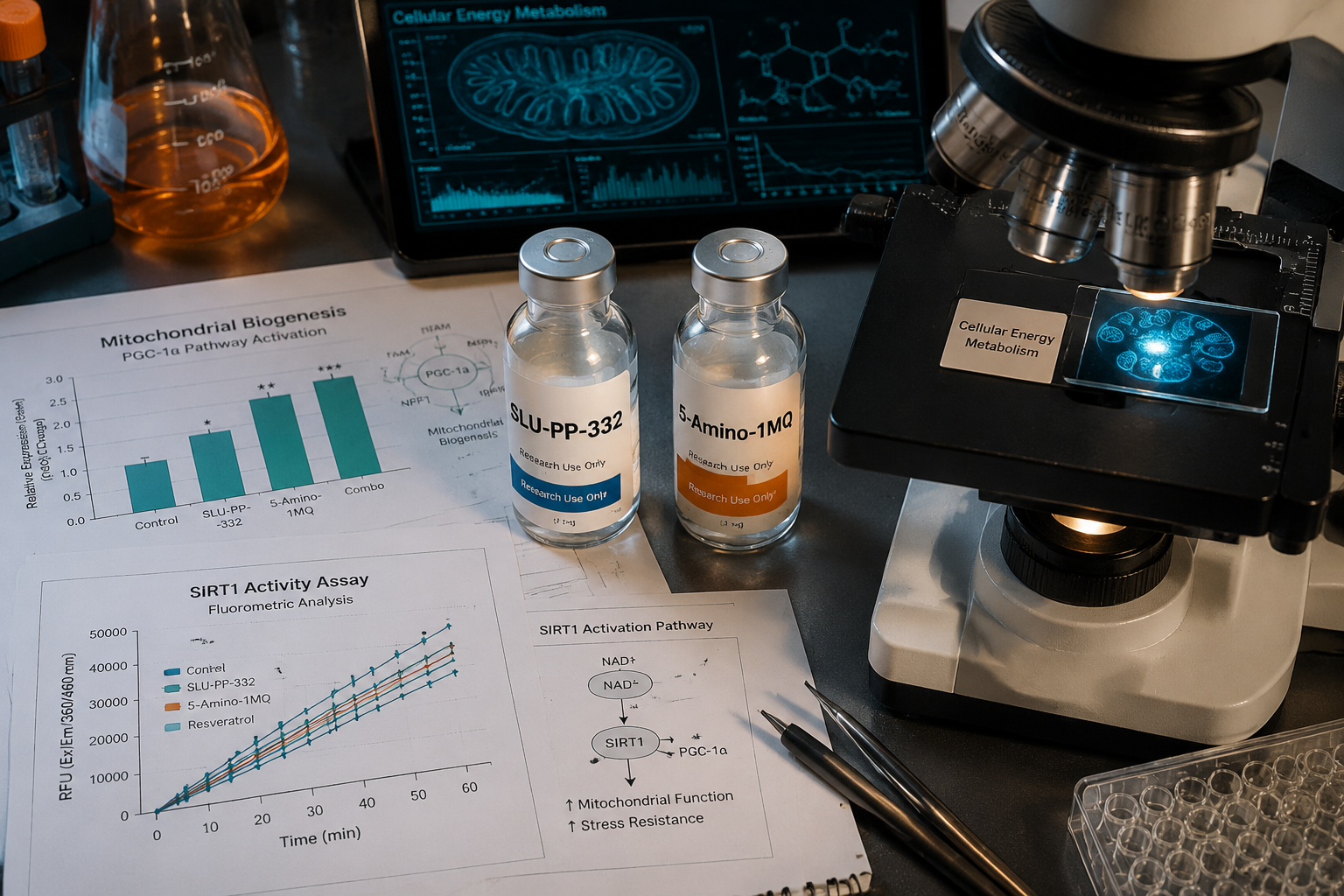
Adenosine Triphosphate, Mitochondria, and MOTS‑c: Where Cellular Energy Meets Peptide Signaling
Every cell in the human body produces and consumes roughly its own weight in ATP each day, a fact that underscores just how central mitochondrial energy metabolism is to survival. Yet for decades, the mitochondrion was treated almost exclusively as a power plant. That view has changed dramatically. The emerging science of Adenosine Triphosphate, Mitochondria, and MOTS-c: Where Cellular Energy Meets Peptide Signaling reveals that the organelle also encodes bioactive peptides that coordinate whole-body metabolic responses, stress adaptation, and even aging trajectories.
Key Takeaways
- Mitochondria generate ATP through oxidative phosphorylation, but they also encode signaling peptides such as MOTS-c directly from mitochondrial DNA.
- MOTS-c activates AMPK and PGC-1alpha pathways, improving mitochondrial efficiency and reducing reactive oxygen species (ROS) output.
- Circulating MOTS-c levels decline with age, linking the peptide to age-related metabolic decline.
- 5-Amino-1MQ, an NNMT inhibitor, may indirectly support NAD+ availability and AMPK signaling, creating metabolic crosstalk with MOTS-c biology.
- MOTS-c is not FDA-approved and is banned by WADA; all current use is strictly within preclinical research contexts.
From ATP Synthesis to Peptide Signaling: The Mitochondrial Dual Role
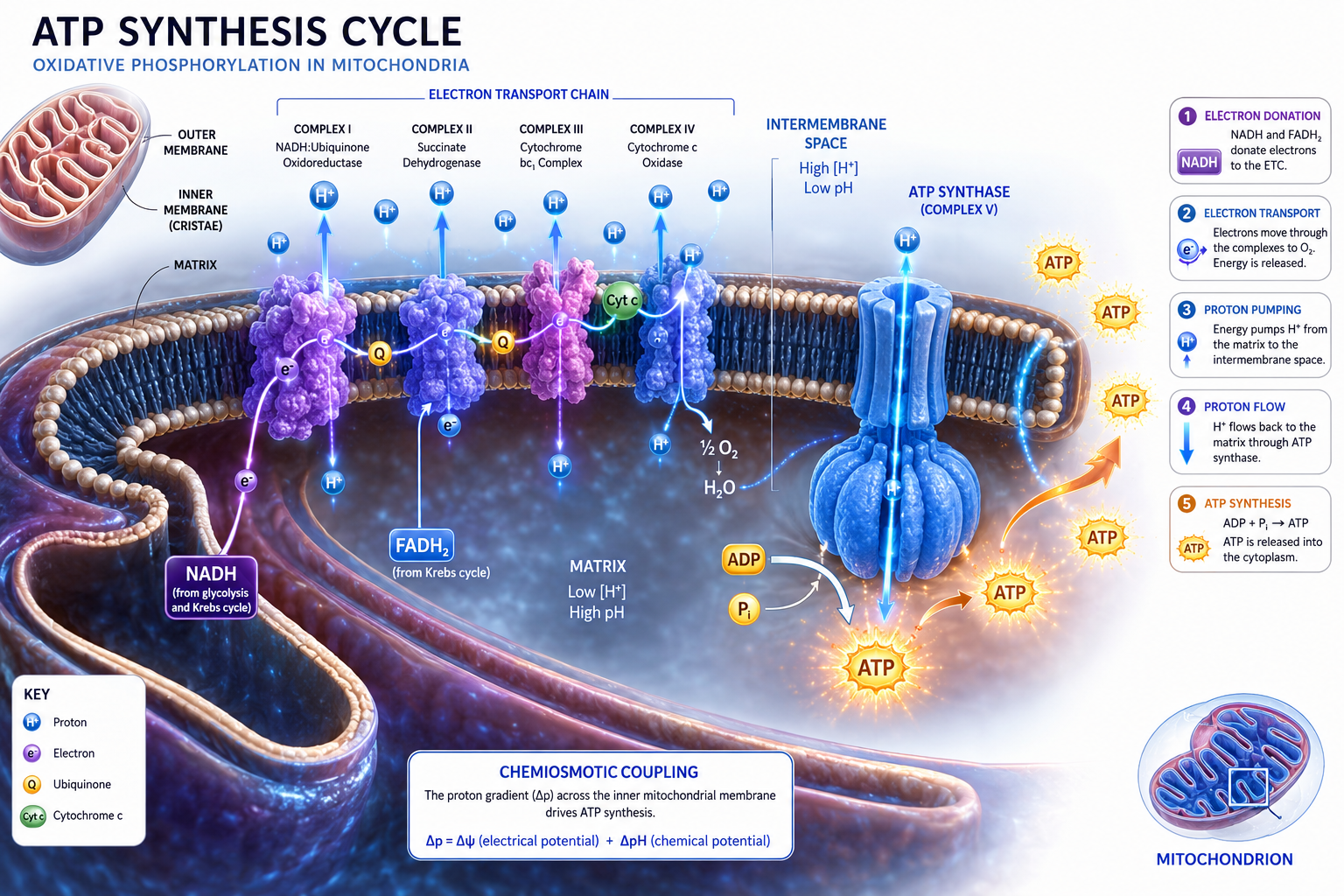
The textbook account of ATP production begins with glycolysis in the cytoplasm and ends with oxidative phosphorylation across the inner mitochondrial membrane. Electrons donated by NADH and FADH2 travel through the electron transport chain, driving proton pumps that power ATP synthase. The result is a continuous supply of adenosine triphosphate, the universal energy currency that fuels muscle contraction, protein synthesis, and ion transport.
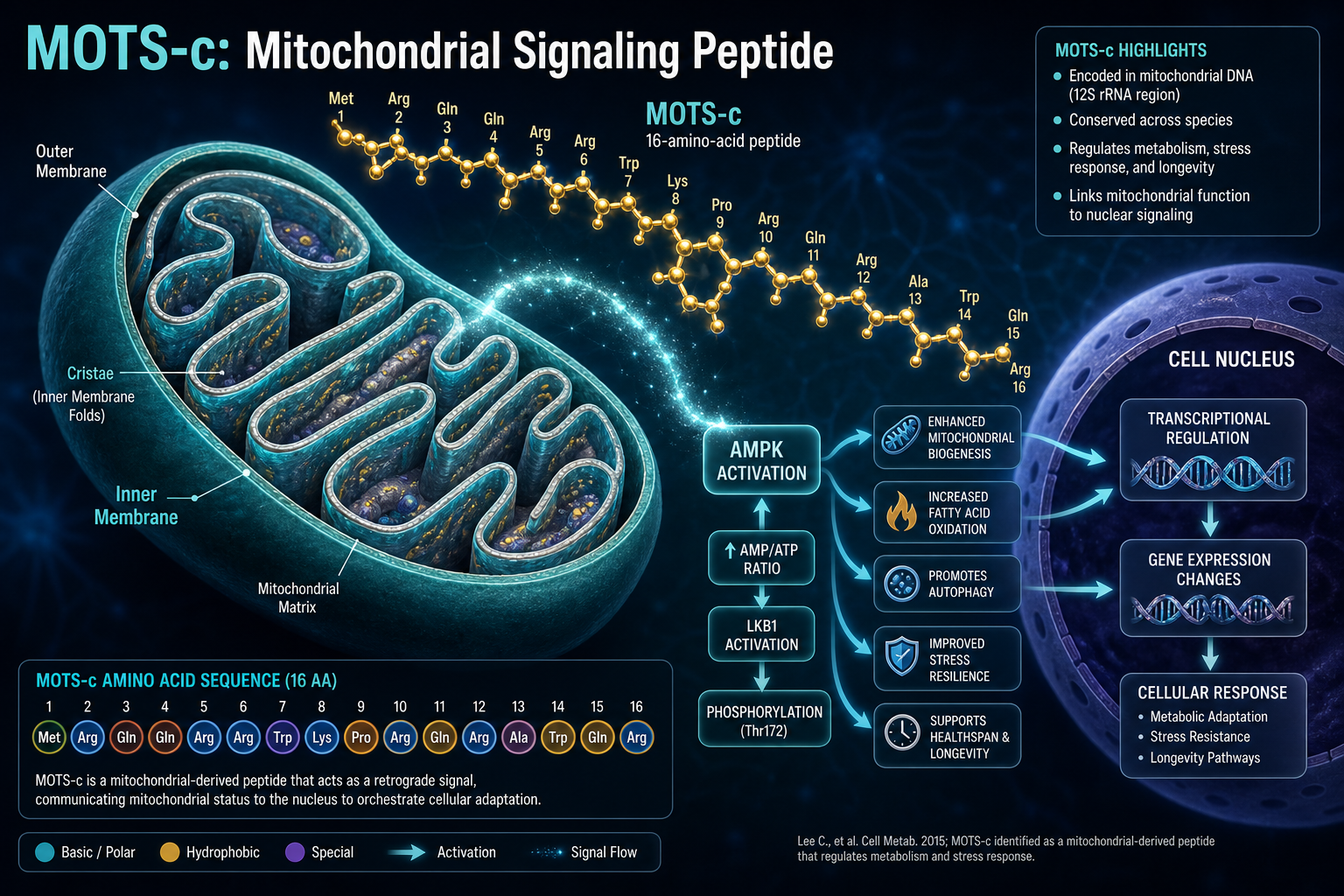
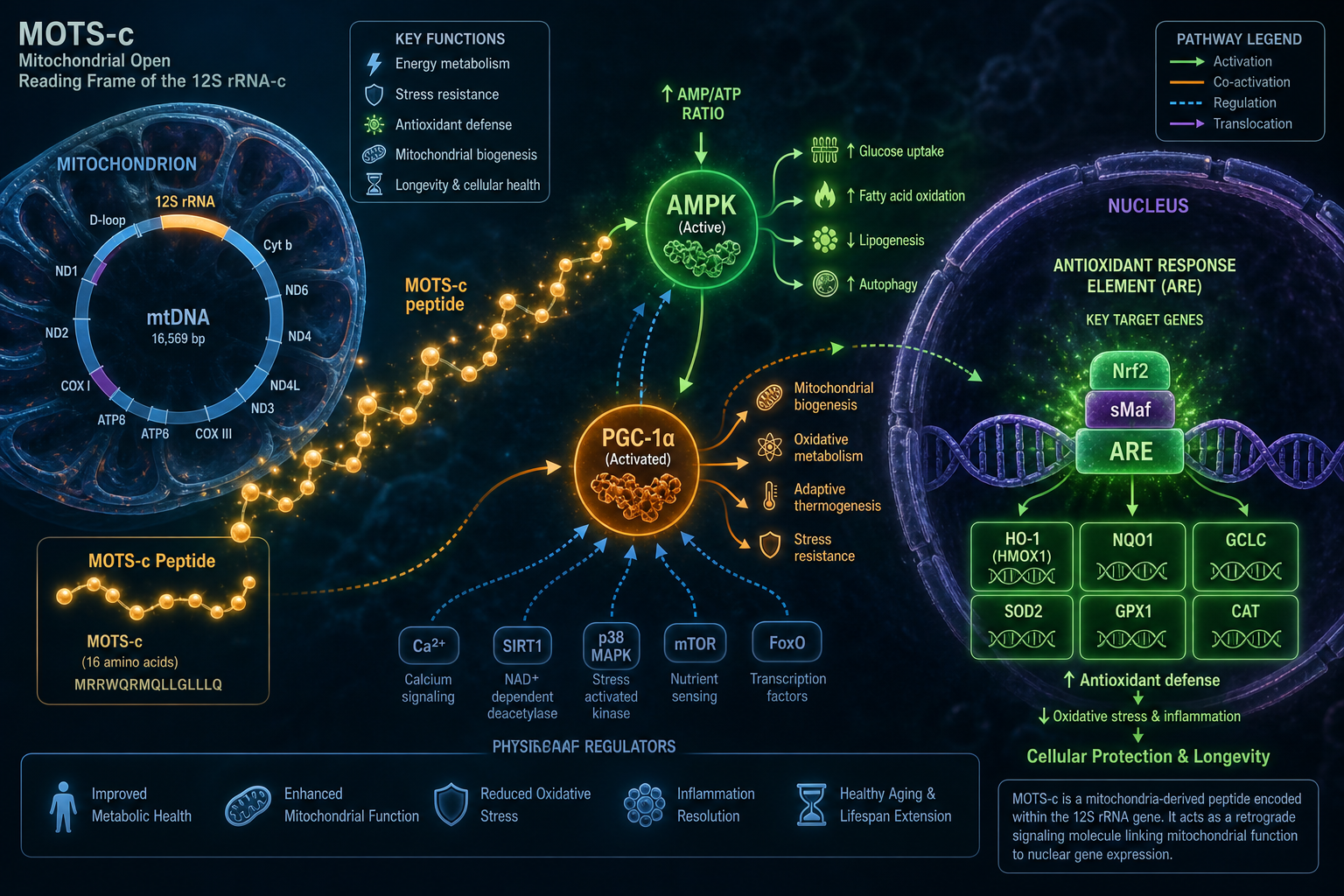
What the textbook often omits is that the mitochondrial genome, a circular strand of just 16,569 base pairs, contains small open reading frames capable of producing functional peptides. One of the most studied is MOTS-c (Mitochondrial Open Reading Frame of the 12S rRNA Type-c), a 16-amino-acid peptide encoded within the 12S ribosomal RNA gene. Its discovery reframed the mitochondrion as both an energy producer and an active endocrine-like signaling hub.
This intersection is precisely what makes Adenosine Triphosphate, Mitochondria, and MOTS-c: Where Cellular Energy Meets Peptide Signaling such a compelling area of research in 2026. Understanding how ATP metabolism and peptide signaling interact opens new windows into metabolic disease, aging, and cellular resilience.
For a broader view of how mitochondrial peptides fit into longevity research, the longevity peptide research overview provides useful context.
MOTS-c Mechanisms: AMPK, PGC-1alpha, and Mitochondrial Efficiency
MOTS-c exerts its primary effects through two well-characterized pathways:
1. AMPK Activation
AMPK (AMP-activated protein kinase) acts as the cell's master energy sensor. When the AMP-to-ATP ratio rises, signaling low energy, AMPK switches on catabolic processes and suppresses anabolic ones. MOTS-c mimics this low-energy signal, activating AMPK even under normal conditions. This is why researchers describe MOTS-c as an exercise mimetic: it produces metabolic adaptations similar to physical training, including improved insulin sensitivity and enhanced fatty acid oxidation.
2. PGC-1alpha and Mitochondrial Biogenesis
A March 2026 study demonstrated that MOTS-c administration improves muscle mitochondrial bioenergetic performance through PGC-1alpha, the master regulator of mitochondrial biogenesis. The result is reduced ROS emission and lower oxidative protein damage, outcomes that matter greatly in aging tissues.
Beyond these two pathways, MOTS-c translocates to the cell nucleus under stress conditions, where it regulates genes containing antioxidant response elements (ARE). This nuclear role positions MOTS-c as a direct link between mitochondrial stress sensing and genomic stress adaptation.
A preliminary study also found a positive correlation between serum MOTS-c concentrations and lower-body muscle strength in healthy individuals, though no significant link to VO2 max was observed, suggesting the peptide is more relevant to strength than endurance capacity.
Research published in 2023 further identified MOTS-c as a potential protective factor against pulmonary fibrosis, pointing to metabolic regulation as a mechanism. A separate systematic review highlighted MOTS-c's role in reducing insulin resistance and systemic inflammation.
Researchers interested in how MOTS-c interacts with other mitochondria-targeting compounds should review the MOTS-c and elamipretide research page for comparative data.
The MOTS-c metabolic stress research page also documents how cellular energy depletion triggers MOTS-c expression.
The Age-Related Decline of MOTS-c and the 5-Amino-1MQ Connection
Circulating MOTS-c levels fall measurably with age. This decline correlates with the metabolic deterioration seen in older adults, reduced insulin sensitivity, impaired mitochondrial function, and increased inflammatory signaling. The pattern suggests that MOTS-c acts as a kind of metabolic buffer that erodes over time.
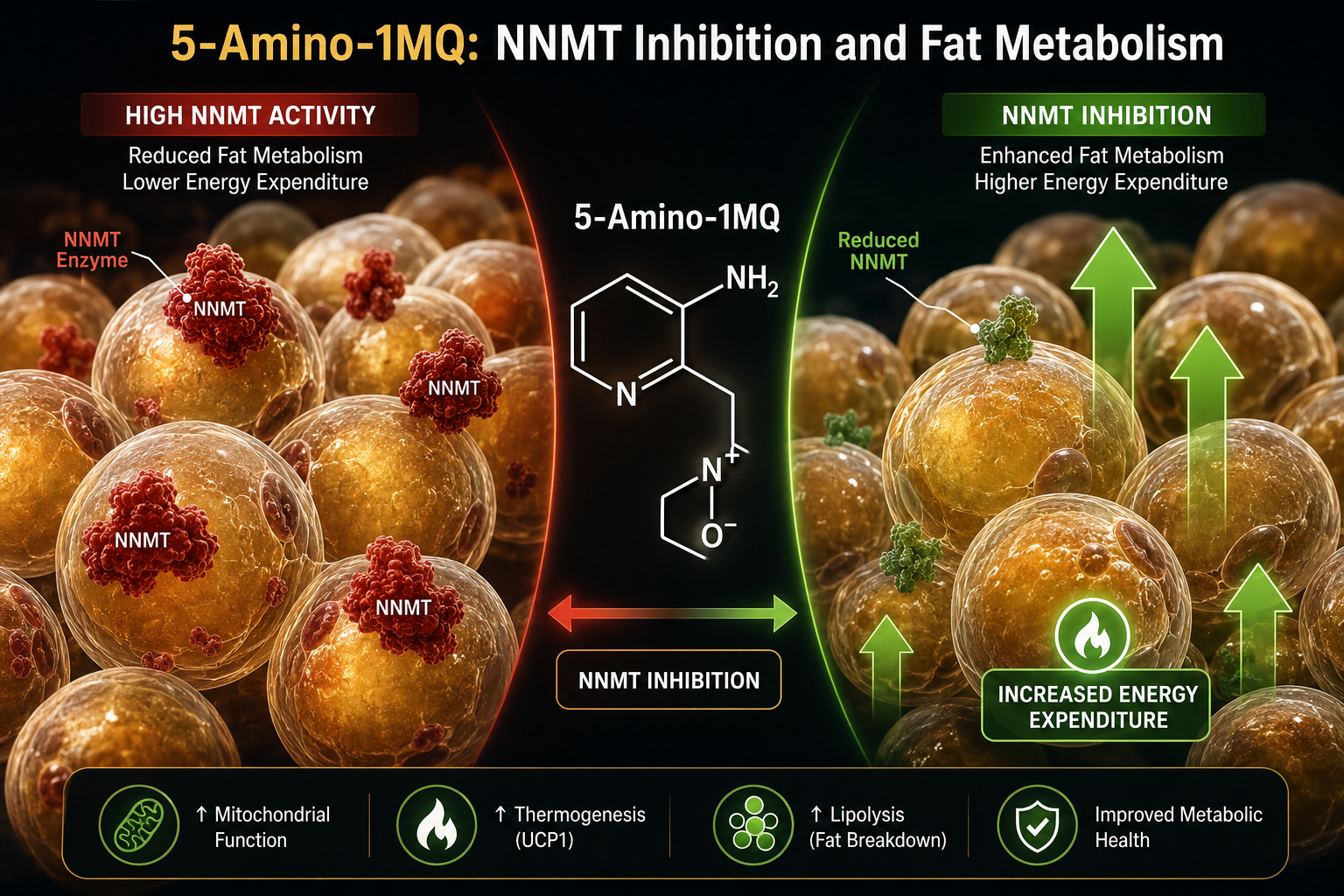
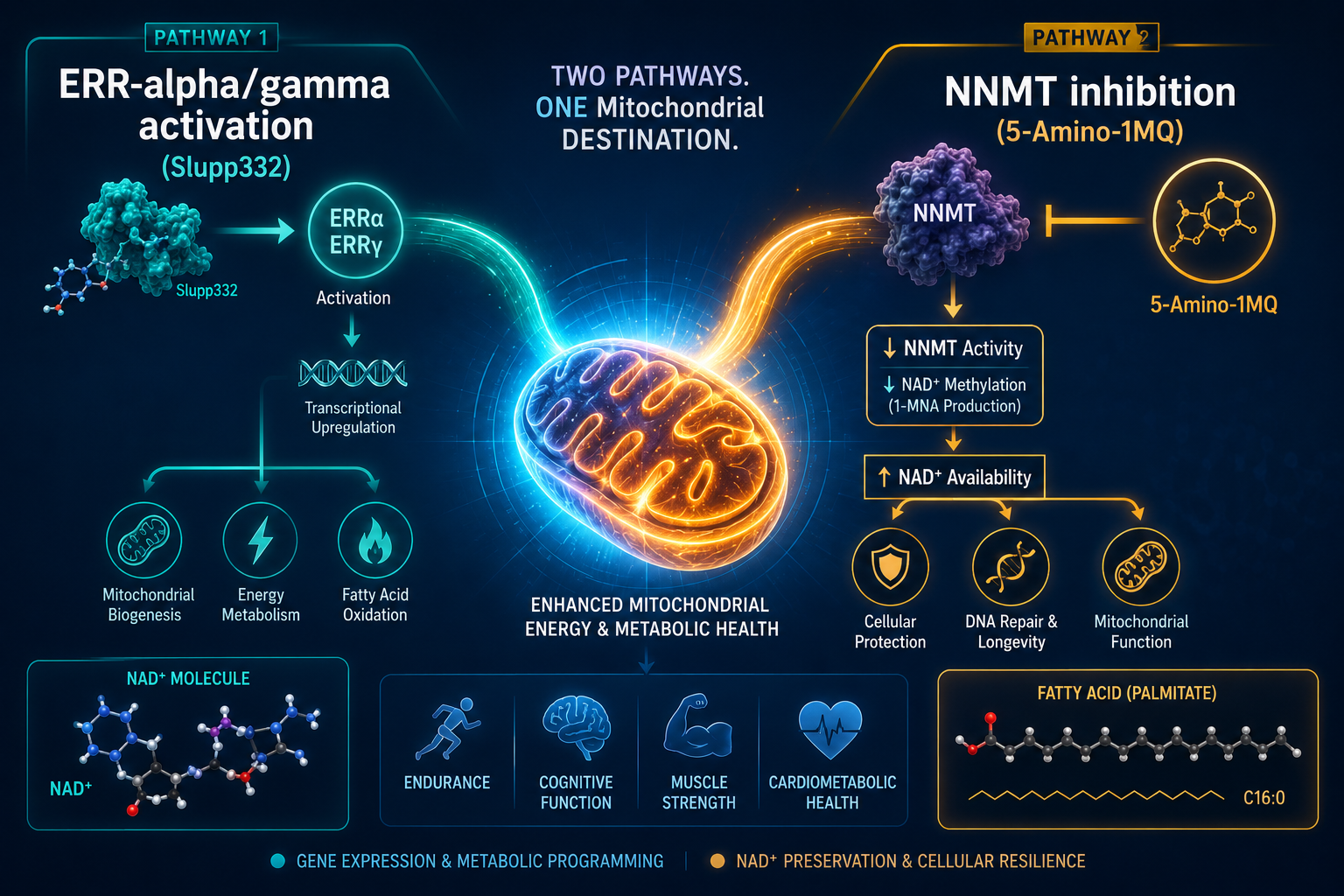
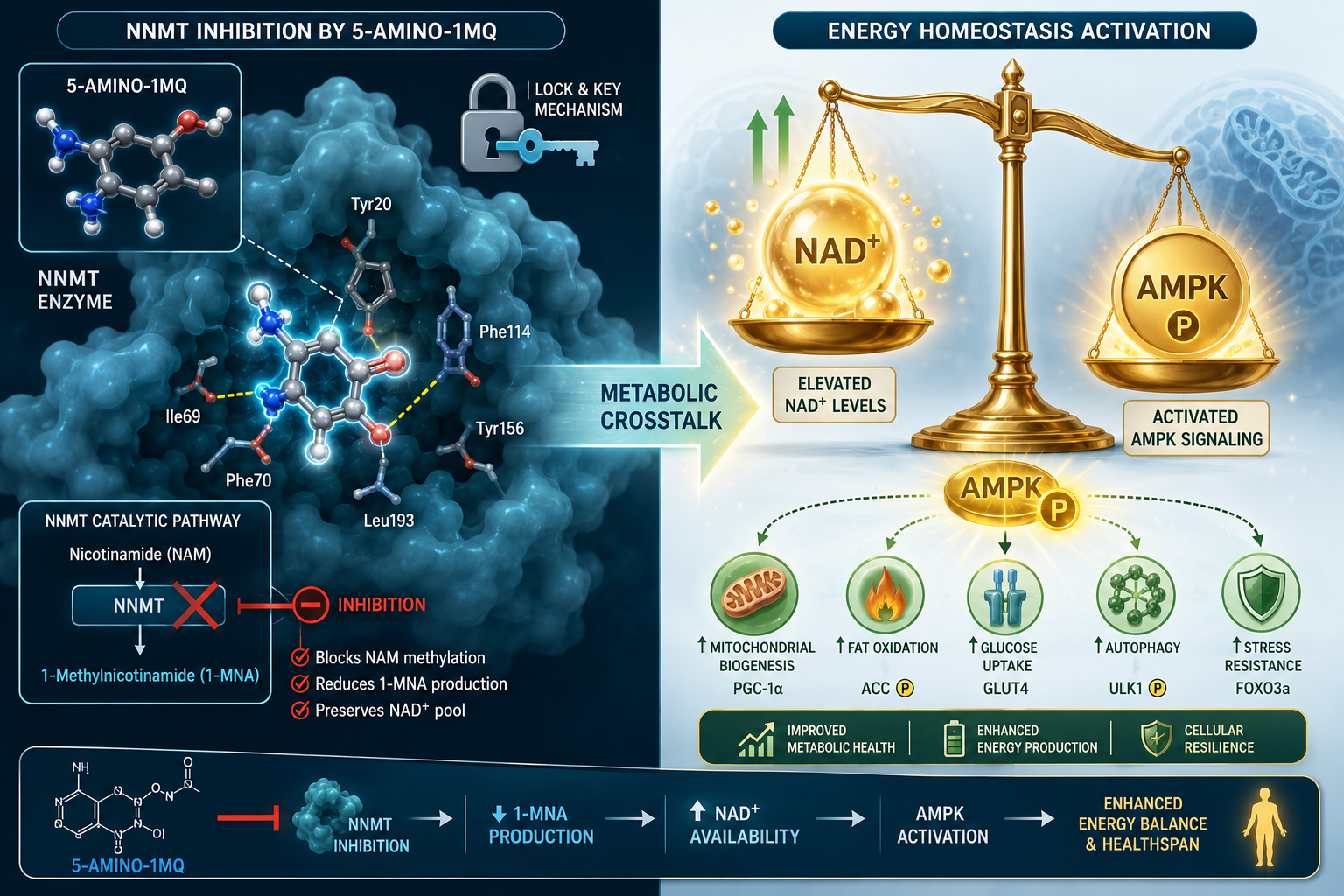
This is where 5-Amino-1MQ enters the picture. This small-molecule NNMT (nicotinamide N-methyltransferase) inhibitor works by blocking an enzyme that consumes SAM (S-adenosylmethionine) and depletes the NAD+ precursor pool. By inhibiting NNMT, 5-Amino-1MQ supports higher intracellular NAD+ availability, and NAD+ is a direct upstream activator of AMPK signaling.
The metabolic crosstalk is meaningful:
| Compound | Primary Target | Effect on Energy Metabolism |
|---|---|---|
| MOTS-c | AMPK / PGC-1alpha | Enhances mitochondrial efficiency, reduces ROS |
| 5-Amino-1MQ | NNMT inhibition | Elevates NAD+, supports AMPK activation indirectly |
Neither compound is FDA-approved. MOTS-c specifically remains on the FDA's Category 2 list and is banned by WADA under Section S4.4 (Metabolic Modulators, AMPK activators) of the 2024 Prohibited List. All research involving these compounds is conducted in preclinical settings.
For researchers exploring related mitochondrial-targeting peptides, SS-31 peptide research offers complementary data on inner mitochondrial membrane protection. The MOTS-c mitochondrial research themes page consolidates the most current mechanistic findings.
Key insight: The convergence of MOTS-c signaling and NAD+ metabolism through NNMT inhibition represents one of the more promising areas of mitochondrial research in 2026, not because either compound is a clinical therapy, but because together they illuminate how the cell regulates energy balance at multiple levels simultaneously.
Conclusion
The science of Adenosine Triphosphate, Mitochondria, and MOTS-c: Where Cellular Energy Meets Peptide Signaling has moved well beyond the textbook. Mitochondria are now understood as signaling organelles that use peptides like MOTS-c to communicate energy status across tissues, regulate stress adaptation, and influence aging biology. The parallel discovery that NNMT inhibitors such as 5-Amino-1MQ can alter the NAD+/AMPK axis adds another layer of complexity, and opportunity, to this field.
Actionable next steps for researchers:
- Review the current preclinical literature on MOTS-c dosing protocols and endpoint selection before designing studies.
- Explore how MOTS-c and LL-37 synergy may compound metabolic and immune outcomes in research models.
- Consult the epithalon longevity signals research page for comparative aging-pathway data.
- Source only lab-tested, verified compounds through reputable suppliers to ensure experimental reproducibility.
The bridge from ATP biochemistry to peptide signaling is no longer theoretical, it is an active research frontier with measurable, reproducible outcomes.