Cholesterol and Research Peptides: Separating LDL, Triglyceride, and Non-HDL Effects in Metabolic Models
Residual cardiovascular risk persists in roughly half of statin-treated patients, not because LDL-cholesterol remains uncontrolled, but because triglycerides, remnant cholesterol, and non-HDL-C continue to drive atherogenesis in the background. This gap is precisely where the science of cholesterol and research peptides: separating LDL, triglyceride, and non-HDL effects in metabolic models has become one of the most active areas of preclinical and translational investigation in 2026.
Understanding how specific peptide-like agents shift individual lipoprotein fractions, rather than the lipid panel as a whole, is essential for any researcher designing or interpreting metabolic studies involving GLP-class compounds, MOTS-c, 5-Amino-1MQ, tesofensine, or growth-hormone-related peptides.
Key Takeaways
- LDL-C, triglycerides, and non-HDL-C are pharmacologically separable endpoints; different peptide classes move each fraction differently and to different magnitudes.
- ANGPTL3-targeted agents reduce all three major atherogenic fractions, while apoC-III inhibitors primarily lower triglycerides and remnant cholesterol with minimal LDL-C effect.
- Diet, fasting state, weight loss magnitude, and background statin exposure are major confounders that must be controlled when interpreting lipid panels in peptide research models.
- The 2026 ACC/AHA guidelines set LDL-C goals of less than 70 mg/dL for high-risk subjects, providing a clinical threshold against which novel peptide-driven lipid changes should be benchmarked.
- Non-HDL-C is a practical surrogate for total apoB-containing particle burden and should be reported alongside LDL-C in all metabolic peptide studies.
Why Lipoprotein Fractions Cannot Be Treated as One Endpoint
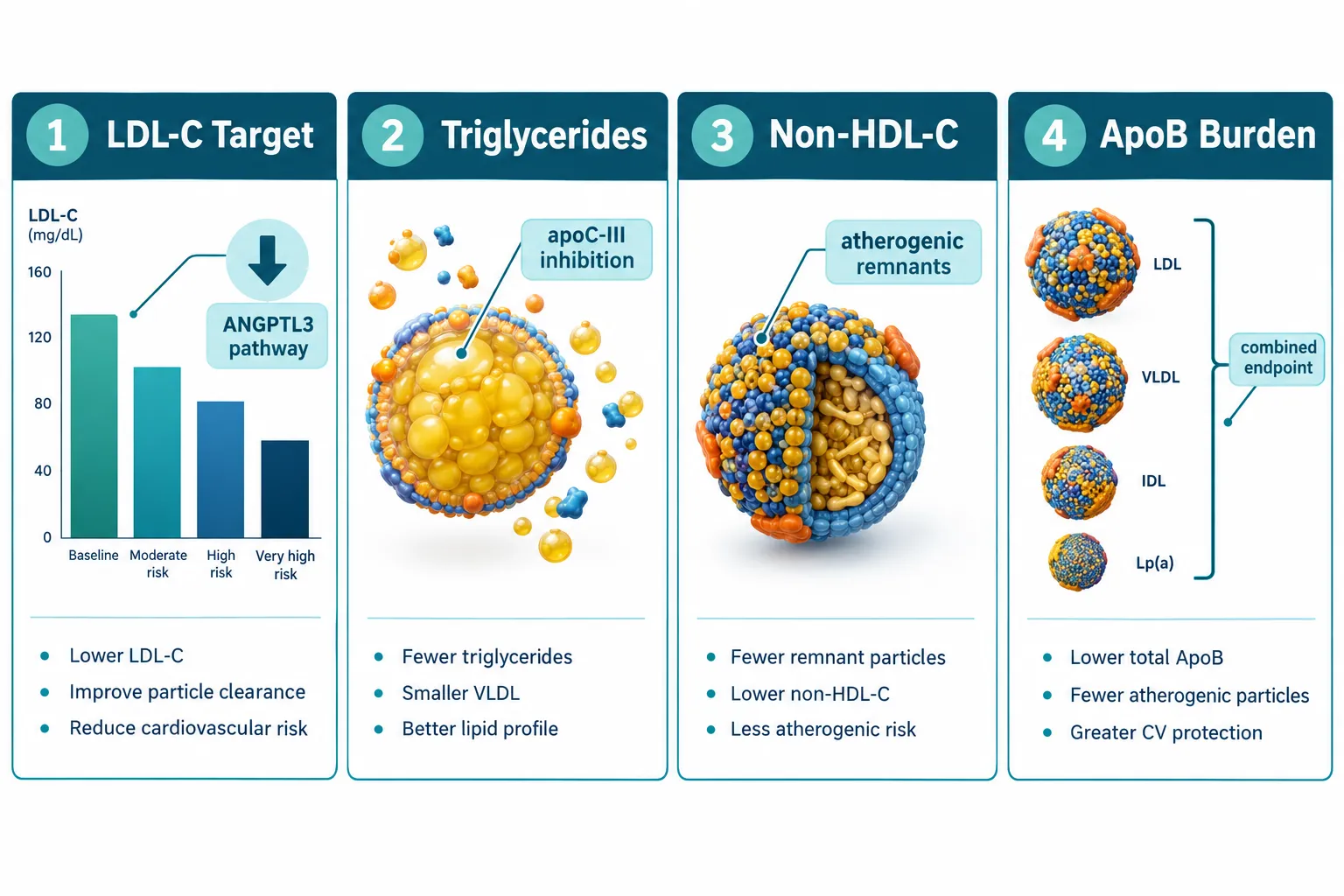
The standard lipid panel reports four numbers, but those numbers do not respond uniformly to peptide interventions. LDL-C reflects cholesterol carried in low-density particles. Triglycerides reflect the flux of very-low-density lipoprotein (VLDL) and chylomicron remnants. Non-HDL-C captures cholesterol in all atherogenic particles, LDL, VLDL, IDL, and remnants combined, making it a broader measure of apoB-containing burden.
Research into RNA interference (RNAi) and antisense platforms has quantified this separation precisely. ANGPTL3-targeted programs produce mean LDL-C reductions near 13%, while apoC-III-targeted programs show essentially neutral effects on LDL-C (mean difference approximately 0.6%) despite suppressing plasma triglycerides by up to 50%. A 2026 meta-analysis of siRNA dyslipidemia therapies reported a pooled non-HDL-C reduction of nearly 22% versus placebo, a composite result that masked dramatically different contributions from LDL versus triglyceride-rich fractions depending on the molecular target.
For researchers working with polypeptide peptides in cardiometabolic models, this distinction is not academic, it determines which endpoint is the most meaningful readout for a given compound class.
The practical implication: always pre-specify which fraction is the primary endpoint before running a metabolic peptide study. Reporting only total cholesterol or only LDL-C will obscure the mechanism of action.
How GLP-Class, MOTS-c, and Metabolic Peptides Shift Lipid Fractions
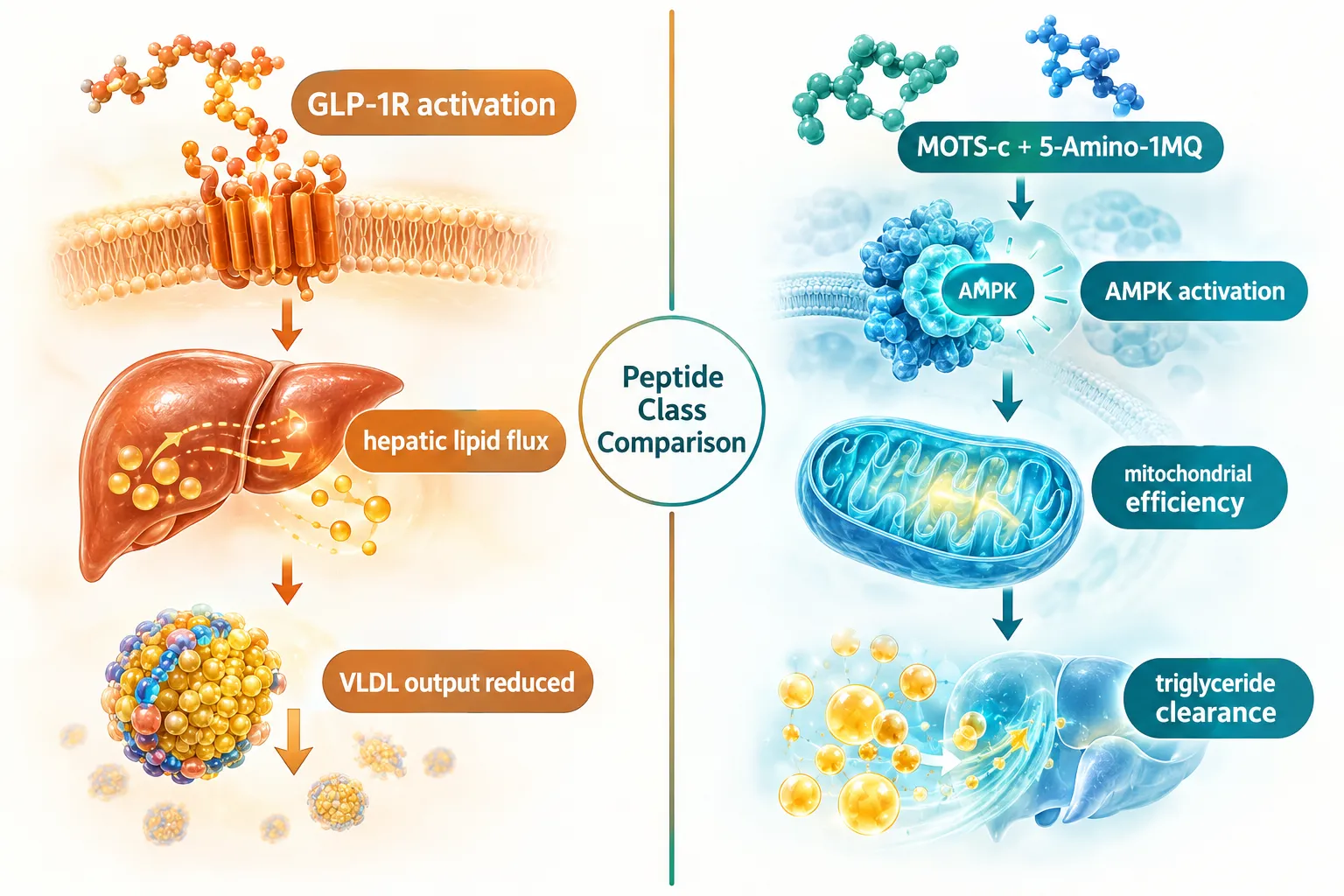
Different peptide classes interact with lipid metabolism through distinct mechanisms, and those mechanisms predict which fraction will move most.
GLP-Class Compounds
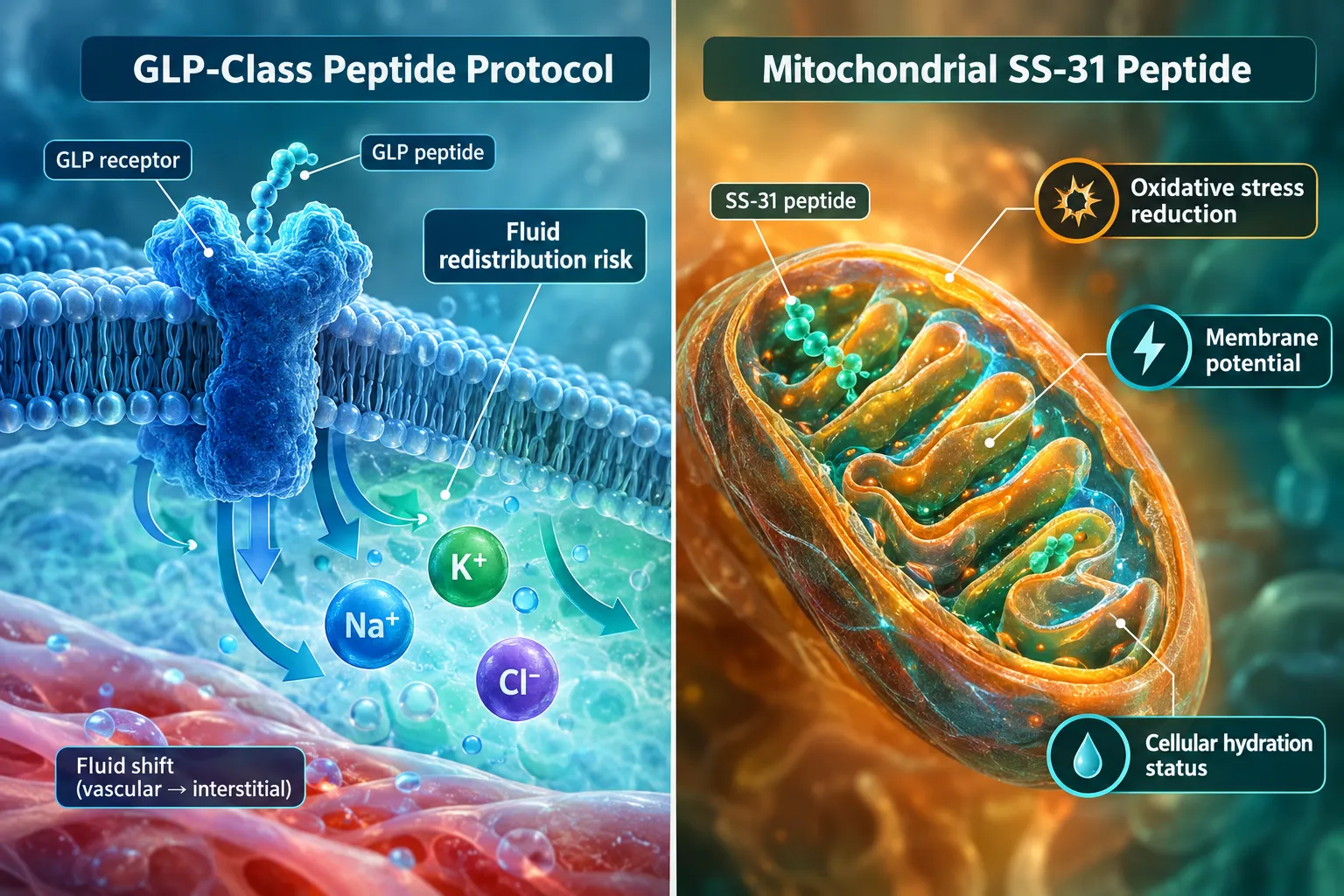
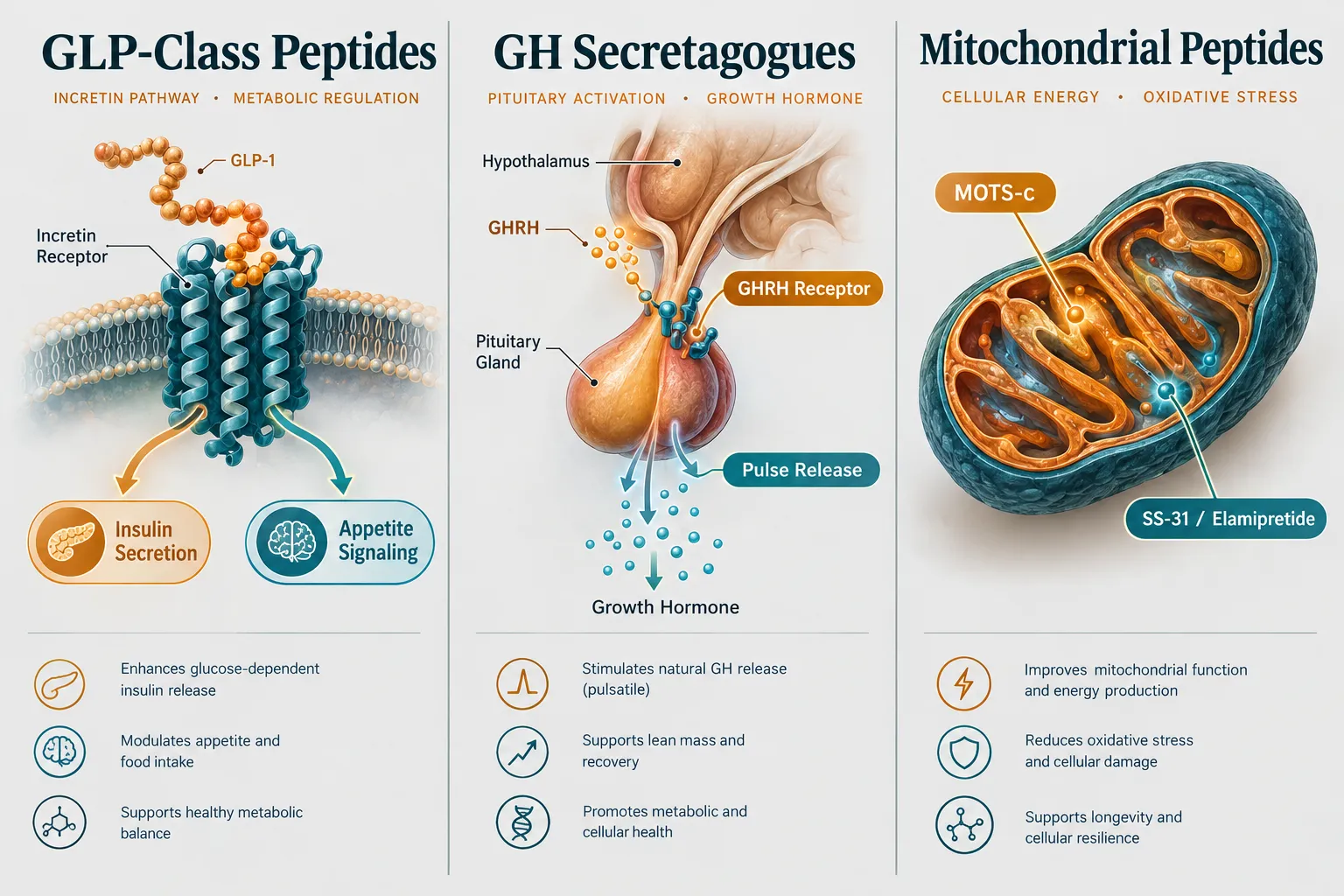
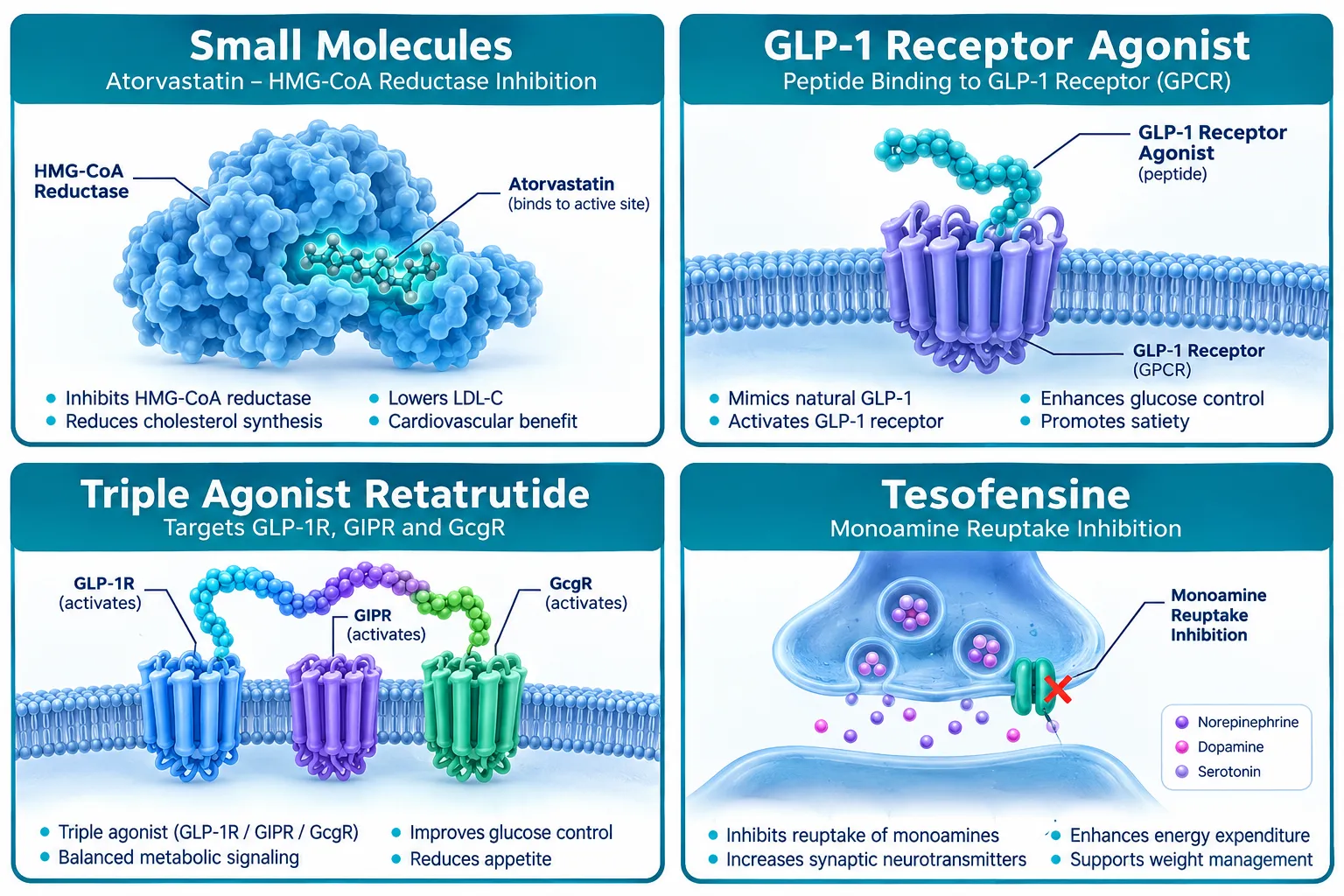
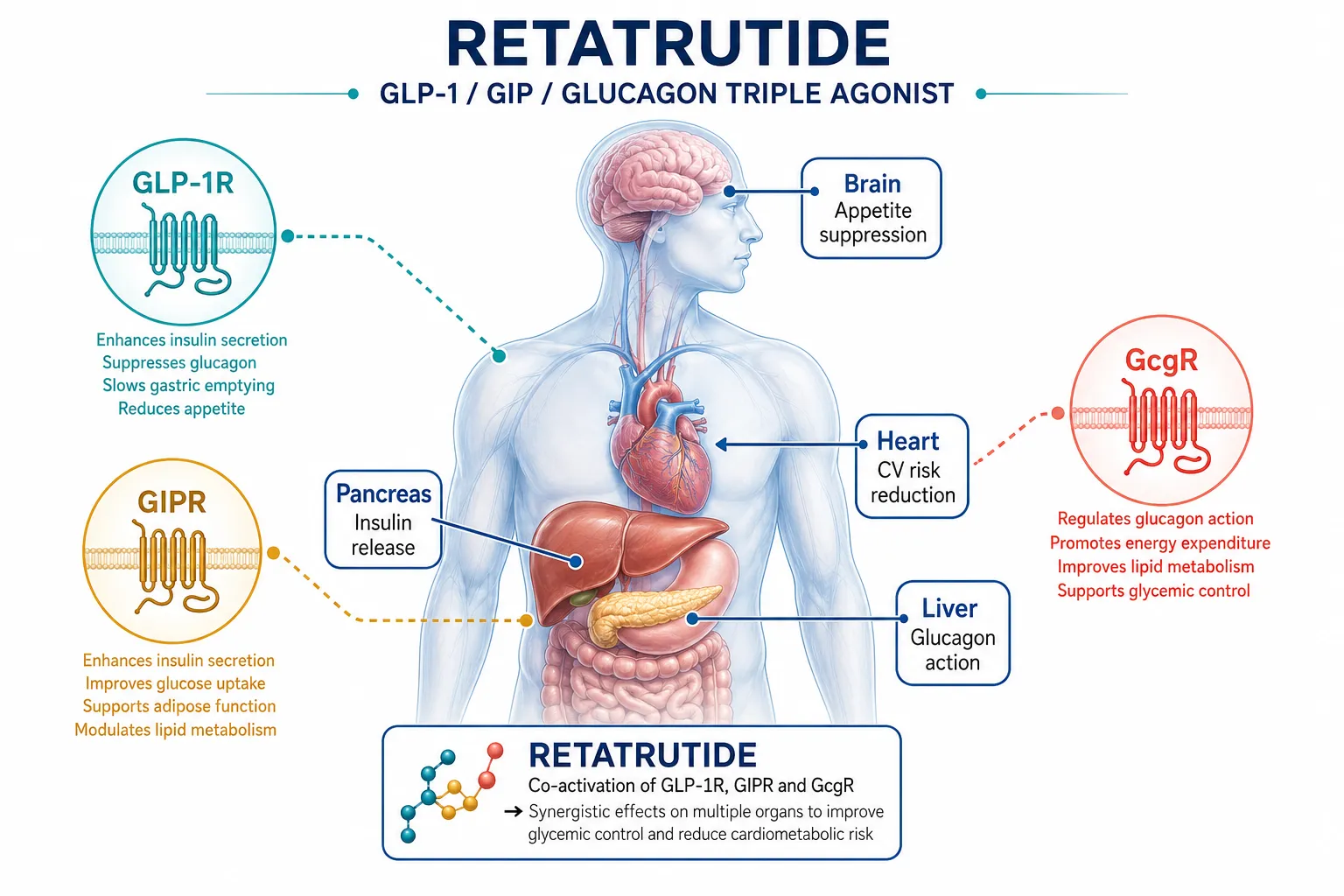
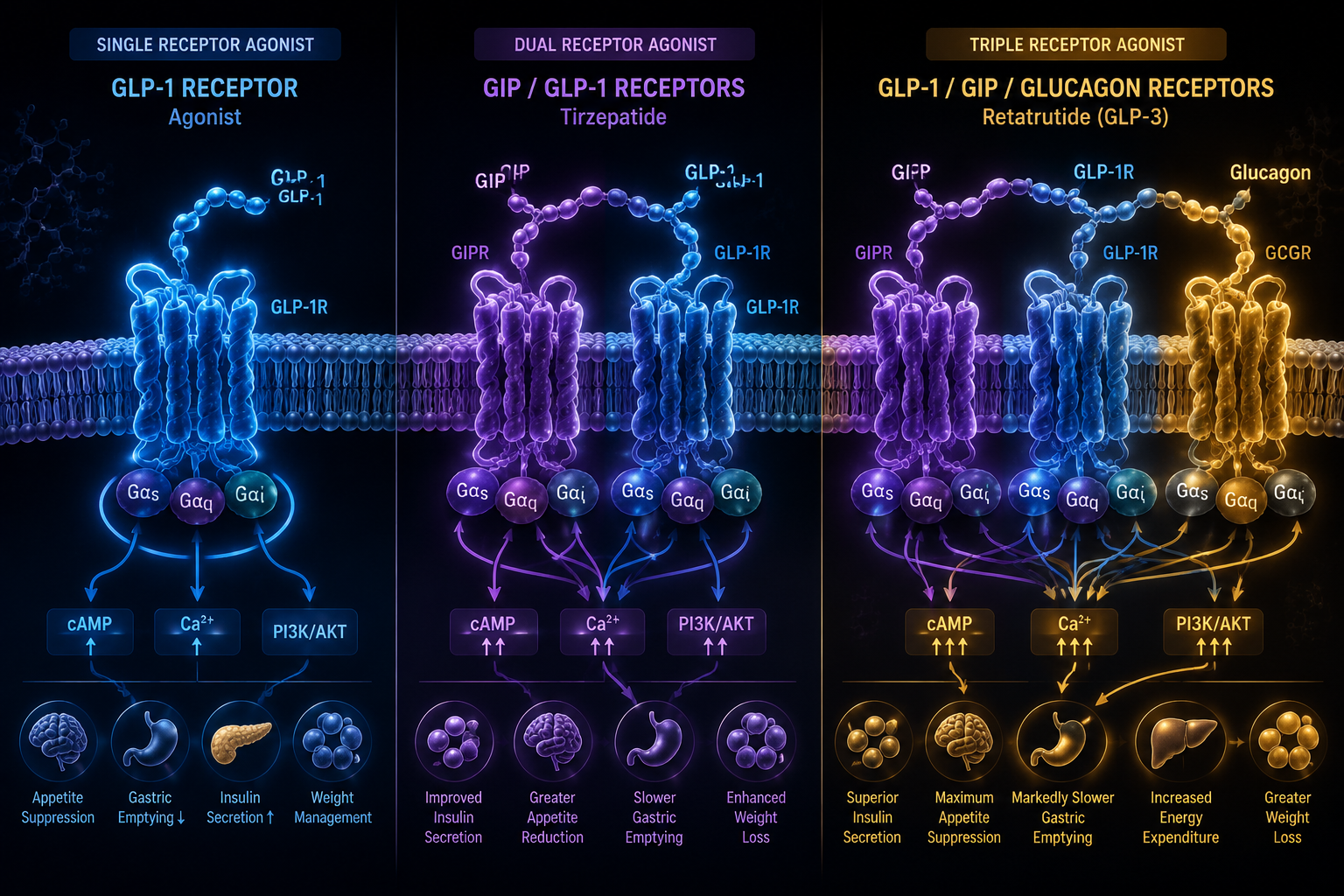
GLP-1 receptor agonists and newer dual/triple agonists (including retatrutide and GLP-3 variants) reduce hepatic VLDL secretion and accelerate triglyceride clearance. In metabolic models, the dominant lipid signal is a triglyceride reduction of 15-30%, with modest non-HDL-C improvements that are partly attributable to weight loss rather than direct receptor signaling. LDL-C changes are typically small and sometimes paradoxically increase in early phases due to enhanced lipolysis of VLDL particles. Researchers can explore the mechanistic basis of these differences through the Peptides 101 overview of GLP-3 and related structures.
MOTS-c and Mitochondrial Peptides
MOTS-c is a mitochondria-derived peptide that activates AMPK signaling, improving fatty acid oxidation and reducing ectopic lipid accumulation. In animal models, MOTS-c primarily lowers triglycerides and VLDL-C by enhancing skeletal muscle lipid uptake. Non-HDL-C improvements follow but are secondary. LDL-C is largely unaffected in short-duration studies.
5-Amino-1MQ and Tesofensine
5-Amino-1MQ inhibits NNMT (nicotinamide N-methyltransferase), shifting cellular metabolism toward fat oxidation. Tesofensine acts as a triple monoamine reuptake inhibitor with weight-loss-driven lipid effects. Both compounds primarily reduce triglycerides and non-HDL-C in proportion to visceral fat loss. Research on visceral fat and metabolic endpoints is directly relevant to interpreting these signals.
Growth Hormone-Related Peptides
Sermorelin, ipamorelin, and related secretagogues elevate GH pulsatility, which increases lipolysis and can transiently raise free fatty acids and LDL-C before improving the overall lipoprotein profile. Researchers using these compounds should note that early-timepoint lipid panels may show misleading LDL-C elevations. The IPA Sermorelin stack research overview covers relevant study design considerations.
Practical Endpoint Guide: Controlling Confounders in Peptide Lipid Studies
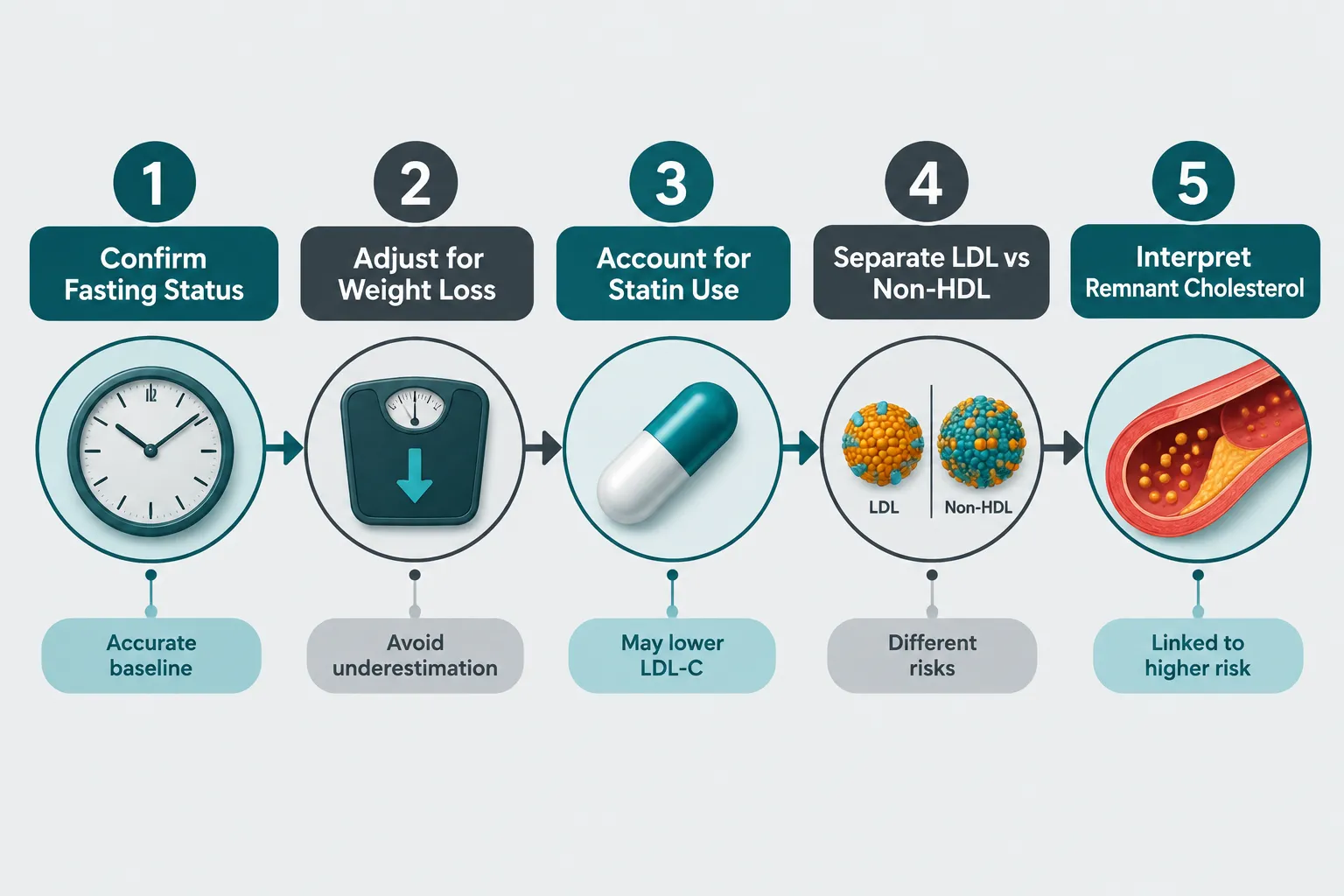
Accurate interpretation of cholesterol and research peptides, separating LDL, triglyceride, and non-HDL effects in metabolic models, requires systematic control of four major confounders.
1. Fasting State
Triglycerides are exquisitely sensitive to recent food intake. A non-fasting sample can inflate triglycerides by 30-50 mg/dL, masking a genuine peptide-driven reduction. All lipid panels in metabolic models should be collected after a minimum 10-hour fast. Non-HDL-C is more stable in non-fasting conditions but still benefits from standardized collection.
2. Weight Loss Magnitude
Weight loss itself, independent of any peptide mechanism, reduces triglycerides by approximately 1-2% per kilogram of body weight lost and modestly lowers LDL-C. In studies using GLP-class or tesofensine compounds where body weight changes significantly, researchers must use statistical adjustment or weight-matched controls to isolate the direct lipoprotein effect from the indirect weight-loss effect.
3. Background Statin Exposure
Statins suppress LDL-C by 30-55% depending on dose and agent. In subjects or animal models on background statin therapy, the LDL-C floor effect limits the measurable peptide contribution to LDL lowering. In these settings, non-HDL-C and apoB become the more sensitive endpoints because they capture triglyceride-rich particle changes that statins do not fully address.
4. Diet Composition
High-carbohydrate diets elevate VLDL secretion and triglycerides independently of peptide exposure. Standardizing macronutrient intake across study arms is essential. In rodent models, the choice between chow diet and high-fat diet dramatically changes the baseline lipoprotein profile and the magnitude of peptide-driven changes.
| Peptide Class | Primary Lipid Signal | Key Confounder |
|---|---|---|
| GLP-class agonists | Triglycerides, VLDL-C | Weight loss magnitude |
| MOTS-c | Triglycerides, non-HDL-C | Diet carbohydrate load |
| 5-Amino-1MQ | Non-HDL-C, triglycerides | Visceral fat change |
| Tesofensine | Non-HDL-C, triglycerides | Caloric restriction effect |
| GH secretagogues | LDL-C (early, transient) | Lipolysis timing |
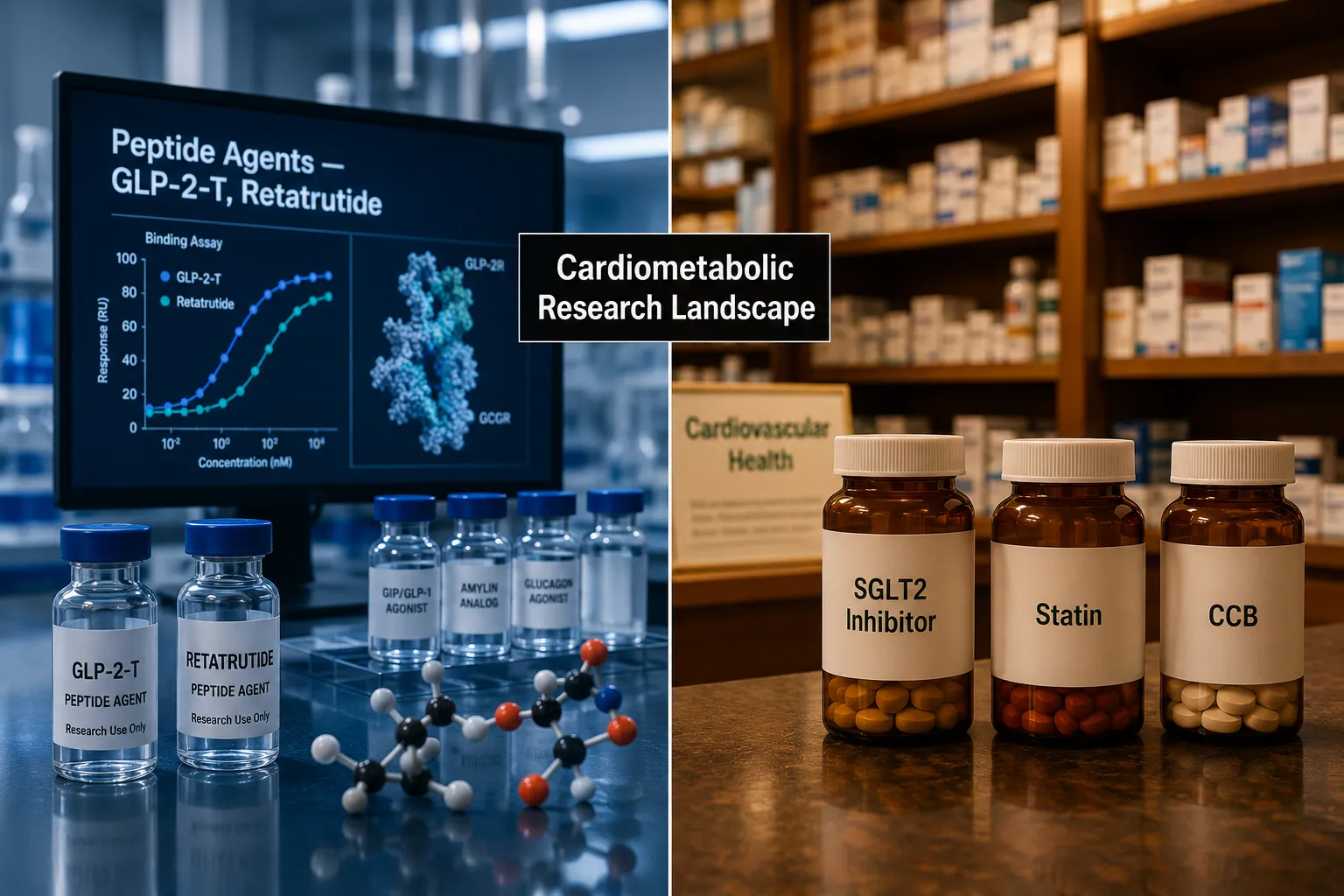
Researchers sourcing compounds for these study designs should ensure purity and batch consistency. Resources on research-grade peptide purity standards and wholesale peptide procurement are relevant starting points for laboratory procurement decisions.
Conclusion
Interpreting lipid panels in peptide metabolic research requires moving beyond the single-number mindset. Cholesterol and research peptides: separating LDL, triglyceride, and non-HDL effects in metabolic models is not a theoretical exercise, it is a prerequisite for generating data that translates meaningfully across study designs and species.
Actionable next steps for researchers:
- Pre-specify LDL-C, triglycerides, and non-HDL-C as separate co-primary endpoints in study protocols.
- Standardize fasting duration (minimum 10 hours) and diet composition across all arms.
- Include weight-matched control groups when studying compounds with significant weight-loss activity.
- Report apoB alongside non-HDL-C to capture total atherogenic particle burden.
- Benchmark results against the 2026 ACC/AHA thresholds (LDL-C less than 70 mg/dL for high-risk models) to contextualize the clinical relevance of observed changes.
The field is moving rapidly. ANGPTL3 inhibitors, apoC-III-targeted siRNAs, and gene-editing constructs now demonstrate that all three major atherogenic fractions can be moved simultaneously, or selectively, depending on the molecular target. Peptide researchers who build this fractionation logic into their endpoint selection will generate far more interpretable and publishable data.