Call or Text 727-513-9780
  • Shopping Cart Shopping Cart
    0Shopping Cart
Pure Tested Peptides | America's most trusted Peptides for sale online
  • Peptides for sale
    • Oral Peptides for sale
      • Peptide Capsules for sale
      • BPC 157 Capsules 1000mcg
      • SLU-PP-332 Capsules | 1000 mcg
      • 5-Amino-1MQ 50mg Capsules
      • Tesofensine 500mcg
    • All Peptides for sale
    • Peptide Sprays
      • BPC 157 Nasal Spray Kit
      • BPC-157 TB500 Nasal Spray Kit
      • Semax Nasal Spray 10mg
      • Selank – Nasal Spray Kit – 10mg
      • Epithalon 50MG Nasal Spray Kit
      • Ipamorelin 10mg Nasal Spray
      • Klow Nasal Spray (BPC-157 + TB-500 + GHK-Cu + KPV) | 80mg
      • Hulk Nasal Spray Tesa / Ipa Blend 6/3 MG
      • Klow Nasal Spray
      • NAD + 500 mg Nasal Spray
      • PT-141 Nasal Spray Kit
    • GHRH Peptides
      • Ipa Peptides
      • CJC-1295 Peptides
        • CJC-1295 with DAC 5 mg
        • CJC-1295 without DAC 5 mg
        • CJC-1295 Ipa 10mg
      • Tesa Peptides
        • Tesa Peptide
        • Tesa 20 mg
    • GHK-Cu Peptides
      • All GHK-Cu Peptides
      • GHK-Cu 100mg
      • KLOW Peptide Blend – Buy KLOW blend online
    • BPC Peptides
      • All BPC Peptides
      • BPC-157
      • BPC-157 TB-500
      • BPC 157 capsules 1000mcg
    • SLU-PP-332 Peptides
      • All SLU-PP-332 Peptides
      • SLU-PP-332 5mg
    • GLP3 Peptides
      • GLP3-R
      • GLP3-R CAG 10mg
      • GLP3-R 20mg
    • PT-141 Peptides
      • PT-141 Peptides for sale
      • PT-141 10mg
      • PT-141 Nasal Spray
    • CAG Peptides
      • Lipo-C Peptide Blend
      • CAG 5mg
      • CAG 10mg
    • MOTS-C Peptides
      • MOTS-C Peptides for sale
      • MOTS-c peptide
      • MOTS-c 10mg *6 pack*
    • 5 Amino 1MQ Peptides
      • 5 Amino 1MQ Peptides for sale
      • 5-Amino-1MQ 50mg Capsules
      • 5-Amino-1MQ 5mg
    • Epithalon Peptides
      • Epithalon Peptides for sale
      • Epithalon 10mg
      • Epithalon 50mg
  • Shop
    • GLPs
      • 5-Amino-1MQ 50mg Capsules
      • 5-Amino-1MQ 5mg
      • GLP3-Reta
      • L-Carnitine 500mg/ml
      • Tesofensine 500mcg
      • SLU-PP-332 5mg
      • MOTS-c 10mg *6 pack*
    • Epithalon & BPC Peptides
      • Epithalon 10mg
      • Epithalon 50mg
      • BPC-157
      • BPC 157 capsules 1000mcg
      • BPC-157 TB-500
      • BPC-157 TB500 Nasal Spray Kit
      • BPC 157 Nasal Spray Kit
    • BPC TB-500 & NAD+ Peptides
      • NAD+ 500 mg
      • KLOW Peptide Blend – Buy KLOW blend online
      • GLOW Peptide Blend
      • TB 500 5mg
      • BPC 157 capsules 1000mcg – Supplement
      • BPC 157 Nasal Spray Kit
      • BPC-157
      • BPC-157 TB500 Nasal Spray Kit
      • BPC-157 TB-500
      • BPC 157 capsules 1000mcg
    • LL-37 Peptide
      • LL-37 10 mg
    • MOTS-C & Selank
      • MOTS-c peptide
      • Selank 10mg
    • GHK Peptides
      • GHK-Cu 100mg
      • GLOW Peptide Blend
      • KLOW Peptide Blend – Buy KLOW blend online
  • COAs
  • Wholesale
    • Wholesale Peptides for sale
  • PTP FAQ
  • Affiliates
    • Affiliate Program
    • Affiliate Signup
  • Contact
    • Contact Customer Service
    • Text Customer Support
  • About US
  • Shop all peptides
  • Login / Register Login / Register Page Link Login / Register Page Link
  • Click to open the search input field Click to open the search input field Search
  • Menu Menu

Tag Archive for: peptide science

Epithalon Peptide: Telomerase Activation and its Role in Cellular Aging Research

Epithalon Peptide: Telomerase Activation and its Role in Cellular Aging Research

June 19, 2026/0 Comments/in Uncategorized/by

Telomeres shorten with every cell division — and that biological clock ticking at the tips of chromosomes may hold the key to understanding why cells age. At the center of a growing body of research sits Epithalon peptide, a synthetic tetrapeptide that has drawn serious scientific attention for its proposed ability to activate telomerase and slow markers of cellular aging. Exploring Epithalon Peptide: Telomerase Activation and its Role in Cellular Aging Research reveals both remarkable early findings and important open questions that researchers continue to investigate in 2026.
Detailed () scientific illustration showing a tetrapeptide molecular chain labeled AEDG floating above a cross-section of a

Key Takeaways

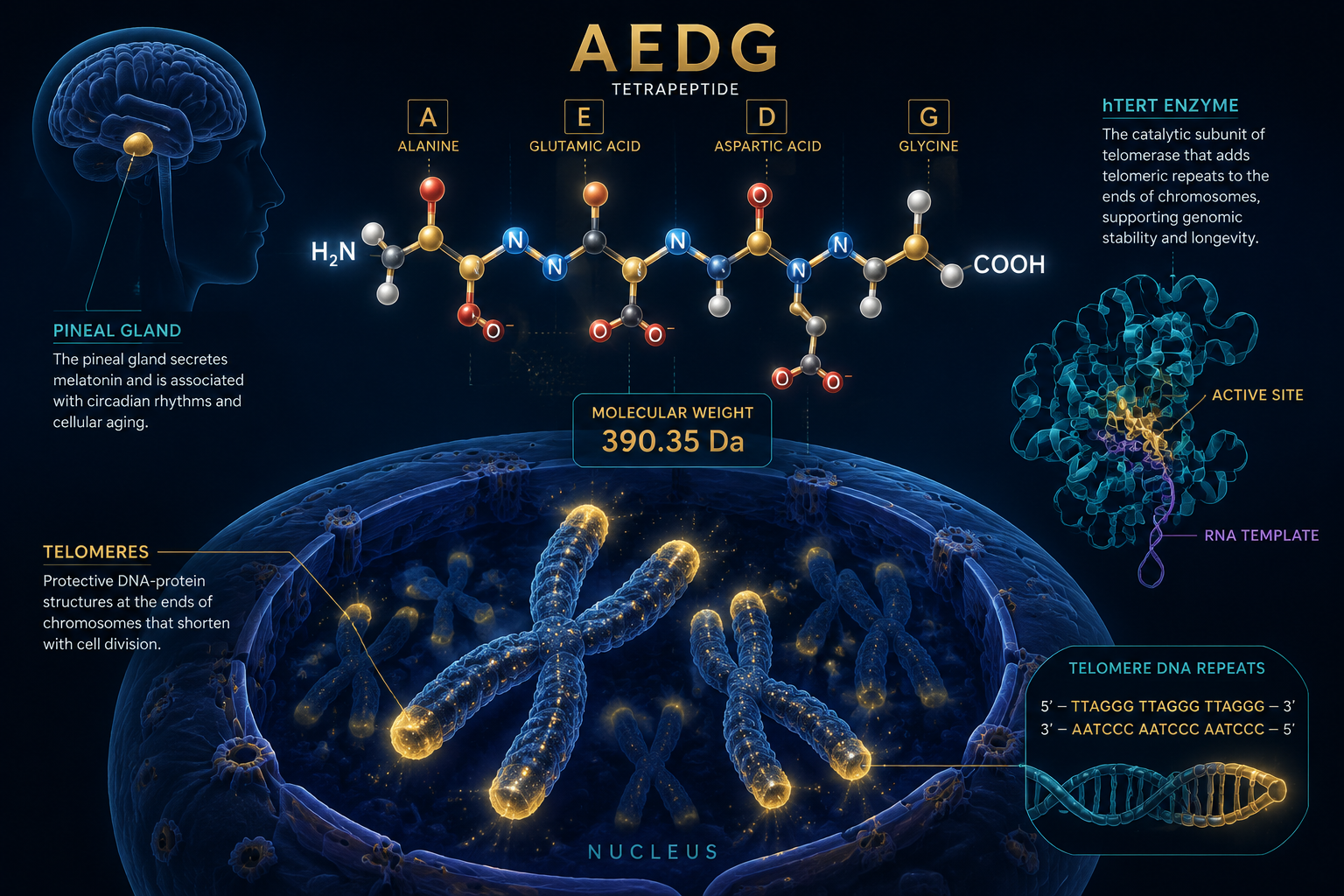
  • Epithalon is a synthetic tetrapeptide (Ala-Glu-Asp-Gly) with a molecular weight of 390.35 Da, originally derived from the pineal gland peptide Epithalamin.
  • Research suggests Epithalon activates the hTERT enzyme, which drives telomerase activity and may extend cellular replicative lifespan.
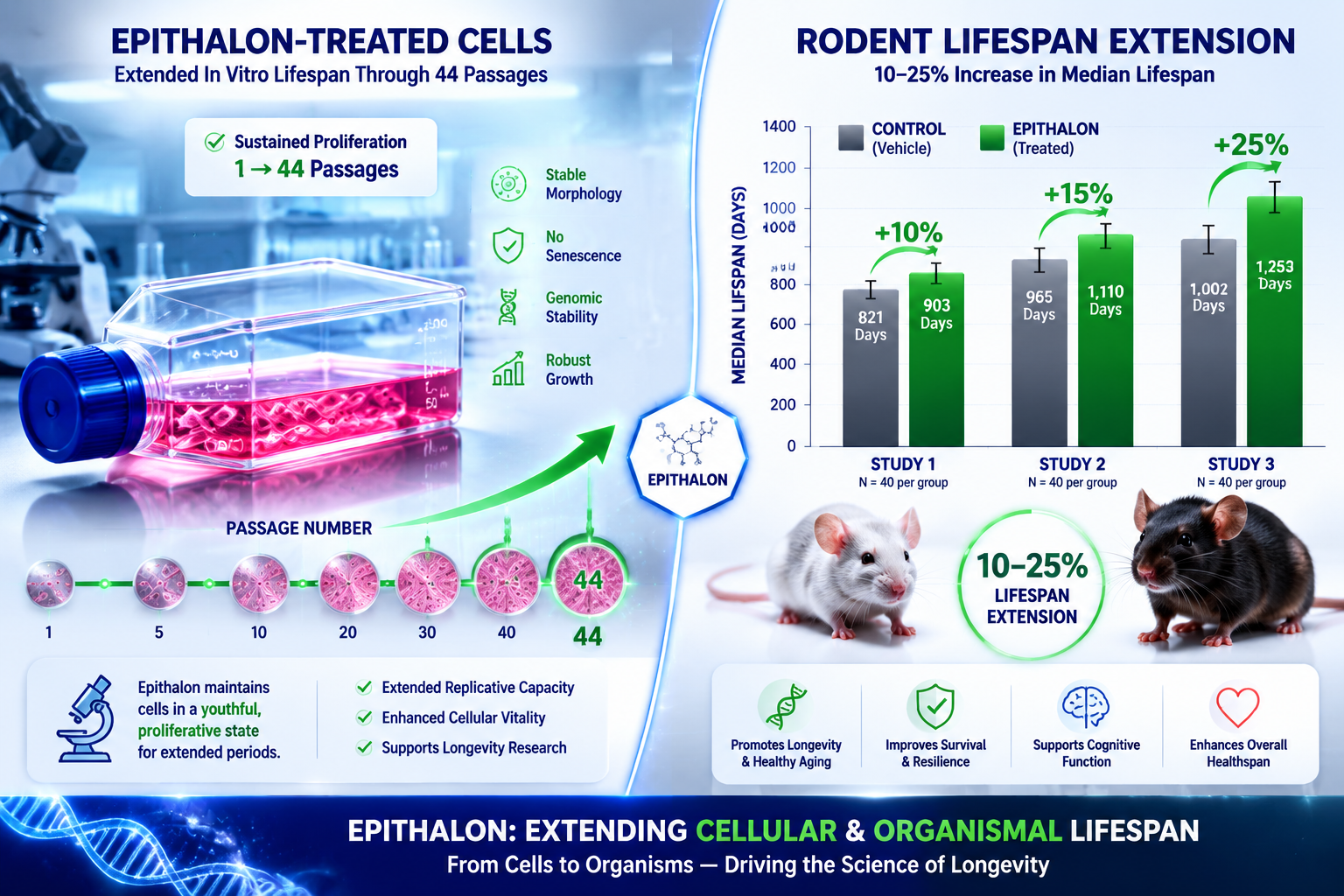
  • Rodent studies have reported lifespan extensions of 10-25%, while human cell studies show measurable reductions in senescence markers.
  • Most existing research originates from a single Russian laboratory, and independent Western replication remains limited.
  • Regulatory status is a key consideration: the FDA has not approved Epithalon for any medical use.

What Is Epithalon and How Does It Work

Epithalon (also spelled Epitalon) is a four-amino-acid peptide with the sequence Ala-Glu-Asp-Gly (AEDG) and a molecular weight of 390.35 Da. It was synthesized as a shorter, more stable analog of Epithalamin, a natural polypeptide extracted from bovine pineal gland tissue.

Its proposed mechanisms center on two pathways:

  • Telomerase activation: Epithalon upregulates hTERT, the catalytic subunit of telomerase, which adds protective nucleotide sequences back onto telomere ends.
  • Pineal gland stimulation: The peptide appears to restore melatonin production in aging subjects, with small human studies reporting improved circadian rhythm function and sleep quality in elderly individuals.

These dual pathways position Epithalon within the broader field of longevity peptide research, where researchers are mapping how molecular signals influence the pace of biological aging.


Epithalon Peptide: Telomerase Activation and its Role in Cellular Aging Research — Key Study Findings

The scientific record on Epithalon spans more than two decades. Here is a structured overview of the most significant findings:

Study Focus Key Finding
Telomerase activation (2003) Epithalon induced telomerase activity and telomere elongation in human somatic cells
Replicative lifespan (2004) Treated human fetal fibroblasts continued dividing through the 44th passage — roughly 29% longer than controls
Rodent lifespan Anisimov et al. reported 10-25% lifespan extension in treated rodent models
Senescence markers p16 and p21 protein levels reduced by 1.56- to 2.44-fold in human gingival mesenchymal stem cells
Antioxidant activity Reduced reactive oxygen species in mouse oocytes and lowered lipid peroxidation in rat brain and liver tissue
2025 in vitro confirmation Dose-dependent telomere elongation via hTERT upregulation confirmed in normal human cell lines

A 2025 study by Al-Dulaimi and colleagues provided fresh support for the telomerase activation hypothesis, demonstrating dose-dependent telomere elongation in normal human cell lines — reinforcing the foundational 2003 work by Khavinson et al. For researchers tracking what is new in peptide research, these findings represent a meaningful update to the Epithalon literature.


Limitations, Comparisons, and Research Context

Understanding Epithalon Peptide: Telomerase Activation and its Role in Cellular Aging Research also requires honest engagement with its limitations.

The replication gap is the most significant concern. The overwhelming majority of Epithalon studies originate from a single Russian research group. Western laboratories have not yet independently replicated the core findings at scale, which limits the confidence researchers can place in the data.

Regulatory status adds another layer of complexity. As of 2023, the FDA classified Epithalon as a Category 2 substance and prohibited compounding pharmacies from producing it. It remains unapproved for any medical use.

Comparison with other longevity peptides is instructive. While Epithalon targets telomerase and melatonin pathways, SS-31 (Elamipretide) focuses on mitochondrial membrane stabilization and received FDA approval for Barth syndrome in September 2025 — representing a stronger independent evidence base. Similarly, MOTS-c operates through mitochondrial-nuclear signaling, offering a distinct but complementary research angle.

Researchers interested in multi-pathway approaches may also find value in reviewing peptide blend research and epithalon longevity signals for context on how Epithalon fits within broader aging research frameworks.
Limitations, Comparisons, and Research Context


Regulatory Landscape and Research Sourcing

For researchers working with Epithalon in 2026, sourcing quality and purity are non-negotiable. Peptide integrity directly affects experimental reliability. Researchers sourcing Epithalon peptides for study purposes should prioritize suppliers with verified third-party testing and documented purity certificates.

Regulatory Landscape and Research Sourcing

Those building broader longevity research panels may also want to explore GHK-Cu copper peptide research as a complementary compound with its own distinct cellular repair mechanisms.


Conclusion

Epithalon peptide occupies a genuinely compelling position in cellular aging research. Its proposed mechanism — activating telomerase via hTERT upregulation — addresses one of the most fundamental drivers of cellular senescence, and the accumulating data from both foundational and recent studies supports continued investigation.

Actionable next steps for researchers:

  • Review the full body of Epithalon literature with attention to study design and the replication gap before drawing conclusions.
  • Prioritize lab-tested, high-purity Epithalon sources to ensure experimental validity.
  • Consider Epithalon within a multi-compound research framework alongside mitochondrial and immune-modulating peptides.
  • Monitor regulatory developments, as the FDA classification landscape for research peptides continues to evolve.

The science of telomere biology and cellular longevity is advancing rapidly. Epithalon remains one of the more scientifically grounded compounds in this space — and one that warrants careful, rigorous continued study.


https://www.puretestedpeptides.com/wp-content/uploads/2026/06/Epithalon-Peptide-Telomerase-Activation-and-its-Role-in-Cellular-Aging-Research.png 1024 1536 https://www.puretestedpeptides.com/wp-content/uploads/2026/01/buy-peptides-online.jpg 2026-06-19 13:06:552026-06-19 13:06:55Epithalon Peptide: Telomerase Activation and its Role in Cellular Aging Research
Retatrutide Clinical Trial Landscape: How GLP-3 Obesity Studies Are Designed and Where Research Peptides Fit

Retatrutide Clinical Trial Landscape: How GLP-3 Obesity Studies Are Designed and Where Research Peptides Fit

June 14, 2026/0 Comments/in Uncategorized/by

{"cover":"Professional landscape format (1536×1024) hero image with bold text overlay: 'Retatrutide Clinical Trial Landscape: GLP-3 Obesity Studies & Research Peptides' in extra large 72pt white bold sans-serif font with dark semi-transparent overlay box, centered upper-third composition. Background shows a high-tech clinical research laboratory with scientists in white coats reviewing molecular structure diagrams on large screens, blue and teal lighting, peptide molecule renderings floating in background. Color scheme: deep navy blue, crisp white, electric teal accents. Magazine cover aesthetic, editorial quality, high contrast.","content":["Wide-angle editorial illustration (1536×1024) of a clinical trial design flowchart for obesity research, showing randomized double-blind study phases labeled Phase 2 and Phase 3, participant icons arranged in multicenter trial grid, endpoint metrics panels showing percentage weight loss bars and HbA1c reduction graphs, TRIUMPH program branding elements, clean medical infographic style with navy blue and white color palette, professional scientific publication aesthetic","Detailed molecular diagram (1536×1024) showing triple-receptor agonist mechanism with three distinct G-protein coupled receptor pathways labeled GLP-1R, GIPR, and GCGR, color-coded binding arrows, peptide chain illustration in center, surrounding panels showing insulin secretion and hepatic glucose regulation icons, dark background with glowing teal and gold molecular bonds, scientific visualization style, editorial medical illustration quality","Split-composition editorial image (1536×1024) showing a clear visual divide between a formal FDA-regulated clinical trial setting on the left — researchers in lab coats with official documentation and controlled drug vials — and a research laboratory setting on the right with research-use-only peptide vials, analytical testing equipment, and purity certification documents. Bold dividing line with text 'Clinical Trial vs Research Use Only', professional blue and amber color contrast, documentary photography style"}

Professional landscape hero image () with : "Retatrutide Clinical Trial Landscape: How GLP-3 Obesity Studies Are Designed

A single drug achieving 28% average body weight loss over 18 months — results previously seen only with bariatric surgery — has placed retatrutide at the center of obesity pharmacotherapy in 2026. Understanding the Retatrutide Clinical Trial Landscape: How GLP-3 Obesity Studies Are Designed and Where Research Peptides Fit requires looking closely at how these trials are structured, what endpoints they measure, and how research-use peptides relate to regulated clinical compounds.

Key Takeaways

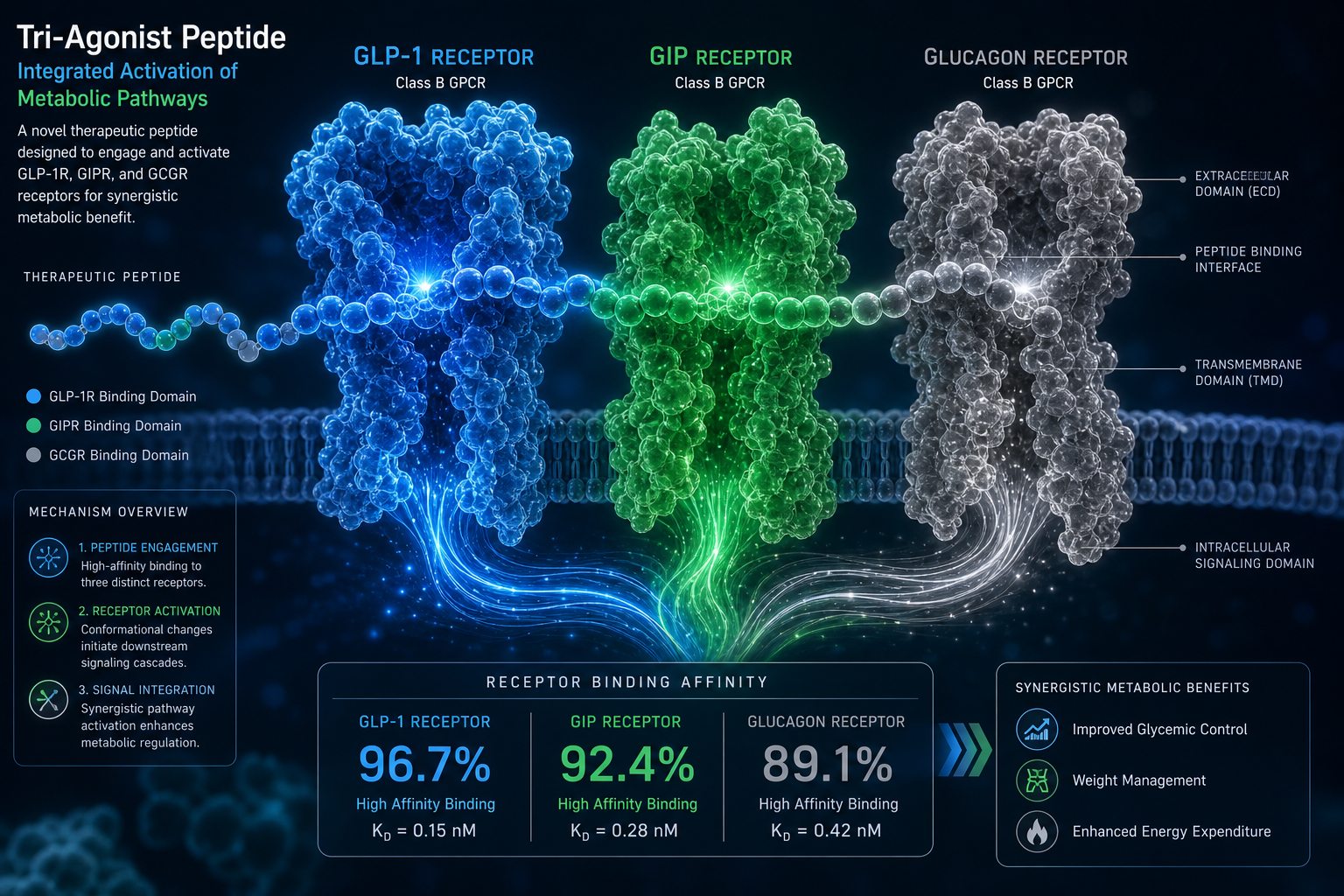
  • Retatrutide is a triple-agonist peptide targeting GLP-1R, GIPR, and GCGR receptors simultaneously
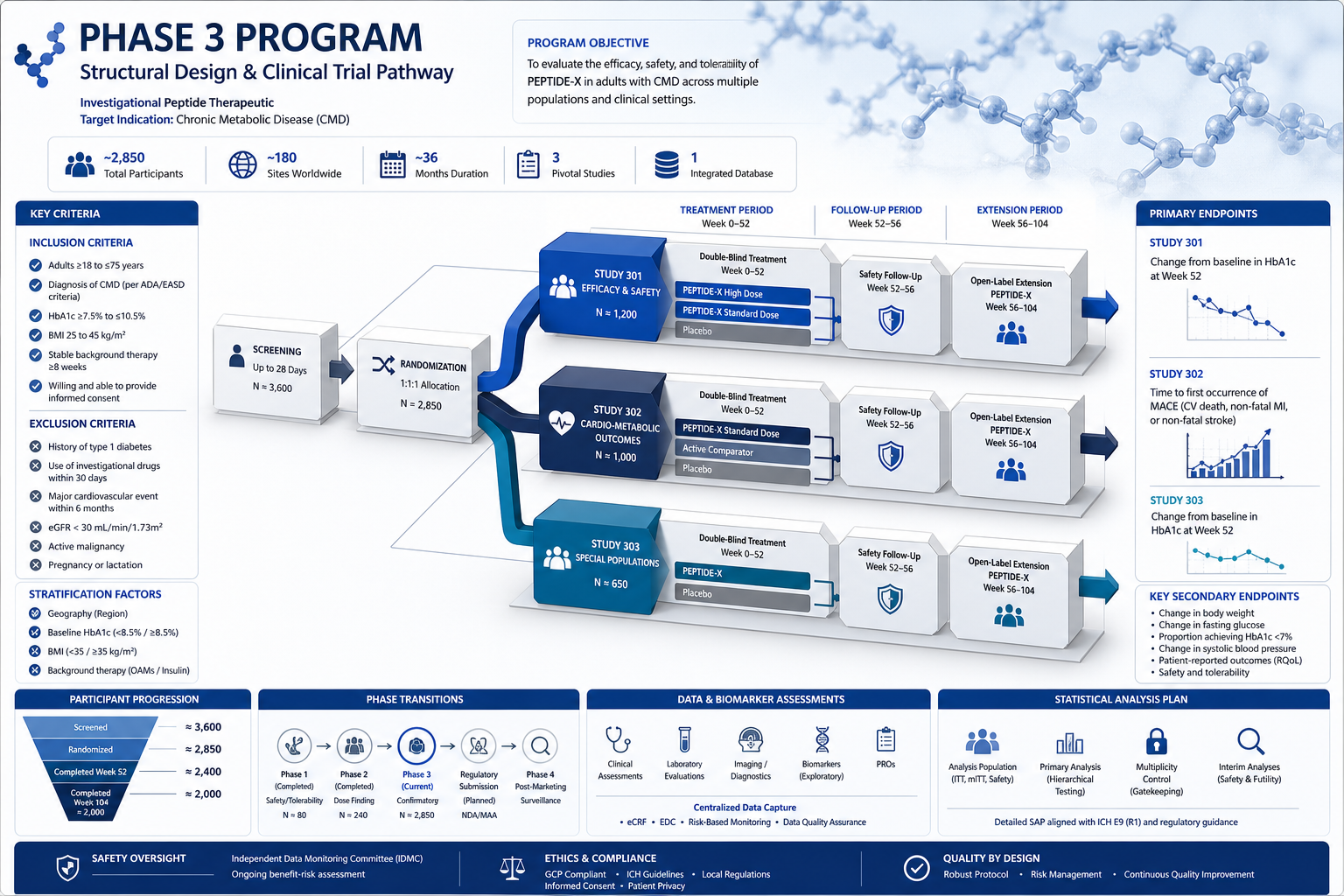
  • The TRIUMPH Phase 3 program enrolls over 5,800 participants across four multicenter, randomized, double-blind studies
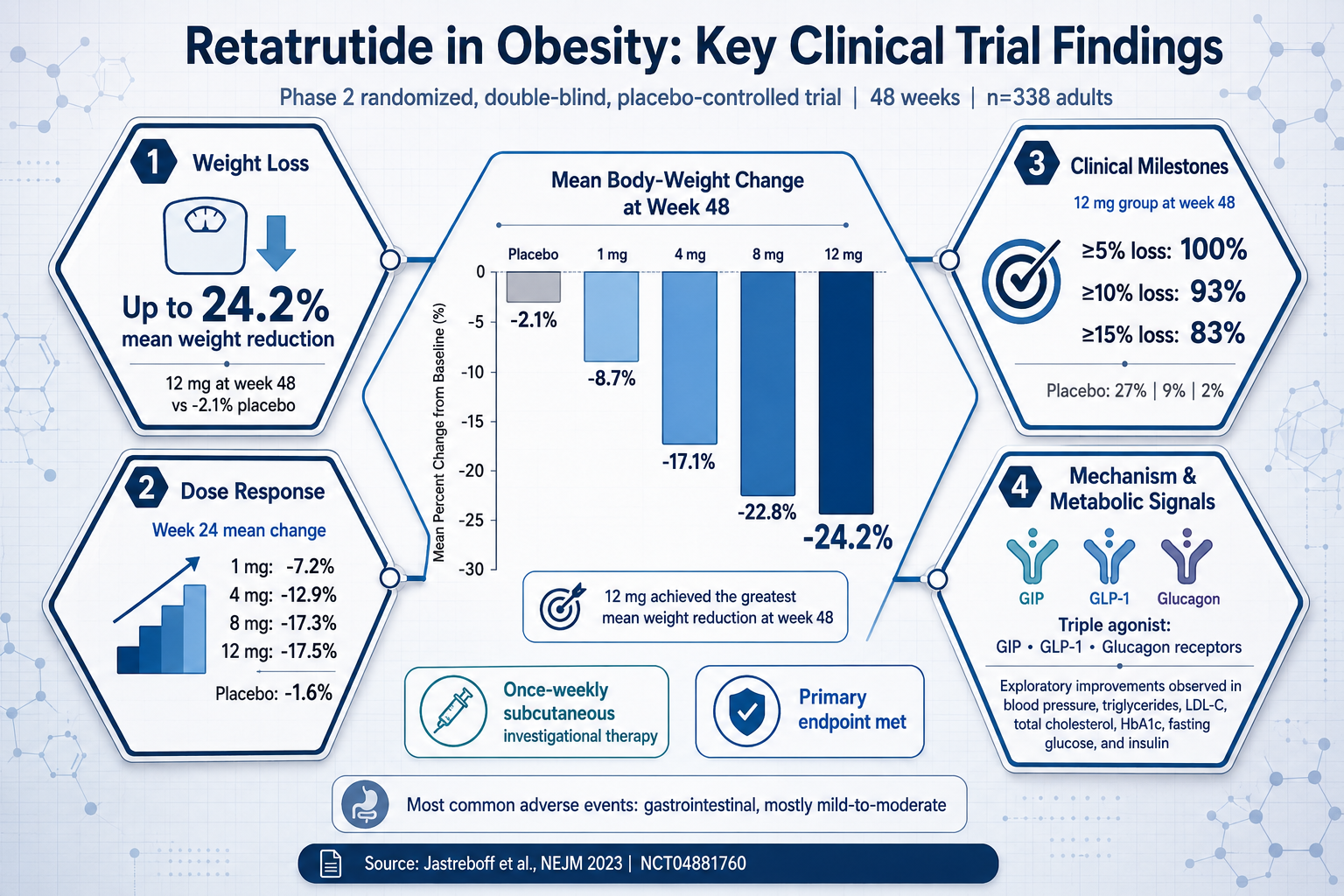
  • Phase 2 data showed up to 24.2% mean weight reduction at 48 weeks
  • Primary endpoints include percentage body weight loss, HbA1c reduction, and complication-specific outcomes
  • Research peptides and clinical-trial drugs occupy entirely separate regulatory and scientific categories

How the TRIUMPH Phase 3 Program Is Structured

How the TRIUMPH Phase 3 Program Is Structured

The TRIUMPH program is the backbone of the current Retatrutide clinical trial landscape. It consists of four multicenter, randomized, double-blind, placebo-controlled studies enrolling more than 5,800 participants. This scale places it among the largest obesity drug programs ever conducted.

What makes TRIUMPH notable is its basket trial design. Rather than studying a single condition in isolation, the program simultaneously evaluates retatrutide across multiple adiposity-related disease states:

Study Focus Primary Endpoint
General obesity Percentage body weight loss
Obstructive sleep apnea (OSA) Apnea-hypopnea index reduction
Knee osteoarthritis (OA) Pain and function scores
Cardiovascular risk Major adverse cardiac events

This design generates efficiency. Researchers can assess whether weight loss translates into measurable improvements in comorbidities — a critical question for regulatory review and real-world clinical value.

Standard endpoints tracked across studies include:

  • Percentage body weight reduction from baseline
  • HbA1c change (a marker of blood glucose control)
  • Waist circumference reduction
  • Adverse event frequency and severity grading

Phase 2 Results That Justified Phase 3 Investment

In a Phase 2 trial of 338 adults with obesity or overweight, retatrutide produced a mean weight reduction of up to 24.2% at 48 weeks. Gastrointestinal side effects were the most common adverse events, described as dose-related and mostly mild to moderate. These results gave Eli Lilly sufficient confidence to launch the full TRIUMPH program, with FDA approval potentially targeted by the end of 2026.


The Triple-Receptor Mechanism Behind the Numbers

The Triple-Receptor Mechanism Behind the Numbers

Retatrutide is often loosely called a "GLP-3" compound in popular media, but its pharmacology is more precise. It is a triple agonist binding three distinct G-protein coupled receptors:

  1. GLP-1R (glucagon-like peptide-1 receptor) — stimulates insulin secretion and reduces appetite
  2. GIPR (glucose-dependent insulinotropic polypeptide receptor) — enhances insulin response and supports fat metabolism
  3. GCGR (glucagon receptor) — regulates hepatic glucose output and increases energy expenditure

The glucagon receptor component is what differentiates retatrutide from dual GLP-1/GIP agonists like tirzepatide. Industry experts suggest this third pathway may be the key driver behind the surgery-level weight loss numbers. For broader context on how incretin-based mechanisms work in obesity research, the GLP-1 and incretin research themes page provides useful background.

Researchers studying related metabolic pathways may also find value in reviewing body composition research themes involving tesa and IPA muscle and fat research themes, which explore adjacent hormonal axes in preclinical models.


Where Research Peptides Fit — and Where They Do Not

Where Research Peptides Fit — and Where They Do Not

This is the most important distinction in the Retatrutide clinical trial landscape: how GLP-3 obesity studies are designed and where research peptides fit.

Retatrutide is an investigational drug. It is not FDA-approved. It is manufactured under strict Good Manufacturing Practice (GMP) conditions, administered only within regulated trial protocols, and tracked through rigorous pharmacovigilance systems.

Research peptides occupy a completely separate category. They are synthesized compounds supplied strictly for laboratory and preclinical research purposes — not for human administration. Their value lies in enabling scientists to study receptor biology, metabolic pathways, and molecular mechanisms before and alongside clinical programs.

"The clinical trial pipeline and the research peptide ecosystem serve different scientific functions — one generates regulatory evidence, the other generates foundational knowledge."

For researchers exploring the GLP-3 and retatrutide space at the preclinical level, the dedicated GLP-3 retatrutide research page and the retatrutide compound overview offer relevant compound information. Those studying complementary metabolic pathways may also consult resources on cagrilintide synergy with GLP-1 and longevity peptide research.

Key distinctions at a glance:

Feature Clinical Trial Drug Research Peptide
Regulatory status IND/NDA pathway Research use only
Human administration Protocol-controlled Not permitted
Purity standards GMP-certified Analytical grade
Purpose Generate efficacy/safety data Preclinical mechanistic study

Conclusion

The retatrutide clinical trial landscape represents one of the most ambitious obesity drug programs in pharmaceutical history. The TRIUMPH Phase 3 program's basket design, rigorous endpoints, and triple-receptor mechanism all point toward a potential paradigm shift in how obesity and its complications are treated medically.

Actionable next steps for researchers and science-informed readers:

  • Follow TRIUMPH trial updates through ClinicalTrials.gov for endpoint data as it becomes available
  • Review Phase 2 published data in peer-reviewed journals to understand dose-response relationships
  • Clearly distinguish between FDA-regulated investigational drugs and research-use-only peptides when discussing or sourcing compounds
  • Explore adjacent metabolic research areas — such as incretin biology and body composition pathways — to build a fuller mechanistic picture

The science is advancing rapidly. Staying grounded in trial design fundamentals and regulatory boundaries is the most reliable way to engage with it responsibly.

https://www.puretestedpeptides.com/wp-content/uploads/2026/06/Retatrutide-Clinical-Trial-Landscape-How-GLP-3-Obesity-Studies-Are-Designed-and-Where-Research-Peptides-Fit.png 1024 1536 https://www.puretestedpeptides.com/wp-content/uploads/2026/01/buy-peptides-online.jpg 2026-06-14 13:05:082026-06-14 13:05:08Retatrutide Clinical Trial Landscape: How GLP-3 Obesity Studies Are Designed and Where Research Peptides Fit
Epithalon, Selank, and Semax: How ‘Longevity’ and Nootropic Peptides Intersect With Telomere Biology and Neurotrophic Pathways

Epithalon, Selank, and Semax: How ‘Longevity’ and Nootropic Peptides Intersect With Telomere Biology and Neurotrophic Pathways

June 14, 2026/0 Comments/in Uncategorized/by

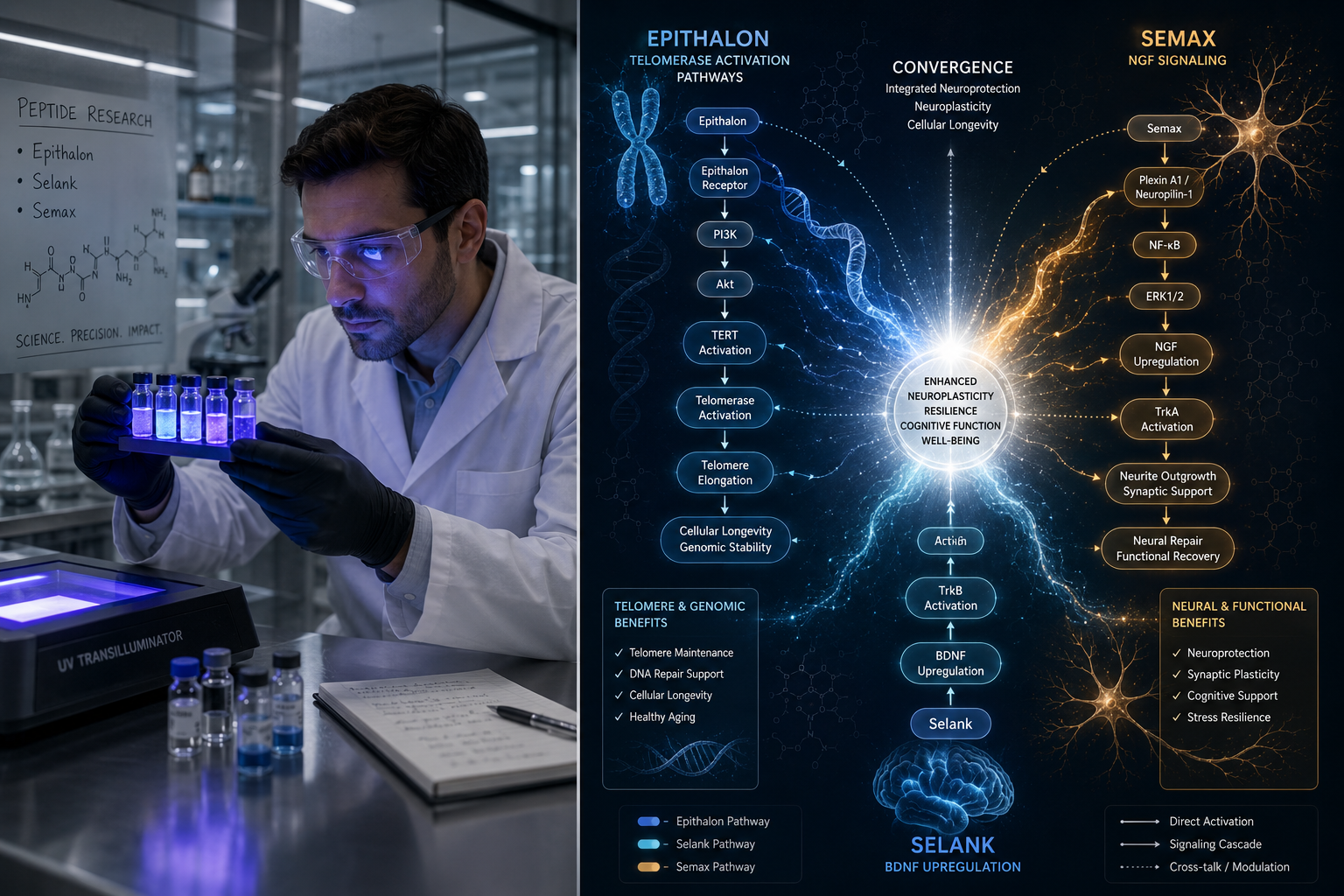
Telomere length has been linked to biological age in over 200 peer-reviewed studies, yet most longevity conversations treat cellular aging and cognitive decline as separate problems. Epithalon, Selank, and Semax challenge that separation. Research into these three peptides reveals a striking overlap: the same biological machinery that governs how long cells live also shapes how well the brain learns, adapts, and recovers.

Detailed () scientific illustration showing three peptide molecular structures labeled Epithalon, Selank, and Semax arranged

Key Takeaways

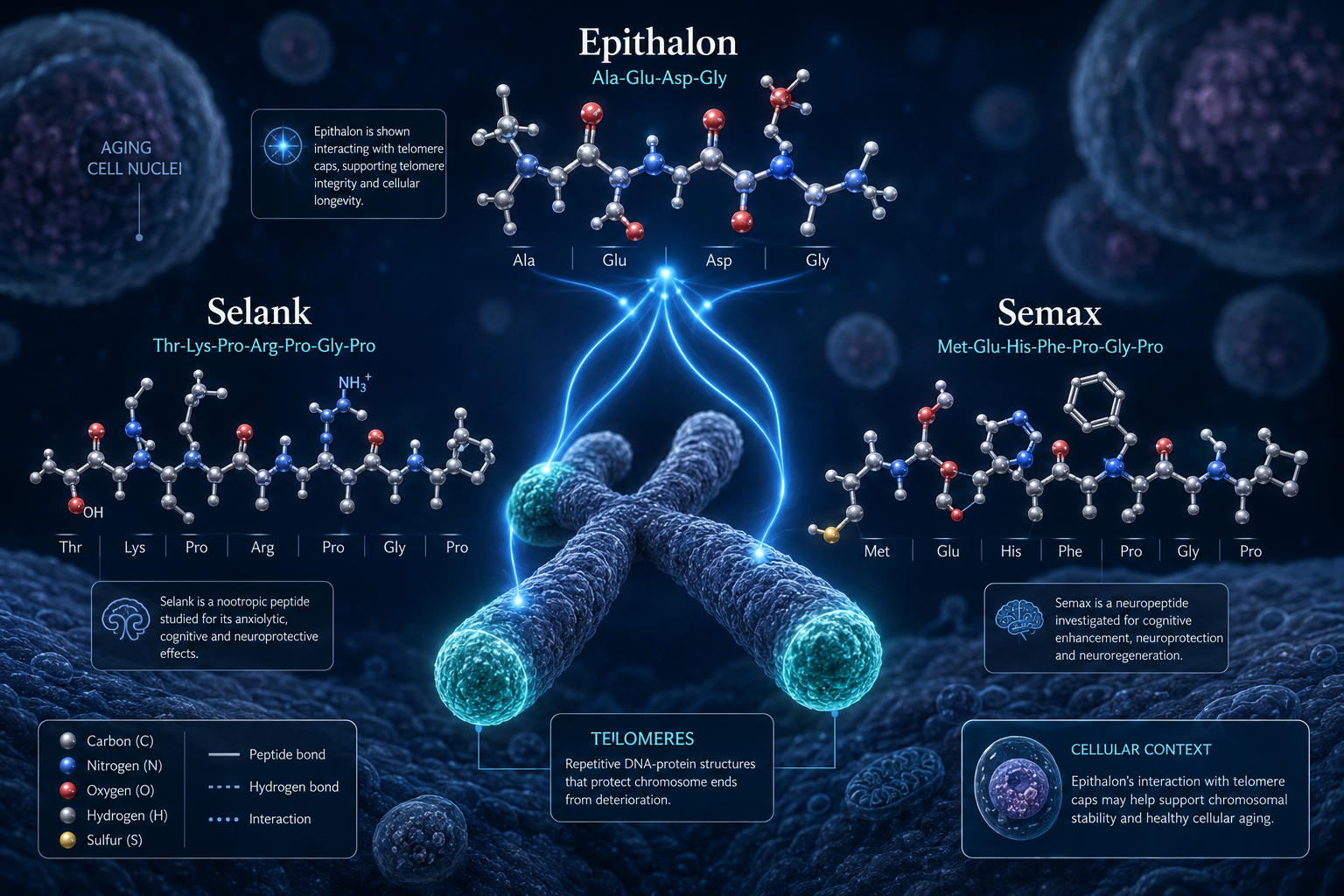
  • Epithalon is a tetrapeptide studied for its ability to activate telomerase, the enzyme that rebuilds telomere caps on chromosomes.
  • Selank and Semax are neuropeptides developed in Russia with documented effects on BDNF, NGF, and GABAergic signaling.
  • Telomere shortening and neurotrophic decline share upstream regulators, meaning anti-aging and nootropic peptides may act on overlapping pathways.
  • Preclinical data suggests these peptides influence oxidative stress, a common driver of both cellular aging and neurodegeneration.
  • Purity and sourcing quality are critical variables when evaluating research outcomes for any of these compounds.

Epithalon and Telomere Biology: The Anti-Aging Foundation

Epithalon (Ala-Glu-Asp-Gly) is a synthetic tetrapeptide derived from epithalamin, a natural extract of the pineal gland. Its primary claim in longevity research rests on telomerase activation. Telomerase is the enzyme responsible for adding protective nucleotide sequences back onto chromosome ends. Without it, telomeres shorten with each cell division until the cell enters senescence or apoptosis.

Key findings from preclinical models include:

  • Increased telomerase activity in somatic cells
  • Extended lifespan in animal studies compared to controls
  • Reduced markers of oxidative DNA damage
  • Restored melatonin secretion patterns linked to circadian regulation

Explore the Epithalon research overview for a detailed breakdown of these findings.

What makes Epithalon particularly relevant to the broader longevity conversation is its downstream effect on reactive oxygen species (ROS). Oxidative stress accelerates telomere erosion and simultaneously damages mitochondria. This creates a direct mechanistic bridge to the mitochondrial longevity research that has gained significant traction in 2026.

"Telomere shortening and mitochondrial dysfunction are not parallel tracks — they are intersecting highways, and peptides like Epithalon may operate at the junction."


Selank and Semax: Nootropic Peptides and Neurotrophic Pathways

Selank and Semax: Nootropic Peptides and Neurotrophic Pathways

While Epithalon targets cellular longevity, Selank and Semax operate primarily in the central nervous system. Understanding how these compounds work helps clarify why researchers increasingly study them alongside anti-aging peptides.

Selank: Anxiety, BDNF, and GABAergic Modulation

Selank (Thr-Lys-Pro-Arg-Pro-Gly-Pro) is a heptapeptide analog of the immunomodulatory peptide tuftsin. Research models show it:

  • Upregulates brain-derived neurotrophic factor (BDNF), which supports neuronal survival and synaptic plasticity
  • Modulates GABAergic transmission, producing anxiolytic effects without sedation
  • Reduces enkephalin degradation, extending the activity of endogenous opioid peptides

For a thorough look at the research profile, see the Selank peptide benefits overview and the Selank side effects research summary.

Semax: NGF Upregulation and Neuroprotection

Semax (Met-Glu-His-Phe-Pro-Gly-Pro) is an ACTH(4-7) analog developed by the Russian Academy of Sciences. Its most studied mechanism involves nerve growth factor (NGF) upregulation in the hippocampus and frontal cortex. NGF is essential for the maintenance of cholinergic neurons, which are among the first casualties of age-related cognitive decline.

Peptide Primary Mechanism Key Neurotrophic Target
Selank GABAergic + enkephalin modulation BDNF
Semax ACTH analog signaling NGF
Epithalon Telomerase activation Indirect via oxidative stress reduction

The Selank and Semax comparison resource provides side-by-side research context for both compounds.


Where Longevity and Nootropic Peptides Converge

The intersection of Epithalon, Selank, and Semax with telomere biology and neurotrophic pathways becomes clearest when examining shared upstream regulators.

Where Longevity and Nootropic Peptides Converge

Three convergence points stand out:

  1. Oxidative stress reduction — Epithalon lowers ROS; Semax and Selank reduce neuroinflammatory markers. Both processes protect telomeres and neurons simultaneously.
  2. Pineal-hypothalamic axis — Epithalon restores melatonin rhythms; Semax modulates ACTH-related pathways. Both touch the neuroendocrine system that governs aging rate.
  3. Neuroplasticity and cellular repair — BDNF and NGF upregulation by Selank and Semax mirrors the cellular maintenance role Epithalon plays at the chromosomal level.

Researchers interested in the broader peptide landscape may also find value in the recovery and tissue biology overview and the aging support product category for context on how these compounds fit within a wider research framework.

Purity remains a non-negotiable variable. Contaminated or underdosed peptides produce unreliable data. Reviewing quality testing protocols before sourcing any research compound is an essential step.


Conclusion

The study of Epithalon, Selank, and Semax illustrates that longevity and nootropic peptides intersect with telomere biology and neurotrophic pathways at multiple, mechanistically meaningful points. Epithalon's telomerase activation reduces the oxidative damage that also undermines BDNF and NGF signaling. Selank and Semax, in turn, support the neuronal health that depends on the same cellular integrity Epithalon aims to preserve.

Actionable next steps for researchers:

  • Review primary literature on telomerase activity and BDNF co-regulation before designing multi-peptide protocols.
  • Prioritize verified, purity-tested sources to ensure data integrity.
  • Examine the Selank and Semax combined research resource alongside Epithalon data to map pathway overlaps.
  • Consider oxidative stress biomarkers as shared endpoints when evaluating outcomes across all three peptides.

The convergence of anti-aging and cognitive research is no longer speculative. The mechanistic evidence in 2026 points toward a unified biology of healthy aging — one where telomere length and neurotrophic signaling are two sides of the same coin.

https://www.puretestedpeptides.com/wp-content/uploads/2026/06/Epithalon-Selank-and-Semax-How-‘Longevity-and-Nootropic-Peptides-Intersect-With-Telomere-Biology-and-Neurotrophic-Pathways.png 1024 1536 https://www.puretestedpeptides.com/wp-content/uploads/2026/01/buy-peptides-online.jpg 2026-06-14 13:04:032026-06-14 13:04:03Epithalon, Selank, and Semax: How ‘Longevity’ and Nootropic Peptides Intersect With Telomere Biology and Neurotrophic Pathways
×

Helpful Links

  • My account
  • Cart
  • Checkout
  • Refund and Returns Policy
  • Privacy Policy
  • SMS Privacy Policy
  • Login
  • My Account
  • Logout

USA Made Lab Tested Peptides

All products are sold for research, laboratory, or analytical purposes only, and are not for human consumption


Pure Tested Peptides is a chemical supplier. Pure Tested Peptides is not a compounding / chemical compounding facility as defined under 503A of the Federal Food, Drug, and Cosmetic act. Pure Tested Peptides is not an outsourcing facility as defined under 503B of the Federal Food, Drug, and Cosmetic act.

The statements made within this website have not been evaluated by the US Food and Drug Administration. The products we offer are not intended to diagnose, treat, cure or prevent any disease.

Human/Animal Consumption Prohibited. Laboratory/In-Vitro Experimental Use Only

Scroll to top Scroll to top Scroll to top