
BPC-157 and TB-500 Stack: Synergistic Mechanisms in Experimental Tendon and Ligament Repair
}

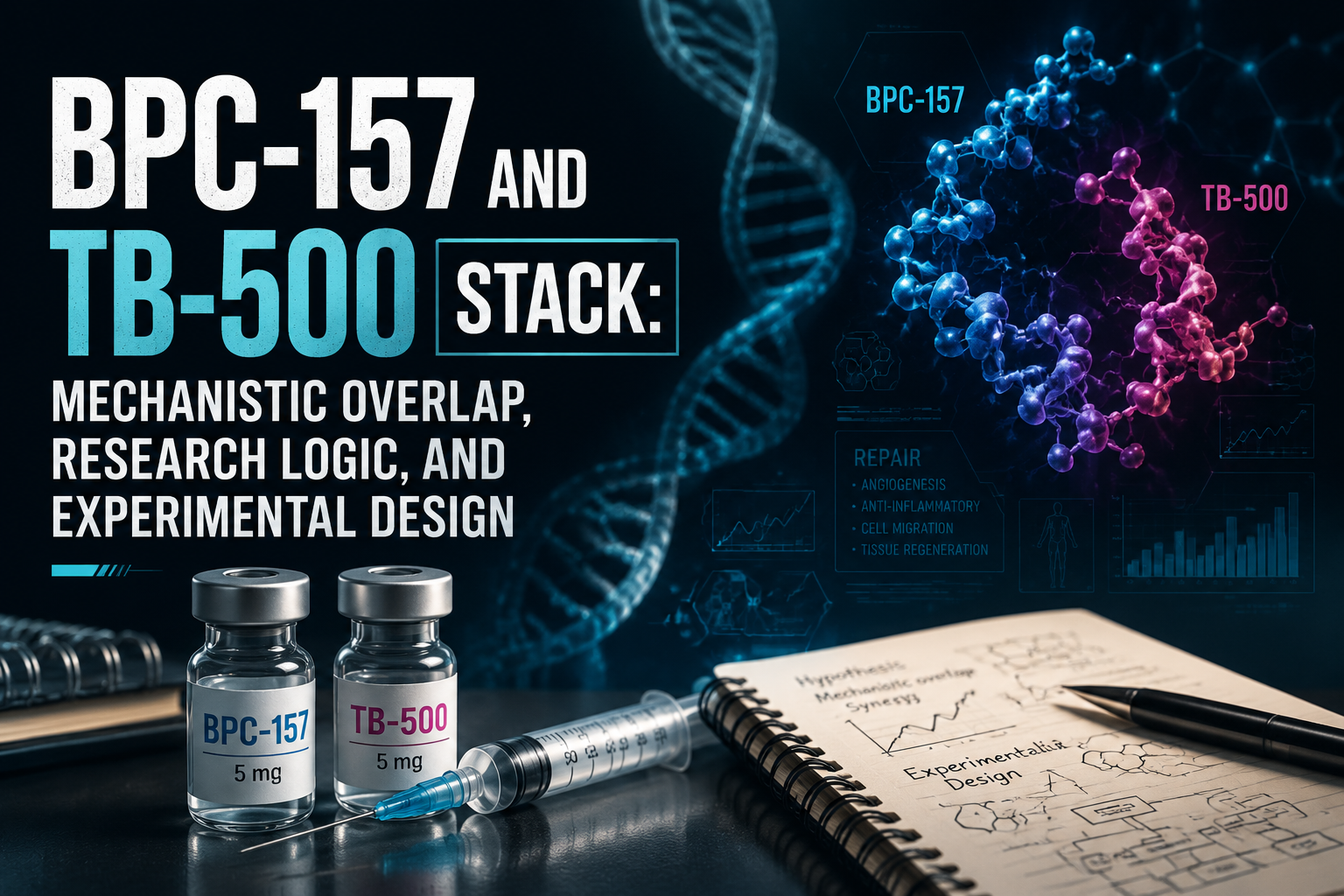
Tendon and ligament injuries account for roughly 45% of all musculoskeletal injuries treated in sports medicine clinics worldwide, yet conventional recovery timelines remain stubbornly long. Against that backdrop, preclinical research into the BPC-157 and TB-500 stack: synergistic mechanisms in experimental tendon and ligament repair has drawn serious attention from researchers studying peptide-based recovery models.
Key Takeaways
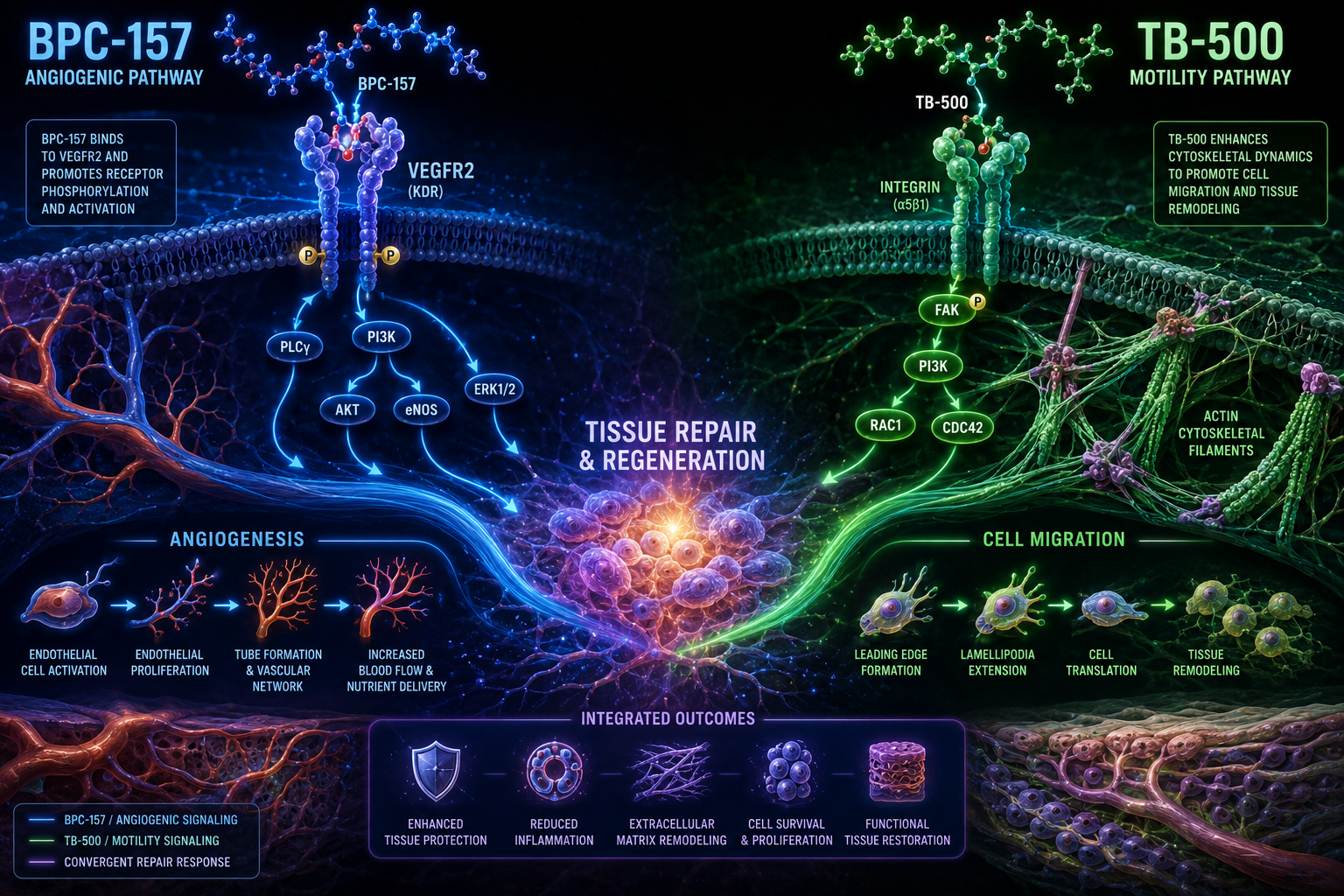
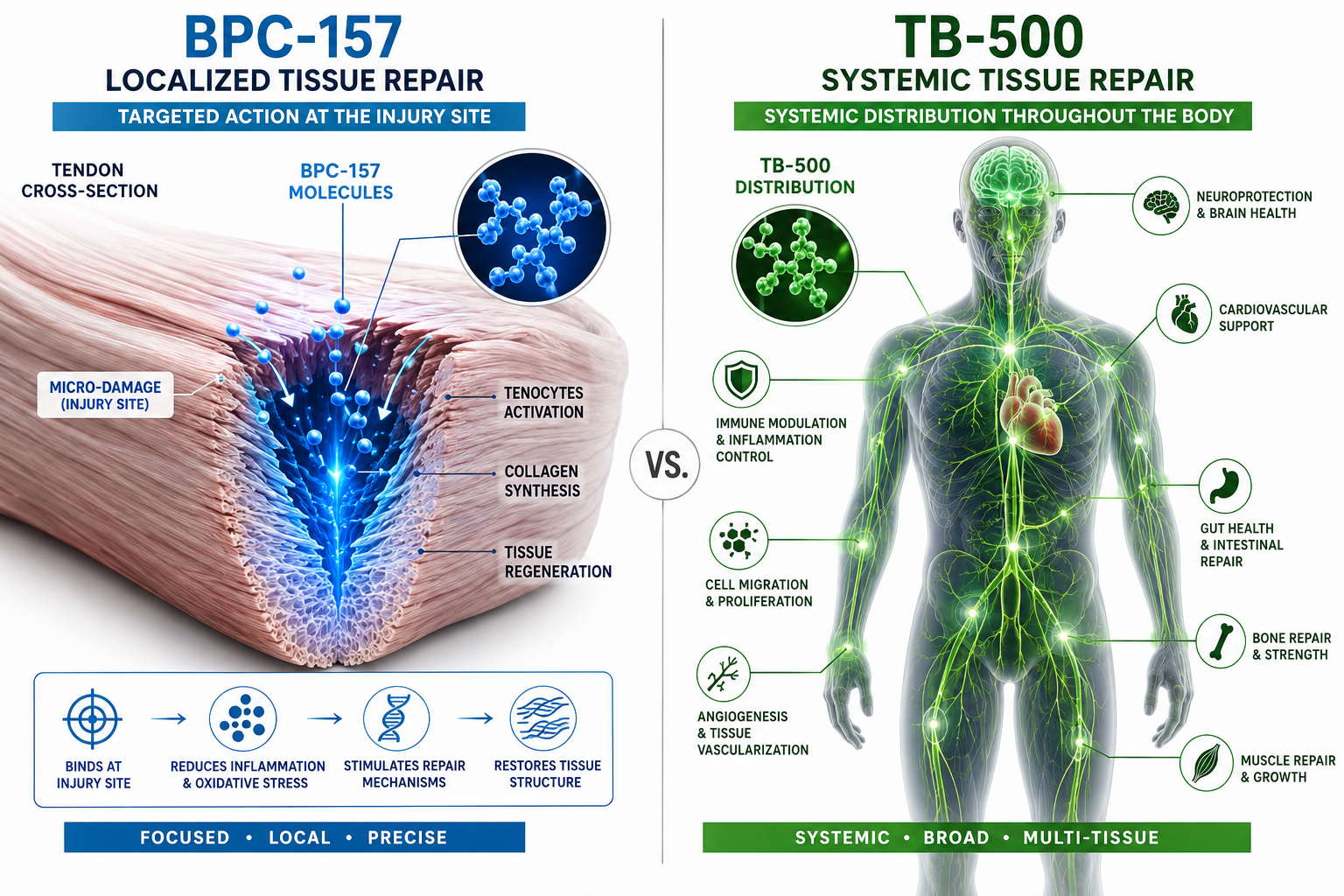
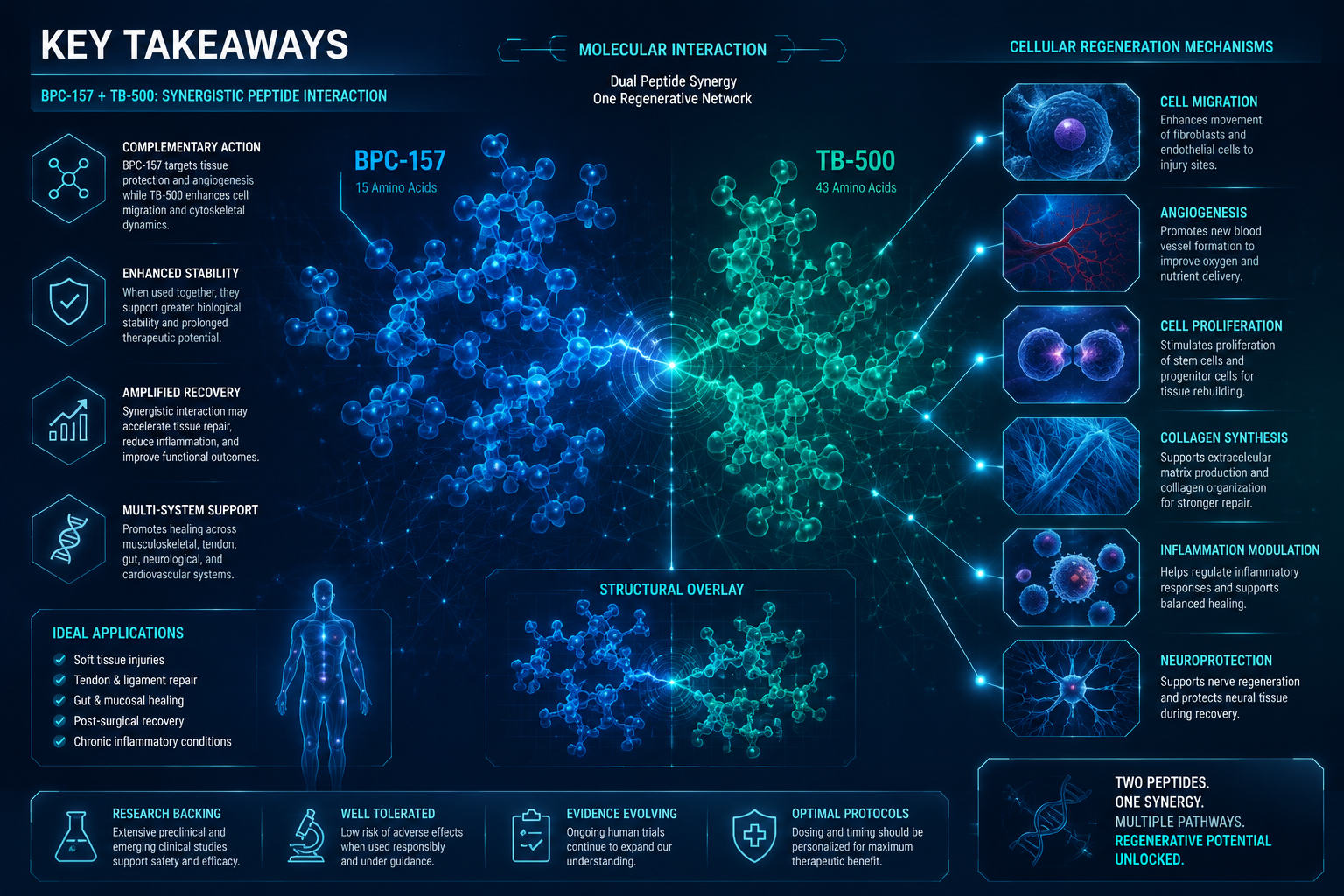
- BPC-157 promotes localized repair through angiogenesis and growth factor modulation; TB-500 drives systemic healing via actin regulation and cell migration.
- When combined, the two peptides target complementary biological pathways, suggesting additive or synergistic effects in preclinical tendon and ligament models.
- Animal studies report improved tensile strength and faster recovery timelines compared to single-agent protocols.
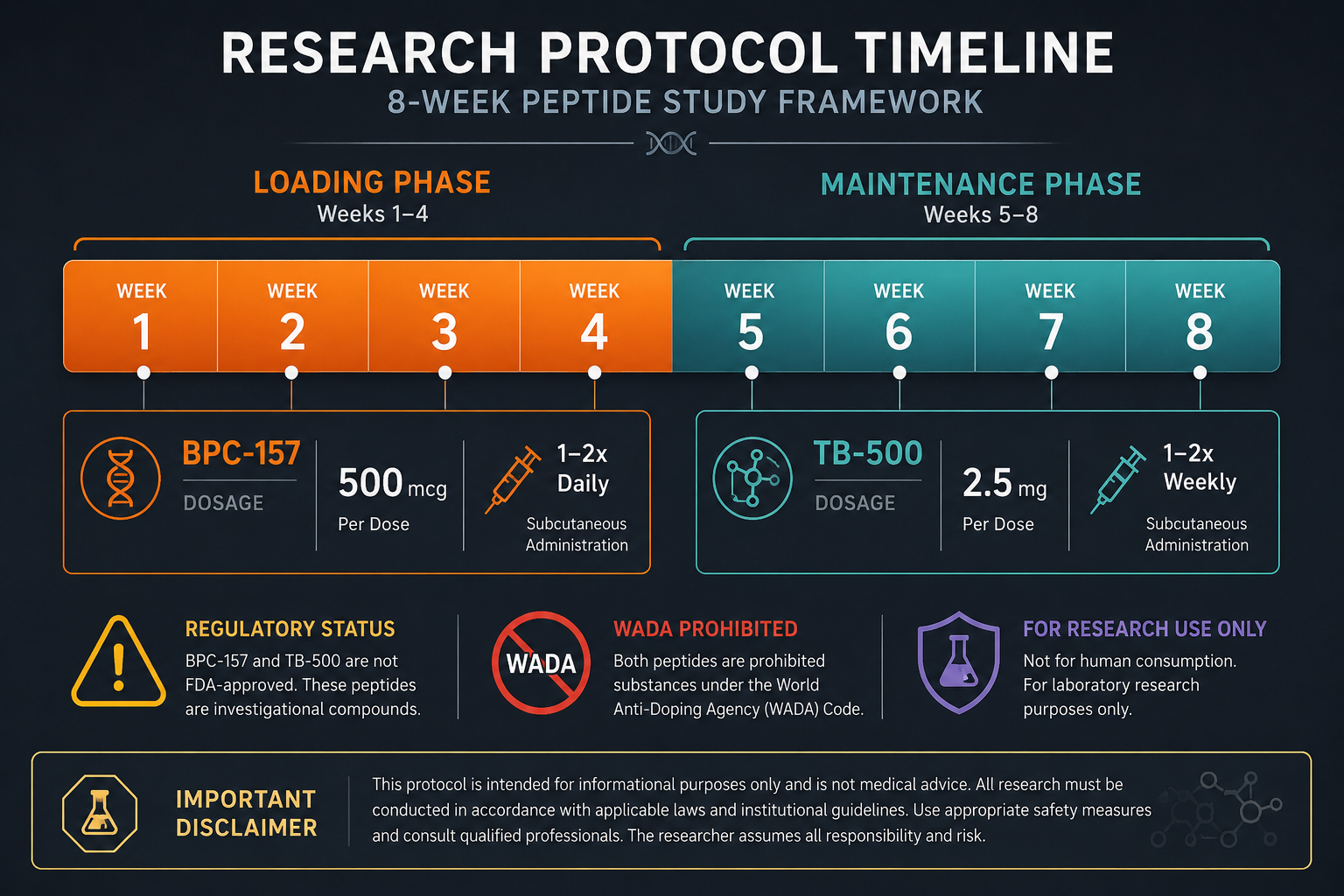
- Neither peptide holds FDA approval; both are classified as research chemicals and are prohibited by WADA under the S0 category.
- No large-scale human clinical trials exist as of 2026, making all dosing and efficacy data preliminary.
How Each Peptide Works: Distinct but Complementary Pathways
Understanding why researchers pair these two compounds begins with their individual mechanisms.
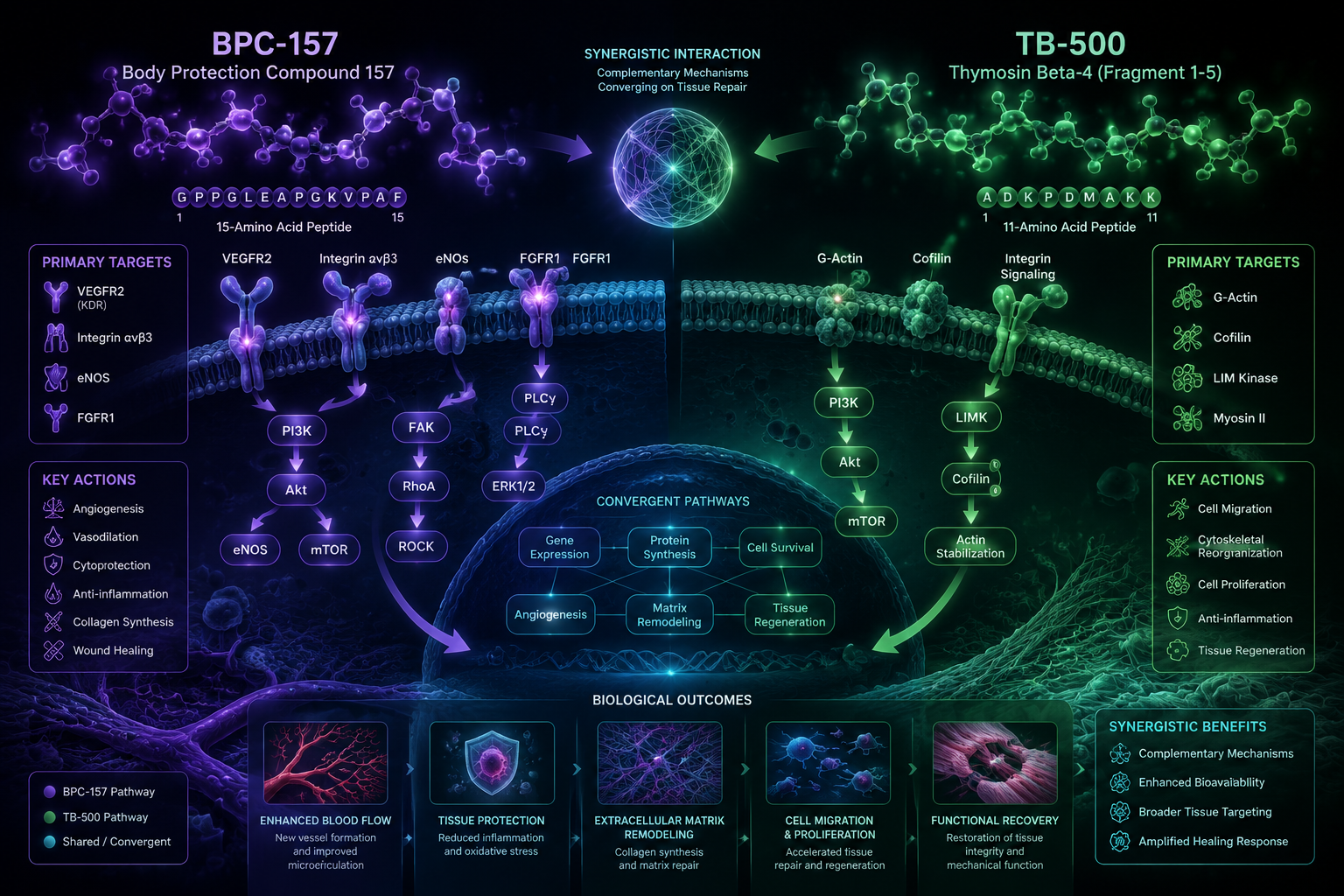
BPC-157 (Body Protection Compound-157) is a synthetic pentadecapeptide derived from a protective gastric protein. In experimental models, it consistently stimulates:
- Angiogenesis – the formation of new blood vessels that deliver oxygen and nutrients to injured tissue
- Growth factor upregulation – particularly VEGF and EGF signaling
- Fibroblast activation – accelerating collagen scaffold formation at the injury site
TB-500 (Thymosin Beta-4) works through a fundamentally different route. Its primary action involves binding G-actin, which reorganizes the cytoskeleton and enables rapid cell migration to wound sites. This systemic mobility effect means TB-500 can mobilize repair cells from distant tissues, not just the local injury zone.
| Feature | BPC-157 | TB-500 |
|---|---|---|
| Primary action | Angiogenesis, growth factor boost | Actin regulation, cell migration |
| Scope | Localized | Systemic |
| Key target tissue | Tendon, gut lining | Muscle, tendon, cardiac tissue |
| Origin | Gastric protein fragment | Thymosin Beta-4 derivative |
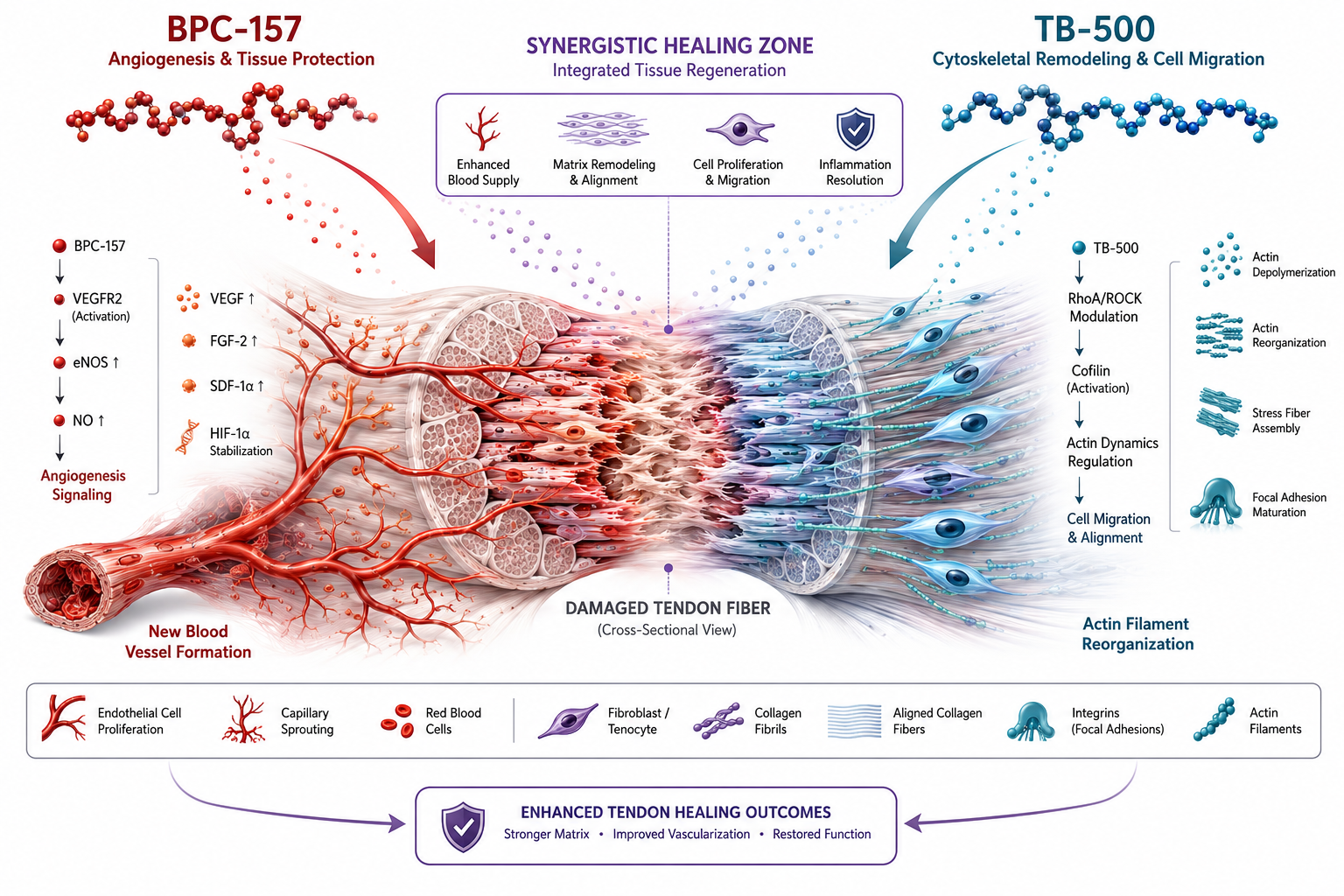
This distinction is critical. BPC-157 builds the local vascular and structural environment; TB-500 recruits the cellular workforce to populate it. For a broader look at how peptides interact with tissue biology, the recovery and tissue biology overview provides useful context.
Preclinical Evidence for the BPC-157 and TB-500 Stack: Synergistic Mechanisms in Experimental Tendon and Ligament Repair
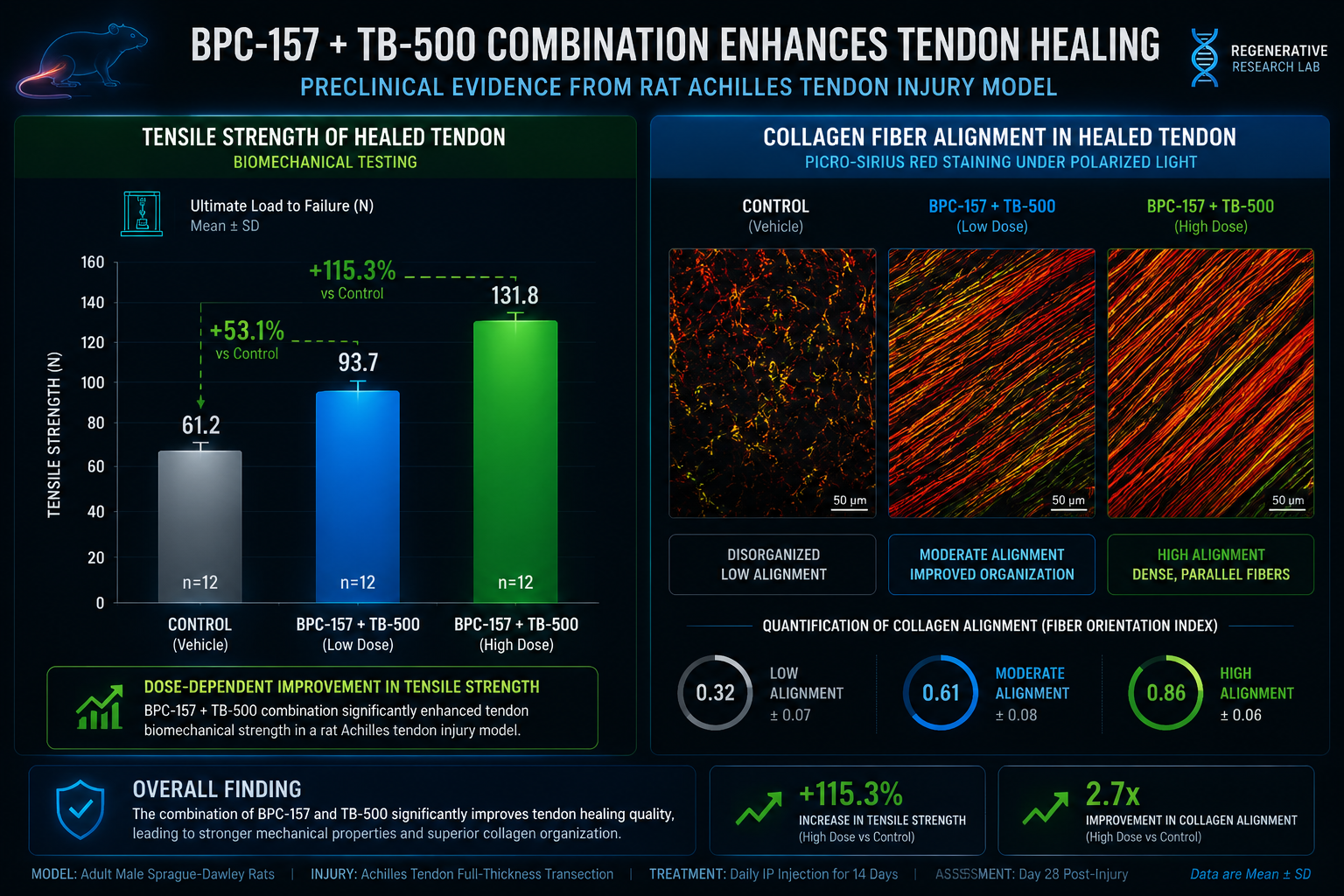
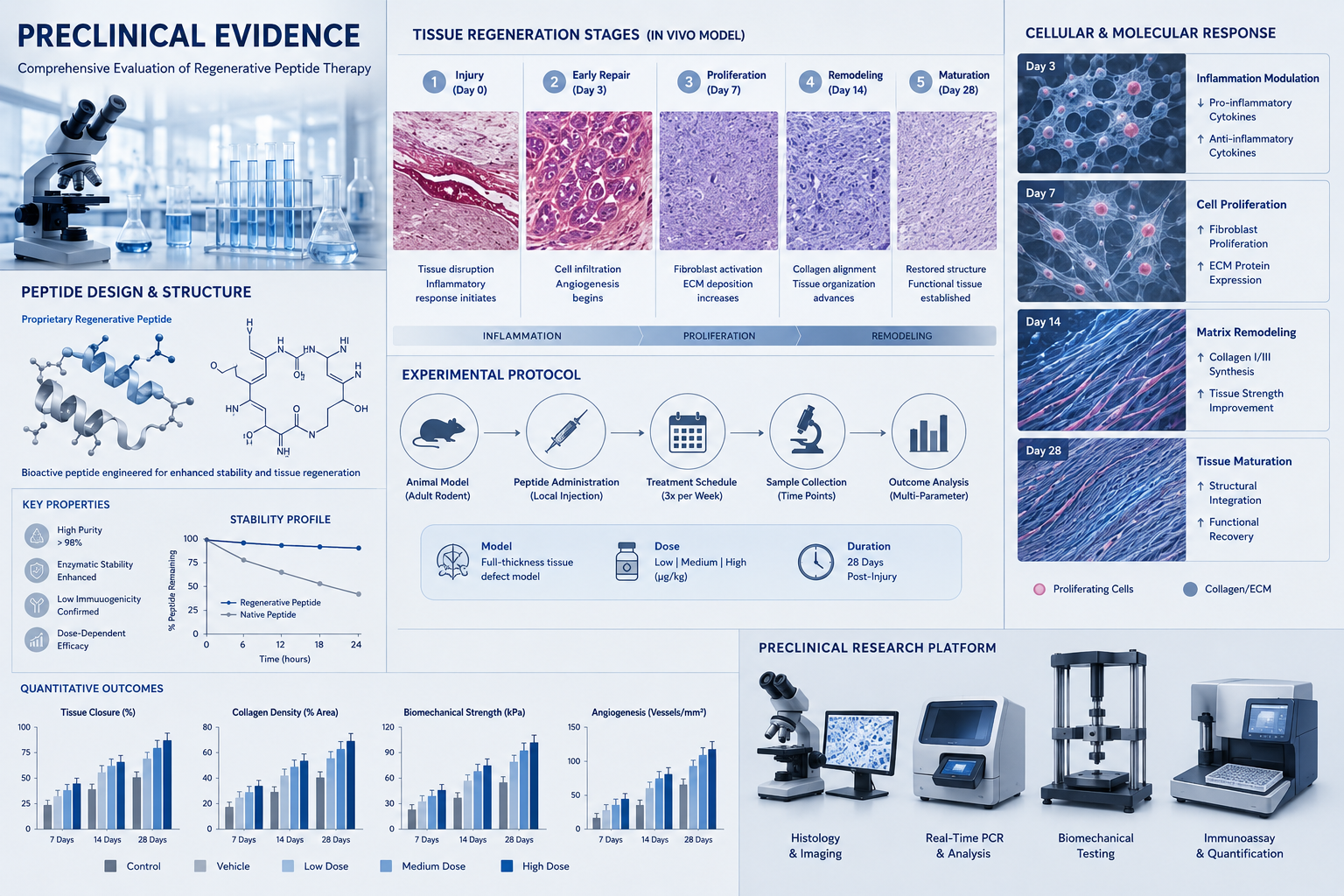
Animal studies examining the combined protocol have produced encouraging, though preliminary, data. Rodent models of Achilles tendon transection and medial collateral ligament damage showed that subjects receiving both peptides demonstrated:
- Greater tensile strength recovery at the repair site compared to either agent alone
- Faster collagen fiber alignment, indicating more organized tissue remodeling
- Reduced inflammatory markers in the peri-tendinous tissue during early recovery phases
The mechanistic logic behind these findings is straightforward. BPC-157 creates a well-vascularized, growth-factor-rich local environment. TB-500 simultaneously accelerates the migration of tenocytes and fibroblasts into that environment. The result is a faster, more organized repair cascade than either peptide can produce independently.
"The complementary nature of localized angiogenesis and systemic cell mobilization represents one of the more scientifically coherent rationales for combining two research peptides."
Researchers studying related peptide stacking strategies, such as those examining TB-500 and cytoskeletal remodeling, note that actin-binding activity is central to understanding why TB-500 contributes uniquely to connective tissue repair. Similarly, detailed BPC-157 research profiles outline the growth factor pathways that make it effective in isolation and potentially more powerful in combination.
For those exploring other peptide combinations in research contexts, resources on simple peptide frameworks and vilon tissue homeostasis models offer comparative mechanistic reading.
Regulatory Status, Safety, and Research Limitations
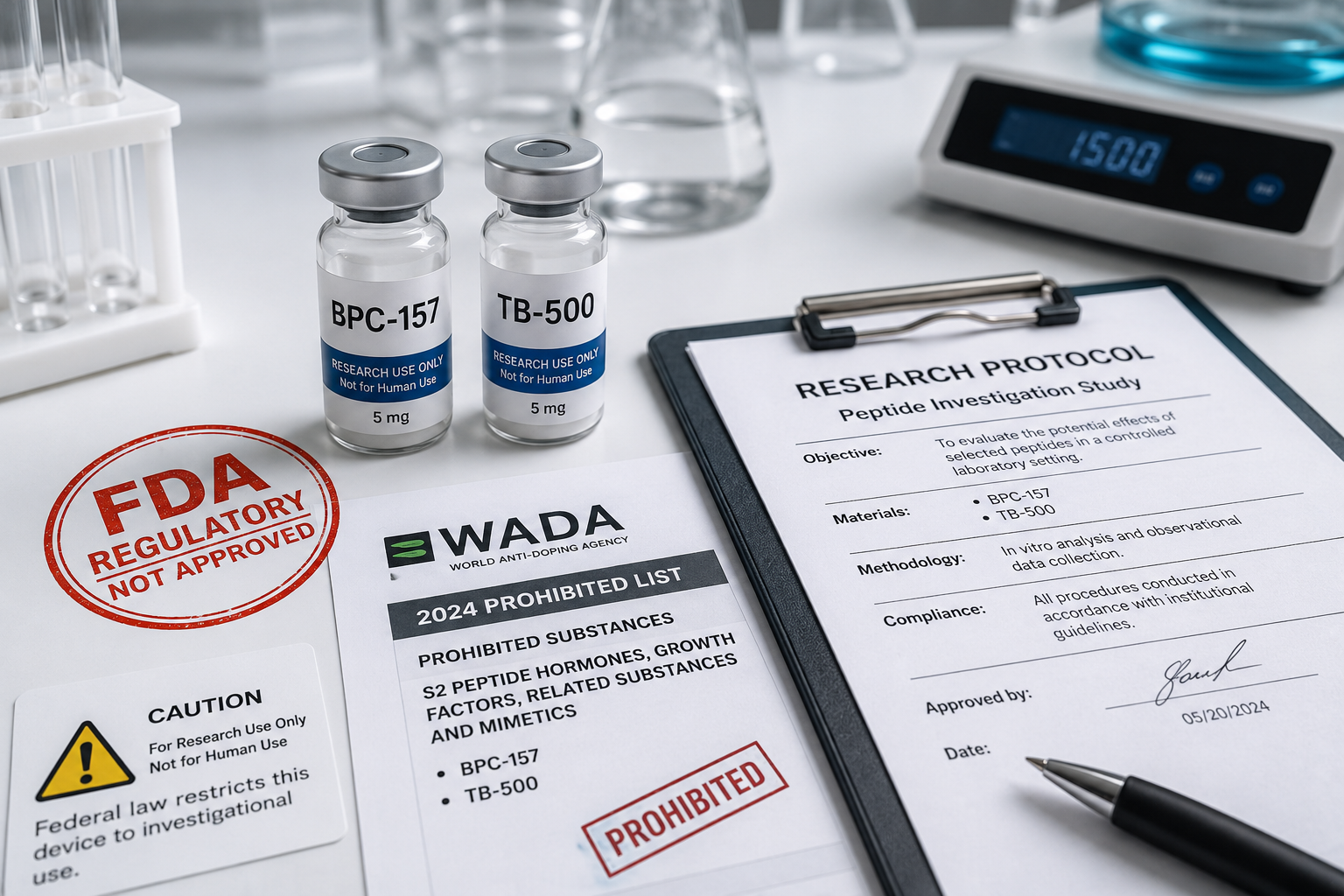
The BPC-157 and TB-500 stack: synergistic mechanisms in experimental tendon and ligament repair remains firmly in the preclinical research category as of 2026. Key facts researchers and informed readers should understand:
- No FDA approval exists for either compound in any therapeutic indication
- WADA prohibition: Both are listed under the S0 Non-Approved Substances category, making them banned in competitive sport
- No large-scale RCTs: All human data comes from anecdotal reports and small observational accounts
- Unregulated supply chain risks: Products from unverified sources carry contamination and dosing accuracy concerns
Experimental protocols in the literature reference BPC-157 at approximately 500 mcg to 1 mg daily and TB-500 at 2.5 to 5 mg twice weekly during a loading phase, followed by reduced maintenance dosing. These figures are derived from animal-to-human extrapolation and anecdotal reports, not validated clinical trials.
Medical professionals consistently advise that use outside controlled research settings carries unknown long-term risks. The absence of comprehensive safety data is not a minor caveat – it is the defining limitation of this entire research area. Researchers sourcing compounds for legitimate study should prioritize verified, lab-tested peptide suppliers and review available certificates of analysis before procurement.
Conclusion
The scientific rationale for the BPC-157 and TB-500 stack: synergistic mechanisms in experimental tendon and ligament repair is genuinely compelling. Localized angiogenesis paired with systemic cell mobilization addresses tendon and ligament healing from two distinct and complementary angles. Preclinical data supports improved tensile strength and faster tissue remodeling when both peptides are administered together.
However, the gap between animal models and validated human therapy remains wide. Actionable next steps for those engaged in this research area include:
- Review primary preclinical literature before drawing conclusions about human applicability
- Monitor regulatory updates from FDA and WADA, as classification can shift
- Advocate for well-designed Phase I and Phase II human trials to generate the safety and efficacy data this field urgently needs
- Source only from verified, tested suppliers with transparent quality documentation
The promise is real. The evidence base, as of 2026, is not yet sufficient for clinical recommendation.