Call or Text 727-513-9780
  • Shopping Cart Shopping Cart
    0Shopping Cart
Pure Tested Peptides | America's most trusted Peptides for sale online
  • Peptides for sale
    • Oral Peptides for sale
      • Peptide Capsules for sale
      • BPC 157 Capsules 1000mcg
      • SLU-PP-332 Capsules | 1000 mcg
      • 5-Amino-1MQ 50mg Capsules
      • Tesofensine 500mcg
    • All Peptides for sale
    • Peptide Sprays
      • BPC 157 Nasal Spray Kit
      • BPC-157 TB500 Nasal Spray Kit
      • Semax Nasal Spray 10mg
      • Selank – Nasal Spray Kit – 10mg
      • Epithalon 50MG Nasal Spray Kit
      • Ipamorelin 10mg Nasal Spray
      • Klow Nasal Spray (BPC-157 + TB-500 + GHK-Cu + KPV) | 80mg
      • Hulk Nasal Spray Tesa / Ipa Blend 6/3 MG
      • Klow Nasal Spray
      • NAD + 500 mg Nasal Spray
      • PT-141 Nasal Spray Kit
    • GHRH Peptides
      • Ipa Peptides
      • CJC-1295 Peptides
        • CJC-1295 with DAC 5 mg
        • CJC-1295 without DAC 5 mg
        • CJC-1295 Ipa 10mg
      • Tesa Peptides
        • Tesa Peptide
        • Tesa 20 mg
    • GHK-Cu Peptides
      • All GHK-Cu Peptides
      • GHK-Cu 100mg
      • KLOW Peptide Blend – Buy KLOW blend online
    • BPC Peptides
      • All BPC Peptides
      • BPC-157
      • BPC-157 TB-500
      • BPC 157 capsules 1000mcg
    • SLU-PP-332 Peptides
      • All SLU-PP-332 Peptides
      • SLU-PP-332 5mg
    • GLP3 Peptides
      • GLP3-R
      • GLP3-R CAG 10mg
      • GLP3-R 20mg
    • PT-141 Peptides
      • PT-141 Peptides for sale
      • PT-141 10mg
      • PT-141 Nasal Spray
    • CAG Peptides
      • Lipo-C Peptide Blend
      • CAG 5mg
      • CAG 10mg
    • MOTS-C Peptides
      • MOTS-C Peptides for sale
      • MOTS-c peptide
      • MOTS-c 10mg *6 pack*
    • 5 Amino 1MQ Peptides
      • 5 Amino 1MQ Peptides for sale
      • 5-Amino-1MQ 50mg Capsules
      • 5-Amino-1MQ 5mg
    • Epithalon Peptides
      • Epithalon Peptides for sale
      • Epithalon 10mg
      • Epithalon 50mg
  • Shop
    • GLPs
      • 5-Amino-1MQ 50mg Capsules
      • 5-Amino-1MQ 5mg
      • GLP3-Reta
      • L-Carnitine 500mg/ml
      • Tesofensine 500mcg
      • SLU-PP-332 5mg
      • MOTS-c 10mg *6 pack*
    • Epithalon & BPC Peptides
      • Epithalon 10mg
      • Epithalon 50mg
      • BPC-157
      • BPC 157 capsules 1000mcg
      • BPC-157 TB-500
      • BPC-157 TB500 Nasal Spray Kit
      • BPC 157 Nasal Spray Kit
    • BPC TB-500 & NAD+ Peptides
      • NAD+ 500 mg
      • KLOW Peptide Blend – Buy KLOW blend online
      • GLOW Peptide Blend
      • TB 500 5mg
      • BPC 157 capsules 1000mcg – Supplement
      • BPC 157 Nasal Spray Kit
      • BPC-157
      • BPC-157 TB500 Nasal Spray Kit
      • BPC-157 TB-500
      • BPC 157 capsules 1000mcg
    • LL-37 Peptide
      • LL-37 10 mg
    • MOTS-C & Selank
      • MOTS-c peptide
      • Selank 10mg
    • GHK Peptides
      • GHK-Cu 100mg
      • GLOW Peptide Blend
      • KLOW Peptide Blend – Buy KLOW blend online
  • COAs
  • Wholesale
    • Wholesale Peptides for sale
  • PTP FAQ
  • Affiliates
    • Affiliate Program
    • Affiliate Signup
  • Contact
    • Contact Customer Service
    • Text Customer Support
  • About US
  • Shop all peptides
  • Login / Register Login / Register Page Link Login / Register Page Link
  • Click to open the search input field Click to open the search input field Search
  • Menu Menu

Tag Archive for: telomere elongation

Epithalon Peptide: Telomerase Activation and its Role in Cellular Aging Research

Epithalon Peptide: Telomerase Activation and its Role in Cellular Aging Research

June 19, 2026/0 Comments/in Uncategorized/by

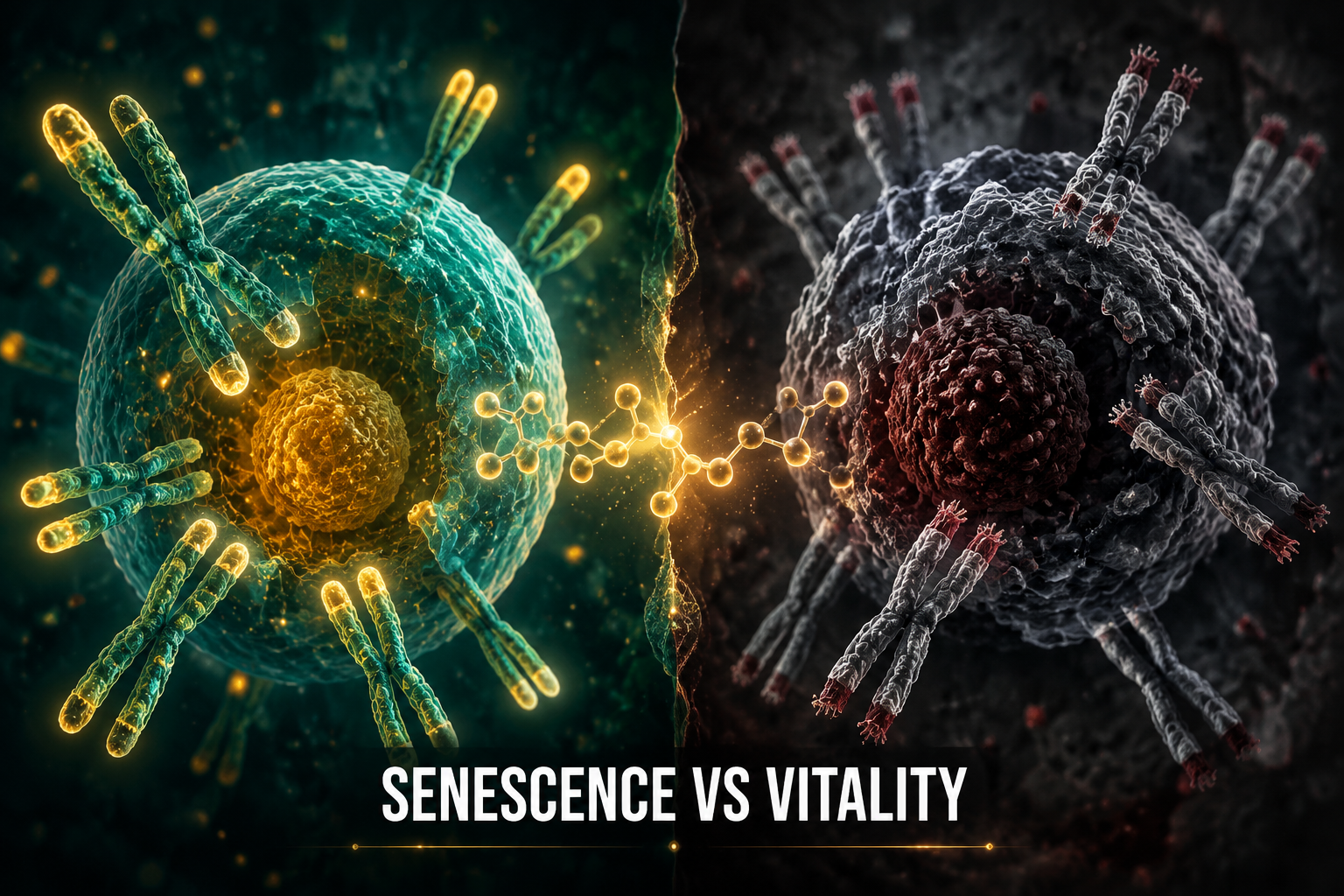
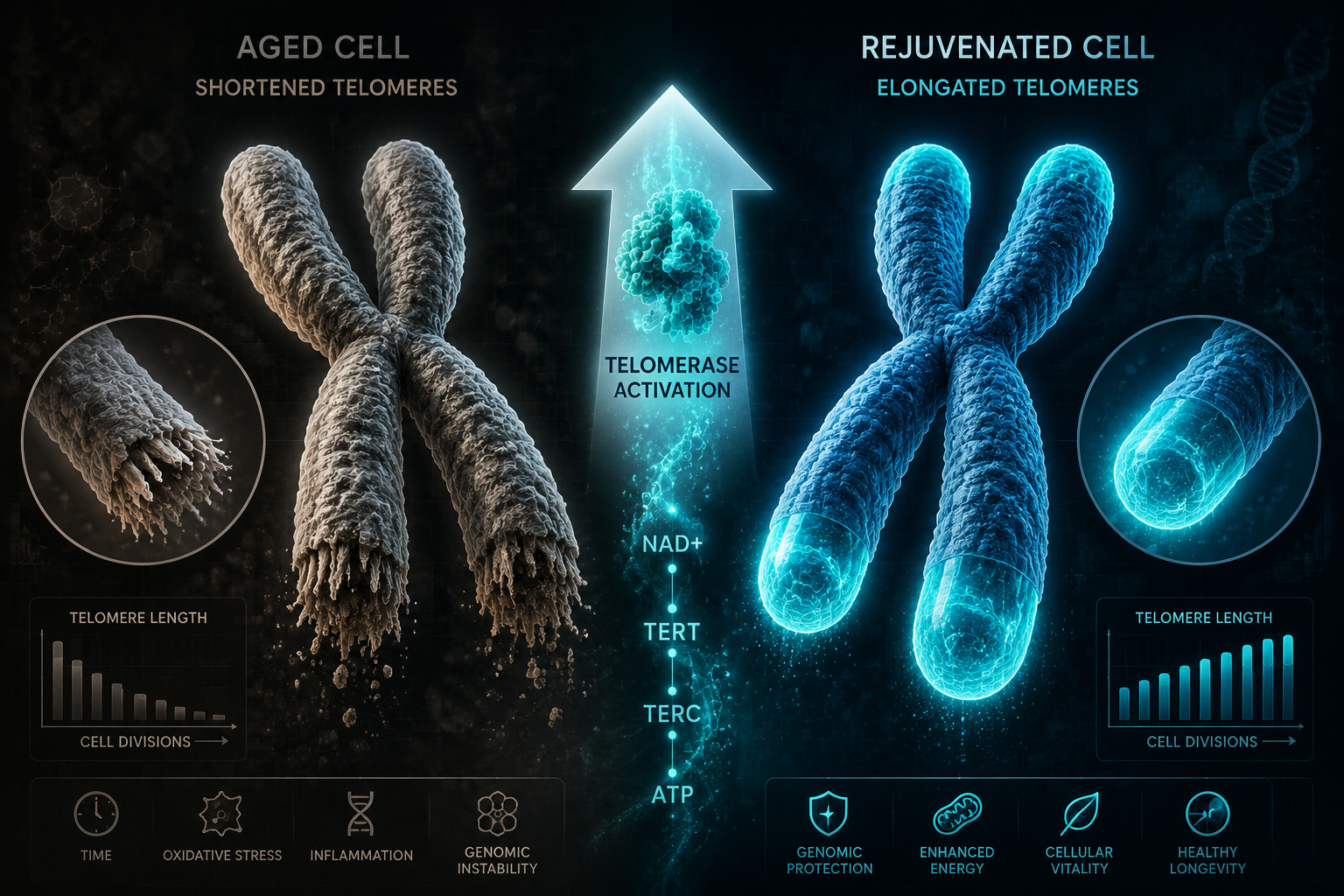
Telomeres shorten with every cell division — and that biological clock ticking at the tips of chromosomes may hold the key to understanding why cells age. At the center of a growing body of research sits Epithalon peptide, a synthetic tetrapeptide that has drawn serious scientific attention for its proposed ability to activate telomerase and slow markers of cellular aging. Exploring Epithalon Peptide: Telomerase Activation and its Role in Cellular Aging Research reveals both remarkable early findings and important open questions that researchers continue to investigate in 2026.

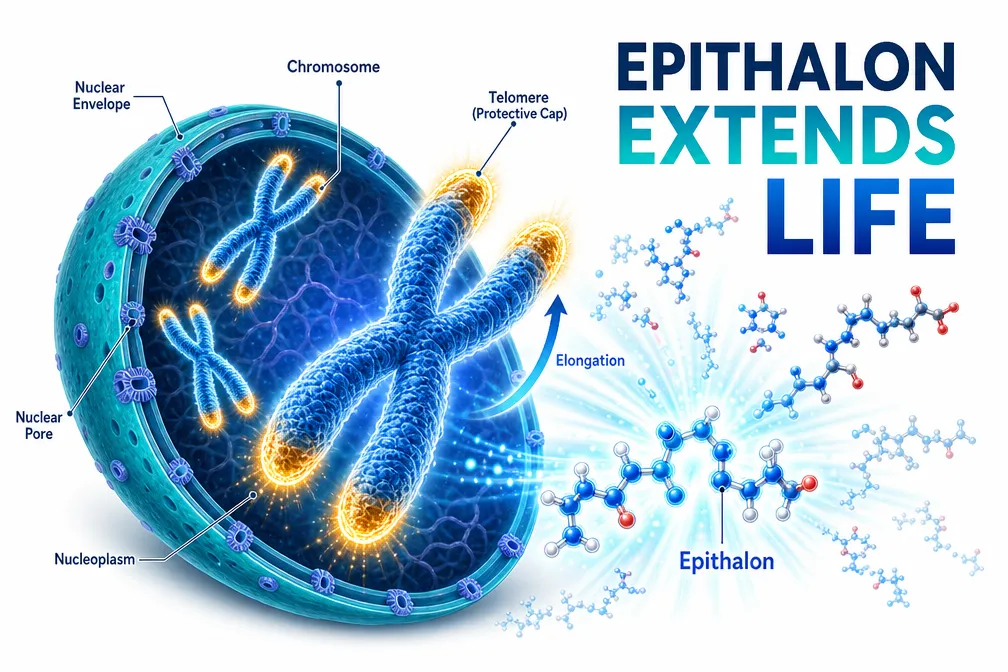
Detailed () scientific illustration showing a tetrapeptide molecular chain labeled AEDG floating above a cross-section of a

Key Takeaways

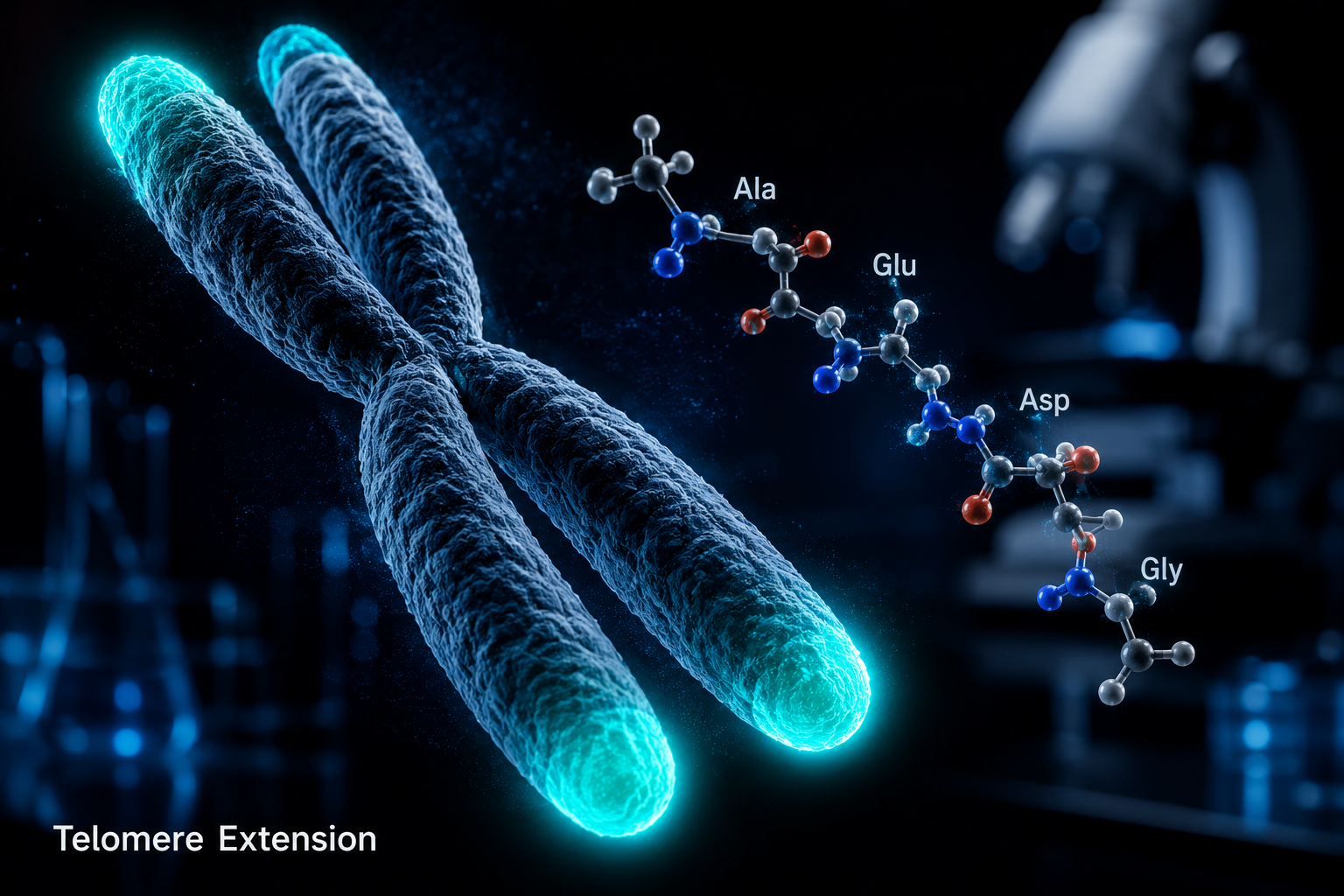
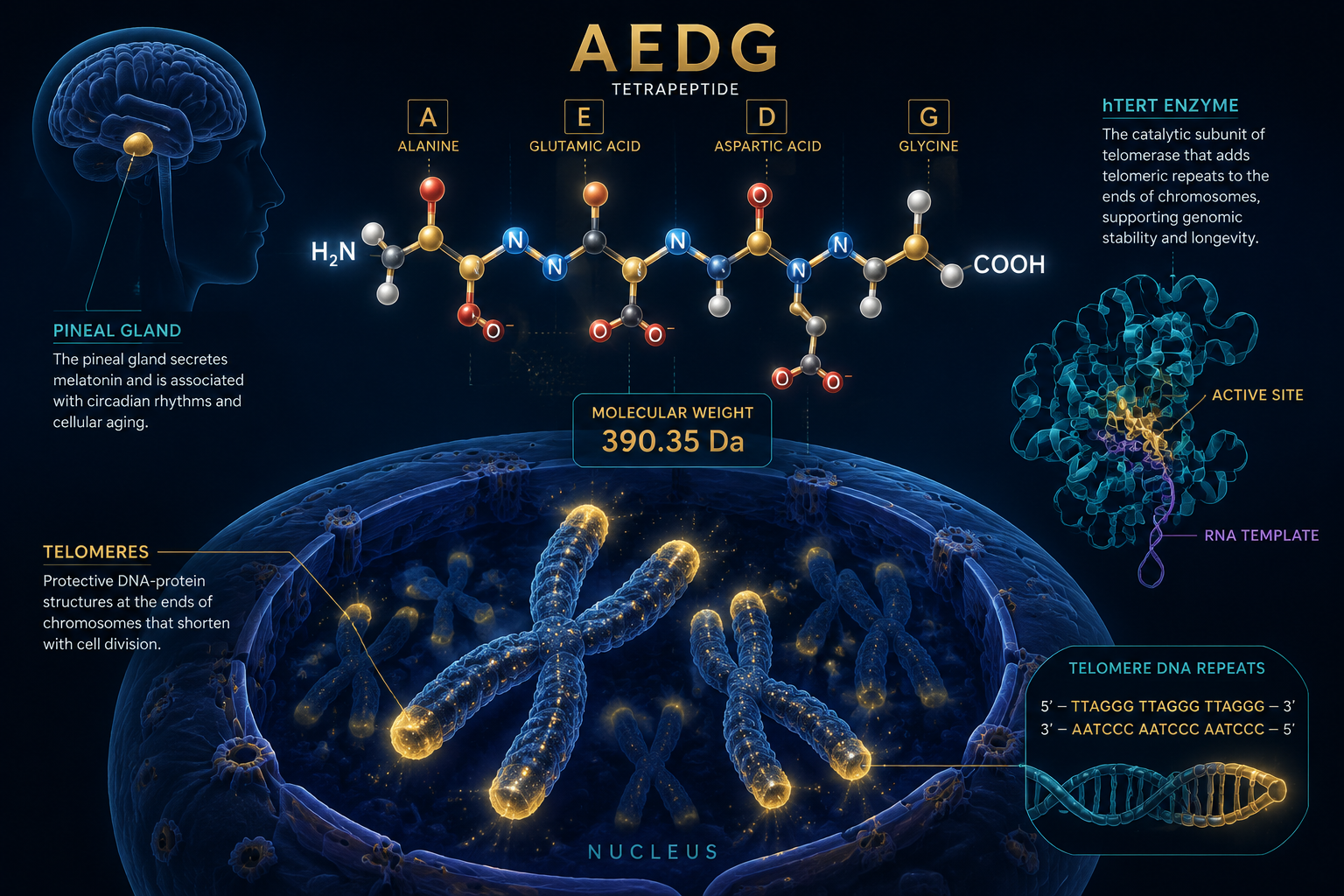
  • Epithalon is a synthetic tetrapeptide (Ala-Glu-Asp-Gly) with a molecular weight of 390.35 Da, originally derived from the pineal gland peptide Epithalamin.
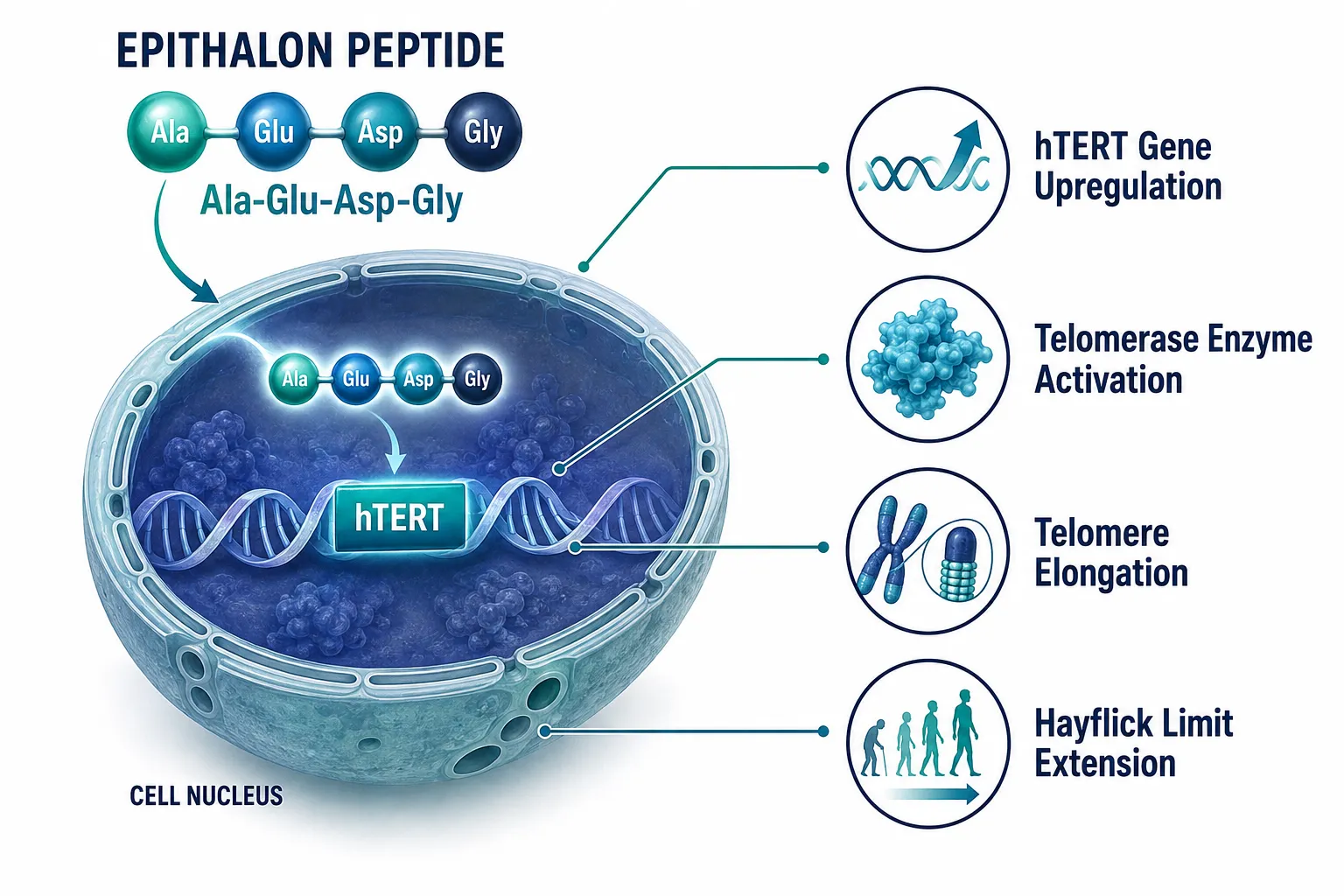
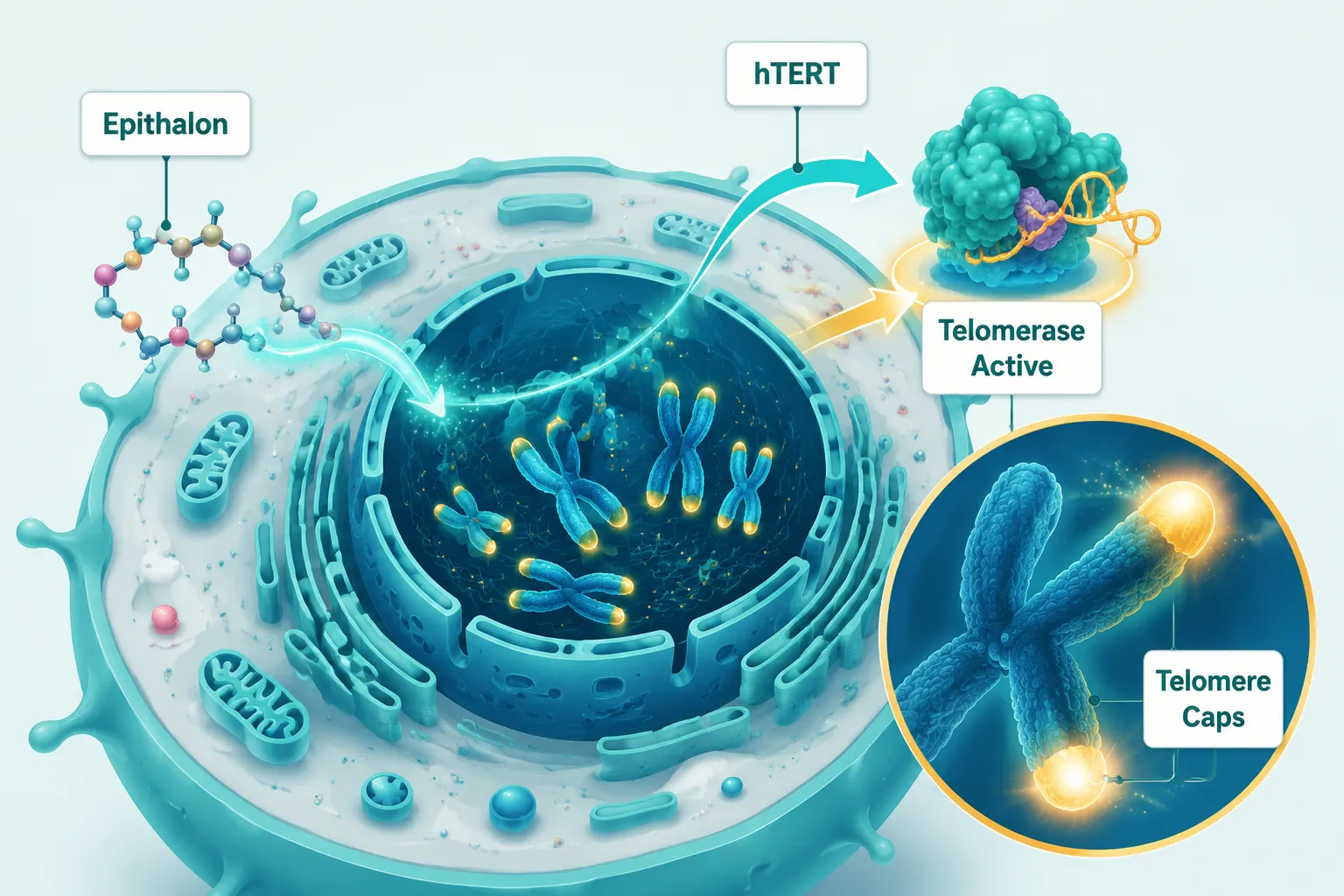
  • Research suggests Epithalon activates the hTERT enzyme, which drives telomerase activity and may extend cellular replicative lifespan.
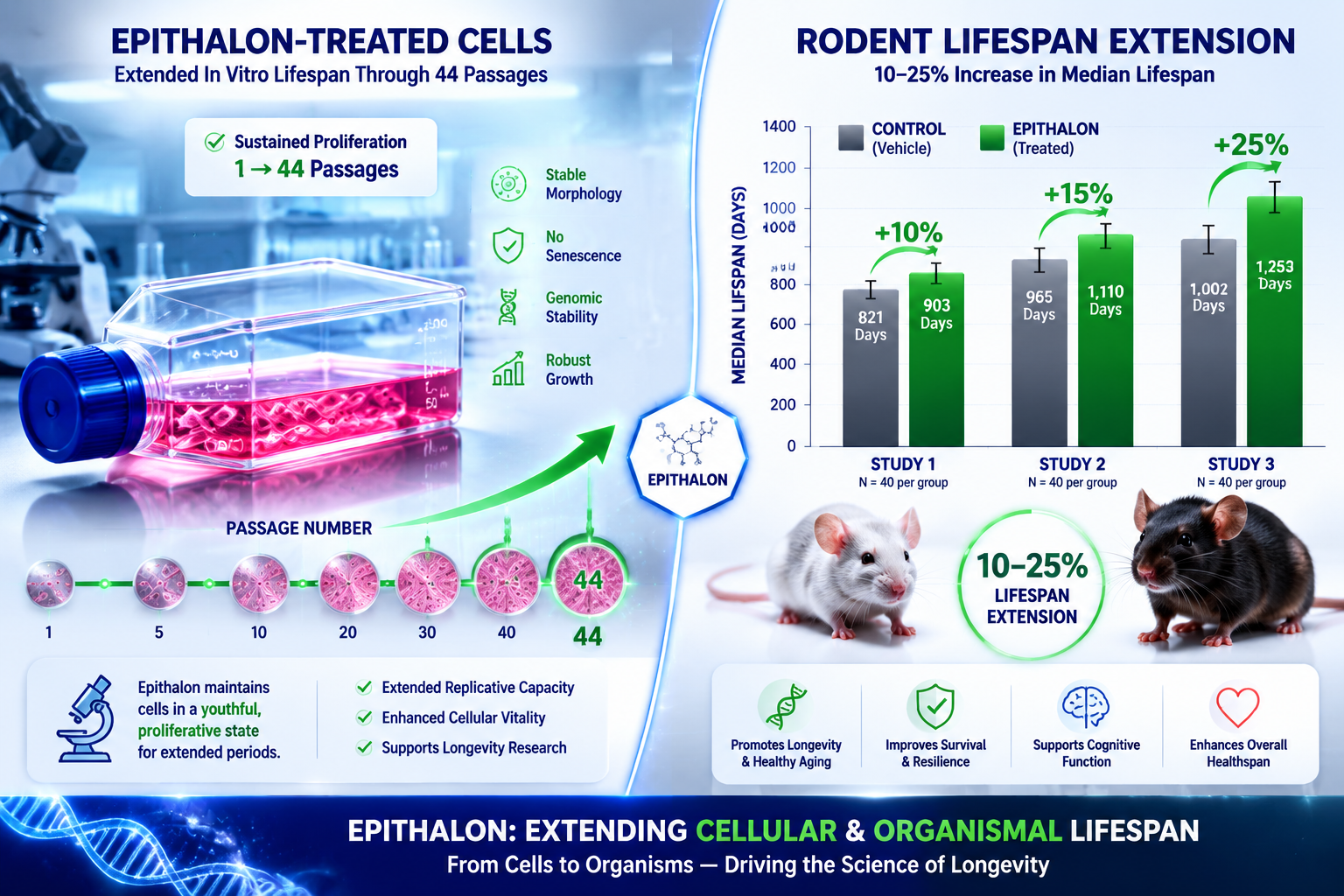
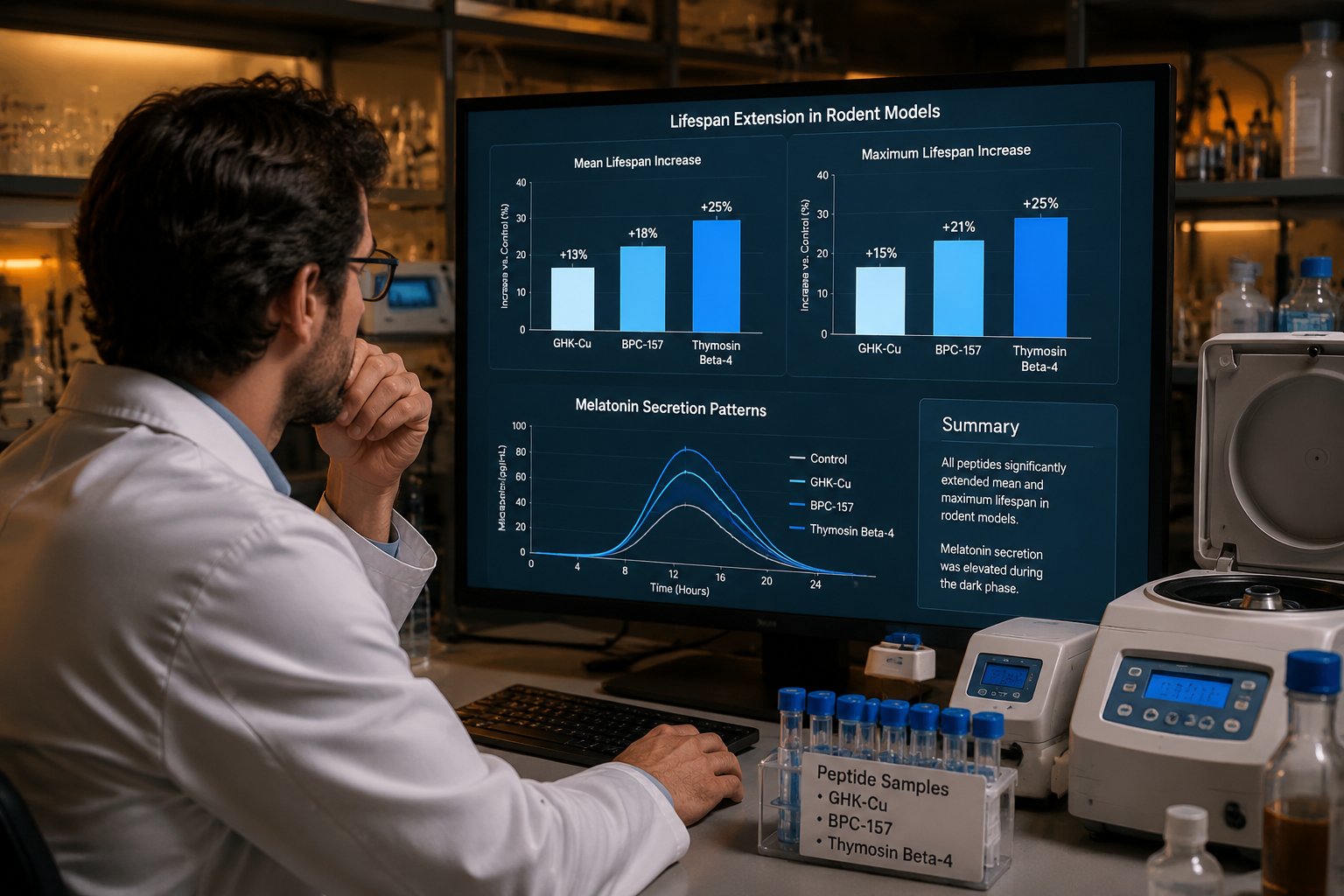
  • Rodent studies have reported lifespan extensions of 10-25%, while human cell studies show measurable reductions in senescence markers.
  • Most existing research originates from a single Russian laboratory, and independent Western replication remains limited.
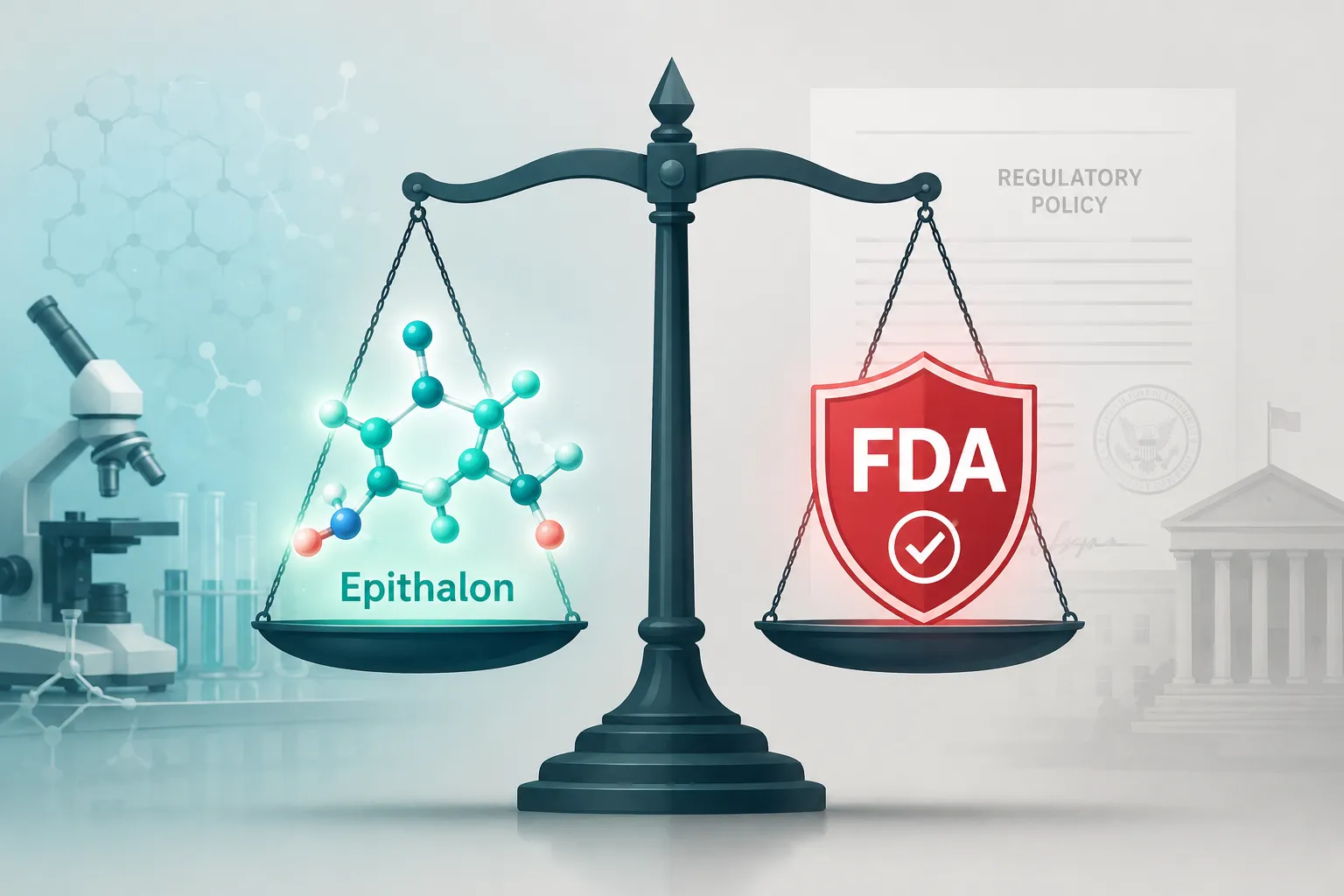
  • Regulatory status is a key consideration: the FDA has not approved Epithalon for any medical use.

What Is Epithalon and How Does It Work

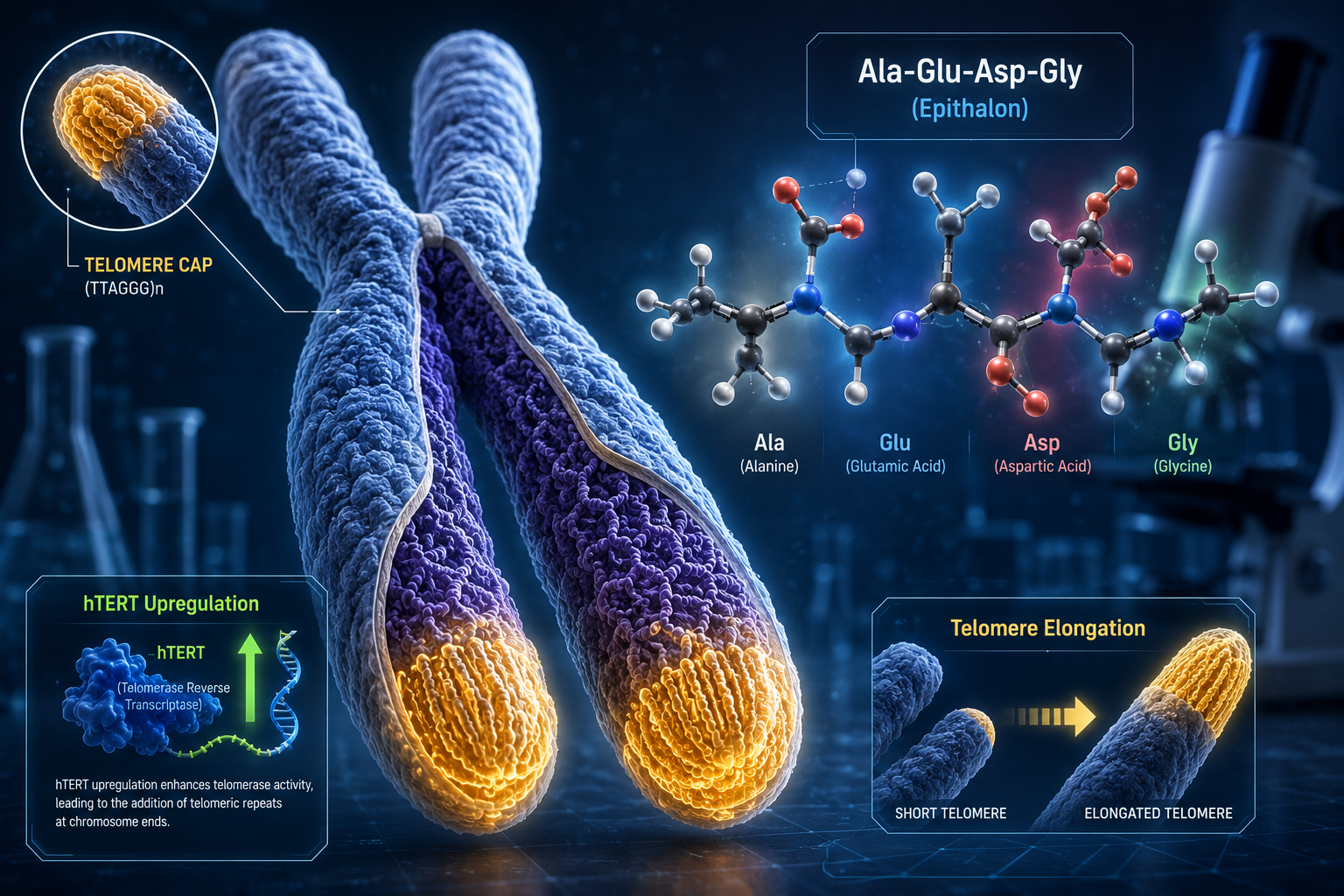
Epithalon (also spelled Epitalon) is a four-amino-acid peptide with the sequence Ala-Glu-Asp-Gly (AEDG) and a molecular weight of 390.35 Da. It was synthesized as a shorter, more stable analog of Epithalamin, a natural polypeptide extracted from bovine pineal gland tissue.

Its proposed mechanisms center on two pathways:

  • Telomerase activation: Epithalon upregulates hTERT, the catalytic subunit of telomerase, which adds protective nucleotide sequences back onto telomere ends.
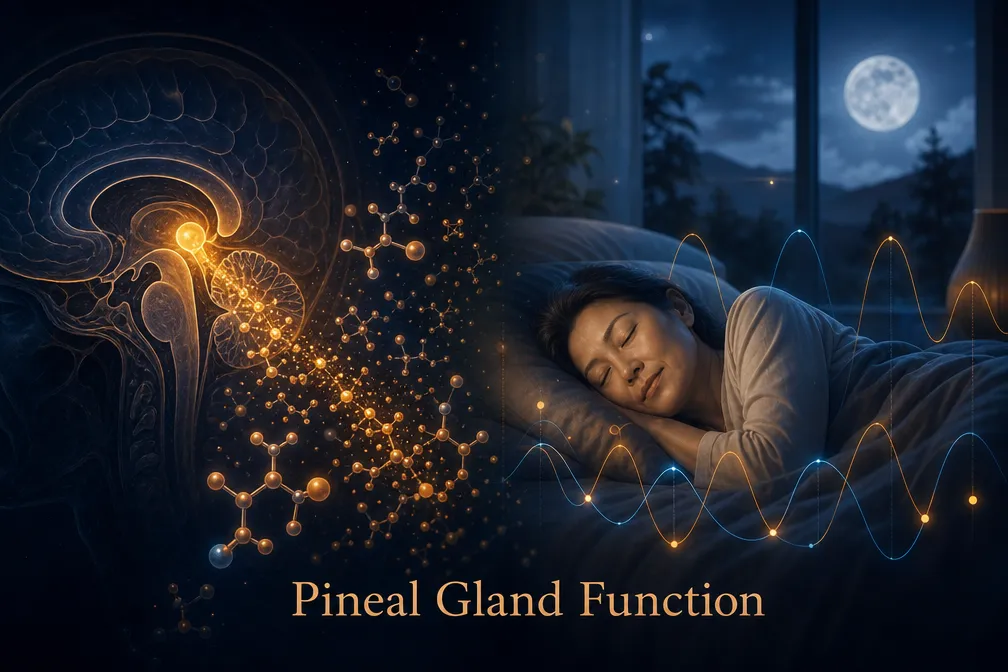
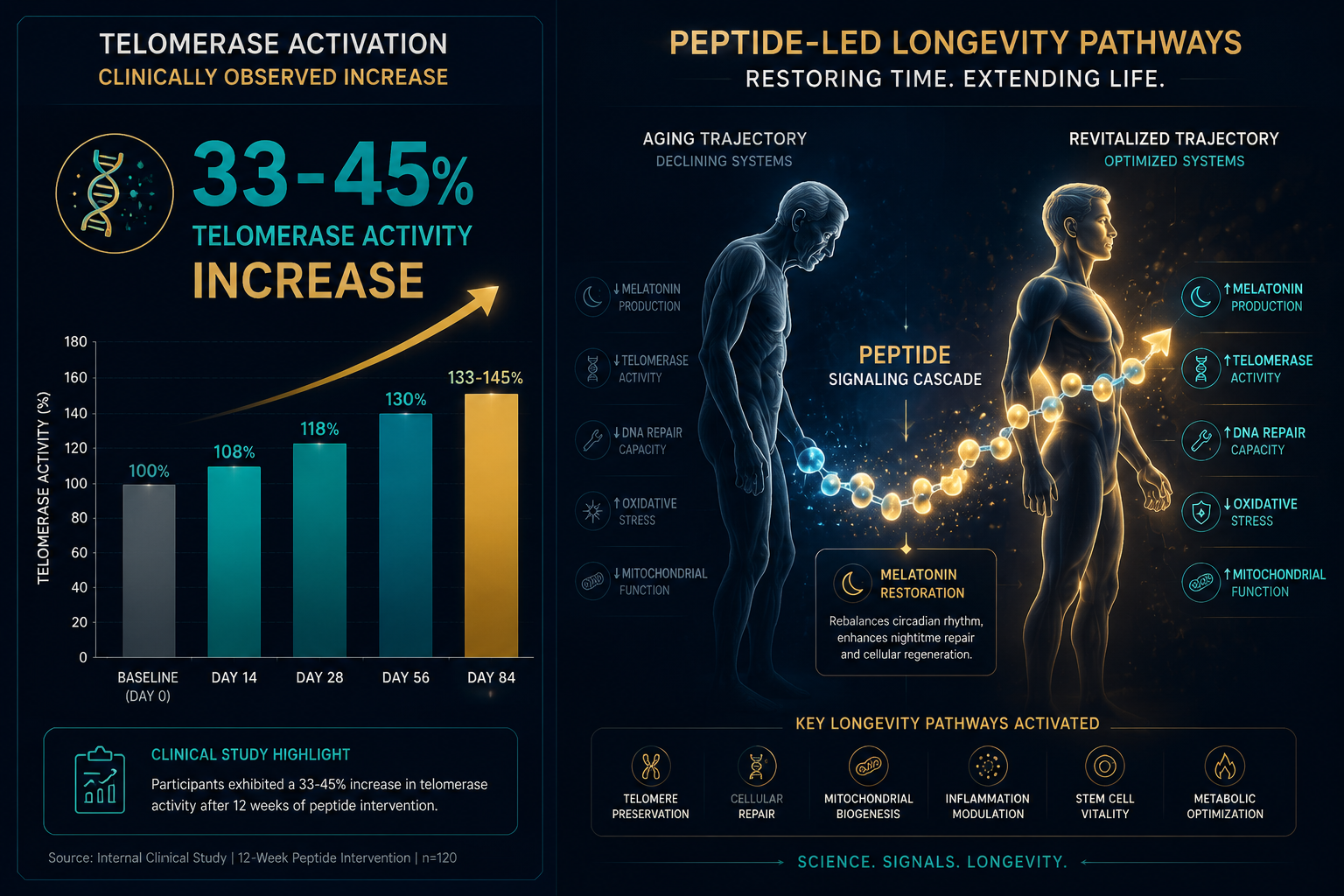
  • Pineal gland stimulation: The peptide appears to restore melatonin production in aging subjects, with small human studies reporting improved circadian rhythm function and sleep quality in elderly individuals.

These dual pathways position Epithalon within the broader field of longevity peptide research, where researchers are mapping how molecular signals influence the pace of biological aging.


Epithalon Peptide: Telomerase Activation and its Role in Cellular Aging Research — Key Study Findings

The scientific record on Epithalon spans more than two decades. Here is a structured overview of the most significant findings:

Study Focus Key Finding
Telomerase activation (2003) Epithalon induced telomerase activity and telomere elongation in human somatic cells
Replicative lifespan (2004) Treated human fetal fibroblasts continued dividing through the 44th passage — roughly 29% longer than controls
Rodent lifespan Anisimov et al. reported 10-25% lifespan extension in treated rodent models
Senescence markers p16 and p21 protein levels reduced by 1.56- to 2.44-fold in human gingival mesenchymal stem cells
Antioxidant activity Reduced reactive oxygen species in mouse oocytes and lowered lipid peroxidation in rat brain and liver tissue
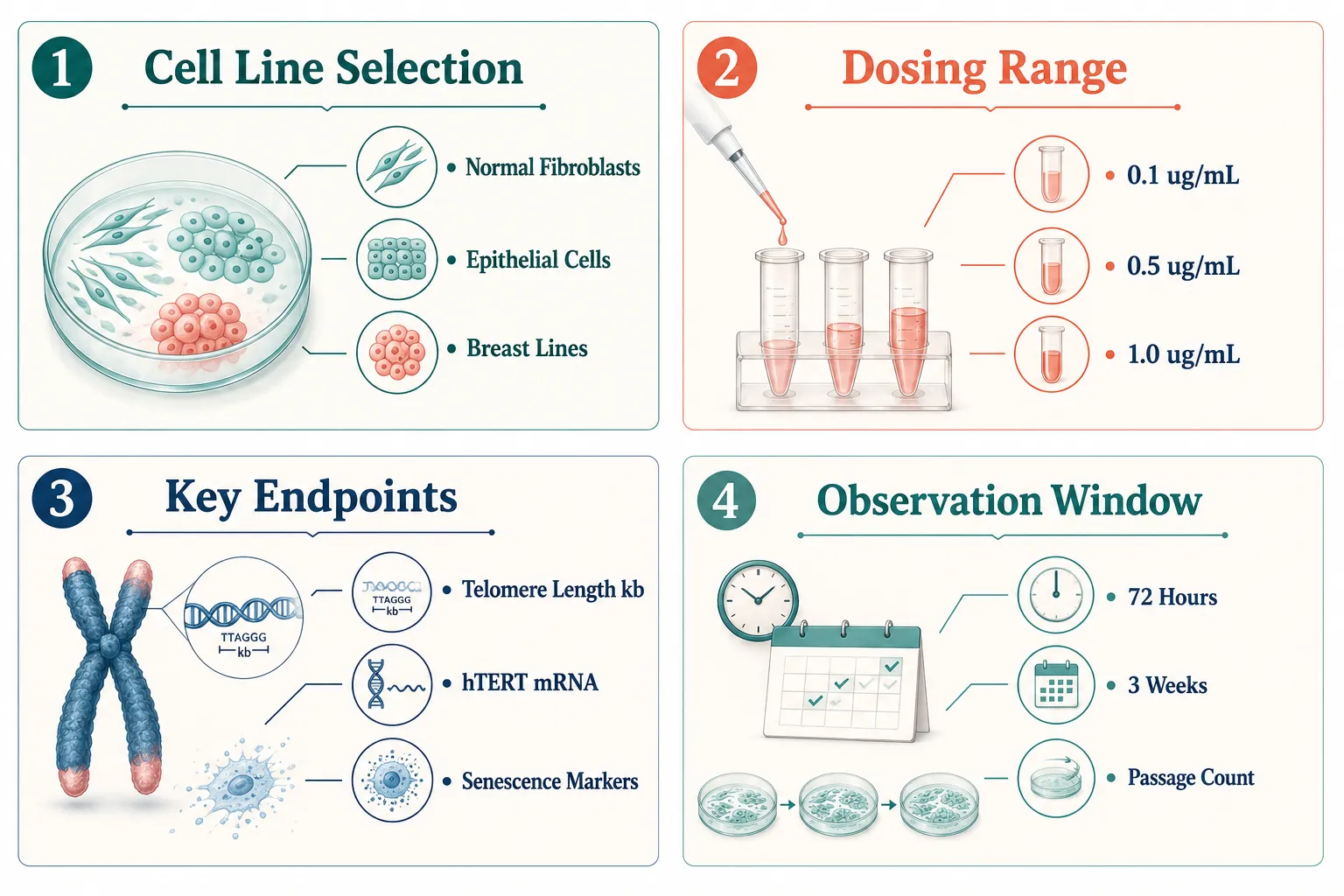
2025 in vitro confirmation Dose-dependent telomere elongation via hTERT upregulation confirmed in normal human cell lines

A 2025 study by Al-Dulaimi and colleagues provided fresh support for the telomerase activation hypothesis, demonstrating dose-dependent telomere elongation in normal human cell lines — reinforcing the foundational 2003 work by Khavinson et al. For researchers tracking what is new in peptide research, these findings represent a meaningful update to the Epithalon literature.


Limitations, Comparisons, and Research Context

Understanding Epithalon Peptide: Telomerase Activation and its Role in Cellular Aging Research also requires honest engagement with its limitations.

The replication gap is the most significant concern. The overwhelming majority of Epithalon studies originate from a single Russian research group. Western laboratories have not yet independently replicated the core findings at scale, which limits the confidence researchers can place in the data.

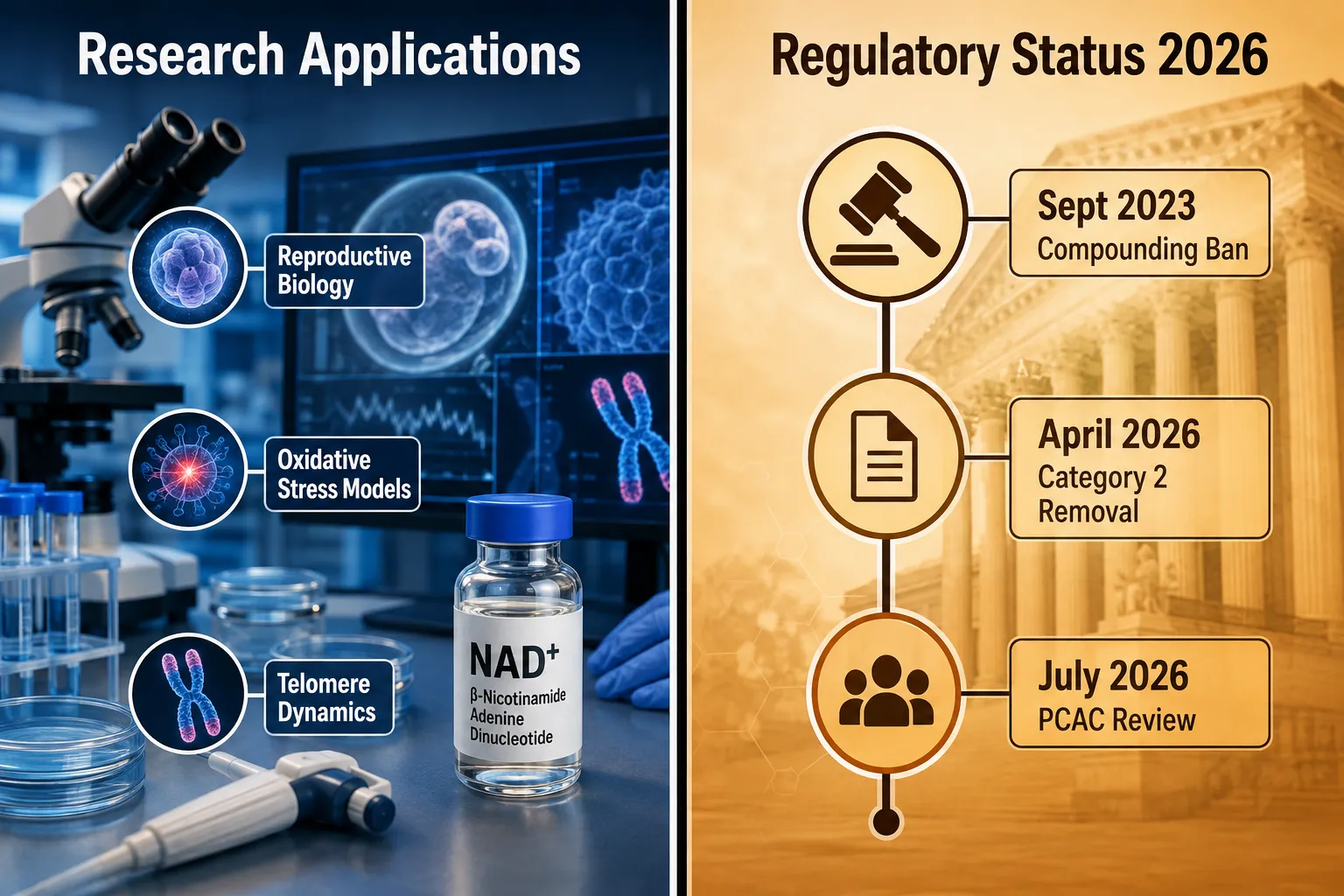
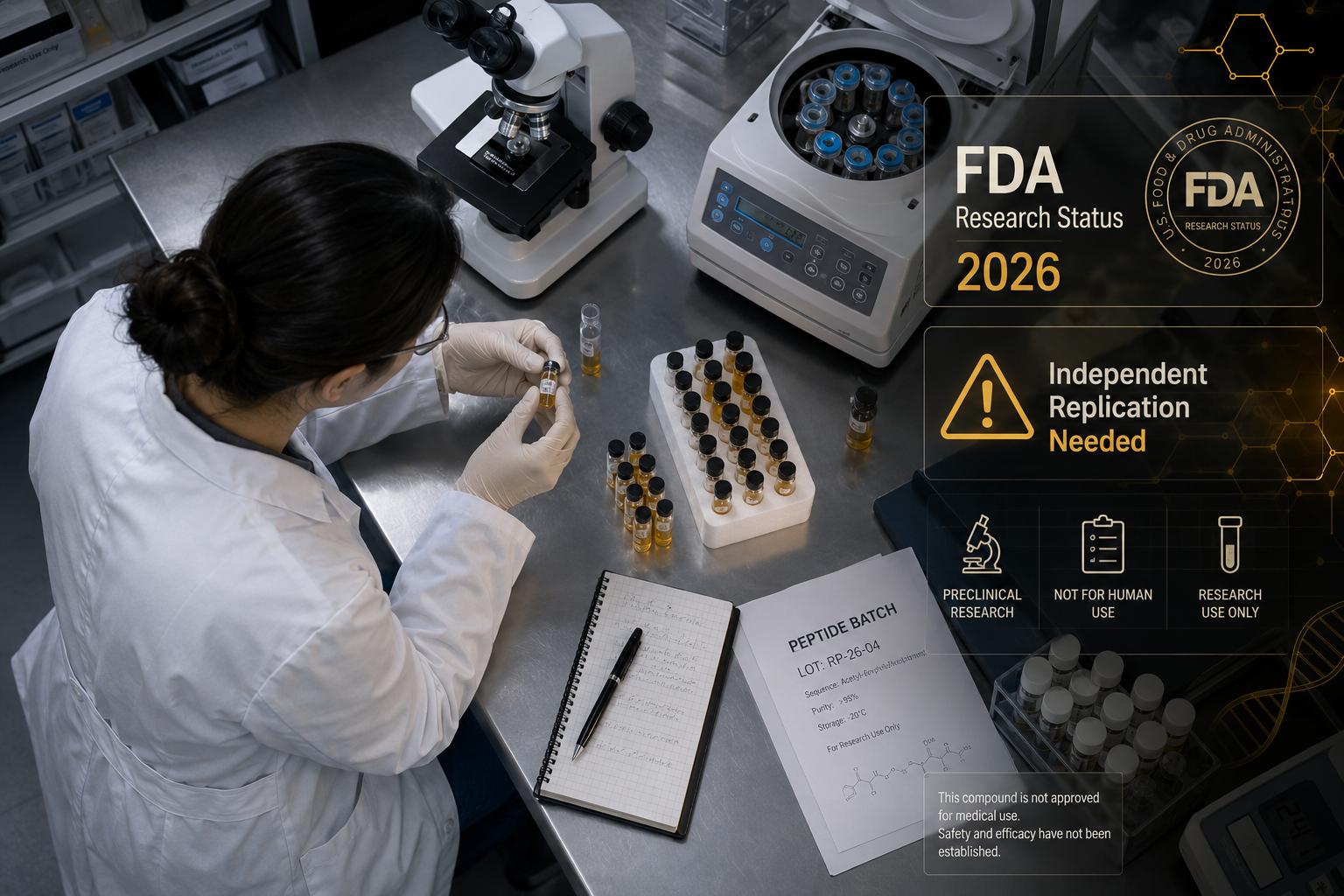
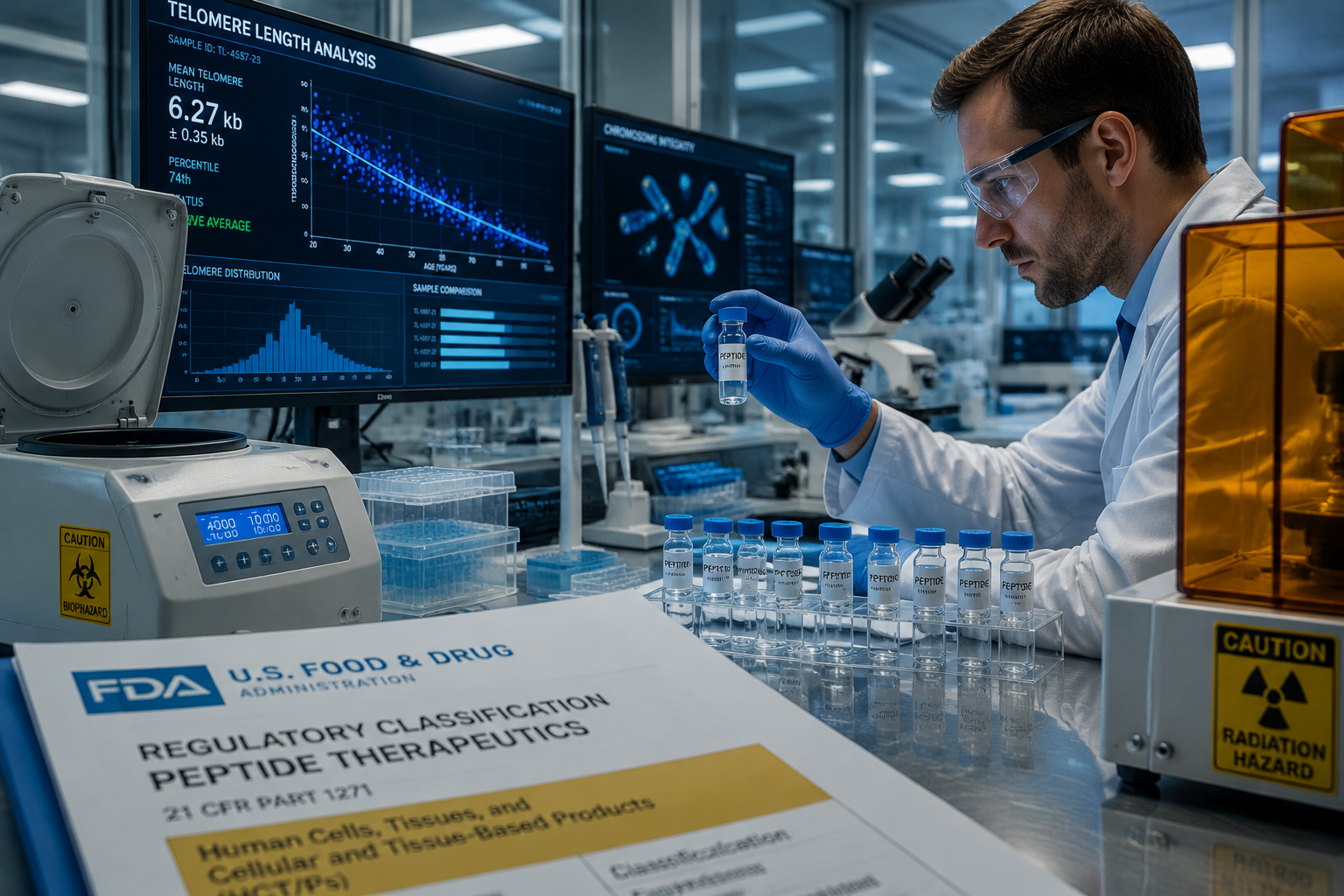
Regulatory status adds another layer of complexity. As of 2023, the FDA classified Epithalon as a Category 2 substance and prohibited compounding pharmacies from producing it. It remains unapproved for any medical use.

Comparison with other longevity peptides is instructive. While Epithalon targets telomerase and melatonin pathways, SS-31 (Elamipretide) focuses on mitochondrial membrane stabilization and received FDA approval for Barth syndrome in September 2025 — representing a stronger independent evidence base. Similarly, MOTS-c operates through mitochondrial-nuclear signaling, offering a distinct but complementary research angle.

Researchers interested in multi-pathway approaches may also find value in reviewing peptide blend research and epithalon longevity signals for context on how Epithalon fits within broader aging research frameworks.

Limitations, Comparisons, and Research Context


Regulatory Landscape and Research Sourcing

For researchers working with Epithalon in 2026, sourcing quality and purity are non-negotiable. Peptide integrity directly affects experimental reliability. Researchers sourcing Epithalon peptides for study purposes should prioritize suppliers with verified third-party testing and documented purity certificates.

Regulatory Landscape and Research Sourcing

Those building broader longevity research panels may also want to explore GHK-Cu copper peptide research as a complementary compound with its own distinct cellular repair mechanisms.


Conclusion

Epithalon peptide occupies a genuinely compelling position in cellular aging research. Its proposed mechanism — activating telomerase via hTERT upregulation — addresses one of the most fundamental drivers of cellular senescence, and the accumulating data from both foundational and recent studies supports continued investigation.

Actionable next steps for researchers:

  • Review the full body of Epithalon literature with attention to study design and the replication gap before drawing conclusions.
  • Prioritize lab-tested, high-purity Epithalon sources to ensure experimental validity.
  • Consider Epithalon within a multi-compound research framework alongside mitochondrial and immune-modulating peptides.
  • Monitor regulatory developments, as the FDA classification landscape for research peptides continues to evolve.

The science of telomere biology and cellular longevity is advancing rapidly. Epithalon remains one of the more scientifically grounded compounds in this space — and one that warrants careful, rigorous continued study.

https://www.puretestedpeptides.com/wp-content/uploads/2026/06/Epithalon-Peptide-Telomerase-Activation-and-its-Role-in-Cellular-Aging-Research.png 1024 1536 https://www.puretestedpeptides.com/wp-content/uploads/2026/01/buy-peptides-online.jpg 2026-06-19 13:06:552026-06-19 13:06:55Epithalon Peptide: Telomerase Activation and its Role in Cellular Aging Research
Epithalon Peptide: Research into Anti-Aging and Telomerase Activity

Epithalon Peptide: Research into Anti-Aging and Telomerase Activity

June 12, 2026/0 Comments/in Uncategorized/by

Telomeres — the protective caps on the ends of chromosomes — shorten with every cell division, and their progressive erosion is one of the most measurable biological clocks known to science. Epithalon peptide: research into anti-aging and telomerase activity has placed this four-amino-acid compound (Ala-Glu-Asp-Gly) at the center of longevity science, largely because early laboratory findings suggested it could reactivate the very enzyme responsible for rebuilding those caps.

Detailed () scientific illustration showing a cross-section of a human cell nucleus with telomeres highlighted at chromosome

Key Takeaways

  • Epithalon is a synthetic tetrapeptide derived from a natural pineal gland extract called Epithalamin.
  • Preclinical studies reported telomerase activation in human fetal fibroblast cultures and lifespan extensions of 11-25% in rodent models.
  • The proposed mechanism involves epigenetic changes — specifically histone acetylation — that upregulate the TERT gene encoding telomerase reverse transcriptase.
  • Nearly all published research originates from a single laboratory, limiting independent reproducibility.
  • Epithalon is not FDA-approved and was classified as a Category 2 substance in 2023, restricting compounding pharmacy production.

What Is Epithalon and How Does It Work

Epithalon was synthesized by researcher Vladimir Khavinson at the St. Petersburg Institute of Bioregulation and Gerontology as a shorter, more stable analog of Epithalamin. Its four-amino-acid sequence is small enough to cross cell membranes and interact directly with chromatin — the protein-DNA complex that controls gene expression.

The proposed mechanism centers on epigenetic modification. Specifically, Epithalon is thought to alter histone acetylation patterns in a way that increases the expression of TERT (telomerase reverse transcriptase), the catalytic subunit of telomerase. In somatic (non-reproductive) cells, telomerase is normally silenced. By partially reactivating this gene, the peptide may allow cells to maintain or rebuild telomere length across successive divisions.

This mechanism was demonstrated in cultured human somatic cells, but independent replication remains limited. Researchers interested in the broader landscape of longevity peptides may find useful context in the Glow Blend longevity research overview, which places Epithalon alongside other compounds studied for cellular aging.


Epithalon Peptide: Research into Anti-Aging and Telomerase Activity — Key Findings

Telomerase Activation in Human Cells

A foundational 2003 study demonstrated that Epithalon induced telomerase activity and measurable telomere elongation in human fetal fibroblast cultures. This was a significant finding because somatic cells do not typically express telomerase at detectable levels. The study suggested that the peptide reactivated the telomerase gene rather than simply stimulating an already-active pathway.

Telomerase Activation in Human Cells

Lifespan Extension in Animal Models

Multiple rodent studies from the same research group documented lifespan extensions ranging from 11% to 25% in treated animals compared to controls. One widely cited figure is a 13.3% increase in median lifespan. Beyond raw longevity, these studies also observed:

Observed Effect Detail
Delayed tumor development Reduced incidence and later onset
Preserved immune function Maintained T-cell activity in aged animals
Normalized melatonin secretion Restored circadian rhythm markers in elderly subjects

The melatonin finding is particularly notable. Small-scale human studies reported that Epithalon normalized pineal gland secretion in elderly individuals, suggesting a role in correcting age-related circadian disruption — a factor increasingly linked to metabolic and immune decline.

For comparison with another compound studied for cellular energy and longevity, see the Epithalon vs. NAD evidence review, which examines how these two research compounds differ in their proposed mechanisms.


Limitations, Safety, and Regulatory Status

Critical Research Gaps

The most significant limitation in Epithalon research is source concentration. Virtually all published data originates from Khavinson et al. at a single Russian institute. No large-scale, independently conducted Phase I, II, or III clinical trials have been published in Western peer-reviewed journals as of 2026. Without independent replication, reproducibility and generalizability cannot be confirmed.

Safety Considerations

Short-term animal studies did not document significant toxicity. However, a meaningful concern exists: elevated telomerase activity is also a hallmark of cancer cells, which use the enzyme to achieve immortality. Whether chronic telomerase stimulation in healthy humans could increase cancer risk remains an open and unresolved question.

Regulatory Status

Epithalon is not approved by the FDA for any medical use. In 2023, the FDA classified it as a Category 2 substance, effectively banning compounding pharmacies from producing it. Researchers sourcing peptides for laboratory study should verify supplier quality standards; resources like lab-tested peptides and published quality testing protocols offer relevant guidance.

Regulatory Status

Dosing protocols used in published research typically involved 5-10 mg per injection, administered subcutaneously or intramuscularly over courses of 10-20 injections spanning 10-20 days, with repeat courses at six-month intervals. These protocols are documented in preclinical literature and should not be interpreted as clinical recommendations.

Those exploring the broader peptide longevity space may also find value in reviewing MOTS-c mitochondrial research and GHK-Cu peptide research, both of which address cellular aging through distinct but complementary pathways. For the primary Epithalon product page, see Epithalon research peptide.


Conclusion

Epithalon peptide: research into anti-aging and telomerase activity represents one of the more scientifically grounded — yet still preliminary — areas of longevity peptide investigation. The core findings are genuinely intriguing: telomerase reactivation in human somatic cells, measurable lifespan extension in animal models, and potential circadian restoration in aging subjects. However, the concentration of research within a single laboratory, the absence of independent clinical trials, unresolved cancer-risk questions, and current FDA restrictions all demand caution.

Actionable next steps for researchers and informed readers:

  • Review primary literature from Khavinson et al. with attention to study design and sample sizes.
  • Compare Epithalon's proposed mechanism against better-replicated longevity pathways such as NAD+ and mitochondrial peptides.
  • Verify that any peptide sourced for research use comes with documented purity testing.
  • Monitor regulatory updates, as the classification landscape for research peptides continues to evolve in 2026.

The science is promising enough to warrant continued investigation — and rigorous enough in its gaps to warrant equal skepticism.

https://www.puretestedpeptides.com/wp-content/uploads/2026/06/Epithalon-Peptide-Research-into-Anti-Aging-and-Telomerase-Activity.png 1024 1536 https://www.puretestedpeptides.com/wp-content/uploads/2026/01/buy-peptides-online.jpg 2026-06-12 13:02:522026-06-12 13:02:52Epithalon Peptide: Research into Anti-Aging and Telomerase Activity
×

Helpful Links

  • My account
  • Cart
  • Checkout
  • Refund and Returns Policy
  • Privacy Policy
  • SMS Privacy Policy
  • Login
  • My Account
  • Logout

USA Made Lab Tested Peptides

All products are sold for research, laboratory, or analytical purposes only, and are not for human consumption


Pure Tested Peptides is a chemical supplier. Pure Tested Peptides is not a compounding / chemical compounding facility as defined under 503A of the Federal Food, Drug, and Cosmetic act. Pure Tested Peptides is not an outsourcing facility as defined under 503B of the Federal Food, Drug, and Cosmetic act.

The statements made within this website have not been evaluated by the US Food and Drug Administration. The products we offer are not intended to diagnose, treat, cure or prevent any disease.

Human/Animal Consumption Prohibited. Laboratory/In-Vitro Experimental Use Only

Scroll to top Scroll to top Scroll to top