Call or Text 727-513-9780
  • Shopping Cart Shopping Cart
    0Shopping Cart
Pure Tested Peptides | America's most trusted Peptides for sale online
  • Peptides for sale
    • Oral Peptides for sale
      • Peptide Capsules for sale
      • BPC 157 Capsules 1000mcg
      • SLU-PP-332 Capsules | 1000 mcg
      • 5-Amino-1MQ 50mg Capsules
      • Tesofensine 500mcg
    • All Peptides for sale
    • Peptide Sprays
      • BPC 157 Nasal Spray Kit
      • BPC-157 TB500 Nasal Spray Kit
      • Semax Nasal Spray 10mg
      • Selank – Nasal Spray Kit – 10mg
      • Epithalon 50MG Nasal Spray Kit
      • Ipamorelin 10mg Nasal Spray
      • Klow Nasal Spray (BPC-157 + TB-500 + GHK-Cu + KPV) | 80mg
      • Hulk Nasal Spray Tesa / Ipa Blend 6/3 MG
      • Klow Nasal Spray
      • NAD + 500 mg Nasal Spray
      • PT-141 Nasal Spray Kit
    • GHRH Peptides
      • Ipa Peptides
      • CJC-1295 Peptides
        • CJC-1295 with DAC 5 mg
        • CJC-1295 without DAC 5 mg
        • CJC-1295 Ipa 10mg
      • Tesa Peptides
        • Tesa Peptide
        • Tesa 20 mg
    • GHK-Cu Peptides
      • All GHK-Cu Peptides
      • GHK-Cu 100mg
      • KLOW Peptide Blend – Buy KLOW blend online
    • BPC Peptides
      • All BPC Peptides
      • BPC-157
      • BPC-157 TB-500
      • BPC 157 capsules 1000mcg
    • SLU-PP-332 Peptides
      • All SLU-PP-332 Peptides
      • SLU-PP-332 5mg
    • GLP3 Peptides
      • GLP3-R
      • GLP3-R CAG 10mg
      • GLP3-R 20mg
    • PT-141 Peptides
      • PT-141 Peptides for sale
      • PT-141 10mg
      • PT-141 Nasal Spray
    • CAG Peptides
      • Lipo-C Peptide Blend
      • CAG 5mg
      • CAG 10mg
    • MOTS-C Peptides
      • MOTS-C Peptides for sale
      • MOTS-c peptide
      • MOTS-c 10mg *6 pack*
    • 5 Amino 1MQ Peptides
      • 5 Amino 1MQ Peptides for sale
      • 5-Amino-1MQ 50mg Capsules
      • 5-Amino-1MQ 5mg
    • Epithalon Peptides
      • Epithalon Peptides for sale
      • Epithalon 10mg
      • Epithalon 50mg
  • Shop
    • GLPs
      • 5-Amino-1MQ 50mg Capsules
      • 5-Amino-1MQ 5mg
      • GLP3-Reta
      • L-Carnitine 500mg/ml
      • Tesofensine 500mcg
      • SLU-PP-332 5mg
      • MOTS-c 10mg *6 pack*
    • Epithalon & BPC Peptides
      • Epithalon 10mg
      • Epithalon 50mg
      • BPC-157
      • BPC 157 capsules 1000mcg
      • BPC-157 TB-500
      • BPC-157 TB500 Nasal Spray Kit
      • BPC 157 Nasal Spray Kit
    • BPC TB-500 & NAD+ Peptides
      • NAD+ 500 mg
      • KLOW Peptide Blend – Buy KLOW blend online
      • GLOW Peptide Blend
      • TB 500 5mg
      • BPC 157 capsules 1000mcg – Supplement
      • BPC 157 Nasal Spray Kit
      • BPC-157
      • BPC-157 TB500 Nasal Spray Kit
      • BPC-157 TB-500
      • BPC 157 capsules 1000mcg
    • LL-37 Peptide
      • LL-37 10 mg
    • MOTS-C & Selank
      • MOTS-c peptide
      • Selank 10mg
    • GHK Peptides
      • GHK-Cu 100mg
      • GLOW Peptide Blend
      • KLOW Peptide Blend – Buy KLOW blend online
  • COAs
  • Wholesale
    • Wholesale Peptides for sale
  • PTP FAQ
  • Affiliates
    • Affiliate Program
    • Affiliate Signup
  • Contact
    • Contact Customer Service
    • Text Customer Support
  • About US
  • Shop all peptides
  • Login / Register Login / Register Page Link Login / Register Page Link
  • Click to open the search input field Click to open the search input field Search
  • Menu Menu

Tag Archive for: tissue regeneration

BPC-157 and TB-500 Synergy: Optimizing Tissue Regeneration Protocols in Research Models

BPC-157 and TB-500 Synergy: Optimizing Tissue Regeneration Protocols in Research Models

July 2, 2026/0 Comments/in Uncategorized/by

Fewer than 5% of peptide research protocols test compounds in combination — yet preclinical data consistently show that multi-peptide stacking can produce outcomes no single agent achieves alone. The study of BPC-157 and TB-500 Synergy: Optimizing Tissue Regeneration Protocols in Research Models sits at exactly that frontier, drawing growing attention from researchers exploring accelerated connective tissue repair, angiogenesis, and cellular recovery in animal models.

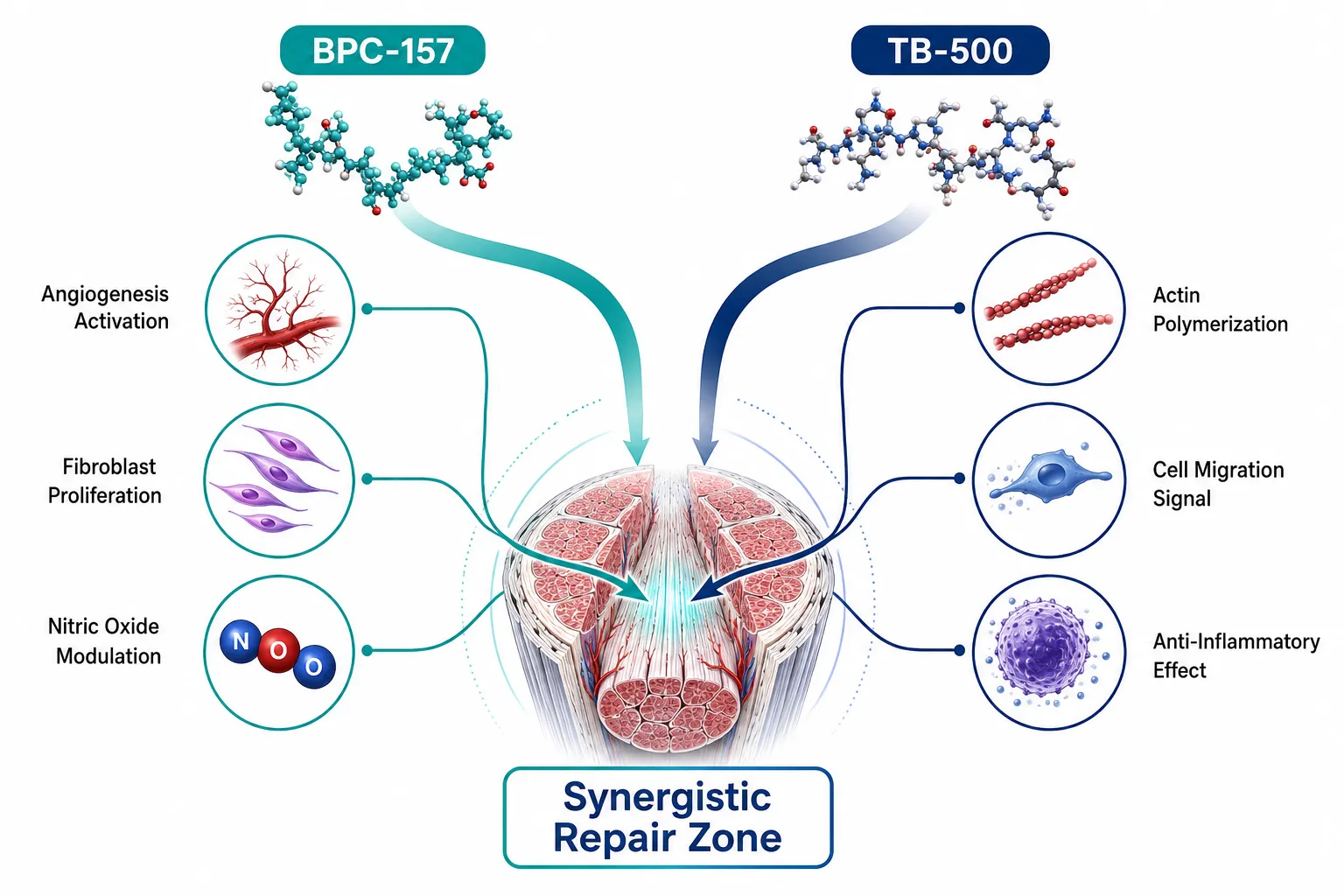
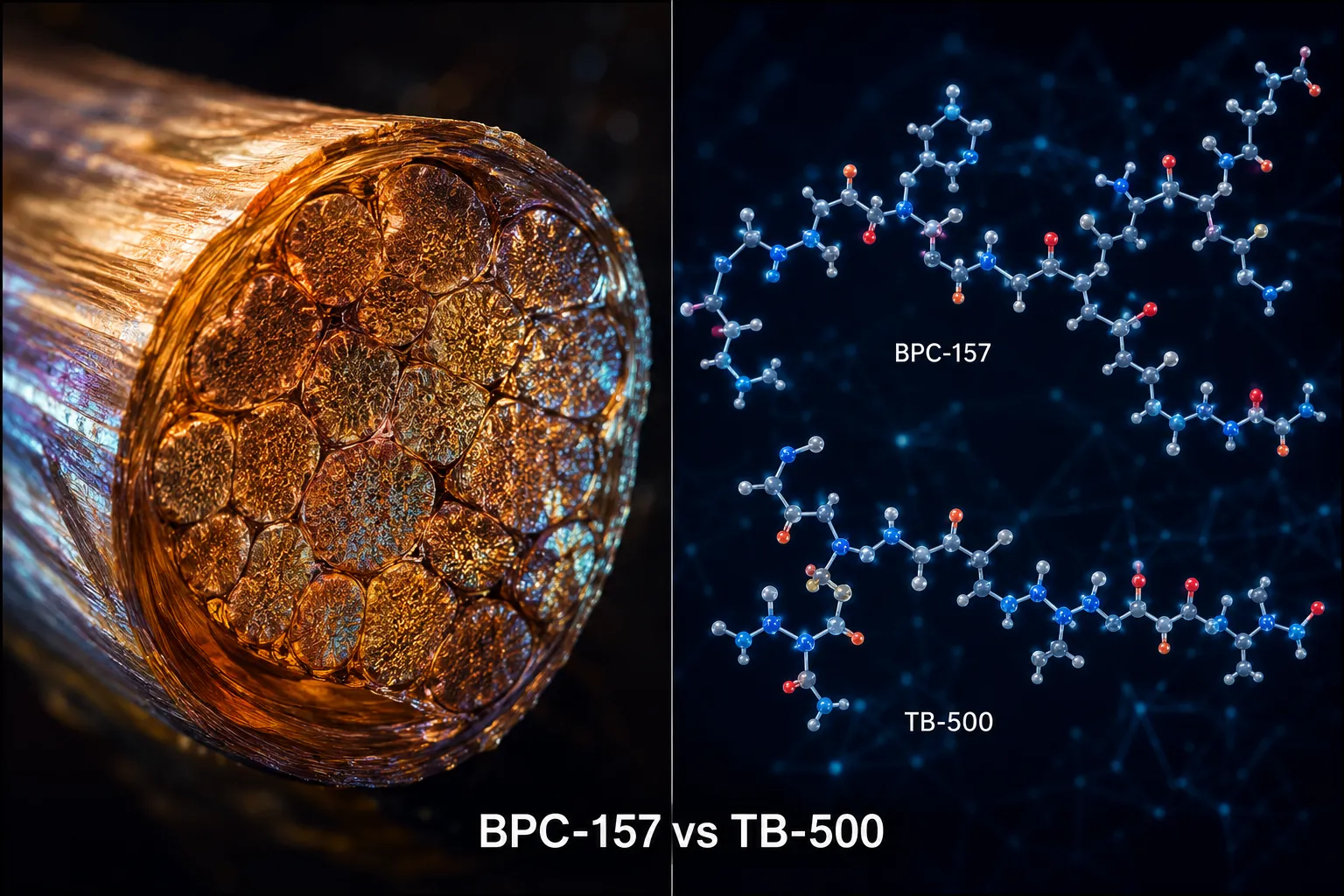
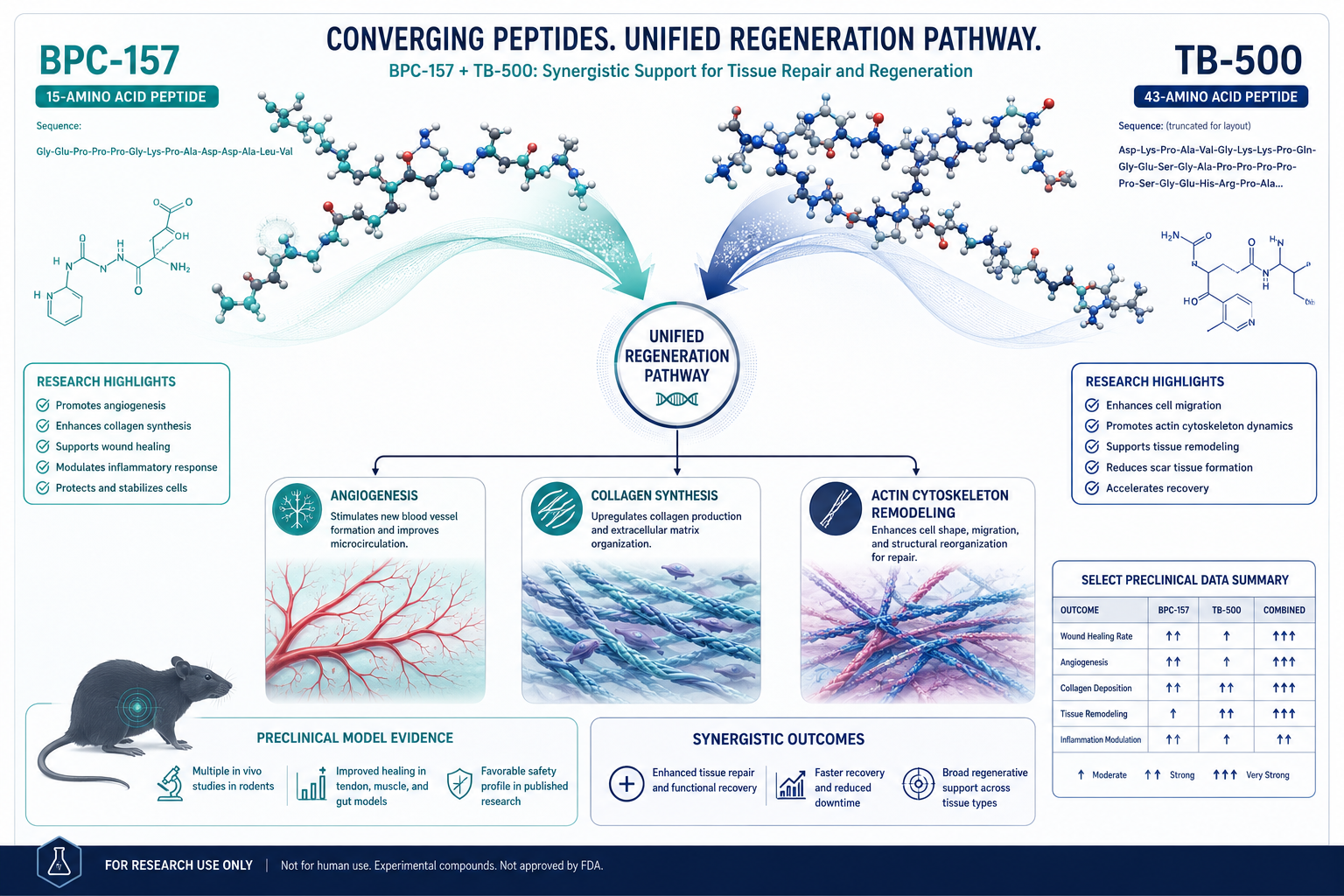
Detailed () scientific infographic illustration showing two peptide molecular structures labeled BPC-157 and TB-500

Key Takeaways

  • BPC-157 and TB-500 target distinct but complementary biological pathways, making their combination mechanistically rational.
  • Preclinical models suggest the pairing may accelerate tendon, muscle, and ligament repair beyond what either peptide achieves independently.
  • Dosing timing, route of administration, and peptide purity are critical variables in well-controlled research protocols.
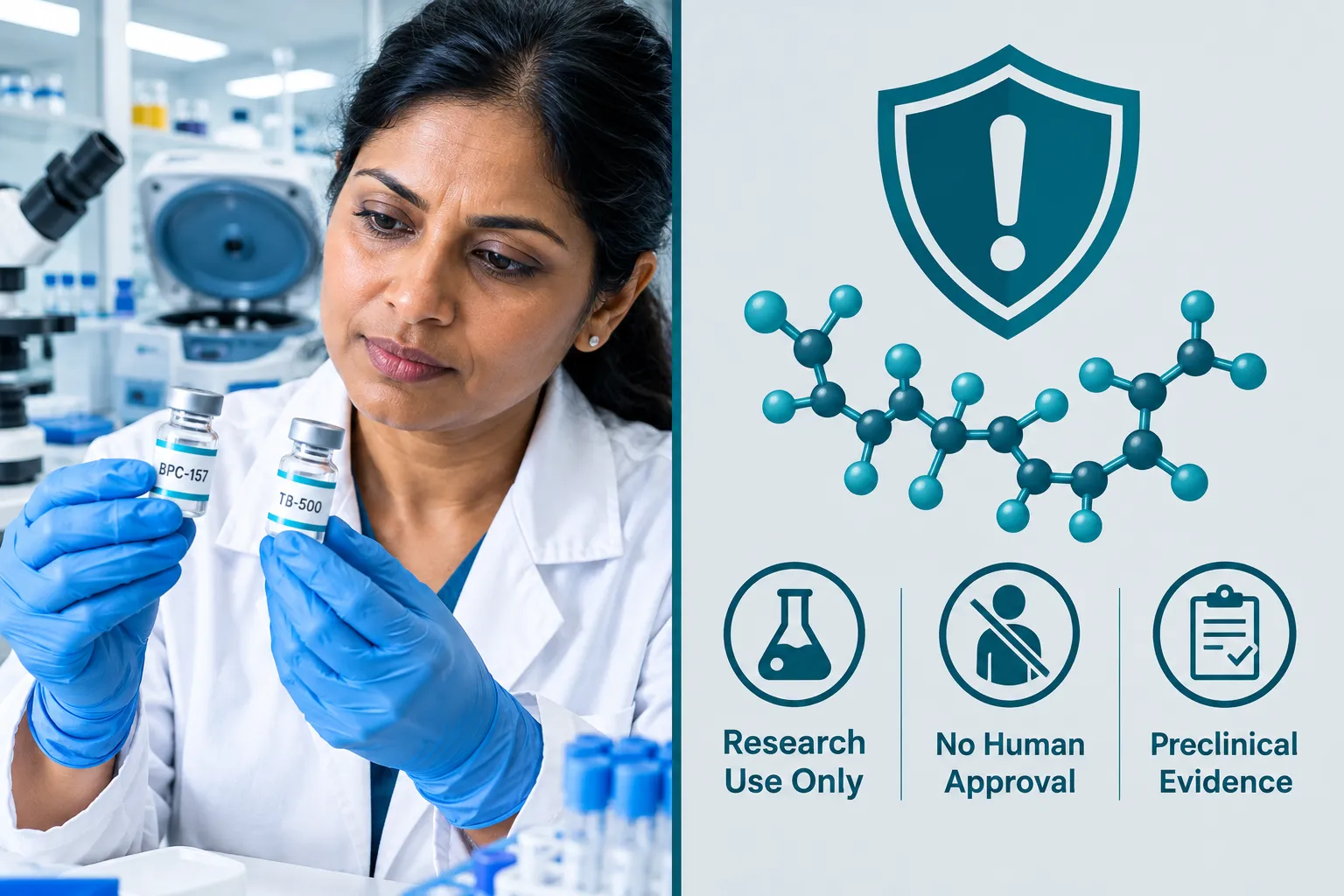
  • Neither peptide is approved for human use; all applications remain within research and investigational contexts.
  • Sourcing lab-tested peptides is a non-negotiable quality control step for reproducible results.

Understanding the Two Peptides and Why Combination Research Makes Sense

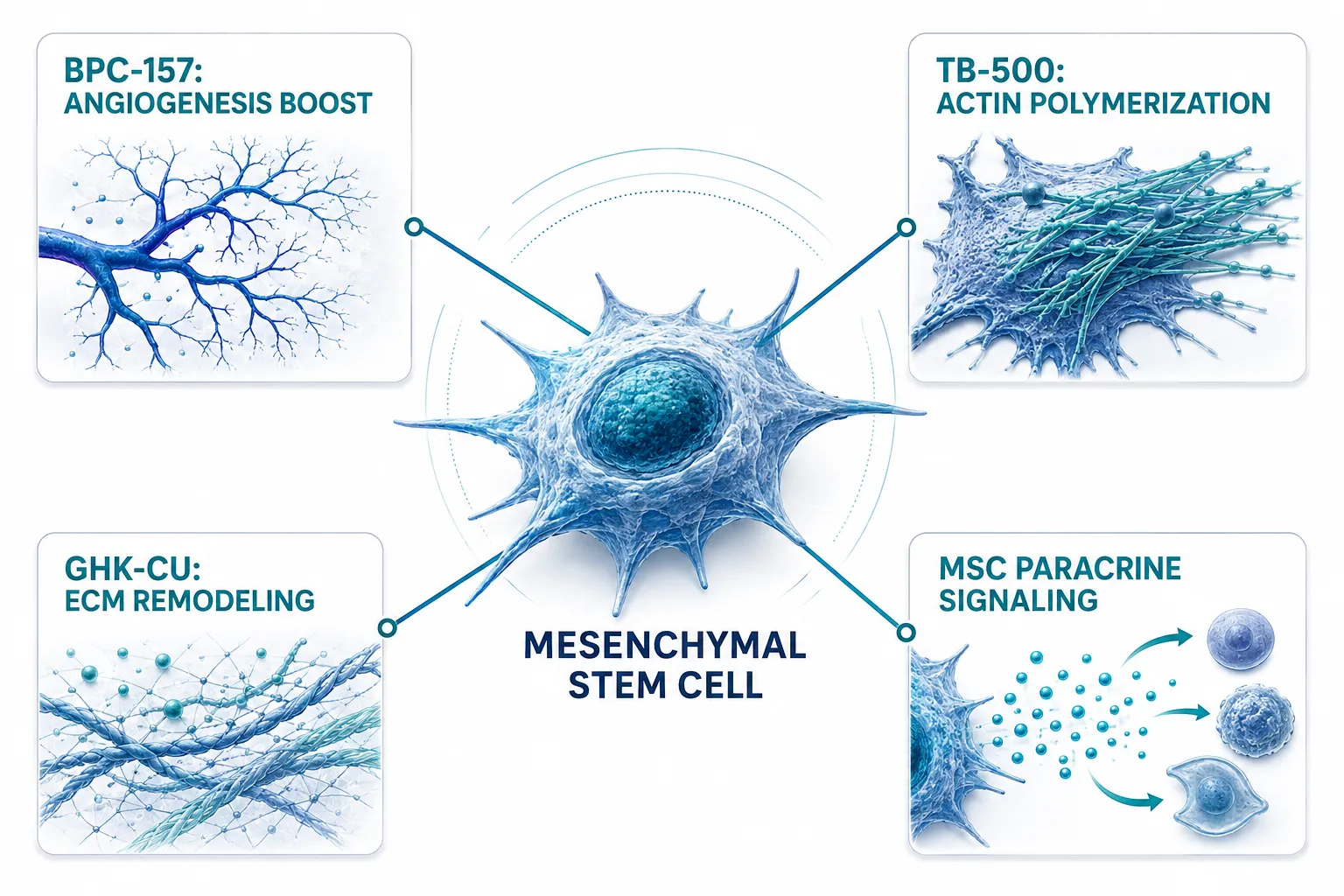
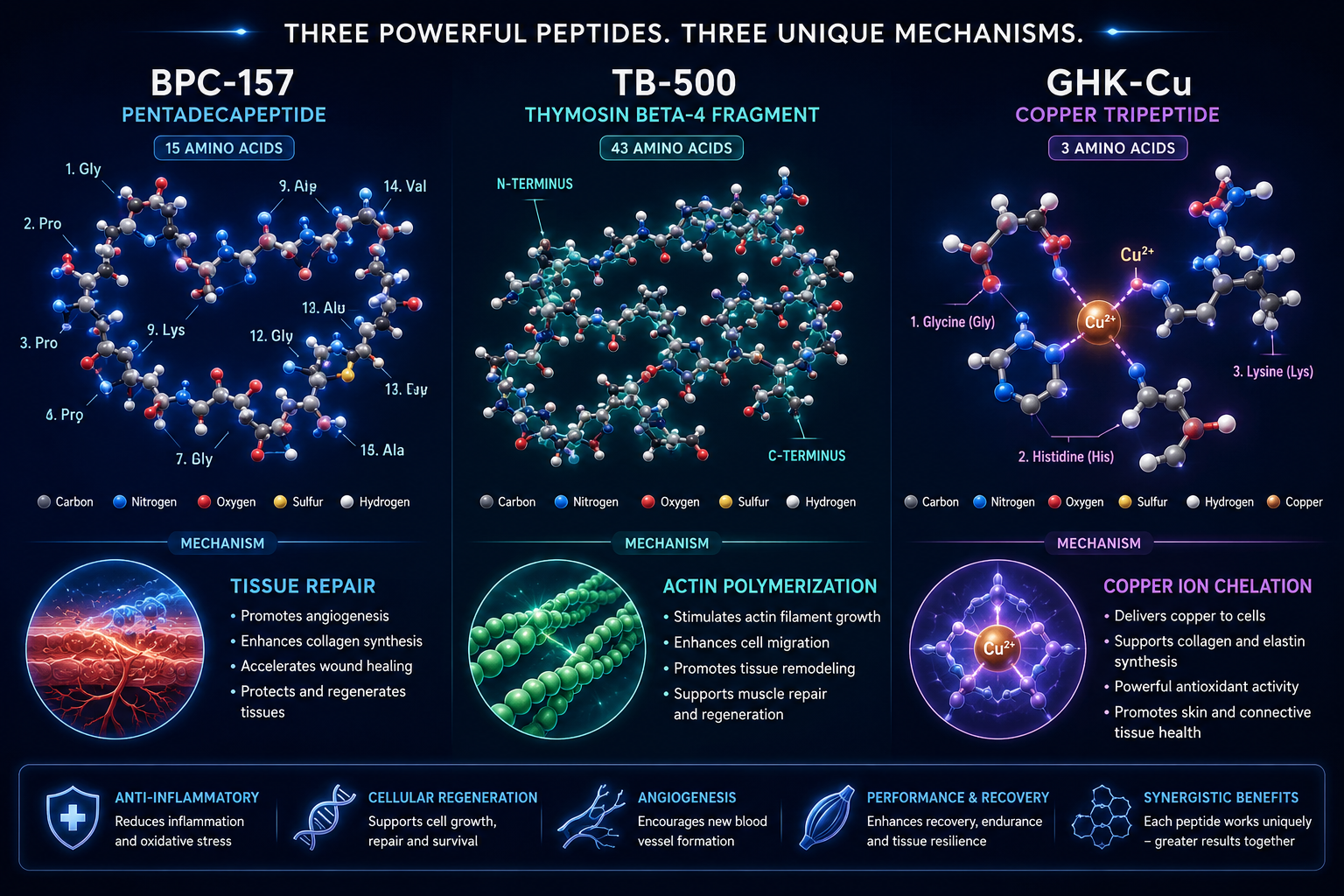
BPC-157 (Body Protection Compound-157) is a synthetic pentadecapeptide derived from a protein found in gastric juice. In rodent models, it has demonstrated consistent activity in tendon-to-bone healing, gut mucosal repair, and neurological recovery. Its primary mechanisms include upregulation of growth hormone receptors, promotion of angiogenesis via VEGF pathways, and modulation of nitric oxide synthesis.

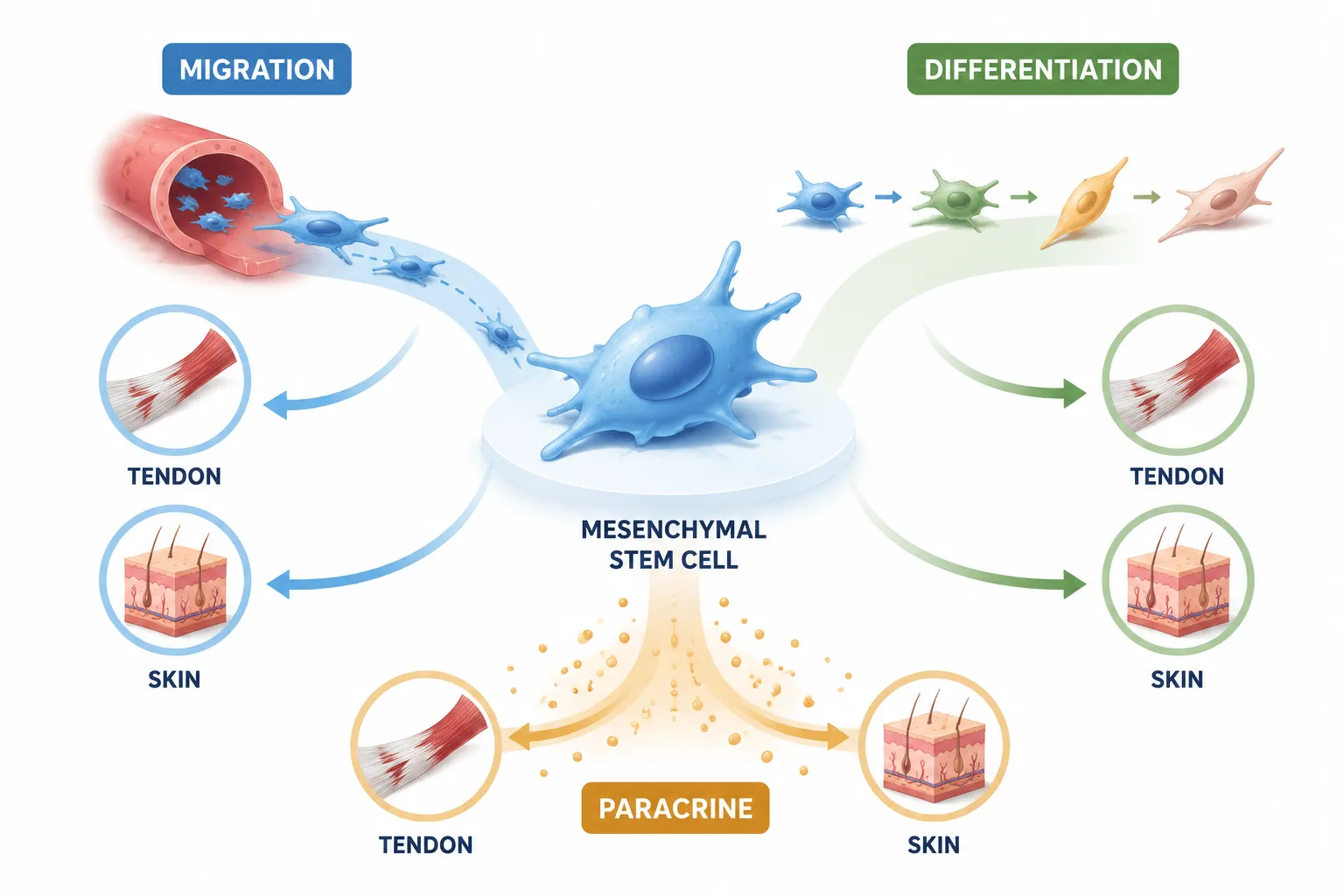
TB-500 is a synthetic analogue of Thymosin Beta-4, a naturally occurring peptide present in virtually all human and animal cells. It promotes actin polymerization, supports endothelial cell migration, and reduces local inflammation. Critically, TB-500 facilitates the formation of new blood vessels and supports the migration of stem cells to injury sites.

"The mechanistic complementarity between BPC-157 and TB-500 is not incidental — one primes the vascular scaffold while the other drives structural repair."

When researchers evaluate BPC-157 and TB-500 synergy, the rationale becomes clear:

Feature BPC-157 TB-500
Primary pathway VEGF / GH receptor Actin / Thymosin Beta-4
Key tissue targets Tendon, gut, nerve Muscle, cardiac, connective
Anti-inflammatory Moderate Strong
Angiogenic effect High Moderate-High
Stem cell mobilization Indirect Direct

This complementary profile is why combined protocols have become a focus in tissue regeneration research. Researchers can also explore how similar synergy principles apply in other peptide pairings, such as the synergy of LL-37 and SS-31, which demonstrates comparable multi-pathway logic.


Optimizing Tissue Regeneration Protocols in Research Models: Dosing and Design

Optimizing Tissue Regeneration Protocols in Research Models: Dosing and Design

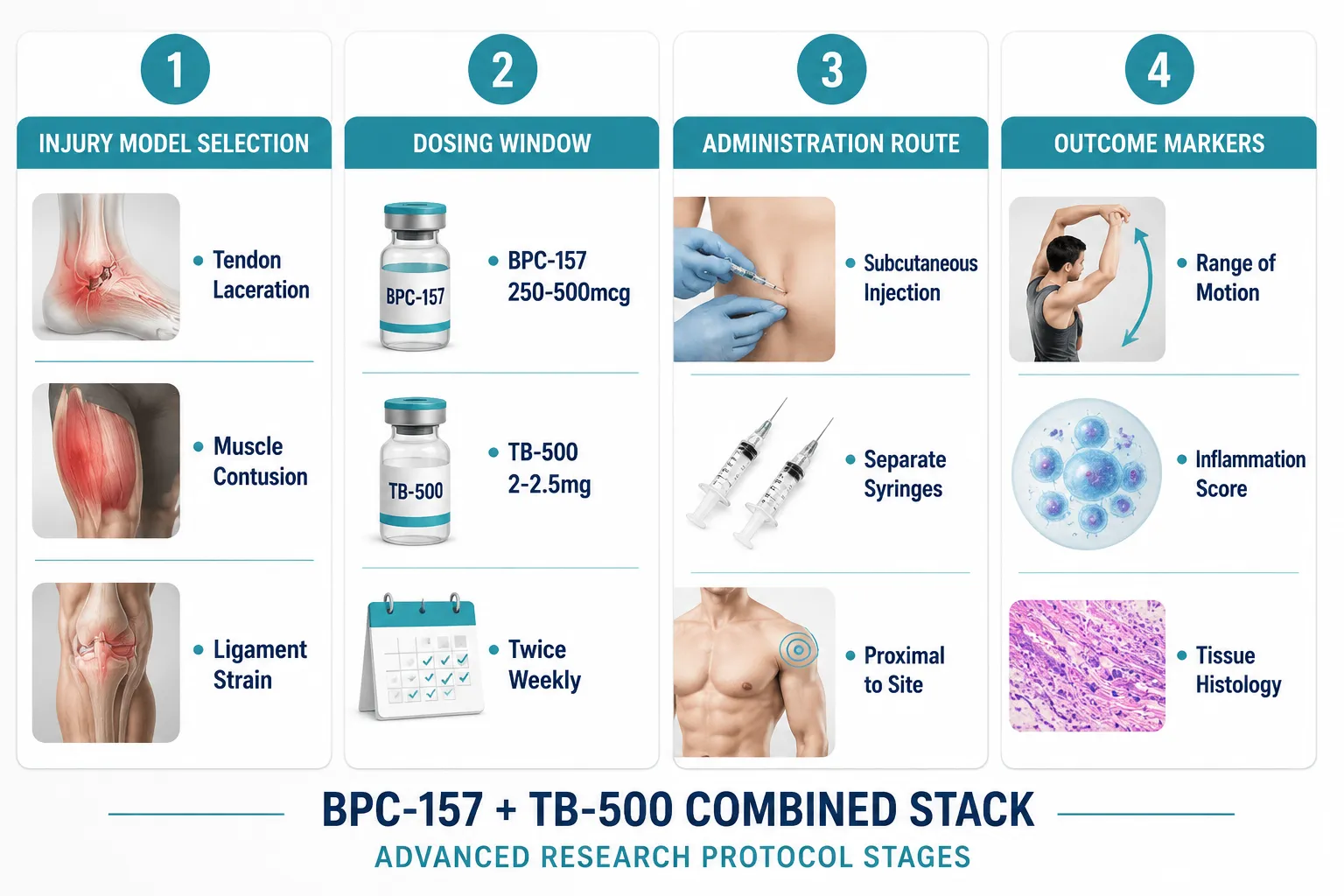
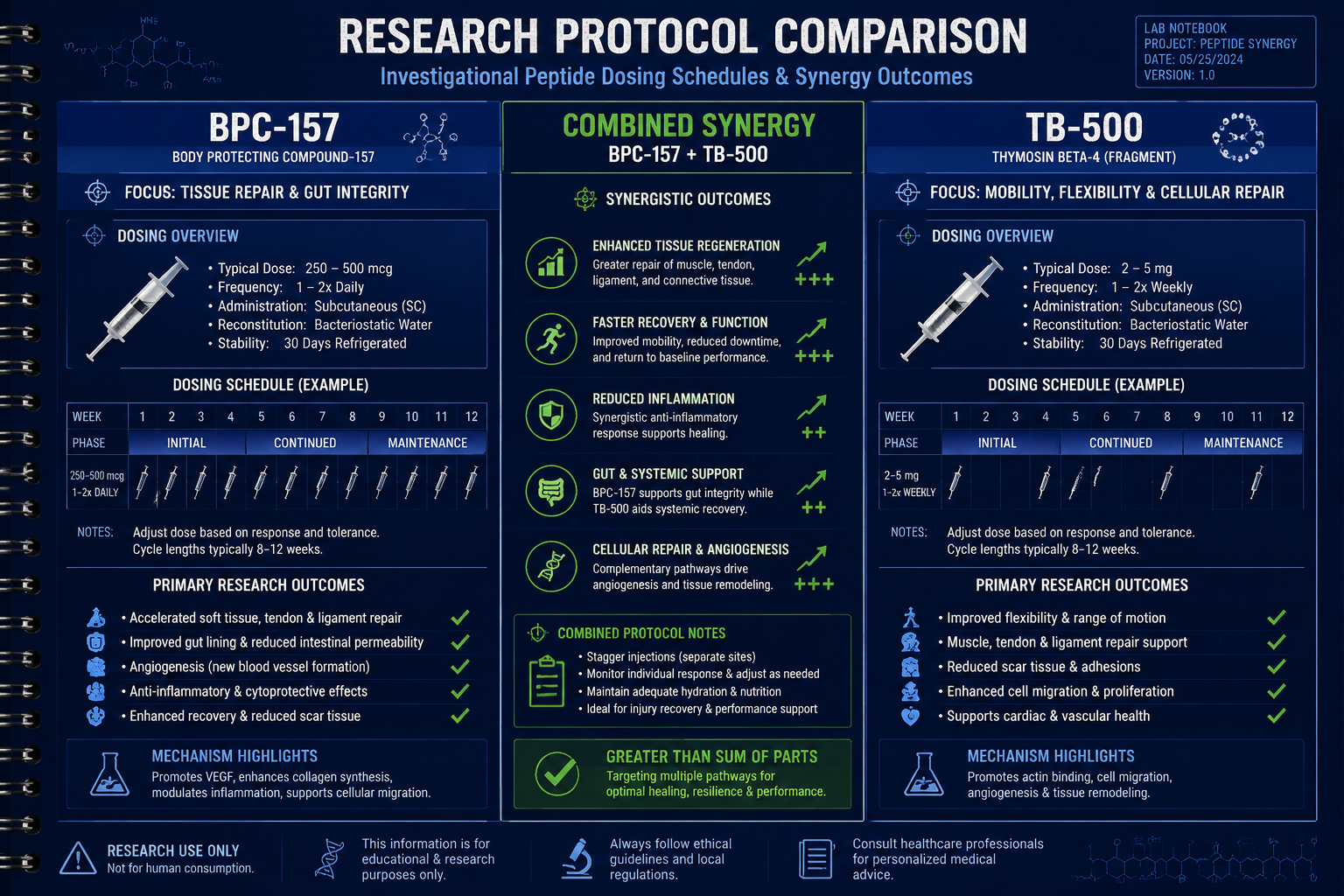
Designing a rigorous protocol for optimizing tissue regeneration protocols in research models requires attention to four core variables: dose, frequency, route, and timing relative to the injury event.

Typical Preclinical Dosing Ranges

Research in rodent models has used the following approximate ranges:

  • BPC-157: 1–10 mcg/kg body weight, administered intraperitoneally or subcutaneously, once daily
  • TB-500: 2.0–7.5 mg/kg body weight, administered subcutaneously, two to three times per week

When used in combination, some protocols apply a loading phase (higher frequency in weeks 1–2) followed by a maintenance phase (reduced frequency in weeks 3–6). This mirrors the approach used in other multi-peptide blends, such as the Klow Blend multi-pathway research framework, which also employs phased administration strategies.

Route of Administration Considerations

Subcutaneous injection remains the most common route in preclinical models for both peptides. Intraperitoneal delivery is also documented for BPC-157. Oral administration of BPC-157 has shown activity in gut-related endpoints but is generally considered less reliable for systemic musculoskeletal targets.

Key Protocol Design Checkpoints

  • Randomize subject assignment to control and treatment groups
  • Standardize injury induction method (e.g., Achilles tendon transection, muscle crush)
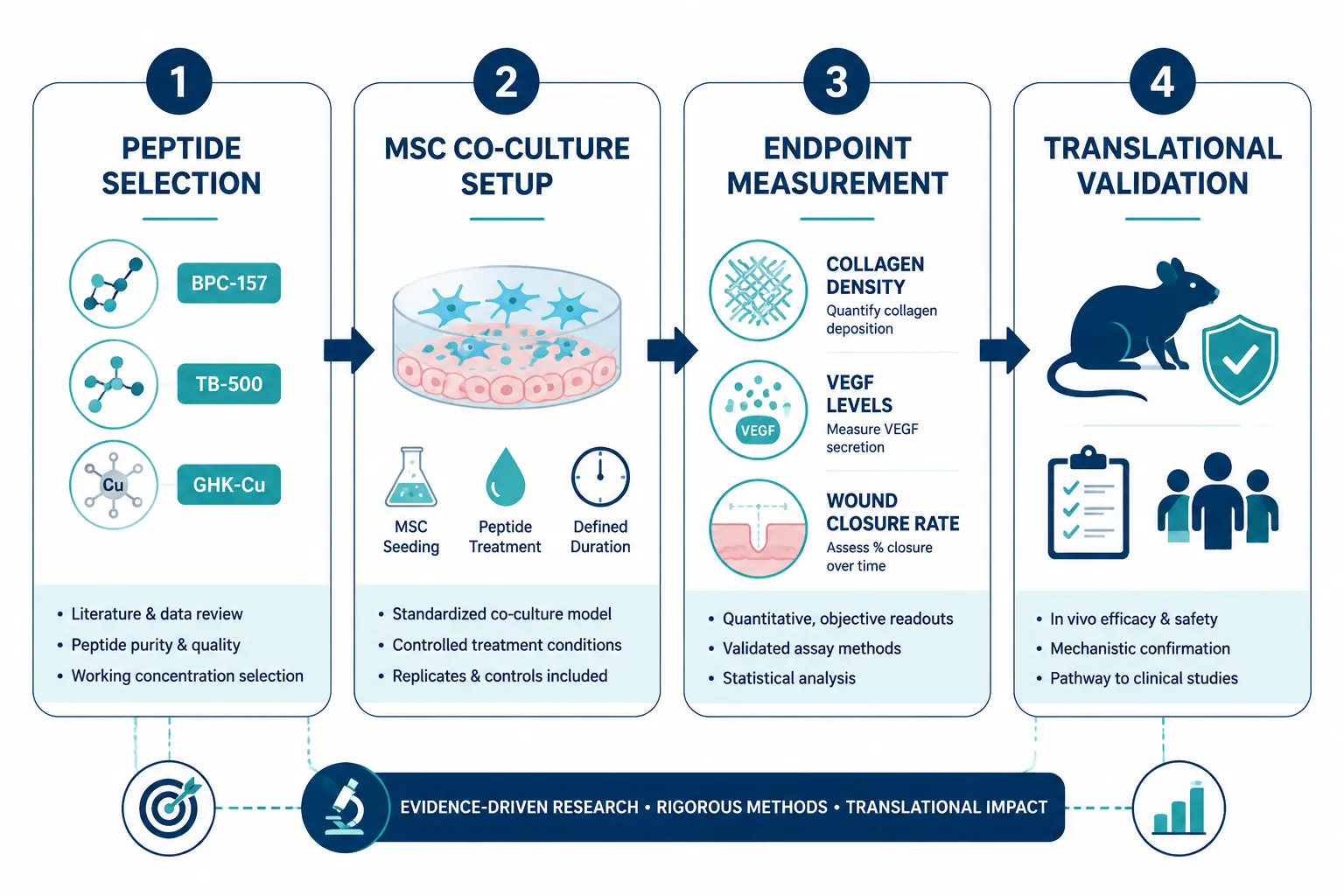
  • Use blinded outcome assessment (histology, tensile strength testing, immunohistochemistry)
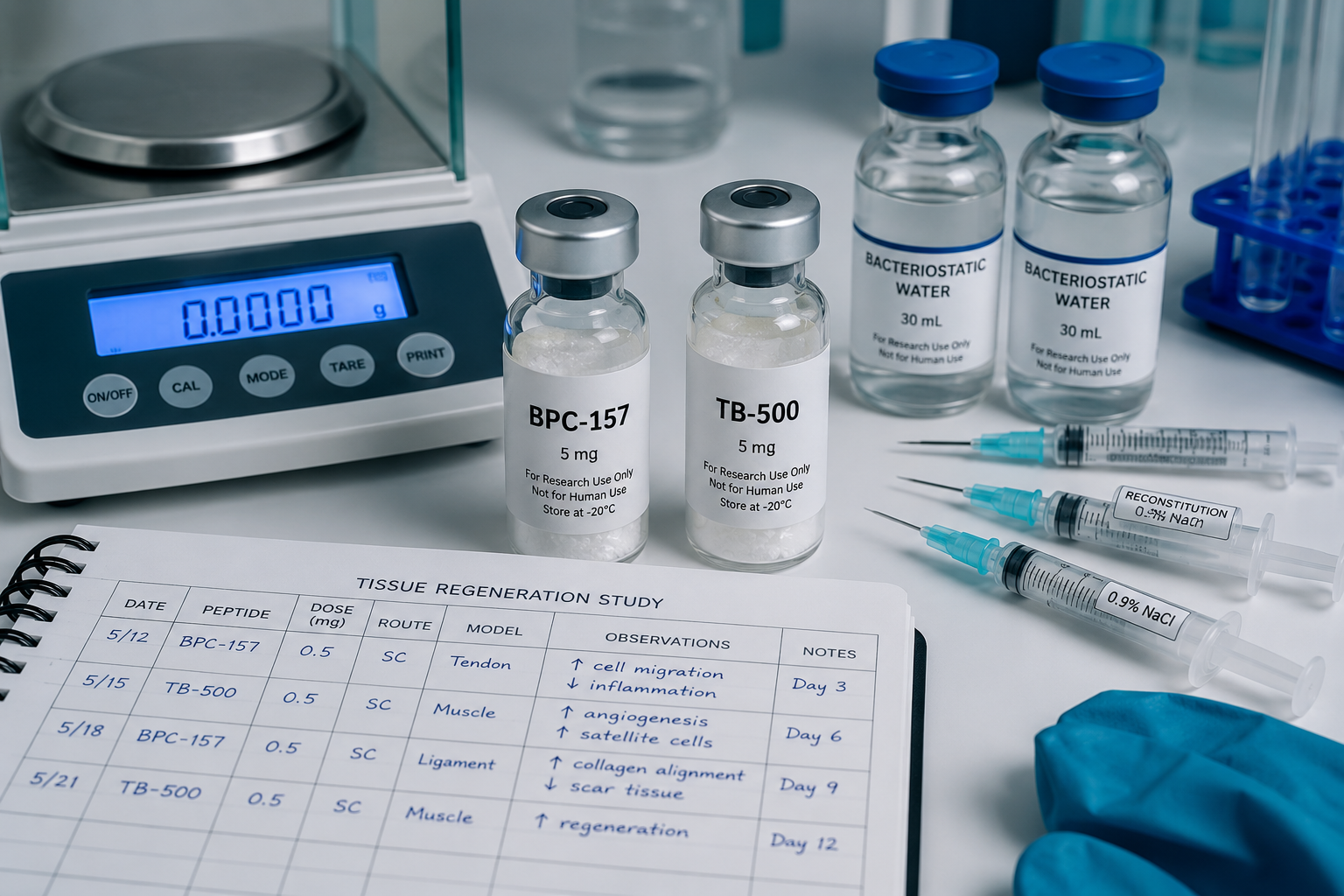
  • Log reconstitution conditions and storage temperature for each peptide lot
  • Verify peptide identity and purity via third-party certificate of analysis

Researchers interested in related regenerative peptides may also find value in reviewing GHK-Cu longevity research themes, as copper peptide activity intersects with collagen synthesis pathways relevant to tissue repair models.


Practical Sourcing and Quality Control for BPC-157 and TB-500 Research

Practical Sourcing and Quality Control for BPC-157 and TB-500 Research

The reproducibility of any BPC-157 and TB-500 synergy study depends directly on peptide quality. Impure or misidentified compounds introduce confounding variables that invalidate results. Researchers should prioritize suppliers who provide:

  • HPLC purity certificates (minimum 98% purity recommended)
  • Mass spectrometry confirmation of molecular identity
  • Sterility testing documentation
  • Clearly labeled lot numbers for traceability

For reference, the BPC-157 and TB-500 combined research page and the dedicated TB-500 research resource provide sourcing context and compound-specific notes useful for protocol planning.

Researchers should also note that peptide stability varies. BPC-157 is generally stable at 4°C for short-term storage and at -20°C for longer periods. TB-500 follows similar cold-chain requirements. Both should be reconstituted with bacteriostatic water immediately before use and protected from repeated freeze-thaw cycles.

For those building broader regenerative research programs, exploring complementary compounds such as LL-37 innate research themes or IPA muscle and fat research themes can help contextualize where BPC-157/TB-500 protocols fit within a wider investigational framework.


Conclusion

The investigation of BPC-157 and TB-500 Synergy: Optimizing Tissue Regeneration Protocols in Research Models represents one of the most mechanistically grounded areas of current peptide science. The two compounds address distinct but interlocking repair pathways, making their combined study both logical and productive for preclinical researchers.

Actionable next steps for researchers:

  1. Review existing rodent tendon and muscle repair literature to benchmark expected outcomes before designing new protocols.
  2. Establish purity verification as a non-negotiable pre-study step — source only from suppliers with documented third-party testing.
  3. Apply phased dosing designs (loading plus maintenance) to better mirror physiological repair timelines.
  4. Include histological and biomechanical endpoints alongside functional assessments for multi-dimensional data.
  5. Document all reconstitution, storage, and administration variables in a standardized research log to support reproducibility.

As 2026 brings increased scrutiny to peptide research standards, well-designed combination protocols will be essential for generating data that withstands peer review and advances the field.

https://www.puretestedpeptides.com/wp-content/uploads/2026/07/BPC-157-and-TB-500-Synergy-Optimizing-Tissue-Regeneration-Protocols-in-Research-Models.png 1024 1536 https://www.puretestedpeptides.com/wp-content/uploads/2026/01/buy-peptides-online.jpg 2026-07-02 13:08:092026-07-02 13:08:09BPC-157 and TB-500 Synergy: Optimizing Tissue Regeneration Protocols in Research Models
Best Research Peptides for Advanced Wound Healing: Comparing BPC-157, TB-500, and GHK-Cu

Best Research Peptides for Advanced Wound Healing: Comparing BPC-157, TB-500, and GHK-Cu

June 30, 2026/0 Comments/in Uncategorized/by

Chronic wounds affect more than 6.5 million patients in the United States annually, costing the healthcare system upward of $25 billion per year — yet standard-of-care options remain limited. That gap has pushed researchers toward a focused investigation of the best research peptides for advanced wound healing: comparing BPC-157, TB-500, and GHK-Cu as candidates that may address healing at the molecular level.

This article breaks down each peptide's mechanism, compares their individual strengths, and examines the evidence for combining them in research protocols.

Key Takeaways

  • BPC-157, TB-500, and GHK-Cu each target distinct but complementary phases of the wound healing cascade.
  • BPC-157 is notable for its angiogenic and cytoprotective properties; TB-500 promotes cell migration and actin regulation; GHK-Cu drives collagen synthesis and antioxidant activity.
  • Synergistic stacking of these peptides is an active area of preclinical research.
  • Purity and third-party testing are critical variables when sourcing peptides for research use.
  • All three compounds remain research-use-only; none are approved for human therapeutic use outside of clinical trials.

Key Takeaways

Understanding the Three Peptides: Mechanisms and Roles

BPC-157: Angiogenesis and Cytoprotection

Body Protection Compound-157 (BPC-157) is a synthetic pentadecapeptide derived from a protective protein found in gastric juice. Its most well-documented mechanism is the upregulation of vascular endothelial growth factor (VEGF), which drives angiogenesis — the formation of new blood vessels essential for tissue repair.

Preclinical studies show BPC-157 also modulates nitric oxide synthesis, reduces oxidative stress, and accelerates tendon-to-bone healing. For a detailed breakdown of its documented research profile, see this BPC-157 first research guide.

Key research-noted properties of BPC-157:

  • Promotes capillary formation in wound beds
  • Reduces inflammation via nitric oxide pathways
  • Accelerates muscle, tendon, and ligament repair in animal models
  • Demonstrates gastroprotective effects in gastric ulcer models

TB-500: Actin Regulation and Cell Migration

Thymosin Beta-4 (TB-500) is a synthetic analog of a naturally occurring 43-amino-acid peptide. Its primary mechanism involves binding to G-actin, which regulates actin polymerization. This process is fundamental to cell migration — a critical step in the proliferative phase of wound healing.

TB-500 also promotes the upregulation of stem cell recruitment and has shown anti-inflammatory effects in multiple animal models. Researchers interested in its regenerative profile can explore TB-500 research documentation here.

Key research-noted properties of TB-500:

  • Regulates actin dynamics to facilitate keratinocyte and fibroblast migration
  • Promotes stem cell homing to wound sites
  • Reduces scar tissue formation in preclinical models
  • Demonstrates cardioprotective effects in ischemic injury models

GHK-Cu: Collagen Synthesis and Antioxidant Defense

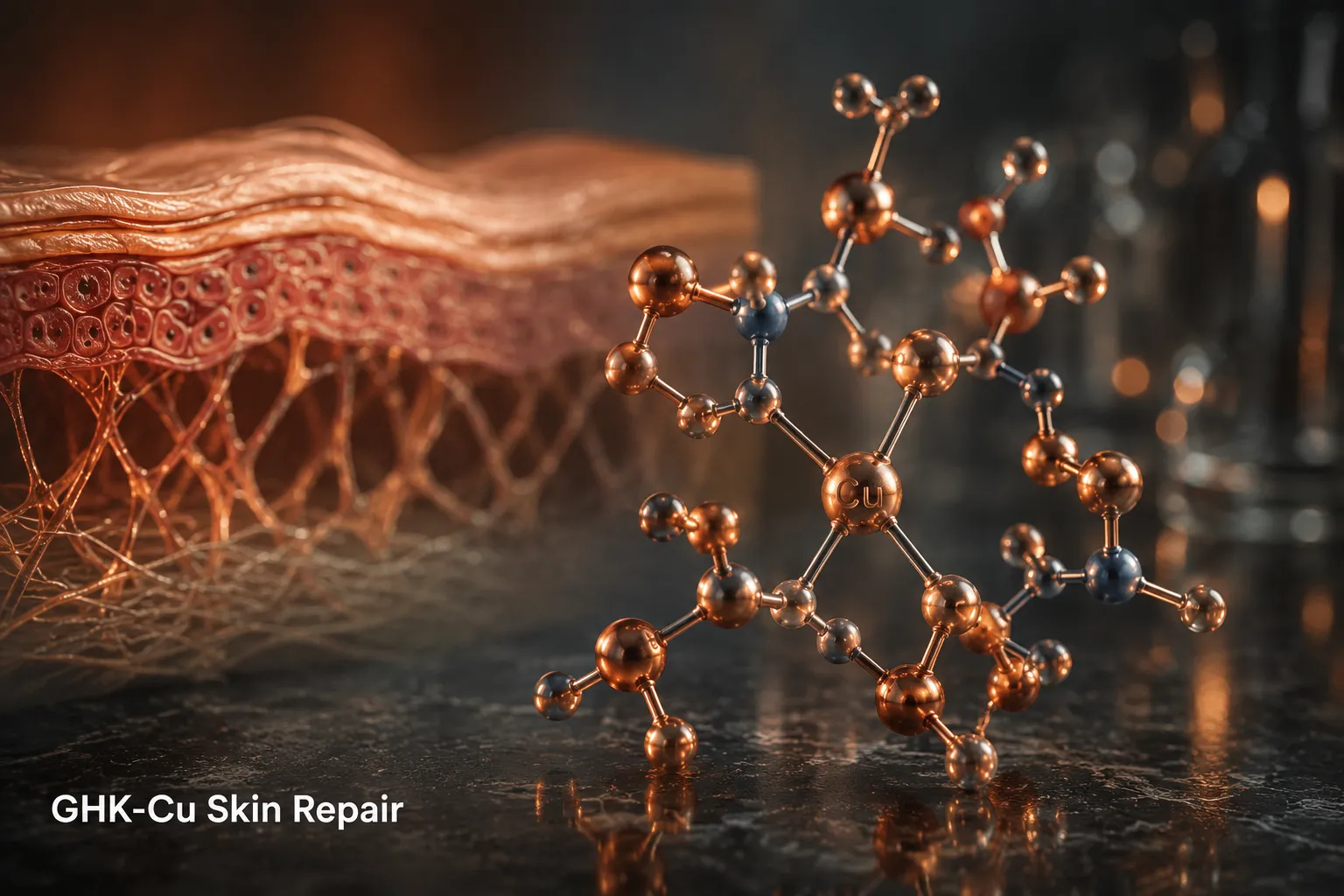
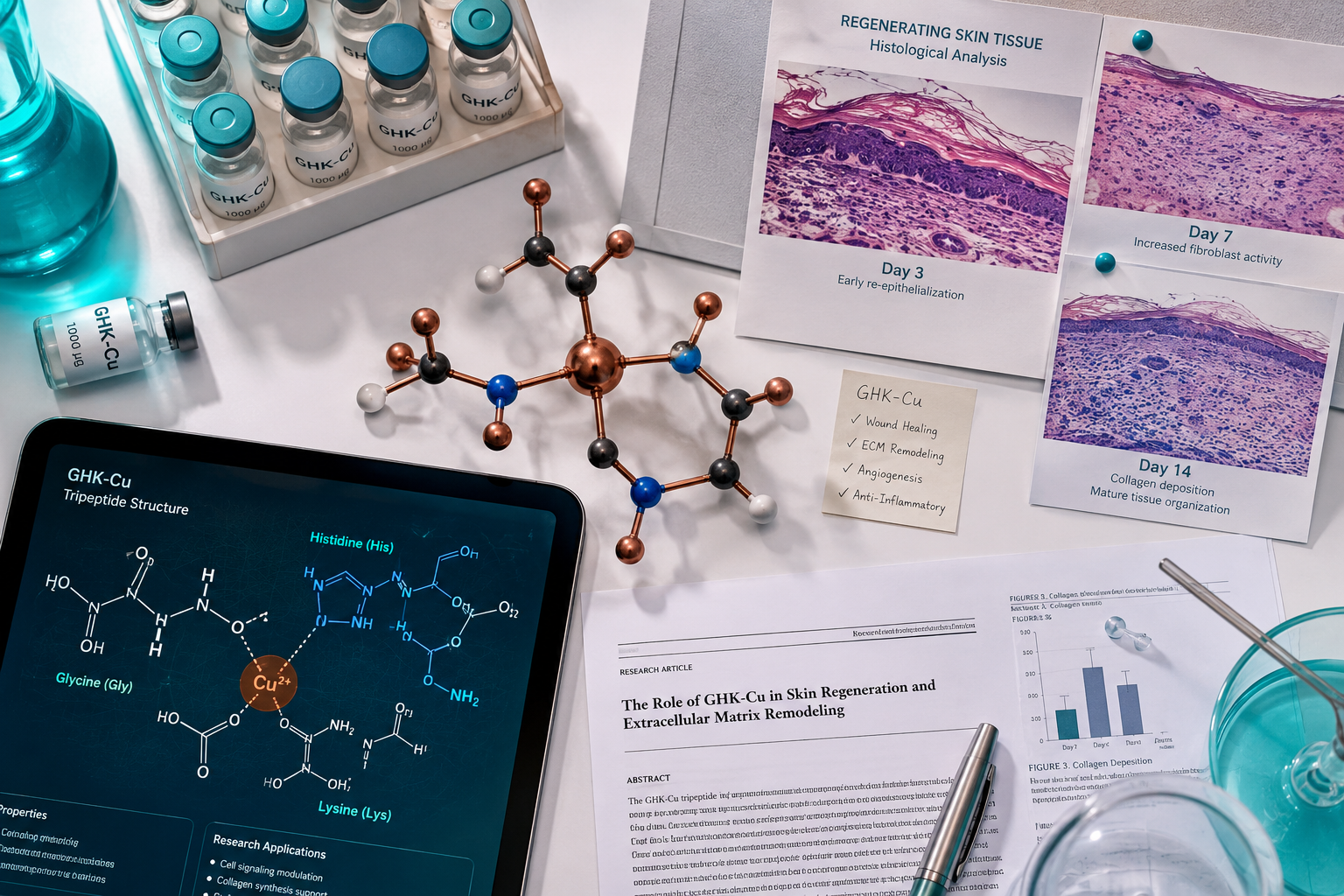
GHK-Cu (Glycyl-L-Histidyl-L-Lysine Copper) is a naturally occurring copper-binding tripeptide. It is one of the most studied peptides in skin biology, with a research record spanning several decades. Its primary wound healing actions include stimulating collagen and glycosaminoglycan synthesis, activating matrix metalloproteinases (MMPs) for tissue remodeling, and exerting potent antioxidant effects.

Topical GHK-Cu formulations are already used in cosmetic research. For more on its longevity and skin-repair research themes, see GHK-Cu longevity research and the topical GHK-Cu product page.


GHK-Cu: Collagen Synthesis and Antioxidant Defense

Side-by-Side Comparison: Best Research Peptides for Advanced Wound Healing

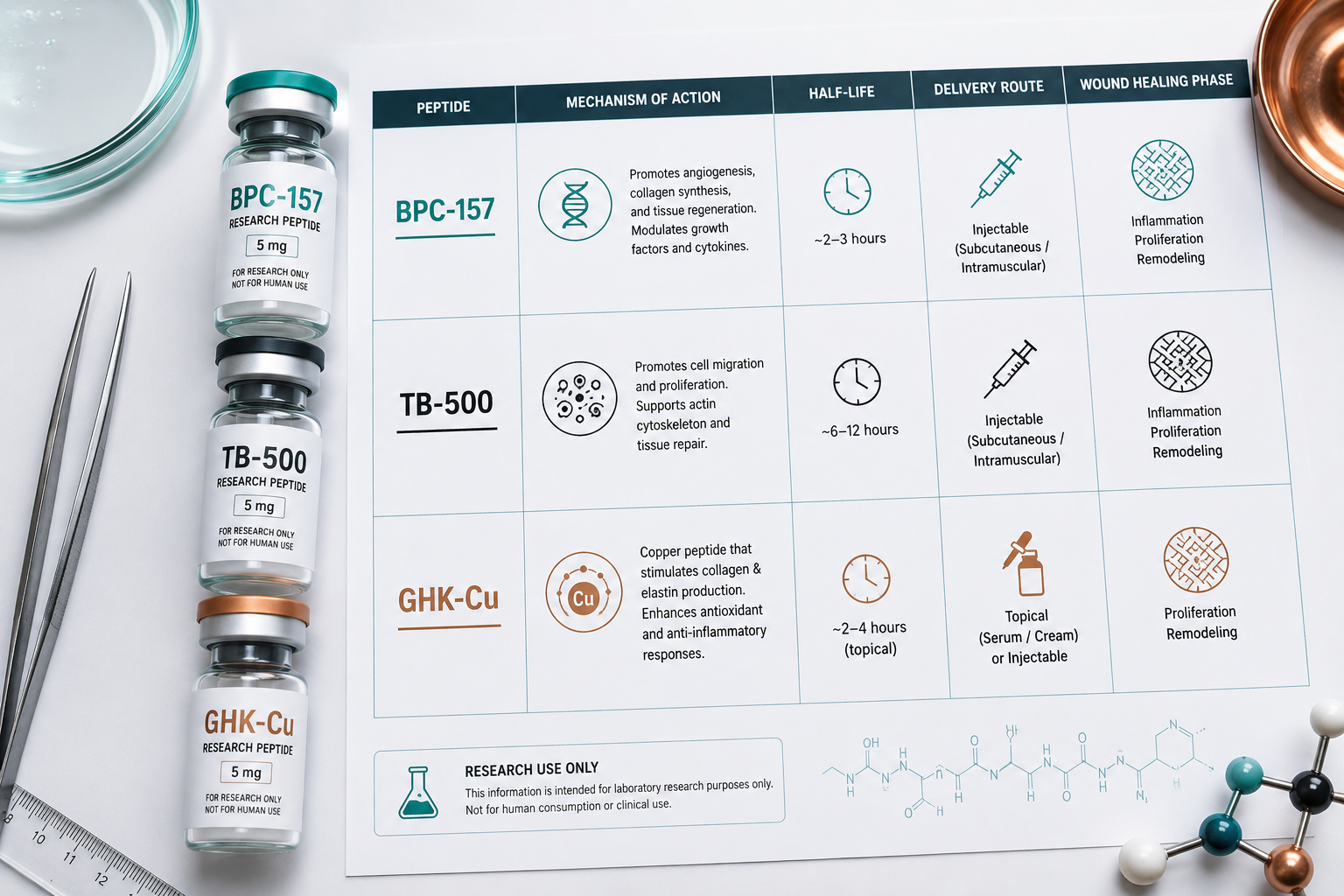
The table below summarizes key differentiators across the three peptides when evaluating them as the best research peptides for advanced wound healing: comparing BPC-157, TB-500, and GHK-Cu.

Feature BPC-157 TB-500 GHK-Cu
Primary Mechanism Angiogenesis, VEGF upregulation Actin regulation, cell migration Collagen synthesis, MMP activation
Wound Healing Phase All phases, especially proliferative Proliferative and remodeling Remodeling and maturation
Delivery Route (Research) Subcutaneous, oral Subcutaneous Topical, subcutaneous
Anti-inflammatory Yes Yes Yes
Antioxidant Activity Moderate Low High
Scar Reduction Evidence Moderate Strong Strong

Key insight: No single peptide covers every phase of wound healing with equal potency. This is precisely why researchers have begun exploring combination protocols.


Synergistic Protocols: Combining BPC-157, TB-500, and GHK-Cu

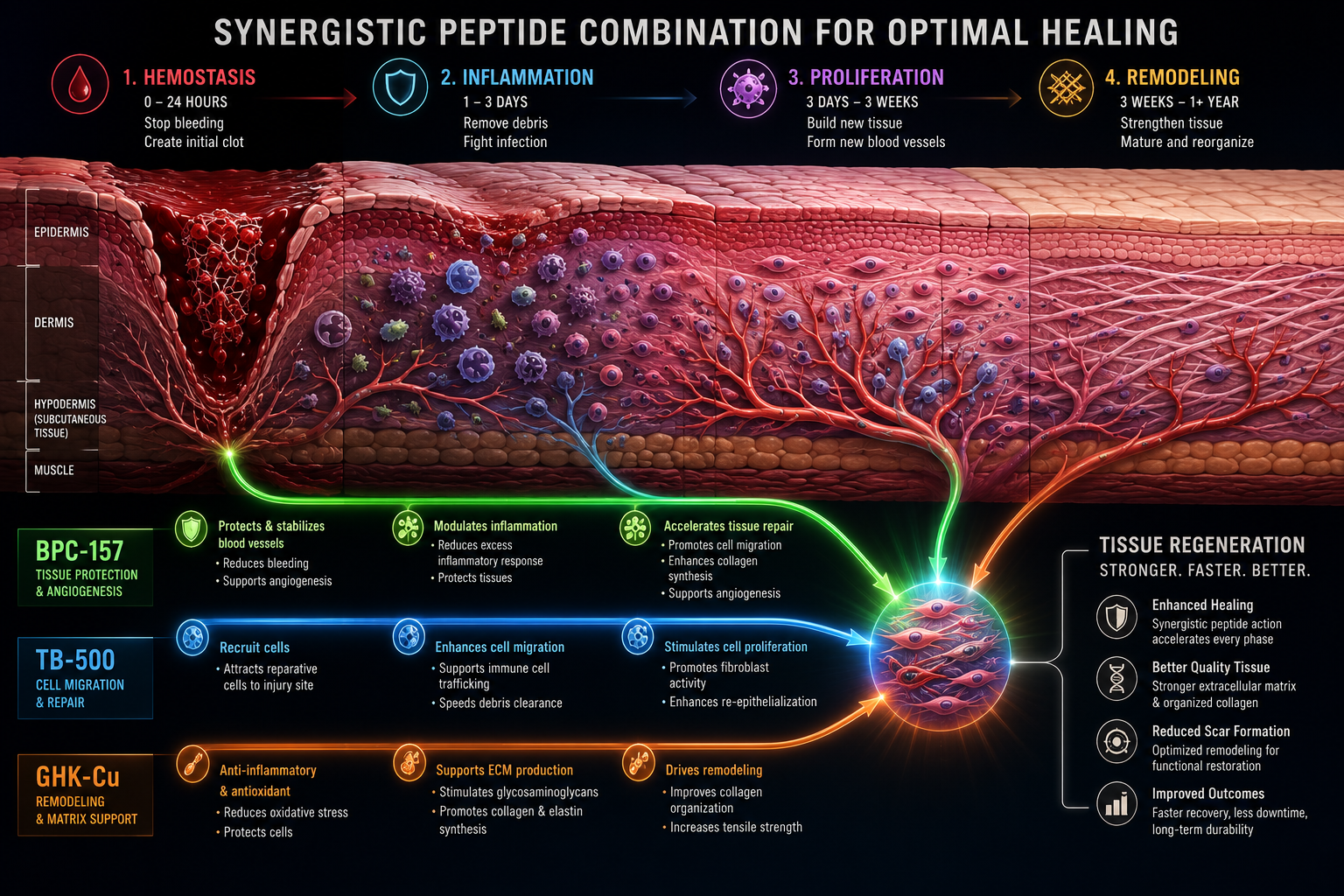
The most advanced research direction in this space involves stacking these three peptides to address the full wound healing cascade simultaneously. The logic is straightforward: BPC-157 establishes vascular supply, TB-500 drives cellular migration into the wound bed, and GHK-Cu orchestrates collagen deposition and tissue remodeling.

This complementary action across all four healing phases — hemostasis, inflammation, proliferation, and remodeling — makes the combination theoretically superior to any single agent. For a focused look at how BPC-157 and TB-500 work together in regeneration research, see TB-500 and BPC-157 regeneration protocols.

Researchers should also consider the broader landscape of longevity peptide research, as wound healing intersects significantly with cellular aging and tissue maintenance.

Synergistic Protocols: Combining BPC-157, TB-500, and GHK-Cu

Sourcing and Purity Considerations

For any research protocol involving these peptides, purity is non-negotiable. Contaminants such as endotoxins or residual solvents can confound results and introduce variables that invalidate findings. Researchers should prioritize suppliers that provide third-party HPLC and mass spectrometry certificates of analysis. A practical overview of what to look for is available in this peptide purity testing guide.

Additionally, understanding how different suppliers compare on documentation standards is essential — see peptide supplier comparisons for a structured evaluation framework.


Conclusion

The best research peptides for advanced wound healing — BPC-157, TB-500, and GHK-Cu — each bring distinct and well-documented mechanisms to the table. BPC-157 drives vascular growth, TB-500 facilitates cellular migration, and GHK-Cu anchors the remodeling phase with collagen synthesis and antioxidant protection. Together, they represent a comprehensive toolkit for researchers designing multi-target wound healing protocols.

Actionable next steps for researchers:

  1. Review the primary literature for each peptide before designing protocols.
  2. Source only from suppliers with verified third-party purity documentation.
  3. Consider combination protocols that address all four wound healing phases.
  4. Document dosing, timing, and delivery routes rigorously for reproducible results.
  5. Stay current with emerging findings through resources like what is new in peptide research.
https://www.puretestedpeptides.com/wp-content/uploads/2026/06/Best-Research-Peptides-for-Advanced-Wound-Healing-Comparing-BPC-157-TB-500-and-GHK-Cu.png 1024 1536 https://www.puretestedpeptides.com/wp-content/uploads/2026/01/buy-peptides-online.jpg 2026-06-30 13:03:252026-06-30 13:03:25Best Research Peptides for Advanced Wound Healing: Comparing BPC-157, TB-500, and GHK-Cu
GHK-Cu Peptide: Advancing Research in Extracellular Matrix Remodeling and Tissue Regeneration

GHK-Cu Peptide: Advancing Research in Extracellular Matrix Remodeling and Tissue Regeneration

June 29, 2026/0 Comments/in Uncategorized/by

A naturally occurring tripeptide found in human plasma at concentrations that decline sharply with age — dropping from roughly 200 ng/mL in young adults to near-undetectable levels in older populations — GHK-Cu has drawn sustained scientific attention for its remarkable ability to modulate the extracellular matrix (ECM). Research into GHK-Cu Peptide: Advancing Research in Extracellular Matrix Remodeling and Tissue Regeneration has accelerated in 2026, driven by growing interest in anti-fibrotic therapies, wound healing, and connective tissue biology.

Key Takeaways

  • GHK-Cu is a copper-binding tripeptide (glycyl-L-histidyl-L-lysine) that declines with age and plays a central role in ECM remodeling.
  • It stimulates collagen, elastin, and glycosaminoglycan synthesis while simultaneously suppressing excessive fibrosis.
  • Anti-fibrotic and stem-cell modulatory properties position it as a candidate for multi-organ regenerative research.
  • Human clinical data in dermatology confirm measurable skin remodeling effects, though large-scale trials remain limited.
  • Researchers sourcing GHK-Cu for preclinical work should prioritize verified purity and documented quality testing.

Key Takeaways

Understanding GHK-Cu and Its Role in Extracellular Matrix Biology

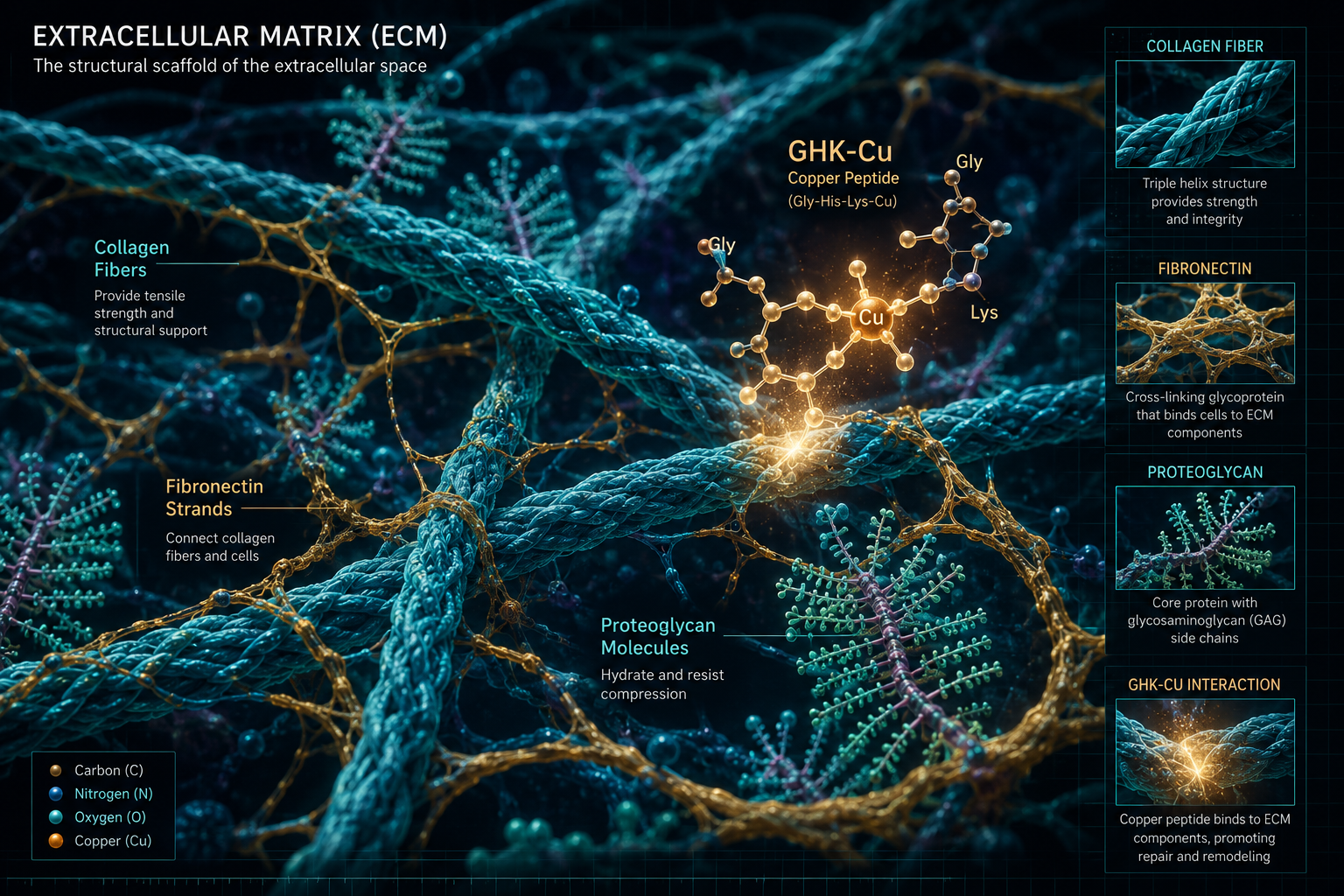
The extracellular matrix is the structural scaffold that surrounds and supports cells in virtually every tissue. It is composed of collagens, fibronectin, laminin, proteoglycans, and a range of signaling molecules that collectively govern cell behavior, tissue stiffness, and repair capacity. When this scaffold is disrupted — through injury, inflammation, or aging — the downstream consequences affect everything from wound closure to organ function.

GHK-Cu (glycyl-L-histidyl-L-lysine complexed with copper) acts at multiple points in this system. Key ECM-related mechanisms identified in preclinical and early clinical research include:

Mechanism Effect on ECM
Collagen synthesis stimulation Increases type I and type III collagen deposition
Elastin upregulation Restores tissue elasticity in aging models
Glycosaminoglycan production Supports hydration and structural integrity
MMP modulation Balances matrix metalloproteinase activity for controlled remodeling
Anti-fibrotic signaling Reduces pathological collagen cross-linking

The copper ion is not merely a carrier. It actively participates in enzymatic reactions critical to collagen cross-linking and antioxidant defense, making the intact GHK-Cu complex functionally distinct from the peptide alone.

For researchers exploring connective tissue biology, the GHK-Cu peptide research catalog provides a useful starting point for sourcing verified material.


Wound Healing, Anti-Fibrosis, and Tissue Regeneration Research

Wound Healing, Anti-Fibrosis, and Tissue Regeneration Research

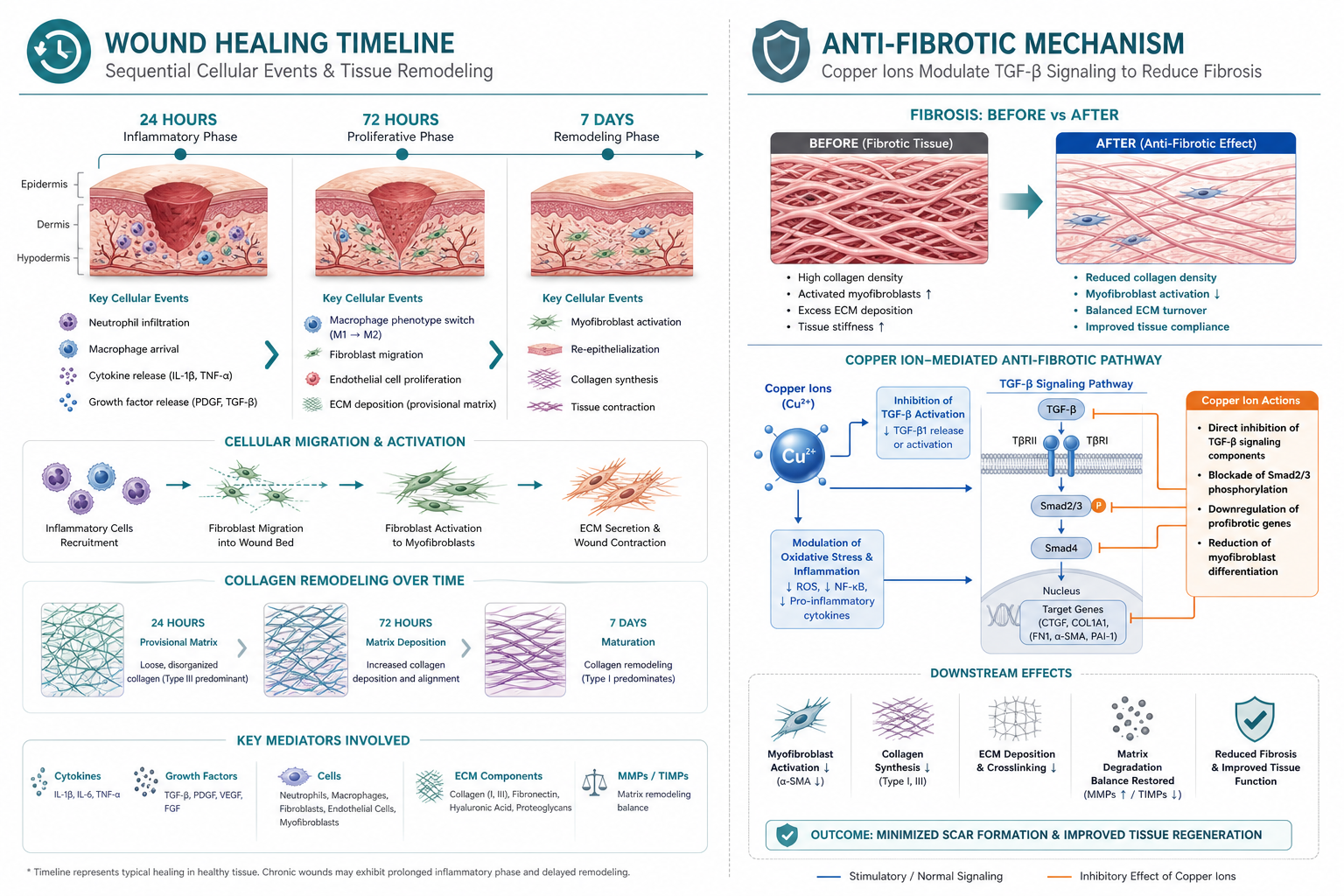
Among the most compelling themes in GHK-Cu Peptide: Advancing Research in Extracellular Matrix Remodeling and Tissue Regeneration is the compound's dual capacity to accelerate repair while simultaneously preventing the overproduction of scar tissue — a balance that has long challenged wound-healing researchers.

Wound healing phases where GHK-Cu shows activity:

  • Inflammatory phase: Modulates cytokine signaling to limit excessive inflammation without halting the necessary immune response.
  • Proliferative phase: Promotes fibroblast migration and differentiation, accelerating new tissue formation.
  • Remodeling phase: Regulates MMP activity to ensure organized collagen fiber alignment rather than disorganized scar deposition.

The anti-fibrotic dimension is particularly significant. Pathological fibrosis — the excessive accumulation of ECM components — underlies conditions ranging from keloid scarring to pulmonary and hepatic fibrosis. GHK-Cu appears to suppress TGF-beta-driven fibrotic pathways, making it a candidate for research into age-related fibrosis reversal.

Stem-cell modulation adds another layer of interest. Preclinical data suggest GHK-Cu may influence progenitor cell activity in aging tissues, potentially restoring regenerative capacity that diminishes over time. This connects it to broader peptide research themes explored in studies of TB-500 and muscle recovery and BPC-157 tissue repair models.

Researchers interested in comparative peptide profiles may also find value in reviewing LL-37 versus SS-31 mechanistic differences, as these compounds share overlapping tissue-protective themes.


Sourcing and Research Considerations for GHK-Cu in 2026

Sourcing and Research Considerations for GHK-Cu in 2026

Translating mechanistic findings into reliable preclinical data depends heavily on compound quality. Peptide purity, copper chelation integrity, and storage stability all affect experimental reproducibility. Researchers should confirm that any GHK-Cu source undergoes third-party analytical testing, including HPLC purity assessment and mass spectrometry verification.

"Reproducibility in peptide research begins with sourcing — a compound that degrades before use or contains impurities will produce data that cannot be trusted."

For teams building broader ECM-focused research programs, complementary peptides worth examining include Cartalax for cartilage and connective tissue research and GLOW and KLOW peptide blends that incorporate skin matrix-active compounds. Those managing larger research programs can explore wholesale peptide sourcing options to ensure consistent supply.

For a broader view of the supplier's quality standards, the quality testing protocols overview details the verification processes applied to catalog compounds.


Conclusion

GHK-Cu Peptide: Advancing Research in Extracellular Matrix Remodeling and Tissue Regeneration remains one of the most mechanistically rich areas in peptide science as of 2026. The compound's ability to simultaneously stimulate constructive ECM synthesis, suppress pathological fibrosis, and potentially modulate stem-cell activity positions it as a high-value tool for researchers in dermatology, wound healing, and connective tissue biology.

Actionable next steps for research teams:

  1. Review the current GHK-Cu preclinical literature with a focus on TGF-beta pathway studies and fibrosis models.
  2. Source only analytically verified GHK-Cu with documented HPLC purity above 98%.
  3. Design assays that distinguish ECM-stimulatory effects from anti-fibrotic effects, as these may operate through separate signaling nodes.
  4. Consider comparative study designs that include complementary ECM-active peptides to establish relative potency benchmarks.
https://www.puretestedpeptides.com/wp-content/uploads/2026/06/GHK-Cu-Peptide-Advancing-Research-in-Extracellular-Matrix-Remodeling-and-Tissue-Regeneration.png 1024 1536 https://www.puretestedpeptides.com/wp-content/uploads/2026/01/buy-peptides-online.jpg 2026-06-29 13:06:332026-06-29 13:06:33GHK-Cu Peptide: Advancing Research in Extracellular Matrix Remodeling and Tissue Regeneration
×

Helpful Links

  • My account
  • Cart
  • Checkout
  • Refund and Returns Policy
  • Privacy Policy
  • SMS Privacy Policy
  • Login
  • My Account
  • Logout

USA Made Lab Tested Peptides

All products are sold for research, laboratory, or analytical purposes only, and are not for human consumption


Pure Tested Peptides is a chemical supplier. Pure Tested Peptides is not a compounding / chemical compounding facility as defined under 503A of the Federal Food, Drug, and Cosmetic act. Pure Tested Peptides is not an outsourcing facility as defined under 503B of the Federal Food, Drug, and Cosmetic act.

The statements made within this website have not been evaluated by the US Food and Drug Administration. The products we offer are not intended to diagnose, treat, cure or prevent any disease.

Human/Animal Consumption Prohibited. Laboratory/In-Vitro Experimental Use Only

Scroll to top Scroll to top Scroll to top