Call or Text 727-513-9780
  • Shopping Cart Shopping Cart
    0Shopping Cart
Pure Tested Peptides | America's most trusted Peptides for sale online
  • Peptides for sale
    • Oral Peptides for sale
      • Peptide Capsules for sale
      • BPC 157 Capsules 1000mcg
      • SLU-PP-332 Capsules | 1000 mcg
      • 5-Amino-1MQ 50mg Capsules
      • Tesofensine 500mcg
    • All Peptides for sale
    • Peptide Sprays
      • BPC 157 Nasal Spray Kit
      • BPC-157 TB500 Nasal Spray Kit
      • Semax Nasal Spray 10mg
      • Selank – Nasal Spray Kit – 10mg
      • Epithalon 50MG Nasal Spray Kit
      • Ipamorelin 10mg Nasal Spray
      • Klow Nasal Spray (BPC-157 + TB-500 + GHK-Cu + KPV) | 80mg
      • Hulk Nasal Spray Tesa / Ipa Blend 6/3 MG
      • Klow Nasal Spray
      • NAD + 500 mg Nasal Spray
      • PT-141 Nasal Spray Kit
    • GHRH Peptides
      • Ipa Peptides
      • CJC-1295 Peptides
        • CJC-1295 with DAC 5 mg
        • CJC-1295 without DAC 5 mg
        • CJC-1295 Ipa 10mg
      • Tesa Peptides
        • Tesa Peptide
        • Tesa 20 mg
    • GHK-Cu Peptides
      • All GHK-Cu Peptides
      • GHK-Cu 100mg
      • KLOW Peptide Blend – Buy KLOW blend online
    • BPC Peptides
      • All BPC Peptides
      • BPC-157
      • BPC-157 TB-500
      • BPC 157 capsules 1000mcg
    • SLU-PP-332 Peptides
      • All SLU-PP-332 Peptides
      • SLU-PP-332 5mg
    • GLP3 Peptides
      • GLP3-R
      • GLP3-R CAG 10mg
      • GLP3-R 20mg
    • PT-141 Peptides
      • PT-141 Peptides for sale
      • PT-141 10mg
      • PT-141 Nasal Spray
    • CAG Peptides
      • Lipo-C Peptide Blend
      • CAG 5mg
      • CAG 10mg
    • MOTS-C Peptides
      • MOTS-C Peptides for sale
      • MOTS-c peptide
      • MOTS-c 10mg *6 pack*
    • 5 Amino 1MQ Peptides
      • 5 Amino 1MQ Peptides for sale
      • 5-Amino-1MQ 50mg Capsules
      • 5-Amino-1MQ 5mg
    • Epithalon Peptides
      • Epithalon Peptides for sale
      • Epithalon 10mg
      • Epithalon 50mg
  • Shop
    • GLPs
      • 5-Amino-1MQ 50mg Capsules
      • 5-Amino-1MQ 5mg
      • GLP3-Reta
      • L-Carnitine 500mg/ml
      • Tesofensine 500mcg
      • SLU-PP-332 5mg
      • MOTS-c 10mg *6 pack*
    • Epithalon & BPC Peptides
      • Epithalon 10mg
      • Epithalon 50mg
      • BPC-157
      • BPC 157 capsules 1000mcg
      • BPC-157 TB-500
      • BPC-157 TB500 Nasal Spray Kit
      • BPC 157 Nasal Spray Kit
    • BPC TB-500 & NAD+ Peptides
      • NAD+ 500 mg
      • KLOW Peptide Blend – Buy KLOW blend online
      • GLOW Peptide Blend
      • TB 500 5mg
      • BPC 157 capsules 1000mcg – Supplement
      • BPC 157 Nasal Spray Kit
      • BPC-157
      • BPC-157 TB500 Nasal Spray Kit
      • BPC-157 TB-500
      • BPC 157 capsules 1000mcg
    • LL-37 Peptide
      • LL-37 10 mg
    • MOTS-C & Selank
      • MOTS-c peptide
      • Selank 10mg
    • GHK Peptides
      • GHK-Cu 100mg
      • GLOW Peptide Blend
      • KLOW Peptide Blend – Buy KLOW blend online
  • COAs
  • Wholesale
    • Wholesale Peptides for sale
  • PTP FAQ
  • Affiliates
    • Affiliate Program
    • Affiliate Signup
  • Contact
    • Contact Customer Service
    • Text Customer Support
  • About US
  • Shop all peptides
  • Login / Register Login / Register Page Link Login / Register Page Link
  • Click to open the search input field Click to open the search input field Search
  • Menu Menu

Tag Archive for: tissue repair research

BPC-157 and TB-500 Stack: Synergistic Mechanisms for Enhanced Tissue Repair Research

BPC-157 and TB-500 Stack: Synergistic Mechanisms for Enhanced Tissue Repair Research

June 20, 2026/0 Comments/in Uncategorized/by

}

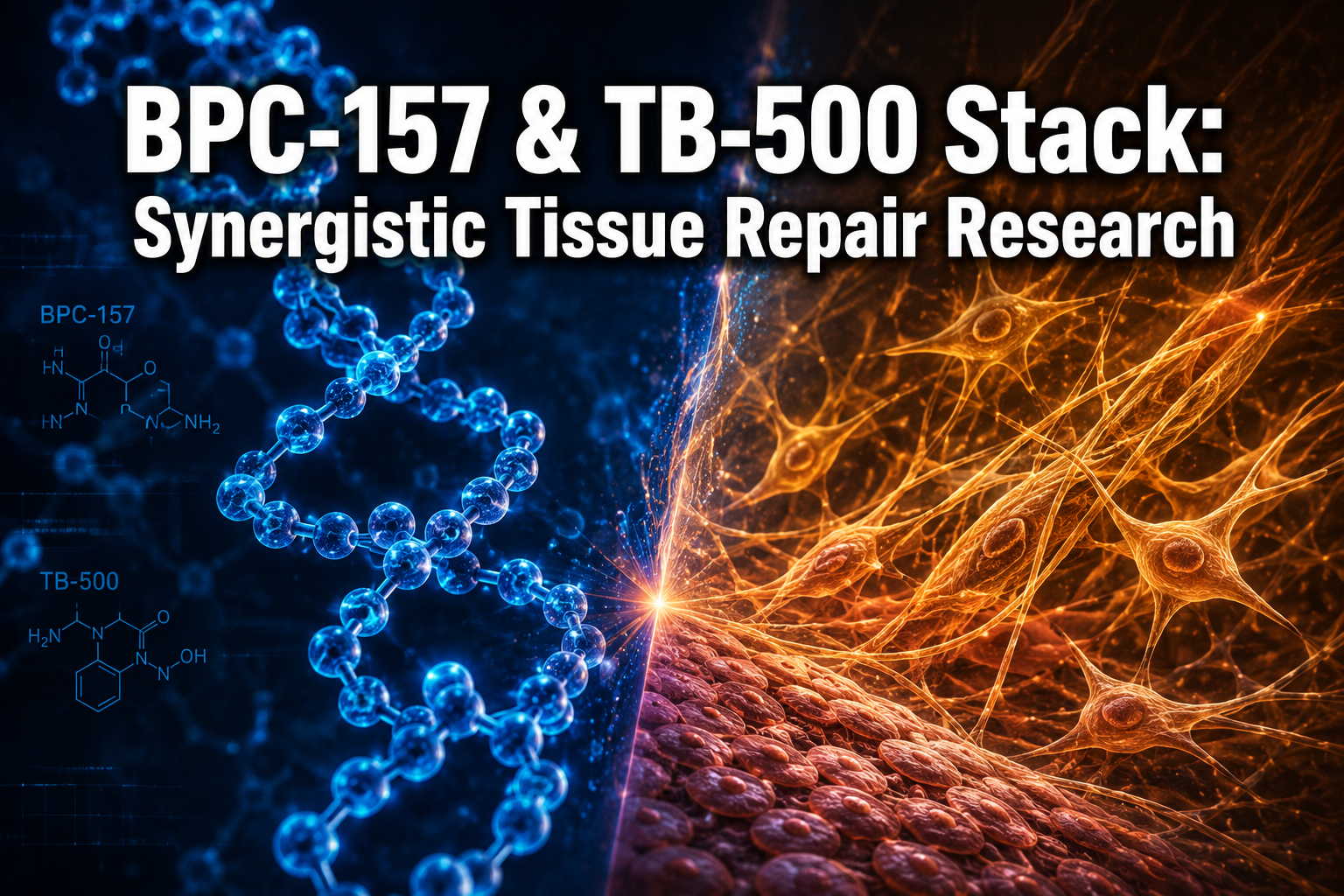
Professional () hero image with : 'BPC-157 & TB-500 Stack: Synergistic Tissue Repair Research' in extra large white with

Two peptides operating through entirely different biological pathways — yet when combined, preclinical data suggests their effects on tissue repair may be greater than the sum of their parts. The BPC-157 and TB-500 stack: synergistic mechanisms for enhanced tissue repair research has become one of the most studied peptide combinations in regenerative biology, drawing attention from researchers examining musculoskeletal recovery, angiogenesis, and cellular remodeling.

Key Takeaways

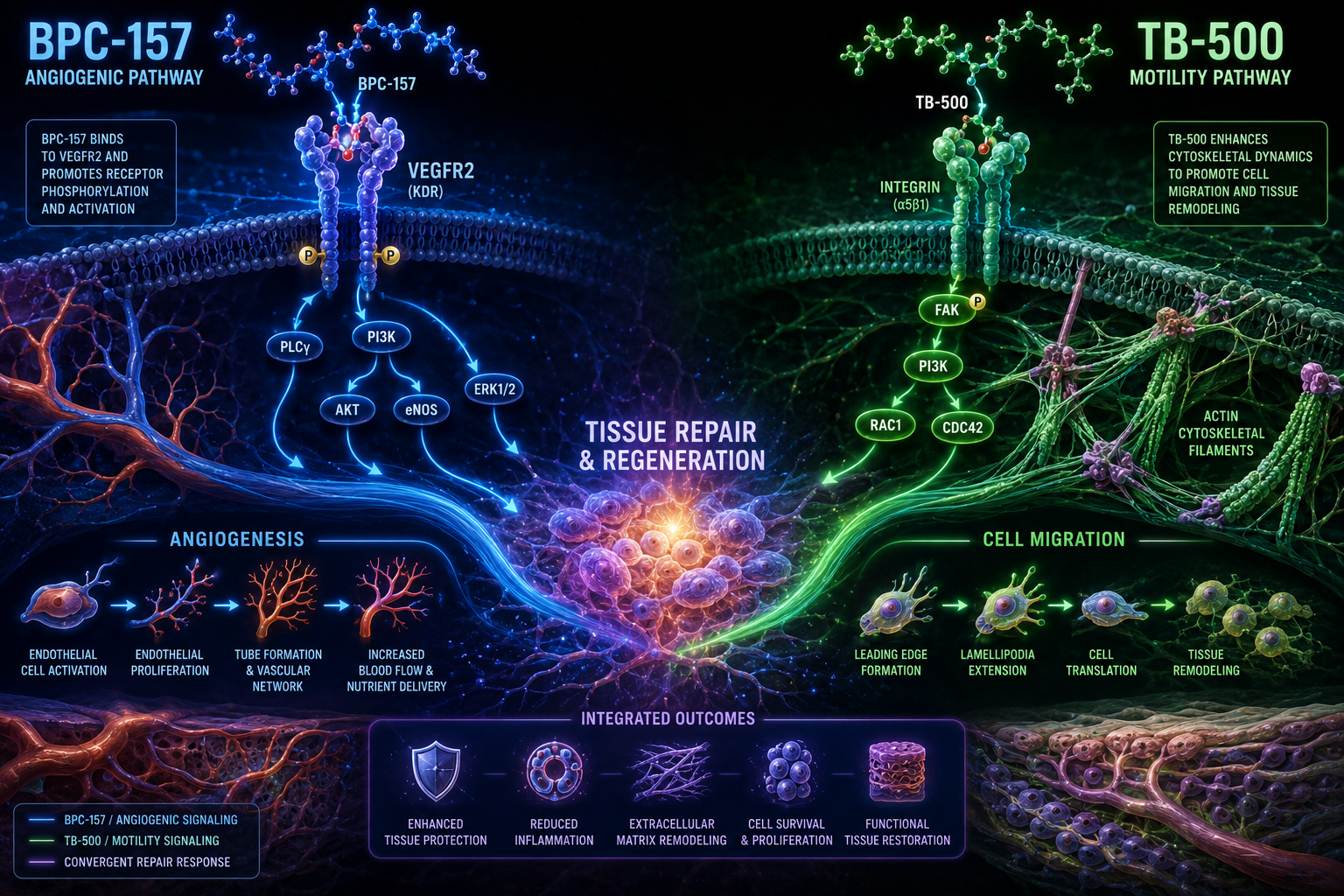
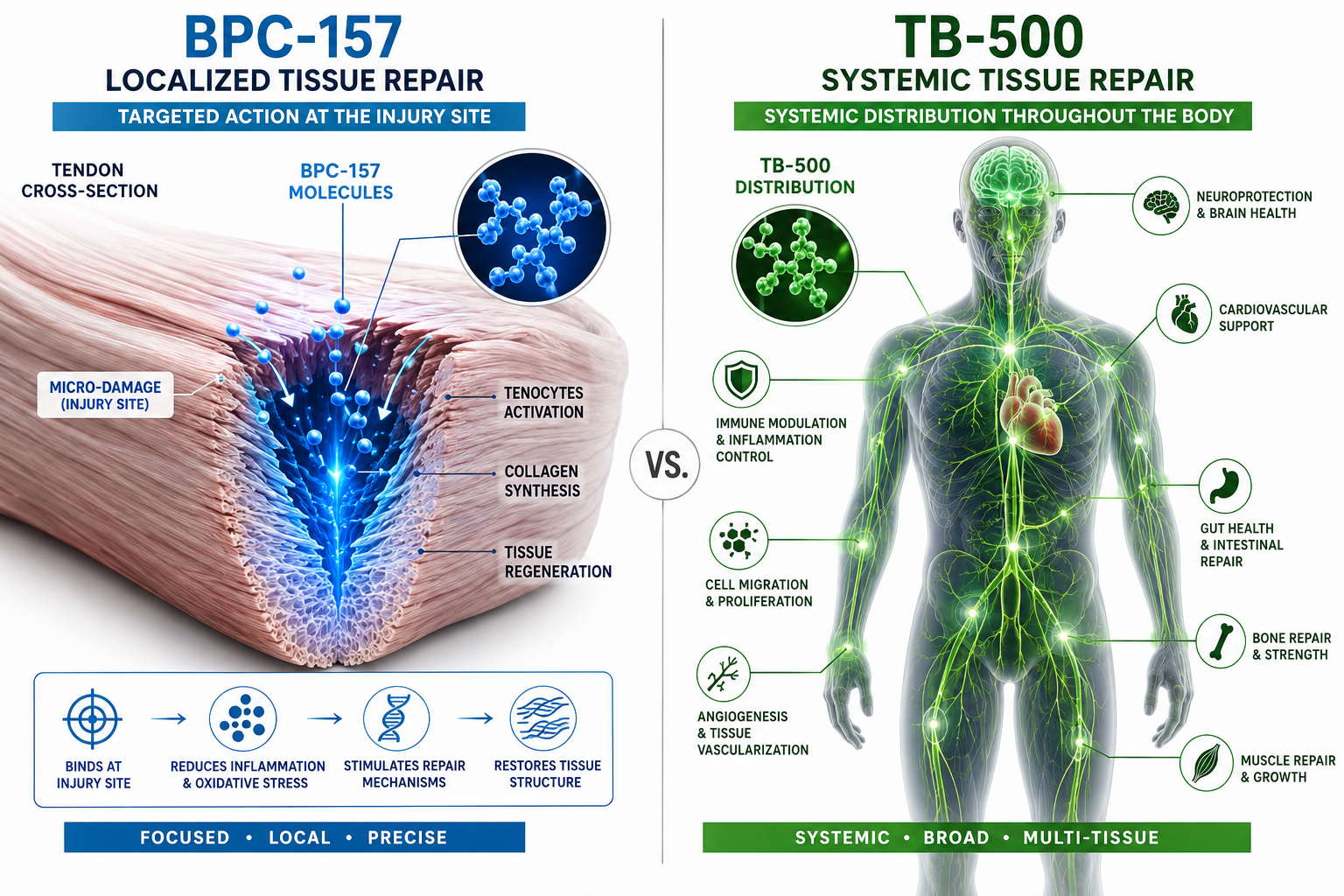
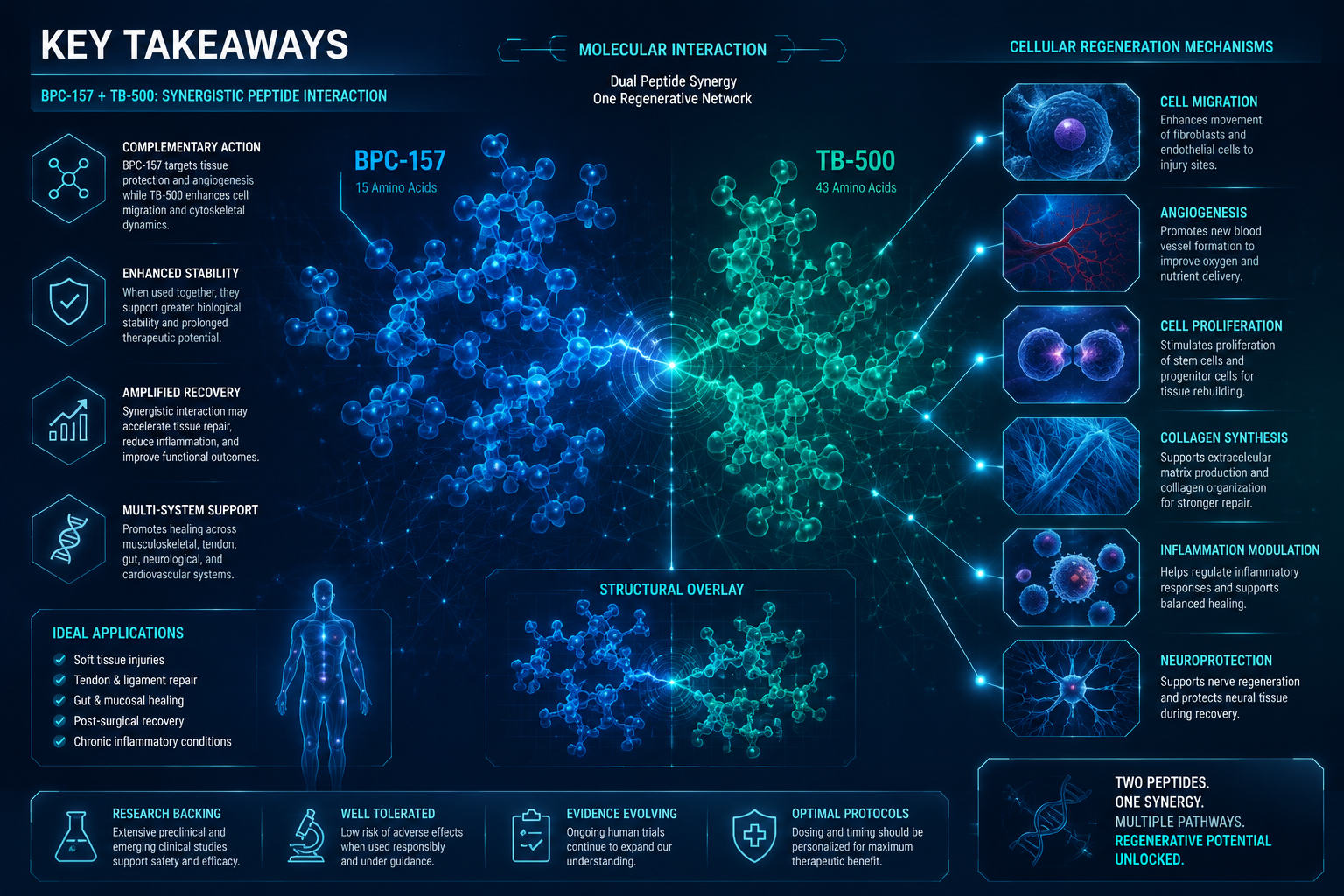
  • BPC-157 drives localized tissue repair through angiogenesis and nitric oxide signaling, while TB-500 promotes systemic cell migration via actin regulation.
  • Preclinical models show the combined stack improves tensile strength, collagen composition, and recovery speed in tendon and ligament injuries.
  • No peer-reviewed human clinical trials currently validate the combination's safety or efficacy.
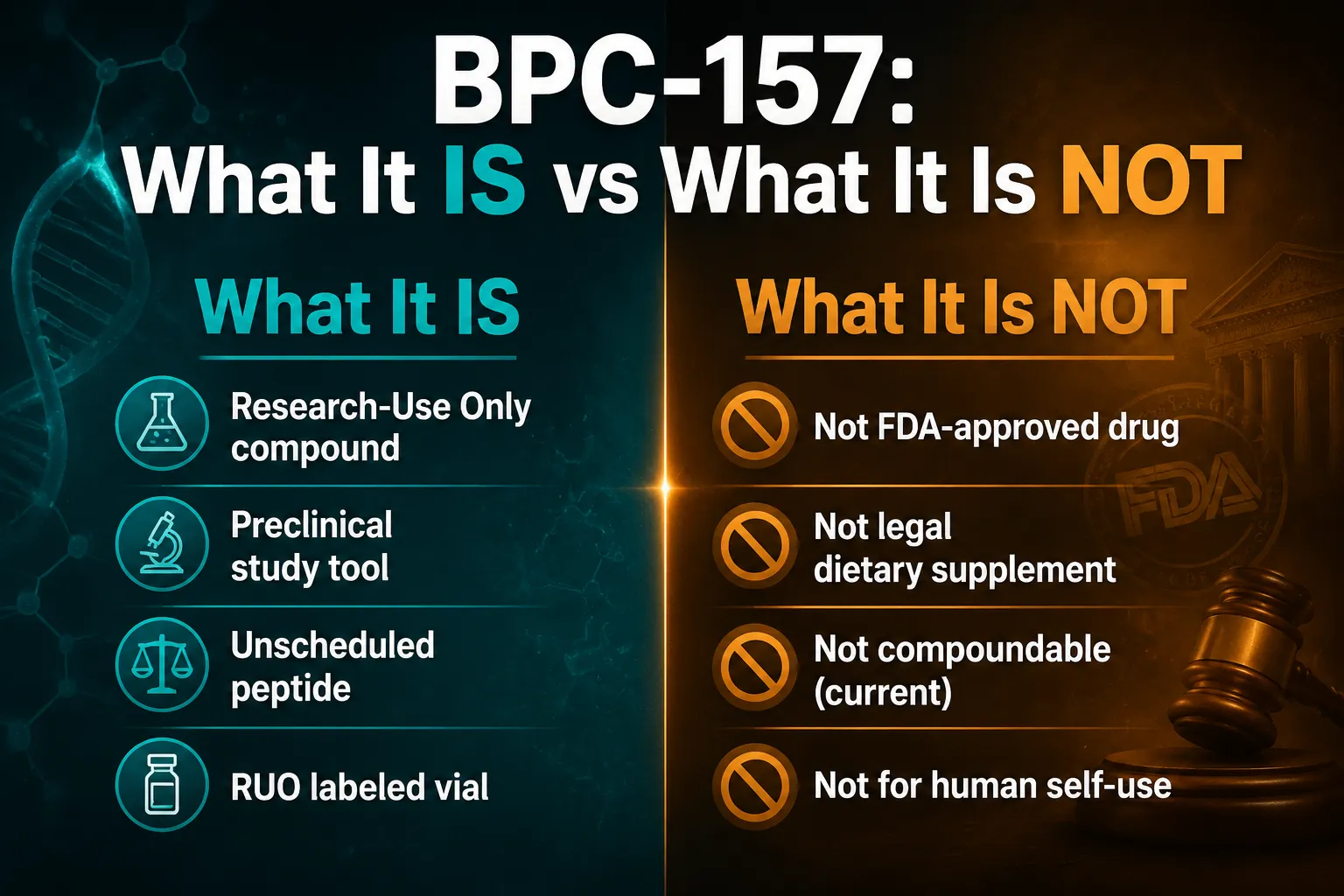
  • Both peptides are classified as FDA Interim Category 2 substances and are prohibited by WADA under the S0 category.
  • Researchers should source only verified, lab-tested compounds and operate within applicable regulatory frameworks.

Key Takeaways

How BPC-157 and TB-500 Work Together

Understanding the BPC-157 and TB-500 stack: synergistic mechanisms for enhanced tissue repair research begins with each peptide's distinct mechanism.

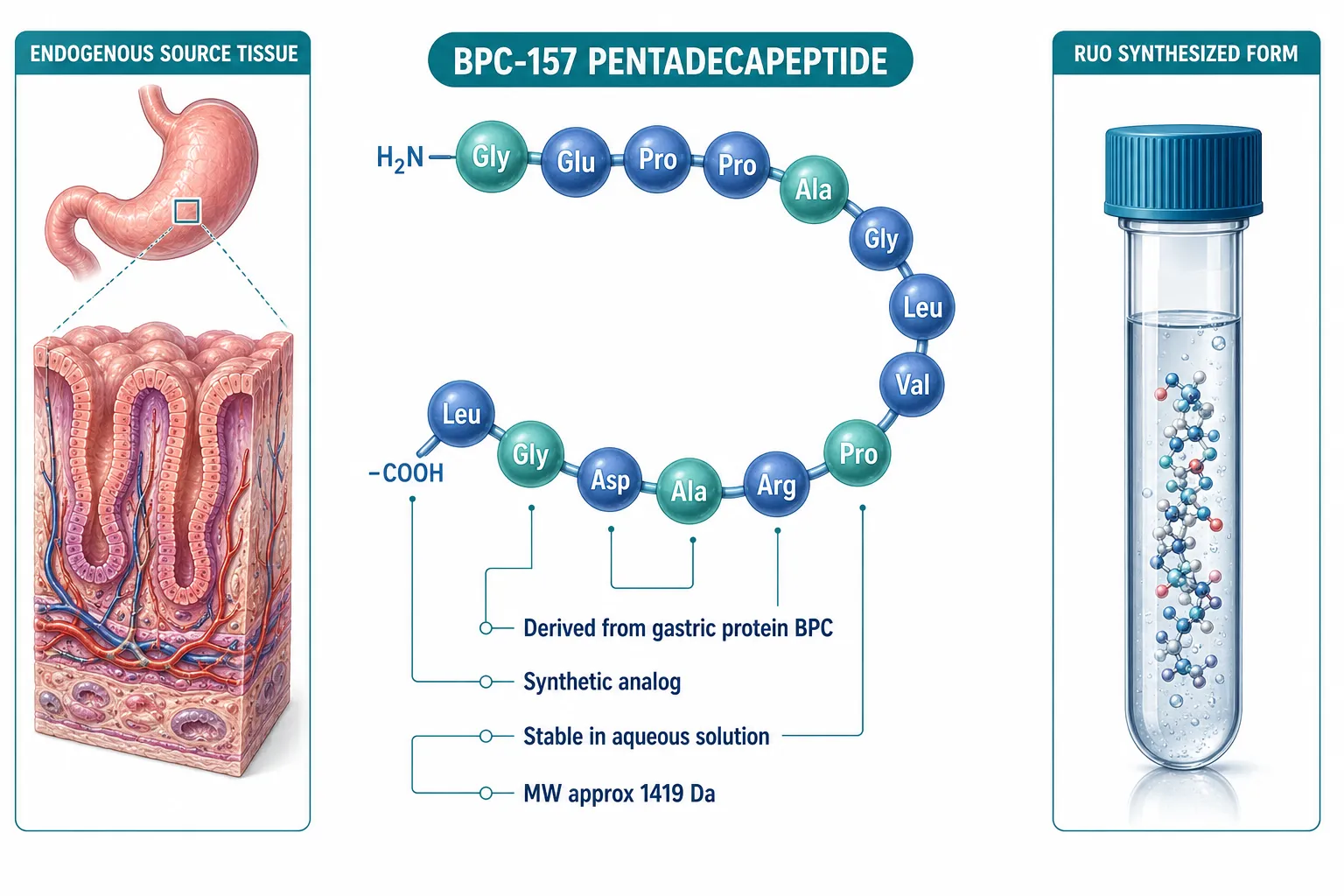
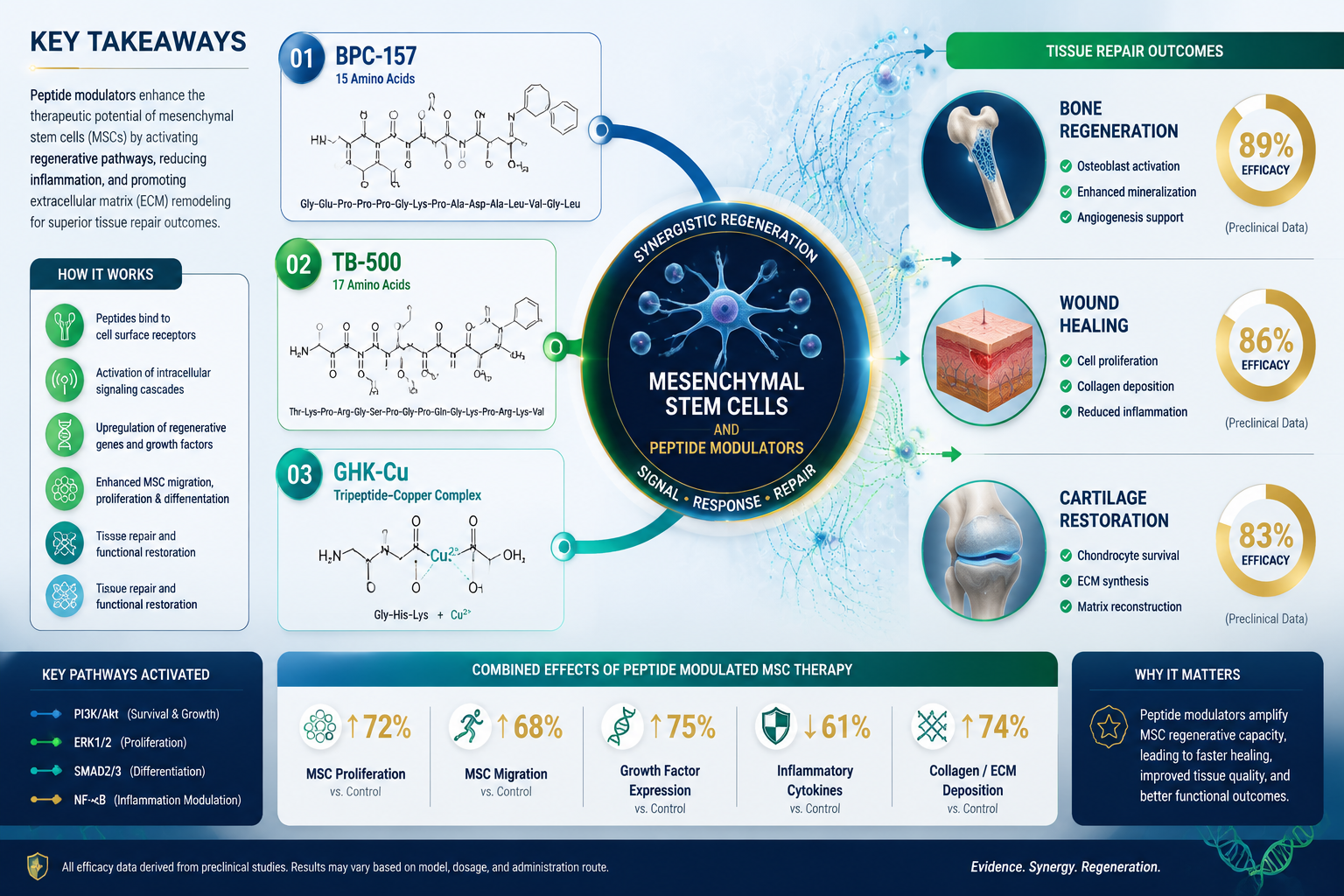
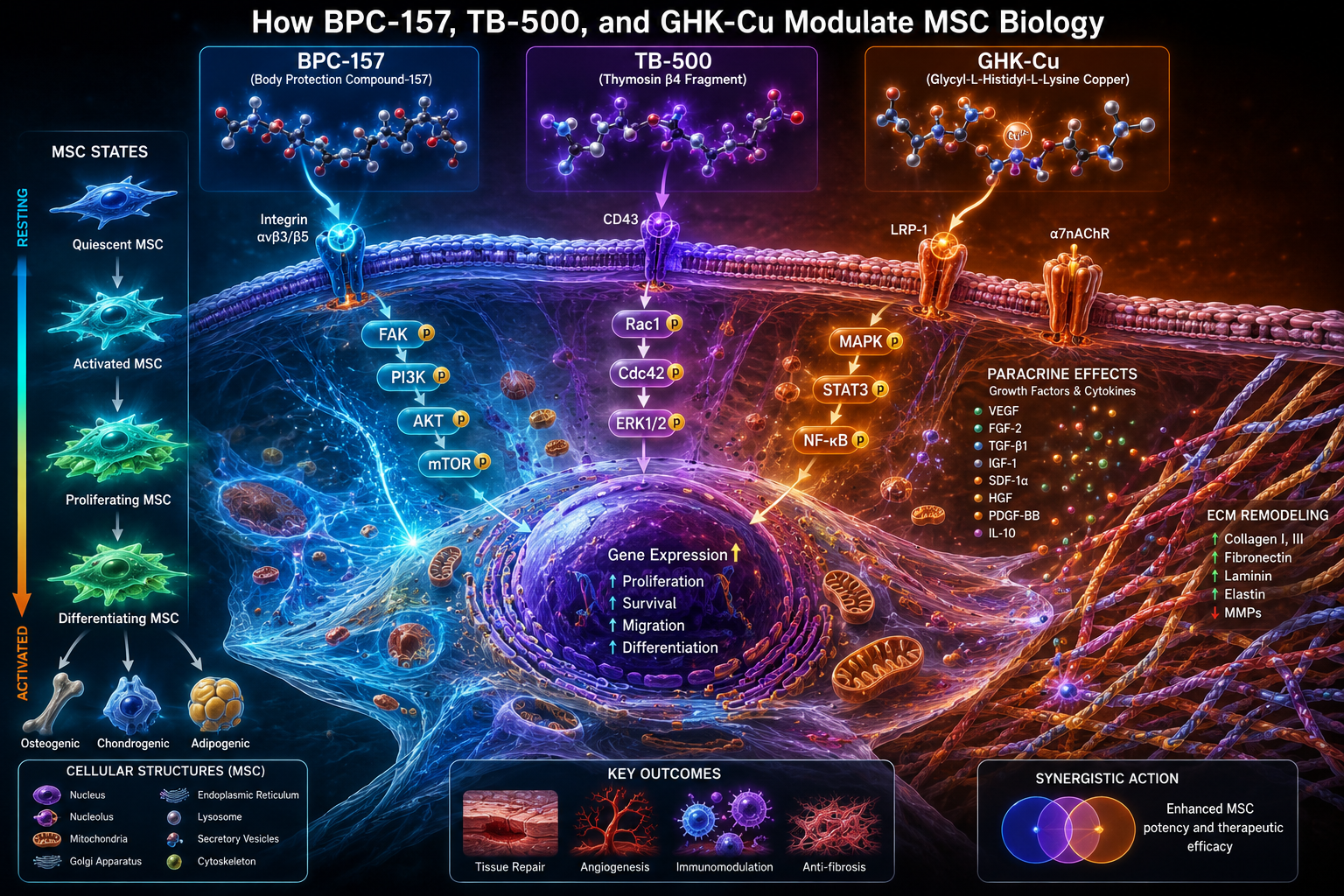
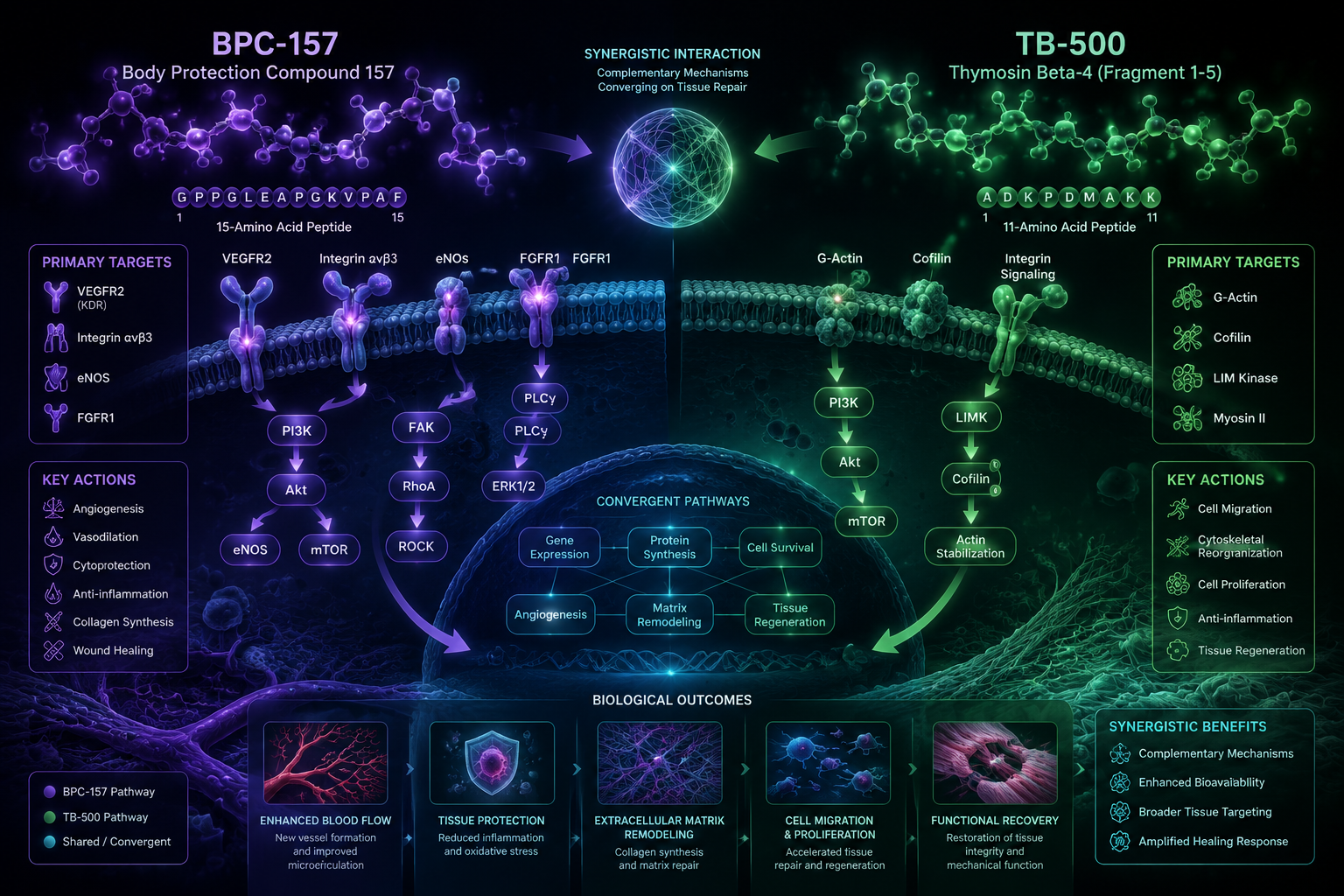
BPC-157 (Body Protection Compound-157) is a 15-amino-acid peptide derived from a gastric protein. Its primary actions include:

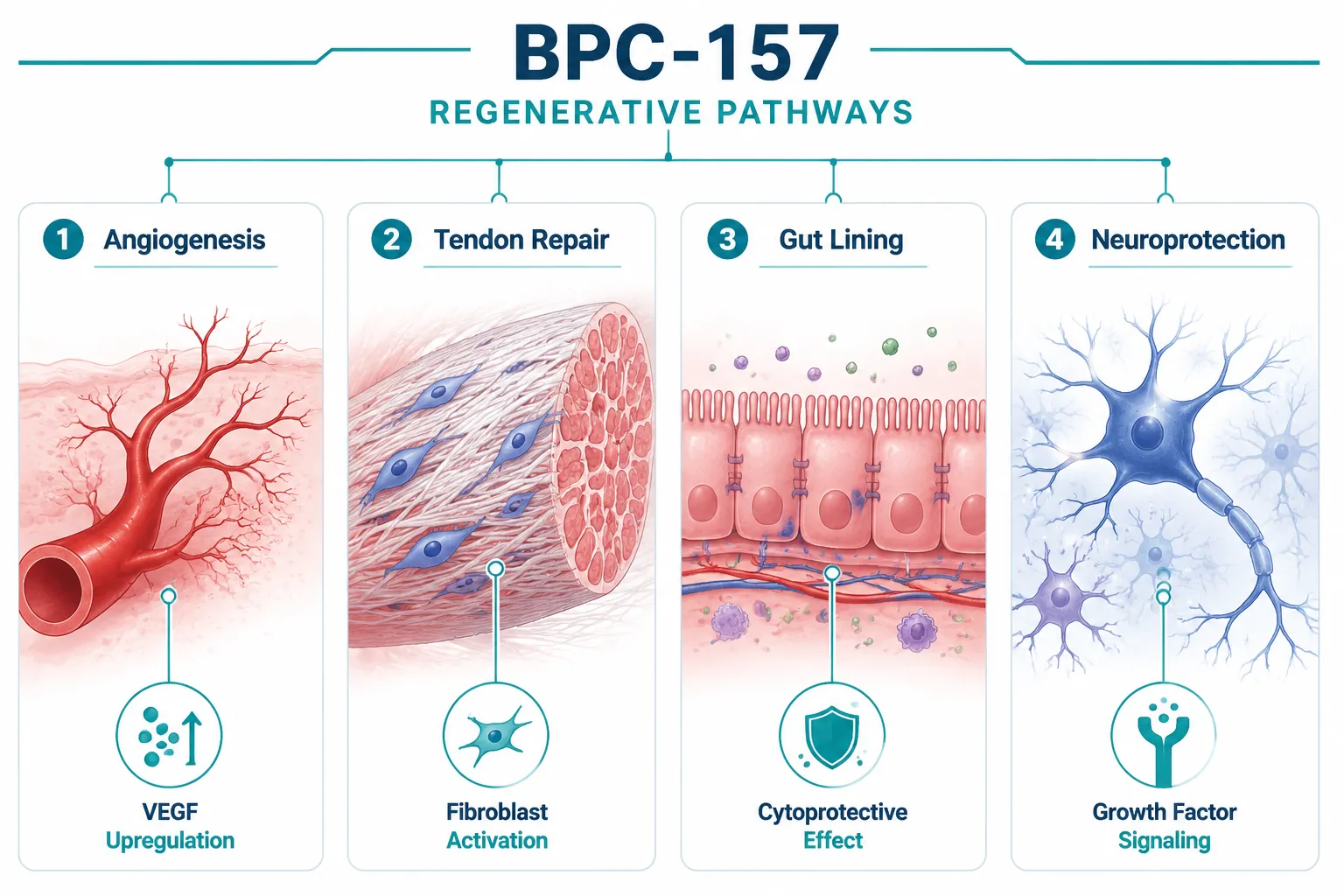
  • Activating VEGFR2 to stimulate new blood vessel formation (angiogenesis)
  • Upregulating the nitric oxide system to improve blood flow to damaged tissue
  • Modulating growth factor signaling to accelerate fibroblast activity

TB-500 (Thymosin Beta-4 fragment) works through a completely separate route. It binds to actin, a key protein in the cytoskeleton, promoting cell migration, differentiation, and tissue remodeling. Its systemic reach makes it particularly effective for whole-body recovery processes.

"BPC-157 builds the vascular infrastructure; TB-500 mobilizes the cellular workforce."

Together, these mechanisms are complementary rather than redundant. BPC-157 creates the blood supply needed to deliver nutrients and immune cells, while TB-500 drives the migration and organization of repair cells into the damaged area. Researchers studying recovery and tissue biology have noted that this dual-pathway approach addresses two critical bottlenecks in natural healing simultaneously.

For a deeper foundation on BPC-157 alone, the BPC-157 core peptides documentation and first research guide provides essential background before exploring stacked protocols.

Preclinical Evidence Supporting the Combined Stack

Preclinical Evidence Supporting the Combined Stack

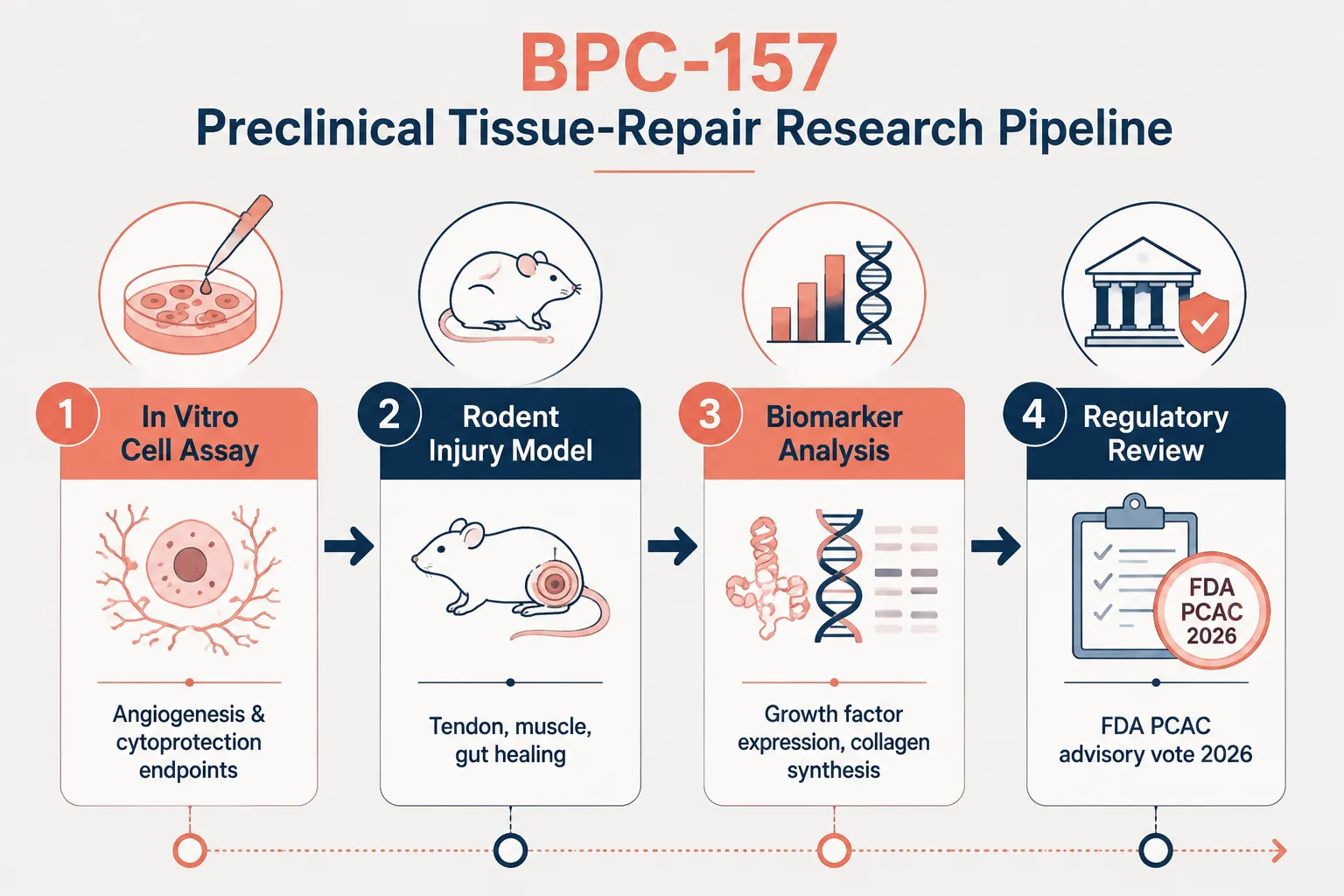
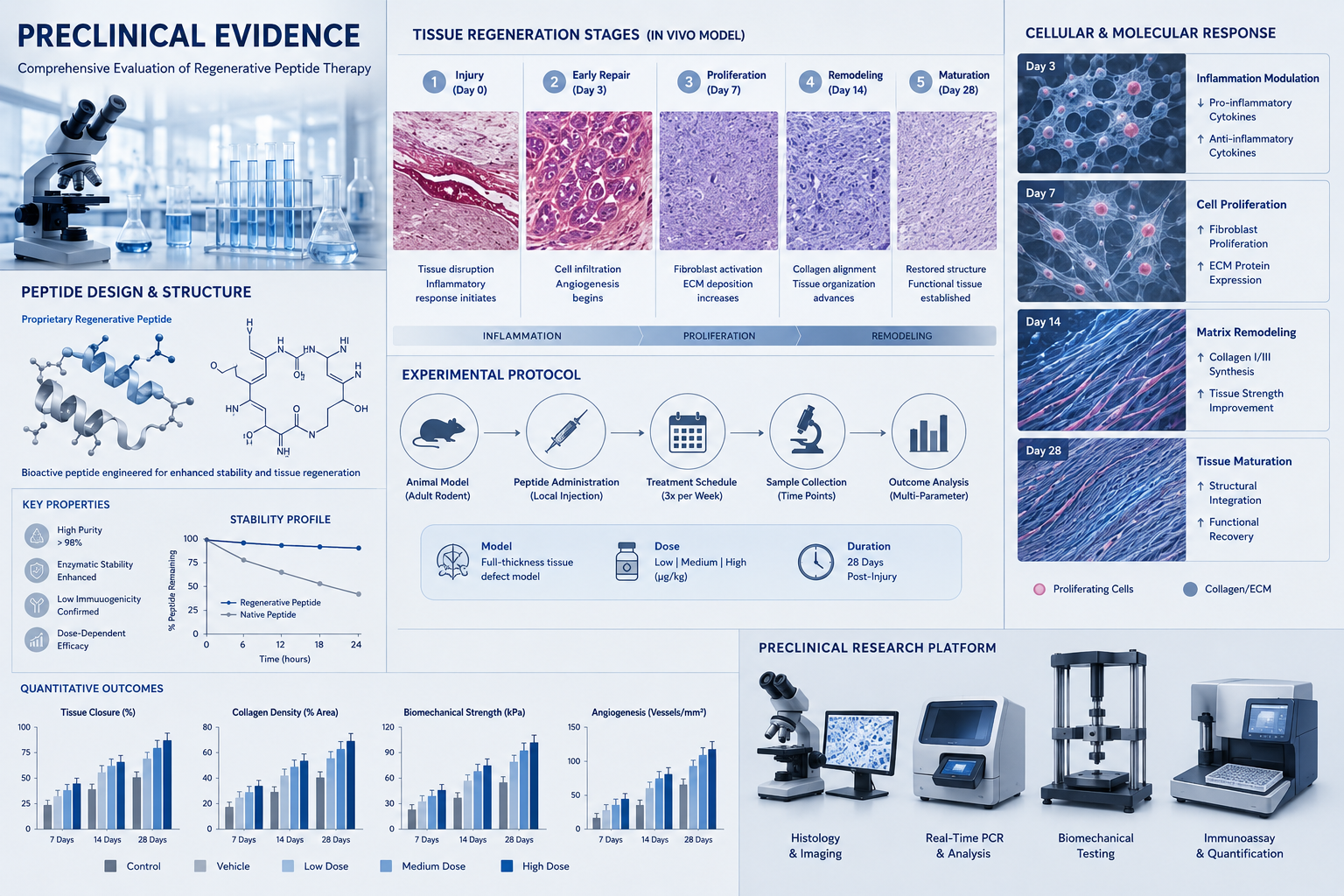
Animal studies provide the most detailed evidence for the BPC-157 and TB-500 stack: synergistic mechanisms for enhanced tissue repair research. Preclinical models involving Achilles tendon injuries, ligament damage, and cardiac ischemia-reperfusion have demonstrated measurable improvements across several markers:

Outcome Marker Observed Effect in Preclinical Models
Tensile strength Increased in repaired tendons
Collagen composition Improved fiber organization
Recovery timeline Reduced compared to single-peptide groups
Cardiac tissue repair Reduced ischemia-reperfusion damage

BPC-157 showed particular strength in localized tissue applications — tendons, joints, and gut lining — while TB-500 demonstrated advantages in systemic flexibility and broader tissue remodeling. Their combination appears to address both the local and systemic dimensions of complex injuries.

Researchers interested in cytoskeletal remodeling should also review TB-500 cytoskeletal remodeling research themes for mechanistic detail, and those sourcing TB-500 for controlled experiments can reference TB-500 buy: controlled experimental models and QC workflow.

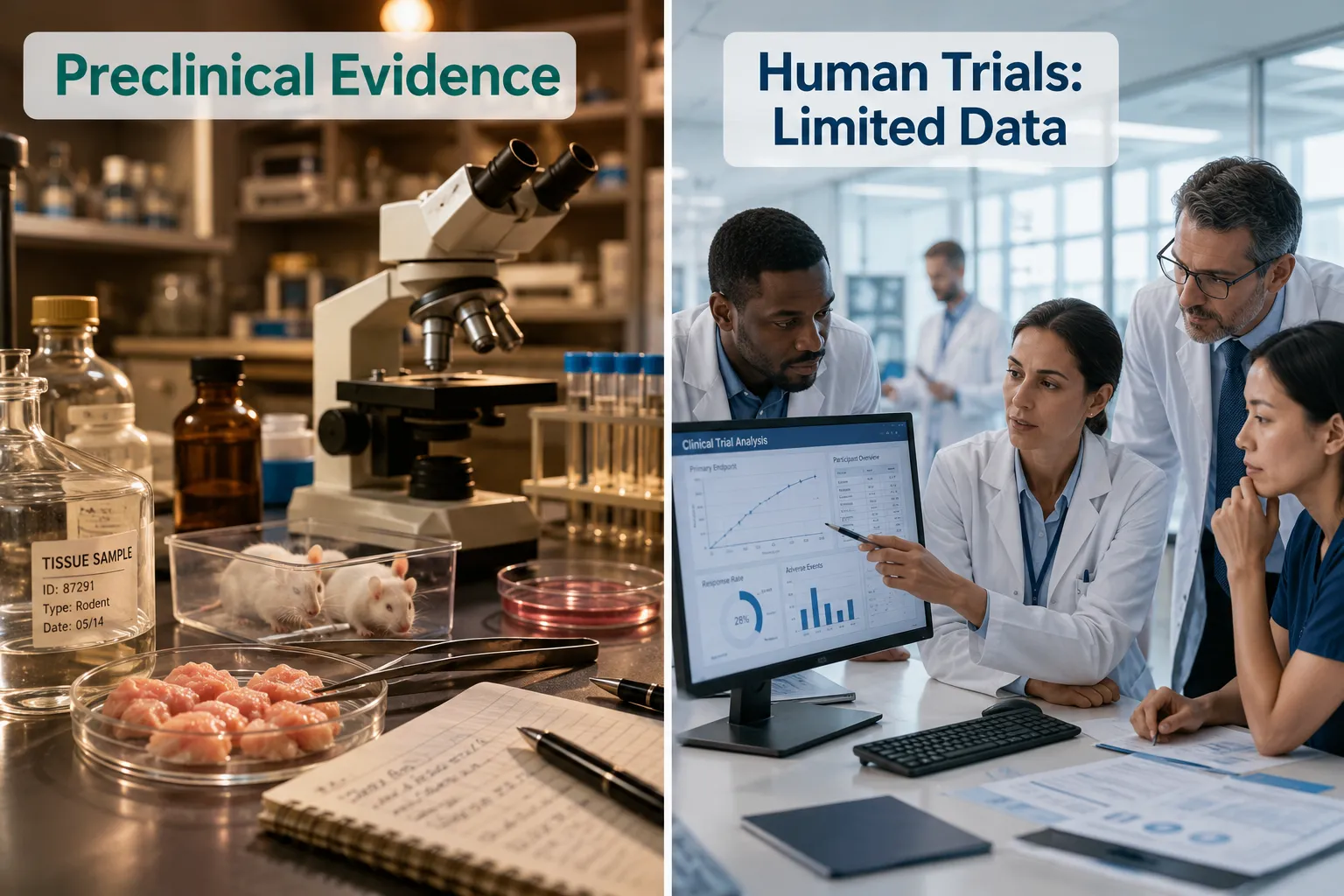
It is worth noting that all current evidence is preclinical. No peer-reviewed human clinical trials have tested this combination, and existing claims rely on extrapolations from individual peptide studies.

Research Protocols, Regulatory Status, and Risk Considerations

Research Protocols, Regulatory Status, and Risk Considerations

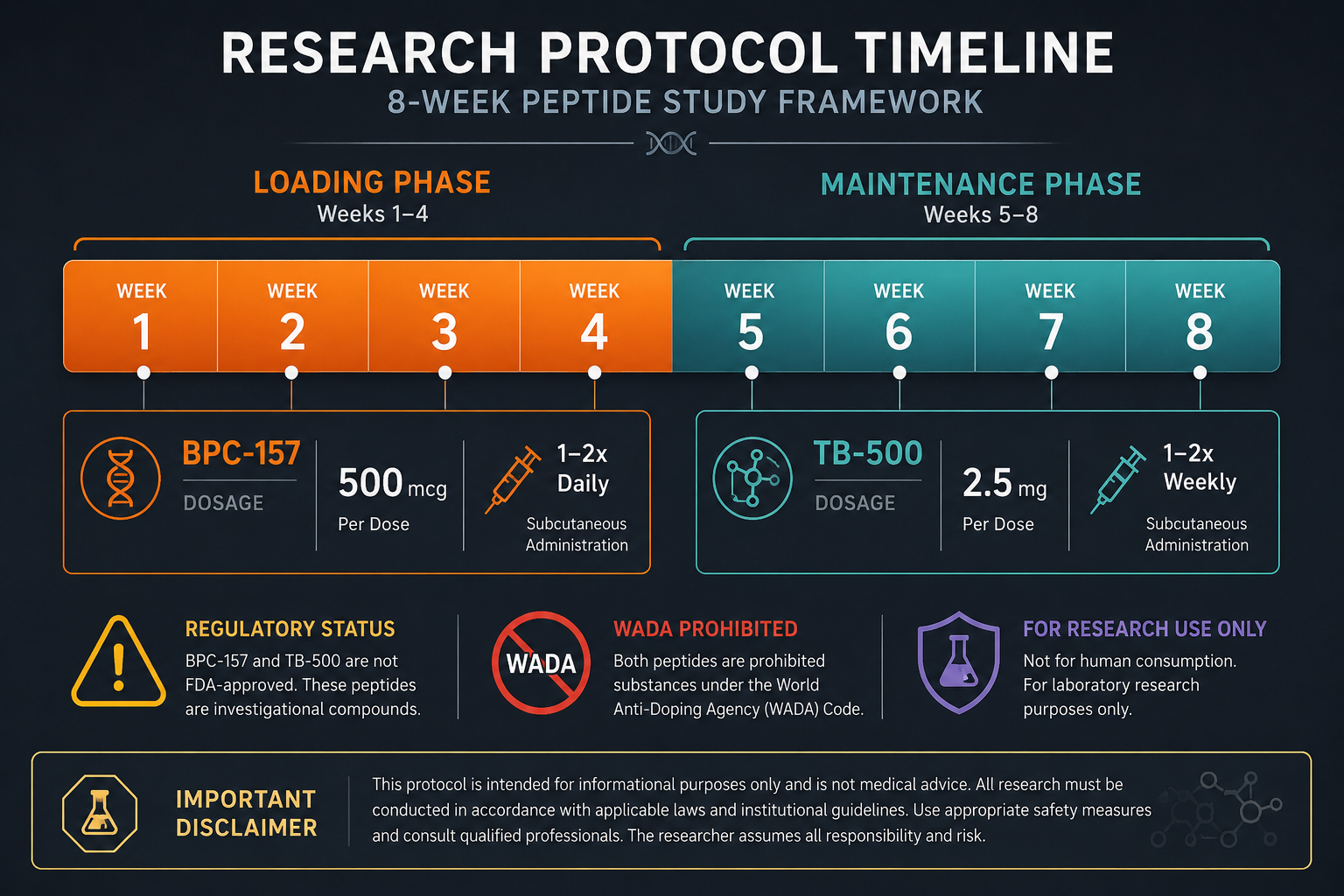
A commonly referenced preclinical research protocol involves an 8-week cycle:

  • BPC-157: 500 mcg administered twice daily, near the target tissue site
  • TB-500 Loading Phase (Weeks 1-4): 2.5 mg twice weekly
  • TB-500 Maintenance Phase (Weeks 5-8): 1.5 mg once weekly

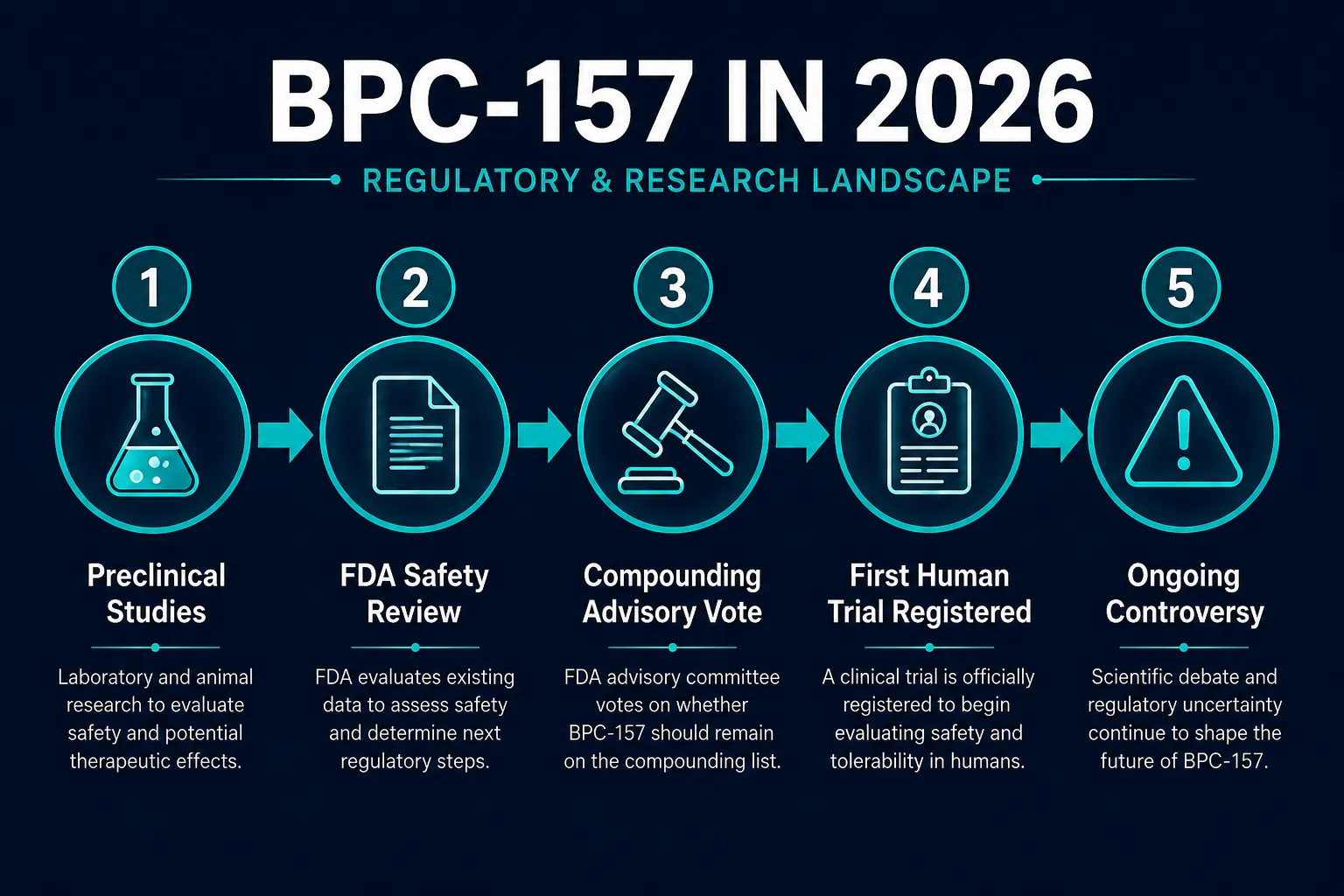
Regulatory context is critical. As of 2026, both BPC-157 and TB-500 are classified as FDA Interim Category 2 substances — meaning they are not approved for human therapeutic use. The World Anti-Doping Agency (WADA) also prohibits both compounds under its S0 category for non-approved substances, making them ineligible for use in competitive sport.

Medical professionals caution that while preclinical data is promising, the absence of robust human trials means safety and efficacy remain unverified. Theoretical concerns include the potential for angiogenesis-promoting peptides to interact with undetected tumor microenvironments, though direct evidence for this risk remains limited.

Researchers exploring complementary peptide mechanisms may also find value in reviewing GHK-Cu longevity research themes and SS-31 mitochondrial research themes, both of which intersect with tissue repair and cellular protection pathways.

For sourcing integrity, only compounds with verified purity documentation should be used. The lab-tested peptides catalog offers a reference point for quality-controlled research compounds.

Conclusion

The BPC-157 and TB-500 stack: synergistic mechanisms for enhanced tissue repair research represents a compelling area of peptide science, with complementary mechanisms that address both vascular and cellular dimensions of tissue repair. Preclinical evidence supports the hypothesis that their combined action outperforms either peptide alone in specific injury models.

Actionable next steps for researchers:

  1. Review the existing preclinical literature on each peptide individually before designing combination protocols.
  2. Consult regulatory guidelines in your jurisdiction — both peptides carry significant legal and compliance considerations.
  3. Source only from suppliers providing third-party purity certificates and documented QC workflows.
  4. Design controlled experimental models with appropriate endpoints to generate reproducible data.
  5. Monitor ongoing clinical research, as human trials may emerge within the next several years.

The science is promising. Rigorous methodology and regulatory awareness are what will move this research forward responsibly.

https://www.puretestedpeptides.com/wp-content/uploads/2026/06/BPC-157-and-TB-500-Stack-Synergistic-Mechanisms-for-Enhanced-Tissue-Repair-Research.png 1024 1536 https://www.puretestedpeptides.com/wp-content/uploads/2026/01/buy-peptides-online.jpg 2026-06-20 13:03:542026-06-20 13:03:54BPC-157 and TB-500 Stack: Synergistic Mechanisms for Enhanced Tissue Repair Research
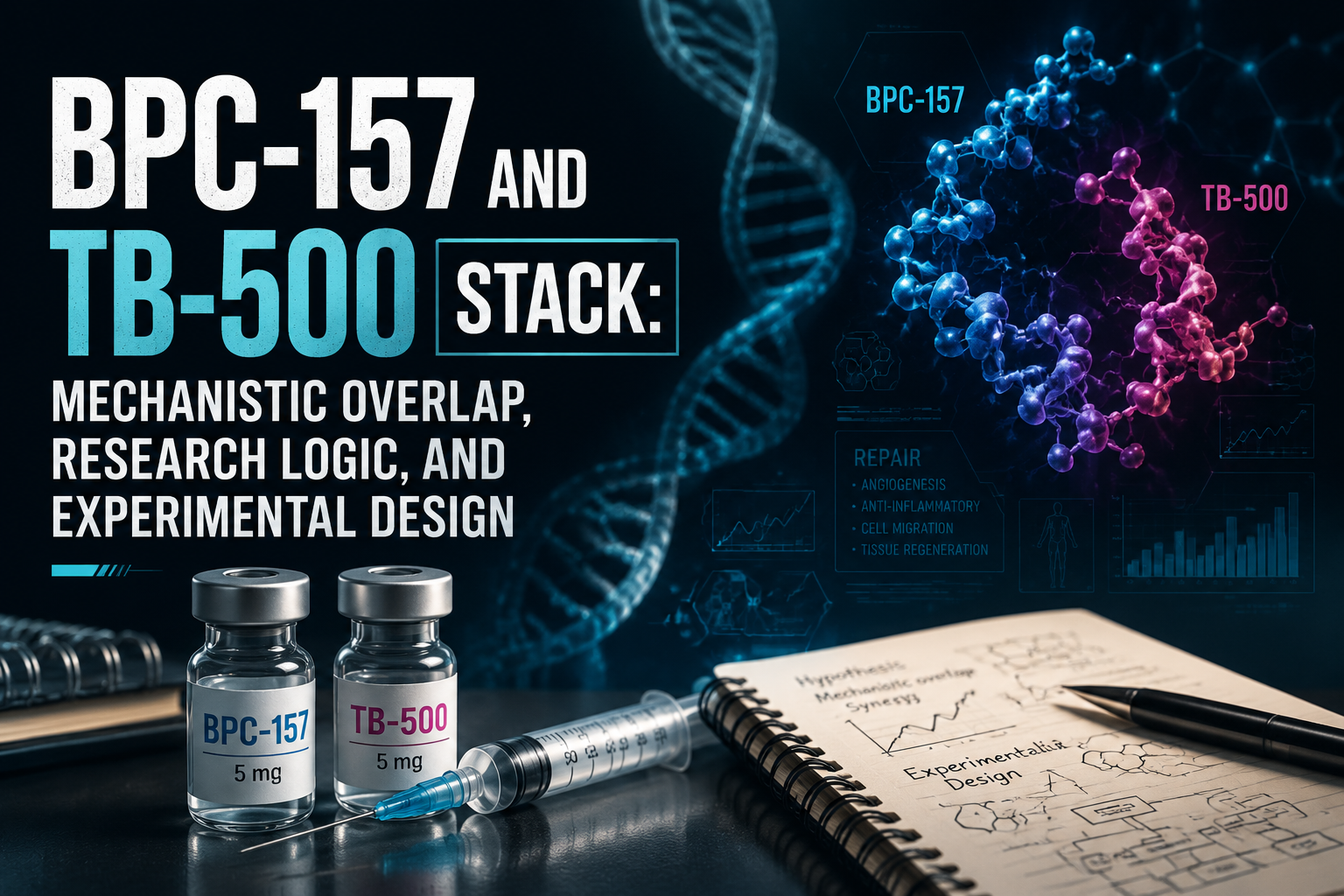
BPC-157 and TB-500 Stack: Mechanistic Overlap, Research Logic, and Experimental Design

BPC-157 and TB-500 Stack: Mechanistic Overlap, Research Logic, and Experimental Design

June 14, 2026/0 Comments/in Uncategorized/by

{"cover":"Professional landscape format (1536×1024) hero image with bold text overlay: 'BPC-157 & TB-500 Stack: Mechanistic Overlap, Research Logic & Experimental Design' in extra large 72pt white bold sans-serif font with dark semi-transparent background panel, centered upper-third composition. Background shows a high-resolution macro photograph of peptide vials and syringes on a clean laboratory bench with soft blue and white lighting, molecular structure diagrams subtly overlaid. Color scheme: deep navy blue, crisp white, and steel teal accents. Magazine cover aesthetic, editorial quality, high contrast.","content":["Detailed landscape format (1536×1024) scientific illustration showing two distinct molecular pathways side by side: left panel depicts BPC-157 angiogenesis pathway with VEGFR2 receptor activation and nitric oxide signaling arrows in warm amber tones; right panel shows TB-500 actin sequestration and cell migration pathway with cytoskeletal filaments in cool teal tones. Central overlap zone highlighted in purple gradient showing mechanistic convergence. Clean white background, labeled pathway nodes, editorial infographic style, research-focused aesthetic.","Landscape format (1536×1024) overhead flat-lay photograph of a research laboratory notebook open to a page showing a structured experimental protocol table with columns for peptide name, dose, route, frequency, and phase. Beside the notebook: two labeled peptide vials, a precision scale, sterile syringes, and a timer. Soft clinical lighting, muted gray and white tones with blue accent highlights. Text overlay reads 'Experimental Design Framework' in 36pt bold sans-serif. Editorial research aesthetic, high detail.","Landscape format (1536×1024) split-scene image: left half shows a preclinical rodent tendon repair model diagram with annotated tissue cross-section showing collagen fiber alignment and tensile strength improvement arrows; right half shows a cautionary regulatory panel with WADA prohibited substance symbol and FDA non-approval badge rendered in clean iconographic style. Central dividing line with text overlay 'Evidence vs. Regulation' in bold 40pt sans-serif. Color palette: clinical white, warning amber, regulatory red, research blue. Professional editorial quality."]

Professional landscape hero image () with : "BPC-157 and TB-500 Stack: Mechanistic Overlap, Research Logic, and Experimental

Over 100 preclinical studies support BPC-157 as a tissue-repair peptide, yet researchers increasingly pair it with TB-500 rather than study it alone. That choice is not arbitrary. The BPC-157 and TB-500 stack: mechanistic overlap, research logic, and experimental design represent a deliberate strategy to target two distinct but complementary repair pathways simultaneously, producing outcomes that neither peptide achieves as efficiently on its own.

Key Takeaways

  • BPC-157 drives angiogenesis via VEGFR2 activation; TB-500 promotes cell migration through actin sequestration — the pathways are distinct yet additive.
  • Preclinical rodent models show improved tensile strength, collagen-I:III ratio, and recovery time when both peptides are combined.
  • Neither peptide is FDA-approved; both are banned by WADA under the S0 Non-Approved Substances category.
  • Human clinical data on the combination is sparse, making rigorous experimental design essential for any research protocol.
  • Purity, sourcing, and dosing consistency are critical variables in any credible stack study.

Key Takeaways

Distinct Mechanisms That Create Research Logic for the Stack

Understanding why this combination is studied begins with understanding what each peptide does at the molecular level.

BPC-157 is a 15-amino-acid peptide derived from human gastric juice. Its primary repair mechanism involves activating VEGFR2 receptors to stimulate angiogenesis — the formation of new blood vessels. It also modulates the nitric oxide system, which regulates vascular tone and inflammatory signaling. This makes BPC-157 particularly relevant in the acute phase of tissue injury, when restoring blood supply is the first priority.

TB-500, a synthetic fragment of thymosin beta-4, operates through a different mechanism entirely. It works by sequestering G-actin, which frees up actin monomers to drive cytoskeletal reorganization. This enhances cell migration and activates integrin-linked kinase signaling, supporting progenitor cell recruitment and longer-term tissue remodeling.

The mechanistic overlap between these two peptides is minimal — and that is precisely the point. BPC-157 handles the vascular phase; TB-500 handles the cellular migration and remodeling phase. Together, they cover a broader repair timeline than either covers alone. Researchers studying multi-pathway repair strategies often explore similar logic in blends like the KLow multi-pathway research blend, where targeting multiple systems simultaneously is the core hypothesis.


Distinct Mechanisms That Create Research Logic for the Stack

Preclinical Evidence and Experimental Design Considerations

Rodent models of Achilles tendon injury, ligament damage, and cardiac ischemia/reperfusion have all been used to evaluate the BPC-157 and TB-500 stack. The combination has shown measurable improvements in tensile strength, collagen-I:III ratio, and recovery time compared to single-peptide controls. These outcomes align with the mechanistic logic: angiogenesis precedes and enables the cellular remodeling that TB-500 supports.

Typical Research Protocol Parameters

Variable BPC-157 TB-500
Dose range 250-500 mcg/day 2-2.5 mg twice weekly (loading)
Maintenance phase Same daily dose 2 mg weekly
Route Subcutaneous Subcutaneous
Protocol duration 6-8 weeks 6-8 weeks

Well-designed experiments using this stack should include single-peptide control arms, a vehicle-only control, and matched injury models. Outcome measures should include histological collagen analysis, biomechanical tensile testing, and inflammatory marker panels. Researchers interested in delivery format variables can review BPC-157 nasal spray and capsule evidence for context on how route of administration affects bioavailability assumptions.

For broader context on stacking logic in peptide research, the approach mirrors reasoning found in GLP-1 dual receptor agonism research and MOTS-c and SLU-PP-332 combination studies, where mechanistic separation between agents justifies co-administration.


Typical Research Protocol Parameters

Regulatory Status, Safety Signals, and Research Limitations

The BPC-157 and TB-500 stack: mechanistic overlap, research logic, and experimental design cannot be discussed without addressing the regulatory and safety landscape.

As of 2026, neither peptide holds FDA approval. Both are classified as Category 2 bulk drug substances and are prohibited by WADA under the S0 Non-Approved Substances category. This means they are banned in competitive sports and are not approved for human therapeutic use.

Key safety concerns include:

  • Pro-angiogenic activity raises theoretical concerns about tumor-growth promotion in oncology-risk populations
  • Quality control variability in commercially sourced peptides poses a real contamination risk
  • No large-scale human safety data exists for the combination

TB-500's evidence base draws heavily from thymosin beta-4 Phase 2/3 clinical trials, which provide some safety signal data, but these trials did not study the combination with BPC-157. BPC-157 has three small human pilot studies, none of which examined the stack.

Researchers studying peptide safety profiles in adjacent areas — such as SS-31 kidney health research or LL-37 innate immunity themes — follow similar frameworks: preclinical dose-response data first, safety biomarker panels second, and controlled human protocols only after both are established.

Sourcing purity is non-negotiable. Any credible experimental design for the BPC-157 and TB-500 stack: mechanistic overlap, research logic, and experimental design must include certificate-of-analysis verification and third-party testing. Researchers can review the full peptide catalog for sourcing reference points.


Conclusion

The case for studying BPC-157 and TB-500 together is mechanistically sound: one peptide initiates vascular repair, the other drives cellular remodeling, and the two phases are sequential rather than redundant. Preclinical data supports additive outcomes, and the experimental design logic is clear.

Actionable next steps for researchers:

  1. Design protocols with single-peptide control arms to isolate each peptide's contribution.
  2. Prioritize purity verification through third-party CoA documentation before any experiment begins.
  3. Include both histological and biomechanical outcome measures to capture the full repair timeline.
  4. Monitor inflammatory and angiogenic biomarkers to detect any adverse signaling.
  5. Treat all findings as preclinical until human trial data is available — and consult regulatory guidance before advancing to any human research phase.

The combination holds genuine scientific interest. Responsible experimental design is what separates productive research from speculation.

https://www.puretestedpeptides.com/wp-content/uploads/2026/06/BPC-157-and-TB-500-Stack-Mechanistic-Overlap-Research-Logic-and-Experimental-Design.png 1024 1536 https://www.puretestedpeptides.com/wp-content/uploads/2026/01/buy-peptides-online.jpg 2026-06-14 16:49:512026-06-14 16:49:51BPC-157 and TB-500 Stack: Mechanistic Overlap, Research Logic, and Experimental Design
GHK-Cu Peptide Mechanism: Copper Binding, Extracellular Matrix Signaling, and Tissue-Repair Research

GHK-Cu Peptide Mechanism: Copper Binding, Extracellular Matrix Signaling, and Tissue-Repair Research

June 8, 2026/0 Comments/in Uncategorized/by

Plasma levels of GHK — the tripeptide glycyl-L-histidyl-L-lysine — drop by roughly 60% between the ages of 20 and 60. That single biochemical fact helps explain why researchers studying regenerative biology keep returning to the GHK-Cu peptide mechanism: copper binding, extracellular matrix signaling, and tissue-repair research as a framework for understanding age-related decline in wound closure, collagen turnover, and cellular defense.

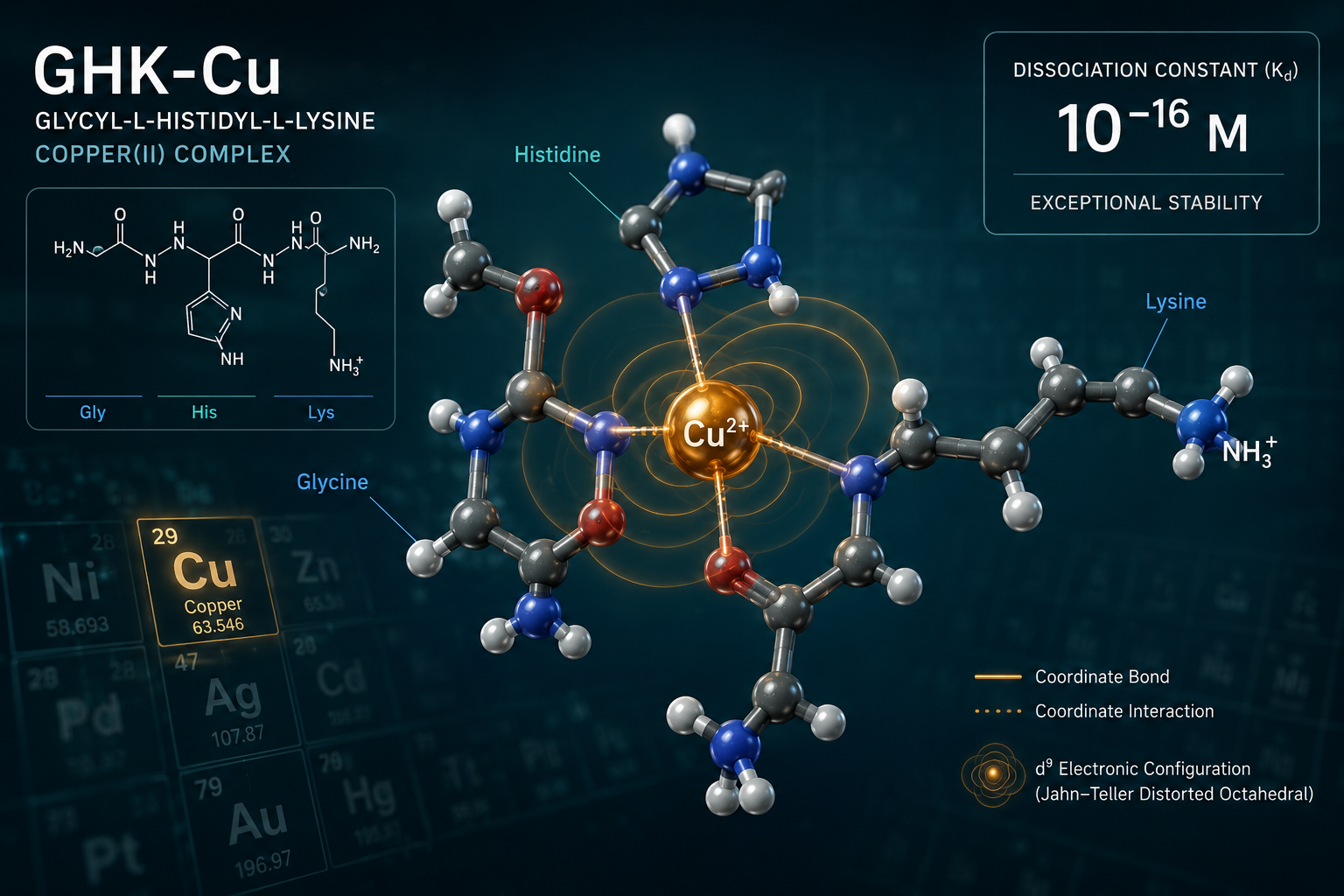
Scientific diagram-style landscape image () illustrating GHK-Cu copper binding chemistry: a three-dimensional molecular

Key Takeaways

  • GHK-Cu binds copper(II) with extraordinary affinity (dissociation constant near 10⁻¹⁶ M), enabling targeted copper delivery to tissues.
  • The peptide modulates expression of more than 4,000 human genes, influencing repair, inflammation, and antioxidant pathways simultaneously.
  • GHK-Cu activates TGF-beta signaling and upregulates VEGF and FGF-2, driving collagen synthesis and angiogenesis.
  • Anti-inflammatory effects stem from NF-kB pathway inhibition, reducing TNF-alpha and IL-6 production.
  • Unlike receptor-targeted peptides, GHK-Cu acts primarily through direct extracellular matrix interaction and redox chemistry.

How the GHK-Cu Copper Binding Mechanism Works

The tripeptide GHK (Gly-His-Lys) naturally forms a stable complex with copper(II) ions. What makes this binding unusual is its strength: the dissociation constant sits near 10⁻¹⁶ M, placing it among the tightest metal-peptide interactions documented in biochemistry. This affinity is not incidental — it is the structural basis for everything else the molecule does.

The histidine residue provides the primary coordination site for Cu²⁺, while the glycine and lysine flanking residues stabilize the complex geometrically. The result is a molecule that can transport bioavailable copper to target tissues without releasing it prematurely into circulation, where free copper would generate oxidative damage.

Why copper matters here: Copper is an essential cofactor for lysyl oxidase, the enzyme that crosslinks collagen and elastin fibers in connective tissue. Without adequate copper delivery, newly synthesized matrix proteins remain structurally weak. GHK-Cu effectively solves a delivery problem that free copper supplementation cannot address safely.

For researchers comparing copper-dependent mechanisms across peptide classes, the GHK-Cu longevity research themes page provides additional context on how these pathways intersect with aging biology.


Extracellular Matrix Signaling: The Core of GHK-Cu Peptide Mechanism Research

Extracellular Matrix Signaling: The Core of GHK-Cu Peptide Mechanism Research

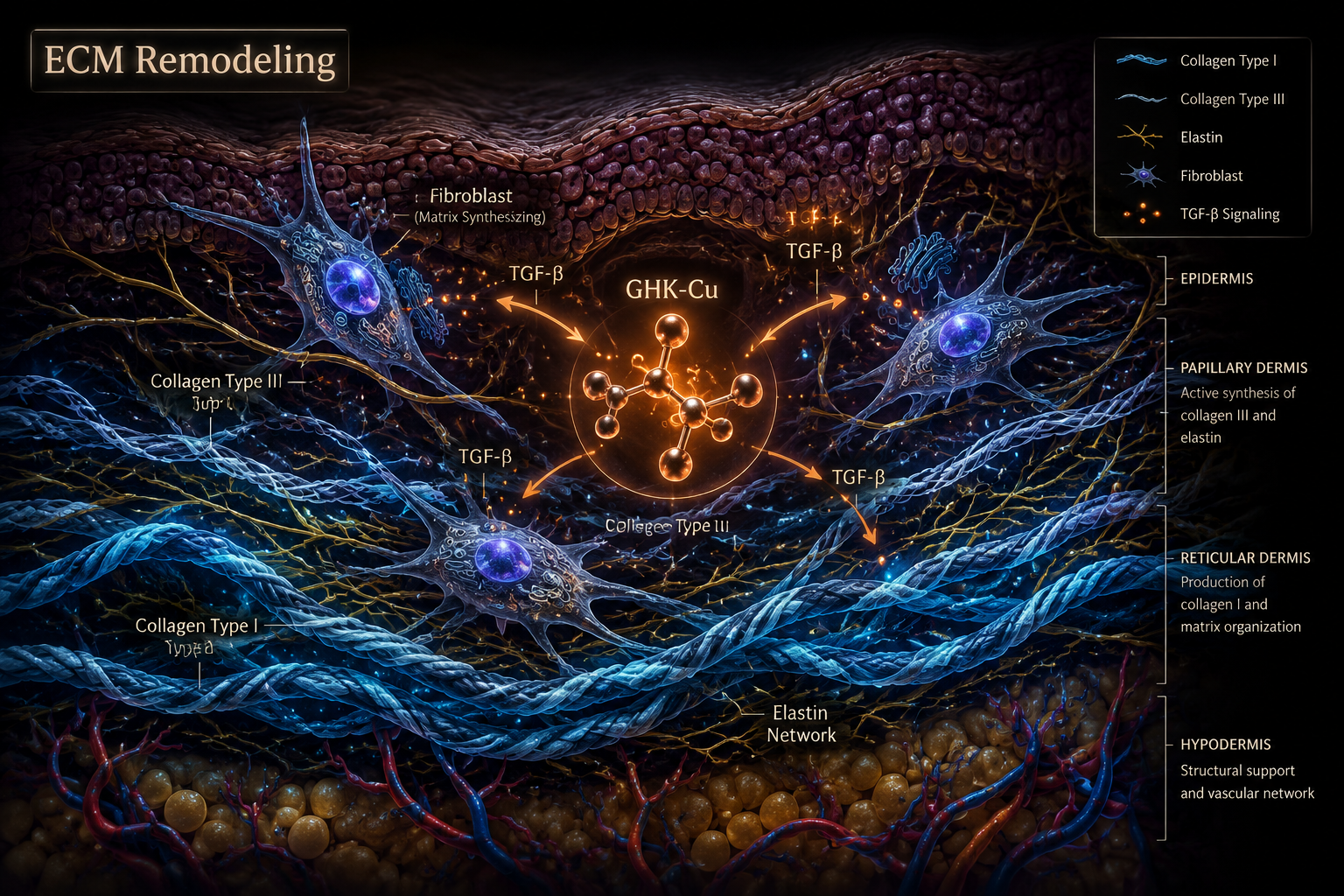
Most regenerative peptides work by binding a specific receptor. GHK-Cu operates differently. Its primary influence on tissue biology runs through direct extracellular matrix (ECM) interaction combined with downstream gene expression changes — a mechanistic distinction that gives it an unusually broad biological footprint.

Collagen, Elastin, and Decorin Upregulation

GHK-Cu stimulates synthesis of:

ECM Component Function
Type I Collagen Structural tensile strength in skin and tendons
Type III Collagen Early wound scaffolding, vascular walls
Elastin Tissue recoil and flexibility
Decorin Collagen fiber organization, TGF-beta regulation

This multi-target ECM effect is driven partly through TGF-beta pathway activation. When GHK-Cu engages fibroblasts, it upregulates TGF-beta signaling, which in turn amplifies collagen gene transcription and matrix metalloproteinase (MMP) regulation — clearing damaged matrix while simultaneously building replacement structure.

Gene Expression at Scale

One of the most striking findings in GHK-Cu research is the breadth of its genomic influence. Studies suggest the peptide modulates expression of over 4,000 human genes — approximately 32% of the genome. These include genes governing:

  • Tissue repair and regeneration
  • Antioxidant enzyme production
  • Inflammatory cytokine regulation
  • Neuronal and vascular remodeling

This scale of influence is unusual for a tripeptide and has led researchers to describe GHK-Cu as a biological reset signal rather than a simple growth factor mimic.

Researchers interested in how other peptides influence gene-level repair pathways may find the BPC-157 core peptides documentation and research guide a useful parallel reference.


Tissue-Repair Research: Wound Healing, Inflammation, and Antioxidant Defense

Tissue-Repair Research: Wound Healing, Inflammation, and Antioxidant Defense

The practical research interest in GHK-Cu centers on three interconnected repair processes: accelerating wound closure, suppressing damaging inflammation, and neutralizing oxidative stress.

Angiogenesis and Growth Factor Upregulation

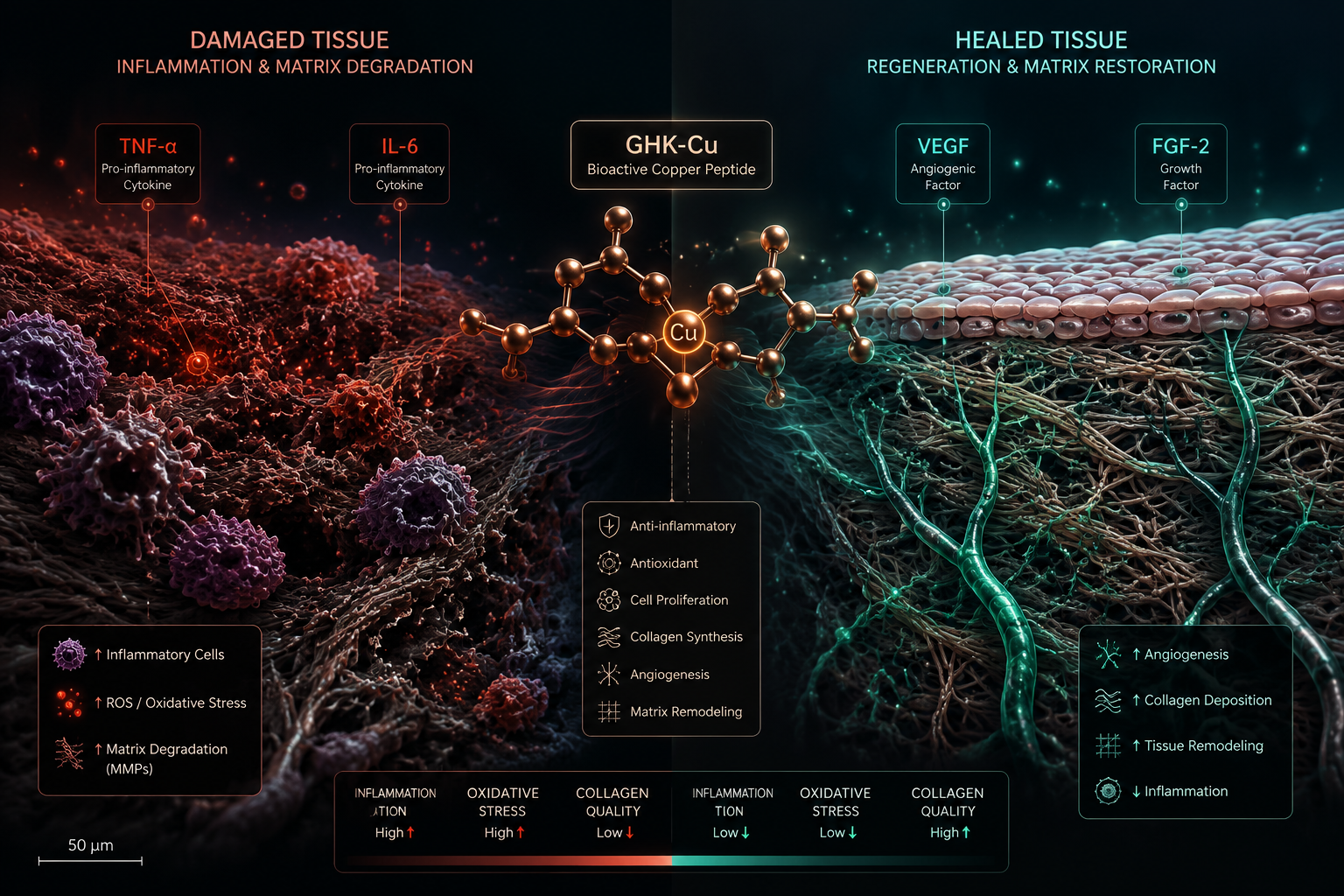
Wound healing requires new blood vessel formation. GHK-Cu upregulates both vascular endothelial growth factor (VEGF) and fibroblast growth factor-2 (FGF-2), two primary drivers of angiogenesis. This vascular recruitment accelerates oxygen and nutrient delivery to healing tissue, shortening repair timelines in preclinical models.

NF-kB Inhibition and Cytokine Control

Chronic inflammation is a major obstacle to tissue repair. GHK-Cu inhibits the NF-kB pathway, which controls transcription of pro-inflammatory cytokines including TNF-alpha and IL-6. By dampening this inflammatory cascade without eliminating it entirely, the peptide creates a biochemical environment that supports repair rather than prolonged destruction.

This mechanism is conceptually related to how other anti-inflammatory peptides operate. For context on related signaling work, see the synergy of LL-37 and MOTS-c research overview.

Superoxide Dismutase and Redox Protection

The copper ion within GHK-Cu serves as a cofactor for superoxide dismutase (SOD), the enzyme responsible for converting damaging superoxide radicals into less harmful molecules. During active tissue repair, oxidative stress is elevated. GHK-Cu's antioxidant contribution through SOD activity helps protect newly forming tissue from free radical damage — a function that complements its matrix-building role.

Researchers studying mitochondrial redox biology alongside copper-peptide mechanisms may also want to review SS-31 mitochondrial research themes for comparative antioxidant pathway data.

"GHK-Cu does not fit neatly into a single pharmacological category — it is simultaneously a copper carrier, a gene modulator, an ECM stimulant, and an antioxidant cofactor."

Age-Related Decline and Research Implications

The drop in endogenous GHK from roughly 200 ng/mL at age 20 to approximately 80 ng/mL by age 60 is not merely a biomarker curiosity. It maps directly onto the well-documented decline in wound healing speed, skin thickness, and regenerative capacity seen in older populations. This correlation has made GHK-Cu a focus of longevity-oriented peptide research in 2026.

Topical formulations have shown measurable improvements in skin elasticity and collagen density in cosmetic studies. Controlled human trials for systemic or injectable applications remain limited, which represents an active gap in the research landscape. Those looking to explore available research-grade material can review GHK-Cu peptides for sale and the associated GHK-Cu research documentation.

For broader context on how copper-peptide signaling fits within the wider peptide research landscape, the comprehensive peptide catalog overview offers a useful starting point.


Conclusion

The GHK-Cu peptide mechanism — spanning copper binding, extracellular matrix signaling, and tissue-repair research — represents one of the more mechanistically rich areas in current peptide biology. Its value lies not in a single action but in a coordinated set of effects: precise copper delivery, broad gene expression modulation, TGF-beta and growth factor activation, NF-kB suppression, and SOD-mediated antioxidant defense.

Actionable next steps for researchers:

  • Review preclinical wound-healing and gene expression data before designing any in-vitro protocol.
  • Compare GHK-Cu's ECM-direct mechanism against receptor-mediated peptides like BPC-157 to identify complementary research angles.
  • Monitor the controlled human trial literature, which remains sparse and represents the most significant knowledge gap in 2026.
  • Source only purity-verified, lab-tested material to ensure research data integrity.

Understanding the mechanism at this level of detail is what separates productive research from superficial application — and GHK-Cu rewards that depth of inquiry.

https://www.puretestedpeptides.com/wp-content/uploads/2026/06/GHK-Cu-Peptide-Mechanism-Copper-Binding-Extracellular-Matrix-Signaling-and-Tissue-Repair-Research.png 1024 1536 https://www.puretestedpeptides.com/wp-content/uploads/2026/01/buy-peptides-online.jpg 2026-06-08 13:03:252026-06-08 13:03:25GHK-Cu Peptide Mechanism: Copper Binding, Extracellular Matrix Signaling, and Tissue-Repair Research
BPC-157 and TB-500 Research Models: When Combination Stacks Make Sense and When They Do Not

BPC-157 and TB-500 Research Models: When Combination Stacks Make Sense and When They Do Not

June 7, 2026/0 Comments/in Uncategorized/by

No published peer-reviewed study has ever tested BPC-157 and TB-500 together in any model — cell, animal, or human. That single fact should anchor every conversation about the so-called "Wolverine Stack." Yet researchers and procurement teams continue to evaluate this combination, often relying on mechanism-based reasoning rather than outcomes data. Understanding BPC-157 and TB-500 research models: when combination stacks make sense and when they do not requires separating what the preclinical literature actually shows from what is still untested extrapolation.

Key Takeaways

  • No controlled study has examined BPC-157 and TB-500 co-administration in any experimental model as of 2026.
  • Both peptides share overlapping repair pathways, which creates a plausible rationale but also a significant confounding risk in study design.
  • BPC-157 human data consists of only three small pilot studies; TB-500 has no FDA-approved indication and no controlled human trials.
  • Combination stacks may make sense when pathways are genuinely complementary and non-redundant; they rarely make sense when baseline single-agent data are still missing.
  • Rigorous study design — including single-agent controls — is essential before any combination result can be meaningfully interpreted.

What the Individual Preclinical Evidence Actually Shows

BPC-157

BPC-157 is a synthetic pentadecapeptide derived from a gastric protein. Dozens of animal studies document its effects across tendon, muscle, nerve, gut, and vascular tissue. Key mechanisms include nitric-oxide-mediated microvascular repair, fibroblast activation, and anti-inflammatory signaling. A 2025 narrative review in musculoskeletal medicine catalogued these findings and confirmed that the evidence base, while broad, remains almost entirely preclinical.

Human data are thin. Only three small pilot studies exist: one in intra-articular knee pain, one in interstitial cystitis, and one recent IV safety and pharmacokinetics protocol. In that IV pilot, BPC-157 was infused at doses up to 20 mg in two healthy adults with no adverse events or meaningful lab changes — but a sample size of two cannot define safety or efficacy. Reviewers consistently classify BPC-157 as investigational, pending properly powered clinical trials.

For researchers building a sourcing and documentation baseline, the BPC-157 core peptides documentation and first research guide provides a structured starting point before any combination design is considered.

TB-500

TB-500 is a synthetic fragment of thymosin-beta4 that regulates actin dynamics and cell migration. Animal models of musculoskeletal and cardiac injury show tissue repair, angiogenesis promotion, and reduced inflammatory markers. TB-500 is not FDA-approved for human use, has no standardized dosing protocol, and its human exposure data are limited to anecdotal reports and uncontrolled observations. Reported side effects — mild injection-site reactions, transient fatigue, occasional headache — come from these uncontrolled sources, not clinical trials.

Researchers evaluating procurement and quality control workflows should review the TB-500 controlled experimental models and QC workflow resource before designing any protocol.


BPC-157 and TB-500 Research Models: When Combination Stacks Make Sense

When do combination stacks have scientific merit? The answer depends on three design criteria.

Criterion Combination Makes Sense Combination Does Not Make Sense
Pathway overlap Complementary, non-redundant Largely redundant — adds noise
Single-agent baseline Established in same model Missing or from different species
Outcome measurability Distinct endpoints per agent Shared endpoints, no attribution

BPC-157 and TB-500 share angiogenesis and anti-inflammatory signaling. That overlap is precisely where combination research becomes methodologically difficult. If both agents promote vascular repair through partially overlapping mechanisms, a combination result cannot be cleanly attributed to either compound without rigorous factorial design — meaning four groups: vehicle control, BPC-157 alone, TB-500 alone, and the combination.

Without that structure, any observed effect is uninterpretable. This is not a minor limitation; it is a fundamental confound that invalidates the combination result entirely.

Researchers exploring other peptides with distinct, non-overlapping mechanisms — such as GHK-Cu copper peptide acting on extracellular matrix remodeling, or LL-37 innate research models targeting antimicrobial and epithelial pathways — may find cleaner combination rationales because the mechanisms diverge more clearly.


BPC-157 and TB-500 Research Models: When Combination Stacks Do Not Make Sense

BPC-157 and TB-500 Research Models: When Combination Stacks Do Not Make Sense

The combination stack does not make sense under several common research conditions.

When single-agent data are absent from your model. If a lab has not first characterized BPC-157 or TB-500 individually in its specific tissue or injury model, combining them produces uninterpretable data. The preclinical literature for each compound spans multiple species and injury types; results do not transfer across models without validation.

When the goal is mechanism attribution. A combination design cannot isolate which peptide drives an observed outcome. Researchers interested in understanding pathway-specific contributions must run single-agent arms first.

When pharmacodynamic interaction data do not exist. As of 2026, there is a complete absence of published data on how BPC-157 and TB-500 interact pharmacodynamically when co-administered. All synergy claims are mechanism-based extrapolation, not measured outcomes. Independent analyses of the combination stack confirm this gap explicitly, describing all combination rationales as "untested extrapolation" from separate experiments.

For researchers evaluating other combination or multi-target peptide frameworks, the GLP-1 peptide generational research concepts and CJC-1295 Ipamorelin assay planning and sourcing checklist resources illustrate how more mature combination frameworks are structured when underlying single-agent data already exist.


Conclusion

The core finding is straightforward: BPC-157 and TB-500 research models make sense as a combination only when single-agent baselines are already established, pathways are non-redundant, and study design includes proper factorial controls. In most current research contexts, none of those conditions are fully met.

Actionable next steps for researchers in 2026:

  • Establish single-agent dose-response data for each peptide in your specific model before any combination protocol.
  • Design combination studies with at least four groups to enable proper attribution.
  • Treat all published synergy claims as hypothesis-generating, not hypothesis-confirming.
  • Verify peptide purity and documentation through quality-controlled sources before procurement.
  • Consult the PT-141 peptide research context and QA controls framework as a model for how rigorous QA documentation should precede any experimental design.

The combination stack is not inherently invalid — it is currently unvalidated. That distinction matters for anyone designing experiments, interpreting results, or making sourcing decisions based on the existing literature.

https://www.puretestedpeptides.com/wp-content/uploads/2026/06/BPC-157-and-TB-500-Research-Models-When-Combination-Stacks-Make-Sense-and-When-They-Do-Not.png 1024 1024 https://www.puretestedpeptides.com/wp-content/uploads/2026/01/buy-peptides-online.jpg 2026-06-07 13:04:272026-06-07 13:04:27BPC-157 and TB-500 Research Models: When Combination Stacks Make Sense and When They Do Not
×

Helpful Links

  • My account
  • Cart
  • Checkout
  • Refund and Returns Policy
  • Privacy Policy
  • SMS Privacy Policy
  • Login
  • My Account
  • Logout

USA Made Lab Tested Peptides

All products are sold for research, laboratory, or analytical purposes only, and are not for human consumption


Pure Tested Peptides is a chemical supplier. Pure Tested Peptides is not a compounding / chemical compounding facility as defined under 503A of the Federal Food, Drug, and Cosmetic act. Pure Tested Peptides is not an outsourcing facility as defined under 503B of the Federal Food, Drug, and Cosmetic act.

The statements made within this website have not been evaluated by the US Food and Drug Administration. The products we offer are not intended to diagnose, treat, cure or prevent any disease.

Human/Animal Consumption Prohibited. Laboratory/In-Vitro Experimental Use Only

Scroll to top Scroll to top Scroll to top