Decoding the Research: A Deep Dive into 5 Amino 1 MQ Capsules
The landscape of metabolic research is constantly evolving, presenting scientists with novel compounds that hold the potential to reshape our understanding of cellular function. Among these, 5 amino 1 mq capsules have garnered significant attention, emerging as a fascinating subject of study due to their unique mechanism of action. This small molecule compound offers a captivating pathway for researchers exploring the intricate processes of energy regulation and metabolic health. Understanding its role, potential applications in research, and the precise biochemical pathways it influences is crucial for anyone engaging with this cutting-edge area of science in 2026. This article will provide an in-depth, authoritative exploration of 5-amino-1MQ, focusing on the available research, its impact on nicotinamide N-methyltransferase (NNMT), and the implications for future scientific inquiry.
Key Takeaways
- Selective NNMT Inhibitor: 5-amino-1MQ acts as a selective inhibitor of the enzyme nicotinamide N-methyltransferase (NNMT), a key player in cellular metabolism.
- NAD+ Level Modulation: By inhibiting NNMT, 5 amino 1 mq capsules are theorized to increase cellular levels of nicotinamide adenine dinucleotide (NAD+), a vital coenzyme for numerous metabolic processes.
- Metabolic Research Focus: Preclinical studies suggest a potential role for 5-amino-1MQ in research related to fat loss and improvements in metabolic markers, primarily in animal models.
- Research Chemical Status: As of 2026, 5-amino-1MQ is strictly classified as a research chemical, not approved for human consumption or therapeutic use by regulatory bodies like the FDA.
- Importance of Purity and Sourcing: Due to its research chemical status, the quality, purity, and proper sourcing of 5 amino 1 mq capsules are paramount for accurate and reliable scientific studies. Researchers should only acquire this compound from reputable suppliers.
The Science Behind 5 Amino 1 MQ Capsules: Understanding NNMT Inhibition
[[IMAGE_0]]
At the heart of the research surrounding 5 amino 1 mq capsules lies its interaction with nicotinamide N-methyltransferase (NNMT). This enzyme plays a pivotal, albeit sometimes overlooked, role in cellular metabolism, specifically in the methylation of nicotinamide. To fully appreciate the significance of 5-amino-1MQ, it is essential to first understand NNMT and its broader implications for cellular health and energy production.
NNMT is an enzyme found in various tissues throughout the body, with particularly high expression in the liver and adipose (fat) tissue. Its primary function is to transfer a methyl group from S-adenosylmethionine (SAM) to nicotinamide, converting it into 1-methylnicotinamide (1-MNA). This process effectively removes nicotinamide, a precursor to NAD+, from the cellular pool.
How NNMT Influences Cellular Metabolism
The activity of NNMT has several important consequences for cellular metabolism:
- NAD+ Homeostasis: By metabolizing nicotinamide, NNMT can influence the availability of precursors needed for NAD+ synthesis. NAD+ is a fundamental coenzyme involved in hundreds of enzymatic reactions, crucial for energy production (ATP), DNA repair, and maintaining cellular redox balance. A decrease in available nicotinamide due to high NNMT activity could, theoretically, lead to reduced NAD+ levels.
- Methylation Cycle Regulation: NNMT's action is directly linked to the methylation cycle, as it consumes SAM, a universal methyl donor. This connection suggests that NNMT activity can impact other methylation-dependent processes within the cell.
- Adipose Tissue Metabolism: Research has increasingly highlighted NNMT's role in adipose tissue. Elevated NNMT levels have been observed in conditions of obesity and metabolic dysfunction, suggesting a potential link between NNMT activity and fat accumulation. Inhibiting NNMT, therefore, presents an intriguing avenue for researchers investigating metabolic disorders.
The Mechanism of Action of 5-Amino-1MQ
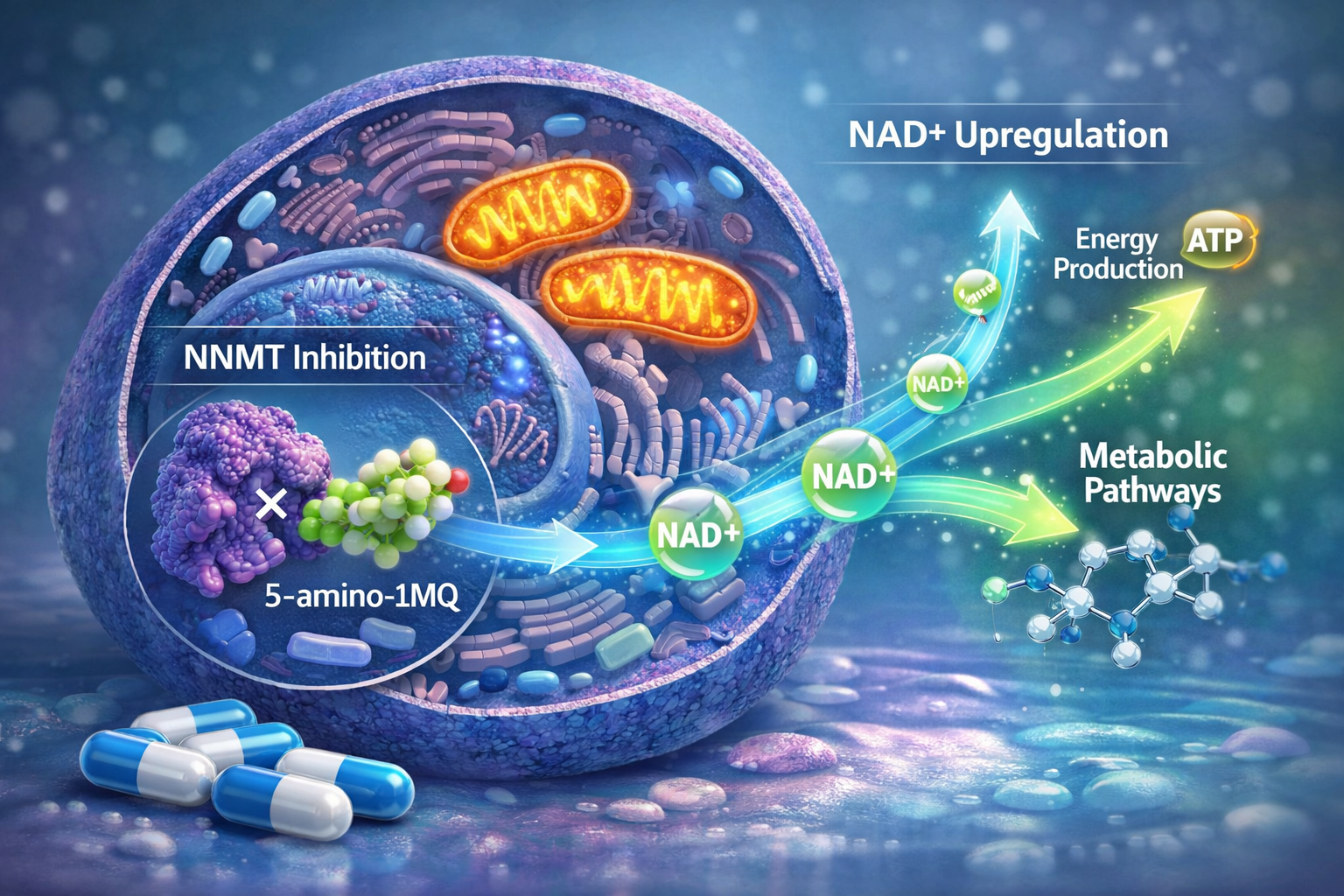
5-Amino-1MQ is classified as a small molecule compound that functions as a highly selective inhibitor of NNMT. When 5 amino 1 mq capsules are introduced in a research setting, the compound binds to NNMT, preventing it from methylating nicotinamide. This inhibition has a cascading effect on cellular biochemistry:
- Increased Nicotinamide Availability: By blocking NNMT, 5-amino-1MQ theoretically increases the concentration of free nicotinamide within the cell.
- NAD+ Upregulation: With more nicotinamide available, the cell can potentially synthesize more NAD+. Elevated NAD+ levels are associated with enhanced mitochondrial function, improved cellular energy production, and the activation of sirtuins – a family of proteins involved in cellular longevity and metabolic regulation.
- Impact on Adipose Tissue: The specific targeting of NNMT in adipose tissue by 5-amino-1MQ has been a primary focus of preclinical research. Studies have explored whether this inhibition can lead to changes in fat metabolism, potentially promoting fat loss and improving metabolic health markers. Researchers exploring metabolic health may find related research on AOD9604 metabolic research valuable for comparative analysis.
The selective nature of 5-amino-1MQ is a key factor that differentiates it from other metabolic compounds. Instead of broadly influencing multiple enzymatic pathways, it targets a specific enzyme, offering a more precise tool for scientific inquiry. The focus on increasing NAD+ levels through this unique pathway distinguishes the research surrounding 5 amino 1 mq from other compounds that aim to boost NAD+ directly, such as NMN (nicotinamide mononucleotide). In fact, some researchers are exploring the synergistic effects of combining nmn + 5 amino 1-mq in preclinical studies to see if their combined mechanisms yield enhanced metabolic benefits.
"The selective inhibition of NNMT by 5-amino-1MQ represents a precise biochemical lever, offering researchers a novel approach to modulate cellular energy dynamics and metabolic health, particularly in the context of NAD+ homeostasis."
For those interested in the broader spectrum of peptides and their applications in research, exploring resources like Pure Tested Peptides can provide further context and access to high-quality research materials.
Research Applications and Findings for 5 Amino 1 MQ Capsules
[[IMAGE_1]]
The current scientific understanding of 5 amino 1 mq capsules is predominantly derived from preclinical studies conducted in laboratory settings, including in vitro (cell culture) and in vivo (animal model) experiments. These studies aim to elucidate the compound's potential physiological effects and its mechanism of action before any potential progression to human clinical trials. It is crucial for researchers to understand that as of 2026, 5-amino-1MQ is not approved for any medical use by regulatory bodies and remains solely a research chemical.
Preclinical Research Highlights
Preclinical investigations have explored several fascinating aspects of 5-amino-1MQ:
- Metabolic Health and Fat Loss: A significant body of research has focused on the compound's potential to influence metabolic health, particularly in the context of obesity and metabolic syndrome. Animal studies have indicated that NNMT inhibition by 5-amino-1MQ may lead to reductions in fat mass, improvements in glucose tolerance, and better insulin sensitivity. This has led to considerable interest in the 5 amino 1 mq dosage used in these studies, which typically falls within the range of 50mg to 100mg daily in experimental contexts, though such guidelines are not established for human use.
- Mitochondrial Function: Given its hypothesized role in increasing NAD+ levels, researchers have investigated how 5-amino-1MQ might impact mitochondrial function. Enhanced NAD+ is known to support mitochondrial biogenesis and efficiency, which could have broad implications for cellular energy and resilience.
- Cellular Senescence: The link between NAD+ and sirtuin activity extends to processes like cellular senescence, where cells lose their ability to divide. Some researchers are exploring whether NNMT inhibition could play a role in modulating these age-related cellular pathways.
- Liver Health: Due to NNMT's high expression in the liver, studies have also examined the potential effects of 5-amino-1MQ on liver lipid metabolism and overall liver health in animal models, particularly in conditions associated with non-alcoholic fatty liver disease (NAFLD).
Dosage Considerations in Research
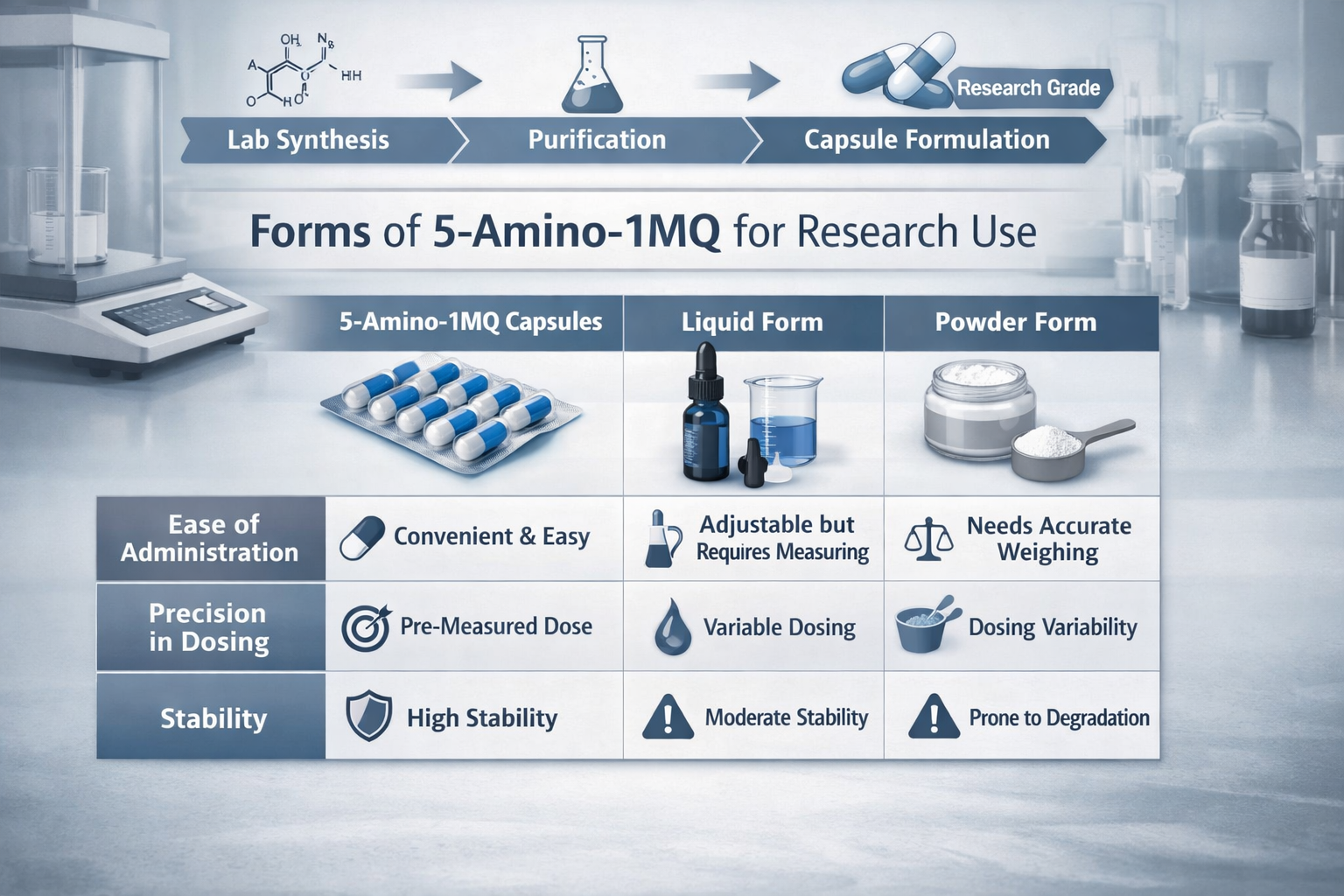
When conducting research with 5 amino 1 mq capsules, precise dosing is critical for obtaining reliable and reproducible results. In preclinical studies, dosages are carefully determined based on animal weight and the specific research objectives. While there is discussion among researchers regarding 5 amino 1 mq dosing in various experimental setups, it is vital to reiterate that these are research protocols and not recommendations for human intake. The capsules often come in formulations like 5-Amino-1MQ 5mg for easy administration in controlled research settings.
Key considerations for research dosing include:
- Purity of the Compound: The actual amount of active 5-amino-1MQ in a capsule can vary between suppliers. Researchers must ensure they are sourcing high-purity compounds to accurately control experimental variables.
- Experimental Design: The specific aims of a study will dictate the frequency and duration of administration. Short-term acute studies may use different dosages compared to long-term chronic studies.
- Species-Specific Metabolism: Dosing in animal models cannot be directly extrapolated to human equivalents without extensive pharmacokinetic and pharmacodynamic studies, which are currently lacking for 5-amino-1MQ in humans.
Understanding the Research Chemical Status
The classification of 5-amino-1MQ as a "research chemical" carries significant implications:
- Not for Human Consumption: This designation means the compound has not undergone the rigorous testing and approval processes required for pharmaceutical drugs or dietary supplements. Its safety and efficacy in humans have not been established.
- Lack of Regulatory Oversight: Unlike pharmaceutical products, the manufacturing and distribution of research chemicals are not subject to the same stringent quality control standards by regulatory agencies. This can lead to variability in product purity and concentration among different suppliers.
- Ethical Research Practices: Researchers utilizing 5-amino-1MQ are expected to adhere to strict ethical guidelines, ensuring all studies are conducted responsibly, transparently, and with appropriate institutional review board (IRB) approvals for animal research.
Some discussions about 5-amino-1MQ can be found in online communities, with terms like "5 amino 1 mq reddit" often leading to anecdotal reports and informal discussions. However, researchers must rely on peer-reviewed scientific literature for credible information, as online forums are not a substitute for rigorous scientific investigation.
Integrating 5-Amino-1MQ with Other Research Peptides
The metabolic impact of 5-amino-1MQ also prompts researchers to consider its potential interactions or synergistic effects when studied alongside other compounds. For instance, the mots c stack or mots-c stack has gained traction in research due to MOTS-c's role in mitochondrial regulation and metabolic homeostasis. Researchers are increasingly asking, "can you stack mots c with retatrutide?" or investigating the mots c and retatrutide stack for enhanced metabolic or energy-related outcomes. Similarly, combining 5 amino 1 mq capsules with other peptides known to influence metabolism, such as those discussed in Synergy of LL-37 and MOTS-c, presents an exciting avenue for exploring complex biological interactions. These investigations often involve meticulous experimental design to isolate the effects of each compound and their combinations. Exploring various peptide blends for research might offer additional insights for designing such complex studies.
The ongoing research into 5-amino-1MQ continues to unveil its potential as a valuable tool for understanding and modulating cellular metabolism. Its specific mechanism of action, coupled with careful research methodologies, holds promise for advancing our knowledge in metabolic science. For more detailed information on specific products and their research profiles, one might explore resources such as the dedicated page for 5-amino-1MQ Buy 5amino1mq Online Research and Data.
Safety, Purity, and Ethical Considerations for Research with 5 Amino 1 MQ Capsules
Engaging in research with 5 amino 1 mq capsules necessitates a rigorous focus on safety, compound purity, and adherence to ethical guidelines. Given its classification as a research chemical, these aspects are even more critical to ensure the validity of research findings and to protect the integrity of scientific inquiry. As of 2026, comprehensive human safety data for 5-amino-1MQ is virtually nonexistent, making responsible and informed research practices paramount.
Purity and Quality Control in Research
One of the most significant challenges for researchers working with non-pharmaceutical compounds like 5-amino-1MQ is ensuring the purity and accurate concentration of the material. Unlike FDA-approved drugs, research chemicals are not subject to the same strict manufacturing and quality control regulations.
- Variability Among Suppliers: The quality of 5 amino 1 mq capsules can vary significantly between different suppliers. Contaminants, incorrect concentrations, or even mislabeled compounds are potential risks.
- Importance of Independent Testing: Reputable research chemical suppliers often provide third-party testing results (e.g., HPLC, MS reports) to confirm the purity and identity of their products. Researchers should always request and scrutinize these reports. Without such verification, experimental results could be compromised, leading to inaccurate conclusions.
- Storage and Handling: Proper storage conditions are essential to maintain the stability and efficacy of 5-amino-1MQ. Degradation of the compound due to improper storage (e.g., exposure to light, heat, or moisture) can alter its properties and affect research outcomes. Best practices for handling and storing research compounds should always be followed. For insights on this, refer to best practices for storing research peptides.
Potential Side Effects and Safety Concerns (Preclinical)
While human clinical trials are lacking for 5-amino-1MQ, preclinical animal studies have been designed to assess potential adverse effects. The long-term safety and toxicological profile of 5-amino-1MQ in any species, let alone humans, has not been comprehensively evaluated.
- Limited Data: The current scientific literature on the safety profile of 5-amino-1MQ is limited, with most studies focusing on efficacy markers rather than extensive toxicology.
- Mechanism-Based Concerns: As an NNMT inhibitor, 5-amino-1MQ could potentially impact the broader methylation cycle. Researchers need to consider whether prolonged or high-dose administration could lead to unforeseen metabolic imbalances.
- Species Differences: Animal models, while valuable, do not always perfectly predict human responses. What is tolerated in a rodent model may not translate directly to human physiology.
It is critical for researchers to remain vigilant for any signs of adverse effects in their experimental models and to document them thoroughly.
Ethical Considerations for Research
Ethical research practices are non-negotiable when working with 5 amino 1 mq capsules or any research chemical.
- Animal Welfare: All in vivo studies must strictly adhere to animal welfare regulations and institutional guidelines (e.g., those set by IACUC in the United States). This includes minimizing pain and distress, providing appropriate housing, and justifying the use of animals in research.
- Transparency and Disclosure: Researchers should be transparent about the research chemical status of 5-amino-1MQ in all publications and presentations. It is vital to clearly state that the compound is for research use only and not for human consumption.
- Responsible Communication: When communicating findings, especially through channels accessible to the general public, it is crucial to avoid language that could be misinterpreted as promoting human use or suggesting medical benefits. Emphasize that results are from preclinical studies and require further investigation. Discussions found on platforms like "5 amino 1 mq reddit" often fail to meet these stringent scientific communication standards, leading to misinformation.
- Regulatory Compliance: Researchers must ensure their work complies with all relevant local, national, and international regulations pertaining to the handling, storage, and disposal of research chemicals.
Sourcing 5 Amino 1 MQ Capsules for Research
Finding a reliable supplier for 5 amino 1 mq capsules is a foundational step for any legitimate research project. Researchers should look for suppliers that:
- Are transparent about their sourcing and manufacturing processes.
- Provide certificates of analysis (COAs) from independent third-party laboratories for every batch.
- Clearly state that products are for research purposes only.
- Have a reputation for quality and customer service within the scientific community.
Platforms like Pure Tested Peptides often cater specifically to the research community, providing transparency and verifiable product information crucial for sound scientific investigation. Understanding where to buy peptides online USA from reputable sources is paramount for ensuring the integrity of research projects.
In conclusion, while 5 amino 1 mq capsules represent an exciting frontier in metabolic research, the path forward demands meticulous attention to purity, safety in experimental models, and unwavering adherence to ethical research principles. These factors are not merely bureaucratic hurdles but fundamental pillars supporting credible and impactful scientific discoveries.
The Future of 5 Amino 1 MQ Research in 2026 and Beyond
As 2026 unfolds, the trajectory of research into 5 amino 1 mq capsules continues to be shaped by both intriguing preclinical findings and the inherent challenges of translating laboratory discoveries into broader applications. The scientific community remains cautiously optimistic about the potential of NNMT inhibition, yet recognizes the significant hurdles that lie ahead.
Current Research Gaps and Future Directions
Despite promising results from animal models, several critical gaps in knowledge need to be addressed:
- Human Clinical Trials: The most significant void is the lack of comprehensive human clinical trial data. While preclinical studies provide a foundation, they cannot fully predict efficacy or safety in humans. Future research will ideally progress towards small-scale human trials, potentially focusing on specific biomarkers or physiological responses under strictly controlled conditions.
- Long-Term Safety Profile: Even in animal models, the long-term safety and potential cumulative effects of NNMT inhibition have not been fully characterized. Understanding the chronic impact of 5 amino 1 mq capsules on various organ systems is crucial.
- Optimal Dosing and Administration: For any future therapeutic consideration, determining optimal and safe dosing regimens, as well as preferred administration routes, will be essential. This includes understanding pharmacokinetics and pharmacodynamics in various physiological states. The discussions around 5 amino 1 mq dosage in research settings are merely a starting point.
- Understanding Specificity and Off-Target Effects: While 5-amino-1MQ is considered a selective NNMT inhibitor, further research is needed to comprehensively assess any potential off-target effects or interactions with other biological pathways, especially at higher concentrations.
- Interaction with Other Metabolic Modulators: The burgeoning interest in combinations, such as nmn + 5 amino 1-mq or various peptide stacks like mots c peptide stack, will likely drive research into synergistic or additive effects. Investigations into the retatrutide mots c stack or simply the mots c retatrutide stack are examples of this trend, aiming to unlock more potent metabolic interventions. Understanding these complex interactions will be vital. Researchers interested in the broader context of metabolic tools might also explore AOD-9604 metabolic research.
Regulatory Landscape and Commercialization Potential
The current regulatory status of 5-amino-1MQ as a research chemical places significant constraints on its availability and any potential move towards commercialization for human use.
- FDA Approval Pathway: For 5-amino-1MQ to ever be considered a pharmaceutical drug, it would need to undergo extensive and costly clinical development, including Phase I, II, and III human trials, culminating in FDA approval. This is a multi-year process that requires substantial investment and robust data demonstrating safety and efficacy.
- Dietary Supplement Challenges: Given its novel compound status and lack of established safety data, it is highly unlikely that 5-amino-1MQ could be marketed as a dietary supplement in the foreseeable future without significant regulatory hurdles. The regulatory environment for novel ingredients in dietary supplements is becoming increasingly stringent.
- Research Tool: For the immediate future, 5 amino 1 mq capsules will likely remain primarily a valuable research tool. Its utility lies in helping scientists unravel the complexities of NNMT, NAD+ metabolism, and their roles in various diseases.
Ethical Considerations in Communication and Public Perception
As research progresses, the scientific community bears a responsibility to communicate findings accurately and ethically, particularly to the public.
- Combating Misinformation: The rise of interest in compounds like 5 amino 1 mq in "biohacking" and longevity communities, often fueled by anecdotal evidence or premature conclusions drawn from preclinical data, presents a challenge. Researchers must actively work to counteract misinformation and clearly differentiate between legitimate scientific inquiry and unsupported claims. Online forums, exemplified by discussions around "5 amino 1 mq reddit," often become hotbeds for such unverified claims.
- Emphasizing "Research Use Only": Continuously reinforcing that 5-amino-1MQ is strictly for research purposes and not for human consumption is paramount.
- Promoting Responsible Sourcing: Guiding interested researchers towards reputable suppliers who adhere to quality standards, such as those found at Pure Tested Peptides, is crucial to ensure the integrity of the research itself.
The future of 5-amino-1MQ is bright within the realm of scientific investigation. It offers a unique window into the metabolic pathways governed by NNMT and NAD+ homeostasis. While the path to clinical application is long and arduous, the ongoing research provides valuable insights that could one day contribute to novel strategies for managing metabolic health. The journey will require meticulous science, ethical conduct, and clear communication from the entire research community.
Conclusion
The exploration of 5 amino 1 mq capsules represents a compelling frontier in metabolic research in 2026. As a selective inhibitor of nicotinamide N-methyltransferase (NNMT), this small molecule compound offers a precise tool for scientists aiming to understand and modulate cellular energy regulation, particularly through its potential to influence NAD+ levels. Preclinical studies have unveiled promising avenues, suggesting a role in research related to fat loss and improvements in various metabolic markers.
However, it is paramount to reiterate that 5-amino-1MQ is classified strictly as a research chemical. It has not undergone the rigorous testing required for human consumption or therapeutic use, and as such, its safety and efficacy in humans remain largely unexplored. Researchers must adhere to the highest standards of scientific integrity, ensuring impeccable compound purity, responsible dosing in experimental models, and unwavering ethical conduct in all studies.
The journey for 5 amino 1 mq is ongoing, with significant research gaps still needing to be addressed, especially regarding long-term safety and human clinical data. The scientific community's diligent pursuit of knowledge, coupled with transparent communication about the "research use only" status of the compound, will be vital in translating its fascinating laboratory potential into meaningful advancements in our understanding of metabolic health. Researchers seeking high-quality materials for their studies should prioritize reputable suppliers who provide verifiable product purity, such as those offering 5-Amino-1MQ 5mg.
Actionable Next Steps for Researchers:
- Prioritize Purity: Always source 5 amino 1 mq capsules from suppliers who provide comprehensive, third-party Certificates of Analysis (COAs) for every batch. This is non-negotiable for reliable research.
- Consult Scientific Literature: Base your research hypotheses and methodologies on peer-reviewed studies, rather than anecdotal reports or informal online discussions.
- Adhere to Ethical Guidelines: Ensure all animal studies comply with relevant institutional review boards (IRBs) or animal care committees, prioritizing animal welfare.
- Practice Responsible Communication: When discussing findings, clearly distinguish between preclinical results and human implications, consistently stating the "research use only" nature of 5-amino-1MQ.
- Explore Synergistic Research: Consider how 5 amino 1 mq might interact with other research peptides, such as in a mots c stack, to further unravel complex metabolic pathways, ensuring careful experimental controls.
SEO Meta Title: 5 Amino 1 MQ Capsules: Research & Metabolic Insights 2026
SEO Meta Description: Explore 5 amino 1 mq capsules in 2026 research. Understand NNMT inhibition, NAD+ effects, and metabolic study findings. For research use only.