Understanding 5 Amino 1 MQ Dosage: A Comprehensive Research Overview for 2026
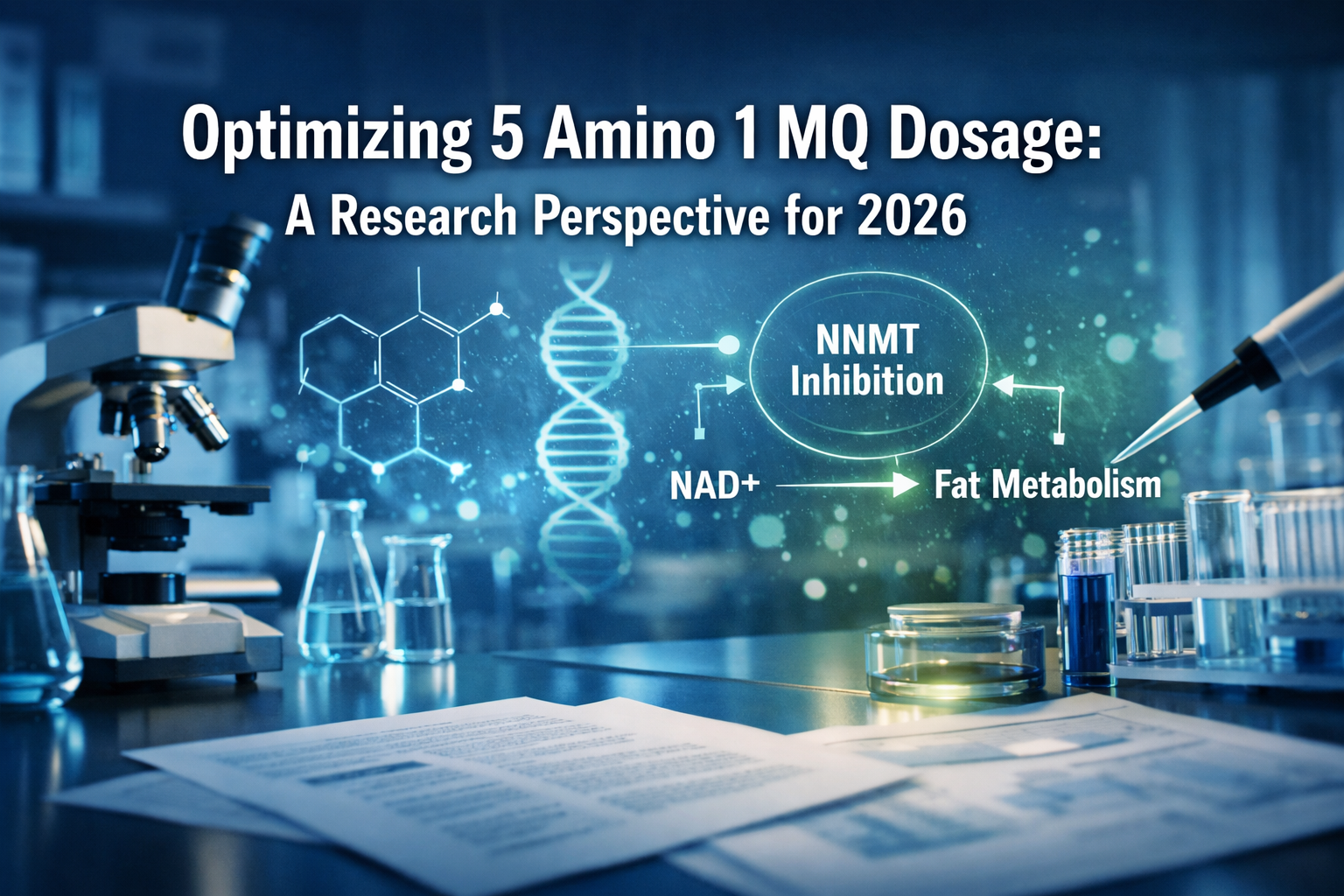
The realm of metabolic research is continuously evolving, with novel compounds emerging as subjects of intense scientific inquiry. Among these, 5-amino-1-methylquinolinium, often abbreviated as 5-Amino-1MQ, has garnered considerable attention. This small molecule functions as a selective inhibitor of nicotinamide N-methyltransferase (NNMT), an enzyme crucial for regulating cellular metabolism and energy homeostasis. For researchers and those following advancements in metabolic science, understanding the appropriate 5 amino 1 mq dosage is paramount, yet complex, given its current status in preclinical research. This article delves into the available scientific data, preclinical findings, and critical considerations surrounding 5-Amino-1MQ, providing a detailed perspective for 2026.
Despite its promising preclinical profile, it is crucial to emphasize that 5-Amino-1MQ is not FDA-approved for human use and remains strictly in the research phase. There are no established clinical dosing guidelines or safety profiles for human consumption. This comprehensive guide will navigate the intricacies of 5 amino 1 mq dosage from a purely scientific and research-oriented standpoint, focusing on what is known from laboratory studies and highlighting the significant gaps in human clinical data.
Key Takeaways
- 5-Amino-1MQ is a Selective NNMT Inhibitor: This compound specifically targets nicotinamide N-methyltransferase (NNMT), an enzyme involved in cellular metabolism.
- Preclinical Dosage Varies: Animal studies typically utilize dosages ranging from 50-100 mg/kg body weight, administered intraperitoneally.
- No Human Clinical Data: As of 2026, there are no FDA-approved human clinical trials or established safety profiles for 5-Amino-1MQ, meaning human equivalent doses are theoretical and unvalidated.
- Research-Grade Only: The compound is available from suppliers for research purposes, with significant variability in purity and no pharmaceutical-grade manufacturing for human use.
- Mechanism of Action: 5-Amino-1MQ works by blocking NNMT activity, potentially leading to increased cellular NAD+ levels and enhanced mitochondrial function, though optimal dosing for these effects in humans remains unknown.
The Science Behind 5 Amino 1 MQ: Mechanism and Preclinical Dosages
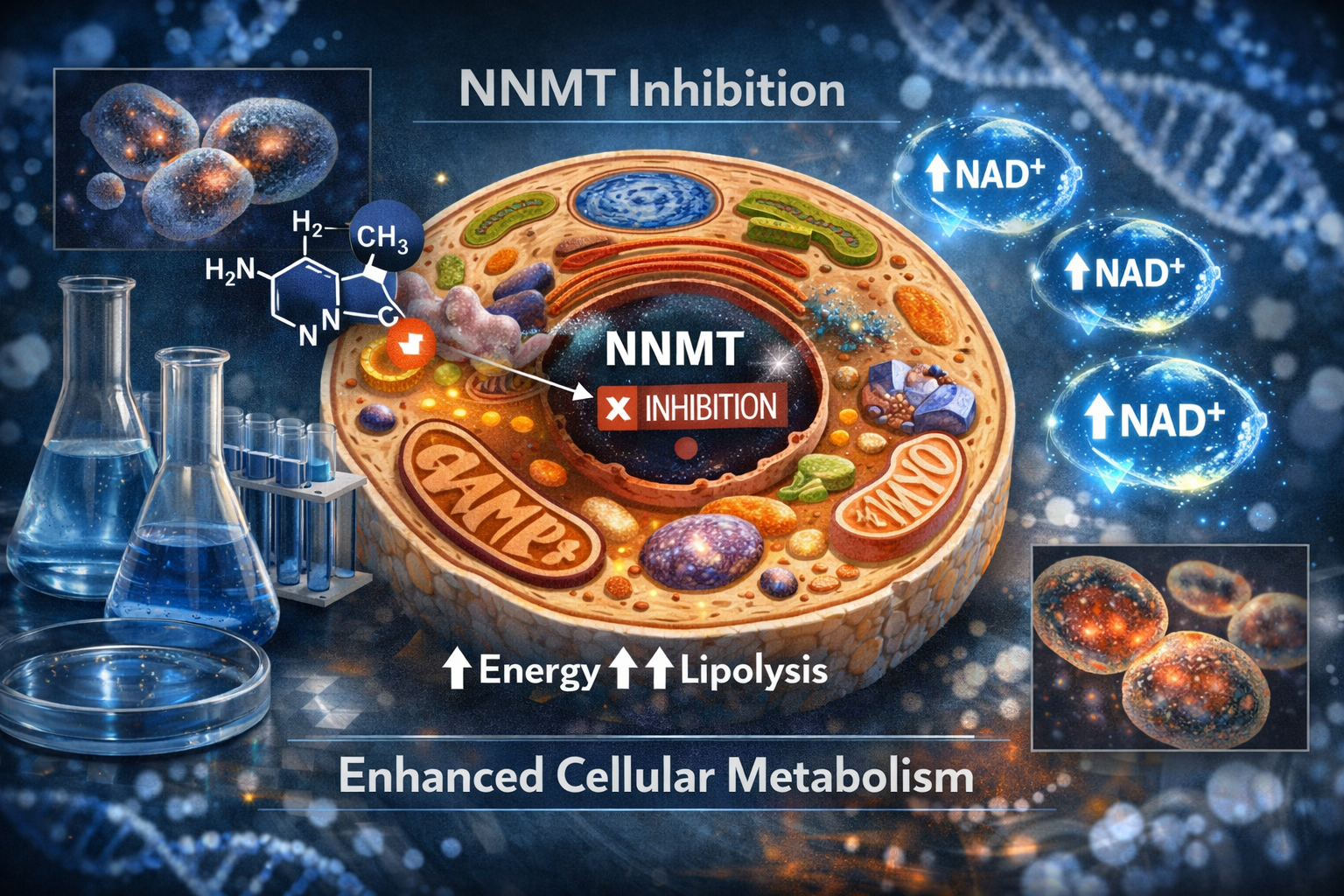
The scientific community’s interest in 5-Amino-1MQ stems from its precise mechanism of action: the selective inhibition of nicotinamide N-methyltransferase (NNMT). This enzyme plays a pivotal role in cellular metabolism by catalyzing the methylation of nicotinamide, a precursor to NAD+. By inhibiting NNMT, 5-Amino-1MQ is hypothesized to increase intracellular NAD+ levels, which are critical for numerous cellular processes including energy production, DNA repair, and sirtuin activity. This enzymatic blockade therefore has profound implications for metabolic health and energy regulation, making the study of 5 amino 1 mq dosage a key area of investigation.
In preclinical animal models, primarily mice, 5-Amino-1MQ has been administered to investigate its metabolic effects. These studies provide the most robust data available regarding dosages and their observed outcomes. Typically, research dosages in animal studies have ranged from 50-100 mg/kg body weight. This is often administered intraperitoneally (into the abdominal cavity) daily for several weeks. For instance, some preclinical mouse models have shown that a daily administration of approximately 50 mg/kg for several weeks led to observable metabolic improvements, including weight loss and enhanced insulin sensitivity. This early research points towards the compound's potential in addressing metabolic dysregulation.
It is absolutely crucial to understand the distinction between animal dosages and potential human equivalent doses. Metabolic scaling factors suggest that human equivalent doses would be significantly lower than those used in animal studies. However, without human clinical trials, any extrapolation of these animal dosages to humans is purely speculative and not supported by validated research. The complexity of translating animal research to human applications cannot be overstated, especially concerning optimal 5 amino 1 mq dosage. Researchers interested in acquiring high-quality peptides for their studies, including 5-Amino-1MQ, can explore options from reputable suppliers like Pure Tested Peptides.
The duration of treatment protocols in animal studies has typically ranged from 4 to 12 weeks. This timeframe allowed researchers to observe both short-term and sustained metabolic changes. However, what constitutes an appropriate treatment duration for any potential human applications has not been determined through rigorous clinical research. The current landscape of understanding regarding 5 amino 1 mq dosage is limited to these controlled animal experiments, which underscore the need for extensive human safety and efficacy trials. The mechanism of action, involving NAD+ metabolism and methylation pathways, also suggests potential interactions with other supplements or medications that influence these systems, though specific drug interactions remain largely unstudied.
5 Amino 1 MQ Dosage: Research Considerations and Unanswered Questions
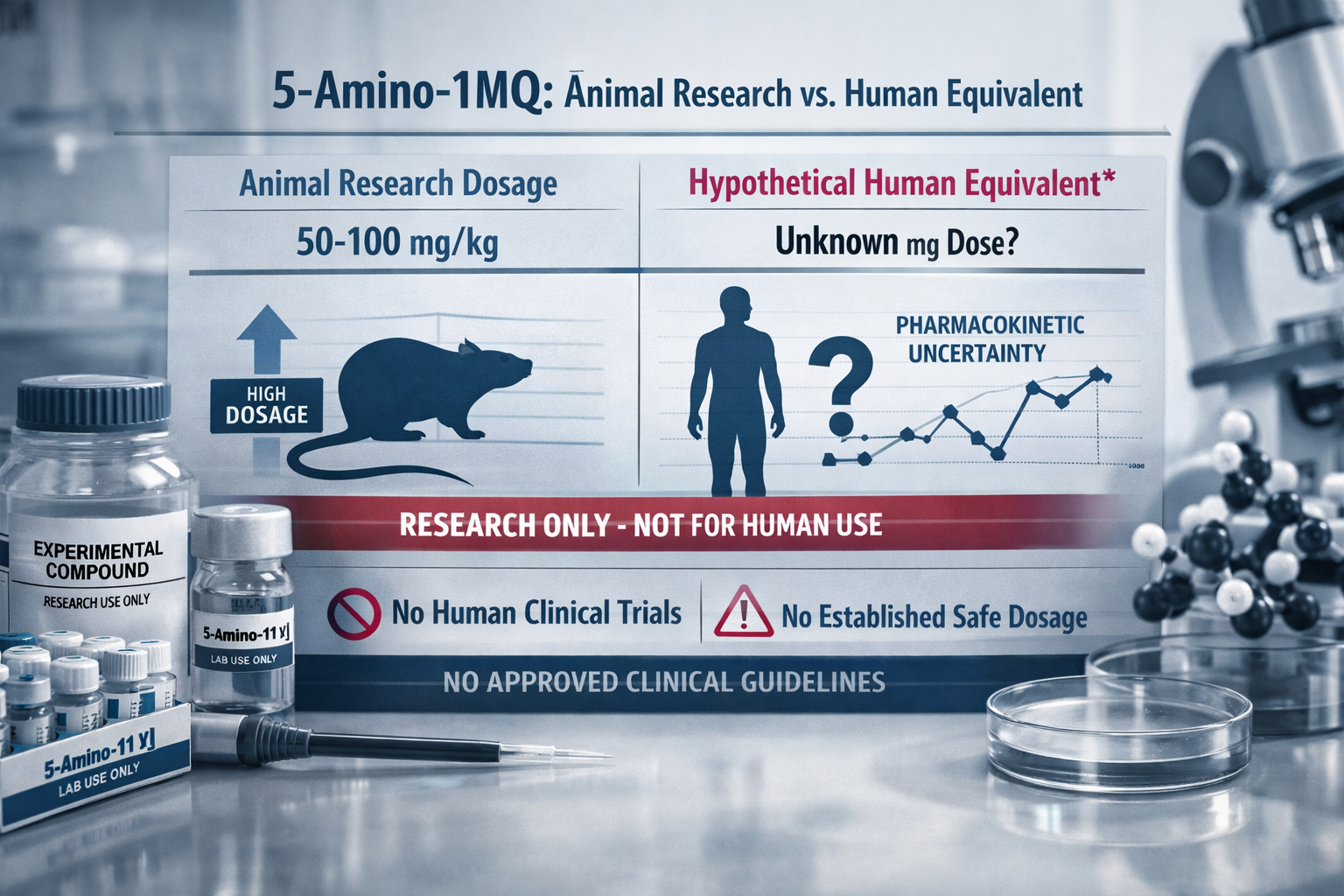
When discussing 5 amino 1 mq dosage, it is vital to reiterate that this compound is not approved for human use by regulatory bodies such as the FDA. As of 2026, all available information pertains to its status as a research chemical, primarily studied in laboratory settings with animal models. There are no established clinical guidelines, safety profiles, or long-term data for human consumption. This lack of human-specific data makes determining an "optimal" or "safe" dosage for humans impossible at this stage.
Peptide research suppliers often market 5-Amino-1MQ in vials, typically ranging from 50-300 mg, explicitly for research purposes. These products may come with suggested reconstitution protocols for laboratory use. For example, a researcher might purchase a 5-Amino-1MQ 5mg vial for their studies, which would then be diluted according to specific experimental needs. However, these supplier instructions are not validated for human therapeutic use and are solely intended to guide scientific experiments. The absence of pharmaceutical-grade manufacturing requirements for research chemicals means that quality control and purity standards can vary significantly between suppliers, adding another layer of complexity when interpreting results or considering potential research protocols. Further information on acquiring 5-Amino-1MQ for research can be found at Pure Tested Peptides' dedicated page.
One of the significant unknowns surrounding 5 amino 1 mq dosage in a human context is its pharmacokinetic properties, including its half-life, absorption, distribution, metabolism, and excretion. These factors determine how long a compound stays in the body and how frequently it might need to be administered to maintain a desired effect. Without formal establishment through human clinical trials, the optimal dosing frequency and timing remain uncertain. This uncertainty is a critical barrier to any form of human application.
Anecdotal reports from unregulated biohacking communities sometimes discuss experimental human dosages, often ranging from 25-100 mg daily, typically administered subcutaneously. However, these practices lack clinical validation, are not based on scientific evidence, and carry unknown risks. Such reports should be viewed with extreme caution and are not a substitute for peer-reviewed clinical research. The potential for adverse effects, drug interactions, or long-term consequences from unvalidated 5 amino 1 mq dosing is entirely unstudied and therefore unpredictable.
Researchers exploring the potential synergistic effects of various compounds might consider how 5-Amino-1MQ could fit into broader metabolic research. For instance, some studies examine the interaction between various peptides and metabolic pathways. While not directly linked to 5-Amino-1MQ, understanding the complexities of compounds like mots-c stack, nmn + 5 amino 1-mq, or a retatrutide mots c stack provides context for the metabolic research landscape. The detailed study of individual peptides is crucial, and interested researchers might find more information on peptide blends research illuminating for broader experimental design. Exploring how different compounds influence adaptive capacity and cellular maintenance is also a critical area of scientific inquiry, as discussed in resources like adaptive capacity and peptide mapping or cellular maintenance with peptide tools.
A Note on Research Ethics and Safety
The ethical implications of experimenting with unproven compounds like 5-Amino-1MQ cannot be overlooked. For researchers, adherence to strict laboratory protocols and ethical guidelines is paramount. The compound should only be used in controlled research environments, and all safety precautions must be observed. The allure of potential metabolic benefits should never overshadow the fundamental principles of scientific rigor and patient safety, which dictate that comprehensive human clinical trials are indispensable before any compound can be considered for therapeutic use. This includes rigorous evaluation of 5 amino 1 mq dosage in controlled settings.
| Aspect of 5-Amino-1MQ Research | Current Status (as of 2026) | Implications for Dosage |
|---|---|---|
| FDA Approval for Human Use | None | No established human dosage |
| Human Clinical Trials | None published | No safety or efficacy data for humans |
| Preclinical Animal Dosages | 50-100 mg/kg (intraperitoneal) | Requires significant scaling for human relevance; theoretical only |
| Pharmacokinetics in Humans | Undetermined | Optimal frequency/timing unknown |
| Long-term Safety in Humans | Unstudied | Potential risks unknown |
| Quality Control | Varies by supplier (research grade) | Purity and consistency can be an issue for research validity |
| Drug Interactions | Unstudied | Potential for unknown adverse interactions |
This table clearly illustrates the significant gaps in knowledge surrounding 5 amino 1 mq dosage for human application, reinforcing its current status as a research chemical.
Future Directions for 5 Amino 1 MQ Research
The future of 5-Amino-1MQ largely depends on the initiation and successful completion of robust human clinical trials. These trials would be designed to:
- Establish Pharmacokinetics: Determine how the compound is absorbed, distributed, metabolized, and excreted in the human body.
- Identify Safe Dosing Ranges: Through dose-escalation studies, establish a maximum tolerated dose and a preliminary safe and effective dosage range.
- Evaluate Efficacy: Assess the compound's effectiveness for specific indications, if any, with well-defined endpoints.
- Monitor Side Effects: Document any adverse reactions and build a comprehensive safety profile.
- Investigate Drug Interactions: Study how 5-Amino-1MQ interacts with commonly used medications or supplements.
Without this crucial research, discussions around 5 amino 1 mq peptide dosage, or any application outside of controlled laboratory settings, remain speculative and unsupported by scientific evidence. Researchers and the public alike must exercise caution and rely solely on validated scientific data.
Conclusion
The exploration of 5-Amino-1MQ as a selective NNMT inhibitor represents a fascinating frontier in metabolic research. Preclinical studies have illuminated its potential to influence cellular metabolism, leading to improvements in weight regulation and insulin sensitivity in animal models. However, it is imperative to underscore that as of 2026, 5-Amino-1MQ remains a research chemical. There is no FDA approval for human use, no established human clinical dosing guidelines, and a significant absence of data on its pharmacokinetics, safety, and efficacy in humans. The current understanding of 5 amino 1 mq dosage is derived solely from animal studies, with typical ranges of 50-100 mg/kg body weight administered intraperitoneally. Any extrapolation of these dosages to humans is purely theoretical and unsupported by clinical evidence.
For the scientific community, 5-Amino-1MQ presents an intriguing subject for further investigation. Future research must focus on rigorous human clinical trials to establish its safety profile, optimal dosing parameters, and potential therapeutic applications. Until such data becomes available, the compound should be handled with the utmost scientific caution, strictly within controlled laboratory research environments. Consumers and those outside the scientific research community should be aware that self-experimentation with 5-Amino-1MQ carries unknown risks and lacks any scientific validation. The responsible path forward involves continued, ethically sound scientific inquiry.
Actionable Next Steps for Researchers:
- Consult Scientific Literature: Continually review peer-reviewed publications for the latest research findings on 5-Amino-1MQ.
- Adhere to Ethical Guidelines: Ensure all research involving 5-Amino-1MQ is conducted ethically and in compliance with relevant regulations.
- Source from Reputable Suppliers: When purchasing 5-Amino-1MQ for research, choose suppliers known for high purity and quality control, such as Pure Tested Peptides.
- Prioritize Safety: Implement strict laboratory safety protocols when handling research chemicals.
- Support Clinical Trials: Advocate for and encourage funding for comprehensive human clinical trials to advance the understanding of 5-Amino-1MQ.
Meta Title: 5 Amino 1 MQ Dosage: Research & Safety Insights (2026)
Meta Description: Explore 5 amino 1 mq dosage in 2026: preclinical findings, research considerations, and why human use lacks validated clinical data.