
Peptide Science: The Core Story Behind the Tiny Molecules Driving Innovation in 2025
The intricate dance of life within our bodies is orchestrated by countless microscopic players, and among the most fascinating are peptides. These tiny molecules, often overlooked in favor of larger proteins, are the unsung heroes of cellular communication and regulation. Peptide science is rapidly unveiling the profound impact these short chains of amino acids have on nearly every biological process, from muscle growth and metabolism to immune function and anti-aging. As we venture further into 2025, the understanding and application of these potent compounds are poised to revolutionize various fields. This article delves into the core peptides, exploring their fundamental nature, diverse applications, and the rigorous research that defines the frontier of peptide sciences.
Imagine a sophisticated cellular language, where specific messages are delivered with unparalleled precision. That’s essentially what peptides do. They are naturally occurring biological polymers, smaller than proteins, typically consisting of 2 to 50 amino acids linked by peptide bonds. While proteins are often compared to long, complex novels, peptides are more like concise, impactful sentences – direct, powerful, and essential for relaying critical information. The beauty of pure peptides lies in their specificity; their unique sequences allow them to bind to particular receptors and trigger highly targeted responses, making them invaluable tools in scientific research and potential therapeutic development. For those keen to explore these fascinating compounds, understanding what constitutes quality and where to find peptides for sale is increasingly important.
Key Takeaways
- Peptides are short chains of amino acids that act as signaling molecules, crucial for numerous biological functions.
- Peptide science is a rapidly evolving field, exploring the therapeutic potential of these tiny molecules in areas like muscle growth, metabolism, and anti-aging.
- Core peptides exhibit high specificity, interacting with distinct receptors to elicit targeted physiological responses.
- Research into specific peptides, such as GHRH analogues, demonstrates their ability to influence vital processes like growth hormone release and muscle repair.
- The availability of pure peptides from reputable sources is critical for accurate and reliable scientific research, driving innovation in 2025 and beyond.
Understanding the Fundamentals of Peptide Science: The Building Blocks of Life
At its heart, peptide science is the study of these molecular messengers, investigating their structure, function, synthesis, and potential applications. Composed of the same twenty amino acids that form proteins, peptides differ primarily in length and often in their ability to fold into complex three-dimensional structures. This difference isn’t merely academic; it dictates their roles. While proteins often perform structural or enzymatic roles, peptides are frequently involved in regulatory processes, acting as hormones, neurotransmitters, and growth factors.
What Makes Peptides So Unique?
The specificity of peptides is their defining characteristic. Each amino acid sequence possesses a unique “key” that fits perfectly into a specific “lock” – a receptor on a cell surface or inside a cell. This lock-and-key mechanism ensures that peptides can initiate precise biological responses without causing widespread, off-target effects. This targeted action is what makes pure peptides so promising for highly specific research and therapeutic interventions.
Consider the vast array of functions peptides perform:
- Hormonal Regulation: Many hormones are peptides, like insulin (regulating blood sugar) and oxytocin (involved in social bonding).
- Neurotransmission: Some peptides act as neurotransmitters or neuromodulators, influencing mood, pain perception, and cognitive functions.
- Immune Response: Peptides play a vital role in the immune system, acting as antimicrobial agents or signaling molecules for immune cells.
- Tissue Repair and Regeneration: Certain peptides can promote healing, reduce inflammation, and stimulate tissue regeneration.
The rigorous process of synthesizing and purifying these compounds is paramount. Researchers require core peptides that are free from impurities and accurately characterized to ensure the validity of their experiments. This demand has spurred the growth of specialized suppliers offering peptides for sale that meet stringent quality standards. Understanding the chemical properties and biological activity of each peptide is a cornerstone of effective research in this field.
The Journey of Discovery: From Isolation to Synthesis
Historically, peptides were discovered by isolating them from biological tissues. As analytical techniques advanced, scientists were able to determine their amino acid sequences. However, the real breakthrough came with the development of methods for synthesizing peptides in the laboratory. Solid-phase peptide synthesis (SPPS), pioneered by R.B. Merrifield, revolutionized the field, allowing researchers to create custom peptide sequences with high purity and yield. This technological leap dramatically accelerated the pace of peptide science, making a wide range of peptides accessible for study and potential development.
Today, advanced synthesis techniques ensure that when researchers seek peptides for sale, they can obtain highly purified compounds, often with certificates of analysis (COA) confirming their identity and purity. This transparency is crucial for maintaining the integrity of scientific research. For example, researchers often look for pure tested peptides from reputable suppliers to ensure reliability in their studies.
The Role of Core Peptides in Body Systems: Focusing on GHRH and Muscle Growth
The impact of peptides across various body systems is profound, with core peptides acting as fundamental regulators. One particularly exciting area of peptide science revolves around growth hormone-releasing hormone (GHRH) analogues and their implications for muscle growth and recovery.
GHRH Analogues: Stimulating Natural Growth Hormone Release
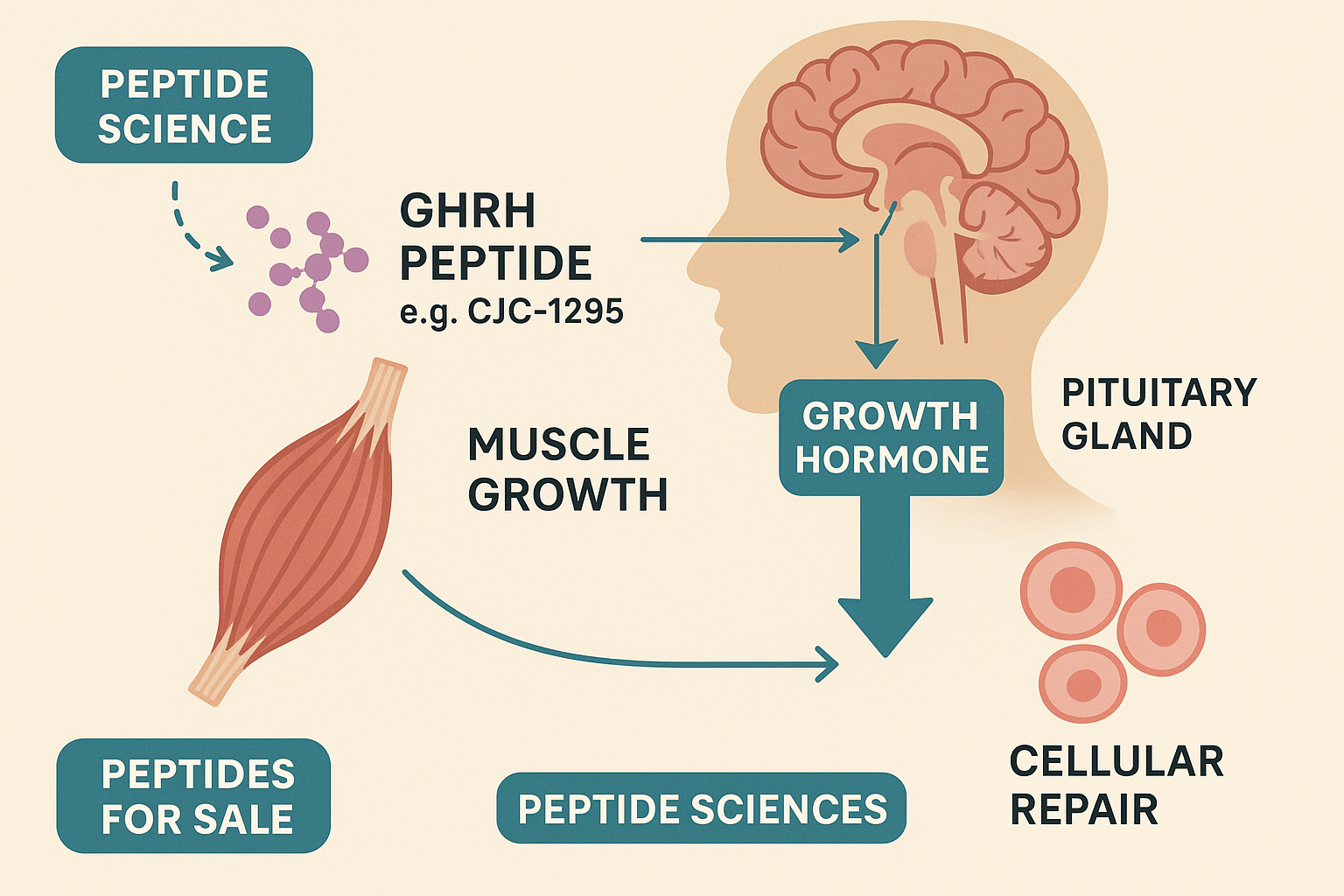
Growth hormone (GH) is a powerful anabolic hormone produced by the pituitary gland, essential for growth, metabolism, and tissue repair. However, direct administration of synthetic GH can come with risks and side effects. This is where GHRH analogues, a class of core peptides, offer a fascinating alternative.
GHRH is a naturally occurring peptide that stimulates the pituitary gland to release GH. Synthetic GHRH analogues, such as CJC-1295 and Ipamorelin, are designed to mimic or enhance the action of natural GHRH, leading to a pulsatile, more physiological release of GH. This approach is often preferred in research settings because it works with the body’s natural regulatory mechanisms rather than overriding them. For instance, studies on CJC-1295 with DAC explore its prolonged action, making it a valuable tool in sustained research models.
How GHRH Analogues Influence Muscle Growth
When GHRH analogues like CJC-1295 are introduced, they bind to specific receptors on somatotroph cells in the anterior pituitary gland. This binding triggers a cascade of events that ultimately leads to the release of stored growth hormone. Once released, GH exerts its effects through several mechanisms, including:
- Direct Anabolic Effects: GH can directly stimulate protein synthesis in muscle cells, contributing to muscle hypertrophy (growth).
- IGF-1 Mediation: A significant portion of GH’s anabolic effects are mediated by insulin-like growth factor 1 (IGF-1). GH stimulates the liver and other tissues to produce IGF-1, which then acts on muscle cells to promote growth and repair.
- Fat Metabolism: GH can also enhance lipolysis (fat breakdown), providing energy for muscle repair and reducing adipose tissue.
This intricate interplay highlights the elegance of peptide science. By subtly influencing the body’s own hormonal pathways, GHRH analogues can promote an environment conducive to muscle growth, enhanced recovery from exercise, and improved body composition. This makes them a subject of intense interest in sports science research and among individuals looking to optimize their physical performance. Many researchers exploring these compounds find a variety of CJC-1295 variants available for research to suit specific study designs.
Other Peptides for Muscle Growth and Recovery
Beyond GHRH analogues, other core peptides are being extensively researched for their potential in muscle repair and recovery:
- BPC-157: Known for its remarkable regenerative and protective properties, BPC-157 is often studied for its ability to accelerate healing of various tissues, including muscles, tendons, ligaments, and bones [1]. Its anti-inflammatory effects and ability to promote angiogenesis (formation of new blood vessels) make it a prime candidate for research into injury recovery. Researchers interested in BPC-157’s angiogenic effects often study its impact on vascular regeneration.
- TB-500 (Thymosin Beta 4): This peptide is involved in cell migration, differentiation, and survival, playing a key role in wound healing and tissue repair. TB-500 is often studied alongside BPC-157 due to their synergistic effects on recovery and regeneration [2]. A popular combination in research is BPC-157 and TB-500 for comprehensive tissue repair studies.
- Follistatin-344: While more complex, Follistatin-344 is being researched for its ability to inhibit myostatin, a protein that limits muscle growth. By blocking myostatin, Follistatin-344 could theoretically lead to significantly increased muscle mass, though its research is still in early stages for human applications.
The increasing availability of peptides for sale has facilitated much of this groundbreaking research, allowing scientists globally to explore these avenues. However, it underscores the importance of sourcing pure peptides from reputable peptide sciences suppliers to ensure the integrity and reproducibility of experimental results.
The Broader Landscape of Peptide Applications and Research in 2025
The scope of peptide science extends far beyond muscle growth. In 2025, researchers are delving into a multitude of applications, from combating chronic diseases to enhancing overall well-being. The precision and low toxicity profiles often associated with peptides make them attractive candidates for diverse therapeutic strategies.
Peptides in Metabolic Health and Weight Management
Obesity and metabolic disorders are global health challenges. Peptides are emerging as powerful tools in this domain.
- GLP-1 Receptor Agonists: Peptides like Semaglutide and Tirzepatide, known as GLP-1 (Glucagon-Like Peptide-1) receptor agonists, have revolutionized the treatment of type 2 diabetes and obesity. They work by mimicking natural GLP-1, leading to increased insulin secretion, suppressed glucagon release, delayed gastric emptying, and reduced appetite [3]. These developments are a testament to the power of peptide science in addressing complex metabolic issues. The advancements in generations of GLP-1 peptides continue to be a significant area of study.
- AOD-9604: This modified fragment of human growth hormone is under investigation for its fat-reducing properties. Research suggests it may stimulate fat breakdown (lipolysis) and inhibit lipogenesis (fat formation) without impacting blood sugar levels or growth [4]. This makes AOD-9604 a promising candidate in obesity research, further highlighting the versatility of core peptides. More information on its metabolic research can be found in resources like AOD9604 metabolic research.
- 5-Amino-1MQ: This small molecule, often categorized within the broader peptide research field due to its signaling properties, is gaining attention for its potential role in inhibiting NNMT (Nicotinamide N-methyltransferase), an enzyme linked to obesity and metabolic dysfunction. Research suggests that by inhibiting NNMT, 5-Amino-1MQ might increase NAD+ levels and metabolic rate, contributing to fat loss. Detailed information can be found through resources like 5-Amino-1MQ research.
Peptides in Anti-Aging and Regenerative Medicine
The quest for longevity and vitality is another frontier where peptide science is making significant strides.
- Epithalon: This tetrapeptide is widely studied for its potential anti-aging effects, particularly its reported ability to regulate telomerase activity. Telomerase is an enzyme that maintains telomere length, which are protective caps at the ends of chromosomes. Shortened telomeres are associated with cellular aging. Research suggests Epithalon may extend cellular lifespan and improve overall health markers [5]. The role of Epithalon in longevity signals is a key area of investigation.
- GHK-Cu (Copper Peptide): A naturally occurring tripeptide complex, GHK-Cu is revered in dermatology for its skin regenerative properties. It promotes collagen and elastin production, improves skin elasticity, reduces wrinkles, and possesses anti-inflammatory and antioxidant effects [6]. This makes it a popular ingredient in topical anti-aging formulations. The science behind topical GHK-Cu is a vibrant area of cosmetic and medical research.
- Thymosins (e.g., Thymosin Beta 4, Thymosin Alpha 1): These peptides, originally isolated from the thymus gland, play crucial roles in immune modulation and tissue repair. Thymosin Alpha 1 (TA1) is known for its immunomodulatory effects, enhancing T-cell function and potentially bolstering immune responses, which is relevant in the context of age-related immune decline.
The elegance of these applications lies in their ability to leverage the body’s natural processes, offering more harmonious and potentially safer interventions. The meticulous development and validation of pure peptides are central to realizing these potentials.
The Importance of Quality and Purity in Peptide Research
For researchers and institutions looking to explore the capabilities of these remarkable molecules, the source of their peptides is paramount. The term “peptides for sale” can encompass a wide range of products, and discerning quality is crucial. Impurities, incorrect sequences, or degraded products can lead to flawed experimental results, wasting valuable time and resources.
Reputable suppliers adhere to strict quality control measures, including:
- Third-Party Testing: Independent laboratory analysis (Certificates of Analysis) confirms peptide identity, purity, and concentration.
- Proper Synthesis Methods: Utilizing advanced solid-phase peptide synthesis (SPPS) ensures high-quality products.
- Accurate Labeling: Clear and precise information regarding the peptide’s sequence, molecular weight, and storage instructions.
- Storage and Handling Guidelines: Providing best practices for maintaining peptide stability and potency [7].
When engaging in serious research, particularly with core peptides and other advanced compounds, prioritizing quality from trusted peptide sciences vendors is non-negotiable. Building a diverse peptide library for comprehensive research requires reliable sourcing.
The Future of Peptide Science: Innovations and Ethical Considerations
As we look towards the rest of 2025 and beyond, peptide science is poised for even greater breakthroughs. Advances in bioinformatics, AI-driven drug discovery, and improved synthesis techniques are accelerating the pace of research.
Emerging Trends
- Targeted Delivery Systems: Developing ways to deliver peptides directly to specific cells or tissues, maximizing their efficacy and minimizing systemic side effects.
- Peptide Conjugates: Attaching peptides to other molecules (e.g., antibodies, nanoparticles) to create hybrid compounds with enhanced properties, such as improved stability or targeted action.
- Computational Peptide Design: Using computational models to predict optimal peptide sequences for specific biological targets, dramatically speeding up the discovery process.
- Personalized Peptide Therapies: Tailoring peptide sequences or combinations to an individual’s unique genetic and physiological profile, leading to highly effective and personalized treatments.
Ethical and Regulatory Landscape
With great potential comes great responsibility. The rapid growth in the availability of peptides for sale also brings important ethical and regulatory considerations. Ensuring that peptides are used responsibly, primarily for research purposes, and that any transition to human therapeutic applications is thoroughly vetted through rigorous clinical trials is essential. Regulatory bodies worldwide are continuously evaluating how to best oversee the development and marketing of these powerful compounds. Researchers are encouraged to stay informed on the evolving guidelines and best practices in applied wellness research with peptides.
The commitment to pure peptides and transparent research from the peptide sciences community will be vital in navigating these complexities and ensuring that the benefits of these tiny molecules are realized safely and effectively for future generations.
Conclusion
The core story behind peptides is one of remarkable biological power condensed into tiny molecular packages. From their fundamental role as cellular communicators to their burgeoning applications in muscle growth, metabolic health, anti-aging, and beyond, these amino acid chains are undeniably shaping the future of medicine and wellness in 2025. Peptide science is an exhilarating field, constantly revealing new ways to harness the body’s own mechanisms for healing and optimization.
For researchers and enthusiasts alike, understanding the intricate world of core peptides and ensuring access to pure peptides from reputable suppliers is crucial. The precision, specificity, and generally favorable safety profiles of these compounds make them invaluable tools for scientific inquiry. As the peptide sciences continue to evolve, we can anticipate even more innovative applications that will profoundly impact human health and quality of life.
Actionable Next Steps
- Educate Yourself: Continuously learn about the latest advancements in peptide research and specific compounds like GHRH analogues or BPC-157.
- Prioritize Purity: When sourcing peptides for sale, always choose suppliers that provide third-party testing and transparent quality assurances for pure peptides.
- Support Ethical Research: Advocate for and participate in responsible scientific inquiry into peptide applications, adhering to ethical guidelines.
- Stay Informed on Regulations: Keep abreast of the evolving regulatory landscape surrounding peptides to ensure compliance and responsible use.
- Explore Resources: Utilize reputable scientific databases and trusted suppliers for detailed information on peptide science and specific compounds.
References
[1] Seiwerth, S., et al. (2018). “BPC 157 and the central nervous system.” European Journal of Pharmacology, 827, 26-38.
[2] Goldstein, A. L., et al. (2010). “The thymosins: The story of an ancient family with a great future.” Annals of the New York Academy of Sciences, 1188(1), 1-12.
[3] Drucker, D. J. (2018). “Mechanisms of action and therapeutic application of glucagon-like peptide-1.” Cell Metabolism, 27(4), 740-756.
[4] Ng, F. M., et al. (2000). “Anti-obesity effects of a synthetic peptide fragment of human growth hormone, AOD9604, in obese subjects.” International Journal of Obesity and Related Metabolic Disorders, 24(10), 1361-1366.
[5] Anisimov, V. N. (2002). “Epithalamin: A peptide promoting longevity.” Neuro Endocrinology Letters, 23(1-2), 11-14.
[6] Pickart, L. (2008). “The human skin repair and remodeling peptide GHK-Cu: a review.” Journal of Biomaterials Science, Polymer Edition, 19(7), 969-982.
[7] Peptide Synthesis User Guide: Best practices for storing research peptides. (2025). https://www.puretestedpeptides.com/best-practices-for-storing-research-peptides/
Meta Title: Peptide Science 2025: Unveiling Core Peptides & Their Impact
Meta Description: Explore the cutting-edge of peptide science in 2025, focusing on core peptides, pure peptides for sale, and their impact on muscle growth, health, and research.