
What’s the Peptidescience Behind Pt-141 (Bremelanotide)? A 2025 Research Deep Dive
Imagine unlocking a profound secret within the human body, a master key that can influence fundamental biological processes. This isn't science fiction; it's the captivating realm of peptidescience, where compounds like Pt141, also known as bremelanotide, stand as testament to sophisticated pharmaceutical innovation. In 2025, as research continues to push boundaries, understanding the intricate peptidescience behind Pt141 is crucial for researchers exploring its unique mechanisms and potential applications. This article will delve into the molecular intricacies, receptor interactions, and the broader context of peptidesciences that make bremelanotide such a compelling subject of study.
Key Takeaways
- Pt141 (Bremelanotide) is a synthetic peptide: It's an analog of alpha-melanocyte-stimulating hormone (α-MSH), designed to selectively target melanocortin receptors.
- Primary Mechanism: MC4R Agonism: The core peptidescience of Pt141 revolves around its agonistic activity at the melanocortin 4 receptor (MC4R), particularly in the central nervous system.
- Role in Neuromodulation: Unlike many other peptides, bremelanotide primarily exerts its effects through neural pathways, influencing desire and arousal.
- Ongoing Research in 2025: Extensive studies continue to explore the full spectrum of Pt141’s effects, receptor binding profiles, and potential therapeutic avenues, solidifying its place in advanced peptidesciences research.
- Distinguished from Hormonal Agents: Pt141 operates via distinct pathways compared to traditional hormonal treatments, making it a unique focus within peptidescience.
The Molecular Blueprint: Unpacking Bremelanotide's Structure and Function
The journey into the peptidescience of Pt141 begins with its fundamental molecular structure. Bremelanotide is a cyclic heptapeptide, meaning it consists of seven amino acids arranged in a ring. This cyclic structure is a critical design feature, providing enhanced stability and receptor selectivity compared to its linear parent molecule. Its synthetic nature allows for precise modifications, optimizing its pharmacological properties.
At its heart, Pt141 is an analog of alpha-melanocyte-stimulating hormone (α-MSH). Alpha-MSH is an endogenous peptide produced in the brain and other tissues, playing a diverse role in various physiological processes, including pigmentation, appetite regulation, and sexual function, primarily by acting on a family of receptors known as melanocortin receptors (MCRs).
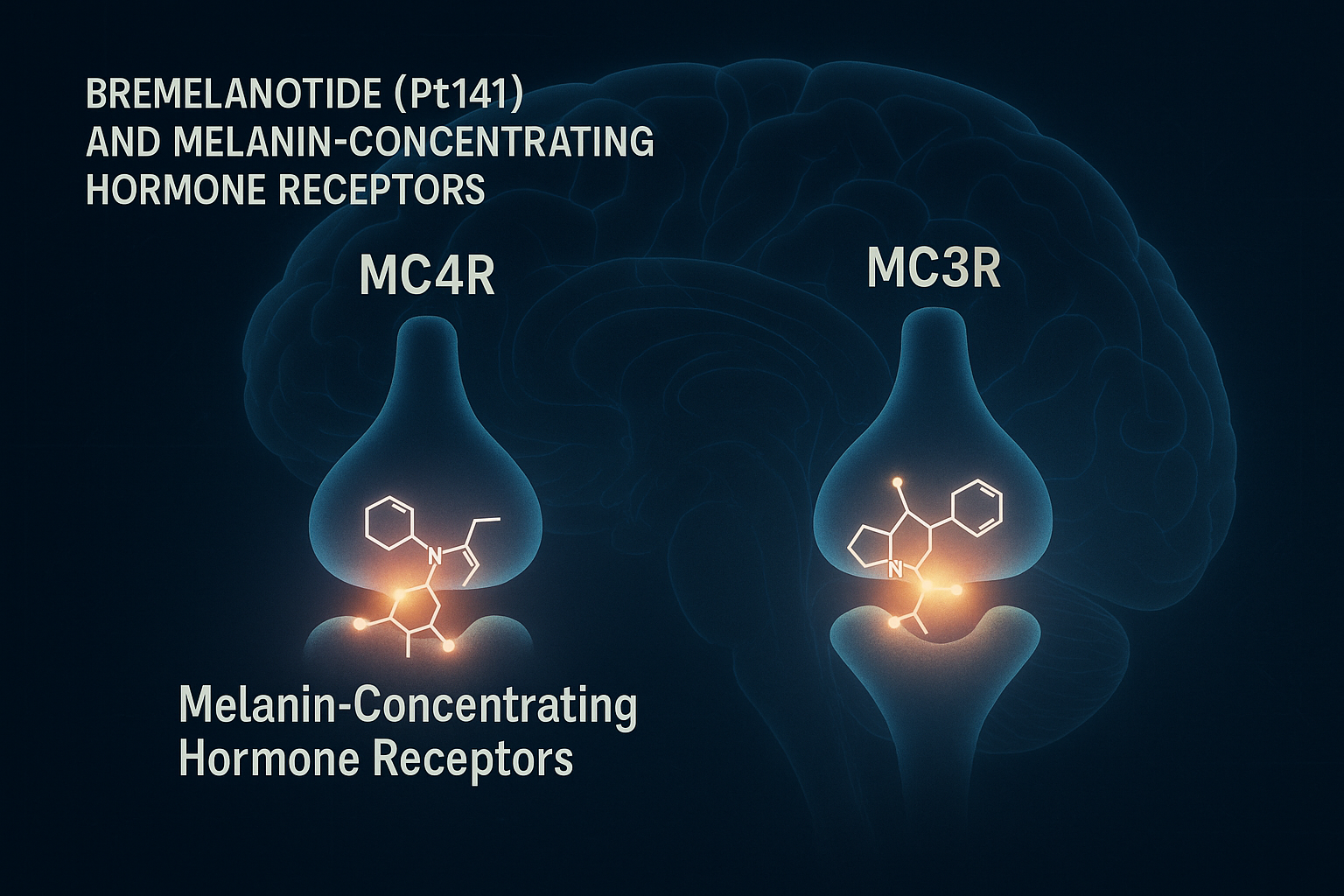
There are five known melanocortin receptors (MC1R-MC5R). The beauty of the peptidescience behind Pt141 lies in its selective agonism. While α-MSH activates all five, bremelanotide preferentially targets the melanocortin 4 receptor (MC4R) and, to a lesser extent, the melanocortin 3 receptor (MC3R). This selectivity is key to its specific effects.
The Role of Melanocortin Receptors: MC3R and MC4R
The melanocortin system is a complex network of neurons and receptors found throughout the central nervous system, particularly in areas crucial for regulating appetite, metabolism, and sexual behavior.
- MC4R (Melanocortin 4 Receptor): This receptor is heavily concentrated in regions of the brain involved in sexual arousal pathways, such as the paraventricular nucleus (PVN) of the hypothalamus. When Pt141 binds to and activates MC4R, it triggers a cascade of intracellular events that ultimately lead to its observed neuromodulatory effects. This mechanism is distinct from how sex hormones operate. Instead of directly modulating hormone levels, Pt141 works "upstream" by influencing the neural circuits responsible for desire.
- MC3R (Melanocortin 3 Receptor): While less prominent than its interaction with MC4R, Pt141 also exhibits some agonistic activity at MC3R. This receptor is involved in energy homeostasis and immune responses. The exact contribution of MC3R activation to the overall profile of bremelanotide is still an area of active peptidescience research, but it's believed to be secondary to MC4R activation for its primary investigational use.
The specificity of Pt141 for MC4R is what distinguishes it within the realm of peptidesciences. This targeted action minimizes off-target effects that might be observed with a less selective α-MSH analog. Understanding these receptor dynamics is fundamental to comprehending how a small peptide can exert such a powerful and specific influence on complex physiological functions. Researchers exploring the potential of such targeted therapies might find our detailed catalog of all peptides for sale a valuable resource.
"The elegance of Pt141 lies not just in its small size, but in its ability to selectively 'speak' to specific neural pathways, offering a refined approach to neuromodulation."
The Intricate Signaling Pathways
Once Pt141 binds to MC4R, it initiates a G-protein coupled receptor (GPCR) signaling cascade. This involves:
- G-Protein Activation: The binding event causes a conformational change in the MC4R, leading to the activation of associated G-proteins.
- Adenylyl Cyclase Activation: Activated G-proteins, specifically Gs proteins, then stimulate adenylyl cyclase.
- cAMP Production: Adenylyl cyclase converts ATP into cyclic AMP (cAMP), a crucial secondary messenger.
- Protein Kinase A (PKA) Activation: Increased cAMP levels activate Protein Kinase A (PKA).
- Downstream Phosphorylation: PKA, in turn, phosphorylates various target proteins and transcription factors, leading to changes in gene expression and neuronal excitability.
This cascade ultimately leads to increased neuronal firing in key brain regions, modulating neurotransmitter release and influencing the pathways associated with arousal and desire. This highly specific activation pathway underscores the precision of peptidescience in designing targeted interventions. For those interested in the broader impact of peptides on cellular processes, exploring topics like cellular maintenance with peptide tools can provide further context.
Comparative Peptidescience: Pt141 vs. Other Peptides
It's helpful to compare Pt141 to other well-known peptides to appreciate its unique profile within peptidesciences. For instance, peptides like BPC-157 or TB-500 are often researched for their regenerative and healing properties, influencing tissue repair and angiogenesis. In contrast, bremelanotide operates almost exclusively as a neuromodulator, directly influencing brain activity rather than peripheral tissue repair.
Consider the diverse applications within peptidescience. While some peptides focus on adaptive capacity and peptide mapping for cellular resilience, or endocrine and ECM intersections for tissue health, Pt141's niche is clearly centered on central nervous system regulation. This distinction highlights the vast and specialized nature of the peptide research landscape. Researchers can find a wide array of options when they buy peptides online USA.
Research Insights and Clinical Trajectories of Pt-141
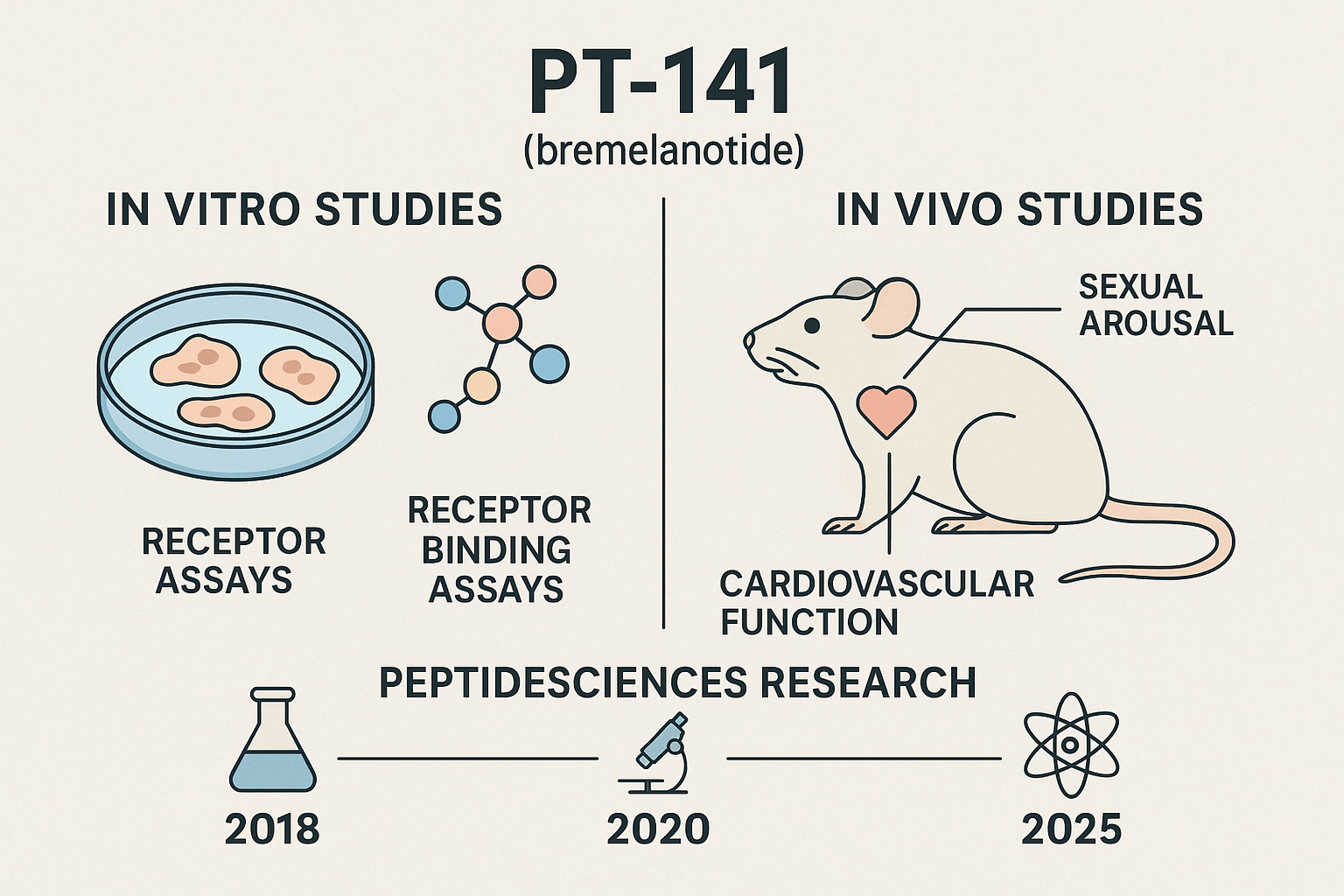
The journey of Pt141 from laboratory synthesis to its current status as a widely researched peptide has been marked by rigorous scientific inquiry. Beginning in the late 1990s, the potential of bremelanotide was identified through extensive preclinical studies, which laid the groundwork for understanding its unique peptidescience profile. These early investigations focused on elucidating its binding affinity to melanocortin receptors, its pharmacokinetics, and its preliminary effects in various animal models.
A pivotal moment in the history of Pt141 came when it was observed to induce sexual arousal as a side effect during trials for a different indication – a tanning agent. This serendipitous discovery redirected the focus of research, leading to its development specifically for conditions involving impaired desire. This anecdote perfectly illustrates how unpredictable and exciting peptidesciences research can be. Sometimes, the most significant discoveries are made unexpectedly, leading to entirely new avenues of exploration.
Preclinical Research and Animal Models
Early peptidescience research on Pt141 extensively utilized animal models, primarily rodents and non-human primates, to understand its mechanism of action and dose-response characteristics. These studies confirmed that:
- MC4R Activation is Key: Administration of bremelanotide consistently showed activation of MC4R in brain regions associated with sexual function.
- Behavioral Responses: Animal studies demonstrated significant increases in proceptive behaviors and copulatory responses, indicating a direct influence on desire.
- Central Nervous System Penetration: Research confirmed that Pt141 could cross the blood-brain barrier, a critical requirement for its action on central melanocortin receptors.
These preclinical findings were instrumental in advancing Pt141 into human trials, solidifying the scientific understanding of its peptidescience.
Clinical Trials and Human Research (Past and Present)
Over the years, numerous clinical trials have investigated Pt141 in human subjects. These studies have primarily focused on conditions characterized by low desire. The data gathered from these trials have provided invaluable insights into its efficacy, safety, and optimal administration.
One notable aspect of bremelanotide research is its unique administration route. Unlike many injectable research peptides, Pt141 is often studied as a nasal spray, offering a non-invasive method for systemic absorption and rapid onset of action, crucial for its specific application. This delivery method is a testament to sophisticated peptidescience design, aiming to maximize bioavailability and patient convenience in research settings.
In 2025, ongoing research continues to refine our understanding of Pt141. Researchers are investigating:
- Subgroup Analysis: Identifying specific populations that may respond more or less effectively to bremelanotide.
- Long-term Safety Profiles: Continuous monitoring and data collection on potential long-term effects.
- Interaction with Other Substances: Exploring how Pt141 might interact with other pharmaceutical agents or lifestyle factors.
- Novel Delivery Methods: Investigating other potential routes of administration or formulations that could improve its profile.
The extensive body of research surrounding Pt141 underscores the rigorous approach taken within peptidesciences to fully characterize novel compounds. For those interested in establishing robust research protocols, resources on designing multi-phase wellness blocks can be particularly useful.
Distinguishing Pt141 in the Peptidesciences Landscape
It is crucial to highlight that Pt141 stands apart from traditional hormonal treatments. While many interventions for desire may involve altering estrogen, testosterone, or other hormone levels, bremelanotide works through a completely different, non-hormonal pathway. It directly modulates brain chemistry, influencing neural pathways related to desire, rather than adjusting the endocrine system's output of sex hormones.
This distinction is a cornerstone of the peptidescience behind Pt141. It avoids the potential systemic hormonal side effects associated with conventional hormone therapies, presenting a novel approach to addressing specific neurological aspects of desire. This makes it a fascinating subject for researchers interested in targeted neuromodulation.
"Pt141 offers a fascinating glimpse into the precision of peptidescience, targeting specific neural circuits to modulate desire without directly impacting hormonal balance."
Understanding Research Limitations and Future Directions
Despite the significant advancements in understanding Pt141, researchers acknowledge certain limitations and areas for future exploration in 2025:
- Mechanism of Non-Responders: Not all subjects respond to bremelanotide. Understanding the underlying biological or genetic factors that differentiate responders from non-responders is a critical area for future peptidescience investigation.
- Long-Term Efficacy and Safety: While short-to-medium term studies have been conducted, more extensive long-term data will always be beneficial for a comprehensive understanding.
- Specificity within the Melanocortin System: Further research could fine-tune our understanding of Pt141's precise interactions with MC3R and MC4R, and explore potential interactions with other melanocortin receptor subtypes under various physiological conditions.
- Potential for Combination Therapies: Future peptidesciences research might explore the synergy of Pt141 with other peptides or compounds to enhance effects or broaden its applicability. For example, exploring peptide blends research could open new avenues.
- Genetic Predisposition: Investigating genetic markers that predict an individual's response to bremelanotide could personalize future research applications.
These avenues represent the cutting edge of peptidescience in 2025, pushing the boundaries of what we understand about complex biological systems and how targeted peptide interventions can influence them. Researchers can find high-quality research peptides, including 141pt, to further these critical studies at Pure Tested Peptides.
The Evolving Landscape of Peptidescience
The field of peptidesciences is dynamic and rapidly evolving. Every year, new peptides are discovered, synthesized, and researched for a myriad of potential applications, from metabolic regulation (like AOD-9604) to cognitive enhancement and anti-aging. Pt141 is an exemplar of this progress, demonstrating the capacity of precisely engineered peptides to interact with specific biological targets and produce highly focused effects.
The commitment to rigorous scientific inquiry, transparent data reporting, and ethical research practices remains paramount in 2025. As we continue to unravel the complexities of human biology, peptides like bremelanotide will undoubtedly remain at the forefront of innovative research, pushing the boundaries of what is possible in the realm of neuromodulation and beyond. For those setting up their research, understanding best practices for storing research peptides is crucial for maintaining data integrity.
Conclusion
The peptidescience behind Pt141, or bremelanotide, is a compelling narrative of targeted molecular design and intricate neurobiological interaction. As we move through 2025, it's clear that this synthetic heptapeptide represents a significant advancement in our understanding of how selective modulation of the melanocortin system can influence central nervous system functions, particularly those related to desire. Its preferential agonism at the MC4R, distinct from traditional hormonal pathways, underscores the precision and specificity achievable through advanced peptidesciences research.
From its unexpected discovery to the rigorous preclinical and clinical studies, Pt141 serves as a prime example of how dedicated scientific inquiry can uncover novel mechanisms and potential applications for peptides. The ongoing research continues to deepen our understanding of its efficacy, safety, and potential nuanced interactions within the complex landscape of human physiology.
For researchers and scientists, Pt141 offers a rich area of study, presenting opportunities to further explore neuromodulation, receptor pharmacology, and the broader implications of peptide-based interventions. The journey of bremelanotide exemplifies the exciting and ever-expanding frontiers of peptidescience.
Actionable Next Steps for Researchers:
- Stay Updated: Continuously monitor new publications and research findings related to Pt141, MC4R agonists, and melanocortin system interactions in 2025.
- Explore Related Peptides: Investigate other peptides that interact with the melanocortin system or other neuromodulatory pathways to gain comparative insights.
- Review Methodologies: Critically analyze the experimental designs and methodologies used in Pt141 studies to inform future research protocols.
- Consider Ethical Implications: Always approach research involving powerful peptides like bremelanotide with a strong ethical framework, prioritizing scientific integrity and safety.
- Source High-Quality Peptides: Ensure that any Pt141 or other research peptides used in studies are sourced from reputable suppliers known for their purity and analytical verification, like Pure Tested Peptides. For example, our peptide kits for beginner researchers offer a reliable starting point.
SEO Meta Title: Pt141 (Bremelanotide) Peptidescience: 2025 Research Deep Dive
SEO Meta Description: Explore the peptidescience behind Pt141 (bremelanotide) in 2025. Understand its MC4R agonism, molecular structure, and ongoing research insights into this fascinating peptide.