
Unraveling GLP-3: Why Do They Call It GLP3? Difference Between GLP-1 Generations and Advanced All Peptides for Sale

The world of peptide research is a rapidly evolving frontier, continuously unveiling new compounds with immense potential for scientific discovery. Among the most discussed and researched peptides in recent years are those related to the Glucagon-Like Peptide (GLP) family. While GLP-1 has long been a focal point, a new generation of peptides, including GLP-3 peptides, has emerged, prompting significant interest and a flurry of questions. Why do researchers refer to some of these advanced compounds as “GLP-3,” and what sets them apart from earlier GLP-1 generations? This comprehensive article aims to dissect the nomenclature, explore the intricate differences between GLP-1 and these newer generations, and shed light on compounds like GLP3 Reta, which are driving the next wave of research into Metabolism and beyond. For those looking for all peptides for sale or specifically GLP 3 Peptides for sale, understanding these distinctions is paramount.
Key Takeaways
- GLP-1’s Foundational Role: GLP-1 is a natural hormone primarily known for its role in glucose regulation and satiety, paving the way for therapeutic development.
- Evolution of Peptide Science: The term “GLP-3” often refers to advanced multi-agonist peptides that engage not only the GLP-1 receptor but also other key receptors like GIP and glucagon receptors, offering a broader spectrum of effects.
- Multi-Agonist Advantage: Compounds like GLP3 Reta are examples of these multi-agonists, designed to harness the synergistic potential of activating multiple metabolic pathways, thereby differentiating them from earlier GLP-1 generations.
- Research Focus: The enhanced effects seen with these advanced peptides, particularly concerning Metabolism regulation and energy balance, are a major area of ongoing scientific inquiry.
- Accessibility for Research: These cutting-edge research peptides for sale are available for laboratory study, allowing scientists to delve deeper into their mechanisms and potential applications.
Deciphering the GLP Nomenclature: Why “GLP-3 Peptides”?
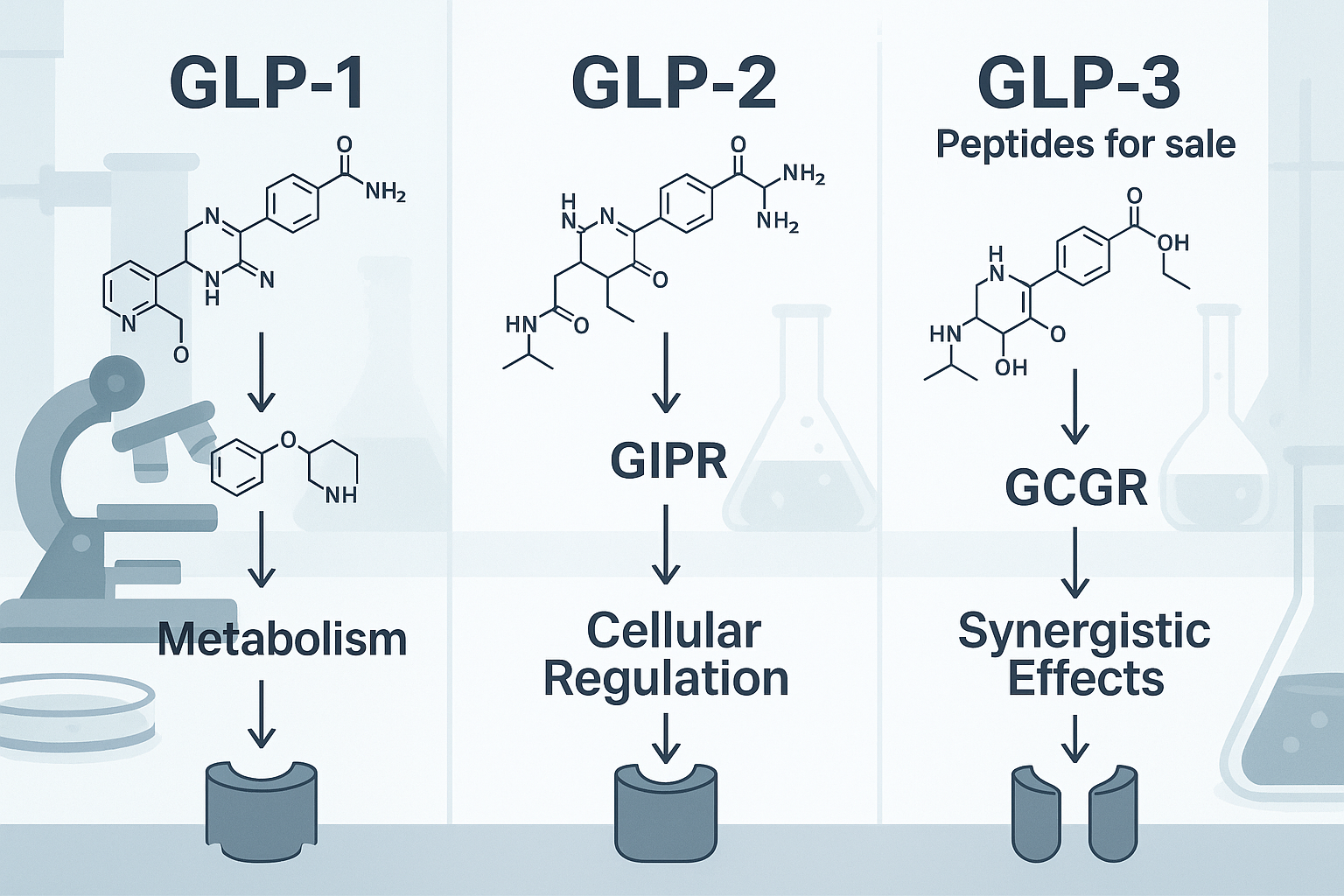
The journey into understanding GLP-3 peptides begins with a look at their predecessors and the conventions of scientific naming. Naturally occurring GLP-1 and GLP-2 are both derived from the proglucagon gene, playing distinct yet related roles in physiological processes. GLP-1 is a key incretin hormone, crucial for glucose-dependent insulin secretion, while GLP-2 primarily influences intestinal growth and nutrient absorption. So, if GLP-1 and GLP-2 exist, why isn’t there a naturally occurring GLP-3?
The designation “GLP-3” isn’t strictly about a third naturally occurring isoform of glucagon-like peptide. Instead, it’s a more colloquial or shorthand term used within the research community to refer to a new generation of synthetic peptides that often combine the actions of GLP-1 with other related hormonal pathways. These are not simply GLP-1 variants, but rather novel molecular constructs, often multi-agonists, designed to interact with multiple receptors crucial for metabolic regulation.
Think of it like software versions: GLP-1 was version 1.0, GLP-2 a distinct but related parallel development. Now, “GLP-3” represents a significant upgrade, a “version 3.0” in terms of its complexity and multi-target engagement. These advanced peptides for sale online offer researchers tools to explore more comprehensive metabolic modulation.
The Rise of Multi-Agonists and GLP3 Reta
The primary reason for the “GLP-3” moniker stems from the development of compounds that go beyond merely stimulating the GLP-1 receptor. Many of these newer agents, often dubbed GLP3 Reta or simply Reta peptide, are known as triple agonists. This means they activate not only the Glucagon-Like Peptide-1 Receptor (GLP-1R) but also the Glucose-dependent Insulinotropic Polypeptide Receptor (GIPR) and the Glucagon Receptor (GCGR). This sophisticated design offers a unique pharmacological profile compared to earlier, single-agonist GLP-1 drugs.
The concept behind these multi-agonists is to leverage the complementary actions of these different pathways. For instance:
- GLP-1R activation: Promotes insulin secretion, suppresses glucagon release, slows gastric emptying, and increases satiety.
- GIPR activation: Enhances GLP-1’s insulinotropic effects, contributes to satiety, and potentially plays a role in fat metabolism.
- GCGR activation: Can increase energy expenditure and reduce hepatic fat, though its role in conjunction with GLP-1 and GIP is carefully calibrated to avoid excessive glucose elevation.
The combined effect of these interactions, as seen in peptides like GLP3 Reta, is hypothesized to lead to more pronounced and synergistic metabolic benefits in research models. This innovative approach to peptide design is why researchers often categorize them as a distinct “generation,” giving rise to the informal “GLP-3” designation.
For scientists looking to buy GLP 3 online or purchase GLP-3 for their studies, understanding this multi-agonist mechanism is crucial. It’s not just about getting GLP3 peptide; it’s about acquiring a tool that targets multiple pathways simultaneously.
The Difference Between GLP-1 Generations and GLP-3 Peptides
To truly appreciate the significance of GLP-3 peptides and compounds like GLP3 Reta, it’s essential to understand how they diverge from the earlier GLP-1 generations. The evolution of GLP-based research peptides reflects a deepening scientific understanding of metabolic physiology and an increasingly sophisticated approach to drug design.
First Generation: GLP-1 Receptor Agonists
The first generation of GLP-1 related peptides, and the basis for many early therapeutic interventions, primarily focused on mimicking the actions of endogenous GLP-1. These compounds are pure GLP-1 Receptor Agonists (GLP-1RAs).
Key Characteristics of First-Generation GLP-1RAs:
- Single Target: They selectively bind to and activate the GLP-1 receptor.
- Mechanism of Action: Primarily stimulate glucose-dependent insulin release, suppress glucagon secretion, slow gastric emptying, and enhance satiety.
- Examples in Research: Early forms of synthetic GLP-1 peptides were instrumental in understanding these core metabolic functions.
- Research Applications: Widely used to study glucose homeostasis, insulin sensitivity, and appetite regulation.
While highly effective in their specific roles, researchers began to explore whether targeting additional pathways could amplify or broaden the metabolic effects observed. This curiosity led to the development of the next generations.
Second Generation: Dual Agonists (GLP-1/GIP)
Building on the success of GLP-1RAs, the second generation introduced dual agonists, specifically targeting both the GLP-1 receptor and the GIP receptor. GIP (Glucose-dependent Insulinotropic Polypeptide) is another incretin hormone that works synergistically with GLP-1 to enhance insulin secretion.
Key Characteristics of Second-Generation Dual Agonists:
- Dual Target: Activate both GLP-1R and GIPR.
- Mechanism of Action: Combine the benefits of GLP-1R activation with the insulinotropic and metabolic effects of GIPR activation. This often leads to more robust glucose control and potentially enhanced weight management in research models.
- Rationale: The synergistic interaction between GLP-1 and GIP was recognized as a powerful avenue for improving metabolic outcomes.
- Research Applications: Used to investigate enhanced incretin effects, superior glycemic control, and potential advantages in addressing complex metabolic dysfunctions.
This generation marked a significant leap, demonstrating that a multi-pronged approach could yield superior results compared to single-receptor activation. Researchers continue to explore the nuances of comparing different GHRH analogs and other peptide combinations to unlock new insights.
Third Generation: Triple Agonists (GLP-1/GIP/Glucagon) – The “GLP-3” Era
This is where the term GLP-3 peptides often comes into play, signifying the emergence of triple agonists. These cutting-edge peptides, exemplified by compounds like GLP3 Reta (Reta peptide), are designed to activate the GLP-1 receptor, the GIP receptor, and the glucagon receptor.
Key Characteristics of Third-Generation Triple Agonists (GLP-3 Peptides):
- Triple Target: Activate GLP-1R, GIPR, and GCGR.
- Mechanism of Action: This sophisticated combination aims for a holistic metabolic regulation. While GLP-1 and GIP primarily focus on insulin secretion, glucose disposal, and satiety, the controlled activation of the glucagon receptor can lead to increased energy expenditure and reduced hepatic fat accumulation. The careful balance is critical, as excessive glucagon activation could raise blood glucose. The design of GLP3 Reta focuses on an optimized balance to achieve beneficial effects without adverse impacts on glucose levels.
- Enhanced Metabolic Scope: The hypothesis is that by orchestrating these three pathways, triple agonists can achieve more profound effects on Metabolism, body weight, and potentially other metabolic markers than previous generations.
- Examples in Research: GLP3 Reta is a prominent example of this class. Researchers looking to buy reta peptide or purchase GLP3 are often seeking these advanced multi-agonists.
- Research Applications: Investigating comprehensive metabolic reprogramming, significant body weight reduction, and novel approaches to managing metabolic disorders in various research models. Understanding how these complex peptides work can also involve exploring adaptive capacity and peptide mapping.
| Peptide Generation | Primary Receptors Targeted | Key Mechanisms (Research Focus) | Representative Examples (Research) |
|---|---|---|---|
| First (GLP-1) | GLP-1R | Glucose-dependent insulin secretion, glucagon suppression, satiety | Synthetic GLP-1 analogs |
| Second (GLP-1/GIP) | GLP-1R, GIPR | Enhanced incretin effect, improved glycemic control, satiety | Dual GLP-1/GIP agonists |
| Third (GLP-3/Reta) | GLP-1R, GIPR, GCGR | Comprehensive metabolic regulation, enhanced energy expenditure, fat reduction, significant body weight impact | GLP3 Reta, Reta peptide |
The “GLP-3” designation, therefore, represents a significant paradigm shift in peptide science, moving from single-target precision to a broader, more integrated approach to metabolic modulation. Researchers seeking these advanced compounds can find GLP 3 Peptides for sale and explore all peptides for sale through reputable suppliers.
The Mechanisms Behind GLP3 Reta and Its Impact on Metabolism
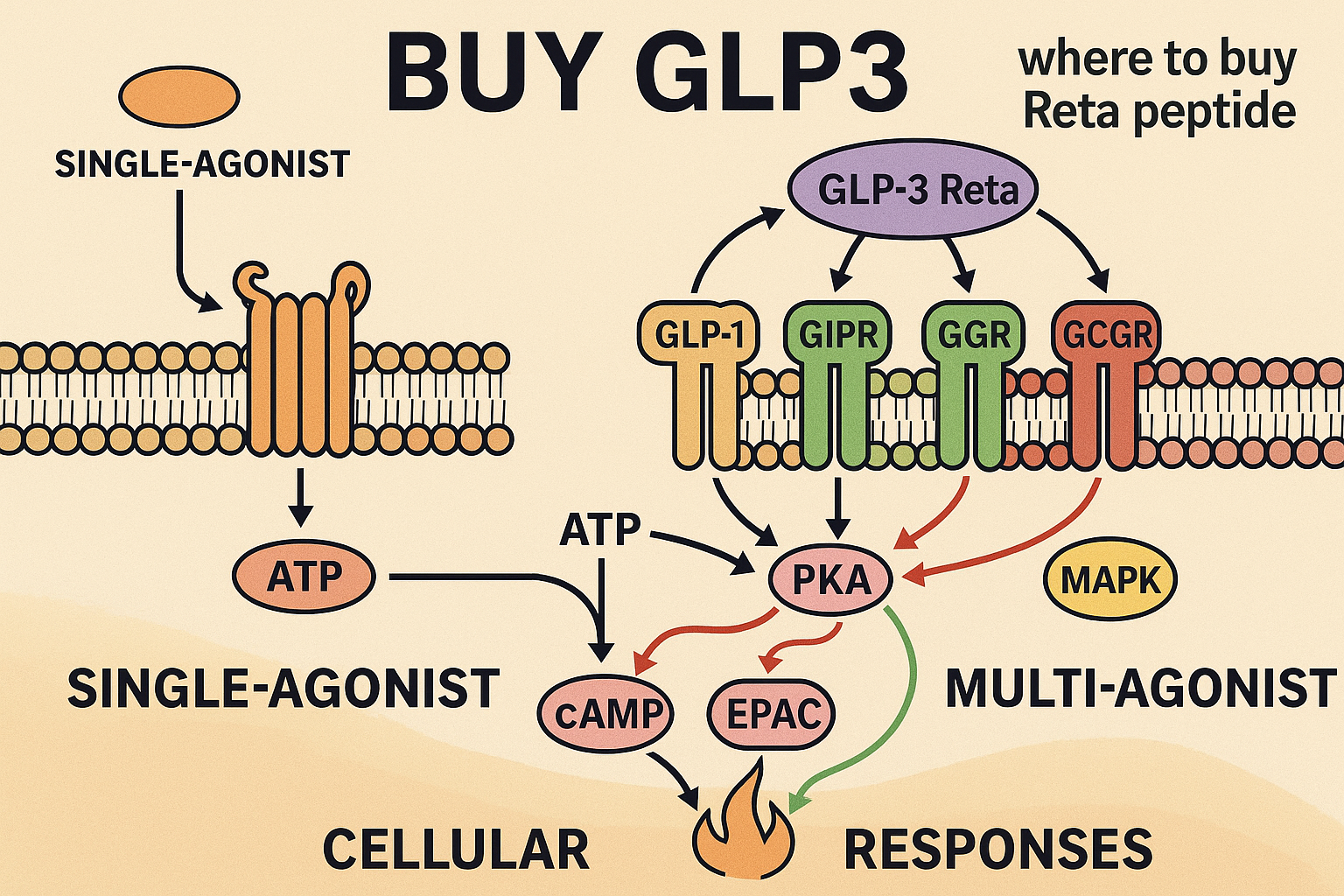
The allure of GLP3 Reta and other advanced “GLP-3” compounds lies in their intricate molecular choreography. By simultaneously engaging GLP-1R, GIPR, and GCGR, these peptides orchestrate a symphony of metabolic responses that are proving to be exceptionally powerful in laboratory settings. Let’s delve deeper into how these mechanisms converge to influence Metabolism.
Imagine a complex control panel for the body’s energy system. GLP-1 is one switch, GIP another, and glucagon a third. Traditional GLP-1 peptides would only toggle the GLP-1 switch. Dual agonists would toggle two. But GLP3 Reta is like having a master controller that intelligently adjusts all three, creating a more harmonious and impactful effect on the entire system.
The Interplay of Receptors in GLP3 Reta
- GLP-1 Receptor Activation:
- Insulin Secretion: When glucose levels are high, GLP-1R activation stimulates pancreatic beta cells to release insulin, helping to lower blood sugar.
- Glucagon Suppression: It simultaneously inhibits alpha cells from releasing glucagon, which would otherwise raise blood sugar.
- Gastric Emptying: Slows down the rate at which food leaves the stomach, contributing to a feeling of fullness.
- Satiety: Acts on the brain to reduce appetite and increase satiety, leading to reduced food intake.
- GIP Receptor Activation:
- Insulinotrophic Effect: GIP works synergistically with GLP-1 to enhance insulin secretion in a glucose-dependent manner.
- Beta-Cell Protection: Research suggests GIP may play a role in promoting beta-cell survival and proliferation.
- Fat Metabolism: Evidence indicates GIP influences adipose tissue, potentially impacting fat storage and mobilization.
- Glucagon Receptor Activation:
- Energy Expenditure: Glucagon primarily mobilizes glucose from the liver, but its controlled activation in the context of a triple agonist can lead to increased energy expenditure. This is a crucial differentiator for GLP3 Reta.
- Hepatic Fat Reduction: Studies suggest that glucagon receptor activation can help reduce fat accumulation in the liver.
- Balancing Act: The key with GLP3 Reta is that its glucagon receptor activation is balanced by the stronger insulinotropic effects of GLP-1 and GIP, preventing unwanted hyperglycemia that would occur with pure glucagon agonism. This fine-tuned balance is a hallmark of sophisticated research peptides for sale.
Synergistic Effects on Metabolism
The beauty of GLP3 Reta lies in the synergy. It’s not just 1+1+1=3; it’s more like 1x1x1= exponentially greater. For example:
- Enhanced Weight Reduction: The combined effects on satiety, gastric emptying, and increased energy expenditure from glucagon receptor agonism can lead to more substantial and sustained weight reduction in research subjects compared to single or dual agonists. This is a significant area of focus for scientists who buy GLP3 or buy reta peptide.
- Improved Glycemic Control: The robust insulinotropic actions of both GLP-1 and GIP, coupled with glucagon suppression, lead to superior blood glucose regulation.
- Liver Health: The glucagon component, in particular, may offer advantages in addressing fatty liver conditions, a growing area of metabolic research.
“The development of compounds like GLP3 Reta represents a fundamental shift in our understanding of metabolic control. By engaging multiple hormonal pathways, we’re moving towards more holistic and effective strategies in metabolic research.”
These advanced peptides offer researchers unprecedented tools to investigate the complex interplay of hormones and their impact on overall Metabolism. Scientists globally are keen to buy GLP 3 peptide or discover where to buy reta peptide to advance their studies. When looking for peptides for sale online, especially cutting-edge compounds like GLP-3 for sale, it’s crucial to source them from trusted suppliers. Pure Tested Peptides (our brand) offers a range of high-quality GLP3 peptides for sale to support rigorous scientific inquiry.
Exploring the Research Landscape: GLP-3 Peptides in Action (2025)
The year 2025 sees an unprecedented surge in research interest surrounding GLP-3 peptides and multi-agonists like GLP3 Reta. Laboratory studies are delving into various aspects, from molecular binding affinities to comprehensive physiological impacts in animal models. Researchers are actively looking to buy reta, buy GLP3, and explore all peptides for sale that represent these newer generations of metabolic modulators.
Current Research Frontiers with GLP-3 Peptides
- Weight Management and Obesity Research:
- Mechanistic Studies: A significant portion of research in 2025 is focused on dissecting precisely how GLP3 Reta achieves its profound effects on body weight. This involves detailed studies on appetite suppression, energy expenditure, and fat metabolism at a cellular and systemic level. Researchers are investigating alterations in hypothalamic signaling, changes in brown adipose tissue activity, and the precise contribution of each receptor (GLP-1R, GIPR, GCGR) to the overall weight loss observed.
- Comparative Efficacy: Head-to-head studies comparing GLP3 Reta with established GLP-1RAs and dual agonists are ongoing to quantify the incremental benefits in weight reduction. These studies are critical for establishing the unique advantages of GLP-3 peptides.
- Long-Term Outcomes: Investigations into the sustainability of weight reduction and prevention of weight regain in research models are paramount.
- Glycemic Control and Diabetes Research:
- Insulin Sensitivity: Studies are examining the impact of GLP3 Reta on insulin sensitivity in various tissues, including muscle and liver. The combined effects on insulin secretion and glucagon suppression are expected to lead to superior glucose homeostasis.
- Beta-Cell Function: Researchers are exploring the potential for GLP-3 peptides to improve beta-cell function, reduce apoptosis, and even promote beta-cell proliferation, which could have long-term implications for diabetes management.
- Hypoglycemia Risk: A crucial area of inquiry is the assessment of hypoglycemia risk with triple agonists, ensuring that the powerful glucose-lowering effects do not lead to adverse events.
- Non-Alcoholic Fatty Liver Disease (NAFLD) and NASH:
- Hepatic Fat Reduction: The glucagon receptor agonism component of GLP3 Reta is of particular interest in the context of NAFLD. Research is evaluating its ability to reduce hepatic steatosis (fat in the liver) and inflammation.
- Fibrosis Mitigation: Beyond fat reduction, studies are exploring if GLP-3 peptides can mitigate liver fibrosis, a critical endpoint in NASH progression. This could position these peptides as significant research tools for liver health.
- Cardiovascular and Renal Outcomes:
- Protective Effects: Building on the known cardiovascular and renal benefits of GLP-1RAs, research is now extending to investigate if the multi-agonist profile of GLP3 Reta confers even greater protective effects on the heart and kidneys in preclinical models.
- Blood Pressure and Lipid Profiles: Studies are monitoring changes in blood pressure, cholesterol levels, and triglyceride levels to understand the full cardiovascular impact.
- Neurological and Cognitive Research:
- Neuroprotective Potential: Emerging research suggests that GLP-1 and GIP receptors are present in the brain and may have neuroprotective roles. GLP-3 peptides are being investigated for their potential impact on neuroinflammation, cognitive function, and neurodegenerative conditions in experimental models.
- Appetite Regulation in the Brain: Further mapping of how these multi-agonists influence brain regions involved in appetite and reward is an active area. For researchers interested in the brain’s complex mechanisms, other peptides like 5-Amino-1MQ also offer fascinating avenues of study.
The Importance of High-Quality Research Peptides
For any of this groundbreaking research to be valid and reproducible, the quality of the research peptides for sale is paramount. Impurities or inconsistent concentrations can lead to erroneous results, wasting valuable time and resources. This is why organizations like Pure Tested Peptides (our brand) are dedicated to providing rigorously tested, high-purity GLP 3 Peptides for sale, including GLP3 Reta.
When scientists seek to buy GLP 3, where to buy reta, or peptide GLP 3, they are essentially investing in the foundational integrity of their experiments. Reputable suppliers provide:
- Certificate of Analysis (CoA): Detailing purity, identity, and potency, often accessible directly from product pages, such as for Pure Tested Peptides.
- Third-Party Testing: Independent verification of product quality.
- Proper Storage and Handling: Ensuring the stability and efficacy of the peptides upon delivery. Best practices for storage are crucial for all research peptides.
The availability of high-quality GLP3 for sale allows researchers to confidently design and execute studies that push the boundaries of metabolic science. The ongoing work with GLP3 Reta is not just about a single compound; it’s about opening new chapters in our understanding of Metabolism and physiological regulation, promising profound implications for the future.
Navigating the Peptide Market: Where to Buy GLP3 and GLP3 Reta Peptides for Research
As the scientific community increasingly recognizes the potential of GLP-3 peptides and multi-agonists, the demand for high-quality research peptides for sale has surged. Researchers seeking to delve into the intricate mechanisms of Metabolism with compounds like GLP3 Reta need reliable sources. This section guides you through the process of finding and acquiring these advanced peptides for sale online.
Identifying Reputable Suppliers for GLP 3 Peptides
The market for all peptides for sale can be vast, but when it comes to cutting-edge compounds like GLP3 Reta and other GLP-3 peptides, discernment is key. Here’s what to look for in a supplier:
- Purity and Quality Assurance: This is non-negotiable. A reputable supplier will always provide a Certificate of Analysis (CoA) for each batch, demonstrating the peptide’s purity (typically >98-99%) and verifying its chemical structure. Third-party testing is an added layer of trust. For example, Pure Tested Peptides ensures that all products, including GLP 3 Peptides for sale, meet stringent quality standards. Checking a company’s COA page is a great first step.
- Transparent Sourcing and Manufacturing: Understanding where the peptides come from and how they are synthesized can offer insights into their quality. Suppliers should be transparent about their processes.
- Dedicated to Research Use: Reputable vendors explicitly state that their peptides for sale are for research purposes only, not for human consumption. This commitment aligns with scientific integrity and regulatory compliance.
- Customer Support and Knowledge Base: A supplier that can answer technical questions about their products, offer guidance on storage, and provide scientific resources demonstrates a deeper understanding of the research landscape.
- Secure and Discreet Shipping: Especially when ordering peptides for sale online, reliable, discreet, and fast shipping is crucial to maintain product integrity and privacy.
Where to Buy GLP3 Reta and Other Advanced Peptides
If you are a researcher or institution looking to buy GLP3, purchase GLP-3, or specifically buy reta peptide, several options exist, with online specialist suppliers being the most common.
- Dedicated Research Peptide Websites: Companies specializing solely in research peptides for sale are often the best bet. They understand the specific needs of the scientific community and focus on purity and documentation. Pure Tested Peptides (our brand) is an example of a dedicated platform where you can find GLP3 Reta, GLP-3 for sale, and a wide range of all peptides for sale. You can explore their comprehensive catalog to find the exact peptide blends for research you need.
- Academic and Institutional Procurement: Larger research institutions may have established relationships with chemical suppliers who can provide these compounds. However, for specialized or newer peptides like GLP3 Reta, direct sourcing from a dedicated peptide vendor often ensures better purity and specific research-grade formulations.
Key Considerations When Buying GLP3 Peptides
- Product Specifications: Always check the dosage (e.g., Reta 10 for 10mg vials), the form (lyophilized powder), and any reconstitution instructions.
- Legal and Ethical Compliance: Ensure that your research adheres to all local and national regulations regarding the procurement and use of research peptides. Remember, these are for laboratory research only.
- Pricing and Value: While cost is a factor, prioritizing purity and reliability over the lowest price is critical for meaningful research outcomes. The cost of a failed experiment due to impure peptides far outweighs any initial savings.
- Reviews and Reputation: Look for feedback from other researchers or institutions regarding the supplier’s reliability and product quality.
Anecdotally, Dr. Chen, a metabolic researcher at a prominent university, once recounted a frustrating experience with an unknown vendor. “We bought what we thought was a cutting-edge GLP-1 analog, only to find our results were completely inconsistent,” he explained. “After months of troubleshooting, a third-party analysis revealed the peptide was less than 70% pure. It taught us a hard lesson: always prioritize a Certificate of Analysis and a reputable name when you buy peptides online USA.” This story underscores the vital importance of sourcing from trusted suppliers when you buy GLP 3 online or seek GLP-3 peptides for sale.
In 2025, the access to high-quality GLP3 Reta and other GLP-3 peptides has never been more crucial for advancing our understanding of Metabolism. By choosing reputable suppliers like Pure Tested Peptides, researchers can confidently pursue their investigations, contributing to the exciting developments in peptide science. Whether you need to buy GLP3 or simply want to learn where to buy reta peptide, due diligence is your most powerful tool.
The Future of Peptide Research: Beyond GLP-3 and Reta in 2025
The rapid advancements witnessed in the GLP-1 generations, culminating in the emergence of GLP-3 peptides like GLP3 Reta, are merely stepping stones to an even more exciting future in peptide research. In 2025, scientists are not just exploring the current capabilities of these multi-agonists but are already looking ahead to the next wave of innovation in Metabolism regulation and beyond. The pursuit of all peptides for sale is driven by an insatiable curiosity to unlock the body’s intricate signaling systems.
What Comes After “GLP-3”? The Next Horizons
- Poly-Agonists and Designer Peptides:
- More Receptor Targets: Beyond triple agonists, researchers are experimenting with peptides that target four or more receptors simultaneously (e.g., GLP-1, GIP, Glucagon, Amylin, PYY). The challenge lies in designing compounds that maintain optimal activity at each receptor without causing adverse off-target effects.
- Tissue-Specific Activation: The future may see peptides engineered to activate receptors preferentially in specific tissues (e.g., liver, adipose tissue, brain) to maximize desired effects and minimize systemic side effects.
- Smart Peptides: Imagine peptides that activate or deactivate based on specific physiological cues, offering a level of precision currently unimaginable.
- Oral Peptides and Enhanced Delivery Systems:
- Overcoming Bioavailability Challenges: A major hurdle for many peptide therapeutics has been their poor oral bioavailability due to degradation in the digestive tract. Significant research is being poured into developing best oral peptides and innovative encapsulation or modification techniques to protect peptides from enzymatic breakdown and enhance absorption. This would revolutionize access and convenience for research studies and potential future applications. For some interesting insights, consider exploring current efforts in best oral peptides.
- Novel Administration Routes: Beyond oral, sustained-release formulations, transdermal patches, or even inhaled peptides are areas of active development to improve patient compliance and therapeutic efficacy.
- Personalized Peptide Medicine:
- Genetic and Metabolic Profiling: As our understanding of individual metabolic variations grows, the future could see peptide therapies tailored to a person’s specific genetic makeup and metabolic profile. This would move beyond a one-size-fits-all approach to highly individualized treatments.
- Biomarker-Guided Therapy: Real-time monitoring of biomarkers could guide peptide dosing and selection, ensuring optimal outcomes.
- Beyond Metabolic Disorders:
- Neurodegenerative Diseases: The neuroprotective effects of GLP-1R activation are already a subject of intense research. Future GLP-3 peptides or related compounds could be designed specifically to target neurological pathways for conditions like Alzheimer’s or Parkinson’s in preclinical models.
- Inflammatory Conditions: Peptides are increasingly recognized for their immunomodulatory and anti-inflammatory properties. Future generations could be engineered to specifically address chronic inflammatory diseases.
- Aging Research: Peptides are being explored for their potential to influence cellular senescence, mitochondrial function, and overall healthy aging, linking directly to fields like adaptive capacity and peptide mapping.
The Role of Research Peptides for Sale in 2025
The availability of high-quality research peptides for sale is the bedrock upon which all these future innovations will be built. Scientists need access to novel compounds like GLP3 Reta, and even more experimental poly-agonists, to conduct foundational research.
- Discovery and Validation: New peptides allow researchers to identify novel pathways, validate hypotheses, and uncover potential therapeutic targets.
- Mechanism Elucidation: Detailed studies with specific peptide agonists help to precisely map receptor interactions and downstream signaling cascades.
- Preclinical Testing: Before any compound can even be considered for clinical development, it undergoes rigorous testing in laboratory and animal models, all relying on access to pure, reliable peptides for sale online.
The journey from the initial discovery of GLP-1 to the sophisticated GLP-3 peptides we see today like GLP3 Reta is a testament to the power of continuous scientific inquiry. As researchers continue to buy GLP 3, purchase GLP3, and explore where to buy reta peptide, they are actively shaping the future of medicine and our understanding of human biology.
The year 2025 is a vibrant period in peptide science, with an ever-expanding horizon. The lessons learned from GLP-1 generations are fueling the development of the next era of peptides, promising revolutionary insights into Metabolism and countless other physiological processes.
Conclusion
The evolution from early GLP-1 generations to the sophisticated GLP-3 peptides and multi-agonists like GLP3 Reta marks a significant milestone in metabolic research. The informal moniker “GLP-3” has come to represent a new class of research peptides that go beyond single-receptor activation, harnessing the synergistic power of multiple pathways to achieve more profound and comprehensive effects on Metabolism.
We’ve explored how GLP-1 receptor agonists paved the way, how dual agonists expanded the scope, and how triple agonists like GLP3 Reta are now redefining the possibilities for metabolic modulation. This intricate interplay of GLP-1, GIP, and glucagon receptor activation positions these compounds at the forefront of scientific inquiry into weight management, glycemic control, liver health, and potentially broader applications in cardiovascular and neurological research.
For the scientific community in 2025, accessing high-purity GLP 3 Peptides for sale, including GLP3 Reta, is crucial for advancing these groundbreaking studies. Reputable suppliers like Pure Tested Peptides provide the essential tools—reliable all peptides for sale—that enable researchers to confidently explore the vast potential of these molecules. The journey of peptide discovery is far from over, and the insights gained from studying GLP-3 peptides are undoubtedly shaping the future of our understanding of health and disease.
Actionable Next Steps
- For Researchers: If your current studies involve Metabolism, glucose regulation, or weight management, consider exploring the potential of advanced GLP-3 peptides like GLP3 Reta.
- Source Wisely: Always prioritize purity and quality when you buy GLP 3 online or any research peptides for sale. Look for suppliers that provide comprehensive Certificates of Analysis and have a strong reputation within the scientific community. Pure Tested Peptides is a trusted source for high-quality GLP3 for sale.
- Stay Informed: The field of peptide research is dynamic. Keep abreast of the latest findings and developments in GLP-1 generations and emerging multi-agonists to inform your research design.
- Visit Our Catalog: Explore the range of GLP 3 Peptides for sale, including GLP3 Reta, and other all peptides for sale available at Pure Tested Peptides. Understanding the specific properties of each peptide can help tailor your research effectively.
SEO Meta Title: GLP-3 Peptides: Next-Gen GLP-1, GLP3 Reta & Metabolism Research
SEO Meta Description: Explore GLP-3 peptides like GLP3 Reta, the next generation beyond GLP-1, and their impact on Metabolism. Find high-quality GLP 3 peptides for sale.