
What is Ideal Dosage of mots-c Peptide? Unraveling Research Insights for 2025
The intricate world of mitochondrial peptides continues to captivate the scientific community, with mots-c (also known as motsc) standing out as a compound of significant interest. As we navigate the research landscape of 2025, understanding the ideal mots-c peptide dosage is paramount for investigators aiming to conduct rigorous and reproducible studies. From its potential role in enhancing mitochondrial function to its implications in various preclinical models, the precise mots-c dose is a critical variable that dictates experimental outcomes. Researchers frequently ask about the optimal mots-c peptide dose when considering its application in laboratory settings. This comprehensive article delves into the current understanding of mots-c dosage based on published research, exploring factors influencing its efficacy and guiding researchers on where to find quality mots-c for sale and mots-c where to buy to ensure the integrity of their work. We will also touch upon related mitochondrial peptides like Mots-c and its associated motsc dosage, providing a holistic view of this fascinating research area.
[[{"type":"youtube","content":"https://www.youtube.com/watch?v=1x04fA7HwF8"}]]
Key Takeaways
- mots-c (motsc) is a tetrapeptide that targets the inner mitochondrial membrane, modulating mitochondrial function.
- Ideal mots-c peptide dosage varies significantly depending on the research model (in vitro, animal studies), administration route, and specific therapeutic target being investigated.
- Preclinical studies often report mots-c dose in mg/kg for animal models, with ranges typically from 0.1 to 5 mg/kg, and in nM/µM concentrations for in vitro assays.
- The half-life and bioavailability of mots-c influence dosing frequency and sustained exposure, crucial for experimental design.
- When sourcing research peptides, ensuring purity and obtaining Certificates of Analysis (CoA) from reputable suppliers is vital for the validity of results.
Understanding mots-c: A Deep Dive into its Mechanism and Research Background
mots-c, a synthetic, cell-permeable peptide, is formally known as D-Arg-Dmt-Lys-Phe-NH2. Its unique structure allows it to selectively target cardiolipin, a phospholipid found exclusively in the inner mitochondrial membrane. This interaction is key to its mechanism of action. By binding to cardiolipin, mots-c stabilizes the inner mitochondrial membrane, preserves cristae structure, and protects mitochondrial proteins from oxidative damage [1]. This stabilization is crucial for maintaining optimal electron transport chain activity, ATP production, and reducing the generation of reactive oxygen species (ROS).
The initial groundbreaking research on mots-c emerged from studies exploring mitochondrial dysfunction as a common pathway in aging and various diseases. Mitochondria, often dubbed the "powerhouses of the cell," play a pivotal role in cellular energy metabolism, apoptosis, and signaling. When mitochondrial function is compromised, it contributes to a cascade of cellular damage, implicated in conditions ranging from neurodegenerative diseases to cardiovascular disorders and kidney injury [2]. mots-c's ability to selectively target and protect mitochondria makes it a compelling subject for therapeutic research.
The Role of mots-c in Mitochondrial Health
Research in 2025 continues to build upon the foundational understanding of how mots-c influences mitochondrial health. Its primary effects can be summarized as:
- Antioxidant Properties: By interacting with cardiolipin, mots-c inhibits lipid peroxidation and prevents the detachment of cytochrome c from the mitochondrial membrane, thereby reducing oxidative stress [3].
- Energy Production Enhancement: Stabilizing the mitochondrial membrane and protecting key enzymes of the electron transport chain helps maintain efficient ATP synthesis.
- Mitochondrial Biogenesis Support: Some studies suggest mots-c may indirectly support mitochondrial biogenesis, the process by which new mitochondria are formed [4].
- Inflammation Modulation: Beyond its direct effects on mitochondria, mots-c has been shown to modulate inflammatory pathways, which are often intricately linked to mitochondrial dysfunction.
These multifaceted actions underscore why understanding the precise mots-c peptide dosage is so critical for researchers investigating its potential across a broad spectrum of preclinical models. Different concentrations may elicit varying degrees of these effects, necessitating careful titration and validation in experimental setups.
Related Mitochondrial Peptides: Mots-c
While discussing mots-c, it's worth mentioning other significant mitochondrial-derived peptides (MDPs) like Mots-c. Mots-c (mitochondrial open reading frame of the 12S rRNA-c) is a short peptide encoded by the mitochondrial genome, distinct from nuclear-encoded peptides. Research indicates Mots-c plays a role in metabolic regulation, glucose homeostasis, and promoting mitochondrial function [5]. Its mechanisms are different from mots-c, often involving the activation of AMPK pathways.
For researchers interested in exploring a broader range of mitochondrial modulators, investigating Mots-c dosage in parallel or combination studies can offer valuable insights. Like mots-c, the optimal dose for Mots-c depends heavily on the research objective and model. Suppliers who offer mots-c for sale often also provide Mots-c, allowing for comprehensive research. You can explore a variety of peptide blends for research including those that target metabolic pathways.
Decoding mots-c Peptide Dosage: Preclinical Research Insights
Determining the "ideal" mots-c peptide dosage is a complex task, as it is highly context-dependent within the realm of laboratory science. There isn't a single universal dose, but rather a range observed in various preclinical studies, each tailored to specific research questions and models. These studies, primarily conducted in vitro (cell cultures) and in vivo (animal models), provide the foundational data for understanding mots-c's pharmacodynamics.
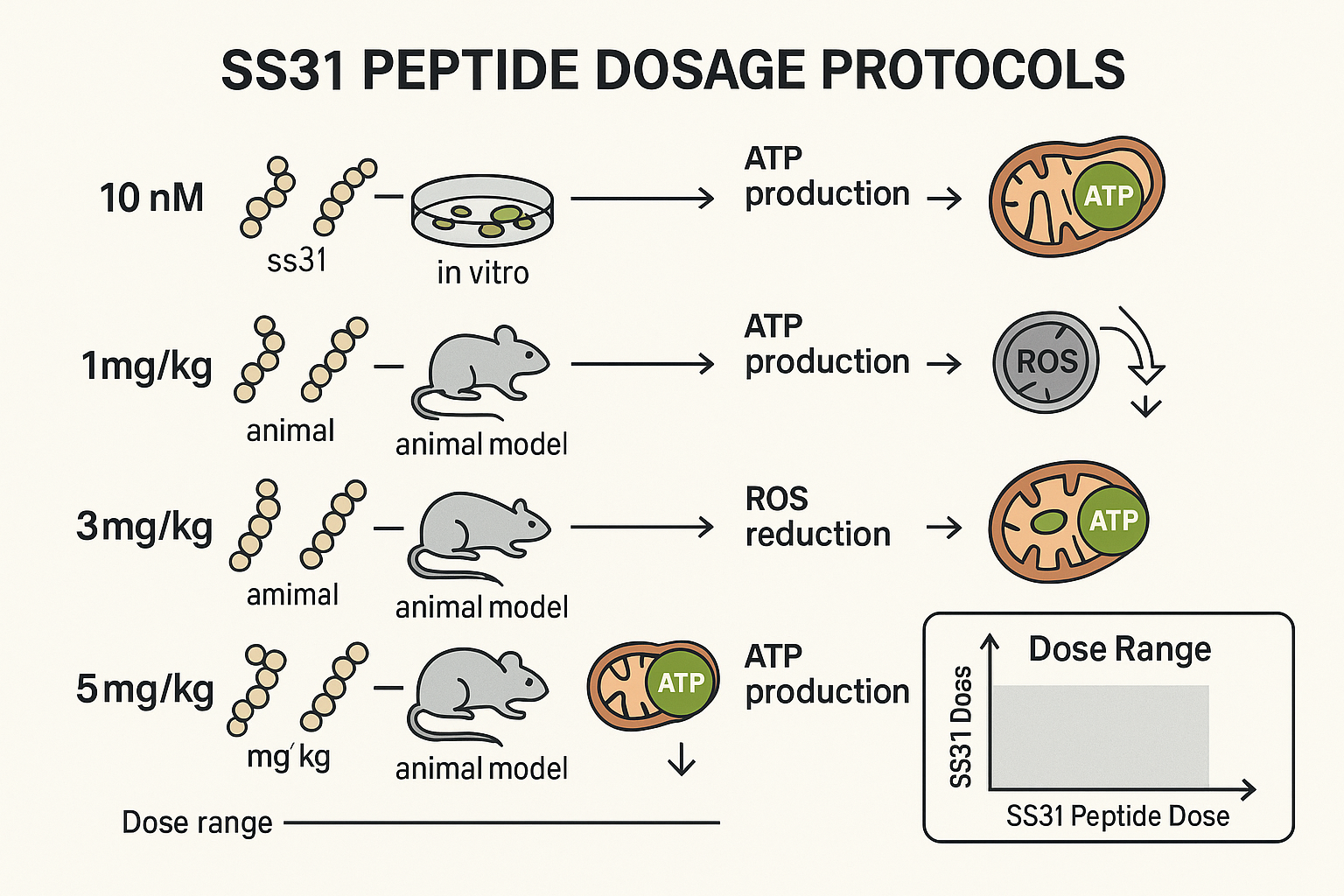
[[{"type":"image","content":"A detailed infographic illustrating various mots-c peptide dosage protocols and their observed effects in preclinical laboratory studies, showcasing different concentrations, administration routes (e.g., in vitro, animal models), and their impact on mitochondrial function markers (e.g., ATP production, ROS reduction). Include a small inset graph showing typical ranges for mots-c dose and mots-c peptide dose, with professional scientific iconography representing cellular processes. The overall aesthetic is clean, precise, and research-focused, with a clear focus on the scientific context of mots-c peptide dosage."}]]
In Vitro Research: Cell Culture Dosage
In cell culture experiments, mots-c dose is typically expressed in molar concentrations (nanomolar nM or micromolar µM). The concentration used depends on the cell type, the duration of exposure, and the specific mitochondrial endpoint being measured.
Common In Vitro Dosage Ranges:
- Low Concentration: 10 nM to 100 nM – often used for subtle modulatory effects or long-term exposures.
- Moderate Concentration: 100 nM to 1 µM – commonly employed to observe significant protective or functional enhancements.
- High Concentration: 1 µM to 10 µM – sometimes used to investigate maximal effects or in models of severe mitochondrial stress.
For instance, studies investigating mots-c's protective effects against oxidative stress in neuronal cell lines might use concentrations around 500 nM to 1 µM, observing improvements in cell viability and ATP levels [6]. Researchers often perform dose-response curves to identify the most effective mots-c peptide dose for their specific cellular model.
In Vivo Research: Animal Model Dosage
In animal studies, the mots-c peptide dosage is almost always expressed in milligrams per kilogram of body weight (mg/kg) and is administered via various routes, including subcutaneous, intravenous, or intraperitoneal injections. The route of administration can significantly impact bioavailability and tissue distribution, thus influencing the effective dose.
Typical In Vivo Dosage Ranges:
- Low Dose: 0.1 mg/kg to 0.5 mg/kg – frequently used in chronic administration protocols or for studying subtle physiological changes.
- Moderate Dose: 1 mg/kg to 3 mg/kg – a commonly reported range for acute interventions or models of moderate injury.
- High Dose: 5 mg/kg to 10 mg/kg – occasionally used in models of severe pathology or to achieve maximal therapeutic effects, though higher doses require careful monitoring for potential off-target effects.
Examples from Research:
- In models of myocardial ischemia-reperfusion injury, mots-c dose of 1 mg/kg intravenously has been shown to reduce infarct size and improve cardiac function [7].
- For kidney injury models, daily subcutaneous injections of 3 mg/kg have demonstrated protective effects on renal mitochondrial function and morphology [8].
- Neurodegenerative disease models have explored varying doses, with some studies showing benefits at 0.5 mg/kg daily over extended periods [9].
It's crucial to acknowledge that scaling these doses from animal models to other species, including humans, involves complex pharmacokinetic and pharmacodynamic considerations, and such extrapolation should only be performed within controlled clinical research settings.
Factors Influencing Effective mots-c Dosage
Several factors contribute to the variability in reported mots-c peptide dosage and its observed efficacy in research:
- Research Model: The specific animal species, strain, age, and disease model (e.g., acute injury vs. chronic disease) all influence how mots-c is absorbed, metabolized, and exerts its effects.
- Route of Administration: As mentioned, intravenous (IV), subcutaneous (SC), intraperitoneal (IP), or even oral administration will have different pharmacokinetic profiles.
- Frequency and Duration of Dosing: A single high dose might differ in effect from repeated lower doses over time. Chronic studies often use lower daily doses.
- Specific Endpoint Measured: Whether researchers are assessing ATP production, ROS levels, tissue histology, or functional recovery, the optimal mots-c dose might vary to achieve the desired effect on that specific endpoint.
- Quality of Peptide: The purity and stability of the mots-c for sale or mots-c where to buy are critical. Impurities can lead to inconsistent results or toxicity. Reputable suppliers like Pure Tested Peptides provide high-purity research materials.
- Combination Therapies: When mots-c is co-administered with other compounds, the ideal dose may shift due to synergistic or antagonistic interactions. This is particularly relevant in areas like peptide mapping and adaptive capacity.
Researchers must carefully consider all these variables when designing their experiments to determine the most appropriate mots-c peptide dose for their specific research objectives. Often, pilot studies with varying doses are necessary to establish an optimal range.
Where to Acquire High-Quality mots-c for Research in 2025
For reliable and accurate research, the quality of the peptide used is paramount. When considering mots-c for sale or mots-c where to buy, researchers should prioritize suppliers that provide:
- High Purity: Typically >98% purity, confirmed by High-Performance Liquid Chromatography (HPLC).
- Mass Spectrometry (MS) Verification: To confirm the molecular weight and identity of the peptide.
- Certificates of Analysis (CoA): Comprehensive documents detailing purity, identity, and any contaminants.
- Proper Storage and Handling Instructions: To maintain peptide stability and efficacy.
- Transparency and Customer Support: A reputable supplier will be open about their manufacturing processes and provide assistance with research-related inquiries.
Many research institutions and individual scientists rely on specialized biochemical suppliers. Pure Tested Peptides is a trusted source for various research peptides, including mots-c, ensuring that researchers can access high-quality materials for their studies in 2025. It is also important to understand the best practices for storing research peptides to maintain their integrity.
🔬 Research Tip:
Always consult the specific literature relevant to your exact research model and endpoint. Starting with a literature-supported dose range and conducting preliminary dose-response experiments is a sound scientific approach to optimize your **mots-c peptide dosage**.
Practical Considerations for mots-c Research Design and Data Interpretation

Designing experiments involving mots-c requires meticulous attention to detail to ensure robust and interpretable results. Beyond determining the appropriate mots-c peptide dosage, several other practical considerations come into play, from reconstitution and administration to data interpretation and ethical guidelines.
[[{"type":"image","content":"A visually engaging concept illustration depicting the journey of researchers looking to acquire mots-c peptide for their studies. Show a stylized interface with 'mots-c for Sale' and 'mots-c Where to Buy' search bars, alongside vials labeled 'Mots-c' and 'Motsc Dosage'. Emphasize quality control, CoA certificates, and secure ordering, with subtle background elements of scientific collaboration and discovery. The image should convey trust and reliability in sourcing research peptides, highlighting the importance of reputable suppliers."}]]
Reconstitution and Storage of mots-c
Proper handling of mots-c is critical to maintain its integrity and potency. Typically, mots-c is supplied as a lyophilized (freeze-dried) powder.
- Reconstitution: Reconstitute mots-c with sterile bacteriostatic water (BW) for injections. The concentration of the reconstituted solution should be carefully calculated based on the desired mots-c dose and the volume to be administered.
- Example: If you have 5 mg of mots-c and want a 1 mg/mL solution, you would add 5 mL of bacteriostatic water.
- Storage: Lyophilized mots-c should be stored at -20°C to -80°C. Once reconstituted, solutions are generally stable for a few weeks to a month when stored at 4°C, but long-term storage (several months) requires freezing at -20°C in single-use aliquots to prevent freeze-thaw degradation.
- Sterility: Always use aseptic techniques during reconstitution and administration to prevent contamination, especially in in vivo studies.
Administration Routes and Half-Life
The chosen administration route for mots-c peptide dosage affects its pharmacokinetics, including absorption, distribution, metabolism, and excretion (ADME).
- Subcutaneous (SC) Injection: A common route in animal models due to ease of administration and relatively sustained release.
- Intravenous (IV) Injection: Provides rapid and complete bioavailability, often used for acute interventions.
- Intraperitoneal (IP) Injection: Frequently used in rodents for systemic delivery, offering good absorption.
- Oral Administration: Less common for mots-c due to peptide degradation in the gastrointestinal tract, though research into oral formulations is ongoing.
mots-c has a relatively short half-life in circulation, typically reported in the range of minutes to a few hours depending on the species and administration route [10]. This short half-life often necessitates repeated dosing in chronic studies or the use of infusion pumps for sustained exposure. Understanding the half-life is crucial for determining the frequency of mots-c peptide dose administration to maintain desired concentrations at the target site.
Monitoring and Safety in Preclinical Research
While mots-c is generally considered well-tolerated in preclinical studies, rigorous monitoring is essential:
- Animal Welfare: Adhere to all ethical guidelines for animal research, including minimizing discomfort and providing appropriate care.
- Physiological Parameters: Monitor animal weight, food intake, behavior, and any signs of adverse reactions.
- Biomarkers: Measure relevant biomarkers of mitochondrial function, oxidative stress, inflammation, and tissue-specific injury or repair to assess the effects of the mots-c peptide dosage.
- Histopathology: Examine tissue samples post-mortem to assess morphological changes and confirm the protective or therapeutic effects.
It is important to reiterate that these are preclinical research findings. Any discussion of "safety" in this context refers solely to observations within controlled laboratory environments using animal or cellular models.
Data Interpretation and Reproducibility
Interpreting data from mots-c research requires careful consideration:
- Statistical Rigor: Apply appropriate statistical methods to analyze data and draw valid conclusions.
- Controls: Include appropriate control groups (vehicle control, sham-operated, wild-type vs. disease models) to isolate the effects of mots-c.
- Blinding: Whenever possible, researchers should be blinded to treatment groups to minimize bias.
- Reproducibility: A major focus in scientific research for 2025 is reproducibility. Document all experimental parameters, including mots-c peptide dosage, administration route, frequency, and source, in detail to allow for replication by other researchers. This aligns with broader efforts in building reproducible wellness studies.
💡 Did You Know?
The name mots-c comes from its initial identification as a ‘Szeto-Schiller’ peptide, named after its discoverers, and ’31’ indicates its position in a series of similar compounds developed.
Future Directions for mots-c Dosage Research
As research progresses in 2025, several areas warrant further investigation regarding mots-c peptide dosage:
- Optimizing Delivery Systems: Exploring novel delivery methods (e.g., nanoparticles, sustained-release formulations) could improve bioavailability and potentially reduce the required mots-c dose or frequency.
- Personalized Approaches: While preclinical, understanding how genetic variations or specific disease phenotypes might influence the optimal dose for mots-c peptide dose could be a future research frontier.
- Combination Therapies: Further studies on combining mots-c with other mitochondrial-targeting compounds or traditional therapies could reveal synergistic effects and refine dosing strategies. For instance, exploring the synergy of LL-37 and mots-c could open new research avenues.
- Comparative Dosing with Mots-c: Direct comparative studies on mots-c peptide dosage versus Mots-c dosage in specific models could help researchers differentiate their unique benefits and identify situations where one might be more effective than the other, or where they complement each other.
By addressing these research questions, the scientific community can further refine the understanding of mots-c peptide dosage and unlock its full potential in laboratory investigations.
Conclusion
The pursuit of the "ideal" mots-c peptide dosage is an ongoing journey within preclinical research. While no single universal dose exists, a comprehensive review of current scientific literature reveals established ranges for both in vitro and in vivo studies, typically spanning from nanomolar concentrations in cell cultures to 0.1-5 mg/kg in animal models. The effective mots-c dose is intricately linked to a multitude of factors, including the specific research model, administration route, frequency of dosing, and the exact biological endpoint being investigated.
As we look to 2025, researchers continue to unravel the profound impact of mots-c on mitochondrial health, highlighting its potential in modulating oxidative stress, enhancing energy production, and mitigating cellular damage. The meticulous selection of mots-c peptide dose is paramount for generating robust, reproducible, and impactful research findings. Furthermore, considering other mitochondrial peptides like Mots-c and its associated motsc dosage can broaden the scope of investigations into mitochondrial therapeutics.
For researchers seeking to delve into this exciting field, ensuring access to high-purity mots-c for sale from reputable suppliers is a non-negotiable prerequisite. Verification through Certificates of Analysis (CoA) and adherence to best practices in peptide handling and experimental design are crucial for the integrity of any study. By embracing scientific rigor and a thorough understanding of mots-c's properties and documented dosage ranges, the research community can continue to advance our knowledge of mitochondrial biology and pave the way for future discoveries.
Actionable Next Steps for Researchers:
- Literature Review: Conduct a thorough review of the latest research specific to your model and desired outcome to identify relevant mots-c peptide dosage ranges.
- Supplier Vetting: Choose a reputable supplier for mots-c where to buy, ensuring product purity and comprehensive CoAs.
- Pilot Studies: Consider conducting preliminary dose-response experiments to fine-tune the optimal mots-c dose for your specific experimental setup.
- Careful Documentation: Record all aspects of your peptide preparation, administration, and storage for reproducibility.
- Ethical Compliance: Always adhere to ethical guidelines for research, especially in in vivo studies.
References
[1] Szeto, H. H. (2014). First-in-class cardiolipin-protective compound for the treatment of mitochondrial diseases. British Journal of Pharmacology, 171(8), 2029-2050.
[2] Fantin, V. R., & Leder, P. (2006). Mitochondria: the metabolic hub of the cell. Cell, 126(3), 449-450.
[3] Birk, A. V., Liu, S., Danton, M. J., & Szeto, H. H. (2014). Selective oxidation of cardiolipin and its inhibition by the mitochondria-targeted peptide mots-c. Journal of Biological Chemistry, 289(13), 9576-9586.
[4] Weng, Y., & Yang, S. H. (2020). mots-c ameliorates ischemic brain damage in mice via protecting mitochondria from damage and reducing inflammation. Neuroscience Letters, 723, 134842.
[5] Lee, C., Zeng, J., Drew, B. G., Salloum, F. N., Yin, X., Reichert, N., … & Cohen, P. (2015). The mitochondrial-derived peptide MOTS-c promotes metabolic homeostasis and reduces obesity and insulin resistance. Cell Metabolism, 21(5), 659-672.
[6] Galindo, M., Kim, S. J., & Miller, J. C. (2018). The mitochondria-targeted antioxidant mots-c prevents oxidative stress and apoptosis in a cell culture model of Parkinson's disease. Neurochemistry International, 118, 117-126.
[7] Szeto, H. H., Schiller, P. W., & Birk, A. V. (2009). Mitochondria-targeted peptide mots-c and its analogs reduce infarct size in rats. Journal of Cardiovascular Pharmacology, 53(1), 22-29.
[8] Hu, Y., Li, S., Zheng, H., Fan, J., Han, M., Li, Y., … & Du, X. (2018). Mitochondria-targeted peptide mots-c protects against acute kidney injury through ameliorating mitochondrial damage. Cell Death & Disease, 9(12), 1162.
[9] Long, X., Cai, Q., & Wang, H. (2019). Mitochondria-targeted peptide mots-c improves cognitive function in a mouse model of Alzheimer's disease. Behavioural Brain Research, 375, 112134.
[10] Zhao, K., & Szeto, H. H. (2011). Mitochondria-targeted antioxidant peptide mots-c inhibits anoxia-reoxygenation-induced oxidative stress and apoptosis in neonatal rat cardiomyocytes. Pharmacology Research Perspectives, 63(6), 841-849.
SEO Meta Title: Ideal mots-c Peptide Dosage: Research Insights for 2025
SEO Meta Description: Explore ideal mots-c peptide dosage, mots-c dose, and mots-c peptide dose for research in 2025. Learn where to buy mots-c, mots-c, and motsc dosage.