
Lipo C Blend vs Pure L-Carnitine: A Deep Dive for Researchers in 2025
Navigating the complex landscape of metabolic support compounds for research can be challenging. In 2025, two popular contenders frequently emerge in discussions surrounding fat metabolism, energy production, and liver health: the Lipo C blend and pure L-carnitine. Researchers often seek to understand the nuanced differences between these agents to inform their experimental designs. Whether you're looking to buy Lipo C peptide or buy L-carnitine for your laboratory studies, understanding their distinct mechanisms and potential synergies is crucial. This article will meticulously explore the composition, mechanisms of action, and research applications of both the Lipo C blend and standalone L-carnitine, providing a comprehensive guide for scientific inquiry.
Key Takeaways
- Lipo C Blend is a multi-ingredient formulation: It typically combines lipotropic agents like methionine, inositol, and choline with L-carnitine, offering a broader approach to metabolic support, especially concerning liver function.
- Pure L-Carnitine is a specific amino acid derivative: Its primary, well-established role in research is facilitating the transport of long-chain fatty acids into the mitochondria for energy production.
- Synergistic Potential vs. Targeted Action: Lipo C blend aims for synergistic effects on fat emulsification, liver detoxification, and fat transport, while pure L-carnitine offers a more targeted focus on mitochondrial fat oxidation.
- Research Applications Differ: Lipo C blend might be studied for holistic metabolic health, liver support, and overall fat mobilization. In contrast, pure L-carnitine research often centers on energy metabolism, exercise physiology, and specific fatty acid oxidation pathways.
- Purity and Sourcing are Paramount: When considering where to buy Lipo C blend for sale or L-carnitine, ensuring the purity and quality of the research chemicals from reputable suppliers is essential for accurate and reproducible results.
Understanding the Lipo C Blend: Composition and Mechanisms in 2025 Research
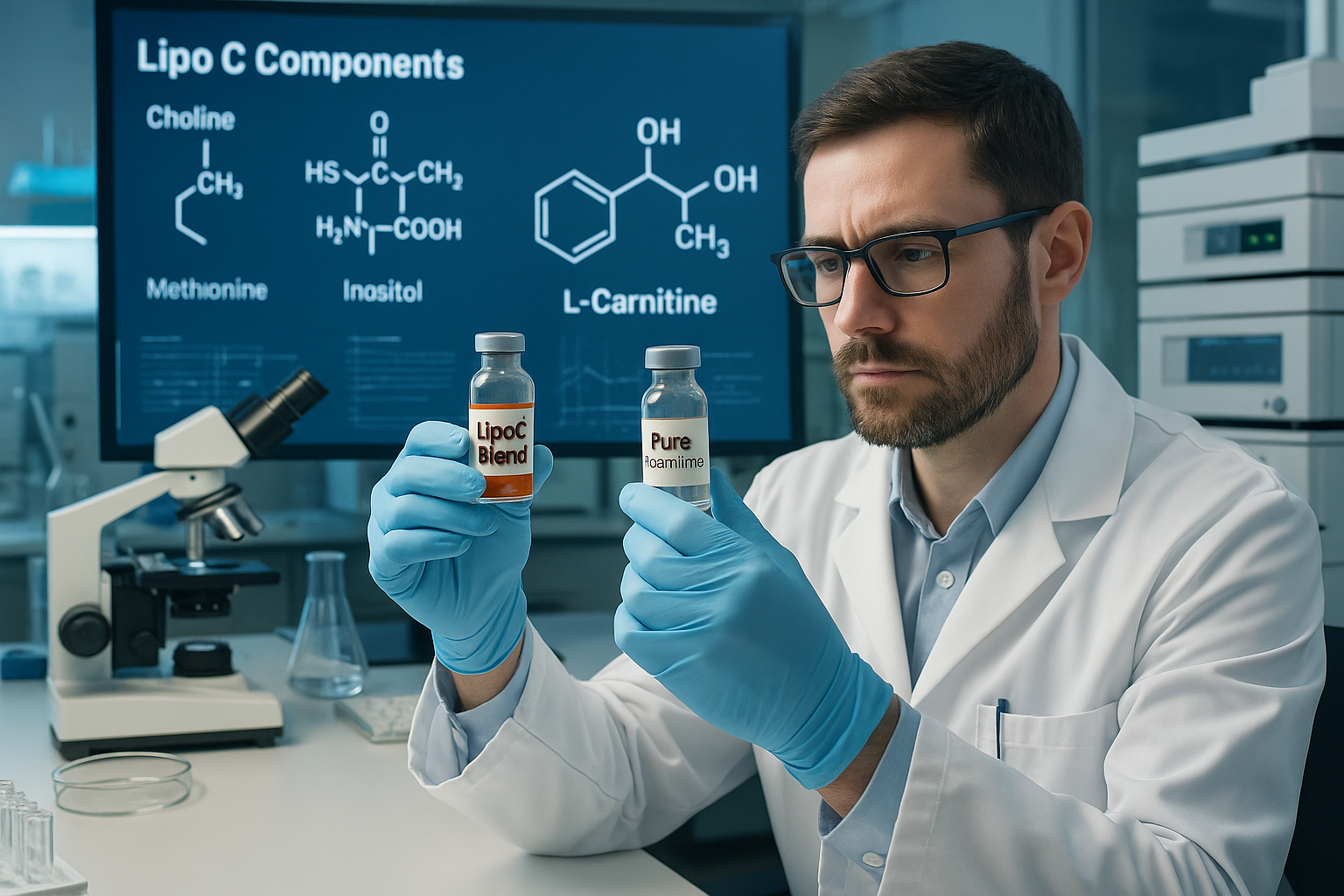
The term "Lipo C blend" refers to a formulation that typically combines several lipotropic agents, often including methionine, inositol, and choline, alongside L-carnitine. These compounds are studied for their roles in fat metabolism, liver function, and energy utilization within biological systems. The rationale behind combining these ingredients is to achieve a more comprehensive effect than any single component might offer on its own.
Key Components of a Typical Lipo C Blend
- Choline: A vital nutrient, choline plays a crucial role in lipid metabolism and transport. In research, it's investigated for its ability to help emulsify fats and cholesterol, preventing their accumulation in the liver. Choline is also a precursor for acetylcholine, a neurotransmitter, and is involved in cell membrane integrity.
- Inositol: Often referred to as a B vitamin-like compound, inositol is involved in cellular signaling and fat metabolism. Research suggests it can assist in the breakdown of fats, potentially aiding in their redistribution and preventing excessive accumulation, particularly in hepatic tissues.
- Methionine: An essential amino acid, methionine acts as a lipotropic agent by participating in the synthesis of choline. It also serves as a precursor for L-carnitine and aids in the detoxification processes of the liver. Studies explore its role in preventing fatty liver and supporting general metabolic health.
- L-Carnitine: As a cornerstone of the blend, L-carnitine's role is to facilitate the transport of long-chain fatty acids into the mitochondria, where they are oxidized for energy. Its inclusion is intended to enhance the fat-burning aspect of the blend. To learn more about various peptide blends for research, researchers can visit Peptide Blends Research.
Investigating the Mechanisms of Lipo C
Research into the Lipo C blend focuses on the synergistic effects of its components. The blend is hypothesized to work through several interconnected mechanisms:
- Enhanced Fat Emulsification and Transport: Choline and inositol contribute to the emulsification and transport of fats from the liver, potentially reducing hepatic steatosis (fatty liver).
- Improved Liver Detoxification: Methionine plays a key role in the methylation pathways, which are critical for liver detoxification and processing various metabolic byproducts.
- Augmented Fatty Acid Oxidation: The inclusion of L-carnitine directly supports the transport of fatty acids into the mitochondria, boosting the cell's capacity for energy production from fats.
- Overall Metabolic Support: By addressing multiple facets of lipid metabolism and liver health, the LipoC blend is studied for its potential to support overall metabolic balance and efficiency.
Researchers looking to buy Lipo C blend for sale should seek high-purity formulations to ensure the integrity of their studies.
Pure L-Carnitine: A Focused Approach to Fat Metabolism
L-carnitine is a naturally occurring quaternary ammonium compound that is synthesized in the liver and kidneys from the amino acids lysine and methionine. Its singular, yet profound, role in cellular metabolism has made it a subject of extensive research, particularly in the fields of energy metabolism, exercise physiology, and fat oxidation.
The Undisputed Role of L-Carnitine
The primary function of L-carnitine is to shuttle long-chain fatty acids across the inner mitochondrial membrane into the mitochondrial matrix. This process is critical because fatty acids cannot traverse this membrane on their own. Once inside the mitochondria, these fatty acids undergo beta-oxidation to produce acetyl-CoA, which then enters the Krebs cycle to generate ATP, the cell's main energy currency.
Key Research Areas for L-Carnitine:
- Fatty Acid Oxidation: Studies consistently demonstrate L-carnitine's central role in facilitating fat burning for energy. This has implications for research into weight management, athletic performance, and metabolic disorders.
- Mitochondrial Function: By ensuring efficient fat transport, lcarnitine supports mitochondrial health and function, which is vital for cellular energy production and overall vitality.
- Exercise Performance and Recovery: Research explores whether L-carnitine supplementation can enhance endurance, reduce muscle damage, and improve recovery in physically active subjects by optimizing fat utilization during exercise.
- Metabolic Syndrome and Insulin Sensitivity: Some studies investigate L-carnitine's potential role in improving insulin sensitivity and managing components of metabolic syndrome, often through its impact on lipid metabolism.
- Cardiac Health: Given the heart's significant reliance on fatty acid oxidation for energy, L-carnitine is also studied for its potential benefits in various cardiovascular conditions.
When researchers need to buy L-carnitine, it is imperative to source pure, high-quality material to ensure accurate experimental outcomes.
Different Forms of L-Carnitine for Research
While "pure L-carnitine" is a general term, it's worth noting that different esterified forms exist and are explored in research for specific properties:
- L-Carnitine Base: The most common and direct form.
- Acetyl-L-Carnitine (ALCAR): This form can cross the blood-brain barrier more effectively, making it a focus for neurocognitive research, as it contributes an acetyl group for acetylcholine synthesis.
- L-Carnitine L-Tartrate (LCLT): Often used in sports nutrition research due to its rapid absorption and potential to reduce muscle soreness.
- Propionyl-L-Carnitine (PLC): Studied for its effects on blood flow and potential benefits for peripheral vascular disease.
Each form offers unique avenues for investigation, but the core function of facilitating fatty acid transport remains. For a broader perspective on single peptides versus blends in research, refer to Comparing Single Peptides and Multi-Peptide Blends in the Lab.
Lipo C Blend vs. Pure L-Carnitine: A Comparative Analysis for Researchers
When choosing between a Lipo C blend and pure L-carnitine for research purposes, it's essential to consider the specific aims and hypotheses of your study. Each option presents distinct advantages and focuses.
The Broad Spectrum of Lipo C Blend Research
The Lipo C blend offers a multi-pronged approach to metabolic research. Its composite nature means that studies involving LipoC are often designed to investigate a broader array of metabolic pathways, including:
- Holistic Liver Support: The presence of choline, inositol, and methionine makes the blend particularly relevant for studies focusing on liver function, fat deposition in hepatic cells, and detoxification processes. Researchers might investigate its role in mitigating fatty liver conditions or improving overall liver metabolic markers.
- Enhanced Fat Mobilization: By combining lipotropic agents that help emulsify fats with L-carnitine which transports them for oxidation, the blend is hypothesized to facilitate more comprehensive fat mobilization and utilization within the organism.
- Synergistic Effects: A key research question often revolves around whether the combination of ingredients in Lipo C blend for sale produces synergistic effects that are greater than the sum of their individual parts. This could involve examining improved metabolic rates, enhanced energy expenditure, or more efficient fat burning.
- General Metabolic Health: Studies might explore the blend's impact on markers of general metabolic health, insulin sensitivity, or lipid profiles, looking for overall systemic improvements.
The Targeted Precision of Pure L-Carnitine Research
Pure L-carnitine, on the other hand, allows for a more focused investigation into specific metabolic pathways. Research using pure L-carnitine typically concentrates on:
- Mitochondrial Bioenergetics: The primary focus is often on its direct role in mitochondrial function and energy production from fatty acids. This can involve measuring ATP production, oxygen consumption, and enzyme activity related to beta-oxidation.
- Exercise Physiology: Studies frequently examine how L-carnitine influences endurance, fatigue, muscle recovery, and substrate utilization during physical activity. Researchers might compare fat oxidation rates in subjects receiving L-carnitine versus controls during exercise protocols.
- Targeted Fat Oxidation: Investigations can precisely quantify the impact of L-carnitine on the oxidation of long-chain fatty acids, making it ideal for studies where the direct fat-burning mechanism is the primary variable of interest.
- Specific Disease States: Research may delve into L-carnitine's role in conditions where mitochondrial dysfunction or impaired fatty acid metabolism is a factor, such as certain myopathies, cardiovascular diseases, or metabolic disorders.
Comparative Table: Lipo C Blend vs. Pure L-Carnitine in Research
| Feature | Lipo C Blend | Pure L-Carnitine |
|---|---|---|
| Composition | Multiple lipotropic agents (Choline, Inositol, Methionine) + L-Carnitine | Single compound: L-Carnitine |
| Primary Focus | Holistic metabolic support, liver health, fat emulsification, fat transport | Targeted fatty acid transport, mitochondrial energy production |
| Mechanisms Explored | Fat emulsification, liver detoxification, lipid transport, fatty acid oxidation | Fatty acid shuttling, beta-oxidation, ATP synthesis |
| Research Applications | General metabolic health, fatty liver, overall fat mobilization, systemic detox support | Exercise performance, specific fat burning, mitochondrial dysfunction, cardiac energy metabolism |
| Complexity of Study | Higher, due to multiple interacting variables | Lower, more direct cause-and-effect relationship |
| Potential Synergies | Core to its design, investigating combined effects | May be combined with other compounds for synergy, but functions independently |
| Cost (per active ingredient) | Generally higher due to multiple ingredients | Potentially more cost-effective for targeted research |
When deciding to buy Lipo C peptide or buy L-carnitine, researchers must align their choice with the precision and scope required by their experimental design. Both offer valuable avenues for scientific exploration in 2025.
The Science Behind L-Carnitine: Delving Deeper into Mitochondrial Function
The remarkable efficiency of L-carnitine in facilitating fat metabolism makes it a cornerstone in various research endeavors. To fully appreciate its significance, it's beneficial to understand the intricate cellular processes it influences.
L-Carnitine's Role in Fatty Acid Beta-Oxidation
Fatty acid beta-oxidation is the metabolic process by which fatty acid molecules are broken down to produce acetyl-CoA, which enters the citric acid cycle. This process primarily occurs in the mitochondria. However, long-chain fatty acids (those with 14 or more carbon atoms) cannot directly cross the inner mitochondrial membrane. This is where lcarnitine becomes indispensable.
- Activation: Fatty acids are first activated in the cytoplasm by forming fatty acyl-CoA.
- Carnitine Acyltransferase I (CPT-I): In the outer mitochondrial membrane, CPT-I transfers the fatty acyl group from CoA to L-carnitine, forming fatty acylcarnitine.
- Translocation: Fatty acylcarnitine then passes through the inner mitochondrial membrane via a carnitine-acylcarnitine translocase enzyme.
- Carnitine Acyltransferase II (CPT-II): Inside the mitochondrial matrix, CPT-II transfers the fatty acyl group back to CoA, regenerating fatty acyl-CoA and releasing free L-carnitine.
- Beta-Oxidation: The newly formed fatty acyl-CoA then enters the beta-oxidation pathway to yield energy.
This shuttle system ensures that fats can be efficiently utilized as a fuel source, especially during prolonged exercise or periods of caloric restriction. Research exploring buy L-carnitine often targets this crucial pathway.
L-Carnitine and Mitochondrial Health
Beyond its role in fat transport, L-carnitine is also implicated in overall mitochondrial health and function.
- Reduces Oxidative Stress: By improving the efficiency of fat burning, L-carnitine can reduce the production of reactive oxygen species (ROS) associated with incomplete fatty acid oxidation, thereby potentially mitigating oxidative stress within the mitochondria.
- Membrane Stability: Research suggests L-carnitine plays a role in maintaining the integrity of mitochondrial membranes, which is crucial for efficient ATP production and preventing leakage of pro-apoptotic factors.
- Detoxification: It can help in removing toxic acyl-CoA compounds that accumulate under certain metabolic conditions, thus preventing mitochondrial damage.
These aspects make L-carnitine a compelling subject for research into aging, chronic diseases, and conditions where mitochondrial dysfunction is a contributing factor. Detailed studies on cellular maintenance with peptides often consider compounds like L-carnitine; explore this further at Cellular Maintenance with Peptide Tools.
The Synergistic Potential of Lipo C Blend Components
While L-carnitine offers targeted metabolic support, the Lipo C blend introduces the concept of synergy, where multiple ingredients work together to achieve a more comprehensive effect. Understanding these interactions is a key area of research for the LipoC formulation.
Choline, Inositol, and Methionine: The Lipotropic Trio
These three compounds are classified as lipotropic agents, meaning they promote the flow and breakdown of fat from the liver.
- Choline: As a precursor to phosphatidylcholine, a crucial component of cell membranes and lipoproteins, choline is essential for the emulsification and transport of fats out of the liver. Without adequate choline, fats can accumulate in the liver, leading to hepatic steatosis. Research on choline often focuses on its role in very-low-density lipoprotein (VLDL) synthesis and secretion.
- Inositol: While its exact mechanism is still under extensive study, inositol is known to be involved in lipid signaling pathways. It's thought to work with choline to metabolize fats and cholesterol, preventing their build-up. Studies have linked inositol to improved insulin sensitivity and polycystic ovary syndrome (PCOS), suggesting a broader metabolic influence.
- Methionine: This essential amino acid is a precursor to S-adenosylmethionine (SAMe), a universal methyl donor in the body. Methylation reactions are critical for numerous metabolic processes, including the synthesis of choline and the detoxification pathways in the liver. Methionine aids in converting fats into energy-producing compounds and is also involved in the synthesis of cysteine, a precursor to glutathione, a powerful antioxidant.
How the Blend Creates Synergy
The synergy within a Lipo C blend comes from the combined action of these lipotropic agents with L-carnitine:
- Complementary Fat Management: Choline and inositol help emulsify and export fats from the liver, while methionine supports the liver's overall metabolic and detoxification capacity. Once fats are mobilized and processed by the liver, L-carnitine is then poised to transport these fatty acids into the mitochondria for energy production. This creates a continuous flow from fat mobilization to fat oxidation.
- Enhanced Liver Function: By reducing fat accumulation and supporting detoxification pathways, the lipotropic components create a healthier liver environment, which can indirectly enhance the liver's ability to synthesize L-carnitine itself and further optimize metabolic processes.
- Broadened Research Scope: Researchers investigating the Lipo C blend for sale can explore not just fat burning but also broader aspects of metabolic health, including liver enzyme levels, lipid profiles, and markers of oxidative stress that might be influenced by improved liver function.
The intricate interplay of these components provides a rich area for scientific inquiry, making the Lipo C blend a compelling research subject for those interested in multi-faceted metabolic interventions. For understanding other complex peptide synergies, you might find CJC-IPA Synergy Research Themes insightful.
Research Considerations: Purity, Sourcing, and Experimental Design in 2025
Whether your research focuses on the comprehensive action of a Lipo C blend or the targeted effects of pure L-carnitine, the integrity of your study hinges on several critical factors, particularly in 2025's evolving research landscape.
Importance of High-Purity Sourcing
For accurate and reproducible scientific results, the purity and quality of the research chemicals are non-negotiable.
- Avoid Contaminants: Low-quality products can contain impurities that may confound experimental results or introduce unintended variables. When you buy Lipo C peptide or buy L-carnitine, ensure the supplier provides Certificates of Analysis (CoAs) that verify purity and absence of contaminants.
- Accurate Dosing: Knowing the exact concentration and purity of your substance is crucial for precise dosing in your experimental protocols. Inconsistent purity can lead to variable responses and unreliable data.
- Reputable Suppliers: Partnering with established and trustworthy suppliers, such as Pure Tested Peptides, is paramount. These suppliers typically adhere to stringent quality control measures and provide documentation to support their product claims. Researchers often look for specific product pages for clarity, such as the detailed information on AOD-9604.
Crafting Robust Experimental Designs
The choice between a Lipo C blend and pure L-carnitine also dictates the complexity and focus of your experimental design.
- Formulating Hypotheses: For pure L-carnitine, hypotheses might be precise, focusing on mitochondrial function or specific measures of fat oxidation. For a LipoC blend, hypotheses might be broader, addressing overall metabolic health, liver enzyme markers, or the synergistic effects of multiple compounds.
- Control Groups: Robust experimental designs will always include appropriate control groups (e.g., placebo, single-ingredient controls if studying the blend) to isolate the effects of the test substance.
- Measurement Endpoints: Carefully select relevant biomarkers and physiological measurements. For L-carnitine, this might include plasma carnitine levels, fatty acid oxidation rates, or ATP production. For a Lipo C blend, it could extend to liver fat content, serum lipid profiles, or markers of liver detoxification.
- Dosage and Administration: Determining appropriate research dosages requires careful consideration of existing literature and safety data. The route of administration (e.g., oral, subcutaneous) can also significantly impact bioavailability and should be consistently applied.
- Statistical Analysis: Plan your statistical analysis methods in advance to ensure your data can be interpreted meaningfully.
- Long-Term vs. Short-Term Studies: Depending on the research question, studies might be acute (e.g., immediate impact on exercise performance) or chronic (e.g., effects on liver health over weeks or months).
Researchers should always refer to best practices for handling and storing research peptides to maintain their efficacy, as outlined in Best Practices for Storing Research Peptides.
Ethical Considerations and Regulatory Compliance in 2025
In 2025, ethical guidelines and regulatory compliance for research chemicals remain a critical aspect of scientific integrity.
- "For Research Use Only": It is crucial to remember that products labeled "for research use only" are not intended for human consumption or therapeutic applications. Researchers must adhere strictly to these designations.
- Institutional Review Boards (IRBs): Any research involving biological samples or human subjects must undergo rigorous review and approval by an IRB to ensure ethical conduct and participant safety.
- Data Management and Transparency: Maintain meticulous records of all experimental procedures, observations, and data. Transparency in reporting is essential for scientific validation and reproducibility.
By adhering to these principles, researchers can ensure their studies on Lipo C blend and L-carnitine contribute meaningfully and responsibly to the scientific understanding of metabolic health.
Conclusion and Future Directions in Metabolic Research
The distinction between a Lipo C blend and pure L-carnitine highlights a fundamental choice in metabolic research: whether to pursue a broad, synergistic approach or a highly targeted investigation. In 2025, both avenues continue to offer significant potential for advancing our understanding of fat metabolism, energy production, and liver health.
The Lipo C blend, with its multi-component formulation including lipotropic agents like choline, inositol, and methionine alongside L-carnitine, is an attractive subject for studies aiming to understand complex metabolic interactions and provide holistic support for liver function and fat mobilization. Researchers considering a Lipo C blend for sale are often exploring broader applications in systemic metabolic balance.
Pure L-carnitine, conversely, provides a precise tool for dissecting the intricate mechanisms of fatty acid transport into the mitochondria and its direct impact on cellular energy production. Its role in exercise physiology, mitochondrial health, and targeted fat oxidation continues to be a rich area for investigation. Researchers who buy L-carnitine are typically focused on specific, quantifiable effects related to energy substrate utilization.
Regardless of the chosen research compound, the principles of scientific rigor remain paramount. Sourcing high-purity materials, meticulously designing experiments, adhering to ethical guidelines, and ensuring accurate data interpretation are critical for producing valid and impactful results. As the field of metabolic research evolves, the insights gained from studies on both LipoC formulations and pure L-carnitine will undoubtedly contribute to a more comprehensive understanding of human physiology and potential therapeutic strategies.
Actionable Next Steps for Researchers:
- Define Your Research Question: Clearly articulate whether your study requires a broad, multi-pathway approach or a targeted investigation into fatty acid oxidation.
- Review Existing Literature: Conduct a thorough review of published studies on both Lipo C blend and L-carnitine to inform your hypotheses and experimental design.
- Choose Your Compound Wisely: Based on your research question, decide which compound – the Lipo C blend or pure L-carnitine – is most appropriate.
- Source from Reputable Suppliers: When you decide to buy Lipo C peptide or buy L-carnitine, prioritize suppliers who provide Certificates of Analysis and adhere to stringent quality control standards.
- Design a Robust Experiment: Develop a detailed protocol including control groups, appropriate measurement endpoints, and planned statistical analyses.
- Adhere to Ethical and Regulatory Standards: Ensure all research is conducted ethically and complies with relevant institutional and national regulations.
By following these steps, researchers in 2025 can confidently embark on impactful studies that further illuminate the roles of these vital metabolic agents.
Meta Title: Lipo C Blend vs. Pure L-Carnitine: 2025 Research Insights
Meta Description: Explore the scientific differences between Lipo C blend and pure L-carnitine for research in 2025. Learn about their mechanisms, applications, and where to buy Lipo C and L-carnitine for studies.