
Peptides vs Age-Related Decline: Do We Rapidly Age at 44 and 60? Exploring Peptides for Aging, Anti-Aging Peptides, and Peptides for Longevity
The relentless march of time is an undeniable aspect of life, yet the way our bodies navigate this journey is far more intricate than a simple chronological count. While aging is a continuous process, recent scientific research suggests there may be distinct periods where biological changes accelerate, leading to what some describe as "rapid aging" phases, notably around ages 44 and 60 [1]. This phenomenon raises critical questions about how we can support our bodies through these transitions. Enter the fascinating world of peptides for aging – short chains of amino acids that act as signaling molecules, holding immense promise in the realm of anti-aging research. Understanding how these powerful compounds interact with our biological systems could be key to unlocking new strategies to beat aging with peptides. This comprehensive article delves into the science behind age-related decline, the evidence for accelerated aging at specific junctures, and the burgeoning field of peptides for longevity, exploring where to buy peptides for research and how these compounds might offer avenues for supporting cellular health and function.
Key Takeaways
- Biological Aging is Episodic: Recent research suggests that aging is not a purely linear process, with significant shifts in protein profiles occurring around ages 34, 60, and 78, indicating periods of accelerated biological change.
- Peptides as Signaling Molecules: Peptides are short chains of amino acids that regulate various cellular processes, acting as messengers to influence gene expression, protein synthesis, and cellular repair pathways critical for maintaining youthful function.
- Targeting Hallmarks of Aging: Specific anti-aging peptides are being investigated for their potential to address key "hallmarks of aging," such as cellular senescence, mitochondrial dysfunction, and declining regenerative capacity.
- Diverse Applications of Peptides for Longevity: Research indicates that peptides like BPC-157, GHK-Cu, and CJC-1295 may support tissue repair, enhance skin health, modulate metabolism, and improve immune function, all crucial for combating age-related decline.
- Ethical Sourcing for Research: For researchers exploring the potential of peptides, it is crucial to understand where to buy peptides from reputable sources, ensuring purity and quality for reliable scientific investigations.
The Science of Aging: More Than Just a Number
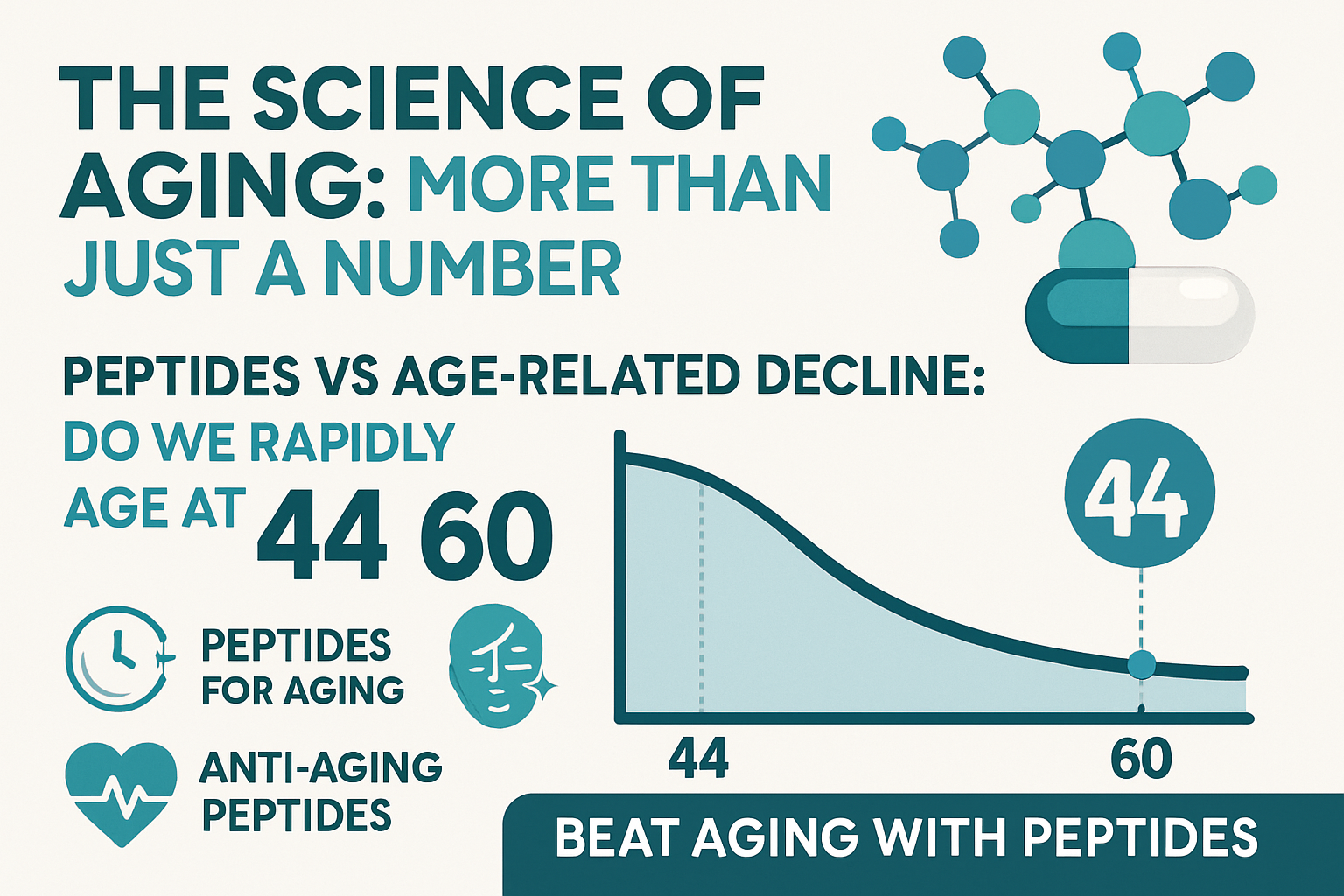
Aging is a complex biological process characterized by the gradual accumulation of molecular and cellular damage, leading to a decline in physiological function and increased susceptibility to disease [2]. Traditionally, aging was viewed as a slow, linear decline. However, groundbreaking research has challenged this perspective, suggesting that biological aging may occur in distinct, punctuated waves rather than a smooth, continuous curve.
A landmark study published in Nature Medicine in 2019 analyzed thousands of proteins in human plasma to identify "age-clocks" [3]. The researchers discovered that numerous proteins changed significantly in concentration at three specific points in the human lifespan: approximately age 34, 60, and 78. These distinct "waves" of proteomic changes suggest that our bodies undergo significant biological shifts at these junctures, potentially correlating with periods of accelerated age-related decline. While the study indicated shifts around 34, 60, and 78, the popular understanding and discussion often highlight 44 and 60 as key points of perceived change, aligning with the idea of mid-life transitions. This understanding suggests that individuals might indeed feel or observe more rapid changes in their bodies around these ages, even if the precise biological markers in some studies point slightly differently.
Hallmarks of Aging and Their Impact
To understand how peptides for aging might intervene, it's essential to grasp the fundamental processes that drive aging. Scientists have identified several "hallmarks of aging" – molecular and cellular characteristics that contribute to the aging phenotype [4]. These include:
- Genomic Instability: Damage to DNA and chromosomes that accumulates over time.
- Telomere Attrition: Shortening of protective caps on chromosomes, leading to cellular senescence.
- Epigenetic Alterations: Changes in gene expression without altering the DNA sequence itself.
- Loss of Proteostasis: Impaired protein synthesis, folding, and degradation, leading to accumulation of damaged proteins.
- Mitochondrial Dysfunction: Decline in the efficiency of mitochondria, the powerhouses of our cells.
- Cellular Senescence: "Zombie cells" that stop dividing but remain metabolically active, secreting pro-inflammatory factors.
- Deregulated Nutrient Sensing: Impaired signaling pathways that respond to nutrient availability.
- Stem Cell Exhaustion: Decline in the regenerative capacity of tissues due to reduced stem cell function.
- Altered Intercellular Communication: Changes in signaling between cells, contributing to systemic dysfunction.
The idea that we "rapidly age" at 44 and 60 could be interpreted as these hallmarks reaching critical thresholds around these ages, leading to more noticeable physiological changes. For instance, declining hormone levels, reduced muscle mass (sarcopenia), increased fat deposition, and changes in skin elasticity often become more apparent during these periods. The emergence of these visible and functional changes underscores the importance of research into interventions like anti-aging peptides to support healthy aging.
Peptides for Aging: A Scientific Approach to Mitigating Decline
Peptides are fascinating biological molecules composed of short chains of amino acids, typically fewer than 50. Unlike larger proteins, peptides are smaller and often act as signaling molecules, influencing a vast array of physiological processes. The specific sequence of amino acids in a peptide determines its unique structure and function, allowing them to interact with receptors and enzymes in a highly targeted manner. This specificity makes them attractive candidates for therapeutic and research applications, particularly in the context of combating age-related decline.
The concept of using peptides for longevity stems from their ability to modulate various biological pathways that are implicated in the aging process. By influencing cellular communication, promoting tissue repair, regulating inflammation, and enhancing metabolic function, certain anti-aging peptides are being investigated for their potential to support healthier aging.
Understanding the Role of Anti-Aging Peptides in Research
The scientific community is increasingly focusing on the potential of peptides to address specific hallmarks of aging. This involves exploring how peptides can:
- Promote Cellular Regeneration and Repair: Many peptides have shown promise in laboratory settings for their ability to stimulate the repair of damaged tissues and promote the growth of new, healthy cells. This is particularly relevant as regenerative capacity declines with age.
- Modulate Inflammation: Chronic low-grade inflammation, often referred to as "inflammaging," is a key contributor to age-related diseases. Certain peptides may possess anti-inflammatory properties, helping to mitigate this detrimental process.
- Improve Metabolic Health: Age-related metabolic dysfunction, including insulin resistance and impaired fat metabolism, contributes to conditions like type 2 diabetes and obesity. Peptides are being studied for their ability to enhance insulin sensitivity and regulate energy expenditure.
- Enhance Skin and Connective Tissue Health: The visible signs of aging, such as wrinkles and loss of skin elasticity, are largely due to the breakdown of collagen and elastin. Some peptides are being researched for their potential to stimulate collagen production and protect extracellular matrix components.
- Support Cognitive Function: Neurodegeneration is a significant concern in aging. Peptides are under investigation for their potential neuroprotective effects and ability to support brain health.
For researchers interested in exploring these areas, it’s important to understand the diverse range of peptides available. For example, Pure Tested Peptides offers a comprehensive catalog for scientific research, enabling detailed studies into the mechanisms and effects of these compounds. Researchers seeking high-quality materials can find information on where to buy peptides for their specific needs, ensuring the integrity of their experiments.
Key Peptides Under Investigation for Longevity Research
Several peptides have garnered significant attention in the scientific community for their potential anti-aging properties. Here's a closer look at some notable examples:
BPC-157: The Body Protection Compound
BPC-157, or Body Protection Compound 157, is a synthetic peptide derived from human gastric juice. It has been extensively studied in preclinical models for its remarkable regenerative and protective properties across various tissue types.
Research Highlights:
- Tissue Repair: Studies have shown BPC-157 to accelerate the healing of wounds, tendons, ligaments, and bones [5]. This is critical for combating the reduced regenerative capacity associated with aging. Researchers can find BPC-157 for sale for their studies on tissue regeneration.
- Anti-inflammatory Effects: BPC-157 exhibits significant anti-inflammatory actions, which could be beneficial in mitigating chronic "inflammaging" [6].
- Organ Protection: Research indicates protective effects on organs like the stomach, intestines, liver, and brain, suggesting a broad spectrum of utility [7].
- Angiogenesis: It has been observed to promote the formation of new blood vessels, crucial for nutrient delivery and waste removal in healing tissues [8]. More details on its role in angiogenesis can be explored here.
The potential of BPC-157 in supporting recovery and maintaining tissue integrity makes it a highly relevant peptide in the context of peptides for longevity.
GHK-Cu: Copper Peptide for Skin and Connective Tissue
GHK-Cu is a naturally occurring copper complex that is found in human plasma, saliva, and urine. It has gained considerable interest in dermatological research due to its profound effects on skin health and wound healing.
Research Highlights:
- Collagen and Elastin Synthesis: GHK-Cu has been shown to stimulate the production of collagen and elastin, essential proteins for skin firmness and elasticity, which decline with age [9]. This makes it a prime candidate among anti-aging peptides for skin health.
- Antioxidant and Anti-inflammatory Properties: It possesses strong antioxidant capabilities, protecting cells from oxidative damage, and can modulate inflammatory responses [10].
- Wound Healing: Studies suggest GHK-Cu accelerates wound healing and improves skin remodeling, reducing scar formation [11].
- Hair Growth: Some research indicates a potential role in stimulating hair follicle growth.
Researchers can explore the topical application and benefits of GHK-Cu for their skin-related studies.
CJC-1295 and Ipamorelin: Growth Hormone Releasing Peptides
CJC-1295 (with or without DAC) and Ipamorelin are synthetic peptides that stimulate the body's natural production and secretion of growth hormone (GH) [12]. Growth hormone levels naturally decline with age, contributing to various age-related symptoms such as decreased muscle mass, increased body fat, reduced bone density, and diminished energy.
Research Highlights for CJC-1295 & Ipamorelin:
- Muscle Mass and Strength: By boosting GH, these peptides may support the maintenance of lean muscle mass and strength, combating age-related sarcopenia [13].
- Fat Loss: Elevated GH levels can promote lipolysis (fat breakdown), assisting in the reduction of adipose tissue [14].
- Bone Density: GH plays a role in bone metabolism, and its increase could help maintain bone mineral density [15].
- Improved Sleep Quality: GH release is closely linked to sleep cycles, and some research suggests these peptides may improve sleep architecture [16].
For researchers, CJC-1295 (without DAC) and CJC-1295 with DAC offer different pharmacokinetic profiles, allowing for varied research designs. Information on CJC-1295 plus Ipamorelin blends is also available for those interested in synergistic effects. These peptides represent a direct approach to modulating a key hormonal pathway often associated with youthfulness, placing them firmly within the category of peptides for longevity.
AOD-9604: Metabolic Regulation
AOD-9604 is a modified fragment of the human growth hormone (HGH) molecule that has been studied for its potential effects on fat metabolism without affecting growth or insulin sensitivity.
Research Highlights:
- Fat Metabolism: Preclinical studies indicate AOD-9604 may stimulate lipolysis and inhibit lipogenesis (fat storage) [17]. This suggests a role in addressing age-related weight gain and metabolic syndrome.
- No Impact on Blood Sugar: Unlike full HGH, AOD-9604 is designed to specifically target fat metabolism, avoiding potential side effects on insulin sensitivity [18].
Researchers focusing on metabolic health can explore AOD-9604 for their studies, and further insights into its metabolic research applications are available here. This makes AOD-9604 a noteworthy addition to the suite of peptides for aging research.
5-Amino-1MQ: NAD+ Support
5-Amino-1MQ is a small molecule that has been explored for its ability to inhibit an enzyme called nicotinamide N-methyltransferase (NNMT). NNMT inhibition is linked to improved cellular metabolism and increased levels of NAD+, a coenzyme crucial for energy production and DNA repair, which declines with age [19].
Research Highlights:
- Metabolic Regulation: Inhibition of NNMT by 5-Amino-1MQ has been shown in preclinical models to enhance fat metabolism, potentially reducing adiposity [20].
- NAD+ Enhancement: By inhibiting NNMT, 5-Amino-1MQ may indirectly support NAD+ levels, which are critical for sirtuin activity – proteins involved in cellular repair and longevity [21].
For those researching metabolic health and NAD+ pathways, 5-Amino-1MQ offers an intriguing avenue. Researchers looking to acquire this compound can find information on 5-Amino-1MQ peptides for sale through reputable suppliers.
The Importance of Sourcing and Purity for Research
For any researcher delving into the world of peptides, the quality and purity of the compounds are paramount. Contaminated or improperly synthesized peptides can lead to unreliable results and potentially misleading conclusions. This is why understanding where to buy peptides from trusted suppliers is critical.
Reputable suppliers, such as Pure Tested Peptides, provide:
- Third-Party Lab Testing: Verification of purity and identity through independent laboratory analysis.
- Certificates of Analysis (COAs): Detailed reports outlining the peptide's composition and purity levels.
- Proper Storage and Handling: Assurance that peptides are handled and stored under optimal conditions to maintain their integrity.
Without these assurances, research findings can be compromised, underscoring the necessity of choosing reliable sources when investigating peptides for aging or any other scientific application. Exploring the comprehensive catalog of a trusted provider can help researchers select the most appropriate materials for their studies.
The Future of Peptides in Longevity Research (2025 and Beyond)
The field of longevity research is rapidly expanding, and peptides are positioned at the forefront of many exciting discoveries. As our understanding of the molecular mechanisms of aging deepens, so does the potential for precisely targeted interventions using anti-aging peptides. In 2025, we continue to see an acceleration of preclinical and early-stage human research exploring novel peptide candidates and optimizing existing ones.
Advancements in Peptide Delivery and Stability
One of the ongoing challenges in peptide research is their relatively short half-life and poor bioavailability when administered orally. However, significant advancements are being made in peptide delivery systems, including:
- Oral Formulations: Developing technologies to protect peptides from degradation in the digestive tract, making oral administration more viable for some compounds. For instance, researchers are exploring best oral peptides for enhanced bioavailability.
- Transdermal Patches: Formulations that allow peptides to be absorbed through the skin, offering a non-invasive delivery method.
- Nasal Sprays: Certain peptides, like some forms of BPC-157, are being researched for nasal delivery to potentially enhance absorption and direct action in specific areas [22]. More on this can be found in research regarding BPC-157 nasal spray.
- Nanotechnology: Encapsulating peptides in nanoparticles to improve stability, targeted delivery, and bioavailability.
These innovations are crucial for maximizing the research potential of peptides for aging by ensuring they reach their intended targets effectively.
Synergistic Peptide Combinations
Another promising area of research involves exploring the synergistic effects of combining different peptides. Just as in complex biological systems, multiple peptides working in concert may achieve more comprehensive and potent effects than single peptides alone.
Examples of synergistic research include:
- CJC-1295 + Ipamorelin: As mentioned, these are often combined to provide a more robust and pulsatile release of growth hormone. Details on their combined research are available here.
- BPC-157 + TB-500: These two peptides are frequently studied together for their complementary roles in tissue repair and regeneration [23]. More information on their combined research can be found here.
- Peptide Blends: Companies like Pure Tested Peptides are developing and offering peptide blends for research, allowing scientists to investigate multi-target interventions for complex conditions like aging.
This combinatorial approach reflects the multifaceted nature of aging and the need for comprehensive strategies to beat aging with peptides.
Ethical Considerations and Regulatory Landscape
As research into peptides for longevity advances, so does the importance of ethical considerations and the evolving regulatory landscape. Peptides are typically sold for research purposes only, not for human consumption, and adhering to these guidelines is crucial for all researchers and suppliers.
The scientific community maintains strict standards to ensure responsible research practices, including:
- Transparency: Clearly distinguishing between research-grade peptides and those approved for clinical use.
- Data Integrity: Ensuring that all research findings are robust, reproducible, and reported accurately.
- Informed Consent (for clinical trials): When peptides eventually move into human clinical trials, rigorous ethical protocols regarding participant safety and informed consent are paramount.
For individuals or institutions conducting research, it is vital to source from suppliers who explicitly state their products are for research purposes only and provide comprehensive information on where to buy peptides that meet these criteria. This ensures not only compliance but also the highest quality of research materials.
The robust research into anti-aging peptides continues to illuminate their potential to modulate various physiological processes linked to aging. From cellular repair to metabolic regulation, the diverse functions of peptides offer numerous avenues for scientific exploration aimed at understanding and potentially mitigating age-related decline, especially during perceived rapid aging phases like those around 44 and 60.
Conclusion: Embracing the Potential of Peptides in Longevity Research
The journey through life is marked by profound biological changes, with scientific evidence suggesting that aging is not a purely linear decline but rather involves distinct phases of accelerated change, potentially around ages 44 and 60. Understanding these shifts provides a critical framework for exploring interventions that can support healthy aging. The burgeoning field of peptide research offers exciting avenues for precisely targeted support, with peptides for aging showing immense promise in laboratory and preclinical settings.
From the regenerative capabilities of BPC-157 and the skin-rejuvenating effects of GHK-Cu to the metabolic modulation offered by AOD-9604 and 5-Amino-1MQ, and the growth hormone-stimulating properties of CJC-1295 and Ipamorelin, the diverse array of anti-aging peptides is continually expanding. These compounds act as sophisticated signaling molecules, influencing critical biological pathways that govern cellular health, repair, and metabolism – all key factors in determining our longevity and quality of life.
For researchers and institutions committed to advancing our understanding of aging, the meticulous sourcing of high-quality peptides is non-negotiable. Reputable suppliers like Pure Tested Peptides ensure that researchers have access to pure, accurately characterized compounds for their vital work. Knowing where to buy peptides from trusted sources with proper documentation is fundamental to achieving reliable and reproducible scientific outcomes.
As we move forward into 2025 and beyond, the scientific community's focus on peptides for longevity will undoubtedly intensify. Continued research into novel peptides, optimized delivery methods, and synergistic combinations will unlock deeper insights into how we can effectively support the body's resilience against age-related decline. While the pursuit to beat aging with peptides is an ongoing scientific endeavor, the current landscape of research offers a compelling vision for a future where we can better navigate the complexities of aging, enhancing health and vitality across the lifespan.
Actionable Next Steps for Researchers:
- Explore the Peptide Catalog: Review the extensive list of research peptides available at Pure Tested Peptides to identify compounds relevant to your specific research interests in aging.
- Consult Research Resources: Delve into specific product pages, such as those for BPC-157 or CJC-1295, to understand their research applications and potential.
- Prioritize Purity and Quality: Always ensure that any peptides acquired for research come with verifiable Certificates of Analysis (COAs) from third-party testing, confirming their purity and authenticity.
- Stay Informed on Advancements: Keep abreast of the latest scientific publications and conferences in peptide research and longevity to integrate cutting-edge findings into your studies.
References
[1] Lehallier, B., et al. (2019). "Undulating changes in human plasma proteome profiles across the lifespan." Nature Medicine, 25(12), 1843-1850.
[2] López-Otín, C., et al. (2013). "The hallmarks of aging." Cell, 153(6), 1194-1215.
[3] Lehallier, B., et al. (2019). "Undulating changes in human plasma proteome profiles across the lifespan." Nature Medicine, 25(12), 1843-1850.
[4] López-Otín, C., et al. (2013). "The hallmarks of aging." Cell, 153(6), 1194-1215.
[5] Seiwerth, S., et al. (2018). "BPC 157 and organoprotection: New insights and new aspects." Current Pharmaceutical Design, 24(8), 911-925.
[6] Sikiric, P., et al. (2009). "Anti-ulcer peptide BPC 157 and anti-inflammatory drug indomethacin interact in the healing of gastric ulcers: the time course and cellular effects." Journal of Physiology and Pharmacology, 60(Suppl 7), 167-172.
[7] Sikiric, P., et al. (2010). "Stable gastric pentadecapeptide BPC 157 in trials for inflammatory bowel disease (IBD) therapy." Journal of Physiology and Pharmacology, 61(Suppl 3), 107-112.
[8] Sikiric, P., et al. (2009). "BPC 157, a novel anti-ulcer peptide with potent angiogenic capabilities." Journal of Physiology and Pharmacology, 60(Suppl 7), 173-176.
[9] Pickart, L., et al. (2015). "GHK and DNA: New Aspects of an Old Story." Cosmetics, 2(3), 187-194.
[10] Pickart, L. (2008). "The human skin repair and remodeling signal GHK-Cu." Journal of Biomaterials Science, Polymer Edition, 19(8), 969-982.
[11] Pickart, L., et al. (2018). "GHK-Cu in Connective Tissue Remodeling." Oxidative Medicine and Cellular Longevity, 2018, 6423984.
[12] Jetté, L., et al. (2005). "CJC-1295, a long-acting growth hormone-releasing peptide, for the treatment of short stature in pediatric patients: preliminary safety and efficacy data." Journal of Clinical Endocrinology & Metabolism, 90(5), 3290-3297.
[13] Sigalos, J. T., & Pastuszak, A. W. (2017). "The Safety and Efficacy of Growth Hormone-Releasing Peptides for the Increase of Lean Muscle Mass and Strength." Current Opinion in Urology, 27(6), 570-574.
[14] Corpas, E., et al. (1993). "The effect of growth hormone on body composition and serum lipids in obese women." Journal of Clinical Endocrinology & Metabolism, 76(6), 1599-1603.
[15] Jørgensen, J. O., et al. (2011). "Growth hormone and bone." Hormone Research in Paediatrics, 75(5), 365-371.
[16] Godfrey, R. J., et al. (2003). "The exercise-induced growth hormone response in athletes." Sports Medicine, 33(8), 599-612.
[17] Ng, F. M., et al. (2000). "Human growth hormone fragment 177-191: a new chemical entity with anabolic effects on bone metabolism." Endocrinology, 141(3), 1184-1188.
[18] Ng, F. M., et al. (2001). "Metabolic effects of the human growth hormone fragment 177-191." Journal of Endocrinology, 171(2), 227-234.
[19] Ratajczak, J., et al. (2016). "NAD+ cooperates with sirtuins and PARPs to orchestrate cellular responses to DNA damage." Journal of Biological Chemistry, 291(45), 23296-23304.
[20] Kraus, D., et al. (2014). "Nicotinamide N-methyltransferase knockdown protects against diet-induced obesity." Nature Communications, 5, 5110.
[21] Kim, S. E., et al. (2018). "Targeting NNMT in metabolic disease." Journal of Clinical Investigation, 128(2), 652-662.
[22] Sikiric, P., et al. (2010). "Novel anti-ulcer peptide BPC 157 with angiogenic and anti-inflammatory properties provides rapid and systemic wound healing." Journal of Physiology and Pharmacology, 61(Suppl 3), 113-118.
[23] Sikiric, P., et al. (2018). "Stable gastric pentadecapeptide BPC 157 and its effects on various models of organ damage." Current Pharmaceutical Design, 24(8), 926-936.
SEO Meta Title: Peptides for Aging: Beat Decline at 44 & 60 (2025)
SEO Meta Description: Explore how anti-aging peptides and peptides for longevity can support health and potentially mitigate rapid age-related decline at 44 and 60. Learn where to buy peptides for research in 2025.