
Slupp332 Stacking with 5-amino-1mq: Advanced Research Insights for 2025
The landscape of peptide research is continuously evolving, with novel compounds and synergistic approaches garnering significant attention. Among these, the potential benefits of combining specific peptides are becoming a focal point for researchers seeking enhanced outcomes. This article delves into the intriguing prospect of Slupp332 stacking with 5-amino-1mq, exploring the scientific rationale, current research, and implications for future studies in 2025. The compounds, often referred to as Slupp332, slupp331, Slu-pp-332, and 5amino1mq (or 5 amino 1 mq), represent distinct yet potentially complementary avenues in metabolic and cellular regulation research. Understanding their individual mechanisms and how they might interact when used in tandem is crucial for advanced laboratory investigations.
Key Takeaways
- Slupp332 (Slu-pp-332 or Slupp331) is a novel peptide under investigation for its role in cellular processes, particularly related to inflammation and tissue regeneration.
- 5-amino-1mq (5amino1mq) is a small molecule that inhibits nicotinamide N-methyltransferase (NNMT), an enzyme linked to metabolic regulation and fat metabolism.
- The concept of "stacking" these compounds suggests a potential for synergistic effects, where their combined action could yield more pronounced or diverse outcomes than either compound alone.
- Research on the combined use of Slupp332 and 5-amino-1mq is still in its early stages, primarily focusing on in vitro and animal models to understand their biochemical interactions and efficacy.
- For researchers interested in exploring these compounds, sourcing high-purity, laboratory-grade materials is paramount, such as those available through Pure Tested Peptides.
Understanding Slupp332 (Slu-pp-332) and its Research Profile
Slupp332, sometimes referenced as Slu-pp-332 or Slupp331, is a peptide that has been introduced into the scientific community for its potential role in various biological processes. While specific public research on Slupp332 might be emerging, its classification as a peptide suggests an involvement in cell signaling, regulatory functions, or as a building block for other biological molecules. Peptides, by their nature, are short chains of amino acids that can exert highly specific effects within biological systems.
The research surrounding such peptides often focuses on their capacity to modulate pathways related to:
- Cellular Regeneration: Investigating if Slupp332 influences the repair and growth of tissues.
- Inflammatory Responses: Exploring its potential anti-inflammatory or pro-inflammatory roles.
- Metabolic Regulation: Examining any indirect or direct impact on metabolic enzymes or processes.
- Immune System Modulation: Assessing its interaction with immune cells or immune signaling molecules.
Researchers often initiate studies by characterizing the peptide's binding sites, its half-life in various biological matrices, and its stability under different conditions. Understanding these fundamental properties is essential before moving to more complex in vivo studies. For example, similar research efforts are applied to understand the synergy of LL37 and mots-c or the specific mechanisms of compounds like AOD-9604.
Current Research Trajectories for Slupp332 (Slupp331)
As of 2025, the primary focus for Slupp332 research likely involves:
- In Vitro Assays: Testing Slupp332's effects on various cell lines to identify specific cellular pathways it impacts. This could include examining gene expression changes, protein synthesis, or cellular proliferation rates.
- Pharmacokinetic Studies: Determining how the body absorbs, distributes, metabolizes, and excretes Slupp332 in animal models. This data is critical for understanding effective research dosing and administration routes.
- Mechanism of Action Elucidation: Pinpointing the exact molecular targets Slupp332 interacts with, whether they are receptors, enzymes, or other signaling molecules.
The availability of high-quality Slupp332 from reputable suppliers like Pure Tested Peptides is vital for ensuring the integrity and reproducibility of research findings. Researchers can explore a wide range of peptides for sale to ensure they have access to the purest materials.
Delving into 5-amino-1mq (5amino1mq): A Metabolic Modulator
5-amino-1mq, also commonly referred to as 5amino1mq or 5 amino 1 mq, is a non-peptide small molecule that has garnered significant attention in metabolic research. Its primary mechanism of action involves inhibiting the enzyme nicotinamide N-methyltransferase (NNMT). NNMT plays a crucial role in cellular metabolism by methylating nicotinamide, thereby regulating NAD+ biosynthesis and cellular energy homeostasis.
The inhibition of NNMT by 5-amino-1mq has been linked to several potential metabolic effects observed in research settings, including:
- Increased NAD+ Levels: By inhibiting NNMT, 5-amino-1mq can lead to higher levels of nicotinamide, which is a precursor for NAD+. Elevated NAD+ is associated with improved mitochondrial function and cellular energy.
- Enhanced Fat Metabolism: Studies have suggested that 5-amino-1mq may promote fat burning and reduce fat accumulation, particularly in adipose tissue. This has implications for research into metabolic disorders.
- Modulation of Cellular Energy Homeostasis: Through its impact on NAD+ metabolism, 5-amino-1mq can influence various energy-dependent cellular processes.
The ongoing research into 5-amino-1mq is broad, touching upon its potential in areas such as metabolic health, weight management, and age-related metabolic decline. Researchers looking to purchase 5-amino-1mq for their studies can find reliable sources at Pure Tested Peptides, which also offers detailed research and data on the compound.
Research Applications of 5-amino-1mq (5 amino 1 mq)
Research into 5-amino-1mq is diverse and continues to expand in 2025. Key areas include:
- Obesity and Metabolic Syndrome Studies: Investigating 5-amino-1mq's role in modulating body weight, insulin sensitivity, and lipid profiles in relevant animal models.
- Mitochondrial Function Research: Exploring how NNMT inhibition impacts mitochondrial biogenesis, respiration, and overall energy production within cells.
- Cellular Senescence and Aging Studies: Examining the connection between NAD+ levels, NNMT activity, and processes related to cellular aging.
- Cancer Research: NNMT has been implicated in certain cancers, making its inhibition a target for oncological studies.
The detailed product pages, such as this one on 5-amino-1mq, provide critical information for researchers planning their experiments.
The Concept of Stacking: Slupp332, Slupp331, Slu-pp-332, and 5-amino-1mq
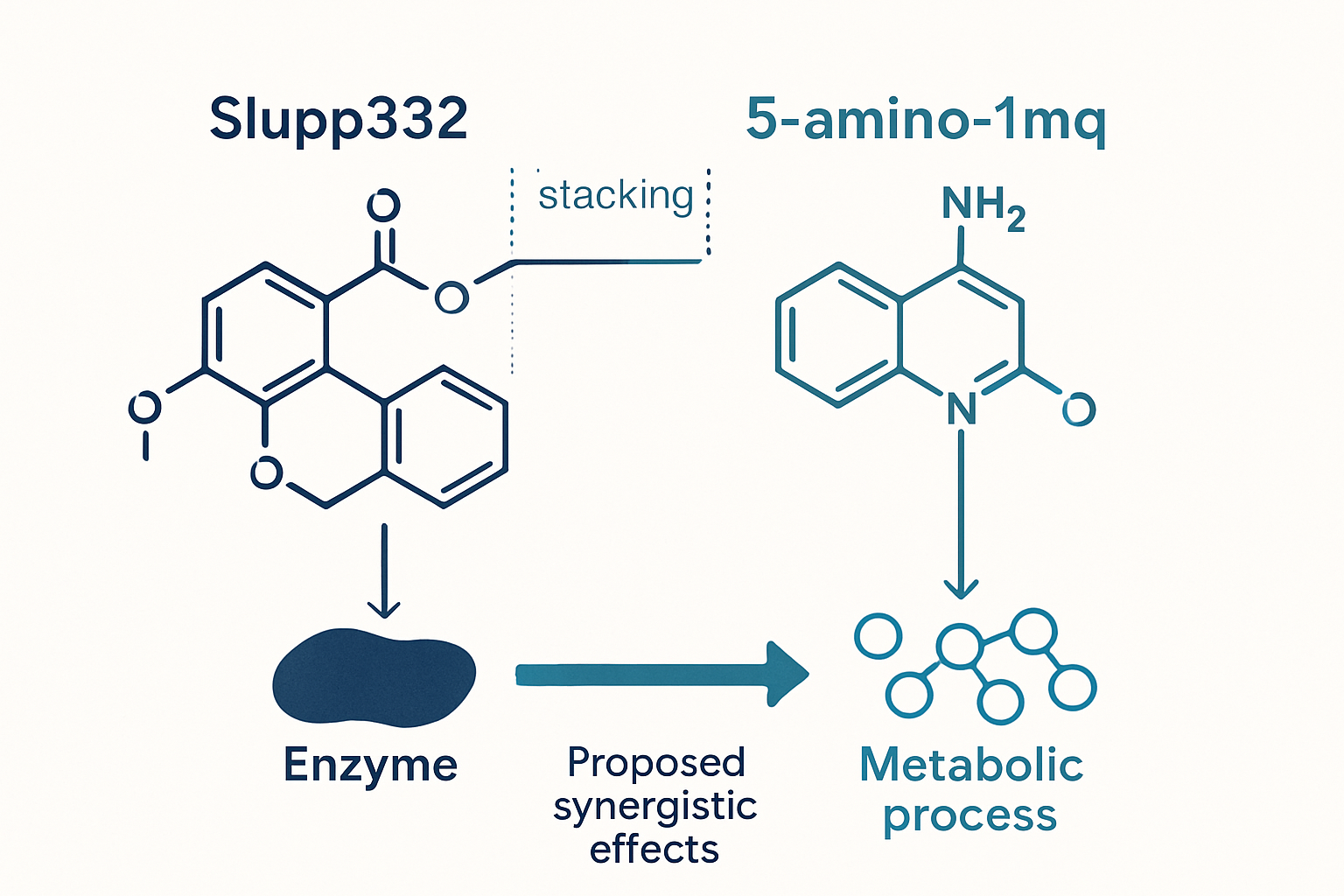
The term "stacking" in peptide and research compound contexts refers to the simultaneous use of two or more compounds to achieve enhanced or complementary effects. The rationale behind stacking Slupp332 (or Slu-pp-332 / Slupp331) with 5-amino-1mq (or 5amino1mq / 5 amino 1 mq) stems from the hypothesis that these compounds may target different, yet interconnected, biological pathways.
Consider the following potential synergistic possibilities:
| Compound | Primary Research Focus | Potential Synergistic Role in a Stack |
|---|---|---|
| Slupp332 | Cellular regeneration, inflammatory modulation, tissue repair | Could support cellular health and repair while 5-amino-1mq optimizes metabolism. |
| 5-amino-1mq | Metabolic regulation, fat metabolism, NAD+ levels | Could create an optimal metabolic environment for Slupp332's cellular actions. |
The hypothesis is that by addressing both cellular health/repair (via Slupp332) and metabolic efficiency (via 5-amino-1mq), researchers might observe more comprehensive or potent outcomes compared to using either compound individually. This approach aligns with broader research into peptide blends and understanding how different agents can work together.
Hypothesized Synergistic Mechanisms
The potential synergy between Slupp332 and 5-amino-1mq could arise from several mechanisms:
- Metabolic Priming: 5-amino-1mq, by enhancing NAD+ levels and metabolic efficiency, could create a more favorable cellular environment for Slupp332's actions. Improved cellular energy might allow cells to respond more effectively to Slupp332's regenerative or modulatory signals.
- Inflammation and Metabolism Interplay: Chronic inflammation can impair metabolic function, and metabolic dysregulation can exacerbate inflammation. If Slupp332 has anti-inflammatory properties, it could indirectly improve metabolic health, while 5-amino-1mq's metabolic effects could temper inflammation-driven damage, creating a beneficial feedback loop.
- Targeting Different Pathways: Slupp332 may act on specific receptors or signaling cascades related to cellular repair, while 5-amino-1mq modulates a key metabolic enzyme. This multi-pronged attack on distinct, yet functionally related, pathways could lead to a more robust biological response.
For example, similar multi-target approaches are explored with compounds like AOD9604 and MOTS-C, where different peptides contribute to a broader therapeutic profile.
Designing Research Studies for Slupp332 and 5-amino-1mq Stacks in 2025
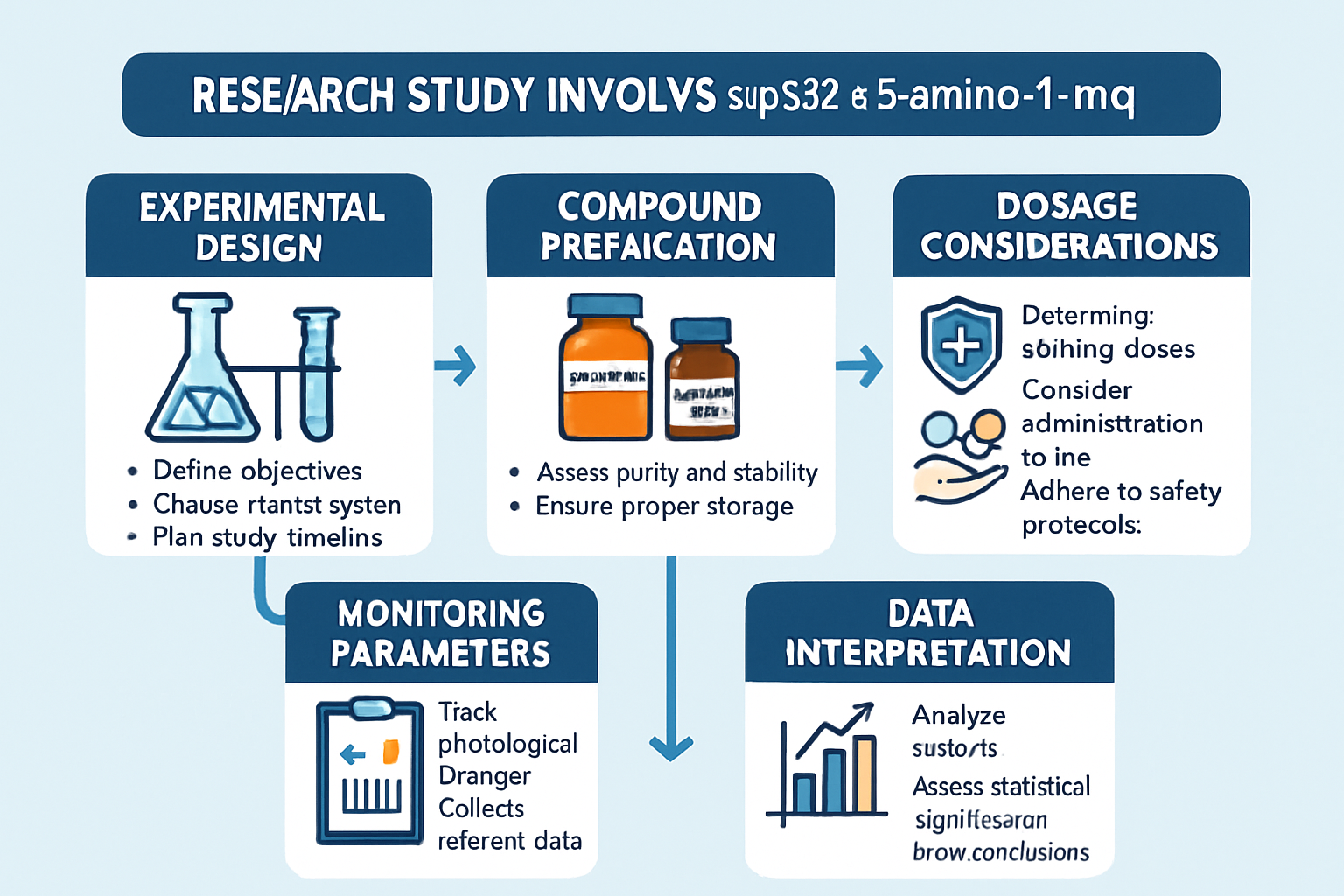
Conducting effective research on the Slupp332 and 5-amino-1mq stack requires meticulous experimental design, careful consideration of dosages, and robust analytical methods. Given that research into this specific stack is nascent, studies should ideally progress through several phases.
Phase 1: In Vitro Co-Administration Studies
Initial studies would typically involve co-administering Slupp332 and 5-amino-1mq to various cell cultures. Key parameters to investigate include:
- Cell Viability and Proliferation: Assessing if the combination impacts cell growth and survival differently than individual compounds.
- Gene Expression Analysis: Using techniques like qPCR or RNA-seq to observe changes in genes related to metabolism, inflammation, and cellular repair.
- Protein Expression and Activity: Measuring the levels and activity of key enzymes or signaling proteins impacted by either compound, especially NNMT activity.
- Mitochondrial Function: Assays to measure oxygen consumption rates, ATP production, and mitochondrial membrane potential.
Phase 2: In Vivo Animal Model Studies
Following promising in vitro results, research would advance to animal models. This phase is critical for understanding the systemic effects and potential interactions within a living organism.
Key Considerations for In Vivo Research:
- Animal Models: Selecting appropriate animal models (e.g., genetically modified mice, diet-induced obesity models) that accurately represent the research questions.
- Dosage and Administration: Determining optimal dosages for both Slupp332 and 5-amino-1mq, and deciding on routes of administration (e.g., subcutaneous, oral). Researchers often reference commonly researched typical dosages for peptides for guidance.
- Study Duration: Designing studies with sufficient duration to observe chronic effects and potential adaptations.
- Biomarker Monitoring: Regularly monitoring relevant biomarkers such as blood glucose, insulin, lipid panels, inflammatory markers, and tissue-specific metabolic indicators.
- Histopathological Analysis: Examining tissue samples (e.g., liver, adipose tissue, muscle) for morphological changes, inflammation, and cellular health.
Sourcing High-Purity Compounds
The integrity of research findings hinges on the purity and authenticity of the compounds used. Researchers must prioritize suppliers that provide:
- Third-Party Lab Testing: Verification of purity and identity through independent laboratory analysis.
- Certificates of Analysis (CoAs): Detailed reports confirming the quality control measures for each batch.
- Transparent Sourcing: Information on how the compounds are manufactured and handled.
Pure Tested Peptides, for instance, emphasizes baseline trends and data quality to support robust research, ensuring that researchers can buy peptides online USA with confidence. When looking to buy 5-amino-1mq, these quality assurances are crucial.
Safety and Ethical Considerations in Research
As with all scientific investigations involving novel compounds, strict adherence to safety protocols and ethical guidelines is paramount. Researchers must operate within the legal and ethical frameworks governing peptide and small molecule research.
Important Research Principles:
- Research Use Only: Emphasizing that these compounds are strictly for laboratory research and not for human consumption.
- Controlled Environment: Conducting all experiments in controlled laboratory settings by trained professionals.
- Data Integrity: Maintaining accurate and transparent records of all experimental procedures, observations, and results.
- Animal Welfare: When using animal models, ensuring the highest standards of animal care and ethical treatment, adhering to institutional animal care and use committee (IACUC) guidelines.
The field of applied wellness research with peptides relies heavily on these principles to generate reliable and reproducible data.
The Future of Slupp332 and 5-amino-1mq Research in 2025 and Beyond
The year 2025 marks a period of significant advancements in understanding complex biological interactions. The combined research into Slupp332 and 5-amino-1mq represents a frontier in exploring multifaceted approaches to metabolic and cellular health. As more data emerges, researchers may uncover novel mechanisms or unexpected synergies that could open new avenues for investigation.
Potential future research directions include:
- Detailed Interaction Mapping: Using advanced proteomic and metabolomic techniques to map the precise molecular interactions and pathways influenced by the stack.
- Tissue-Specific Effects: Investigating if the Slupp332/5-amino-1mq stack exhibits differential effects across various tissues and organs.
- Long-Term Studies: Designing studies to assess the long-term impacts of the stack on various physiological parameters and potential adaptive changes.
- Comparative Studies: Comparing the Slupp332/5-amino-1mq stack with other known metabolic modulators or regenerative peptides to understand its relative efficacy and unique benefits. This could include comparing it to other best oral peptides or specific blends like CJC-1295 plus IPA.
The scientific community looks forward to the ongoing discoveries that will clarify the full potential of these compounds, both individually and in combination. The meticulous work of researchers worldwide, supported by high-quality research materials, will continue to advance our understanding of intricate biological systems.
Conclusion
The exploration of Slupp332 stacking with 5-amino-1mq represents an exciting area in peptide and metabolic research for 2025. While Slupp332 (or Slupp331, Slu-pp-332) offers potential insights into cellular regeneration and inflammation, 5-amino-1mq (or 5amino1mq, 5 amino 1 mq) is a well-regarded modulator of metabolic pathways, particularly NNMT inhibition and NAD+ levels. The theoretical basis for their synergistic use suggests a comprehensive approach to cellular and metabolic health, potentially yielding more profound effects than either compound alone.
For researchers embarking on studies involving these compounds, the importance of high-purity, laboratory-grade materials cannot be overstated. Sourcing from reputable suppliers such as Pure Tested Peptides ensures the integrity and reproducibility of experimental results. As the scientific understanding of these compounds deepens, it is crucial to maintain rigorous experimental designs, adhere to ethical research practices, and continuously evaluate data to push the boundaries of biochemical knowledge.
Actionable Next Steps for Researchers:
- Review Existing Literature: Thoroughly examine available studies on Slupp332 (if published) and 5-amino-1mq to inform experimental design.
- Plan In Vitro Experiments: Start with cell-based assays to explore initial interactions and dose-response curves for the stack.
- Source High-Purity Compounds: Obtain Slupp332 and 5-amino-1mq from trusted suppliers offering detailed COAs, such as those found at Pure Tested Peptides.
- Develop Robust Protocols: Create detailed experimental protocols for both individual compound testing and the stacked approach, including appropriate controls.
- Consider Animal Model Studies: If in vitro results are promising, plan and execute ethically approved animal studies to investigate systemic effects and safety profiles.
SEO Meta Title: Slupp332 & 5-amino-1mq Stacking: Research Insights 2025
SEO Meta Description: Explore advanced research into Slupp332 stacking with 5-amino-1mq (5amino1mq, 5 amino 1 mq) for metabolic & cellular studies in 2025.