
When to Cycle Off Klow Blend: A Comprehensive Guide for Researchers

Understanding the optimal research protocols for peptide blends is crucial for any scientific endeavor. For researchers working with the Klow blend, a common question that arises involves when to cycle off Klow blend to ensure the most robust and informative experimental outcomes. This article delves into the scientific considerations, best practices, and theoretical underpinnings that guide decisions on cycling peptide blends, ensuring researchers can approach their studies with precision and clarity. The goal is to maximize the utility of the Klow blend while minimizing potential confounding variables that could emerge from continuous, uninterrupted administration in a research setting.
Key Takeaways
- Understanding Mechanisms: Cycling off the Klow blend is often considered to mitigate potential receptor desensitization and maintain optimal cellular responsiveness.
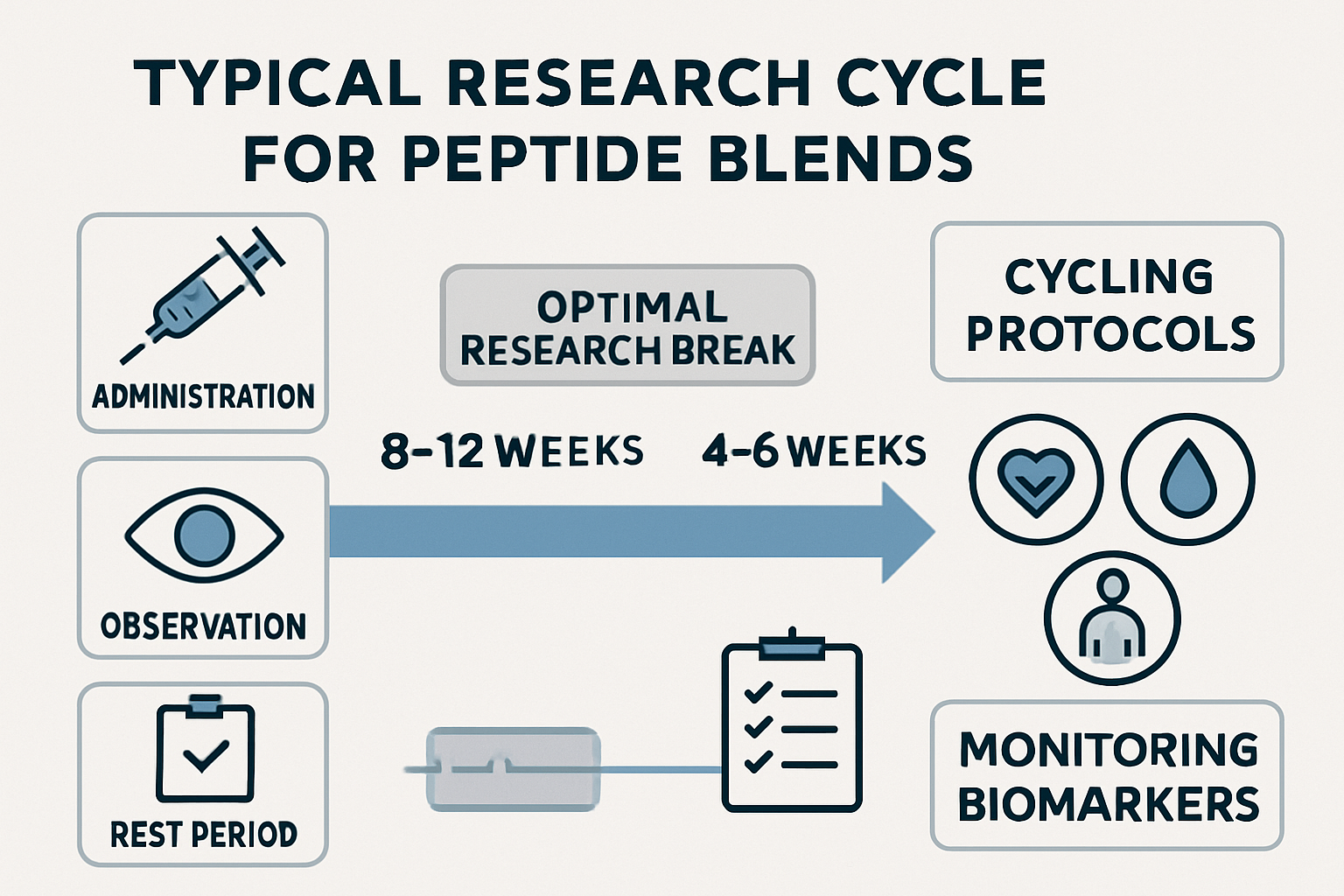
- Typical Research Durations: Most research protocols for peptide blends, including the Klow blend, involve administration periods ranging from 8 to 12 weeks, followed by a planned break.
- Importance of Observational Periods: Off-cycle periods are critical for observing baseline physiological parameters and assessing the true impact of the blend.
- Individualized Protocols: While general guidelines exist, the exact duration of on- and off-cycles can vary based on the specific research objectives and observed data.
- Consultation and Data Analysis: Researchers should always refer to existing literature, internal data, and consult with peers or experts when designing and adjusting cycling protocols.
The Rationale Behind Cycling Peptide Blends
The concept of "cycling" in the context of research peptides, such as the Klow blend, originates from the principle of preventing potential receptor desensitization or downregulation. Many biologically active compounds, including peptides, exert their effects by binding to specific receptors on cell surfaces. Prolonged and continuous exposure to these compounds can sometimes lead to a reduction in the number or sensitivity of these receptors, a phenomenon known as desensitization or tachyphylaxis [1]. This can theoretically diminish the compound's efficacy over time in a research model. Therefore, understanding when to cycle off Klow blend becomes a critical aspect of experimental design.
Preventing Receptor Desensitization
Receptor desensitization is a complex cellular process where a cell's response to a stimulus decreases after repeated or prolonged exposure to that stimulus. This mechanism is a natural adaptive process designed to protect cells from overstimulation. When peptides continually bind to their target receptors, the cell may internalize these receptors, modify their structure, or reduce their overall number, making the cell less responsive to subsequent peptide exposure.
By incorporating a cycling protocol, researchers aim to provide a "washout" period, allowing receptors to potentially return to their baseline sensitivity and number. This break theoretically "resets" the cellular machinery, ensuring that when the Klow blend is reintroduced, the research subject's response remains robust and consistent with initial observations. This strategy helps maintain the integrity of long-term studies and provides more reliable data points.
Maintaining Optimal Cellular Responsiveness
Beyond receptor desensitization, continuous administration of any bioactive compound might lead to other adaptive changes within the physiological system being studied. These changes could mask or alter the true effects of the Klow blend, making it harder to interpret results accurately. A strategic break in administration allows researchers to differentiate between the direct effects of the blend and any compensatory or adaptive responses developed by the research model.
For instance, if the Klow blend is being studied for its metabolic properties, a continuous administration might lead to the system adapting to a perpetually stimulated state. Cycling off allows the metabolic pathways to return to a baseline, providing a clearer picture of how the Klow blend initiates and sustains its effects. This is particularly relevant when researching complex blends that interact with multiple physiological pathways, such as those discussed on the synergy of LL37 and mots-c or other advanced peptide blends research.
Allowing for Baseline Re-establishment
In research, establishing a clear baseline is fundamental for accurate data interpretation. During a continuous research period, the system is constantly under the influence of the administered compound. By initiating an off-cycle, researchers can observe the research subject's physiological parameters return to a pre-administration state or a new baseline. This re-establishment phase is invaluable for understanding the duration of the Klow blend's effects and identifying any lingering or long-term changes that persist even after the compound is no longer administered.
This observational period also allows for the assessment of any potential withdrawal effects or changes in parameters once the blend is removed. Such data can be crucial for understanding the complete physiological profile of the Klow blend. This also provides an excellent opportunity to perform baseline trends and data quality assessments.
General Guidelines for When to Cycle Off Klow Blend
While the precise duration for cycling off the Klow blend can vary depending on the specific research objectives and the unique characteristics of the blend itself, general guidelines have emerged from widespread peptide research practices. These guidelines are built on empirical observations and theoretical considerations aimed at optimizing research outcomes.
Typical On-Cycle Durations
Most research protocols involving peptide blends, including those that contain components similar to the Klow blend, typically suggest an "on-cycle" duration ranging from 8 to 12 weeks. This timeframe is generally considered sufficient to observe the intended effects of the peptide blend without inducing significant receptor desensitization or adaptive responses that could confound results.
- 8 Weeks: Often used for initial studies or when observing more acute effects. This period allows for a good assessment of short-term efficacy and initial physiological responses.
- 10 Weeks: A common duration that balances sufficient observation with the prevention of prolonged exposure issues.
- 12 Weeks: Employed for studies requiring a longer observation period to detect more gradual changes or to confirm sustained effects. Beyond 12 weeks, the likelihood of adaptive resistance or diminishing returns in effect may increase, necessitating careful consideration and justification.
It's important to note that these are general guidelines, and the specific composition of the Klow blend may influence the optimal duration. For example, blends designed for specific outcomes, like those for cellular maintenance with peptide tools, might have slightly different ideal durations based on their intended mechanisms.
Recommended Off-Cycle Durations
Following an on-cycle, a break period, or "off-cycle," is typically recommended. This period usually ranges from 4 to 6 weeks. The purpose of this off-cycle is multifaceted:
- Receptor Reset: To allow for the potential re-sensitization of receptors and restoration of their baseline numbers.
- System Re-equilibration: To allow the physiological systems under study to return to a more natural, uninfluenced state.
- Data Analysis: To provide a clear period for observing any residual effects or changes that occur once the blend is no longer administered, and to help distinguish between acute and sustained impacts.
During the off-cycle, researchers should continue monitoring relevant parameters to gather comprehensive data on the Klow blend's full impact, including its cessation. This approach aligns with best practices for designing multi-phase wellness blocks in research.
Factors Influencing Cycling Decisions
Several factors can influence the decision of when to cycle off Klow blend:
- Specific Research Objectives: What are the primary outcomes being measured? If the study aims to observe long-term physiological adaptations, a longer on-cycle might be justified, potentially with shorter off-cycles or more frequent cycling.
- Observed Efficacy: If the Klow blend's effects appear to diminish significantly during an on-cycle, it may be an indicator that an earlier off-cycle is warranted.
- Tolerance Development: Monitoring for signs of tolerance, where increasingly higher concentrations are required to achieve the same effect, is a strong signal for initiating an off-cycle.
- Novelty of the Blend: For novel blends or those with less existing research, a more conservative cycling approach (shorter on-cycles, longer off-cycles) might be prudent until more data is accumulated. Researchers often compare different peptide products, as outlined in articles like comparing single peptides and multi-peptide blends in the lab.
- Ethical Considerations and Data Integrity: Ensuring that the research protocol is both scientifically sound and ethically robust is paramount. Cycling helps maintain the reliability and validity of the data collected over time.
"Maintaining a consistent research methodology, including well-defined cycling protocols, is essential for generating reproducible and reliable data in peptide studies."
Practical Considerations for Research Protocols
Implementing a robust cycling protocol for the Klow blend requires careful planning and continuous monitoring. Researchers must consider how to track changes, what data to collect, and how to adjust protocols based on observed results.
Monitoring and Data Collection During Cycling
Throughout both the on-cycle and off-cycle phases, diligent monitoring and data collection are paramount. This involves tracking a range of physiological and biochemical markers relevant to the Klow blend's intended effects.
Key Data Points to Monitor:
- Physiological Parameters: Depending on the research focus, this could include metabolic markers, growth indicators, behavioral observations, or specific organ function tests.
- Biomarkers: Measuring relevant blood markers, enzyme levels, or hormonal responses can provide objective insights into the blend's effects and the system's adaptation.
- Subjective Observations: While often qualitative, careful logging of any noticeable changes in the research subject can complement quantitative data.
- Dose Response: Observing how the research subject responds to the Klow blend over time can indicate whether tolerance is developing or if the blend's efficacy is being maintained. This is particularly important for understanding commonly researched typical dosages for peptides.
Regularly scheduled data collection points should be established, ideally at consistent intervals, to allow for meaningful comparisons between baseline, on-cycle, and off-cycle phases. This structured approach helps in making informed decisions about when to cycle off Klow blend and for how long.
Documenting and Analyzing Observations
Thorough documentation of all observations and data is non-negotiable. A detailed research log should include:
- Administration Schedule: Exact dates, times, and concentrations of Klow blend administered.
- Observed Effects: Any noted changes, both expected and unexpected.
- Off-Cycle Start and End Dates: Clear delineation of cycling periods.
- Baseline Data: Regular re-establishment of baseline measurements during off-cycles.
Analysis of this data can reveal patterns such as diminishing returns, sudden drops in efficacy, or the emergence of new responses, all of which can inform cycling decisions. Visualizing data through charts and graphs can make trends more apparent, aiding in the interpretation of results and the refinement of future research protocols.
Adjusting Protocols Based on Results
Research is an iterative process. Initial cycling protocols should be viewed as starting points, subject to adjustment based on the data gathered.
- Early Onset of Diminished Returns: If efficacy significantly decreases before the planned end of an on-cycle, researchers might consider shortening subsequent on-cycles or extending off-cycles.
- Persistent Effects During Off-Cycle: If the Klow blend's effects linger unusually long during an off-cycle, it might suggest a need for longer off-cycles to fully re-establish a true baseline.
- No Observed Desensitization: If extensive data indicates no signs of diminishing returns or receptor desensitization, researchers might experiment with slightly longer on-cycles in future studies, always with careful monitoring.
The scientific literature and resources, such as those detailing the benefits of the Klow and Glow blends, can provide further context and guidance for interpreting results and making informed adjustments. Additionally, consulting with experienced peptide researchers or reviewing studies on similar compounds, like AOD-9604 metabolic research or CJC-1295 research findings, can offer valuable perspectives.
Sourcing High-Quality Blends
The integrity of any research project heavily relies on the quality and purity of the materials used. When researching with the Klow blend, it is critical to source from reputable suppliers who provide detailed Certificates of Analysis (COAs) and adhere to strict quality control standards. This ensures that the observed effects are genuinely attributable to the Klow blend and not to impurities or incorrect concentrations. For reliable research materials, explore platforms like Pure Tested Peptides, which emphasizes product purity and offers resources for building a diverse peptide library. High-quality sourcing supports reproducible research and accurate conclusions regarding when to cycle off Klow blend.
Future Research Directions and Considerations for 2025
As peptide research continues to advance rapidly, especially in 2025, future studies will undoubtedly explore more nuanced aspects of cycling protocols for complex blends like Klow. The trend is moving towards personalized research protocols and a deeper understanding of individual variability in response to peptide administration.
Personalized Research Protocols
The concept of "one size fits all" is increasingly being challenged in scientific research. Future studies will likely focus on developing more individualized cycling protocols. This could involve:
- Genetic Profiling: Investigating whether genetic predispositions influence receptor sensitivity or metabolic pathways, thereby affecting optimal cycling durations.
- Biomarker-Driven Decisions: Using real-time or near real-time biomarker analysis to dynamically adjust on- and off-cycle lengths based on observed physiological responses in each research model.
- Computational Modeling: Employing advanced computational models to predict optimal cycling patterns based on known pharmacological properties of blend components and observed data.
This personalized approach aims to maximize the efficiency and effectiveness of research while minimizing potential confounding factors.
Long-Term Effects and Observational Studies
While current cycling recommendations focus on mitigating short-to-medium term desensitization, there's growing interest in understanding the long-term effects of repeated cycling of peptide blends. This includes:
- Cumulative Effects: Do multiple cycles lead to different outcomes than a single extended cycle?
- Residual Changes: Are there permanent or very long-lasting physiological changes that persist even after multiple off-cycles?
- Optimizing Total Exposure: Determining the optimal total cumulative exposure to the Klow blend over extended periods to achieve specific research goals while maintaining safety and efficacy.
These deeper insights will require longer observational studies and sophisticated analytical techniques, contributing to a more holistic understanding of peptide blend dynamics.
Integration with Other Research Modalities
The efficacy of peptide blends like Klow is often studied in isolation, but future research in 2025 may increasingly integrate their use with other research modalities, such as dietary interventions, exercise protocols, or even other synergistic compounds. Understanding how these integrations affect the need for and duration of cycling will be critical. For example, investigating whether certain co-administered compounds can mitigate receptor desensitization, thereby extending on-cycle periods, or if they necessitate shorter cycles due to additive effects. This aligns with broader research into applied wellness research with peptides.
The continuous evolution of research tools and methodologies, including advancements in analytical techniques and data science, will undoubtedly shed more light on the intricate mechanisms governing peptide action and the necessity of cycling. Researchers can stay abreast of these developments by engaging with scientific literature and expert communities, ensuring their protocols remain at the forefront of scientific rigor.
Conclusion
Determining when to cycle off Klow blend is a critical aspect of responsible and effective peptide research. The rationale is rooted in preventing receptor desensitization, maintaining optimal cellular responsiveness, and allowing for the re-establishment of baseline physiological parameters. General guidelines suggest on-cycle durations of 8-12 weeks followed by off-cycles of 4-6 weeks, though these are adaptable based on specific research objectives and observed data.
Researchers must commit to diligent monitoring, meticulous data collection, and a willingness to adjust protocols as new information emerges. Sourcing high-quality Klow blend from reputable suppliers is fundamental to the integrity of any study. As we move further into 2025, the field will likely see advancements toward personalized cycling protocols and a deeper understanding of long-term effects, further refining our approach to peptide research. By adhering to these principles, researchers can optimize their studies, ensure data validity, and contribute valuable insights into the potential of the Klow blend and similar compounds.
For those embarking on or continuing research with peptide blends, remember to:
- Plan Your Cycles: Develop a clear cycling schedule before commencing research.
- Monitor Consistently: Track all relevant parameters throughout on- and off-cycles.
- Document Thoroughly: Maintain detailed records of all observations and administrations.
- Analyze Critically: Evaluate data to inform future protocol adjustments.
- Stay Informed: Keep up-to-date with the latest research and best practices in peptide science.
By following these actionable steps, researchers can confidently navigate the complexities of peptide blend administration, yielding impactful and reproducible results.
References
[1] Lefkowitz, R. J. (1993). G protein-coupled receptor kinases. Cell, 74(3), 409-412.
[2] Kobilka, B. K. (2011). G protein-coupled receptor structure and activation. Nature, 469(7328), 172-179.
Meta Title: When to Cycle Off Klow Blend? Research Guide 2025
Meta Description: Discover optimal cycling protocols for Klow blend research in 2025. Learn when to cycle off, why it's crucial, and best practices for scientific studies.